Ornate Decorative Vases

Elegant porcelain vases with intricate designs, showcasing rich colors and artistic craftsmanship, suitable for decor.

Lidded tea caddy, Meissener porcelain manufactory, c. 1735 Tea lid with lid, made of painted porcelain. The bus is hexagonal and completely covered with a brown glaze. The six fields are alternately painted with scenes with Chinese style figures and with two birds on a branch, both in gold. The bus is marked. porcelain company: MeissenAugsburg porcelain Tea lid with lid, made of painted porcelain. The bus is hexagonal and completely covered with a brown glaze. The six fields are alternately painted with scenes with Chinese style figures and with two birds on a branch, both in gold. The bus is marked. porcelain company: MeissenAugsburg porcelain
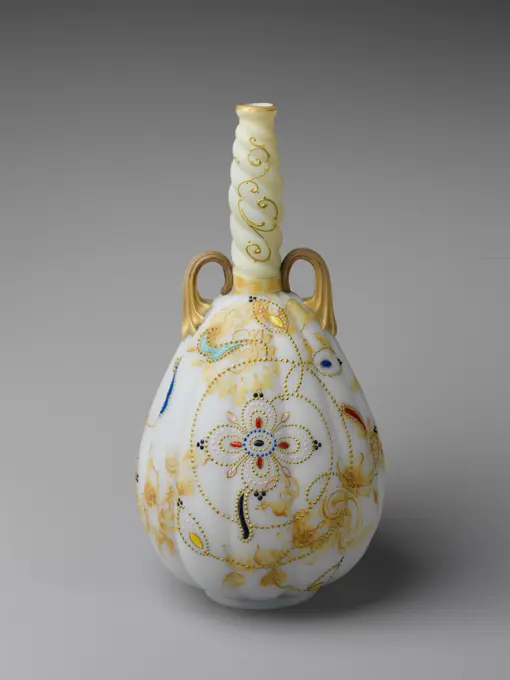
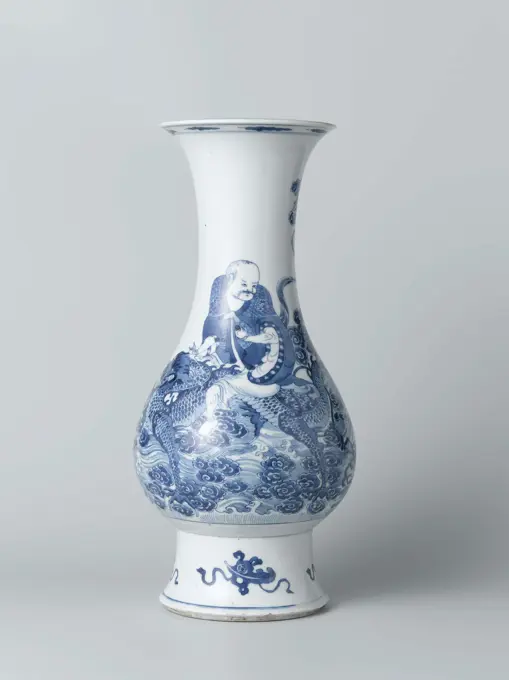
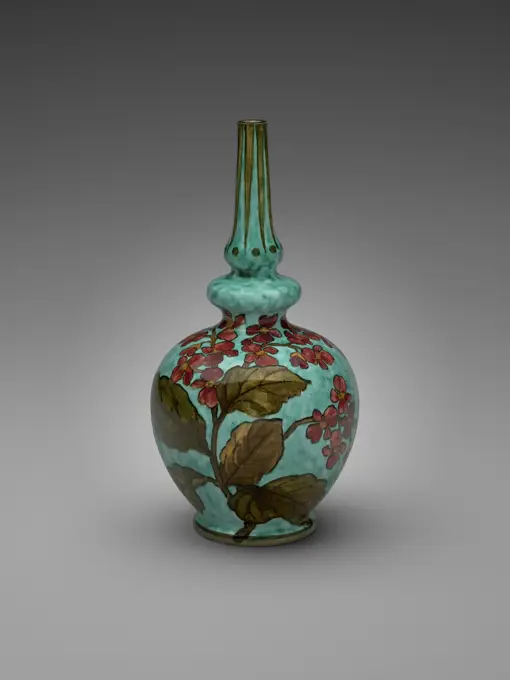
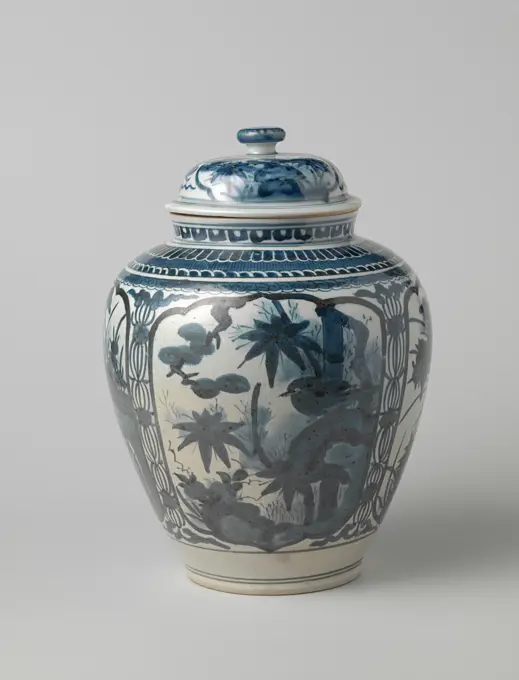
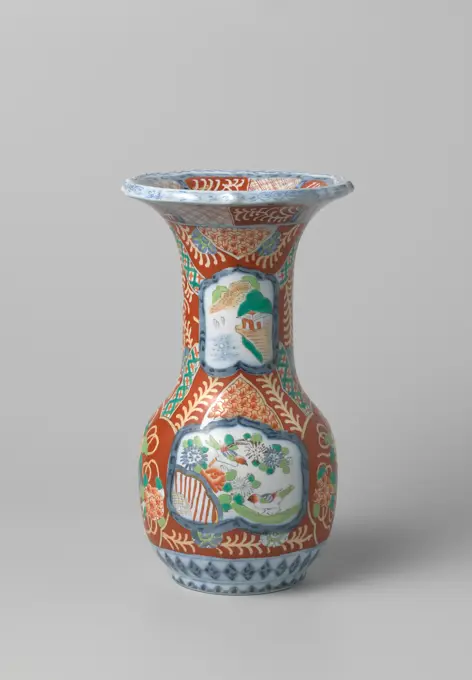
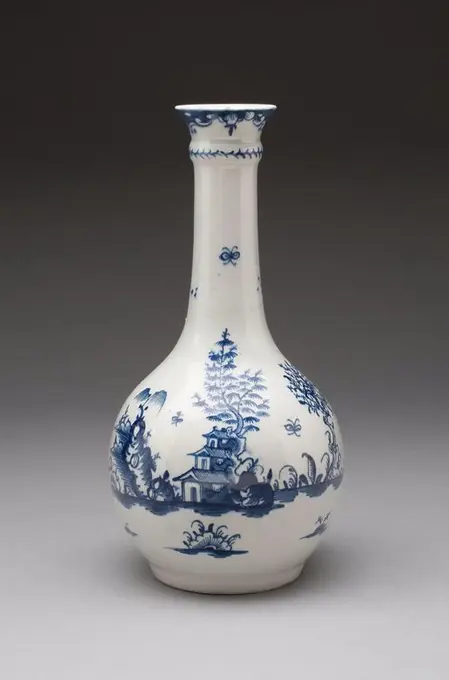
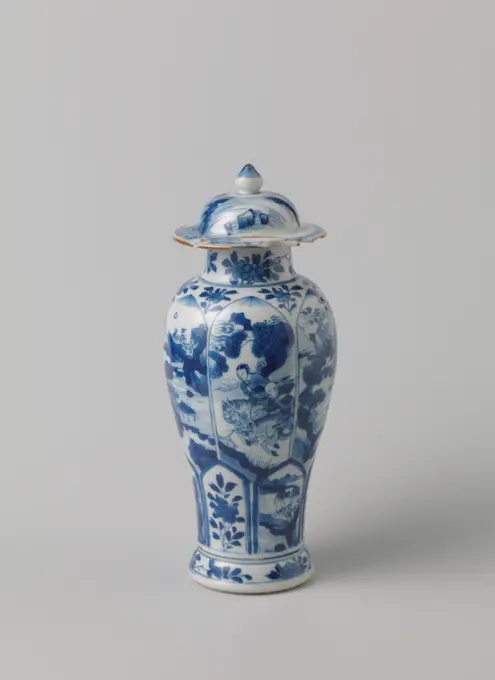
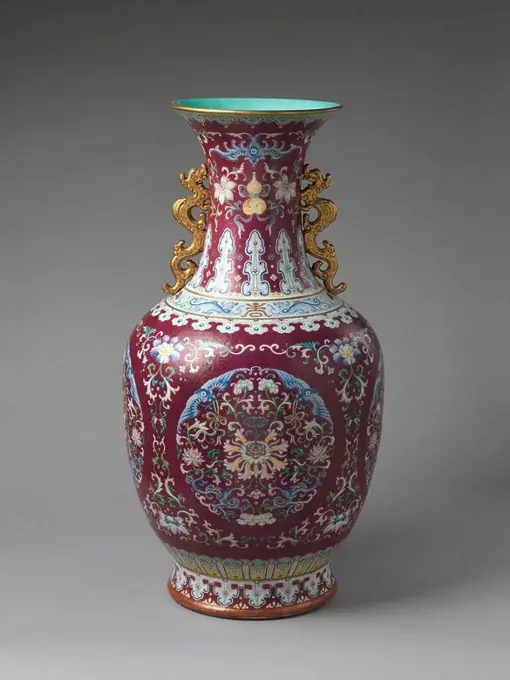
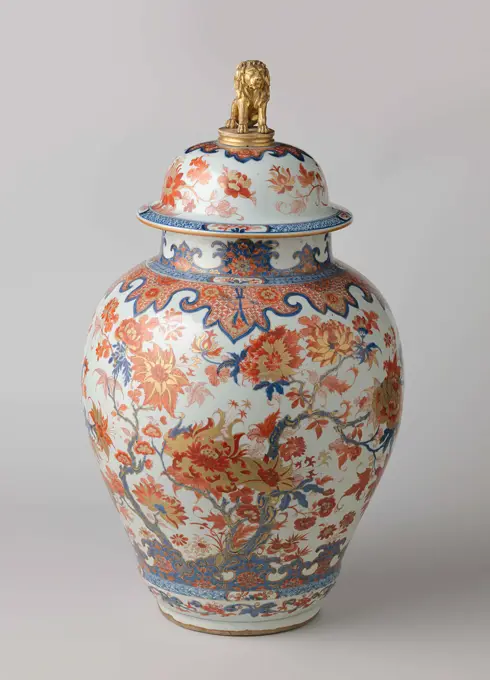
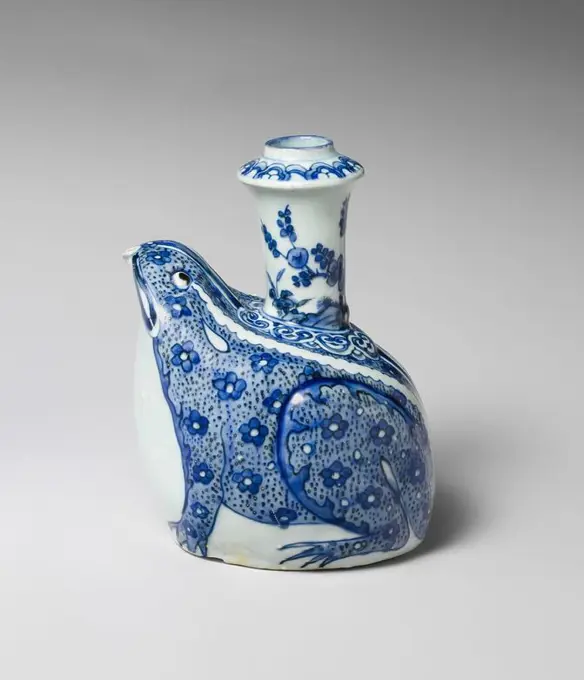
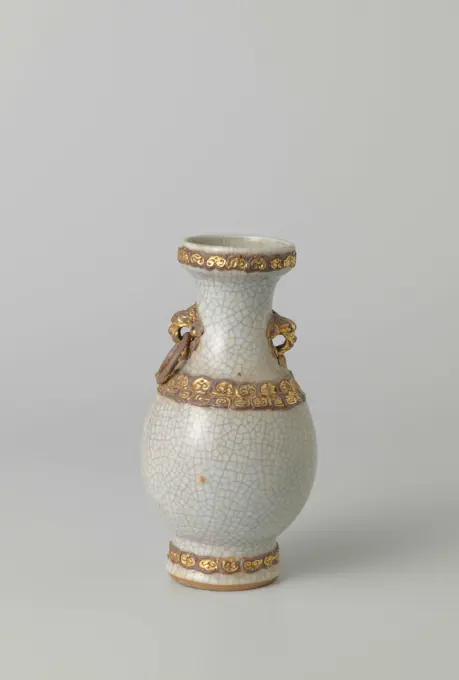
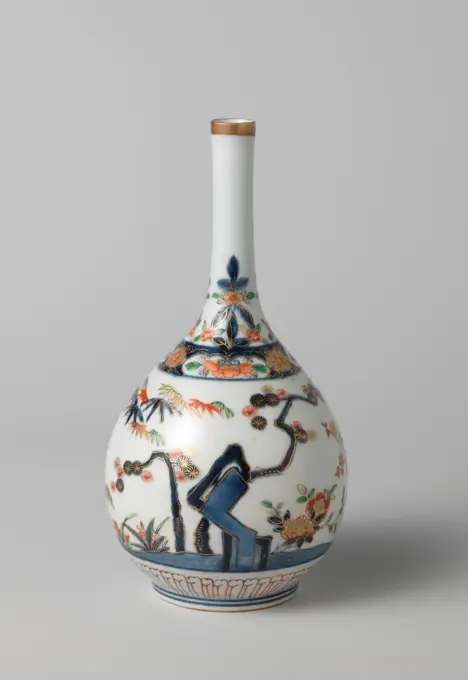
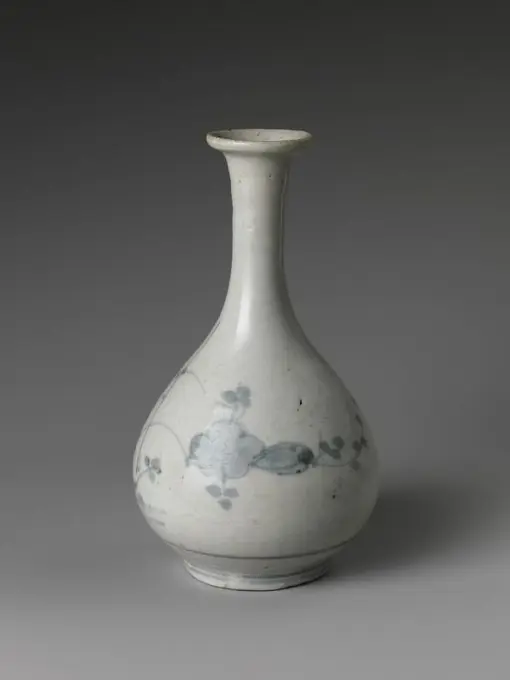
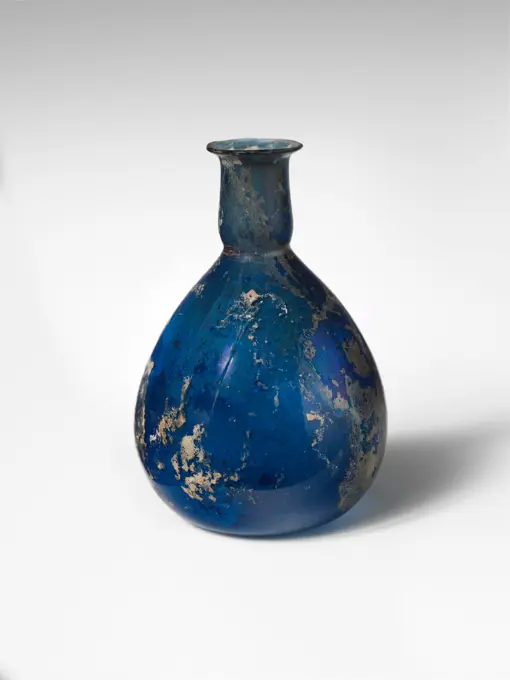
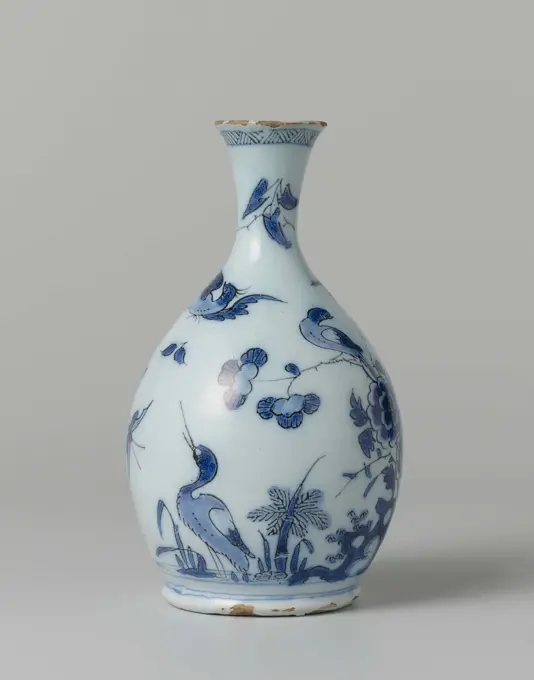
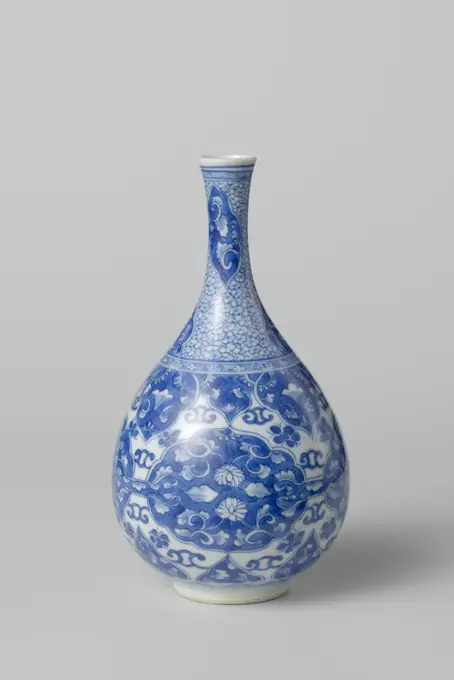
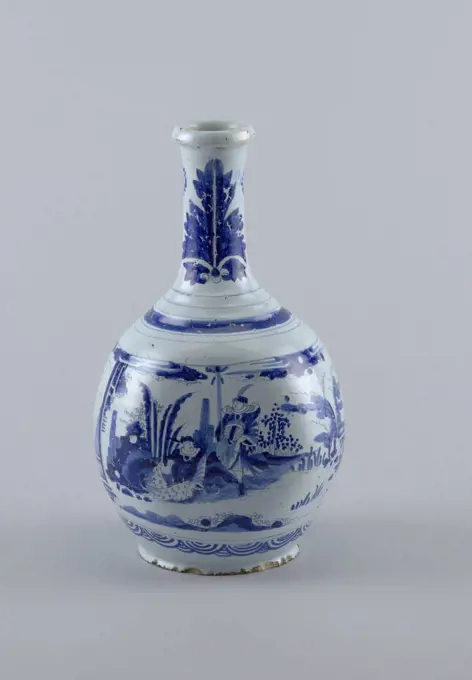
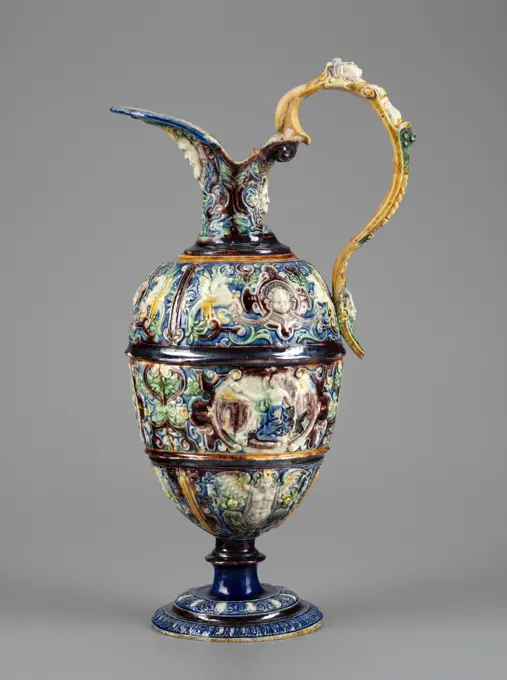
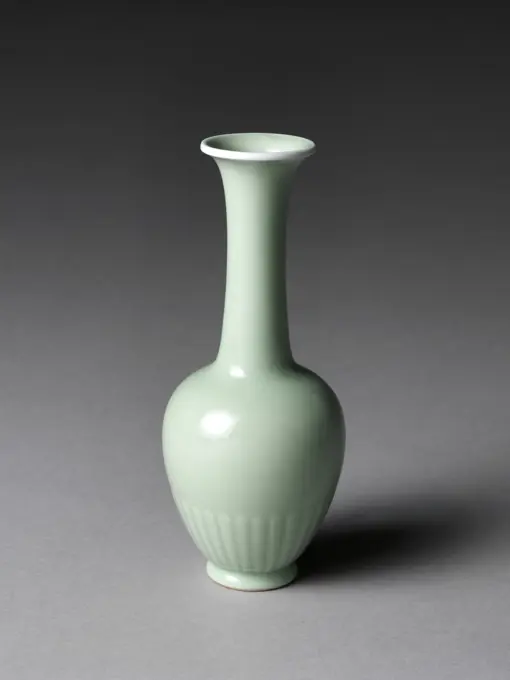
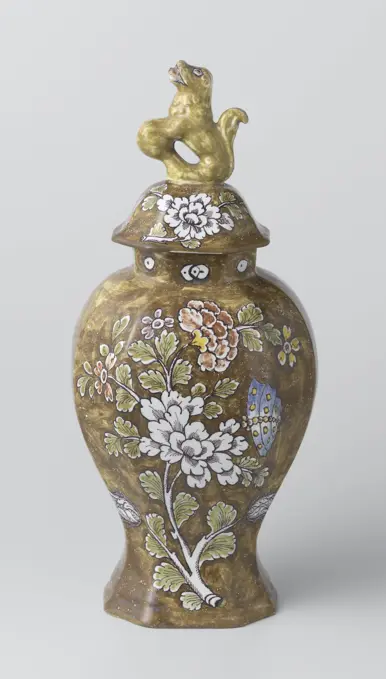
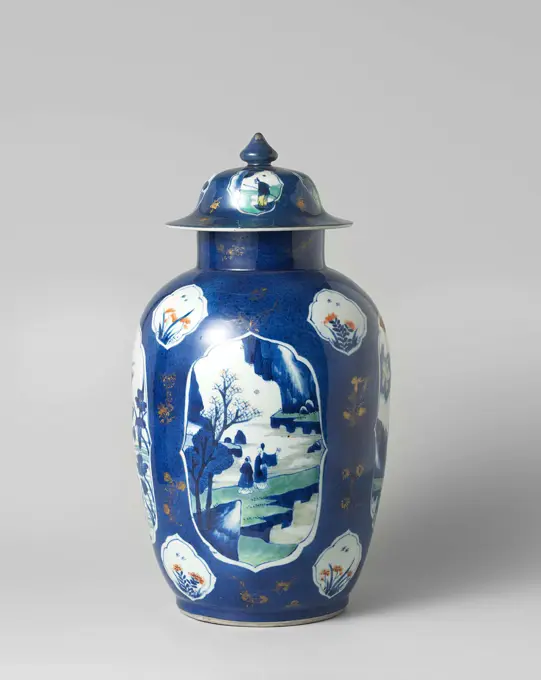
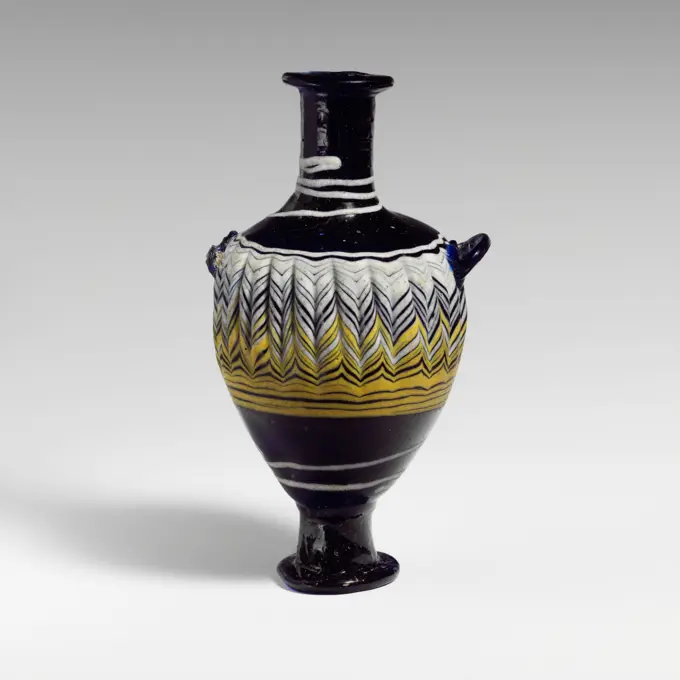
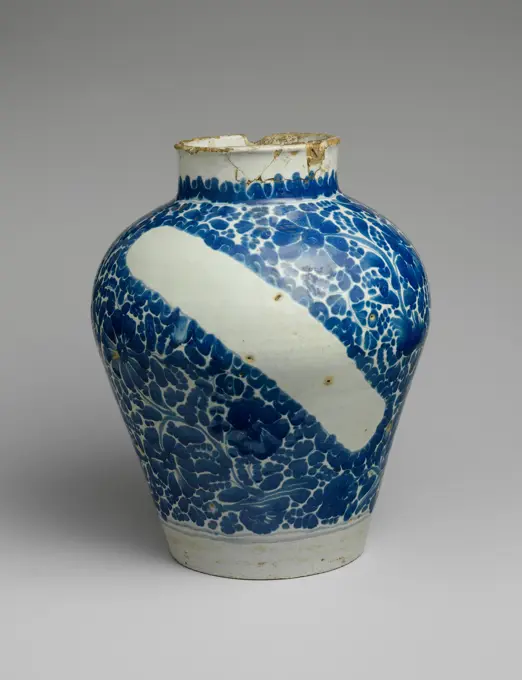
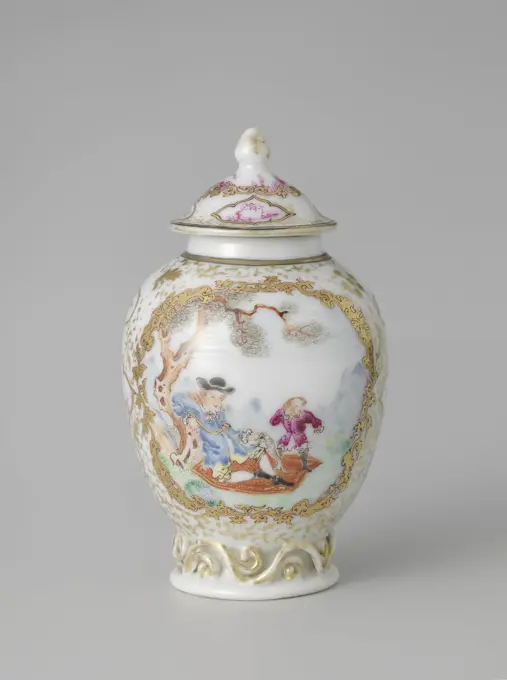
Triple Gourd Vase Painted in Japanese Style With Large Flower Sprays. Mute vase of porcelain with three lumps and spreading neck, painted in underglaze blue and on the glaze with red, green and gold. In Japanese style painted with large flower branches (prunus, chrysanthemum, peony, hibiscus and iris); on the neck a band with standing leaf motifs; between the lumps and on the edge a tire with napkin with flour; A decorative band around the foot. Chinese Imari.Snuff Bottle. Culture: China. Dimensions: 3 3/8 x 1 5/8 in. (8.6 x 4.1 cm). Museum: Metropolitan Museum of Art, New York, USA.Vase 1886-94 Mount Washington Glass Company During the late 1880's and early 1890's, the Mount Washington Glass Company began producing wares in opal or opaque glass decorated with gilding, enamel and enamel beads. Inspired by Near Eastern motifs, the patented glass was given exotic sounding names such as "Burmese" and "Crown Milano".. Vase 9362Ovoid Covered Jar With Flower Scrolls in Lappet Borders. Lid of egg-shaped porcelain lid pot, painted in underglaze blue. On the lid two decorative tires with flower drinks and flowers in reserve, on the top a flower rosette in reserve. Blue White.Vase with lid (Fashion 629; Wincenty) W Oc Avk, azada faience. Porcelain pear-shaped vase on foot and with spreading neck, painted in underglaze blue. Two mythological figures on the wall, one on a dragon and the other on a tiger, over waves and between clouds; Four valuables (artemisia leaf, mint, pearl, open window); around the edge clouds. Blue White.Bottle vase with handles ca. 1891 Minton(s) Minton was the most important ceramics factory during the Victorian period and began exhibiting products at the first Great Exhibition of 1851. Founded in 1793 by Thomas Minton at Stoke-on-Trent, the firm initially specialized in transferware pottery before expanding under the ownership of Thomass son Herbert Minton, beginning in 1836. Under the ownership of Colin Minton Campbell, who succeeded his uncle in 1858, the factory became recognized as a specialist producer of Aesthetics movement porcelain, which were inspired by a rich array of exotic and eclectic decorative motifs.. Bottle vase with handles. British, Stoke-on-Trent, Staffordshire. ca. 1891. Bone china with underglaze blue and gilding. Minton(s) (British, Stoke-on-Trent, 1793-present). Ceramics-PorcelainVase.  Maker: John Bennett, American, 1840-1907Kendi With Flowering Plants And Auspicious Motifs in a Panel Decoration. Kendi from porcelain with a spherical body, breast-shaped spout and a long neck, painted in underglaze blue. The neck is slightly finished to get together on the top to meet again in a short edge. The belly is slightly modeled in wide and narrow courses. In the wide subjects alternately flowering plants or lucky symbols (roll) with bows and brushes. The narrow compartments with stripes and dots. On the shoulder a band with a swastic pattern interrupted by cartouches with a fruittak (peach). The spout is divided into four compartments with dots, a peach branch and one of the eight valuables (window). A flower branch twice on the neck. Around the edge a bond with stylized Ruyi motifs. A chip in the edge of the spout. Cracking porcelain in blue and white.Lidded tea caddy, Meissener porcelain manufactory, c. 1735 Tea lid with lid, made of painted porcelain. The bus is hexagonal and completely covered with a brown glaze. The six fields are alternately painted with scenes with Chinese style figures and with two birds on a branch, both in gold. The bus is marked. porcelain company: MeissenAugsburg porcelain Tea lid with lid, made of painted porcelain. The bus is hexagonal and completely covered with a brown glaze. The six fields are alternately painted with scenes with Chinese style figures and with two birds on a branch, both in gold. The bus is marked. porcelain company: MeissenAugsburg porcelainOctagonal, Ovoid Jar With Japanese Ladies in A Garden and Floral Scrolls. Octagonal, egg-shaped pot of porcelain, painted in underglaze blue. On the belly Japanese ladies, one with a prunus branch, in a garden with two large trees in pots. On the shoulder lotus leaf-shaped compartments with flower drinks (peony). The lower part of the belly with a tire with stylized leaf motifs. Above the foot a bond with curl. On the neck eight square boxes with flower branches. Blue White.Ovoid Covered Jar With Flowering Plants in Panels and Ornamental Borders. Lid of egg-shaped porcelain lid pot, painted in underglaze blue. Decorated with two lobed cartouches with flowering plants; Painting in between. A crack in the lid. Blue White.Pear-shaped bottle vase with floral scrolls and petals, anonymous, c. 1680 - c. 1720 Bottle -shaped vase made of porcelain with a pear -shaped body, painted in underlaze blue. On the belly a continuous band with alternating scalloped, oval cartouches with saved flower vines against a blue background and narrow sculpted cartouches with a saved flower and Ruyi motif. The shoulder with a tire hanging Ruyi motifs against a blue background and a band with saved flower vines. On the neck a band with standing leaf motifs. Blue White. China porcelain. glaze. cobalt (mineral) painting / vitrification Bottle -shaped vase made of porcelain with a pear -shaped body, painted in underlaze blue. On the belly a continuous band with alternating scalloped, oval cartouches with saved flower vines against a blue background and narrow sculpted cartouches with a saved flower and Ruyi motif. The shoulder with a tire hanging Ruyi motifs against a blue background and a band with saved flower vines. On the neckVase. Vase of pottery, belonging to a three-piece cabinet set, with black and liquid transfer decoration, painted with email colors and ocher luster, with gold. On the belly two cartouches with birds and branches, two cartouches with a landscape on the neck.Double gourd bottle with vegetal scrolls late 17th-early 18th century China. Double gourd bottle with vegetal scrolls 47795Vase with Cover (one of a pair). Worcester Porcelain Factory; Worcester, England, founded 1751. Date: 1765-1775. Dimensions: H. 29.2 cm (11 1/2 in.). Soft-paste porcelain with blue scale ground and gilding. Origin: Worcester. Museum: The Chicago Art Institute, Chicago, USA. Author: Worcester Royal Porcelain Company.Juglet. Worcester Porcelain Factory; Worcester, England, founded 1751. Date: 1765-1775. Dimensions: 24.8 x 14 cm (9 3/4 x 5 1/2 in.). Soft-paste porcelain, underglaze blue. Origin: Worcester. Museum: The Chicago Art Institute, Chicago, USA. Author: Worcester Royal Porcelain Company.Baluster covered jar with horsemen in landscapes and flower sprays, anonymous, c. 1680 - c. 1720 Balus -shaped porcelain lid jar, painted in underlaze blue. Two rows on the wall with modeled cartouches with a river landscape, riders in a landscape or flower branches. On the shoulder, the neck and on the foot flower branches. Marked on the underside with an artemisia leaf in a double circle. The lid with a river landscape with pavilions, trees and mountains. Lid is broken and not matching. Blue White. China porcelain. glaze. cobalt (mineral) painting / vitrification Balus -shaped porcelain lid jar, painted in underlaze blue. Two rows on the wall with modeled cartouches with a river landscape, riders in a landscape or flower branches. On the shoulder, the neck and on the foot flower branches. Marked on the underside with an artemisia leaf in a double circle. The lid with a river landscape with pavilions, trees and mountains. Lid is broken and not matching. Blue White. China porcelain. glVase China. Vase. China. Porcelain painted in underglaze blue. Qing dynasty (1644-1911). Ceramics. Egg-shaped pot (fountain pot) of porcelain, painted in underglaze blue. On the abdomen twice a flowering plant (peony) and butterflies at a rock with an orchid in between. On the shoulder a tire with a Swastika pattern interrupted by four lobed cartouches with valuables (Artemisiablad) on a brush. The neck with a band stylized leaf motifs. At the bottom of the belly a metal crane is later attached. The lid with a continuous landscape with rocks, trees and clouds. Lid is not matching. Two chips in the edge. Arita, blue-white.Small jug; Manufaktura Majoliki in Nieborów (Nieborów; Wytwórnia; 1881-1899); 1881-1886 (1881-00-00-1886-00-00);Covered jar with floral pattern late 17th-early 18th century China. Covered jar with floral pattern. China. late 17th-early 18th century. Porcelain painted in underglaze cobalt blue and overglaze red enamel and gilt (Jingdezhen ware). Qing dynasty (1644-1911), Kangxi period (1662-1722). CeramicsVase with Floral Medallions. Culture: China. Dimensions: H. 29 1/4in. (74.3 cm); Diam. 15 in. (38.1 cm)Diam. of rim: 10 in. (25.4 cm)Diam. of foot: 10 3/8 in. (26.4 cm).The floral scrolls in Qing-dynasty artworks, including the delicately incised designs that fill the crimson surface of this vase as well as the bolder white flowers above them, were most likely inspired by patterns found in textiles. The four floral roundels at the center also suggest the influence of textile designs. Museum: Metropolitan Museum of Art, New York, USA.Vase 1760-65 British. Vase 9294Covered Baluster Jar With Large Flower Sprays. Baluster-shaped lid plug of porcelain in the shape of a lion, painted in underglaze blue and on the glaze red and gold. Painted with two large, blooming lotus plants; Around the edge napkin interspersed with flower branches in cartouches. Imari.Baluster covered jar with figures in panels, anonymous, c. 1875 - c. 1899 Balus -shaped porcelain lid jar with lid button in the shape of a lion, painted in underlaze blue. The wall is covered with a geometric pattern in which two cartouches with two people in a fenced garden; Around the foot a band with fruit branches; Around the shoulder a band with servetwork interspersed with fan -shaped compartments with landscape or flower branch; The neck with flower branches. The lid with the same pattern as on the wall of the pot. Marked on the underside with the four-character brand of Emperor Kangxi. Two cracks in the neck and edge. Blue White. China porcelain. glaze. cobalt (mineral) painting / vitrification Balus -shaped porcelain lid jar with lid button in the shape of a lion, painted in underlaze blue. The wall is covered with a geometric pattern in which two cartouches with two people in a fenced garden; Around the foot a band with fruit branches; Around the shoulder a band with servetwFrog-Shaped Pouring Vessel (Kendi). Culture: China. Dimensions: H. 7 1/4 in. (18.4 cm); W. 4 1/2 in. (11.4 cm); D. 5 3/8 in. (13.7 cm). Date: late 16th-early 17th century.Vessels of this type, particularly those made for Southeast Asia, are sometimes rendered in the shape of animals such as elephants, cows, and frogs. Museum: Metropolitan Museum of Art, New York, USA.Bottle, anonymous, c. 1100 - c. 1199 Bottle -shaped vase of stoneware, covered with a white and black sludge and a green enamel. The wall is modeled in wide ribs. In each rib an entry flower drink, loose flowers and dots. The entered decoration is filled with white and black sludge sanggam technology). The edge with a gold lacquer repair. Celadon. Korea stoneware. glaze. rand: engraving / vitrification Bottle -shaped vase of stoneware, covered with a white and black sludge and a green enamel. The wall is modeled in wide ribs. In each rib an entry flower drink, loose flowers and dots. The entered decoration is filled with white and black sludge sanggam technology). The edge with a gold lacquer repair. Celadon. Korea stoneware. glaze. rand: engraving / vitrificationVase with flowers mid-18th century China. Vase with flowers 46059Pear-Shaped Vase With Monster Heads And Gilded Bands With Ruyi Motif. Pear-shaped vase of porcelain with flared neck and raised edge, covered with a monochrome cracked gray glaze and on biscuit gold. On either side on the shoulder a sample head with ring; Around the foot, shoulder and neck a band with Ruyi motif, decoration in gold-plated biscuit. Poke up; One ring present. Monochromes.Bottle vase with the 'three friends of winter', anonymous, c. 1700 - c. 1724 Bottle -shaped vase of porcelain with spherical body and long, narrow neck, painted in underly glaze blue and on the glaze red, green and gold. On the belly the 'three friends of winter' (prunus, bamboo, pine) with flowering plants in between. A decorative band around the foot. On the shoulder a tire must be alternated with a flower branch in a cartouche. The neck with flower branches. Craqueled glaze. Imari. Japan porcelain. glaze. cobalt (mineral). gold (metal) painting / gilding / vitrification Bottle -shaped vase of porcelain with spherical body and long, narrow neck, painted in underly glaze blue and on the glaze red, green and gold. On the belly the 'three friends of winter' (prunus, bamboo, pine) with flowering plants in between. A decorative band around the foot. On the shoulder a tire must be alternated with a flower branch in a cartouche. The neck with flower branches. Craqueled glaze. Imari. Japan pWine Bottle with Flowers and Grasses. Culture: Japan. Dimensions: H. 6 3/8 in. (16.1 cm); Diam. 3 1/2 in. (8.9 cm); Diam. of rim 2 1/8 in. (5.4 cm); Diam. of foot 1 1/2 in. (3.8 cm). Date: first half of the 17th century.The flower pattern on this delicate bottle was painted with soft brushstrokes, resulting in a fluid appearance and pale coloring. The focus on an isolated motif from nature is characteristic of early Imari porcelain, a style that differed from Chinese porcelain, which would later have a profound effect on Japanese wares.This porcelain vessel would have been used as a wine bottle for sake, Japanese rice wine. It belongs to the category of early Imari, which is the first type of porcelain produced in Japan. Works considered early Imari were made from the 1610s to the 1660s. After this point, the style of Japanese porcelain changed drastically due to the stimulation of the industry by the Dutch East India Company, when it began to buy Japanese wares and export them to EuBottle. Culture: British. Dimensions: H. 4 3/4 in. (12.1 cm). Date: ca. 1760. Museum: Metropolitan Museum of Art, New York, USA.Baluster Covered Jar With Figures in Panels. Baluster-shaped lid pot made of porcelain, painted in underglaze blue. The wall is covered with a geometric pattern in which two cartouches with two people in a fenced garden; around the foot a bond with fruit branches; Around the shoulder a band with napkin interspersed with impeller-shaped compartments with landscape or flower branch; The neck with flower branches. Marked on the bottom with the four-character mark of Emperor Kangxi. Two cracks in the neck and edge. Blue White.Glass perfume bottle first half of 1st century A.D. Roman Translucent cobalt blue.Outsplayed rim, with fire-rounded lip; cylindrical neck, with horizontal tooled indent around base; piriform body; flat bottom, slightly concave at center.Intact; some bubbles and blowing striations; patches of dulling, creamy weathering, and iridescence.. Glass perfume bottle 245423. Faience vase with flowers inspired by Chinese porcelain. Delft pottery, marked RS.Pear-shaped bottle vase with panels with lotus scrolls, anonymous, c. 1700 - c. 1724 Bottle -shaped vase made of porcelain, the pear -shaped body thoroughly in a narrow neck, painted in under -glaze blue. On the wall four connected to each other, lobed cartouches filled with blue with lotus vines saved in it; Round the foot and around the shoulder a band with Ruyi motifs turned out by a narrow band with geometric patterns; The neck with a geometric motif with four lobed cartouches with tenders. Marked on the underside with an artemisia leaf. Blue White. China porcelain. glaze. cobalt (mineral) painting / vitrification Bottle -shaped vase made of porcelain, the pear -shaped body thoroughly in a narrow neck, painted in under -glaze blue. On the wall four connected to each other, lobed cartouches filled with blue with lotus vines saved in it; Round the foot and around the shoulder a band with Ruyi motifs turned out by a narrow band with geometric patterns; The neck with a geometric motif Wine Bottle with a Bird on a Rock under a Willow Tree first half of the 17th century Japan. Wine Bottle with a Bird on a Rock under a Willow Tree 52945Jug c 1790-1820 China. Porcelain .Can, vice versa, baluster -shaped with a female portrait on both sides and profil, anonymous, c. 1530 - c. 1560 Conversely, baluster -shaped can of multicolored painted majolica, on a foot. The jug has a short spout and a wide flat ear. A female portrait and profile is painted on both sides on both sides. Under the portrait, the inscription "Oximel" has been shivered. The jug belongs to a second can with invnr. BK-NM-11535-A. Castelli earthenware. tin glaze. lead glaze majolica Conversely, baluster -shaped can of multicolored painted majolica, on a foot. The jug has a short spout and a wide flat ear. A female portrait and profile is painted on both sides on both sides. Under the portrait, the inscription "Oximel" has been shivered. The jug belongs to a second can with invnr. BK-NM-11535-A. Castelli earthenware. tin glaze. lead glaze majolicaVase 1870-80 Minton(s) Minton was the most important ceramics factory during the Victorian period and began exhibiting products at the first Great Exhibition of 1851. Founded in 1793 by Thomas Minton at Stoke-on-Trent, the firm initially specialized in transferware pottery before expanding under the ownership of Thomass son Herbert Minton, beginning in 1836. Under the ownership of Colin Minton Campbell, who succeeded his uncle in 1858, the factory became recognized as a specialist producer of Aesthetics movement porcelain, which were inspired by a rich array of exotic and eclectic decorative motifs. Listen to experts illuminate this artwork's story Listen Play or pause #418. Christopher Dresser and the Birth of Industrial Design Supported by Bloomberg Philanthropies We're sorry, the transcript for this audio track is not available at this time. We are working to make it available as soon as possible.. Vase. British, Stoke-on-Trent, Staffordshire. 1870-80. Bone china with enamel decoraVase, uivally, with two s-shaped ears, anonymous, c. 1520 - c. 1530 Uivid vase of multicolored painted majolica, on a high base. The neck of the vase runs wide in a profiled edge. The vase has two S-shaped ears. On the belly a strap with flower and leaf motifs is painted and two drop-shaped cartouches in which geometric figures and around flower and leaf motifs on the shoulder. The vase has a Reflet Metallique. Confuse earthenware. tin glaze. lead glaze majolica Uivid vase of multicolored painted majolica, on a high base. The neck of the vase runs wide in a profiled edge. The vase has two S-shaped ears. On the belly a strap with flower and leaf motifs is painted and two drop-shaped cartouches in which geometric figures and around flower and leaf motifs on the shoulder. The vase has a Reflet Metallique. Confuse earthenware. tin glaze. lead glaze majolicaOvoid covered jar with women in a garden, anonymous, c. 1680 - c. 1720 Porcelain lid of egg -shaped lid jar, painted in underlaze blue. The lid decorated with two dancing boys (fools) in rocks and plants. Blue White. China porcelain. glaze. cobalt (mineral) painting / vitrification Porcelain lid of egg -shaped lid jar, painted in underlaze blue. The lid decorated with two dancing boys (fools) in rocks and plants. Blue White. China porcelain. glaze. cobalt (mineral) painting / vitrificationPair of gourd-shaped bottles, anonymous, c. 1600 - c. 1624 Calebas -shaped bottle of porcelain, the walls modeled in courses, painted in underlaze blue. The lower part of the body is modeled in pomegranate compartments with flowering plants; The upper part is modeled in rectangular compartments with a flower branch (chrysanthemum, aster, peony), a vase with mushroom (lingzhi) and books on a stool or an incense burner on a stool, below and above subjects with a decorative pattern; the neck with elongated compartments with flower areas with subjects below and subjects with a decorative pattern; To the shoulder a bond with lotus vends in sculpted cartouches. Two clear attachment lines in the body. Kraakporcelain. China porcelain. glaze. cobalt (mineral) painting / vitrification Calebas -shaped bottle of porcelain, the walls modeled in courses, painted in underlaze blue. The lower part of the body is modeled in pomegranate compartments with flowering plants; The upper part is modeled in reGourd-Shaped Vase, tin-glazed earthenware, Gourd-shaped vase with a slender, incurved neck and molded lip. Decorated with chinoiserie figures in a landscape bordered above and below with geometric figures. Neck with acanthus leaves and rosettes., Nevers, France, 1670-1680, ceramics, Decorative Arts, vase, vaseBottle with lid, multi-colored painted with Indian blums on a light green fond. Bottle of painted porcelain. The bottle has a square foot, a vaulted body and a square neck. The bottle is covered with a light green fond in which a saved four-pass on the four walls in which branches Indian blumen, rocks and bamboo. The square lid is painted with red blossoms and a green leaf ornament. The lid has a round, gold-plated button. The bottle has been marked.Baluster Beaker Vase With Flower Scrolls And Panels in Reserve. Baluster-shaped cup spring from porcelain with trumpet-shaped mouth, painted in underglaze blue. The belly and neck are covered with underglaze blue with flower drinks in reserve; Two fan-shaped cartouches with two people in a landscape and flower branches with a bird, spent two sprawn rectangular cartouches with a flying horse above waves and two deer under a tree in which a crane is sitting. On-neck two saved, lobed cartouches with floral basket and the other with antiques (vase with peacock feathers, whose burner, books) and valuables (diamond, hearing). Edge has been restored. Blue White.Ovoid Vase With Translucent Star Motif, Ruyi-Heads and Ornamental Borders. Egg-shaped vase of porcelain, covered with a translucent white glaze. On the body a wide band with glazed ajour work; Around the foot and to shoulder a band with Ruyi motifs and a tire with decorative pattern. Blanc De Chine.Vase, anonymous, c. 1700 - c. 1724 Bottle -shaped vase of porcelain with a pear -shaped body, ring -shaped thickening in the neck and spreading mouth, decorated in under -glaze blue and on the glaze blue, red, green, yellow, aubergrine, black and gold. On the wall two four -pass -out plants (peony, aster) saved in a rock with a flying kingfisher or butterfly. Two leaf -shaped cartouches with flowering plants on the neck. Bleu Poudré with Famle Verte. China porcelain. glaze. cobalt (mineral). gold (metal) painting / gilding / vitrification Bottle -shaped vase of porcelain with a pear -shaped body, ring -shaped thickening in the neck and spreading mouth, decorated in under -glaze blue and on the glaze blue, red, green, yellow, aubergrine, black and gold. On the wall two four -pass -out plants (peony, aster) saved in a rock with a flying kingfisher or butterfly. Two leaf -shaped cartouches with flowering plants on the neck. Bleu Poudré with Famle Verte. China porcelain. glaze. cobalt (minTankard With Light Brown And Panels With Flower Scrolls. Beer mug lid from porcelain, painted in underglaze blue and with café-au-lait glaze. On the lid cartouches with flower drinks in reserve. Monochrome brown with blue and white.Vase. unknown, craftsmanFaience lid pot with a multicolored painting with flowers on brown fond. On lid a lion with ball.Pot of multi-colored padded faience, with a brown fond. The pot is baluster-shaped and has a lid. Flowers are painted on the pot in the colors white, green, yellow, red, blue and purple. On the lid there is a lion with its front legs on a ball. The pot is part of a couple, the other parts are an identical pot (BK-NM-13329-A) and two identical vases (BK-NM-13326-B and BK-NM-13326-D).. Vase with painting flowers in green, blue, yellow, brown and black on purple fond. Mounted with: Clog / Monogram / Faience The Purmering Hollande 500 Dec: C. Monogram. E.Spittoon with floral decoration late 18th-early 19th century China. Spittoon with floral decoration. China. late 18th-early 19th century. Porcelain painted in overglaze polychrome enamels (Jingdezhen ware). Qing dynasty (1644-1911). Ceramics. The minute decoration of chrysanthemums is inlaid. The flower motifs were incised into the walls of the vase and the incisions filled with two kinds of clay, white and black. The whole was then covered with a green glaze. The vase was restored in Japan with expensive gold lacquer, a sign of the high esteem accorded to Korean ceramics there.Baluster-shaped vase. unknown, craftsmanKasetka Nawara, Zofia, Krakow workshopsCan with women's figure. Gray with blue can of stoneware with pewter lid. On the neck under the spout a maskaron. On the abdomen a whole woman figure with rosettes on the dress.. Candlestick of pottery. Blue-white decoration with fruit baskets and flowers. Square vaulted foot with baluster-shaped strain with open-worked nodes formed by two C volutes. On this the candle holder.Jug - aiguier; Palissy, Bernard (1510-1589),  End of the 16th century (1590-00-00-1600-00-00);Virtues (personifications), aigiere (tincture), allegories, grotesqueVase China. Vase 40732Vase;  IIPO .Xviiw. (1775-00-00-1795-00-00);Bottle vase with tassels, vases and floral scrolls. Bottle-shaped vase of porcelain with a pear-shaped body and long neck, covered with red and painted on the glaze in blue, green, yellow, eggplant and black. The decoration is saved in red. On the abdomen alternately a vase with a lotus drink on a table and brushes. Above a bond with triangles and lotus drinks. The neck with prunus drinks. On the edge a band with lotus drinks. Edge has been restored. Porcelain with email colors.Bottle-Shaped Vase with Lotus Flowers and Stylized Scrolls 1300-1392 Korea. Celadon-glazed stoneware with underglaze inlaid decoration of black and white clays .Perfume decanter. Culture: American. Dimensions: 9 1/2 in. (24.1 cm). Manufacturer: New England Glass Company (American, East Cambridge, Massachusetts, 1818-1888). Date: 1866-70. Museum: Metropolitan Museum of Art, New York, USA.Sleeve Vase. Vase (wheel wagon) of porcelain, painted in underglaze blue. On the wall two fan-shaped compartments with an eagle on a rock in plants and a mythological animal in a fenced garden at a lotus. To the boxes loose flower branches. Plants flowering on the neck at a rock and insects. Transition porcelain in blue and white.Vase, c. 1770-80. China, Chinese Export, 18th century. Porcelain; overall: 47 cm (18 1/2 in.); container: 38 cm (14 15/16 in.).. Bottle-shaped vase of porcelain with a pear-shaped body and annular thickening in the neck and spreading mouth, painted in underglaze blue and on the glaze blue, red, green, yellow, aubergrine, black and gold. On the wall Two crafted fours with flowering plants (peony, aster) at a rock with a flying kingfisher or butterfly. On the neck two leaf-shaped cartouches with blooming plants. Bleu poudré with famille verte.Jug. Jug of stoneware. Gray with blue glaze, decorated with tape-shaped drop ornament, cross and heart with highly flowers.Vase with the Huis de Paauw, N.V. Haagsche Plateel Factory Rozenburg, 1896 Vase of earthenware, belonging to a couple of three, polychrome painted with sunflowers and topographical representations. On one side the house De Paauw in Wassenaar is depicted and on the other hand the house of the Prince van Wied in Scheveningen. Sunflowers are painted between and above the performances. The Hague earthenware Vase of earthenware, belonging to a couple of three, polychrome painted with sunflowers and topographical representations. On one side the house De Paauw in Wassenaar is depicted and on the other hand the house of the Prince van Wied in Scheveningen. Sunflowers are painted between and above the performances. The Hague earthenwareVase with decoration of the graviata type with a peony motif unknownCovered Jar With Ruyi-Heads And Flowers. Egg-shaped pot with porcelain lid, painted on the glaze in blue, red, green, yellow, eggplant and black. The pot is decorated with three compartments in the form of a lobed window with a peony surrounded by styled tendrils; between the three courses a ruyi motif and flower branches. Around the foot an ornamental band; Around the shoulder a bond with Ruyi motifs. On the lid a stylized peony with branches and spreader flowers. A crack in the lid. Famille Verte.Ewer with long curving spout.Unknown, Green Family Potiche Vase with black, 1662. Porcelain, cookie, polychrome enamels. Petit Palais, Museum of Fine Arts of the City of Paris.Jar 1690-1700 Chinese, for European market The unusual way in which the leaves and flowers have been drawn suggests the original design was an embroidery. Such combinations of a religious subject with highly decorative ornament are often seen on English embroidered book covers of the mid-seventeenth century.. Jar 205236OLYMPUS DIGITAL CAMERAVase Lewiński, Jan (Iwan)Vase China. Vase 40713Pitcher 400 BCE-201 BCE Egypt. Glass, core-formed technique . Ancient GreekVase;  around 1910-1920 (1910-00-00-1920-00-00);Bottle ca. 1760 British. Bottle 621Spiral vase; Manufaktura Majoliki in Nieborów (Nieborów; Wytwórnia; 1881-1899); 1881-1886 (1881-00-00-1886-00-00);Vase 1678-88 China. Vase. China. 1678-88. Porcelain with celadon glaze (Jingdezhen ware). Qing dynasty (1644-1911), Kangxi period (1662-1722). CeramicsFaaMence lid jar with a multicolored painting of flowers., Anonymous, c. 1770 - c. 1800  Pot of multi -colored faience, with a brown stock. The pot is baluster -shaped and has a lid. Flowers are painted on the pot in the colors white, green, yellow, red, blue and purple. On the lid is a lion with its front legs on a ball. The pot is part of a couple, the other parts are an identical pot (BK-NM-13329-A) and two identical vases (BK-NM-13326-B and BK-NM-13326-D). Delft earthenware. tin glaze.Bottle first half 18th century. Bottle 448432Jug with flowers, medallion and lions, anonymous, c. 1630 - c. 1700 Jug of stoneware on stand ring with a spherical abdomen and narrow neck. The C-shaped ear is attached to the neck and shoulder. Profiles on the neck. Partly covered with cobalt blue. On the shoulder an entry line with a bond with stamped flowers against a blue background. The belly with a printed and imposed medallion with four heart shapes, flanked by crowned lions. A frame with lid is attached to the ear. A beaten brand on the inside of the lid. Westerwald. Westerwald Stoneware. Glaze. Cobalt (Mineral). frame: tin (metal) vitrification Jug of stoneware on stand ring with a spherical abdomen and narrow neck. The C-shaped ear is attached to the neck and shoulder. Profiles on the neck. Partly covered with cobalt blue. On the shoulder an entry line with a bond with stamped flowers against a blue background. The belly with a printed and imposed medallion with four heart shapes, flanked by crowned lions. A frame with lid iVessel ca. 1981-1425 B.C. Middle Kingdom-Early New Kingdom. Vessel 544238Cameo Glass Flask. UnknownJug with a coat of arms and lions, anonymous, c. 1687 - c. 1700 Jug of stoneware on stand ring with a spherical abdomen and long, narrow neck. The C-shaped ear is attached to the neck and shoulder. A profile and lines on the neck. Partly covered with cobalt blue. On the belly three times a printed and imposed weapon in relief with the inscription '1687'. Twice a lion in relief between the three weapons. On the shoulder above a entering line, a band with stamped flowers saved in a blue background. A pewter frame with lid is attached to the ear. On the inside of the lid a beaten weapon with 'L.O.B.'. Westerwald. Westerwald Stoneware. Glaze. Cobalt (Mineral). frame: tin (metal) vitrification Jug of stoneware on stand ring with a spherical abdomen and long, narrow neck. The C-shaped ear is attached to the neck and shoulder. A profile and lines on the neck. Partly covered with cobalt blue. On the belly three times a printed and imposed weapon in relief with the inscription '1687'. Twice a lPotpourri jar. Culture: French, Rouen. Dimensions: Overall (confirmed): 5 x 5 x 5 in. (12.7 x 12.7 x 12.7 cm). Factory: Rouen. Date: ca. 1695.Porcelain was highly prized in seventeenth-century Europe, and the popularity of imported Chinese and Japanese porcelains led to various experiments in France to produce porcelain domestically. The French were skilled at making faience (tin-glazed earthenware), but the ingredients for true or hard-paste porcelain--as produced in Asia--were not known to French potters at this time.The most successful experiments in producing an artificial porcelain, known as soft-paste, were carried out in small faience factories in Saint-Cloud and Rouen. The Saint-Cloud factory eventually was able to manufacture soft-paste porcelain on a viable, commercial scale, but the production of soft-paste in Rouen remained on a very limited and experimental basis.This pot pourri is one of the very few surviving examples of Rouen porcelain. None of the porcelain made in Round Salt Cellar With Flower Sprays and Floral Scrolls. Round salt barrel of porcelain with a knurled edge and spreading foot, painted in underglaze blue. The deepened part on the top is modeled in the shape of a flower. In the center a medallion with four fan-shaped compartments with flower branches. On the edge a band with arceing. The foot is divided four tires: two of them with flower branches in boxes, one with flower drinks and around the foot one with lines. Blue White.Vase ca. 1885-89 Chelsea Keramic Art Works Steeped in ceramics from birth, Hugh C. Robertson pursued his craft with fierce devotion and a passion for experimentation. From a family of trained English ceramists, he honed his skills in New Jersey before settling in Massachusetts as one of the founders of Chelsea Keramic Art Works and later, Dedham Pottery. Robertsons lifelong explorations in glazes, particularly their color and texture, make him one of the key figures of American art pottery at the turn of the twentieth century. During the 1880s Robertson increasingly turned his attention to developing new glaze formulas and clay bodies. In the middle of the decade he became obsessed with the highly coveted yet elusive sang-de-boeuf, or oxblood, glaze, a quest that became the hallmark of his later career. This richly colored blood-red glaze is traditionally created from a copper-based formula and fired in a kiln, which when wet straw and other materials are introduced, deprives the atmoPear-Shaped Covered Jar With Precious Objects And Flower Sprays. Pear-shaped lid pot on foot of porcelain with two ears of which the top was modeled in a sample head, painted in underglaze blue. On the wall large lotus flowers and flower branches between which a lobd cartouche with rolls, books and two overlapping fan-shaped compartments, one with a man on a terrace with pavilion and flower branch; the foot with a zig-saw pattern; the edge with flower drinks; The lid with valuables (books, rhombus) and lucky symbols and flower branches separated by a wavy line. Blue White.Ovoid Jar and Domed Cover With Bleu Poudré and Panels in reserve with landscapes and antiquities. Egg-shaped pot of porcelain, painted in underglaze blue and red and on the glaze green, yellow, eggplant and gold. The pot is covered with bleu poudré (powder blue) with four elongated cartouches in reserve with a scalloped edge filled with a crane and a deer in a landscape, antiques (vase, books, flock burner), valuables (artemisiablad, books) and an attribute of the Eight immortals (castagnets), a pond with lotus plants and two cranes, two people in a river landscape; between the large cartouches two small cartouches with flower branch; On blue flower branches in gold. A double circle on the bottom. Bleu poudré with famille verte.Bottle ca. 1690, decorated ca. 1730 Japanese with Dutch decoration The gift of the Hans Syz Collection in 1995 endowed the Museum with nearly three hundred examples of European and Asian ceramics meticulously acquired by Swiss-born collector Dr. Syz (1894-1991) to chart the migration of models and patterns from East to West. Documenting a continuous process of influence and adaptation, these pieces provide a discriminating review of the nuances of stylistic change resulting from three centuries of trade.. Bottle 208389Glass unguentarium (perfume bottle) 3rd century B.C. Greek, Eastern Mediterranean Translucent cobalt blue, with handles in same color; trails in opaque white and opaque yellow.Uneven horizontal rim-disk, with rounded edge; tall cylindrical neck; broad sloping shoulder; ovoid body; applied tall outsplayed foot, with rounded edge and deep tooled indent in center of flat bottom; below shoulder, two flattened loop handles projecting at an upward angle from body, applied over trail pattern.A white trail attached to neck and wound down in a spiral and across shoulder, tooled from top of body in a close-set zigzag pattern with deep vertical ribs, then continuing down in a spiral and ending in two horizontal lines around lower body; a yellow trail applied over white halfway down zigzag pattern and continuing immediately below in four close-set horizontal lines.Complete, except for large chip in rim-disk and projecting loop of one handle; slight dulling and pitting, but very little weathering..Vase with BlossomingFlowers. Maker Workshop of: Got? Sh?zabur?, Japanese, active ca. 1860-1910Apothecary Jar 1660-80 Attributed to Damián Hernández. Apothecary Jar 4486Tea caddy, c. 1740 - c. 1745 Egg -shaped porcelain tea, on a base with open worked curly, painted on the glaze in blue, red, pink, green, yellow, eggplant, black and gold. On the wall twice a cartouche of leaf vines with a European with a basket on its back in a river landscape. The other cartouche with a European sitting on a rug under a tree with a dog. He has a Ruyi-SCEPTER in his hand. A servant next to him. Between the cartouches flower ranks with two medallions and a four -pass with plants in Encre de Chine of Pink. The lid with the same medallions on flower vines. European performance in email colors and Encre de Chine. China porcelain. glaze. gold (metal) painting / gilding / vitrification Egg -shaped porcelain tea, on a base with open worked curly, painted on the glaze in blue, red, pink, green, yellow, eggplant, black and gold. On the wall twice a cartouche of leaf vines with a European with a basket on its back in a river landscape. The other cartouche with a European sittinVase, Jan Jansz Van Der Laan, De 3 Klokken (the 3 Clocks Factory), Tin-glazed earthenware, Tall reeded, 8-sided body, bulge at shoulder, tapered neck, slightly flared mouth; painted in underglaze blue on white with large stylized lotus leaf band around center, 3 smaller scroll bands surrounding, and floral/leaf sprays interspersed., Delft, Netherlands, ca. 1680-1710, ceramics, Decorative Arts, Vase