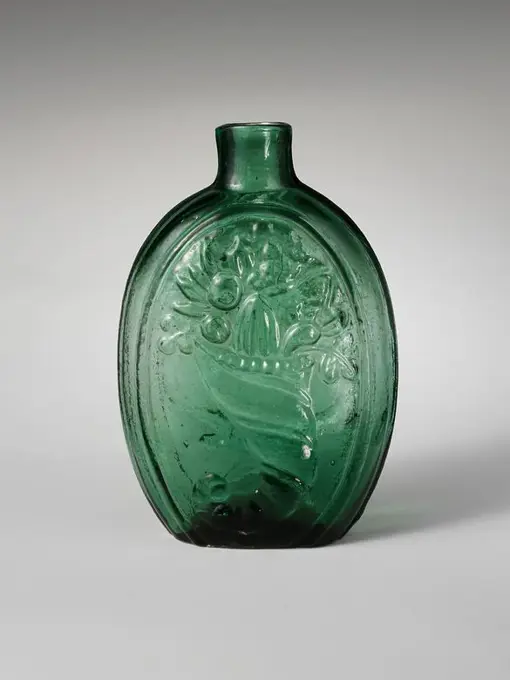
Ornate Decorative Vases

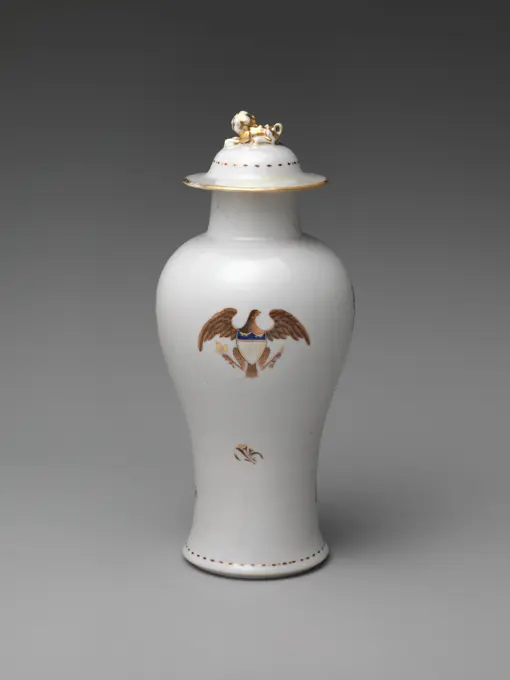
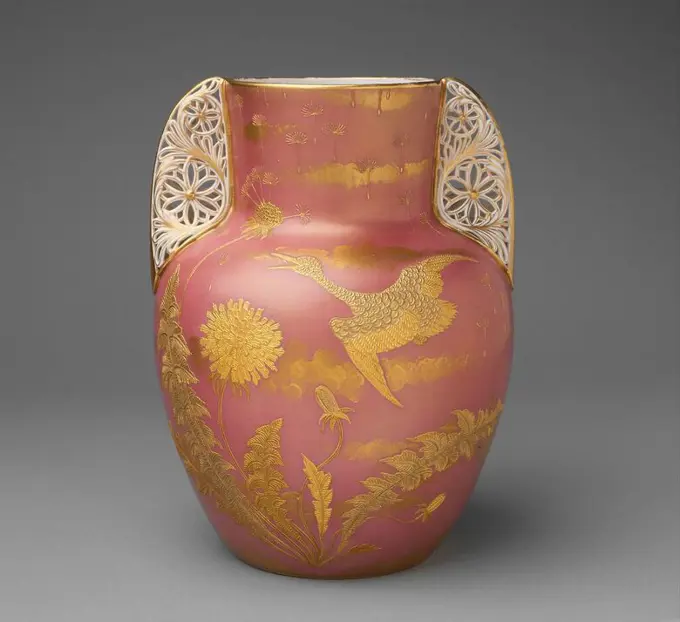
Elegant porcelain vases with intricate designs, showcasing rich colors and artistic craftsmanship, suitable for decor.

Lidded tea caddy, Meissener porcelain manufactory, c. 1735 Tea lid with lid, made of painted porcelain. The bus is hexagonal and completely covered with a brown glaze. The six fields are alternately painted with scenes with Chinese style figures and with two birds on a branch, both in gold. The bus is marked. porcelain company: MeissenAugsburg porcelain Tea lid with lid, made of painted porcelain. The bus is hexagonal and completely covered with a brown glaze. The six fields are alternately painted with scenes with Chinese style figures and with two birds on a branch, both in gold. The bus is marked. porcelain company: MeissenAugsburg porcelain
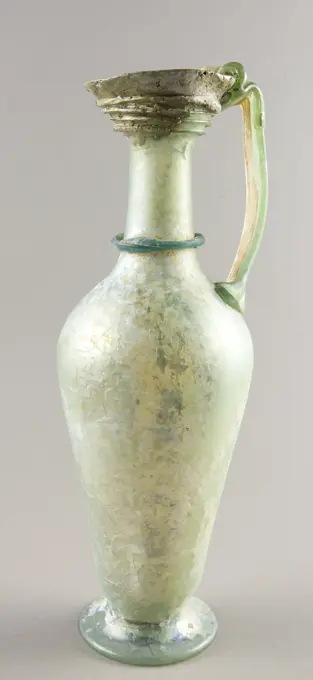
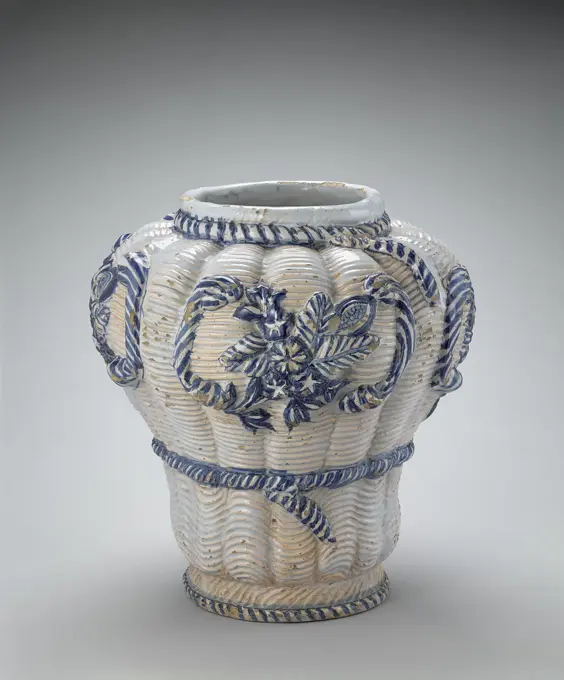
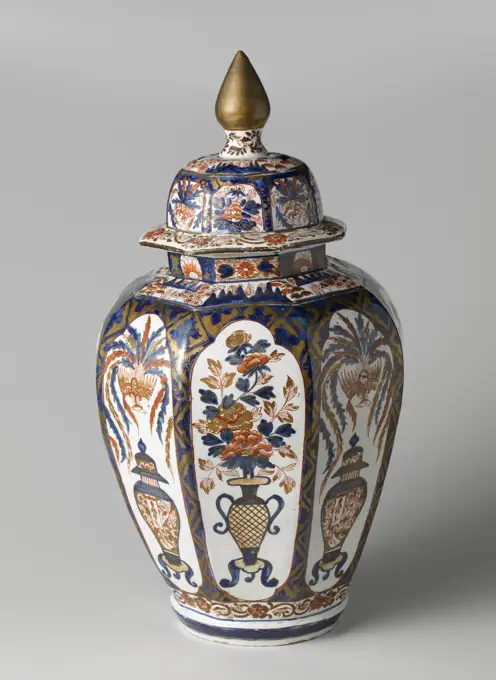
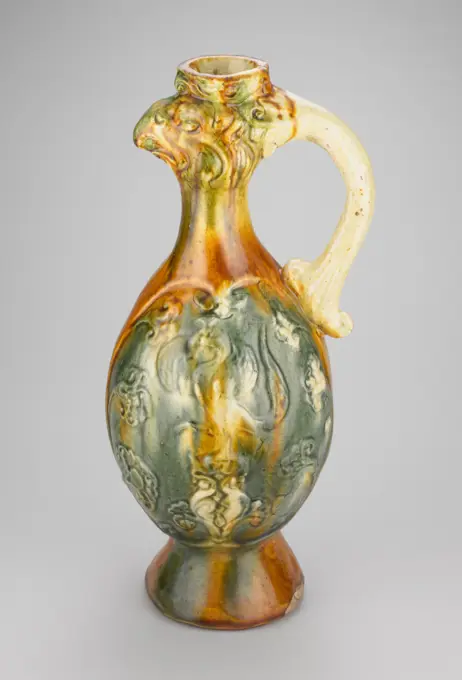
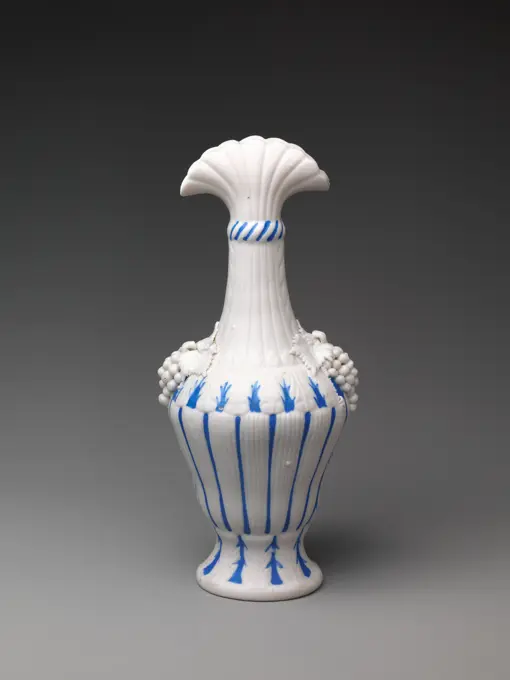
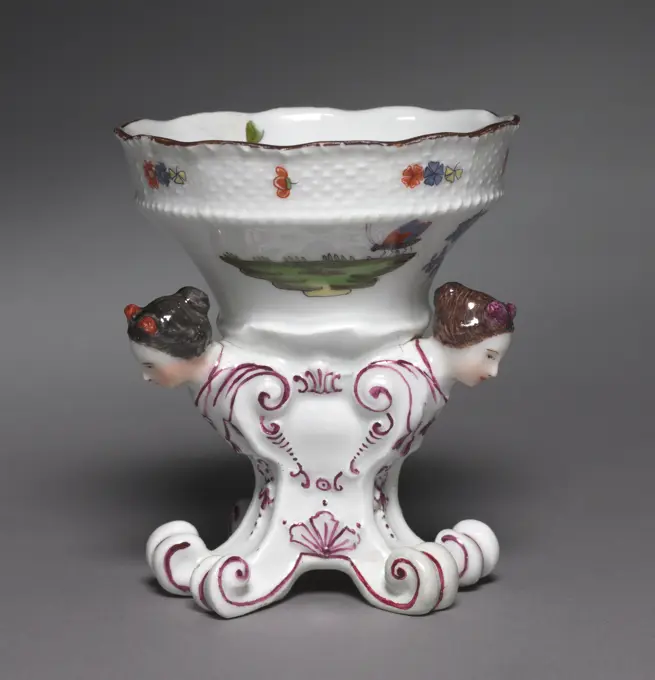
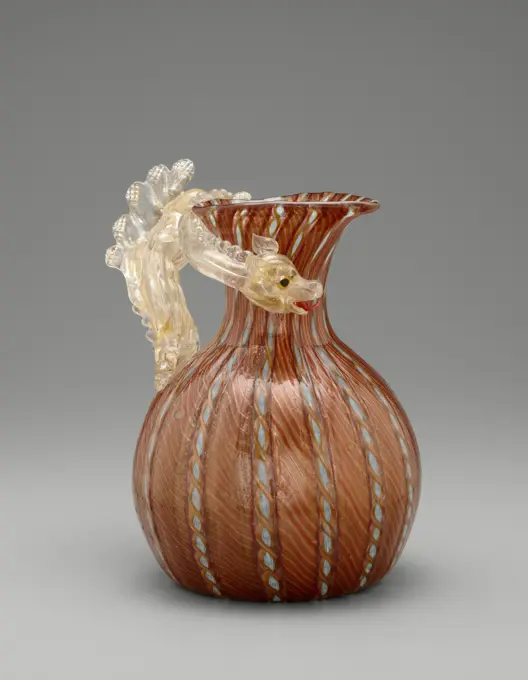
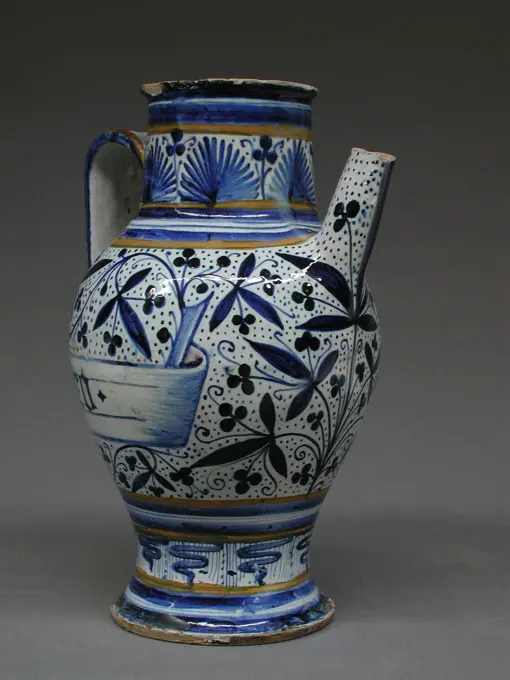
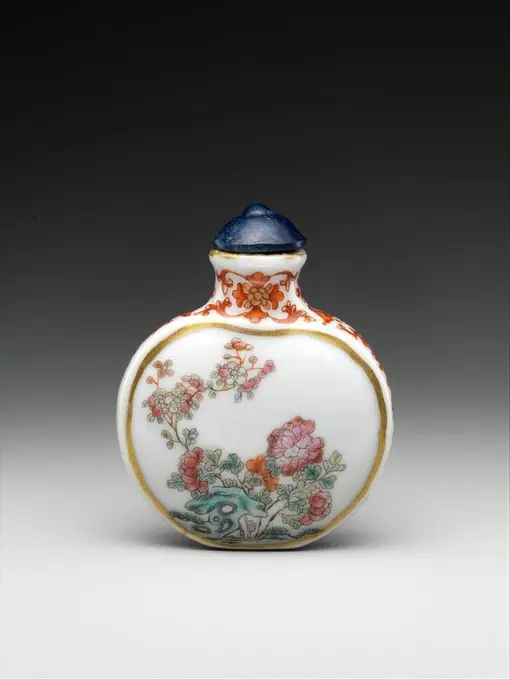
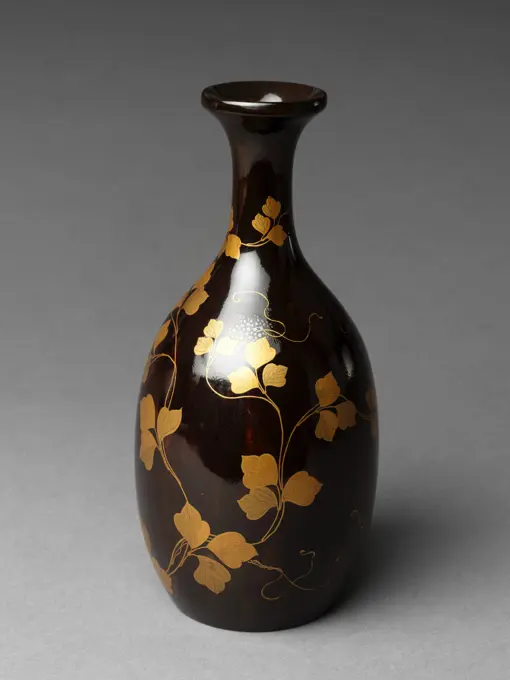
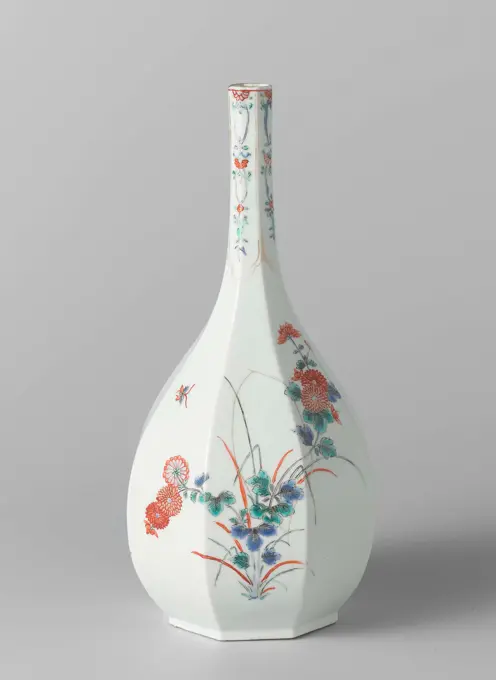
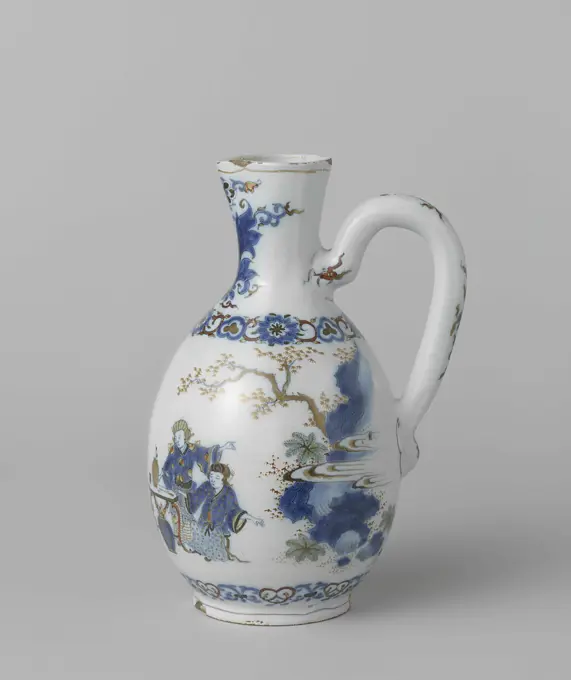
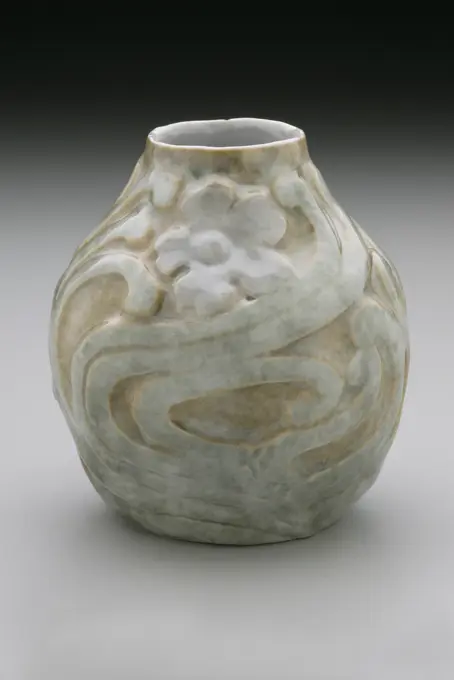
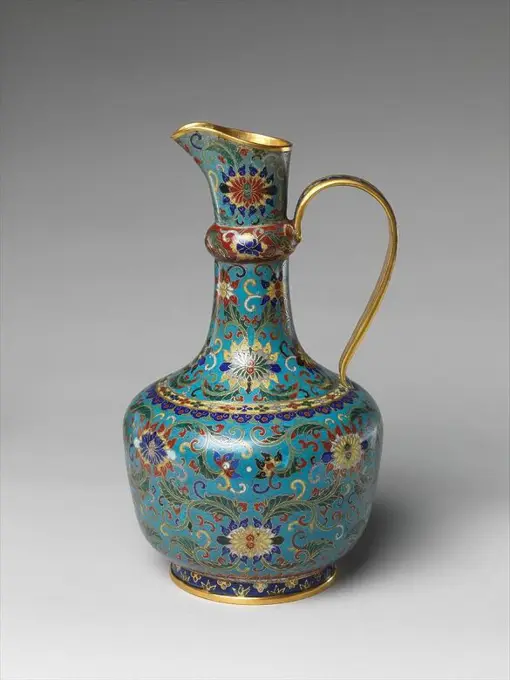
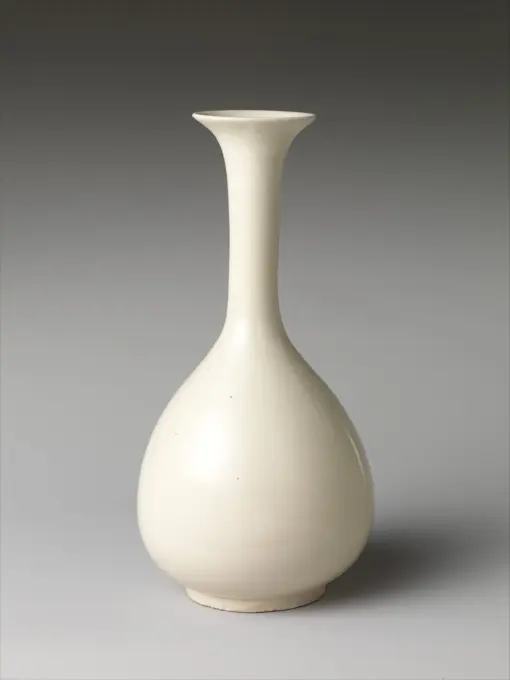
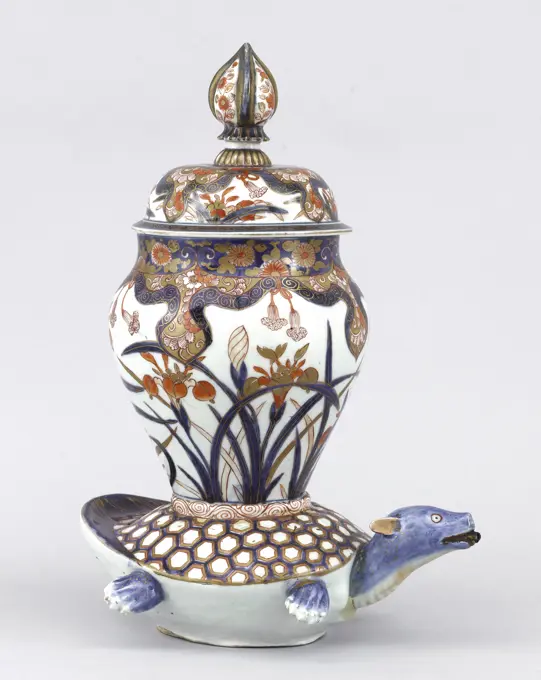
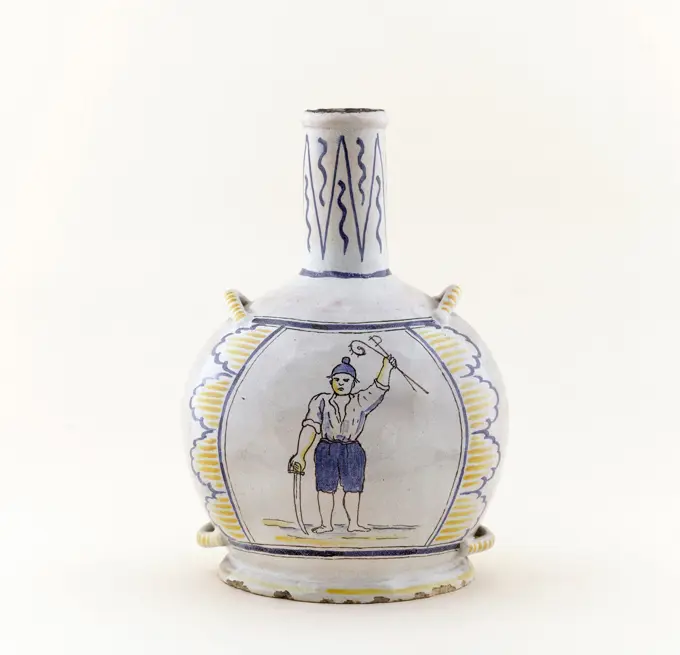
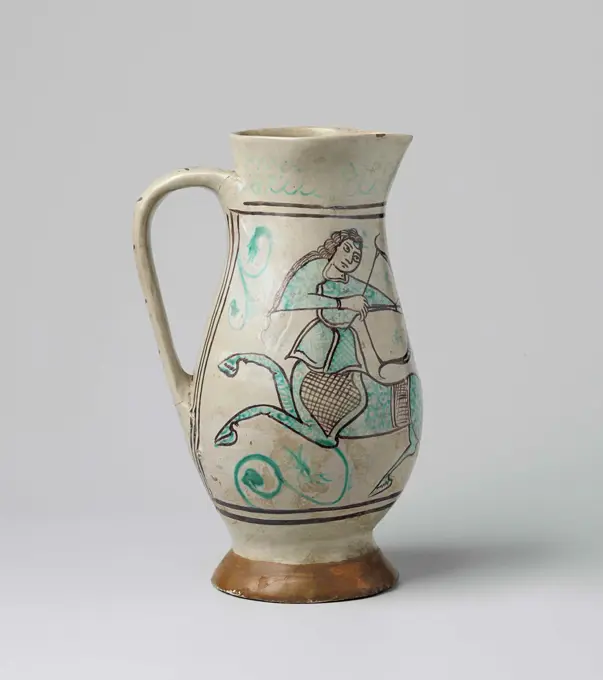
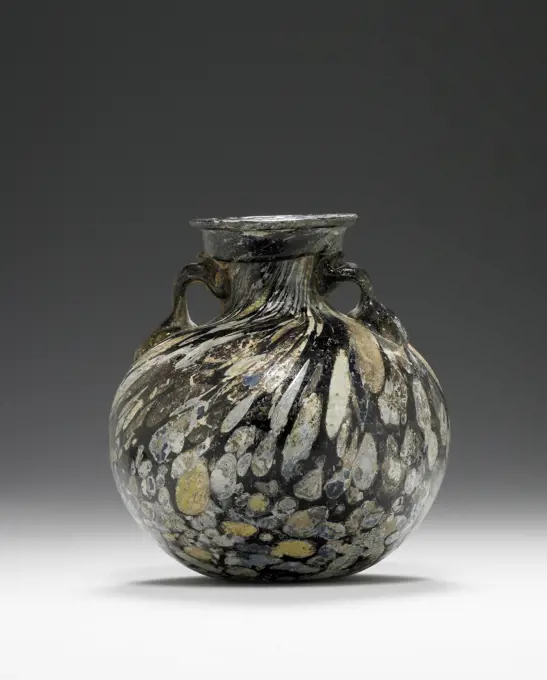
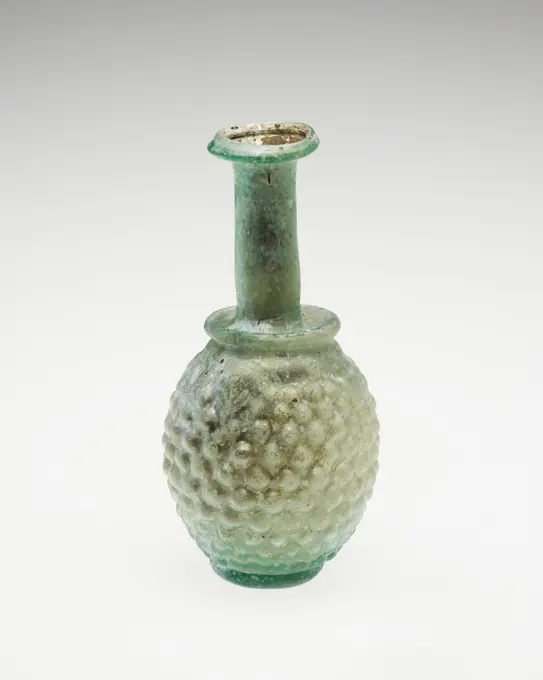
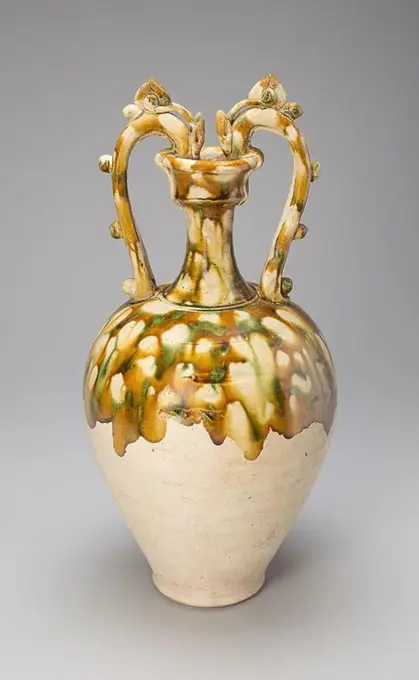
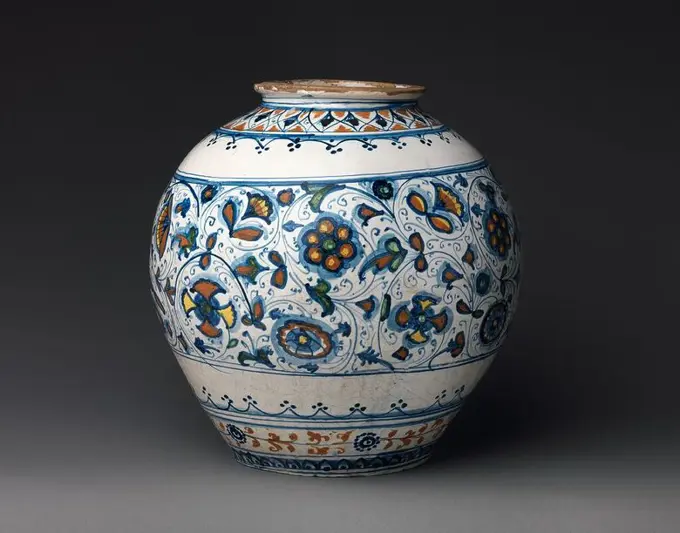
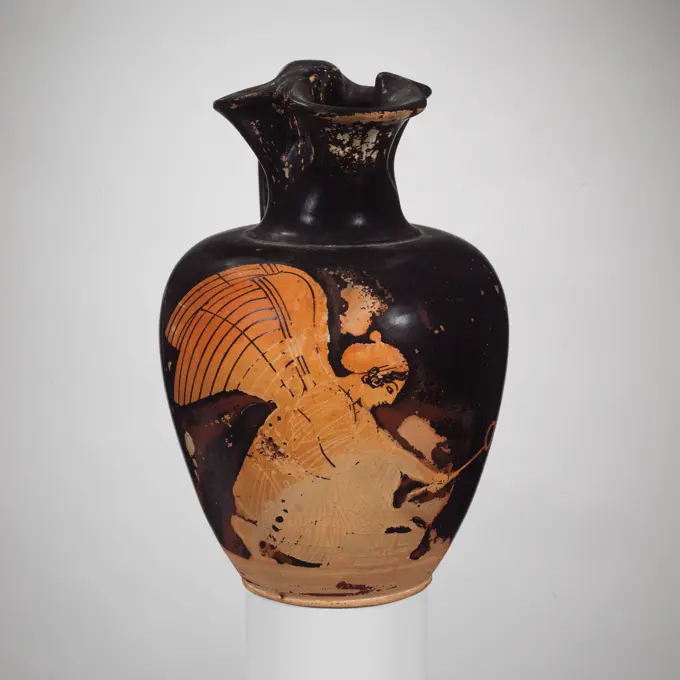
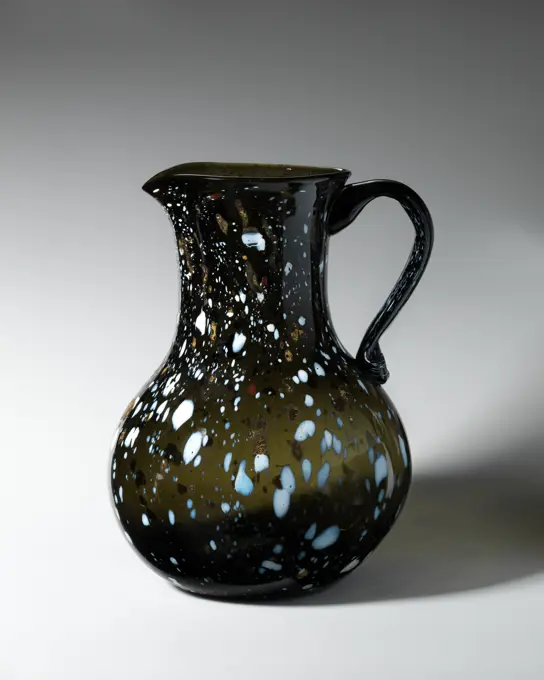
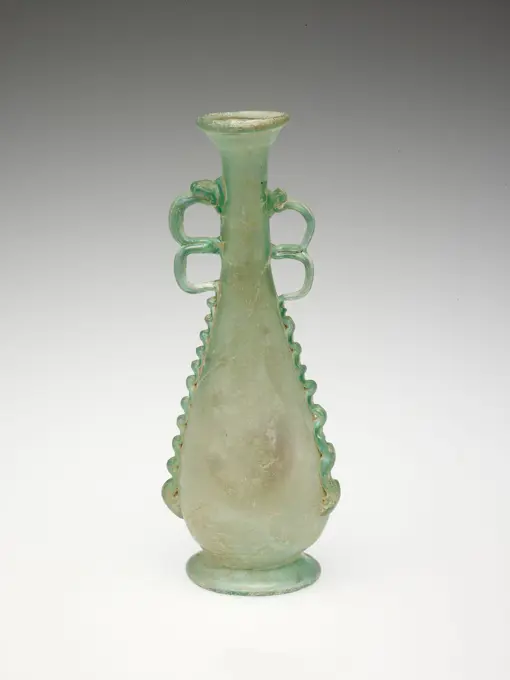
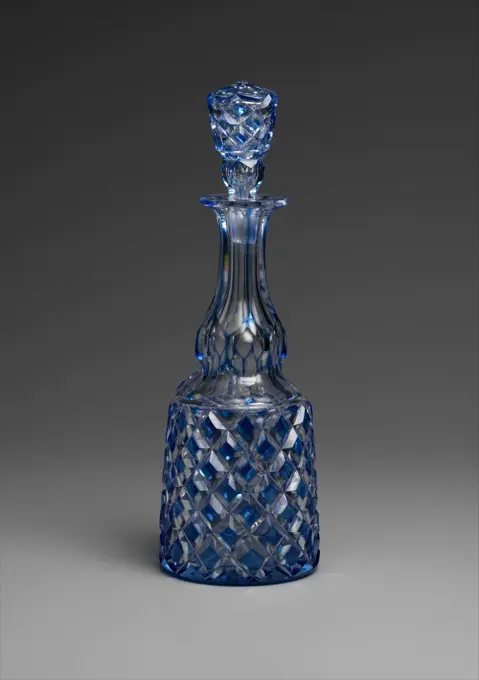
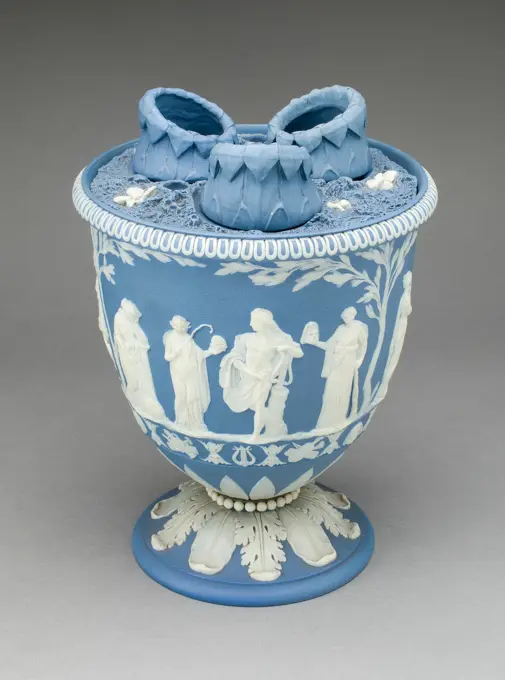
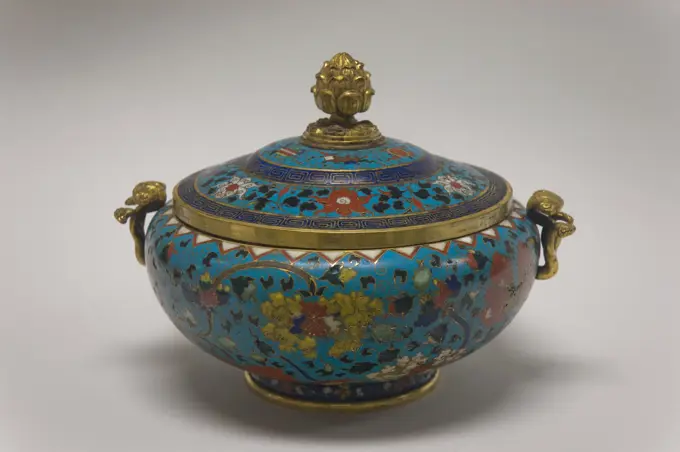
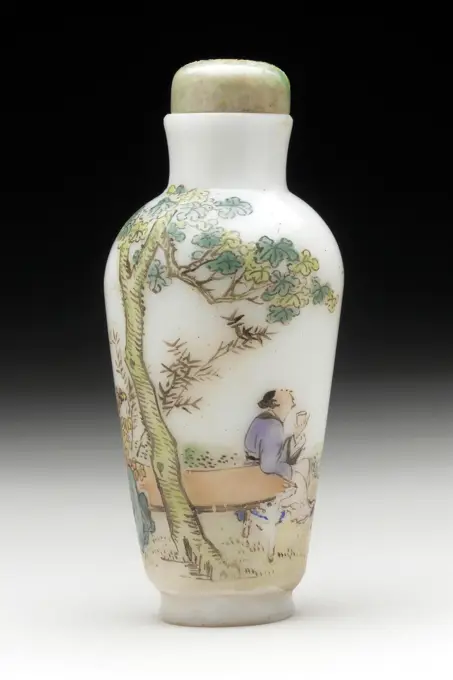
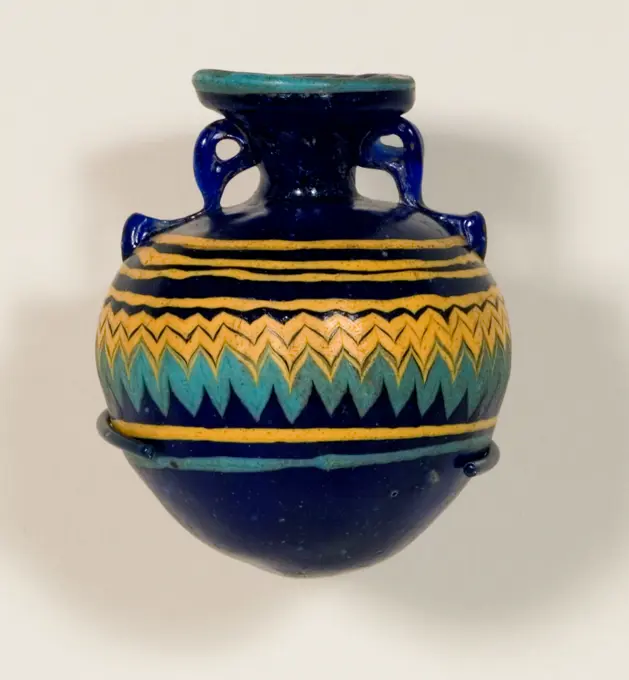
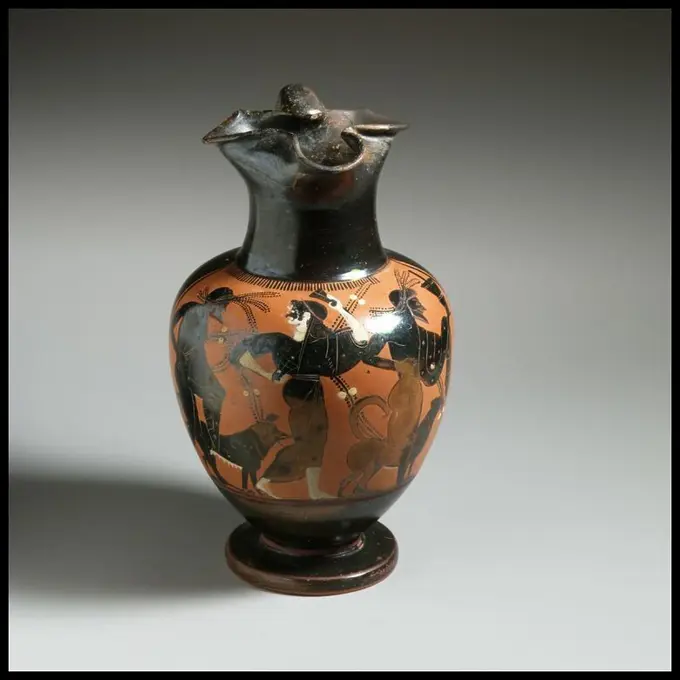
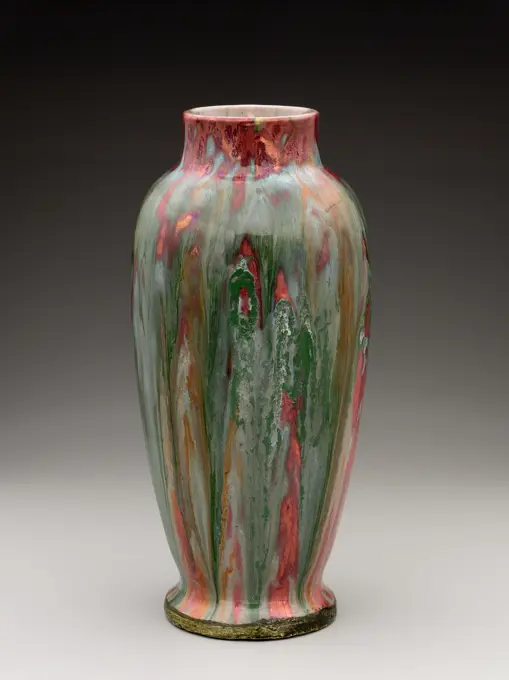
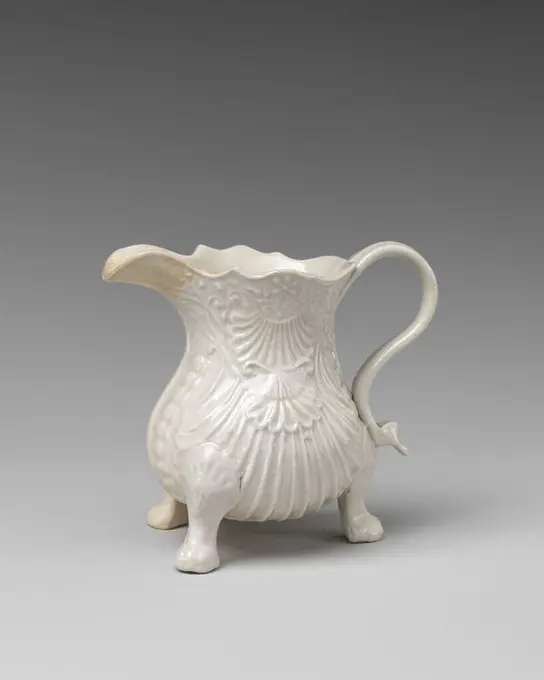
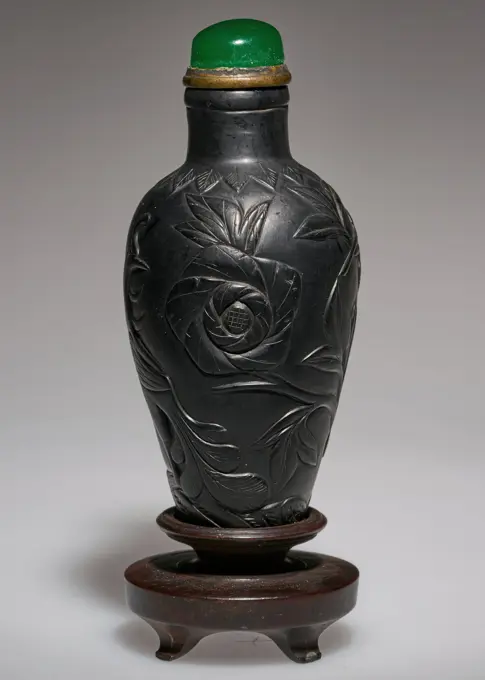
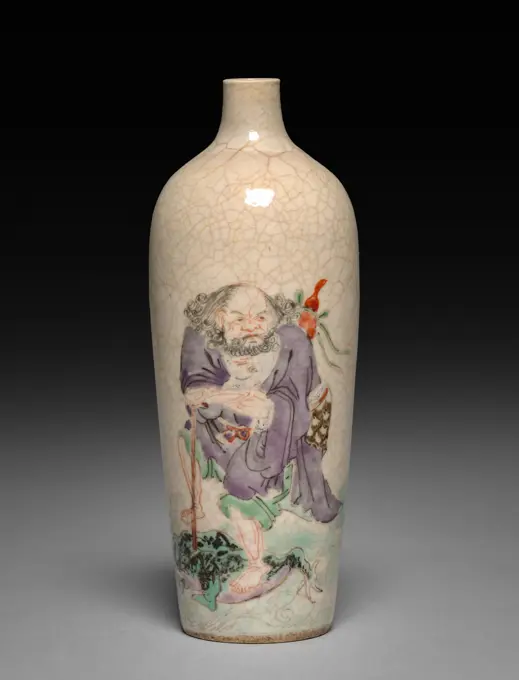
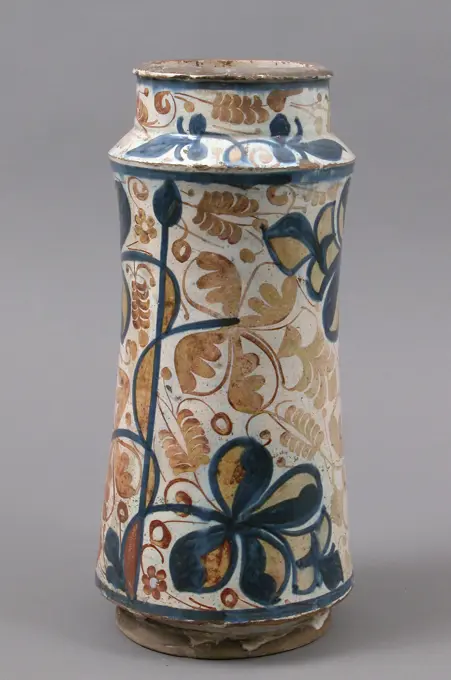
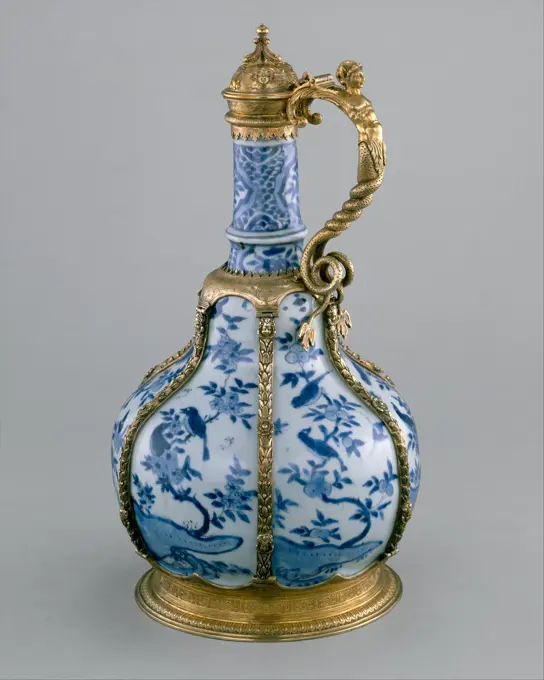
Ewer from Burghley House, Lincolnshire Chinese porcelain 1573- ca. 1585, British mounts ca. 1585 British, London mounts and Chinese porcelain In the sixteenth century, Chinese porcelain occasionally arrived in England, sometimes by way of the Levant, sometimes by sea around the Cape of Good Hope. As it was very rare and considered a special treasure, the most accomplished English silversmiths were often commissioned to make mounts for it. Pieces such as these were regarded as suitable for royal gifts or for the furnishing of princely houses. The ewer shown here is one of a group of Chinese porcelains of Wanli period (1573-1620), with silver-gilt mounts made in London by an unidentified silversmith about 1585. They were all acquired by the Museum from the estate of J. P. Morgan.. Ewer from Burghley House, Lincolnshire 199404JarEwer 201 CE-400 CE Syria. Glass, blown technique . Ancient RomanScroll flask 1830-40 American. Scroll flask 3703Baluster vase imitating a basket, earthenware. Carnavalet museum, history of Paris.Ovoid covered jar with flowering plants in panels, anonymous, c. 1700 - c. 1724 Egg -shaped lid pot of porcelain, painted on the glaze in blue, red, green, yellow, eggplant and black. The wall is divided into four compartments with a Ruyi motif at the top on each corner. Flowering plants in the courses (Aster, Prunus, peony). On the shoulder a band with servetwork. The lid with a flower rosette and a tire with servetwork. Famle Verte. China porcelain. glaze. painting / vitrification Egg -shaped lid pot of porcelain, painted on the glaze in blue, red, green, yellow, eggplant and black. The wall is divided into four compartments with a Ruyi motif at the top on each corner. Flowering plants in the courses (Aster, Prunus, peony). On the shoulder a band with servetwork. The lid with a flower rosette and a tire with servetwork. Famle Verte. China porcelain. glaze. painting / vitrificationCan, spherical, painted with medallion and hare, anonymous, c. 1475 - c. 1525 Spherical can of multi -colored painted majolica. The jug has a foot, a squeezed spout and a wide ear. Under the spout a medallion is painted within which a soil on which a hare and above which a blue background in which a yellow rosette with blue wreath. Florence earthenware. lead glaze. tin glaze majolica Spherical can of multi -colored painted majolica. The jug has a foot, a squeezed spout and a wide ear. Under the spout a medallion is painted within which a soil on which a hare and above which a blue background in which a yellow rosette with blue wreath. Florence earthenware. lead glaze. tin glaze majolicaKendi from the V.O.C.-ship the 'Witte Leeuw', anonymous, before 1613  Kendi van Porcelain from V.O.C. ship De 'Witte Leeuw', 100 percent present. Kendi with a printed bulb body, a large spout and a width handle with a raised edge around the opening. Decorated in underlaze blue with a continuous representation of a bird on a rock between the plants on the abdomen, stylized tendrils saved in white against a blue background on the shoulder and standing leaves on the neck. The spout with peach branches. The shard is glassy white and has little ingrained dirt. The bottom is glazed and the foot ring is straight and faceted. More than 20 grains of oven sand have been found. Crack porcelain in blue and white. Jingdezhen porcelain. bone china (material). glaze. cobalt (mineral) painting / vitrification birds Sint-HelenaEwer with landscapes in panels and floral scrolls. Porcelain gift jug with an egg-shaped body, C-shaped ear and small, triangular spout from the edge. Painted in underglaze blue. On the belly three scalloped cartouches with a person in a river landscape with trees and rocks and in one two birds on a tree branch; Between the cartouches. The neck and the ear with flower drinks. A hole in the top of the ear. Arita, blue-white.Pot, part of a cupboard set, the 3 clocks (attributed to), after Jan van Putten & Co., c. 1820 - c. 1850 Pot, of multi -colored Faïence. The pot is eight -sided and eight courses are painted on the eight sides. In four compartments, a vase with two S-shaped handles, standing on a three-legged pedestal and filled with flowers, is painted in the other four compartments a pot with lid on a three-legged pedestal above which a phoenix. The pot is part of a couple and is marked. Delft earthenware. tin glaze. Pot, of multi -colored Faïence. The pot is eight -sided and eight courses are painted on the eight sides. In four compartments, a vase with two S-shaped handles, standing on a three-legged pedestal and filled with flowers, is painted in the other four compartments a pot with lid on a three-legged pedestal above which a phoenix. The pot is part of a couple and is marked. Delft earthenware. tin glaze.Rectangular, covered, baluster vase in the shape of a bronze vessel with two ladies on a terrace, anonymous, c. 1700 - c. 1724 Lid of rectangular, baluster -shaped vase of porcelain lid with flower branches and geometric motif; Button in the form of a shishi (lion dog). Cracks in the lid. Famle Verte. China porcelain. glaze. gold (metal) painting / gilding / vitrification Lid of rectangular, baluster -shaped vase of porcelain lid with flower branches and geometric motif; Button in the form of a shishi (lion dog). Cracks in the lid. Famle Verte. China porcelain. glaze. gold (metal) painting / gilding / vitrificationZun-type vase. unknown, craftsmanPhoenix-Headed Ewer 701 CE-750 CE China. Earthenware with molded decoration and three-color (sancai) lead glazes .Buddhist Water Sprinkler (Kundika) 600 CE-699 CE China. This type of vase with pouring spout and tubelike mouth at the shoulder has served several roles in Buddhist ritual to purify a sacred space, to invoke a deity, or to anoint a worshipper. Created in bronze as well as several types of stoneware, these vessels originated in India and spread throughout East and Southeast Asia. In Chinese Buddhist art, the kundika appears primarily as an attribute of the bodhisattva Guanyin (Sanskrit Avalokitesvara). This ceramic example may have been made primarily for burial.. Slip-coated stoneware with creme glaze .Vase 1830-70 American Named in reference to the ancient marble quarry on the Greek island of Parros, parian has a higher proportion of feldspar than conventional porcelain, resulting in a vitrified biscuit body that resembles white statuary marble. Stylish and affordable, parian statuary and hollowware were extremely popular household ornaments in the mid-nineteenth century. This vase (one of a pair, 47.90.4) was likely made by the United States Pottery Company, which exhibited parian to great acclaim at the 1853 New York Crystal Palace Exhibition in New York.. Vase. American. 1830-70. Parian porcelain. Probably made in Bennington, Vermont, United StatesSalt Cellar from the Sulkowsky Service (2 of 2), 1735-1756. Meissen Porcelain Factory (German). Hard-paste porcelain; overall: 9.6 cm (3 3/4 in.).Jardinière 1700-1775 Puebla. Tin-glazed earthenware . Talavera Poblana (Potter)Vetro a Retorti” Ewer.   Maker:  Artisti Barovier, Venice, ItalyVase 1730 Japan. Vase. Japan. 1730. Clay covered with a transparent crackled glaze, decorated with colored enamels and gold. Edo period (1615-1868). CeramicsPharmacy jar ca. 1470-90 probably Italian, Naples Storage vessels were among the most frequently produced maiolica wares in late medieval and Renaissance Italy. Made in fairly standard shapes, they were designed to fit with dozens of others on a shelf, often in a pharmacy or shop. Their handles therefore tend to fit within the vessels profile, and the cylindrical albarello type is generally narrower at the middle than at the top or bottom, making it easy to grip. Other common features include inscriptions indicating contents and flanged lips to help secure cloth or paper seals. The decoration, usually more elaborate on one side than the other, can sometimes link pieces to a known dispensary or specific workshop or artist.. Pharmacy jar. probably Italian, Naples. ca. 1470-90. Maiolica (tin-glazed earthenware). Ceramics-PotteryVase 1830-70 American. Vase 9262Vase. Maker, attributed to: Congressville Glassworks, American, 1865-ca. 1890Vase with Scrolling Vines 17th century Like so many ceramics produced in Iran during the Safavid period, the style and decoration of this vase (or hookah base) was an attempt to emulate the highly-regarded Chinese porcelain wares. This is illustrated by the blue and white color scheme, as well as the scrolling floral motif and large lotus flower depicted on the side.. Vase with Scrolling Vines 451871Snuff bottle with flowers and rocks. Culture: China. Dimensions: H. 2 1/4 in. (5.7 cm); H. incl. stand 2 7/8 in. (7.3 cm); W. 1 7/8 in. (4.8 cm); D. 3/4 in. (1.9 cm). Date: 19th century. Museum: Metropolitan Museum of Art, New York, USA.Ovoid jar and domed cover with bleu poudré and panels in reserve with landscapes and antiquities, anonymous, c. 1700 - c. 1724 Cover of porcelain jar, painted in underly glaze blue and red and on the glaze green, yellow, eggplant and gold. Covered with bleu pouddré (powder blue) with four elongated cartouches in reserve with a sculpted edge filled with a crane and a deer in a landscape, antiques (vase, books, incense burner), valuables (Artemisiablad, books) and an attribute of the eight immortal persons Castagnets), a pond with lotus plants and two cranes, a person in a river landscape; On the blue flower branches in gold. Two chips in the edge of the lid. Bleu Poudré with Famle Verte. China porcelain. glaze. cobalt (mineral). gold (metal) painting / gilding / vitrification Cover of porcelain jar, painted in underly glaze blue and red and on the glaze green, yellow, eggplant and gold. Covered with bleu pouddré (powder blue) with four elongated cartouches in reserve with a sculpted edgFaaMence lid jar with a multicolored painting of flowers on brown stock. On the lid a lion with ball, anonymous, c. 1770 - c. 1800  Pot of multi -colored faience, with a brown stock. The pot is baluster -shaped and has a lid. Flower branches are painted on the pot in the colors white, green, yellow, red, blue and purple. On the lid is a lion with its front legs on a ball. The pot is part of a couple. The other parts are an identical pot (BK-NM-13329-C) and two identical vases (BK-NM-13329-B and BK-NM-13329-D). The parts are marked. Delft earthenware. tin glaze.Sake bottle with grapevine decoration Japan second half of the 17th century View more. Sake bottle with grapevine decoration. Japan. second half of the 17th century. Gold and silver makie on black lacquer. Edo period (1615-1868). LacquerArita-Ware Apothecary Bottle. Japan. Date: 1670-1680. Dimensions: 47.3 x 31.2 cm (18 5/8 x 12 1/4 in.). Porcelain with underglaze blue decoration. Origin: Japan. Museum: The Chicago Art Institute, Chicago, USA.DateFlaskOvoid jar with women with a yoke in scalloped panels, anonymous, c. 1650 - c. 1699 Porcelain lid of egg -shaped lid jar, painted on the glaze in blue, red, green, yellow, eggplant and black. Decorated with three large, scalloped cartouches with flower baskets. Above the cartouches a band with leaf vines. Between the cartouches scalloped triangles with servetwork. On the shoulder a band with servetwork interrupted by lobed cartouches with valuables (books). On the neck a bond with Lotusranken. Kutani. So porcelain. glaze. painting / vitrification Porcelain lid of egg -shaped lid jar, painted on the glaze in blue, red, green, yellow, eggplant and black. Decorated with three large, scalloped cartouches with flower baskets. Above the cartouches a band with leaf vines. Between the cartouches scalloped triangles with servetwork. On the shoulder a band with servetwork interrupted by lobed cartouches with valuables (books). On the neck a bond with Lotusranken. Kutani. So porcelain. glaze. painBottle of multi-colored padded faience. Ribbed, octagonal multicolored painted bottle. Part of a cabinet consisting of five parts.. Octagonal bottle of porcelain, painted on the glaze in blue, red, turquoise, black and gold. On the abdomen twice a flowering plant (queen kid, chrysanthemum) with a butterfly. On the neck elongated, scalloped compartments with flower drinks. Arita, Kakiemon style.Bottle (Switzerland); painted glass'Vetro a Fili' Ewer. Italy, Venice, late 17th century. Furnishings; Serviceware. Glass. Although the decoration of this jug is dominated by blue, the scene with four Asian figures also includes yellow and green. The gold and red accents were applied over the glaze during an additional firing. These tints were thus much more fragile and have consequently suffered the most.Losanti” Vase.  Maker: Mary Louise McLaughlin, American, 1847-1939Two-Handled Jar, early 1600s. Spain, Talavera, 17th century. Tin-glazed earthenware; overall: 53.2 x 40.8 x 35.6 cm (20 15/16 x 16 1/16 x 14 in.).Tea caddy with floral scrolls and petal motifs, anonymous, anonymous, c. 1700 - c. 1899 Dust bar or Chare of stoneware with a spherical body and an ivory lid, covered with a green glaze. Decoration in relief under the glaze with a band with flower vines on the shoulder; Below that a band with leaf motifs. Celadon. Japan stoneware. glaze. deksel: ivory vitrification Dust bar or Chare of stoneware with a spherical body and an ivory lid, covered with a green glaze. Decoration in relief under the glaze with a band with flower vines on the shoulder; Below that a band with leaf motifs. Celadon. Japan stoneware. glaze. deksel: ivory vitrificationVase 12th-13th century. Vase 451364Ewer. Culture: China. Dimensions: H. 12 in. (30.5 cm). Date: 18th century.The earliest securely dated Chinese cloisonné, in which colored glass paste is applied within metal enclosures and fired, dates from the reign of the Ming Xuande emperor (1426-35). However, cloisonné is recorded during the previous (Yuan) dynasty (1271-1368), and it has been suggested that the technique was introduced to China at that time via the western province of Yunnan, which under Mongol rule received an influx of Islamic people. The shape of this ewer, which was introduced to China in the early fifteenth century, also derives from Islamic metalwork. Museum: Metropolitan Museum of Art, New York, USA.Bottle 10th-11th century China Named after a prefecture in Hebei Province in north China, Ding wares were made from the eighth to the thirteenth or fourteenth century, and were popular at the Northern Song (960-1127) court. The shape of this base, which most likely derives from a silver piece, is extraordinarily difficult to make because the neck is so long and slender.. Bottle. China. 10th-11th century. Porcelain with ivory glaze (Ding ware). Northern Song dynasty (960-1127). CeramicsFountain vase, Japan. Porcelain, Imari decor, 18th century. Museum of Fine Arts of the City of Paris, Petit Palais. VASE FONTAINE Japanese art, Decor Floral, Decor Imari, Flower Decor, Fountain Vase, Imari, Japanese Art, Japan, Japan, Art, Porcelain, Porcelain, Porcelain, Tortoise, Turtoise, Vase Fontaine, Work of Art, Animal, ChinaGourd at the septembriseur. Earthenware. Nineteenth century. Paris, Carnavalet museum. 76185-3 Former regime, weapon, butt, prickly, revolutionary faience, gourd, man, French revolution, septembriseur, hold, 19th centuryBottle vase 18th century China. Bottle vase. China. 18th century. Porcelain with crackled green glaze (Jingdezhen ware). Qing dynasty (1644-1911). CeramicsCan, reverse baluster-shaped, with ear. Converted baluster-shaped can of multicolored painted majolica. The can stand on a foot, has a C-shaped ear and has a spout. On the can a centaurus painted with an arrow and bow and a bird (heron). A branch is painted between both.Flower Pot. Culture: Mexican. Dimensions: Diam. 11 1/2 in. (29.2 cm). Date: ca. 1830. Museum: Metropolitan Museum of Art, New York, USA.Jug. Hungary. Date: 1668. Dimensions: 22 x 18.4 cm (8 5/8 x 7 1/4 in.). Tin-glazed earthenware (Habaner ware), pewter mounts. Origin: Hungary. Museum: The Chicago Art Institute, Chicago, USA.Tea caddy with a green brown glaze, anonymous, anonymous, c. 1800 - c. 1899 Dust bar or Chare van Steengoed with an ivory lid, partially covered with a green brown glaze. The underside of the bus is unglazed. Old label on the inside with 'Agano/ 18th'. AGANO. Japan stoneware. glaze. deksel: ivory vitrification Dust bar or Chare van Steengoed with an ivory lid, partially covered with a green brown glaze. The underside of the bus is unglazed. Old label on the inside with 'Agano/ 18th'. AGANO. Japan stoneware. glaze. deksel: ivory vitrificationCovered jar c 1902 United States. Cut glass . Artist unknownApius with floral decor. Porcelain, polychrome glazes. Cernuschi Museum, Asia Museum of Asia in the city of Paris.Vase. unknown, craftsmanTerracotta oinochoe (jug). Culture: Greek, Attic. Dimensions: H. with handle 12 13/16 in. (32.5 cm)H. without handle 9 5/8 in. (24.4 cm)maximum width 5 7/16 in. (13.8 cm)width at base of neck 2 11/16 in. (6.8 cm)diameter of foot 3 7/16 in. (8.7 cm). Date: ca. 450-425 B.C..Poseidon and womanPoseidon is probably to be understood here as the recipient of the woman's offering. Of note are the two inscriptions between them, describing each as beautiful (one in the masculine form, the other in the feminine). Museum: Metropolitan Museum of Art, New York, USA.Figured bottle. Culture: American. Dimensions: H. 10 1/2 in. (26.7 cm). Manufacturer: Probably Isabella Glass Works/ New Brooklyn Glass Works (ca. 1850-1876). Date: ca. 1854. Museum: Metropolitan Museum of Art, New York, USA.Aryballos; Roman Empire; 1st century; Glass; 7 cm (2 3,4 in.)Bottle 201 CE-300 CE Syria. Initially affordable only among the wealthy, glass was used in ancient Rome as containers for oils, perfume, and tablewares. The variety of glass-making techniques reveals the changing tastes and fashions over the centuries. During the 1st century A.D., cast glass was a novel form that was a luxury for the Roman household, but by the end of the century, the innovation of blown glass allowed for less labor-intensive and less expensive production, which meant people of lesser means could afford it. Blown glass became so popular it nearly supplanted ceramic and even bronze wares in the home.. Glass, mold-blown techinique . Ancient RomanDragon-Handled Amphora. China. Date: 618 AD-907 AD. Dimensions: H. 38.7 cm (15.2 in.); diam. 17.5 cm (6.9 in.). Earthenware with three-color (sancai) lead glazes. Origin: China. Museum: The Chicago Art Institute, Chicago, USA.Storage jar. Culture: Italian, possibly Venice. Dimensions: Overall (confirmed): 13 3/8 × 13 × 13 in. (34 × 33 × 33 cm). Date: ca. 1500-1525.Restrained yet vibrant, the decoration on these globe-shaped jars (see also 41.100.272) does not emphasize any one side, suggesting that they were designed to be seen in the round. Museum: Metropolitan Museum of Art, New York, USA.Terracotta oinochoe (jug) ca. 470-460 B.C. Greek, Attic Iris crouching with kerykeion (herald's staff) and wax tablets.. Terracotta oinochoe (jug) 247259Bottle. Culture: American. Dimensions: H. 8 in. (20.3 cm). Date: 1815-45. Museum: Metropolitan Museum of Art, New York, USA.Lidded Vase. UnknownTuitkan with pear-shaped body. Inserted soul. Sideways peeled pear-shaped body, passing into a concave neck with a thickened edge. The high, curved spout is dropped to the mouth with a double wing. The small C-shaped ear switches to the underside in a ribbed wire.Can with multicolored painting. Can be at low, concave foot with beaten edge. Spherical body. The neck is separated from the body by a wire. Smooth, S-shaped ear. The foot is painted with rosettes, windows and leaf ornament. Two medallions were painted on the body between numbers, candelabels, horns of inclination and leaf drinks. In the first medallion, four fighting men, illuminated by the sun, in the second with a seated amor with arrow and cornucopia, also illustrated by the sun. On the neck Flower drinks between two tires with gold-plated scales and blue dots. Along the edge a motif of white rings, strung on a red cord.Pyxis ca. 325-300 B.C. Attributed to the Kantharos Group On the lid, head of a woman.. Pyxis 255265 : Attributed to the Kantharos Group, Pyxis, ca. 325300 B.C., Terracotta, H. 11.91 cm.. The Metropolitan Museum of Art, New York. Rogers Fund, 1968 (68.11.41a, b)Jug ca. 1800 British, Nailsea. Jug. British, Nailsea. ca. 1800. Glass. GlassEwer 1898 France. FlambÈ-glazed pottery and gilt bronze mounts . Agathon Léonard (Modeler)Covered jar with figures, flower sprays and auspicious symbols in shaped panels on a multi-colored ground, anonymous, c. 1725 - c. 1740 Porcelain lid of lid jar with baluster -shaped body and ribbed wall, painted on the glaze in blue, red, pink, green, yellow, purple, black and gold. On the wall cartouches against a frequently colored background of vertical tires (Harlequin pattern); Two cartouches in the form of open rolls with a woman (long lijs) with young (fool) in a fenced garden with flowering plants, underneath two leaf-shaped cartouches with peony branch and butterfly, a smaller pomegranate and fingercitren-shaped compartment on either side of the large courses with lucky symbols; On the neck a band with flower vines. The lid with the same decoration. On the bottom an old label with 'S.K. 21 'and one with' 17100/91 ... 003/5 '. Belonging to a five -part cupboard. Famle Rose. China porcelain. glaze. gold (metal) painting / gilding / vitrification Porcelain lid of lid jar with baChinese, Snuff Bottle, porcelain.Flask 401 CE-600 CE Syria. Glass vessels were part of the luxurious domestic decoration displayed in wealthy households in both urban villas and rural estates in the later Roman and early Byzantine eras (about 300ñ725). Glass vessels were used for a variety of purposes, including cosmetic containers. In the kitchen and for dining, pitchers served water and wine, and small cups were used for drinking. Glass was also used for lamps to light the home.Byzantine glass craftsmen improved upon the techniques, forms, and decorative motifs they had inherited from their Roman predecessors. An imperial edict of 337 exempted glassworkers from personal taxes and attested to their relative status in society; it remained in effect for several centuries. These artisans would, in turn, pass on their craft to successive generations, including those who worked under Islamic rule after the important Byzantine provinces of Egypt, Palestine, and Syria were conquered in the seventh century.. Glass, blown tecBottle 1825-1875 Germany. Glass; blown, painted with polychrome enamels and silver mount .Ewer. Glazed. Kutahya. 19th-20th centuries. Tiled Kiosk Museum. Archaeological Museum. Istanbul. Turkey.Jar with Loop-Handles and Medallions 700 CE-750 CE China. Earthenware with three-color (sancai) lead glazes and underglaze molded decoration .Pocket bottle. Culture: American. Dimensions: H. 6 5/8 in. (16.8 cm). Date: 1815-45. Museum: Metropolitan Museum of Art, New York, USA.. Can with lid of blue painted faience.Vase. unknown, craftsmanCovered Vase 1790-1800 Chinese. Covered Vase 2555Decanter with stopper 1850-55 Brooklyn Flint Glass Company American New York City was an important center for machine-cut luxury glass in the middle of the nineteenth century. This partial group (2014.626.1a,b -.7) of blue-cut-to-clear glass is extraordinarily rare and perhaps even experimental when it was made in the 1850s. This is the only known blue plated cut glass attributed to the Brooklyn Flint Glass Works. The diamond pattern is thought to have been executed by Joseph Stouvenel, a highly skilled glass cutter whose works were exhibited at the New York Exhibition of 1853-54 and published during the period.. Decanter with stopper 667477Bulb Pot 1785-1795 Burslem. Stoneware (jasperware) . Wedgwood Manufactory (Manufacturer)Covered Bowl China. Covered Bowl. China. Cloisonné enamel on gilt copper. Ming dynasty (1368-1644), Jiajing period (1522-66). CloisonnéPair of wig stands, Glazed porcelain with underglaze cobalt decoration, Decoration of dragons, smoke clouds and tongues of fire in blue and iron red on white., 1740-60, ceramics, Decorative Arts, Pair of wig standsSnuff Bottle (Biyanhu) with Scholar Admiring the Moon. China, Chinese, Late Qing dynasty, about 1800-1911. Tools and Equipment; bottles. Opaque white glass with painted enamel decoration, with jade stopperAryballos (Container for Oil) 590 BCE-400 BCE Rhodes. Containers like this one were used to store precious oils. The flaring rim functioned as an applicator to spread the thick, scented oil over the skin; while the vessel itself was designed to fit comfortably in the userís hand.. Glass, core-formed technique . Ancient Eastern MediterraneanAmphora. UnknownGlass alabastron (perfume bottle) 3rd-2nd century B.C. Greek, Eastern Mediterranean Translucent cobalt blue, with handles in same color; trails in opaque yellow.Uneven, almost horizontal rim-disk, with rounded edge; cylindrical neck; small, sloping shoulder; cylindrical body, with slightly convex sides, tapering in to uneven rounded bottom; two horizontal lug handles applied over trail at top of body.Two trails applied around edge of rim-disk, wound down in a spiral, both tooled into a feather pattern on body in five panels of alternating upward and downward strokes, then trailed off on bottom.Intact, but with parts of trails completely weathered, leaving only indentation in body; dulling, severe pitting and weathering, and faint iridescence.. Glass alabastron (perfume bottle) 245459Stroopkan of multi-colored painted majolica. Stroopkan of multi-colored painted majolica. The can have a round belly, a wide cylindrical neck and stands on a round foot. The ear is C-shaped and the short spout S-shaped. The can be painted with leaf drinks and along the neck and the foot blue tires.Oinochoe. Culture: Greek, Attic. Dimensions: 8 5/8in. (21.9cm). Date: last quarter of 6th century B.C.. Museum: Metropolitan Museum of Art, New York, USA.Covered Jar with Spouts 960 CE-1279 China. Stoneware with celadon glaze .Can. Can be from stoneware. A low, wide neck is placed on the bullet-shaped belly. The bullet-shaped belly is strewn with rosettes printed in flat relief, uncoloured on blue fond.Vase ca. 1896-1908 Hugh C. Robertson Steeped in ceramics from birth, Hugh C. Robertson pursued his craft with fierce devotion and a passion for experimentation. From a family of trained English ceramists, he honed his skills in New Jersey before settling in Massachusetts as one of the founders of Chelsea Keramic Art Works and later, Dedham Pottery. Robertsons lifelong explorations in glazes, particularly their color and texture, make him one of the key figures of American art pottery at the turn of the twentieth century.From Chelsea to Dedham, Robertson continued to pursue his passion for innovation, employing the grayish-white stoneware used for Dedhams dinnerware to throw simple forms covered with bold combinations of colored and textured glazes. Dedham Potterys vases are larger, thicker, and heavier than their Chelsea predecessors, and simple, solid forms predominate. Many of the Dedham vases in the Ellison Collection at The Metropolitan Museum of Art have varying combinations of. The metal pot (Lambertus from unicorn) or the double donation jug (Louis Victors) Delft, c. 1690-1700TIN-Glazed Earthenware (Faience)Vase. Culture: American. Dimensions: Approx. H. 10 in. (25.4 cm). Maker: Ott and Brewer (1871-1893). Date: 1882-90. Museum: Metropolitan Museum of Art, New York, USA.Vase with pine, battle scene and two river landscapes, anonymous, c. 1700 Porcelain vase with cylindrical body, flat shoulder and cylindrical neck with raised edge, painted on the glaze in blue, red, green, yellow, eggplant, black and gold. On the wall a continuous representation with a large pine and a battle with armed warriors with flags, on foot and on horseback; On the shoulder a geometric motif interspersed with four cartouches with valuables (books, musical stone, horns); the neck with lotus flowers on a black dotted green soil with two cartouches with river landscape in reserve; A meander pattern on the edge. Famle Verte. China porcelain. glaze. gold (metal) painting / gilding / vitrification Porcelain vase with cylindrical body, flat shoulder and cylindrical neck with raised edge, painted on the glaze in blue, red, green, yellow, eggplant, black and gold. On the wall a continuous representation with a large pine and a battle with armed warriors with flags, on foot and on horseCream jug. Culture: British, Staffordshire. Dimensions: Height: 3 in. (7.6 cm). Date: ca. 1750. Museum: Metropolitan Museum of Art, New York, USA.Base for a water pipe, 18th century, 6 1/2 x 5 1/2 in. (16.51 x 13.97 cm), Zinc alloy; cast, engraved, inlaid with silver, India, 18th century, Water pipes (hookahs) have been used to smoke tobacco from the 17th century onwards. The hookah user would have smoked from a long tube that extended from the base. An orderly row of 'Hyderabad poppies' adorns the globular body, a popular motif that also appears in textiles and paintings.Vase; Gallé, Emile (1846-1904); beginning of the 20th century (1895-00-00-1900-00-00);Purchase (provenance)Snuff Bottle, 1850-1925, 3 3/8 x 1 5/8in. (8.6 x 4.1cm), Stone, green glass, China, Qing dynastyVase (Switzerland); earthenwareBottle 18th-19th century China. Bottle 48461Snuff Bottle, 1736-95. China, Qing Dynasty (1644-1911), Qianlong reign (1736-95). Porcelain; overall: 9.9 cm (3 7/8 in.).Pharmacy Jar second half 15th century Spanish. Pharmacy Jar 471752Flask. Culture: American. Dimensions: H. 5 3/8 in. (13.7 cm). Maker: Attributed to Coventry Glass Works (1813-1850); Possibly Keene Marlboro Street Glassworks (1815-41). Date: 1830-40. Museum: Metropolitan Museum of Art, New York, USA.