Ornate Fabric Textiles

Variety of intricate textiles including silk fragments and embroidered scarves, showcasing floral designs and historical craftsmanship.
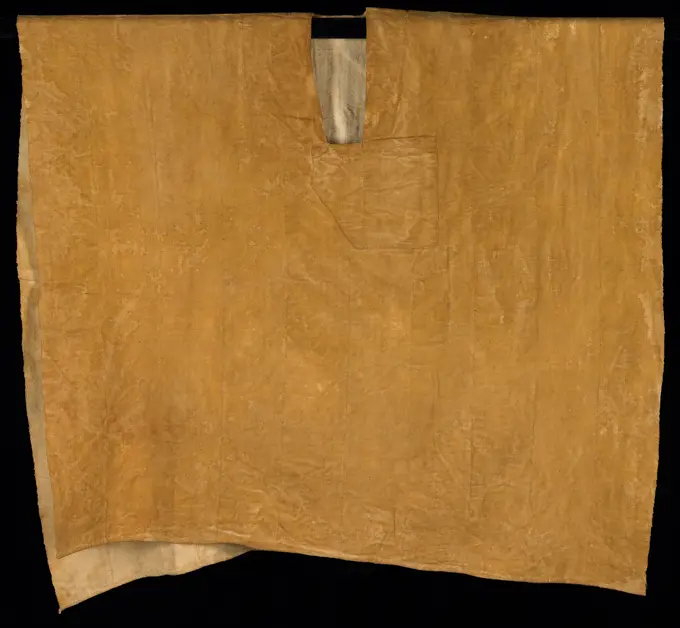
Man's Shirt (Poncho), 20th century, 45 1/2 x 52 1/4 in. (115.57 x 132.72 cm), Cotton, Mali, 20th century
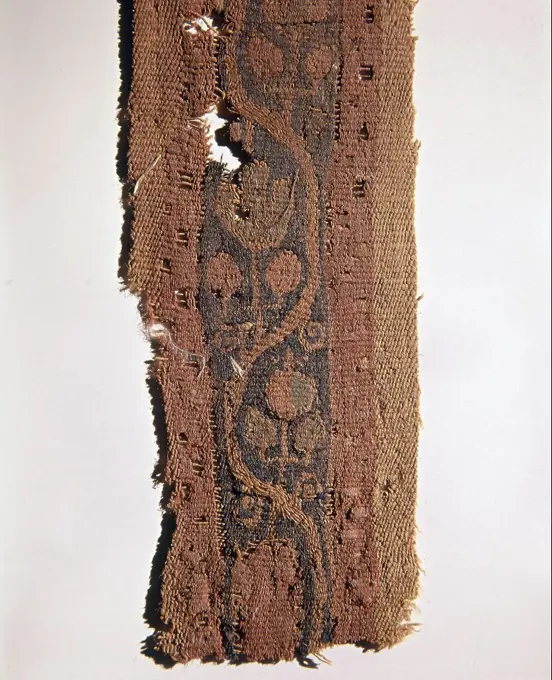
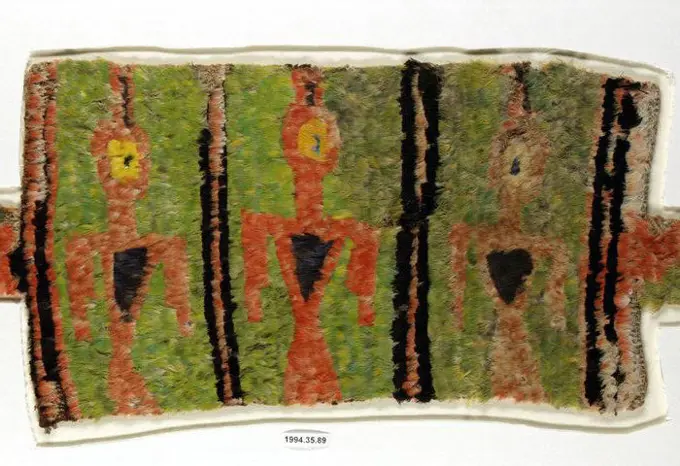
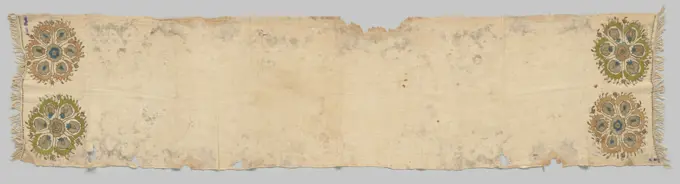
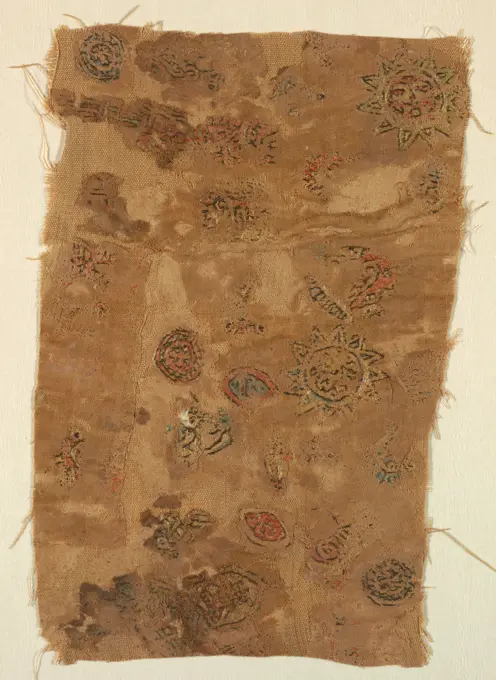
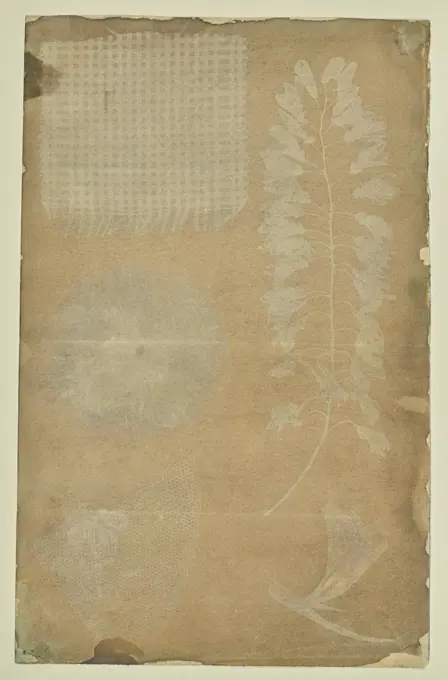
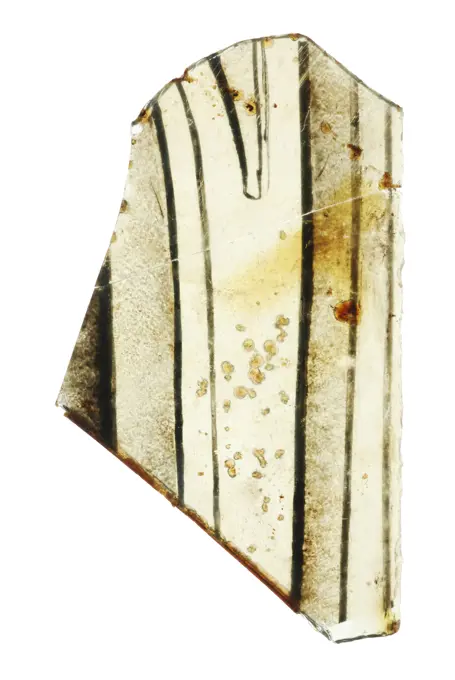
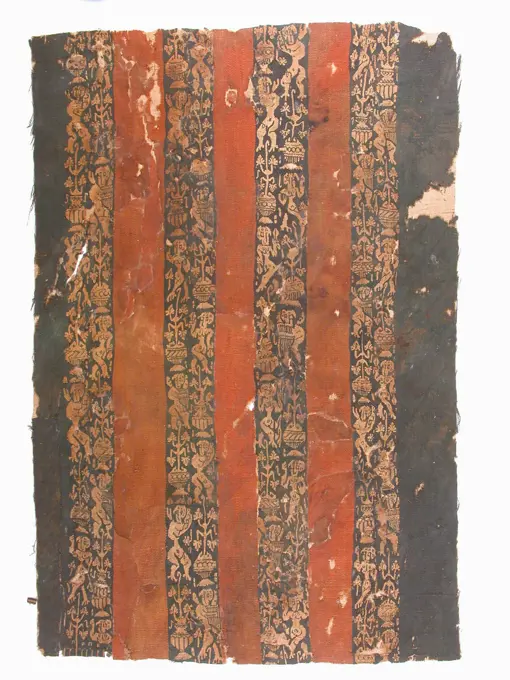
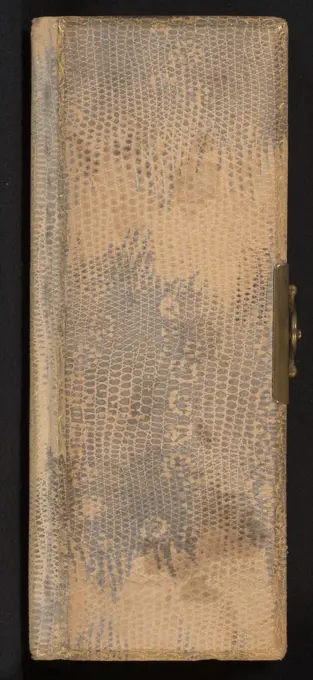
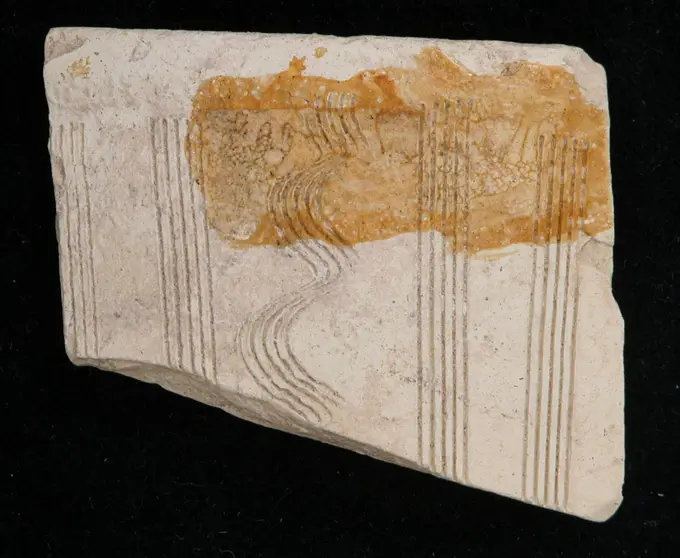
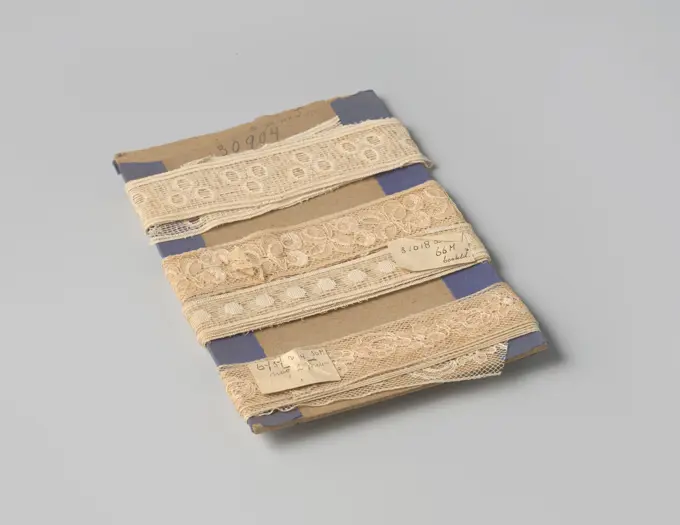
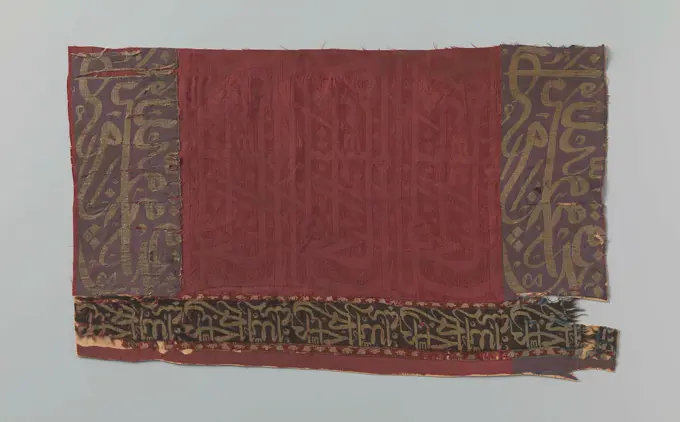
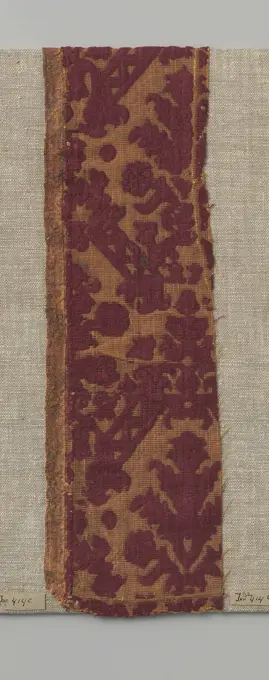
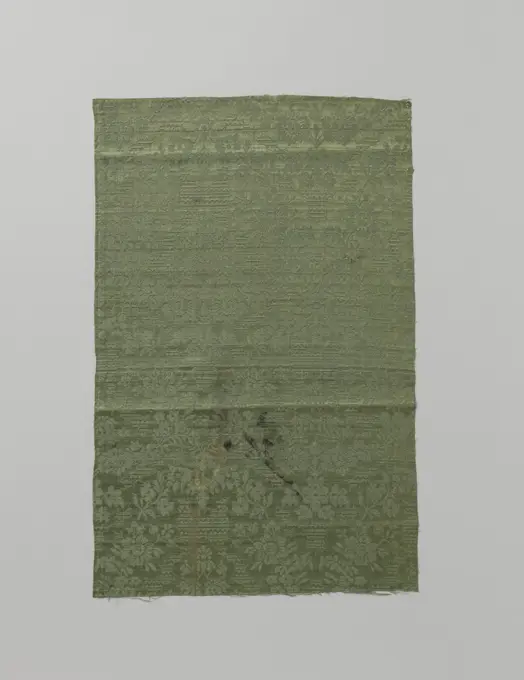
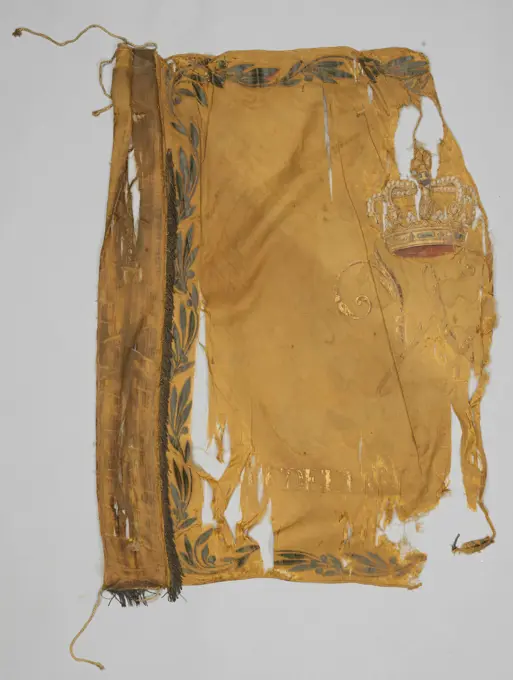
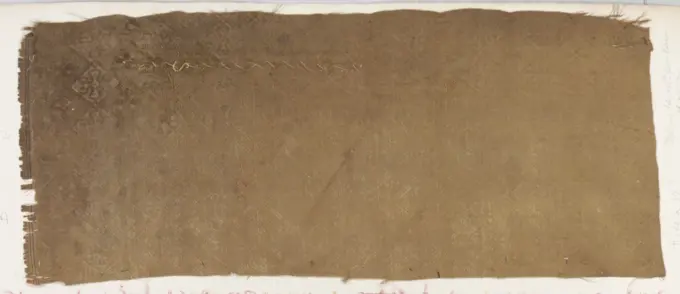
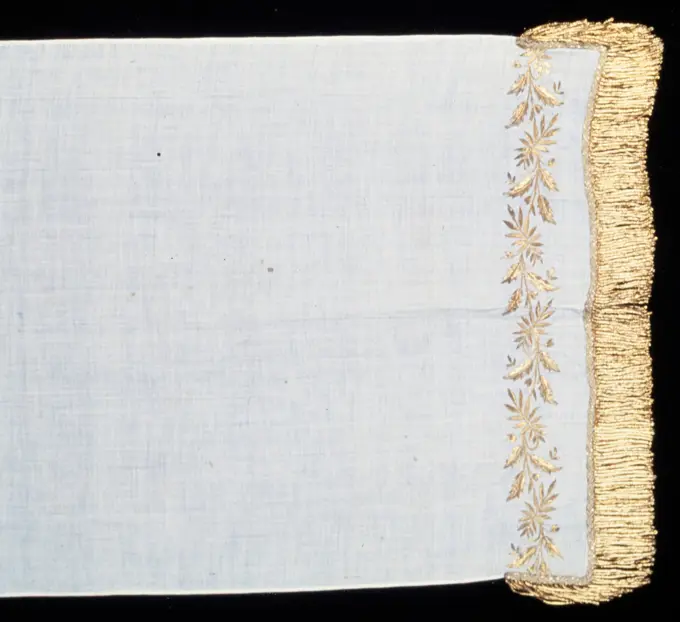
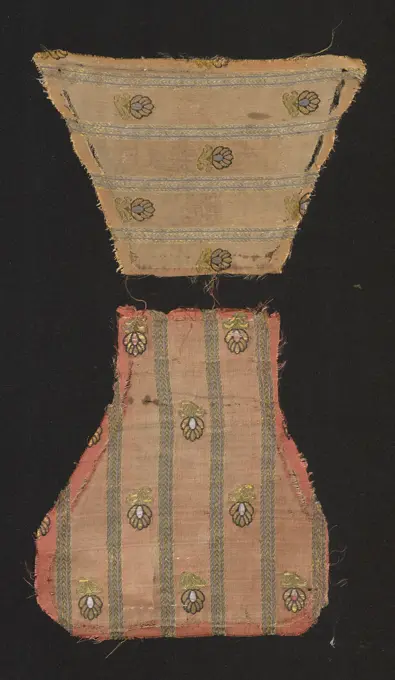
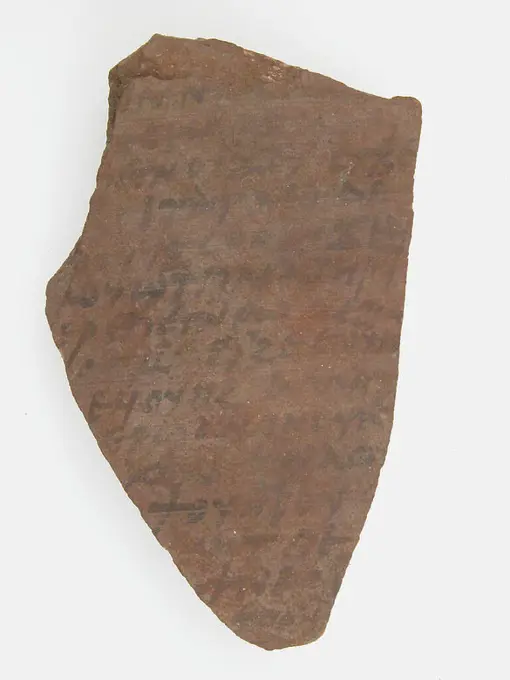
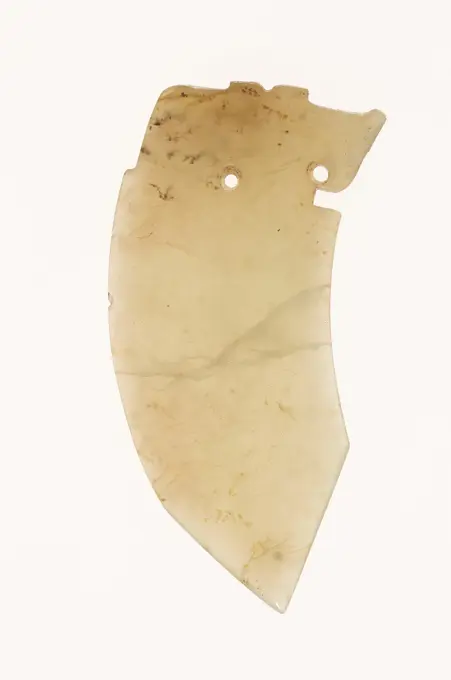
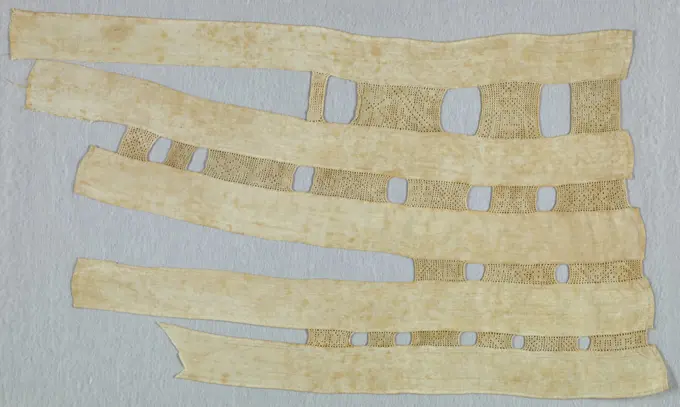
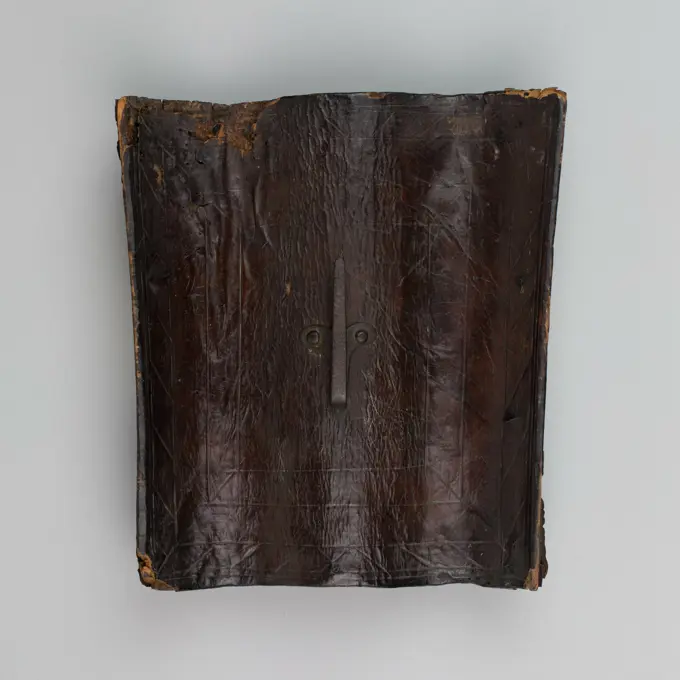
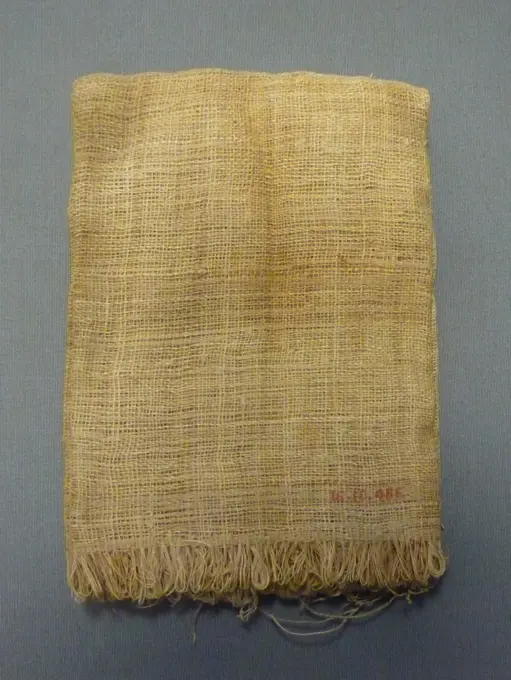
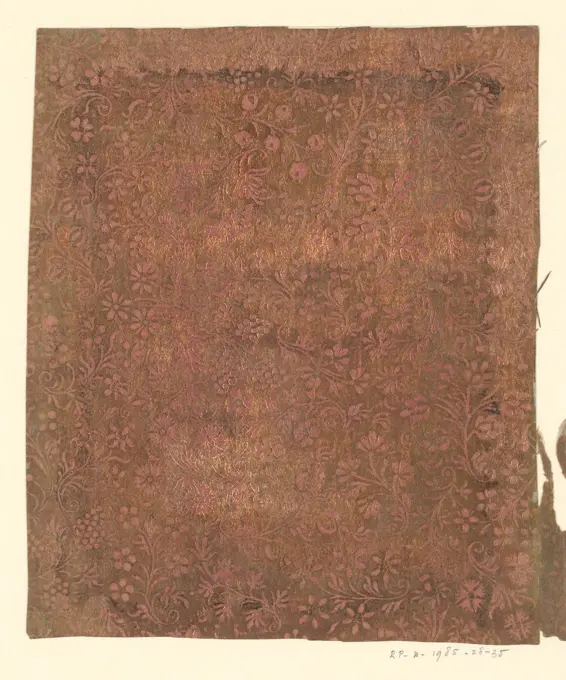
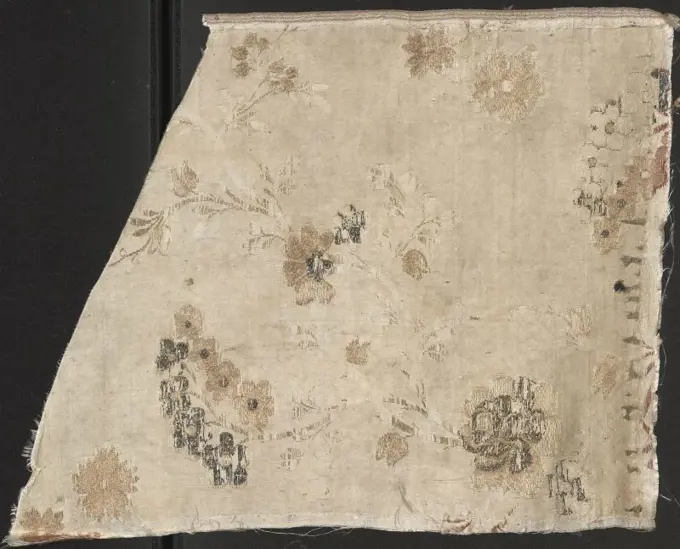
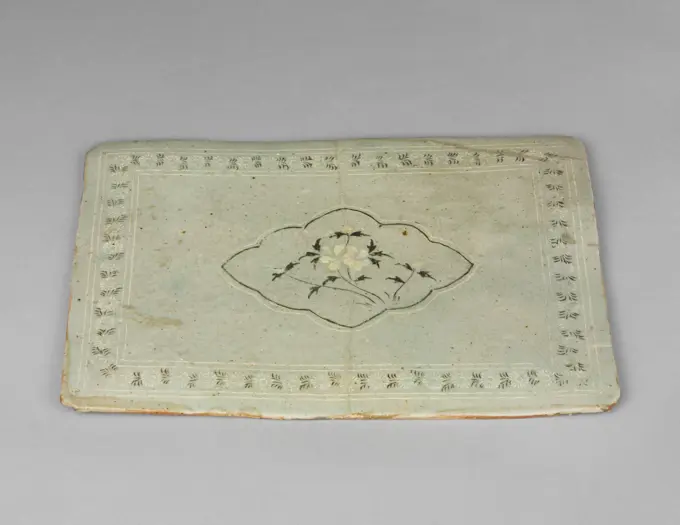
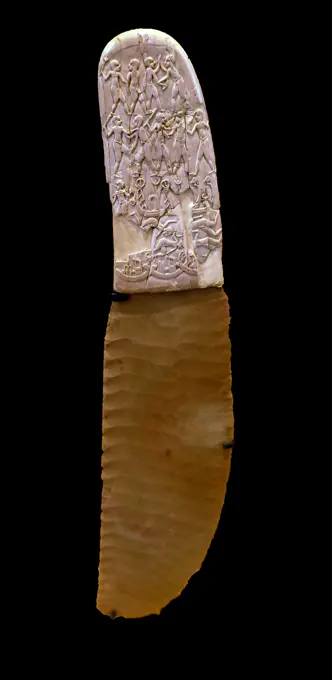
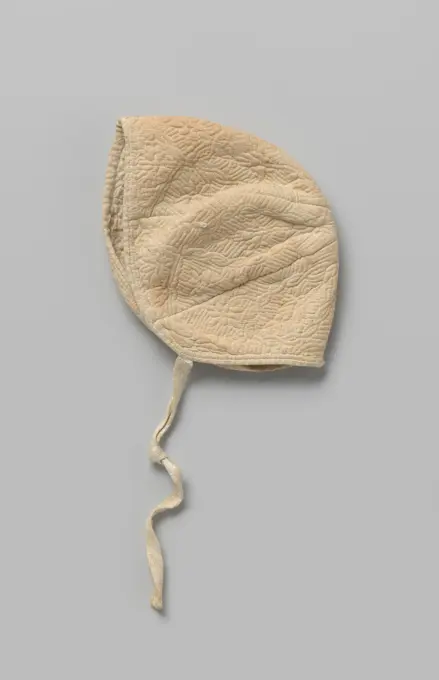
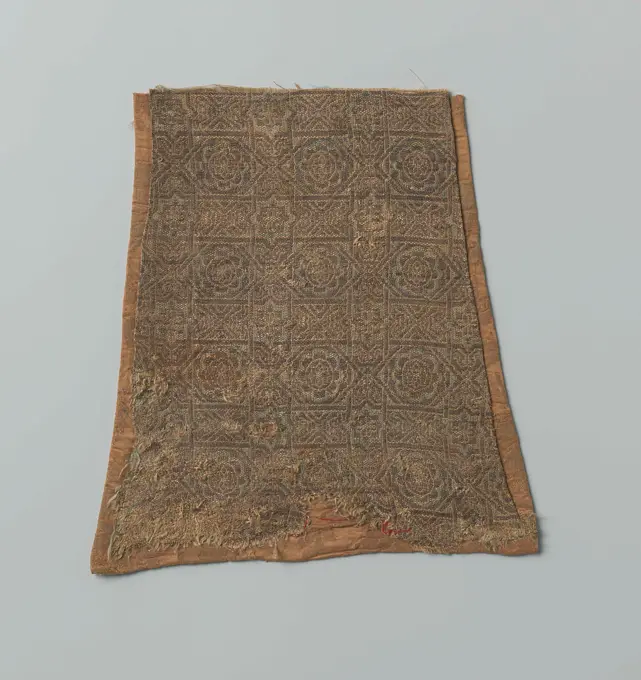
Fragment; silkElongated scarf of white cotton, decorated at the ends with two large roses in moss green and light brown and silver wire, trimmed with frills, anonymous, c. 1800 - c. 1900 Elongated scarf of white cotton, decorated along the two short edges with two large roses, one of which is in moss green and the other light brown, both with silver thread. Small pyramids in gold -colored floss side against the edge. Small fringes. Turkey (Possible) whole: Linen (Material). Decoration: Silver thread. Decoration: embroidering Elongated scarf of white cotton, decorated along the two short edges with two large roses, one of which is in moss green and the other light brown, both with silver thread. Small pyramids in gold -colored floss side against the edge. Small fringes. Turkey (Possible) whole: Linen (Material). Decoration: Silver thread. Decoration: embroideringMan's Shirt (Poncho), 20th century, 45 1/2 x 52 1/4 in. (115.57 x 132.72 cm), Cotton, Mali, 20th centuryBottom of Game Board of Reniseneb (part of 26.7.1287) ca. 1814-1805 B.C. Middle Kingdom See 26.7.1287a-k.. Bottom of Game Board of Reniseneb (part of 26.7.1287) 591455Fragment; silk on linen; Bequest of Marian Hague; 1971-50-21Fragment (Near East); warp; linen. wefts; linen, silk; Warp x Weft: 37.5 x 13.7 cm (14 3/4 x 5 3/8 in.)Arrangement of Specimens. Hippolyte Bayard (French, 1801 - 1887)Fragment relief velvet. Fragment silk relief spreously.Piece 18th-19th century Japan. Piece 67672Textile Fragment 4th-5th century. Textile Fragment 444019Peel, keper. Brand: Kroon IAVG2., Anonymous, 1740 - 1786 Tablecloths of white linen with peel pattern, Brand Kroon iavg 2 Northern Netherlands (Possible) linen (material) Tablecloths of white linen with peel pattern, Brand Kroon iavg 2 Northern Netherlands (Possible) linen (material)Tissue fragment with three medallions with hunting scene, anonymous, c. 600 - c. 899 Tissue fragment with three medallions in natural on stone red soil. In the medallions each time the same hunting teeth of two of each other offset archery riders with four animals underneath. A fine leaf ornament in the edge of the circle. In the surfaces between the circles, a leaf ornamented leaf ornament. Egypt Ketting an element: Linen (material). Entry: Wool tapestry Tissue fragment with three medallions in natural on stone red soil. In the medallions each time the same hunting teeth of two of each other offset archery riders with four animals underneath. A fine leaf ornament in the edge of the circle. In the surfaces between the circles, a leaf ornamented leaf ornament. Egypt Ketting an element: Linen (material). Entry: Wool tapestryFragments of green window glass with stained-glass decor, Gothic vault, window glass building material soil find glass, w 6.4 cast drawn cut painted baked Fragments of rhombus of green tinted window glass. Stained glass Image shows part of gothic vault with triangular recesses in the corners archeology Landpoortstraat Geervliet Bernisse indigenous glasswork adorn living building glazier gothic hof van Putten archaeological find in the soil Geervliet pit Landpoortstraat September 1, 1983.Fragment of a Tunic 4th century. Fragment of a Tunic 447865Fragment (Italy); silk; Warp x Weft (a): 38.8 x 54 cm (15 1/4 x 21 1/4 in.) Warp x Weft (b): 154 x 26.5 cm (60 5/8 x 10 7/16 in.); 1949-114-15-a,bPhoto album with 24 portrait photos, anonymous, various manufacturers, 1860 - 1900  Photo album with 7 magazines with a total of 24 Cartes-de Visite in with peeed decorations framed passe-partouts. Each album magazine contains two passe-partouts and has gold on cut. Portraits of unknown men, women and children are depicted. The photos were taken by various photographers, including Cornelis Johannes Lodewicus Vermeulen (5), Albert Greiner (4) and Henri de Paauw (3).  snakeskin. cardboard. metal. cardboard. photographic support albumen print historical persons. historical persons - BB - woman. childFragment 9th-10th century. Fragment 451580Intermediate installation of cream -white machine side with pattern of three collected circles each, on cardboard, c. 1925 Intermediate installation of cream -white machine side with pattern of three collected circles each time, on cardboard. Nijmegen cardboard Intermediate installation of cream -white machine side with pattern of three collected circles each time, on cardboard. Nijmegen cardboardPillowcase ,, 1752 White linen pillowcase, brand wg 48 1752 Wh 2oonl. Netherlands (possibly) linen (material) White linen pillowcase, brand wg 48 1752 Wh 2oonl. Netherlands (possibly) linen (material)Piece of fabric. unknown, authorFragment of a Ship Flag, anonymous, 1600 - 1699 ship flag Large fragment of a white ship's flag with a red cross (St. George's Cross). England wool.  flag, colours (as symbol of the state, etc.) EnglandLinen Mark on the Corner of a Sheet ca. 2060-2010 B.C. Middle Kingdom. Linen Mark on the Corner of a Sheet 572164Fragment silkedamast with woven Arabic text and decorative tires with text. Fragment Red Silk With Bands Along Three Sides With Characters on Dark Soil. A band is sewn.Fragments; silk, metallicFragment, Medium: Warp; S-spun linen. Weft; S -spun linen, S-spun wool Technique: slit tapestry with supplementary weft wrapping, Ovate blue-green form continued at each end in plain stem terminated in a lozenge., Egypt, 3rd-5th century, woven textiles, FragmentFragment rode ciseléfluweel met geel fond met patroon van palmetten.Fragment silk velvet with pattern in red on yellow ground of palmets enclosed by a geometric ornament with zigzag lines. With selfFragment (Belgium); wool pile on linenFragment green Zijddamast ,, 1750 A fragment of green damask. The symmetrical pattern has flower branches and leaves between which pagode -like motifs and irregularly striped geometric figures. Germany silk damask A fragment of green damask. The symmetrical pattern has flower branches and leaves between which pagode -like motifs and irregularly striped geometric figures. Germany silk damaskFragment of Ritual Cloth (Sokong or Ana Nene)Sail, belonging to a model of a warnock of 18 pieces, Anonymous, c. 1775 - c. 1805 ship model. fully rigged model. show model Sail, belonging to a witness and polychromed model of an over -cut cutter. Netherlands linen (material). ropeTextile Fragment 6th-7th century. Textile Fragment 444214Towel or Napkin Made 1801-1900 Turkey. Embroidered .Flag. Red flag with a blue horizontal runway along top and bottom, and blue pants.Fragment zijdelampas.Fragment side lamps, more or less hemisphere, with lace pattern and flower and leafwork.Textile 16th century China. Textile 53669Fragment, Carved, painted and gilded oak, Architectural fragment showing two bands of moldings: cyma and egg-and-dart., France, ca. 1780, architecture, Decorative Arts, FragmentTextile Swatches Onondaga Silk Company, Inc. (1925-1981). , 1948-1959. Silk, 48 x 17 1/2 in. (121.9 x 44.5 cm).    1948-1959Fragment of standard of the ninth infantry department. Fragment of yellow cream-colored banner cloth deposited with golden frills. On the front a crowned ornate W including in gold classic capitals: 9th division I nfanterie; Along the silk green branches with orange berries. On the parade capacity the crowned weapon of the kingdom, with banderole on which the arms spell: your Maintiendrai, held by two crowned lions; This whole is surrounded by two up bent laundry branches, which are held together at the bottom through a rose bow; Along the silk green branches with orange berries. Originally to a standard of black lacquered wood, on which a gilt bronze wreath of oily branches, and on top a lion with arrows beam and sword on a ditto block, on which the long sides the text: King and Fatherland, surrounded by a snake, And a crowned W. on the short sidesTEJIDO DE LANA COPTO. Location: ALHAMBRA-MUSEO TEXTIL. GRANADA. SPANIEN.Fragment; warp; s-spun linen. wefts; z-spun linen, z-spun woolTextile. Culture: German. Dimensions: Overall: 2 3/16 × 2 9/16 in. (5.5 × 6.5 cm)Storage (Mat): 5 1/2 × 8 1/2 in. (14 × 21.6 cm). Date: 15th century. Museum: Metropolitan Museum of Art, New York, USA.Towel (Greece); raw silk, metal sequinsFragment; silkTextile Fragment 5th-6th century Coptic. Textile Fragment 475230Fragment of an Infant's Cuff. Belgium, 1650-1700. Costumes. Linen bobbin lace attached to linen bandover 100 year old picture frame, back, ancient wood with wood wormholesNAIPE DECORADO EN COLOR ROJO REPRESENTAN DOS FILAS DE TRES LINEAS - CUERO Y PIGMENTO - SIGLO XVIII - PROCEDENTE DE CHILE - ESTILO MAPUCHE - 10,8x8 CM. Location: MUSEO DE AMERICA-COLECCION. MADRID. SPANIEN.vintage paper page on old wooden boardsTablecloth with London and King George, Anonymous, c. 1714 - c. 1727 Tablecloth from Linnamast, entertained into a pillowcase. The symmetrical pattern shows four scenes from bottom to top: 1 the crowned and clever weapon of London, showing the St. Joriskruis and a free quarter of an hour with sword. 2 crowned prince on horseback, going to the right. Caption: George König in Engelland. 3 cityscape with houses in the foreground, a river with sailing ships and ramparts and houses, ferry and towers in the background. Inscription: Lunden. 4. The same as 1. Rand: Symmetrically repeated slender with flowers and volute leaves. Germany linen (material) damask Tablecloth from Linnamast, entertained into a pillowcase. The symmetrical pattern shows four scenes from bottom to top: 1 the crowned and clever weapon of London, showing the St. Joriskruis and a free quarter of an hour with sword. 2 crowned prince on horseback, going to the right. Caption: George König in Engelland. 3 cityscape with houseWei Scabbard Buckle, 475-221 BCE, 3 1/2 x 1 7/16 x 1/2 in. (8.89 x 3.65 x 1.27 cm), Calcified ivory jade and semi-translucent grey jade, China, 5th-3rd century BCEFragment late 16th century Italian. Fragment 230568Linen Towel, 19th-20th century, 62 x 18 in. (157.48 x 45.7 cm), Linen, metallic threads; needlework, Turkey, 19th-20th centuryBelt plate. Bronze. IIe - 1st centuries before J.-C. Northern China. Paris, Cernuschi museum. 59514-7 Chinese antiquity, bronze, belt plate, ancientTwo fragments of fabric; Company of the Silk Factory; 18th century (1701-00-00-1800-00-00);Bobińska, Jadwiga (1862-1940) - collection, gift (provenance), fabricBasketry Sandal Sole. Egypt, probably New Kingdom (1569 - 1081 BCE). Costumes; Accessories. PapyrusSloop met koordsluiting, anonymous, c. 1750 Demolition for pillow, on the short side with six holes for cord closure. Netherlands linen (material) Demolition for pillow, on the short side with six holes for cord closure. Netherlands linen (material)Ostrakon. Culture: Coptic. Dimensions: 2 x 3 1/4 in. (5.1 x 8.3 cm). Date: 7th century. Museum: Metropolitan Museum of Art, New York, USA.Curved Dagger-Blade (ge) Made 1200 BCE-771 BCE China. Jade .Sampler, Medium: cotton embroidery on cotton foundation Technique: needle lace insertion in plain weave foundation, Four rows of needle-lace insertion., Mexico, late 19th century, lace, SamplerFragment 14th-15th century. Fragment 445575Buckler (Targa) 1550-1575 Italy. Fencing masters trained students in the art of using the small hand shields called bucklers since the early Middle Ages. This Italian type called a targa came into use around the 16th century. Its wavy profile was designed to capture and divert thrusts and cuts.. Wood, leather, and iron .LW, Fragment gray stoneware schnelle with large appliqués, in which coats of arms, dated, sparkling beer mug drinking utensils tableware holder soil find ceramic stoneware glaze salt glaze, ring 8.5 hand turned stamped molded glazed baked Two fragments of Schnelle light gray shard salt glaze fragments of two weapon images the right arm is the coat of arms of Denmark neck and foot decorated with vertical grooves above left arm 1576 and below EGZ .. AZNO ... archeology heraldry import pottery drinking beer serving DenmarkBark cloth panel, 82 1/2 x 62 9/16 in. (209.55 x 158.91 cm) (irregular), Plant fibers, Uganda. Ivory frame with mother-of-pearl slice at closing pin; 22 Continuous legs, representing a symmetrical representation with five cartouches alternating with houses in a landscape and a man and woman. Blade of clust side, Valenciennes, with flowers and tendrils. Along the three edges palm motifs interrupted by tulips; Along the scalloped top edge rosette-shaped flowers and fern leaves. The magazine later has been added to the frame.Millefleurs ground with medallion with landscape scene. unknown c. 1520 Tapestry Dimensions: H 5' x W 6' Tapestry Materials/Techniques: unknown Culture: Flemish Weaving Center: unknown Ownership History: Pratt coll., New York. French & Co. purchased from Mrs. H. I. Pratt 10/1/1943 SS 76651. French & Co. purchased from Antiquities (Rosalie Sachs) 12/2/1943; sold "b" to Giuseppe Bellini 11/22/1960; sold "c" to D. G. Flynn 10/29/1945 SS 76832. Related Works: Panels in set: GCPA 0237306-0237308, 0126503Textile with Foliated Ornament and Eagle's Head 14th century Italian. Textile with Foliated Ornament and Eagle's Head 463300Old tattered book coverLinen and lace trimmed woman's band (collar). Dated 17th CenturyGlass Fragment early 14th century French or British. Glass Fragment. French or British. early 14th century. Colorless glass. Glass-StainedDjelaba (Hooded Jacket), c. 1944, 64 3/4 x 50 1/2in. (164.5 x 128.3cm)50 1/2 x 64 3/4 in. (128.27 x 164.47 cm) (plus 16' hood; width at sleeves), Wool, cotton, Morocco, 20th centurycinnamon sticks frameMiniature Linen Sheet From Foundation Deposit 2 of Hatshepsut's Valley Temple ca. 1479-1458 B.C. New Kingdom. Miniature Linen Sheet From Foundation Deposit 2 of Hatshepsut's Valley Temple. ca. 1479-1458 B.C.. Linen. New Kingdom. From Egypt, Upper Egypt, Thebes, Asasif, Hatshepsut Valley Temple, Foundation Deposit 5AFD2, MMA excavations, 1915-16. Dynasty 18Leaf with flowers with fruits, anonymous, 1700 - 1850 brocade paper Leaf with flowers with fruits. Half of a cover (for the other half see: RP-D-1985-28-36).  paper. relief printing ornament derived from plant formsOld antique book Very old closed book isolated over white background Copyright: xZoonar.com/IvonnexWierinkx 7547195cinnamon sticks framePiece of fabric. unknown, authorFragment, Medium: Technique: printed, 19th century, printed, dyed & painted textiles, FragmentSiapo Tasina (Bark Cloth) from Samoa in the pacific Islands. Mid 19th century made from beaten barkNAIPE DECORADO CON CINCO CIRCULOS ROJOS - CUERO Y PIGMENTO - SIGLO XVIII - PROCEDENTE DE CHILE - ESTILO MAPUCHE - 10,9x7,7 CM. Location: MUSEO DE AMERICA-COLECCION. MADRID. SPANIEN.Fragment late 16th-17th century Italian. Fragment 230219Men's stocking of white cotton knitting; In Red Cross stitch marked: J.S./12., Anonymous, c. 1875 - c. 1925 Men's stocking of white cotton knitting; marked in Red Cross stitch: J.S./12. Amsterdam cotton (textile) knitting Men's stocking of white cotton knitting; marked in Red Cross stitch: J.S./12. Amsterdam cotton (textile) knittingWooden wax tablet used by scribes and case containing styluses and colors from the tomb of Kha at Deir el Medina, New Kingdom, Dynasty XVIIIDouble bag, reticle. XVIII. Back. Gal1973.66.9_2Plaque with Inlaid Peony and Chrysanthemum Design, 1200s. Korea, Goryeo period (918-1392). Celadon with inlaid decoration; overall: 19.1 x 25.4 x 0.3 cm (7 1/2 x 10 x 1/8 in.).Card -silk cardigan with silver thread, with embroidered spreading motif and embroidered multicolored flowers and leaf vines with sequins; Eleven metal knots and three under each valve, anonymous, c. 1775 - c. 1800 Salmon -colored side with silver wire edited. Along the edges and on the pockets embroidered multicolored bouquets with hulls of sequins. Netherlands (possibly) silk. metal. silver (metal). linen (material). metal thread. embroidering Salmon -colored side with silver wire edited. Along the edges and on the pockets embroidered multicolored bouquets with hulls of sequins. Netherlands (possibly) silk. metal. silver (metal). linen (material). metal thread. embroideringFragment (Peru); cottonFragment 14th-15th century. Fragment 446401Piece 17th century Japan. Piece. Japan. 17th century. Silk / Compound weave. Textiles-WovenCeintuur ribbon of silk on which a piece of gold galon is sewn that is decorated with two decorative tires, anonymous, c. 1920 - c. 1930 Ceintuur ribbon of silk on which a piece of gold galon is sewn that is decorated with two decorative tires. France (possibly) silk. Ceintuur ribbon of silk on which a piece of gold galon is sewn that is decorated with two decorative tires. France (possibly) silk.Social gameTextile Swatches Onondaga Silk Company, Inc. (1925-1981). , 1948-1959. 55 acetate, 45 rayon, 43 x 17 in. (109.2 x 43.2 cm).    1948-1959The Gebel el-Arak Knife; ivory and flint knife dating from the Naqada II d period of Egyptian prehistory, starting circa 3450 BC, showing Mesopotamian influence. The knife was purchased in 1914 in Cairo by Georges Aaron Benedite for the Louvresignboard isolated on a white backgroundChildren's hat with Zaans Stigwerk, Anonymous, c. 1750 Children's hat, stitched (Zaans). so -called top hat. Netherlands  embroidering Children's hat, stitched (Zaans). so -called top hat. Netherlands  embroideringThirteen hexagonal floor tiles, c. 1545 - c. 1570 Thirteen hexagonal floor tiles decorated with stylized petals. The edges are deposited with wide pisses. In the middle of a long side the coat of arms of the Montmorency family. Antwerp earthenware. tin glaze majolica Thirteen hexagonal floor tiles decorated with stylized petals. The edges are deposited with wide pisses. In the middle of a long side the coat of arms of the Montmorency family. Antwerp earthenware. tin glaze majolicaRim sherd ca. late 3rd millennium B.C.. Rim sherd 326110Fragment of the cloak of Philip from Castile, Archbishop of Seville. Fragment silk tissue in gold, yellow and blue. The symmetrical pattern has geometric shapes of squares in which rosettes, star shapes and rectangles.close up empty wooden sign on a white background with clipping pathFeathered Ornament 14th-early 16th century Peruvian. Feathered Ornament 316914Fragment of a Mantle with Oculate Being, 200 BC-1. Peru, South Coast, Paracas (700 BC - 1 AD), Carhua. Cotton; double-cloth; overall: 74.9 x 108 cm (29 1/2 x 42 1/2 in.).