Ornate Fabric Textiles

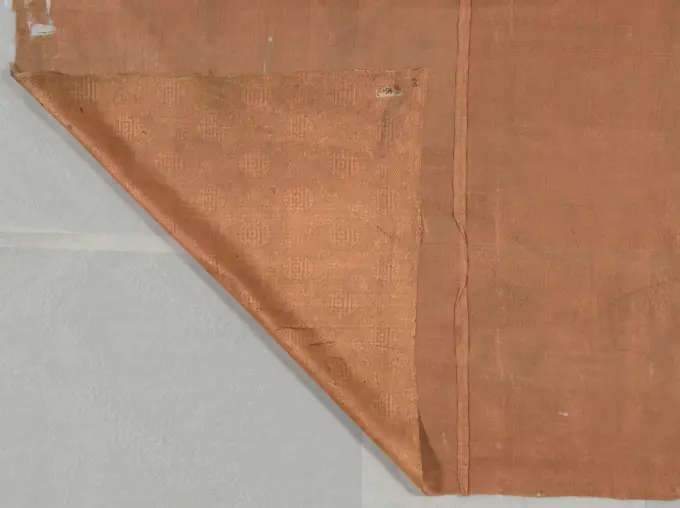
Variety of intricate textiles including silk fragments and embroidered scarves, showcasing floral designs and historical craftsmanship.
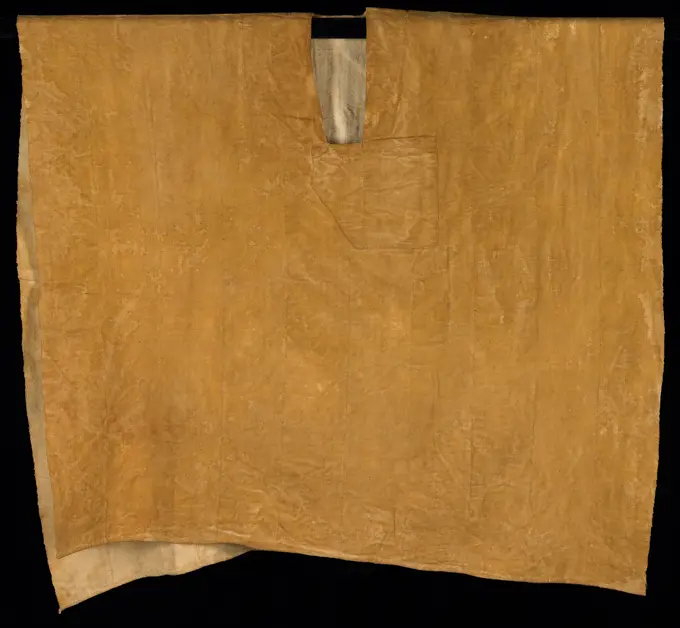
Man's Shirt (Poncho), 20th century, 45 1/2 x 52 1/4 in. (115.57 x 132.72 cm), Cotton, Mali, 20th century
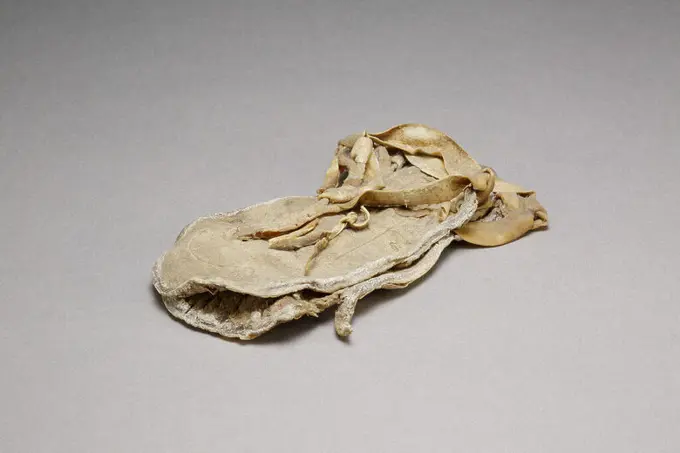
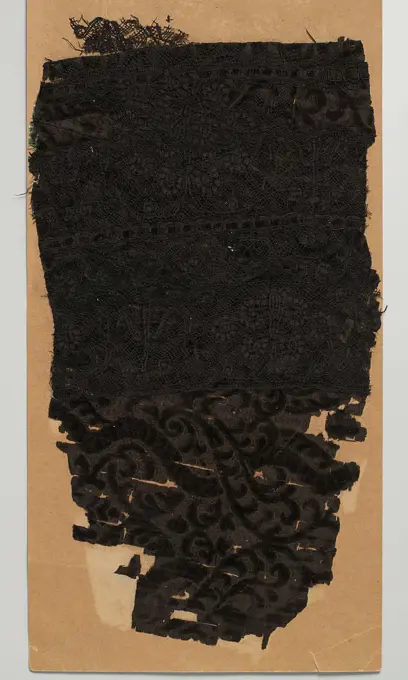
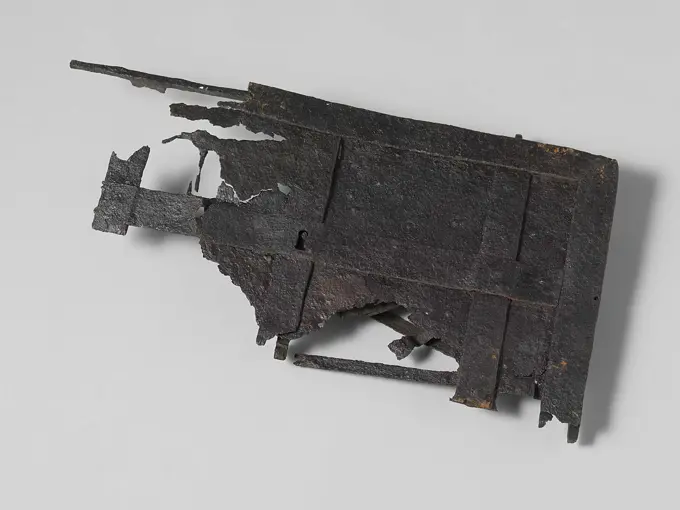
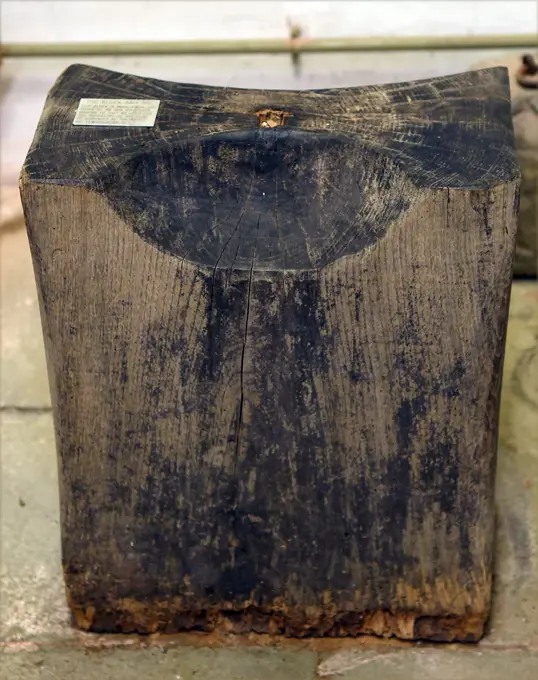
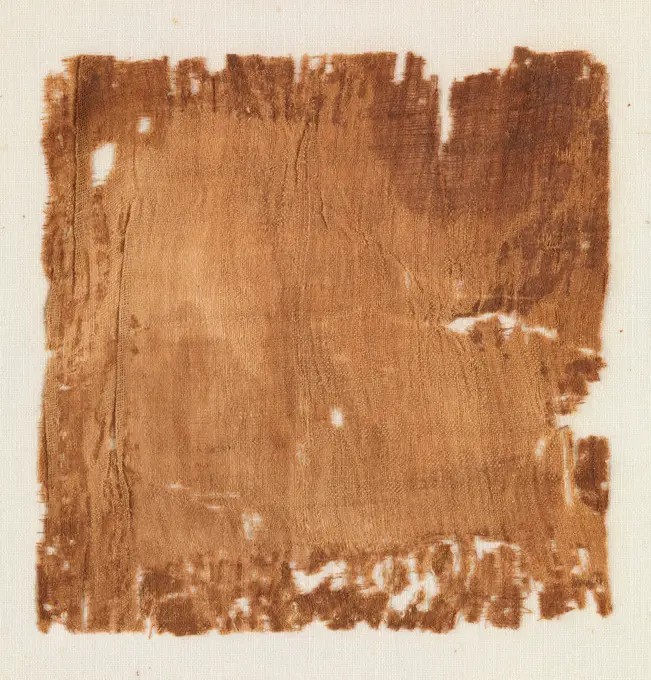
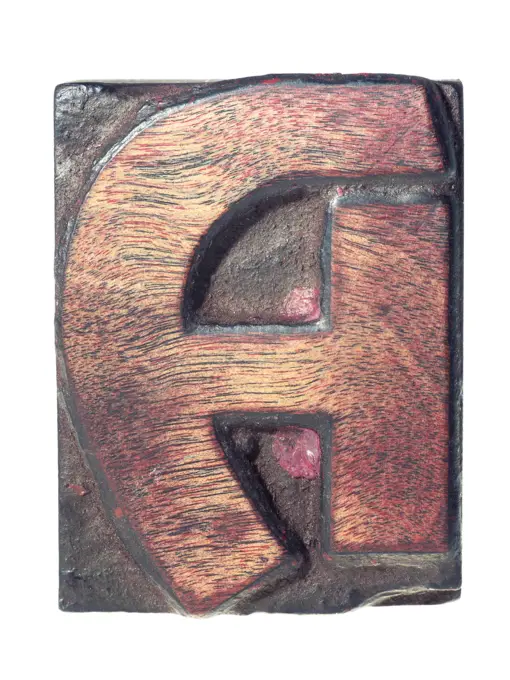
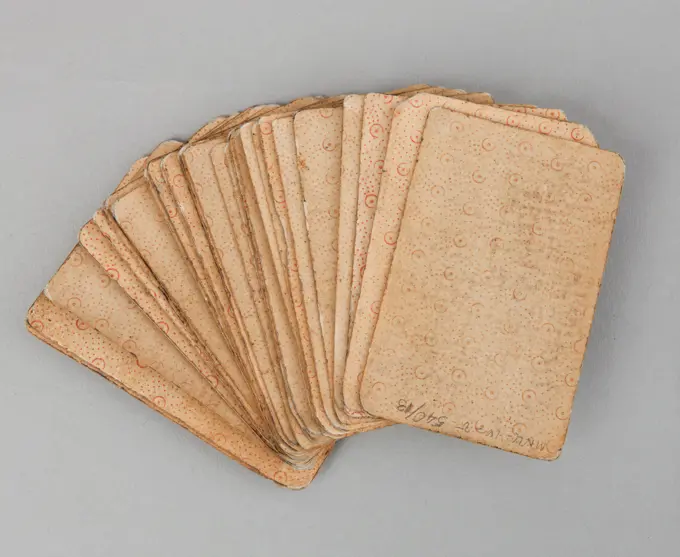
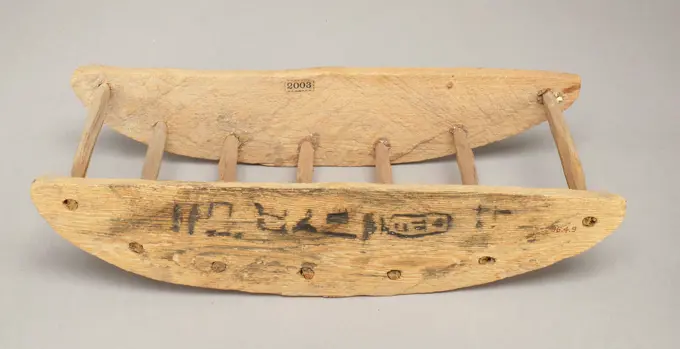
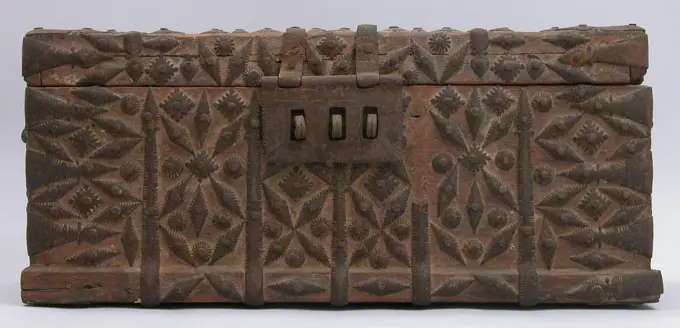
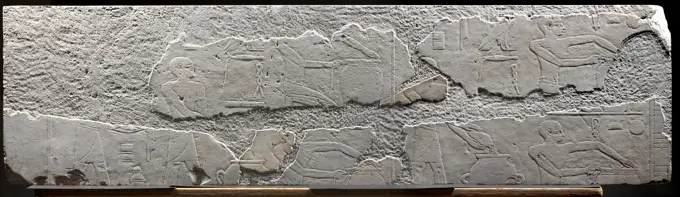
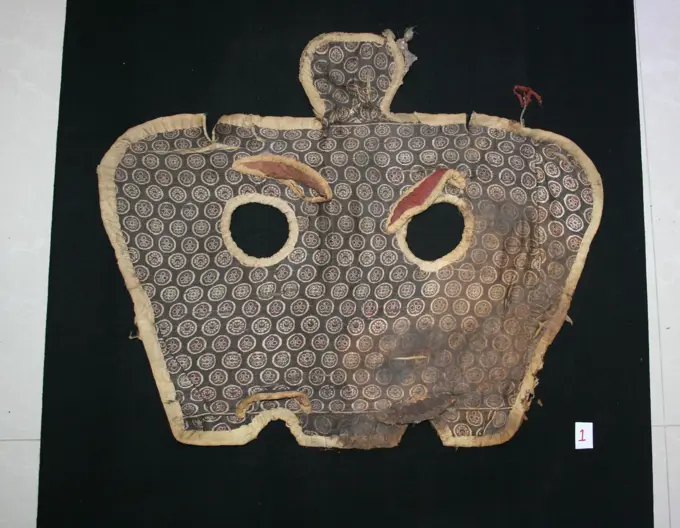
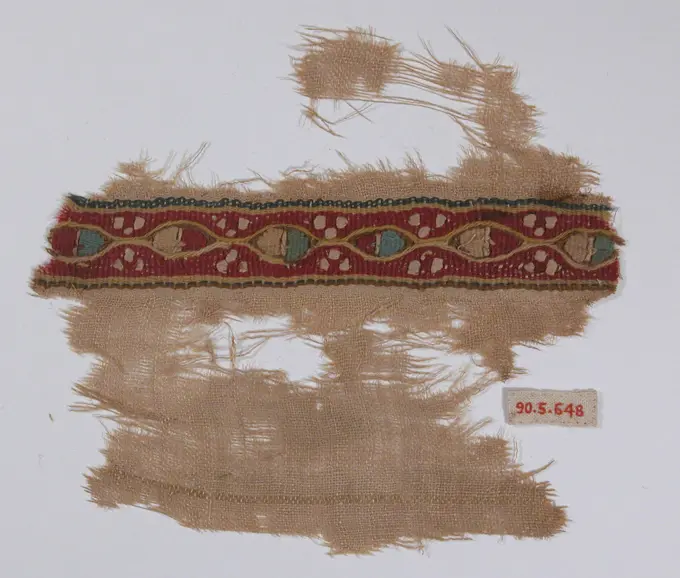
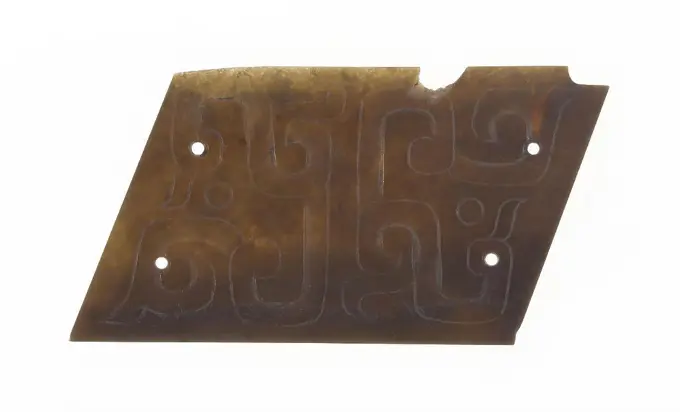
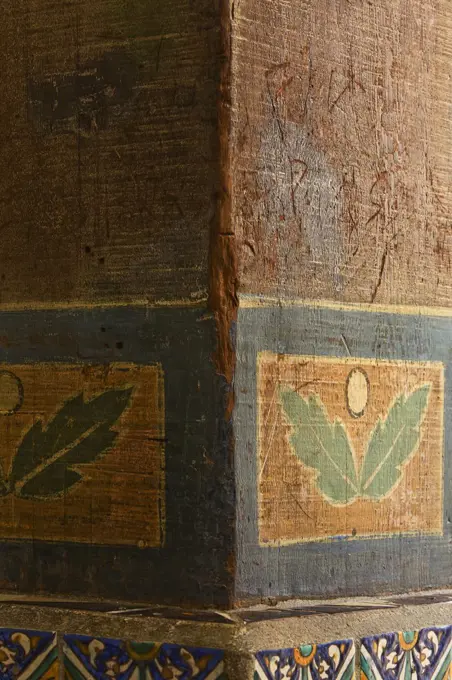
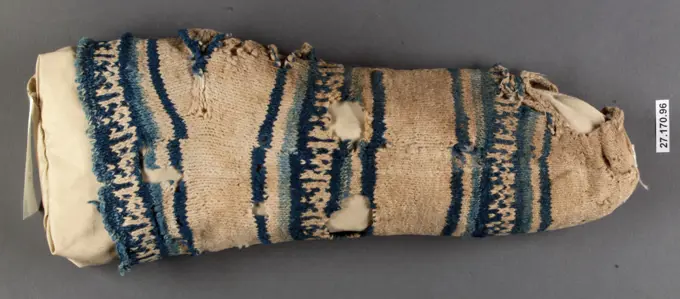
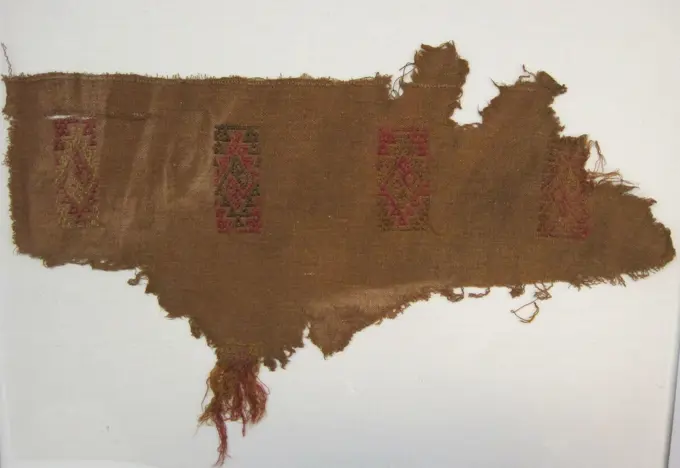
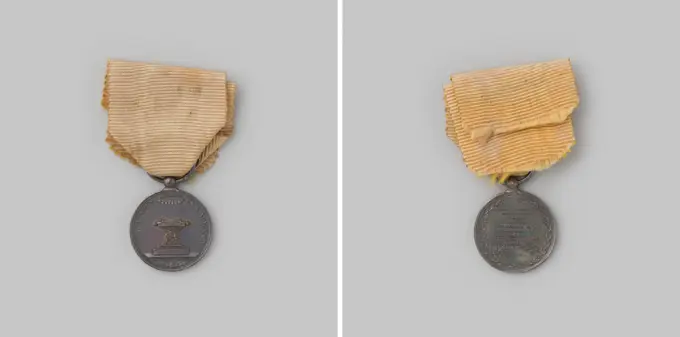
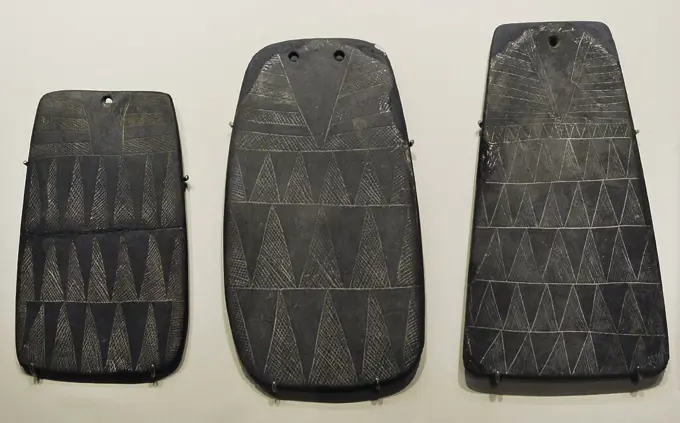
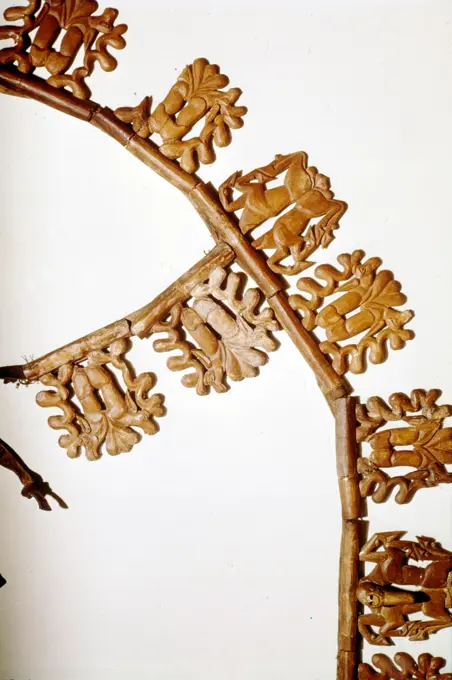
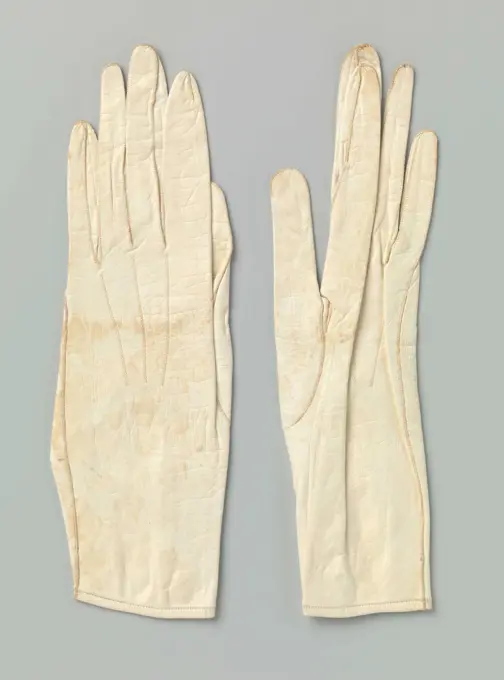
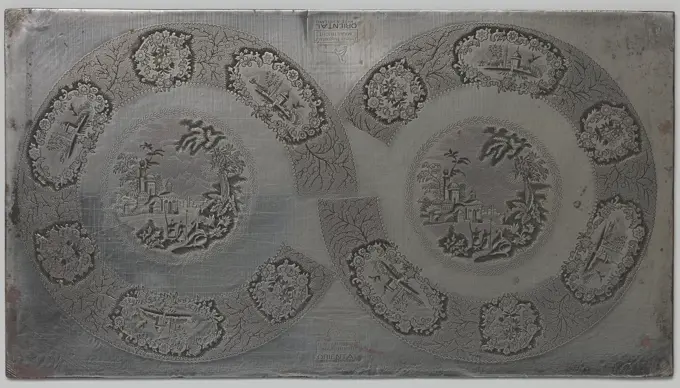
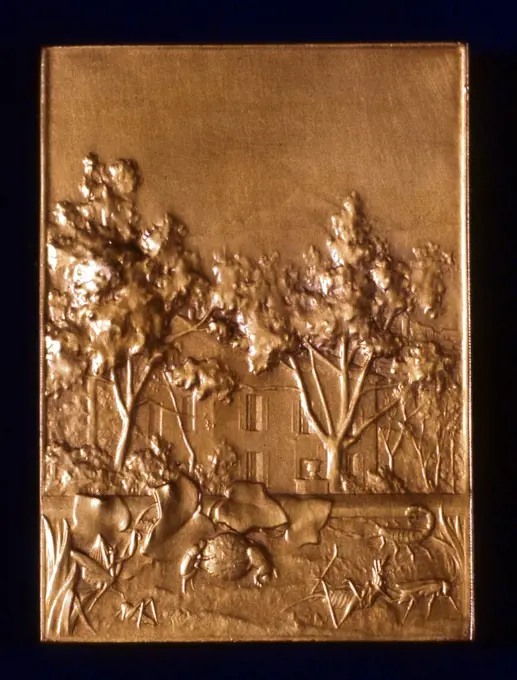
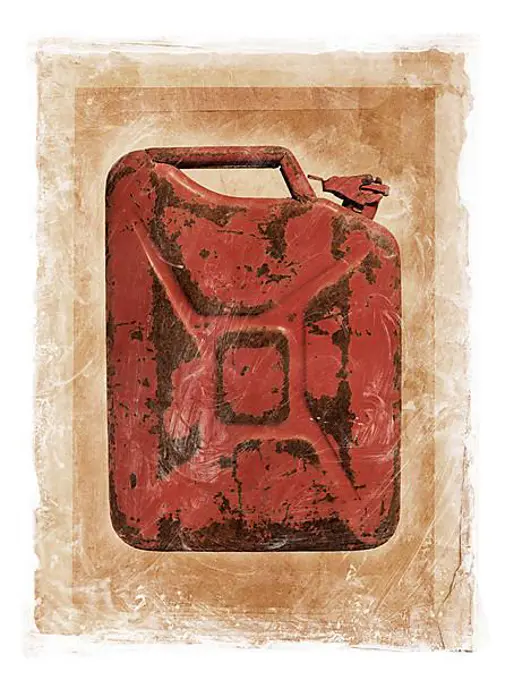
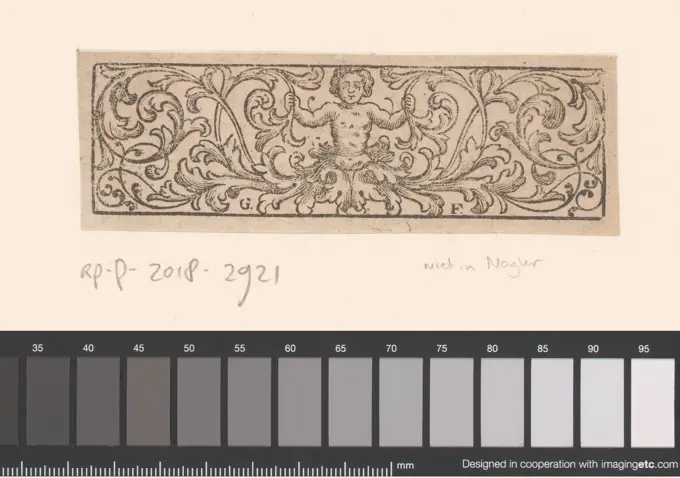
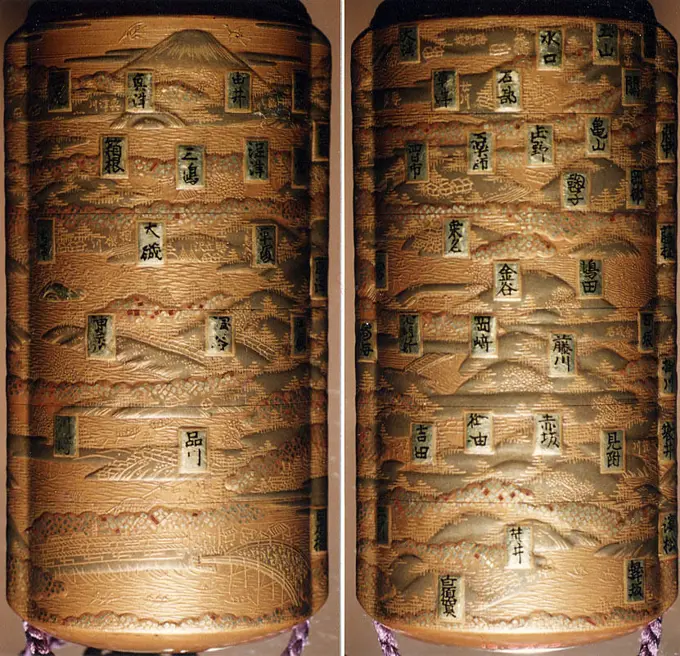
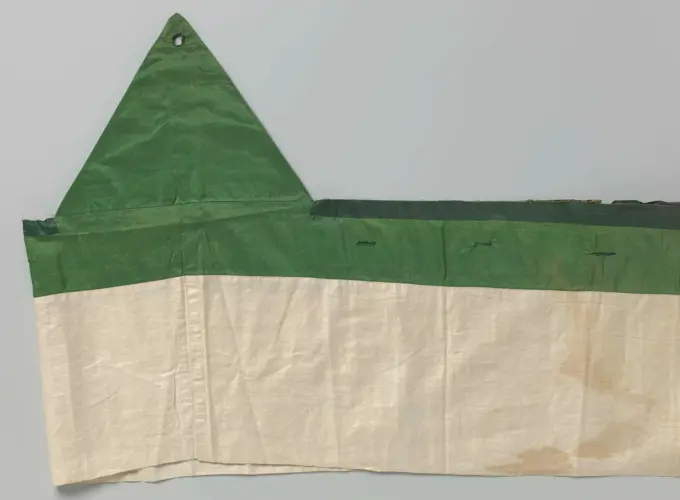
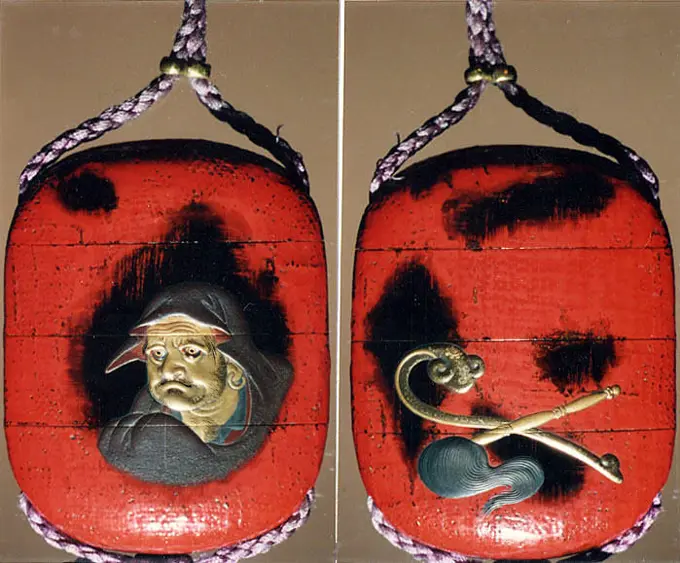
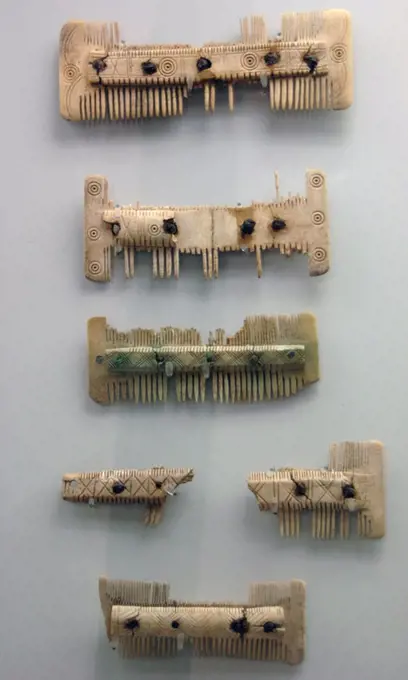
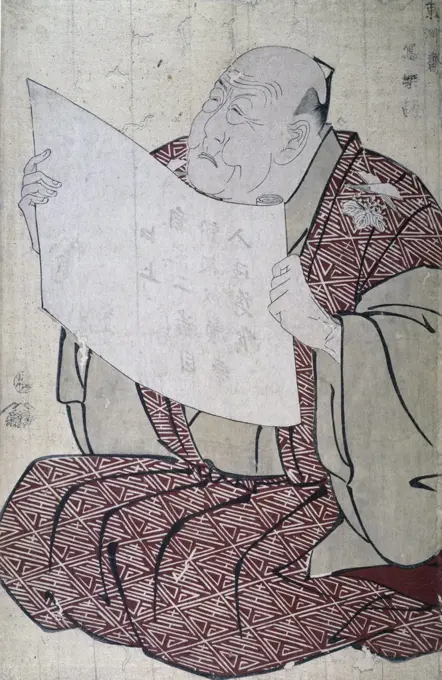
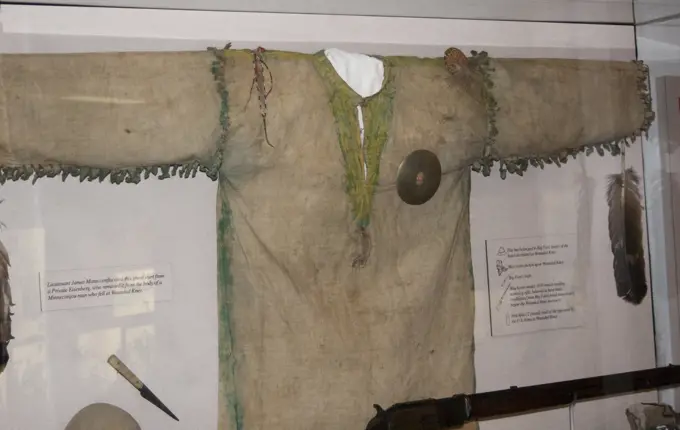
Carnavalet Museum, Medals CollectionPiece 18th-19th century Japan. Piece 66625Rechter handschoen van een sappeur.Right glove from a jerk. This belongs to a jerky equipment consisting of a pattern shaft, bag for a saw, bag for an ax, bag for a pickaxe, fountry for a shovel or spade, gloves, loose garnish for a pattern shoe, Sappeur ax Sappeur cable, Sappeur-Spade, pickaxe.Towel, Medium: cotton, silk, metal thread Technique: embroidered, Towel of white hand-woven cotton, narrow width (9 1/16 in. from selvage to selvage). Ends embroidered in silk design of double row of stylized jars of flowers, alternating with tall trees. Colors: rose, green, and yellow and blue, flat gold., Near East, late 19th century, embroidery & stitching, TowelGloves. Culture: American. Date: 1880-84. Museum: Metropolitan Museum of Art, New York, USA.Pair of sandals. Dimensions: L. 13.5 cm (5 5/16 in.); W. 5.7 cm (2 1/4 in.); Th. 0.3 cm (1/8 in.). Dynasty: Dynasty 18. Reign: Joint reign of Hatshepsut and Thutmose III. Date: ca. 1479-1458 B.C.. Museum: Metropolitan Museum of Art, New York, USA.Fragment of a cloak of ciselé velvel with clamping side, according to surrender from Hugo de Groot.Fragment of a mantle of Black Ciselé Velvel on which Black Climbing Side is Sewn. According to Tradition, The Fragment Comes from a Cloak or Hugo de Groot.Shoulder Cloth(Ulos)Roundel with Geometric Decoration Coptic. Roundel with Geometric Decoration, 5th-7th century C.E. Flax, wool, 7 1/16 x 7 1/16 in. (18 x 18 cm).   Egyptian, Classical, Ancient Near Eastern Art 5th-7th century C.E.Coffin lid running in iron. Coffin lid executed in iron, with jump lock over the entire surface. See also NM-7657.Quartered shield of the Bermudez, one of the most noble houses in Galicia. 17th century. Archaeological and History Museum (San Anton Castle). A Coruna, Galicia, Spain.Shurayba, jug with sgraffito decoration on black manganese bands, 12th-13th century AD, Shaltish (Saltés),islamic period, Huelva Museum, Huelva, Andalusia, Spain.Magic wand fragment ca. 1981-1550 B.C. Middle Kingdom-Early New Kingdom. Magic wand fragment. ca. 1981-1550 B.C.. Ivory. Middle Kingdom-Early New Kingdom. From Egypt, Egyptian Antiquities Service/Maspero excavations, 1885-86. Dynasty 12-18A 15th century English public execution block used to decapitate condemned prisoners. This was a form of capital punishment which members of the general public may voluntarily attend.Turtle stone steles at Van Mieu - Quoc Tu Giam in Hanoi.Fragment of a Tunic 5th-6th century. Fragment of a Tunic 443811Sample of Cloth ca. 2353-2323 B.C. Old Kingdom. Sample of Cloth 570877Springerle Board for Christmas Cakes. Dated: c. 1939. Dimensions: overall: 45.6 x 35.8 cm (17 15/16 x 14 1/8 in.). Medium: watercolor and graphite on paper. Museum: National Gallery of Art, Washington DC. Author: Fritz Boehmer.Neck Ornament of a Tunic, 400s. Egypt, Byzantine period, 5th century. Undyed linen and dyed wool: tapestry weave with supplementary weft wrapping; overall: 18.4 x 28.9 cm (7 1/4 x 11 3/8 in.); mounted: 26.7 x 37.1 cm (10 1/2 x 14 5/8 in.).Fragment. Dimensions: H. 15 1/4 in. (38.7 cm)W. 26 in. (66 cm). Date: 9th-10th century. Museum: Metropolitan Museum of Art, New York, USA.wooden A typeface detailed vintage wooden A letter typeface isolated Copyright: xZoonar.com/YuryxZapx 10027097Incomplete deck of playing cards (29 pcs.) Journey. Piatnik & sönhePre-Columbian Jewelry Chimú culture 1100 AC-1470 AC Perú Funerary offerings.. Edge Colored Spanish needle lace - Frisado de Valladolid - gold and silver side in combination with pink, purple, blue, green and yellow silk threads. The whole consists of a straight list and a sloping edge, which are connected to each other with a linen band. Originally the side will be used as a jug or a garment or cushion for household use. At the end of the 20th century, it is donated by Vereniging the Kantalet to the Rijksmuseum in honor of the 75th anniversary of the association. A jubilee exhibition was then organized for which it was mounted by the museum on green velvet. Table pattern: symmetrically built up with hooking s-volutes, where straight ornamental belts placed in between. In the corners and in the middle of each side a stylized flower ornament. Pattern of the tubular edge: stylized triangular flowers, alternating between two leaves and without leaves. The motifs are made up with feston stitches of colored silk that has been worked over gold thread and silver wire.Model Stone Rocker from a Foundation Deposit for Hatshepsut's Temple ca. 1479-1458 B.C. New Kingdom When a pharaoh decided to build a temple, a foundation ceremony was performed during which the outlines of the building were marked by cords stretched over wooden pegs. At certain places along the circumference or the axis of the future building holes were dug in the ground into which the king placed votive objects.Many of the objects placed in foundation deposits were tools used for construction of the building or of the shrines and statues to be housed within it. Some tools, such as this brick cradle, were models; others were full-size, usable tools (see 96.4.7).. Model Stone Rocker from a Foundation Deposit for Hatshepsut's Temple 547563Sample (Dress Trimming). England or France. Date: 1815-1835. Dimensions: 24.77 × 42.23 cm (9 3/4 × 16 5/8 in.). Silk, plain weaves and silk, satin weaves; pieced; backed with silk, plain weave; sized; cotton batting; edged with cotton cording wrapped with silk, plain weave. Origin: France. Museum: The Chicago Art Institute, Chicago, USA.NUSBAUMER, Paulette (n.1917-09-09-D.2014-12-06), French tricolor flag made at the time of the Liberation of Paris and having floated at 77 BD de Grenelle, Paris 15th arrondissement (title awarded), 1944 . Local handcrafted, textile, wood. Metal. Museum of the Liberation of Paris - General Leclerc Museum - Jean Moulin Museum.Inscribed Textile (Tiraz) Fragment. Egypt, Islamic, second half of the 9th-10th century. Textiles; tiraz. Linen and wool tapestryCasket 18th-19th century. Casket 445011Relief, filling jars with wine ca. 1981-1950 B.C. Middle Kingdom. Relief, filling jars with wine 546715Textile Fragment, 2 1/8 x 2 1/2 in. (5.4 x 6.35 cm) (fragment)3 3/4 x 4 1/4 in. (9.53 x 10.8 cm) (mount), Linen (), wool (), EgyptShaffron (Horse's Head Defense) ca. 5th-7th century Central Asian This shaffron is extraordinarily rare both for being one of only a few known examples of Central Asian textile shaffrons (see also 2016.171) and for the fact that it is a largely intact and complete textile object from a region and period when textile fragments are the norm. The weaving technique and the motifs suggest that the silk was made in Central Asia, inspired by Chinese fabric that was known via commerce on the Silk Road.A ceremonial shaffron (horse's head covering) made of silk. The shaffron has two circular eye openings. At the center of the top edge there is a poll piece in the form of a tab that would lay between the ears on the horse's poll. Along the bottom edge there are two notches to accommodate the nostrils. There are separately padded crescent-shaped pieces above the eyes and above the nostril areas. The main textile is dark purple-brown with a repeating pattern of closely grouped and slightly offset hTextile Fragment 5th-6th century. Textile Fragment. 5th-6th century. Wool, linen; plain weave, tapestry weave. Attributed to Egypt. TextilesPlaque. China. Date: 700 BC-500 BC. Dimensions: 5.7 × 3.0 cm (2 1/4 × 1 3/16 in.). Jade. Origin: China. Museum: The Chicago Art Institute, USA.Sherd with an ornamental border, anonymous (possibly), c. 1600 - c. 1799 Sharp of earthenware, painted in the glaze with a decorative strap of dots. Majolica. Netherlands earthenware. tin glaze. lead glaze painting / vitrification Sharp of earthenware, painted in the glaze with a decorative strap of dots. Majolica. Netherlands earthenware. tin glaze. lead glaze painting / vitrificationPlanets-manager. Cornalet Collection Sites 2013-2016. Numismatic.Anweisung zum rechten Gebrauch des physiognomischen ...Detail painted wooden support beamMacro view of a dry leaf with paper with musical notes of autumn seasonSock 12th-13th century. Sock. 12th-13th century. Wool. Attributed to Egypt, Fustat. Textiles-CostumesTextile Fragment, undetermined Chimú. Textile Fragment, undetermined, 1000-1532. Cotton, 14 15/16 x 9 13/16 in. (38.0 x 25.0 cm).   Arts of the Americas 1000-1532Scene tile, child's play, child plays with ball, corner motif spider, wall tile tile sculpture ceramic earthenware glaze, baked 2x glazed painted Blue on white.Cap Crown; linen; 1938-23-4Head Covering () 1st-2nd century Paracas-Nasca. Head Covering (). Paracas-Nasca. 1st-2nd century. Camelid hair. Peru. Textiles-WovenCylinder seal ca. 2350-2150 B.C. Akkadian. Cylinder seal. Akkadian. ca. 2350-2150 B.C.. Aragonite (). Akkadian. MesopotamiaTiled stove; Manufaktura Majoliki in Nieborów (Nieborów; Wytwórnia; 1881-1899); End of the 19th century (1890-00-00-1900-00-00);Colorful easter eggs in basket on wooden table with copy space. metal construction hardware tool on white backgroundPiece 18th century Japan. Piece 71407Erinning for the Gelderland volunteers, c. 1815  Bronze carrying pin with button, ring and ribbon.  penning: bronze (metal). lint: textile materialsIdols-plate. Board. 3500-2500 BC. Late Neolithic-Chalcolithic. From the Granja de Cespedes, province of Badajoz, Extremadura. National Archaeological Museum. Madrid. Spain.Egypt, Cairo, The Egyptian Museum, Valley of the Kings Excavation by Carter, 1922, Linen gloves of King Tut.Breast-Strap Ornament from Riding outfit, Pazyryk, Altai Mountains, 5th century BC-4th century BC.  Artist: Unknown.Coptic fabric; Egyptian workshop; V-VI century (401-00-00-600-00-00);lining for panel Made 1820-1830 China. .Glass glove, short model, clasp with three buttons of mother-of-pearl. Right glove from glace leather. At the wrist a split with three mother-of-pearl buttons. On the hand three stitched lines.Plate with engraved decorations for earthenware with Ruth and Boaz, Petrus Regout, c. 1801 - c. 1879 Plate of copper with engraved performances for a milk jug with the decor Ruth and Boaz, perpetrations and factory stamps. Above the text: Melkton 24 and 1166. The rear with engraved edge decorations. In the top right corner 826 (removed). Maastricht copper (metal) engraving Plate of copper with engraved performances for a milk jug with the decor Ruth and Boaz, perpetrations and factory stamps. Above the text: Melkton 24 and 1166. The rear with engraved edge decorations. In the top right corner 826 (removed). Maastricht copper (metal) engravingVase of Flowers John Williamson (American, 1826-1885). Vase of Flowers, 1870. Oil on canvas, 20 1/16 x 8 1/8 in. (50.9 x 20.7 cm).   American Art 1870Jean Henri Fabre (1823-1915) French entomologist. Reverse of plaquette issued in 1911.Grunge dirty photomanipulation of a jerry can fuel containerOrnament, anonymous, 1500 - 1599 print   paper  anthropomorphic ornamentWoven Textile with Small Scale Floral Pattern late 13th-mid-14th century Central Asia. Woven Textile with Small Scale Floral Pattern 39727Case (Inr) with Design of the Fifty-Three Stations of the Tokaid 19th century Japan. Case (Inr) with Design of the Fifty-Three Stations of the Tokaid. Japan. 19th century. Lacquer, fundame, gold, silver and black hiramakie, takamakie and gold foil; Interior: nashiji and fundame. Edo (1615-1868) or Meiji period (1868-1912). InrStrip green silk with buttonholes .. Strip green silk with buttonholes. A strip of white linen is sewn from the strip. The strip has a linen lining. Two deck members are stored in the strip (BK-1992-21-A and BK-1992-21-B) and a strip of frills (BK-1992-21-D).Jacquard-Kartenkopiermaschine. Dient zum Kopieren der Karten für den Jacquard-Webstuhl. Jacquard card copying machine. Used to copy the cards for Jacquard loom. LicenseRF Copyright: xZoonar.com/DmitrixMarutax 23286525Tricolor pennant of one of General Leclerc's jeeps. 1944-1945. General Leclerc Museum of Hauteclocque and the Liberation of Paris, Jean Moulin Museum. 2nd dB, automobile, cross of Lorraine, French flag, General Leclerc, Jeep, TransportationStill Life with Books and Hourglass, Unknown artist.Banderole Bourguignon, Heraldry - Flags & BannersJewelry packagingWomans Night Shift. England, late 19th century. Costumes. Cotton plain weave with linen laceESTUCHE DORADO DE LA CONSTITUCION DE 1812. Location: CONGRESO DE LOS DIPUTADOS-BIBLIOTECA. MADRID. SPAIN.Sidewall (possibly USA); block-printed; a,b) Overall: 17 x 25.5 cm (6 11/16 x 10 1/16 in.) c) Overall: 19.5 x 9 cm (7 11/16 x 3 9/16 in.)Case (Inr) with Design of Daruma (obverse); Fly Whisk and Scepter (reverse) 19th century Japan. Case (Inr) with Design of Daruma (obverse); Fly Whisk and Scepter (reverse). Japan. 19th century. Lacquer, red, textile background, gold, silver and black hiramakie, takamakie; Interior: roiro and fundame. Edo period (1615-1868). InrRoman combs. Ivory, horn and bone. Crypta Balbi. National Roman Museum. Rome. Italy.Japanese art, woodcutLieutenant James Mann confiscated this ghost shirt from a Private Eisenberg, who removed it from the body of a Miniconjou man who fell at the Wounded Knee Massacre, South DakotaTile, blue horizontal lines, partially colored, SCHIPEION, tile picture material fragment ceramics pottery glaze tin glaze, baked 2x glazed painted Red shard two nail holes Was part of tile picture, SCHIPEION (painted and baked-in front) tableau ScipioClose-up of rusty charity box on wall, Old City, Safed, Northern District, Israel