Ornate Historical Artifacts

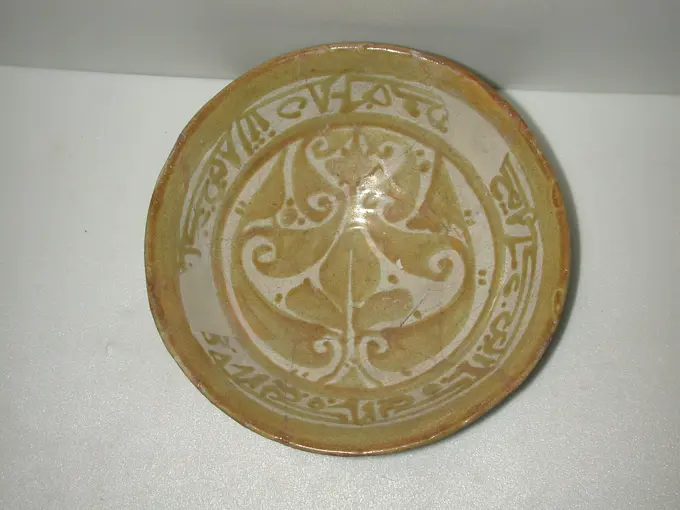
Artifacts including decorative ceramic shards and ornate sword guards from Central Asia and Japan, showcasing rich cultural heritage.
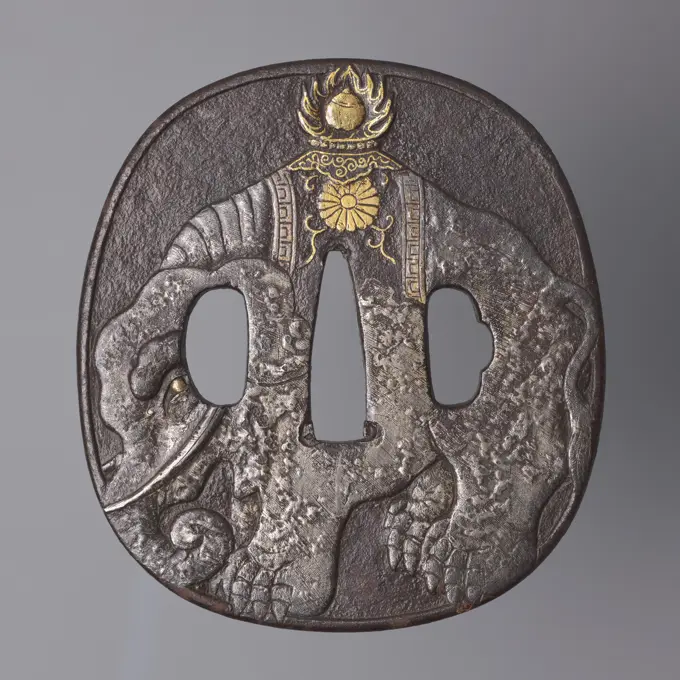
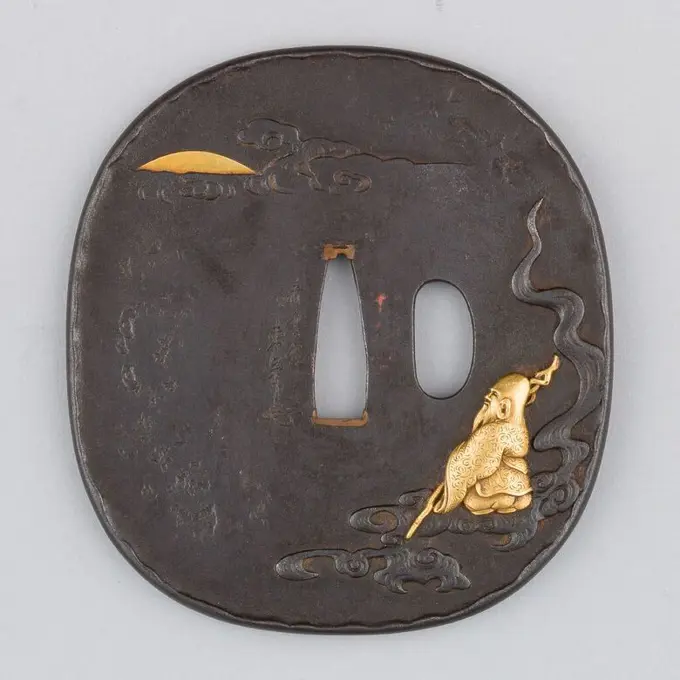
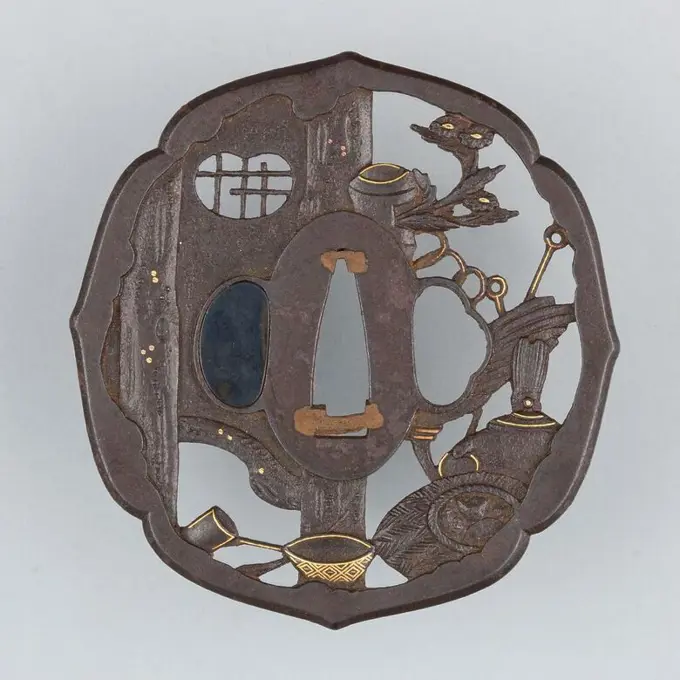
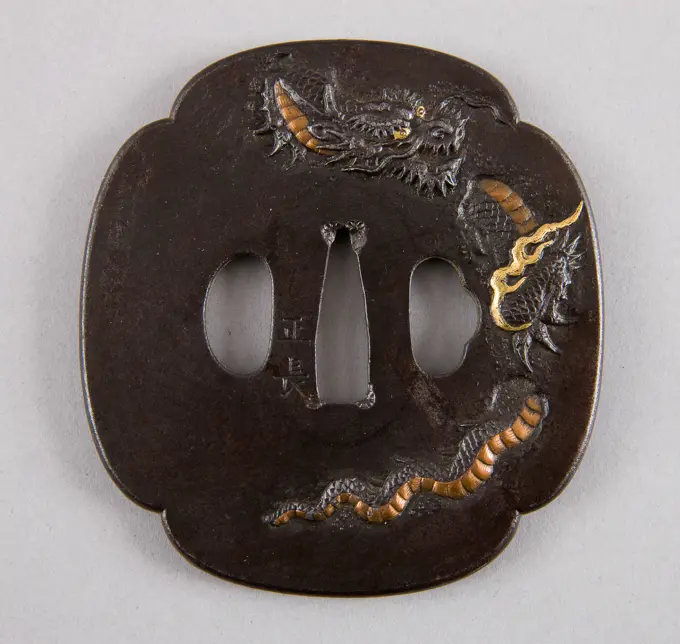
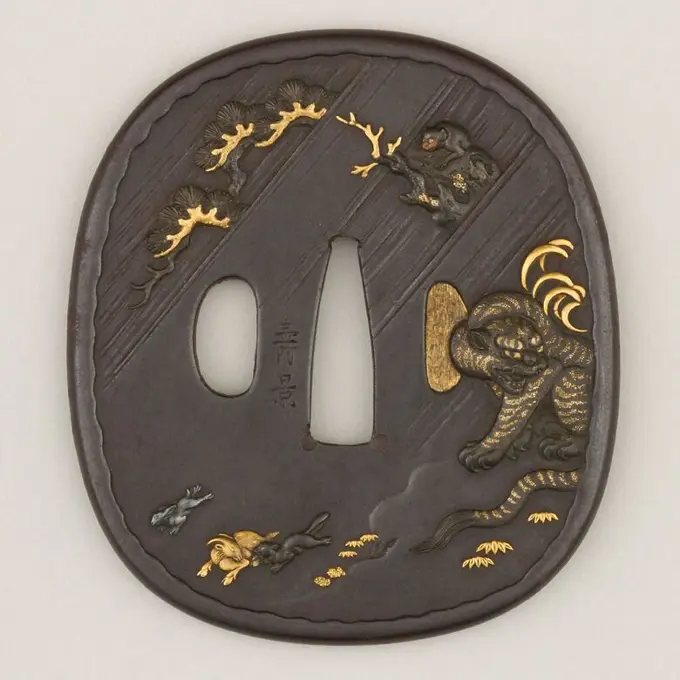
Jelec (Tsuba); Tsuchiya, Yasuchika (1670-1744), Nara; XVIII/19th century (1790-00-00-1810-00-00);
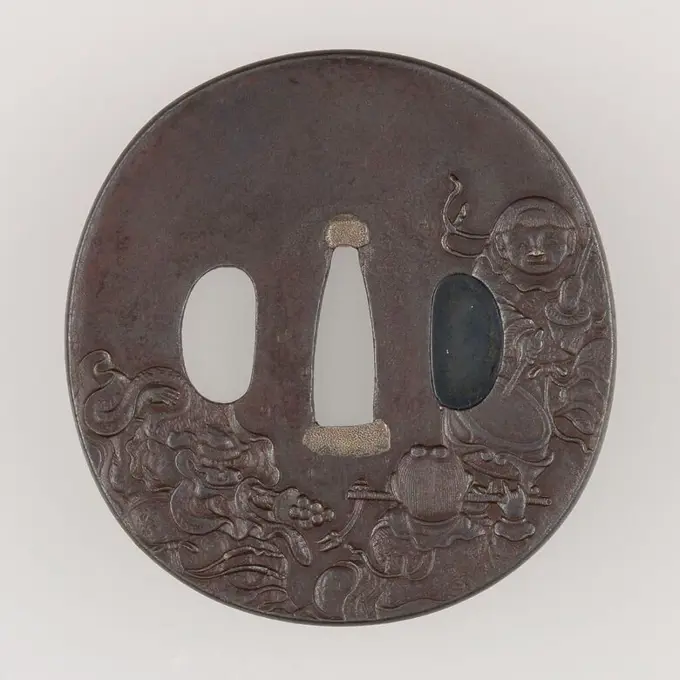
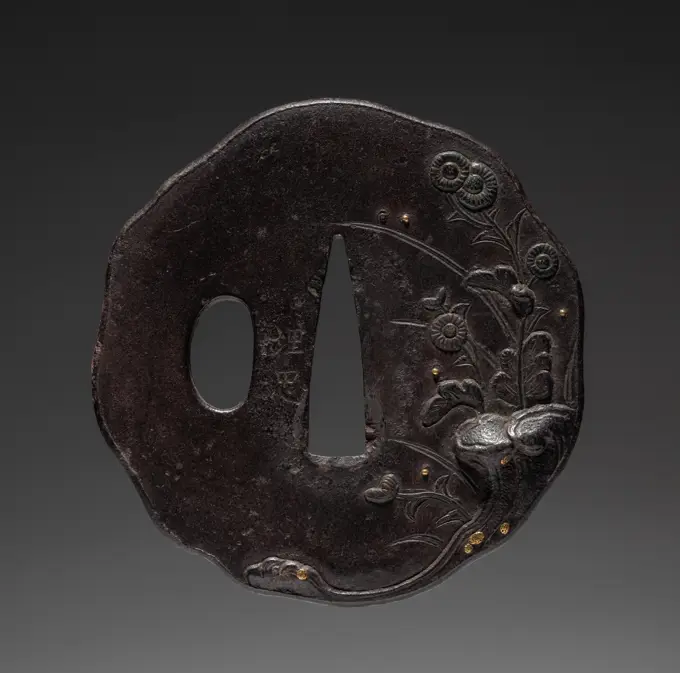
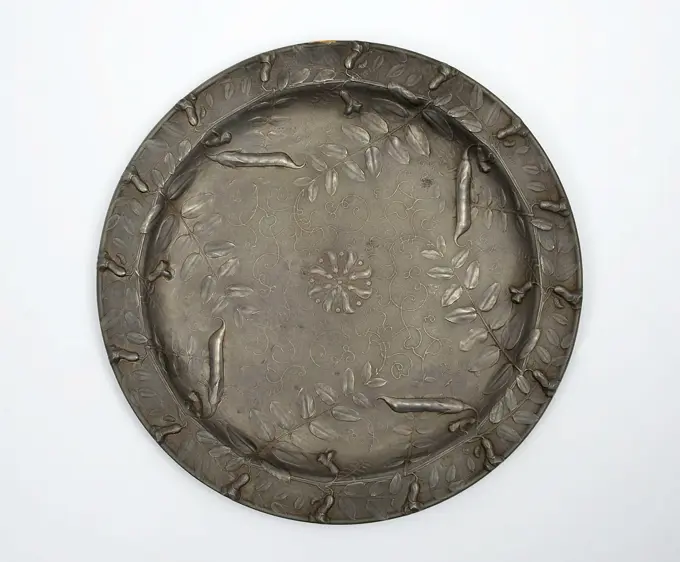
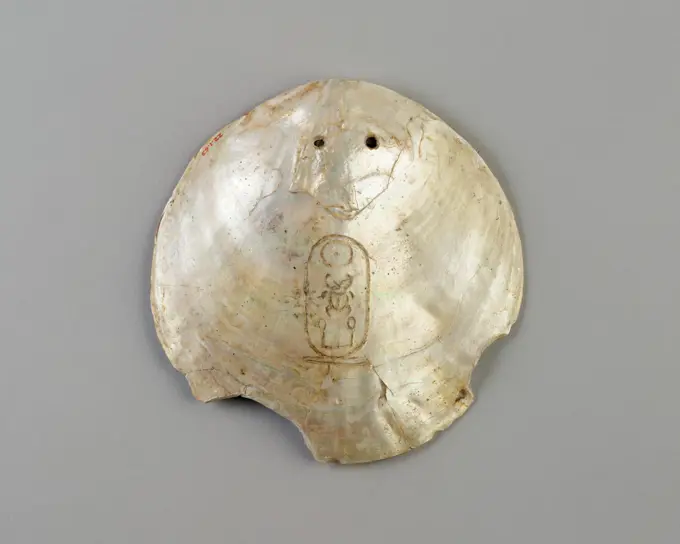
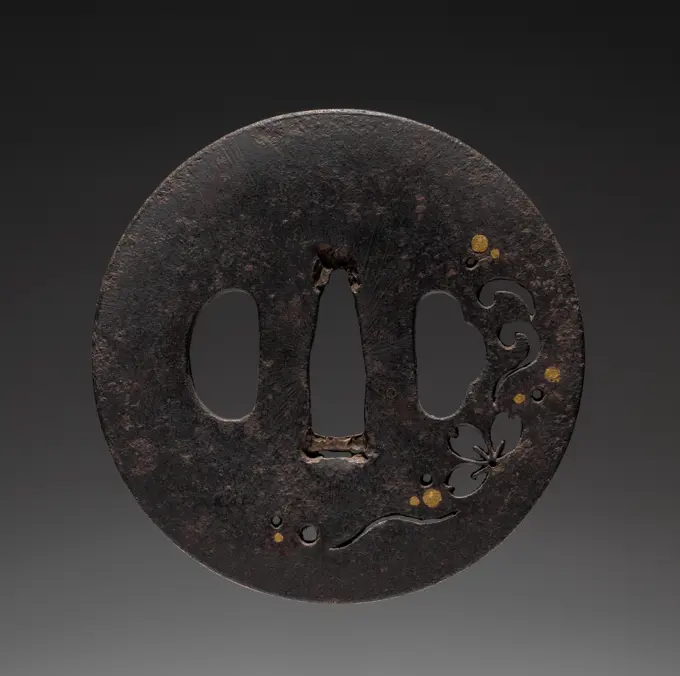
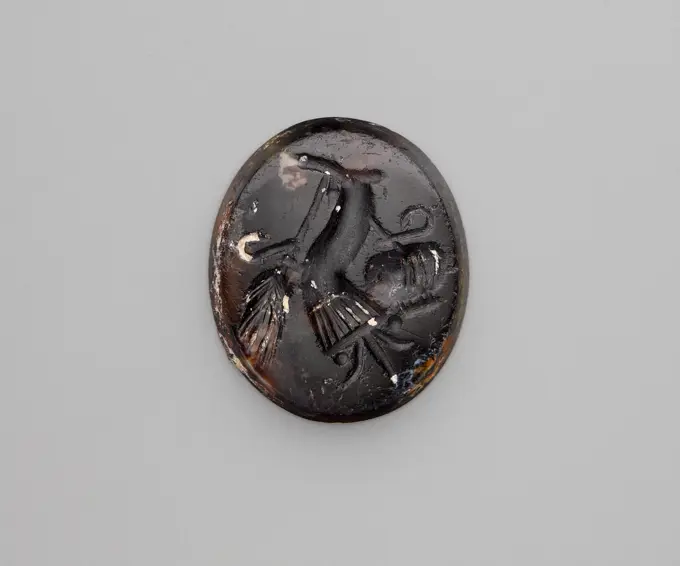
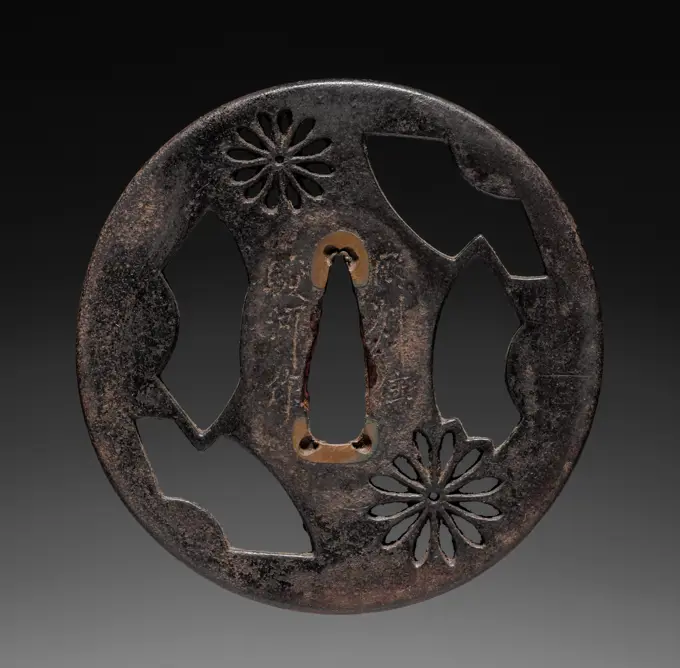
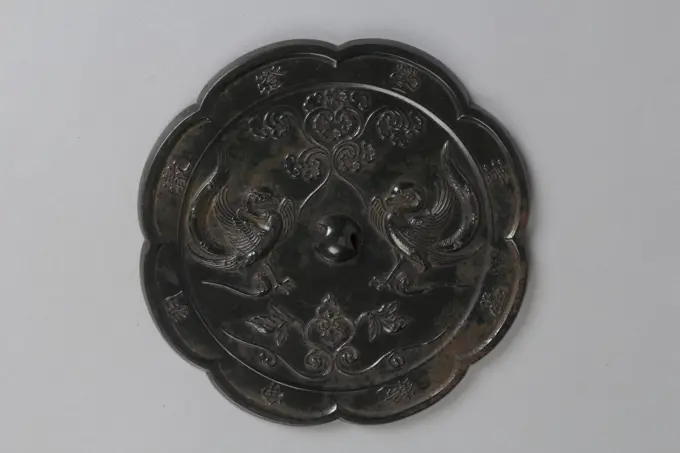
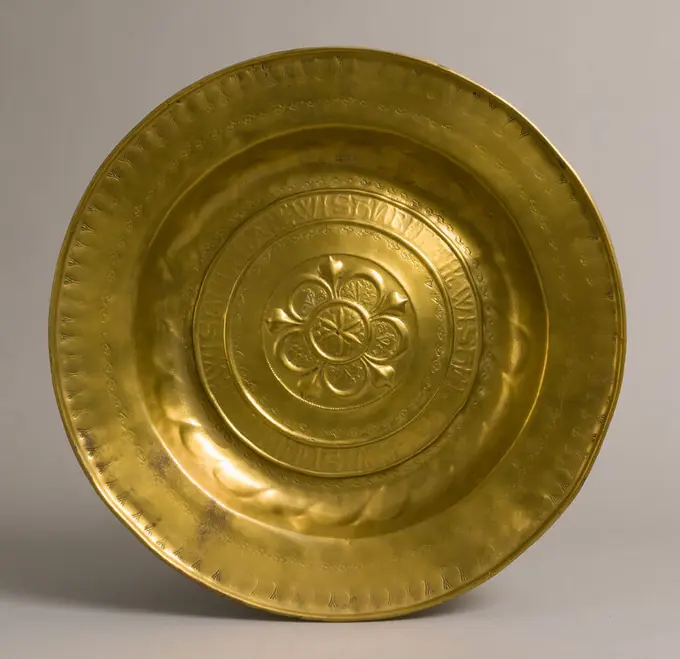
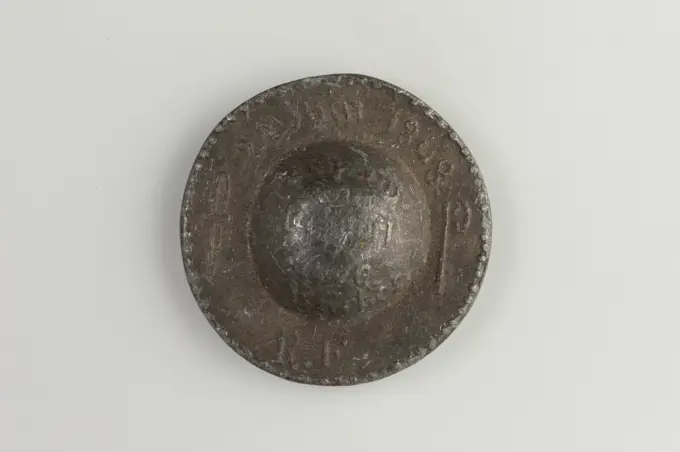
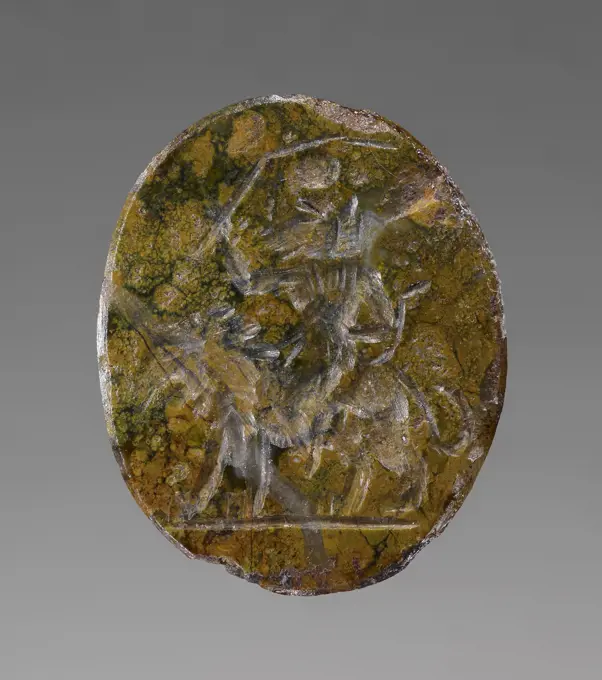
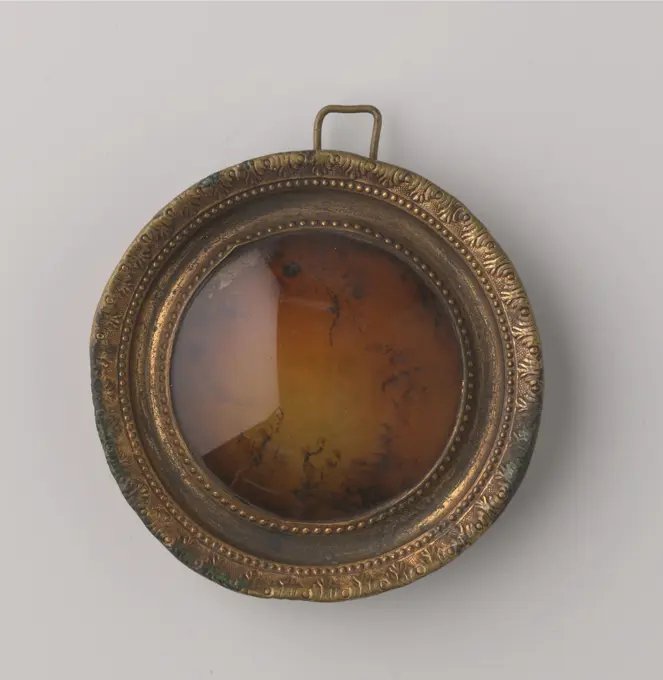
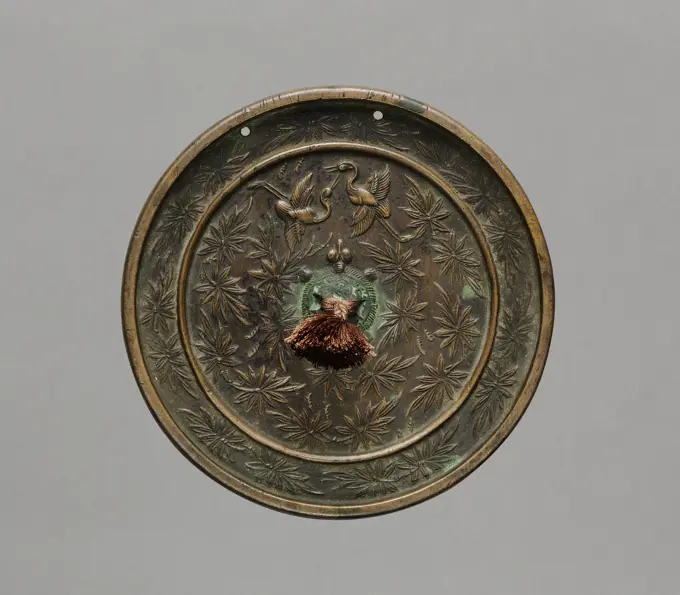
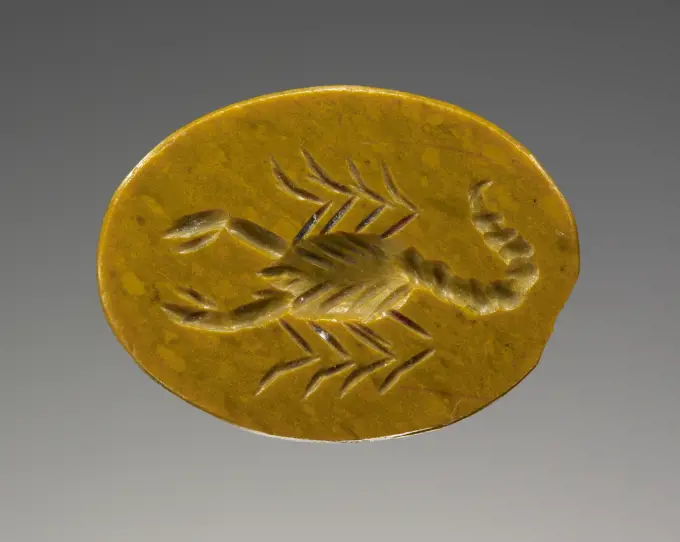
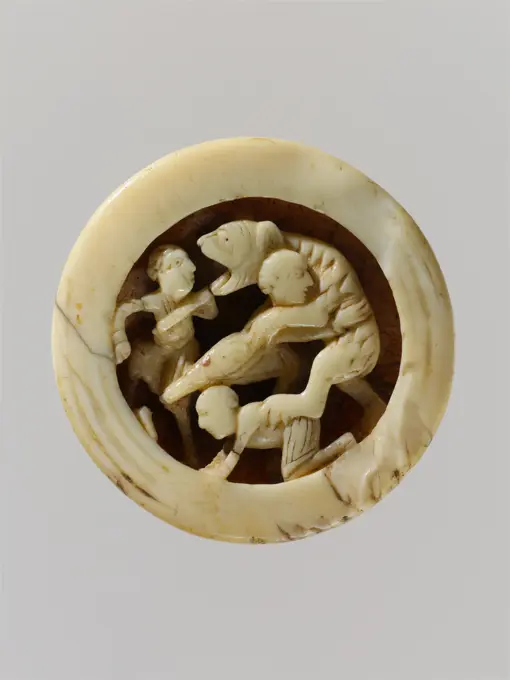
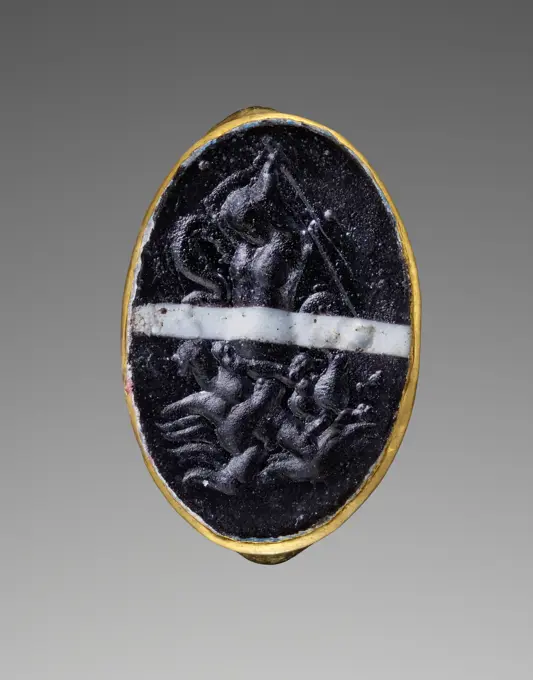
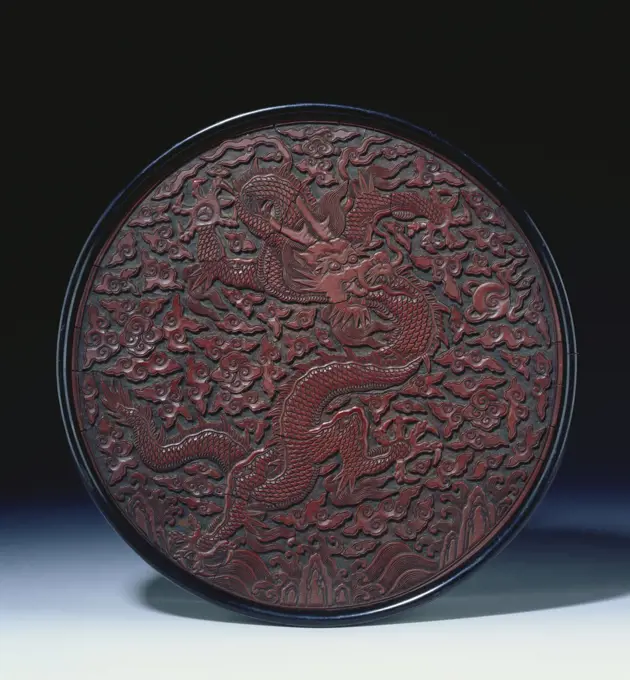
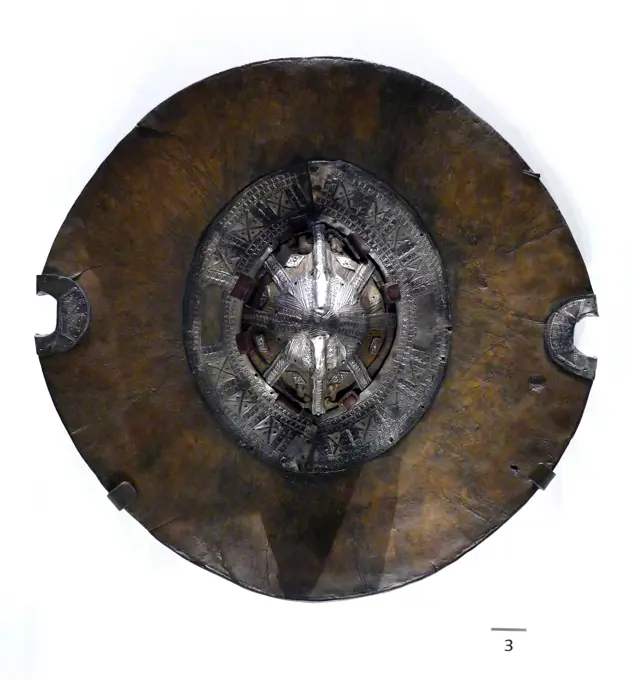
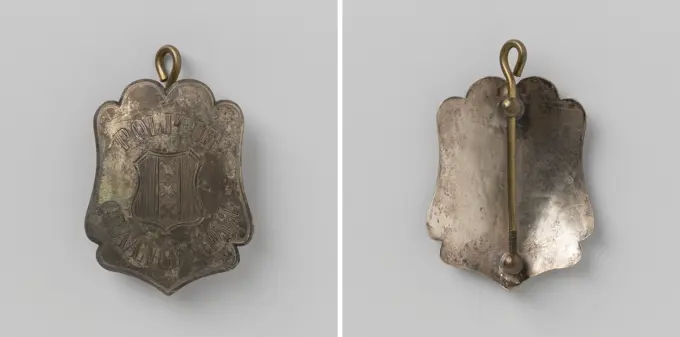
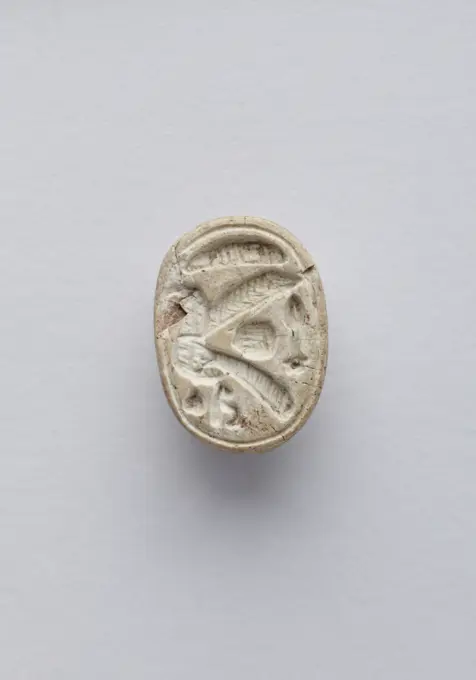
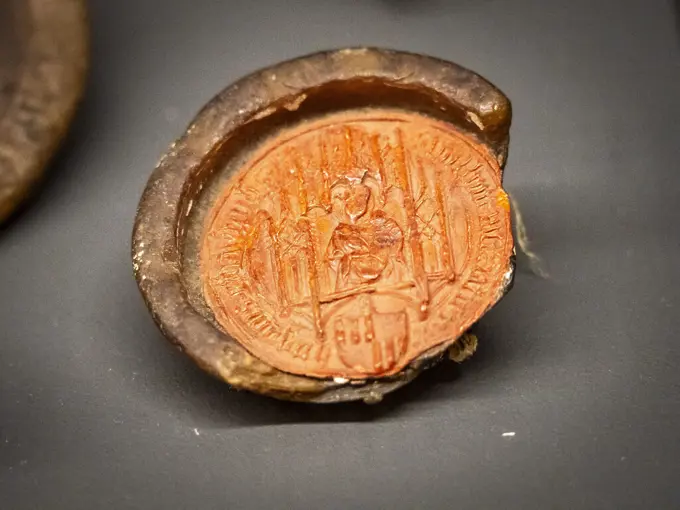
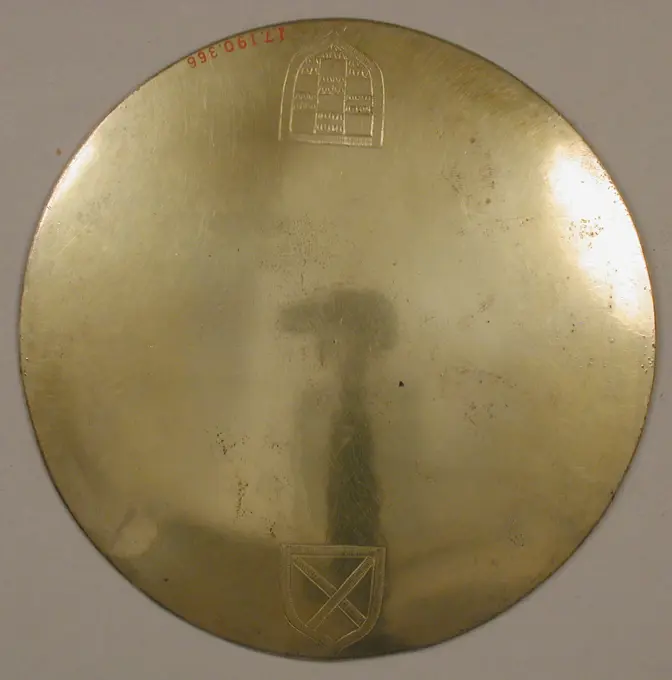
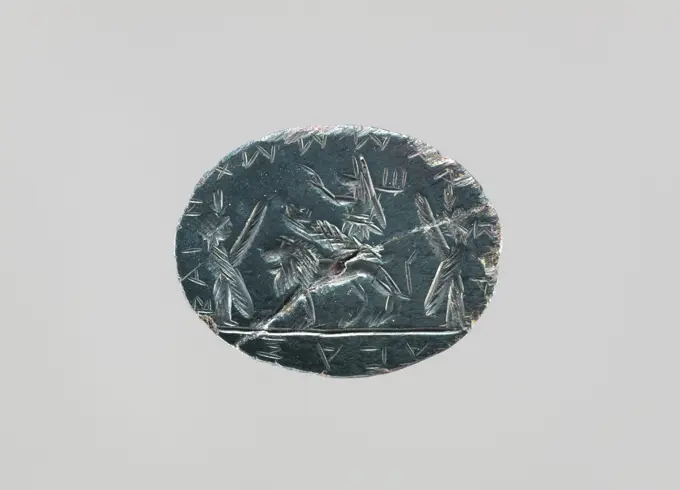
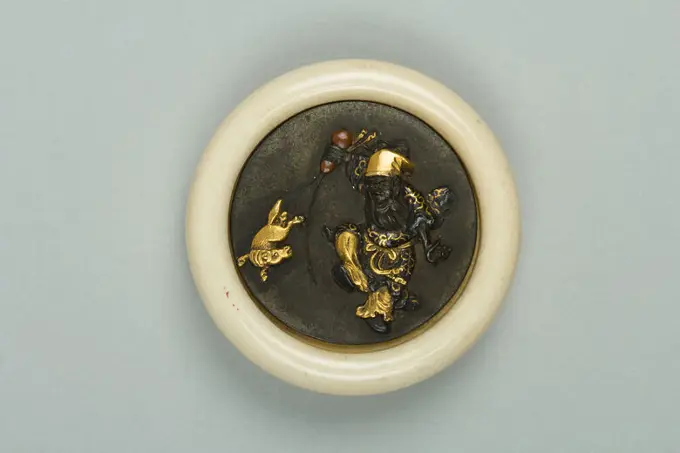
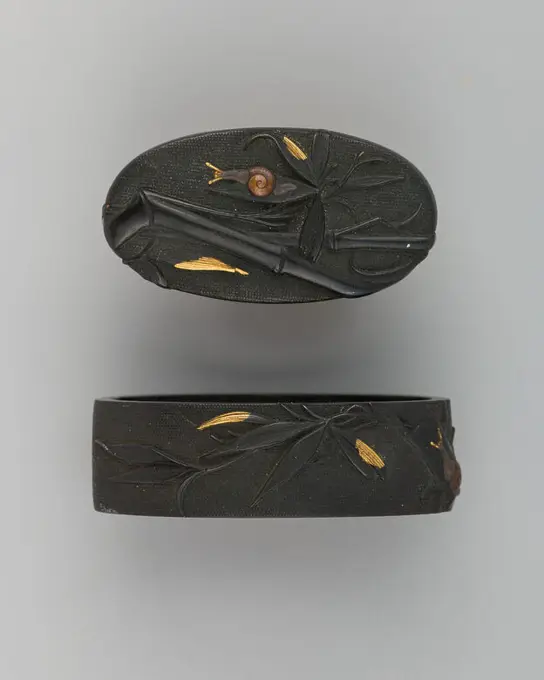
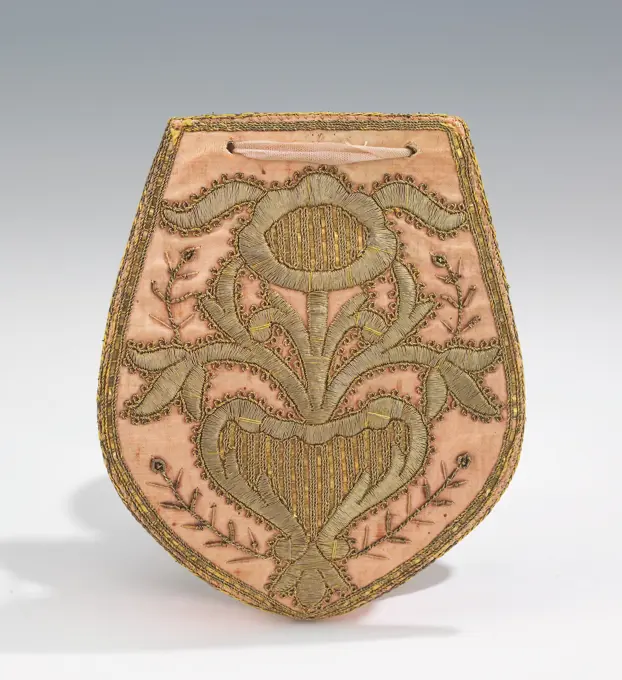
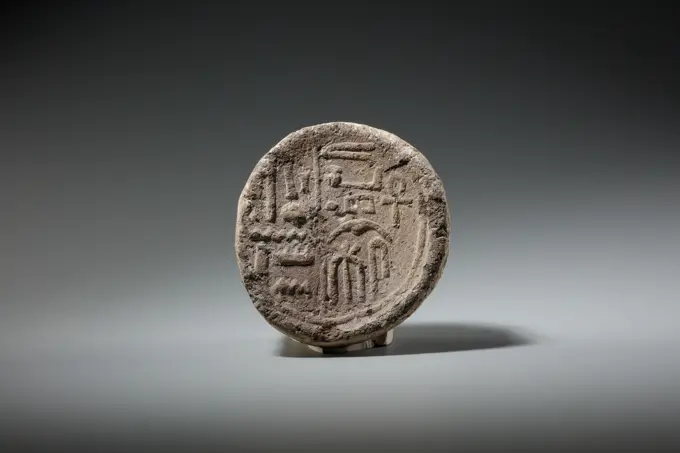
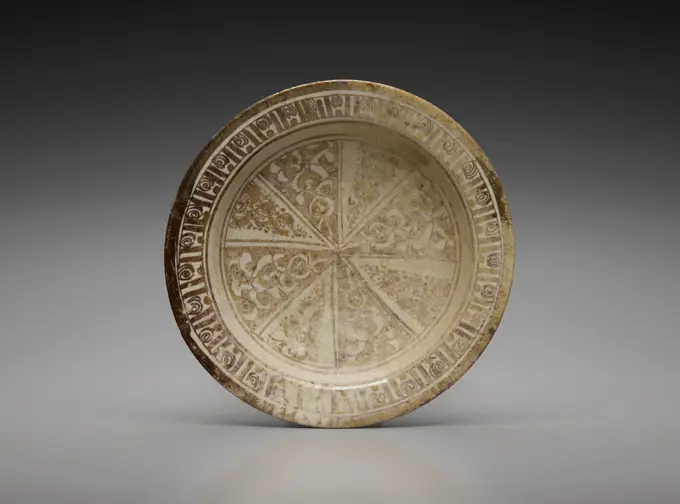
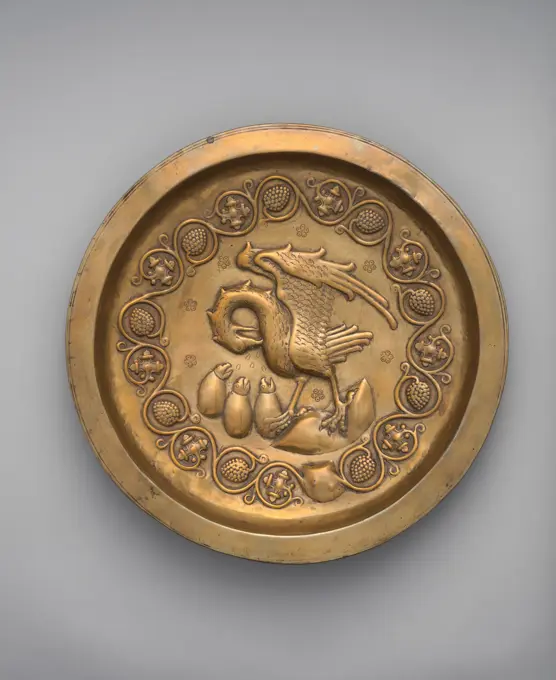
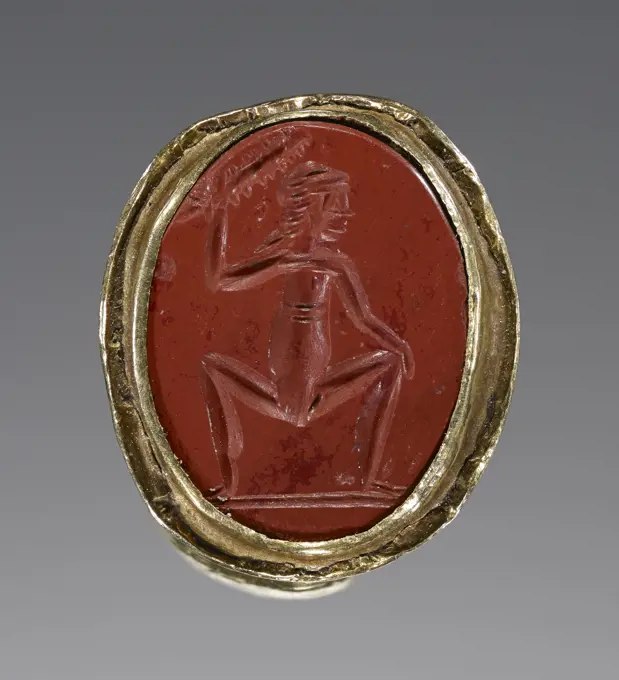
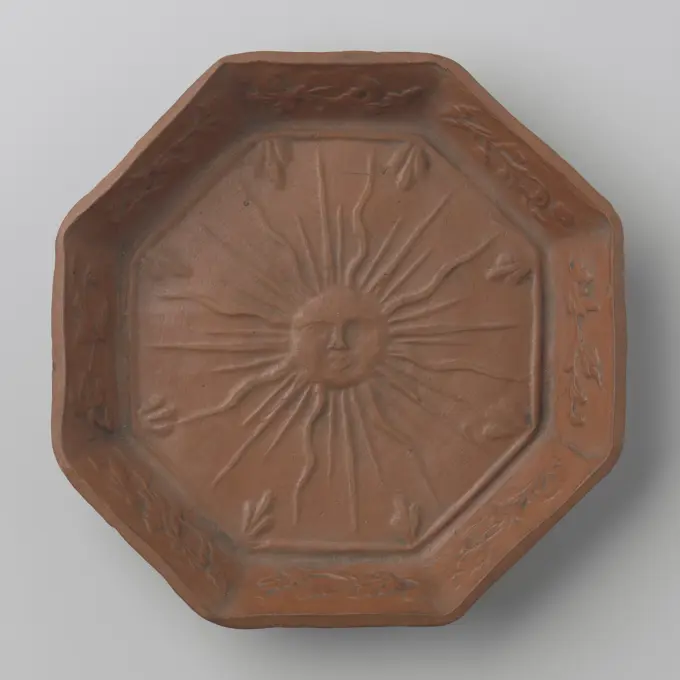
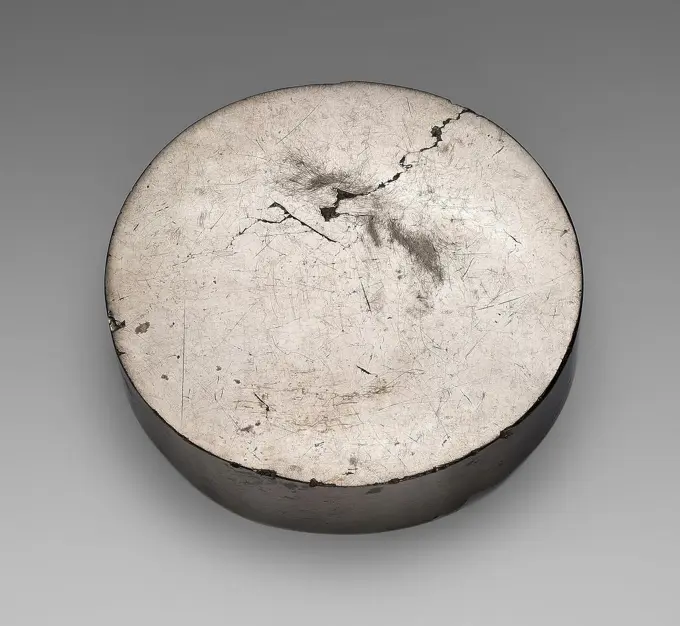
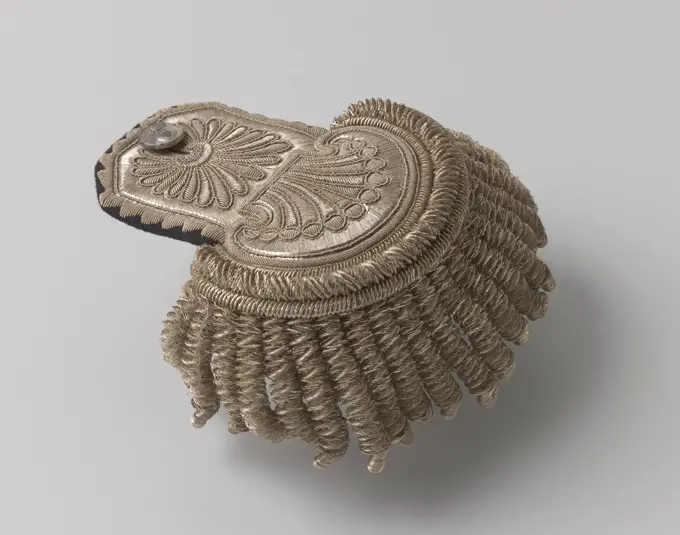
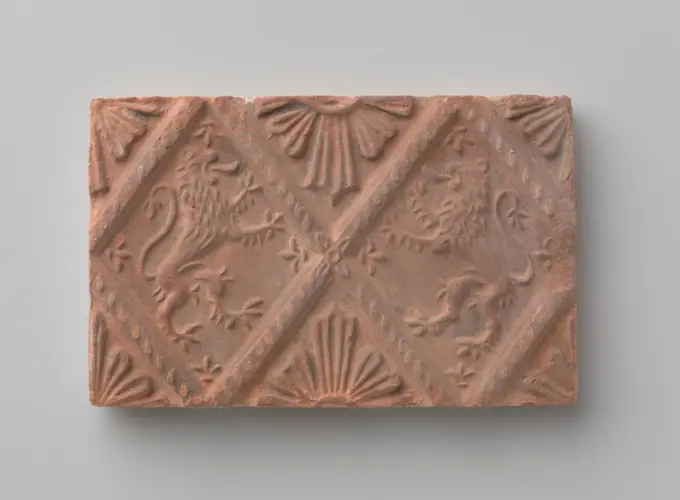
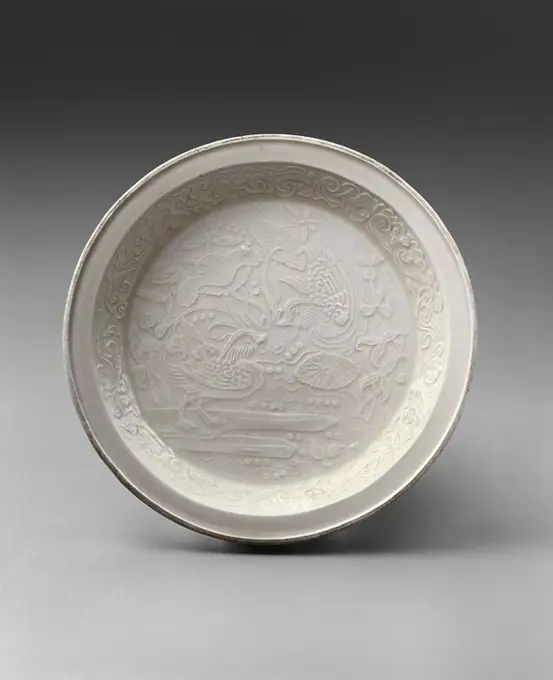
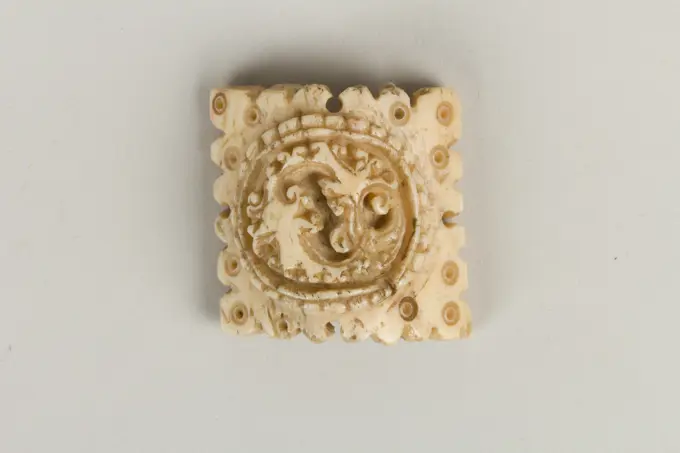
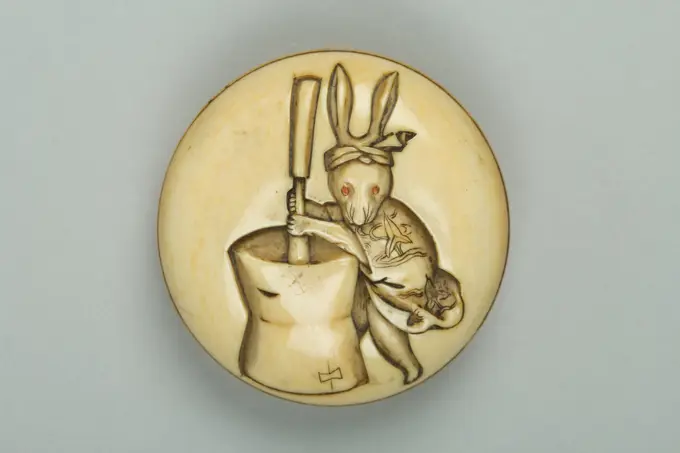
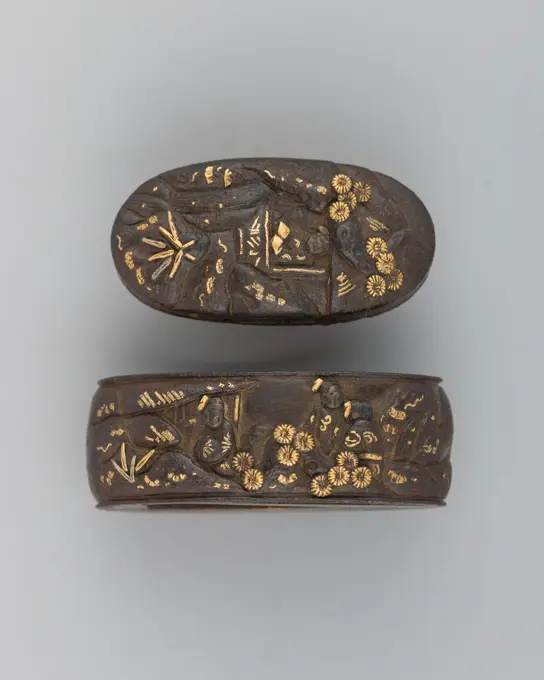
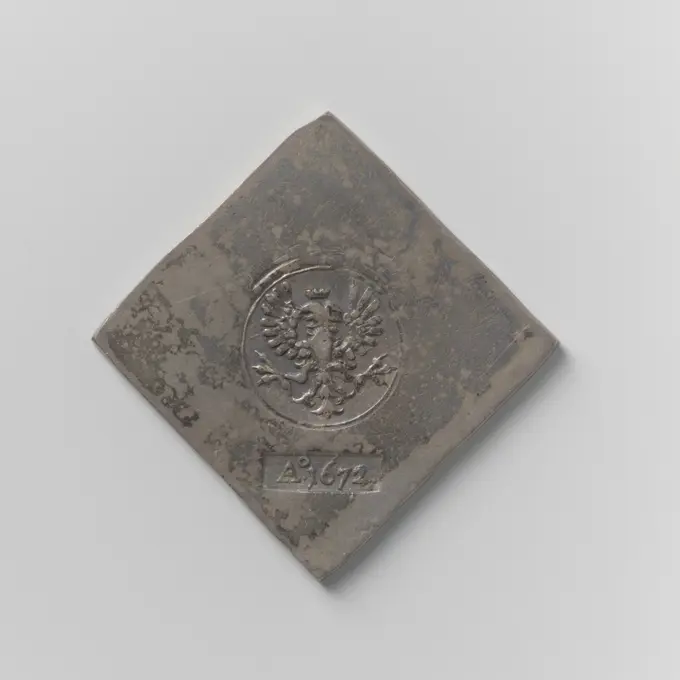
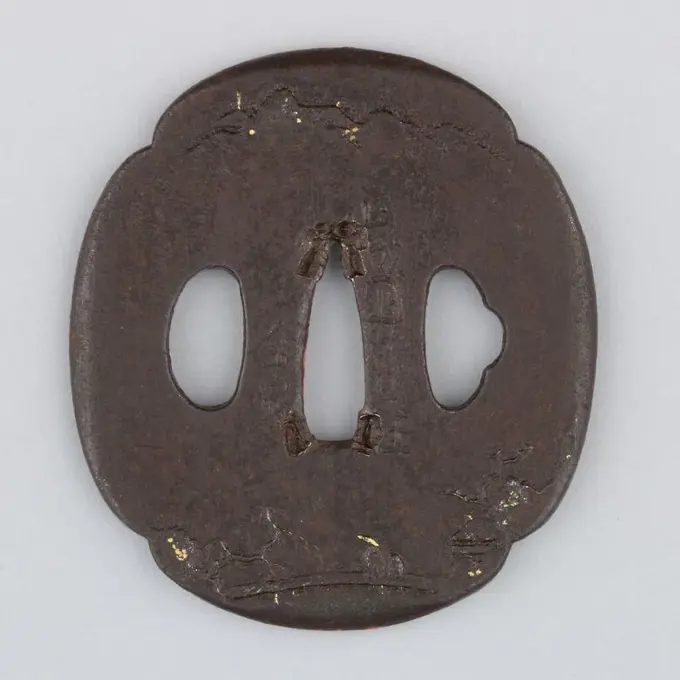
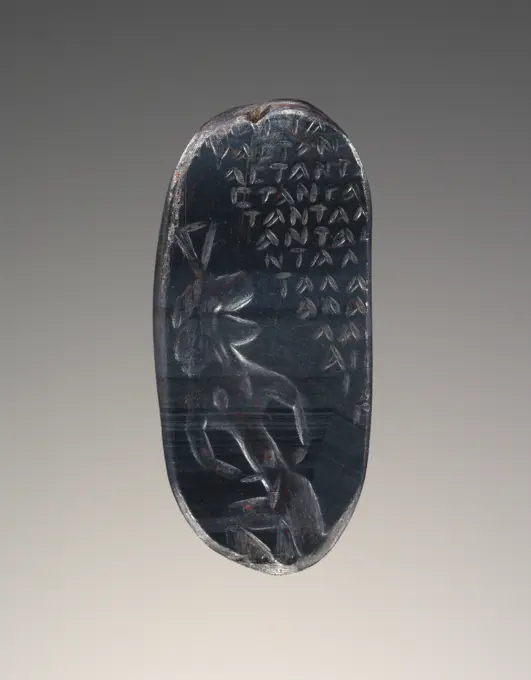
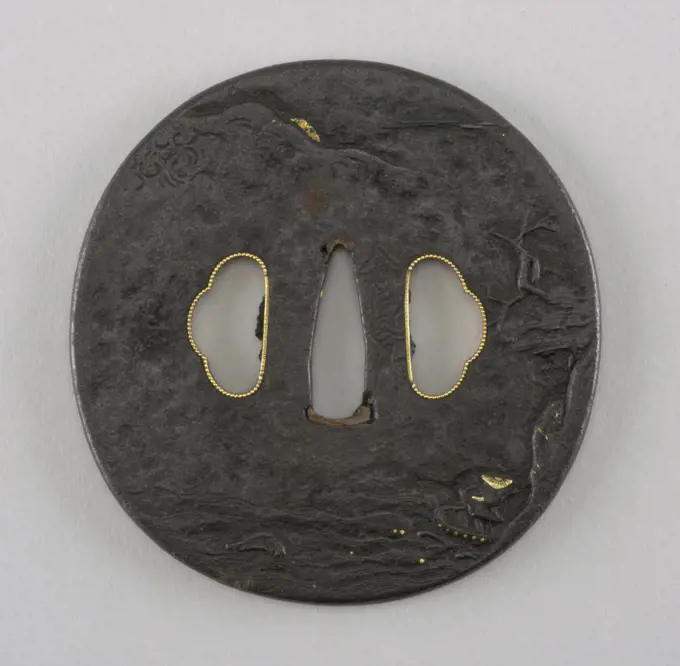
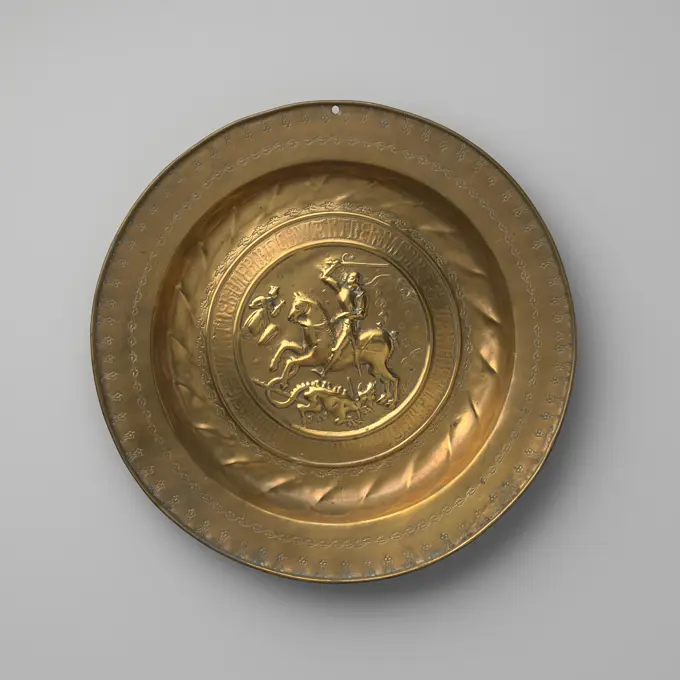
Shard with Ornament early 12th century Central Asia. Shard with Ornament. Central Asia. early 12th century. Terracotta. SculptureJelec (Tsuba); Tsuchiya, Yasuchika (1670-1744), Nara; XVIII/19th century (1790-00-00-1810-00-00);Sword Guard (Tsuba). Culture: Japanese. Dimensions: H. 3 1/4 in. (8.3 cm); W. 3 1/8 in. (7.9 cm); thickness 3/16 in. (0.5 cm); Wt. 5.4 oz. (153.1 g). Fittings maker: Inscribed by Yoshitane (Japanese, 19th century). Date: mid-19th century.This sword guard features a high relief design of children performing the lion dance. Museum: Metropolitan Museum of Art, New York, USA.Sword Guard, mid-1700s. Japan, Edo period (1615-1868). Iron (Umetada type); diameter: 7 cm (2 3/4 in.).Mirror with fantastic animals 7th-8th century China. Mirror with fantastic animals. China. 7th-8th century. Bronze. Tang dynasty (618-907). MirrorsSword Guard (Tsuba) 18th century Japanese A tsuba is a sword guard and part of a sword mounting. It is mounted between the swords blade and grip to protect the users hands.. Sword Guard (Tsuba) 26221Kuipers- and Wine-Laters Guild of Amsterdam, Gildepenning by Jan van de Karswarf, Anonymous, 1668 medal Brass medal. Front: Dissel and passer inside blower. Reverse: Inscription Amsterdam brass (alloy) engraving  AmsterdamVescia of the Haies. Acquired by the artist on the Paris World Fair 1900Shell Inscribed with the Cartouche of Senwosret I ca. 1961-1917 B.C. or later Middle Kingdom or later Polished down to its inner layer of nacre (mother of pearl), this iridescent oyster shell has been pierced with two holes so that it could be strung and hung around the neck. The royal name Senwosret has been incised into the surface. It is one of about fifty such shells known, most inscribed, like this example, with the nomen (birth name) Senwosret, or with the prenomen (throne name) Kheperkare. Since Kheperkare is the throne name of Senwosret I, it is generally assumed that it is this king (rather than another of the monarchs with the same name) who is meant here.Although few of these shells have archaeological contexts, several of those that do are connected with military personnel, and therefore may have been worn primarily by soldiers. However, there was no clear evidence of a military connection in the burial from which this example comes, and recent scholarship suggests that theSword Guard (Tsuba), c. 1615-1868. Japan, possibly Edo period (1615-1868). Iron; diameter: 7.4 cm (2 15/16 in.).Carved intagliogemstoneSword Guard (Tsuba) Plovers in Waves, c. 1615-1868. Japan, Edo period (1615-1868). Brass; diameter: 9 cm (3 9/16 in.).False Coin, Crown Six Groschen, 1663, John II Casimir (1649 1668)Sword Guard, early 1700s. Japan, Edo period (1615-1868). Iron; diameter: 7.7 cm (3 1/16 in.).Mirror with paired birds and floral designs 8th century China. Mirror with paired birds and floral designs. China. 8th century. Bronze. Tang dynasty (618-907). MirrorsDish. Culture: German. Dimensions: Overall: 16 1/8 x 1 15/16 in. (41 x 4.9 cm). Date: early 16th century. Museum: Metropolitan Museum of Art, New York, USA.Carnavalet museum, medal collection Right in a circle of greentis, inscription on five lines, flanked by a sword returned to the left and an ax on the right; Reverse in a circle of greenis, registration on five lines.Sword Guard (Tsuba) with Bats, c. 1615-1868. Japan, possibly Edo period (1615-1868). Iron; diameter: 7 cm (2 3/4 in.).Monju Triad (obverse), 1868-1912. Japan, possibly Meiji period (1868-1912). Earthenware; diameter: 38.8 cm (15 1/4 in.).Sword Guard (Tsuba), c. 1615-1868. Japan, possibly Edo period (1615-1868). Iron; diameter: 8 cm (3 1/8 in.).Double-Sided Engraved Gem with Magical Inscription; Roman Empire; 2nd - 4th century; Brecciated jasper & chalcedony; 7 × 1.5 cm (2 3,4 × 9,16 in.)Plate, Woman Holding Bird and Inscription Netherlandish 15th centuryMagic brick behind which a gallant performance, anonymous, c. 1700 - c. 1799 A magic stone behind which a gallant performance, in a gilded frame. Netherlands silver (metal). gilding (material) gilding A magic stone behind which a gallant performance, in a gilded frame. Netherlands silver (metal). gilding (material) gildingMirror with Pair of Cranes in Chrysanthemum Pattern, 1392-1573. Japan, Muromachi period (1392-1573). Bronze; diameter: 11.5 cm (4 1/2 in.).Roundel with griffin heads. Culture: Sarmatian. Dimensions: Diam. 5 7/8 in. (14.9 cm). Date: ca. 1st-2nd century. Museum: Metropolitan Museum of Art, New York, USA.Sword Guard (Tsuba) with Zhong Kui (Shoki) the Demon Queller and Pine, 1615-1868. Japan, Edo period (1615-1868). Iron; average: 8 x 8.5 cm (3 1/8 x 3 3/8 in.).Sword Guard (Tsuba) with Anchor in Waves, c. 1615-1868. Japan, possibly Edo period (1615-1868). Iron; average: 7.7 x 8.3 cm (3 1/16 x 3 1/4 in.).Engraved Gem with a Scorpion and a Magical Inscription; 100 - 250; Yellow jasper; 1.5 × 1.1 × 0.3 cm (5,8 × 7,16 × 1,8 in.)Carnavalet museum, tokens collectionGame Piece with Menelaus and Companions Battling Proteus ca. 1125-50 North French Objects related to the games of tables and chess were among Salgos favorite items. Such games were predecessors of modern backgammon and widespread in Medieval Europe. Surviving ivory game pieces are rare, and this is the only known piece from a thirty-piece set. These unusual objects often depict sophisticated narrative and allegorical subjects. This carving may show a scene from the Odyssey, when King Menelaus drives a spear into the open jaws of the sea-god Proteus, transformed into a lioness or bearlike creature. Nearly 500 game pieces, along with game boards and boxes from various periods were donated by Ambassador Salgo to the Bayerisches Nationalmuseum in Munich.. Game Piece with Menelaus and Companions Battling Proteus 469712Cast Gem with Scylla attacking a Sailor set into a Ring. UnknownA Very Rare Ming Carved Lacquer Circular Dragon Plaque. Early 15th Century. 29.5cm diam.The Baptism in the river Jordan (mould with original impression), c. 1550 - c. 1600 A positive print with a Gothic four pass combined with a four -pointed star. In the central medallion the flight to Egypt is shown, surrounded by changing decorations (with the clock from the star point above): a flower, a squirrel, a flower or insect, a cherub's head, a flower, a bird, a flower and a Cherub's head. Each component is surrounded by wreaths of bay leaves. Corresponding a negative mold. Leiden clay   Leiden A positive print with a Gothic four pass combined with a four -pointed star. In the central medallion the flight to Egypt is shown, surrounded by changing decorations (with the clock from the star point above): a flower, a squirrel, a flower or insect, a cherub's head, a flower, a bird, a flower and a Cherub's head. Each component is surrounded by wreaths of bay leaves. Corresponding a negative mold. Leiden clay   LeidenNetsuke of Luohan with a Tiger 19th century Japan. Netsuke of Luohan with a Tiger. Japan. 19th century. Ivory with metal disc. Edo (1615-1868) or Meiji period (1868-1912). NetsukeSword Guard (Tsuba). Culture: Japanese. Dimensions: H. 3 1/4 in. (8.3 cm); W. 3 in. (7.6 cm); thickness 5/16 in. (0.8 cm); Wt. 4.7 oz. (133.3 g). Date: mid-19th century. Museum: Metropolitan Museum of Art, New York, USA.Bowl second half 10th century. Bowl 451702Shield made from Hide, silver and leather. Made by the Beja tribe Sudan 19th CenturyPolice of supervision of the grain trade in Amsterdam, Anonymous, c. 1800 - c. 1885  Downwards, elongated, convex, silver plaque, on top with four lobes and ending on the bottom in point, mounted on two pins, causing a long pen with thread. Front: coat of arms inside. Amsterdam silver (metal) engraving coat of arms (as symbol of the state, etc.) (+ city; municipal) AmsterdamSkarabeuszEpiscopal seal, red and yellow stamped wax, 13th century, Huesca Diocesan Museum, Aragon community, Spain.Paten 1450-1500 Spanish Although they often do not survive together, chalices and patens were concieved as ensembles, much like cups and saucers. The paten sat on top of the chalice and held the bread consecrated during the Mass as the body of Christ.. Paten 464346Tsuba (Japan); ironMakaraFinial, 10th-12thcentury, Gold; cast, 2.71 × 2.18 cm, 6.382 g (1 1/16 × 7/8 in., 6.382g), Made in Java, Indonesia, Java, JewelrySword Guard (Tsuba) with Peonies, early 1800s. Japan, Edo period (1615-1868). Iron;Double -sided gingerbread form obverse: post M SK  XVIII-XIX century (1790-00-00-1810-00-00);Two units, emergency coin from Gulik, beaten during the siege by Maurits, Prince of Oranje-Nassau, made by cutting pieces from crockery and labeled with the monogram of commander Johann von Rausschenberg, Anonymous, 1610 coin. siege coin Almost square, one -sided emergency coin. Front: Two stamps: Boven: Value designation Roman figure II in rectangle; Downstairs: Monogram of letters I, V and R; Under this year within Round Pearl Edge. Reverse: Blanco Gulik silver (metal) striking (metalworking)  GulikSword Guard (Tsuba) with Zhong Kui (Shōki) the Demon Queller, c. 1615-1868. Japan, possibly Edo period (1615-1868). Brass; overall: 7.7 x 7.8 cm (3 1/16 x 3 1/16 in.).Stove tile with medallion portrait, anonymous, c. 1500 - c. 1600 Stove tile with a medallion portrait of a woman against a yellow background, who has used her head to the right. To the right of the head the letters sin. Germany (possibly) earthenware Stove tile with a medallion portrait of a woman against a yellow background, who has used her head to the right. To the right of the head the letters sin. Germany (possibly) earthenwareHematite intaglio: Mummy of Osiris ca. 2nd-3rd century A.D. Roman Mummy of Osiris carried on the back of a lion, accompanied by Anubis and flanked by two winged goddesses (Isis and Nephthys), inscribed around margin: bainchoooch abrasax, and on reverse two lines of characters with the seven Greek vowels in order. Hematite intaglio: Mummy of Osiris 248225Netsuke. Culture: Japan. Dimensions: Diam. 1 1/2 in. (3.8 cm); D. 1/2 in. (1.3 cm). Date: 19th century. Museum: Metropolitan Museum of Art, New York, USA.Sword Guard (Tsuba). Culture: Japanese. Dimensions: H. 3 3/8 in. (8.6 cm); W. 3 1/4 in. (8.3 cm); thickness 3/16 in. (0.5 cm); Wt. 3.6 oz. (102.1 g). Date: 18th century. Museum: Metropolitan Museum of Art, New York, USA.Button from the wreck of the East India Hollandia.knoop, three fragments demolished. Button; (1) Fragm, top, circular, domed, hollow (4.6d, c.i.gh) eroded; Relieved Decoration, Corded Rim, Central Panel Showing Seated Female ("Victory") Surrounded by Martial Attributes.Carnavalet museum, medal collectionVotive Plaque with Yamantaka ca. 8th century or later Tibet. Votive Plaque with Yamantaka 38852Sword-Hilt Collar and Pommel (Fuchigashira). Culture: Japanese. Dimensions: Fuchi (a); H. 1 1/2 in. (3.8 cm); Wt. 1 oz. (28.3 g); kashira (b); H. 1 3/8 in. (3.5 cm); Wt. 0.6 oz. (17 g). Date: ca. 1615-1868. Museum: Metropolitan Museum of Art, New York, USA.Tsuba Typu Kinko  Smok Masanaga, schoolPortrait of Laurens Jansz. Coster, 1809 - 1869    wood (plant material)Bronze shield boss 7th century B.C. Etruscan or Italic Slightly convex with patterns arranged in concentric bands.. Bronze shield boss. Etruscan or Italic. 7th century B.C.. Bronze. Archaic. BronzesPouch 1730-50 Russian This object is from the collection of Natalia de Shabelsky (1841-1905), a Russian noblewoman compelled to preserve what she perceived as the vanishing folk art traditions of her native country. Traveling extensively throughout Great Russia, she collected many fine examples of textile art of the wealthy peasant class. From the 1870s until moving to France in 1902, Shabelsky amassed a large collection of intricately embroidered hand-woven household textiles and opulent festival garments with rich decoration and elaborate motifs. The Brooklyn Museum holdings include many fine examples including the majority of the garments. Portions of Shabelsky's collection are also housed at the Museum of Fine Arts, Boston, the Cleveland Art Museum, and the Russian Museum of Ethnography in St. Petersburg. Bags such as this were often given as gifts for social and diplomatic occasions. The quality materials and fine workmanship make this a particularly valuable piece.. Pouch 156478Funerary Cone of Ahmose New Kingdom ca. 1479-1425 B.C. See 09.185.16 View more. Funerary Cone of Ahmose. ca. 1479-1425 B.C.. Pottery. New Kingdom. From Egypt, Upper Egypt, Thebes, Sheikh Abd el-Qurna, Tomb of Ahmose (TT 121), MMA excavations, 1930-31. Dynasty 18Sword Guard (Tsuba) with Dragons, Tiger, Fish, and Palace, c. 1615-1868. Japan, possibly Edo period (1615-1868). Iron; diameter: 8 cm (3 1/8 in.).Scarab Decorated with Scrolls ca. 1850-1640 B.C. Middle Kingdom Scrolls and spirals -whether single or interlocking, or in combination with hieroglyphs or floral motifs- already decorate the earliest types of scarabs and are common throughout the first half of the second millennium B.C. While their meaning and source of inspiration remains unknown, scroll designs are also appealing to the eye. A wide variety of combinations, some of which more complex than others, is found on Egyptian scarabs of the Middle Kingdom and scrolls become particularly popular during late Dynasty 12 and Dynasty 13 (ca. 1850-1640 B.C.). While these designs continue to appear on scarabs in the Second Intermediate Period (ca. 1640-1550 B.C.) and on contemporary Canaanite imitations, details in the composition or on the scarabs back or its legs allow the seal-amulet to be more precisely dated.. Scarab Decorated with Scrolls 562015MountSword Guard (Tsuba), c. 1615-1868. Japan, possibly Edo period (1615-1868). Iron; diameter: 8.3 cm (3 1/4 in.).FootedBowlPlate with Pelican in her Piety 15th century Netherlandish The motif of the pelican piercing its breast to feed its young with its blood became a popular symbol of the sacrifice of Christ during the late medieval and early Renaissance period. Represented in the middle of this plate with three of its young, the elegantly formed bird directs its beak toward its own breast in a charitable gesture of self-sacrifice. The design of this plate was executed through the traditional, painstaking method of brass beating. Certain motifs, like the pelican here, were repeated almost without variation for more efficient production, though the encircling motifs often varied from plate to plate, becoming more complex in many of the late fifteenth-century examples. Here, the central motif is surrounded by a circular design of grapes, intertwined with tendrils and vines. Many such plates were produced in Dinant, a French-speaking town in the Low Countries, which was the center of a flourishing metalworkiEngraved Gem and Ring; Italy; 2nd century; Gem: Jasper; Ring: Gold; 1.2 x 1.6 cm (1,2 x 5,8 in.)Galvanoplastic reproduction of a triangular salt barrel on three bol feet, fa. Elkington & Co., after 1865 - Before 1878 Galvanoplastic reproduction of a triangular salt barrel with driven birds and fruits on three bol legs. Gilded. London copper (metal). silver (metal) gilding Galvanoplastic reproduction of a triangular salt barrel with driven birds and fruits on three bol legs. Gilded. London copper (metal). silver (metal) gildingDecorative door boss and nail, Steel-plated wrought iron, Flat, square mount with square molded element rising at center and paired radiating lines. Each quadrant of design has a projecting cusp and four barbs forming a leaf-like pattern. Grooved nail heads on a square shank., Spain, ca. 1550-1700, metalwork, Decorative Arts, Decorative door boss and nailPlaque. The inscription on this plaque shows that it was commissioned by Cornelis Schippers, a Dutch East India Company (VOC) merchant from Zeeland who was in Canton in 1733. The plaque is engraved in the style of a porcelain dinner plate. In the centre it features the arms of Cornelis Schippers and his wife Judick Bartholomeussen. Schippers is known to have commissioned similar porcelain plates.Scale or teap pottery, octagonal, of red -baking earthenware. On the flat a radiant sun in relief., Anonymous, c. 1690 - c. 1720 Scale or teap lot with a raised edge of red -baking earthenware. The flat has a radiant sun in relief and the inner edge browse vines in relief. The scale is not glazed. Delft earthenware Scale or teap lot with a raised edge of red -baking earthenware. The flat has a radiant sun in relief and the inner edge browse vines in relief. The scale is not glazed. Delft earthenwareDivination Mirror. Chavín-Cupisnique; North coast, Peru. Date: 900 BC-600 BC. Dimensions: 9.5 × 10.2 cm (3 3/4 × 4 in.). Anthracite. Origin: North Coast. Museum: The Chicago Art Institute, Chicago, USA.Door fittings with double cut, anonymous, 1600 - 1700 Door fittings with double cut. The plate is a closed square part in the middle and has openwork decorations on the top and bottom. The underside has two semicircular shapes with an inverted French lily underneath. The top has two C-Voluten on their side and is crowned with a French lily with a small French lily above. The double cut is applied to the square center plate.  iron (metal) engraving Door fittings with double cut. The plate is a closed square part in the middle and has openwork decorations on the top and bottom. The underside has two semicircular shapes with an inverted French lily underneath. The top has two C-Voluten on their side and is crowned with a French lily with a small French lily above. The double cut is applied to the square center plate.  iron (metal) engravingEPAULET Van de Garde Nationale, 1810 - 1813  Silver epaulette with broths and button on the surface of blue sheet. On the button image of grenade and the inscription: Garde Nationale. The epaulette is rectangular with sloping corners, overlaying in a semicircular shape. Embroidered on the epaulette. A metal hook on the bottom of the sheet, and in semicircular shape filling with white silk exaggerated.  silver (metal). cloth. silk braiding / sewingVase fragments, 2 East Greek/Sardis, Lydian. Vase fragments, 2 252619 East Greek/Sardis, Lydian, Vase fragments, 2, Terracotta, Overall: 1 15/16 x 1 5/16in. (5 x 3.3cm). The Metropolitan Museum of Art, New York. Gift of The American Society for the Excavation of Sardis, 1926 (26.199.23a, b)Hearing stone with representation of two climbing lions, c. 1875 - c. 1900 Hearing stone with representation of two climbing lions, placed in profiled window. The half windows at the top and bottom are filled with star motif. Netherlands earthenware Hearing stone with representation of two climbing lions, placed in profiled window. The half windows at the top and bottom are filled with star motif. Netherlands earthenwareAnonymous. "Jäger's hairstyle badge (hunter)". Metal. 1935-1945. General Leclerc Museum of Hauteclocque and the Liberation of Paris, Jean Moulin Museum. 158813-25Halles and Paris Markets: Matthieu Pigeon, 1761 Halles and Markets of Paris: Matthew Pigeon, 1761 ". Copper. 1761-1761.Hearing stone with representation of two climbing lions, c. 1875 - c. 1900 Hearing stone with representation of two climbing lions, placed in profiled window. The half windows at the top and bottom are filled with star motif. Netherlands earthenware Hearing stone with representation of two climbing lions, placed in profiled window. The half windows at the top and bottom are filled with star motif. Netherlands earthenwareDish with Mandarin Ducks in a Lotus Pond. China. Date: 1115-1199. Dimensions: H. 1.8 cm (11/16 in.); diam. 14.2 cm (5 9/16 in.). Ding ware; porcelain with underglaze molded decoration; metal rim. Origin: China. Museum: The Chicago Art Institute, Chicago, USA.Sword Guard (Tsuba). Culture: Japanese. Dimensions: H. 3 1/4 in. (8.3 cm); W. 2 7/8 in. (7.3 cm); thickness 1/4 in. (0.6 cm); Wt. 5.7 oz. (161.6 g). Date: late 18th century. Museum: Metropolitan Museum of Art, New York, USA.Element from a Tantric Ritual Apron 18th century Tibet. Element from a Tantric Ritual Apron. Tibet. 18th century. Bone. BoneCameo with Sacrifice of a Lamb. Wedgwood Manufactory; England, founded 1759. Date: 1775-1799. Dimensions: 1.7 × 2.5 × 0.4 cm (11/16 × 1 × 1/8 in.). Stoneware (jasperware). Origin: Burslem. Museum: The Chicago Art Institute, Chicago, USA.Tsuba (Japan); metalGold Disk Brooch 7th century Frankish The relief pattern of these brooches was created by working a thin sheet of metal from the reverse side. Roman coins were the inspiration for such designs.. Gold Disk Brooch 465391 Frankish, Gold Disk Brooch, 7th century, Gold, copper alloy core, Overall: 1 1/16 x 5/16 in. (2.7 x 0.8 cm). The Metropolitan Museum of Art, New York. Gift of J. Pierpont Morgan, 1917 (17.192.86)Sword Guard (Tsuba) Depicting Herons (図鐔) ca. 1615-1868 Japanese The obverse (omote) of this tsuba shows on the top left in high relief (takabori) a flying heron in silver and on the bottom right a heron in silver standing in water between reed and water grasses in gold and shakudō. The reverse (ura) is more sparsely decorated and only shows on the bottom left one heron in silver standing in water and next to water grasses in gold, silver and shakudō. The face of the rim is decorated in a golden Greek key pattern.. Sword Guard (Tsuba) Depicting Herons (図鐔) 24986Sword Guard (Tsuba) 18th century Japanese A tsuba is a sword guard and part of a sword mounting. It is mounted between the swords blade and grip to protect the users hands.. Sword Guard (Tsuba) 30075Carved wooden box for scale, belonged to architect Kha, from Deir-el-Medina, Tomb of Kha e MeritNetsuke of Rabbit Stirring Elixir 19th century Japan. Netsuke of Rabbit Stirring Elixir. Japan. 19th century. Ivory. Edo (1615-1868) or Meiji period (1868-1912). NetsukeSword-Hilt Collar and Pommel (Fuchigashira) 18th century Japanese A fuchigashira is a pair of matching sword fittings comprising the fuchi (collar at the base of the grip of the sword hilt) and kashira (pommel cap at the end of a sword hilt).. Sword-Hilt Collar and Pommel (Fuchigashira). Japanese. 18th century. Iron, gold. Sword Furniture-Fuchi-KashiraDaalder, emergency coin from Deventer, manufactured during the siege from the councilor for payment of the war costs, Anonymous, 1672 coin. siege coin diamond -shaped. Front: two stamps: large, round stamp: crowned eagle; Below that: rectangular stamp with year. Reverside: Engraved inscription in Lauwerkrans: "Doe Vrede waer do blonck it here of Silver and gilded the French Swaert and Paps Violent is that shine in squares. H. N. Match silver (metal) striking (metalworking) / engraving  DeventerParade of galloping horsemen, with one single figure standing between the last two horsemen and therest.  Artist: John H. Henning, British, 1771-1851Sword Guard (Tsuba). Culture: Japanese. Dimensions: H. 2 13/16 in. (7.1 cm); W. 2 9/16 in. (6.5 cm); thickness 3/16 in. (0.5 cm); Wt. 4.2 oz. (119.1 g). Date: ca. 1615-1868. Museum: Metropolitan Museum of Art, New York, USA.MountEngraved Gem. UnknownTsuba, Material: Tetsu Surface: Deku-boku Shape: Naga maru, A circe shaped iron Tsuba (Japanese sword hilt)., Japan, 1688-1703, metalwork, Decorative Arts, TsubaMirror, 1185-1333. Japan, Kamakura period (1185-1333). Cast bronze; overall: 21.6 cm (8 1/2 in.).Cord Knob (Kurigata). Culture: Japanese. Dimensions: H. 1 1/4 in. (3.2 cm); Wt. 0.6 oz. (17 g). Date: 19th century. Museum: Metropolitan Museum of Art, New York, USA.Piece map with the Uddelermeer, c. 1880 - c. 1940    wood (plant material)Dish with H. Joris and the Dragon. In the flat of the dish, where the center point is visible in the middle, stamp forms are punched: a representation of the H. Joris on horseback in the Legend Aurea in battle with the dragon and the king's daughter in the background, Inscription of the inscription of the in Frid gearted (four times) on shaded background. There are punched leaf motifs around it. Fish blowing are driven in the wall. The edge has punched leaf ornament in the middle and punched cross flowers on the edge. The edge is beaten around an iron wire. The hanging ring on the back and the hole in the edge are arranged later.