Ornate Historical Artifacts

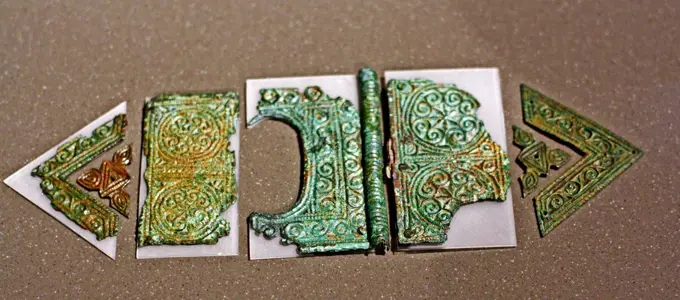
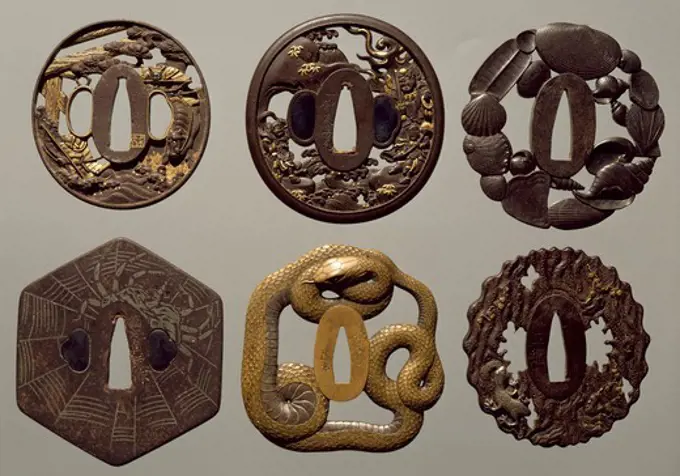
Artifacts including decorative ceramic shards and ornate sword guards from Central Asia and Japan, showcasing rich cultural heritage.
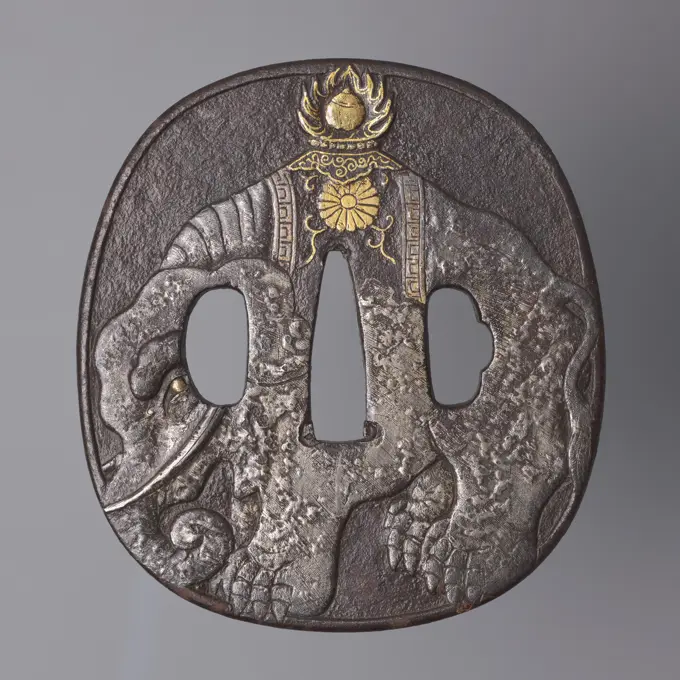
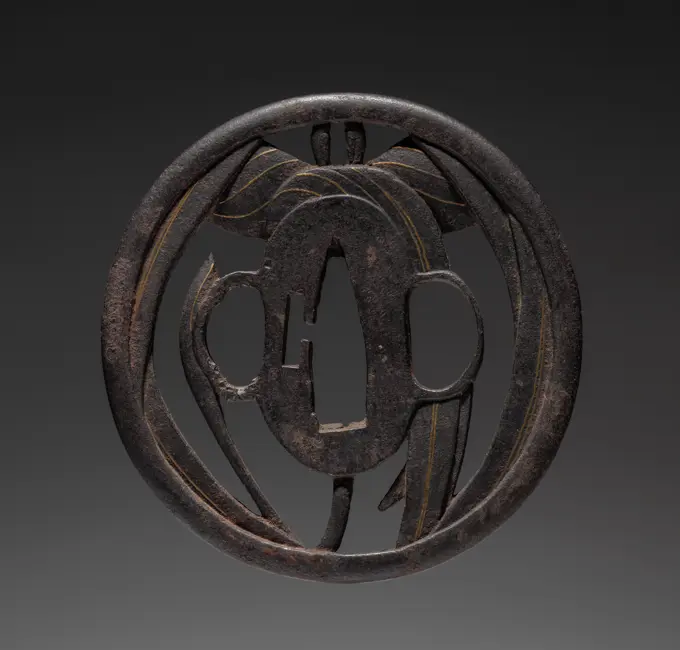
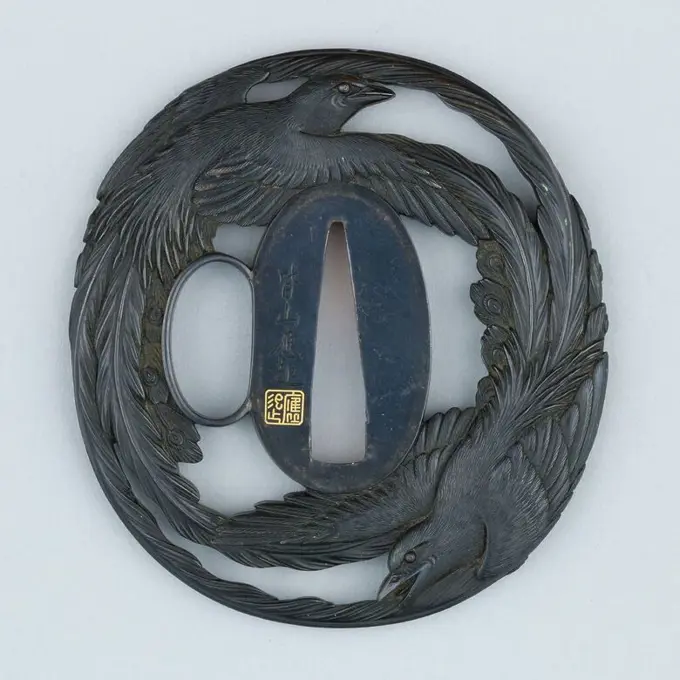
Jelec (Tsuba); Tsuchiya, Yasuchika (1670-1744), Nara; XVIII/19th century (1790-00-00-1810-00-00);
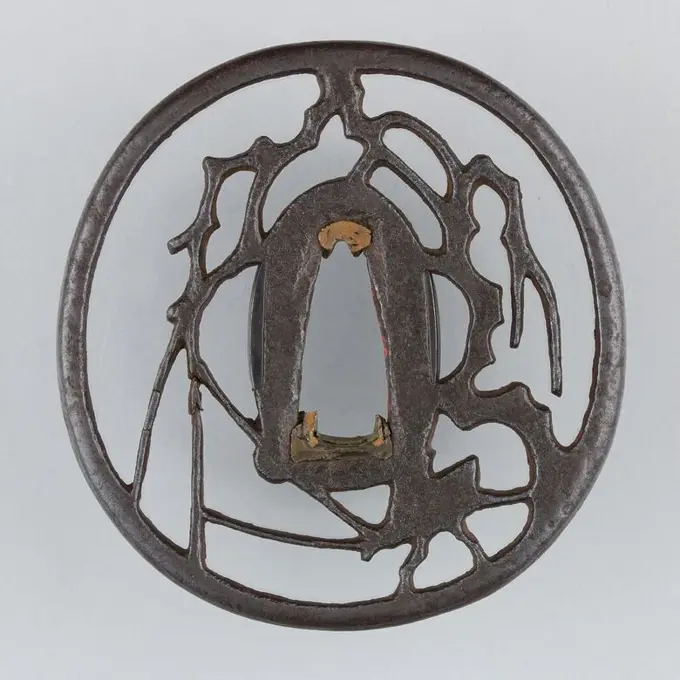
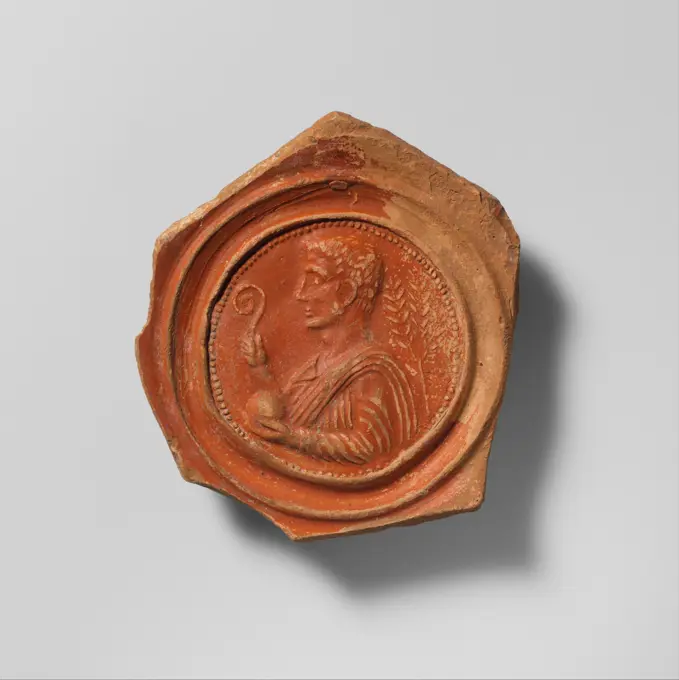
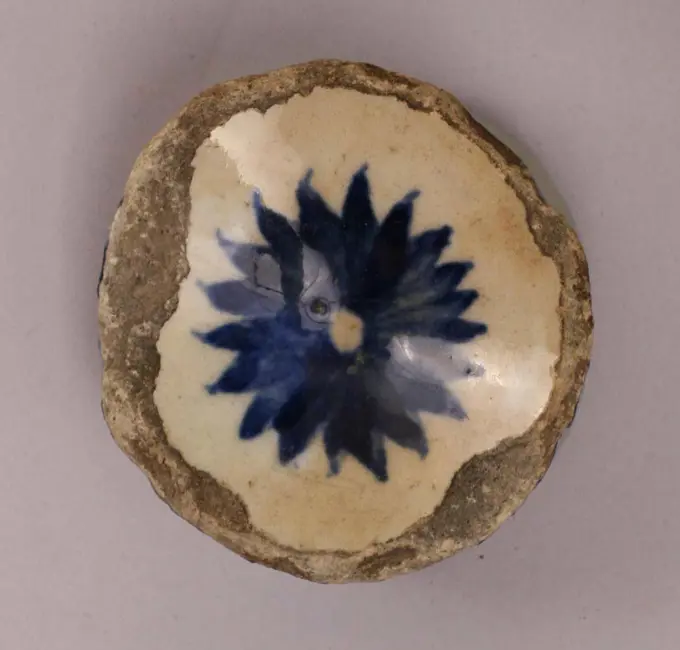
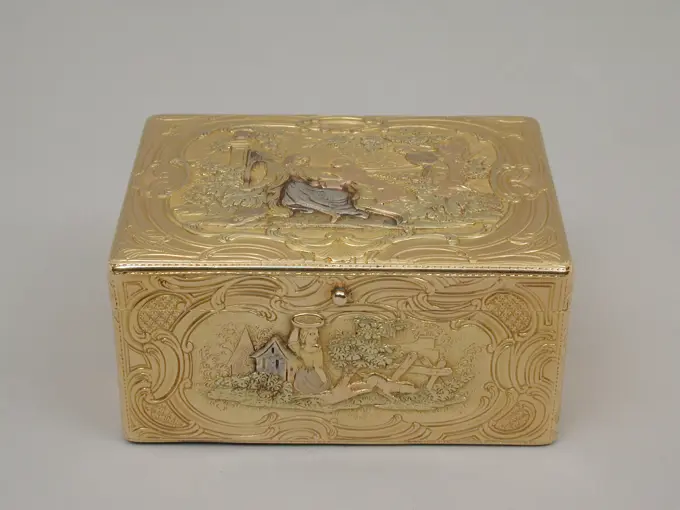
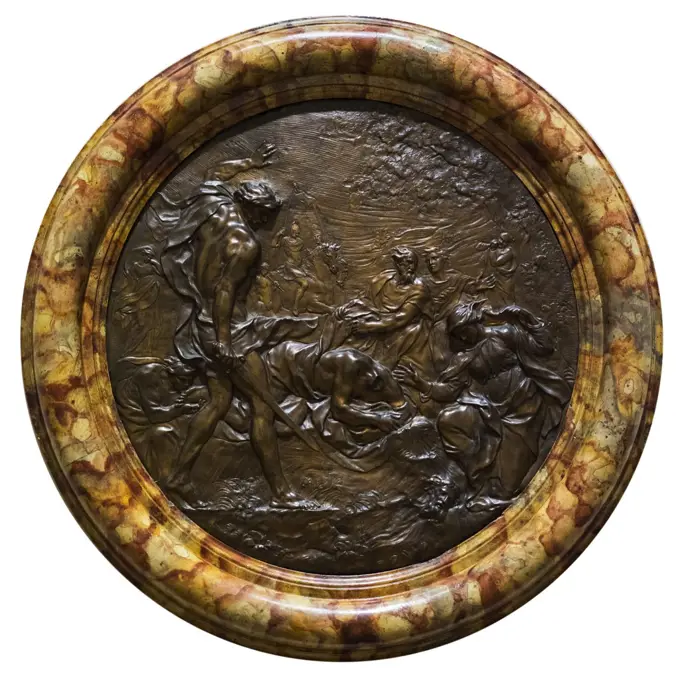
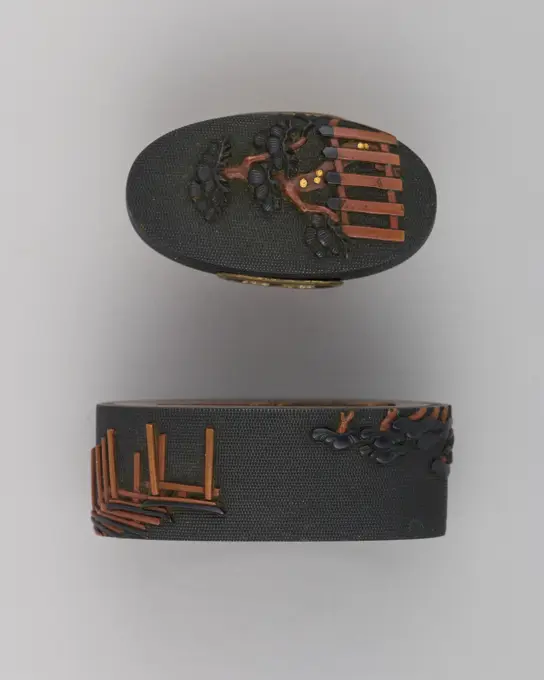
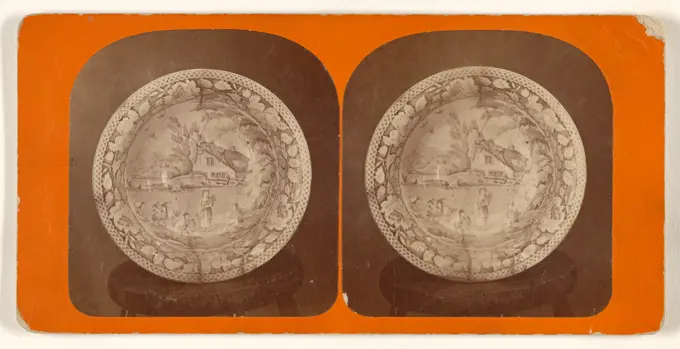
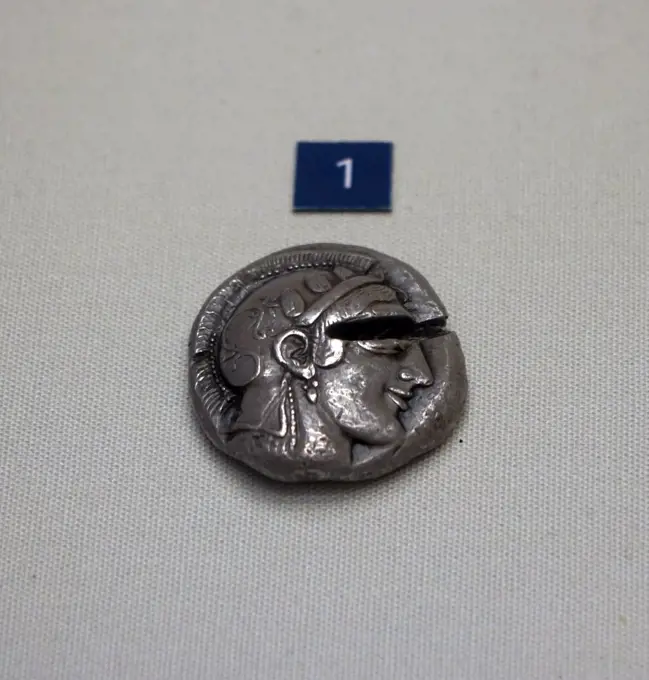
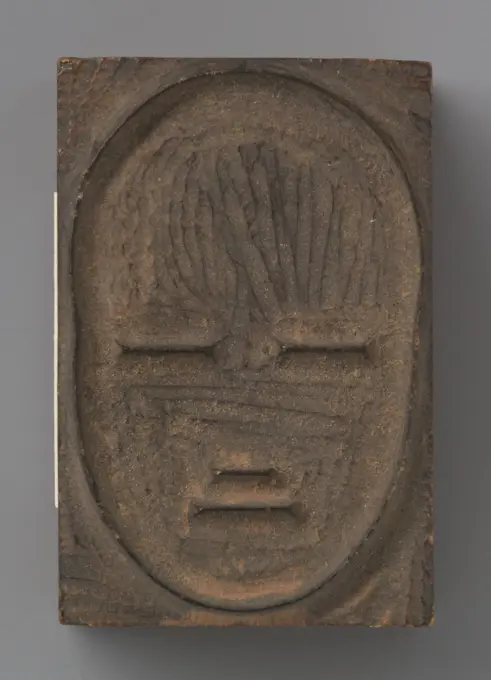
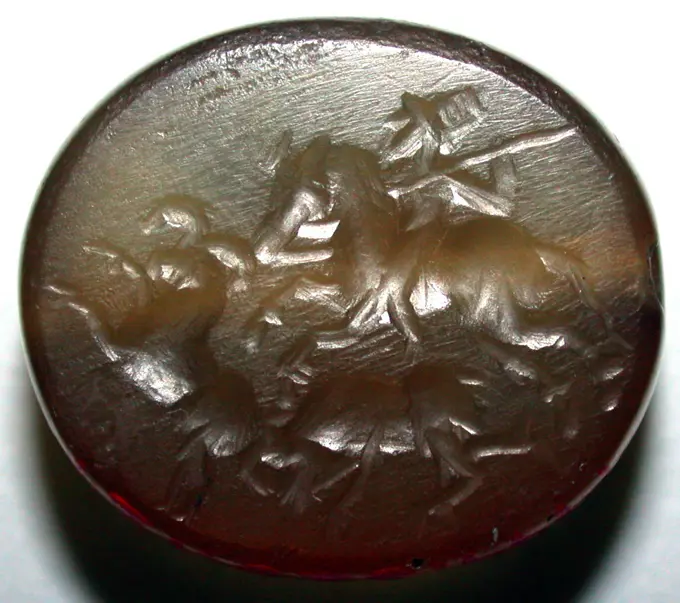
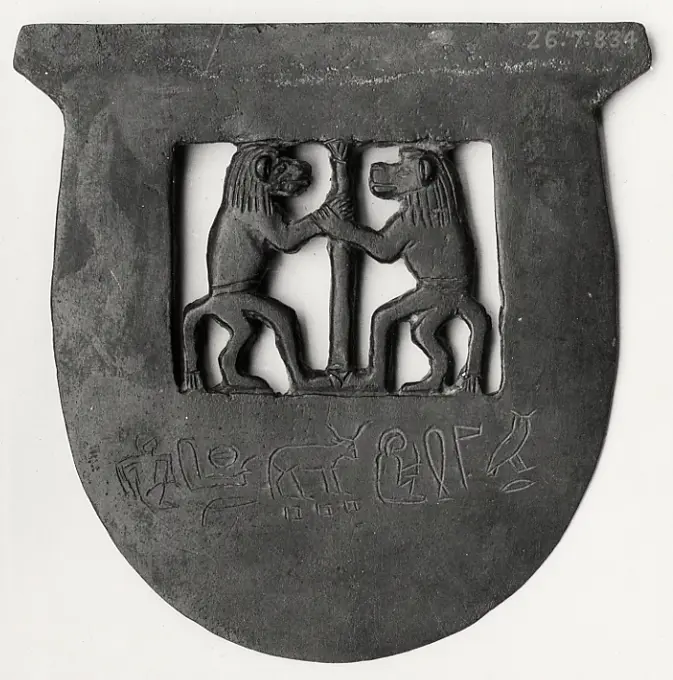
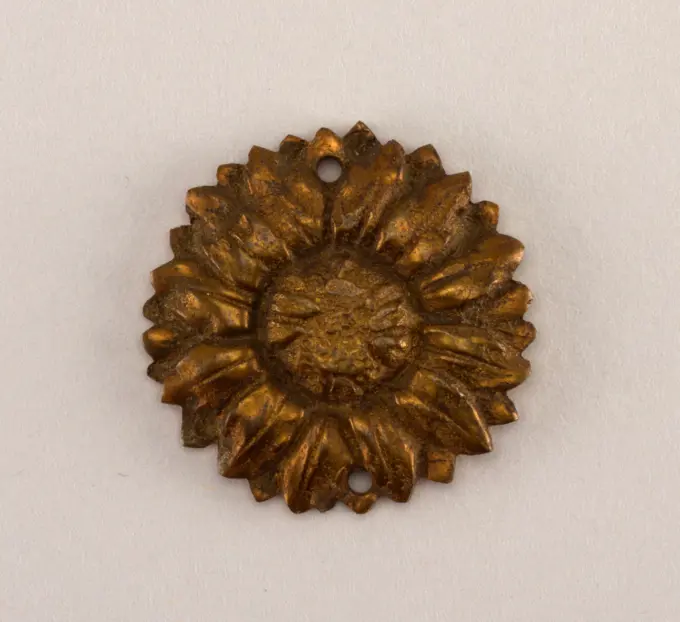
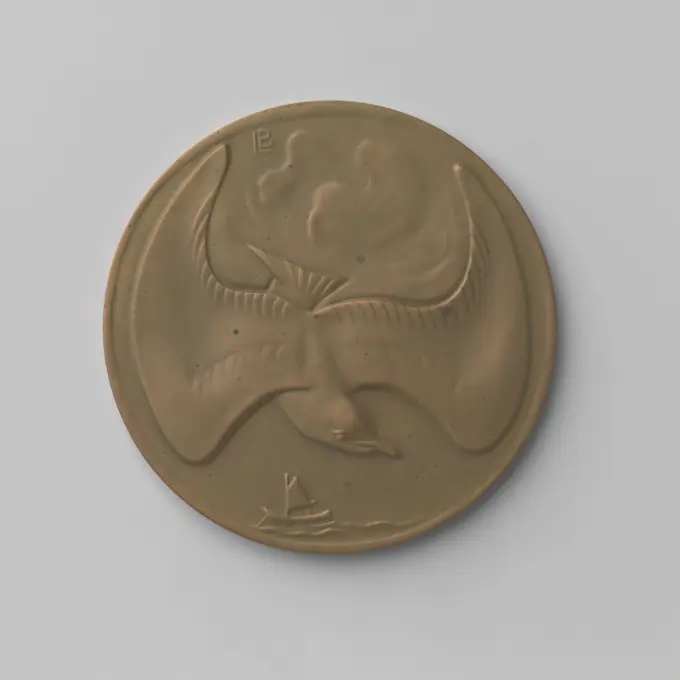
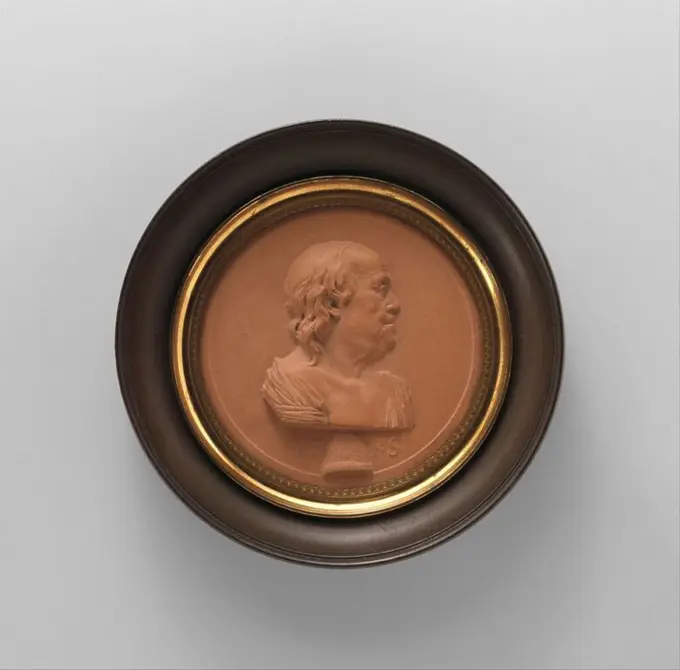
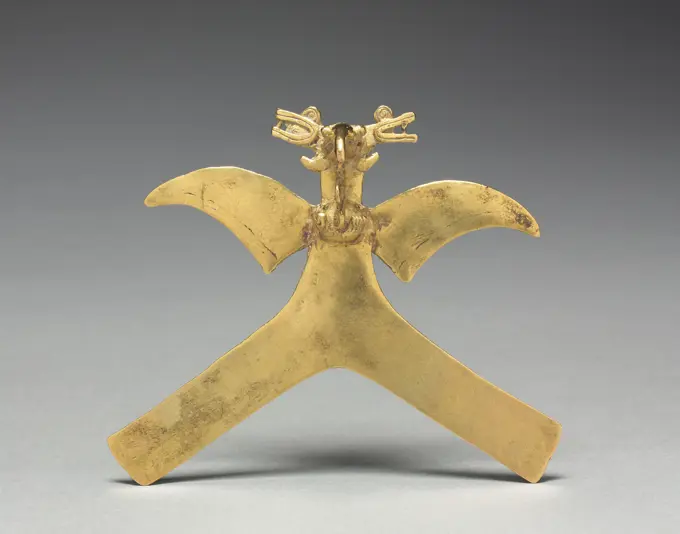
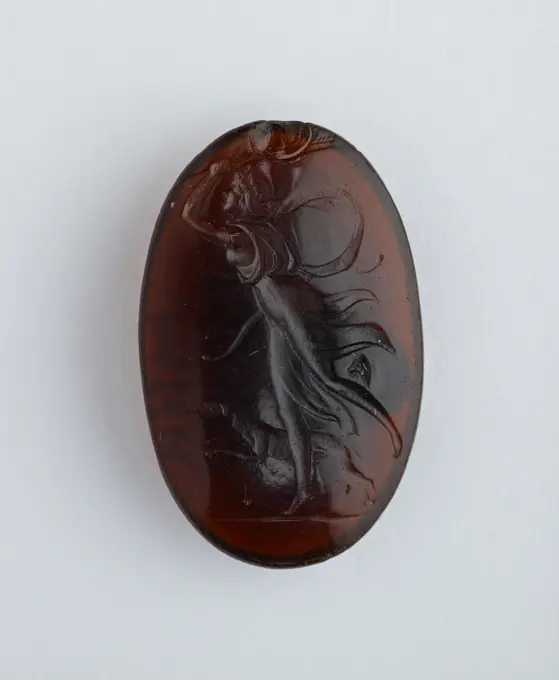
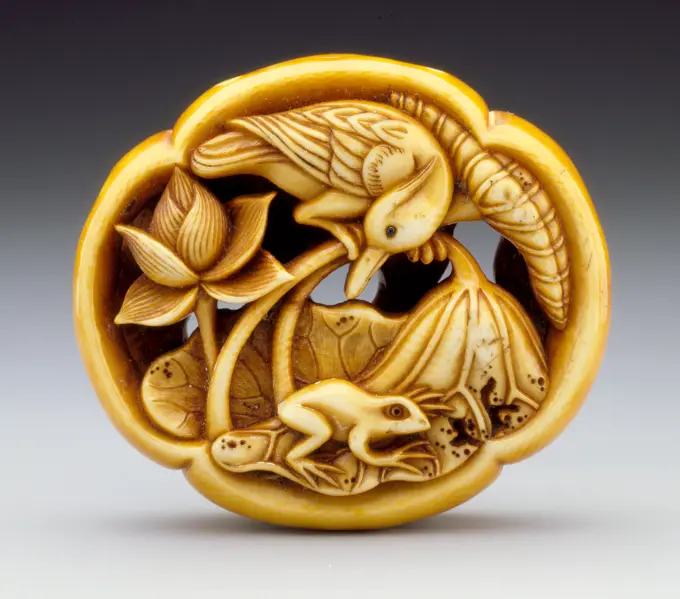
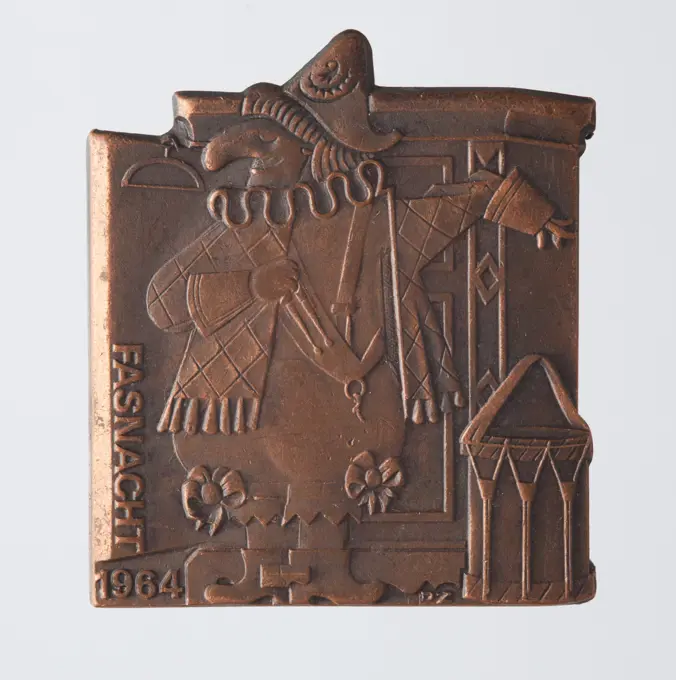
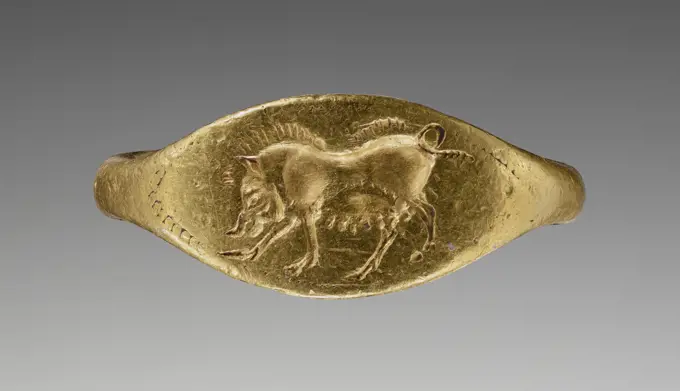
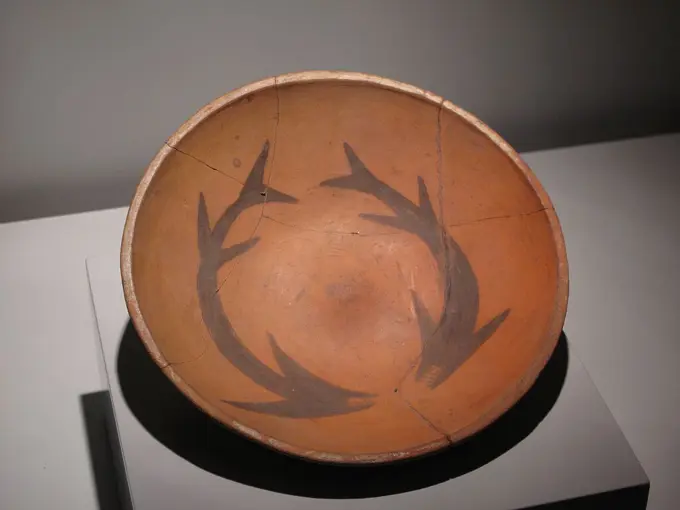
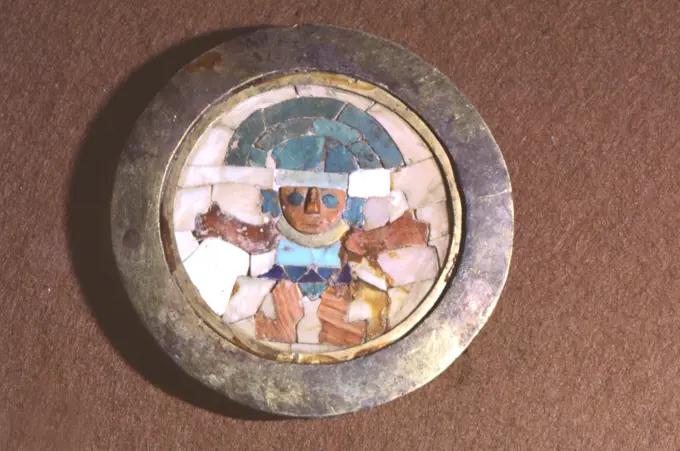
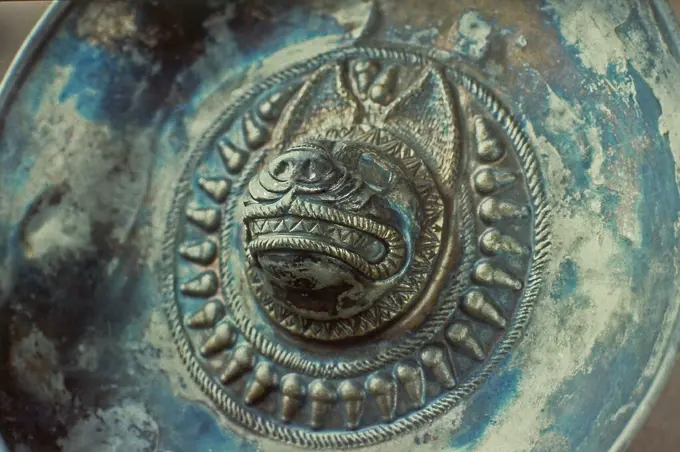
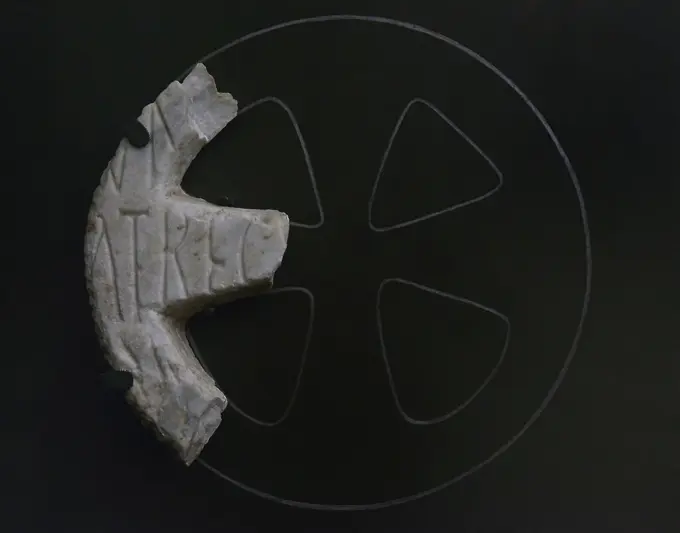
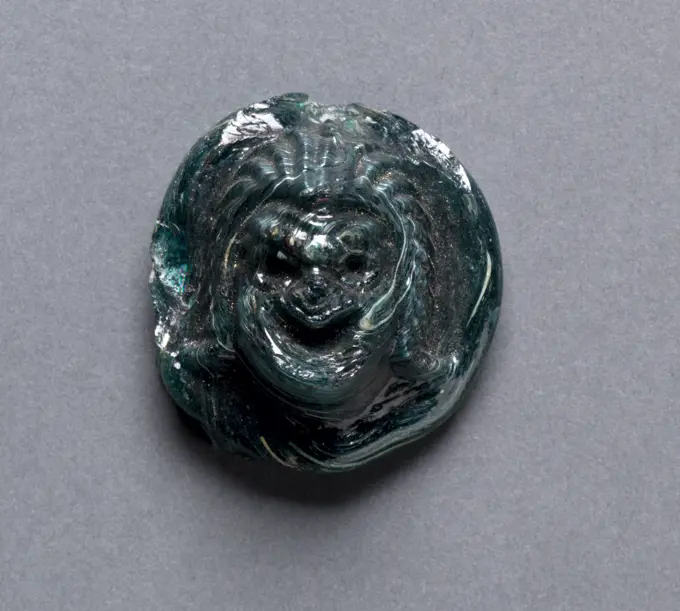
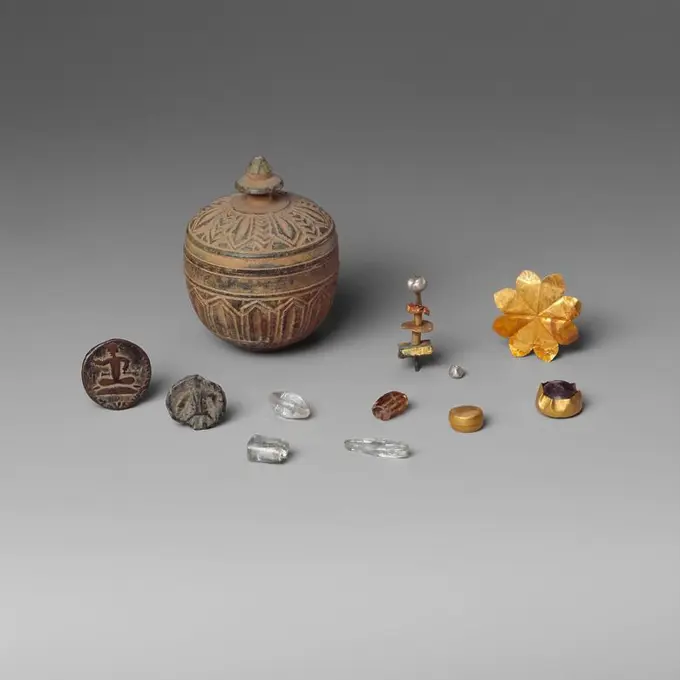
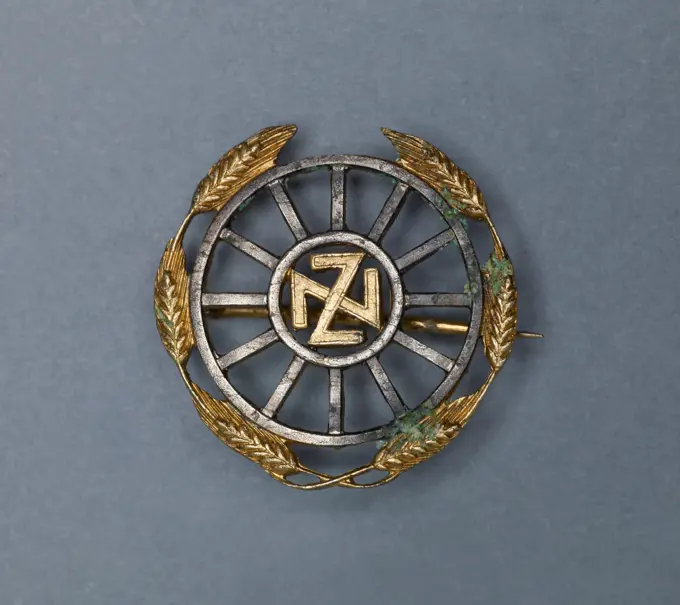
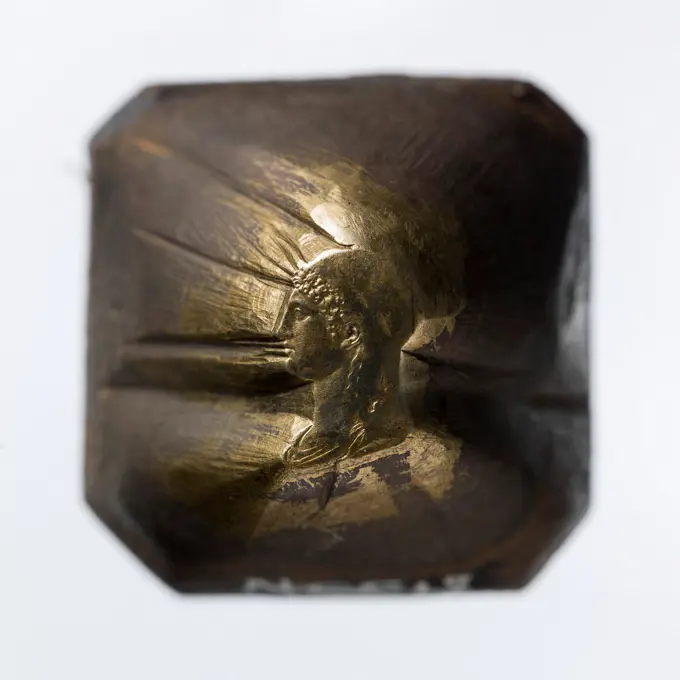
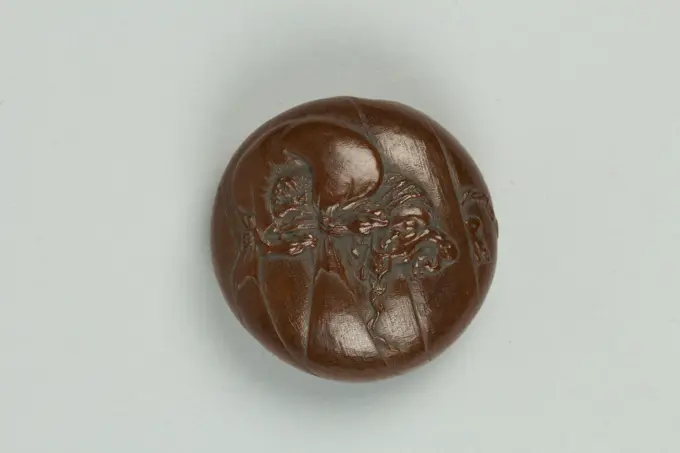
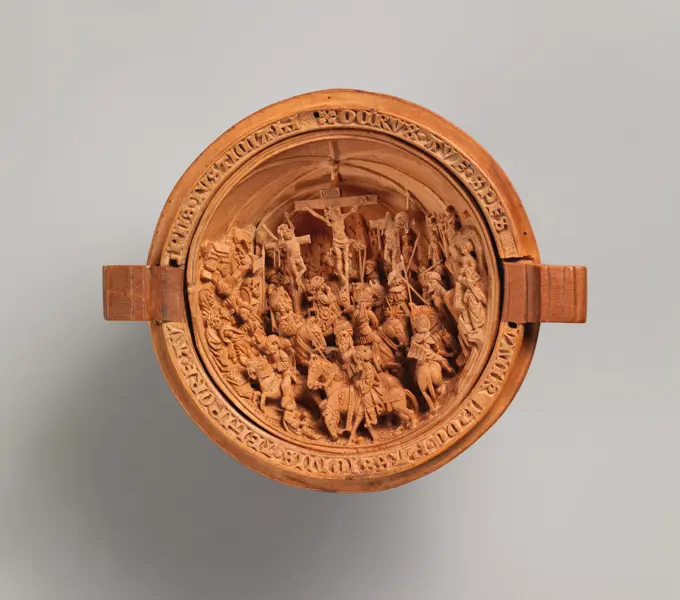
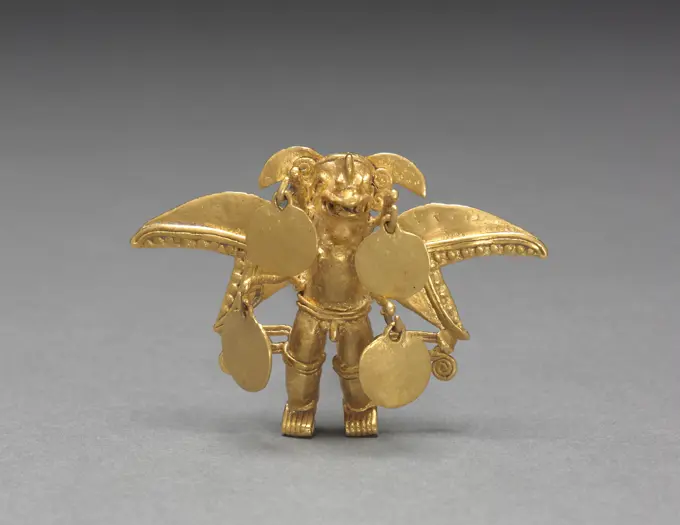
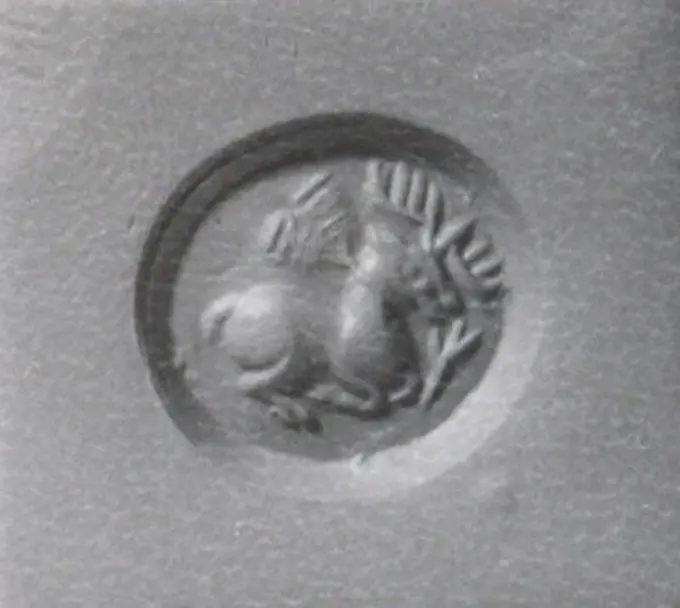
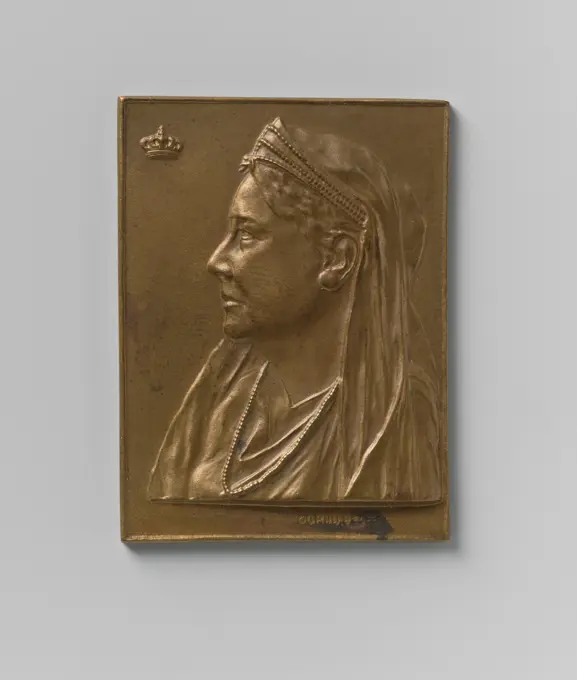
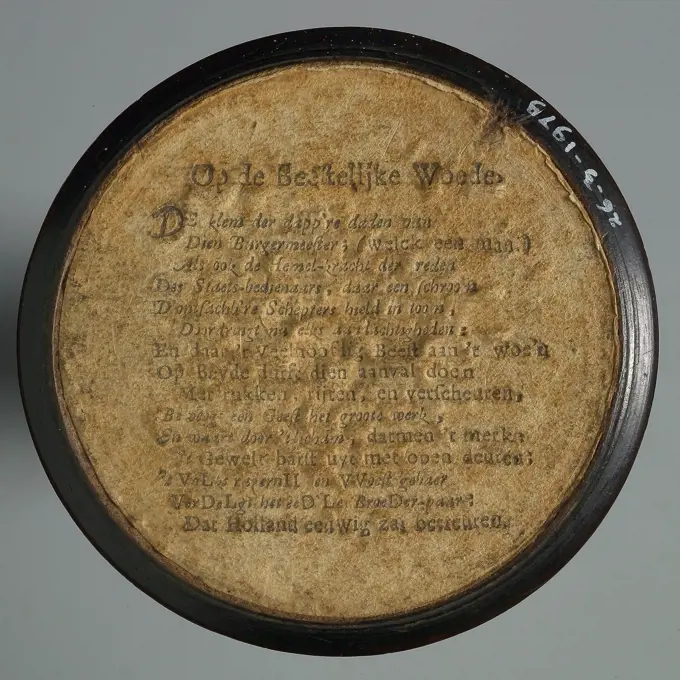
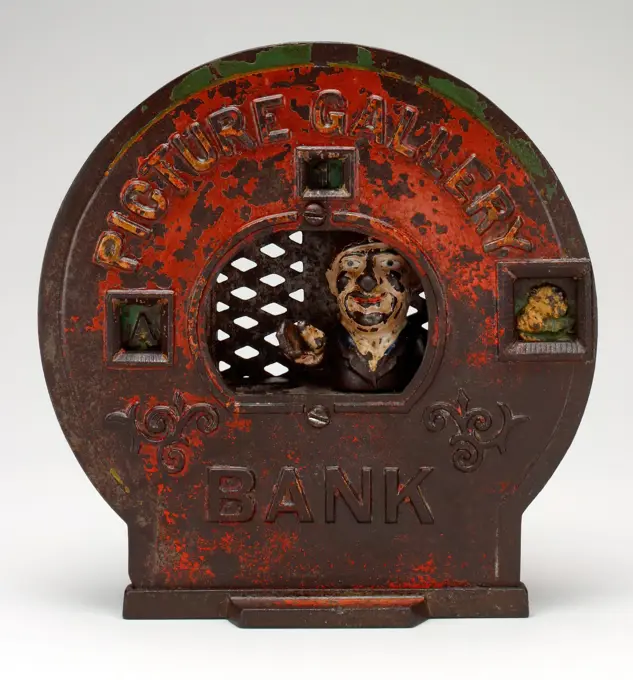
Floor tile: All Dinc has Sijnen Tijt, Anonymous, 1500 - 1560 Floor tile decorated with a squared with a weapon around which the inscription: all Dinc-Heeft-sijnen-Tijt. In the corners, a quarter rosette. Netherlands earthenware. lead glaze Floor tile decorated with a squared with a weapon around which the inscription: all Dinc-Heeft-sijnen-Tijt. In the corners, a quarter rosette. Netherlands earthenware. lead glazeSword Guard (Tsuba). Culture: Japanese. Dimensions: H. 3 1/4 in. (8.3 cm); W. 3 1/8 in. (7.9 cm); thickness 1/4 in. (0.6 cm); Wt. 4.5 oz. (127.6 g). Fittings maker: Attributed to the Akasaka school (Japanese). Date: 18th century.This tsuba features an openwork design of a willow tree and a katydid. Museum: Metropolitan Museum of Art, New York, USA.Inkstand. Culture: Italian, probably Padua. Dimensions: Overall (confirmed): 7 1/8 × 11 3/8 × 10 1/4 in. (18.1 × 28.9 × 26 cm). 45a (confirmed): 3 1/4 × 11 3/8 × 10 1/4 in. (8.3 × 28.9 × 26 cm).45b (confirmed): 4 × 4 1/8 × 4 5/8 in. (10.2 × 10.5 × 11.7 cm).45c (confirmed): 1 × 3 3/4 × 3 1/8 in. (2.5 × 9.5 × 7.9 cm).45d (confirmed): 1 1/8 × 3 3/4 × 3 1/4 in. (2.9 × 9.5 × 8.3 cm).45e (confirmed): 1 × 3 3/4 × 3 1/4 in. (2.5 × 9.5 × 8.3 cm). Date: ca. 1530. Museum: Metropolitan Museum of Art, New York, USA.Terracotta bowl fragment late 1st century B.C.-early 1st century A.D. Roman The center of the base is decorated with a tondo depicting in relief a portrait bust of the emperor Augustus holding a lituus and orb.. Terracotta bowl fragment 250325 Roman, Terracotta bowl fragment, late 1st century B.C.early 1st century A.D., Terracotta, diameter of medallion   5.11. The Metropolitan Museum of Art, New York. Gift of J. Pierpont Morgan, 1917 (17.194.1979)Fragment of a Bowl or Cup 13th-16th century. Fragment of a Bowl or Cup 452463Snuffbox 1770-80 Possibly Les Frères Toussaint. Snuffbox. German, Hanau. 1770-80. Gold. Metalwork-Gold and PlatinumPlanets-manager. Cornalet Collection Sites 2013-2016. Numismatic.Earthenware dish, red shard, internally glazed, decoration in yellow, on stand, plate crockery holder earth discovery ceramics earthenware glaze lead glaze, hand-turned glazed decorated baked lozenge Pottery saucer ringelbord red shard internal glazed brown with garlands and circles along the top edge in yellow Restoration is partly painted on archeology Rotterdam City Center Stadsdriehoek Oudehaven indigenous pottery food kitchen serving table dinnerware archaeological find in the soil Oude Haven Rotterdam.Back Handle Plate For Drawer Handle (England or United States), ca. 1795-1810; brassBird Pendant, 1000-1500. Panama, Veraguas. Cast and hammered gold; overall: 4.6 x 4.5 x 1.5 cm (1 13/16 x 1 3/4 x 9/16 in.).Planets-manager. Cornalet Collection Sites 2013-2016. Numismatic.Nose Ornament with Shrimp 6th-7th century Moche (Loma Negra) This stunning gold and silver nose ornament featuring two shrimp is an excellent example of the metal-working skills of Moche artists. Centuries before the rise of the Incas, the Moche thrived on Perus North Coast between A.D. 200-850, founding impressive regional centers from the Nepeña River Valley in the south to perhaps as far north as the Piura River, near the modern border with Ecuador. They developed extensive irrigation systems that transformed the coastal deserts into rich farmlands and drew upon the abundant maritime resources of the Pacific Oceans Humboldt Current. They also built some of the largest adobe structures known in the ancient Americas, many of them richly adorned with polychrome murals and reliefs. Although the Moche likely never formed a single centralized political entity, they shared unifying cultural traits such as religious practices (Donnan 2010).Moche metallurgists were unrivaled in ancient PerThe Beheading of Saint Paul c. 1700 Bronze Alessandro Algardi; Italian active Bologna and Rome; born 1602; died 1654 Giovanni Battista Foggini; Italian active Florence; born 1652 died 1725Clara Rosenberger mid-16th century Southern German Clara Rosenberger was born in Augsburg and married a master of the Nuremberg Mint who died in 1536. The legend on the medallion states that she is represented at the age of fifty-one. Her clear profile reflects the sharp vision of the artist to capture the determination and dignity of the mature sitter. Medallions in stone, wax, or wood (Carchesius, 17.190.487) were probably made as models for a medal.. Clara Rosenberger 193492Sword-Hilt Collar and Pommel (Fuchigashira) 19th century Japanese A fuchigashira is a pair of matching sword fittings comprising the fuchi (collar at the base of the grip of the sword hilt) and kashira (pommel cap at the end of a sword hilt).. Sword-Hilt Collar and Pommel (Fuchigashira). Japanese. 19th century. Copper-gold alloy (shakud), copper, gold. Sword Furniture-Fuchi-KashiraInterior of a bowl. UnknownAthenian Denominations from ancient Greece. Dated 5th Century BCLock And Hinge (Spain); cast and engraved steel, ironModel for a bracket of a clamp and a book lock with a medallion with the head of Mercury and a men's head with laurel wreath, anonymous, c. 1775 - c. 1800 The models driven for founding shapes have a profiled frame with rosettes on the corners and in the field a medallion surrounded by bows and branches. The bracket with the head of Mercury and the clamp with a men's head with laurel wreath. Amsterdam copper (metal) The models driven for founding shapes have a profiled frame with rosettes on the corners and in the field a medallion surrounded by bows and branches. The bracket with the head of Mercury and the clamp with a men's head with laurel wreath. Amsterdam copper (metal)Stylized faces or masks, 1809 - 1869    wood (plant material)Victory Medallion, 1918. Paul Manship (American, 1885-1966). Bronze; overall: 8 x 6.4 cm (3 1/8 x 2 1/2 in.).Knife Handle (Kozuka). Culture: Japanese. Dimensions: L. 3 13/16 in. (9.7 cm); W. 9/16 in. (1.4 cm); thickness 1/4 in. (0.6 cm); Wt. 1.3 oz. (36.9 g). Date: 19th century. Museum: Metropolitan Museum of Art, New York, USA.Zischägge (Helmet) and Cuirass of Emperor Ferdinand II. South German. Date: 1610-1630. Dimensions: Helmet H. 41.7 cm (16 3/8 in.) Cuirass H. 43.8 cm (17 1/4 in.). Steel, gilding, brass, and leather. Origin: Southern Germany. Museum: The Chicago Art Institute, Chicago, USA.Lock And Key; cast and engraved steel, ironStamp seal and modern impression: hunter on horse attacking rams ca. 3rd-1st century B.C. Graeco-Bactrian. Stamp seal and modern impression: hunter on horse attacking rams 327720Ax head inscribed for Khumeh with two baboons and a papyrus column ca. 1981-1550 B.C. Middle Kingdom-Early New Kingdom. Ax head inscribed for Khumeh with two baboons and a papyrus column. ca. 1981-1550 B.C.. Bronze or copper alloy. Middle Kingdom-Early New Kingdom. From Egypt, Upper Egypt, Thebes, Sheikh Abd el-Qurna. Dynasty 12-18Gold pendant, Italy. Goldsmith art. Greek civilization, Magna Graecia.RosettePlate; Eastern Mediterranean; presumably 1st - 2nd century; Glass; 2 x 18.3 cm (13,16 x 7 3,16 in.)Ornamental medal of the Vereeniging for Penningkunst 1934, Leendert Bolle, 1934 history medal Bronze medal, on the front a bird above the sea, two fish on the reverse, with explanation.  bronze (metal) striking (metalworking)Plaque of Benjamin Franklin. Culture: French. Dimensions: H. 4 1/16 in. (10.3 cm). Maker: Jean Martin Renaud (French, Sarreguemines 1746-1821 Paris). Date: ca. 1797. Museum: Metropolitan Museum of Art, New York, USA.bracteate denarius. Zakon krzyżacki (1190-), issuerBird Pendant, c. 1000-1550. Costa Rica, Diquís region, or Panama, 11th-16th century. Cast gold; overall: 10.6 x 12.7 x 2.5 cm (4 3/16 x 5 x 1 in.). Among the pendants shown here are a crustacean (1943.290), an animal-headed figure (1948.18), and two pendants featuring birds (1951.442 and 1946.223). The latter were dubbed aguilas (eagles) by Christopher Columbus, who saw natives wearing them as necklace ornaments. Modern researchers are not as sure of the species shown, but some believe that they are birds of prey because talons and beaks are prominent and often clutch something, in one example here a small, disembodied head that holds a clapper. In both examples, two tufts in the form of crocodiles in profile flank the birds heads.One and a half taler, emergency coin made by the connected princes of Silesia, Anonymous, 1621 coin. siege coin Unilateral, diamond -shaped emergency coin with off -ground corners. Front: five stamps: below and top, left and right: two His brands; Midden: eagle with spread wings and for himself a crowned half moon between the year within the interchangeably. Reverse: Blanco Głogów silver (metal) striking (metalworking)  SilesiaCampania Napoli Naples S. Lorenzo Maggiore44. Hutzel, Max 1960-1990 Medieval: Sculpture, architecture, architectural sculpture (including Roman spolia) 13-14th century Chapter house; sarcophagi, gravestones; wall painting. Fragment of mosaic; sculptural fragments in the Sala Capitolare. Post-medieval: Architecture, architectural sculpture, ceiling painting fresco cycle; prints depicting Venice c. 1845 (4), sculpture; life-size creche figures dressed in original Neapolitan costume Church restored in 1882, 1926, 1944; excavations under the transept undertaken between 1958-1962, and in the cloister in 1976, have revealed remains of a Roman macellum (market), street, and the paleochristian basilica of the 6th c. AD. Antiquities: Pottery: black-glazed, archaic banded, domestic wares, bucchero; architectural terracottas, statuettes, lamps, sculpture fragments Object Notes: 3 color negatives with no prints at the end. General Notes: Most objects/paintings/frescoes unidentified. Three batches 1/4 Paisa from Tanjore in India, 1700-1800 ,, 1700 - 1800 coin Copper-silver coin. Front: two Divine figures. Ridder: Lingam: Symbol of the Subject to Male and Woman.  copper (metal) striking (metalworking)Diana with a dogDETALLE DE LA CULATA DE LA PISTOLA DE CARLOS V - 1533. Location: PALACIO REAL-REAL ARMERIA DE MADRID. MADRID. SPAIN.Lotus, Frog, and Bird. Ishikawa Rensai (Japan, active mid- to late 19th century, born circa 1832). Japan, mid- to late 19th century. Costumes; Accessories. Ivory with staining, inlays; ryūsa typeMount; 1904-21-36Carnival Badge: Carnival 1964Sow; Etruria (); about 500 B.C; Gold; 1.9 × 1 × 0.2 cm (3,4 × 3,8 × 1,16 in.)Sword Guard (Tsuba) ca. 1615-1868 Japanese A tsuba is a sword guard and part of a sword mounting. It is mounted between the swords blade and grip to protect the users hands.. Sword Guard (Tsuba) 34495Button (France); brassPLATO DECORADO CON PECES - CERAMICA - CULTURA INCA - 1400-1533 DC - PERU. Location: MUSEO DE AMERICA-COLECCION. MADRID. SPAIN.Gustav Brehmer. "Luftwaffe Koppelschloß". Iron. 1935-1945. General Leclerc Museum of Hauteclocque and the Liberation of Paris, Jean Moulin Museum. 158818-21Ear plug, gold, turquoise and shell. Chimu. PERU.Seal China. Seal 41042PATERA PROCEDENTE DE CASTELLET DE BANYOLES - TIVISSA-TARRAGONA. Location: MUSEO ARQUEOLOGICO DE CATALUÑA. Barcelona. SPAIN.Fragment of openwork cross with remains of inscription ATREC. From the Roman villa of Carranque, province of Toledo, Spain. Museum of Visigoth Councils and Culture. Toledo, Castile-La Mancha, Spain.Comic Mask, c. 1st Century AD. Greece, Greco-Roman Period, late Ptolemaic Dynasty to Roman Empire. Dark green glass; diameter: 3.6 cm (1 7/16 in.); overall: 1.7 cm (11/16 in.).Reliquary with Contents. Culture: Pakistan (ancient region of Gandhara). Dimensions: H. 2 9/16 in. (6.5 cm); Diam. 2 in. (5.1 cm). Date: ca. 1st century. Museum: Metropolitan Museum of Art, New York, USA.Commemorative badge graduatesAugustin Dupré (1748-1833). Punch: Freedom. Steel, irregular octogal section block. 1795. Paris, Carnavalet museum. Medal, numismaticsNetsuke 17th century Japan. Netsuke. Japan. 17th century. Wood. Edo (1615-1868) or Meiji period (1868-1912). NetsukeHalf of a Prayer Bead with the Crucifixion early 16th century Netherlandish To give the events depicted all the drama of a stage set, the artist who created this prayer bead worked in layers. Some members of the crowd gathered for the Crucifixion were carved on a separate piece of boxwood that was then secured in place behind the Cross. They appear against the backdrop of a town with stepped facades and towers that look Netherlandish, not at all like the biblical city of Jerusalem.. Half of a Prayer Bead with the Crucifixion 708069Miniature pilgrim bottle dated 1727 British, Staffordshire. Miniature pilgrim bottle. British, Staffordshire. dated 1727. Salt-glazed stoneware. Ceramics-PotteryGold medallion with head of medusa (5th-3rd century BC). Eastern Mediterranean goldsmiths. Archaeology Museum of Catalonia.Sword Guard, 1615-1868. Japan, Edo period (1615-1868). Iron (Chosu type); diameter: 6.9 cm (2 11/16 in.).Winged Figure Pendant, c. 1000-1550. Southern Costa Rica, (Diquís Region), Diquís Style, 11th-16th century. Cast and hammered gold; overall: 5.5 x 7.9 x 2.2 cm (2 3/16 x 3 1/8 x 7/8 in.).Mount (France); bronzeDiploma for the cavalryman Tertius awarded by Emperor Vespasian Bronze 15 April 78 AD Wiesbaden, HesseSword Guard (Tsuba). Culture: Japanese. Dimensions: H. 2 11/16 in. (6.8 cm); W. 2 7/16 in. (6.2 cm); thickness 1/4 in. (0.6 cm); Wt. 3.5 oz. (99.2 g). Fittings maker: Inscribed by Minayama Oki (Japanese, Kyoto, active 18th century). Date: 18th century. Museum: Metropolitan Museum of Art, New York, USA.Payment tok of 1 d. Penny of the British Armed Forces in Germany, 1945 - 1990 coin Mint of plastic for British soldiers in Germany. Front and downside: repeated a few times in three lines British Armed Forces, including value designation 1 d. Smooth edge.  porcelainEgg. American. Date: 1865. Dimensions: H. 5.4 cm (2 1/8 in.). Colored egg. Origin: United States. Museum: The Chicago Art Institute, Chicago, USA.PORTAPACES S XVIII (IRIA FLAVIA). Location: MUSEO DE ARTE SACRO. Padrón. Coruña. SPAIN.Sword Guard (Tsuba). Culture: Japanese. Dimensions: H. 2 3/4 in. (7 cm); W. 2 3/8 in. (6 cm); thickness 3/16 in. (0.5 cm); Wt. 3.6 oz. (102.1 g). Date: 19th century. Museum: Metropolitan Museum of Art, New York, USA.Round Vest Node or Silver Board, 1900 - 1925 Round vests node or on -board of silver. West-Europa silver (metal) Round vests node or on -board of silver. West-Europa silver (metal)Sleeve Button ca. 1876 Union Porcelain Works. Sleeve Button 7538Pendant in the form of a lion's head. Pendant in the form of a lion's head. Gold. Gold and SilverMedal of Charles William Eliot, obverse 2 of2.   Subject: Charles William Eliot, American, 1834-1926 Artist: Bela Lyon Pratt, American, 1867-1917, Art School Certificate of Completion, 1888, B.F.A. 1899Iron fretwork tsuba, carved and inlaid, Japan. Japanese Civilisation, 17th-18th century.Stamp seal ca. 5th-7th century A.D. Sasanian. Stamp seal 326445The 80th anniversary of G.M. Kam in Nijmegen 1916, Johannes Cornelis Wienecke, 1914 history medal Unilateral rectangular bronze plaque with the bust from comb to left with text at the top and right. Utrecht bronze (metal) striking (metalworking)Fifty -sixth anniversary of Queen Wilhelmina 1936, Cornelis L.J. Desire, 1936 history medal Small brass stick, on the front the veiled bust of Wilhelmina to the left with a crown in the top left, the downside blank.  bronze (metal) striking (metalworking)Button, Copper, nickel plating, A) Copper center with pierced and engraved nickel border; B) Nickel plated button with copper band and gouging on nickel C) Nickel plated button with engraved cooper band D) Cooper button with stripes of horizontal and vertical line, set in copper rim., On card 47, France, late 18th century, costume & accessories, Decorative Arts, ButtonTurtle on lotus leaves, late 18th-19th century, Unknown Japanese, 1 × 1 1/16 × 1 3/4 in. (2.54 × 2.7 × 4.45 cm), Ivory, Japan, 18th-19th centuryMONUMENTO DE LOS HIJOS DE LA TIERRA - DETALLE DE UNO DE LOS MEDALLONES DE PIEDRA Y BRONCE- S XX. Location: EXTERIOR. North Cape.Fan 19th century Anonymous, Italian, 19th century Italian. Fan 390459One-sided wooden medallion, covered with paper, with printed text OP DE BEESTELIJKE WOEDE, penny box holder wood paper, text, ON THE BEEENT ANCIENT THE COLOR OF THE DAPP'RE DADEN VAN THEN CIVIL MASTER; (WELCK MAN.) ALSO THE SKY-POWER OF THE REASON OF THE STATE-CONTROLLERS ONCE SCHROOM D 'ONTENACHB'RE SCHEPTTORS HIS INTO COME IS CONTINUED BY ALL THE ATTENTIONS: AND THERE IS THE MUCH-HEAD BEAST ON T WOE'N ON BEYDE DUR. ATTACKING WITH RUCKS DRIVING AND BEING SPIRIT MOVES THE LARGE WORK AND WATCHES BY 'T BODY THAT ONE brand:' TALLS UYT WITH OPEN DOORS; 'S VOLKS RAZENRIJ AND WOEST GEBAER MISTAINS THE EED'LE BROEDER-PAAR: THAT HOLLAND WILL BE EVERNELY DE Witt The murder 1672 Anna Prins Willem Bisschop Rotterdamscarab, soapstone, 18th dynasty, 1390-1352 BC, Egypt, collection of the British Museum.Picture Gallery' mechanical bank, c. 1885, Attributed to Peter Adams; Designer: Attributed to Charles G. Shepard; Manufacturer: Shepard Hardware Company, Buffalo, New York, 1866-1892, 8 1/4 x 5 7/8 x 2 7/8 in. (20.96 x 14.92 x 7.3 cm), Iron, pigment, 19th centuryMedal of French Republic, 1900. F Vernon (French). Silver; overall: 6.2 x 4.2 cm (2 7/16 x 1 5/8 in.).Button (USA); rubber; mother of pearl, brass in tin