Ornate Historical Textiles

A collection of intricate textiles featuring rich colors, floral patterns, and historical origins from Italy, Iran, and Spain, showcasing the artistry of different cultures.
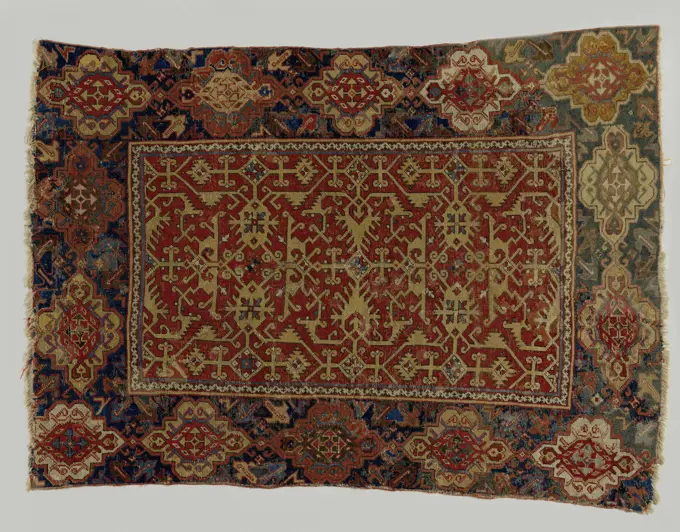
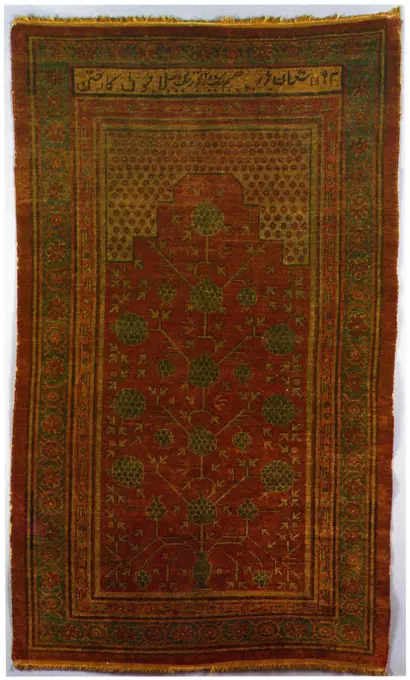
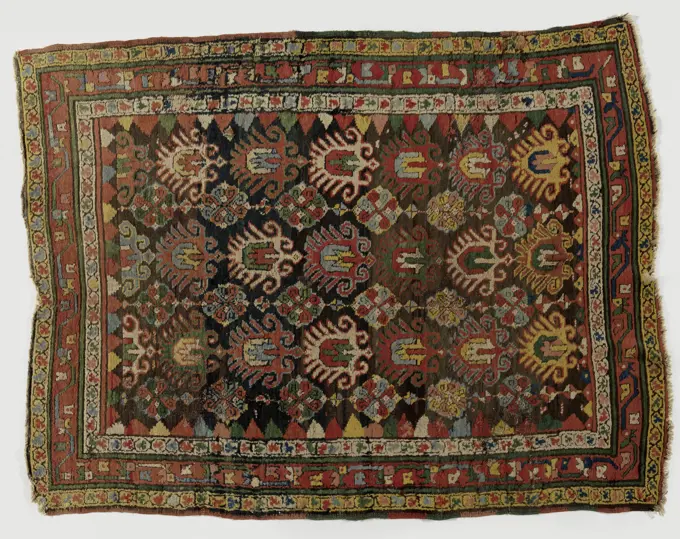
Eastern carpet ,, c. 1600 - c. 1699 Eastern carpet, arabesk dress, lotto carpet. Midfield with yellow arabesk motifs against a stone red background. Lottop pattern made of the Kelim style. Double edge, the wide of which is decorated with similar cartouches. Button: Ghiordes Knoop. Asia Klein (Possible) Usak (Possible) Walachije (Possible) Necklace and impact: Wool Eastern carpet, arabesk dress, lotto carpet. Midfield with yellow arabesk motifs against a stone red background. Lottop pattern made of the Kelim style. Double edge, the wide of which is decorated with similar cartouches. Button: Ghiordes Knoop. Asia Klein (Possible) Usak (Possible) Walachije (Possible) Necklace and impact: Wool
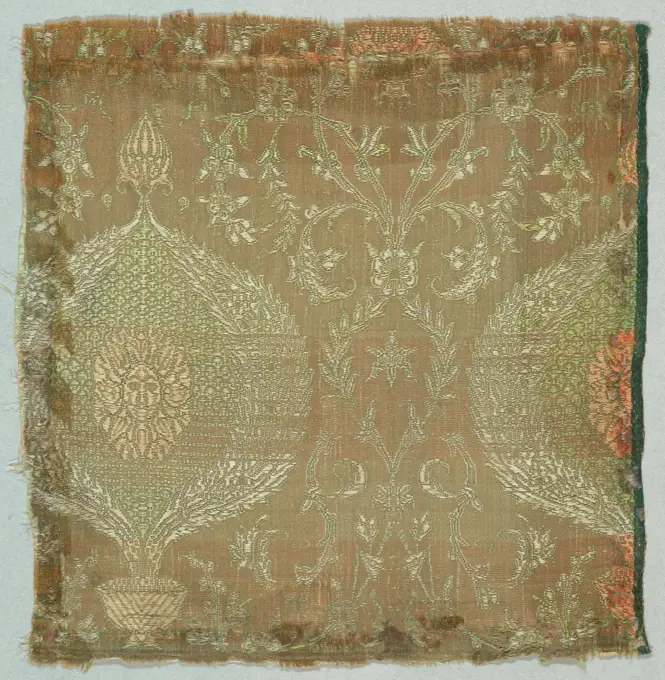
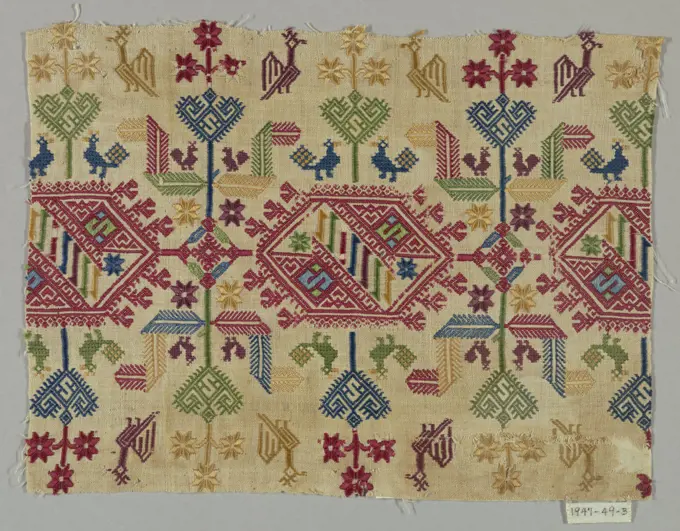
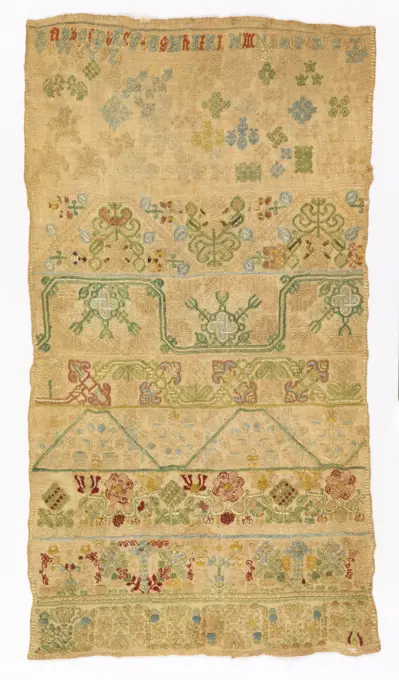
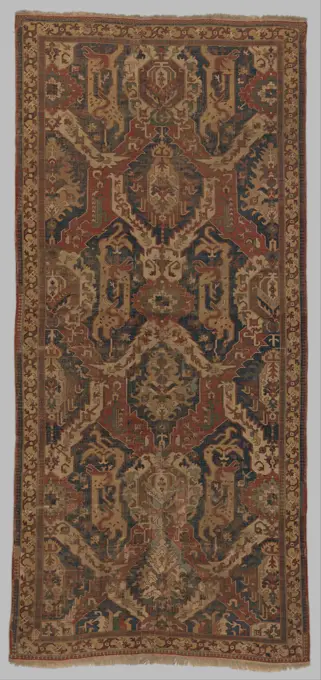
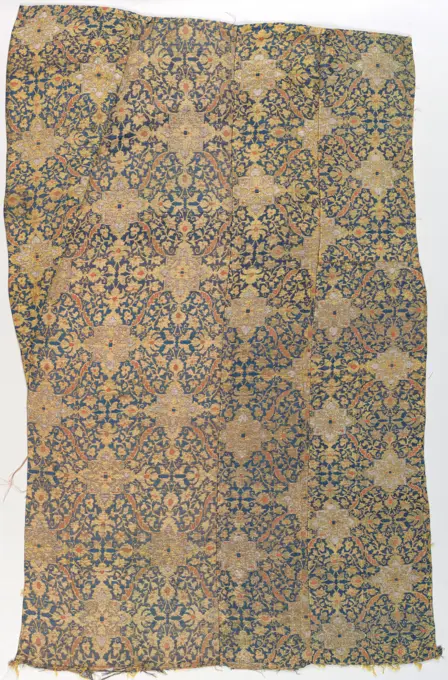
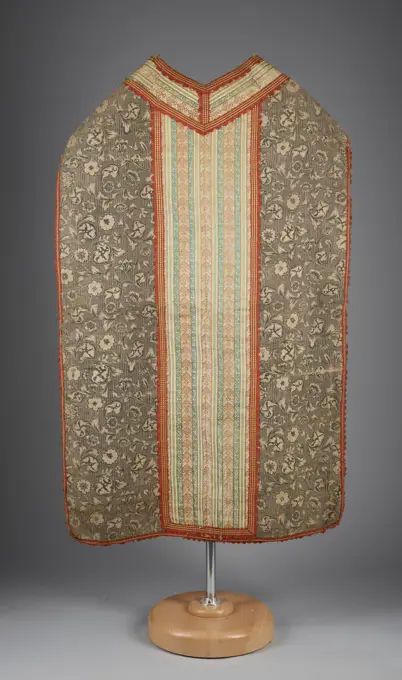
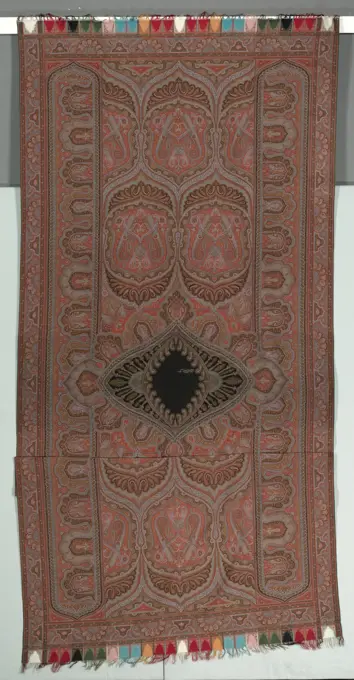
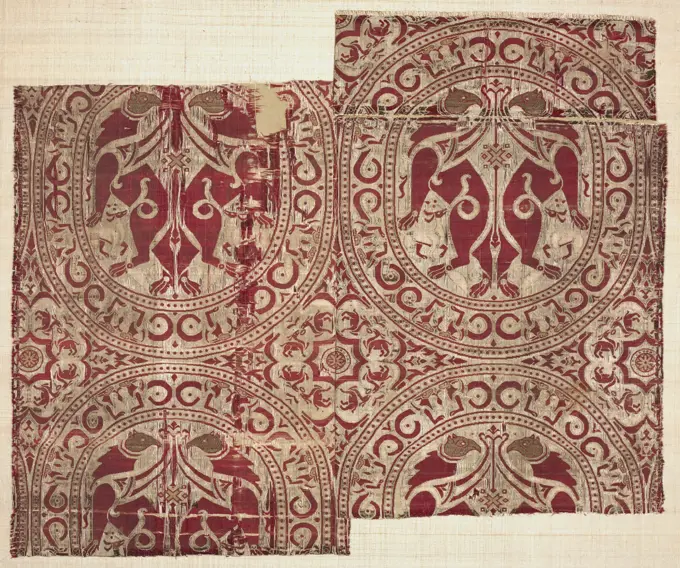
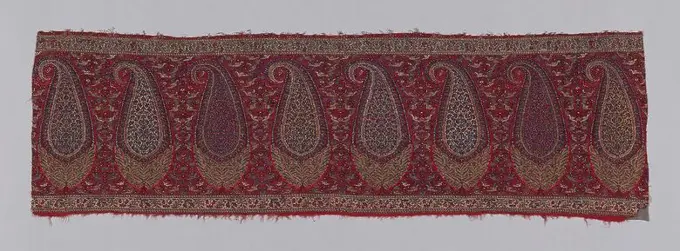
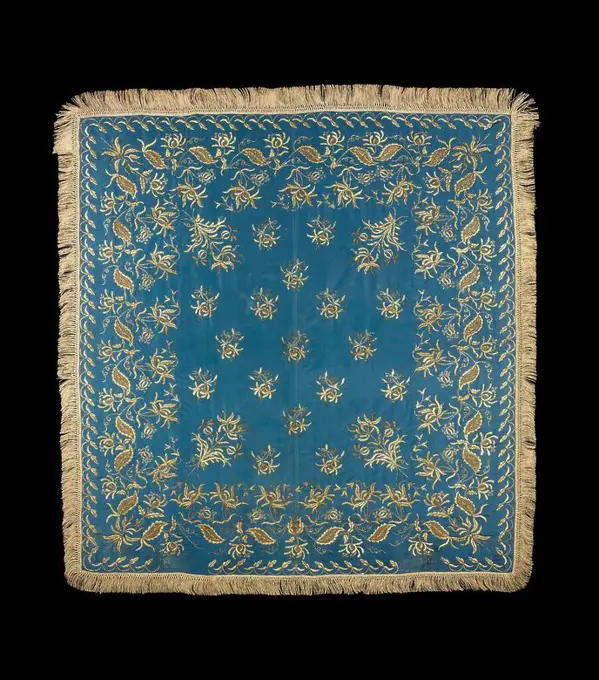
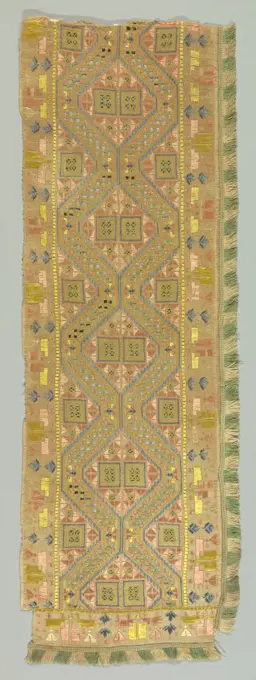
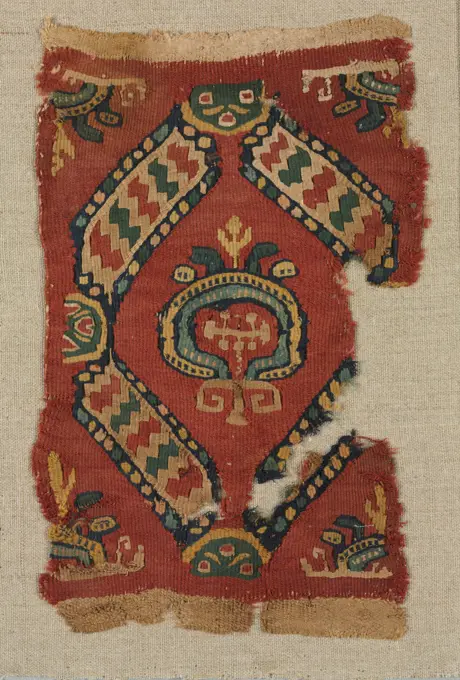
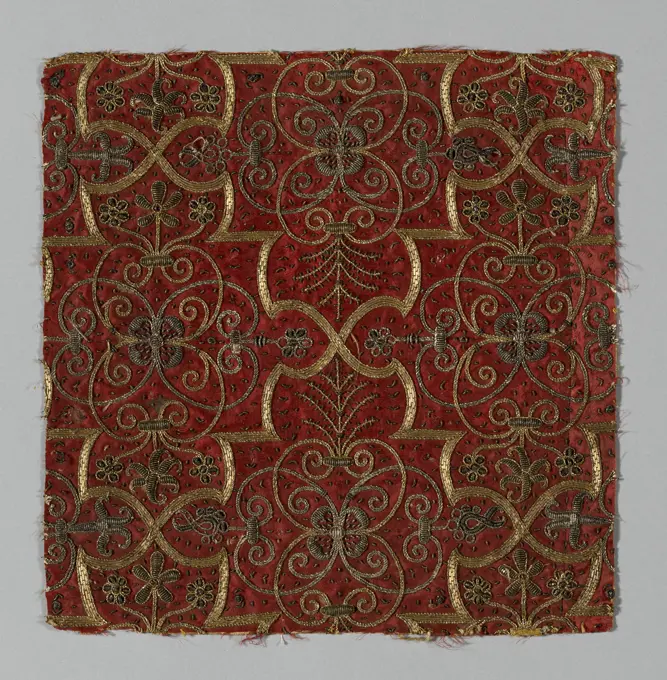
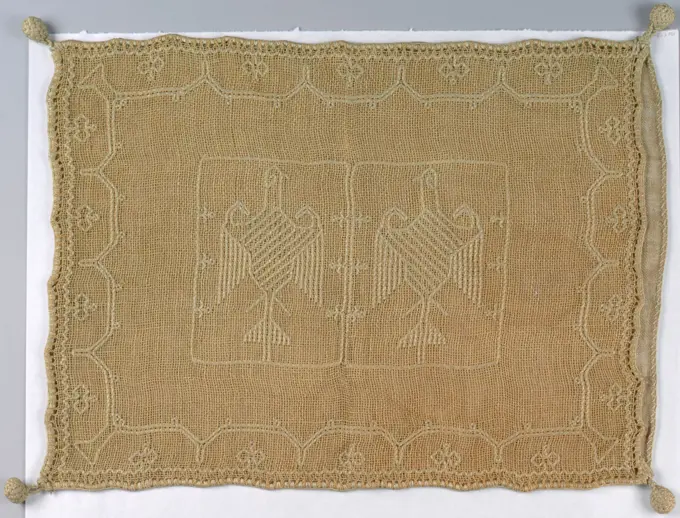
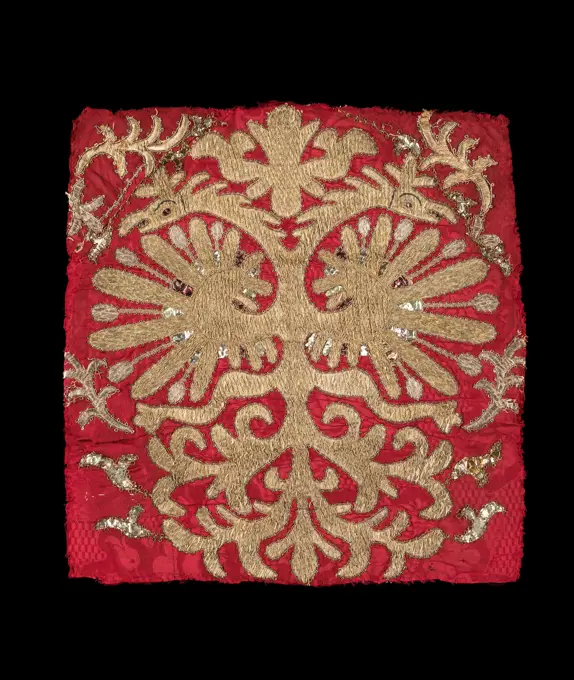
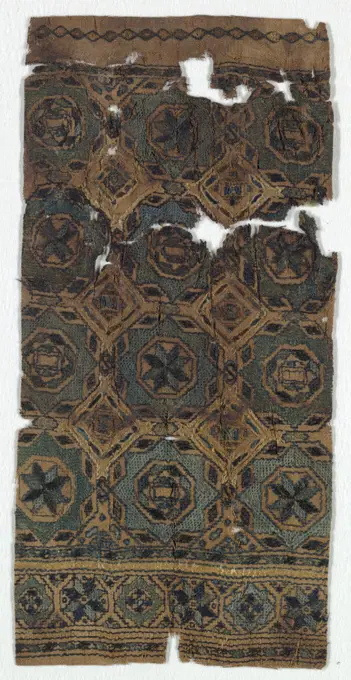
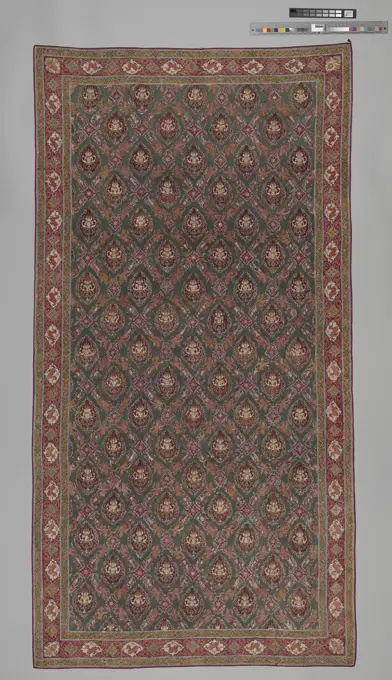
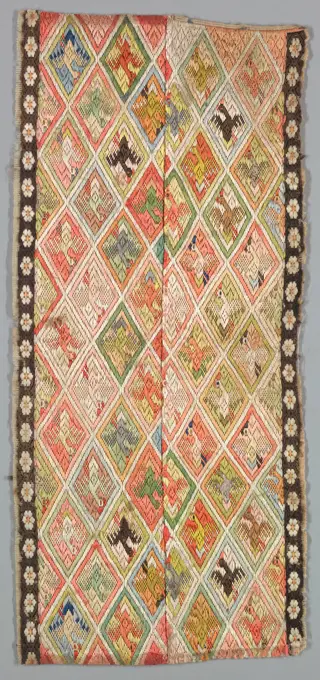
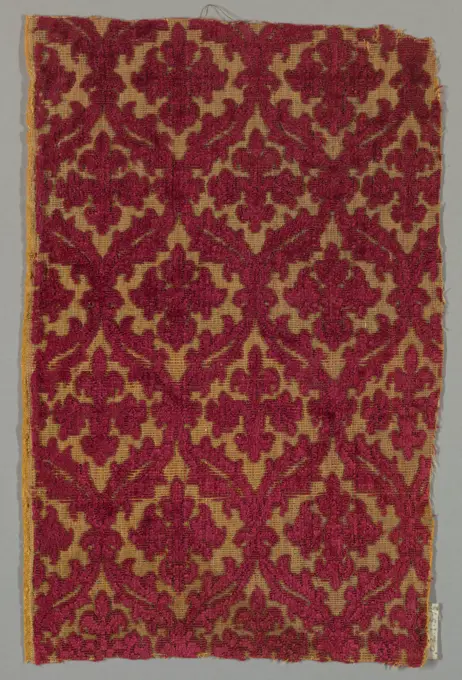
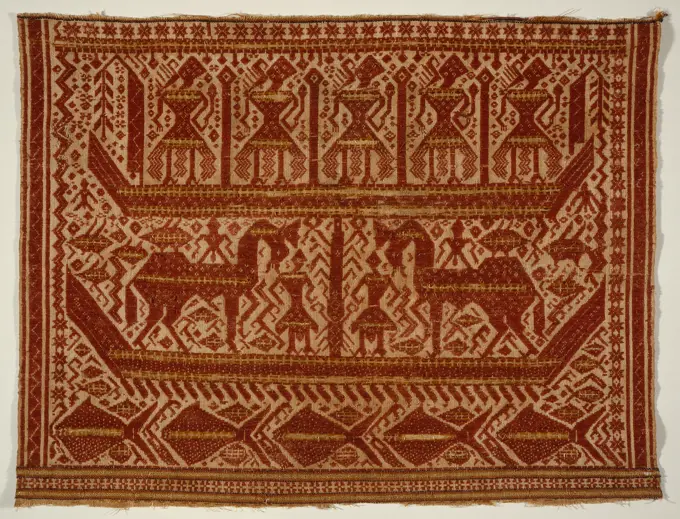
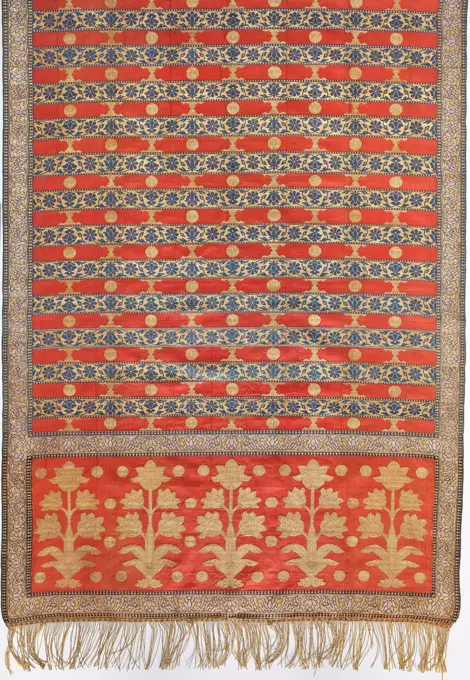
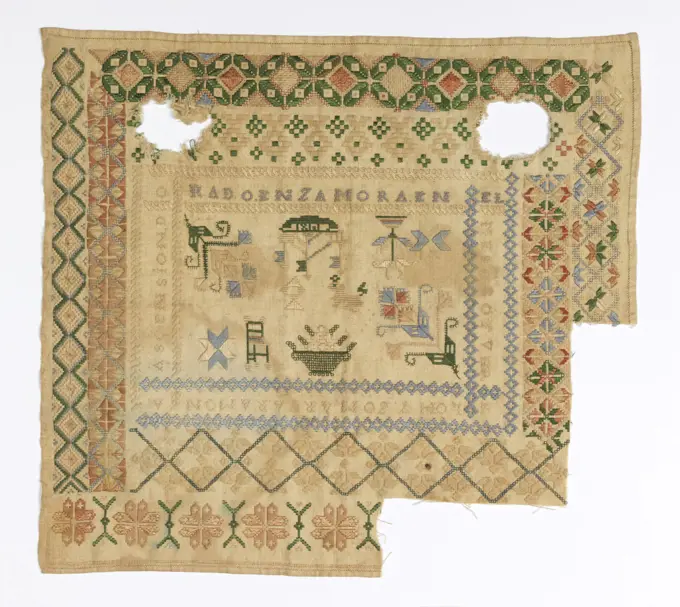
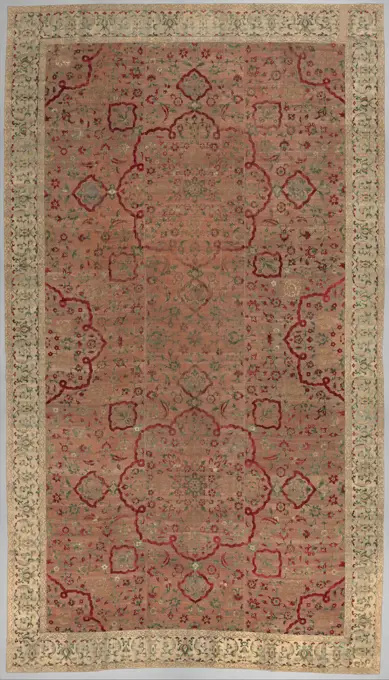
Piece. Culture: Italian or Spanish. Dimensions: L. 32 x W. 21 inches (81.3 x 53.3 cm). Date: ca. 1460. Museum: Metropolitan Museum of Art, New York, USA.Fragment (Dress Fabric) Iran. Silk and gilt strip wound around a silk fiber core, plain weave of multiple ground wefts and inner or filler warps .Arabeskenkleed, LottoPtapijt. Oosters Tapijt, Arabeskenkleed, LottoPtapijt.Eastern carpet ,, c. 1600 - c. 1699 Eastern carpet, arabesk dress, lotto carpet. Midfield with yellow arabesk motifs against a stone red background. Lottop pattern made of the Kelim style. Double edge, the wide of which is decorated with similar cartouches. Button: Ghiordes Knoop. Asia Klein (Possible) Usak (Possible) Walachije (Possible) Necklace and impact: Wool Eastern carpet, arabesk dress, lotto carpet. Midfield with yellow arabesk motifs against a stone red background. Lottop pattern made of the Kelim style. Double edge, the wide of which is decorated with similar cartouches. Button: Ghiordes Knoop. Asia Klein (Possible) Usak (Possible) Walachije (Possible) Necklace and impact: WoolCarpet. Culture: Spanish. Dimensions: Overall: 122 x 66 1/2 in. (309.9 x 168.9 cm). Date: first half 15th century.With its vividly colored pattern of stars and octagons, this rug exemplifies the distinctive "Holbein" carpets that were produced in great numbers during the fifteenth century in the Spanish province of Murcia. Illustrated in paintings by Hans Holbein the Younger as well as other artists, these carpets--Spanish adaptations of Turkish designs--found a ready market among Christian patrons. Museum: Metropolitan Museum of Art, New York, USA.Embroidered Rug ca. 1870s American. Embroidered Rug 13935Fragment of a Carpet, 16th century (). Turkey, Bursa or Istanbul, 16th century (). Senna knot: wool and silk; average: 28.6 x 30.5 cm (11 1/4 x 12 in.).Fragment lamp axle with floral pattern in yellow, gold and blue with hare in medallions. Rectangular fragment lamp axle in blue and yellow silk with gold thread. A pattern of winding tendrils forms striker oval fields in which round medallions surrounded with curly leafwork. In it contains two hare backlets with folded heads. Yellow self in satin bond visible at the rear.Carpet. Dimensions: Rug: L. 170 1/2 in. (433.1 cm)W. 93 5/8 in. (237.8 cm). Date: probably late 16th-early 17th century. Museum: Metropolitan Museum of Art, New York, USA.Fragment (India); medium; silkSquare ca. 1550 Italian. Square 212275Textile, Medium: silk Technique: twill weave with continuous supplementary weft patterning Label: silk twill weave with continuous supplementary weft patterning, Pattern of horizontal rows of floral botehs in multicolor on blue ground, Iran, 1800-1850, woven textiles, TextileFragment, Medium: silk on cotton Technique: embroidered, Fragment showing a diamond lattice containing geometric flowers in multicolored silk on a drawnwork ground., Near East, 19th century, embroidery & stitching, FragmentCurtain with imitation style directoire, anonymous, c. 1800 - c. 1825 Curtain with grotes' pattern of medallions, portrait busts, vases and volute vines in cream against a satin surface in dark brick red. Neo-Pompeiaan. Red lining. With large, profiled rings and fringes on one side.  satin. silk. ringen: brass (alloy). voering: cotton (textile) Curtain with grotes' pattern of medallions, portrait busts, vases and volute vines in cream against a satin surface in dark brick red. Neo-Pompeiaan. Red lining. With large, profiled rings and fringes on one side.  satin. silk. ringen: brass (alloy). voering: cotton (textile)Textile, Medium: silk embroidery on linen foundation Technique: embroidered on plain weave, Design of geometric forms with stylized plants and birds in red, yellow, blue, green and tan on white ground., Greece, 18th century, embroidery & stitching, TextileTextile Fragment 19th century. Textile Fragment 445874Panels, Medium: silk Technique: plain weave with supplementary weft (), Two small panels showing a floral motif surrounded by a floral border in coral, green and light blue on a light brown ground. Floral motifs rise from a footed flat dish., Iran, 19th century, woven textiles, PanelsFragment. Dimensions: H. 19 in. (48.3 cm)W. 11 1/4 in. (28.6 cm). Date: 4th-5th century. Museum: Metropolitan Museum of Art, New York, USA.Oriental carpet ,, 1850 - 1900 Eastern carpet, medailla rug. In midfield three versatile medallions against a brick -red stock. Inner drawing of S-shapes, blocks and grit. Middle edge decorated with wine glass and saw blade motif. Jumper wool Eastern carpet, medailla rug. In midfield three versatile medallions against a brick -red stock. Inner drawing of S-shapes, blocks and grit. Middle edge decorated with wine glass and saw blade motif. Jumper wool. Shawls from Kashmir can be recognized by a specific ornament, the boteh. From the 17th century, this motif developed from a blooming carnation into a stylized teardrop at the beginning of the 19th century. Given that around this time imitations of the shawls from Kashmir were being made in both France and Great Britain, their place of origin can sometimes be difficult to determine.Sampler, Medium: silk embroidery on linen foundation Technique: embroidered in buttonhole, eyelet, herringbone, chain, running, double running, fern, cross and detached looping stitches on plain weave foundation, Bands of pattern with alphabet at top, England, mid-17th century, embroidery & stitching, SamplerBeddesprei, fitting the childbed, manufactured from yellow side, anonymous, c. 1690 - c. 1710 Beddesprei, fitting on the childbed, with cut corners around the bars at the foot end; Made from yellow side, on which with red side is embroidered in a pattern of tendrils and volutes on which flowers and leaves; The Mirrel Monogram Bo is installed centrally. The bedspread is lined with pink-red side. Amsterdam silk. cotton (textile) Beddesprei, fitting on the childbed, with cut corners around the bars at the foot end; Made from yellow side, on which with red side is embroidered in a pattern of tendrils and volutes on which flowers and leaves; The Mirrel Monogram Bo is installed centrally. The bedspread is lined with pink-red side. Amsterdam silk. cotton (textile)Dragon Carpet 17th century. Dragon Carpet. 17th century. Wool (warp, weft, pile); symmetrically knotted pile. Attributed to present-day Azerbaijan, probably Quba, Karabakh. Textiles-RugsCarpet 1872. Carpet 456988Rugs and Carpets: Turkey - 19th century. Melas carpet, dating back to Mejid periodFragment of a lotus and palmmet flowers, anonymous, c. 1600  Herat wool  Herat woolMans Textile (Lafa Dula Penis No Dula Nggeo)Indian Trade Textile(Patolu)Fragment; cotton; Height: 85cm (33 7/16 in.). Width: 78cm (30 11/16 in)Palmet rug with repetitive pattern of stylized lotus flowers and volute rosettes and triangles; Rand with floral motifs ,, 1850 - 1900 Eastern carpet, palmet rug. In midfield a repetitive pattern of stylized lotus flowers and volute rosettes; Along the inner edge triangles. Rand with floral motifs. Kurdistan ketting: wool Eastern carpet, palmet rug. In midfield a repetitive pattern of stylized lotus flowers and volute rosettes; Along the inner edge triangles. Rand with floral motifs. Kurdistan ketting: woolSilk sash (fragment without one ending) unknownCaucasian Kuba carpet unknownShawl (Kussaba), 19th century, 84 x 81 in. (213.4 x 205.7 cm), wool; needlework, India, 19th centuryFragment Made 1701-1800 Náxos. Linen, plain weave; embroidered with silk in running stitches (pattern darning) .Fragment, Medium: wool and linen Technique: tapestry weave, embroidered, Corner fragment of a textile with tapestry weave. Triangle of undyed linen with advancing key motif and thick red border. At edge, stylized figures with raised arms. Bands of natural colored embroidery., Egypt, 400-600, woven textiles, FragmentPanel 17th century. Panel 448947Strip 17th century Italian. Strip. Italian. 17th century. Embroidered net, buratto, silk. Textiles-LacesOriental carpet. Oriental carpet whose midfield is completely filled with diagonal stripes in various colors. The widest edge is decorated with rosettes interspersed by quadrants, against a white background.Ingrain carpet piece ca. 1870 American. Ingrain carpet piece 20172Baby Carrier, 18 x 15 1/4 in. (45.72 x 38.74 cm), Cotton, silk; needlework, ChinaPiece 18th century Japan. Piece 67961Bedcover Made 1700-1900 Greece. Linen, plain weave; embroidered with silk in chain, running (pattern darning) and satin stitches; couching; three loom widths joined .Fragment; silk, metallicsOriental carpet ,, 1600 - 1715 Oriental carpet, prayer rug, knotted wool. In midfield a terra-red mihrab with a pointed top-out top in which an inverted oil can hangs. Two columns ending in flowers. Around three edges, the middle, widest, decorated with lotuses and leaves. Ghiordes wool Oriental carpet, prayer rug, knotted wool. In midfield a terra-red mihrab with a pointed top-out top in which an inverted oil can hangs. Two columns ending in flowers. Around three edges, the middle, widest, decorated with lotuses and leaves. Ghiordes woolFragment, Medium: silk, metallic thread Technique: cut and voided supplementary warp pile (velvet) in a twill weave foundation, Fragment with a cut pile design of a circular composite floral rosette in red and green, alternating with an axial floral staff in red and green, repeated in staggered rows with small four-petal rosettes in orange and blue between each row in the interstices. The ground is yellow compound twill with flat strips of gold placed on alternating warps, which also carry the colored warps used to make the pile., Italy, 17th century, woven textiles, FragmentSampler (Spain); Embroidered by Bicenta Rodriguez de Arze; Student of Dona Balta Sarapardo; silk embroidery on linen foundationMans Shawl (Selimut)Oriental carpet. Wool oriental carpet whose midfield is divided into windows diagonals. The diagonals are filled in squares with a palm mug, divided. Four edges of which the widest decorated with rosettes interspersed by quadrates.Printed chasuble unknownLong Shawl with Botehs, Black Center, and Lobed Arcades, 1855. Emile Frederic Herbert (French). Supplemental weft pattern; silk; overall: 360.7 x 157.4 cm (142 x 61 15/16 in.).Oriental carpet. Oriental carpet, medalleled. In midfield three consecutive medallions and blocks with a star. The widest edge is decorated with stars.Lampas with griffins in roundels, from the Reliquary of Saint Librada in Siguenza Cathedral, 1100-50. Spain, Almeria. Silk and gold thread: lampas and plain-weave variant; overall: 52.7 x 63.5 cm (20 3/4 x 25 in.); mounted: 61 x 71.1 cm (24 x 28 in.).1937.1231b. India. Date: 1810-1830. Dimensions: 39.4 x 126.3 cm (15 1/2 x 49 3/4 in.)Weft repeat: 65 cm (25 1/2 in.). Wool, double interlocking 2:2 'S' twill tapestry weave; main warp fringe. Origin: India. Museum: The Chicago Art Institute, Chicago, USA.Textile (USA); cotton; Warp x Weft: 68.9 x 65 cm (27 1/8 x 25 9/16 in.) Repeat H: 30.5 cm (12 in.)Textile, Medium: silk Technique: satin weave, Brown panel with multi-colored small scale designs and flowers., Italy or Spain, early 17th century, woven textiles, TextileBeadwork panel, Medium: beads, linen Technique: beads strung according to pattern on linen cord one row at a time, then anchored with red silk around the cord and between each row, Three panels originally made as sides for a beadwork box. The box would have needed several other panels and would have had an irregular shape. Panel C is a rectangle with tulip-like flowers., England, 1696, embroidery & stitching, Beadwork panelHeadscarf. Culture: Russian. Date: 1800-1815.This object is from the collection of Natalia de Shabelsky (1841-1905), a Russian noblewoman compelled to preserve what she perceived as the vanishing folk art traditions of her native country. Traveling extensively throughout Great Russia, she collected many fine examples of textile art of the wealthy peasant class. From the 1870s until moving to France in 1902, Shabelsky amassed a large collection of intricately embroidered hand-woven household textiles and opulent festival garments with rich decoration and elaborate motifs. The Brooklyn Museum holdings include many fine examples including the majority of the garments. Portions of Shabelsky's collection are also housed at the Museum of Fine Arts, Boston, the Cleveland Art Museum, and the Russian Museum of Ethnography in St. Petersburg. Museum: Metropolitan Museum of Art, New York, USA.Cover Made 1575-1625 Turkey. Field covered with alternate vertical rows of floral palmettes, principal unit a large three petal tulip supported by two small tulips and two serrated leaves; secondary unit suggests a carnation; edging of palmettes .Baby Carrier, 21 1/2 x 18 1/4 in. (54.61 x 46.36 cm), Cotton, silk; needlework, ChinaFragment (India); silkFragment side lamps with a pattern of, among other things, pomegranates, flower drinks and geometric motifs. Fragment with a pattern of O.A. Pomegranates, flower drinks and geometric motifs.Panel of Chintz for a Skirt Made 1730-1750 India. Portuguese traders brought Indian painted fabrics to Europe in the early 1600s, where the Hindi name for them, chint, became chintz. This lively pattern combines scrolls and flowers with tiny scenes of animals and hunters. It is typical of the creative designs that captivated European consumers and may have been made for the Dutch market, where skirts made of such fabrics were popular as special occasion dress.. Cotton, plain weave; hand painted and dyed .Textile, Medium: silk on linen Technique: cutwork with embroidery, Vertical panel in pink, yellow, cream and blue silk in design of diamonds with geometric fillings between borders; green and white woven fringe at end. The stitches used are principally satin (counted and other variations), tent, squared ground and overcast., 17th century, embroidery & stitching, TextileFragmentary Ornament from a Tunic with Lozenges and Medallions, mid 700s - mid 800s. Egypt, Abbasid period, mid-8th to mid-9th century. Tapestry weave; wool and linen; overall: 16.5 x 12.7 cm (6 1/2 x 5 in.).One of the 3,000 oriental rugs from Arthur T. Gregorian Inc., 2284 Washington Street, Newton Lower Falls, Mass. 02162 , Rugs, Textile industry, Tichnor Brothers Collection, postcards of the United StatesCloth. Cloth with Patola motifs and in Latin letters J. Keluana.Fragment Made 1601-1700 Italy. Satin flat, raised and couched. .fragment, 1700s. China, 18th century. Velvet; overall: 51 x 65 cm (20 1/16 x 25 9/16 in.).Tablecloth (Germany); linen; Warp x Weft: 116 x 87 cm (45 11/16 x 34 1/4 in.)Embroidered veil. unknown, authorPlacemat (Italy); material: linen, cotton; L x W: 51 × 34 cm (20 1/16 × 13 3/8 in.)Fragment, Medium: silk, metallic thread Technique: embroidered on satin weave, Narrow fragment of red satin embroidered in green, blue, white, yellow, and brown silk and gold metallic thread. Right and left borders in blue silk. Central motif of quatrefoil enclosed by circle of gold with fleur-de-lys and acanthus foliage., France, 16th century, embroidery & stitching, FragmentHeaddress 19th century Russian This object is from the collection of Natalia de Shabelsky (1841-1905), a Russian noblewoman compelled to preserve what she perceived as the vanishing folk art traditions of her native country. Traveling extensively throughout Great Russia, she collected many fine examples of textile art of the wealthy peasant class. From the 1870s until moving to France in 1902, Shabelsky amassed a large collection of intricately embroidered hand-woven household textiles and opulent festival garments with rich decoration and elaborate motifs. The Brooklyn Museum holdings include many fine examples including the majority of the garments. Portions of Shabelsky's collection are also housed at the Museum of Fine Arts, Boston, the Cleveland Art Museum, and the Russian Museum of Ethnography in St. Petersburg.The double-headed imperial eagle is a common motif, symbolizing Russian sovereignty. In this particularly exuberant rendition, the eagles strain toward the fabric edges, wBook cover, Medium: silk on linen, silver Technique: embroidered, chased, Book cover. Silk embroidered on linen showing geometric patterns in green, red, yellow and white on a blue ground. Silver clasps., Egypt, 14th century, embroidery & stitching, Book coverFloor Covering or Hanging (Pha Kiao) 18th century India (Coromandel Coast), for the Thai market Luxury painted cotton textiles expressly commissioned for the Siamese royal court constitute a specialized category of the Indian chintz trade. They include designs that closely follow Thai aestheticsdensely rendered decorative detail typically arranged in trellis-like lattice patterns that repeat across a central field. Here figures of the Hindu deity Brahma emanate from cartouches set within a trellis pattern of heavenly nymphs (apsara) and sandal-flower rosettes. Its intricate decorative detail was achieved by a series of repeat resist-dyeing processes that built up the pattern’s polychrome complexity.cat. no. 40. Floor Covering or Hanging (Pha Kiao). India (Coromandel Coast), for the Thai market. 18th century. Cotton (painted resist and mordant, dyed). Textiles-Painted and PrintedFragment 17th century Italian. Fragment 230576Carpet Made 1875-1900 Morocco. Wool, plain weave with supplementary wrapping wefts forming cut pile through a technique known as Turkish (Ghiordes) knots .Baddle,, 1800 - 1900 Bid rug, so-called kumarju-kuma/kümurçü-kula. Blue mirab strain with flowers in vase, blue edge. Little Asia wool Bid rug, so-called kumarju-kuma/kümurçü-kula. Blue mirab strain with flowers in vase, blue edge. Little Asia woolOriental carpet. Oriental carpet, prayer cloth, made of knotted wool, decorated with a cornificuer mihrab, peak façade top, along the perimeter filled with carnations. The switches are vertically striped and filled with carnations. Three edges separated by spiral sodes around midfield.Sleeve Bands (China); silkFlower rug, so -called "Ottoman" ,, c. 1600 - c. 1650 Flower rug, so -called "Ottoman" in Ceriserode Fond and Rand. Turkey wool Flower rug, so -called "Ottoman" in Ceriserode Fond and Rand. Turkey woolFragments (Spain); silkTextile, Medium: cotton Technique: printed with engraved roller on plain weave in three colors, Wavy plaid bands and tulips form vertical stripes in shades of green and brown., USA, 1850-1860, printed, dyed & painted textiles, TextileTowel Made 1700-1900 Greece. Linen, plain weave; embroidered with silk in double running and twined double running stitches .Fragment; silkFragment (India); silk, metallicCeremonial Textile (Tampan). Indonesia, South Sumatra, Lampung, Semangka Bay, Pasisir people, 19th century. Textiles. Cotton plain weave, silk supplementary weft patterningTextile 19th century. Textile. 19th century. Cotton, silk, metal wrapped thread; embroidered. Attributed to Turkey. TextilesFragment late 16th century Italian. Fragment 230670Handkerchief, Medium: cotton Technique: printed on plain weave, Terra cotta and black on a light tan ground with geometric design. Two edges hemmed., USA, 1830s, printed, dyed & painted textiles, HandkerchiefTowel or Napkin Made 1801-1900 Turkey. embroidered . AnonymousConciliate belt;  18th century (1791-00-00-1800-00-00);concussion beltDetail of woolen poncho with geometric patterns, from Peru, 15th CenturyHead Cover Made 1900 China. Cross stitch designs .Oriental carpet, Anonymous, 1800 - 1975 Fragment of an oriental carpet, prayer rug. The rectangular rug consists of two equal squares. In midfield there is a medallion of Azalea flowers and in the corners an Azalea on a double branch. Rand with meanders. Mongolië (Possible) impact and chain: cotton (textile). Knoop: Wool Fragment of an oriental carpet, prayer rug. The rectangular rug consists of two equal squares. In midfield there is a medallion of Azalea flowers and in the corners an Azalea on a double branch. Rand with meanders. Mongolië (Possible) impact and chain: cotton (textile). Knoop: WoolSewan Kazak Rug Made 1870-1880 Caucasus. Wool pile on wool foundation .Fragment, 17th century; silk and metalWoven Strip for Ecclesiastical Parameters, early 1500s. Italy, Florence, early 16th century. Lampas weave; overall: 31.7 x 44.4 cm (12 1/2 x 17 1/2 in.).Sampler, Medium: silk embroidery on linen foundation Technique: embroidered, Square sampler with two large circular holes and outer borders cut away in lower right corner. Center field with spot motifs surrounded by inscription bands and geometric borders. Inscription reads: 'Lo hyzo Marya Ramona Ascension Dorado en Zamora en el mes de otubre' or 'Made by Marya Ramona Ascension Dorado in Zamora in the month of October.', Zamora, Spain, 19th century, embroidery & stitching, SamplerVelvet and Silk Carpet 17th century For special occasions, Mughal palaces and pavilions were spread with silk hangings, carpets, and embroidered velvets. On one New Years Day, for instance, the emperor Jahangir mentioned visiting his vizier and brother‑in‑law Asaf Khan, who had covered the road from the palace with velvets woven with gold and gold brocade. This sumptuous carpet may have been used for such an occasion. Its design is reminiscent of Iranian textiles, but ink inscriptions in Gujarati script on its selvages indicate that the carpet was woven in that state, which was well known for the production of silks, velvets, and cottons.. Velvet and Silk Carpet 448018