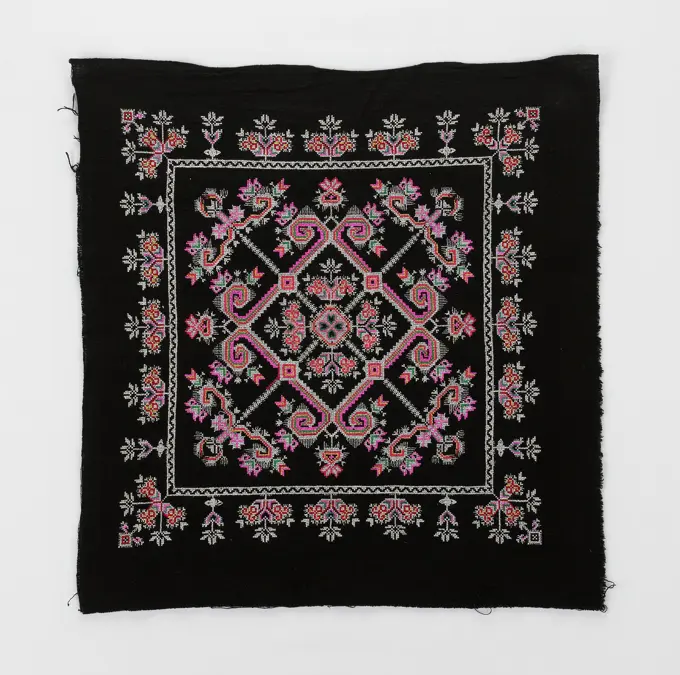
Ornate Historical Textiles

A collection of intricate textiles featuring rich colors, floral patterns, and historical origins from Italy, Iran, and Spain, showcasing the artistry of different cultures.
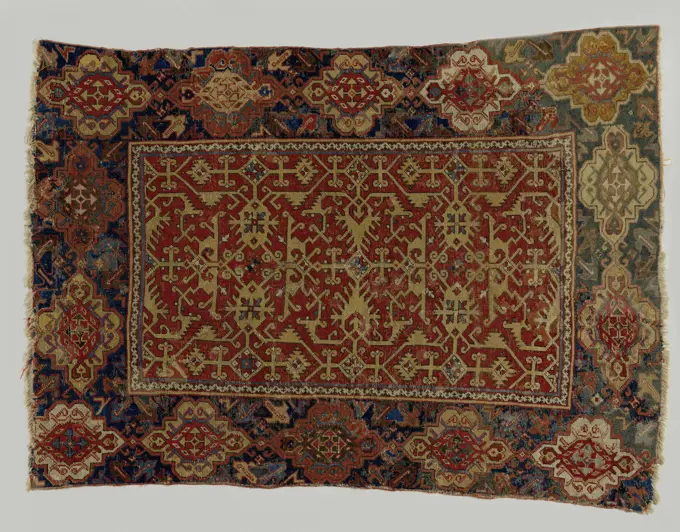
Eastern carpet ,, c. 1600 - c. 1699 Eastern carpet, arabesk dress, lotto carpet. Midfield with yellow arabesk motifs against a stone red background. Lottop pattern made of the Kelim style. Double edge, the wide of which is decorated with similar cartouches. Button: Ghiordes Knoop. Asia Klein (Possible) Usak (Possible) Walachije (Possible) Necklace and impact: Wool Eastern carpet, arabesk dress, lotto carpet. Midfield with yellow arabesk motifs against a stone red background. Lottop pattern made of the Kelim style. Double edge, the wide of which is decorated with similar cartouches. Button: Ghiordes Knoop. Asia Klein (Possible) Usak (Possible) Walachije (Possible) Necklace and impact: Wool
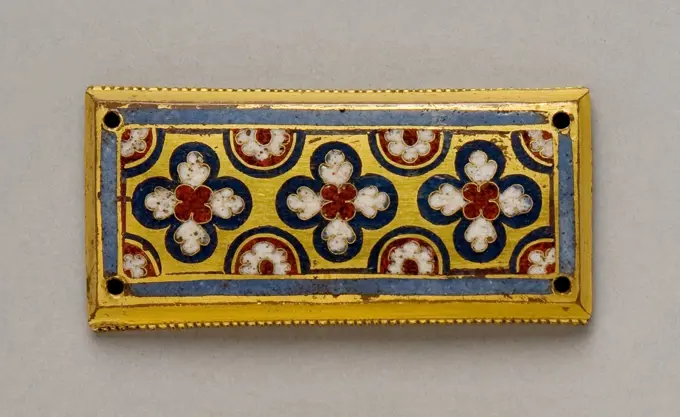
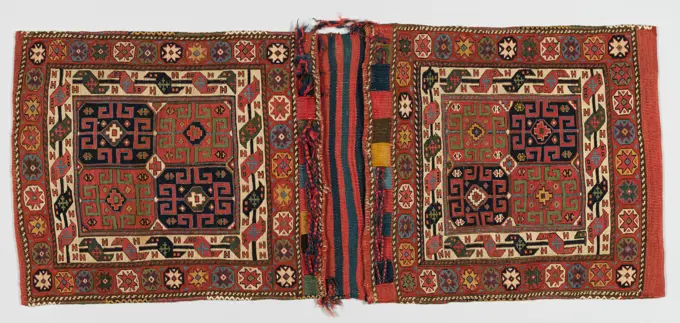
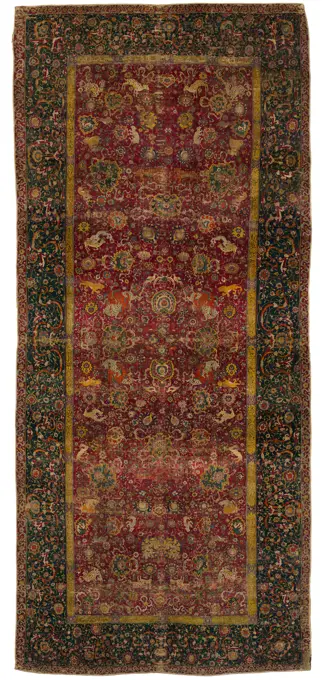
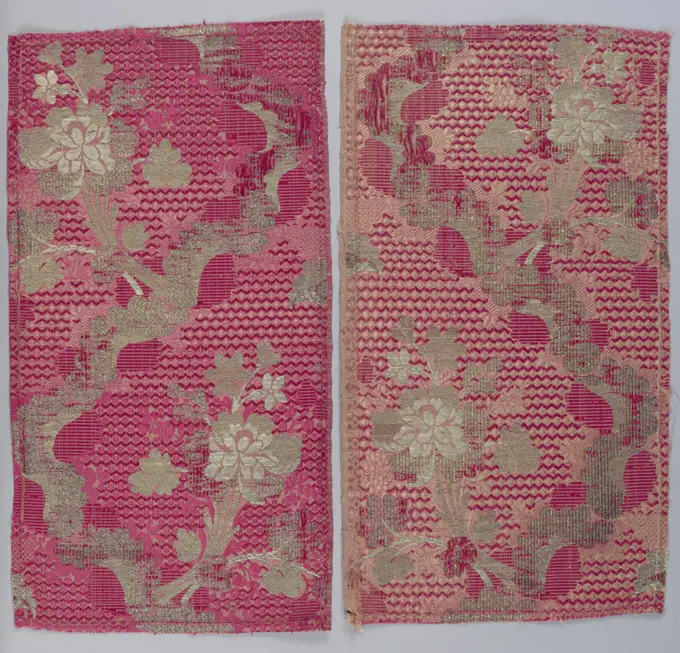
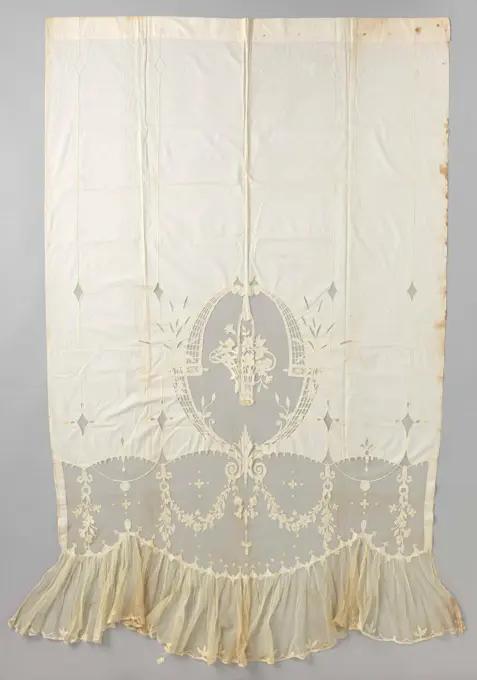
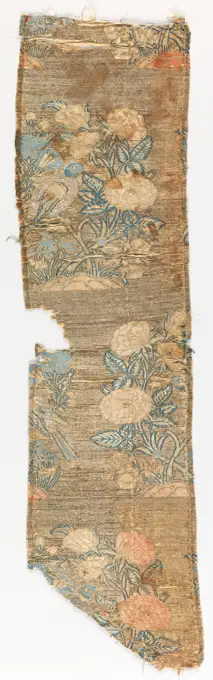
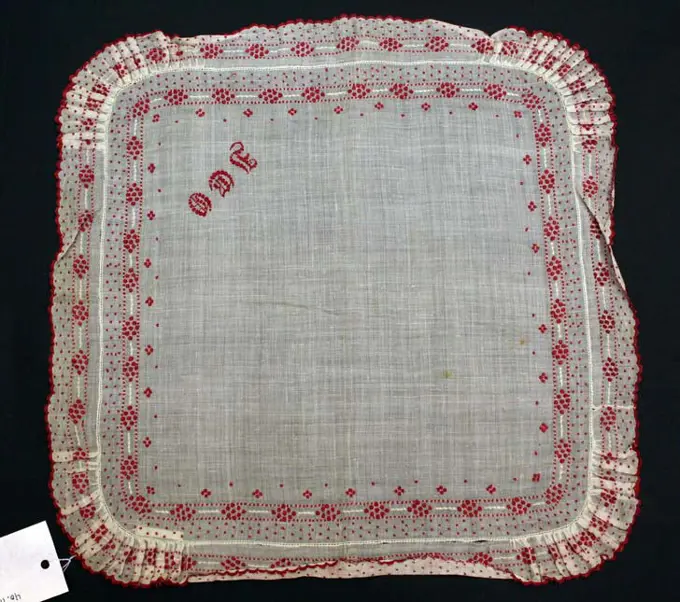
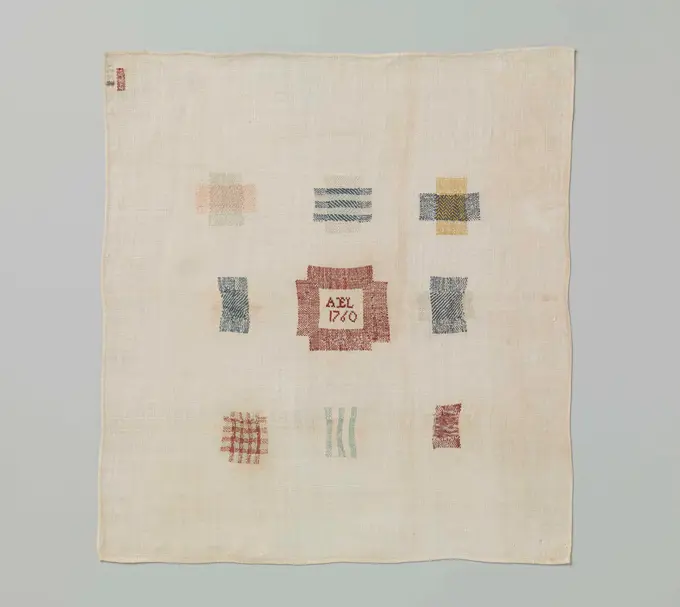
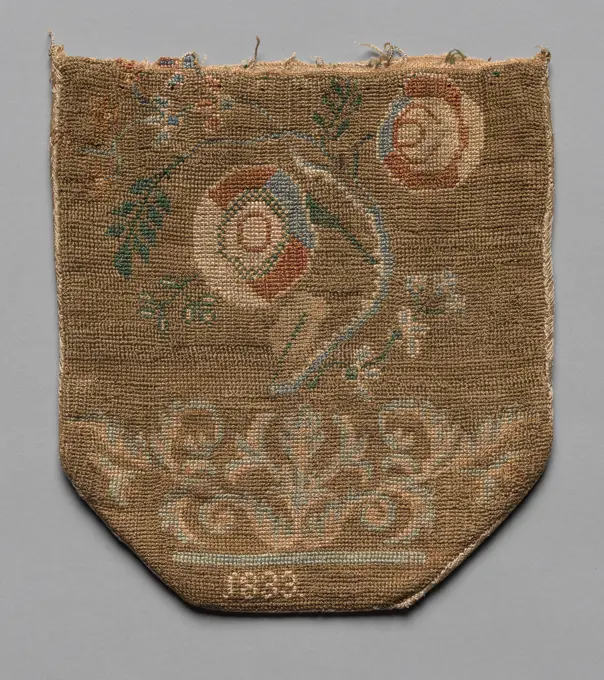
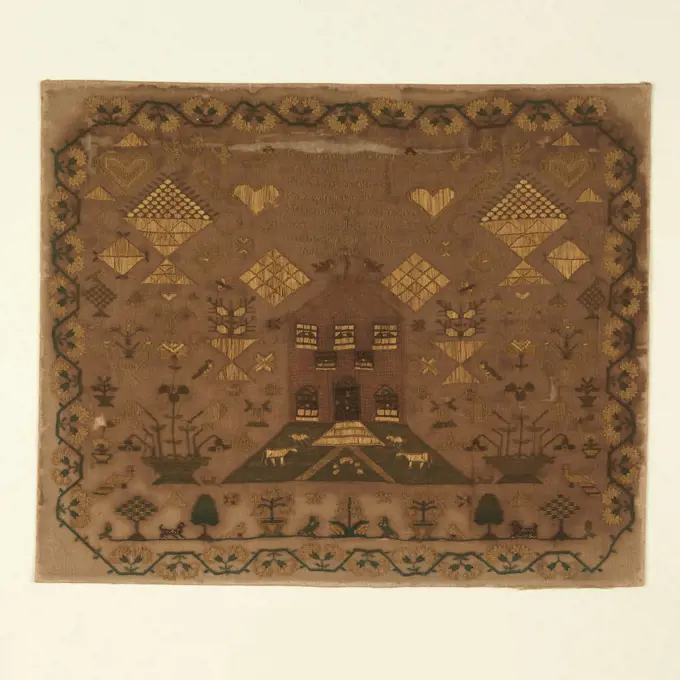
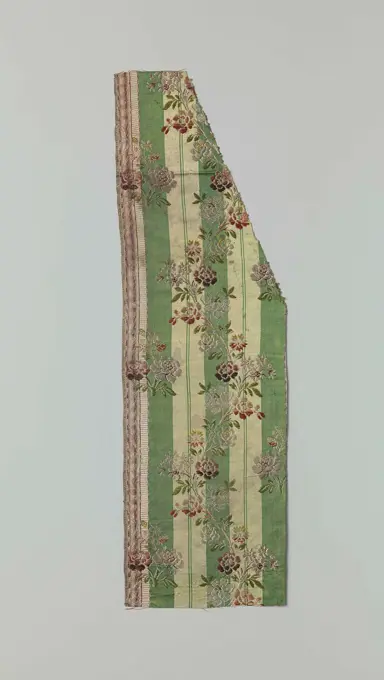
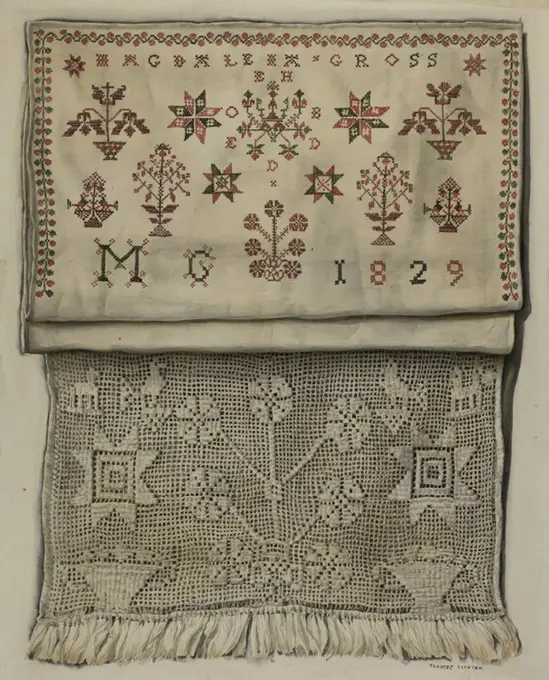
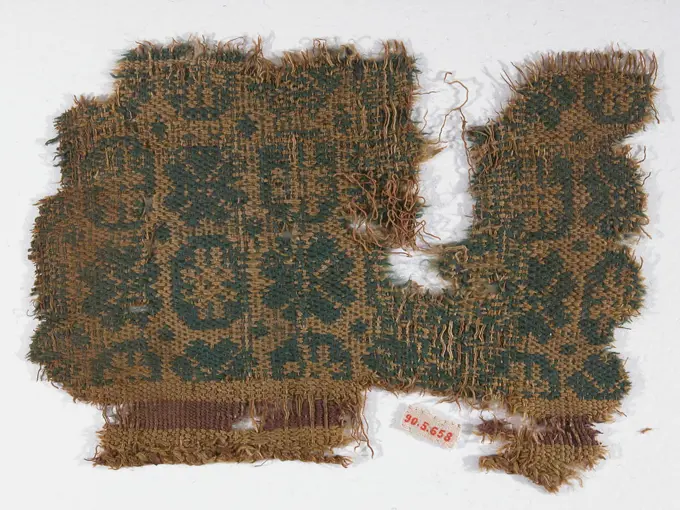
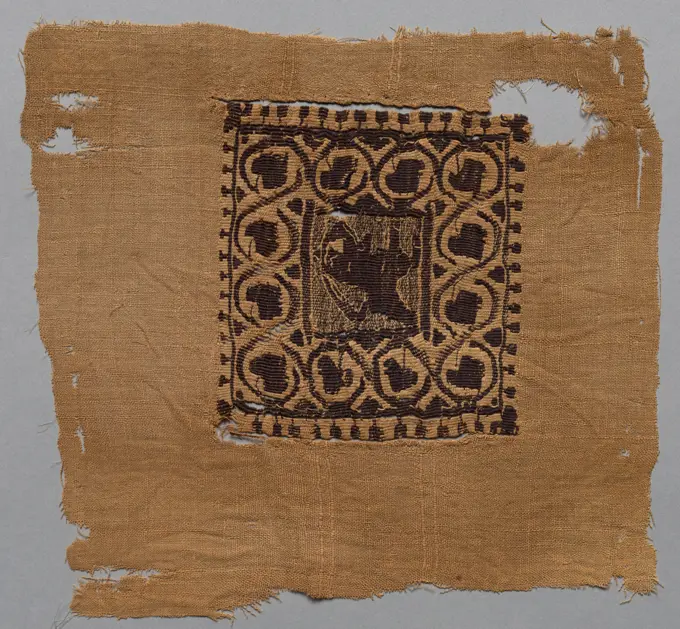
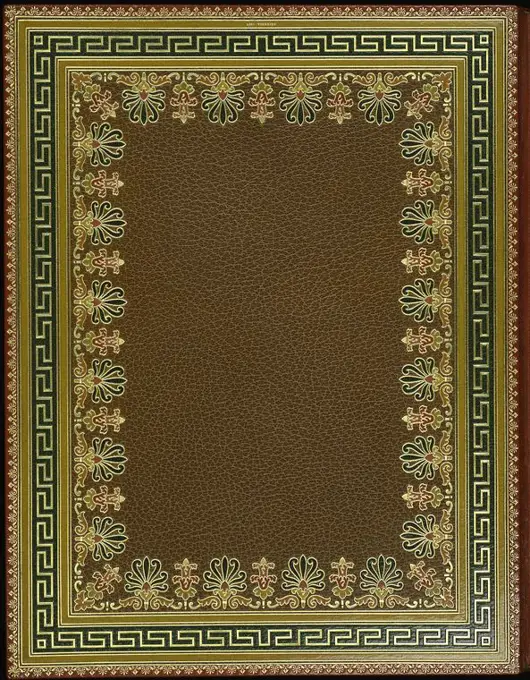
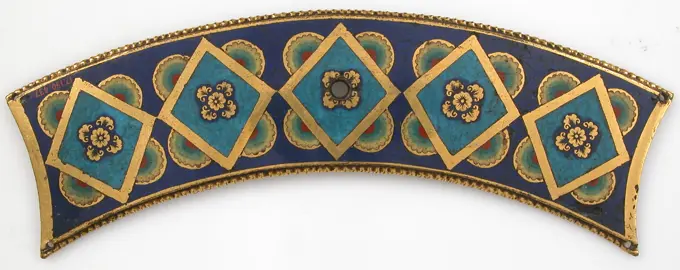
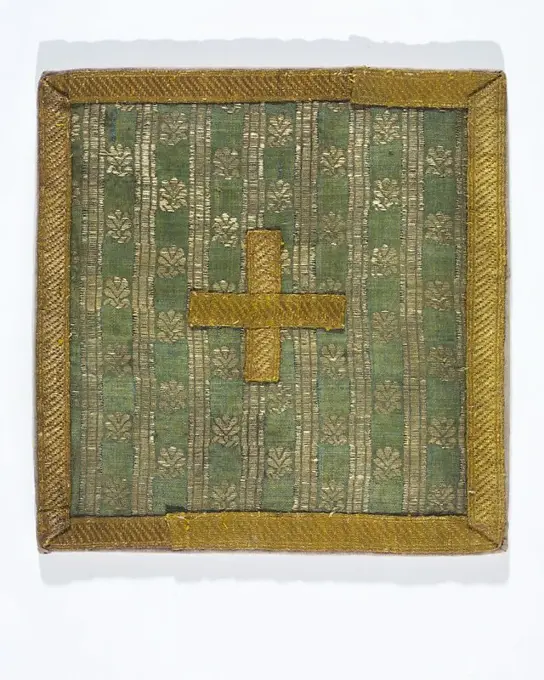
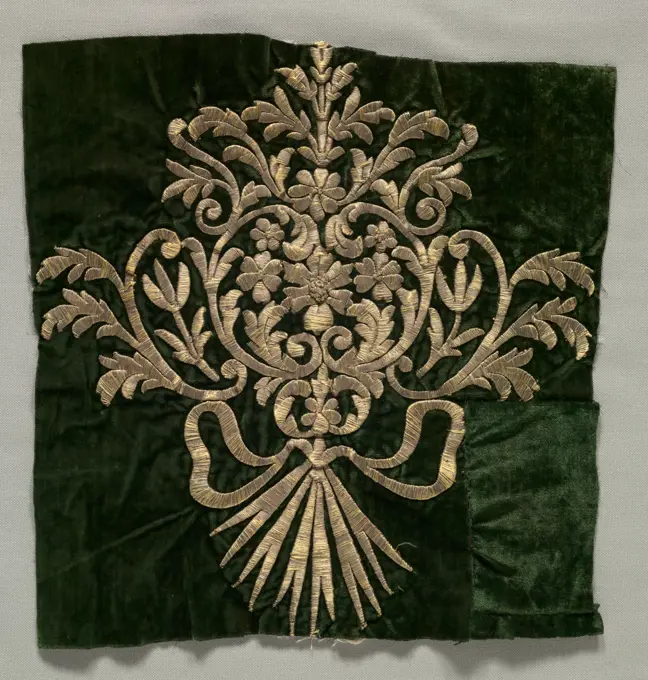
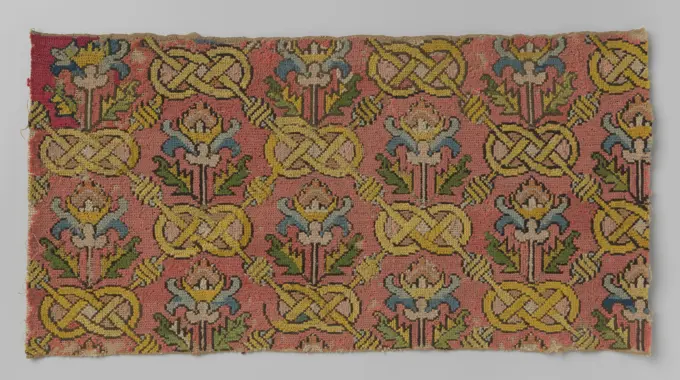
Workpiece of embroidery on pattern, c. 1700 - c. 1800 Workpiece of embroidery on pattern. The workpiece consists of yellow tires that cross as windows and form at the intersections to loops, in between a stylized branch with a large flower and two leaves on a red -processed soil.  wool. embroidering Workpiece of embroidery on pattern. The workpiece consists of yellow tires that cross as windows and form at the intersections to loops, in between a stylized branch with a large flower and two leaves on a red -processed soil.  wool. embroideringFragment (France); cottonPurse; wool on linen, wooden beadsFragment 16th century Italian. Fragment 215430Application fragments unknownFragment. Italy. Date: 1601-1625. Dimensions: 24.7 × 23.5 cm (9 3/4 × 9 1/4 in.). Silk, plain weave with supplementary pile warps forming cut, uncut, and voided velvet. Origin: Italy. Museum: The Chicago Art Institute, Chicago, USA.Corner from a Ritual Cloth or MiniatureWeaving.  Artist: UnknownShahsevan Double Saddle Bag ca. 1860 While the term "carpet" evokes a heavy, large rectangular textile (either knotted pile or flat-woven tapestry, called kilim) that covers a floor, a vast array of rug genres and techniques can be found in the Islamic world, where they serve various functions in nomadic encampments, villages, cities and palaces. Flat-woven and richly embroidered textiles, such as this one, belong to the kinds of smaller tribal weavings that were common in the Middle East from Anatolia to Iran; it was generously given to The Met by Inger G. and William B. Ginsberg of New York. Such textiles were woven by nomadic tribes as containers for everyday items. Some were designed specifically to transport or store bedding, flour, salt and wooden spindles used to make the woolen yarns from which these works were woven. Others were of smaller size, comparable to cross-body women's handbags, or çanta, or also possibly used by children. Most notable is the ubiquitous double saddlebPanelBand. Date/Period: 16th century. Band. Medium: silk embroidery on linen foundation. Technique: counted stitch, double running and running (darning) stitch embroidery on plain weave; long end of a wrapping stitch used for fringe. Author: UNKNOWN.Needlework pattern, circa 1870-1900, Germany, maker unknown. Acquisition details unknown.The Emperor's Carpet second half 16th century One of the finest products of the Safavid court ateliers, this carpet once adorned the summer residence of the Habsburg emperors. The main field balances a sophisticated net of floral scrolls, large composite palmettes, cloud bands, buds, and blossoms with a myriad of real and fictional animalsdragons and Chinese antelope, lion and buffalo, tigers and leopards, ducks and pheasants. A verse found in the inner guard band likens a garden in springtime to the Garden of Paradise. Listen to experts illuminate this artwork's story Listen Play or pause #6663. The Emperor's Carpet, Part 1 Play or pause #6664. The Emperor's Carpet, Part 2 Play or pause #6777. The Emperor's Carpet, Part 3 Supported by Bloomberg Philanthropies We're sorry, the transcript for this audio track is not available at this time. We are working to make it available as soon as possible.. The Emperor's Carpet. second half 16th century. Silk (warp and weft), wool (pile); asymmetEmbroidery: Crewel Wool; cotton, linen, woolBed hanging late 17th century British. Bed hanging 215352Textile, Medium: silk Technique: plain weave with continuous supplementary weft floats (brocade), Woven silk textile with repeating pattern of a bird sitting in a flowering tree, under which sits two rabbits. Brown and yellow ground with coral colored flowers and green leaves., Indo-Persia, mid- 17th-mid- 18th century, woven textiles, TextileTextile fragment, Medium: silk, metallic yarns Technique: complex woven with discontinuous supplementary weft patterning (brocade), Silk brocade fragment in burgundy and cream showing a serpentine line of c-curves with floral bouquets. Buds brocaded in silver., France, mid- 18th century, woven textiles, Textile fragmentGlass curtain with handle basket decoration with flowers and medallions .. glass curtain of white katem with machine tulle with an application and chain stitch embroidery in white and yellow. Decoration of handle basket with flowers in a medallion. In reed stiers.Handkerchief ca. 1860 American. Handkerchief. American. ca. 1860. cottonFragment; silk on linen; Bequest of Marian Hague; 1971-50-17Merklap from woolen mousseline., Anonymous, c. 1700 - c. 1725 Merklap from wool. The lap is unfinished. The embroidery has two vases with flowers at the bottom and on three sides an edge of grape bunches. Noord-Holland (possibly) wool embroidering Merklap from wool. The lap is unfinished. The embroidery has two vases with flowers at the bottom and on three sides an edge of grape bunches. Noord-Holland (possibly) wool embroideringSampler, Medium: silk embroidery on linen foundation Technique: satin stitch and drawnwork on plain weave, Central panel with name, alphabet and numerals in cross stitch; surrounded by borders in drawnwork of geometric patterns. Birds and lamb in each corner and a flower motif worked in satin stitch., Mexico, 18th century, embroidery & stitching, SamplerHandkerchief unknownFragment (Japan)Band (Egypt); warp; s-spun, z-twist linen. weft; s-spun linen. s-spun woolsFragment; silk, metallic yarns; 1899-17-1-cCap crown French 18th century View more. Cap crown. French. 18th century. Needle lace, point dAlençon. Textiles-LacesSquare 19th century. Square 445652Altar-cloth. unknown, authorTextile Fragment 5th century. Textile Fragment 451204Handkerchief American ca. 1860Plug of multicolored silk on linen. Stoppipe with embroidery. The embroidery has the year 1760, the initials Ael and small stop.Fragment with embroidery with flowers, anonymous, c. 1800 - c. 1930  Europe textile materials embroidering  Europe textile materials embroidering. Spread from yellow silk, topped in Daniel Marot style with blue passement.Tray. Unknown, manufacturer about 1720-1730Charles Bowman, Quilt (Star of Bethlehem), 1935 1942 Quilt (Star of Bethlehem)Handkerchief 1840-60 French. Handkerchief. French. 1840-60. CottonFragment 17th century Italian. Fragment. Italian. 17th century. Needle lace. Textiles-LacesFragment (Egypt); cotton; 1939-14-1Mandarin emblem of a first rank civilian with the image of the crane unknownEmbroidered Bag, 1833. America, first half 19th Century. Embroidery, silk; average: 19.1 x 17.2 cm (7 1/2 x 6 3/4 in.).Sampler, Medium: silk embroidery, linen foundation Technique: tent, cross and satin stitches on plain weave, Varying scenes: a house with animals; designs of plants, flowers, birds, a windmill, and animals. Verse on friendship. Bordered by carnations., England, late 18th century, embroidery & stitching, SamplerSampler (USA); Embroidered by Sarah Lands (American); silk embroidery on linen foundationPiece 18th-19th century Japan. Piece 66110Ribbon (England); silkFragment veelkleurig, gestreept zijden mexicaine.Fragment light, dark green and purple striped silk tissue on which a winding floral drink and loose flower branches.Towel or Sash Made 1801-1900 Turkey. embroidered .Sampler (Mexico); Embroidered by Francesca Martin; silk and wool embroidery on cotton foundation1829 Show Towel. Dated: 1935/1942. Dimensions: overall: 55.7 x 44.9 cm (21 15/16 x 17 11/16 in.). Medium: watercolor and graphite on paperboard. Museum: National Gallery of Art, Washington DC. Author: Frances Lichten.Carpet Manufacture, Cappadocia, Turkey, Cappadocia, Turkey, AsiaAntependium, embroidered, white, fruit basket motif unknownIndian TradeClothFragment striped silk pekin with thrown flower branches ,, c. 1775 - c. 1800 A fragment of white silk tissue with red stripes, on which gonna pockets in red and green. Spain silk A fragment of white silk tissue with red stripes, on which gonna pockets in red and green. Spain silkTable Frontal Made 1601-1700 Italy. Linen, plain weave; embroidered with wool and silk in satin padded satin, split and stem stitches; French knots, laidwork and couching; beaded with linen threads and glass beads; painted details .Prayer Rug Made 1895-1905 Turkestan. Wool and cotton, plain weave with supplementary wrapping wefts forming cut pile through a technique known as Ghiordes knots .Sampler, Medium: silk embroidery on cotton foundation Technique: embroidered in cross and eyelet stitches on plain weave foundation Label: cotton embroidered with silk in cross and eyelet stitches, Square sampler with a grape vine border, ANNO 1831 at the top, the initials ADI in a floral wreath flanked by putti, and the crest of the Netherlands with Gouda embroidered beneath. Surrounded by various scenes, including a tomb with a weeping willow, a shepherd with a cow and sheep, a gentleman walking with a dog, a beehive, and various birds, deer, rabbits, and baskets of flowers., Gouda, Netherlands, 1831, embroidery & stitching, SamplerBand Fragment; silk, linenFragment red brochureed silk with a multicolored pattern with bouquet and flower garlands and so -called lace edge, anonymous, c. 1740 - c. 1760 Fragment of red sides of soil with ditto darker figures, weaving with multicolored bouquets and flowers and so -called lace edge. Netherlands (possibly) silk Fragment of red sides of soil with ditto darker figures, weaving with multicolored bouquets and flowers and so -called lace edge. Netherlands (possibly) silkTextile Fragment 5th century. Textile Fragment 444137Pieces 1750-1800 Russian. Pieces 221687Fragment (England); wool on linen; Bequest of Marian Hague; 1971-50-120Altar-cloth. unknown, authorSampler (Italy); silk embroidery, linen foundation; Warp x Weft: 16 x 16 cm (6 5/16 x 6 5/16 in.); Bequest of Mrs. Henry E. Coe; 1941-69-172Cornelius Christoffels, Coverlet, c 1940 CoverletFragment, with Segmentum, from a Tunic, 500s. Egypt, Byzantine period, 6th century. Tabby weave, inwoven tapestry ornament; wool and linen; overall: 23.5 x 22.3 cm (9 1/4 x 8 3/4 in.).Shawl ca. 1805-20 British, London, Spitalfields This woven silk shawl was the English silkweavers answer to the popularity of the fine wool shawls being imported from the Kashmir region of India. Long rectangular shawls were essential accessories of fashion for European women from the late 18th century through the middle of the 19th century. During this period, the basic form of a white monochrome center with "paisley" decorated borders on either end underwent a variety of permutations. By the early 1800s, the traditional format was expanded to include versions in deep colors with European-derived floral decoration, such as this piece.. Shawl. British, London, Spitalfields. ca. 1805-20. Woven silk. Textiles-WovenSpread for cradle, made of painted cotton (sits), lined with cream -colored silk, anonymous, c. 1690 - c. 1710 Sprei for the cradle, of bischilder cotton (sits), lined with cream -colored silk, without an intermediate layer; design a stylized floral pattern with tires in light blue, red, dark red and light brown, all around with border (one side fixed, three sides sewn). India cotton (textile). silk Sprei for the cradle, of bischilder cotton (sits), lined with cream -colored silk, without an intermediate layer; design a stylized floral pattern with tires in light blue, red, dark red and light brown, all around with border (one side fixed, three sides sewn). India cotton (textile). silkSampler (England); linen embroidery on linen foundationFragment of tunic, Medium: Warp; S-spun linen. Wefts; Z-spun linen, Z-spun wools technique; plain weave and slit tapestry weave, Fragment of tunic with clavus bands and larger band., 6th-8th century, woven textiles, Fragment of tunicSiapo (tapa cloth) textilesFragments, Medium: silk, metallic Techmique: green silk plain weave brocaded with metallic, Metallic leaves facing in alternate direction on a green background., Italy, 17th century, woven textiles, FragmentsSampler (Netherlands); silk embroidery on linen foundationMerklap from linen with flossy with scenes inside a flower edge. Merklap from linen with flossy with scenes inside a flower edge. Dated 1763.Towel Made 1801-1900 Turkey. embroidered . AnonymousSampler (England); Embroidered by Ann Coleman (English); silk embroidery on wool foundationSampler, Medium: silk and linen embroidery on linen foundation Technique: embroidered in cross, satin, stem, running, double running, eyelet, long armed cross stitches and areas of withdrawn elements with needlemade fillings on plain weave foundation, Bands of pattern in browns, blue, and green with alphabets followed by bands of white work pattern including an alphabet., England, 17th century, embroidery & stitching, SamplerPillow, c. 1900, 19 x 18 in. (48.26 x 45.72 cm), Linen with silk embroidery, United States, 19th-20th centuryStole;  18th century (1701-00-00-1800-00-00);Tile 16th-17th century Spanish, Seville. Tile 187912 Spanish, Seville, Tile, 16th17th century, No dimensions recorded.. The Metropolitan Museum of Art, New York. Gift of Henry G. Marquand, 1894 (94.4.424)Tablecloth. unknown, authorBaby Carrier, 31 1/8 x 43 in. (79.06 x 109.22 cm), Cotton, seeds; needlework, ChinaBand (Greece); silk embroidery on linen foundationFragment Of Tunic; warp; s-spun linen. wefts; z-spun linen, z-spun woolsFragment; warp: s-spun z-twist linen. wefts: s-spun linen, s-spun woolBack doubleur. 1897 - 1888. Coignet, Jean-Roch (1776-1860). bindings (gathered matter components), Book covers. Spencer Collection. BookbindingPlaque from a Reliquary Shrine ca. 1150-1200 German. Plaque from a Reliquary Shrine 464425 German, Plaque from a Reliquary Shrine, ca. 11501200, Champlev enamel, copper alloy, gilt, Overall: 2 1/2 x 6 3/4 x 1/8 in. (6.4 x 17.2 x 0.3 cm) band width: 1 11/16 x 1/8 in. (4.3 x 0.3 cm). The Metropolitan Museum of Art, New York. Gift of J. Pierpont Morgan, 1917 (17.190.437)Kontusz sash/belt. Królewska manufaktura jedwabna w Grodnie (Grodno; wytwórnia tkanin jedwabnych i pasów; 1768-1780), manufactureCuff, 20th century, 17 1/2 x 4 3/8 in. (44.4 x 11.1 cm), Cotton, China, 20th centuryPall. unknown, authorSHORT COAT, 19th century, L.25-1/4 x W.23-1/8 in., satin, brocade, China, 19th century, This jacket is decorated with flowers symbolizing good fortune, baskets of peaches symbolizing longevity, and the Eight Precious Things of Buddhism (umbrella, double fish, vase, lotus, conch shell, unending knot, canopy, and the wheel of the law). The bright colors of the patchwork design helped audiences spot the actor on stage and imparted a dramatic, theatrical look.Embroidered Fragment, 19th century. Turkey, 19th century. Embroidery: silk and metal filé on silk velvet ground; cotton backing; average: 26.1 x 25.7 cm (10 1/4 x 10 1/8 in.).Sampler (Netherlands); silk embroidery on linen foundationHuaxi Stitching Design, 20th century, 19 3/4 x 19 in. (50.2 x 48.3 cm) (irregular), Cotton, embroidery, China, 20th centuryFragment; warp; s-spun linen, wefts; s-spun linen, s-spun woolTextile; cotton; a. Warp: 200cm (78 3/4in.). Weft: 71cm (28in.). b. Warp: 199cm (78 1/2in.). Weft: 71cm (28in.). Both selvedges present in both pieces.CASULLA RASO CARMESI - SIGLO XVI. Location: HOSPITAL PROVINCIAL. Sevilla. Seville. SPAIN.Fragment of Roundel 7th-8th century. Fragment of Roundel 444314Plaque from a Reliquary early 13th century Workshop of the Master of the Virgin Mary's Reliquary Casket German Although subtle variations of pattern and color distinguish these three plaques from one another, they once formed part of the decoration of a single reliquary. Roman numerals scratched into the reverse indicated where they were to be set, with other figural and decorative elements, on a large house-shaped shrine or other devotional object.. Plaque from a Reliquary. Workshop of the Master of the Virgin Mary's Reliquary Casket (German, Aachen). German. early 13th century. Champlevé and cloisonné enamel, copper-gilt. Made in Cologne, Germany. EnamelsEmbroidery (Spain); silk, metalWallet. 1820. GAL1984.35.5Scarf French 19th century