Ornate Metal Fasteners

Decorative metal elements such as powder flasks and book clasps, featuring intricate designs and craftsmanship from European and Asian cultures.
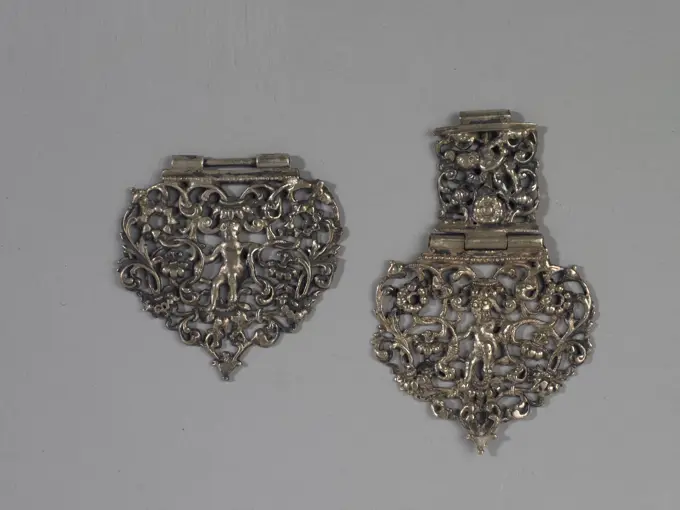
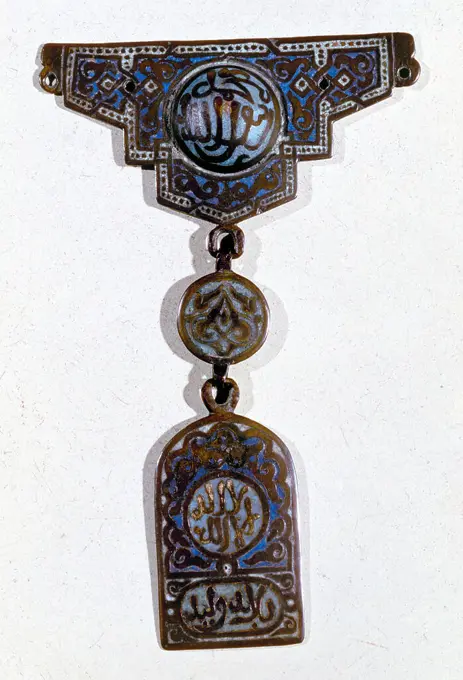
Book Clasp (probably Italy); silver; L x W x D (a,b: overall): 11.4 x 5 x 0.1 cm (4 1/2 x 1 15/16 x 1/16 in.)
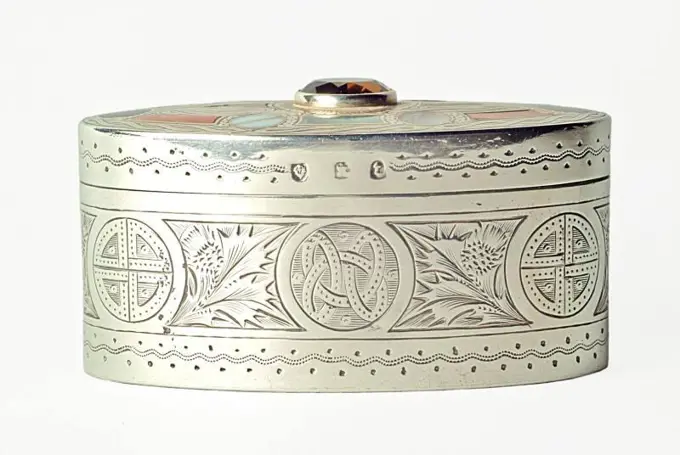
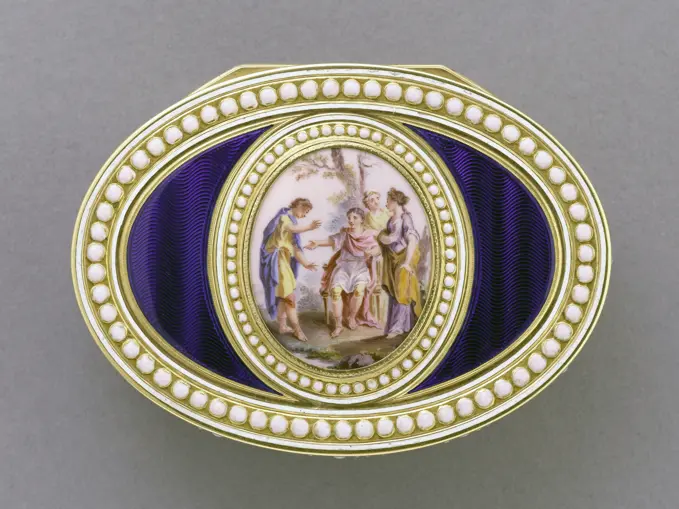
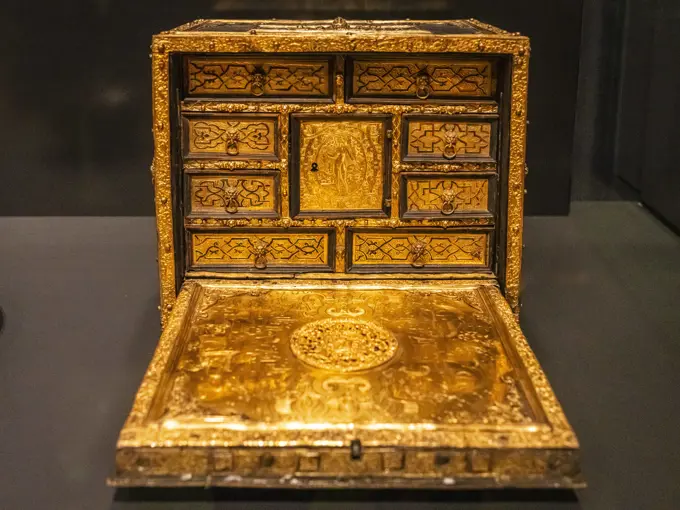
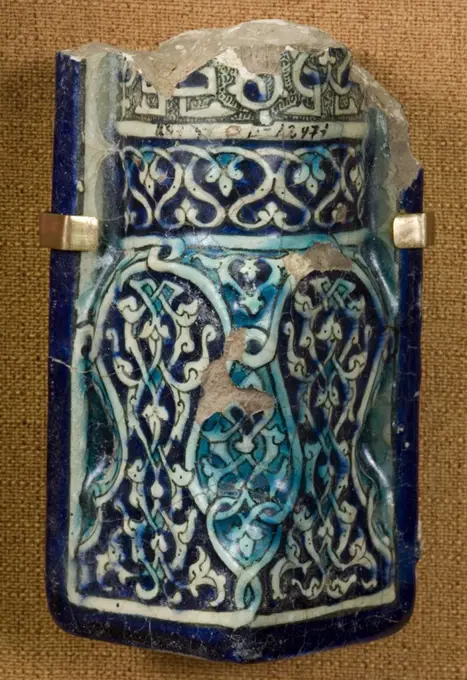
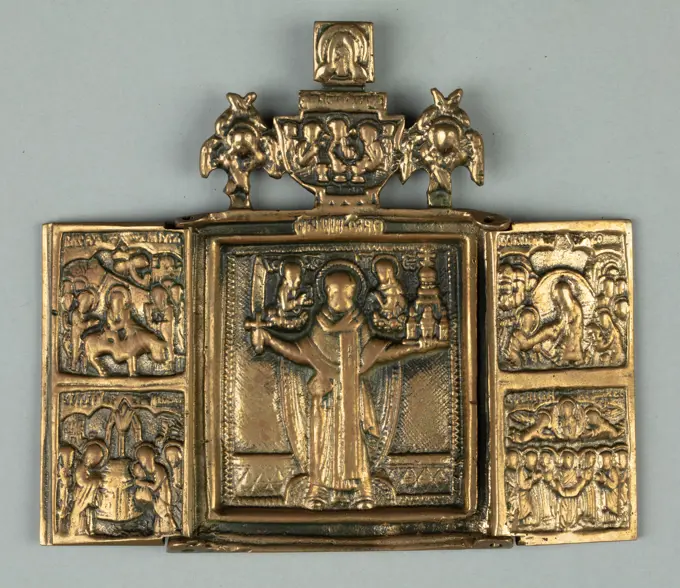
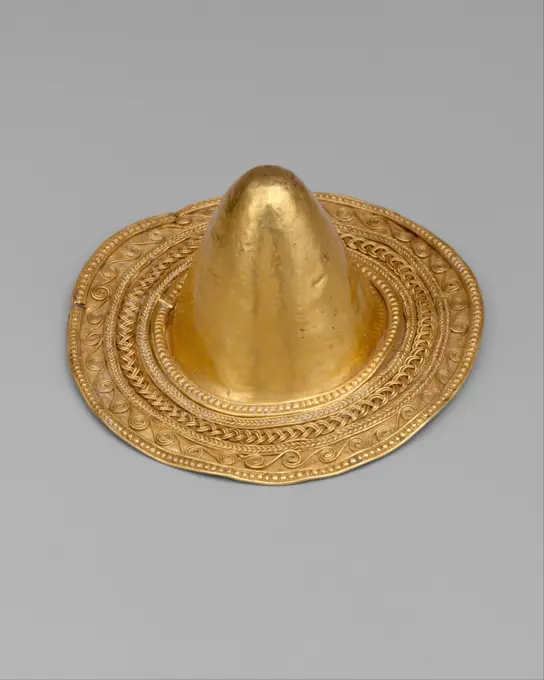
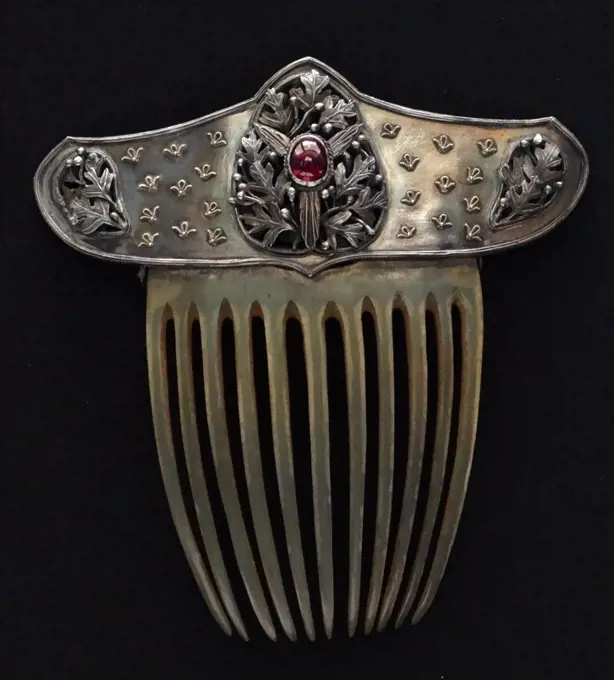
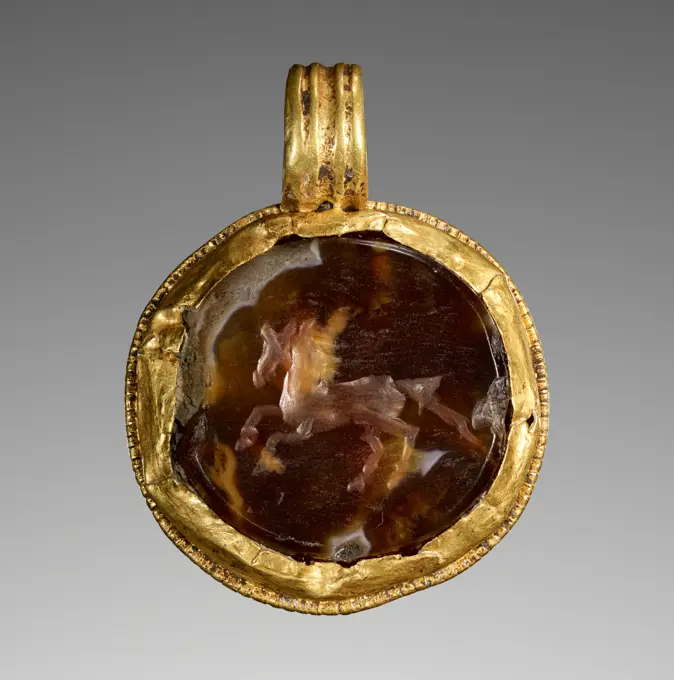
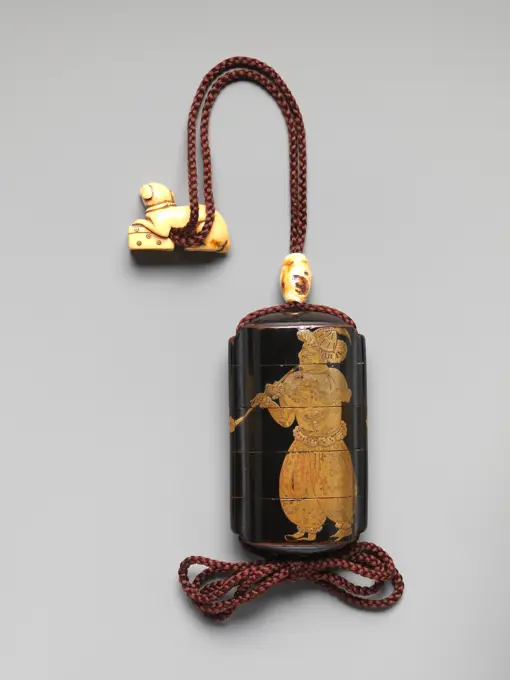
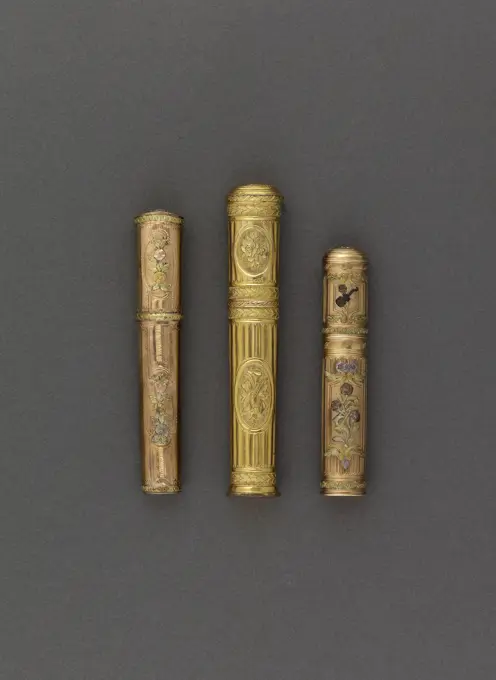
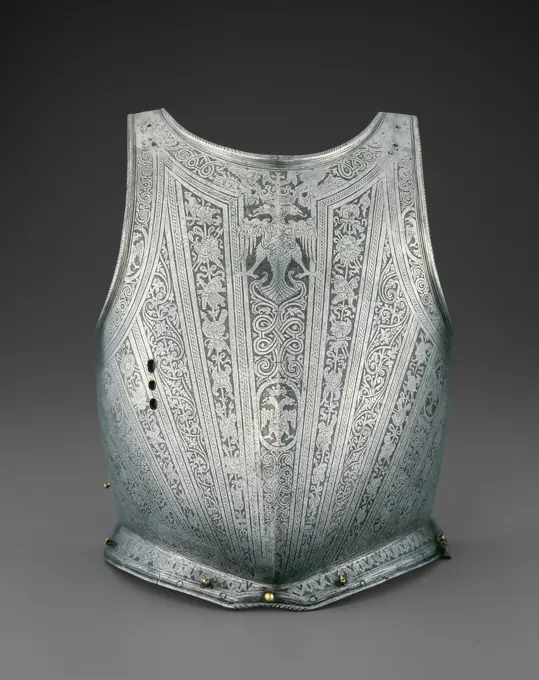
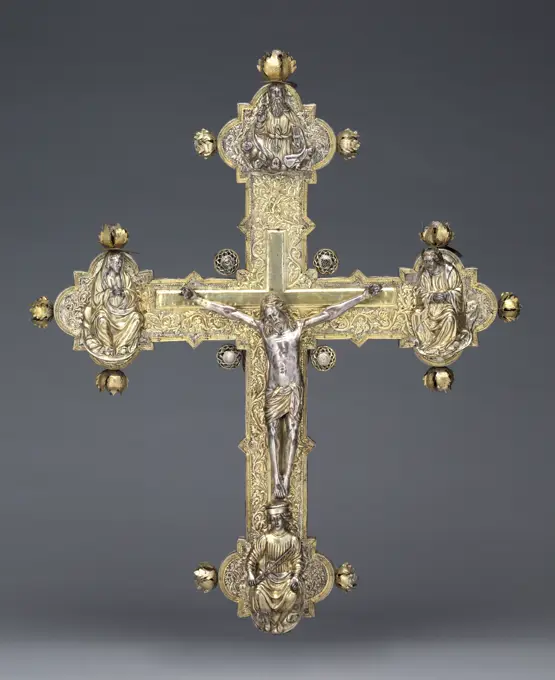
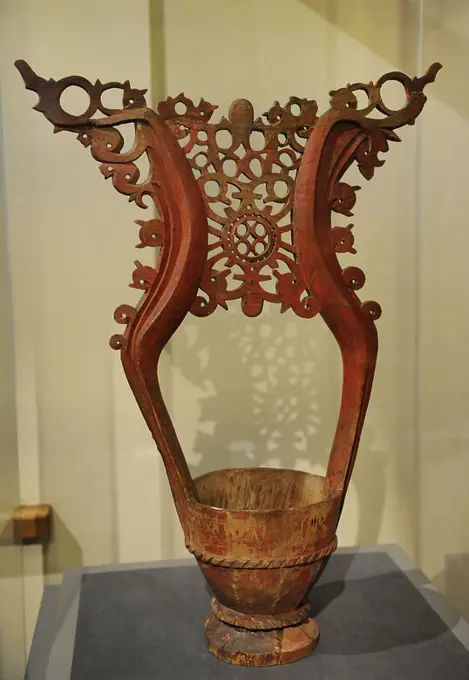
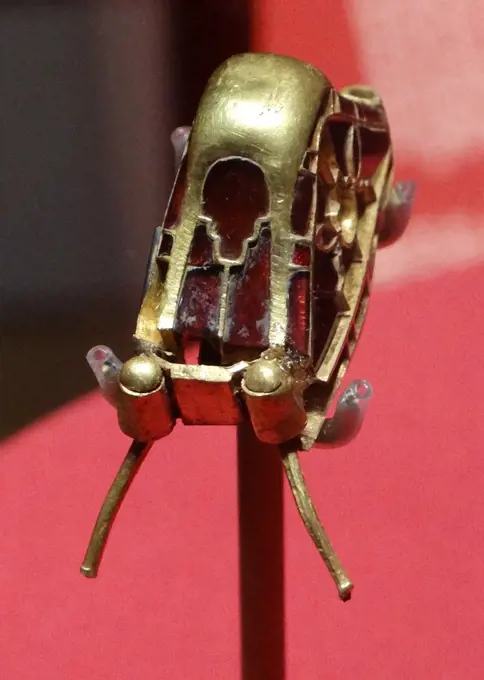
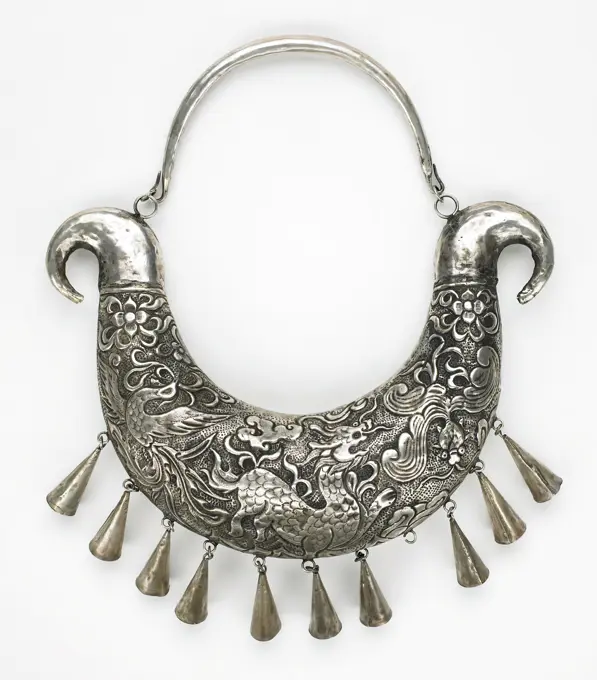
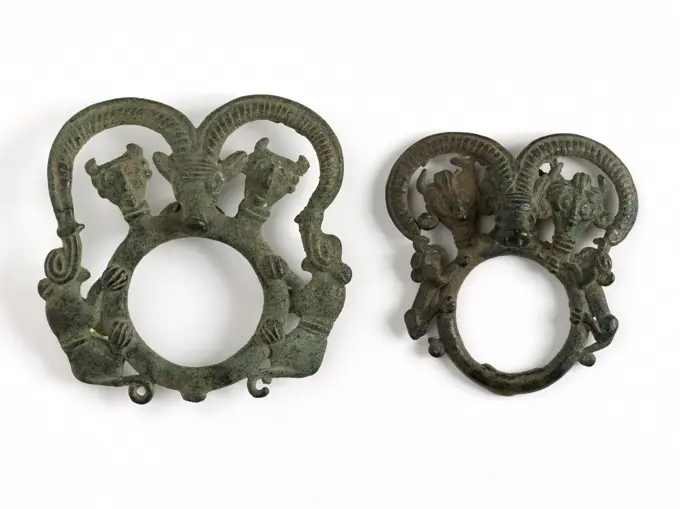
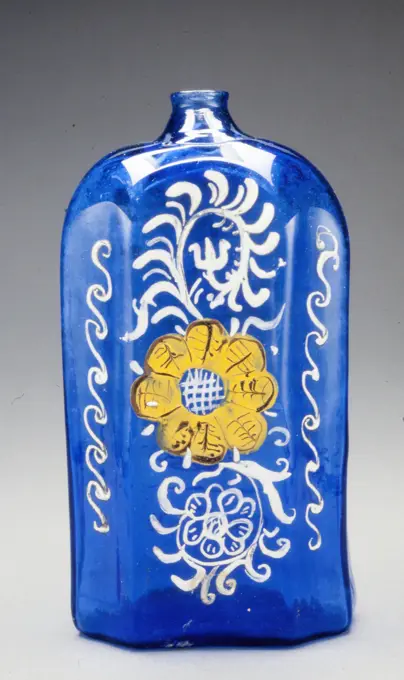
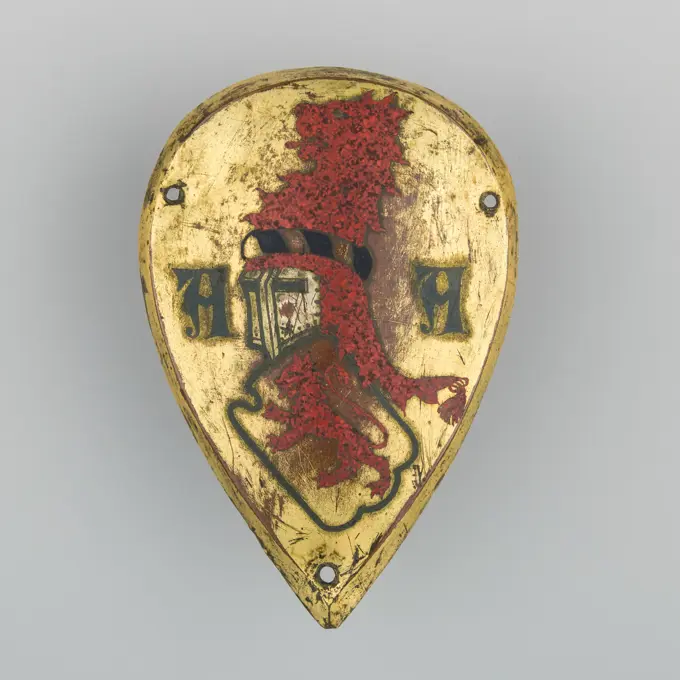
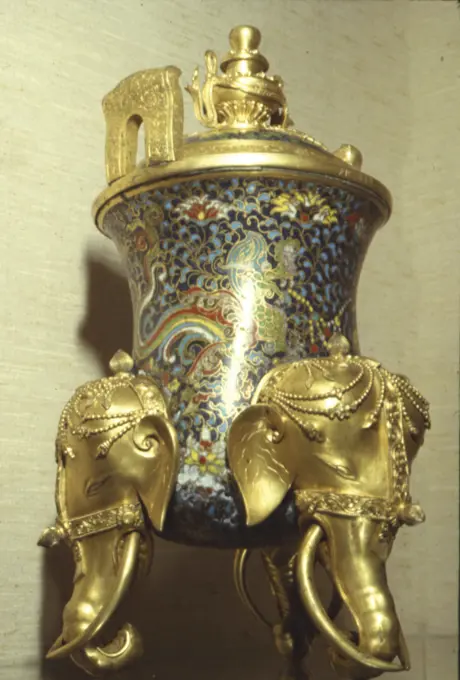
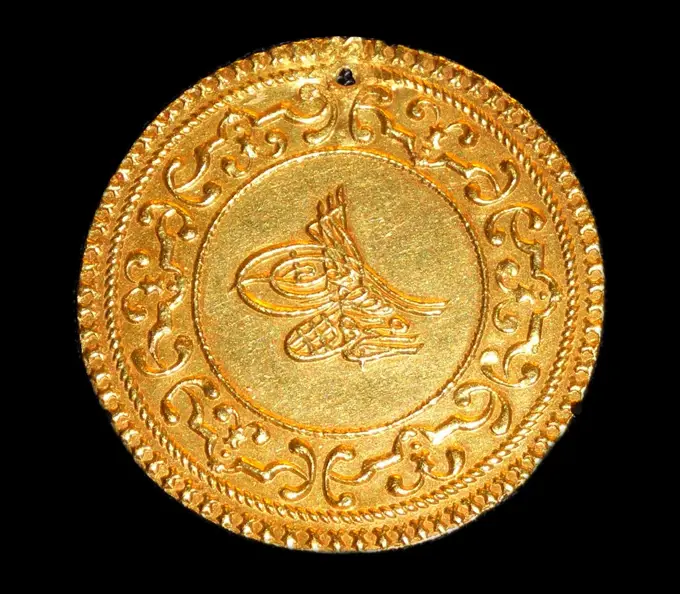
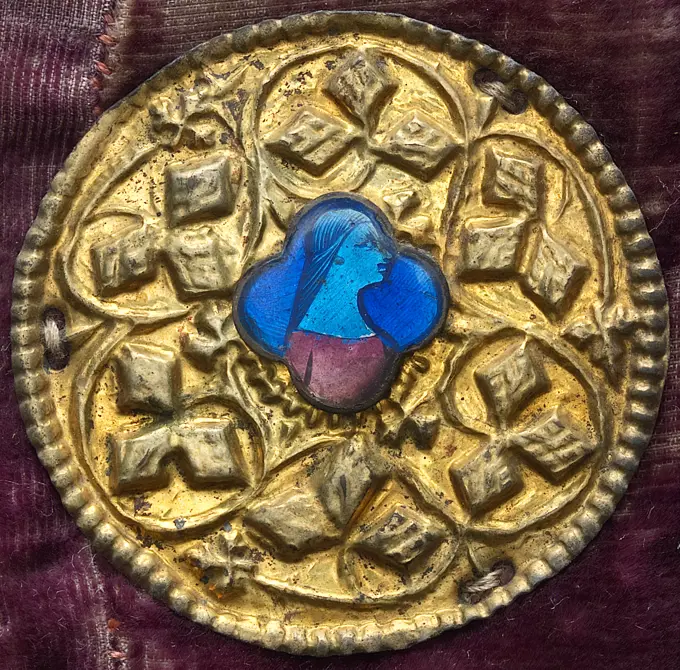
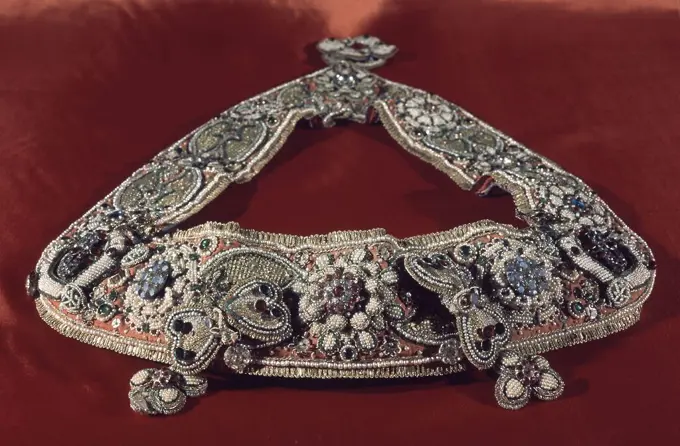
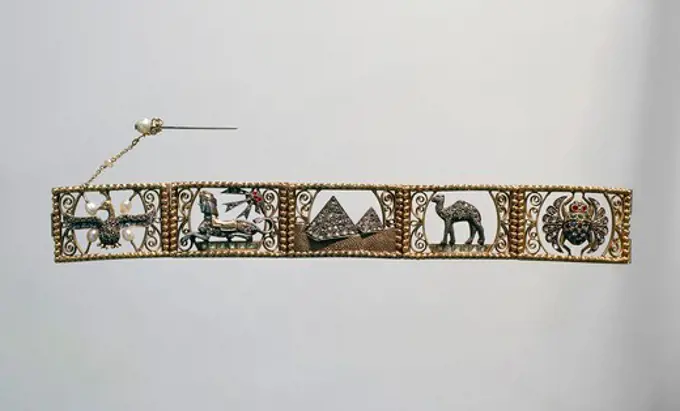
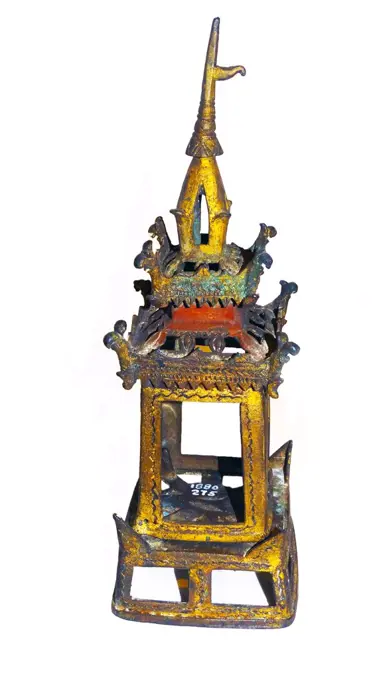
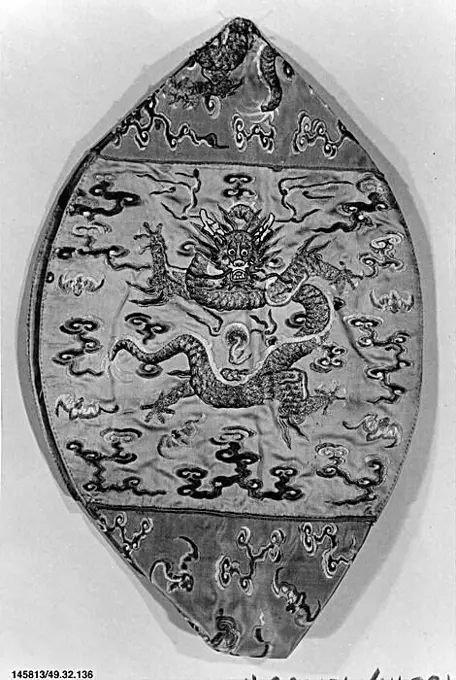
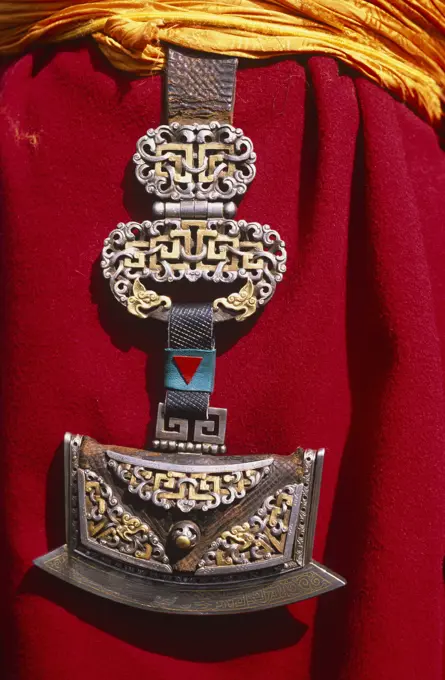
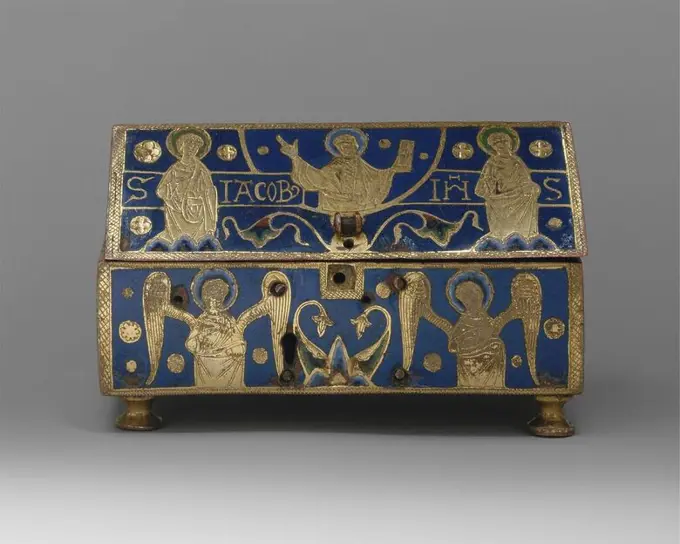
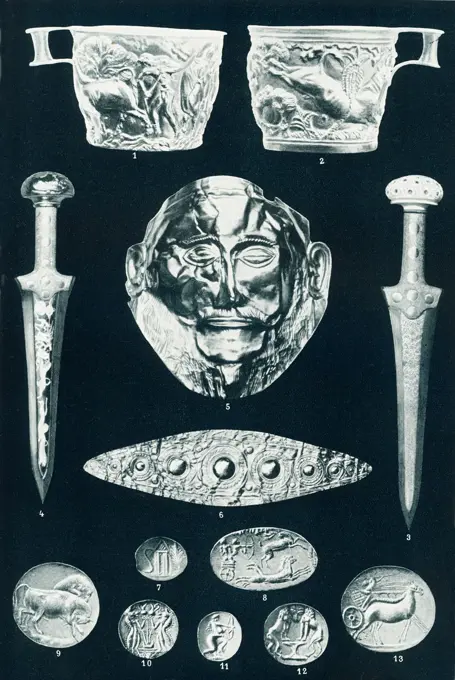
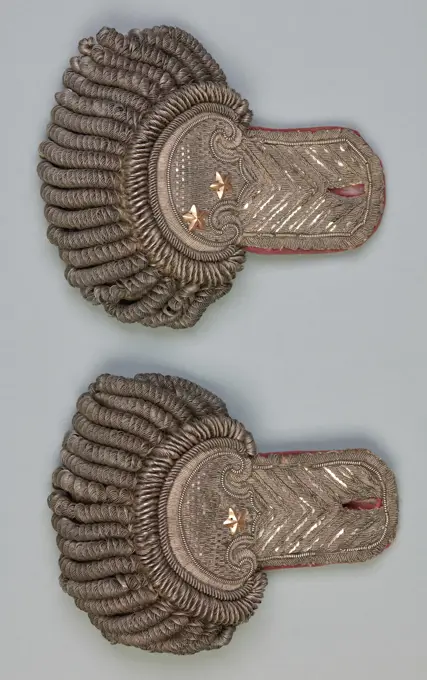
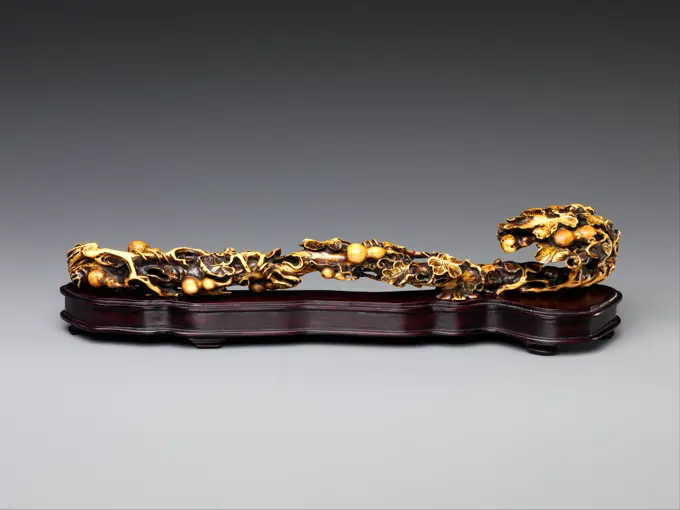
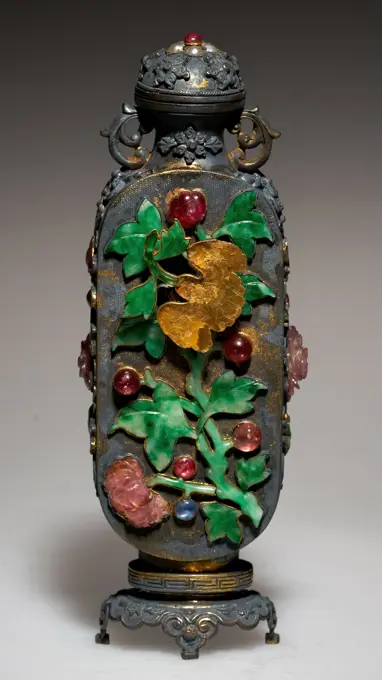
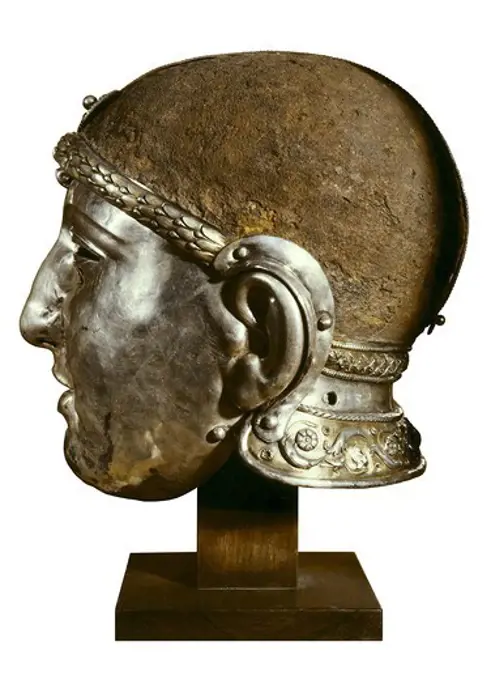
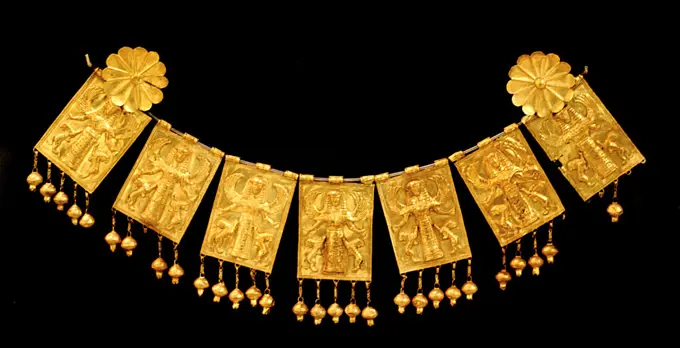
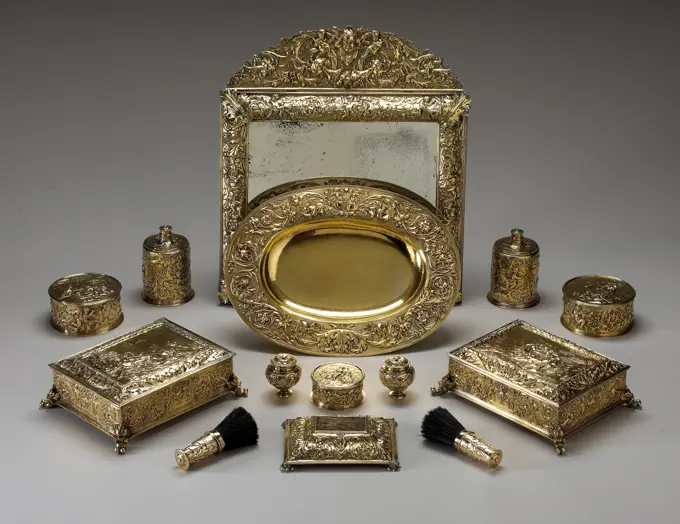
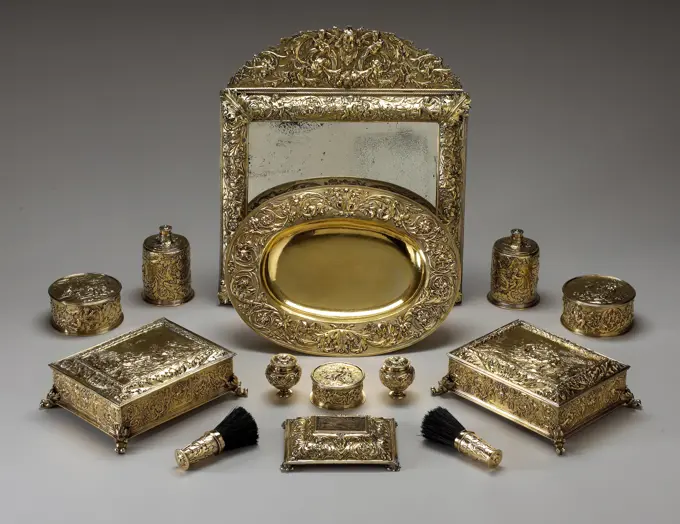
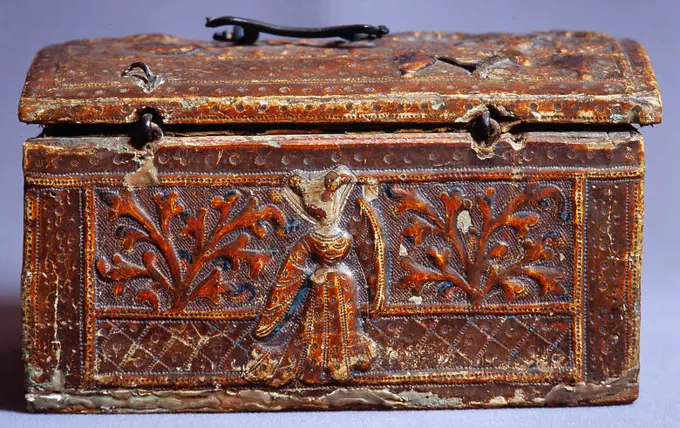
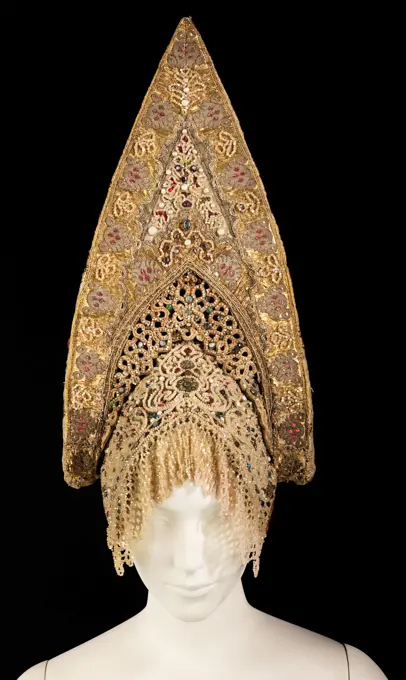
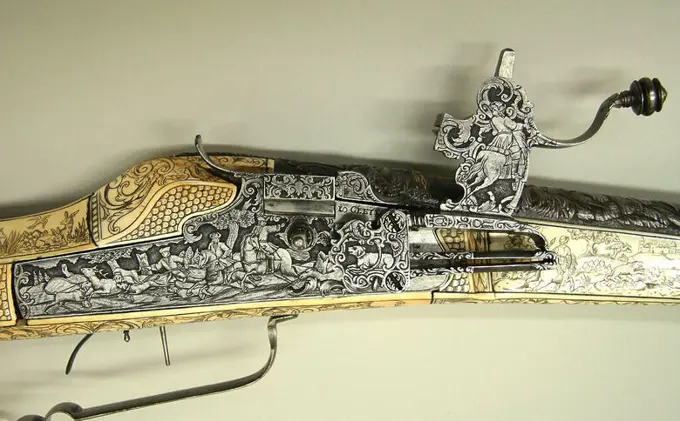
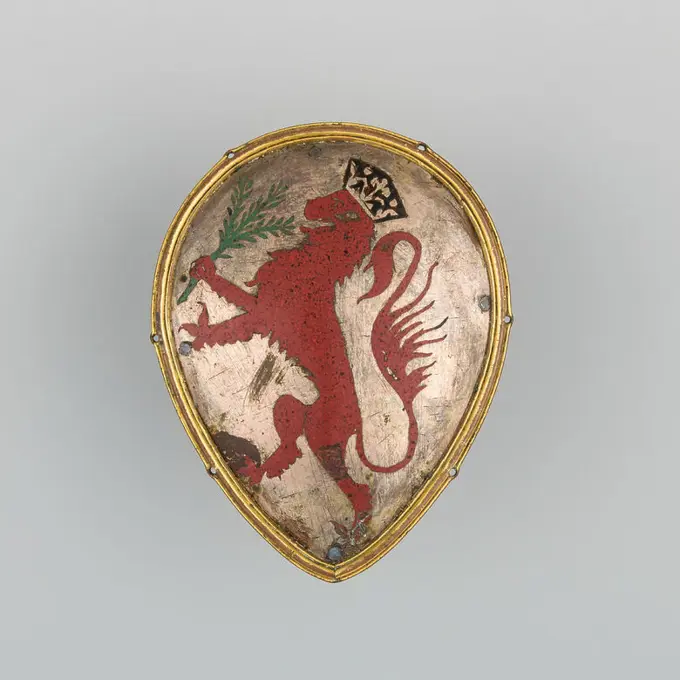
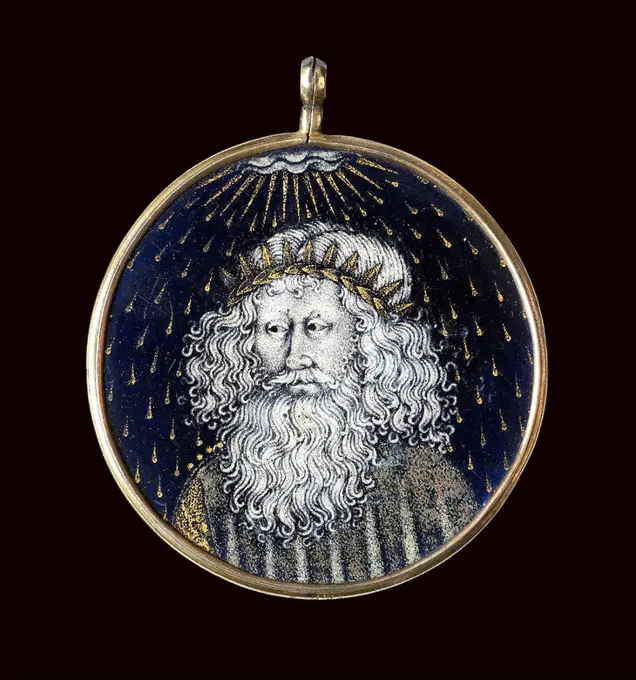
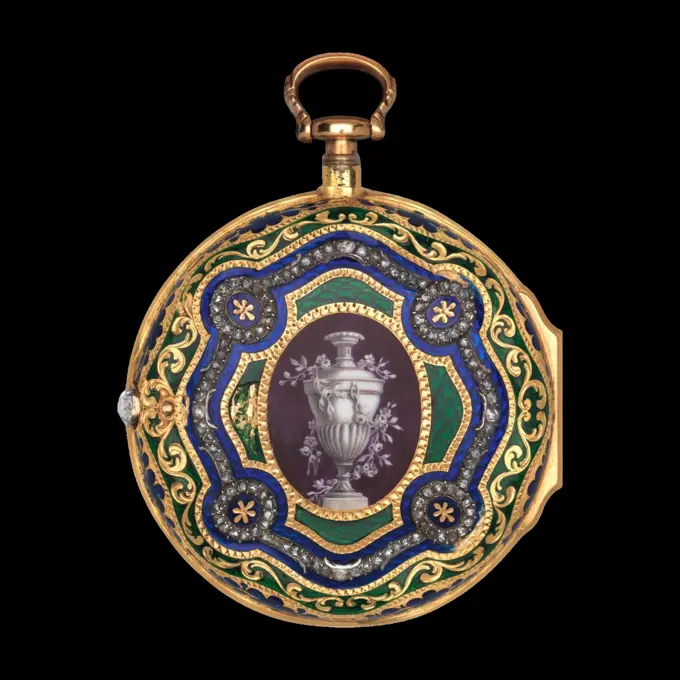
Antique Golden Watchcases with enamel and diamondy ancient golden watch housing with enamel and diamaireEmbossed wooden wedding chest from North Africa. Dated 18th CenturyOval Silver and Agate Snuff Box,  1900The Stuartska Rosen, "Family Klenod in the Staël von Holstein family. Probably 1600s. NordicDamn in chopped gold, guilloche and enamelled blue, painted enamel: ancient scene. Joseph-Etienne Blerzy (master in 1768). 1778-1779. Paris, Cognacq-Jay museum. This box is of a simple model which seems to have had some success. The background guilloche of parallel wave lines receives the light and nuances the blue of the king of the translucent enamel. The moldings of the lid, the return of the lid and the base of the base, are half-pales in opalescent enamel on the background of Amati gold. Fine gold moldings and white opaque enamel nets highlight them. They also underline the blue panels of the basket, separated by half-grapes in opalescent enamel arranged vertically. The miniature appearing on the lid of this box represents an ancient scene. Its menu drawing and the slightly rosé enamel which covers the painting are quite characteristic of the Geneva enamels (cf. Los Llanos, José de, Grégoire, Christiane, Gold boxes and objects of virtue, Paris, Paris-Musées, 2011, p. 110). BLEU-DECasket Casket, Ausburg, 1560-1600, etchet stell, gilt bronze, various woods, Amsterdam, NetherlandsBliżej Kultury unknownPart of clay object, Clay, paint, 14th-15th century, Russia, Moscow, State History Museum,Bliżej Kultury unknownConical Boss from a Bowl ca. 1279-1213 B.C. New Kingdom, Ramesside This cone, found among the items in the Tell Basta treasure, would have been attached at the inner center of an elaborately decorated bowl like 07.228.20.. Conical Boss from a Bowl 545170Hair comb by William Thomas Blackband (1885-1949) British goldsmith and was associated with the Birmingham School. Dated 1912Armenian Kingdom of Cilicia, Turkey (1078-1375). Cup. Silver, gilding, black enamel. 12th-13th centuries. Provenance: Received in 1925. Discovered in 1925 in the village of Vilgort (East Urals). The State Hermitage Museum. Saint Petersburg. Russia.Relief Fragment. Unknown'Ma-Ki Altar Table'. Siam (now Thailand), 19th century. Dimensions: 41x33x20 cm. Museum: State Hermitage, St. Petersburg.Scaraboid. Bern GroupFragment, Medium: linen Technique: needle lace, Fragment in a pattern of a trefoil blossom and stem. Openwork petals and center. Superimposed large rosette., Venice, Italy, 17th century, lace, FragmentJAEZ PARA CABALLO EN BRONCE Y ESMALTE-S XIV. Location: INSTITUTO VALENCIA DE DON JUAN-COLECCION. MADRID. SPAIN.Star-Shaped Tile 13th century. Star-Shaped Tile. 13th century. Stonepaste; luster-painted with touches of cobalt on opaque white glaze under transparent glaze. Made in Iran, probably Kashan. Ceramics-TilesBelt fragment. Culture: Urartian. Dimensions: 3.54 x 12.87 in. (8.99 x 32.69 cm). Date: ca. 7th century B.C..This is but one of hundreds of Urartian belts known to exist, all decorated with a variety of scenes--hunts, animals, deities, etc. Here, in panels divided by patterns, lions and bulls are hunted by otherworldly winged creatures. Joining fragments of this belt exist in two other museums. The pieces were dispersed almost a century ago, when a Russian scholar claimed the belt along with other Urartian material derived from a site at Gushi on the northwestern shore of Lake Urmia in northwest Iran. The belt may have been made in the seventh century B.C. Museum: Metropolitan Museum of Art, New York, USA.Symbealted temple of the peace, in memory of the peace of 1814, Johannes Hubertus Reygers, 1814 memorial. temple Setup of wooden and paper parts that together form a temple to celebrate the Peace of Paris (1814).  paper. cardboard. wood (plant material)   ParisInrō with Portuguese Figures late 18th-early 19th century Japan The mutual fascination with which the Japanese and Europeans regarded each other after their initial contacts in the late sixteenth century was expressed in part by Japanese art objects that incorporated images of Westerners as part of the ornamentation. This inro, which was worn suspended from the waist and used to hold medicines and other small items, is decorated with the images of three Portuguese men, dressed in their distinctive pantaloons and jackets with large, ruffled collars.. Inrō with Portuguese Figures 52618French and foreign goldsmiths. Wax. Gold chopped. 18th century. Paris, Cognacq-Jay museum. 56641-7 Foreign, wax, french, gold chisel, orfevreryCuirass from an Armor of Tsar Dmitry I Made 1605-1606 Milan. The coat of arms of Moscow with a double-headed eagle on the breastplate identifies the owner as Dmitry I, the ill-fated tsar of Russia who falsely claimed to be Ivan the Terribleís lost youngest son.After only 11 months of rule, members of the Russian nobility (boyars) assassinated him and shot the ashes of his body out of a cannon.Dmitry rose to power with Polish support and was heavily influenced by Western taste and politics. This Italian-made armor represents the height of Western fashion and might have been a diplomatic gift. Originally the bands alternated in gold, of which there are only traces now.. Steel .Processional Cross, c. 1440-1450. Pietro Vannini (Italian, 1413/14-1495/96). Silver, gilt-silver, and repoussé, over wood; overall: 72.7 x 61 x 12.7 cm (28 5/8 x 24 x 5 in.).Festival Kousa, 1542. Village of Hujala in Rusko. National Museum of Helsinki. Finland.Pair of three-light wall brackets. Culture: French. Dimensions: 25 1/2 × 21 1/2 × 18 in. (64.8 × 54.6 × 45.7 cm). Date: 1745-49.The high rococo asymmetry of the swirling branches is datable by the presence of the crowned C stamp. The mark was affixed upon payment of a tax levied on gilt-bronze 1745-1749. Museum: Metropolitan Museum of Art, New York, USA.China Gold KnockerAbruzzo, L'Aquila, Castelvecchio Subequo, S. Francesco, Italy, 20th century, photo, photography, EuropeEurope, Greece. Ancient Greece. Pendant. Gold. Aegina Treasure. 1700 BC. Bronze Age.Repeating watch late 18th century Watchmaker: Firm of Meuron et Companie, Geneva and Paris. Repeating watch 193368Pommel cap, decorated with cloisonné garnets. from the Staffordshire Hoard. The Staffordshire Hoard is a collection of Anglo-Saxon. Discovered in a field near the village of Hammerwich, near Lichfield, in Staffordshire, England, in 2009. it consists of over 3, 500 items, dated to the 7th or 8th centuries, placing the origin of the items in the time of the Anglo-Saxon kingdom of Mercia.Torque, 15 1/2 x 12 3/4 x 4 in. (39.37 x 32.39 x 10.16 cm) (with chimes hanging), Silver, ChinaTêtes de bouquetins. Lurctan. 1000-750 av. J.-C. Par musée musée malée. 35407-4 Iron Age, Bouquetin, Bronze, Horn, Fauve, Tete, Corne Human, AnimalSpain, Canary Islands, Tenerife Island, Santa Cruz de Tenerife, Plaza de Espana, the underground Castillo de San Cristobal fortress-museum, The cannon El Tigre that blew off British Admiral Nelson's arm during the battle of Santa Cruz in 1797Saddle, Saddle Pad, Stirrups, Rein, Stirrup Straps, Bit and Bridle, Breaststrap, Tassel, and Crupper. Culture: Tibetan. Dimensions: Saddle (a); H. 15 in. (38.1 cm); L. 23 1/2 in. (59.7 cm); W. 17 1/2 in. (45.1 cm); saddle pad (b); L. 31 in. (78.7 cm); W. 24 in. (61 cm); stirrups (c, d); L. 5 1/2 in. (14 cm); W. 5 1/2 in. (14 cm); rein (e); L. 58 in. (147.3 cm); stirrup straps (f, g); L. 37 1/2 in. (95.3 cm); bit and bridle (h); L. 21 in. (53.5 cm); W. 10 in. (25.4 cm); cheststrap (i); L. 74 in. (188 cm); tassel (j); L. 16 in. (40.6 cm); crupper strap (k); L. 34 in. (86.4 cm); overall Wt. 19 lb. 14 oz.. Date: 18th-19th century. Museum: Metropolitan Museum of Art, New York, USA.Prehistory, Italy, 7th century b.C. Bronze ritual bell called Tintinnabulum, decorated with scenes of wool manufacturing.Gorget for an Officer of the South Carolina Infantry Regiment. Culture: American. Dimensions: H. 4 3/4 in. (12.07 cm); W. 4 1/4 in. (10.8 cm). Date: late 18th century.The engraving on this gorget incorporates the state of South Carolina's coat of arms, which was adopted in 1777. Museum: Metropolitan Museum of Art, New York, USA.Octagonal Bottle, 1761, 6 1/4 x 3 1/4 x 2in. (15.9 x 8.3 x 5.1cm), Blue glass, enamel, Switzerland, 18th centuryMessenger Badge 14th century Spanish Before the introduction of regular mail service by governments, letters and messages had to be transported by heralds and trusted messengers employed by feudal lords or city magistrates. These men were identified on their official missions by shield-shaped badges worn on their clothing and displaying the heraldic arms of their employers. In some early examples, these badges were constructed as boxes with lids, probably to store credentials or even small messages on parchment. Many of the badges were made of silver and were often decorated with enamel.. Messenger Badge. Spanish. 14th century. Copper, gold, enamel. Miscellaneous-Badgesvintage floral frameMing Dynasty Vase. Cloisonne elephants. CHINA.Gold Ottoman coin, Constantinople (Istanbul, Turkey), 1757. Ottoman Sultans used an elaborate signature, called the Tugra, to represent themselves on their coins. The Tugra was used as the imperial signature of the SultanBrooch ca. 1867 Attributed to Maison Rouvenat of Paris. Brooch. French, Paris. ca. 1867. Gold, enamel, diamondsNorth Italian 14th Century, Costume Ornament with Profile Portrait, c 1380 1400 North Italian 14th Century, Costume Ornament with Profile Portrait, c. 1380/1400, repoussé silver, gilded, and translucent enamel, attached to a strip of velvet, Samuel H. Kress Collection 1961.9.188Belt of St Liudger, silver buckle with Mary on the crescent moonCarnavalet Museum, Medals CollectionLluís Masriera / Broche "Pesca de la perla", 1906. Colección privada. Author: LLUÍS MASRIERA I ROSÉS.PECTORAL BORDADO CON PERLAS Y PIEDRAS S XVII. Location: CONVENTO DE SAN CLEMENTE-MUSEO. Toledo. SPAIN.Goldsmith's art, 19th century. Gold bracelet set with precious stones, around 1870.Star-Shaped Brooch with Intaglio. Culture: Ottonian (Rhineland ()) (setting); Byzantine (intaglio). Dimensions: Overall: Diam. 4 11/16 x 3/4 in. (Diam.11.9 x 1.9 cm). Date: ca. 950-1000 (setting); 337-50 (intaglio).Jewels conveived as microarchitecure are one of the distinctive hallmarks of Ottonian goldsmiths' work. This brooch is compopsed of a series of arcaded gold cells, linked together to form a star, but its definite horizontal and vertical axes, in fact, make it cross shaped. Because the brooch was buried some gems are missing. Although most of the spaces between the arms of the cross still contain pearls, the arms themselves probably would have been set with amethysts. Raised above the arcaded cluster is an arcaded rotunda that supports a large star-sapphire intaglio. Museum: Metropolitan Museum of Art, New York, USA.Peacock Diamond Pendant Copyright: xMxAmirtham/DinodiaxPhotoxNecklace Burma (Lisu) 19th centuryWatch, 1800s. Austria, 19th century. Crystal, gilt metal, enamel; overall: 8.3 x 5.4 x 2 cm (3 1/4 x 2 1/8 x 13/16 in.).Gilded bronze model shrine from Burma. Dated 19th CenturyGolden pre-Columbian Inca mask, replica, sheet brass with semi-precious stones, souvenir, Cusco, Peru, South AmericaCushion Cover for Imperial Arm Pillow China. Cushion Cover for Imperial Arm Pillow. China. Silk, metallic thread; on silk. Qing dynasty (1644-1911), Qianlong period (1736-95). Textiles-EmbroideredMongolia, Khentii Province. Traditional Decorative Flint.Reliquary. Culture: French. Dimensions: Overall: 4 1/2 x 2 1/4 x 2 7/8in. (11.4 x 5.7 x 7.3cm). Date: ca. 1200-1220. Museum: Metropolitan Museum of Art, New York, USA.A Female Bust. Dated: 16th century. Dimensions: overall (diameter): 4.7 cm (1 7/8 in.) gross weight: 88 gr. Medium: bronze//Dark brown patina. Museum: National Gallery of Art, Washington DC. Author: North Italian 16th Century.The Culture of the Mycenaean Period 1. Gold cup with representation of catching bulls, uncovered in 1888 in grave in Vapheio, south of Sparta, in Museum in Athens; 2. Gold cup with wild bulls, found in Vapheio as well, n Museum in Athens; 3. Richly decorated sword with dagger blade from the fifth shaft grave in Mycenae, found by Schlieman in 1876, in Museum in Athens; 4. Sword with dagger blade form the fourth shaft grave in Mycenae with image of lion hunt, found by Schlieman in 1876, i Museum in Athens; 5. Gold mask shaped with face of the deceased found in the fifth shaft grave at Mycenae, fPair of epaulettes of a uniform of Division General in the Corps of the Duchy of Warsaw unknownScepter (ruyi) with gourds and vines late 18th-early 19th century China Used as a display item, this scepter takes the shape of a fungus known as a ruyi, a rebus for "as your wish.". Scepter (ruyi) with gourds and vines. China. late 18th-early 19th century. Ivory with pigment. Qing dynasty (1644-1911). IvoriesJewelry from the Kingdom of Jodphur on display at the Royal Ontario Museum in TorontoSnuff Bottle, 1900-1935, Brass with silver gilt, jade, glass, aquamarine, jadeite, rose quartz, China, Qing dynastyBARRIL DE VIDRIO. Location: INSTITUTO AMATLLER. Barcelona. SPANIEN.Krzyż: Ukrzyżowanie. Warsztat popowcówSaddle, Pair of Stirrups, Bridle and Trappings ca. 1860 Tunisia. Saddle, Pair of Stirrups, Bridle and Trappings 31909Helmet with Mask. 50. Made of iron and silver. Roman art. Early Empire. SYRIA. Damascus. National Museum. Proc: SYRIA. HOMS. Homs. Necropolis of Emesa.Louis Joseph de Potter, Adrien Hippolyte Veyrat, 1830  Bronze carrying sign to surrogate eye, carrying ring and black-yellow-red ribbon. Front: breastpiece man; To the right of that half an unrolled paper with inscription within Kerschrift. Reverse: year within the Omnipia. Brussels bronze (metal). textile materials striking (metalworking)Anglo-Saxon radiate-headed brooch, 5th century. Artist: UnknownSeven linked plaques with a winged goddess between lionsThe heart shield of the weapon of m.a. De Ruyter. Crowned wooden coat of arms, relieved. Red, to the left Climbing lion with golden crown on silver field. The edges of the shield are red, as well as the bottom of the crown, which is plated.Pendant (herz), 1868, 2 1/2 x 2 3/4 in. (6.35 x 6.99 cm), Silver, enamel, red glass cabuchon, Morocco, 19th centuryDecorated Tibetan conch shell on sale in Hong Kong, 2009.Small vase with cover, from a toilette service, 1683, William Fowle, English, 1658-1684, 2 5/8 x 2 5/16 x 2 5/16 in. (6.67 x 5.87 x 5.87 cm), Vermeil (gilt silver), England, 17th centuryWhisk, from a toilette service, 1683, William Fowle, English, 1658-1684, 5 7/16 x 2 1/2 x 2 1/2 in. (13.81 x 6.35 x 6.35 cm), Vermeil (gilt silver), horsehair (), England, 17th centuryArqueta, siglo XV. Fundación Juan March.Headdress early 19th century Russian This object is from the collection of Natalia de Shabelsky (1841-1905), a Russian noblewoman compelled to preserve what she perceived as the vanishing folk art traditions of her native country. Traveling extensively throughout Great Russia, she collected many fine examples of textile art of the wealthy peasant class. From the 1870s until moving to France in 1902, Shabelsky amassed a large collection of intricately embroidered hand-woven household textiles and opulent festival garments with rich decoration and elaborate motifs. The Brooklyn Museum holdings include many fine examples including the majority of the garments. Portions of Shabelsky's collection are also housed at the Museum of Fine Arts, Boston, the Cleveland Art Museum, and the Russian Museum of Ethnography in St. Petersburg.Married women were required to cover their hair entirely lest they be considered immodest, therefore headdresses, or kokoshniks were often accompanied by a venchik, Case (Inrō) with Design of Caparisoned Elephant (obverse); Characters in Panel (reverse) 18th-19th century Fangshi Mopu. Case (Inrō) with Design of Caparisoned Elephant (obverse); Characters in Panel (reverse) 58666Goldsmith's art, Portugal, 16th century. Gold filigree casket. Indo-Portuguese manufacture.Gold-glass base. From Rome, 4th century.Belt buckle 1735-96 Chinese This collection of largely ethnographic jewelry includes examples from cultures in South America, North America, Europe, Asia, and Africa and dates from the Pre-Columbian period to the twentieth century. Owned by renowned art collector and fashion enthusiast Muriel Kallis Newman, the collection represents her knowledge and appreciation of a wide range of jewelry design and making traditions. Numerous items in her collection are composite artifacts made from various cultures and time periods reappropriated as modern jewelry creations by or for Muriel. It is important to note that Newman wore many of the pieces in the collection, interpreting them to suit and express her own singular, often avant-garde style.. Belt buckle 141703Berber diadem from Great Kabylia, Algeria, "Corral del Carbón" , "al-fundaq al-yadida", 14th century, Granada, Andalusia, Spain.rimmonium, knobs for the Torah scrolls, 14th century, come from the Sicilian synagogue of Cammerata, Capitular museum, Cathedral of Mallorca , 13th century, Historical-artistic monument, Palma, Majorca, Balearic Islands, Spain.Matchsafe.  Manufacturer: Whitehead and Hoag Company, American, 1892-ca. 1963Arabic perfume bottle on a white backgroundWheellock Gun. Culture: German. Dimensions: L. 37 1/4 in. (94.6 cm); Cal.62 in. (15.7 mm). Date: 17th century. Museum: Metropolitan Museum of Art, New York, USA.Badge of Recognition. Culture: Italian. Dimensions: H. 4 1/8 in. (10.5 cm); W. 3 1/4 in. (8.2 cm); Wt. 3 oz. (85 g). Date: 15th century. Museum: Metropolitan Museum of Art, New York, USA.Plenty of fake gold coins are on the scarf edgesCase (Inr) with Design of the Courtier Yasusuke Playing Flute beneath Full Moon (obverse); His Brother Kidomaru Hiding among Autumn Grasses (reverse) Japan. Case (Inr) with Design of the Courtier Yasusuke Playing Flute beneath Full Moon (obverse); His Brother Kidomaru Hiding among Autumn Grasses (reverse). Japan. Lacquer, roiro, gold, silver, black and red hiramakie, takamakie, togidashi; Interior: gyobu nashiji and fundame, boxes. Edo period (1615-1868). InrTreasury, Anno Shrine, workshop of Nicholas of Verdun and Cologne, around 1183Fragment of the majolica holy water box with an embossed Christ figure on the cross, holy water container liturgic container soil found ceramic earthenware glaze tin glaze leagic, in mold formed baked 2x majolica Fragment of majolica holy water container covers most of the back wall with suspension eye cream colored shard blue on white back unglazed archeology religious ceremony ceremony bible religion Jesus ChristMedallion with the Emperor Augustus's Vision of the Virgin and Child. Date/Period: Ca. 1420 (Late Medieval). Medallions (medals). Painted enamel on silver () with gilded silver mount. Height: 6.10 mm (0.24 in). Author: Limbourg Brothers.Wooden frame with arabic script