Ornate Metalwork and Vases

An exquisite array of decorative metal objects including chalices, jars, and candle holders, featuring intricate engravings and luxurious finishes.

verschnörkelter blattverzierter buddhistischer bildsockel aus dem 12. jahrhundert in indien this image showcases an ornate foliate pedestal, likely from bengal, india, dating to the late 12th century, designed to hold a buddhist image. the antique metalwork, possibly brass or gold, features intricate carvings and a decorative foliate design, representing a rich historical and religious artifact. ideal for projects related to asian art, buddhism, and historical sculpture. LicenseRF Copyright: xZoonar.com/GallóxGusztávx 23315776
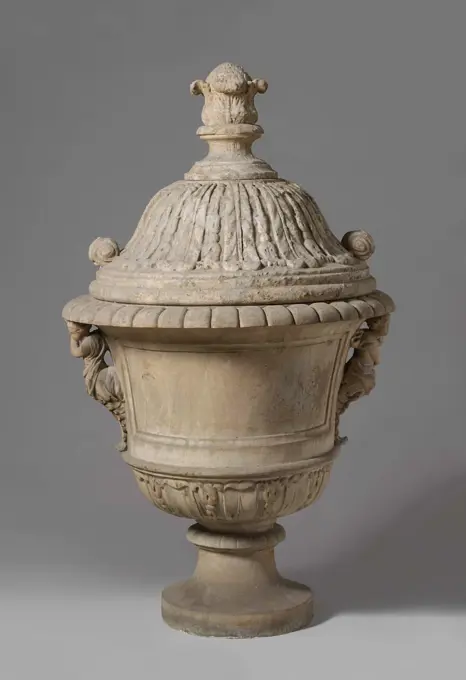
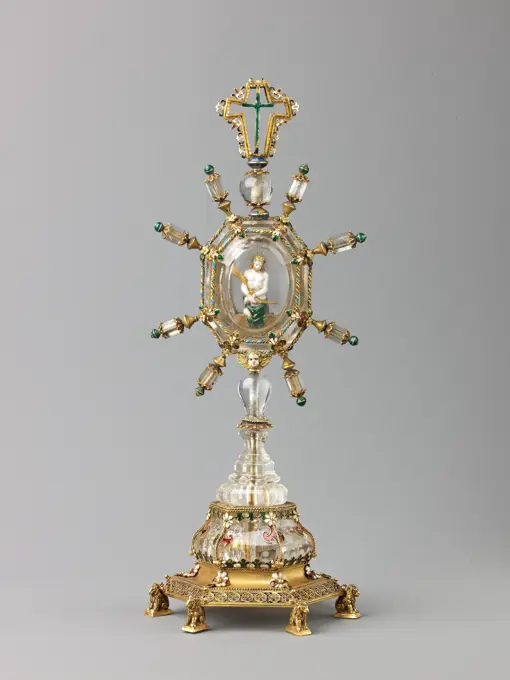
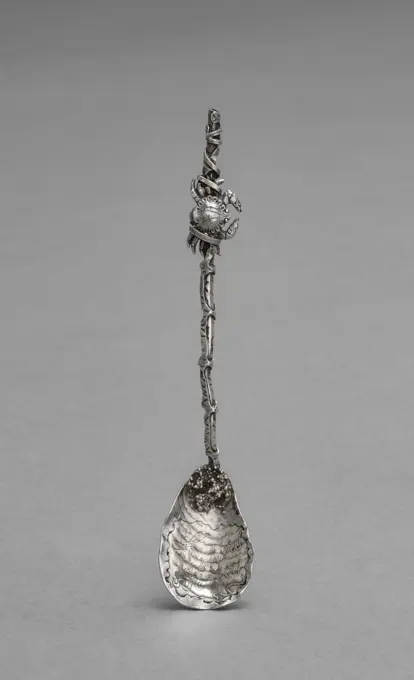
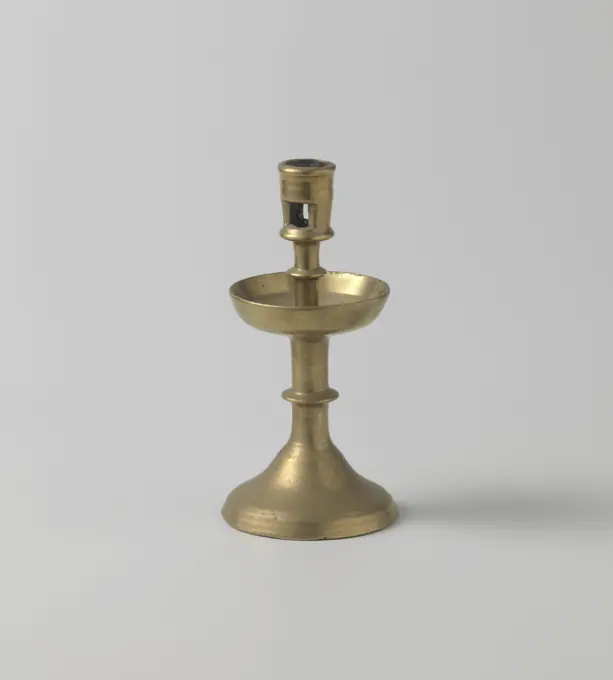
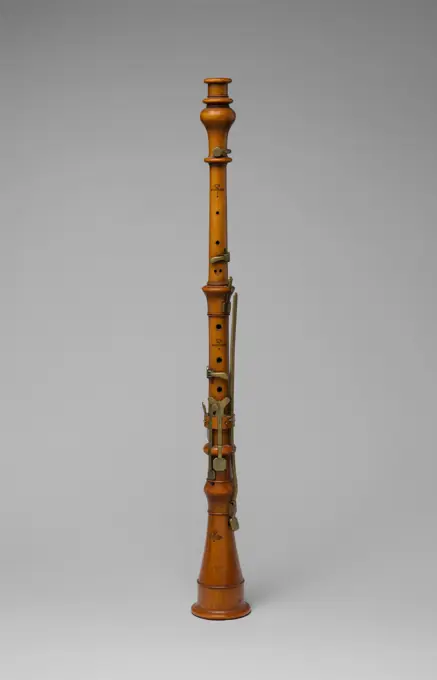
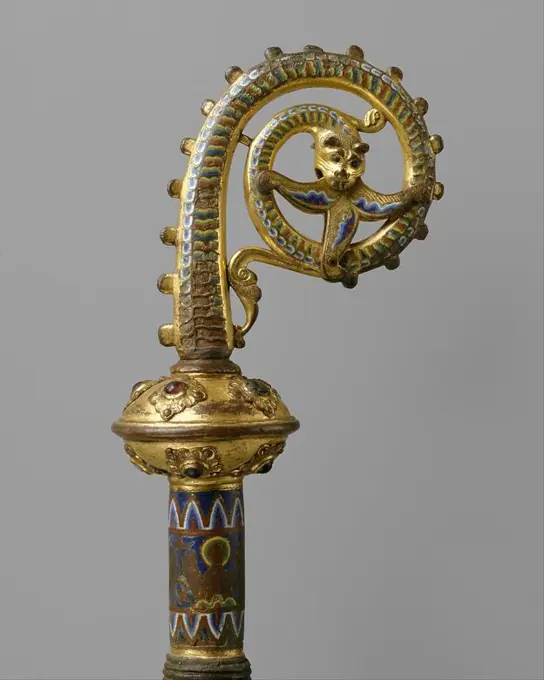
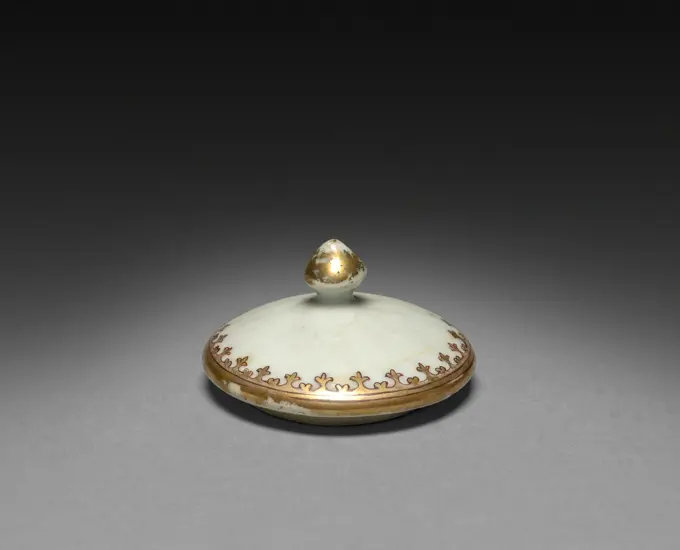
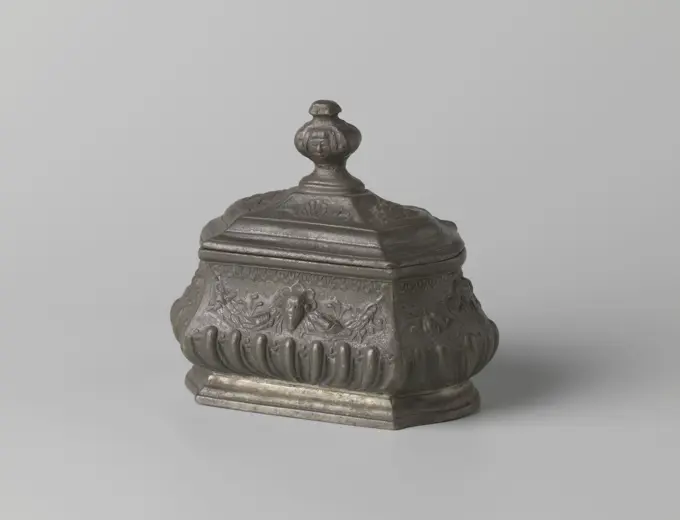
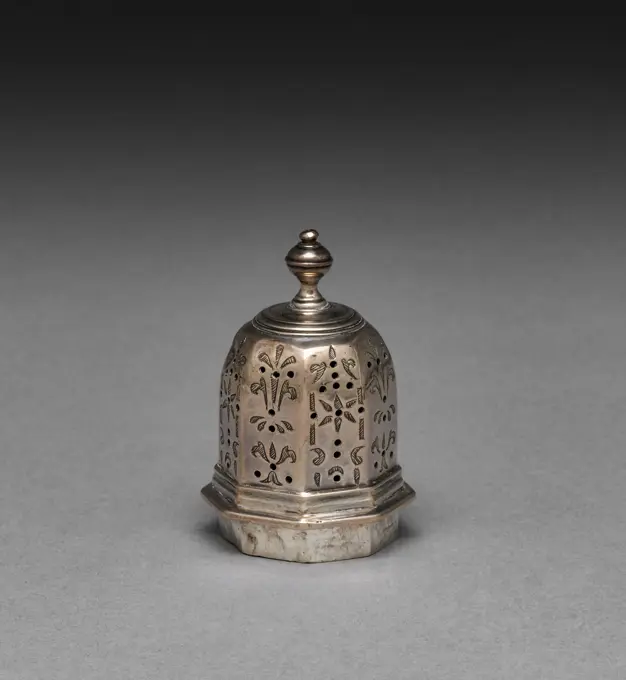
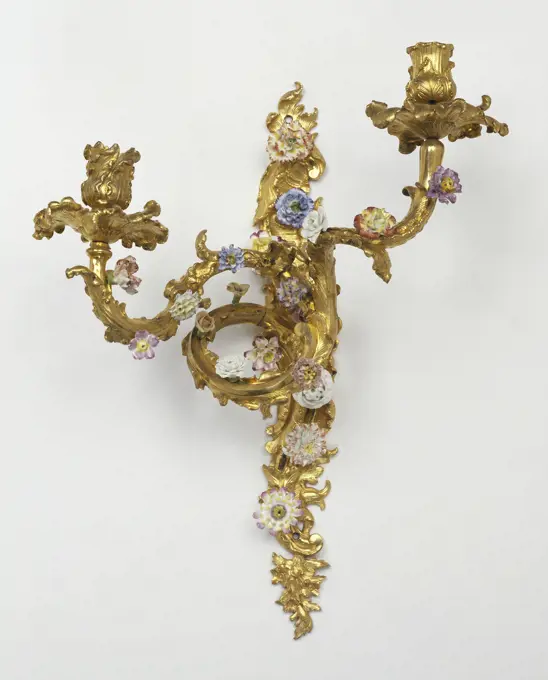
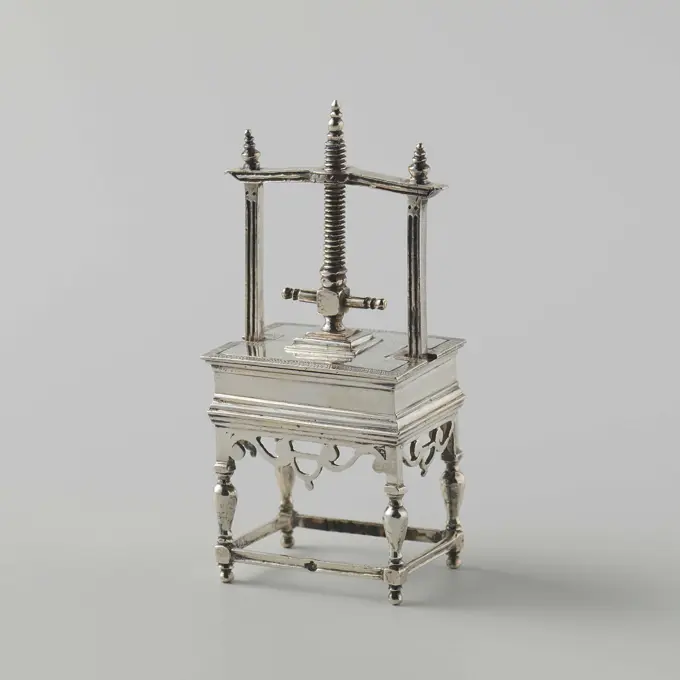
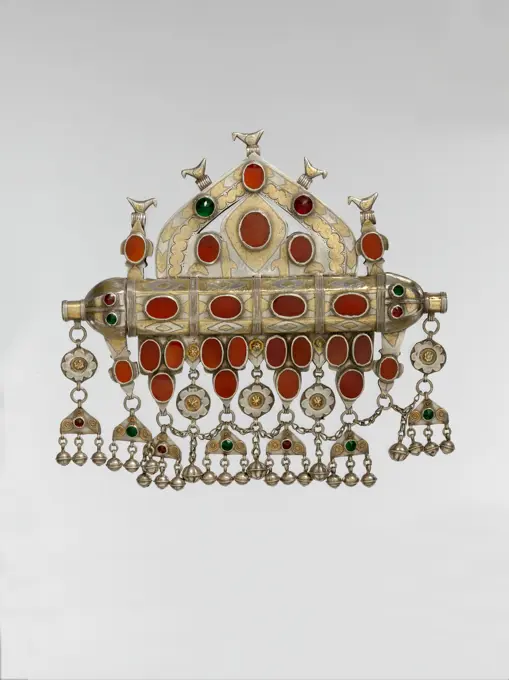
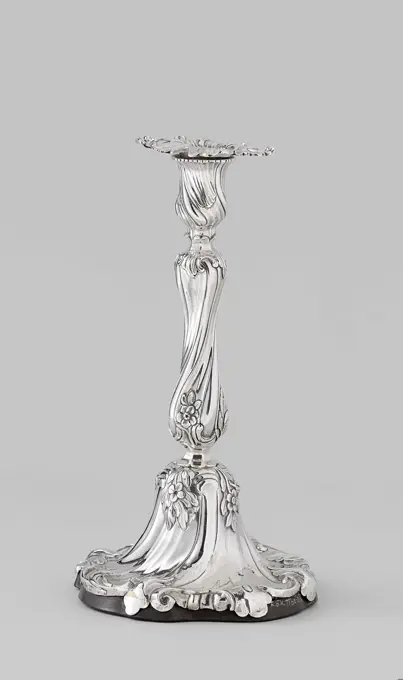
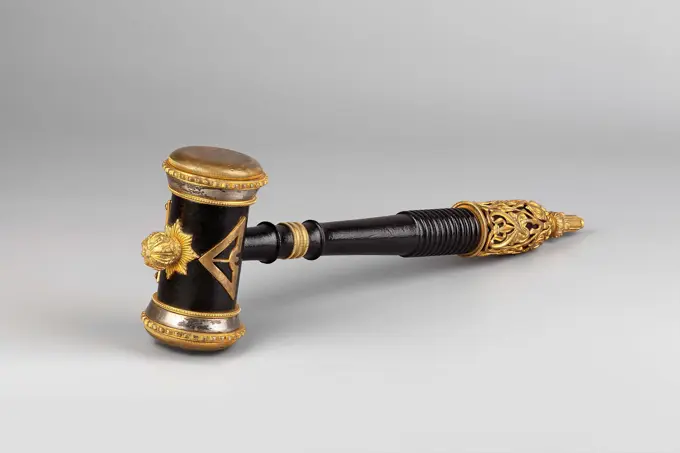
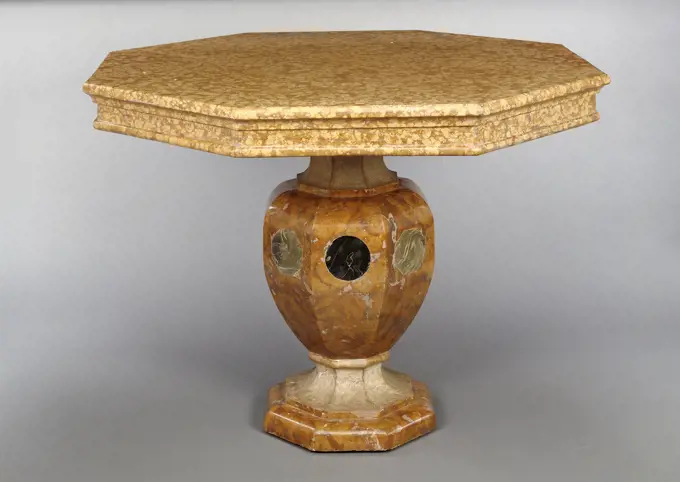
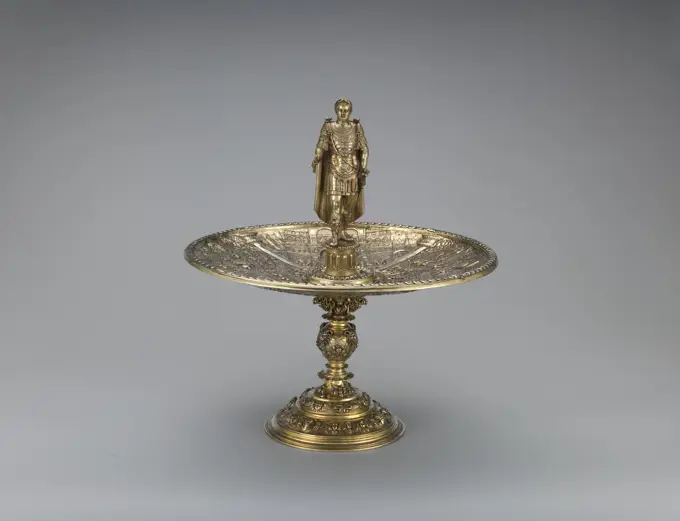
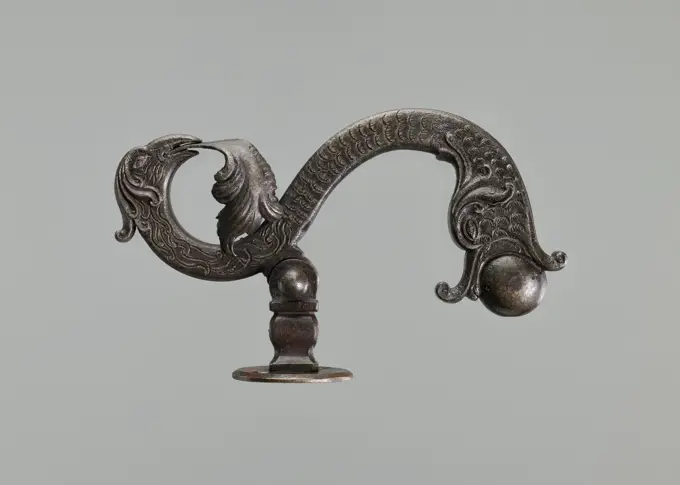
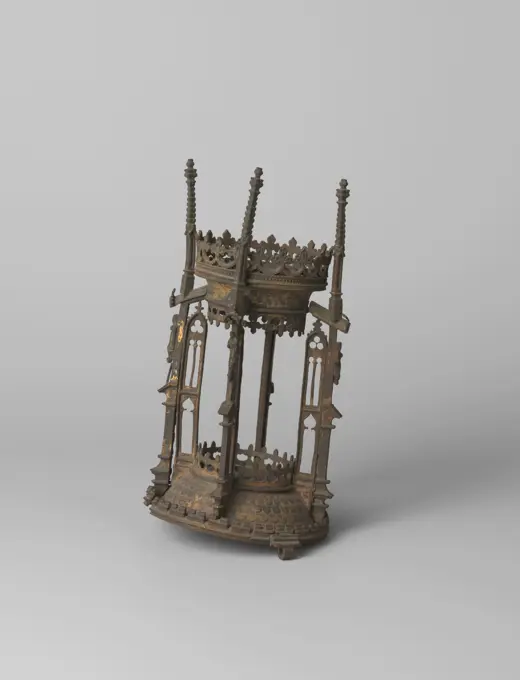
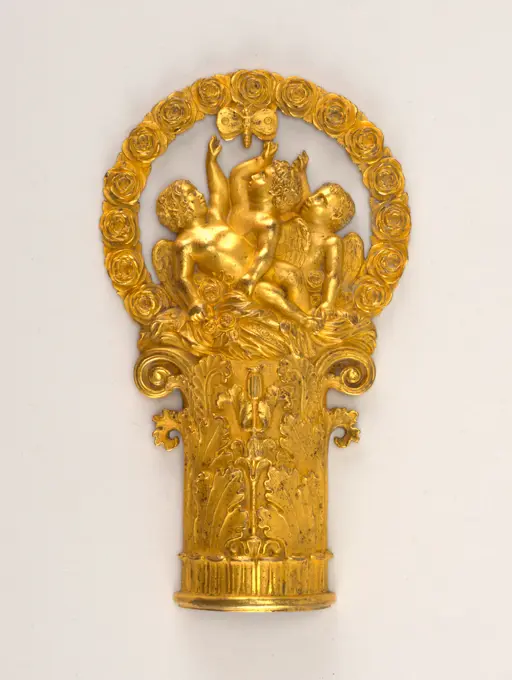
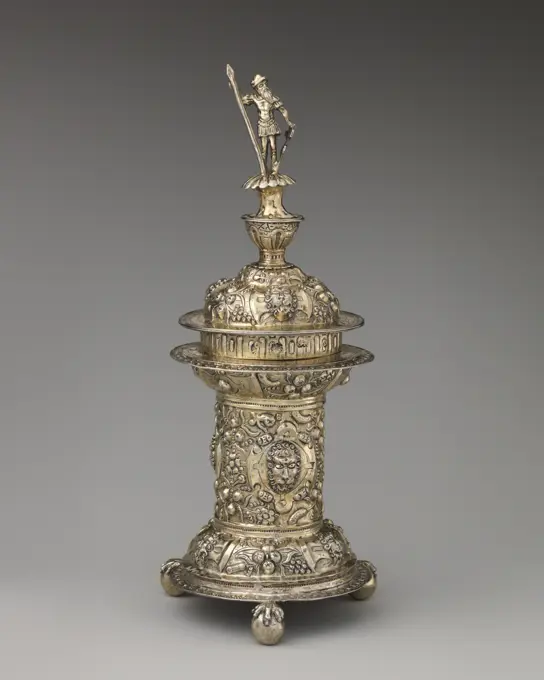
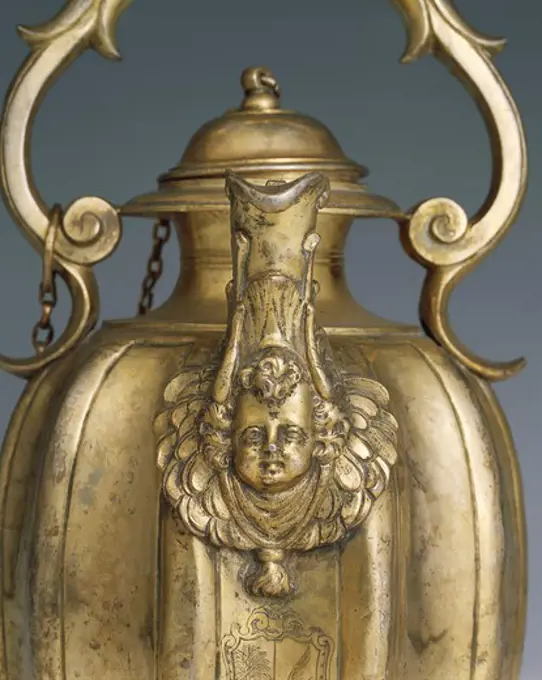
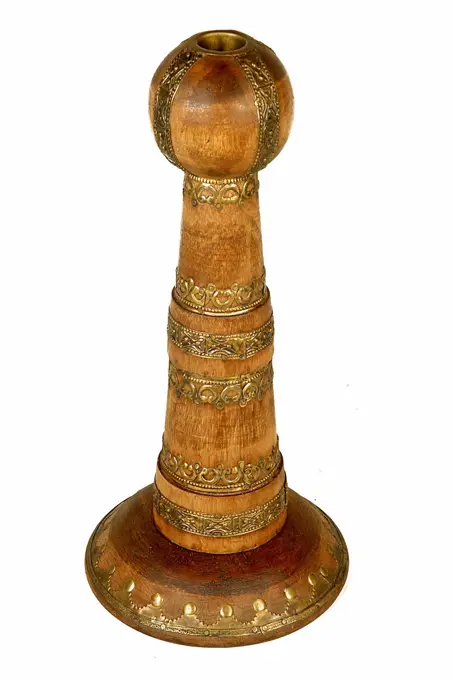
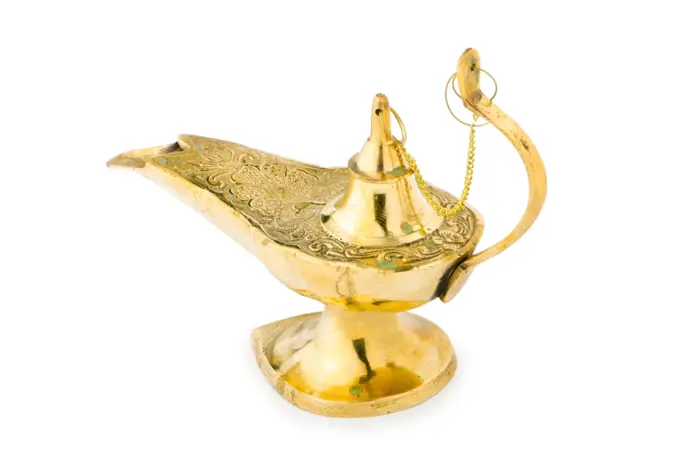
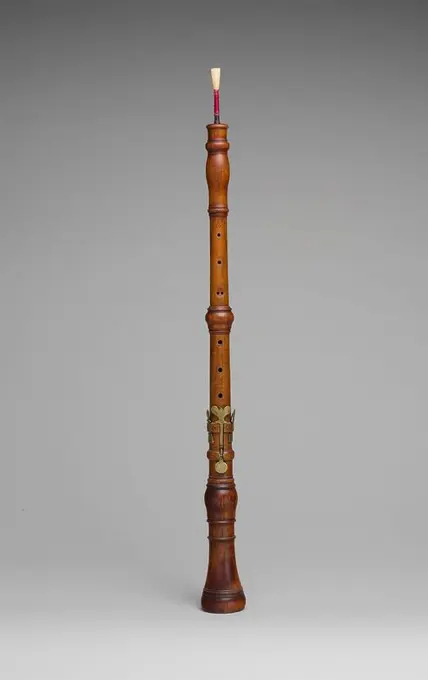
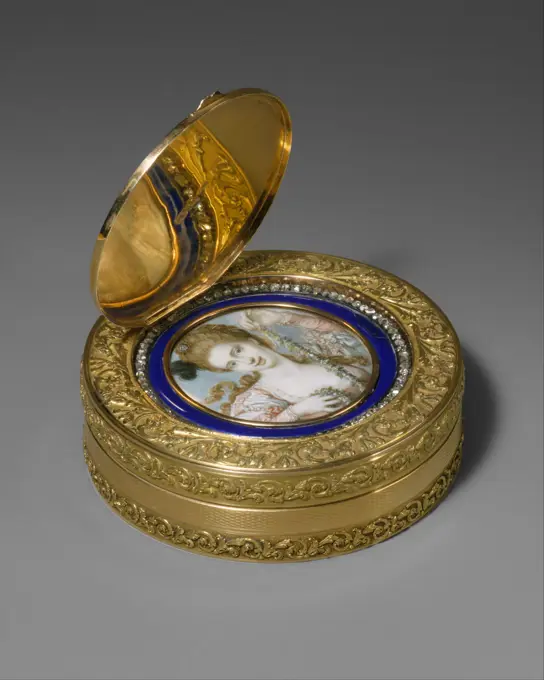
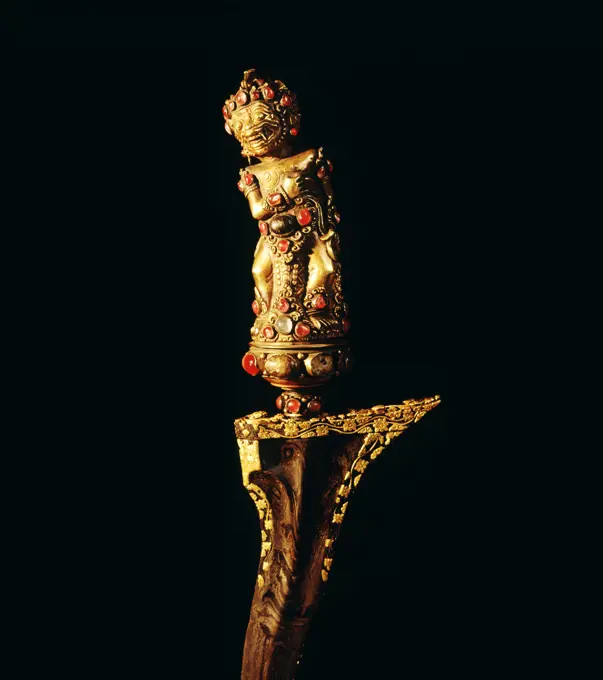
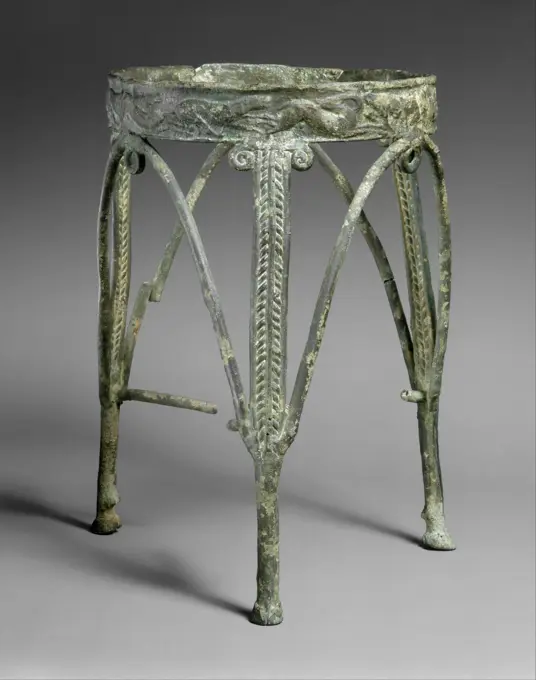
Vase. unknown, craftsmanCruet Set With Stand (England); Attributed to John Delmester; silver, glass; a: 17.5 x 16.5 cm (6 7/8 x 6 1/2 in.) b: 11 x 4 cm (4 5/16 x 1 9/16 in.) c: 11 x 4 cm (4 5/16 x 1 9/16 in.) d: 10.4 x 16.5 cm (4 1/8 x 6 1/2 in.) e: 9.5 x 4.1 cm (3 3/4 x 1 5/8 in.) f:10 x 3.6 cm (3 15/16 x 1 7/16 in.)Garden Vase. This vase, one of a set of two, is from Enghuizen Estate near Lochem. During the Second World War this 19th-century country house was used as a military hospital, and torn down shortly thereafter. The vases will have originally come from an older country manor. They are made of marble from the famous Carrara quarries in Italy and have two handles in the shape of female busts.Reliquary() late 19th century probably Spanish. Reliquary(). probably Spanish (late 19th century, perhaps with earlier elements). probably Spanish. late 19th century. Gold, enamels, and rock crystal.Sgabello with the pieces of the weapon of the Borghese genus: a winged dragon and an eagle, anonymous, c. 1500 - c. 1600 Chair of Notenhout, resting on a stand placed in spread, front and backboard. The front board shown a dragon with spread wings, flanked by volutes with Acanthus leaf, resting on leaf skins and C-volutes. Above the dragon a crown, a festoon and on either side volutes with pearl necklaces. The shield -shaped back is surrounded by rolling work and, among other things, decorated with a dragon with wings, standing on a mask, and an eagle in flight, being the pieces of the arms of the Borghese genus. Italy wood (plant material). walnut (hardwood) Chair of Notenhout, resting on a stand placed in spread, front and backboard. The front board shown a dragon with spread wings, flanked by volutes with Acanthus leaf, resting on leaf skins and C-volutes. Above the dragon a crown, a festoon and on either side volutes with pearl necklaces. The shield -shaped back is surrounded by roSeashell Salt with Shell and Crab Spoon (Spoon), 1884. Gorham Manufacturing Company (American, founded 1831). Handwrought sterling silver, partially gilt; overall: 2.5 cm (1 in.). This small salt dish and spoon reflect the late 19th-century interest in incorporating naturalistic details into the design of useful pieces-in this instance probably inspired by Japanese examples.. Pendant, bridal gift, from gold, email, pearls and diamonds. In the middle a large diamond around it around two hands.Collar of brass, Anonymous, c. 1475 - c. 1525 The candlestick is composed of two cast and turned parts: the foot with the lower part of the trunk and the fat catcher, and the upper part of the trunk with the candle holder. This last part ends in a pin, which is sounding at the bottom of the foot. The foot rising to the center is decorated with shells, the trunk is decorated with a knot halfway through the foot and the fat catcher grown into a collar. The profiled Cylindrian holder has two rectangular openings in the wall, which are extended in each other. Southern Netherlands (possibly) brass (alloy) casting The candlestick is composed of two cast and turned parts: the foot with the lower part of the trunk and the fat catcher, and the upper part of the trunk with the candle holder. This last part ends in a pin, which is sounding at the bottom of the foot. The foot rising to the center is decorated with shells, the trunk is decorated with a knot halfway through the foot and the fat catcShip Lantern, anonymous, 1650 - 1700 ship lantarn Octagonal ship lantern with spherical roof. Each of eight styles is decorated with a human figure, some women in classic robes, other Dutch merchants. The pedestal is decorated with praise on the eight corners. This lantern is probably from a 17th-century Dutch warship. Netherlands softwood. iron (metal) cutting  NetherlandsOboe ca. 1806-13 Johann Heinrich Grenser German The loud hautboy of the Baroque period developed into the oboe preferred in the Classical orchestra, which was prized for its plaintive expressiveness. The additional keys later added to this example are modifications to help it keep pace with the drastic changes that the oboe underwent during the nineteenth century.. Oboe. German. ca. 1806-13. Boxwood, brass. Dresden, Germany. Aerophone-Reed Vibrated-double reedCandlestick (candeliere) 1535 workshop of Guido Durantino Italian. Candlestick (candeliere). workshop of Guido Durantino (Italian, Urbino, active 1516-ca. 1576). Italian, Urbino. 1535. Maiolica (tin-glazed earthenware). Ceramics-PotteryVase. Culture: American. Dimensions: 8 1/8 x 4 1/4 x 4 1/4 in. (20.6 x 10.8 x 10.8 cm); 14 oz. 19 dwt. (464.5 g). Maker: Tiffany & Co. (1837-present). Date: 1877.The opening of Japan to the West in the 1850s and subsequent displays of Japanese art at world's fairs inspired great demand for Japanese-style objects in the United States. Edward C. Moore, the director of Tiffany's silver department, was an early proponent and collector of Japanese art. The decorative motifs on this vase and their asymmetrical arrangement were clearly inspired by Japanese design. Originally, the vase had a lightly pebbled ground and oxidized accents that emulated Japanese metalwork. Museum: Metropolitan Museum of Art, New York, USA.Head of a Crozier with a Serpent Devouring a Flower. Culture: French. Dimensions: 9 1/8 × 5 1/16 × 2 3/4 in. (23.1 × 12.8 × 7 cm). Date: ca. 1200-1220.As early as the sixth century, the pastoral staff, or crozier, conveyed the authority of a bishop, abbot, or abbess. The serpent and flower are frequently combined on enamel croziers from Limoges. They allude to the rod of Moses that, in the presence of Pharaoh, miraculously turned into a serpent at the command of God, and to the flowering rod of Aaron, symbol of his election to the priesthood by God. Museum: Metropolitan Museum of Art, New York, USA.Vase with flowers, scrolls and birds, anonymous, c. 1800 - c. 1899 Four -sided vase of porcelain with scalloped corners and four claw legs resting on a base. Painted on the glaze in blue, salmon color and gold. On the walls, against a blue background, twice a medallion with shell shapes with flowers saved in a salmon -colored background and twice a garland worn by (horses) Heads, above which a bird. Ranks between these decorations. On the edge a band with tenders and diamond motifs. The side of the basement with leaf vines against a blue background and on the top a similar decoration as on the edge against a salmon -colored background. The removable upper part of the vase also has the same decoration, five holes and a ten -angled head shape decorated with garlands and flower heads and with an open bottom. France porcelain. glaze. gold (metal) painting / gilding / vitrification Four -sided vase of porcelain with scalloped corners and four claw legs resting on a base. Painted on the glazPendant in the shape of a smell, anonymous, c. 1550 - c. 1600 Gold pendant. The egg -shaped pendant hangs on four chains that come together in a canopy. This also has a flying Amor figure. Decorated with pearls and precious stones. Germany gold (metal). pearl Gold pendant. The egg -shaped pendant hangs on four chains that come together in a canopy. This also has a flying Amor figure. Decorated with pearls and precious stones. Germany gold (metal). pearlMilk Jug Cover, 1749. China, Chinese Export, 18th century. Porcelain; overall: 14 x 6.4 cm (5 1/2 x 2 1/2 in.).Zhajiao (Trumpet) mid 19th-late 19th century Chinese. Zhajiao (Trumpet) 504718Tobacco spot from Tin Garlandes and Mascarons, 1700 - 1800 Tin tobacco spot, rectangular in shape. There is a pot on the profiled foot, the bottom of which is bolting out. The short sides are slightly outside from the middle. Both the short and the long sides have cannelures on the bottom half and above that a mascaron in the middle of Guirles. The lid is decorated with a few flower and rank motifs in compartments. The cap is decorated with two mascarons. Low Countries tin (metal) casting Tin tobacco spot, rectangular in shape. There is a pot on the profiled foot, the bottom of which is bolting out. The short sides are slightly outside from the middle. Both the short and the long sides have cannelures on the bottom half and above that a mascaron in the middle of Guirles. The lid is decorated with a few flower and rank motifs in compartments. The cap is decorated with two mascarons. Low Countries tin (metal) castingPedestal, mid 1700s. Italy, Rome, mid-18th Century. Carved, gilded and painted wood; overall: 116.9 x 108 cm (46 x 42 1/2 in.).Fire Screen c 1790-1812 Salem. Mahogany . Artist unknownVase decorated with flowers and pigeons. Porcelain vase consisting of a four-side barrel that rests on four claw legs on a four-sided basement. The loose lid has a hole in the middle around which five smaller ones. The dominating colors are blue, gold and salmon. The blue colored barrel has a medallion with three flowers on two sides, the two other sides are decorated with a pigeon over a garland suspended from two heads. Golden tendrils and edges make the further decoration. The blue legs are completely plated. The pedestal has a "Jeu de Fond" on each side ornament in gold on salmon-colored ground; A corresponding decoration occurs four times on the edge of the barrel in gold on white fond and five times on the lid in gold against a blue ground. Note: Gilding lid very worn; Shard of the lower edge pedestal.Caster (lid), 1719. William Spackman (British). Silver; overall: 15.6 cm (6 1/8 in.); diameter of base: 5.8 cm (2 5/16 in.).Two Candelabra, company Hoeker & Zoon, 1891 Silver candelabar, part of an ensemble. Amsterdam silver (metal) Silver candelabar, part of an ensemble. Amsterdam silver (metal)Wall Light; Paris, France; about 1750; Soft-paste porcelain; gilt bronze; 45.7 × 34.3 × 19.7 cm (18 × 13 1,2 × 7 3,4 in.)Wooden object without photo. .Gold head of a pin with the figure of Nike (Victory). Culture: Roman. Dimensions: H.: 1 7/8 in. (4.8 cm). Date: 1st century A.D..The pin is modern. Museum: Metropolitan Museum of Art, New York, USA.Table clock on the white background. The object consists of an iron rod and an iron split pin and the following cast parts of brass: the hanging ring, the maria figure with the crown and her riveted on her head with the Christ child, the trunk, which is at the top to cover a bol round plate Burned, and at the bottom of an iron eye with two cams is riveted (which means that the rod should be inserted), the lion's head with the drawing ring, the collar, twice eight arms with the corresponding fat catchers and candle holders. The more or less octistic round hanging ring leaves at the bottom in a severe hollow pipe. The maria figure placed on the crescent is surrounded by a beams. Her dress and cloak are decorated with punched stars. The hair reaches on the back to the agent. The crown is composed of five fleurons. The hollow and bol rounded stem has between the two stand rings a bantled shape decorated with a rib. The two standings always have eight notches, which are unnoticed, or are noticed with one to seven points. AboLinen press. Linen press on four baluster-shaped legs and open-worked upper rule. The top of the press has a engraved zig-saw line along the edge. The Linen press has been marked: STK. = Amsterdam, JRL. = E (1739), Mt. = Willem of Srual and two axes.Anonymous / 'Case for bloodstone vessel with three gold-coloured dolphins'. 1690 - 1711. Leather, Wood, Fabric. Museum: Museo del Prado, Madrid, España.. Candle arm belonging to a candle wreath of two heights with maria figure at the top. The arm is bent twice and is decorated with four grape fees and five winger leaves. The round fat catcher is decorated at the bottom with fishing blozen motifs and has a downward edge of cross flowers in the middle, which masks the placement on the arm. The candle holder is sixted, opened, placed on three vertical styles, overtreen in a thread protrusion. This is the first arm of the upper ring, numbered with 1 round point. The candle holder is numbered with 1 diagonal notch.Pair of wall sconces. Culture: American or British. Dimensions: H. 34 in. (86.4 cm). Date: 1795-1810. Museum: Metropolitan Museum of Art, New York, USA.. Table of painted walnut on four overhoeks placing s-shaped legs, decorated with acanthus leaf and lobe ornament and connected by rules. The rule has been partially open and has a double leaf and flower festiv, on which a now empty coat of arms in the middle. The top of the rules has two visited C volutes, including kidney-shaped openings. The side rules exhibit a symmetrical lobe ornament, the rear rule is above scallops and furthermore incorrect.Triangular Amulet Holder late 19th century. Triangular Amulet Holder. late 19th century. Silver; fire-gilded and chased, with decorative wire, applied decoration, pendants, loop-in-loop chains, spherical bells, table-cut carnelians, and faceted stones. Attributed to Central Asia or Iran. JewelryLectern 16th century Italian. Lectern. Italian. 16th century. Walnut. Woodwork-FurnitureThe bell-shaped base, the baluster-shaped strain and the candle holder are all the tested (the candle holder in the opposite direction) and they are made up of alternating lobes and ribbed portions. The foot has a controlled lower edge. Foot and trunk are decorated with flower branches, seed beads and c-volutes, the candle holder with foam motifs. The strain is closed on top and bottom by a nosed, octagonal, outward curly portion. The loose fat catcher is made up of curly leaves. Engraved on the outer edge of the foot: HDR. A wooden plate is applied in the foot, which follows the irregular contour.Hammer of the First Supervisor of a lodge from Berlin. unknown, authorCandle holder Luxury engraved and shinny silver candle holder isolated Copyright: xZoonar.com/Baloncicix 14252098Octagonal Table; Mantua (possibly), Italy; about 1550; Rosso di Verona inlaid with nero antico and cipollina marble; 84.5 x 115.6 cm (33 1,4 x 45 1,2 in.)Vitellius tazza ca. 1587-99, foot added after mid-19th century Netherlandish Before beginning to chase the low-relief scenes on the tazze, each goldsmith would work out his composition on paper. He then transferred the design to the dish by pricking: with the paper pressed against the surface, he used a pointed tool to prick tiny dots along the outlines of the composition, punching through the paper and into the silver. In the third scene of this tazza, these marks are still visible in the contours of the architecture and landscape, especially in the lines of the riverbank.Scene one1 Vitellius is hailed as emperor by his soldiers (although Galba still rules in Rome) (A.D. 69)2 The soldiers carry Vitellius around the villages. He brandishes a sword, which once belonged to Julius Caesar, given to him in honor of his new roleScene two1 During the civil war that commences after Otho murders Galba (A.D. 69), Vitellius divides his forces into two 2 The troops sent to challenge Otho receive Disk Brooch. Copper alloy inlaid with millefiore enamel. Roman. Made 100-300, probably in Gaul.Casket 19th century, after 1730-40 original After an original by Johann Ludwig Biller This electrotype is after an eighteenth-century original (1730-40) at the Winter Palace, St. Petersburg, at the time of reproduction. It belongs to a toilet service made for and presented to the Empress Anna Ivanovna.. Casket 186509Top of a Lamp with a Bull. Indonesia, Eastern Java, 14th-15th century. Furnishings; Lighting. Copper alloyHour Glass, Costume & Decorations of the Middle Ages'Ma-Ki Altar Table'. Siam (now Thailand), 19th century. Dimensions: 47,8x32,5x22,5 cm. Museum: State Hermitage, St. Petersburg.Priesthood. Priestless, with Linga as a top piece.Flower vase, from a five-piece Buddhist altar set, 18th century, Unknown Japanese, 5 1/4 x 4 x 4 in. (13.34 x 10.16 x 10.16 cm), Bronze, Japan, 18th century, In East Asia, Buddhists place incense, flowers, and light (candles) before holy images as an expression of homage and to increase the magnificence of the worship hall. Incense is believed to purify the space, flowers constitute an offering or gift to the diety, and light symbolically illuminates the darkness of ignorance. Altar sets consisting of flower vases, candleholders, and incense burners were first brought to Japan by traveling priests in the 1200s. By the 1300s, the Japanese were casting their own versions, which were more subdued than their Chinese prototypes and often featured birds and flowers of the four seasons cast in high relief. Miniature altar sets, such as this one, were used in formal reception halls when the painting on display in the alcove represented a Buddhist diety.Pijpenwroeter with cachet with monogram PG, Rijner Reynalda, 1772 Pijpenwroeter with silver cachet. Consisting of a handle with slit in which the hinged pipe scrapers are stored. At the bottom a cachet is attached with the letters P G. in monogram. Haarlem silver (metal) Pijpenwroeter with silver cachet. Consisting of a handle with slit in which the hinged pipe scrapers are stored. At the bottom a cachet is attached with the letters P G. in monogram. Haarlem silver (metal)Pomander, anonymous, c. 1600 - c. 1625 Pomander of gold, rubies, emeralds and diamonds. Decorated with enamelled flower and leaf decorations. Amsterdam (possibly) gold (metal). ruby (mineral). emerald (mineral). diamond (mineral). precious stone (material) Pomander of gold, rubies, emeralds and diamonds. Decorated with enamelled flower and leaf decorations. Amsterdam (possibly) gold (metal). ruby (mineral). emerald (mineral). diamond (mineral). precious stone (material)Lantern (USA); gilded tôle (iron, tin), glass3 -element altar set (common name). Cernuschi Museum, Asia Museum of Asia in the city of Paris.verzierter gotischer schrein antik gold silber religiöses artefakt this detailed antique shrine showcases intricate gold and silver metalwork, embodying a gothic and historical aesthetic. the ornate religious artifact rests on an elegant pedestal, highlighting its craftsmanship and sacred significance. perfect for collectors of religious art and historical artifacts. LicenseRF Copyright: xZoonar.com/GallóxGusztávx 23316728Etagère c 1850-1870 New York. Rosewood, rosewood veneer, marble, and glass . Artist unknownCandlestick inscribed with Wishes for Good Fortune, Peace and Happiness to its Owner. Dimensions: H. 9 7/8 in. (25.1cm)Diam. (base) 7 15/16 in. (20.2 cm). Date: ca. 1500.This brass candlestick was probably cast in three pieces which were then soldered. There are two bands of inscriptions; a knotted kufic one on the neck and a pierced thuluth inscription on the main body, both with common benedictory wishes for good fortune, peace and happiness to its owner. Larger decorative elements such as the interlaced medallion motifs and the split-palmette vines were executed in a shallow repoussé and finer details such as the curling tendrils in the scrolling vines around the thuluth inscription were chased and further articulated by the use of a black organic compound. The shape of the candlestick--a narrow neck and wide, flaring base--is quite common and appears in miniature paintings such as the Shahnama of Shah Tahmasp. The pierced openwork body is unusual on such candlesticks. Museum: MetBOKEK;  XVI-XVII century (1550-00-00-1700-00-00);peg, candlestand, wood, 18th century maple ratched candlestand with crossed arch base, horizontal bar with candle sconce at each end, 18th century, lighting, Decorative Arts, peg, candlestandDouble vessel with mythical beasts (champion vase) 18th century China The term "champion vase," which appears only in Western writings, refers to vessels that have two narrow vertical compartments connected by a carving of a mythical bird. It may be a loose translation of yingxiong bei, or hero's cup, referring to the bird (ying) and the bear (xiong) upon which it stands. Champion vases were popular during the middle and late eighteenth century, and were manufactured in different media, including jade, cloisonné enamel, and rhinoceros horn.. Double vessel with mythical beasts (champion vase). China. 18th century. Cloisonné enamel. Qing dynasty (1644-1911). CloisonnéNorth Italian 16th Century, Table Bell (Orpheus), early 16th century Table Bell (Orpheus)Lime Container(Tagan)Costume Bell European or American 18th century View more. Costume Bell. European or American. 18th century. Metal. Idiophone-StruckBow Fibula, 550-550. Alemannic, 6th century. Silver gilt and niello; overall: 7.7 x 4.9 x 1.3 cm (3 1/16 x 1 15/16 x 1/2 in.).Candlestick, two copies Bachmiński, Aleksander (1820 1882)Sakyamuni with Two Attendants, 7th Century. China, Sui dynasty (581-618). Gilt bronze;Fragment of a monstrans, anonymous, c. 1425 - c. 1450 The fragment consists of two cylinder frames, set between four vertical connecting pieces (buttresses), placed on a convex lid, which is caught in a tilted edge, against which two eyes are attached to the front and back, allowing a pin to be stabbed. The fragment is distinguished by this confirmation and by the four instead of two vertical connecting pieces of comparable parts of the other monstrances discussed here. Cologne (possibly) brass (alloy) casting / gilding The fragment consists of two cylinder frames, set between four vertical connecting pieces (buttresses), placed on a convex lid, which is caught in a tilted edge, against which two eyes are attached to the front and back, allowing a pin to be stabbed. The fragment is distinguished by this confirmation and by the four instead of two vertical connecting pieces of comparable parts of the other monstrances discussed here. Cologne (possibly) brass (alloy) casting / gildingMastwortel van een binnenvaartschip.Gold-plated mast root with 27 sections. Every reasoning consists of four down curly springs. Plot on which four putti with the arms up. At the bottom of hole; Turned out at the top, so that iron pin has become visible.MountHukkar  a bottle for a water pipe (decoration with plant routes, including oval medallions with flowers) unknownCrown with two rows of six arms above each other, attached to a profiled strain with a bulb at the bottom. At the top of the trunk is a ring, to which three crochet rods are attached. The rods have been rotated and each in the middle have a globe. The crown has been marked: Mt. = C. van der Aa and a sword.Standing salt 1581/82 British, London The finial and its supporting structure may not be original.. Standing salt. British, London. 1581/82. Silver gilt. Metalwork-SilverSilversmith's art, Italy, 17th century. Corinzio Colleoni (1579-1656), gilded silver pitcher, Rome, 1618-1623. Detail.Brass design fitting on antique wooden candle stand, Jodhpur, Rajasthan, India Copyright: xSafatxAli/DinodiaxPhotoxAncient lamp isolated on the whitePair of Sugar Castors; Paul de Lamerie (British, 1688 - 1751); 1730; Silver;Arm of a candle crown in two heights, Anonymous, 1630 The S-shaped arm is provided with a ridge on the trunk side with an opening to secure it with a pin in the stand rings. At the trunk the arm is decorated on the end and to the center with two stylized dolphin heads and with three pairs of curls or leaves executed in lobe style. To the outside, the arm ends in a lip, in which a hole provided with a thread is applied, to confirm the candle holder and the fat catcher. The arm is cast using the same model as the other arms of the wreath. The cylindrical candle holder has two profiled ribs, two grooved rings and profiled excellent edge. This candle holder is slightly smaller than the candle holders of the other arms in this wreath, and also has a slightly different shape. The fat catcher is deepened twice at the top towards the center. At the bottom it is profiled around the hole on the somewhat spherical middle and ribbed on the edge and with two grooved rings. The fat catcher has been Fork with enamelled flowers and a figure in a landscape, anonymous, c. 1650 Fork of gold, with 4 teeth. The handle is decorated with enamelled flowers in relief, with a medallion in between with a figure in a landscape. It is crowned by a button with diamond. jeweler: Netherlandssilversmith: Amsterdam gold (metal). precious stone (material) Fork of gold, with 4 teeth. The handle is decorated with enamelled flowers in relief, with a medallion in between with a figure in a landscape. It is crowned by a button with diamond. jeweler: Netherlandssilversmith: Amsterdam gold (metal). precious stone (material)Oboe in C. Culture: German. Dimensions: Height: 22 5/8 in. (57.5 cm). Maker: Jacob Denner (German, Nürnberg 1681-1735). Date: before 1735. Museum: Metropolitan Museum of Art, New York, USA.Pinchers, 1500s. Germany or France, 16th century. overall: 32.1 x 1 cm (12 5/8 x 3/8 in.).Box with portrait of a woman said to be Mrs. Bates (1755-1811) as Flora 1811-12 Alexander James Strachan British Inserted in the lid of the box, and with its hinged cover, is a portrait on ivory of the concert singer Sarah Harrop Bates (1755-1811) as Flora in about her twentieth year by the miniaturist Richard Cosway (1742-1821).. Box with portrait of a woman said to be Mrs. Bates (1755-1811) as Flora. Minaiture by Richard Cosway (British, Oakford, Devon 1742-1821 London). British, London. 1811-12. Gold, enamel, diamonds; ivoryGold Kris handle with Ramayana figure, private collection, Bali, Indonesia.Cup with cover British, after German original 19th century, after 16th century original This electrotype is after a sixteenth-century original, a treasure of the Patriarch, Moscow, at the time of reproduction. View more. Cup with cover. British, after German original. 19th century, after 16th century original. Silver on base metal. Metalwork-ElectrotypeBox with portrait of a woman said to be Mrs. Bates (1755-1811) as Flora Alexander James Strachan British Minaiture by Richard Cosway British 1811-12 Inserted in the lid of the box, and with its hinged cover, is a portrait on ivory of the concert singer Sarah Harrop Bates (1755-1811) as Flora in about her twentieth year by the miniaturist Richard Cosway (1742-1821).Pair of pedestals ca. 1778 British. Pair of pedestals. British. ca. 1778. Pine carcase, satinwood veneer, inlaid with mahogany, rosewood and other woods. Woodwork-FurnitureBronze rod tripod ca. 1250-1050 B.C. Cypriot Bronze tripods and other vessel stands from Cyprus represent some of the finest metalwork produced in the eastern Mediterranean at the end of the Late Bronze Age. Some were cast in one piece; others, such as this one, were composed of pieces cast or worked separately and fastened together by means of hard-soldering. The decoration shows a blend of Mycenaean Greek and Near Eastern elements. The stands themselves have a wide distribution, having been found on Cyprus, Crete, and the Cyclades, as well as in mainland Greece, Sardinia, and Italy. Ancient repairs to this stand's rim are one indication that it was a valuable, treasured item that may have been passed from one generation to another. Listen to experts illuminate this artwork's story Listen Play or pause #1101. Bronze Rod Tripod Supported by Bloomberg Philanthropies We're sorry, the transcript for this audio track is not available at this time. We are working to make it available as sooPair of candlesticks 1706-7 Louis Dupérier. Pair of candlesticks 200252Collar cover of brass. The candlestick is poured into four parts and turned: the foot, the lower part of the strain, the fat catcher, the upper of the trunk with the candle holder. On the profiled foot, the lower stem part follows with a vase-shaped thickening in the middle. The collar is decorated at the top with a ring. The upper part of the trunk is baluster-shaped. Similarly the candle holder, which has one round opening in the middle of the wall. Under the base, the original fastening method can no longer be seen as a result of solder. A candlestick of this type is called collar or disk candlestick.Casque Indian, North Indian 17th - 18th centuryVintage mid century brass enameled middle eastern vaseChatelaine Van Goud, Jean Baptiste Baillon, c. 1755 On the golden chatelaine there are a performance of a shepherd and a shepherdin. Belongs to a gold watch (BK-NM-111238-1). Paris gold (metal) On the golden chatelaine there are a performance of a shepherd and a shepherdin. Belongs to a gold watch (BK-NM-111238-1). Paris gold (metal)Pair of andirons ca. 1670 British, Surrey. Pair of andirons. British, Surrey. ca. 1670. Enamel on brass. Metalwork-BrassPurse of turquoise blue satin on which floral motifs embroidered with silver and gold thread and colorful silk. Purse of turquoise blue satin on which floral motifs embroidered with silver and gold thread and colorful silk. The exhibition consists of four equal shield-shaped parts that form a square top and end at the bottom. On the parts two alternating symmetrically constructed patterns of flowers, flower drinks and two bows, which almost completely decorate the satin. The outskirts of the exhibition is deposited with gold passement, along the eyes of the opening for the locking cord (that is missing) embroidery sign with gold thread. At the bottom of a double brush of gold thread knotted in o form. The stock market is lined with an unforced green side.Geared ingredient, eight-sided lid. The components are poured and calculated, with the exception of the chains. The tub is placed on a round with a rib decorated foot. The tub is lower spherical and facing the edge. Kuip and lid are equipped with four pairs of eyes. The lid, with octagonal edge, has the shape of a towering line, with cut-away ornament in the form of window traces and triecaes. The ring carrier is designed as a four-pass, in which a hole for the missing lid chain. The four still present switching chains are closed down by round locks. The eye to the steeple has been demolished.PILA BAUTISMAL DEL HOSPITAL DE SAN LAZARO DE SEVILLA CON DOS CORDONES FRANCISCANOS TALLOS CON PIÑAS Y CUATRIFOLIOS - SIGLO XV/XVI. Location: MUSEO ARQUEOLOGICO-COLECCION. Sevilla. Seville. SPAIN.Marble and bronze table 1st century A.D. Roman Rooms in Roman houses were largely devoid of furniture, and instead, much more emphasis was given to the display of works of art--mosaic floors, wall paintings, and freestanding bronze and marble sculpture. This unusual table with its elaborate bronze and marble support would certainly have been appropriate in such a context. It was probably used in the public part of a wealthy Romans villa or town house, such as the atrium (entrance hall), to exhibit a particularly fine work of art or a set of expensive metal or glass vessels. The bronze frame to the marble tabletop is richly decorated with silver and copper inlay, but as it stands today, much of the leg and base is restored.. Marble and bronze table. Roman. 1st century A.D.. Marble and bronze. Early Imperial. Stone SculptureDragon-headed Stand, 1200s. Northern Iraq or Syria, Zangid (1127-1251) or Ayyubid period (1171-1260). Cast brass inlaid with silver; overall: 7.2 x 19.2 cm (2 13/16 x 7 9/16 in.).Tibetan buddhist ceremonial religious bell isolated on whiteDrievoet.A forged iron standard, tripod, here and there defect.Table, Silver filigree, Circular top centered with a medallion enclosing a five-pointed star and a six-petalled floral ornament. On baluster-shaped standard, tripod legs., Italy, mid-19th century, miniatures, Decorative Arts, Miniature, MiniaturePierre Delabarre (Circle of) / 'Octagonal coffer covered by enameled gold with engraving and cameos'. 1630 - 1670. Agate, Amethyst, Cowry, Enamel, Garnet, Bloodstone, Iron, Lapis lazuli, Gold, Silver-gilt, Prasiolite. Museum: Museo del Prado, Madrid, España.Glass horn Translucent blue; trail in opaque white.Rim folded over and in, and smoothed into top surface of broad, flaring mouth; slender funnel-shaped body, curving down and outwards; jagged pontil scar inside mouth.Trail applied as a blob to underside of mouth and wound round and down in a spiral, then tooled with eight downward strokes around body, forming long upturned festoons.Complete as extant, but chips in rim and broken off with weathered edge; some pinprick bubbles; dulling, creamy enamel-like weathering, and iridescence.. Glass horn 245797Buddhism. Stupa. Bronze; casting, hammering, gilding, engraving. From China. 18th century. The State Hermitage Museum. Saint Petersburg. Russia.