Ornate Metalwork and Vases

An exquisite array of decorative metal objects including chalices, jars, and candle holders, featuring intricate engravings and luxurious finishes.

verschnörkelter blattverzierter buddhistischer bildsockel aus dem 12. jahrhundert in indien this image showcases an ornate foliate pedestal, likely from bengal, india, dating to the late 12th century, designed to hold a buddhist image. the antique metalwork, possibly brass or gold, features intricate carvings and a decorative foliate design, representing a rich historical and religious artifact. ideal for projects related to asian art, buddhism, and historical sculpture. LicenseRF Copyright: xZoonar.com/GallóxGusztávx 23315776
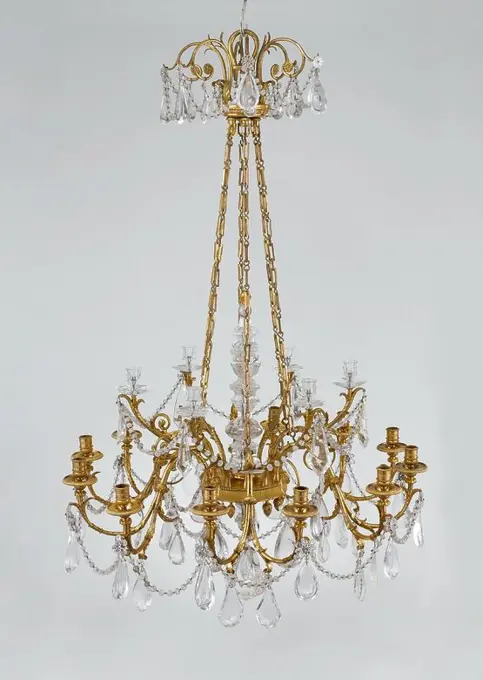
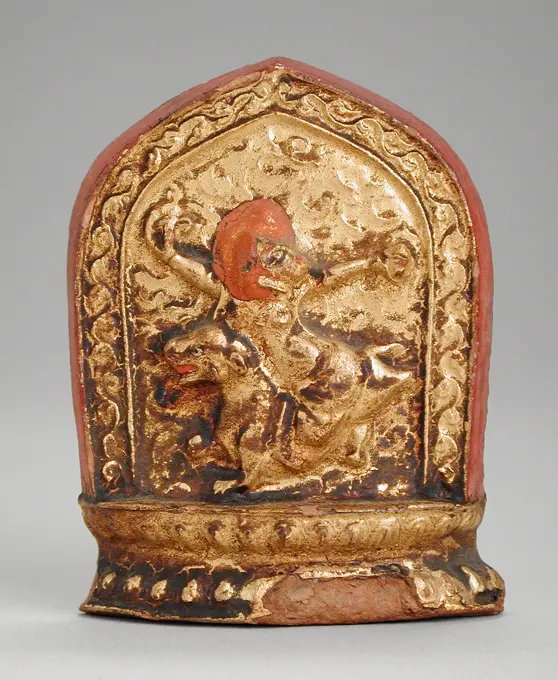
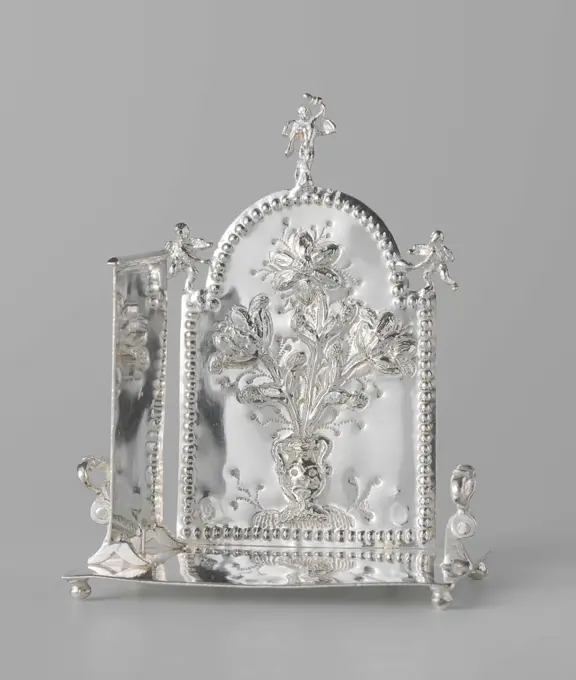
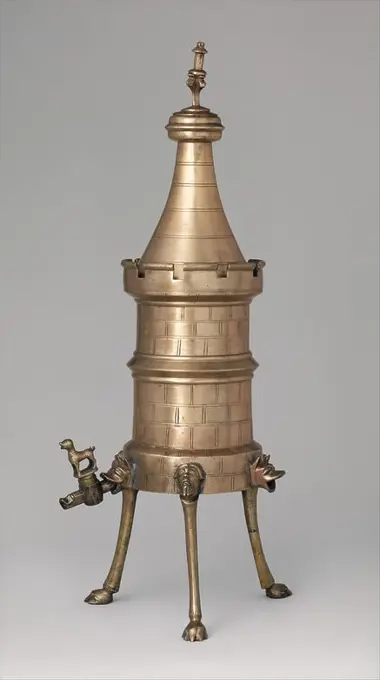
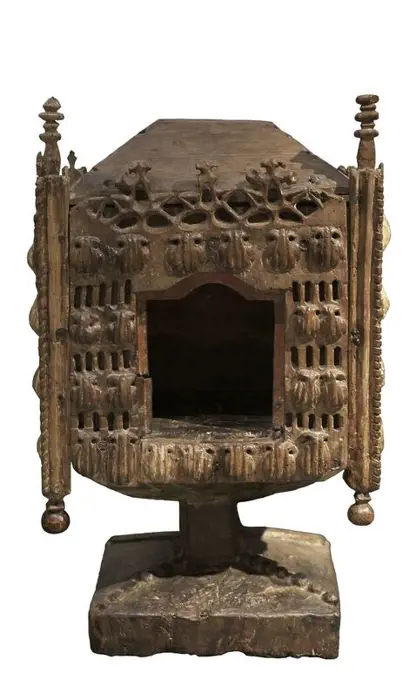
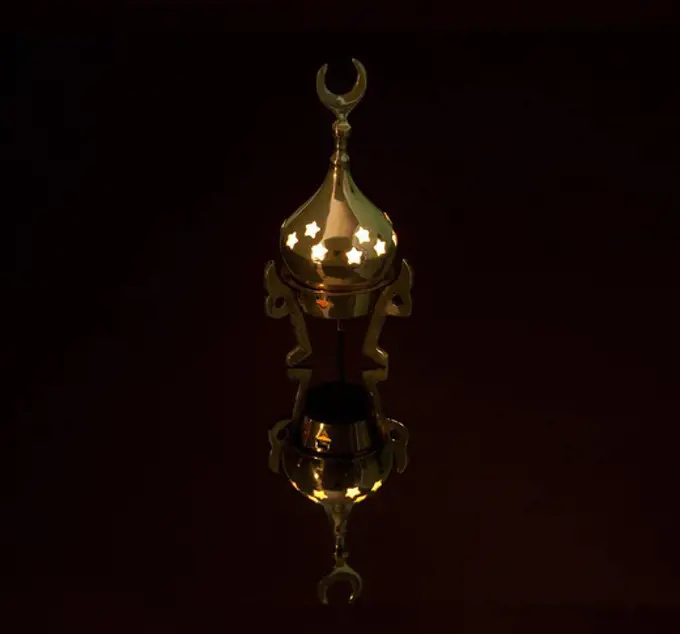
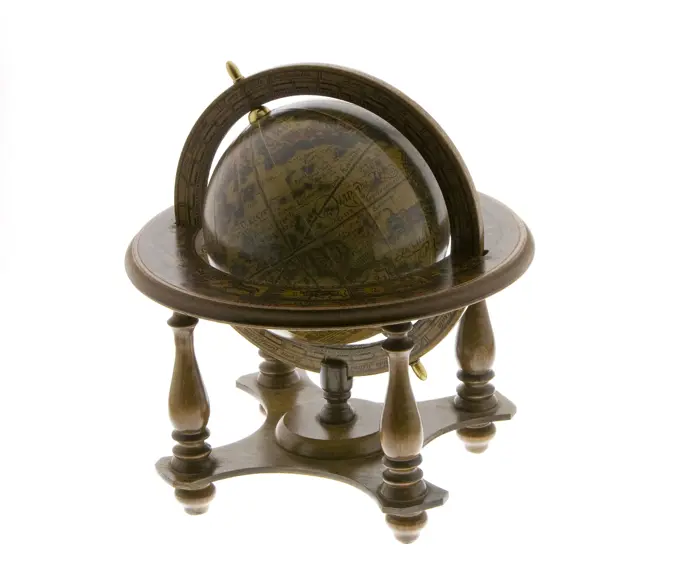
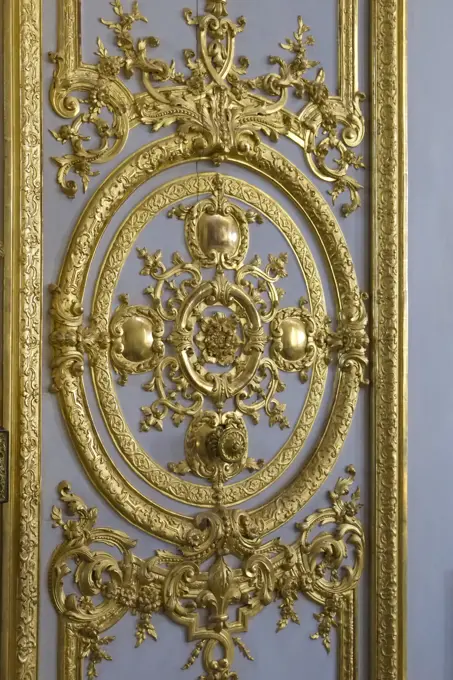
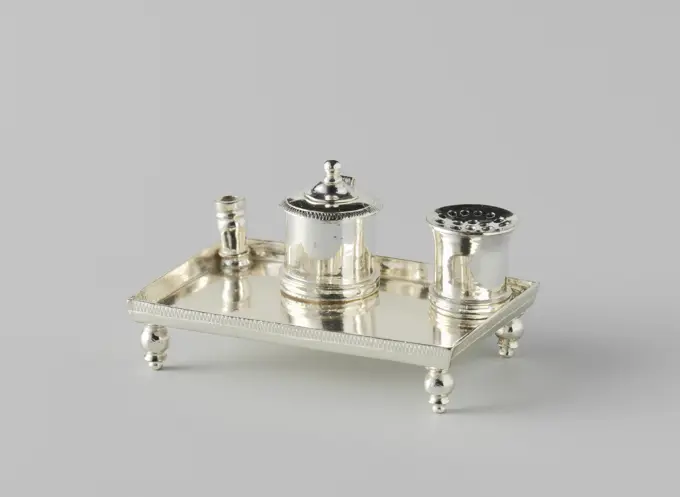
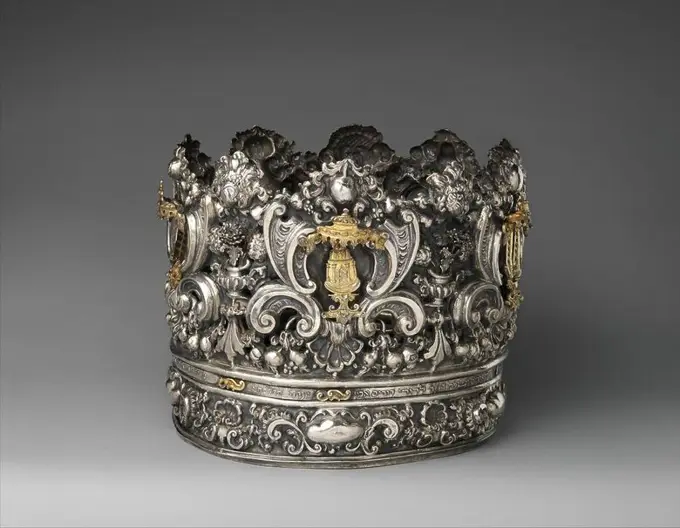
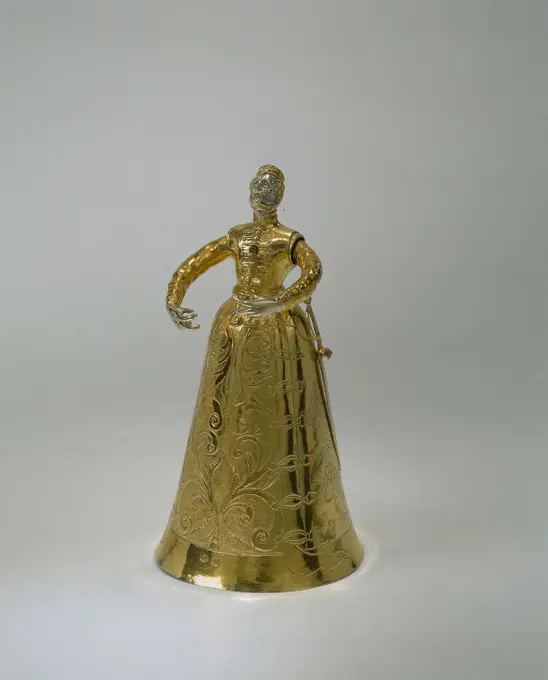
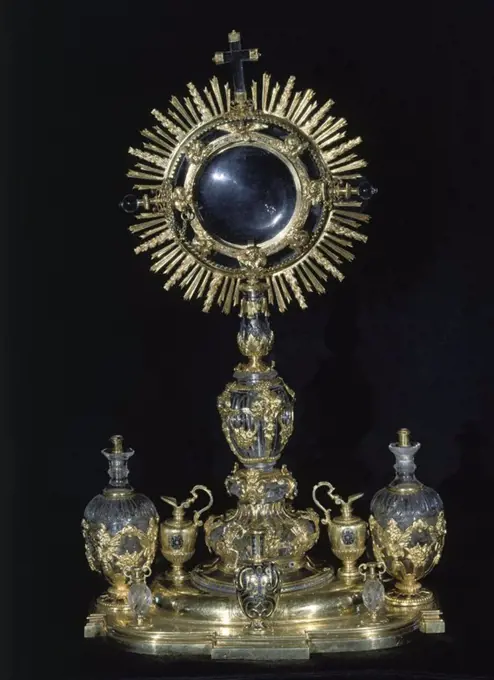
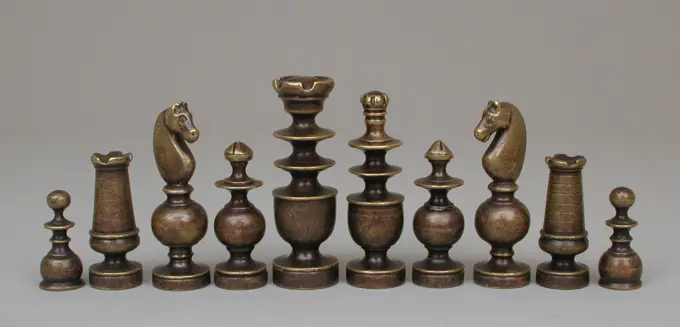
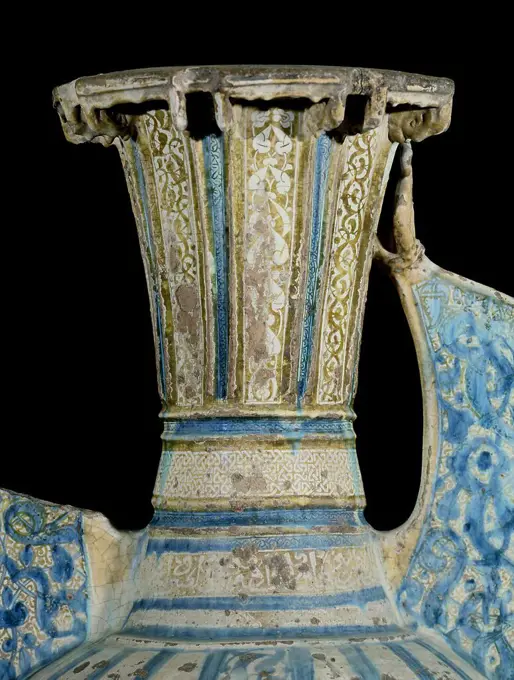
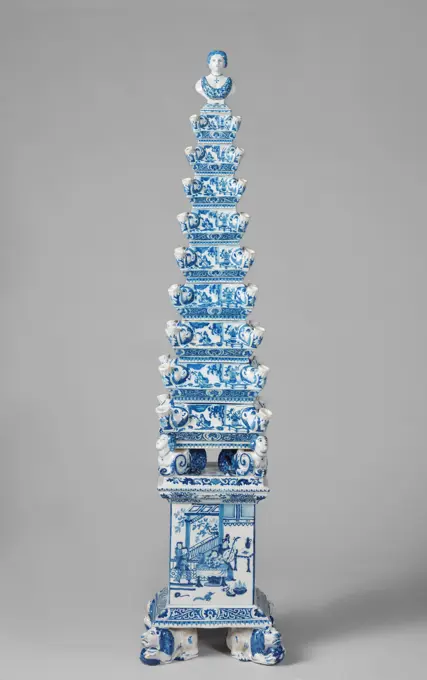
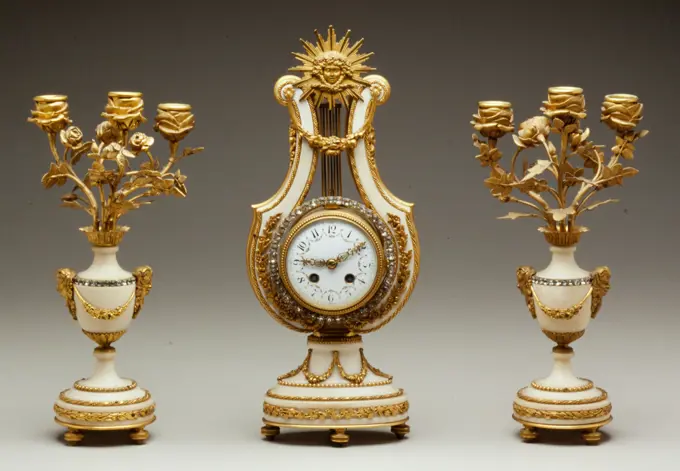
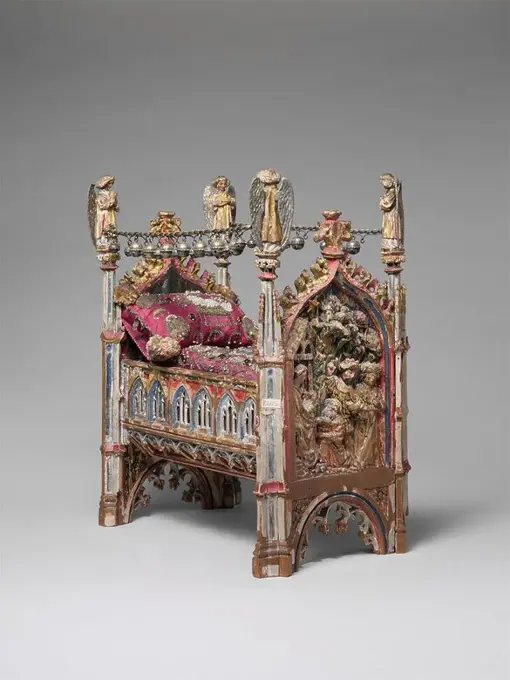
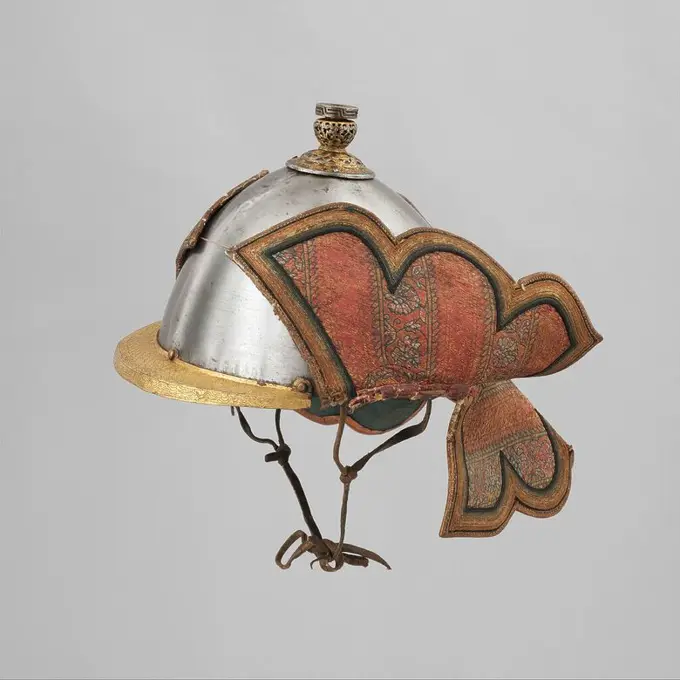
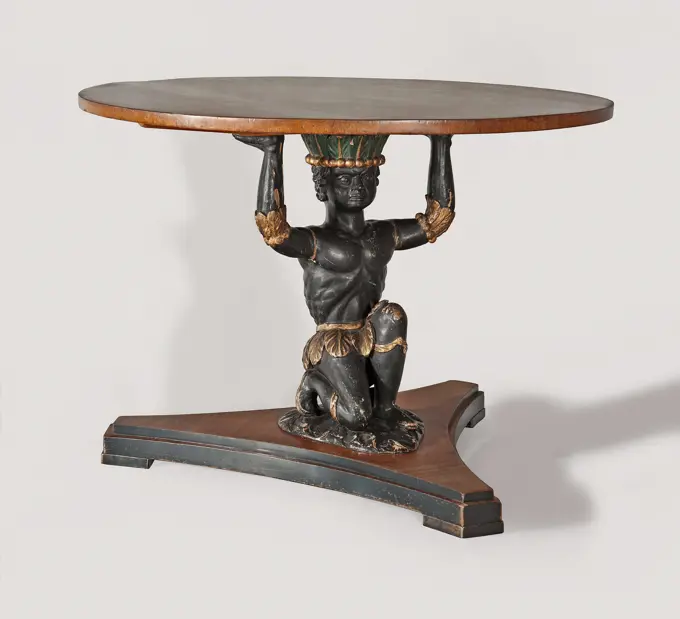
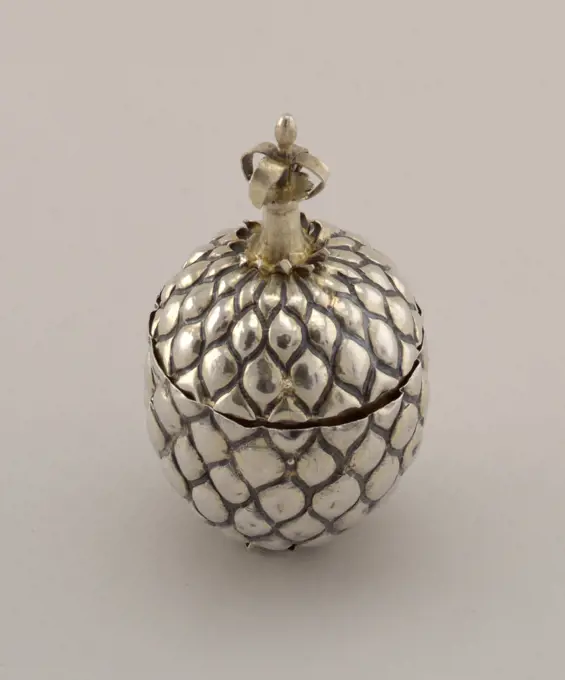
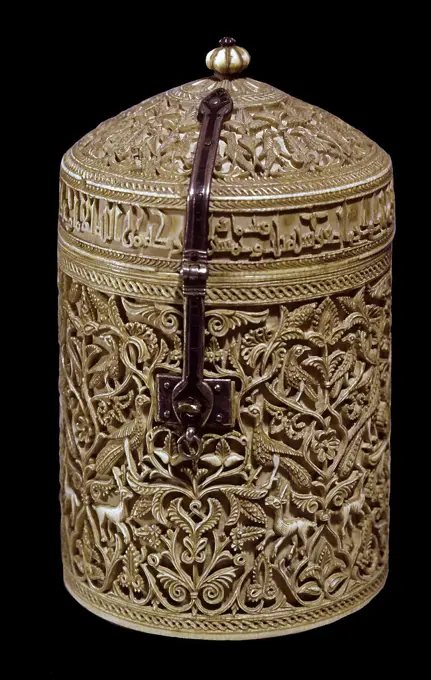
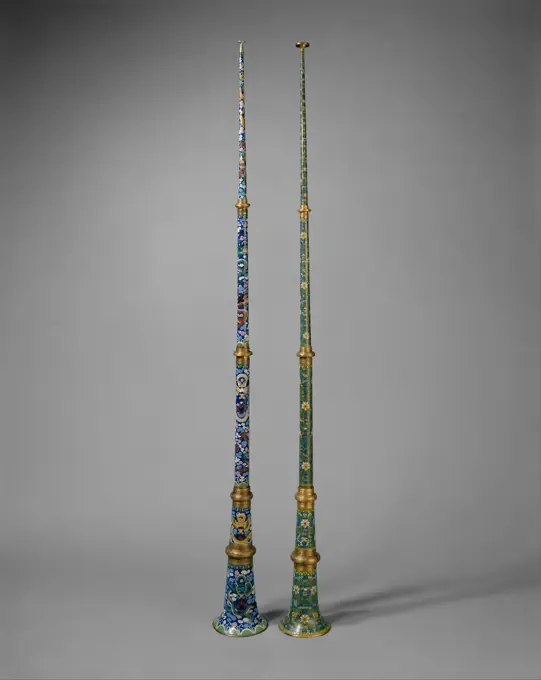
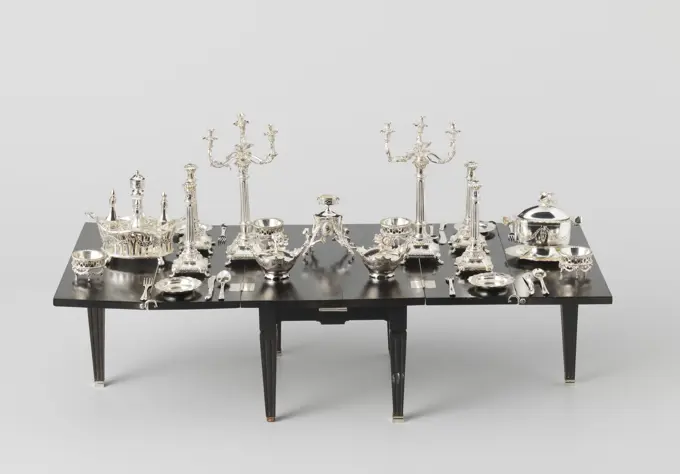
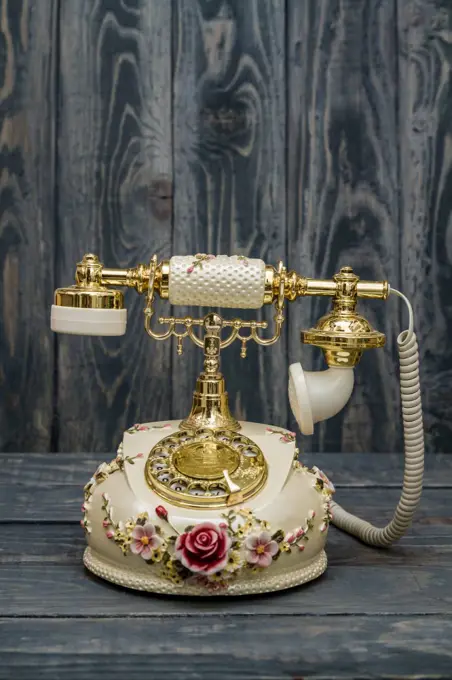
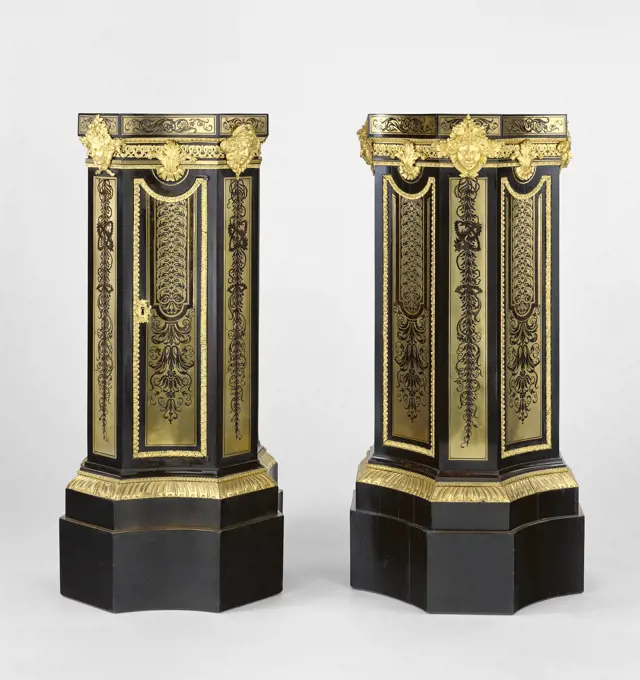
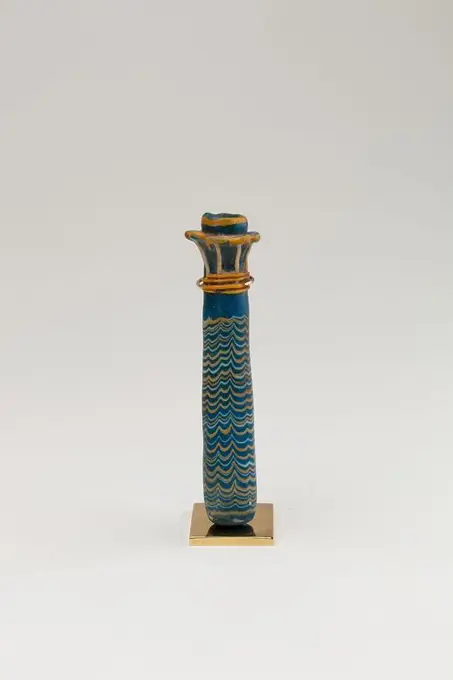
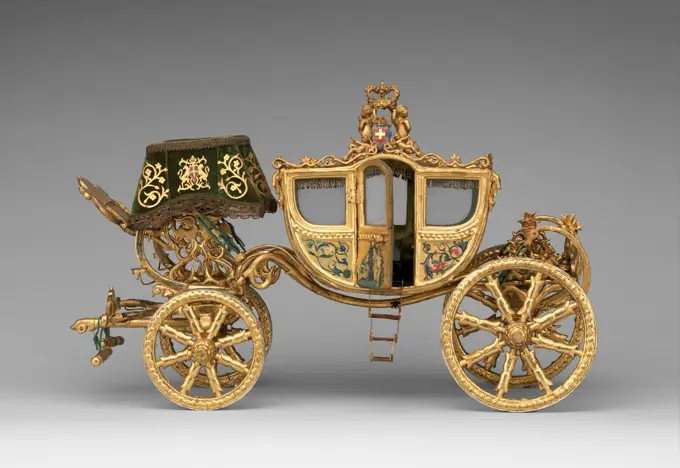
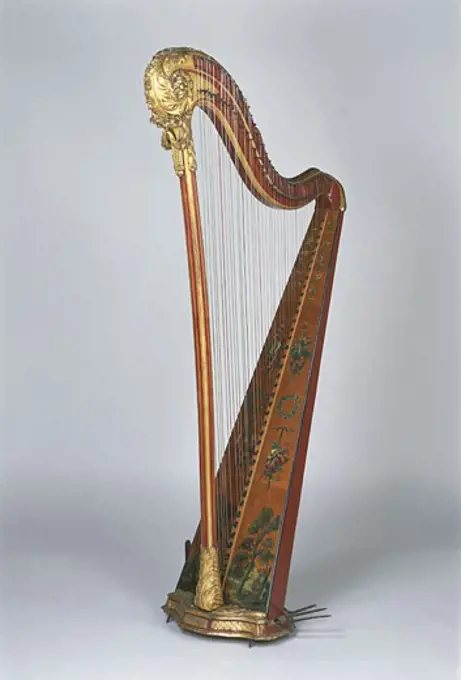
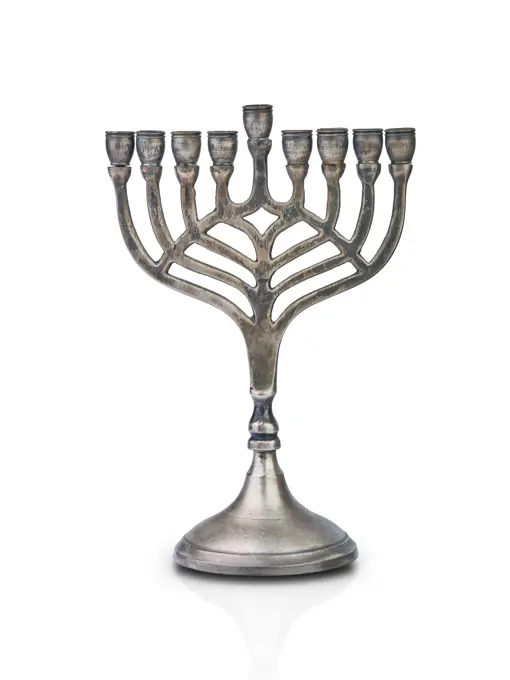
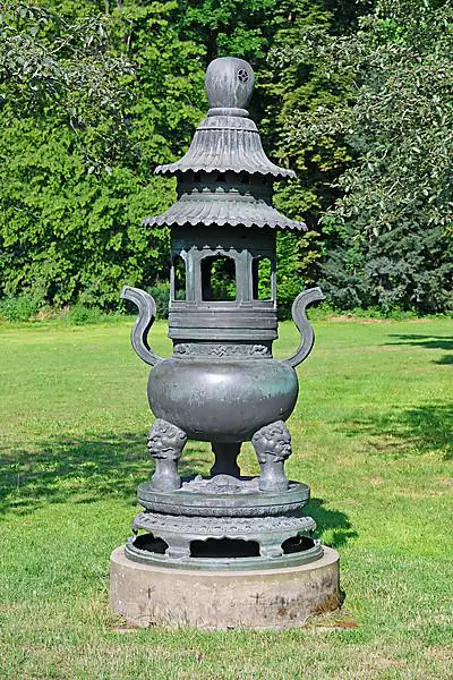
Ottoman Turkish style decorative lamps are onEighteen-light chandelier. Culture: French. Dimensions: Height: 58 in. (147.3 cm); Diameter: 37 1/2 in. (95.3 cm). Date: ca. 1790. Museum: Metropolitan Museum of Art, New York, USA.Votive Plaque (Tsha Tsha). Tibet or China, 18th century. Sculpture. Terracotta with gilt and paintCUSTODIA DE ORO Y PIEDRAS S XVII. Location: CONVENTO DE LAS CLARISAS / MUSEO DE ARTE SACRO. MONFORTE DE LEMOS. LUGO. SPAIN.Fireplace and fireplace on a fireplace. Rectangular lying fireplace on four bolts and a handle on either side. On a long side is a standing fireplace with a round top. The screen is decorated with a driven vase with flowers. There are three putti on the screen. On a short side is a rectangular, unforced fireplace screen. Each part is labeled: STK. = Haarlem, Mt. = Feet 88. In the standing fireplace, a dolphin is also a brief and an unreadable brand and an unreadable brand in the horizontal plate.Turret Laver. Culture: German. Dimensions: Overall: 21 x 5 7/8 in., 6.299lb. (53.3 x 14.9 cm, 2857g). Date: 15th century.Although this object is frequently called an aquamanile, it does not satisfy the definition: true aquamanilia are handheld and generally provided with a handle for that purpose. This vessel was designed to stand on a shelf with a basin below. The small heads surrounding the tower mimic the gargoyles of monumental architecture, which were designed to manage rainwater. Museum: Metropolitan Museum of Art, New York, USA.Tabernacle, 1534-1566. Wood and remains of polychromy. From Triacastela, Lugo province, Galicia, Spain. Museum of Pilgrimage and Santiago. Santiago de Compostela, Galicia, Spain.Double-Plated Lamp c 1865 Sandwich. Contributing to the 19th-century enthusiasm for brilliant color and elaborate surface decoration, the Boston and Sandwich Glass Company made a variety of overlay lamps in numerous sizes, shapes, and colors. Because of their monumental scale, these kerosene lamps may have been used on the floor near a piano or as banqueting lamps on a table. The labor-intensive method of combining different colored metals in layers and cutting them away to reveal glass beneath was practiced by European glassmakers, particularly from Bohemia, who brought this technology to the United States.. Cobalt blue, opaque white, and clear glass, gilt bronze, and marble . Boston and Sandwich Glass Company (Manufacturer)Illuminated Arabic style bronze metallic lanternhistorischer Globus historischer Globus auf weissem Hintergrund freigestellt. Copyright: xZoonar.com/unknownx 839155Two Cast Brass Side Blown Horns (Turi) Bastar, Chhattisgarh, India Circa 19th Century View more. Two Cast Brass Side Blown Horns (Turi). Bastar, Chhattisgarh, India. Circa 19th Century. Brass. Musical instrumentsVersailles, France. Palace of Versailles. Beautiful gilded baroque doors.Teapot and cover. huty szkła hr Buquya (ca 1600-1914)Wooden Stirrup. Dated: 1935/1942. Dimensions: overall: 35.3 x 27.9 cm (13 7/8 x 11 in.) Original IAD Object: 10 1/2" high; 9 3/8" wide. Medium: watercolor and graphite on paperboard. Museum: National Gallery of Art, Washington DC. Author: Rose Campbell-Gerke.Silversmith's art, France, 18th century. Francois-Thomas Germain (1726-1791), salt cellar from the silver table set of the Royal House of Portugal commissioned by Don Jos I. Detail.Silversmith's Art, England 18th century. Philip Rollos (1660-1715), Decorated vermeil sugar sprinkler, 1705.Inktstel, Egidius Pieter Prick (attributed to), c. 1731 - c. 1747 Ink set consisting of an elongated leaf on legs with attached: a pen holder, a ink jar and a sand spreader. The leaf has a straight upright edge with an engraved ZIG-Zag line on the outside. The ink set is marked: Mt. = Egidius Pieter Prick. Amsterdam silver (metal) Ink set consisting of an elongated leaf on legs with attached: a pen holder, a ink jar and a sand spreader. The leaf has a straight upright edge with an engraved ZIG-Zag line on the outside. The ink set is marked: Mt. = Egidius Pieter Prick. Amsterdam silver (metal)Torah crown (keter). Culture: Italian, Venice. Dimensions: Overall (confirmed, irregular diameter): 10 13/16 × 12 3/8 × 12 3/8 in. (27.5 × 31.4 × 31.4 cm). Silversmith: Andrea Zambelli "L'Honnesta" (Italian, active 1732-1772). Date: ca. 1740-50.Exceptional for its size and precious material, this Torah crown is a rare survival of 18th-century Italian silver and a testimony to the artistic virtuosity of goldsmithing in Venice. In synagogues the scroll of the Torah, the first five books of the Hebrew Bible, is often decorated with a set of vestments and silver ornaments including a crown or finials, and a shield. The crown augments the Torah's status as an object associated with royalty and speaks to the centrality of the Torah in Jewish life. The motifs depicted include ritual references such as priestly garments, a miniature temple, a menorah, and the Tablets of the Law, the latter engraved in Hebrew with the Ten Commandments. Such rich embellishment is indicative of the wealth and inUrn-shaped vase, by Doccia workmanship, 1790 - 1800, 18th Century, . Italy: Tuscany: Florence: Palazzo Pitti: Silver Museum. Whole artwork. Vase urn frieze probably porcelain view finds arch probably tombRape of Europa Italian or German 19th century View more. Rape of Europa. Italian or German. 19th century. Gold, enamel, diamonds, emeralds, pearls, rubies. Cup, also called Frauenbecher, in the form of a male figure with movable arms and with outstanding skirt. The figure can also be used as a cup screw.Set of two candlesticks, made up of Ranken, 1904 Two almost identical candlesticks of silver. Stam made up of four series of three tendrics that, at the bottom, gracefully curls the open foot ring and act as feet. Just above the foot ring, the tenders flow together to split into groups of two in a nodus at half height of the trunk. This schedule repeats itself in a second larger Nodus, which is located below the top of the trunk. From this the tiflines open as curling petals, from which the candle holder rises like a tulip -like chalice. Utrecht silver (metal) Two almost identical candlesticks of silver. Stam made up of four series of three tendrics that, at the bottom, gracefully curls the open foot ring and act as feet. Just above the foot ring, the tenders flow together to split into groups of two in a nodus at half height of the trunk. This schedule repeats itself in a second larger Nodus, which is located below the top of the trunk. From this the tiflines open as curling petals, fCUSTODIA DE CRISTAL TALLADO TIPO SOL - SIGLO XVII. Location: ESCUELAS MENORES-MUSEO UNIVERSITARIO. SALAMANCA. SPAIN.Pair of console supports. Culture: French. Dimensions: Overall (each): 31 1/2 × 11 3/4 × 17 3/4 in. (80 × 29.8 × 45.1 cm). Date: 18th century. Museum: Metropolitan Museum of Art, New York, USA.Grave goods from Lombard woman's tombs, 5th-6th century AD, Archaeological Museum, Castello di Udine, seat of the State Museums, Udine, most important historical city of Friuli, Italy, Udine, Friuli, Italy, EuropeChess set late 18th-early 19th century Spanish. Chess set. Spanish. late 18th-early 19th century. Bronze, wood. Chess SetsGaruda;  XVIII/19th century (1891-00-00-1910-00-00);VASO DE HORNOS - DETALLE DEL CUELLO O GOLLETE - SIGLO XV - CERAMICA NAZARI. Location: MUSEO ARQUEOLOGICO NACIONAL-COLECCION. MADRID. SPAIN.Flower pyramid, the metal pot (attributed to), after Lambertus van Eenhoorn, c. 1692 - c. 1700 Segment of flower pyramid of faience, blue painted in the glaze. Music figures and figures with scale. Delft . Segment of flower pyramid of faience, blue painted in the glaze. Music figures and figures with scale. Delft .Dessert drum. Round drum with a vaulted lid. The lid button is formed by a floral branch. Guird builds are engraved on the walls of the drum. The drum was marked: STK. = Amsterdam, JRL. = E (1789) and Mt. = Hendrik Duller. The drum belongs to a rectangular drum with Invnr. BK-NM-11177-256.Clock from a three-piece Garniture, c. 1860, 14 x 3 3/4in. (35.6 x 9.5cm), Marble, ormolu, rhinestones, France, 19th centuryCrib of the Infant Jesus. Culture: South Netherlandish. Dimensions: 13 15/16 x 11 3/8 x 7 1/4 in. (35.4 x 28.9 x 18.4 cm)Other (pillow): 4 1/4 x 6 3/4 x 1 3/4 in. (10.8 x 17.1 x 4.4 cm)Bedcover: 6 7/8 × 6 1/2 × 1/8 in. (17.4 × 16.5 × 0.3 cm)Other (Cavity under thre crib): 2 1/16 × 1 1/8 × 1/4 in. (5.2 × 2.8 × 0.7 cm). Date: 15th century.Miniature cradles for the Christ Child were popular devotional objects in the fifteenth and sixteenth centuries and were venerated, especially in convents, where they were often presented to women taking their vows. This splendid cradle comes from the Grand Béguinage of Louvain, Belgium, established for lay women in the twelfth century. It is decorated with carved representations of the Nativity and the Adoration of the Magi on either end. The biblical family tree of Christ is illustrated on the embroidered coverlet. Museum: Metropolitan Museum of Art, New York, USA.Base on the poundation based on;  19th century (1800-00-00-1900-00-00);Helmet. Culture: Bhutanese. Dimensions: H. 11 in. (27.9 cm). Date: 18th-19th century. Museum: Metropolitan Museum of Art, New York, USA.Table. unknown, creatorChandelier woman (Leuchterweibchen) with a coat of arms, anonymous, c. 1525 The female semi -figure dressed in Renaissance costume holds a coat of arms with both hands with a Capricorn on the hind legs in relief. Her cloak, which hangs over the left shoulder and arm, is draped at the bottom of the half figure. At the rear of the cloak a stylized rose with pestle. She wears a flat turban with rosette and a pearl necklace over her braids, which hang over the shoulders. Her dress with rectangular neck cuts, in which a (painted) shirt can be seen, has a two -part puff sleeve, the upper part ends in lobben, the part shows. Both horns are attached in the rose. Back and every Hertshorneinde has an iron rosette with ring, on which a chain of flat S-shaped links, which come together in the three eyes of the four-sided hook with Nodus. Mechelen walnut (hardwood). iron (metal) The female semi -figure dressed in Renaissance costume holds a coat of arms with both hands with a Capricorn on the hind Gilded bronze model shrine from Burma. Dated 19th CenturyStanding cup, silver, A) egg-shaped bowl and B) cpver from stemmed cup; all-over repousse pineapple pattern. Bent spikey forms at base and at top where finial with four spiky leaf-like forms joins cover., possibly Nuremberg, Germany, 17th century, metalwork, Decorative Arts, Standing cupTwo men with a ladder. There are two men on an elongated windows engraved. The two men carry a stitch and on their right shoulder they wear a ladder. The image is marked with a dolphin and a master sign.Anonymous / 'Visiting card tray'. Early Finales del siglo XIX - XX century. Brass. Museum: Museo del Prado, Madrid, España.BOTE DE ZAMORA - BOTE DE MARFIL PROCEDENTE DE MEDINA AZAHARA - 964 - PERIODO CALIFAL. Location: MUSEO ARQUEOLOGICO NACIONAL-COLECCION. MADRID. SPAIN.Service for spices WedgwoodANVERSO DE LA MEDALLA CON EL EMBLEMA. Location: ACADEMIA DE LA LENGUA-COLECCION. MADRID. SPANIEN.st, Burg - Schweizerhof - Imperial Treasury - secular treasury - Reichskrone, Josef Wlha -, photographerDung Chen 1368-1644 Chinese Although Confucianism remained the basis for the structure of government in China, it was Buddhism, introduced in the first century B.C.E., which flourished from the Han to the Tang (206 B.C.E.-C.E. 907). Among the instruments associated with Buddhism was the dung-chen, a long trumpet played for preludes, processions, and morning and evening calls to prayer. It was unusual for musical instruments to be enameled; cloisonné was usually reserved for containers, such as boxes or vases. This Tibetan-style long trumpet was among the many instruments made in China and sent as gifts to impress officials of bordering nations. Gifts of musical instruments and the musicians who played them were common in east Asia. This political custom promoted the dissemination of musical ideas. The dung-chen, like many Asian trumpets, collapses for storage.. Dung Chen 503358Mirror of the Rotterdam gold and silversmith guild, interior mirror interior wood glass paint, Upright rectangular format in staked wooden frame at the top of the city coat of arms of Rotterdam, topped with vase and two hanging oak branches in which products and tools from the goldsmith on the underside blazon of the guild: two hare legs of natural color crossed on field of gold silversmith guild heraldry Rotterdam. This mirror is from the former guild room of the silversmith guild; later he ended up at the security office of the gold and silver works, but was relinquished in 1880 by the benevolent intervention of Mr. Controleur Steenbergen to the Municipal Archives.Oil and vinegar with four bottles, Hendrik Duller, 1784 Oil and vinegar in Louis XVI style. In a basket (BK-NM-11177-122-A) there is an open worked plateau with column (BK-NM-11177-122-B), which contains four octagonal bottles (BK-NM-11177-122-C to BK -NM-11177-122-F). The oil and vinegar is marked: stk. = Amsterdam, Jrl. = Z (1784) and Mt. = Hendrik Duller. Amsterdam silver (metal) Oil and vinegar in Louis XVI style. In a basket (BK-NM-11177-122-A) there is an open worked plateau with column (BK-NM-11177-122-B), which contains four octagonal bottles (BK-NM-11177-122-C to BK -NM-11177-122-F). The oil and vinegar is marked: stk. = Amsterdam, Jrl. = Z (1784) and Mt. = Hendrik Duller. Amsterdam silver (metal)Vork, anonymous, c. 1700 - c. 1800 Fork with four teeth and a slightly bent stem. The stem has a medium ledge and double praise. The fork is equal to three forks with invnrs. BK-NM-11177-225, BK-NM-11177-226 and BK-NM-11177-227. The fork is not marked. Netherlands silver (metal) Fork with four teeth and a slightly bent stem. The stem has a medium ledge and double praise. The fork is equal to three forks with invnrs. BK-NM-11177-225, BK-NM-11177-226 and BK-NM-11177-227. The fork is not marked. Netherlands silver (metal)Lluís Masriera / Empuñadura de bastón con la inscripción "Coronel Pedro Lienze", oro y esmalte, 1875. Colección privada. Author: LLUÍS MASRIERA I ROSÉS.Soft-paste porcelain Ice-Cream cooler from the dinner service delivered to Catherine II of Russia. Dated 18th CenturyRetro phone as home decoration on blue wooden backgroundPair of Pedestals; Attributed to André-Charles Boulle (French, 1642 - 1732, master before 1666); Paris, France; about 1700; Fir, oak and walnut veneered with ebony, dyed fruit wood (probably pear) brass and tortoise shell; gilt bronze mounts;Vintage lamp watercolor, great design for any purposesKohl Tube. Dimensions: H. 10.5 cm (4 1/8 in.), Diam. 1.6 cm ( 5/8 in.). Dynasty: Dynasty 19-20. Date: ca. 1295-1070 B.C..Egyptian glassmaking, which had reached a high level of virtuosity in late Dynasty 18, continued to be practiced in the Ramesside Period; however, the quality, as well as quantity, of it production dropped off sharply in Dynasty 20. The "feathered" decoration of this kohl tube was achieved by winding thin colored glass rods around the vessel and pressing them onto the surface of the vessel while it was still soft, and then drawing the rods up or down with a metal instrument. This kohl tube in the form of a palm column is apparently the half of a double tube. Museum: Metropolitan Museum of Art, New York, USA.Model of a Coach 19th century Italian School. Model of a Coach. Italian School (19th century). 19th century. Hand painted gilt-wood, velvet, glass, and tinAmulet, Head of an Apis Bull. Dimensions: L. 2.2 cm (7/8 in.); W. 1.6 cm (5/8 in.); H. 1.1 cm (7/16 in.). Dynasty: Dynasty 26-29. Date: 664-332 B.C.. Museum: Metropolitan Museum of Art, New York, USA.Close-up of a harp, FranceKlassische Silber Jahrgang Menora auf weißem Hintergrund isoliert mit Clipping-Pfad. Element für Design. Happy Hanukkah Hintergrund. Religion Bild. Classic silver vintage menorah on white isolated background with clipping path. Element for design. Happy Hanukkah background. Religion image. LicenseRF Copyright: xZoonar.com/KatsiarynaxHuravax 23236952Antique incense burner, Chinese teahouse, close-up, Sanssouci Palace Park, Potsdam, Brandenburg, Germany, EuropeWreath from Adam Mickiewiczs Funeral in Kraków