Ornate Religious Vestments

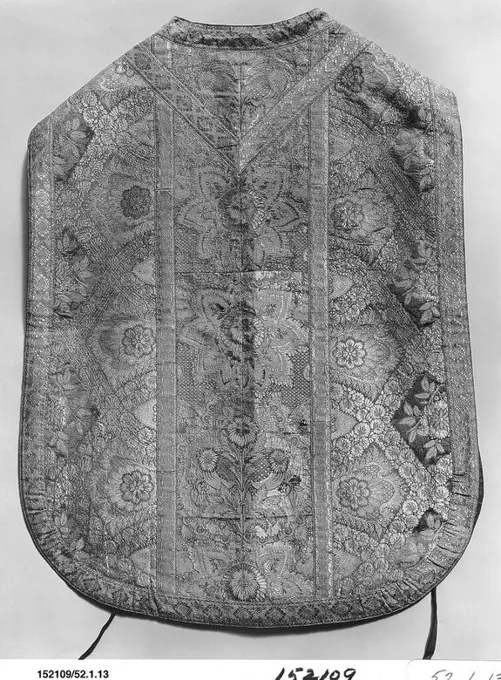
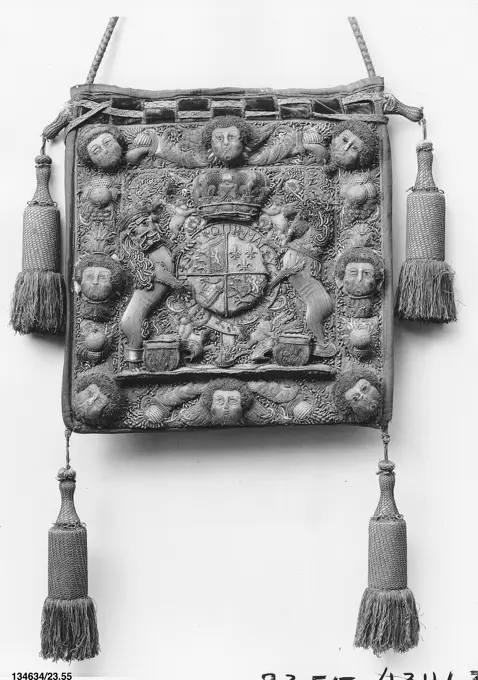
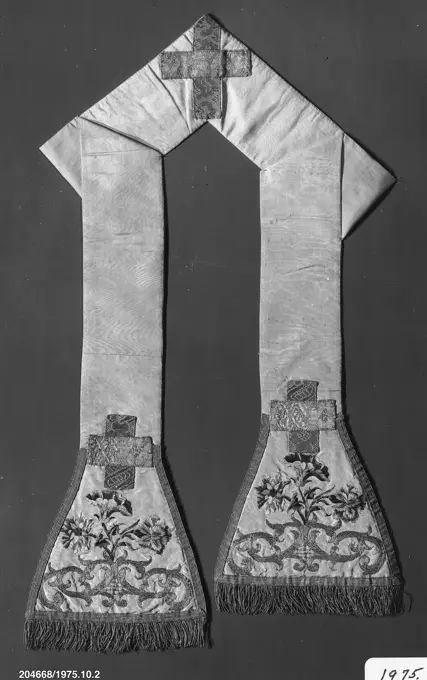
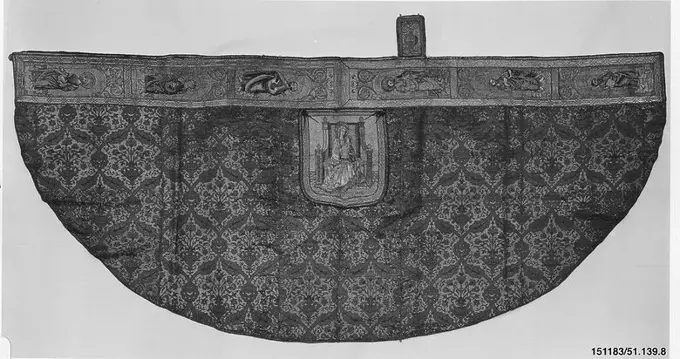
Historical religious garments including a cope and chasubles, showcasing rich colors and intricate gold and floral designs.

Chasuble 1720-30 Italian. Chasuble 227576
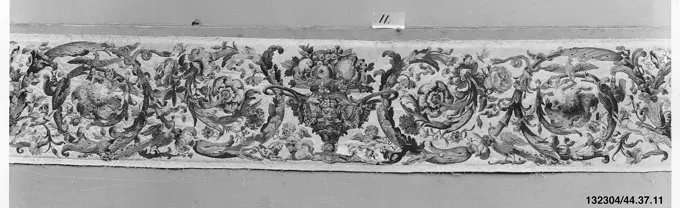
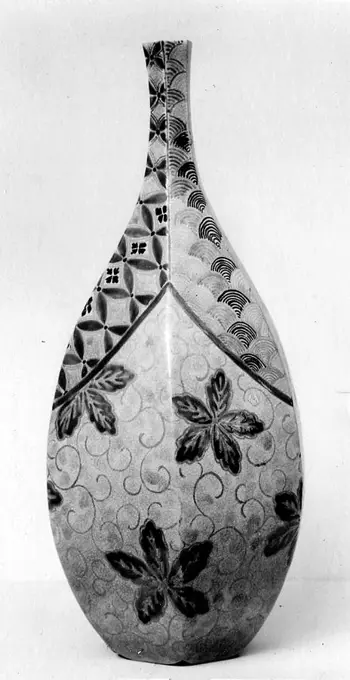
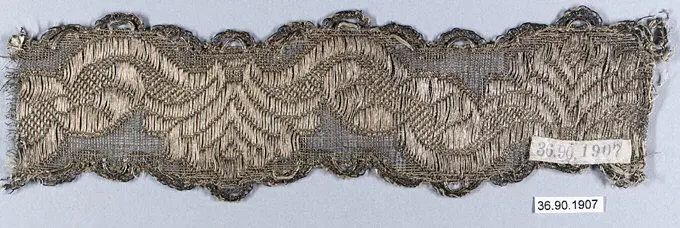
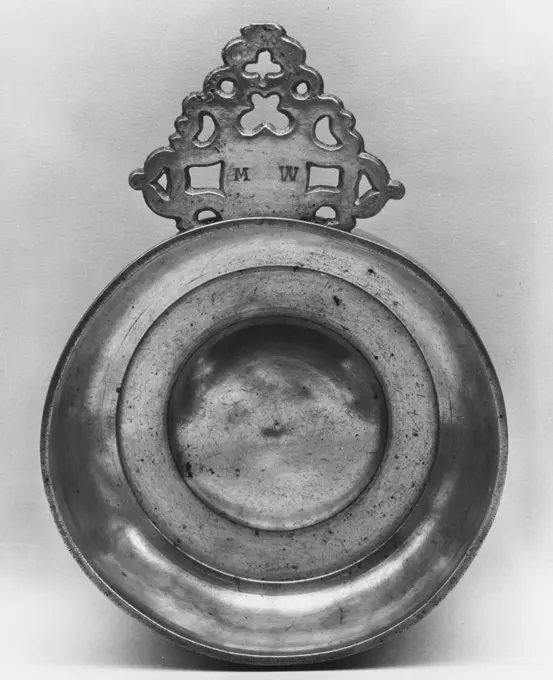
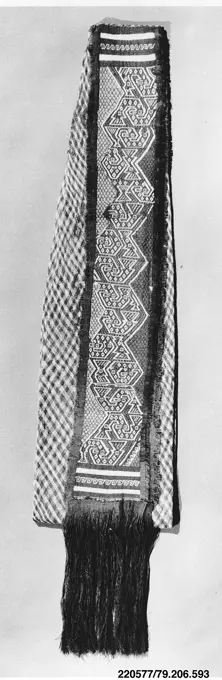
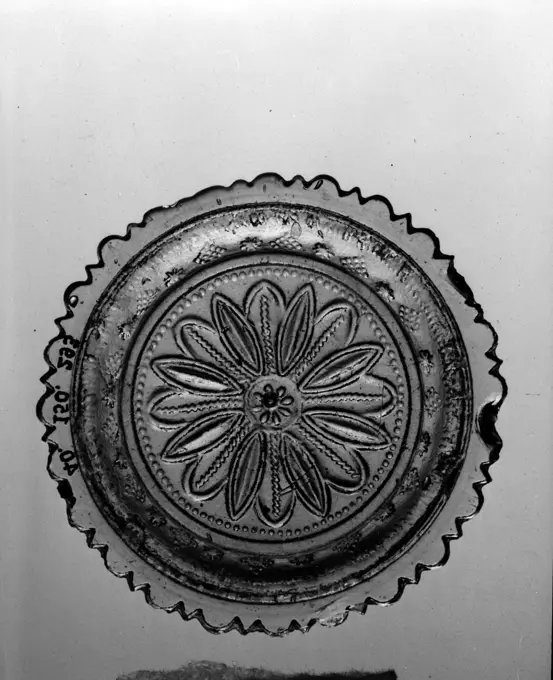
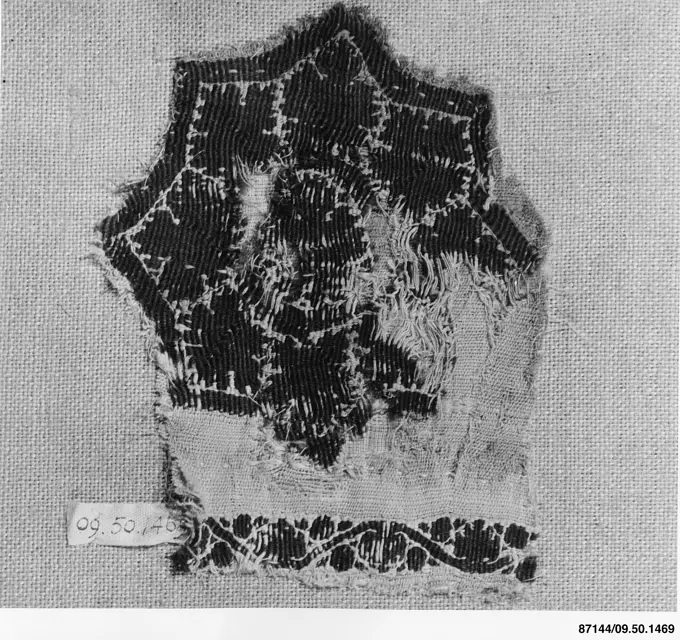
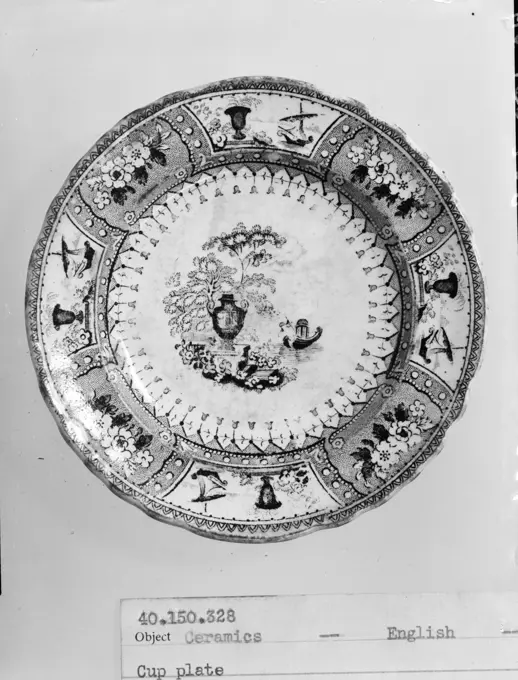
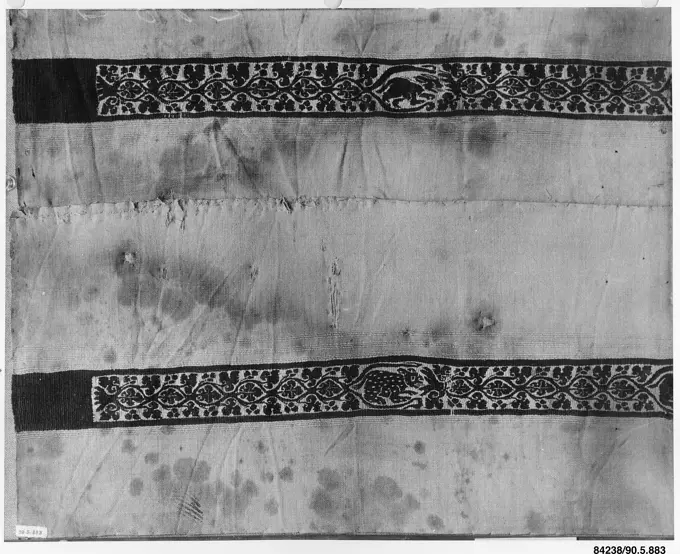
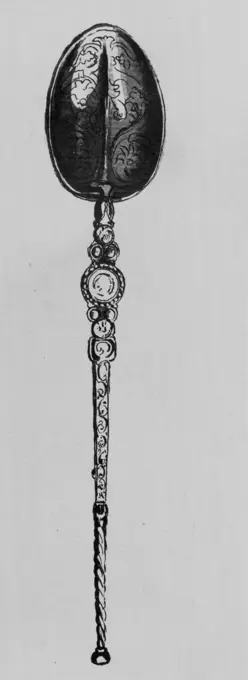
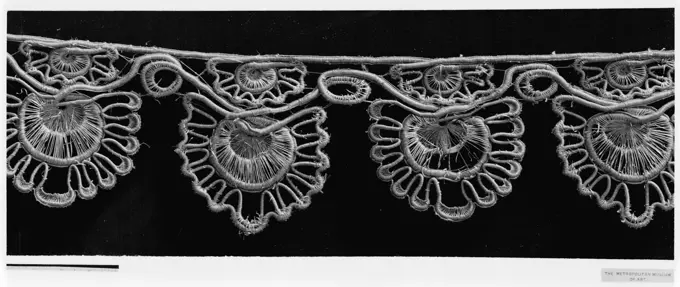
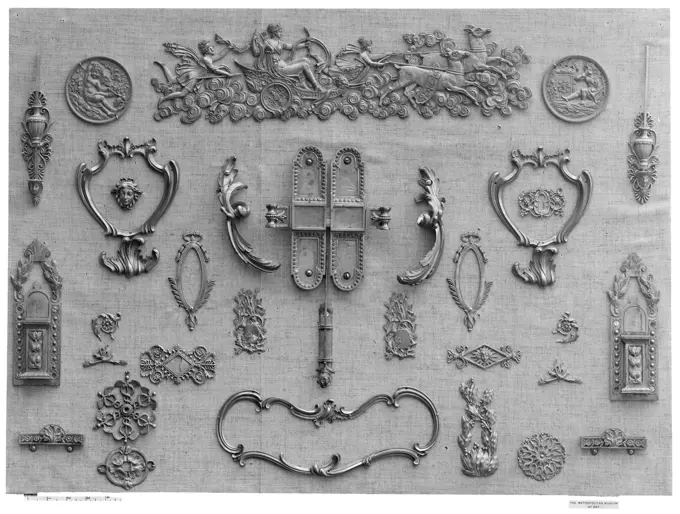
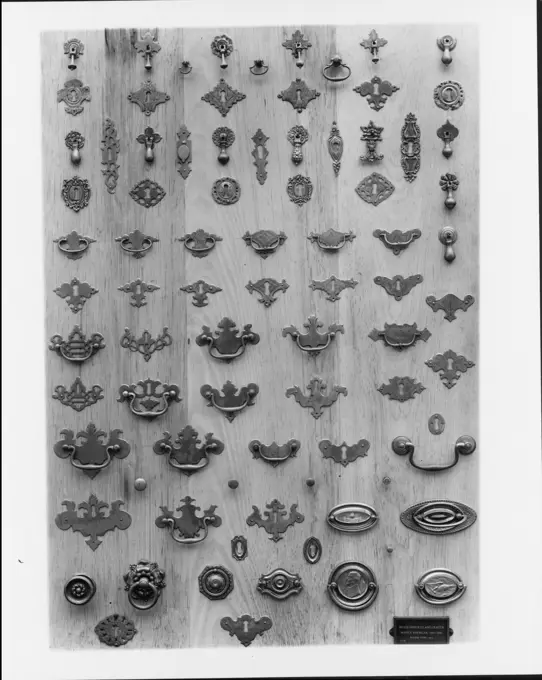
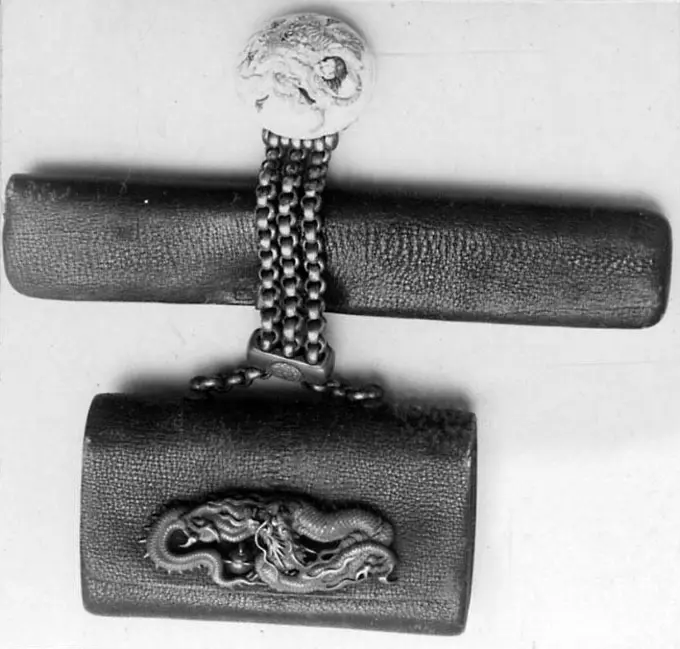
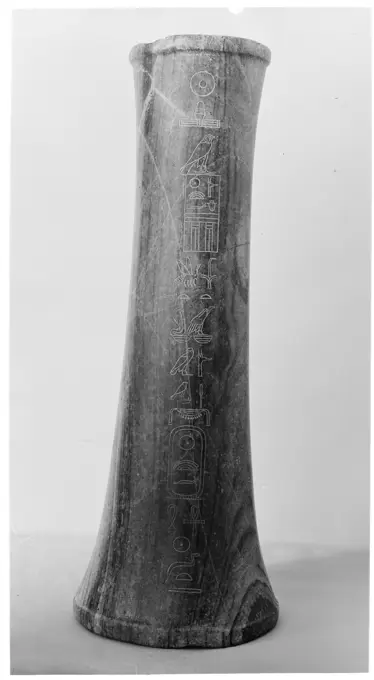
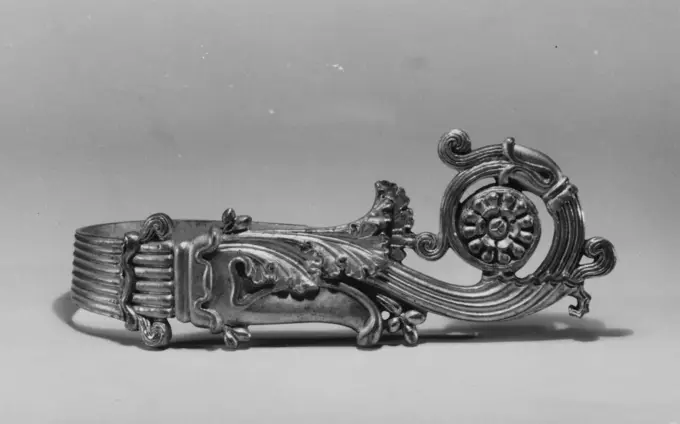
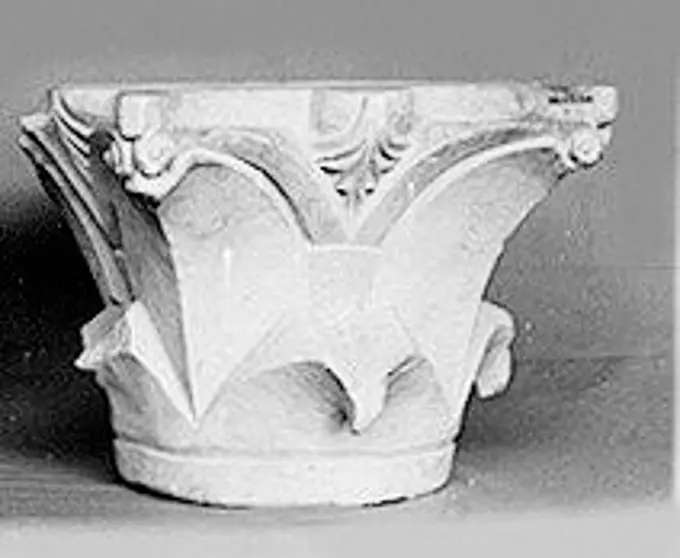
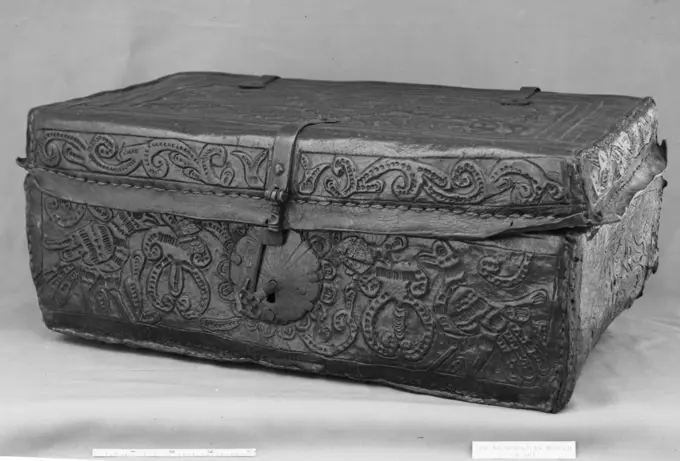
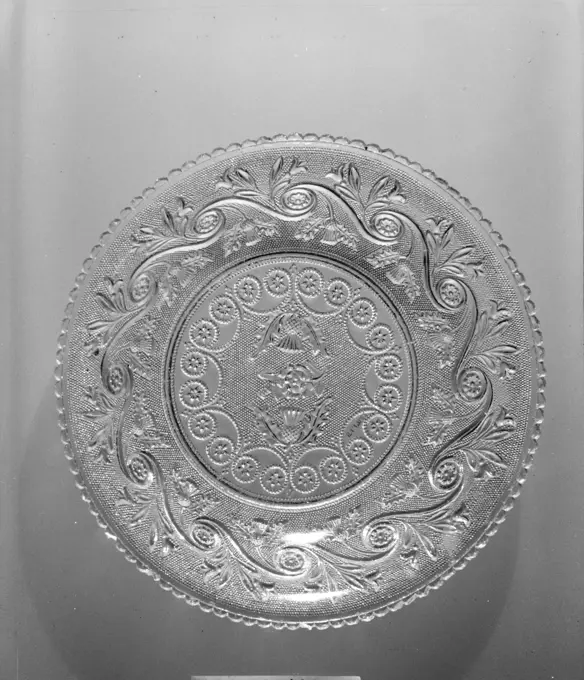
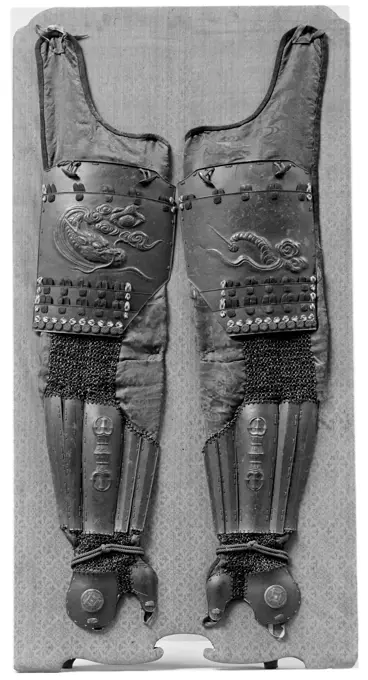
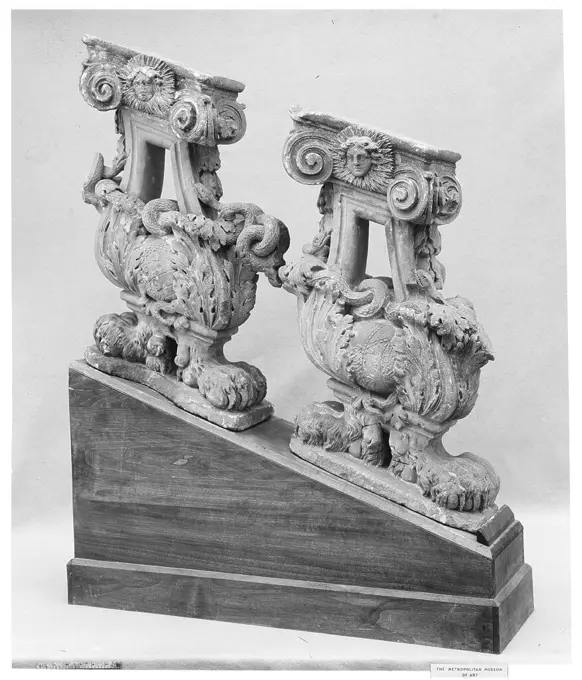
Cope with Orphrey and Hood Made 1501-1600 Italy. Red velvet with allover design in couched gold thread .Chasuble 1720-30 Italian. Chasuble 227576Chasuble. Culture: Italian. Dimensions: L. 38 3/4 x W. 29 3/4 inches (98.4 x 75.6 cm). Date: 1720-30. Museum: Metropolitan Museum of Art, New York, USA.Chair seat cover 18th century Dutch. Chair seat cover 219429Cup Plate 19th century Boston & Sandwich Glass Company. Cup Plate. American. 19th century. Lacy pressed glass. Made in Sandwich, Massachusetts, United StatesValance (one of a set of six) late 17th-early 18th century French or Italian. Valance (one of a set of six) 227011Textile Fragment 4th century. Textile Fragment 443574Fragment of a Shoulder Band. Dimensions: 7 1/2 in. high 3 9/16 in. wide (19 cm high 9 cm wide). Date: 5th-6th century. Museum: Metropolitan Museum of Art, New York, USA.Keman (Flower Garland” Temple Decoration) ca. 1725 Japan Keman (Sanskrit: kusumamala) literally means garland of flowers,” and refers to pendant decorative disks, usually made of bronze in the shape of a round fan (uchiwa), that are suspended from beams of inner sanctuary of a temple, above a Buddhist statue. They are thought to have their origin in the garlands of fresh flowers that were offered to nobles in ancient India.. Keman (Flower Garland” Temple Decoration) 60011Platter ca. 1815-ca. 1834 James and Ralph Clews British. Platter 6515Sake Bottle with Design of Leaves, Vines, and Waves 1780 Japan. Sake Bottle with Design of Leaves, Vines, and Waves. Japan. 1780. Stoneware with enamels and gold (Kyoto ware). Edo period (1615-1868). CeramicsPiece 18th-19th century Japan. Piece. Japan. 18th-19th century. Silk. Textiles-WovenStar-Shaped Tile A.H. 663/A.D. 1264-65. Star-Shaped Tile 450447Textile Fragment 19th century. Textile Fragment 445888Galloon late 18th-early 19th century European. Galloon 224988Dagger China 18th century View more. Dagger. China. 18th century. Nephrite. JadePorringer ca. 1710-40 American or British. Porringer 6644Turban 12th-15th century Chimú. Turban 312788Textile Fragment 3rd-4th century. Textile Fragment 443398Textile Fragment 5th century. Textile Fragment. 5th century. Wool, linen; plain weave, tapestry weave. Attributed to Egypt. TextilesBliżej Kultury unknownBand. Culture: possibly German. Dimensions: Overall: 2 1/4 x 3 1/2 in. (5.7 x 8.9 cm). Date: 18th century. Museum: Metropolitan Museum of Art, New York, USA.Vase ornament French 18th century View more. Vase ornament. French. 18th century. Gilt bronze. Metalwork-Gilt BronzeClock ornament French 19th century View more. Clock ornament. French. 19th century. Gilt bronze. Metalwork-Gilt BronzePlate 1830-45 American. Plate. American. 1830-45. Lacy pressed glass. Made in Pittsburgh, Pennsylvania, United StatesSleeve Band 19th century China. Sleeve Band 68639Book clasp 18th century possibly Dutch. Book clasp 192398Ornaments for Manzhu Hat 18th century China. Ornaments for Manzhu Hat 60881Fragment. Dimensions: 25 3/16 in. high 2 13/16 in. wide (64 cm high 7.2 cm wide). Date: 3rd-4th century. Museum: Metropolitan Museum of Art, New York, USA.Cup Plate 1830-50 American. Cup Plate. American. 1830-50. Lacy pressed glass. Possibly made in New England, United StatesTextile Fragment 3rd-4th century. Textile Fragment 445788Plate ca. 1826-ca. 1838 Thomas Mayer. Plate. British (American market). ca. 1826-ca. 1838. Earthenware, transfer-printed. Made in Staffordshire, Stoke-on-Trent, EnglandPin late 18th century Italian. Pin. Italian. late 18th century. Silver. Metalwork-SilverMangle-board. Culture: Dutch. Dimensions: 31 5/8 × 5 1/4 in. (80.3 × 13.3 cm). Date: 18th century. Museum: Metropolitan Museum of Art, New York, USA.Textile Fragment 5th century. Textile Fragment 443662Vase (one of a pair) late 17th-early 18th century China. Vase (one of a pair) 42281Fragment of a Tunic 4th century. Fragment of a Tunic 444360Coronation Spoon Front view. October 5, 1936.Sampler 18th century German. Sampler 217897Ornament French 18th century View more. Ornament. French. 18th century. Gilt bronze. Metalwork-Gilt BronzePassementerie Italian 18th-19th century View more. Passementerie. Italian. 18th-19th century. Silk. Textiles-TrimmingsEmperor's Coat late 19th century China. Emperor's Coat 69774Fragment. Dimensions: 2 15/16 in. high 2 3/4 in. wide (7.5 cm high 7 cm wide). Date: 3rd-4th century. Museum: Metropolitan Museum of Art, New York, USA.Carpet Fragment 14th-15th century. Carpet Fragment 448134Border 18th century Italian. Border. Italian. 18th century. Silk on linen. Textiles-EmbroideredCurtain holdback. Culture: French. Dimensions: Length: 9 3/4 in. (24.8 cm). Date: 18th century. Museum: Metropolitan Museum of Art, New York, USA.Heinrich Aldegrever, Dagger Sheath with the Whore of Babylon Dagger Sheath with the Whore of BabylonAnefo photo collection. Princess Beatrix coat of arms. Coats of arms, heraldry, family weapons. November 22, 1965Tray vermeil of the seventeenth century, vintage engraved illustration. Magasin Pittoresque 1873.Textile Fragment 4th-5th century. Textile Fragment 443800Fan Holder 18th-19th century China. Fan Holder 68852Pair of clock ornaments French 18th century View more. Pair of clock ornaments. French. 18th century. Gilt bronze. Metalwork-Gilt BronzeCourt Headdress. Culture: China. Dimensions: 8 1/2 x 12 in. (21.6 x 30.5 cm) Cloisonné. Date: 18th-19th century. Museum: Metropolitan Museum of Art, New York, USA.Box with the arms of the von Muelinen and von Effinger families of Bern 17th century Swiss Decorated with the coats of arms of the von Muelinen and the von Effinger Families.. Box with the arms of the von Muelinen and von Effinger families of Bern. Swiss. 17th century. Wood, painted. Woodwork-FurnitureFragment of a Door Drum ca. 2323-2150 B.C. Old Kingdom. Fragment of a Door Drum. ca. 2323-2150 B.C.. Limestone. Old Kingdom. From Egypt, Northern Upper Egypt, Dendera, Egypt Exploration Fund excavations, 1898. Dynasty 6Fragment. Dimensions: H. 1 in. (2.5 cm)W. 4 1/4 in. (10.8 cm)D. 4 1/8 in. (10.5 cm)Wt. 4.1 oz. (116.2 g). Date: 13th century. Museum: Metropolitan Museum of Art, New York, USA.Furniture Hardware 1670-1870Andiron ca. 1800. Andiron. ca. 1800. BrassWatch ca. 1830-40 Watchmaker: Firm of Rey Frères. Watch 195632Burse second half 18th century British. Burse 221457Relic box from gold and iron; Reliquarium in requirements Gezitten Mit ausgeschlagenem Goldgrund. .Brush Rest with Arabic Inscription. Culture: China. Dimensions: L.: 8 3/4 in. (22.2 cm). Date: early 16th century.The inscription on the brush holder reads "pen" on one side, and "holder" on the other. Museum: Metropolitan Museum of Art, New York, USA.Stove, Mantelpiece, and Looking-Glass for the Sultan of Turkey, 1858. 'We have engraved a design of Grates and Mantlepieces, with mirrors in carved frames, richly gilt in mat and burnished gold, executed by Alderman Copeland, of Stoke-upon-Trent and New Bond-street, for the palace of the Sultan on the Bosphorus, to be placed in the Saloon Mahben. The whole of the mantelpieces are composed of fine porcelain slabs, richly decorated with groups of fruit and flowers, &c., mounted in ormolu mouldings and enrichments. The vases on the mantelpieces are also of fine porcelain, decorated with colouCV 33 Keasarge , Ships, Naval Vessels, Boats, Naval History, NavyStole mid-18th century Italian. Stole 229469Textile Fragment 10th century. Textile Fragment. 10th century. Linen, silk; plain weave, embroidered. Attributed to Egypt, Akhmin. Textiles-EmbroideredEyeglass Case 18th-19th century China. Eyeglass Case 68796Fragment. Dimensions: 3 1/8 in. high 2 3/4 in. wide (8 cm high 7 cm wide). Date: 4th century. Museum: Metropolitan Museum of Art, New York, USA.Cope. Culture: Spanish. Dimensions: Gr. L. 52 x W. 119 inches (132.1 x 302.3 cm). Date: 16th century. Museum: Metropolitan Museum of Art, New York, USA.Frame (Fronton) 18th century French. Frame (Fronton). French. 18th century. Wood, carved and gilt. WoodworkTextile Fragment 4th century. Textile Fragment 443481A depth from the Marine Chapel of the Royal Netherlands Marine (Markap).Attic Red-Figure Keras Fragment. UnknownFragment. Dimensions: 6 5/16 in. high 31 7/8 in. wide (16 cm high 81 cm wide). Date: 6th century. Museum: Metropolitan Museum of Art, New York, USA.Shakspeare salver and jug, 1864. Commemoration of the Tercentenary of Shakespeare's birth. 'The ale jug and salver, manufactured by Messrs. Minton, Hollis sic, and Co., of Stoke-upon-Trent, were designed by Mr. Frederick Brett Russell, in commemoration of the tercentenary festival. The material of which they are made is gris de Flandres, enriched with blue enamel. Their form and style of ornamentation are in strict accordance with the art of the Elizabethan period. The bowl of the jug is encircled with a laureated band, with the inscriptions "Will. Shakspeare, born 1564," on one siTwo curved leaf drinks, middle sprinkling from a leaf; Frisians with leaf refrences, sometimes with children or putti.The leaf Drinks Cross Each Other in the Middle and Are Kept Together with a Ring. Shaded Background. One of 11 Sheets.Tobacco Pouch and Pipe Case 19th century Japan. Tobacco Pouch and Pipe Case. Japan. 19th century. Leather, metal, ivory. Edo (1615-1868) or Meiji period (1868-1912). Smoking EquipmentStand for an Offering Basin with the Name of King Khafre ca. 2520-2494 B.C. Old Kingdom Stands like this one bearing a king's name would have been associated with a god's temple or royal funerary complex, but the best evidence for use and placement of such stands comes from private tombs where they are documented as having stood on either side of an offering table or offering slab in front of the false door.Middle Kingdom evidence indicates this type of offering stand held mainly incense. The incense coals may have been placed in a pottery bowl or directly on the stone. Food placed on the adjacent offering slab was first passed over the incense to aid its transmission to the god or deceased person to whom it was offered.. Stand for an Offering Basin with the Name of King Khafre. ca. 2520-2494 B.C.. Gneiss. Old Kingdom. From Egypt; Probably from Eastern Delta, Hurbeit (Pharbaethos). Dynasty 4Curtain Tieback ca. 1825. Curtain Tieback 3022Capital 6th-7th century In the 500s Apa (Father) Jeremias founded a Coptic monastery at Saqqara, the ancient Egyptian necropolis (cemetery) of the city of Memphis, near the oldest pyramids. He and the earliest monks lived in tombs at the site. As the monastery grew, several grand churches with lavish decoration were built, as well as many chapels, public buildings, and complexes of cells (rooms) for each monk. The monastery continued to grow after the Arab conquest with materials from early Byzantine tomb structures being reused for additional monastic structures. Inscriptions record prayers to numerous holy figures. Sculptural elements from Saqqara are often carved with deeply undercut patterns to intensify the play of light and shadow and to mask the solidity of the architecture. This sculptural style was popular throughout the Byzantine world in the 500s.. Capital. 6th-7th century. Limestone; carved in relief. Found Egypt, Saqqara. SculptureTrunk 17th century Spanish Renowned for their decorative wall hangings, seventeenth-century Spanish leatherworkers also produced utilitarian objects, such as this trunk. The arms, with their winged lion supporters, embossed on the lid are unidentified.. Trunk. Spanish. 17th century. Leather applied to wood, wrought iron. Natural Substances-LeatherworkLooking Glass c 1795-1810 New York. Mahogany and white pine . Artist unknownKeyhole escutcheon French 18th century View more. Keyhole escutcheon. French. 18th century. Gilt bronze. Metalwork-Gilt BronzeAbove a carved box of the Island of Java, exact size, vintage engraved illustration. Magasin Pittoresque 1867.Bowl ca. 1830 American. Bowl. American. ca. 1830. Lacy pressed glass. Made in New England, United StatesWatch ca. 1835 Watchmaker: P.A. Grasseli. Watch. Swiss, Geneva. ca. 1835. Gold, enamel, jewels. HorologyFragment. Dimensions: 2 13/16 in. high 2 13/16 in. wide (7.2 cm high 7.2 cm wide). Date: 4th-5th century. Museum: Metropolitan Museum of Art, New York, USA.Pair of Sleeves (Kot) 17th-18th century Japanese. Pair of Sleeves (Kot). Japanese. 17th-18th century. Iron, chainmail, silk. Armor Parts-Arms & ShouldersFragment. Date: 4th-5th century. Museum: Metropolitan Museum of Art, New York, USA.Music Rack ca. 1835. Music Rack. ca. 1835. Cast ironBand 10th-11th century. Band 450726Sundial European probably ca. 1860-90Border Made 1800-1820 France. Silk, warp-float faced 4 1 satin weave with weft-float faced 3 1 twill interlacings of secondary binding warps and supplementary patterning wefts .Headband or Belt Fragment. Possibly central coast, Peru. Date: 1000-1476. Dimensions: 109.2 x 4.5 cm (43 x 1 3/4 in.). Origin: Peru. Museum: The Chicago Art Institute, Chicago, USA.Pendant 20th century China. Pendant. China. 20th century. Jade, seed pearls. JadeAshtray from the Leopold Méyet collection, in the collections of the National Museum in Warsaw from 1915 - general view;  around 1920-1922 (not after 16.05.1922) (1918-00-00-1922-00-00);Description: Cyprus Antiquities Location: Cyprus Date: 1876-1942 mediterranean, mediterraneanthroughalensGauntlets and Accessories. Culture: Japanese. Date: 18th century. Museum: Metropolitan Museum of Art, New York, USA.Pair of balusters. Culture: French, Paris. Dimensions: Overall (each, confirmed): 26 1/2 × 24 1/2 × 8 1/2 in. (67.3 × 62.2 × 21.6 cm). Maker: Louis Le Vau (French, 1612-1670). Date: 1664-72. Museum: Metropolitan Museum of Art, New York, USA.In niche cut into the hill under the jade fountain. In niche cut into the hill under the jade fountain