Ornate Religious Vestments

Historical religious garments including a cope and chasubles, showcasing rich colors and intricate gold and floral designs.

Chasuble 1720-30 Italian. Chasuble 227576
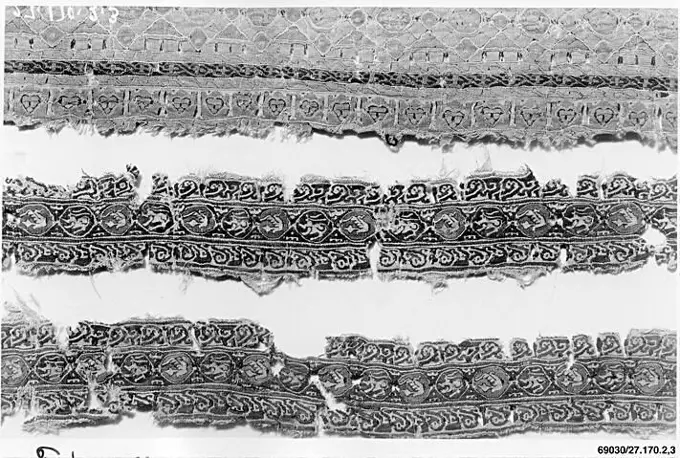
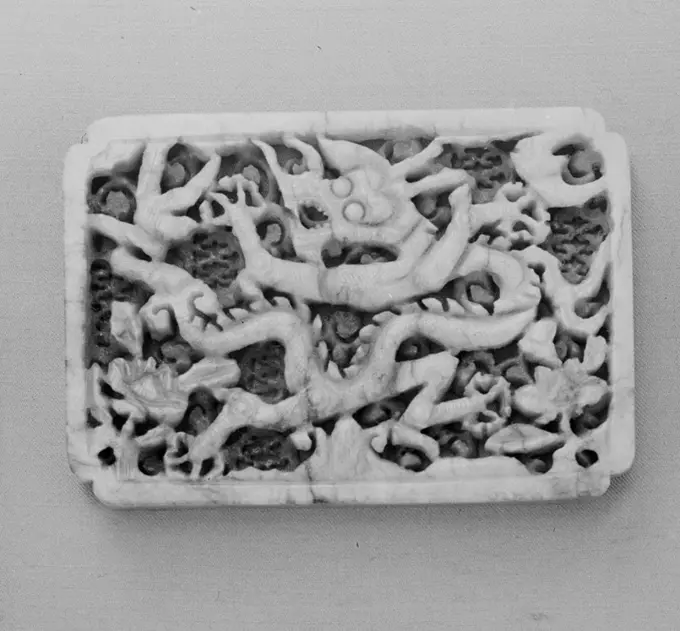
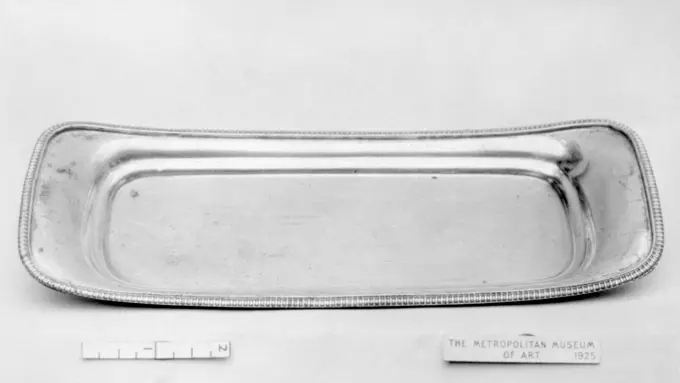
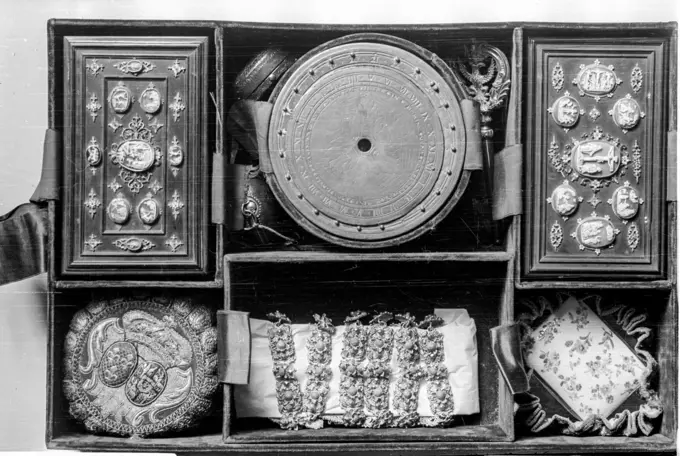
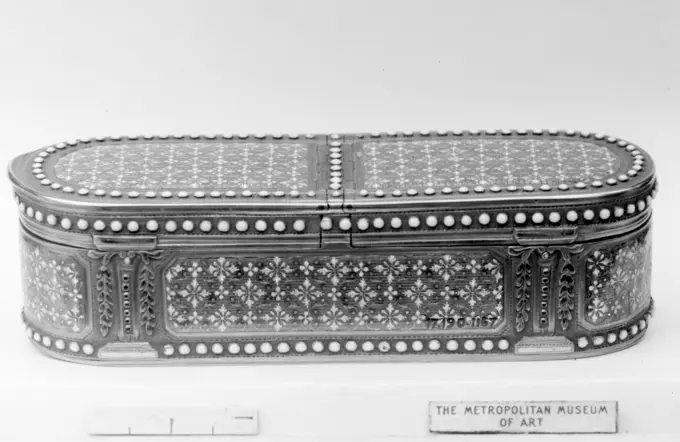
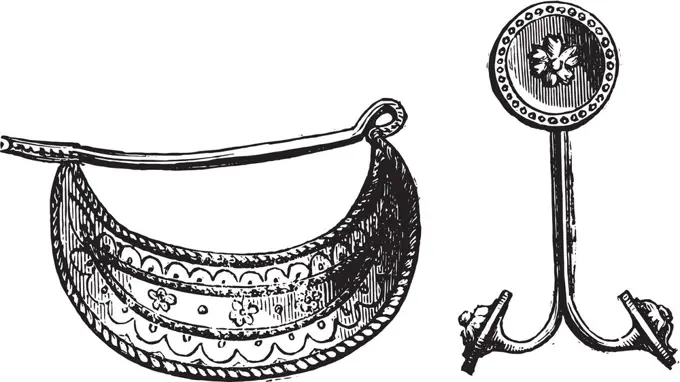
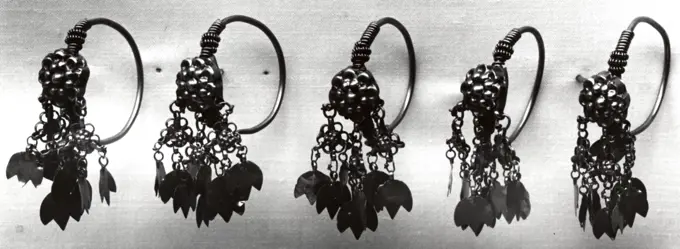
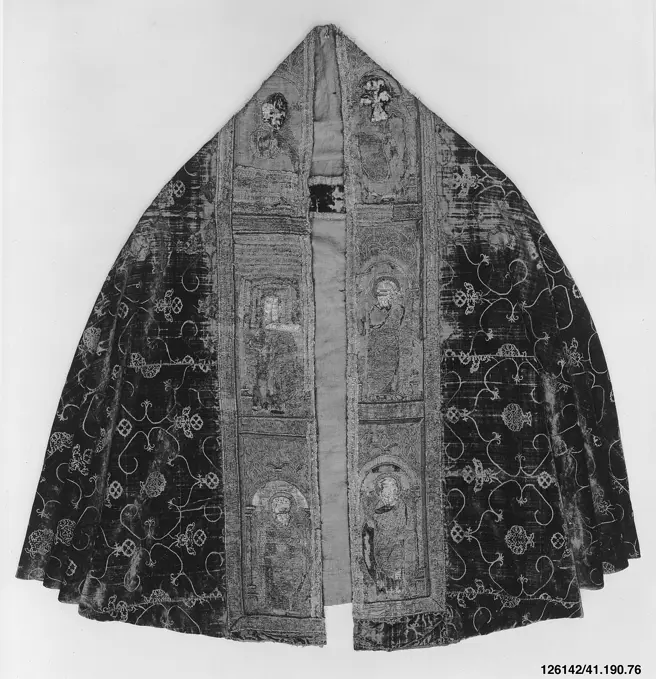
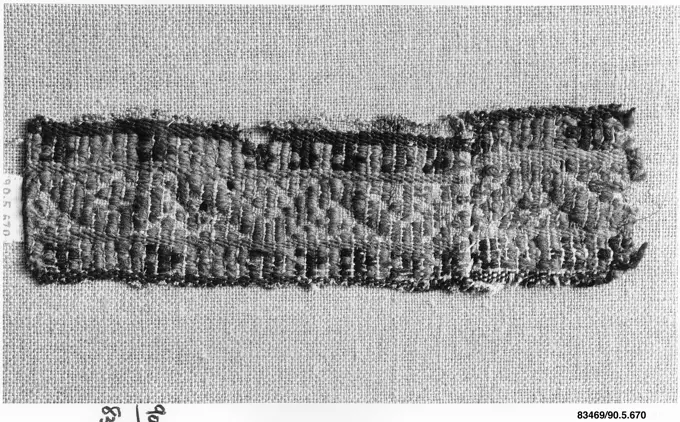
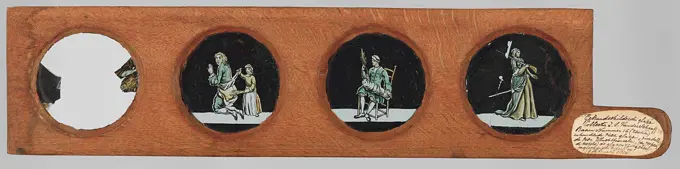
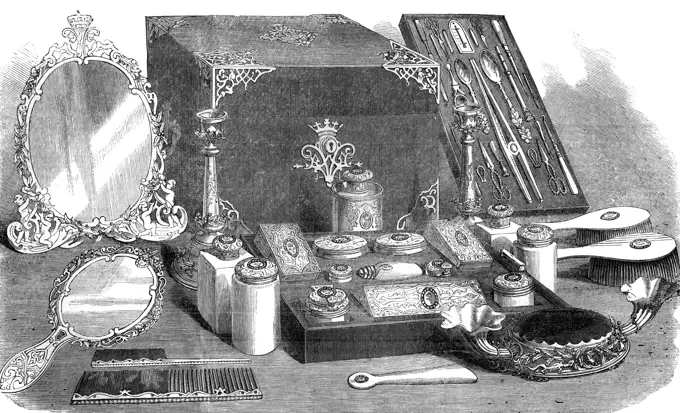
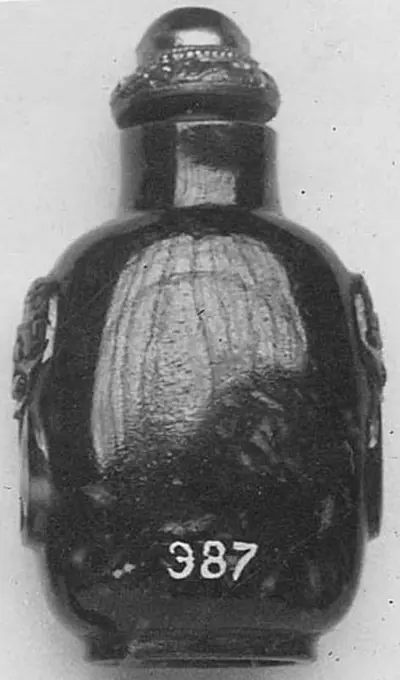
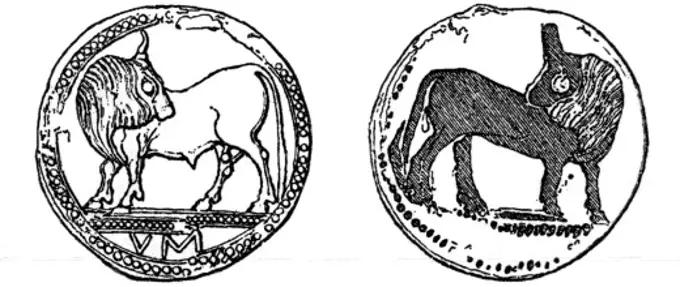
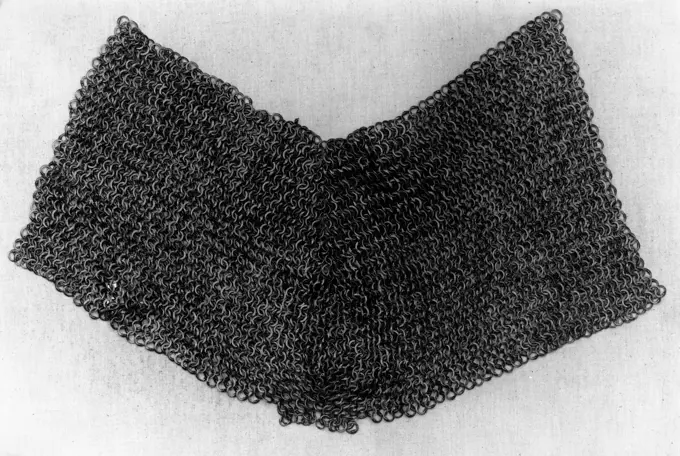
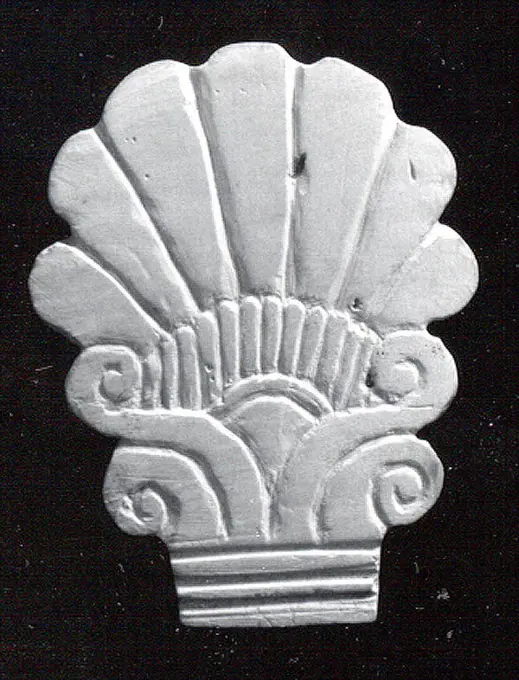
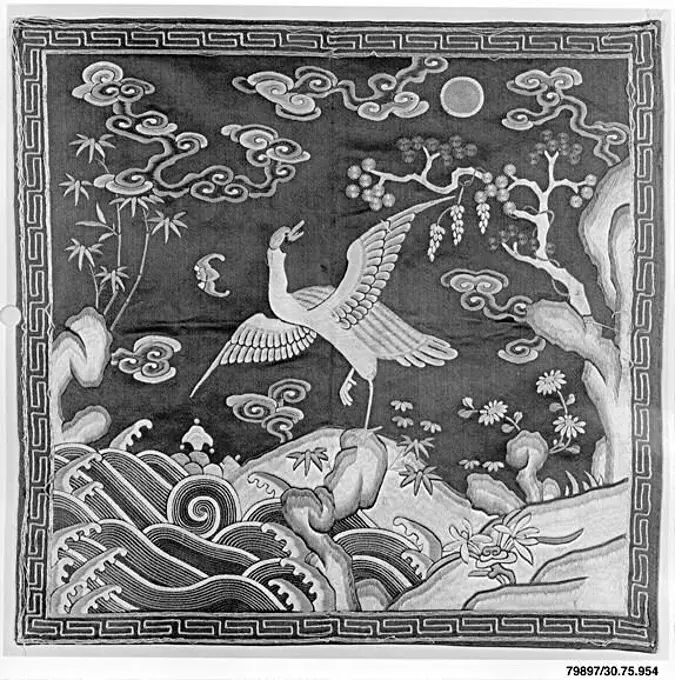
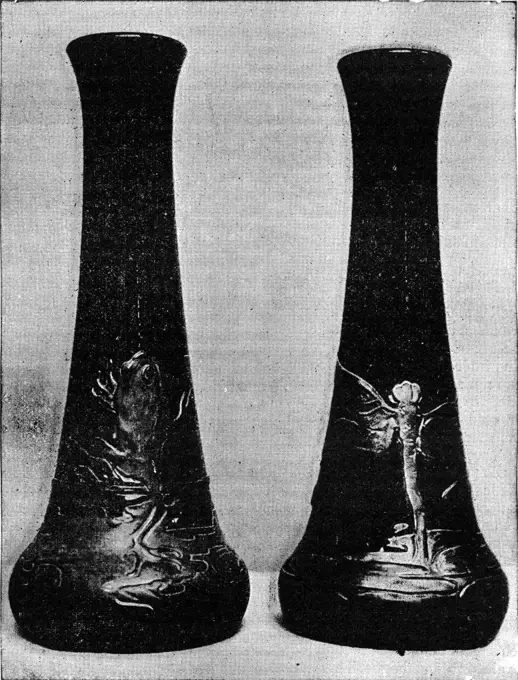
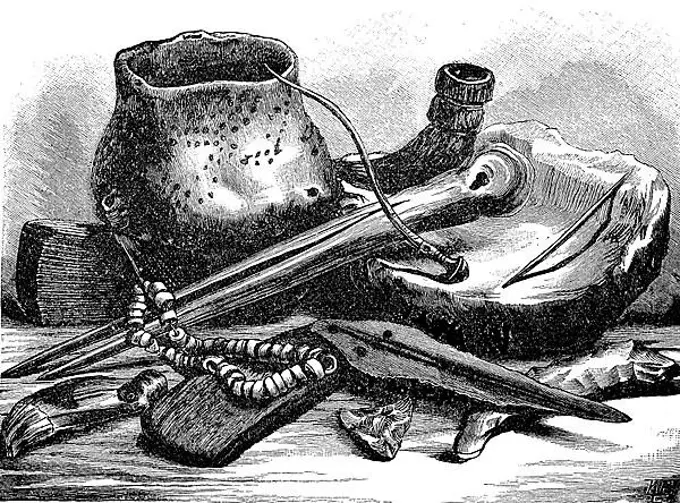
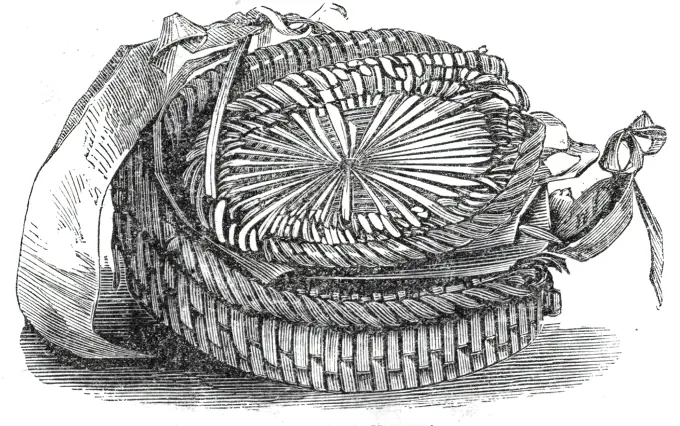
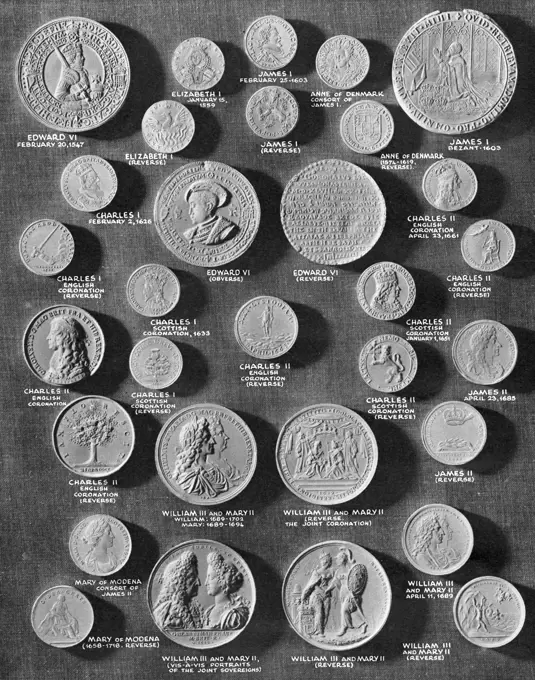
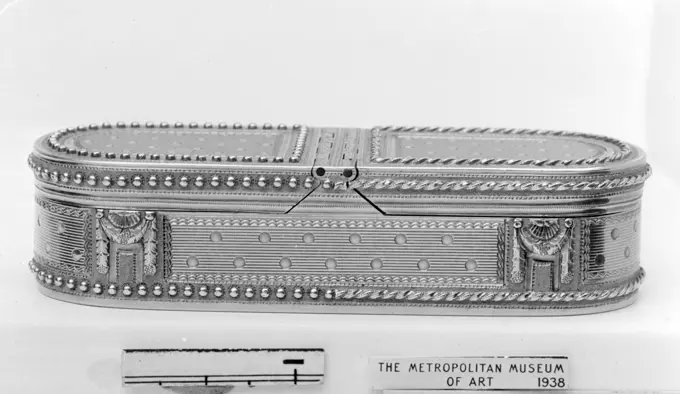
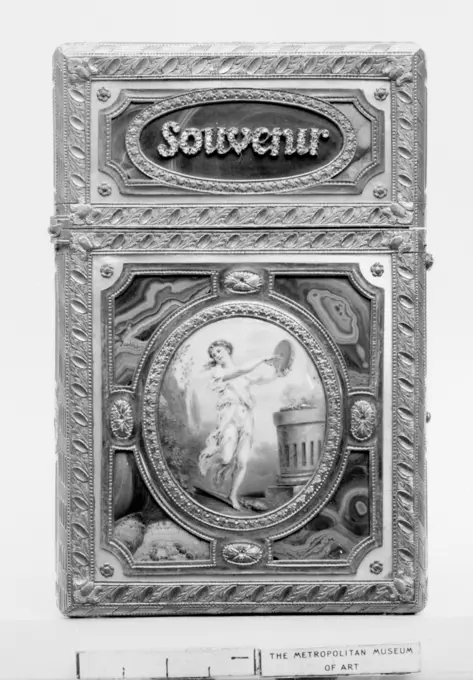
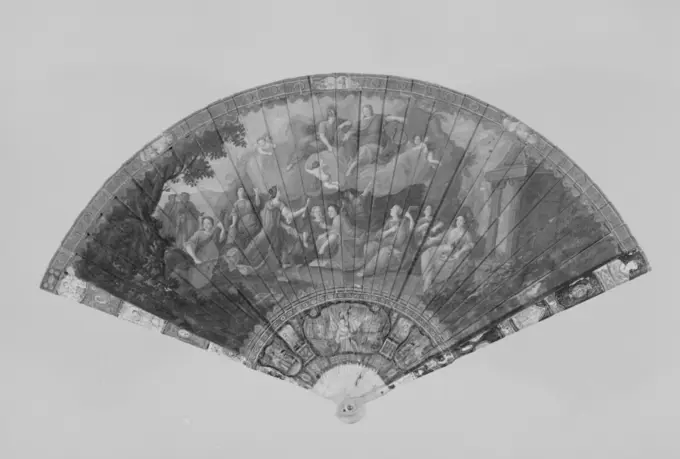
Fan 18th century French. Fan. French. 18th century. Ivory. FansFan early 18th century French. Fan 209526Persja - ok. 500 p.n.e., Przedmioty z grobowca, brąz: 1. Szpilka do włosów, dł. 22 cm, 2. Szpilka do włosów, dł. 21,4 cm, 3. Odznaka wojownika (), 25,7 x 8,2 cm, 4. Kolczyk, szer. 3 cm, 5. Kolczyk, szer. 3,9 cm, 6. Szpilka do włosów, dł. 18,2 cm, 7. Odznaka wojownika (), dł. 23,3 cm; ze zbiorów Muzeum Narodowego w Warszawie, nry inw.: 1. 76038, 2. 76040, 3. 76042, 4. 76046, 5. 76047, 6. 76039, 7. 76041. Ryś, Jan (1889-1939), photographerBand 12th century. Band 448046Girdle ornament China. Girdle ornament 43060Vase ornament (part of a set) French 18th century View more. Vase ornament (part of a set). French. 18th century. Gilt bronze. Metalwork-Gilt BronzeSnuffers tray ca. 1820 D. & G. Holy. Snuffers tray 195290Stamp seal ca. 5th-6th century A.D. Sasanian. Stamp seal. Sasanian. ca. 5th-6th century A.D.. Marble. Sasanian. Iran or MesopotamiaBox mid-19th century Chinese. Box 229391Chest Front. Culture: French. Dimensions: Overall: 26 1/2 x 71 3/8 x 1 5/8 in. (67.3 x 181.3 x 4.1 cm). Date: 15th century. Museum: Metropolitan Museum of Art, New York, USA.Chair Strip late 16th-early 17th century China. Chair Strip 68543STRATY WOJENNE MNKAlmanac Made 1813 France. Embroidered covers in green silk with gold and silver threads and red and gold sequins; mirror inside front cover .Snuffbox 1782 Pierre-Innocent Zurich In eighteenth-century Europe, Paris led the production of high-quality luxury goods. Parisian goldsmiths made a wide range of small, personal articles such as snuffboxes; étuis to hold sealing wax, tweezers, or utensils for sewing; souvenirs, which contained thin ivory tablets for note taking; and shuttles for knotting lace. Gold snuffboxes and boxes decorated with portrait miniatures were prized and frequently given as royal gifts, often to ambassadors or members of the court in lieu of cash payments for their services. Coveted and admired, these boxes were produced from a variety of materials. The best were skillfully made of gold and embellished with diamonds, enameled decoration, lacquer, and other luxurious materials. By the middle of the century, the taking of snuff had become an entrenched social ritual, and the snuffbox, too, had become an important social prop. Snuffboxes were considered highly fashionable accessories, with some merchants aGreek clip and earring, belonging to the Campana collection of the Louvre Museum. From Fine Arts Book, vintage engraving, 1880.Earring, One of a Set of Five 18th-19th century. Earring, One of a Set of Five 446781Fan Made 1801-1900 France. Pearl with pierced and gilded decoration; pearl rivet .STRATY WOJENNE MNKElbow Pillow China. Elbow Pillow 70328Watch 1800-1830 Watchmaker: Firm of Esquivillon Frères. Watch 195633Set of table legs 18th century French. Set of table legs. French. 18th century. Carved and painted wood. WoodworkPlaster models for decoration on the Palais du Louvre, c. 1855 - c. 1857 photograph Part of Réunion des Tuileries au Louvre 1852-1857, album 3. Paris paper. photographic support salted paper print permanent exhibition, museum. ornamenting, decorating ~ applied arts Palais du Louvre. Tuilerieënpaleis. Louvre Museum. ParisBliżej Kultury unknownMedallion China. Medallion 68815Cope 15th century Italian. Cope 468039Cook Islands lobster pot (Rarotonga), circa 1891, by Francis Ernest Tomlinson.Watch mid-19th century Watchmaker: Firm of Girard and Bornand. Watch 195594Urna Gnejusza Pedaniusza Kallistusa z inskrypcją łacińską. warsztat rzymski (okres cesarstwa), workshopTextile Fragment 4th-5th century. Textile Fragment 444149Engraved Gem. UnknownSpitzharfe late 17th or early 18th century German or French. Spitzharfe 502304Drie kluchtspelers op drie verschillende glasplaten; 'De verkeerde wereld.'.Three round glasses in a wooden mount with handle. A fourth glass is missing. Left: lacking. To the right: a child gives an adult man a beating with a ru. To the right of this: a man sits in a chair with a swinged baby and a spinkloss in his right hand. Extreme right: A woman walks with a saber and a gun over her shoulder.Cup of a ram with ornaments of fruit and ribbons ..The Princess Royal's dressing case, a wedding gift to the bride from the Duchess of Kent, on the occasion of Victoria(Vicky)'s marriage to Prince Frederick William of Prussia in 1858. Manufactured by Mr. West of St James' Street, the brushes were purest ivory, the combs of finest tortoiseshell and the bottles of opal glass.     Date: 1858Snuff bottle with stopper 18th-19th century China. Snuff bottle with stopper 41165Sampler 19th century Italian. Sampler. Italian. 19th century. Wool and cotton on canvas. Textiles-EmbroideredGirdle ornament. Culture: China. Dimensions: H. 3 5/8 in. (9.2 cm); W. 1 5/8 in. (4.1 cm). Museum: Metropolitan Museum of Art, New York, USA.Music Box ca. 1810 Swiss Oblong gold music box with ivory seascape miniature in cover.. Music Box 505649Sleeve Band 19th century China. Sleeve Band 70244Valve Horn in B-flat ca. 1870 Ferdinando Roth Italian. Valve Horn in B-flat 503893money finance coins ancient world Stater from Sybaris 550/530 - 510 BC silver single-sided minted head and reverse side wood engraving 19th century,Frame French late 18th century View more. Frame. French. late 18th century. Gilt bronze. Metalwork-Gilt BronzeBrayette 16th century German From about the third century B.C. through the early fourteenth century A.D., mail, also called chain mail, was the predominant and most effective type of body armor known in Europe. From about the mid-fifteenth century onward, mail was used in conjunction with full plate armor to fill the gaps between plates. Separate mail sleeves were made to be worn with a cuirass (breastplate and backplate); shaped panels of mail called gussets, covered the armpits or the crooks of the elbows and were attached to arming jackets, garments specially tailored to be worn under armor; and mail breeches, called brayettes or pairs of paunces, could be worn by men fighting on foot.. Brayette 34845Palmette-shaped plaque ca. 9th-8th century B.C. Assyrian This plaque was found in Fort Shalmaneser, a royal building at Nimrud that was used to store booty and tribute collected by the Assyrians while on military campaign. Many thousands of pieces of carved ivory, probably used as furniture decoration or luxury objects, were excavated from storage rooms in the building. While not as common, carved shell and bone items were also stored at Fort Shalmaneser. This plaque was carved from a piece of shell in the shape of a palmette made up of multiple elements: several horizontal bands, from which sprout two sets of volutes, crowned by a fan-shaped palmette with two rows of differently-sized stylized fronds.. Palmette-shaped plaque 325574Pendant China 19th centuryRank Badge 18th century China. Rank Badge 64918Painted image on the glass for SkiopTikon / Laterna Magica.Tiles of Rookwood, with metal trim, vintage engraved illustration. Industrial encyclopedia E.-O. Lami - 1875.Sample. Culture: French. Date: early 19th century. Museum: Metropolitan Museum of Art, New York, USA.Tapestry Fragment 10th-15th century Peru; central coast (). Tapestry Fragment 307802Finds from the pile dwellings at Lake Attersee, from the period 4000 to 3000 B. C. Austria, Historical, digital reproduction of an original document from the 19th centuryEngraving depicting a stoneware cream skimmer. Dated 19th CenturyAncient hanaper, 1860. A 14th-century container, used for the preservation of title-deeds of the Crown. The '...hanaper of twyggys is exactly 480 years old. Its story is interesting. It was discovered not long ago stowed away among a number of unexamined documents in one of the branch Record Offices in which the contents of the Royal Treasuries of Westminster had been deposited. The strings by which it was fastened were no doubt those originally attached, and on the strip of parchment at its side, looking something like a ribbon, was a description of the deeds it contained. When opened, the idBox late 18th century French. Box 193811Casket presented to Mr. Stevens, Secretary to the County Fire Office, 1862. 'A presentation of a very interesting character took place at the County hire Office...when the secretary, Mr. Charles Stevens, completed the fiftieth anniversary of his entry into that institution. The event was the subject of a special court of directors, at which a testimonial, consisting of a beautifully-chased casket containing five hundred sovereigns, was presented by the chairman, Frederick Squire, Esq., with a warm eulogium upon the meritorious conduct pursued by Mr. Stevens throughout his long career in the seCoronation Medals of the Kings and Queens of England, from Edward VI. to William and Mary. They now reside in the British Museum. There was no official medals made for the Coronation of Mary in 1553 or Elizabeth I in 1558. The medal shown for Elizabeth I is therefore unofficial.     Date: Set of four swags French 18th century View more. Set of four swags. French. 18th century. Gilt bronze. Metalwork-Gilt BronzeBox 1782-83 Nicolas-Jean-Baptiste Choconain-Delauney. Box. French, Paris. 1782-83. Varicolored gold. Metalwork-Gold and PlatinumRing Medallion 1776-1830. Ring Medallion 6862Souvenir 1774-75 Probably by Louis Cousin In eighteenth-century Europe, Paris led the production of high-quality luxury goods. Parisian goldsmiths made a wide range of small, personal articles such as snuffboxes; étuis to hold sealing wax, tweezers, or utensils for sewing; souvenirs, which contained thin ivory tablets for note taking; and shuttles for knotting lace. Gold snuffboxes and boxes decorated with portrait miniatures were prized and frequently given as royal gifts, often to ambassadors or members of the court in lieu of cash payments for their services. Coveted and admired, these boxes were produced from a variety of materials. The best were skillfully made of gold and embellished with diamonds, enameled decoration, lacquer, and other luxurious materials. By the middle of the century, the taking of snuff had become an entrenched social ritual, and the snuffbox, too, had become an important social prop. Snuffboxes were considered highly fashionable accessories, with some merchacat dingbats in isolated vintage letterpress metal printing blocksMUSEE CARNAVALET - FRAGMENTS ARCHEOLOGIQUES Carnavalet Museum: archaeological fragments. Paris (3rd arrest). Photograph of Pierre Emonds, around 1889.Antique ancient greece heads, sculptures, architectural. Greek marble statues, vases, goddess bust vector illustration set. Mythical antique greek sculptures. Set of head antique greece, statue. Antique ancient greece heads, sculptures, architectural elements. Greek marble statues, vases, goddess bust vector illustration set. Mythical antique greek sculptures