Ornate Textile Artifacts

Vividly colored chasubles and decorative textiles, featuring intricate patterns and historical designs, representing traditional craftsmanship from various cultures.
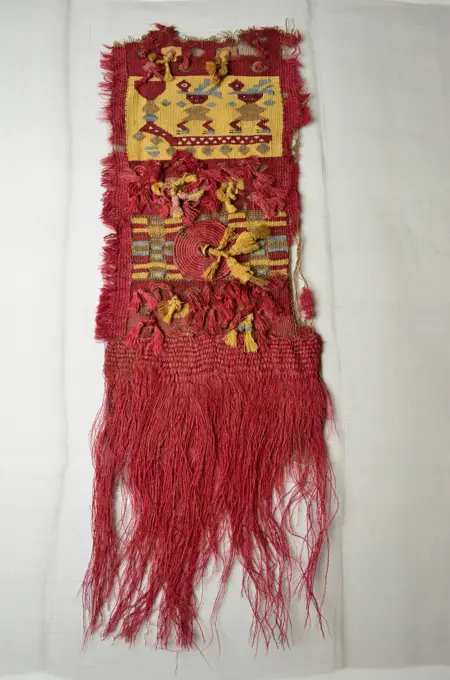
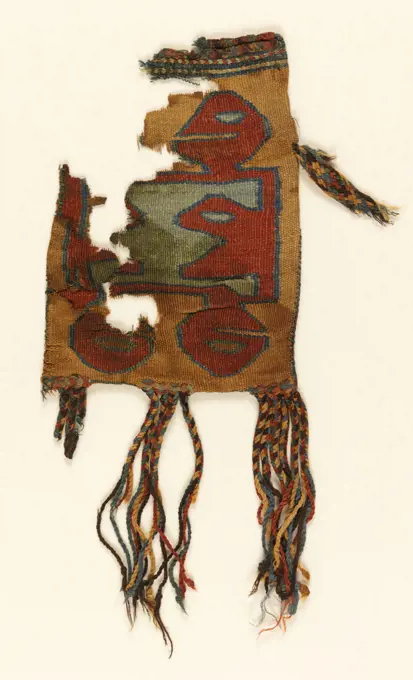
Turban-end Panels 12th-15th century Chimú. Turban-end Panels 312795
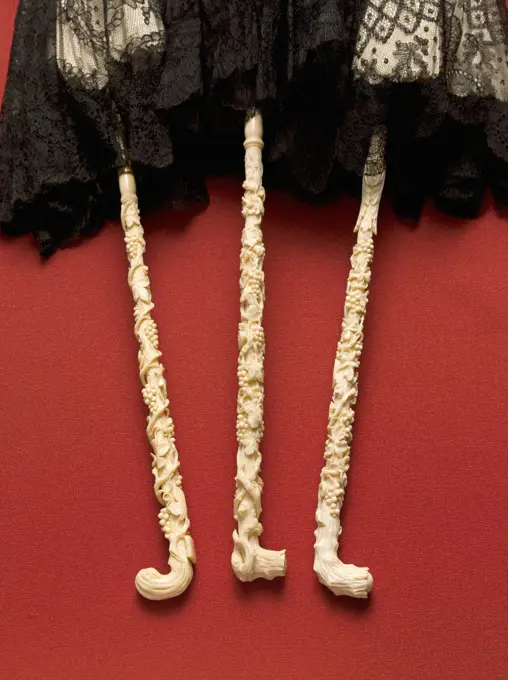
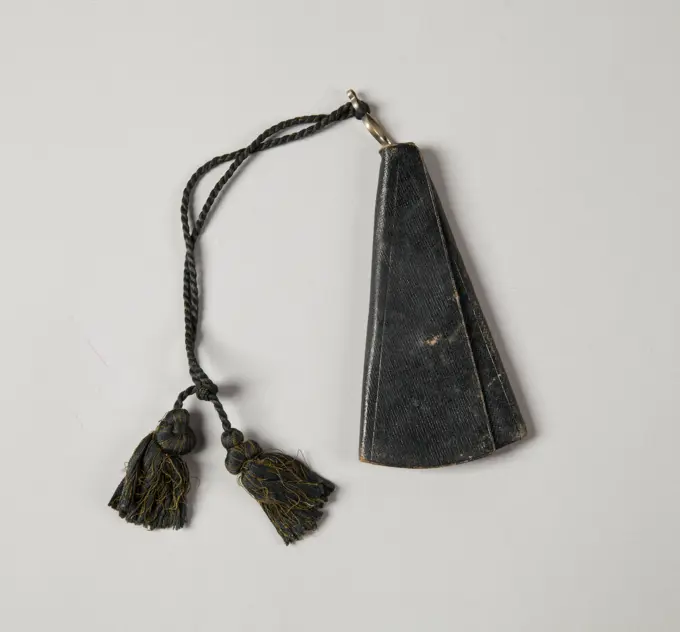
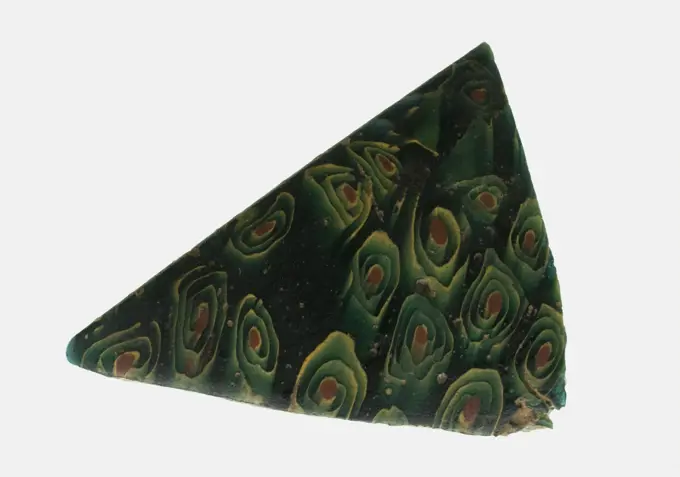
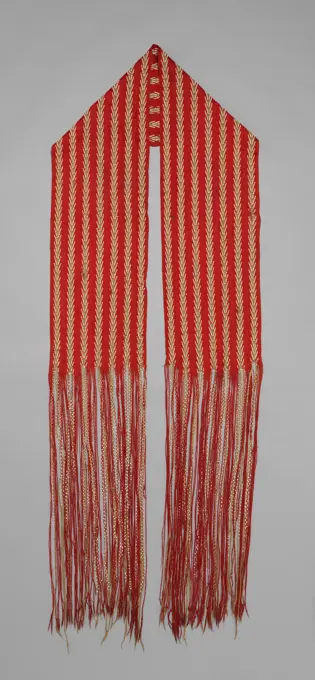
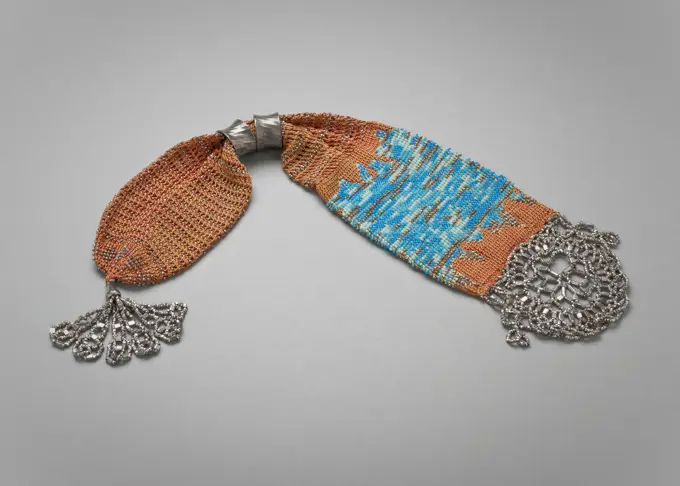
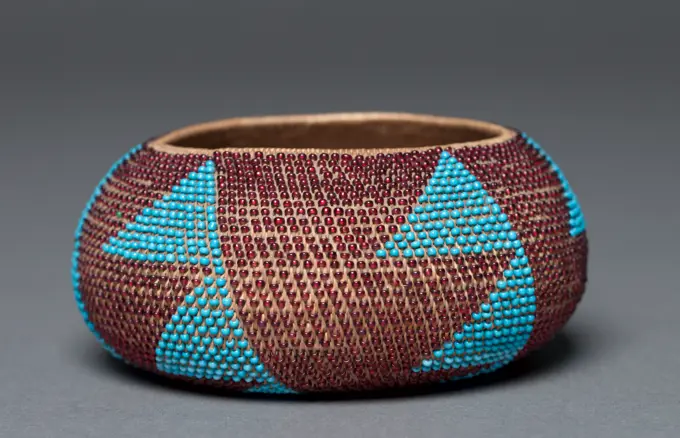
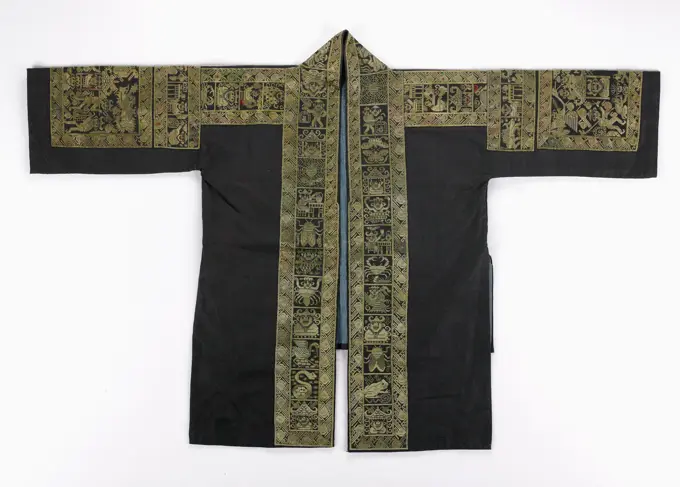
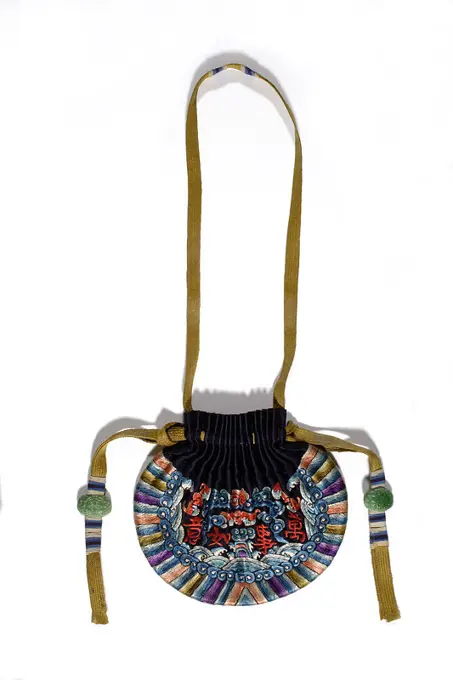
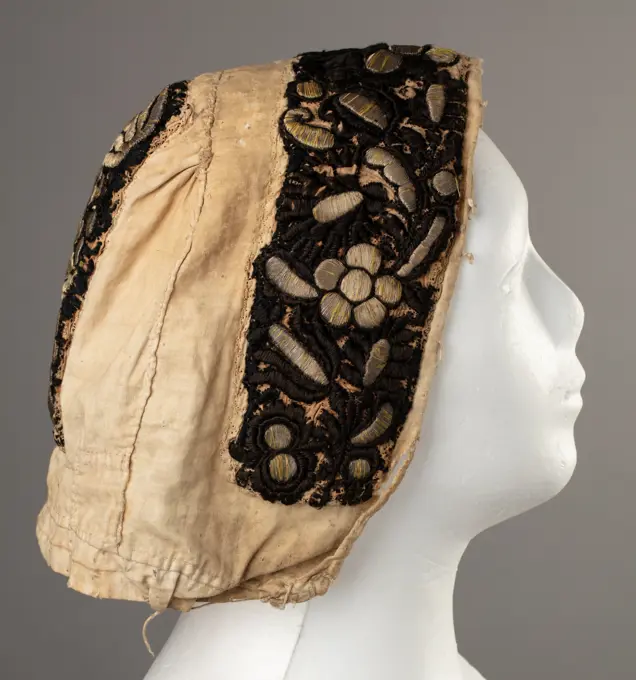
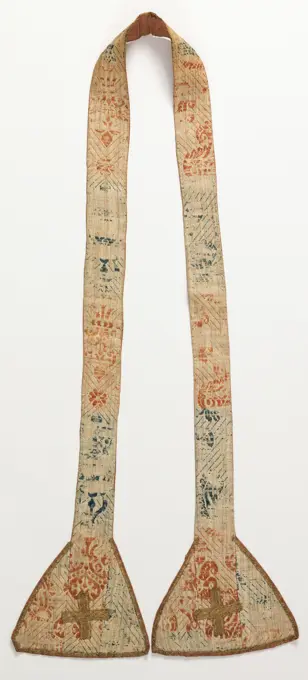
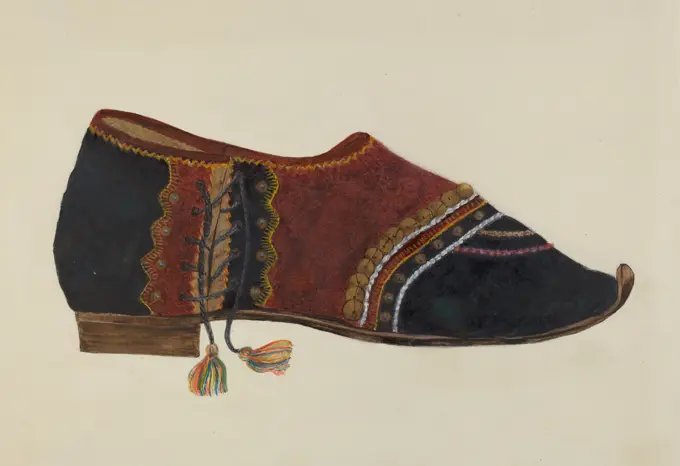
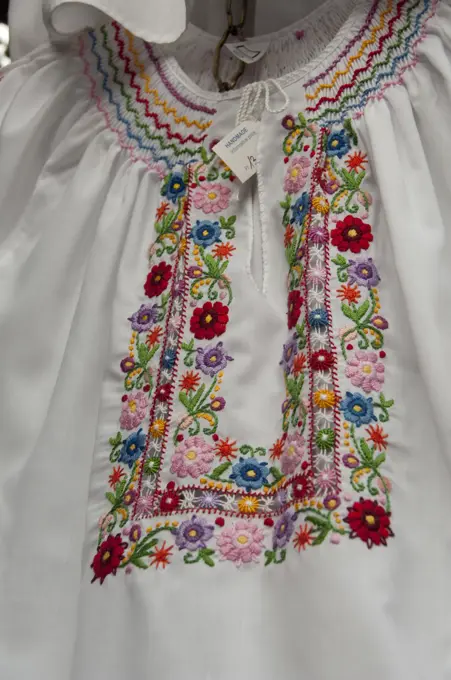
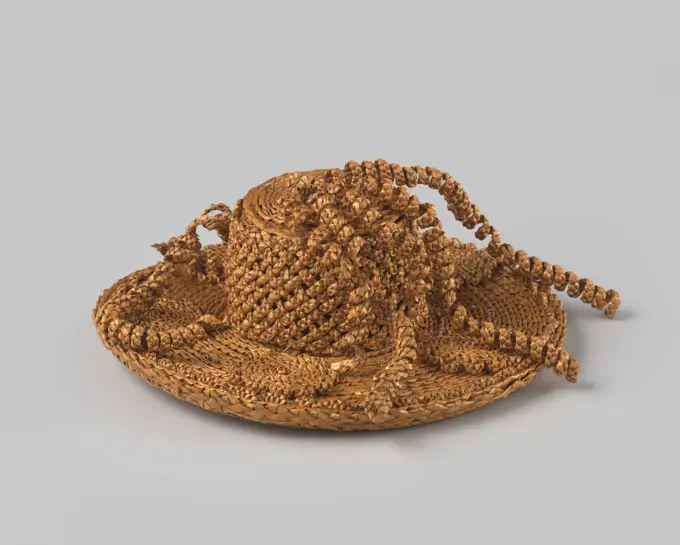
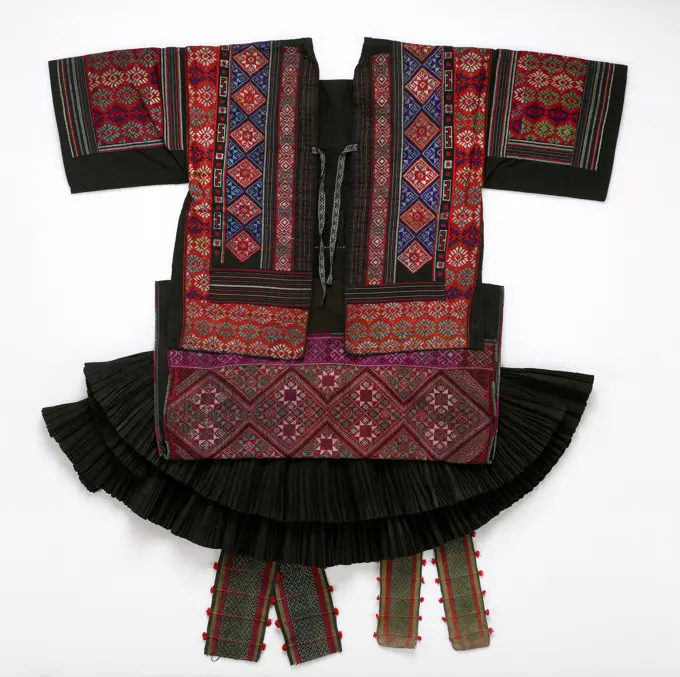
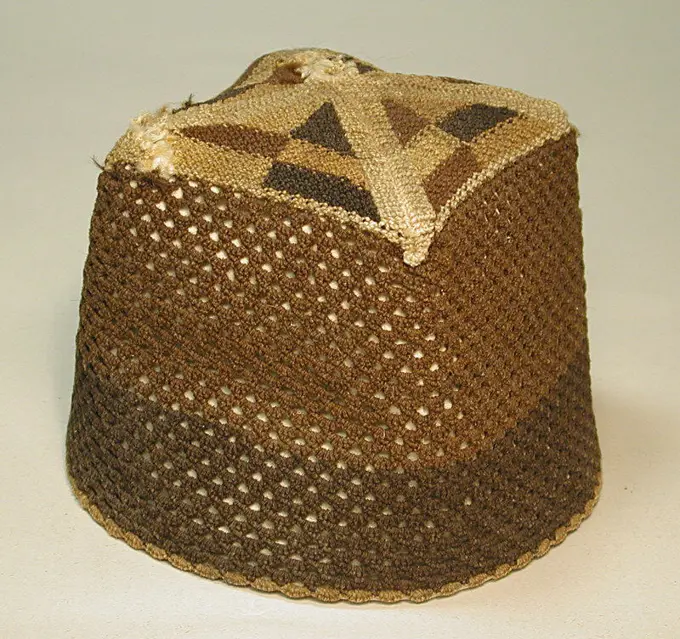
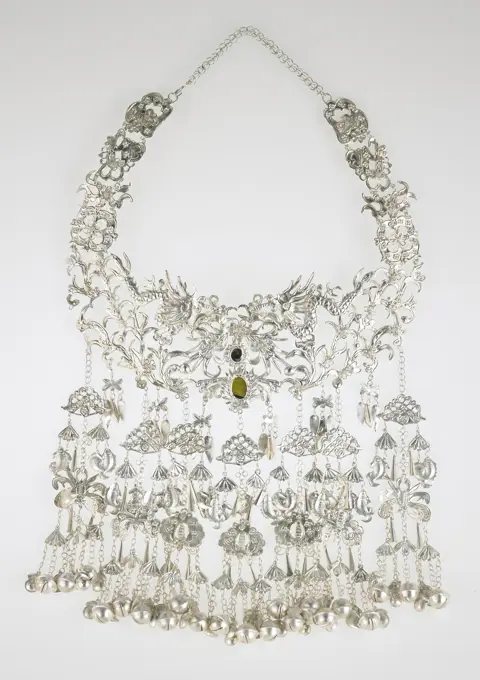
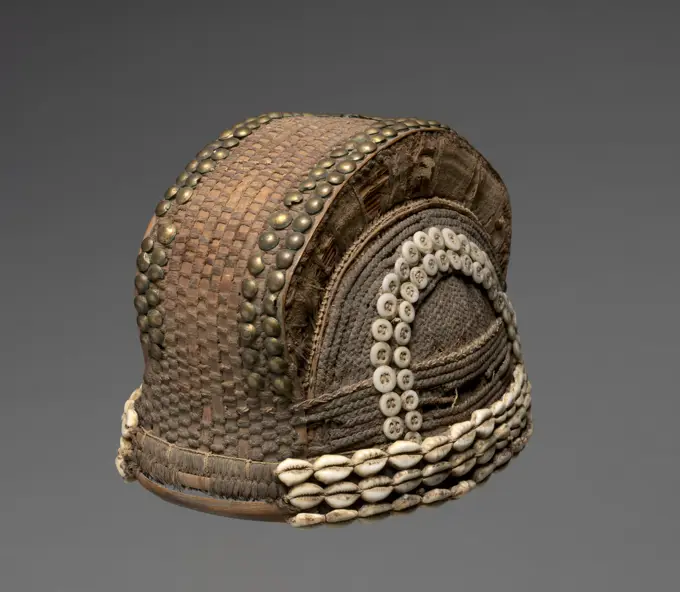
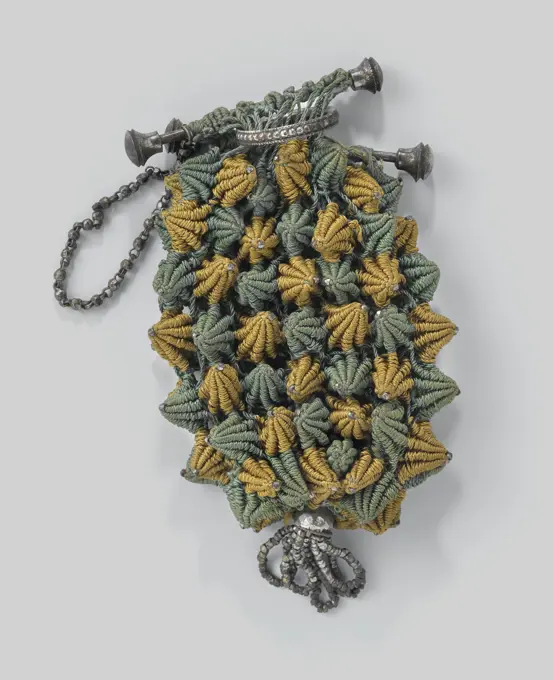
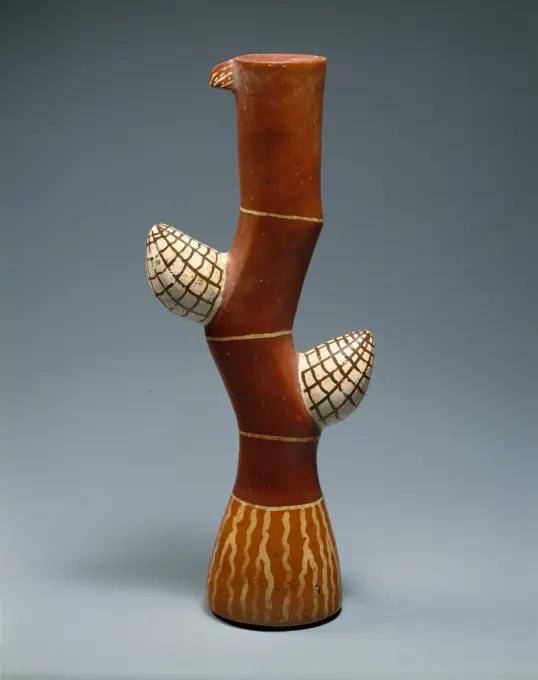
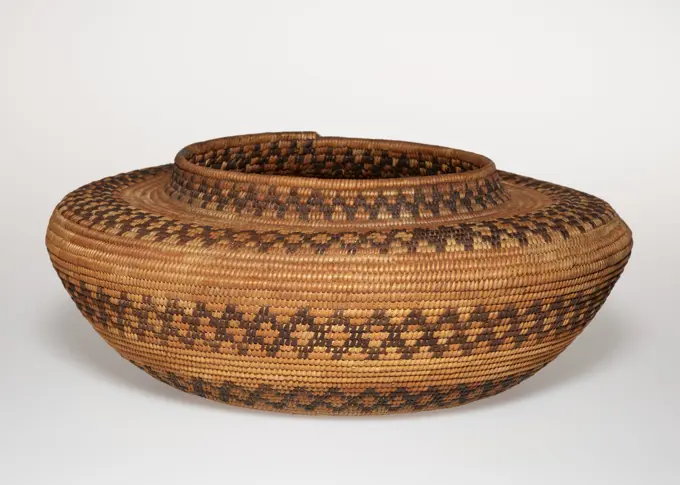
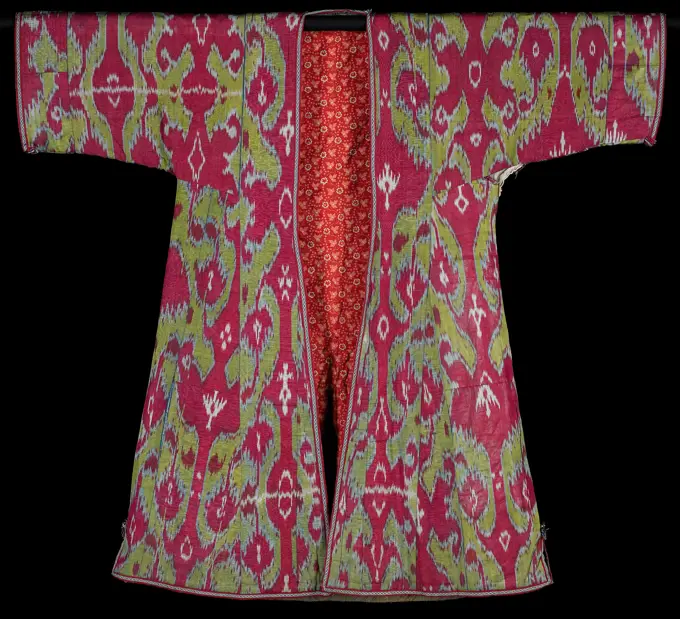
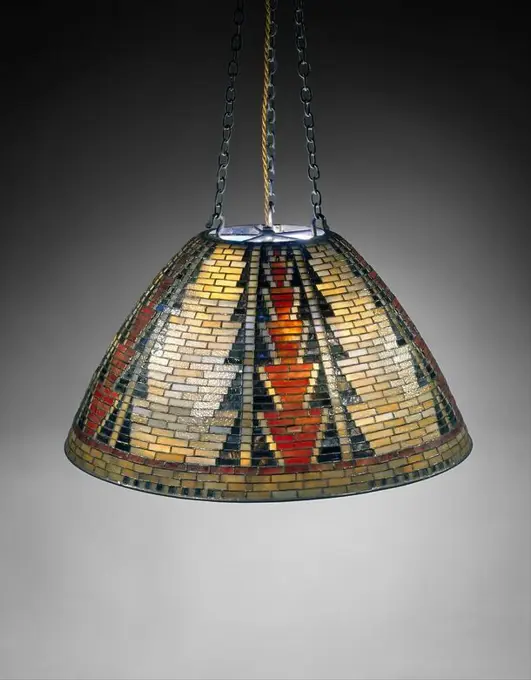
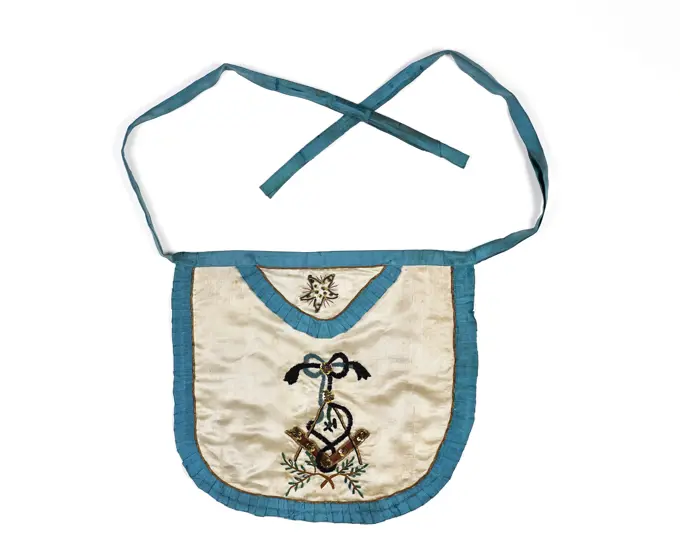
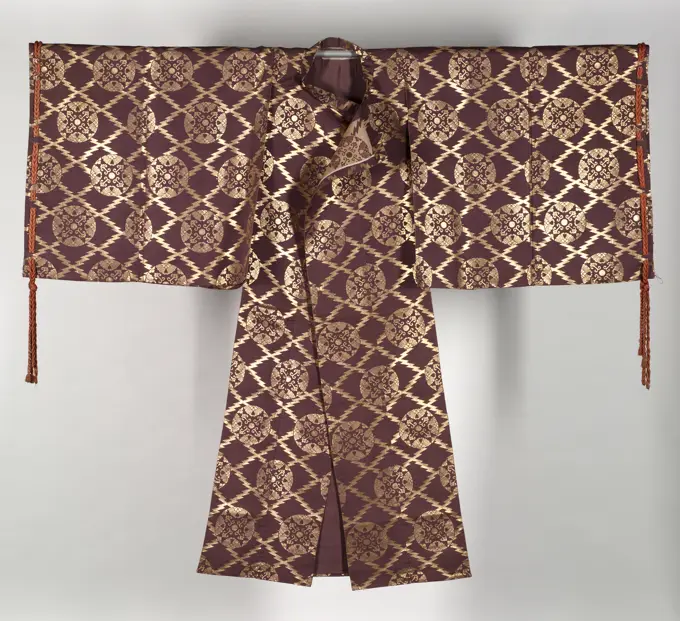
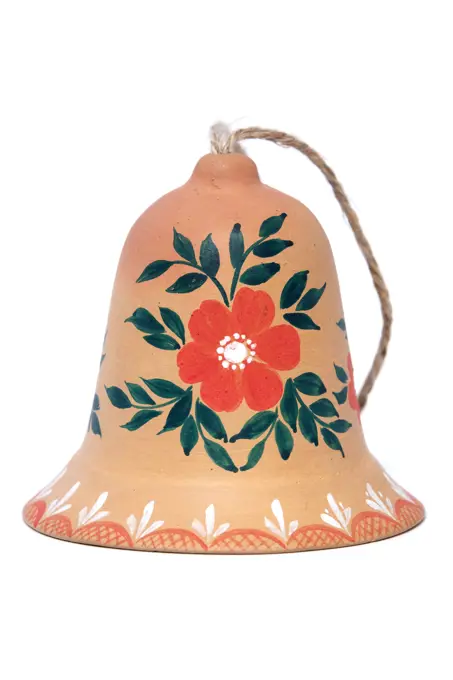
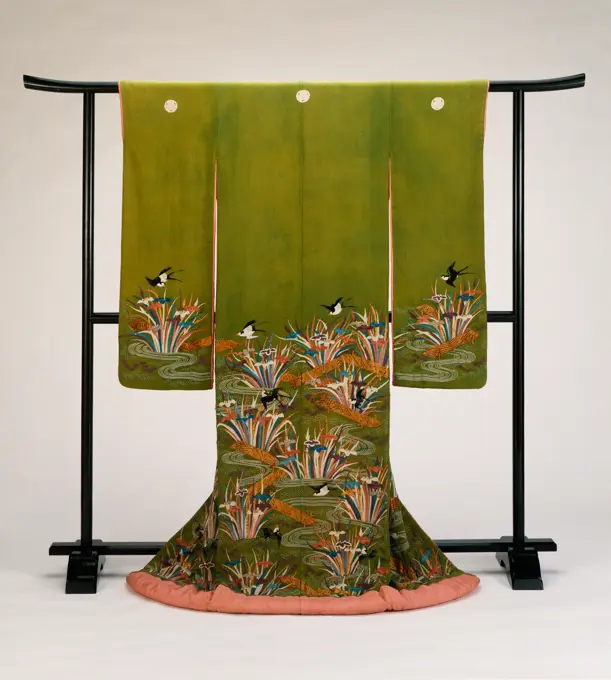
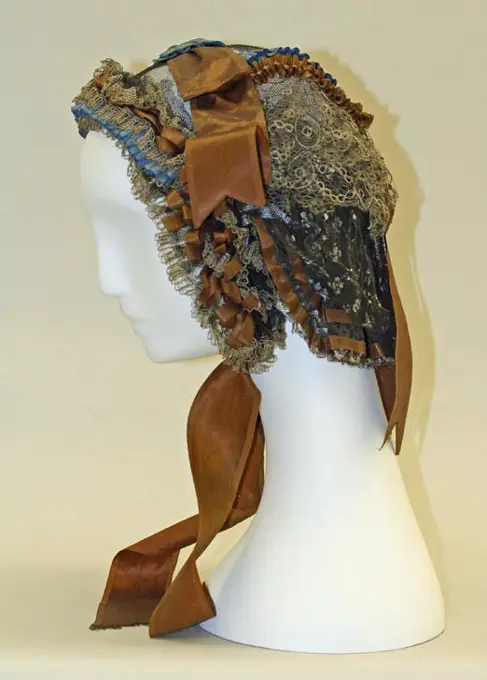
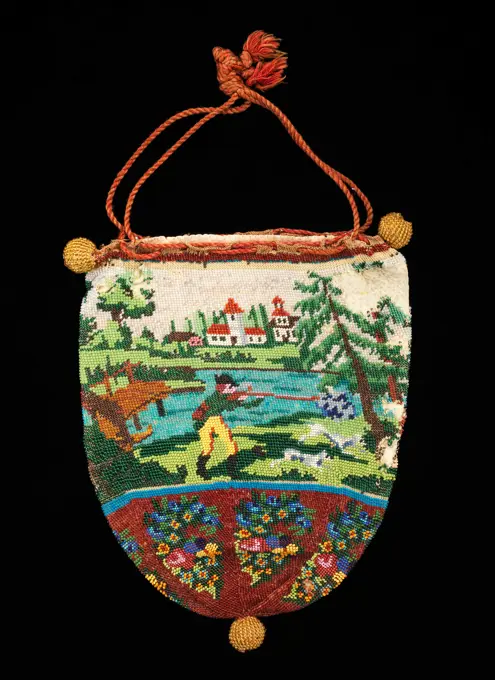
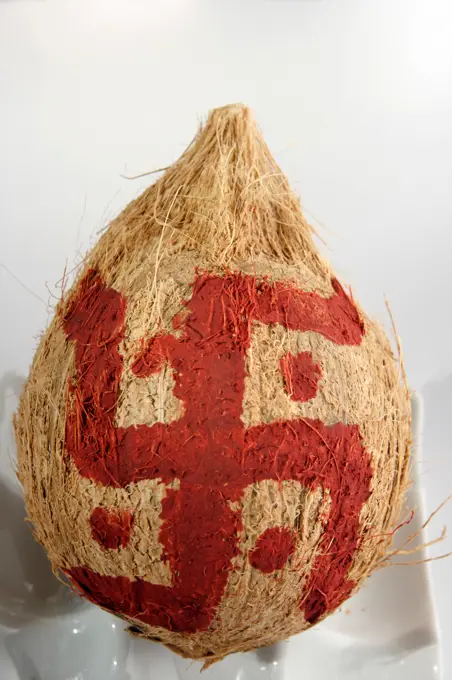
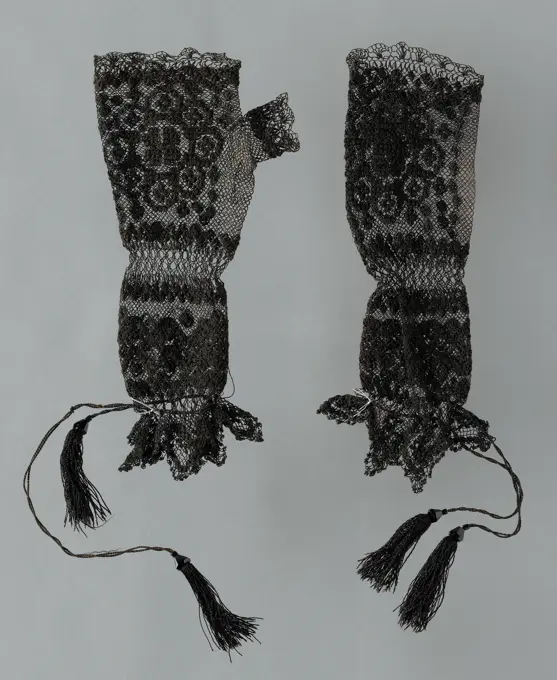
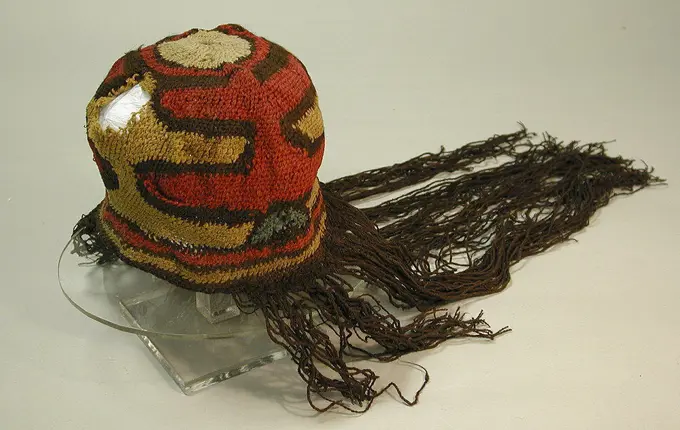
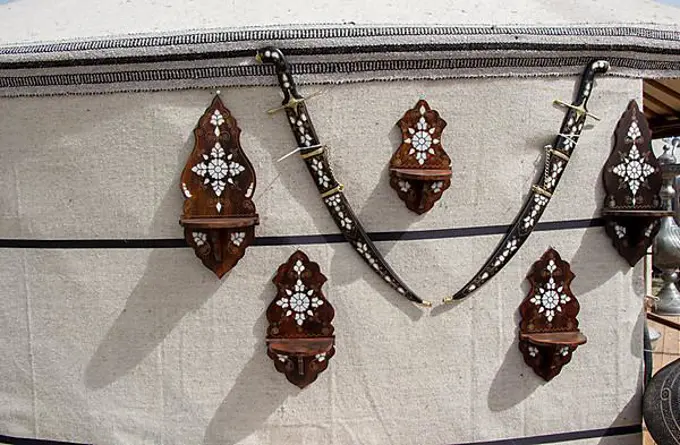
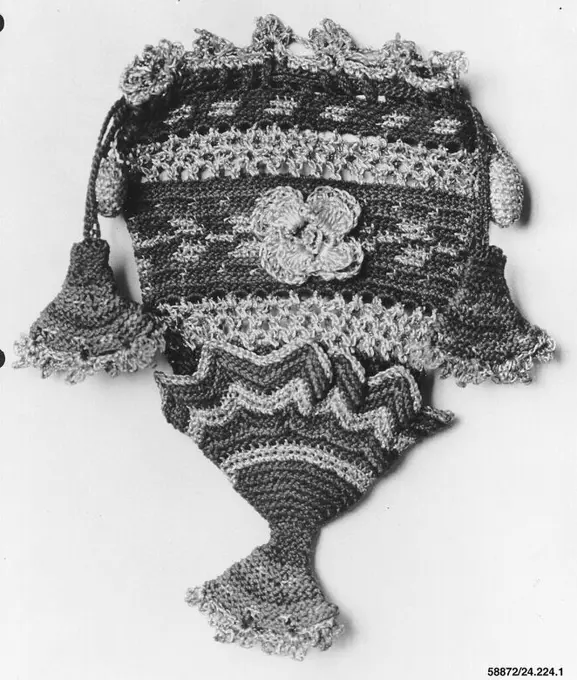
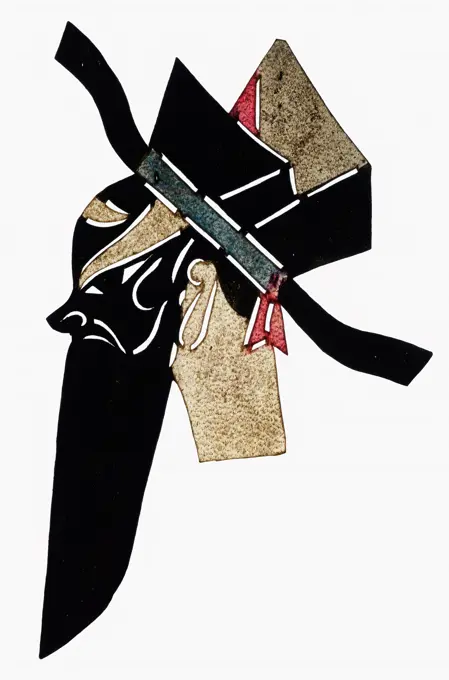
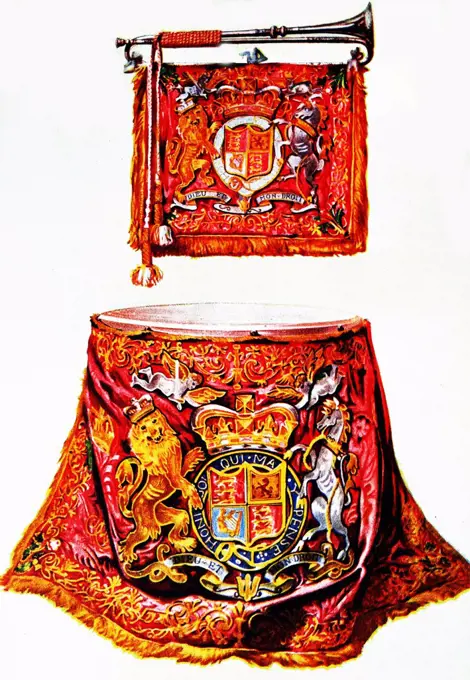
Belt, 77 x 3 1/4 in. (195.58 x 8.26 cm) (including fringe), Cotton, silk, ChinaVESTIMENTA DE DRAGONES-EPOCA CHING-TUNICA EMPERADOR S XVIII. Location: MUSEO DE PEKIN. Peking. China.Baby Carrier, Cotton, silk, silver metal ribbon; needlework, ChinaSleeping shades. Black mechanical whipped cream on cream taffeta, cream of silk cream. Ivory tip and mast, sculpted ivory handle. Chantilly black hand, lining in ivory black silk taffeta and Ivory Pongé. Ivory mast, sculpted ivory tip and handle. Black handle on black taffeta, black taffeta lining and cream ponted. Sun in guilloche silver, needles, tip, mast and sculpted ivory handle. Around 1860. Galliera, fashion museum of the city of Paris. Floral patterns Chantilly mechanics, cover, sculpt ivory, shadow handle, mat, grip, second empireSocks early 19th century Italian. Socks 121208A Pair of Oversleeves, anonymous, c. 1750 - c. 1775 Children's sleeve or "Bereklauw" from Sits, with a white stock with floral motifs and red flamed lanes with white flower and leaf vines and red stitching; The lining is made of white linen. Coromandelkust Cotton (textile). Chintz. Lining: Linen (Material). Eyes: Metal sewing Children's sleeve or "Bereklauw" from Sits, with a white stock with floral motifs and red flamed lanes with white flower and leaf vines and red stitching; The lining is made of white linen. Coromandelkust Cotton (textile). Chintz. Lining: Linen (Material). Eyes: Metal sewingPortfelikFragment of a Bowl 100 BCE-100 CE Italy. In ancient Rome, there was a high demand for colorful glass that could dazzle banquet guests alongside the expensive silver and gold serving wares meant to impress. Fragments like this one would have once been a part of larger mosaic dishes. The mosaic pattern was made by sagging molten glass into bowl-shaped molds, a technique used on many of these fragments is similar to millefiori, ìthousand flowersî in Italian, a modern glass-making method in which tiny rods of colored glass are bundled together, wrapped in a sheet of glass, fused, and then thinly sliced to reveal swirls of a flower-like patterns. They were arranged side by side, sometimes together with bits of colored glass, and fused together with heat.. Glass, mosaic glass technique . Ancient RomanLizard skin bag with metal zipper and Bakelite clasp, 1930, fashion accessories, Italy, 20th century.Sash ca. 1830 Wendat/ Huron, Native American An artist finger wove the chevron motifs on this exceptionally large and finely crafted sash, emphasizing the pattern through the incorporation of individual strands of white beads. Both women and men wore sashes of this type tied around the waist on dress occasions; men also wore them across the chest as bandoliers and used smaller versions as turbans. Although made of trade materials, sashes such as this one continued earlier weaving techniques.. Sash. Wendat/ Huron, Native American. ca. 1830. wool yarn and glass beads. Possibly made in Ontario, Canada; Possibly made in Quebec, CanadaFringe (Spain); silkWoman's Stocking Purse (Miser). Europe, circa 1830. Costumes; Accessories. Silk crochet with glass and metallic beads, and metal ringsGift Bowl, c. 1895. California, Wappo, late 19th- early 20th century. Willow, sedge, with beads; coiled (1 rod); overall: 6 x 13 cm (2 3/8 x 5 1/8 in.).Mans At-home Cap. Probably France, 1725-1775. Costumes; Accessories. Silk plain weave with supplementary warp-float patterning, and silk and metallic-thread embroideryJacket, ChinaBelt, 19th century, 6 3/8 x 85 1/16 in. (16.2 x 216.1 cm), Silk, metallic threads; lampas weave with braided warp fringes, Morocco, 19th centuryPerfume pouch with a string. unknown, craftsmanBliżej Kultury unknownStole (Spain); linen, woolAnn Gene Buckley, Man's Dancing Shoe, c 1936 Man's Dancing ShoeHungary, capital city of Budapest. Traditional Hungarian handicrafts,Doll hat of braided straw with high cylindrical ball and spiral ornaments, anonymous, c. 1700 - c. 1800 Doll hat of braided straw with high cylindrical ball and spiral ornaments. Netherlands . braiding Doll hat of braided straw with high cylindrical ball and spiral ornaments. Netherlands . braidingTassel 17th century French. Tassel 213514Tunic 7th century Nasca. Tunic. Nasca. 7th century. Camelid hair. Peru. Textiles-WovenAmuletBundleShirt. Culture: Italian. Date: 16th century. Museum: Metropolitan Museum of Art, New York, USA.Sash, 20th century, 102 x 1 5/8 in. (259.08 x 4.1 cm), Silk, China, 20th centuryBelt. unknown, authorBelt, from a seven-piece festival dress, 20th century, 33 1/2 x 4 3/8 in. (85.09 x 11.1 cm), Cotton, China, 20th centuryPurse (France); silk, metalShip full of Viking warriors. Gotland. 10th cent. Viking artefact.Four-Cornered Hat 7th-9th century Tiwanaku Finely woven, brightly colored hats, customarily featuring a square crown, four sides, and four pointed tips, are most frequently associated with two ancient cultures of the Andes: the Wari and the Tiwanaku. The Wari Empire dominated the south-central highlands and the west coastal regions of what is now Peru from 500-1000 A.D. The Tiwanaku occupied the altiplano (high plain) directly south of Wari-populated areas around the same time, including territory now part of the modern country of Bolivia. The cultures not only developed and flourished as contemporaries, but also occupied adjacent lands for nearly four centuries. A Wari ceremonial center called Cerro Baúl was located a mere five miles from Tiwanaku-settled fields in the Moquegua Valley of Peru. The two cultures likely encountered each other at Cerro Baúl and elsewhere, but the nature of these interactions remains largely unknown. Four-cornered hats from both the Wari and the Tiwanaku wNecklace, 20th century, 18 1/2 x 12 1/2in. (47 x 31.8cm), Silver, China, 20th centuryCap Made 1801-1900 India. Design embroidered in chain stitch in white on shawl material .Hat -Mirror 19th century China. Mirror. China. 19th century. Glass, silk, metallic thread. Qing dynasty (1644-1911). Textiles-WovenCermonial Headpiece, early 1900s. Africa, Equatorial Africa, Nigeria, Hausa or Gabon, Fang peoples, Early 20th century. Plant fibers, cloth, hair, cowrie shells, buttons, upholstery studs, and thread; overall: 15.2 x 17 x 21 cm (6 x 6 11/16 x 8 1/4 in.); inside: 16.5 cm (6 1/2 in.).Buzzing purse. Gal1973.67.47Purse, anonymous, c. 1825 Beurs, so -called Bourse and Diable, of green and ocher yellow side with a closure of two steel pens and a ditto sliding ring. The two steel pens are connected to a steel switch kettle. At the bottom a genoppy steel ring on which lusted cords of steel beads. The stock market is unsurpassed. Netherlands whole: Silk. Closure: Steel (Alloy). Brush: Steel (Alloy) crocheting / forging Beurs, so -called Bourse and Diable, of green and ocher yellow side with a closure of two steel pens and a ditto sliding ring. The two steel pens are connected to a steel switch kettle. At the bottom a genoppy steel ring on which lusted cords of steel beads. The stock market is unsurpassed. Netherlands whole: Silk. Closure: Steel (Alloy). Brush: Steel (Alloy) crocheting / forgingGift Basket, 19th-20th century, 2 3/8 x 6 3/8 in. (6.03 x 16.19 cm), Plant fibers, feathers, shells, beads, United States, 19th-20th centuryMitts 18th century European. Mitts 119661Tassel French 1825 View more. Tassel. French. 1825. Silk and cotton. Textiles-TrimmingsCorn-Stalk Vessel 6th-7th century Nasca or Wari. Corn-Stalk Vessel. Nasca or Wari. 6th-7th century. Ceramic. Peru. Ceramics-ContainersMiriñaque, siglo XIX, MTIB146877. Museu Textil i d'Indumentaria de Barcelona.Amazonia. Hat. It was found in the Botanical expedition to the Viceroyalty of Peru (1777-1788), led by Hipolito Ruiz, and composed by Jose Pavon and Joseph Dmby. Cholon culture. Amazon, Huallaga River, Peru. Last third of the 18th century. Feather, vegetable fiber and resin. Museum of the Americas. Madrid, Spain. Hood 1863-1869 European. Hood 116476A handkerchief with a knot, to remember something to not forget, isolated on white backgroundToy 19th century China This embroidered toy features a man riding a qilin, a fantastic animal commonly found in the decorative arts of the Ming (1368-1644) and Qing dynasties. Although its appearance can vary, the qilin seen here combines the features of a dragon (head, horns, and scales), a fantastical lion (tail), and a deer (body and hooves). Various auspicious items hang from the qilin, among them (from the left) scrolls, a sycee (silver ingot), books, and a handheld decorative accessory called a ruyi. The detachable rider holds a sheng, a type of mouth organ.. Toy 51363Basket, c. 1900-1920, 3 1/2 × 8 13/16 × 8 13/16 in. (8.89 × 22.38 × 22.38 cm), Plant fibers, United States. Round pouch from Oknergele Shantung side, around one square plane with fanning dots of embroidered green-gray roughly wool, lined with ocher side. The four points are fixed at the top edge of the pouch, with a tiger eye bead at each end. The wool is decorated with small regularly spreads and an embroidered edge in golden yellow and brown floss side. In the middle a four-pointed star, within which an embroidered circle in green and brown and a semicircular glass bead. At the points of the star a machine-embroidered line of round brown or elongated golden yellow dots, which opens into the points of the woolen surface. Along the edge of the bag a strip of crocheted circles where a double golden coated cord is roughened through it, with which the bag can be closed. The bag is unlined.Fichu 1840-60 American. Fichu 158083Miser's Purse (France); silk, metal; L: 13 cm (5 1/8 in.)North African decorative corn. Dated 18th CenturyTippet ca. 1865 C. G. Gunther's Sons American. Tippet 158846Single Shoe. China. Date: 1855-1875. Dimensions: 13.8 × 11.4 × 4.3 cm (5 1/2 × 4 1/2 × 1 3/4 in.). Blue and red sateen, gilt trim. Origin: China. Museum: The Chicago Art Institute, Chicago, USA.Traditional indonesian mask on a white backgroundHat ca. 1887 American or European. Hat 113207Chapan, 52 3/4 x 56 1/4 in. (133.99 x 142.88 cm), Cotton, silk; resist dyed (ikat), UzbekistanGloves 17th century British During the seventeenth century, elaborately embroidered gloves were commissioned to be made as presents for distinguished visitors, patrons, and heads of state. Their status as purely decorative objects, rather than practical everyday wear, has resulted in the survival of an unusually large number of gloves of this type.. Gloves 81539Streamers From Dancer's Costume 19th century China. Streamers From Dancer's Costume 70472Chandelier. Culture: American. Designer: Designed by Louis Comfort Tiffany (American, New York 1848-1933 New York). Dimensions: H. 14 7/8 in. (37.8 cm); Diam. 26 1/4 in. (66.7 cm). Maker: Tiffany Glass and Decorating Company (American, 1892-1902). Date: ca. 1899.The artist-designer Louis Comfort Tiffany designed this leaded-glass shade made by his firm Tiffany Glass and Decorating Company around 1899. The shade displays zigzag patterning featured on Native American baskets, which is reinforced by the bold colors of red, black, and yellow. The lamp hung at "Wawapek," the home of Robert and Emily de Forest, in Cold Spring Harbor, New York, across the harbor from Laurelton Hall, Tiffany's country estate. Emily de Forest recalled that her husband had asked Tiffany for a floral shade, to which he responded, "That is not what you need for your hall, you need an Indian Basket." The stylistic motif of the lamp complemented the de Forests' large collection of Native American baskets and PuebloWoven rush sandals. From Saqqara. Late period 1000-300 B.C.Przeszo Przyszoci unknownAumonière. 1865. straight. GAL2004.273.X_1Towel isolated on the white backgroundRussian National Wicker Shoes Russian national handmade wicker shoes on an isolated studio background Copyright: xZoonar.com/AndreyxSkatx 8079736Card case (), 19th century, 5 x 3 in. (12.7 x 7.6 cm), silk, China, 19th centuryMetalHatEnsemble India 19th centuryBasket, 4 × 3 3/4 × 3 3/4 in. (10.16 × 9.53 × 9.53 cm), Plant fibers, United StatesBag 1820-30 French. Bag 102704Mirror 19th century China. Mirror 69710Pair of Woman's Leggings, c. 1880, Hide, beads, pigment, United States, 19th century, Among the Tsistsistas, women traditionally worked hides for clothing and other necessities. Designs were then added by members of exclusive women's societies who regulated their meanings and use. The beaded lines here, for example, traditionally represented the war honors of the wearer or her family, a motif repeated often on men's shirts and leggings. However, by the time these leggings were created the symbolism of the lines was likely used more for their decorative effect. The motif blends tradition and art, balancing the geometric symmetry of the beading with the contrasting colors and repeating borders of the lane-stitched design.Freemason apron in the rank of master;  around 1820 (1815-00-00-1825-00-00);Circus and carbon (Masonic emblems), Akacja branch (Masonic symbol), Freemasonry lodges, Freemasonry, a rope (Masonic symbol), FreemasonryBasket, 20th century, 5 5/8 x 4 1/4 x 4 1/4 in. (14.3 x 10.8 x 10.8 cm), Plant fibers, United States, 20th centuryNoh Robe (Kariginu), 1800-1850. Japan, Edo period (1615-1868). Silk, twill weave; metal thread; overall: 142.2 x 193 cm (56 x 76 in.).Bell with traditional russian ornament on a white backgroundWomans Outer Kimono (Uchikake) with Plank Bridges, Irises, and Swallows. Japan, late Edo period (1615-1868), late 18th-early 19th century. Costumes; principal attire (entire body). Silk plain weave (crepe) (chirimen) with paste-resist dyed (yūzen) and stenciled paste-resist imitation tie-dyed (kata kanoko) with silk and gilt-paper-wrapped silk thread embroidery.Hat 1864-65 American or European. Hat 113108Cricket Cage (possibly India); ivory, silk (cord and tassel)Fragment of a bag, Medium: wool Technique: Tapestry) dove-tailed, use of non-horizontal weft; diagonal flat interlacing; braiding-4-strand; sides stitched together to form bag; warp ends covered by stitching forming opening; diagonal flat interlacing; braiding 4-strand, Fragment of a small bag in geometric pattern in green, red, blue and light brown. Fringe at one end., Peru, 100 BC-1000 AD, woven textiles, Fragment of a bagHat -Stole 1830-50 Spanish. Stole 168489Pouch 1830-60 American The narrative imagery is continuous around this bag and depicts a hunter with his dogs on one side, and the deer, his prey, on the other. The bag is thought to have been made in the Catskill Mountains and the imagery, with its beautiful coloration, reflects the geography of that area. The use of floral boteh is an interesting touch, probably copied from available pattern books Accession record notes: "Three miles from Catskill. Family had always had it"Margaret S. Bedell (1861-1932) donated, by gift or bequest, over 500 objects to the Brooklyn Museum, including furniture, quilts, samplers, costume and Native American beadwork. Her collection of American and European beaded bags includes examples from Philadelphia and the Catskill Mountain region of New York State, as well as Italy, Austria, Germany, and Holland.. Pouch 156449Purse. Culture: Mexican. Date: 1800-1820.The construction of this bag combines beadwork and needlework. The needlepoint lamb motif recurs frequently in beaded bags. The lining, an 18th-century dress silk, possibly French, is an example of the reuse of precious dress silks from earlier periods. The crown motif may have some ceremonial significance, possibly related to marriage. The purse is part of the Mexican beadwork collection of over 600 pieces assembled by Elizabeth Morrow (1873-1955), mother of writer Anne Morrow Lindbergh, the wife of renowned aviator Charles Lindbergh. Morrow collected the objects between 1927 and 1930, when her husband, Dwight Morrow, Sr., served as U.S. ambassador to Mexico. She lent the collection to the Brooklyn Museum in 1938 and upon her death, her children donated it. A collection of 155 pieces of Mexican ceramics and other decorative arts were given to Amherst College, her husband's alma mater. Mrs. Morrow collected Mexican beadwork, along with other eDish ca. 1780-90 American. Dish 6504Red swastika on dried Coconut Copyright: xMadhusudanxManek/DinodiaxPhotoxEntrance decorationPair of Mittens Made 1850-1900 United States. Silk, bands of butterfly, Grecian, and square netting; embroidered in darning, darned wheel, and overcast stitches (lacis); plied cotton cords with jet beads and silk cut tassels .Auriga - standing up;  1980s; (470-00-00-480-00-00);Pair of Matching Tabs from a CeremonialGarment.  Artist: UnknownInrö with an Arabesque (Karakusa)MotifAsian conical straw hat isolated on white Asian conical straw hat isolated on white background Copyright: xZoonar.com/ValeryxVoennyyx 14986699Cap 7th-10th century Peruvian. Cap 316955Ottoman art example of Mother of Pearl inlays from IstanbulHat 1866-70 American. Hat 113233Brush Rug, Anonymous, c. 1730 - c. 1760 Brush ridge Delft . Brush ridge Delft .Bag. Culture: British. Dimensions: L. 4 1/4 x W. 2 1/2 inches10.8 x 6.4 cm. Date: 1850-60. Museum: Metropolitan Museum of Art, New York, USA.Shadow Puppet Head, 20th century, 5 in. (12.7 cm), China, 20th centuryState Trumpet and Kettledrum. This silver state trumpet and kettledrum were adorned with the bannerets of the Royal Arms in crimson and gold and belonged to the Queen's St. James' Palace collection.