Ornate Textile Artifacts

Vividly colored chasubles and decorative textiles, featuring intricate patterns and historical designs, representing traditional craftsmanship from various cultures.
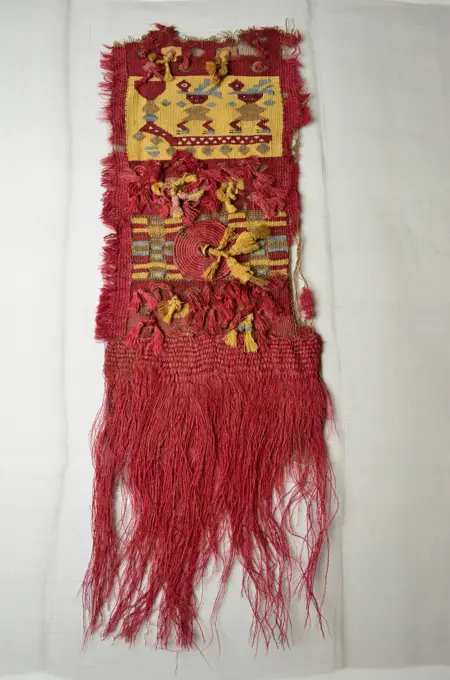
Turban-end Panels 12th-15th century Chimú. Turban-end Panels 312795
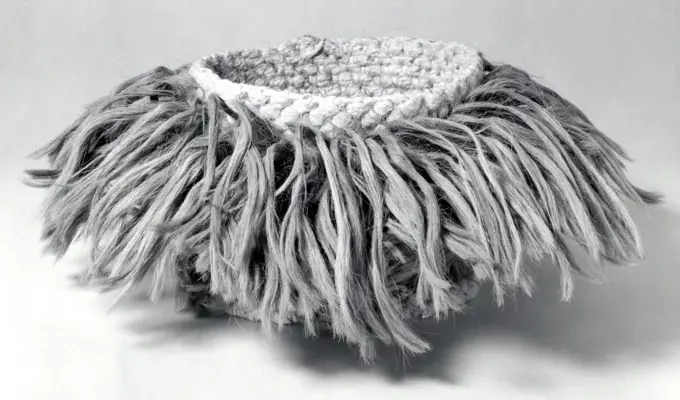
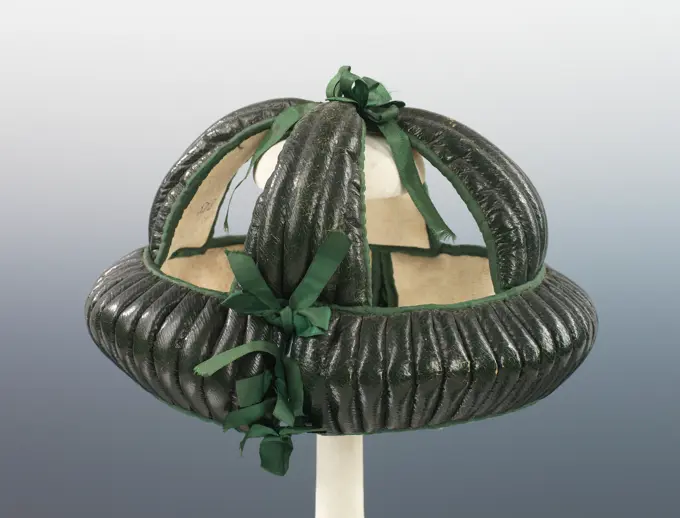
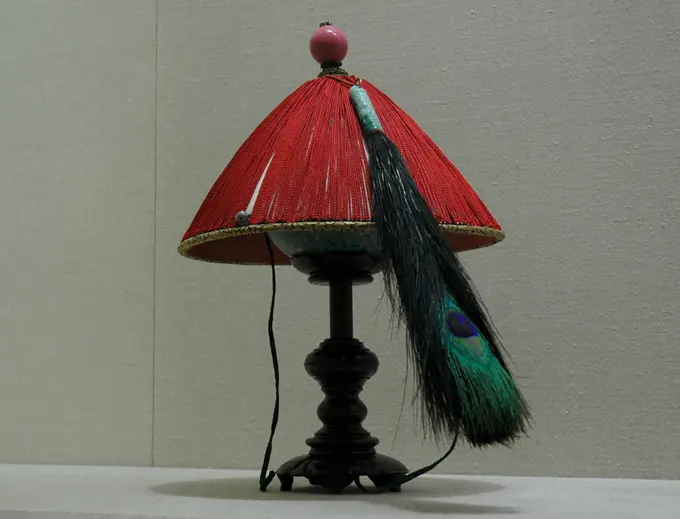
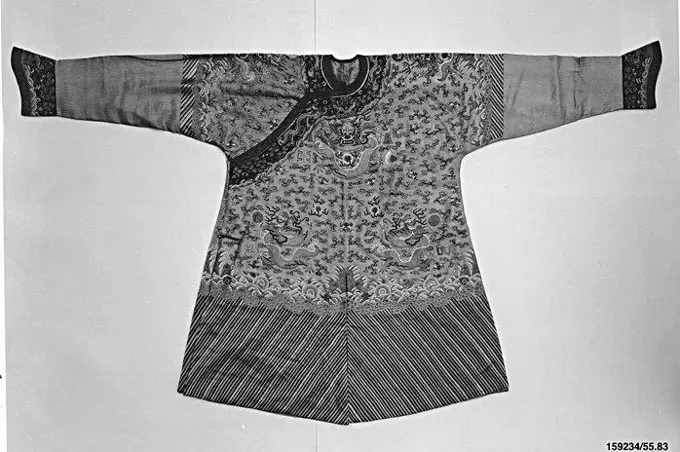
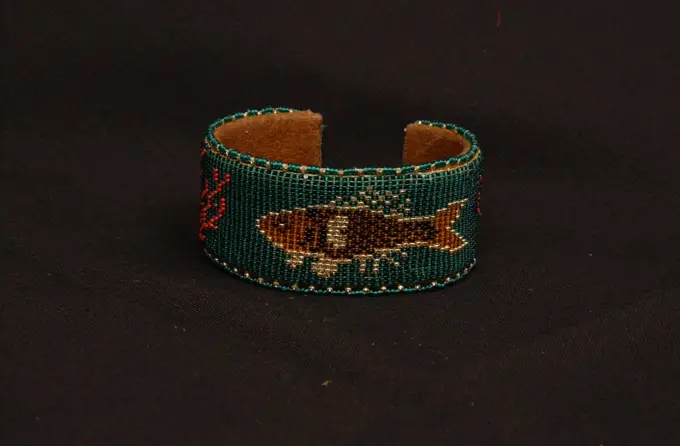
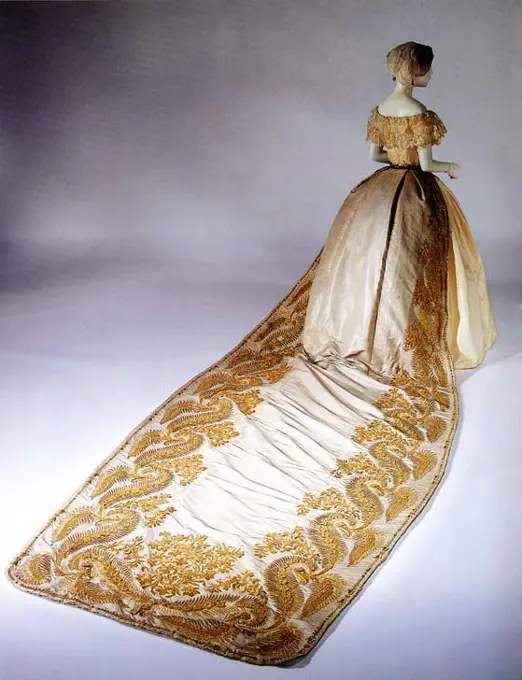
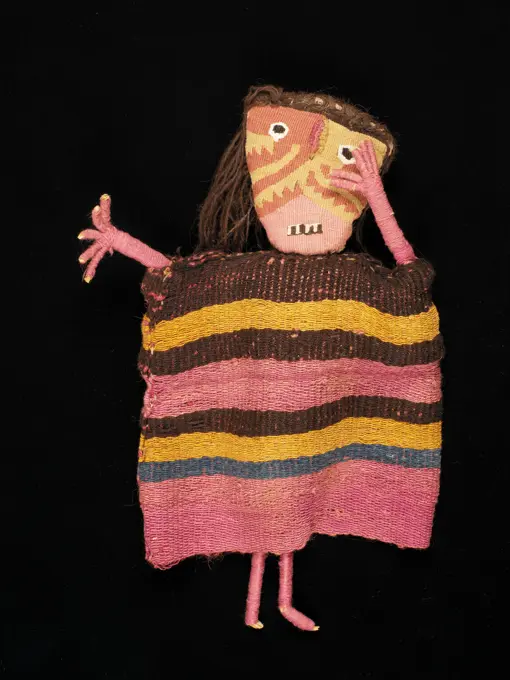
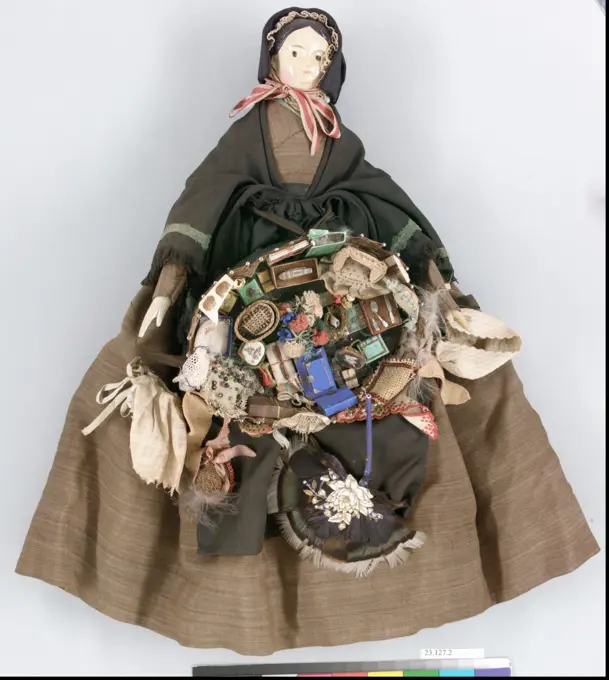
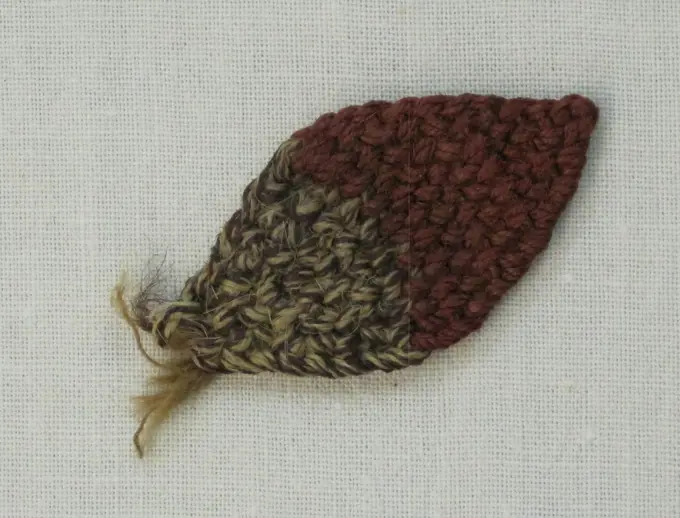
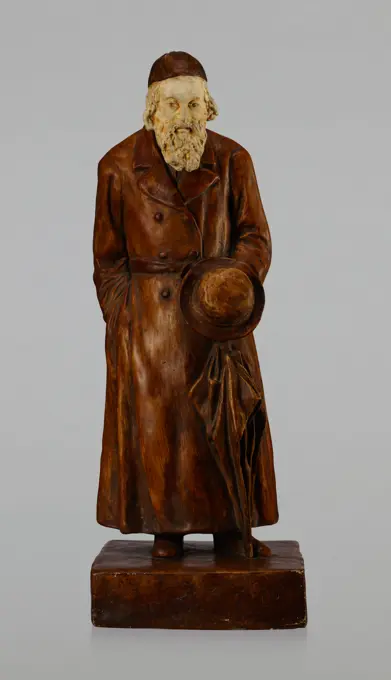
Figurine; The first Galician Factory of Art Fiances and Terracotty (Pacyków; 1912-1939); 1 20th century (1901-01-01-1925-12-31);Pair of Boots (Theatrical) Made 1870-1879 France. Silk, plain weave; brocaded; leather .Silver tassel 17th-19th century European. Silver tassel 460958Fragment of a terracotta column-krater (mixing bowl for wine and water). Culture: Greek, Attic. Dimensions: H. 4 3/8 in. (11.1 cm)diameter 12 3/16 in. (31 cm). Date: ca. 460 B.C..Obverse, Dionysos and four satyrsThe wreaths and gestures characterize the satyrs very much as human revelers. Museum: Metropolitan Museum of Art, New York, USA.Comb ca. 1295-1070 B.C. New Kingdom, Ramesside. Comb. ca. 1295-1070 B.C.. Wood. New Kingdom, Ramesside. From Egypt, Memphite Region, Lisht North, Cemetery, MMA excavations. Dynasty 19-20Hat 10th-16th century Peruvian. Hat 315785Doll. Dated: c. 1936. Dimensions: overall: 38.3 x 25.8 cm (15 1/16 x 10 3/16 in.) Original IAD Object: 12" high. Medium: watercolor and graphite on paper. Museum: National Gallery of Art, Washington DC. Author: Kapousouz.Womans Basket Cap.   Maker: Hoopa Valley TribeJapan, Kanazawa, Nomura Samurai HouseFlywhisk, about 1950, 28 1/4 x 2 5/8 x 2 1/4 in. (71.76 x 6.67 x 5.72 cm) (with hair), Beads, wood, hair, Nigeria, 20th centuryCap -Cap first quarter 19th century American Not unlike the stylish bicycle helmets worn by today's children, this is a beautifully made example of protective headwear worn by children in the early 19th century. Known as bumpers or pudding caps (for their resemblance to the shape of pudding or pudding bowls) these padded helmets were commonly worn by small children learning to walk to protect their heads from any falls. A linen or muslin cap was worn underneath. The quality of materials and craftsmanship used in this particular example suggests that this cap was owned by an affluent family.. Cap 156170Doll hat -Accessories for the cleaning of the skinSpindlewhorl; 6th - 7th century; Glass; 4.5 cm (1 3,4 in.)Relic of St. Hermetis, c. 1045. Germany, Lower Saxony, Romanesque period, 11th century. Bone, compound weave or samite; This relic is in the portable altar commissioned by Countess Gertrude of Brunswick, one of the Guelph Treasure’s earliest and most sumptuous objects.Man's Summer Court Hat with Peacock Feather China. Man's Summer Court Hat with Peacock Feather 65716Catalogs card, so -called catalog patch, from the Nordic Museum. Objects Inv.no 4351, shoe straps or sharpen from Lule patchwork. Watercolored drawing depicts the item. Sami terms on the details signed with pencil. The drawing made by Emelie von Walterstorff. NordicJacket, ChinaMilitary Medals and Uniforms on display for sale in Buhkara, Uzbekistan; Buhkara, UzbekistanSewing Bag; Made by H.E. Verran Company; linen foundation, silk embroidery and drawstringBoy Emperor's Twelve-Symbol Robe 19th century China. Boy Emperor's Twelve-Symbol Robe 70102Close-up of a Chinese yuan banknote in a broken fortune cookieTwo neckties isolated on whiteJewelry from Indian Arts and Crafts Board displayCourt train ca. 1850 British. Court train 107865Chancay Textile Doll, 1000-1400, Late Horizon, Inca.  This doll is made of sticks and spindles with pink wool wound around them. She is dressed in a tunic made of wool and cotton. Her face was woven separately on a miniature loom and her hair is coarse alpaca wool with natural hair twisted into it.Headdress. Culture: French. Date: ca. 1800. Museum: Metropolitan Museum of Art, New York, USA.CAPA PLUVIAL. Location: MUSEO DE ARTE SACRO. IRIA. A CORUÑA. SPANIEN.Strip -Doll ca. 1870 British. Doll. British. ca. 1870. Textiles-CostumesJewish Museum of Florida. Kippah - traditional jewish headwear. Figural Sculpture, (probably from a Leaf from a Tree), fragment Chancay. , 1000-1532. Camelid fiber, 1 5/8 × 11/16 in. (4.1 × 1.7 cm).   Arts of the Americas 1000-1532Smoking cap -