Painted Cups and Bowls

Assorted porcelain cups and bowls featuring artistic floral designs and intricate color patterns, highlighting elegant beverage and dining ware.

Bowl with the Eight Taoïst Immortals, anonymous, c. 1700 - c. 1724 Come from porcelain with petal-shaped compartments modeled in the wall and scalloped edge, painted in underlaze blue. Around the foot a tire of petal shaped compartments with alternating a flower branch and flour with tendrils, above it the eight Taoist immortal; A sitting man on the bottom; The inner edge with Ruyi motif and curl. Marked on the underside of the bowl with the six-character brand of Keizer Chenghua. Blue White. China porcelain. glaze. cobalt (mineral) painting / vitrification Come from porcelain with petal-shaped compartments modeled in the wall and scalloped edge, painted in underlaze blue. Around the foot a tire of petal shaped compartments with alternating a flower branch and flour with tendrils, above it the eight Taoist immortal; A sitting man on the bottom; The inner edge with Ruyi motif and curl. Marked on the underside of the bowl with the six-character brand of Keizer Chenghua. Blue White. China
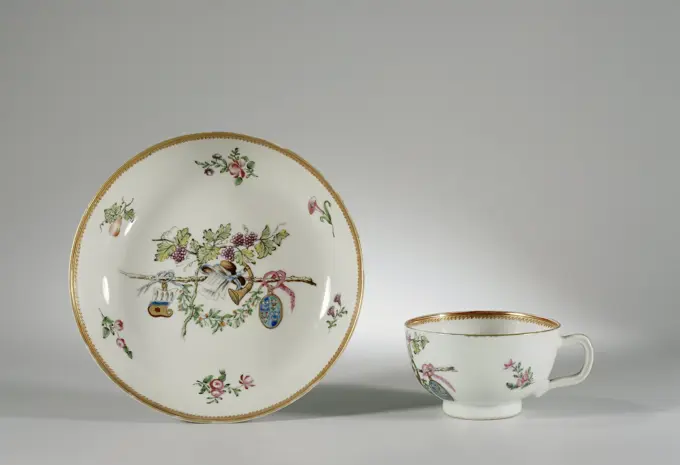
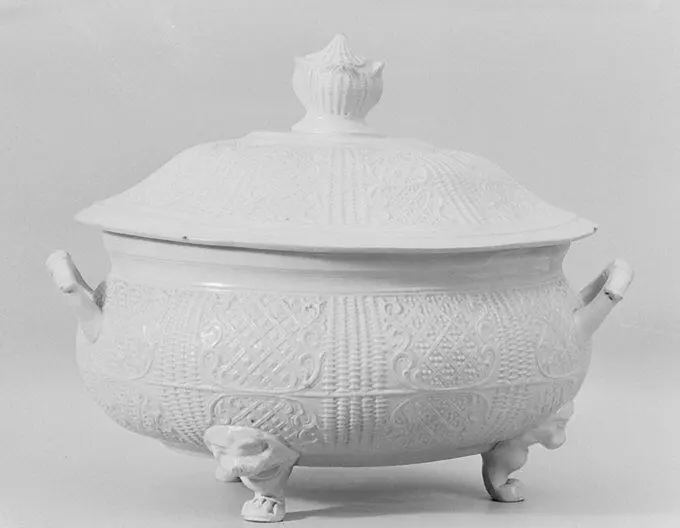
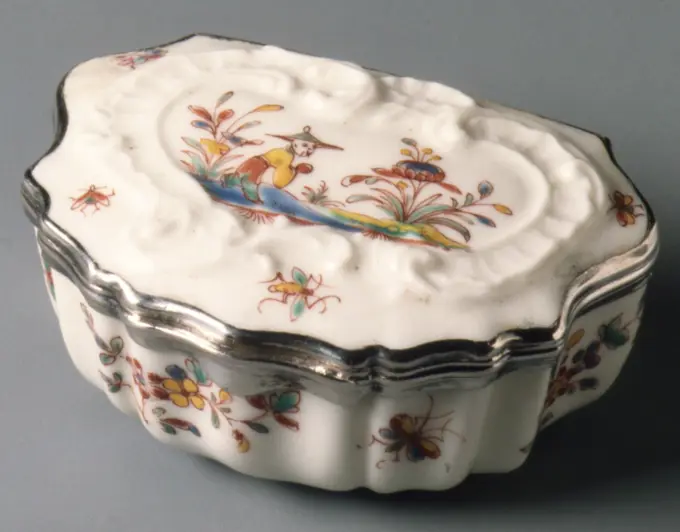
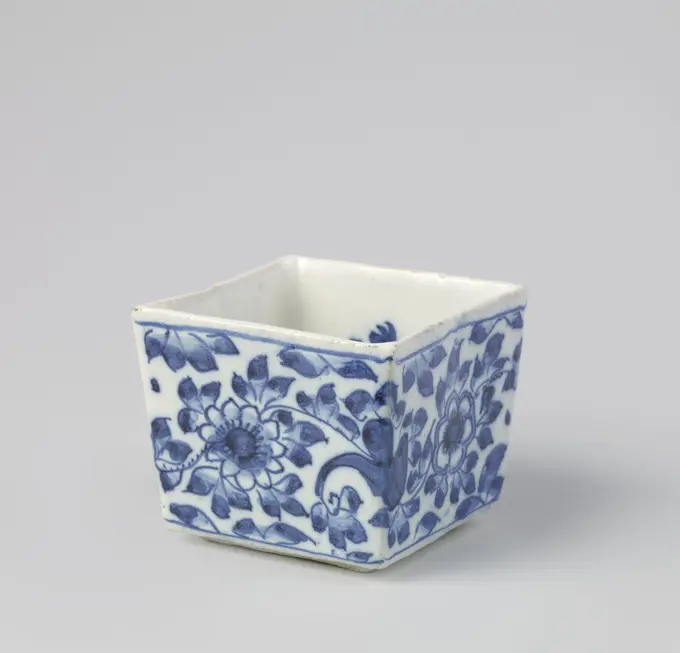
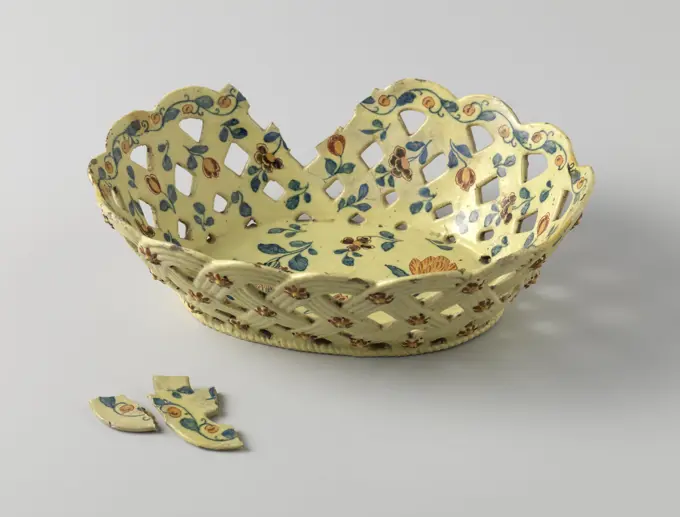
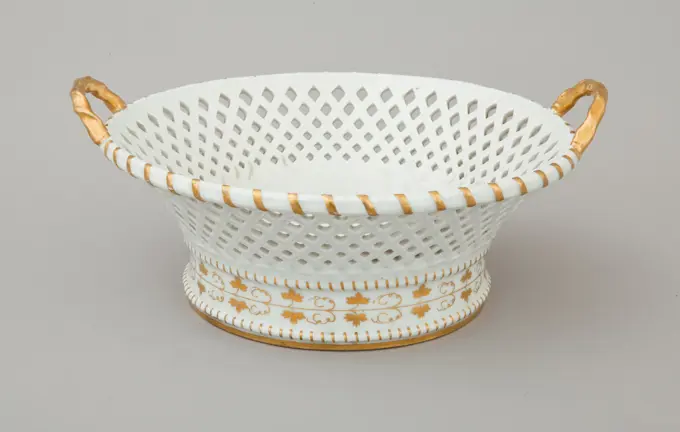
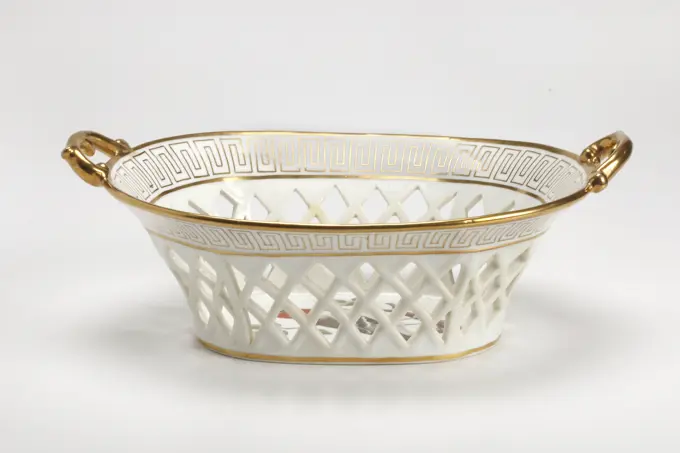
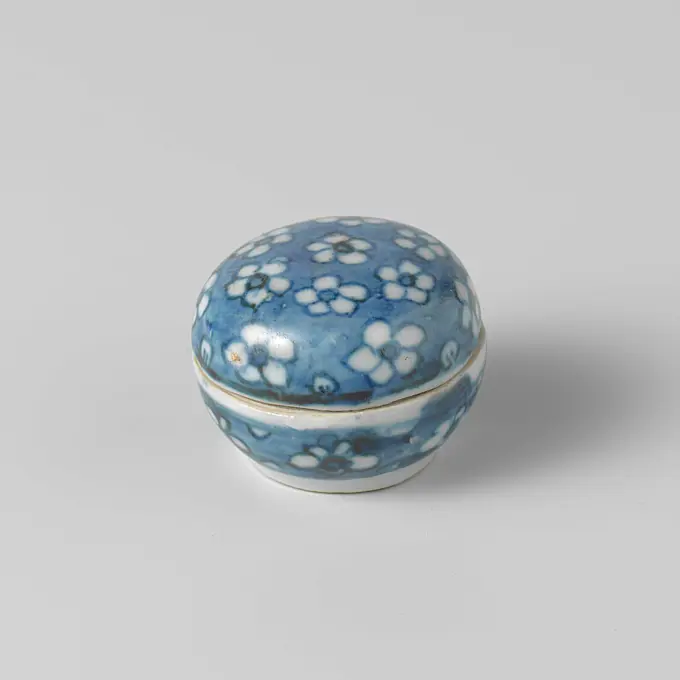
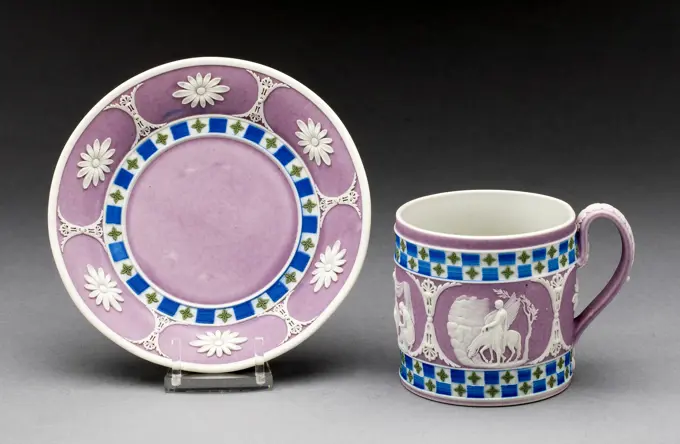
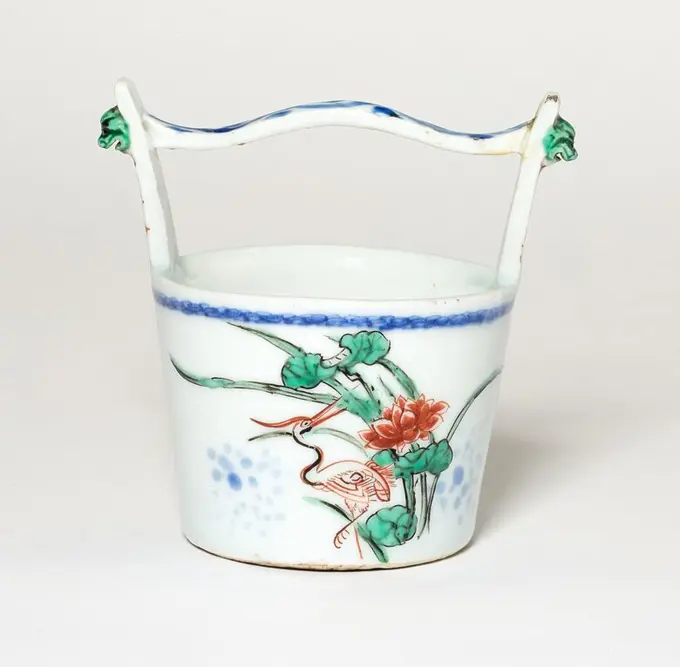
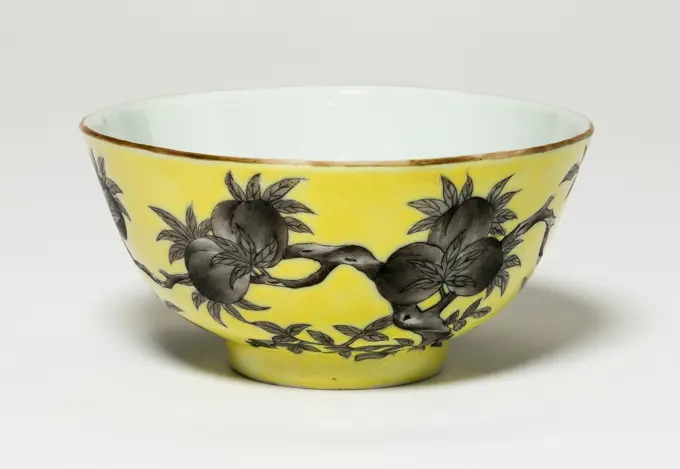
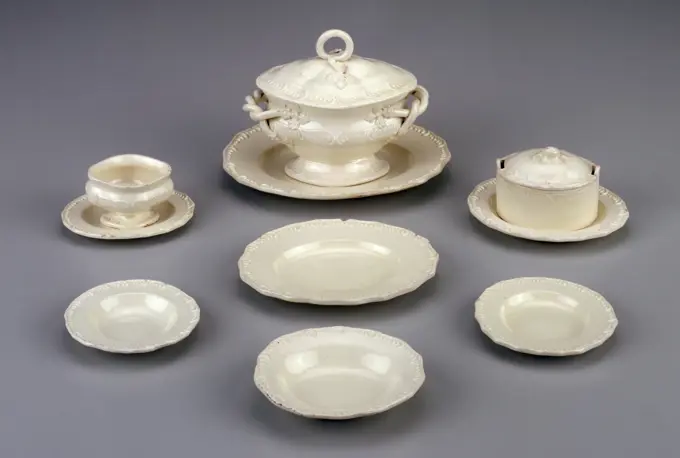
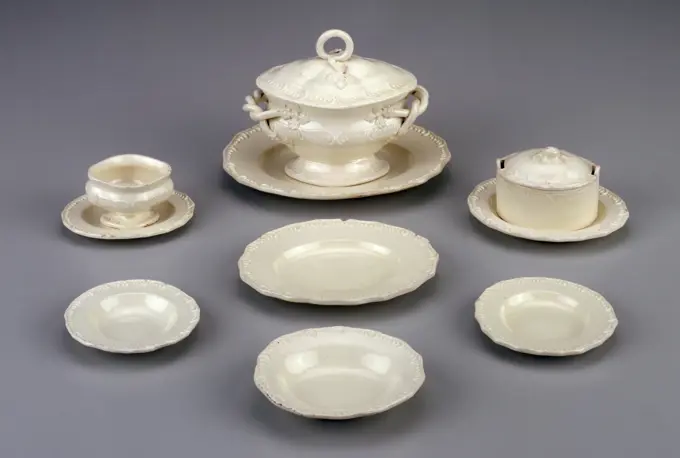
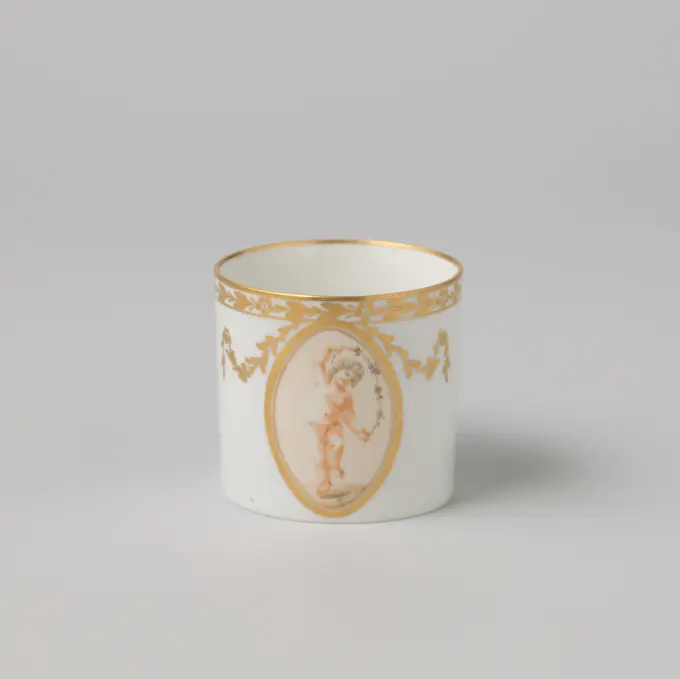
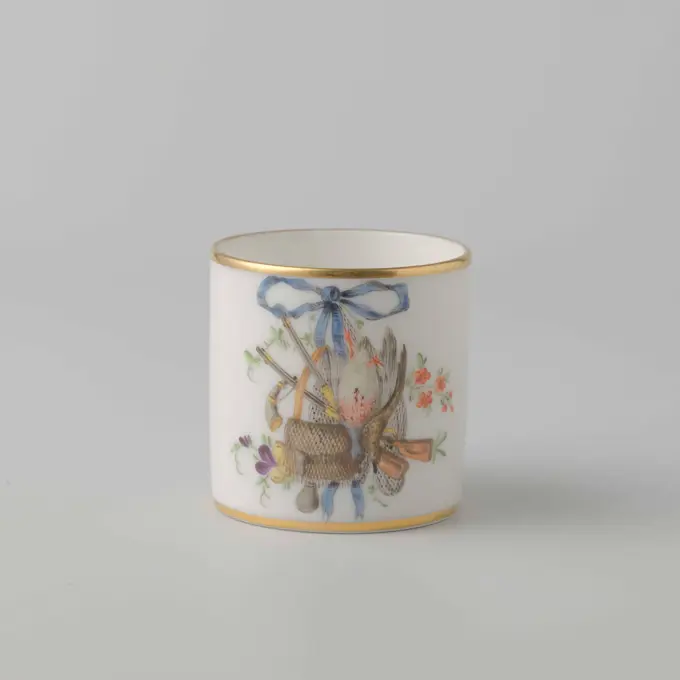
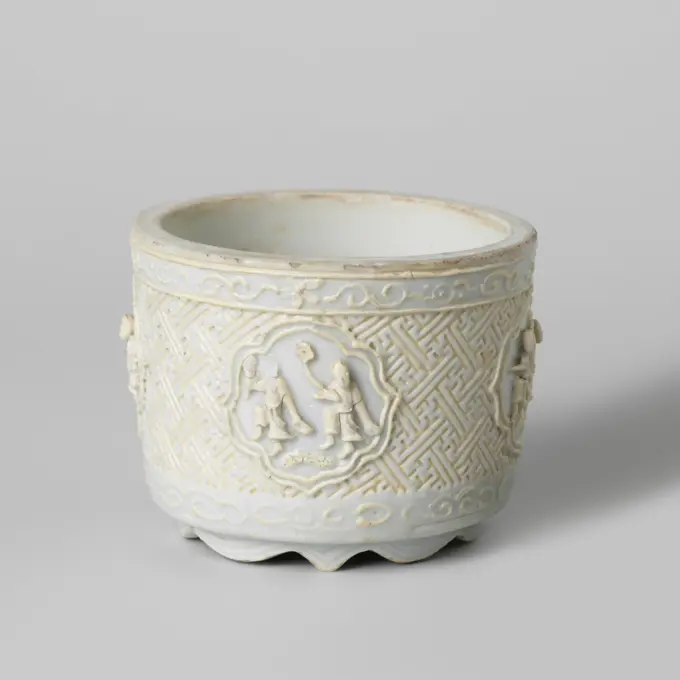
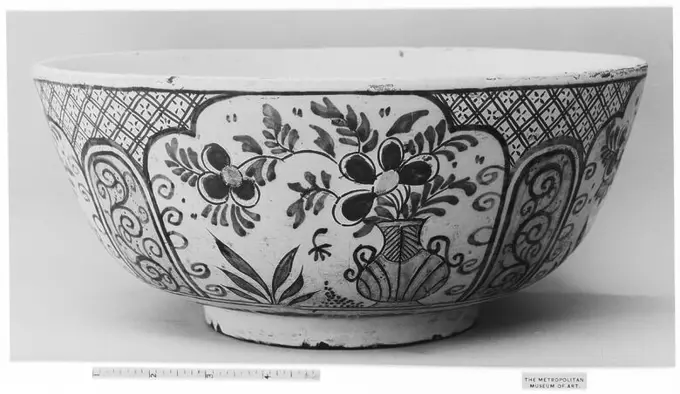
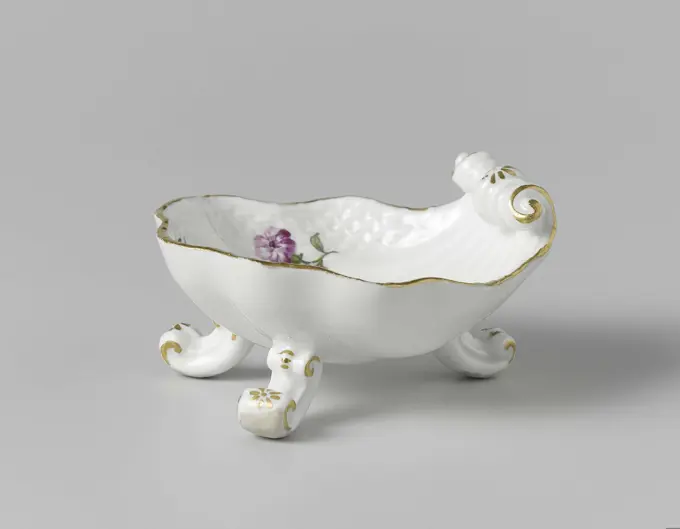
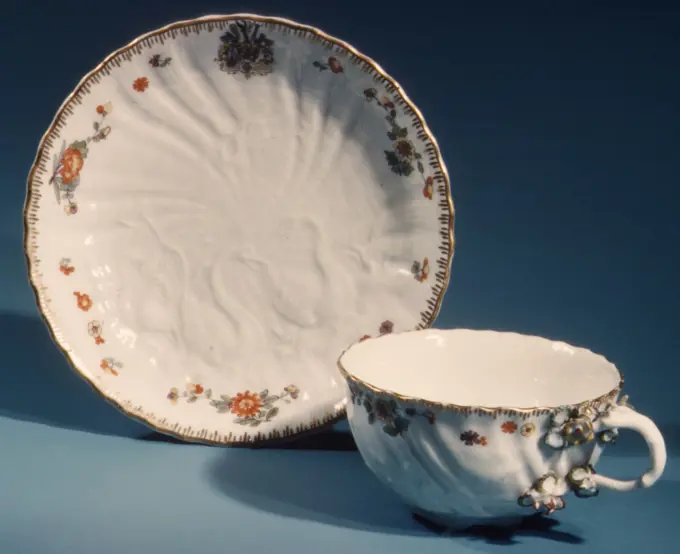
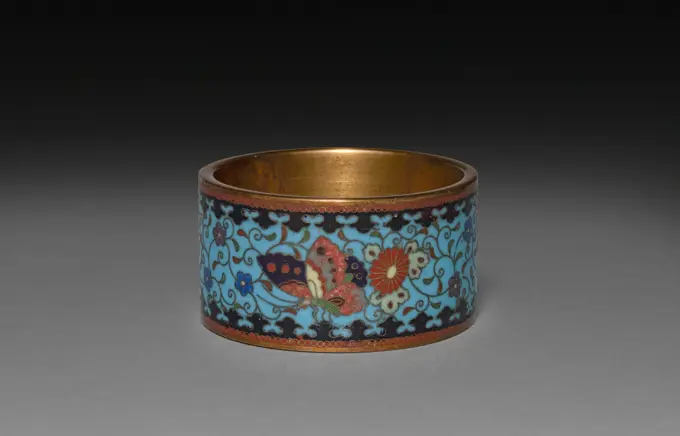
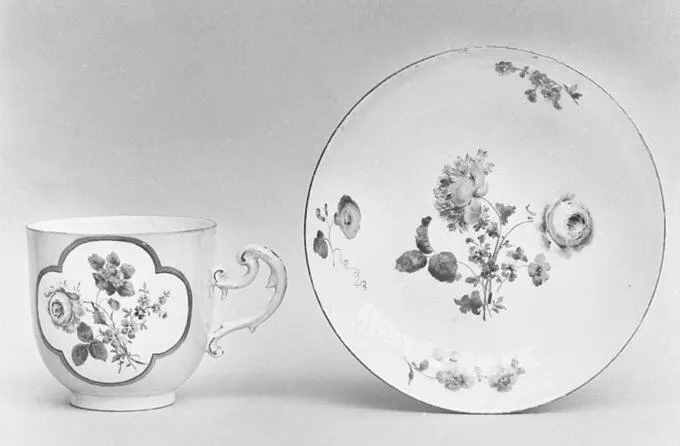
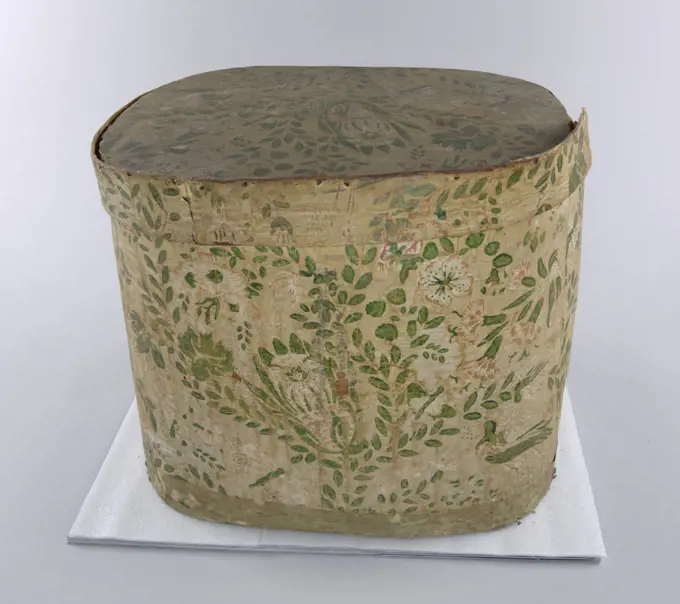
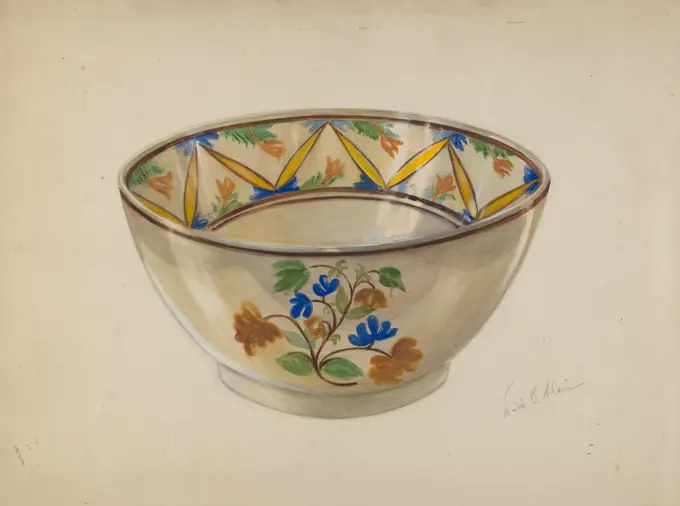
Cup Szczepkowski, Jan (1878 1964), J. Nieg Wiecki and Ska, Kraków D BnikiCup with handle and saucer with the arms of the Visvliet and Sluymer families, anonymous, c. 1777 Ear cup and dish of porcelain, painted on the glaze in blue, red, pink, green, yellow, purple, black and gold. On the flat of the dish in the center a grape branch and a stick to which a hat, a sheet of paper, a horn and two coats of arms are attached, a garland between the shields; Six flower branches on the wall; The inner edge with a decorative pattern. The coats of arms are from the Visvliet and Sluymer (Zeeland) families. The head with the same decoration. Weapon porcelain with email colors. China porcelain. glaze. gold (metal) painting / gilding / vitrification Ear cup and dish of porcelain, painted on the glaze in blue, red, pink, green, yellow, purple, black and gold. On the flat of the dish in the center a grape branch and a stick to which a hat, a sheet of paper, a horn and two coats of arms are attached, a garland between the shields; Six flower branches on the wall; The inner eBox China. Box. China. Painted enamel. Qing dynasty (1644-1911), Qianlong period (1736-95). EnamelsCilidrical covered box in the shape of a cricket's cage, anonymous, c. 1675 - c. 1699 Cylindrical porcelain box, ending in a raised knot as a lid button. Painted in underly glaze blue and on the glaze red, green, yellow and black. On the lid of grater work with loose flowers. Imari. Japan porcelain. glaze. cobalt (mineral) painting / vitrification Cylindrical porcelain box, ending in a raised knot as a lid button. Painted in underly glaze blue and on the glaze red, green, yellow and black. On the lid of grater work with loose flowers. Imari. Japan porcelain. glaze. cobalt (mineral) painting / vitrificationSoup tureen ca. 1760 British, Staffordshire. Soup tureen. British, Staffordshire. ca. 1760. Salt-glazed stoneware. Ceramics-PotteryButter dish. Butter fleecate. The lid of the fleet may have been made later.Butter dish. Butter fleecate. The lid of the fleet may have been made later.Zoutvat, anonymous, c. 1600 - c. 1700 Salt barrel on a wide low foot, transferring to a conically tapered trunk. The foot hurled with a smooth blue thread, a corrugated blue thread around the trunk. The semi -spherical chalice, blown in one piece with the trunk, is double -walled by unblocking the top Venice glass glassblowing Salt barrel on a wide low foot, transferring to a conically tapered trunk. The foot hurled with a smooth blue thread, a corrugated blue thread around the trunk. The semi -spherical chalice, blown in one piece with the trunk, is double -walled by unblocking the top Venice glass glassblowingStraight-Sided Cup With Stylized Flowers on a Feather or Scale Ground and Scrolls. Cup of porcelain with straight wall, painted on the glaze in red and gold. On the outside of the head three stylized flowers against a soil with spring or scaffolding; a flower on the bottom and bottom; The inner edge with tendrils. Part of a tea service. European forms with email colors.Snuffbox ca. 1749-50 Saint-Cloud factory In eighteenth-century Europe, Paris led the production of high-quality luxury goods. Parisian goldsmiths made a wide range of small, personal articles such as snuffboxes; étuis to hold sealing wax, tweezers, or utensils for sewing; souvenirs, which contained thin ivory tablets for note taking; and shuttles for knotting lace. Gold snuffboxes and boxes decorated with portrait miniatures were prized and frequently given as royal gifts, often to ambassadors or members of the court in lieu of cash payments for their services. Coveted and admired, these boxes were produced from a variety of materials. The best were skillfully made of gold and embellished with diamonds, enameled decoration, lacquer, and other luxurious materials. By the middle of the century, the taking of snuff had become an entrenched social ritual, and the snuffbox, too, had become an important social prop. Snuffboxes were considered highly fashionable accessories, with some merchanBotersloot lid. Botersloot lid, painted multi-colored with the coat of arms of the Josselet family. There are two appliqued dogs on the lid.Sèvres Porcelain Manufactory, Cup and Saucer, 1781, soft-paste porcelain.Cream jug from a coffee set, c. 1760, 3 15/16 x 3 7/8 x 2 3/4 in. (10 x 9.84 x 6.99 cm), Porcelain, China, 18th centuryMukozuke, c. 1670 - c. 1690 Square bowl of earthenware with tinglaze. Decorated on the outside with flower, bird and insect motifs. At the bottom and top closed by a blue stripe. A small plant motif on the inside on each of the sides. Delft earthenware. tin glaze Square bowl of earthenware with tinglaze. Decorated on the outside with flower, bird and insect motifs. At the bottom and top closed by a blue stripe. A small plant motif on the inside on each of the sides. Delft earthenware. tin glazeFruit basket from Faience, the three pursleyne Astonne, c. 1750 - c. 1775 Fruit basket from Faience. Multicolored painted with flowers on a yellow stock. Delft . Fruit basket from Faience. Multicolored painted with flowers on a yellow stock. Delft .Basket KorzecBasket - Davenport DavenportCup with the coats of arms of Saxony and of Poland, Meissener Porzellan Manufaktur, c. 1735 - c. 1740 Cup of painted porcelain. The head is decorated with two pavilions, each with three sitting Chinese in a half-figure. Between these pavilions Chinese style figures with the weapons of Saxony and Poland. There is a Gold Chinese with the Monogram AR on a console. The presence of the monogram and the weapons suggests that the head is made for August III van Polen (1696-1763). The ear is missing. The head is marked. Float porcelain Cup of painted porcelain. The head is decorated with two pavilions, each with three sitting Chinese in a half-figure. Between these pavilions Chinese style figures with the weapons of Saxony and Poland. There is a Gold Chinese with the Monogram AR on a console. The presence of the monogram and the weapons suggests that the head is made for August III van Polen (1696-1763). The ear is missing. The head is marked. Float porcelainCup in the shape of a leaf.Cup of porcelain, painted in underglaze blue. With trade decoration, the dish is divided by the 'veins' of the leaf, filled with various flowering plants on a rock. Blue White.Cup with two figures in a water landscape and a flowering tree, anonymous, c. 1700 - c. 1724 Porcelain head with straight wall, painted on the glaze in red, black and gold. Two people depicted next to a flowering tree and a fence in a river landscape; the edge with curl; A flower on the bottom. Milk and blood. China porcelain. glaze. gold (metal) painting / gilding / vitrification Porcelain head with straight wall, painted on the glaze in red, black and gold. Two people depicted next to a flowering tree and a fence in a river landscape; the edge with curl; A flower on the bottom. Milk and blood. China porcelain. glaze. gold (metal) painting / gilding / vitrificationSnuff Box, mid 1700s. Austria, mid-18th century. Enamel on copper with metal mounts; overall: 3.9 x 9.9 x 5.8 cm (1 9/16 x 3 7/8 x 2 5/16 in.).beautiful coffee cup and saucer bone china Beautiful white coffee cup and saucer bone china isolated on white Copyright: xZoonar.com/mrivsergx 10443455Lobed Bowl with Florets and Streaked Decoration 618 CE-906 CE China. Earthenware with three-color (sancai) lead glazes and underglaze molded decoration .Round Box With Blossoms. Round box of porcelain, painted in underglaze blue. The box is covered with blue with prepared prunus blossoms. Transition porcelain in blue and white.Basket.Coffee Can and Saucer 1795-1805 Burslem. Stoneware (jasperware) . Wedgwood Manufactory (Manufacturer). Porcelain earhead, painted on the glaze in blue, red, pink, green, yellow, black and gold. On the outside wall the coat of arms of the Isselmuden and Haersolte families. The weapon to the right of the Isselmuden family has a twill with three common swifts on a red background. The arm to the left of the Haersolte family has three kepers on a golden background. The helmet mark consists of a crown with a men's head below and above it a basket. The weapons are surrounded by a multicolored decoration with two columns, a vase with flowers and other plants. The whole is supported by two eagles. On the edge a European band with shell motifs and tendrils. A chip in the edge. Weapon porcelain with email colors.Miniature Water Bucket with Birds by Lotus Flowers. China. Date: 1425-1435. Dimensions: 9.0 × 9.2 × 6.4 cm (3 9/16 × 3 5/8 × 2 1/2 in.). Porcelain with underglaze blue and overglaze enamel decoration. Origin: China. Museum: The Chicago Art Institute, Chicago, USA.Cup with stylized floral motifs, Parthénon (possibly), c. 1900 - c. 1905 Porcelain head with a C-shaped ear, painted on the glaze in green and red. Stylized flower branches on the outer wall, continuously on the ear. Designed by Maurice Dufrêne, manufactured for La Maison Moderne, possibly by Le Parthénon, Paris. Paris porcelain. glaze. painting / vitrification Porcelain head with a C-shaped ear, painted on the glaze in green and red. Stylized flower branches on the outer wall, continuously on the ear. Designed by Maurice Dufrêne, manufactured for La Maison Moderne, possibly by Le Parthénon, Paris. Paris porcelain. glaze. painting / vitrificationSquare Jardinière And Stand With River Landscapees. Square Jardinière and bottom dish of porcelain with spreading wall and flat edge, painted in underglaze blue. On the walls of the pot of river landscapes with houses, trees, mountains and a figure on the waterfront; on the wall of the dish bamboo branches; The edges with arrearing. Blue White.Tureen. Dish of porcelain painted on the glaze in black and gold. On the platter of the dish a medallion with a European landscape with houses on a river in which a manned boat sails, in the foreground a landscape man on the shore. Decorated in Europe. European performances in Encre de Chine.Cup with Peaches 1889-1899 China. Porcelain painted in overglaze enamels .Two vases with a motif of flowers and birds unknownSalt Made 1810-1820 Sunderland. Earthenware with purple lustre decoration .Meat Dish, from a Child's Dinner Service, c. 1775, 1/2 x 3 1/2 x 3in. (1.3 x 8.9 x 7.6cm), Creamware, England, 18th centurySoup Plate, from a Child's Dinner Service, c. 1775, 7/16 x 2 5/8 in. (1.1 x 6.67 cm), Creamware, England, 18th centuryCup with a putto in a medallion, Fürstenberg, c. 1785 - c. 1795 Porcelain head with a cylindrical wall and angular ear, painted on the glaze in sepia and gold. On the outer wall a medallion with a putto leaning on an L-shaped block. Above the medallion a garland and a bond with a leaf vend on the edge. The ear with dots and floral motifs. Marked on the bottom with the F, 10 and 10n. Fürstenberg porcelain. glaze. gold (metal) painting / gilding / vitrification Porcelain head with a cylindrical wall and angular ear, painted on the glaze in sepia and gold. On the outer wall a medallion with a putto leaning on an L-shaped block. Above the medallion a garland and a bond with a leaf vend on the edge. The ear with dots and floral motifs. Marked on the bottom with the F, 10 and 10n. Fürstenberg porcelain. glaze. gold (metal) painting / gilding / vitrificationBasket of multi -colored Faïence, Anonymous, c. 1755 - c. 1780 Basket of Faïence. Multicolored painted. Delft . Basket of Faïence. Multicolored painted. Delft .Cup with a man in an 18th-century costume, J. and L. Lobmeyr, c. 1880 Flat ground. Fun-shaped, dragging in vertical facets, on which a man in an 18th century costume with riding whip and three-sided stab, surrounded by rococo ornaments. On the downside also rococo ornament of flowers. The top edge gilded. On the bottom signature J L W (Joseph and Ludwig Wien). Vienna glass glassblowing / grinding / gilding Flat ground. Fun-shaped, dragging in vertical facets, on which a man in an 18th century costume with riding whip and three-sided stab, surrounded by rococo ornaments. On the downside also rococo ornament of flowers. The top edge gilded. On the bottom signature J L W (Joseph and Ludwig Wien). Vienna glass glassblowing / grinding / gildingTea cup with decoration of trophies to strict ribbons. Tea set consisting of a teapot, a sugar bowl, a rinse bowl and twelve cups and saucers painted multicolored with trophies hanging on blue bows. The trophies relate to various professions. Signature in black: Amstel (the Amstel N. 805 sugar pace and reel). Different ingrangled marks in the headlines and saucers.Covered Tripod Jar 700 CE-750 CE China. Earthenware with three-color (sancai) lead glazes .Cup And Saucer; soft-paste porcelain, underglaze and overglaze enameling, and gildingIncense Burner With Moulded figures. Cylindrical incense burner from porcelain on a scalloped foot, covered with a transparent glaze. The outer wall with a wide band with Swastika pattern with four scalloped cartouches stored in it. In the cartouches two dancing boys (oceans) with attributes (or the eight immortals). Below a band with a cloud motif. The outer edge with a bond with flower drinks. White porcelain, monochromes.Bowl. Culture: Dutch, Delft. Dimensions: Diameter: 12 1/2 in. (31.8 cm). Maker: De Porceleyne Bijl. Date: 18th century. Museum: Metropolitan Museum of Art, New York, USA.Cup ca. 1780 Japan. Cup 52494Sèvres Porcelain Manufactory, Cup and Saucer, 1785, soft-paste porcelain.Vase Tillowitz (Tułowice). Salt barrel of painted porcelain. The salt barrel has the shape of a shell with a scalloped edge and stands on three volutely legs. The salt barrel is painted with Deutsche Blumen, insects and fruits. The edge is decorated with the Neuozier pattern in relief. The salt barrel is marked and belongs to a tableware (BK-17474-1 to BK-17474-253).Cup and saucer (part of a service) model introduced 1738 Meissen Manufactory German The design of swans swimming amid reeds is based on an etching by Wenceslaus Hollar after Francis Barlow (ca. 1626-1702).. Cup and saucer (part of a service). After a print by Wenceslaus Hollar (Bohemian, Prague 1607-1677 London). German, Meissen. model introduced 1738. Hard-paste porcelain. Ceramics-PorcelainBowl with Medallionsof Butterflies, Peonies, Chrysanthemums, Peaches, Plums and Orchidsf Butterflies. China. Date: 1723-1735. Dimensions: H. 6.6 cm (2 5/8 in.); diam. 14.2 cm (5 9/16 in.). Porcelain painted in overglaze famille rose enamels. Origin: China. Museum: The Chicago Art Institute, Chicago, USA.Napkin Ring with Butterflies, early 1900s. Japan, Meiji period (1868-1912) or Taishō period (1912-26). Cloisonne enamel; diameter: 5.1 x 2.7 cm (2 x 1 1/16 in.).Covereddish18th century (1701-00-00-1800-00-00);Bandbox, Block printed on handmade paper, pasteboard support, Conventional design of flowers and drapery festoons in pink, olive and white on yellow field., USA, 1830, Wallcoverings, BandboxCup and Saucer, Minton Ceramics Manufactory, English, established 1796, soft paste porcelain, vitreous enamel, gold, Cup with straight wall, tapering slightly toward base. Loop handle. Saucer with high sides. Both pieces have underglaze blue band with overglaze floral pattern in gold. Medallion reserves show painted overglaze flowers., England, ca. 1835, ceramics, Decorative Arts, cup and saucer, cup and saucer, Cup and Saucer, Minton Ceramics Manufactory, English, established 1796, soft paste porcelain, vitreous enamel, gold, Cup with straight wall, tapering slightly toward base. Loop handle. Saucer with high sides. Both pieces have underglaze blue band with overglaze floral pattern in gold. Medallion reserves show painted overglaze flowers., England, ca. 1835, ceramics, Decorative Arts, cup and saucer, cup and saucerCup and saucer ca. 1740 Meissen Manufactory German. Cup and saucer 199244Cup and Saucer 1810-1820 Burslem. Porcelain with polychrome enamels and gilding . Wedgwood Manufactory (Manufacturer)Counter Tray. South Staffordshire, England. Date: 1785-1795. Dimensions: 2.9 x 8.9 x 7.6 cm (1 1/8 x 3 1/2 x 3 in.). Polychrome enamel on copper. Origin: South Staffordshire. Museum: The Chicago Art Institute, Chicago, USA.Soap tray, part of a toilet garnish. Soap tray, part of a toilet garnish of pottery. Decorated with red piping and Arenberg Duke arm with crown in red and yellow.Bandbox, Hannah Davis, 1784 - 1863, Block-printed paper, wood support, newsprint lining, Yellow background, pink and deep bright pink flowers with touches of white, green leaves: carnations, butterflies, birds, roses in fairly random scattered pattern. Paper on exterior much faded: background appears to be beige with brown and green pattern. Just inside rim, well-preserved, brightly colored pieces. Printed paper label inside lid on yellow paper: 'Warranted Nailed/Band Boxes/ Manufactured by/Hannah Davis/ East Jaffrey, NH', Jaffrey, New Hampshire, USA, ca. 1855, Wallcoverings, BandboxCounter Tray. South Staffordshire, England. Date: 1785-1795. Dimensions: 2.9 x 8.9 x 7.6 cm (1 1/8 x 3 1/2 x 3 in.). Polychrome enamel on copper. Origin: South Staffordshire. Museum: The Chicago Art Institute, Chicago, USA.Brush holder. unknown, craftsmanDish. Round dish with raised edge, multicolored painted faiences fines. The dish is painted with purple, thin branches with green leaves. The wall is thickened and ribbed under the edge. The dish belongs to a flower pot (cf. Invnrs. BK-NM-14097-E and BK-NM-14097-F). Three dishes with Invnrs are part of the dish. BK-NM-14097-B, BK-NM-14097-C and BK-NM-14097-D.Counter Tray 1785-1795 South StaffordshireCustard Cup, Lid, And Saucer (Russia); Manufactured by Kornilow Bros. (Russia); Retailed by Tiffany and Co. (United States); glazed porcelainMarie Alain, Bowl, c 1936 BowlPot ca. 1650 China. Pot 52979 China, Pot, ca. 1650, Pottery, Diam. 2 3/4 in. (7 cm). The Metropolitan Museum of Art, New York. Fletcher Fund, 1925 (25.215.27)