Pastoral Landscapes and Hunting Scenes

A collection of 18th and 17th-century prints depicting serene landscapes, hunting scenes, and rural life, featuring lush trees, water bodies, and human figures.
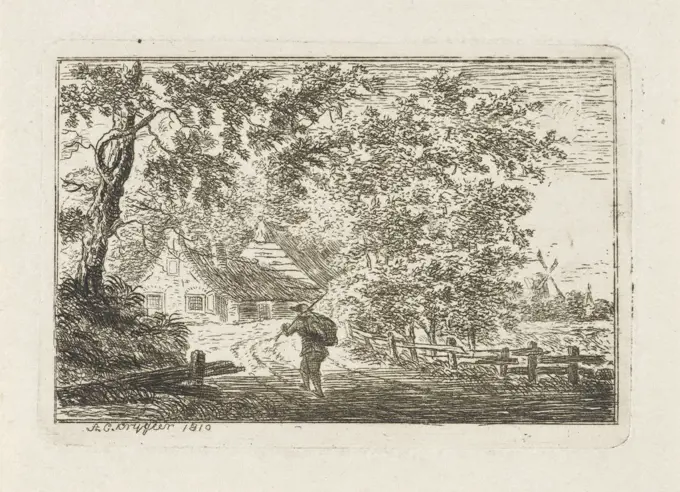
Running man, Andries Cornelis Krijgeer, 1810
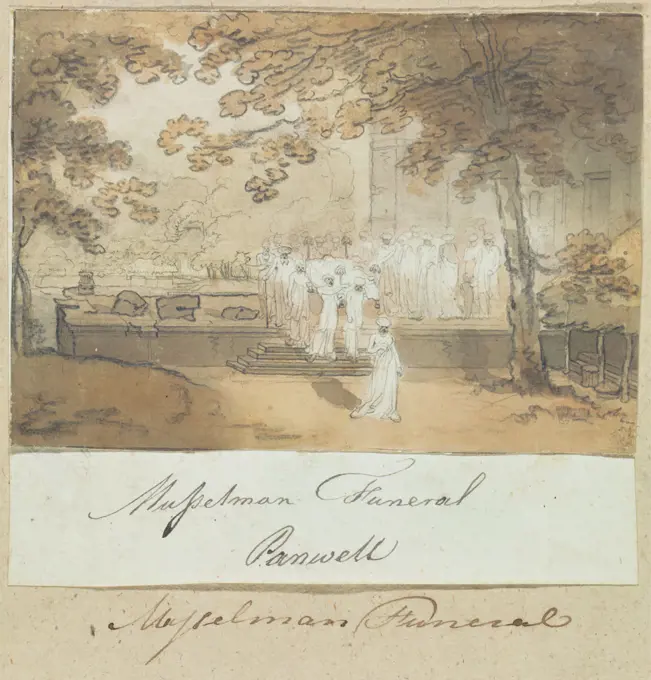
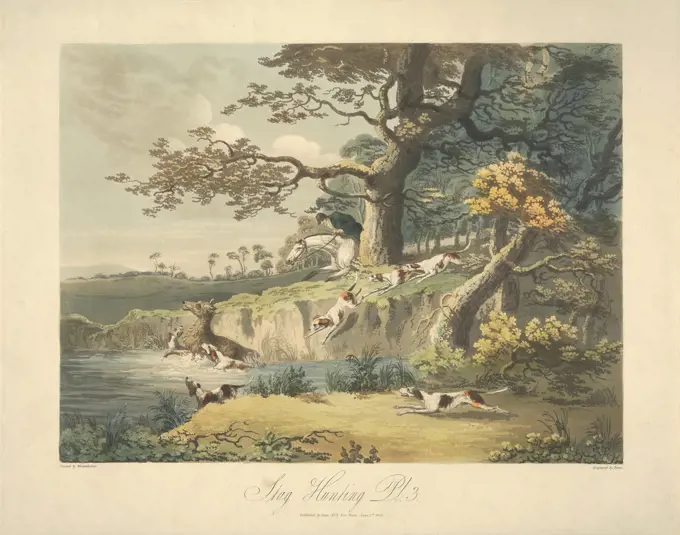
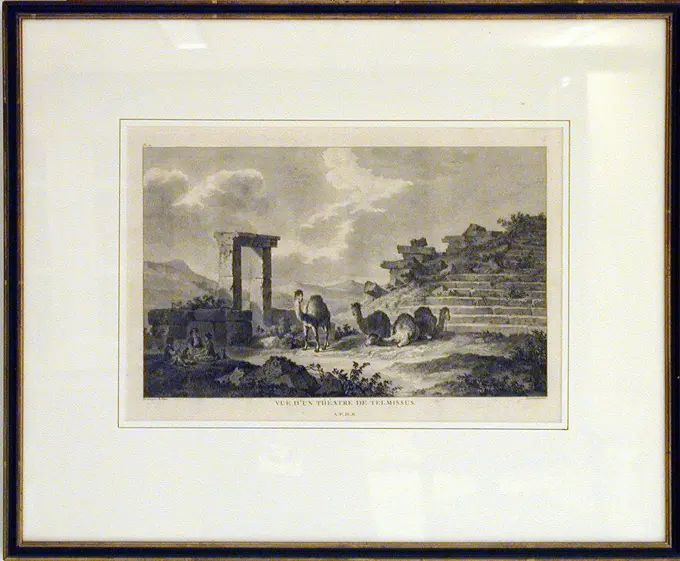
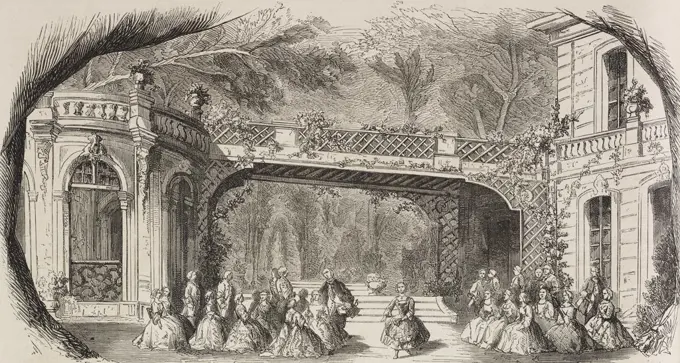
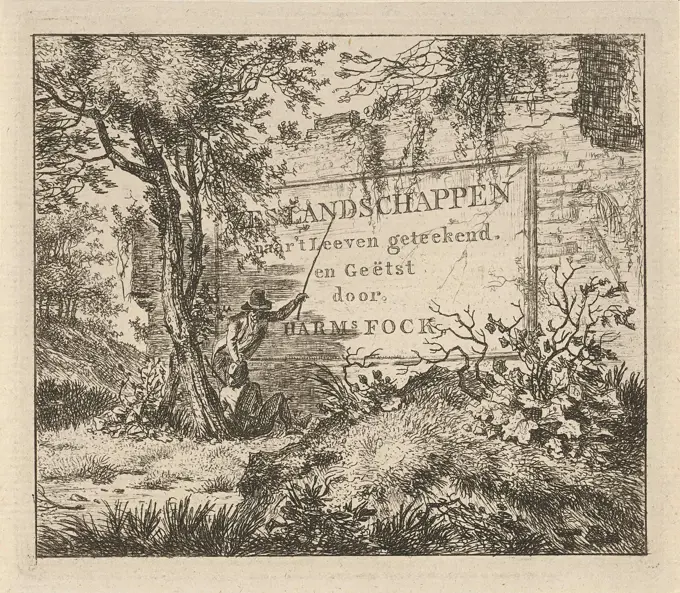
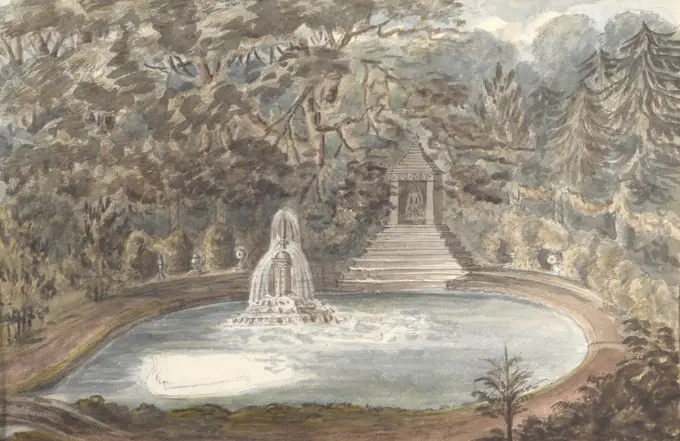
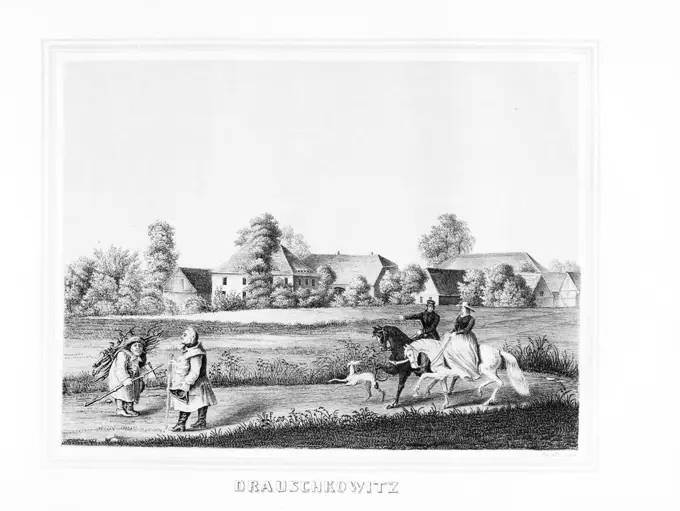
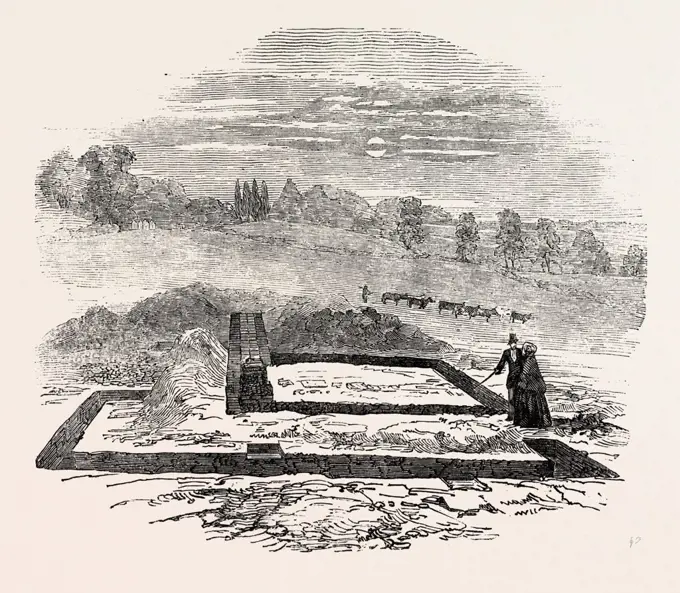
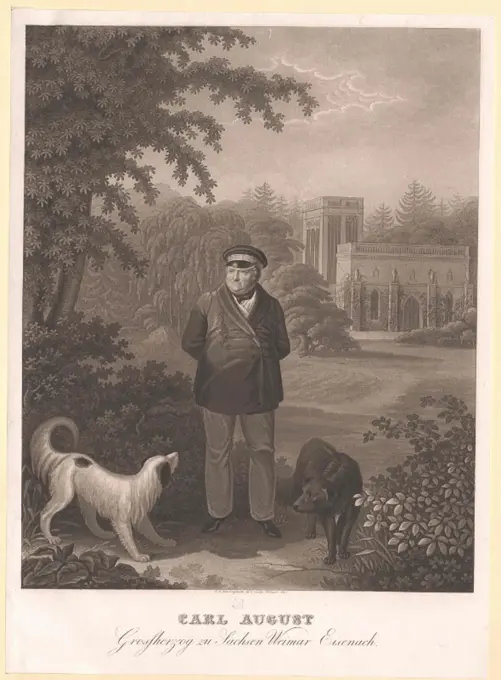
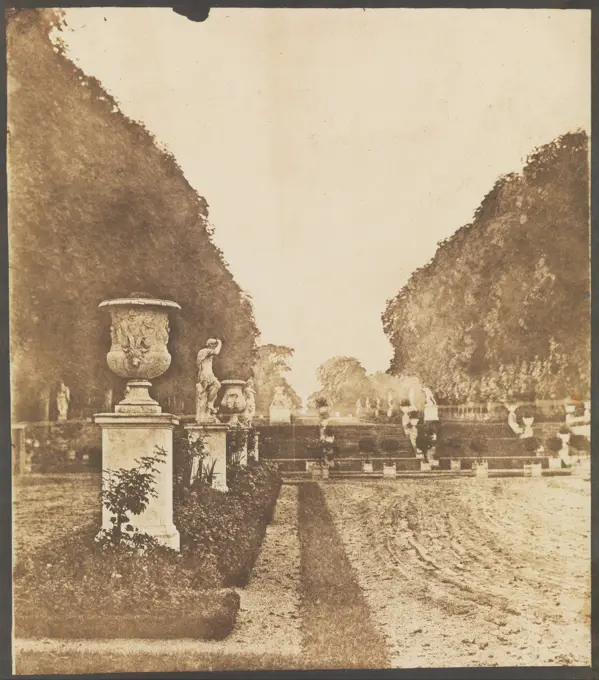
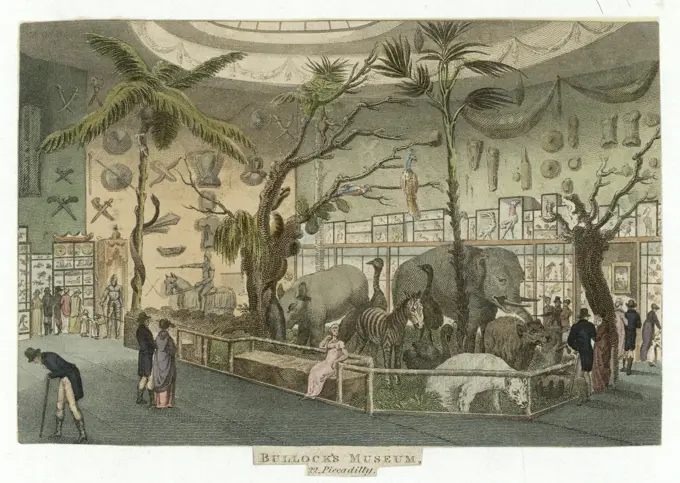
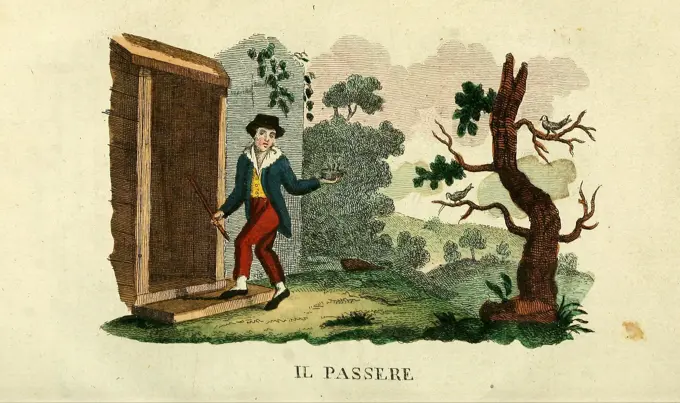
Untitled (IdyllicLandscape). Artist: Chamber Sons Publisher, AmericanDesign for the Embroidery of a Man's Waistcoat of Pattern No. 1857 of the 'Fabrique de St. Ruf', Fabrique de Saint Ruf, Lyon, France, Mademoiselle Montalent, Graphite, brush and gouache on grayish paper., Left bottom corner. Flower boughs and lambrequins suspended from spirals beneath the pocket. The pocket and the outer edges are decorated with palms and plants emerging from rows of beads and strokes. A bunch of flowers is in the center of the pocket., France, ca. 1785, Drawing, DrawingMulpelme Funeral, Robert Mabon, died 1798, British, undated, Watercolor and graphite on medium, slightly textured, cream laid paper, Sheet: 6 1/2 × 5 11/16 inches (16.5 × 14.4 cm)Cockney Sportsmen Marking Game Published 1800 EnglandMuller, Charles François (n.1789 - D.1855), Basin des Tuileries, 1812 (dummy title). Sepia. Carnavalet museum, history of Paris.Reproduction of a painting: Chlebowski, Stanisław (1835-1884), A rich Turkish woman on a walk in Beykos; from: "Kłosy" 1875, II, 257. unknown, draughtsman, cartoonist, Kłosy (Warszawa ; czasopismo ; 1865-1890), publisher, Gorazdowski, Edward (1843-1901), woodcutterView of the Salle the ball in the garden of Versailles; Vuës des Bosquets du Jardin de Versailles.in the bottom margin three french text rules.Set of four: (3) Stag Hunting, Daniel Thomas Egerton, c.1800-1842, British, after Dean Wolstenholme, 1757-1837, British, 1808, Aquatint, hand-colored, Sheet: 14 1/8 x 17 7/8in. (35.9 x 45.4cm)Polling at the Hustings, Print made by Thomas Cook, 1744-1818, British, after William Hogarth, 1697-1764, British, Published by Longman, active 1804-1914, British, 1808, Etching and line engraving on medium, slightly textured, cream wove paperEngraving 18th century 1. "Veduta degli Avanzi della Camere sepolorali de' Liberti, e Servi della Famiglia di Augusto" 2. "Ruines d'un Temple a Euromus"3. "Tombeau pres de Mylasa"4. "Vue d'un Theatre de Telmissus"5. "Elevation d'un Temple dedie a Jupiter Serapis a Pauzzol de Naples"6. "Vue de Temple de Minerve-Sunlade"7. Map of Greece, 1720. Engraving 827081Dienstag - Bergveste Salzburg vor der Mittagseit (Tuesday - The Castle of Salzburg from the Noontime Side). Dated: 1823. Medium: lithograph. Museum: National Gallery of Art, Washington DC. Author: Ferdinand Olivier.Scene VIII of the Act II of Margot, at the Lyric Theatre, Paris, France, illustration from L'Illustration, Journal Universel, No 769, Volume XXIX, November 21, 1857.Print made by David Lucas, 1802-1881, British, A Mill, 1830. Mezzotint on medium, slightly textured, cream laid paper.Two men at a wall; Six landscapes. A man points out with a long stick to the inscription on a wall in a forest and looks at a second man, which is against a tree.Ruine d'une gallerie antique de Rome. Medium: color aquatint, etching and (roulette work). Museum: National Gallery of Art, Washington DC. Author: Laurent Guyot after Hubert Robert.Die SOGENGN LINES ALLD THE BUYTARDS , each of the Tilluls DIENAGARY -, Artaries, Artaria , ArtaRija, Publishishing HouseTemple Pool, Thornery, Sezincote, Anne Rushout, ca. 1768-1849, British, 1824 to 1832, Watercolor and graphite on moderately thick, slightly textured, cream wove paper, Sheet: 7 × 10 1/2 inches (17.8 × 26.7 cm), architectural subjectDrawing, Illustration, The Laughable Adventures of a Sleepy Charley; Designed by Robert Cruikshank; England; graphite, pen and ink, brush and watercolor on paper; 17.4 × 21 cm (6 7/8 × 8 1/4 in.); Bequest of Erskine Hewitt; 1938-57-241DruckkowitzDesign for a room protecting face in a garden with lying dog, fountain and statue.Ferdinand Olivier, Dienstag  Bergveste Salzburg vor der Mittagseit (Tuesday  The Castle of Salzburg from the Noontime Side), 1823 Dienstag - Bergveste Salzburg vor der Mittagseit (Tuesday - The Castle of Salzburg from the Noontime Side)ROMAN REMAINS DISCOVERED AT KESTON, 1854Karl August, Duke of Saxony-Weimar-Eisenach Draftsman: Handybirth, Carl Augustradierer: Schwerdeburth, Carl August-Factic Fourth place: WeimarAnonymous, 1785. Grave paper (enhanced with gouache), Metal (copper alloy), glass. Palais Galliera, fashion museum of the city of Paris.The Appenine Colossus in the garden of the Villa di Pratolino, Florence. A colossal sculpture by Giambologna built in 1569, it shows the god Appenino resting his hand on a sea monster over a fountain. Handcoloured copperplate engraving from Bertuch's "Bilderbuch fur Kinder" (Picture Book for Children), Weimar, 1807. Friedrich Johann Bertuch (1747-1822) was a German publisher and man of arts most famous for his 12-volume encyclopedia for children illustrated with 1,200 engraved plates on natural history, science, costume, mythology, etc., published from 1790-1830.Gardens of Saint-Cloud before 1855 Henri Victor Regnault French A famous physicist and early experimenter with the photographic process invented by Talbot, Victor Regnault was a prime mover in early French photography. With Delacroix, among others, he founded the Société Héliographique in 1851, was founding president of the subsequent Société Française de Photographie in 1854, and as director of the Sèvres porcelain factory from 1852 to 1871 made photography a central focus of technical and artistic experiment there. This large photograph represents the gardens laid out by the seventeenth-century landscape designer André Le Nôtre for the duc d'Orléans, the brother of Louis XIV, at Saint-Cloud. At the time the picture was made Saint-Cloud was an important locus of the glittering imperial court of Napoleon III. Yet Regnault probably did not choose to photograph there because it was in vogue, but because it adjoined the Sèvres factory and because the gardens owed their ornament to nearlHoused in the Egyptian Hall,  Piccadilly, William Bullock's  miscellaneous collection is a  popular attraction at a period  when 'official' museums hardly  exist.     Date: 1811Karl August, Duke of Saxony-Weimar-Eisenach Draftsman: Handybirth, Carl Augustradierer: Schwerdeburth, Carl August-Factic Fourth place: WeimarIl gabinetto del giovane naturalista, Milano, Presso Omobono Manini, 1825-1826, anecdotes, juvenile literature, natural history, bird, A whimsical scene depicting a shepherd standing near a small structure, possibly a shed or a shelter, amid a pastoral landscape. The shepherd, dressed in a blue coat and vibrant red trousers, holds a stick while gazing off into the distance. Surrounding him are lush trees and shrubbery, creating a serene countryside atmosphere. In the background, a tree appears leafless, adding contrast to the greenery around it. The scene captures a moment of tranquility and connection to nature, embodying the simplicity of rural life. The label 'IL PASTORE' identifies him as a shepherd, emphasizing his role in this idyllic setting.