Pipe Fragment Artifacts

Fragments of historical pipe heads and numismatic items, depicting archaeological finds with intricate designs and details.
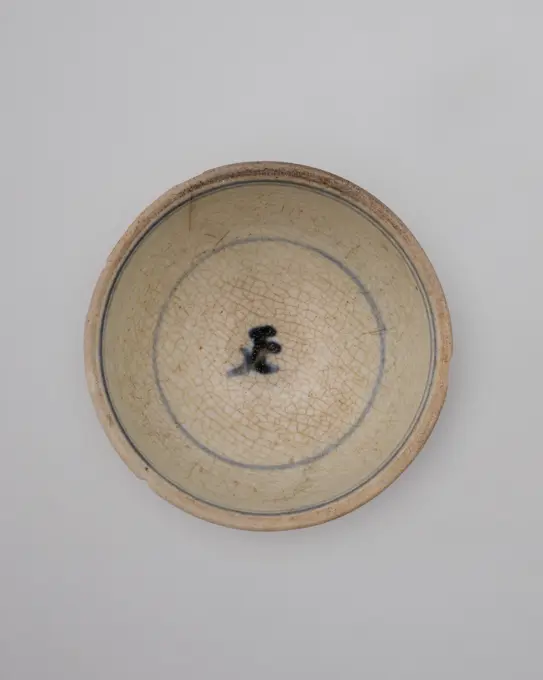
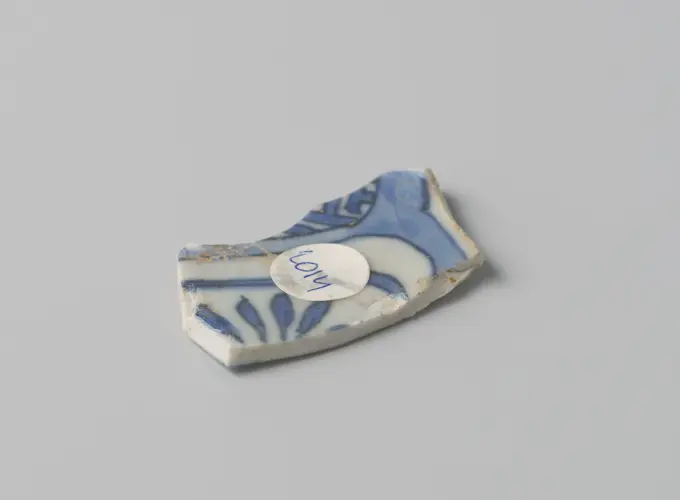
Cut. Sandstone with grayish paste, decor painted in blue under covered gray-perforated. Cernuschi Museum, Asia Museum of Asia in the city of Paris.
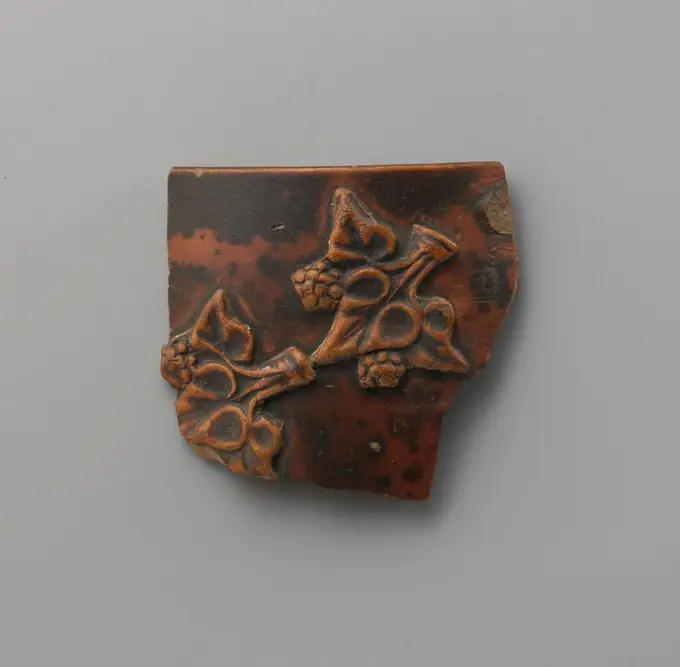
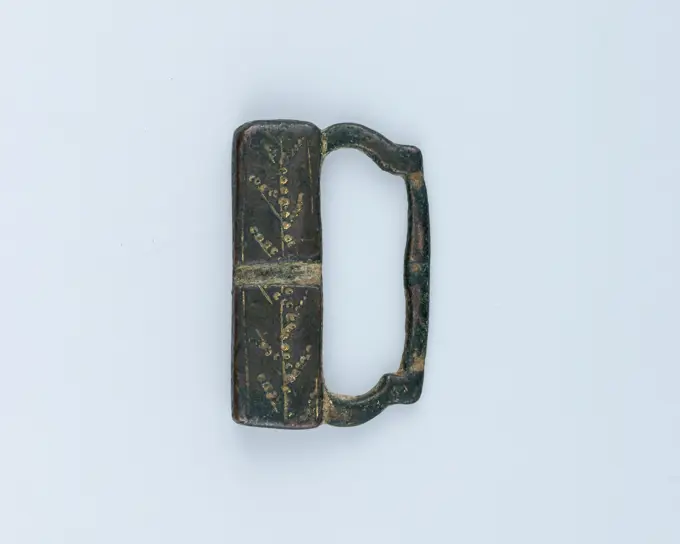
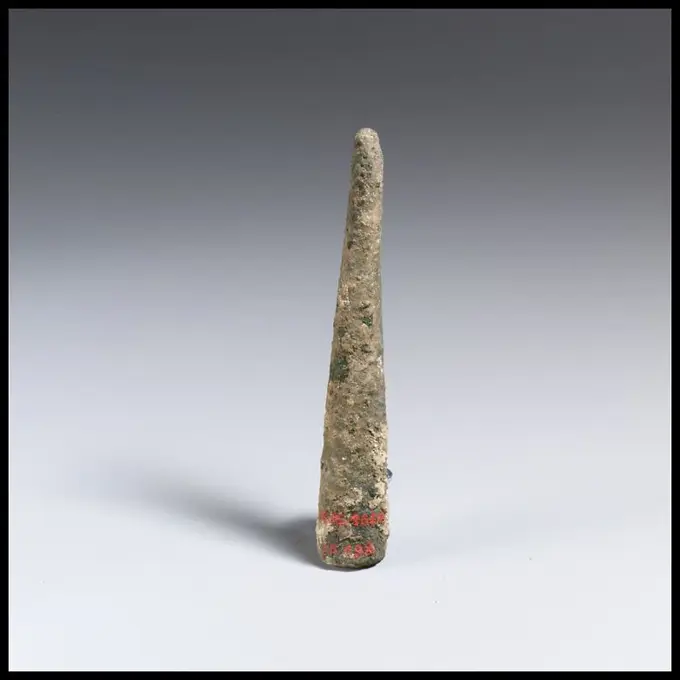
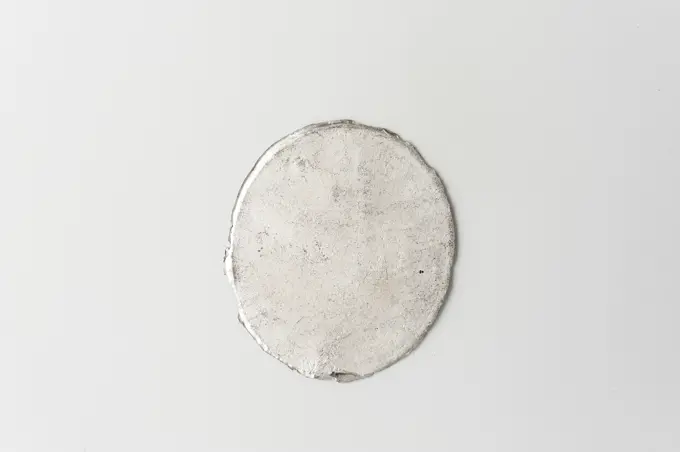
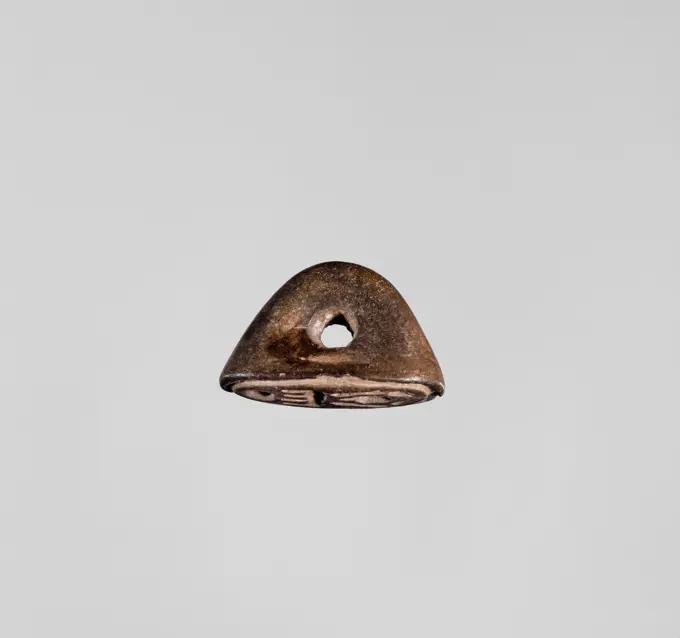
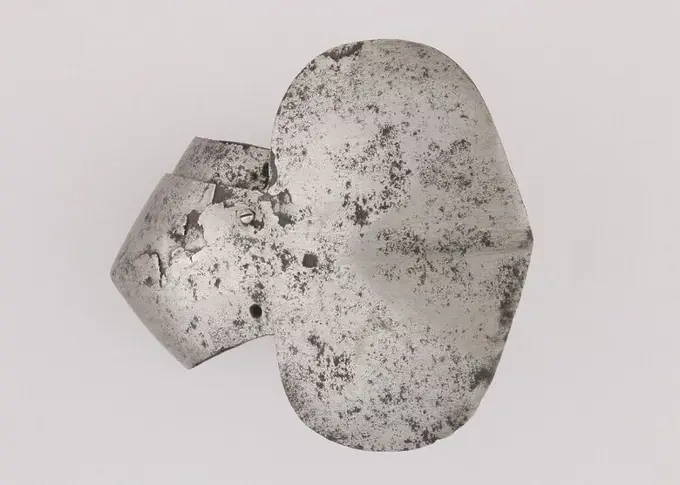
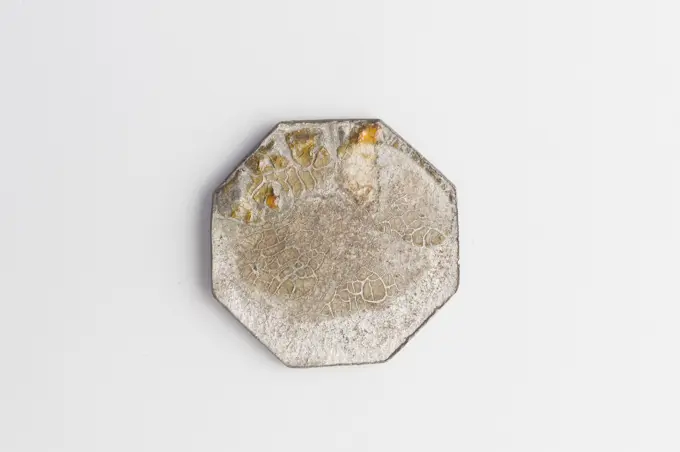
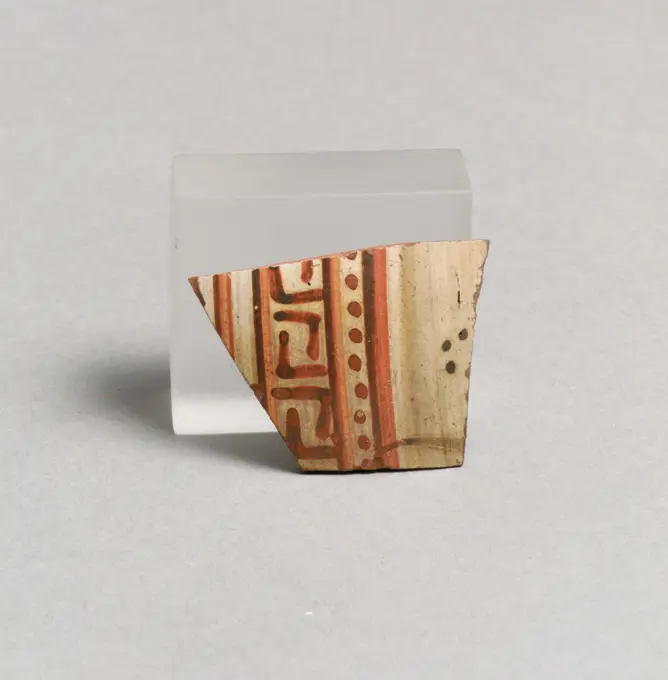
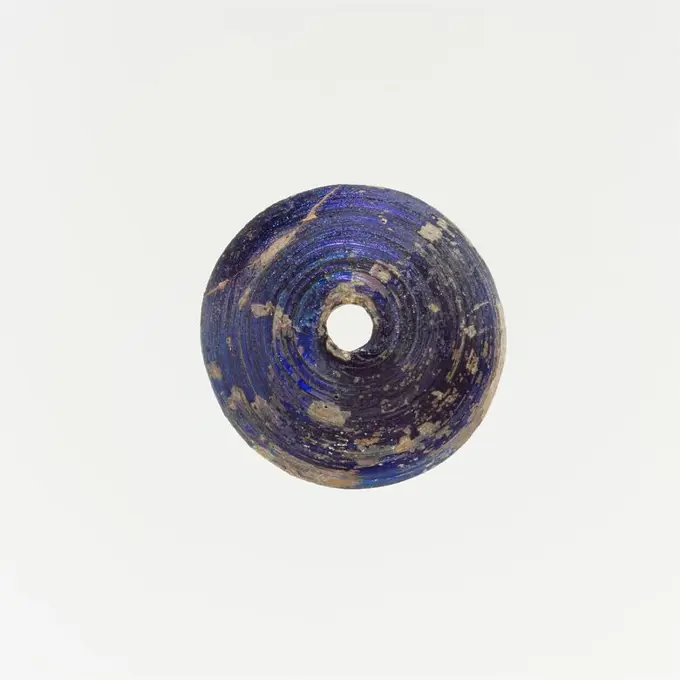
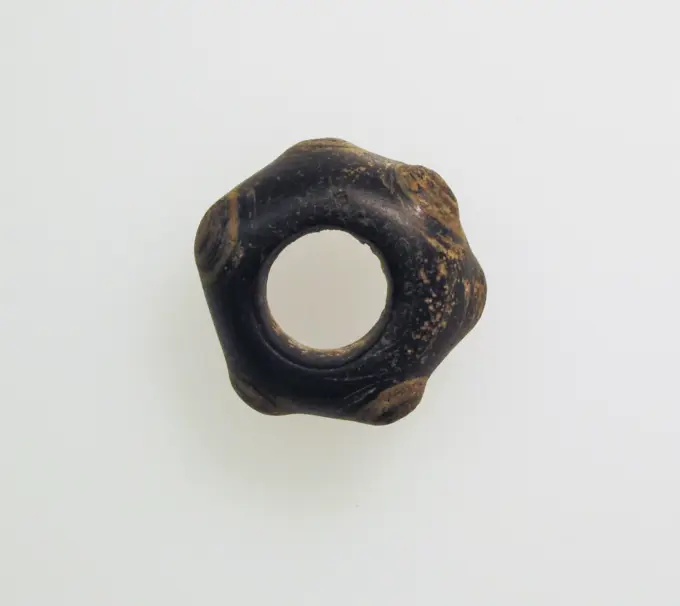
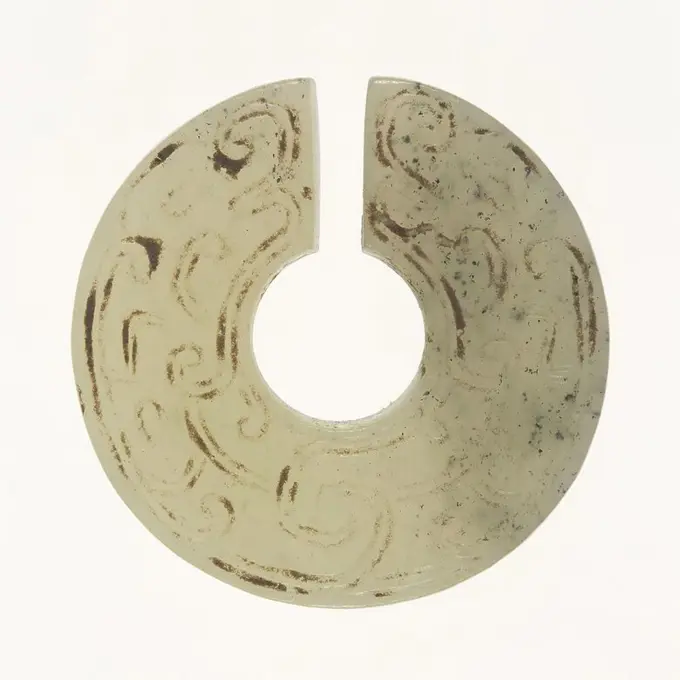
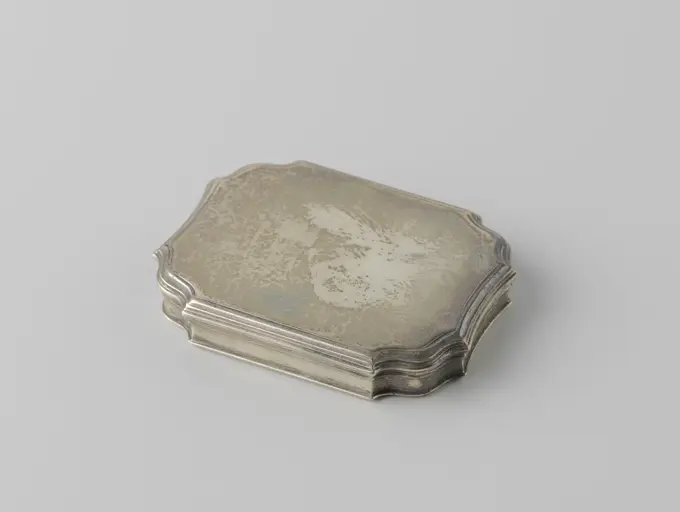
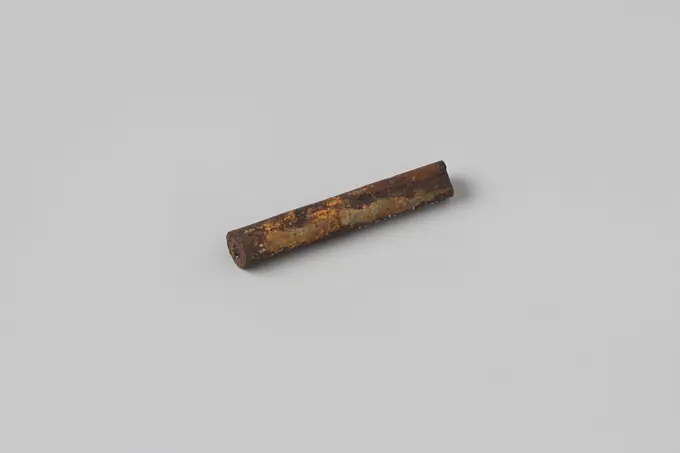
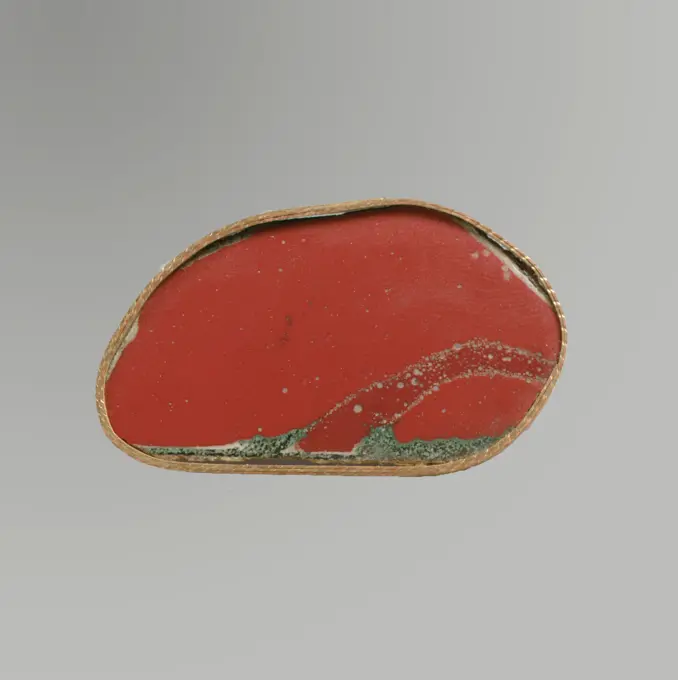
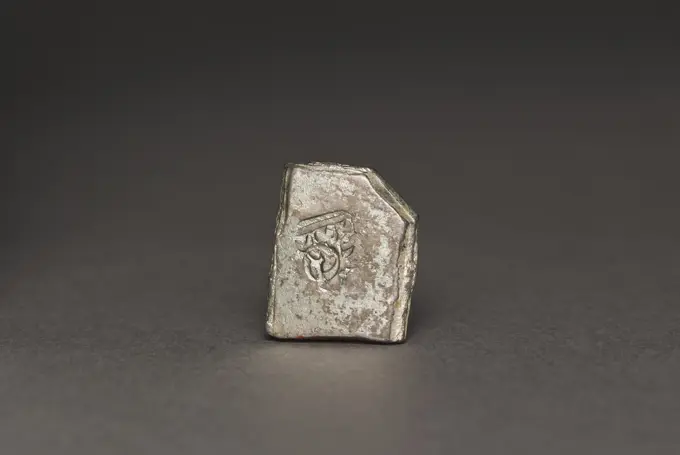
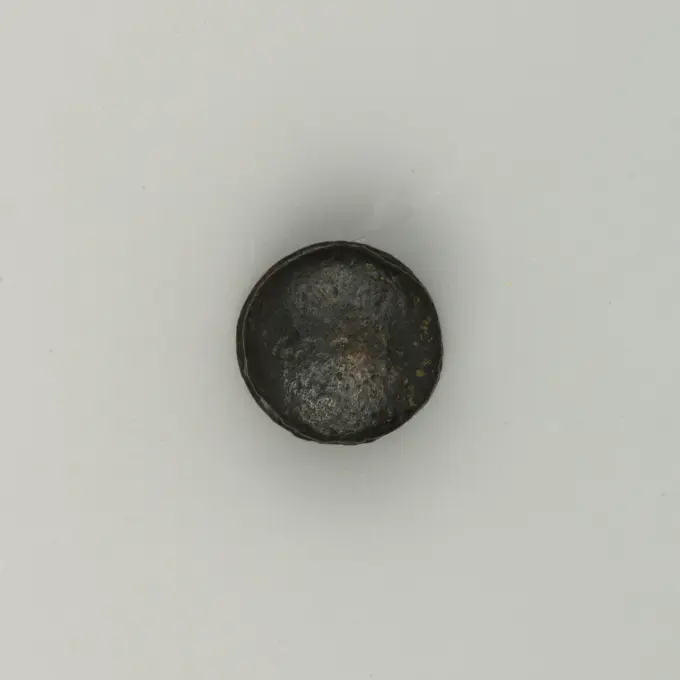
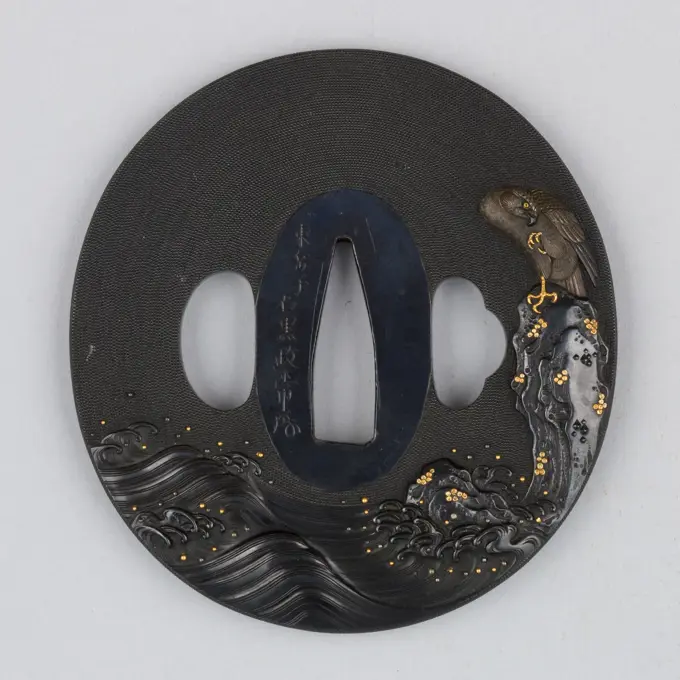
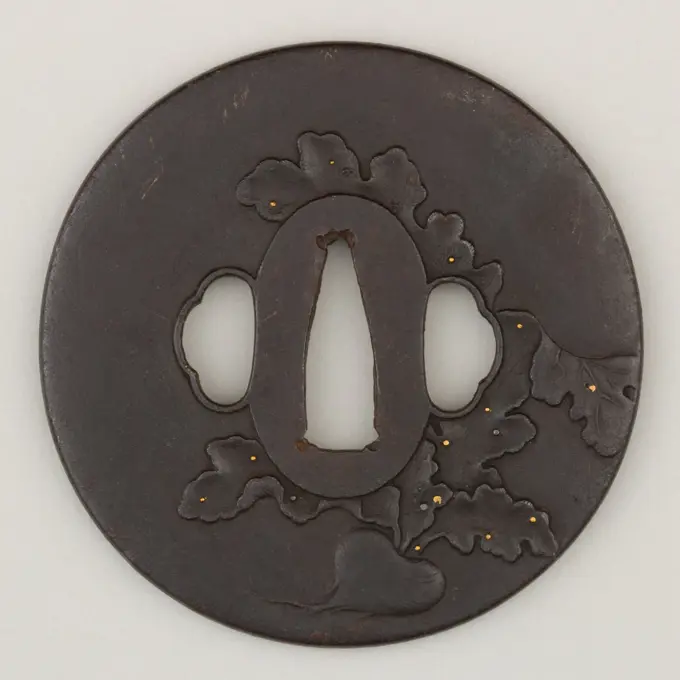
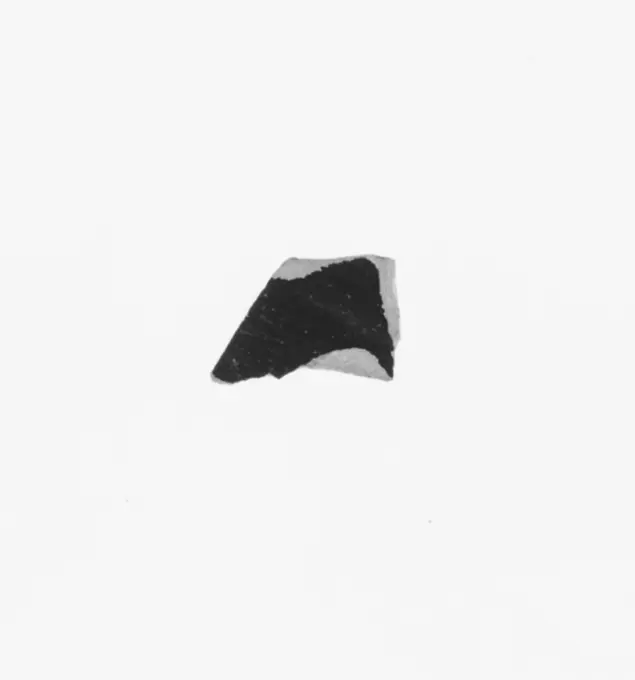
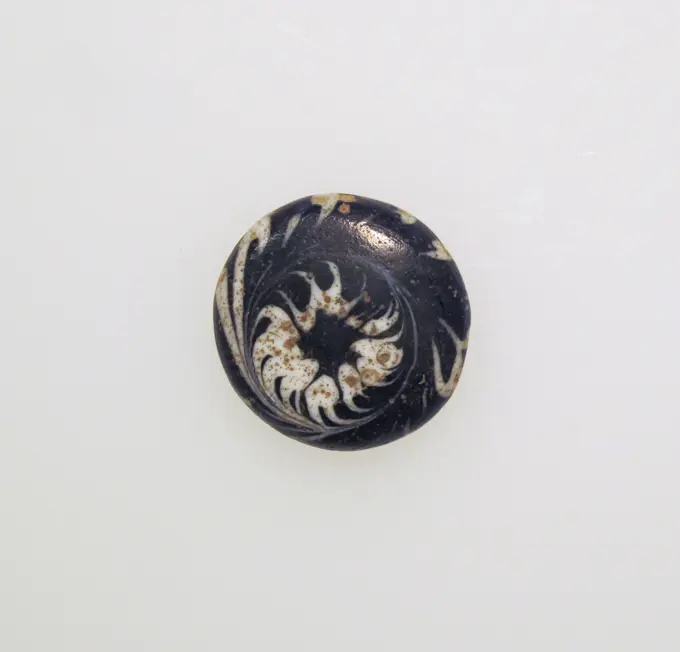
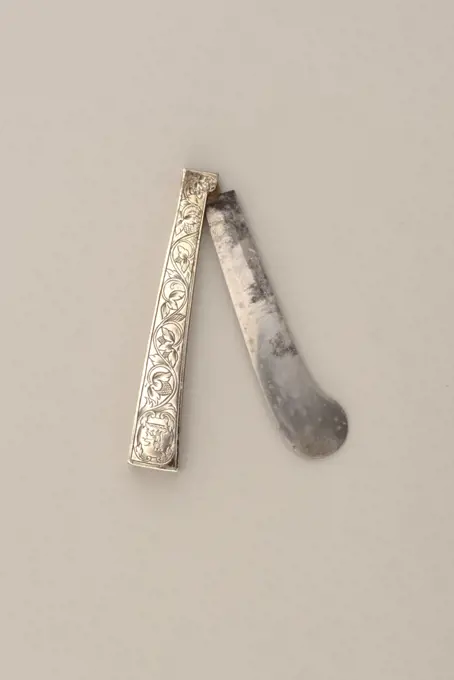
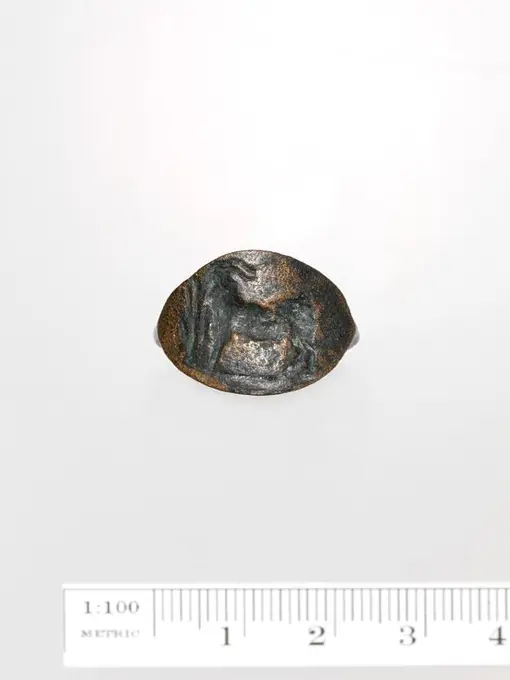
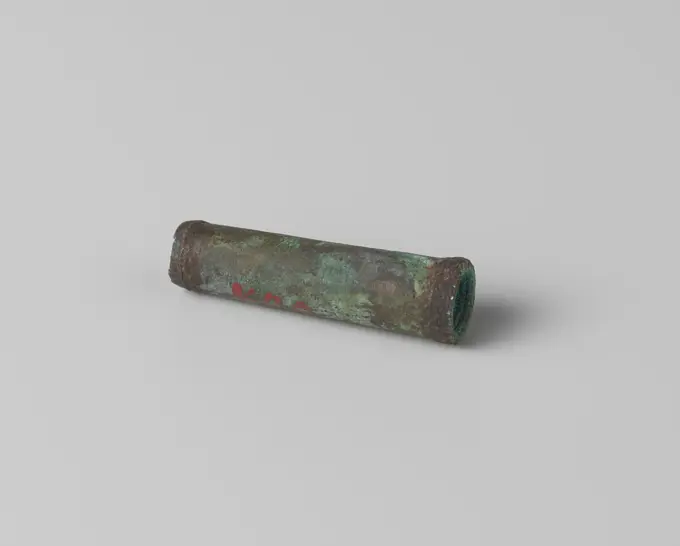
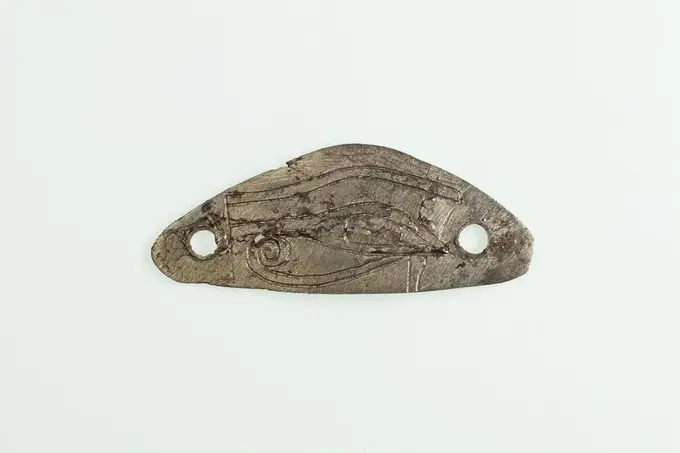
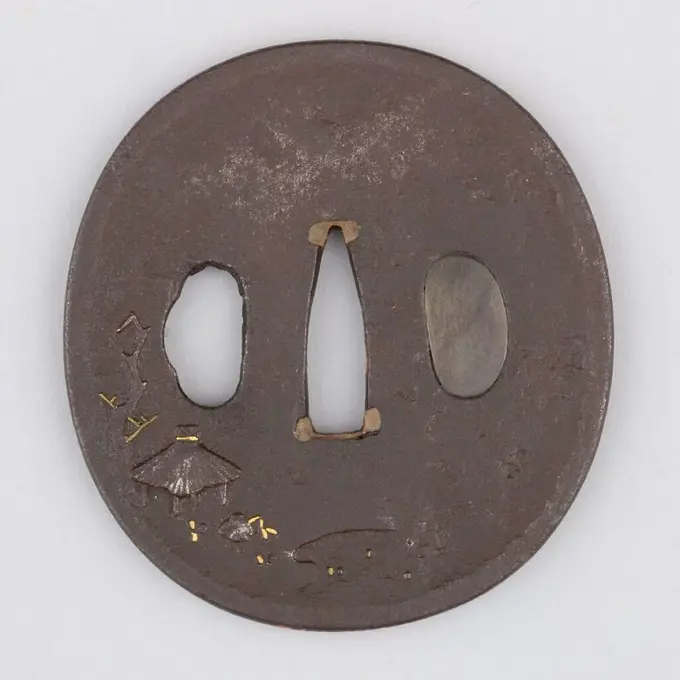
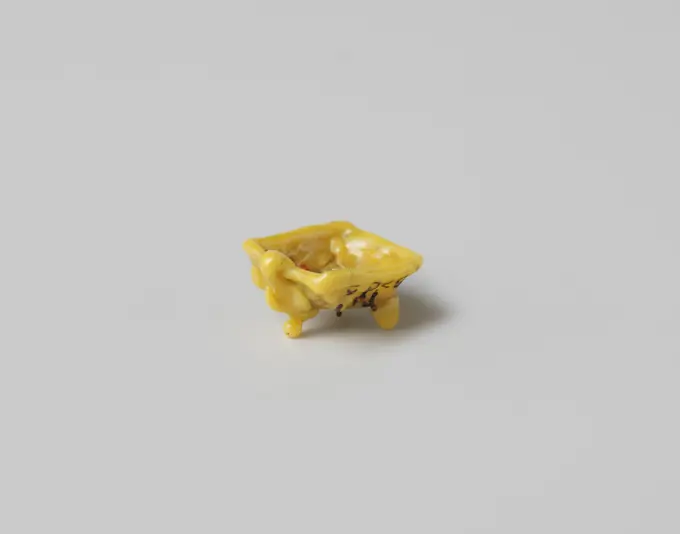
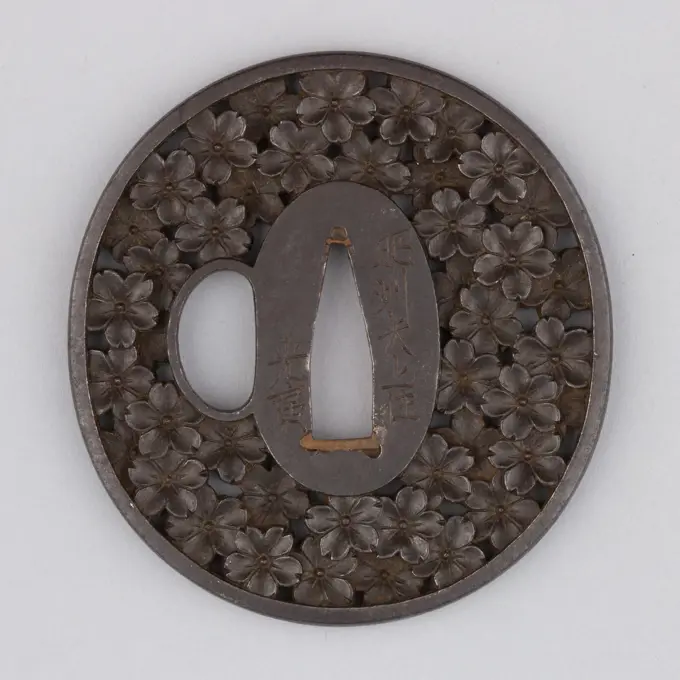
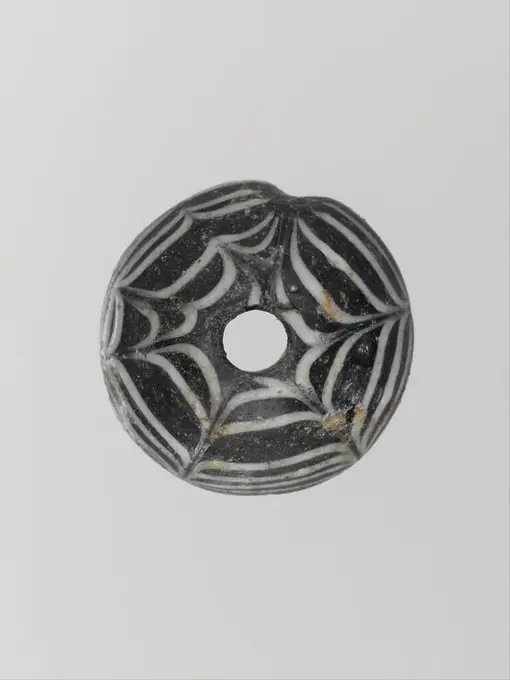
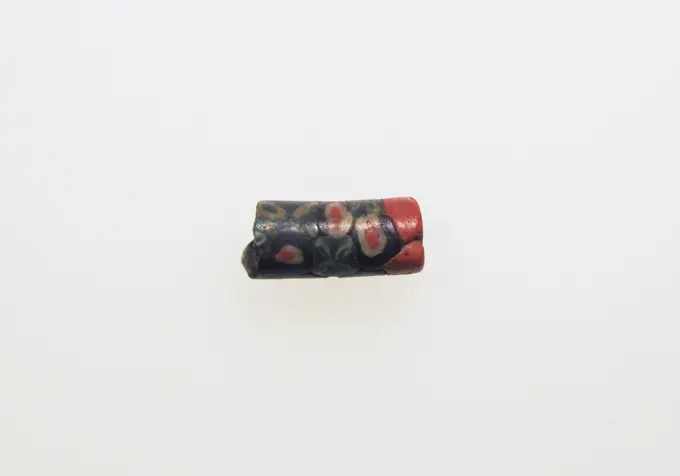
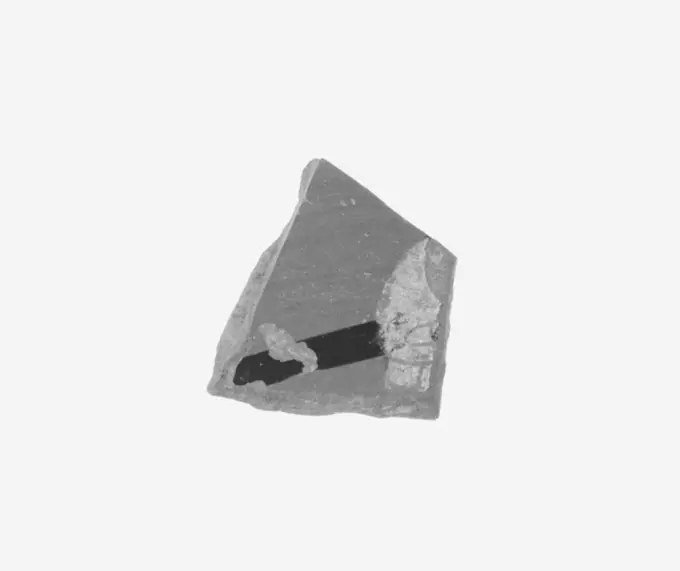
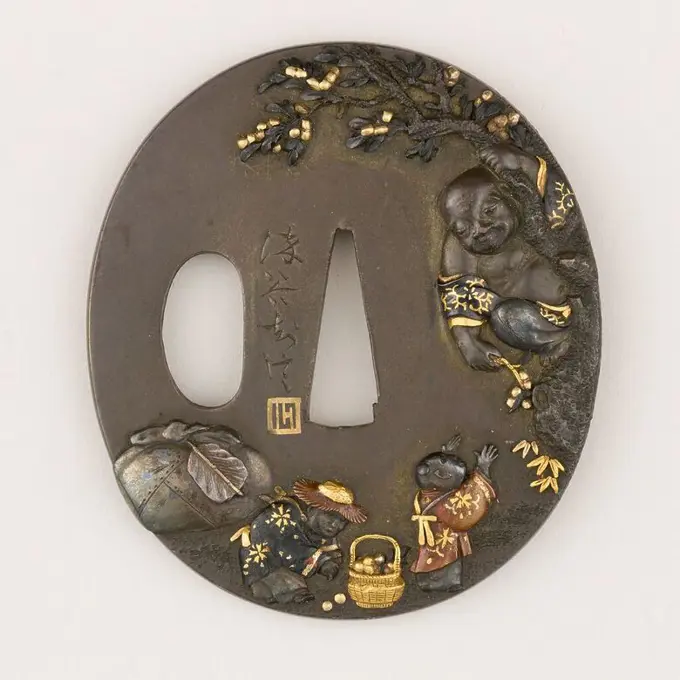
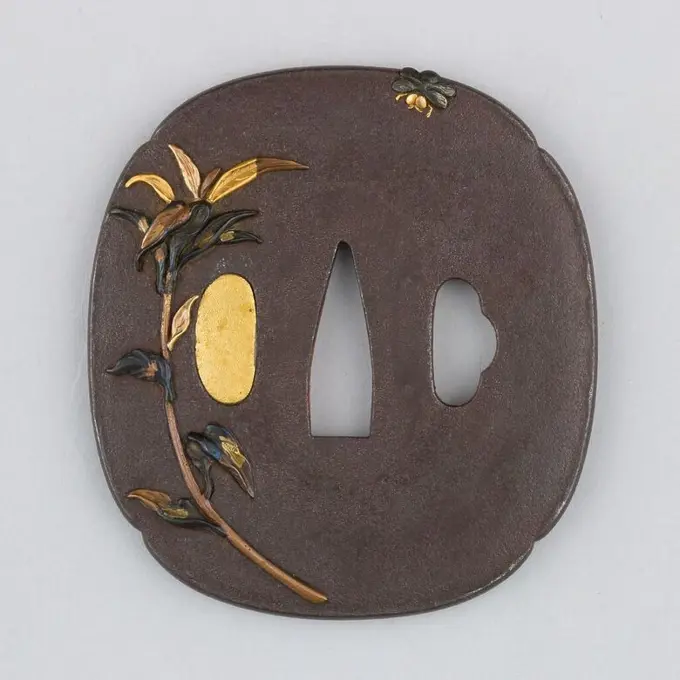
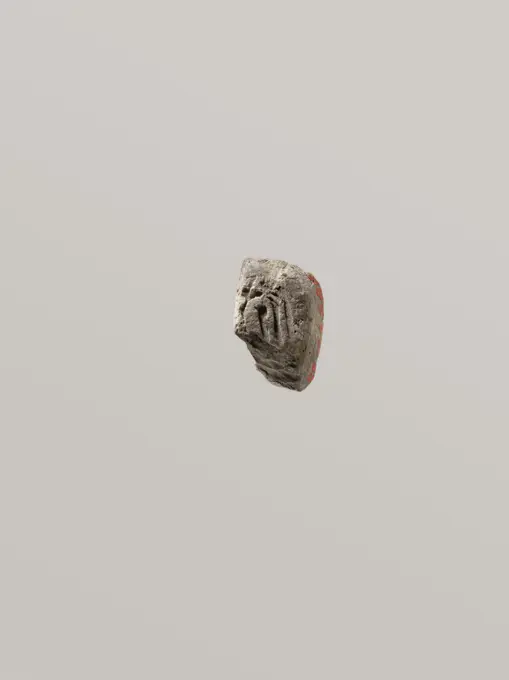
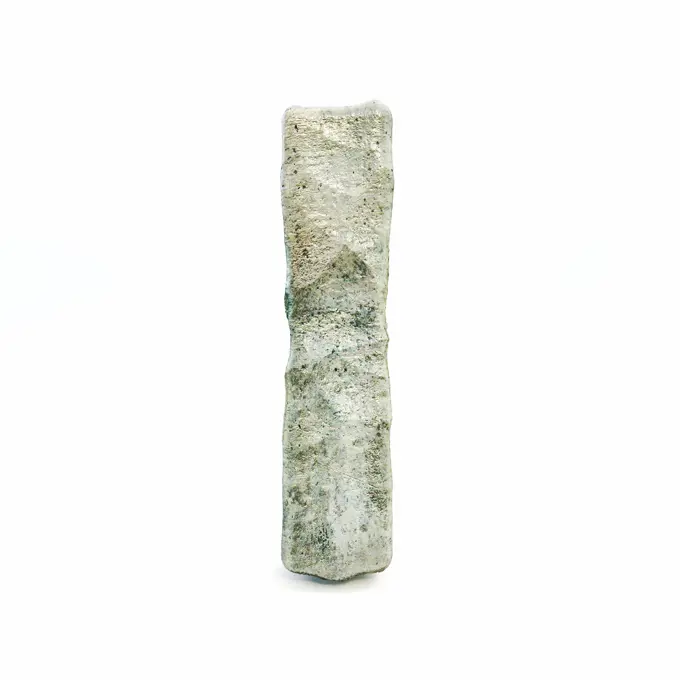
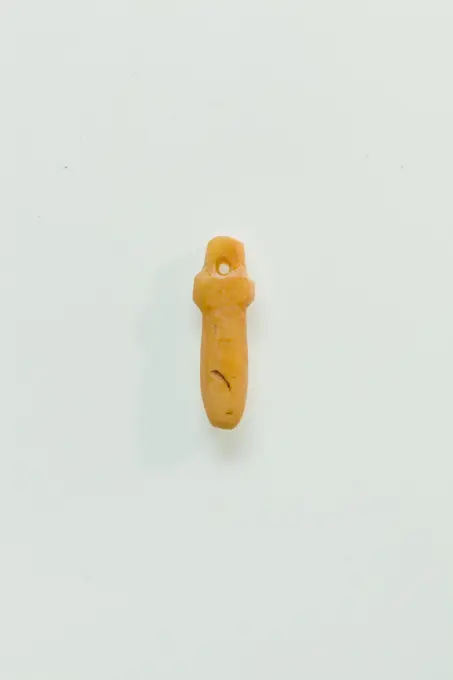
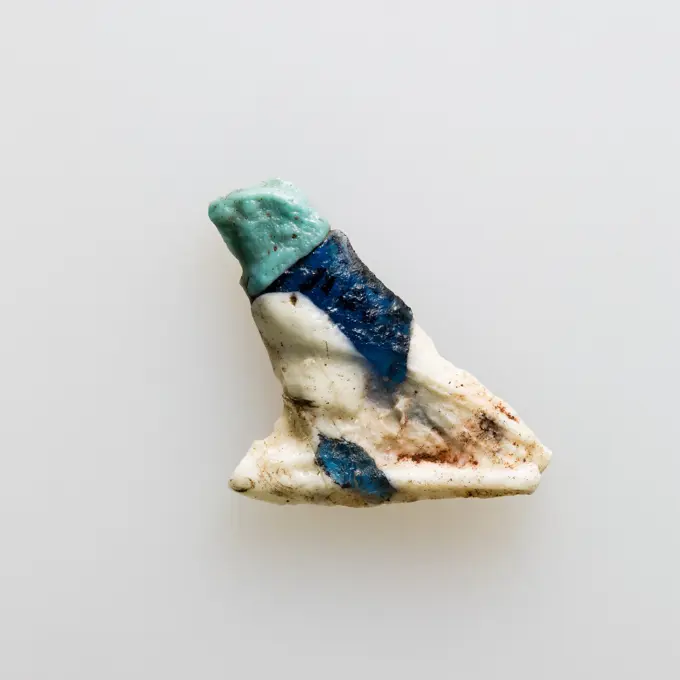
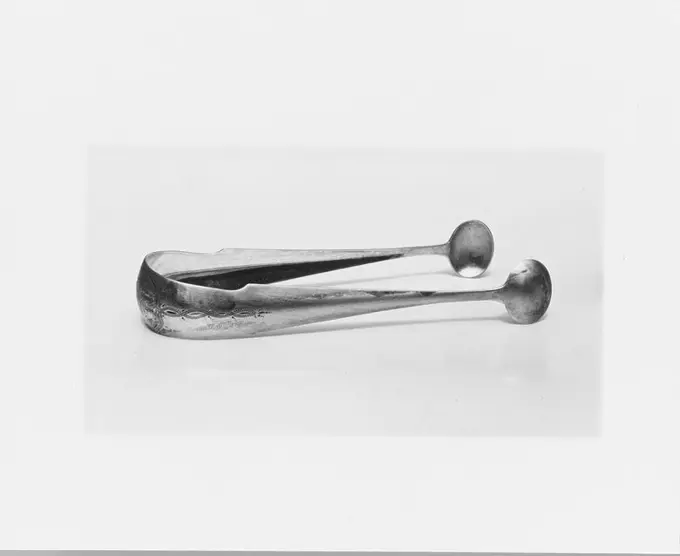
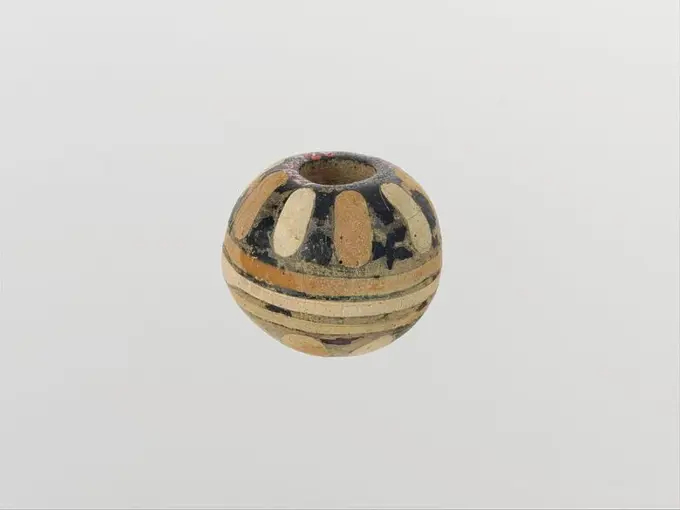
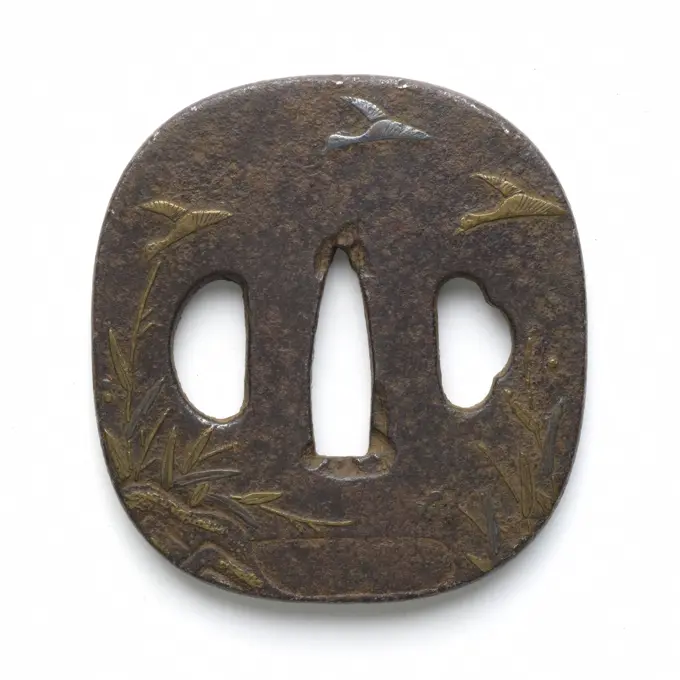
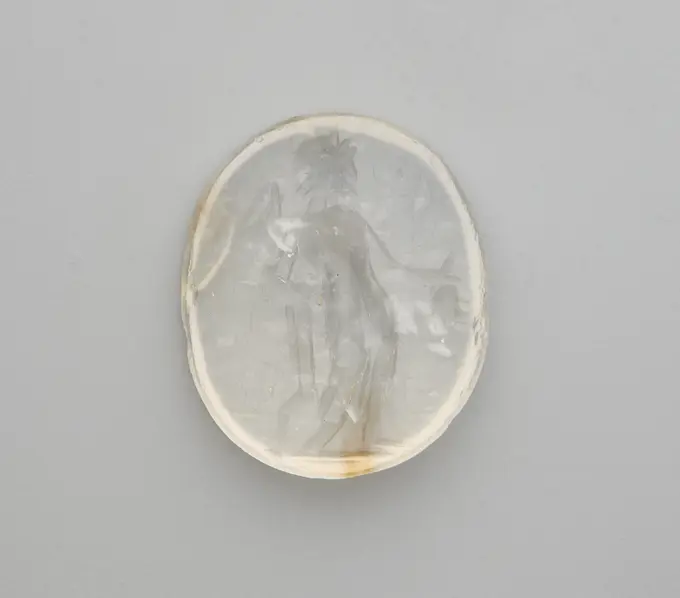
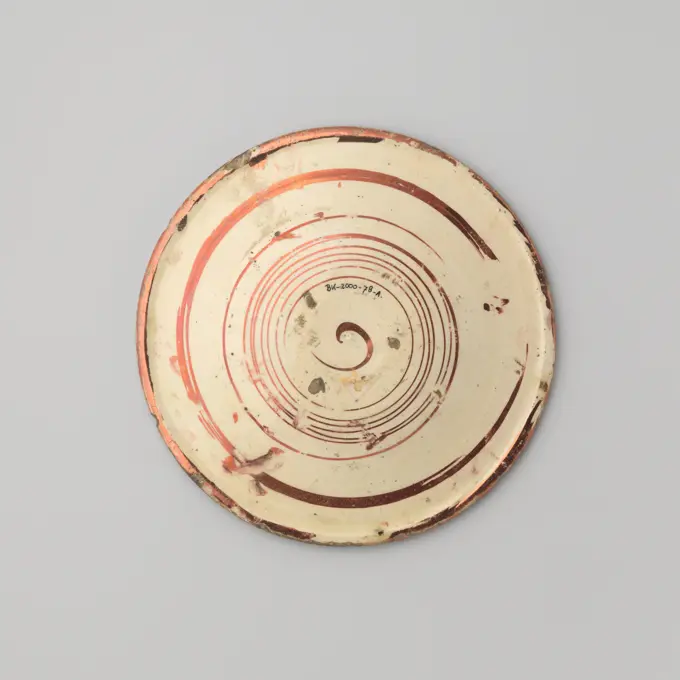
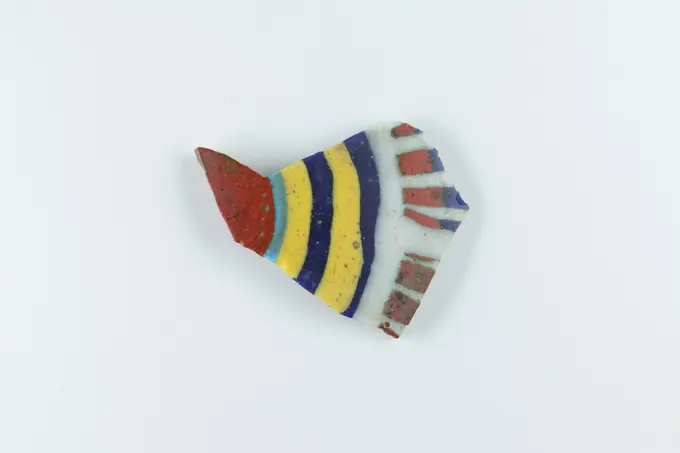
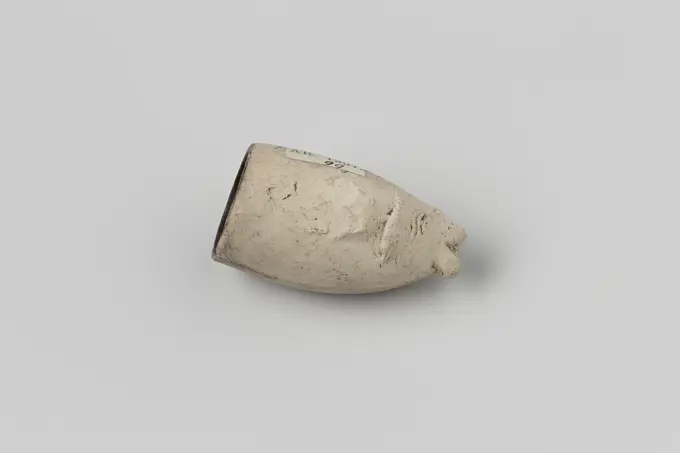
Fragment pipe head. Fragment pipe head with a crown and a fish and waves, and the letters I X A depicted. Of the excavations at the Hofstede Arentsburg 1827-1831 under the supervision of professor Reuvens.Planets-manager. Cornalet Collection Sites 2013-2016. Numismatic.Excerpt of a pipe head from the wreck of the East Indians' t Vliegend Hart, WS, 1700 - 1735  Head without a stem of an earthen Goudse pipe, blue and white yellowish. Heel brand ws. Lightly damaged. Fragments of Bowls and Stems. Gouda pipe clayFragment of a kylix: band-cup (drinking cup) ca. 540 B.C. Attributed to Elbows Out Parts of two youths running full speed; one has chlamys draped over arm.. Fragment of a kylix: band-cup (drinking cup) 240961Grahal-Manzara. Carnavalet 2013-2016 collection sites. Numismatics.Glass spacer bead early 1st century A.D. Roman Translucent cobalt blue and opaque white.Plano-convex oval with thin white layer as backing to blue. Pierced vertically with two small holes.Three ribs in high relief.Complete except for two chips in edge, and internal cracks; dulling and slight weathering.. Glass spacer bead. Roman. early 1st century A.D.. Glass. Early Imperial. GlassGrahal-Manzara. Carnavalet 2013-2016 collection sites. Numismatics.Brooch -Cut. Sandstone with grayish paste, decor painted in blue under covered gray-perforated. Cernuschi Museum, Asia Museum of Asia in the city of Paris.Amulet - pieczęć z kartuszem Mencheperre. unknown, authorElbow Defense (Couter). Culture: Italian. Dimensions: H. 6 1/2 in. (16.5 cm); W. 5 1/4 in. (13.3 cm); D. 6 in. (15.2 cm); Wt. 9.7 oz. (275 g). Date: ca. 1430-40. Museum: Metropolitan Museum of Art, New York, USA.Carnavalet Museum, Medals CollectionGlass spindle whorl ca. 1st-2nd century A.D. Roman Translucent cobalt blue.Tall, domed body; flat bottom but with circular groove; vertical hole larger on bottom.Intact; some dulling and creamy iridescent weathering.Made by winding trail in a spiral around rod.Blue domed spindle-whorl.. Glass spindle whorl 239920Skyphos fragment East Greek/Sardis, Lydian. Skyphos fragment 252790 East Greek/Sardis, Lydian, Skyphos fragment, Terracotta, Overall: 1 1/2 x 1 1/8in. (3.8 x 2.8cm). The Metropolitan Museum of Art, New York. Gift of The American Society for the Excavation of Sardis, 1926 (26.199.223)Plate of earthenware, fully equipped with white tinglaze, damaged, anonymous, 1500 - 1799   earthenware. tin glaze   earthenware. tin glazeGrahal-Manzara. Carnavalet 2013-2016 collection sites. Numismatics.Glass spindle whorl. Culture: Roman. Dimensions: Diam. 1 in. (2.6 cm). Date: ca. 1st-2nd century A.D..Translucent cobalt blue.Domed body; flat bottom but with circular groove; vertical hole, larger on bottom.Intact; pinprick bubbles; dulling, pitting, and iridescence, with patches of creamy weathering.Made by winding trail in a spiral around rod. Museum: Metropolitan Museum of Art, New York, USA.Glass pendant shaped like a jar. Culture: Roman. Dimensions: H.: 3/4 in. (1.9 cm). Date: 3rd-4th century A.D..Uncertain color, appearing opaque black; loop and base in same color; trail in opaque pale yellow.Squat globular body; flat pad base; thick circular suspension loop applied at top.Zigzag trail wound once round body.Intact, but chipped on pad base; dulling, pitting, and faint weathering.Brown opaque pendant with handle and yellow zigzag on side. Museum: Metropolitan Museum of Art, New York, USA.Bead 1st century B.C.-5th century A.D. Roman. Bead. Roman. 1st century B.C.-5th century A.D.. Glass. GlassSlit Ring (jue). China. Date: 800 BC-600 BC. Dimensions: Diam. 1 1/8 in.; 1/8 in. average thickness. Jade. Origin: China. Museum: The Chicago Art Institute, Chicago, USA.Silver sniff box, Anonymous, 1700 - 1725 Octagonal and scalloped with gilded inside. Northern Netherlands (possibly) silver (metal) Octagonal and scalloped with gilded inside. Northern Netherlands (possibly) silver (metal)Spoon tray with a European, tea drinking couple, anonymous, c. 1725 - c. 1749 Rectangular, hexagonal pattipan of porcelain with lobed wall, painted on the glaze in black and gold. On the flat a European pair, each with a cup in hand surrounded by leaf vines; On the wall flower vines on servetwork; The inner edge with a meander pattern on which half flowers. European performance in Encre de Chine. China porcelain. glaze. gold (metal) painting / gilding / painting Rectangular, hexagonal pattipan of porcelain with lobed wall, painted on the glaze in black and gold. On the flat a European pair, each with a cup in hand surrounded by leaf vines; On the wall flower vines on servetwork; The inner edge with a meander pattern on which half flowers. European performance in Encre de Chine. China porcelain. glaze. gold (metal) painting / gilding / paintingFragment blowjob from the wreck of the East Indieschief Hollandia.Pipe, voice; Fragment, decorated.Fragment tobacco pipe. Fragment tobacco pipe. Of the excavations at the Hofstede Arentsburg 1827-1831 under the supervision of professor Reuvens.Glass monochrome inlay fragment 1st half of 1st century A.D. Roman Fragment of revetment plaque.Opaque red.Flat inlay, with irregular oval shape; semicircular, deep depression in underside at one edge.Polished upper side; pitting of surface bubbles on upper side; gritty encrustation and thick green weathering on underside; similar weathering on most edges.. Glass monochrome inlay fragment. Roman. 1st half of 1st century A.D.. Glass; cast. Early Imperial, Julio-Claudian. GlassFragment of a pipe head from the wreck of the East India Flying Heart. One broken head with an unreadable heel brand of an earthen-gorned pipe, discolored. Fragments or bowls and votes.Grahal-Manzara. Carnavalet 2013-2016 collection sites. Numismatics.Glass eye bead. Glass eye bead. Glass. GlassGrahal-Manzara. Carnavalet 2013-2016 collection sites. Numismatics.Punch-Marked Coin, 400-300 BC. India, Rajasthan, Maurya Period (322-185 BC). Silver; overall: 1.4 x 1.2 cm (9/16 x 1/2 in.).Attic Black-Figure Eye Cup Fragment. UnknownAttic black-figure fragment showing an elbow and part of a staff (Herakles and theKerkopes?)Lid of turtle with Hertekop of silver (series from 28 pieces A to BB), Anonymous, 1700 - 1799 Turtle cover (28 pieces: A to BB) with silver's deer head as a button. Indonesia silver (metal) Turtle cover (28 pieces: A to BB) with silver's deer head as a button. Indonesia silver (metal)Button, maybe for a Horse Tack probably 1st-4th century possibly Roman This small button originally adorned a piece of leather, possibly part of a horse tack.. Button, maybe for a Horse Tack. possibly Roman. probably 1st-4th century. Copper alloy. Equestrian EquipmentSword Guard (Tsuba) late 18th-early 19th century Inscribed by Ishiguro Masatsune Japanese This tsuba features a dsign of an eagle perched on a rock above the sea. It forms a pair (Daishō tsuba) with another sword guard also in the Metropolitan Museum's collection (acc. no. 43.120.724).. Sword Guard (Tsuba) 657341Silver bubble. Electric bubble of silver. A round, wooden base with a silver border, on which a flattened silver half sphere is applied. The sphere is decorated with a yellow translucide email.Sword Guard (Tsuba) early 17th century Japanese A tsuba is a sword guard and part of a sword mounting. It is mounted between the swords blade and grip to protect the users hands.. Sword Guard (Tsuba) 34942Terracotta applique fragment of ivy leaves and berries. Culture: Greek, Pergamene. Dimensions: H. 2 1/8 in. (5.5 cm). Date: 200-100 B.C..Pergamene Applique Ware is a type of pottery in which mold made decorations are affixed to the outside of a wheel thown vessel.This fragment of an ivy and berry garland is one of the most common applique motifs attested in Pergame Ware. Its curved profile suggests it may have decorated the exterior of an open shape, such as a cup. Museum: Metropolitan Museum of Art, New York, USA.Buckle Loop 13th century French, Haute-Savoie. Buckle Loop. French, Haute-Savoie. 13th century. Bronze, gilt. Miscellaneous-Buckles & OrnamentAttic Vase Fragment. UnknownCapital, LaurelBlowjob head .. Blowjob head decorated with praise and the IB brand.Rouge box China (). Rouge box 48810Pinhead. Pinhead. Glass. GlassStationary horizontal sundial ca. 1720 George () Davis. Stationary horizontal sundial. British, Leeds. ca. 1720. Brass. Horology. High, rounded rectangular basket. The basket walks up broadly and has a solid handle. The wall of the basket is decorated with horizontal tires. The basket is marked with a six-lasting star in a circle and a dolphin.Bead ca. 1st century B.C.-1st century A.D. Parthian This squat, spherical bead, made of blue glass, was excavated at Shahr-i Qumis in northern Iran, which has been identified as the ancient city of Hecatompylos, established by the Parthians as their capital by about 200 B.C. In Greek Hecatompylos means a hundred gates,’ suggesting that the city was quite large. Indeed, the modern archaeological site includes several mounds, only a few of which have been excavated, and a vast area covered with potsherds. The bead comes from Site XIII, a large building that was later deliberately filled with dirt, perhaps in order to create a funerary structure.The excavations at Shahr-i Qumis by the British Institute of Persian Studies in 1967 were co-sponsored by the Metropolitan Museum of Art. However, the museum did not acquire this bead until 1978, as a result of the Met’s financial contributions to the Institute’s excavations at Tepe Nush-i Jan, another site in Iran. At the time the Iranian governFolding knife, Silver, steel, Sabre-shaped blade. Handle straight-sided, flaring towards the end. Engraved floral decoration with a lion in the cartouche on front and back. Diamond-shaped pattern along the sides. Blade folds into handle., Germany, ca. 1700, cutlery, Decorative Arts, Folding knifeBronze ring. Culture: Greek. Dimensions: Length: 1/2 in. (1.3 cm). Date: ca. 5th-4th century B.C..Goat browsing on a tree. Museum: Metropolitan Museum of Art, New York, USA.Carnavalet museum, Sceaux collectionAbruzzo Alba Fucens General views. Hutzel, Max 1960-1990 Roman republican veteran colony, castrum plan, 1st century BC forum, amphitheatre, various civic and religious buildings, architectural fragments, community fountain; German-born photographer and scholar Max Hutzel (1911-1988) photographed in Italy from the early 1960s until his death. The result of this project, referred to by Hutzel as Foto Arte Minore, is thorough documentation of art historical development in Italy up to the 18th century, including objects of the Etruscans and the Romans, as well as early Medieval, Romanesque, Gothic, Renaissance and Baroque monuments. Images are organized by geographic region in Italy, then by province, city, site complex and monument.Close up black tonka bean on pink backgroundTsuba; iron, shakudo (a soft copper and gold alloy); L x W x D: 101.5 × 102.4 × 6.8 cm (39 15/16 × 40 5/16 × 2 11/16 in.); Bequest of George Cameron Stone; 1936-4-293Bronze sleeve. Bronze sleeve, runs something on one side. Both ends open.Attic Red-Figure Amphora or Kalpis Fragment. UnknownWedjat eye plaque of Nesenaset. Dimensions: L. 5 × W. 2 cm (1 15/16 × 13/16 in.). Dynasty: Dynasty 21. Date: ca. 1070-945 B.C.. Museum: Metropolitan Museum of Art, New York, USA.Pommel inlaid with Malachite. China. Date: 300 BC-200 BC. Dimensions: Diam. 1 1/2 in.; 3/8 in. total depth. Jade. Origin: China. Museum: The Chicago Art Institute, Chicago, USA.Sword Guard (Tsuba). Culture: Japanese. Dimensions: H. 3 in. (7.6 cm); W. 2 13/16 in. (7.1 cm); thickness 1/4 in. (0.6 cm); Wt. 4.3 oz. (121.9 g). Date: ca. 1615-1868. Museum: Metropolitan Museum of Art, New York, USA.Attic Black-Figure Lip Cup Fragment. UnknownFragment base of a flute glass from the wreck of the East Indians Hollandia, Anonymous, 1700 - in Or Before 1743 drinking glass Glass, stem glass, feet; fragment, id. NG 1980-27H1283. Netherlands glass   SecondSkarabeusz z motywem spirali. unknown, authorVuurtest, anonymous, c. 1675 - c. 1699 Three fire tests of yellow glass on three legs with ears, made of massive glass mass; Red paint remains inside. Amsterdam (possibly) glass Three fire tests of yellow glass on three legs with ears, made of massive glass mass; Red paint remains inside. Amsterdam (possibly) glassEmilia-Romagna Ferrara Ferrara Museo Civico di Schifanoia37. Hutzel, Max 1960-1990 General Notes: INCOMPLETE RECORD--NEGATIVES PROCESSED, PRINTS FILED German-born photographer and scholar Max Hutzel (1911-1988) photographed in Italy from the early 1960s until his death. The result of this project, referred to by Hutzel as Foto Arte Minore, is thorough documentation of art historical development in Italy up to the 18th century, including objects of the Etruscans and the Romans, as well as early Medieval, Romanesque, Gothic, Renaissance and Baroque monuments. Images are organized by geographic region in Italy, then by province, city, site complex and monument.Sword Guard (Tsuba) late 18th century Japanese A tsuba is a sword guard and part of a sword mounting. It is mounted between the swords blade and grip to protect the users hands.. Sword Guard (Tsuba) 32174Disc (bi). China. Date: 300 BC-100 BC. Dimensions: Diam. 6 1/8 in.; 2 1/16 in. flesh; 1/8 in. average thickness. Jade. Origin: China. Museum: The Chicago Art Institute, Chicago, USA.Glass pendant in the form of a jar 3rd-4th century A.D. Roman Translucent turquoise blue, with loop and base in same color. Squat body; disk-shaped pad base; suspension loop attached at top. Body tooled into five vertical ribs in high relief. Intact; pinprick bubbles; pitting and iridescent weathering.. Glass pendant in the form of a jar. Roman. 3rd-4th century A.D.. Glass; rod-formed and tooled. Late Imperial. GlassGlass spindle whorl. Culture: Roman. Dimensions: Overall: 3/8 x 7/8in. (1 x 2.2cm). Date: ca. 1st-2nd century A.D..Translucent cobalt blue, with opaque white trail.Tall, domed body; flat bottom; vertical hole, larger on bottom.Trail applied to upper surface and tooled with seven unevenly spaced downward strokes to form feather pattern.Intact but chips on lower edge and bottom; some dulling, pitting, and faint iridescent weathering.Made by winding trail in a spiral around rod.Black opaque spindle-whorl with white glass thread pattern. Museum: Metropolitan Museum of Art, New York, USA.Bronze ring with carnelian scarab 6th-5th century B.C. Greek Ring with scarab.. Bronze ring with carnelian scarab. Greek. 6th-5th century B.C.. Bronze, sard. ArchaicSword Guard (Tsuba) ca. 3rd century-538 Japanese A tsuba is a sword guard and part of a sword mounting. It is mounted between the swords blade and grip to protect the users hands.. Sword Guard (Tsuba) 35122Glass mosaic bead 3rd-4th century A.D. Roman, Egyptian. Glass mosaic bead. Roman, Egyptian. 3rd-4th century A.D.. Glass. Late Imperial. GlassHook, c. 1599 - c. 1699 Copper hook.  copper (metal) Copper hook.  copper (metal)Attic Black-Figure Amphora Fragment. UnknownNagelas from V.O.C. ship De 'Witte Leeuw', Before 1613  Wooden nail axle. Wood weathered and cracked.  wood (plant material)   Sint-HelenaBird Plaque Ornament. Culture: Vicús. Dimensions: H. 2 x W. 2 in. (5 x 5 cm). Date: 3rd century B.C.-A.D. 2nd century. Museum: Metropolitan Museum of Art, New York, USA.Tubular bead ca. 1802-1640 B.C. Middle Kingdom. Tubular bead 639378Paperweight. Saint-Louis; France, founded 1767. Date: 1825-1850. Dimensions: Diam. 7.9 cm (3 1/8 in.). Glass. Origin: France. Museum: The Chicago Art Institute, Chicago, USA. Author: Compagnie de Saint Louis.Sword Guard (Tsuba). Culture: Japanese. Dimensions: H. 2 1/2 in. (6.4 cm); W. 2 3/16 in. (5.6 cm); thickness 5/16 in. (0.8 cm); Wt. 3.7 oz. (104.9 g). Date: ca. 1615-1868. Museum: Metropolitan Museum of Art, New York, USA.Sword Guard (Tsuba). Culture: Japanese. Dimensions: H. 2 13/16 in. (7.1 cm); W. 2 5/8 in. (6.7 cm); thickness 5/16 in. (0.8 cm); Wt. 4.9 oz. (138.9 g). Date: possibly 18th century. Museum: Metropolitan Museum of Art, New York, USA.Grahal-Manzara. Carnavalet 2013-2016 collection sites. Numismatics.Fragmentary Seal Impression from Tutankhamun's Embalming Cache ca. 1336-1327 B.C. New Kingdom This mud sealing was found in one of the jars from the embalming cache of Tutankhamun.. Fragmentary Seal Impression from Tutankhamun's Embalming Cache. ca. 1336-1327 B.C.. Mud. New Kingdom. From Egypt, Upper Egypt, Thebes, Valley of the Kings, Embalming Cache of Tutankhamun (KV 54), Davis/Ayrton excavations, 1907-08. Dynasty 18Stone font Letter I 3D Stone font Letter I 3D rendering illustration isolated on white background Copyright: xZoonar.com/MilicxDjurovicx 21521974Retro cartoon with texture. Isolated on White.Wadj (papyrus stalk) from string of amulets ca. 1070-945 B.C. Third Intermediate Period Nine amulets of various materials were found threaded together in a tight group around the throat of the Lady Djedmutesankh; two of these, of green glass, disintegrated after they were discovered. This is a wadj, or papyrus stalk. As a hieroglyph, this meant green or fresh, and the papyrus was closely associated with rebirth and regeneration.For the amulet group, see 25.3.169-related.. Wadj (papyrus stalk) from string of amulets 551037Falcon amulet 400-30 BC Ptolemaic Period Starting in the later Late Period and continuing through the Ptolemaic Period, a type of glass amulet cast by pressing the glass into a shallow open mold appears. The back was left rough, and the amulets may look ragged because glass overflowed the mold around the edges. The earlier amulets are monochrome, bi- or multicolor amulets supplement the repertoire during the Ptolemaic Period.Some of the amulets can be specifically tied to spells of the Book of the Dead - for example, acc. no. 17.194.2526 - and most are clearly funerary amulets, presumably meant to be wrapped between the bandages of the mummy where the presence of the amulet would do its job irrespective of its degree of finish.. Falcon amulet. 400-30 BC. Glass. Ptolemaic Period. From EgyptDish of Chinese porcelain from the wreck of the Dutch East Indiaman Witte Leeuw, anonymous, before 1613 plate (dishes) Fragment sign from V.O.C. ship De 'Witte Leeuw', 80 present. The shard is glassy white and has little ingrained dirt. The glaze is blue tinted and peels over parts of the lip edge. There are also pinholes and small baking cracks in the glaze on the corners of the lip edge. The bottom is glazed. The foot ring is V-shaped, faceted and stands inside. More than 20 grains of oven sand have been found. Eighteen shards glued together and a loose shard. Jingdezhen bone china (material). glaze   Sint-HelenaEarring, spiral with lion's head 5th century B.C. Cypriot Ending in a lion's head and a rosette.. Earring, spiral with lion's head 242793Tongs. Culture: American. Dimensions: L. 5 7/8 in. (14.9 cm). Maker: J. S. Porter (1783-1862). Date: 1800-1810. Museum: Metropolitan Museum of Art, New York, USA.Glass bead. Culture: Carthaginian. Dimensions: 15/16 × 1 1/8 in. (2.3 × 2.8 cm). Date: 2nd half of 4th century B.C..Ground in semi-opaque dark blue, appearing black; additions in opaque yellow and white.Spherical with large vertical hole with rounded edges.Three horizontal trails, two in yellow flanking one in white, around center of bead; at one end, row of eight marvered dots, five in yellow, three in white; at other end, nine broad stripes, five in yellow, four in white.Intact; dulling and creamy iridescent weatheringBlack opaque bead with yellow and white bands and spots. Museum: Metropolitan Museum of Art, New York, USA.Rosette 1530-50 German. Rosette. German. 1530-50. Steel. Miscellaneous-Buckles & OrnamentTsuba. Japan. Fer. Paris, Muse Cernuschi. Assessment, armaments, Asian art, Japanese art, weapon custody, art object, metallic object, armament piece, tsubaCarved Intaglio Gemstone with standing figure ofHermesLead figure of a warrior with spears and shield 6th-5th century B.C. Greek, Laconian Small flat votive figurines of cast lead have been found in great quantities at the ancient sanctuaries of Laconia; over one hundred thousand, dating from the seventh century B.C. to the Classical period, were dedicated to the goddess Artemis Orthia in Sparta.. Lead figure of a warrior with spears and shield 251646 Greek, Laconian, Lead figure of a warrior with spears and shield, 6th5th century B.C., Lead, Height: 1 5/8 in. (4.2 cm). The Metropolitan Museum of Art, New York. Gift of A. J. B. Wace, 1924 (24.195.80)Fragment of a barshot from the wreck of the Dutch East Indiaman 't Vliegend Hart, , 1700 - 1735  Iron ball on a piece of a rod that ends in sharp splinters. Originally the rod connected two balls of equal dimensions: a cannonball used to damage masts and rigging of enemy ships. Eroded. Barshot. Middelburg iron (metal)Majolica board with painting in Lustrertechniek, Anonymous, c. 1600 - c. 1699 Majolica plate with painting in Luster technology. Spain earthenware. glaze. luster (textile) painting Majolica plate with painting in Luster technology. Spain earthenware. glaze. luster (textile) paintingGrahal-Manzara. Carnavalet 2013-2016 collection sites. Numismatics.Scarab Cross Pattern 1650 BCE-1550 BCE Egypt. Glazed steatite . Ancient EgyptianFragment of a Bowl ca. 1427-1400 B.C. New Kingdom. Fragment of a Bowl. ca. 1427-1400 B.C.. Glass. New Kingdom. Probably from Upper Egypt, Thebes, Valley of the Kings; From Egypt. Dynasty 18Spearhead or point. Dimensions: 3 7/8in. (9.8cm). Museum: Metropolitan Museum of Art, New York, USA.Round box with lid, anonymous, c. 1700 - c. 1900 Round box with a decor of two shells at a overgrown coast. Pewter edges. Japan wood (plant material). lacquer (coating). tin (metal) Round box with a decor of two shells at a overgrown coast. Pewter edges. Japan wood (plant material). lacquer (coating). tin (metal)Grahal-Manzara. Carnavalet 2013-2016 collection sites. Numismatics.