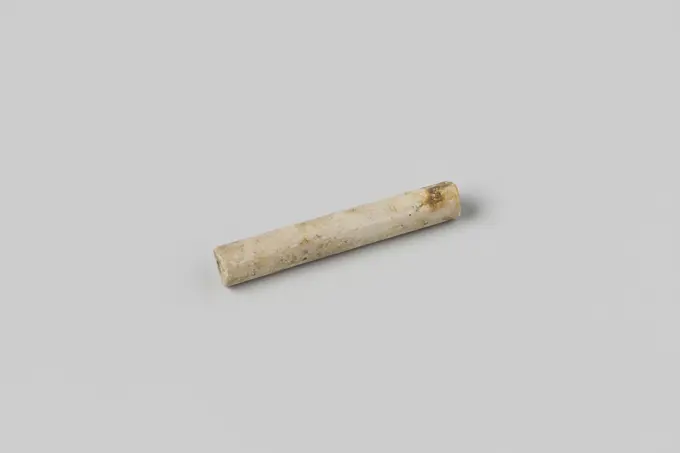
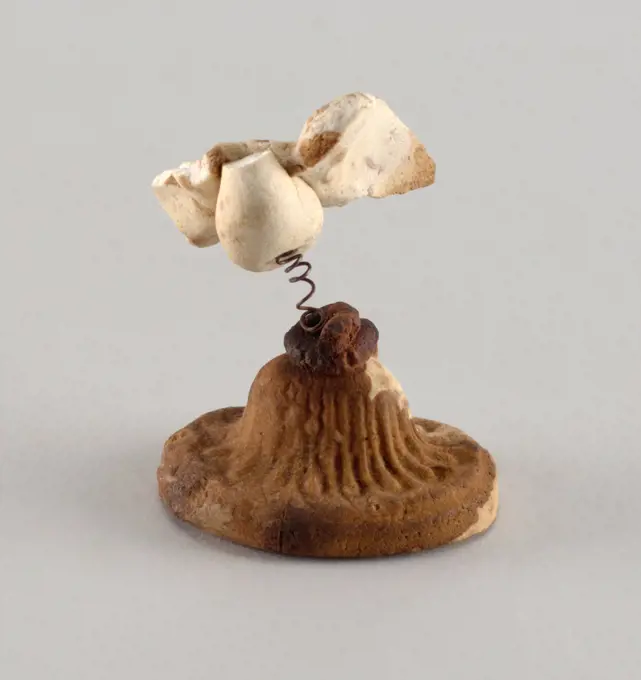
Pipe Fragment Artifacts

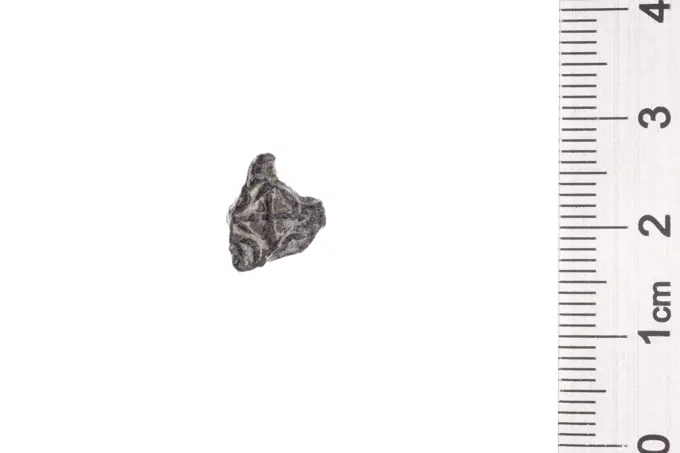
Fragments of historical pipe heads and numismatic items, depicting archaeological finds with intricate designs and details.
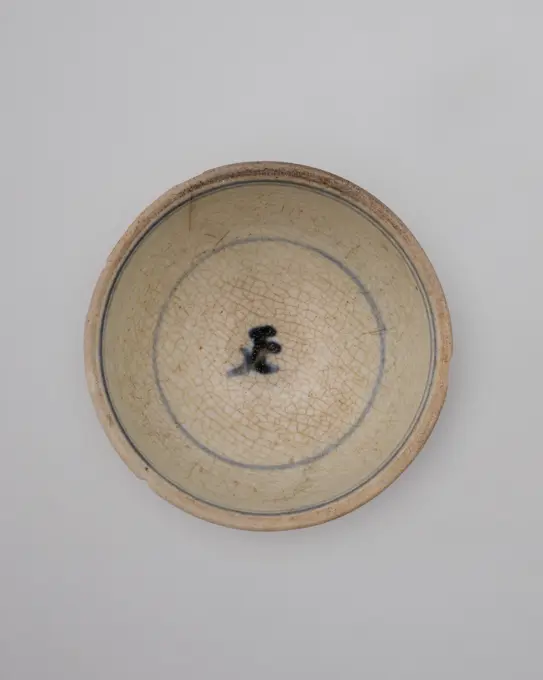
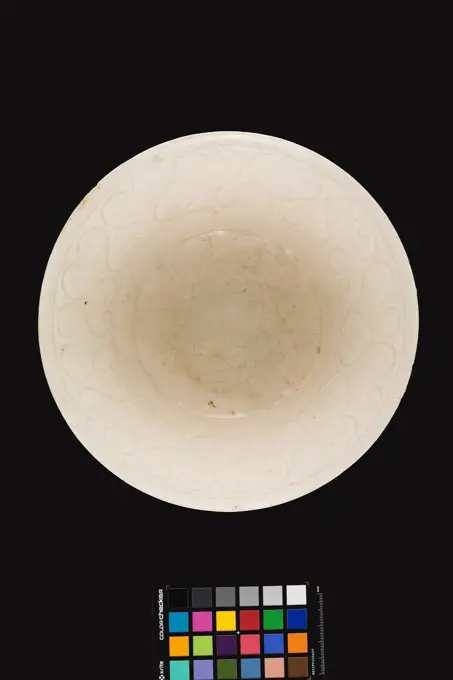
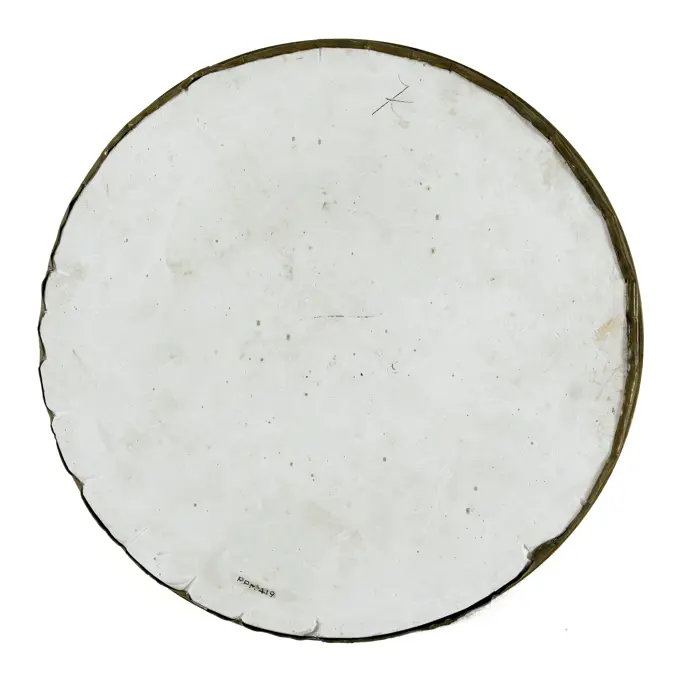
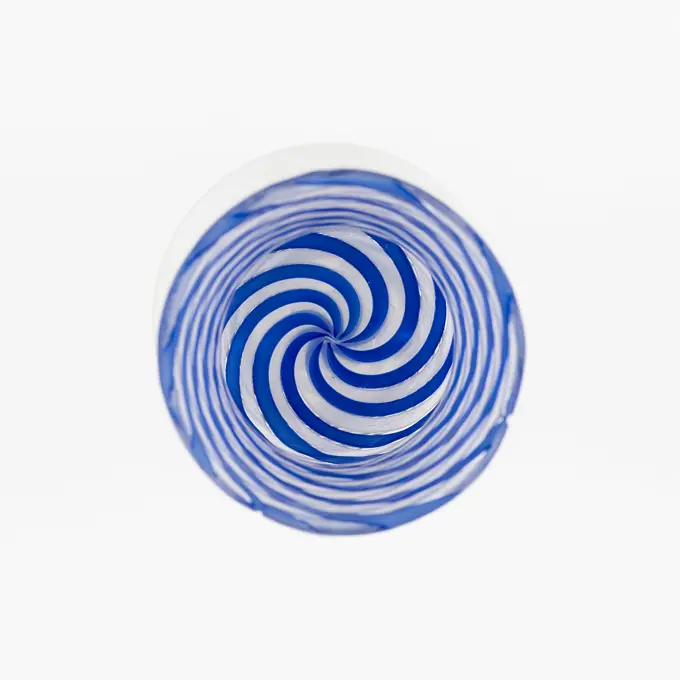
Cut. Sandstone with grayish paste, decor painted in blue under covered gray-perforated. Cernuschi Museum, Asia Museum of Asia in the city of Paris.
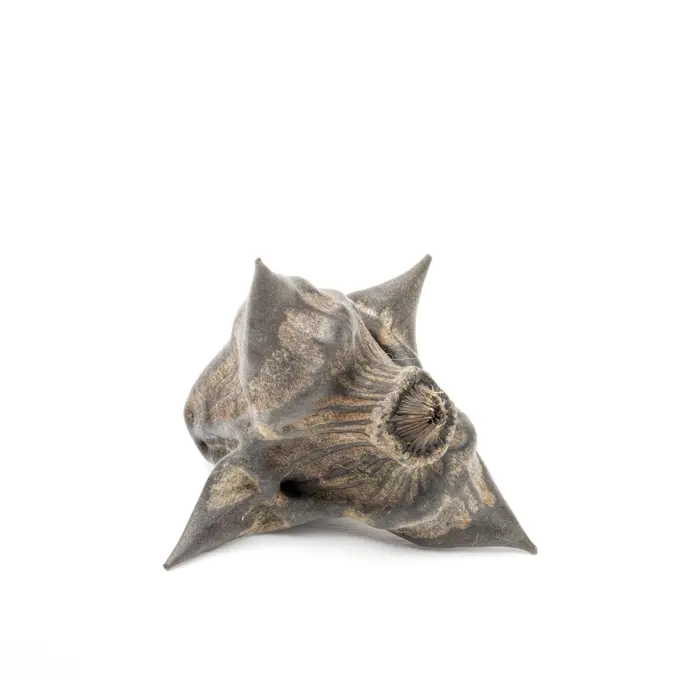
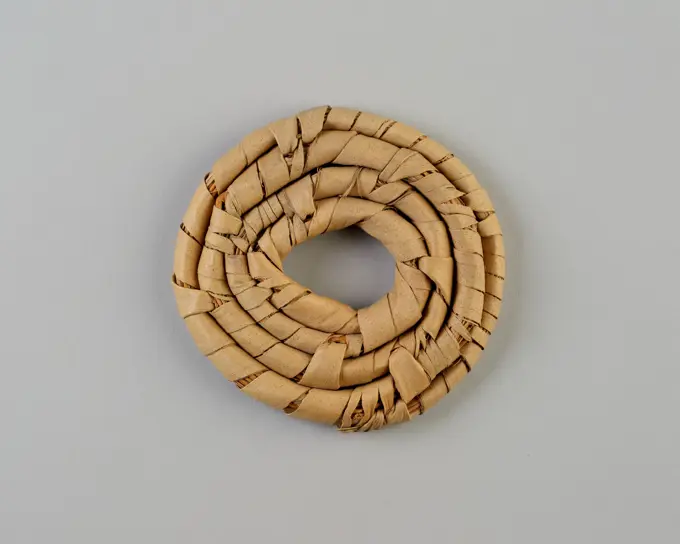
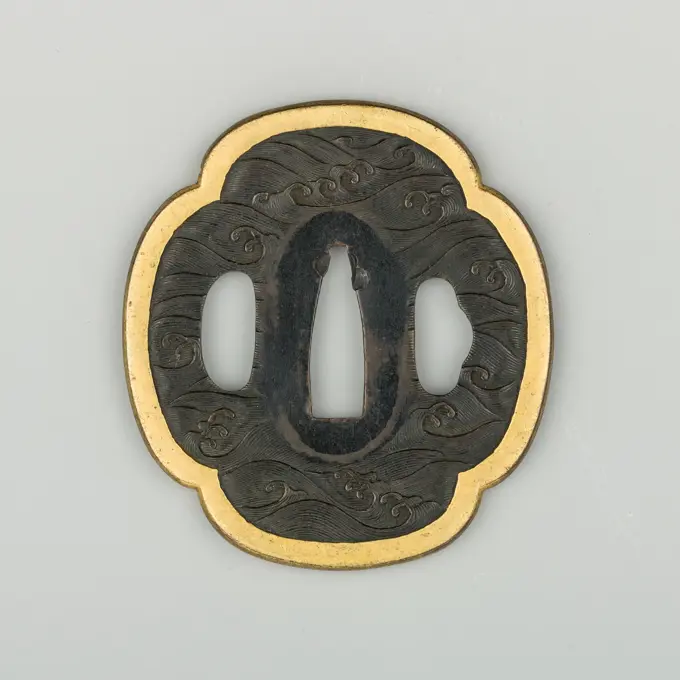
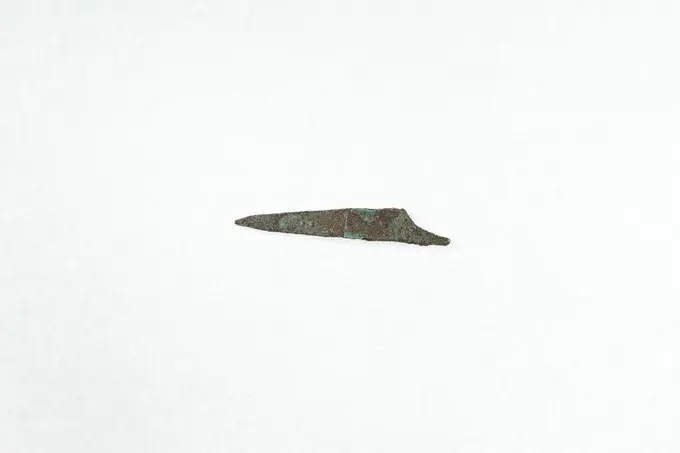
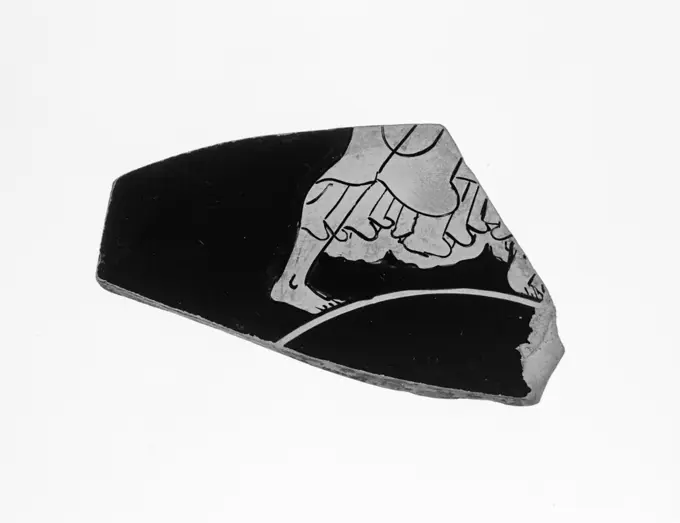
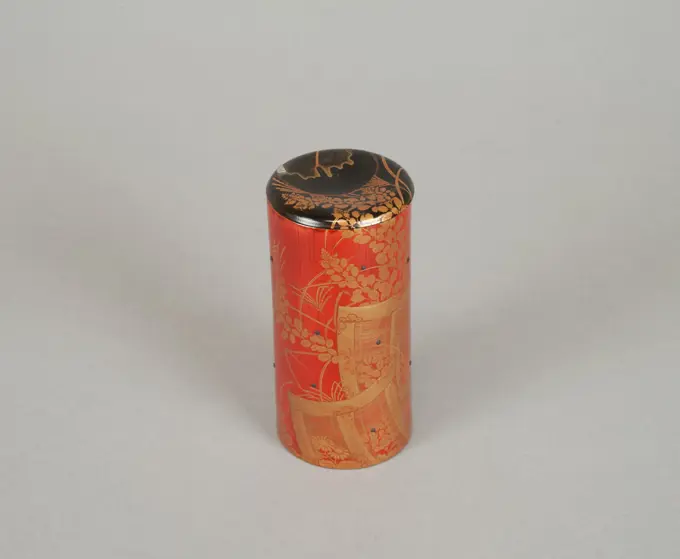
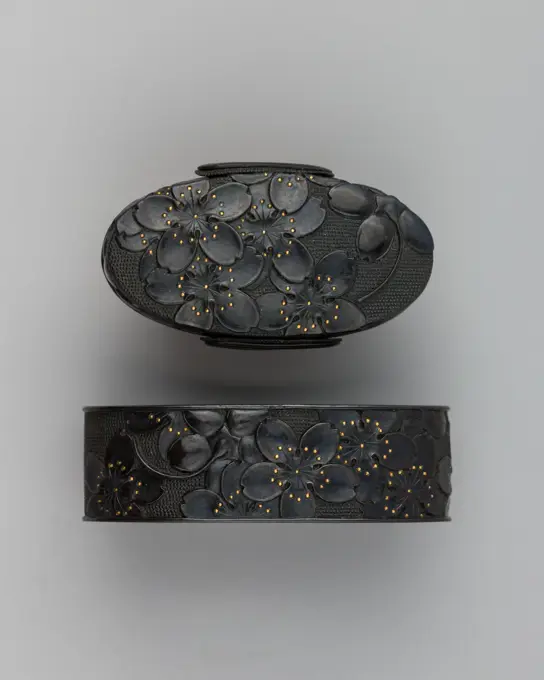
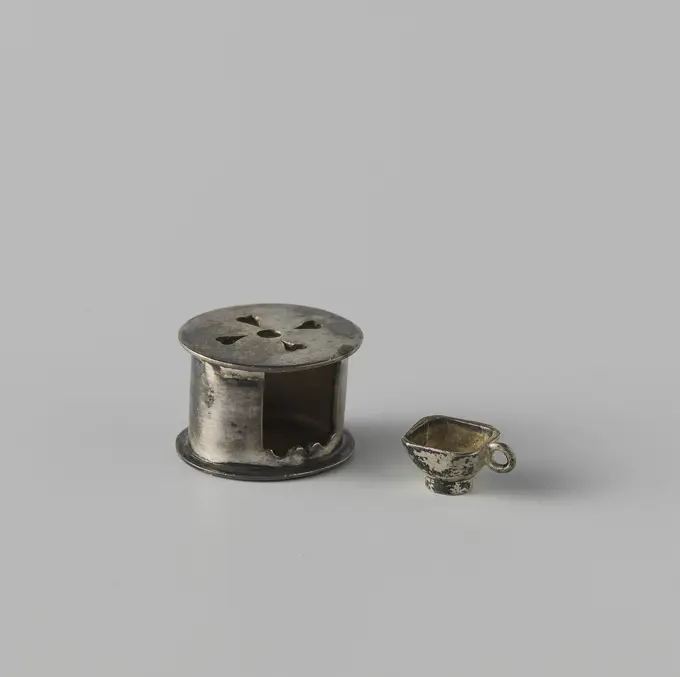
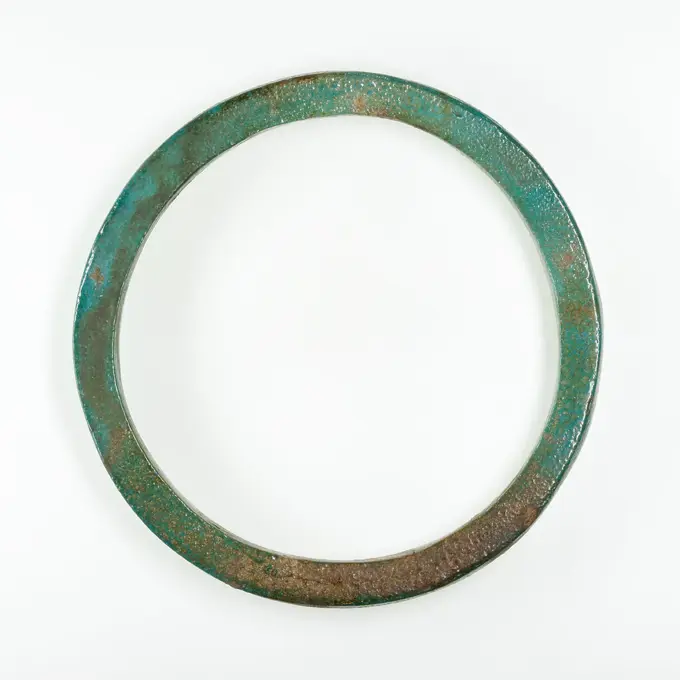
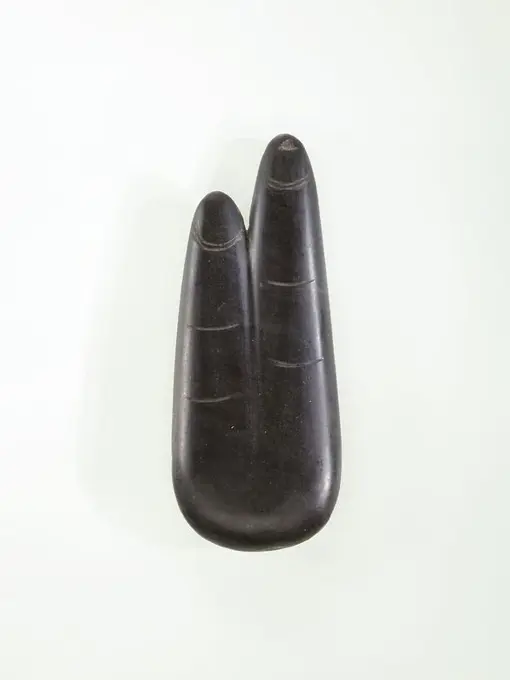
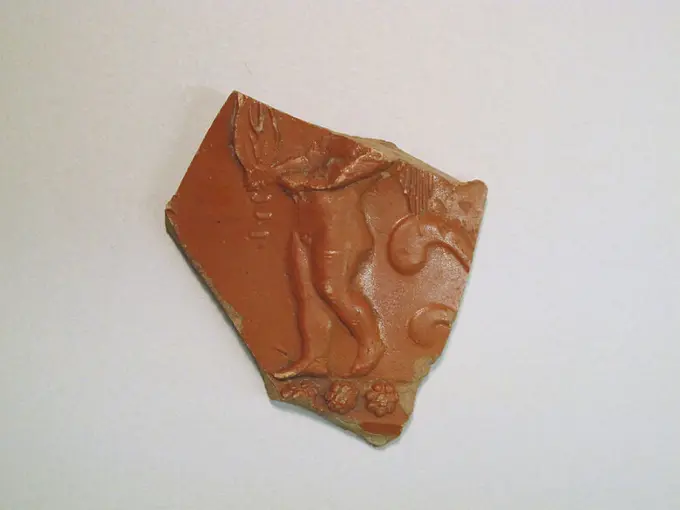
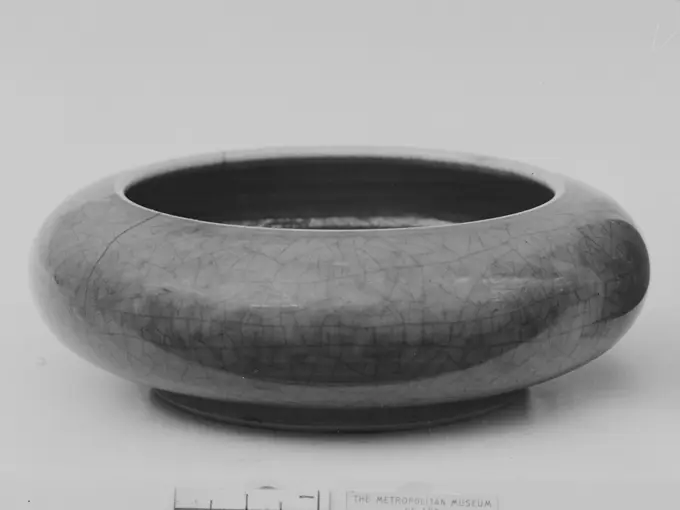
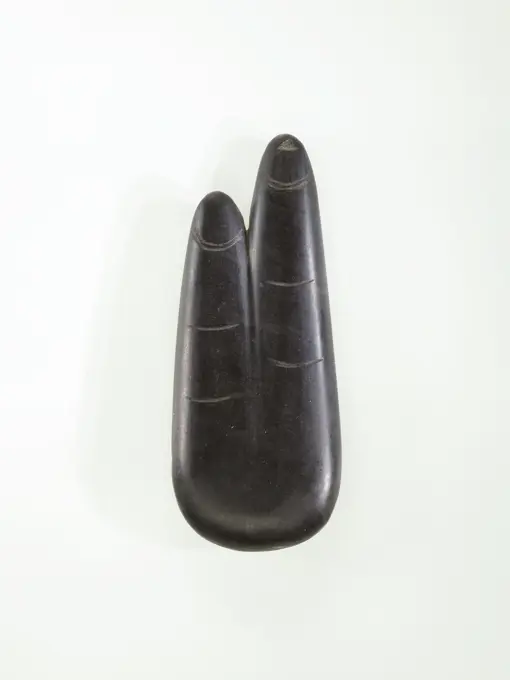
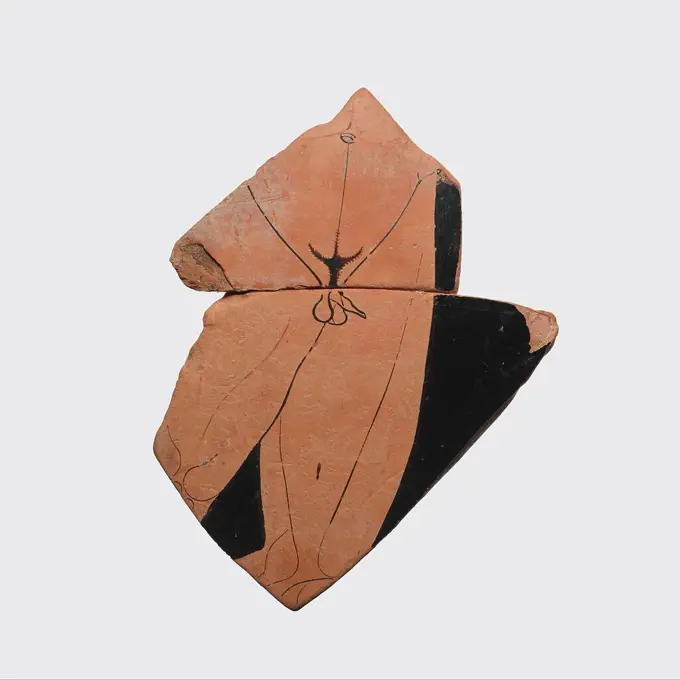
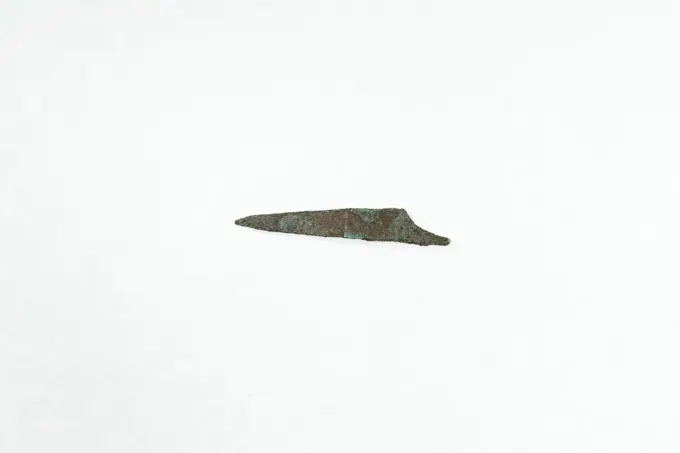
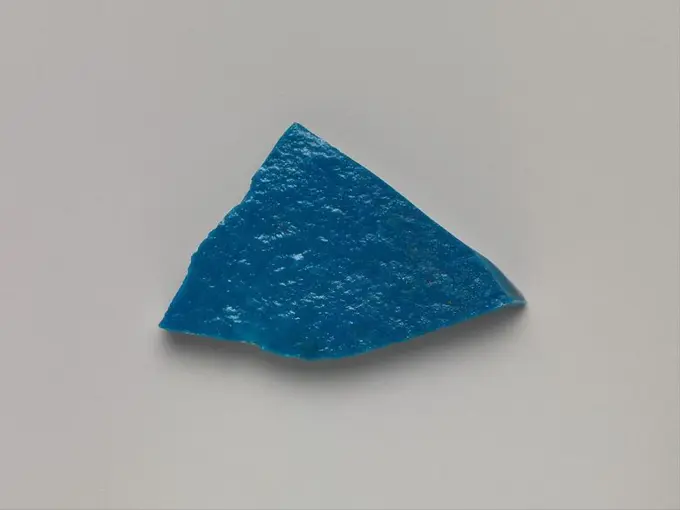
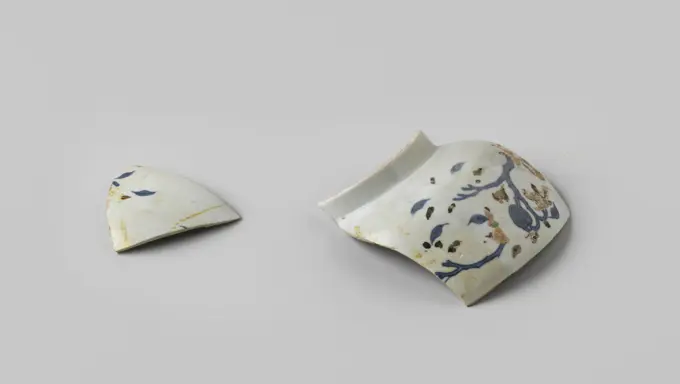
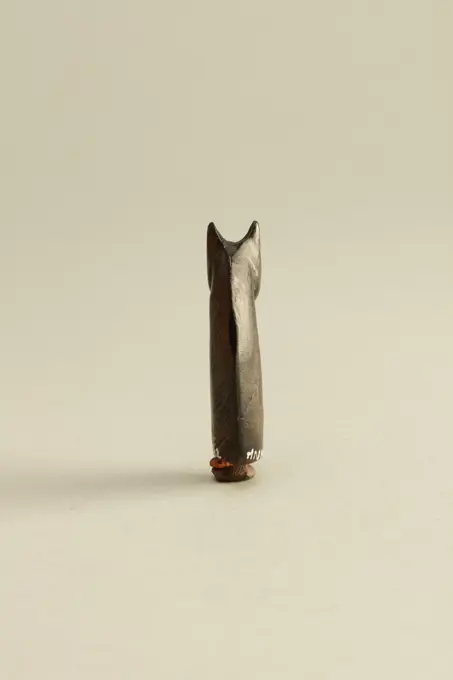
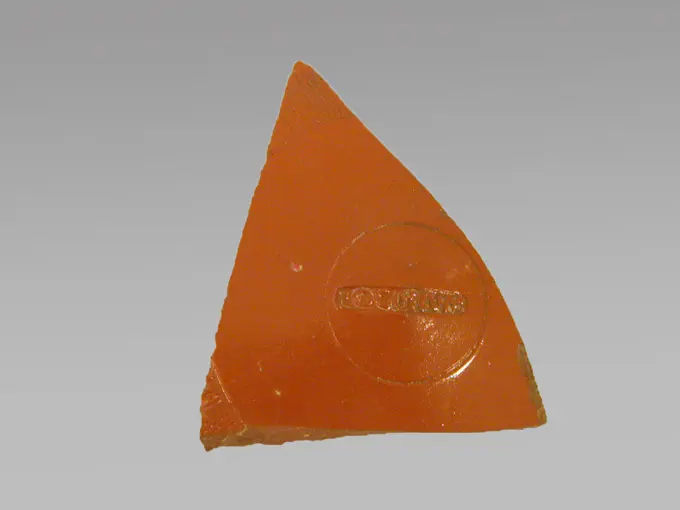
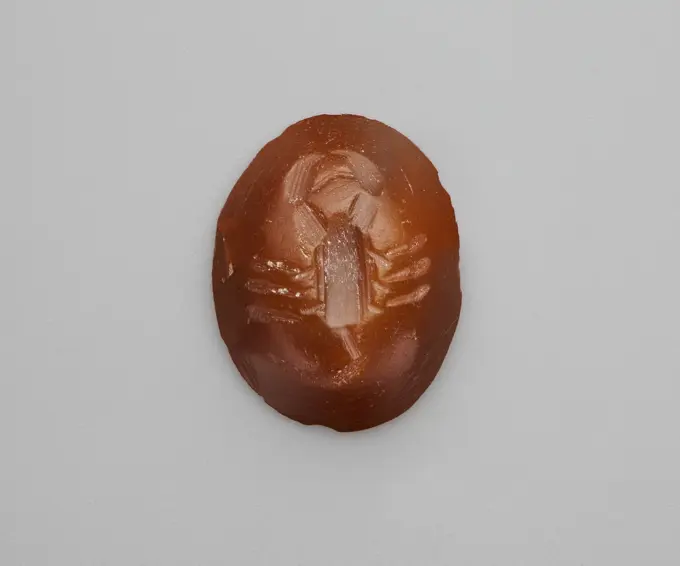
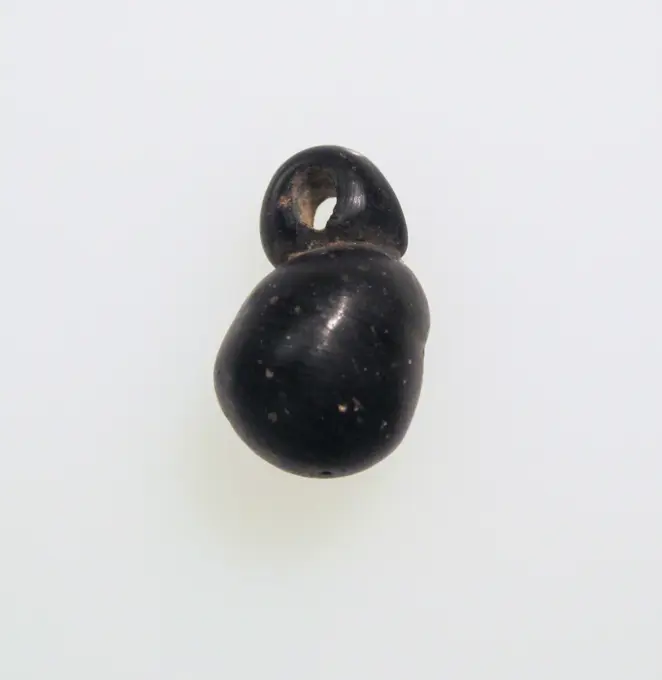
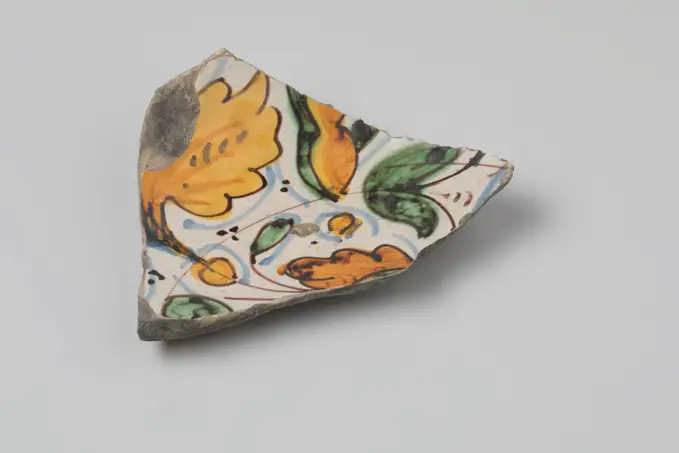
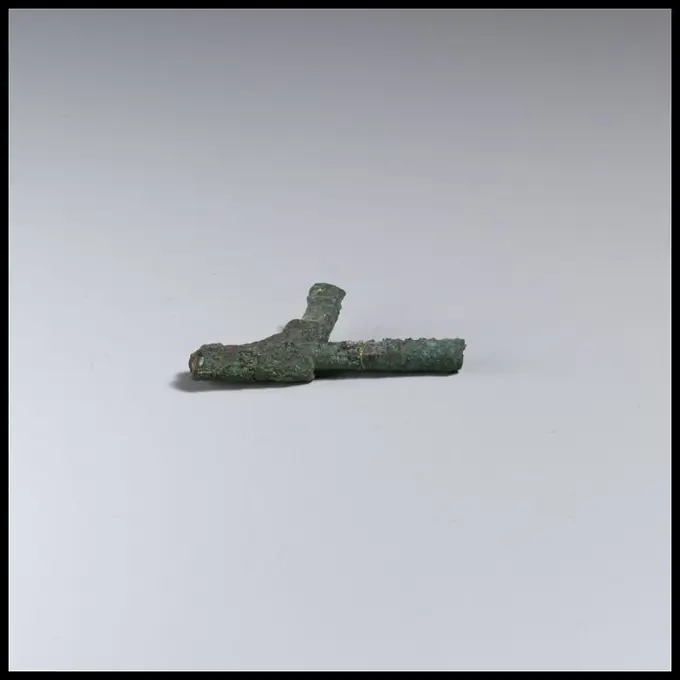
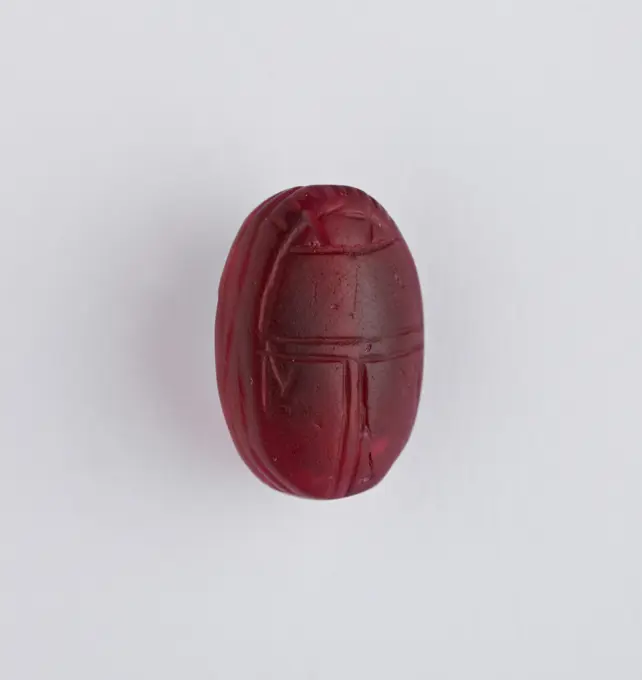
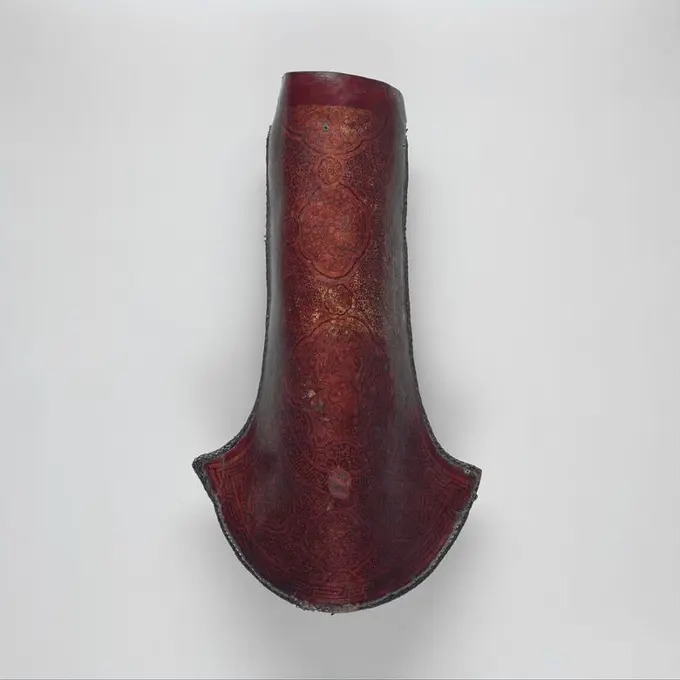
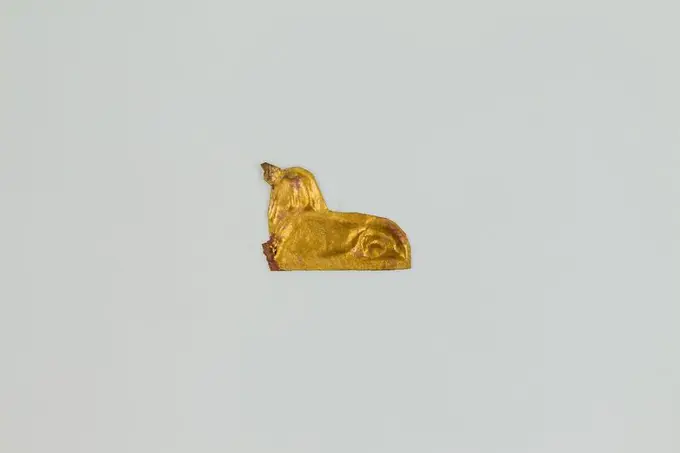
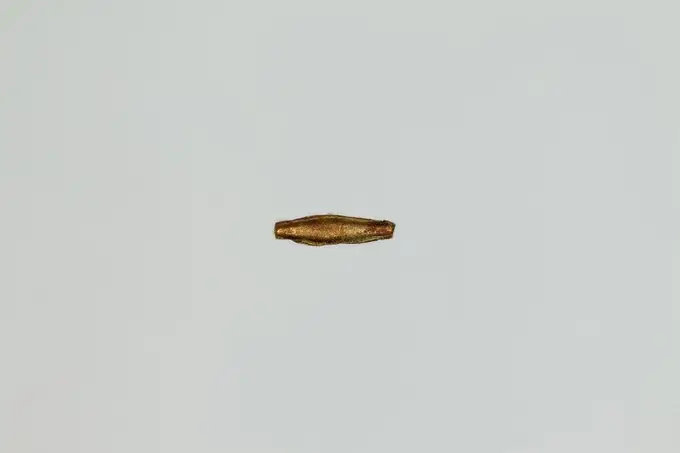
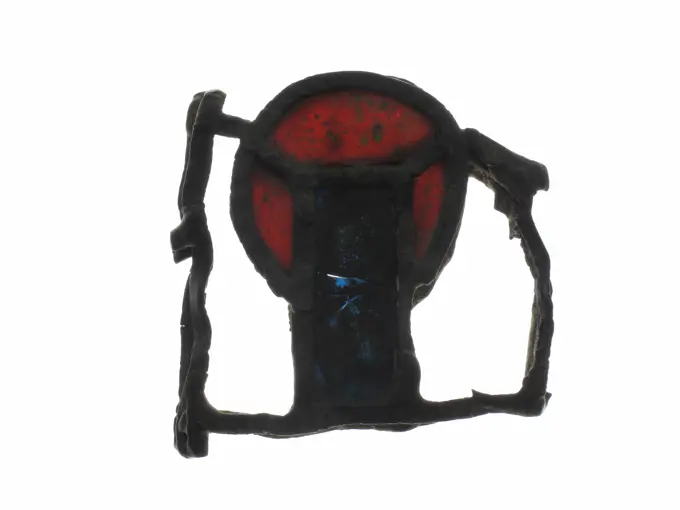
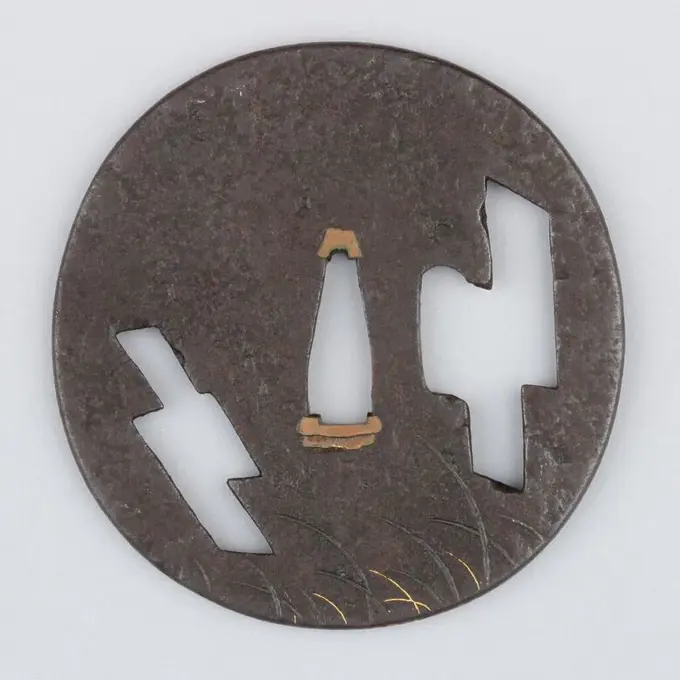
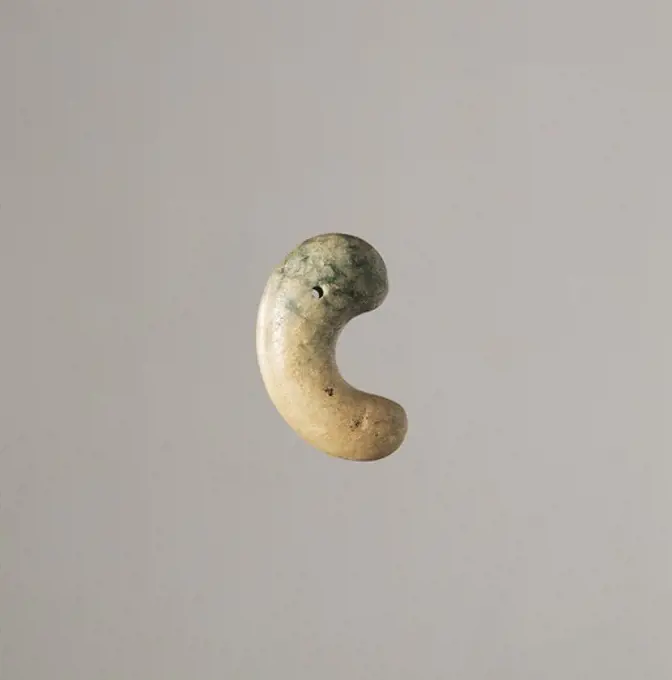
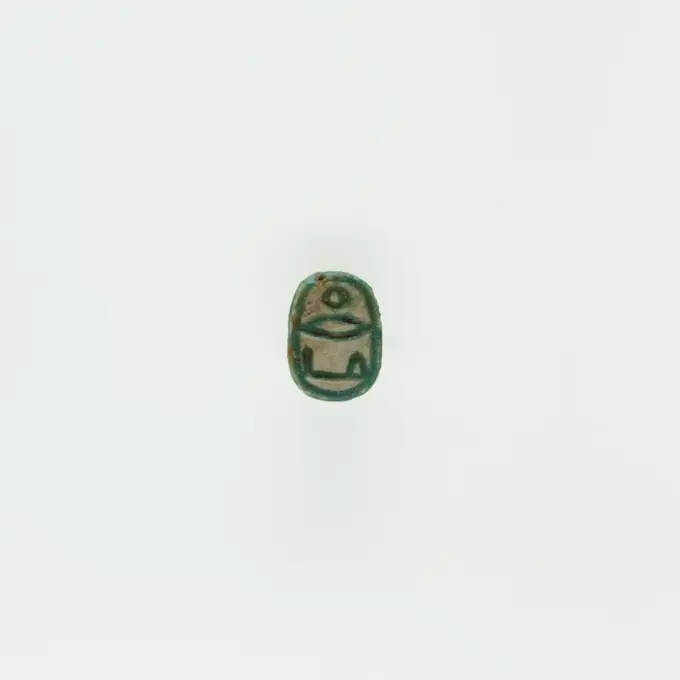
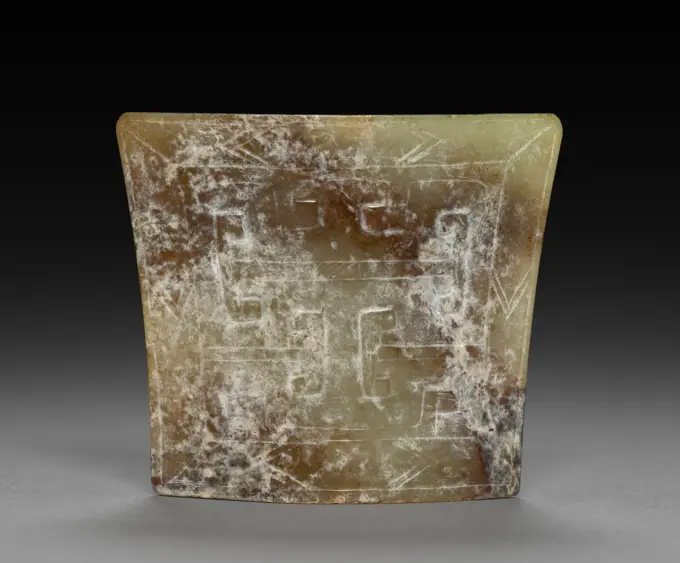
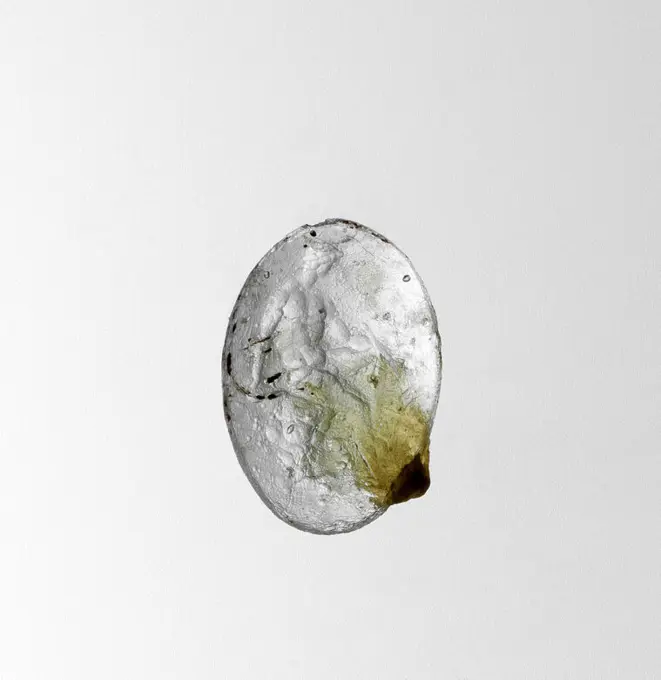
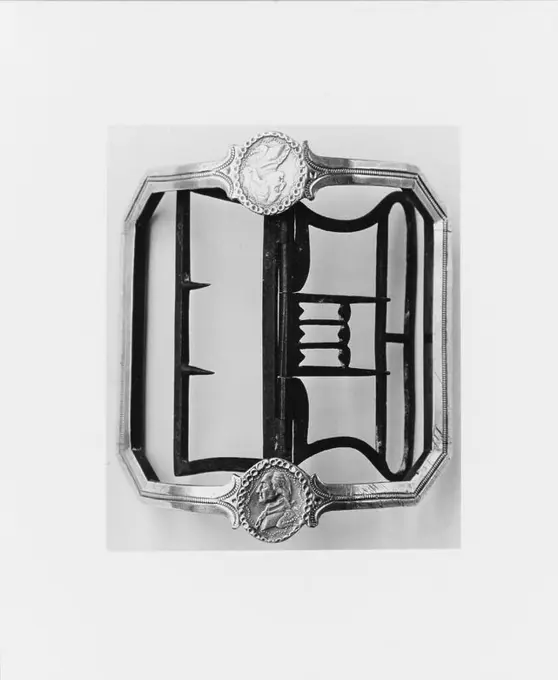
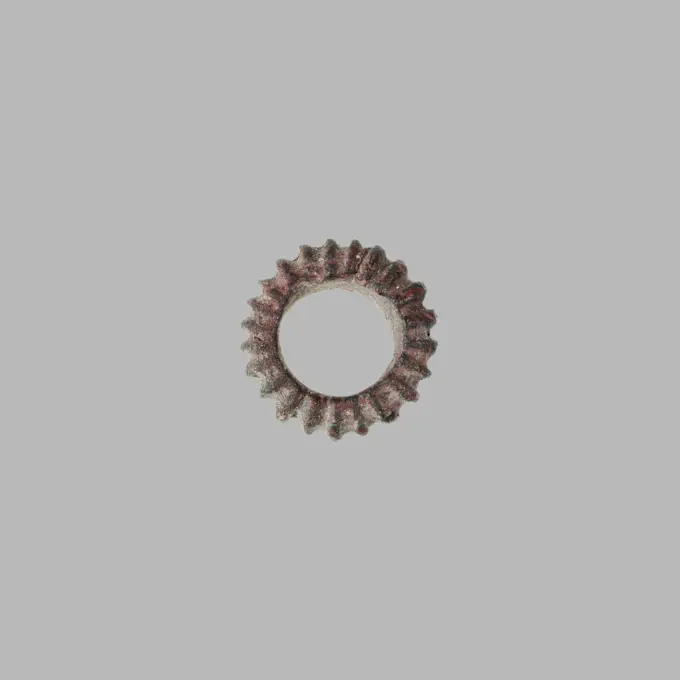
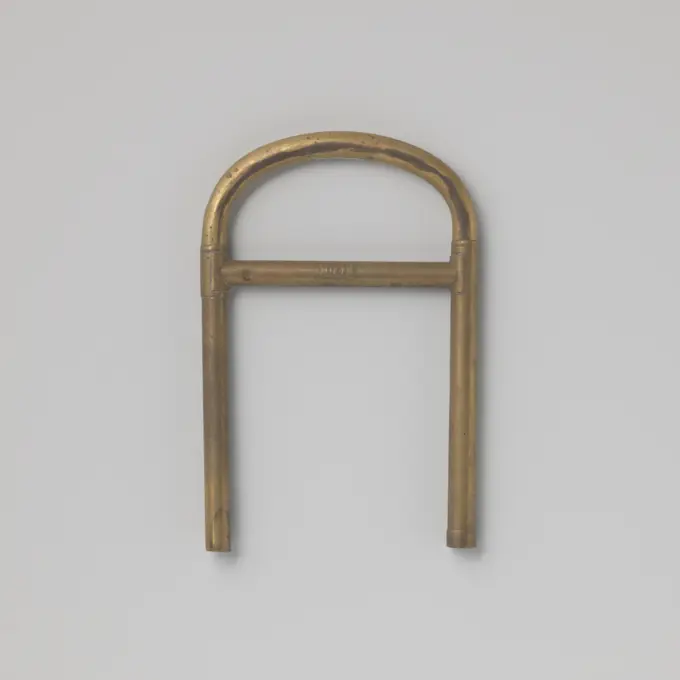
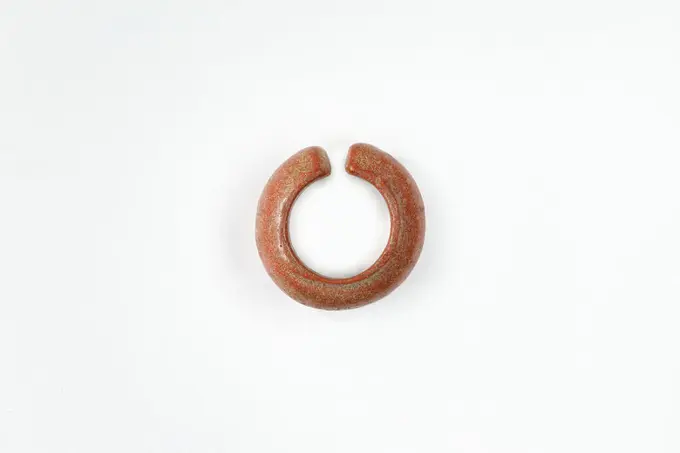
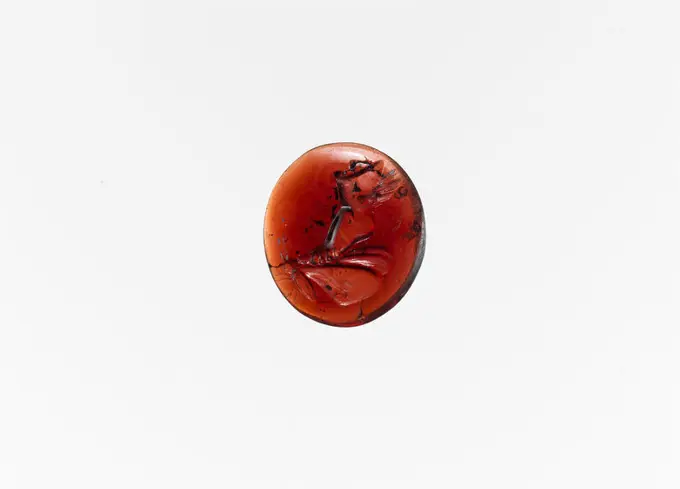
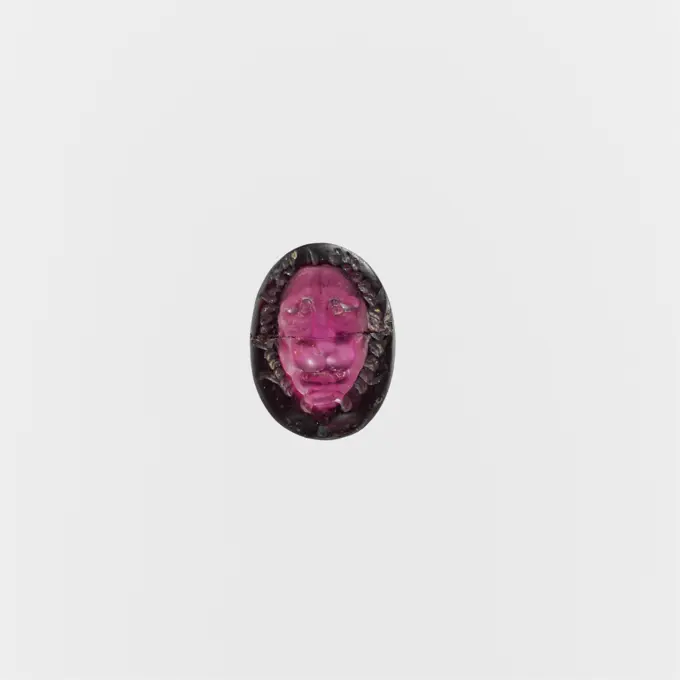
Buckle ca. 50 B.C.-500 A.D. Roman. Buckle. Roman. ca. 50 B.C.-500 A.D.. Bronze. Miscellaneous-Buckles & OrnamentSword Guard (Tsuba) 17th century Ko-kinko school Very little sword furniture from the Kokinko school survives. This fine sword guard (tsuba) features elegantly engraved waves bordered by a thick gilded band.. Sword Guard (Tsuba). Japanese. 17th century. Copper-gold alloy (shakud), gold. Sword Furniture-TsubaBlade for a Model Saw from a Foundation Deposit. Dimensions: L. 2.7 × W. 0.4 cm (1 1/16 × 3/16 in.). Dynasty: Dynasty 18. Reign: Joint reign of Hatshepsut and Thutmose III. Date: ca. 1479-1458 B.C.. Museum: Metropolitan Museum of Art, New York, USA.Fragment window from the wreck of the East Indians Hollandia, Anonymous, 1700 - in or Before 1743  Varied parts or fragments, window glass; fragm, broken, flat. Netherlands glass   SecondSword Guard (Tsuba) possibly 18th century Japanese A tsuba is a sword guard and part of a sword mounting. It is mounted between the swords blade and grip to protect the users hands.. Sword Guard (Tsuba) 29971Uraeus amulet. Dimensions: l. 1.2 cm (1/2 in.) × h. 1.2 cm (1/2 in.). Dynasty: Dynasty 26-29. Date: 664-380 B.C.. Museum: Metropolitan Museum of Art, New York, USA.Bowl. Iran, late 12th or 13th century/circa 6th-7th century A.H.. Ceramics. Fritware, incised, underglaze paintedAttic Red-Figure Kylix Fragment. Attributed to Makron (Greek (Attic), active about 490 - 480 B.C.)Cylindrical box 19th century Japan This box probably held a tea whisk. The designs are of the autumn grass hagi (bush clover), susuki (acanthus plants) with dew, and bamboo blinds. A half-moon is encrusted in pewter on the black-lacquered lid. These motifs evoke an episode in Chapter 10 of the Tale of Genji, "The Sacred Tree" (Sakaki), in which Genji visits the Rokujo Lady at Nonomiya Shrine before she leaves Kyoto to accompany her princess at the Ise Shrine.. Cylindrical box. Japan. 19th century. Red lacquer on bamboo with sprinkled gold powder. Edo period (1615-1868). LacquerGlass mosaic fragment late 1st century B.C.-early 1st century A.D. Roman Thin-walled body fragment of shallow dish or bowl.Translucent purple, blue mixed with yellow appearing green, opaque yellow, white, and red.Mosaic pattern formed from sections of two canes: one in a purple ground with a white circle and central yellow dot; the other with concentric rows of green rods outlined in yellow surrounding a central red dot.Polished exterior; pitting of surface bubbles on exterior; dulling and creamy weathering on interior and jagged edges.. Glass mosaic fragment. Roman. late 1st century B.C.-early 1st century A.D.. Glass. Early Imperial. GlassDrohiczyn seal. unknown, managerScent bottle ca. 3rd-7th century A.D. Sasanian. Scent bottle 322727Cup of black coffee on white backgroundFragment blowjob from the wreck of the East Indieschief Hollandia. Pipe, voice; Fragments, decorated.Sword-Hilt Collar and Pommel (Fuchigashira) late 18th-early 19th century Japanese A fuchigashira is a pair of matching sword fittings comprising the fuchi (collar at the base of the grip of the sword hilt) and kashira (pommel cap at the end of a sword hilt).. Sword-Hilt Collar and Pommel (Fuchigashira). Japanese. late 18th-early 19th century. Copper-gold alloy (shakud), gold. Sword Furniture-Fuchi-KashiraModel kadzielnicy. nieznany warsztat północno mezopotamski, workshopVase fragment East Greek/Sardis, Lydian. Vase fragment 252792 East Greek/Sardis, Lydian, Vase fragment, Terracotta, Overall: 1 3/8 x 1 1/4in. (3.5 x 3.2cm). The Metropolitan Museum of Art, New York. Gift of The American Society for the Excavation of Sardis, 1926 (26.199.225)Bracelet. UnknownCoffee cup stain, art and spill on white background with texture, shape and closeup of circle. Mess, liquid or caffeine with zoom for drink, pattern and dirt with creativity for project with spaceStew with open -sawn hearts, anonymous, c. 1755 Oval stew with test. In the top of the stove, a round hole has been cut out in the middle and four open hearts opened around it. In the stew there is a test on a foot and with an ear. The stove is marked: Mt. = Foot 430. The stew is equal to five stewing with the invnrs. BK-NM-11177-176, BK-NM-1177-177, BK-NM-11177-178, BK-NM-11177-179, BK-NM-11177-180. Amsterdam silver (metal) Oval stew with test. In the top of the stove, a round hole has been cut out in the middle and four open hearts opened around it. In the stew there is a test on a foot and with an ear. The stove is marked: Mt. = Foot 430. The stew is equal to five stewing with the invnrs. BK-NM-11177-176, BK-NM-1177-177, BK-NM-11177-178, BK-NM-11177-179, BK-NM-11177-180. Amsterdam silver (metal)Paperweight 1825-1850 France. Glass . Compagnie de Saint LouisAmulet - serce ib. unknown, authorBracelets or Anklets of Neferkhawet (3). Dimensions: Diam. 10.2 cm (4 in.); inner diam. 8.4 cm (3 5/16 in.); Th. 0.9 cm (3/8 in.); D. 1.1 cm (7/16 in.). Dynasty: Dynasty 18, early. Reign: reign of Thutmose I-early sole Thutmose III. Date: ca. 1504-1447 B.C.. Museum: Metropolitan Museum of Art, New York, USA.Two fingers amulet. Dimensions: L. 6.4 cm (2 1/2 in), w. 2.7 cm (1 1/16 in). Dynasty: Dynasty 26-30. Date: 664-332 B.C.. Museum: Metropolitan Museum of Art, New York, USA.Vase fragment. Culture: Roman. Dimensions: 1 7/8 × 1 3/4 × 1/4 in. (4.8 × 4.4 × 0.7 cm).Eros. Museum: Metropolitan Museum of Art, New York, USA.Drohiczyn seal. unknown, managerTriangular handicraft with embroidery, Aagje Tiket, c. 1900 Handwork with white leaves and flowers in Jugendstil, on a moss green stainet three-corner, insatin, steel and stitching. Belonging to series of eight white and ten colored crafts, made by Aagje Tiket for achieving the deed of beautiful and/or useful handicrafts at the industrial school, BK-1974-105-A to R. Amsterdam silk embroidering Handwork with white leaves and flowers in Jugendstil, on a moss green stainet three-corner, insatin, steel and stitching. Belonging to series of eight white and ten colored crafts, made by Aagje Tiket for achieving the deed of beautiful and/or useful handicrafts at the industrial school, BK-1974-105-A to R. Amsterdam silk embroideringCarved Intaglio Gemstone withErosBrush Washer China. Brush Washer. China. Porcelain with crackled peachbloom glaze. Qing dynasty (1644-1911), Kangxi period (1662-1722). CeramicsHat, pleated and decorated with cord and lace. Hat made of white wool, pleated and garnished from above with cord; From the inside with lace.  wool Hat made of white wool, pleated and garnished from above with cord; From the inside with lace.  woolTwo-finger amulet 664-332 B.C. Late Period Two-finger amulets were used exclusively for the dead and were often found on the lower left of the torso. This is the area of the embalming incision, which was made during the mummification process. These amulets were meant magically to heal the wound. The first examples of this amulet type date to Dynasty 26. Their preferred material was obsidian or other dark stones.. Two-finger amulet. 664-332 B.C.. Slate. Late Period. From Egypt. Dynasty 26-30Fragment of a terrracotta neck-amphora (jar). Culture: Greek, Attic. Dimensions: 3 15/16 × 3 1/16 × 3/16 in. (10 × 7.7 × 0.6 cm). Date: ca. 520-510 B.C..Diskos thrower. Museum: Metropolitan Museum of Art, New York, USA.Bead ca. 1850-1750 B.C. Middle Kingdom. Bead 559332Isolated one brown pine cone on white background. Isolated brown pine cone on white backgroundBlade for a Model Saw from a Foundation Deposit ca. 1479-1458 B.C. New Kingdom. Blade for a Model Saw from a Foundation Deposit. ca. 1479-1458 B.C.. Bronze or copper alloy. New Kingdom. From Egypt, Upper Egypt, Thebes, Deir el-Bahri, Tomb of Senenmut (TT 353), Foundation deposit 3, 5a and scattered, MMA excavations, 1926-27. Dynasty 18Fragment. Culture: China. Dimensions: H. 2 in. (5.1 cm); W. 1 1/4 in. (3.2 cm). Date: 19th century. Museum: Metropolitan Museum of Art, New York, USA.Trapa Natans Also Called Water Chestnuts Water chestnut, trapa natans, isolated on a white background Copyright: xZoonar.com/AlainxdexMaximyx 8504990Pinhead. Pinhead. Glass. GlassFragments of porcelain dishes from V.O.C.-ship De 'Witte Leeuw', Before 1613  Fragments of porcelain dishes from V.O.C. ship De 'Witte Leeuw'. Soil clips. Jingdezhen porcelain   Sint-HelenaFragment Pijpenkop, Anonymous, 1710 - 1740 Fragment piping head with a pigeon and a duller, enclosed by flower vines. Of the excavations on the Hofstede Arentsburg 1827-1831 under the supervision of Professor Reuvens. Netherlands pipe clay Fragment piping head with a pigeon and a duller, enclosed by flower vines. Of the excavations on the Hofstede Arentsburg 1827-1831 under the supervision of Professor Reuvens. Netherlands pipe clayToilet table, covered with white and blue silk and mesh, c. 1750 The toilet table consists of a table top on a fixed, black lacquered base, on which a mirror stands, supported with a wooden bar. The table top and the mirror are covered with blue silk, trimmed with white strap. Around the table is a tinkled rug of silk and mesh, a cloth of mesh is draped around the mirror; Five bows of silk adorn the corners of the leaves and the mirror. Amsterdam (possibly) cardboard. wood (plant material). silk. looking glasses The toilet table consists of a table top on a fixed, black lacquered base, on which a mirror stands, supported with a wooden bar. The table top and the mirror are covered with blue silk, trimmed with white strap. Around the table is a tinkled rug of silk and mesh, a cloth of mesh is draped around the mirror; Five bows of silk adorn the corners of the leaves and the mirror. Amsterdam (possibly) cardboard. wood (plant material). silk. looking glassesKom, found at V.O.C. -Schip Witte Leeuw, possibly from Zeelelie, Anonymous, 1775 - 1800 bowl Two fragments of a bowl found at V.O.C. ship De 'Witte Leeuw'. This object is 18th century and cannot therefore be from the freight of the Witte Leeuw. It is unclear whether the object will come from the site or whether it was mixed later, possibly with material from the Zeelelie. China porcelain   Sint-HelenaA fragment of the chess figureScarab ca. 1981-1640 B.C. Middle Kingdom. Scarab. ca. 1981-1640 B.C.. Obsidian. Middle Kingdom. From Egypt, Memphite Region, Lisht South, tomb of Senwosretankh, Surface burial 34-37, MMA excavations, 1932-33. Dynasty 12-13Harpoenpunt, c. 1400 - c. 1950 harpoon A harpoon point.  iron (metal)   Zeeuwsche Uytkyckpointing hand cartoonAttic Black-Figure Cup Fragment. UnknownVase fragment Roman, Gaul Inscribed.. Vase fragment. Roman, Gaul. Terracotta. VasesCarved intagliogemstoneGlass pendant 3rd-4th century A.D. Roman. Glass pendant. Roman. 3rd-4th century A.D.. Glass. Late Imperial. GlassDishwill of earthenware with floral multicolored drawing, anonymous, 1500 - 1799   earthenware. glaze   earthenware. glazeGrahal-Manzara. Carnavalet 2013-2016 collection sites. Numismatics.Edouard-Pierre Blin. Medal. Portrait of M. Famin. Plaster. Museum of Fine Arts of the City of Paris, Petit Palais. 58769-8 Medal, inventory, numismatics, plaster, reverseJean-Bertrand Andrieu (1763-1822). Medal reverse. Recovery of worship. Metal, gilded bronze. 1st quarter of the 19th century. Museum of Fine Arts of the City of Paris, Petit Palais. 58765-4 1st quarter, bronze gilded, medal, metal, numero inventory, numismatics, reverse, 19th centuryVadermoordenaar, anonymous, c. 1850 - c. 1920 White Snaved Collar. Netherlands textile materials White Snaved Collar. Netherlands textile materialsShards of a crow head from V.O.C. ship De 'Witte Leeuw', Anonymous, Before 1613 bowl Shards of a crow head from V.O.C. ship De 'Witte Leeuw', 75 present. Jingdezhen bone china (material)   Sint-HelenaFibula, fragment. Dimensions: 1 9/16in. (4cm). Museum: Metropolitan Museum of Art, New York, USA.SkarabeuszCylindrical sealPart of a Quiver. Culture: Tibetan or Mongolian. Dimensions: L. 18 1/2 in. (47 cm); W. 10 1/2 in. (26.7 cm). Date: 15th-17th century. Museum: Metropolitan Museum of Art, New York, USA.Sphinx amulet. Dimensions: l. 1.6 cm (5/8 in.) × h. 1.1 cm (7/16 in.). Dynasty: Dynasty 26-29. Date: 664-380 B.C.. Museum: Metropolitan Museum of Art, New York, USA.Sweret amulet. Dimensions: l. 1.2 cm (1/2 in.) × h. 0.3 cm (1/8 in.). Dynasty: Dynasty 26-29. Date: 664-380 B.C.. Museum: Metropolitan Museum of Art, New York, USA.Carved intagliogemstoneRetro cartoon with texture. Isolated on White.Attic Black-Figure Cup Fragment. UnknownGlass Fragment 13th century French. Glass Fragment 469992Sword Guard (Tsuba). Culture: Japanese. Dimensions: H. 3 1/8 in. (7.9 cm); W. 3 1/16 in. (7.8 cm); thickness 1/8 in. (0.3 cm); Wt. 3.8 oz. (107.7 g). Date: ca. 1615-1868. Museum: Metropolitan Museum of Art, New York, USA.Pipes head. Blowjob head with floral fresh air motif and dots. Of the excavations at the Hofstede Arentsburg 1827-1831 under the supervision of professor Reuvens.Magatama (curved bead) pendant, Yayoi periodFragment of a Mosaic Glass Vessel. Unknown 1st century A.D.Tobacco Box with Log Cabin (Symbolic of William Henry Harrison Campaign) 1875-1885 Birmingham. Silver plate .Grahal-Manzara. Carnavalet 2013-2016 collection sites. Numismatics.Emilia-Romagna Ferrara Ferrara Museo Civico di Schifanoia89. Hutzel, Max 1960-1990 General Notes: INCOMPLETE RECORD--NEGATIVES PROCESSED, PRINTS FILED German-born photographer and scholar Max Hutzel (1911-1988) photographed in Italy from the early 1960s until his death. The result of this project, referred to by Hutzel as Foto Arte Minore, is thorough documentation of art historical development in Italy up to the 18th century, including objects of the Etruscans and the Romans, as well as early Medieval, Romanesque, Gothic, Renaissance and Baroque monuments. Images are organized by geographic region in Italy, then by province, city, site complex and monument.Key. Flat, flat key with a silk decoration of hammered dots. The handle and stem form a T. the square beard ends after two changing inner corners, in teeth.Ring. Ring 256671Retro cartoon illustration. On plain white background.Cup Plate 1840-52 American. Cup Plate 2926Scarab Inscribed with a Blessing Related to Re ca. 1850-1640 B.C. Middle Kingdom During the late Middle Kingdom (late Dynasty 12-13, ca. 1850-1640 B.C.), numerous scarabs were incised with inscriptions related to the sun god Re. These scarabs are often quite small. The precise meaning of the inscriptions remains unclear: they can be interpreted as forming the name Re, or as a phrase or wish meaning (may) Re give. Such inscriptions summon the sun gods protection. These so-called ‘rdi ra scarabs continue to be manufactured during the Second Intermediate Period (ca. 1640-1550 B.C.), but show different details on the back and sides.. Scarab Inscribed with a Blessing Related to Re 557089Fragment of a terracotta lebes gamikos (round-bottomed bowl with handles and stand used in weddings). Culture: Greek, Attic. Dimensions: Other: 4 in. (10.2 cm). Date: ca. 440 B.C..Head of a youth wearing a fur capThe figure's raised hand probably expresses his reaction to something that he is witnessing. Museum: Metropolitan Museum of Art, New York, USA.Scabbard Chape (Bi), 206 BC - AD 220. China, Han dynasty (202 BC-AD 220). Jade ; overall: 4.8 x 5.5 cm (1 7/8 x 2 3/16 in.).Colorless glass ring stone. Culture: Roman. Dimensions: Length: 9/16 in. (1.5 cm). Date: ca. 1st century B.C.-3rd century A.D..Hermes sitting on a rock with a kerykeion (herald's staff).Adaptation of a Greek work of the 4th century B.C. Museum: Metropolitan Museum of Art, New York, USA.Headdress fourth quarter 19th century Dutch One of the most recognizable and interesting aspects of Dutch costume is the ear-iron. The Frisian style of this headwear is a wide band of metal fitting around the back of the head with ornaments at the temples. The shape and style of the ornaments were indicative of their status, their husband's or son's profession, their locality, or even their religion. This example, also pictured with the traditional lace cap (2009.300.1690a, b) is made of brass, as opposed to the more expensive silver or gold.. Headdress 157060Kulturheidelbeere auf schwarz - Highbush blueberry on black Kulturheidelbeere auf schwarz - Highbush blueberry on black Copyright: xZoonar.com/lantapixx 11806578Fragments Straight Steel of Glass from the Wreck of the East Indians Hollandia, Anonymous, 1700 - in Or Before 1743 drinking glass Glass, stem glass, stems, plain; fragm of end with base of bowl, circular, conically everted, hollow core. Netherlands glass   SecondShoe Buckle. Culture: American. Dimensions: 3 1/4 x 2 3/4 in. (8.3 x 7 cm). Maker: Paul Revere Jr. (American, Boston, Massachusetts 1734-1818 Boston, Massachusetts). Date: 1770-1800. Museum: Metropolitan Museum of Art, New York, USA.Amulet, Taweret 100 BC-100 AD Ptolemaic or Roman Period. Amulet, Taweret 570506Campania Caserta Capua Museo Campano043. Hutzel, Max 1960-1990 Medieval: Byzantine architectural fragments; parchment fragments with miniatures (12th century) from Montecassino; painted wooden crucifix (13th century); Carolingian crucifixes; Bishop's miter (11th century) of gold and silver damask; fresco (13th century). Post-medieval: Architecture (15th century). Formerly the Palazzo Antignano. Unusual Catalan/Moorish-style portal; Paintings on panel and canvas (15th-18th centuries); marble intarsia (16th century); marble sculpture: busts of Christ and Mary (17th century); sculpture of saints in marble and in wood (15th century); painted and gilded sculpture in wood; marble grave sculpture (16th century); sarcophagus with allegorical carvings; gold reliquary "Rosa d'Oro"; crucifix made of elephant tusk Specific Location: Pianterreno Antiquities: Italic sculpture (seated women holding babies); inscription. Photo campaign #1: 533 photos. Roman relief and sculpture; cinerary urns; Greek aOrnament, Christmas, White sugar, Pedestal with a white dove on a metal spring. Tail and one part of wing missing., USA, 1850-99, Decorative Arts, Ornament, ChristmasPorto Novo Pagoda from Negapatnam, Voor -India, United Oostindische Compagnie, 1747 - 1781 coin Gold coin. Front: the deity Vishnu standing with cone -shaped triple crown. Aside of the head valves, in addition to a collection of points. Road side: spherical surface, strewn with points. Smooth edge. Non -non gold (metal) striking (metalworking)Rosette Pendant ca. 1353-1336 B.C. New Kingdom, Amarna Period. Rosette Pendant. ca. 1353-1336 B.C.. Faience. New Kingdom, Amarna Period. From Egypt, Middle Egypt, Amarna (Akhetaten), Private houses in the town, Petrie/Carter excavations, 1891-92. Dynasty 18Paperweight 1840-1865 France. Glass . Compagnie de Saint LouisWaldhoorn bracket. Waldhoorn bracket. Signature: G.1Personal effects, anonymous, c. 1590 - c. 1596    boxwood. wood (plant material) sawing / sewing  Nova Zembla. Saving HuysPenannular Earring. Dimensions: Diam. 1.6 cm (5/8 in.). Dynasty: Dynasty 18. Date: ca. 1550-1295 B.C.. Museum: Metropolitan Museum of Art, New York, USA.Garnet (pyrope) ring stone. Culture: Roman. Dimensions: Length: 1/2 in. (1.2 cm). Date: ca. 1st century A.D.-3rd century A.D..Winged foot resting on a butterfly. Museum: Metropolitan Museum of Art, New York, USA.Pot Stand ca. 1479-1458 B.C. New Kingdom. Pot Stand. ca. 1479-1458 B.C.. Straw and palm leaf. New Kingdom. From Egypt, Upper Egypt, Thebes, Deir el-Bahri, Tomb of Senenmut (TT 353), Foundation deposit 2, 5a, scattered, MMA excavations, 1926-27. Dynasty 18Roman portraitCylinder seal ca. first half 2nd millennium B.C. Babylonian. Cylinder seal. Babylonian. ca. first half 2nd millennium B.C.. Agate. late Old Babylonian. MesopotamiaGarnet ring stone with the head of the dog Sirius 1st century B.C.-3rd century A.D. Roman. Garnet ring stone with the head of the dog Sirius 245009