Pipe Fragment Artifacts

Fragments of historical pipe heads and numismatic items, depicting archaeological finds with intricate designs and details.
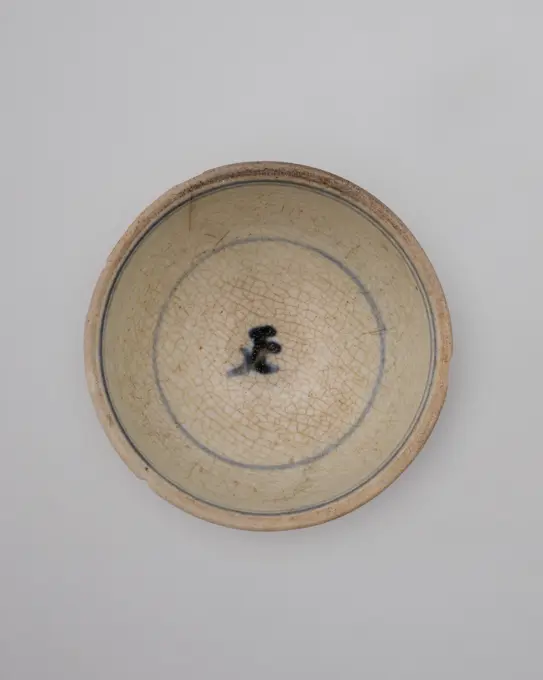
Cut. Sandstone with grayish paste, decor painted in blue under covered gray-perforated. Cernuschi Museum, Asia Museum of Asia in the city of Paris.
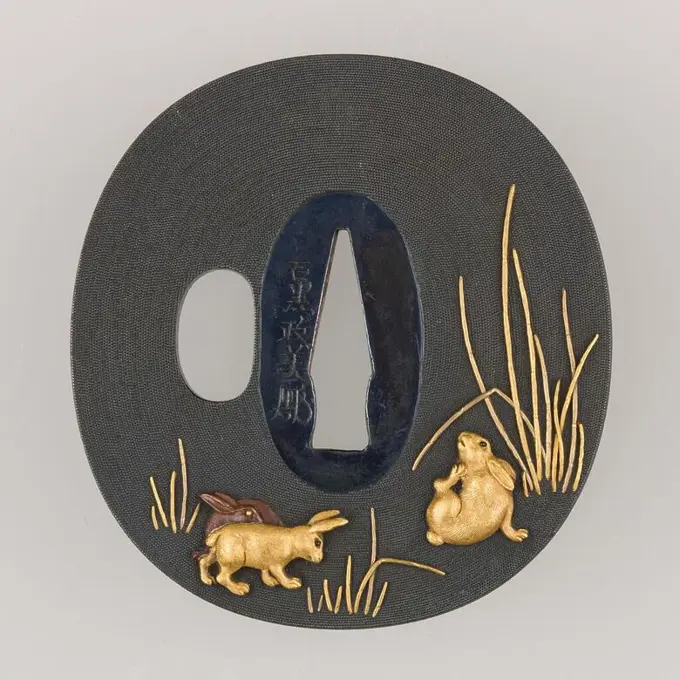
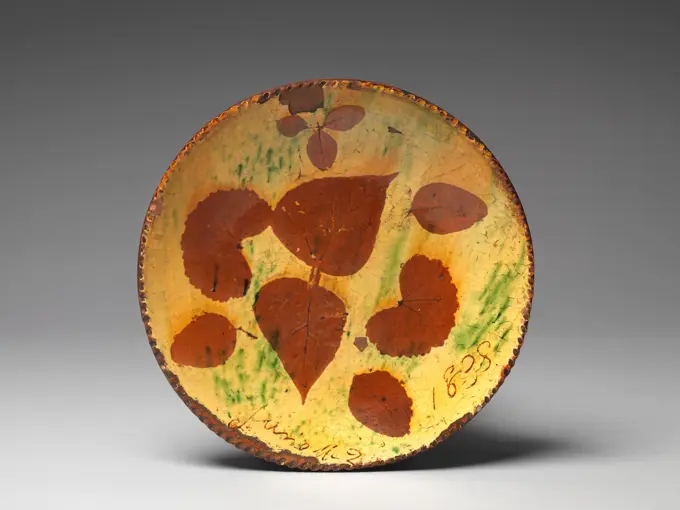
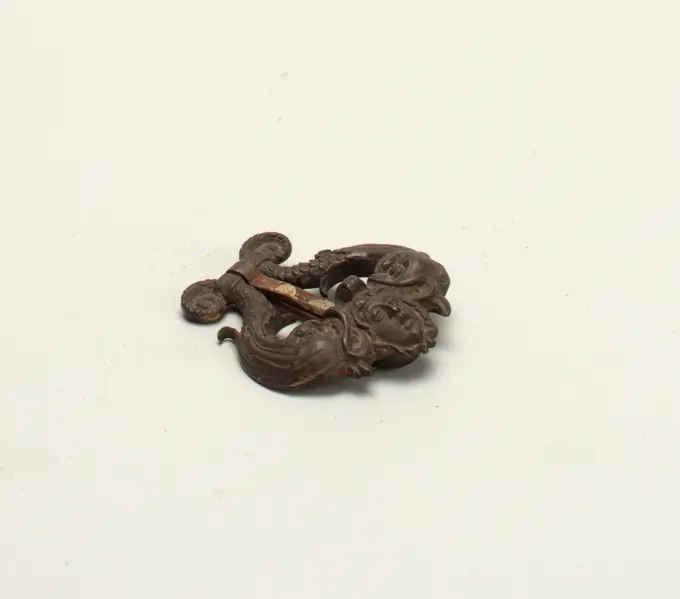
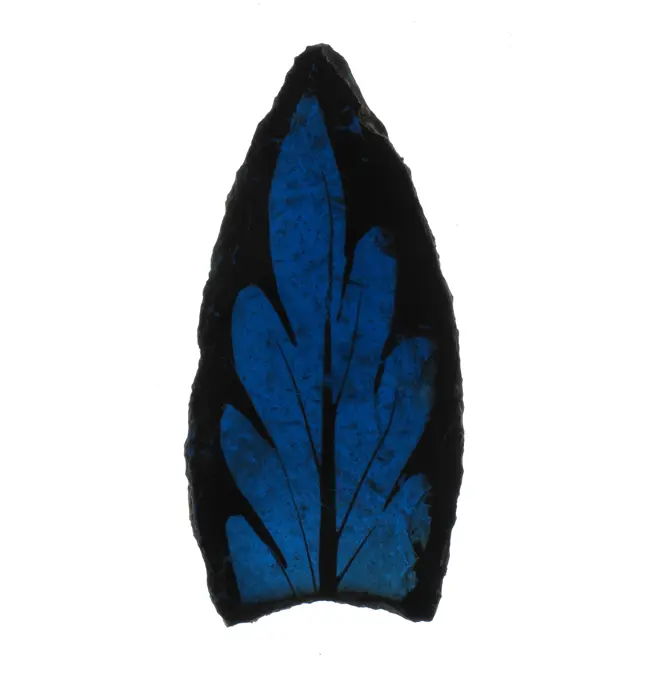
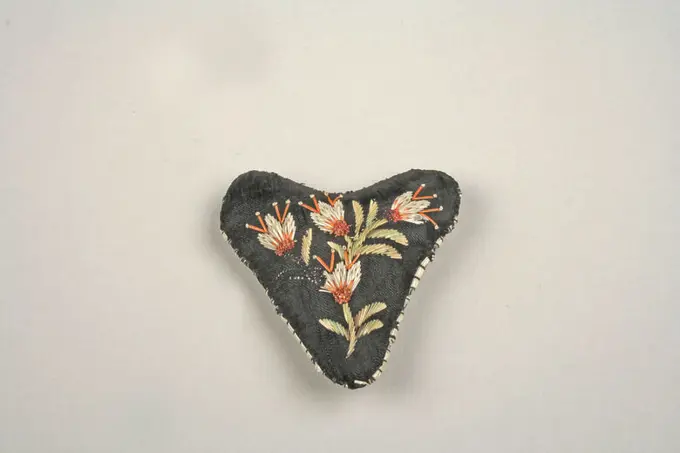
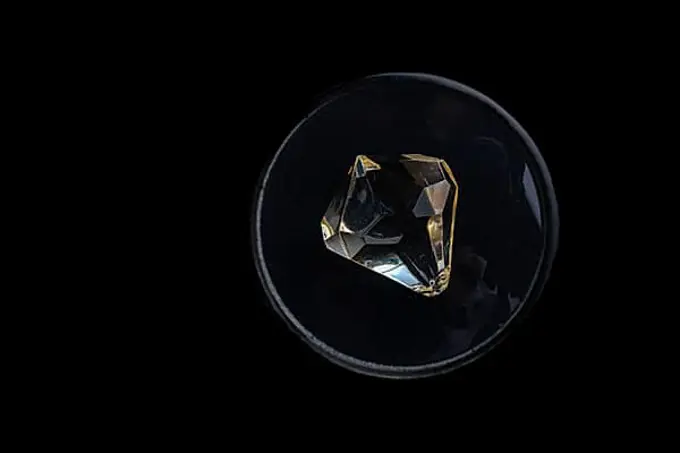
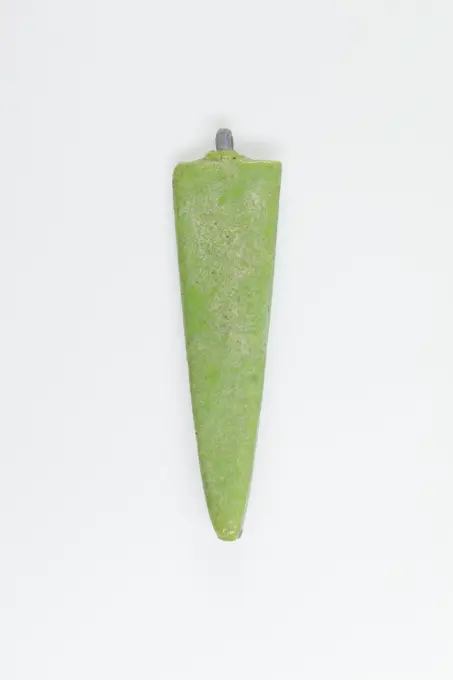
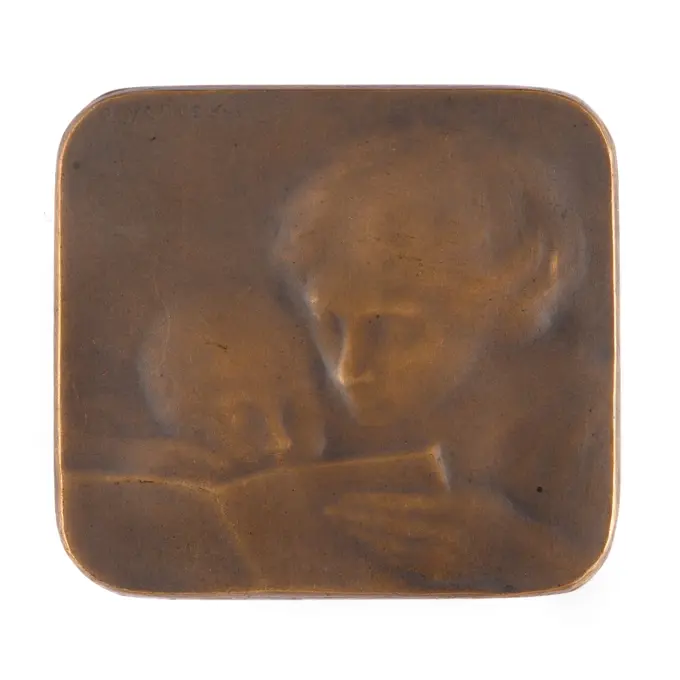
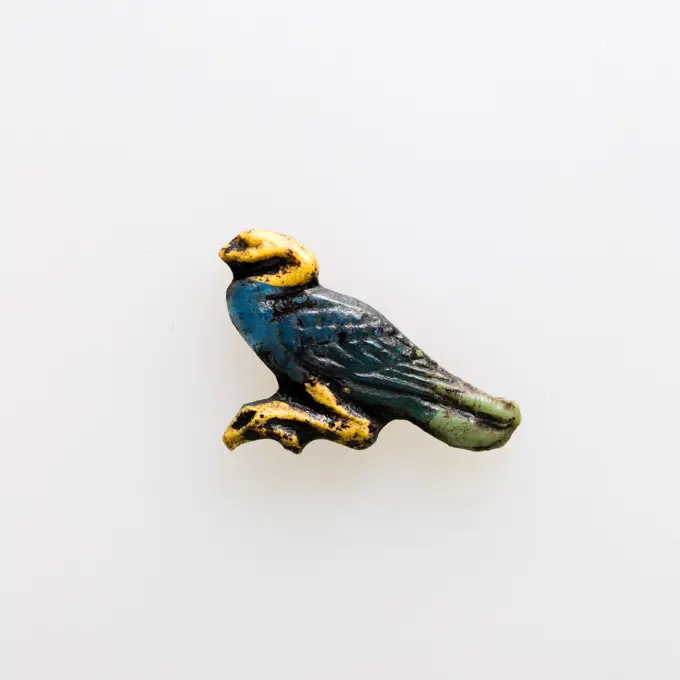
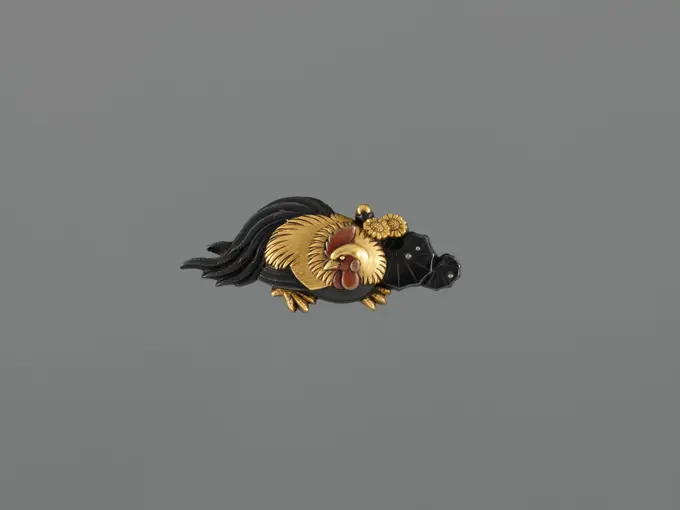
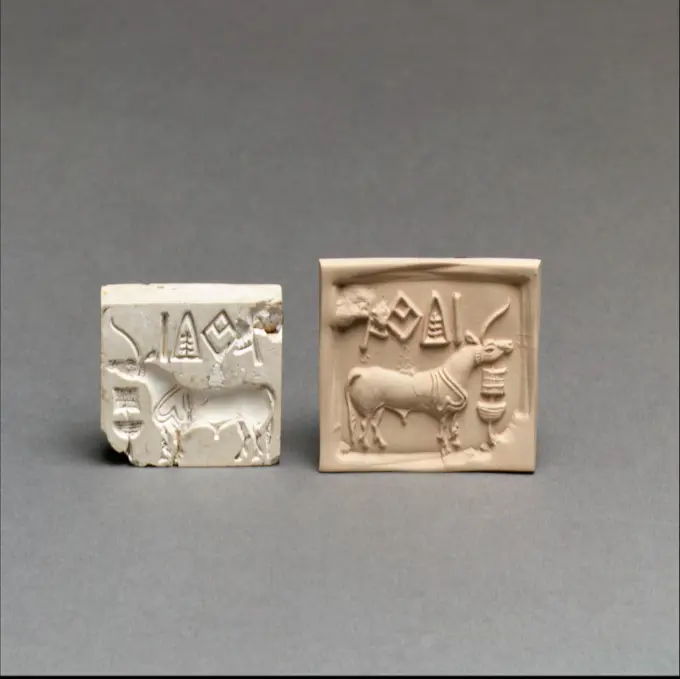
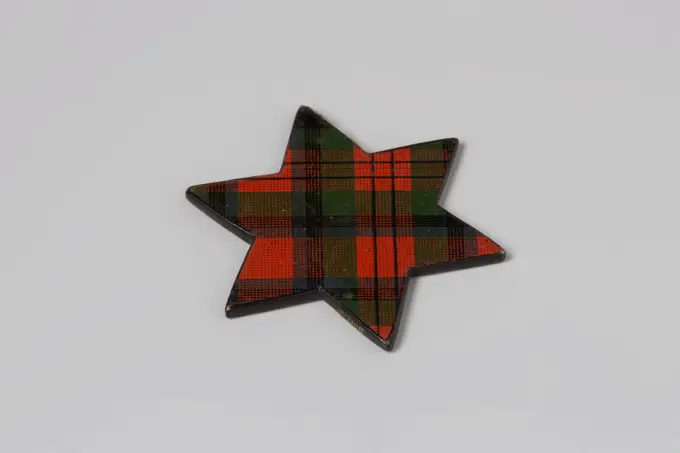
Silver ore lump ca. late 3rd millennium B.C.. Silver ore lump 326066Vase fragment East Greek/Sardis, Lydian. Vase fragment 252754 East Greek/Sardis, Lydian, Vase fragment, Terracotta, Overall: 3/8 x 1/2in. (0.9 x 1.3cm). The Metropolitan Museum of Art, New York. Gift of The American Society for the Excavation of Sardis, 1926 (26.199.187)Glass fragment with painted and gilded decoration 4th century A.D. Roman Blue-green glass fragment with painted design.. Glass fragment with painted and gilded decoration 251944 Roman, Glass fragment with painted and gilded decoration, 4th century A.D., Glass, vitreous paint, gold, Overall: 1 1/16 x 3/4 x 1/8 in. (2.7 x 1.9 x 0.3 cm). The Metropolitan Museum of Art, New York. Rogers Fund, 1925 (25.235.3)Maid of the Mist, or Niagara, CupPlateUmbel Pendant ca. 1390-1353 B.C. New Kingdom. Umbel Pendant. ca. 1390-1353 B.C.. Faience. New Kingdom. From Egypt, Upper Egypt, Thebes, Malqata, Palace of Amenhotep III, MMA excavations, 1910-11. Dynasty 18Fragment of a Bowl 13th-14th century. Fragment of a Bowl 445621Statuette of a woman votary, 5  ca. 700-500 B.C. Greek, Laconian. Statuette of a woman votary, 5  251597 Greek, Laconian, Statuette of a woman votary, 5 , ca. 700500 B.C., Lead, Height: 1 1/8 in. (2.9 cm). The Metropolitan Museum of Art, New York. Gift of A. J. B. Wace, 1924 (24.195.31)Tile. Culture: American. Dimensions: 6 1/8 x 3 1/8 in. (15.6 x 7.9 cm). Maker: J. and J. G. Low Art Tile Works (1877-1907). Date: ca. 1882-84. Museum: Metropolitan Museum of Art, New York, USA.Pendant of imitation turtle with dancing couple, c. 1900 - c. 1970 Pendant with around eye of imitation turtle with dancing couple cut out in Ajour. Netherlands imitation tortoise shell cutting Pendant with around eye of imitation turtle with dancing couple cut out in Ajour. Netherlands imitation tortoise shell cuttingTaweret amulet. Dimensions: l. 3.2 × w. 1.3 cm (1 1/4 × 1/2 in.). Date: 100 BC-100 AD. Museum: Metropolitan Museum of Art, New York, USA.Conus marmoreus shell from the wreck of the Dutch East India ship Witte Leeuw, before 1613  Shell from V.O.C. ship the 'Witte Leeuw'.  .   Sint-HelenaCampania Caserta Capua Museo Campano80. Hutzel, Max 1960-1990 Medieval: Byzantine architectural fragments; parchment fragments with miniatures (12th century) from Montecassino; painted wooden crucifix (13th century); Carolingian crucifixes; Bishop's miter (11th century) of gold and silver damask; fresco (13th century). Post-medieval: Architecture (15th century). Formerly the Palazzo Antignano. Unusual Catalan/Moorish-style portal; Paintings on panel and canvas (15th-18th centuries); marble intarsia (16th century); marble sculpture: busts of Christ and Mary (17th century); sculpture of saints in marble and in wood (15th century); painted and gilded sculpture in wood; marble grave sculpture (16th century); sarcophagus with allegorical carvings; gold reliquary "Rosa d'Oro"; crucifix made of elephant tusk Specific Location: Pianterreno Antiquities: Italic sculpture (seated women holding babies); inscription. Photo campaign #1: 533 photos. Roman relief and sculpture; cinerary urns; Greek anTop view of head of a silver steel screw screwed on a piece of timber in macroFittings for a Pair of Swords (Daisho Soroi-Mono). Culture: Japanese. Dimensions: Sword guards (Tsuba) (a, b); H. of each 2 7/8 in. (7.3 cm); W. of each 2 11/16 in. (6.8 cm); thickness of each 3/8 in. (0.5 cm); Wt. of each 5.2 oz. (147.4 g); knife handles (Kozuka) (c, d); 3 7/8 x 9/16 in. (9.8 x 1.4 cm); sword-hilt collar (fuchi) (e); 1 1/2 x 13/16 in. (3.8 x 2.1 cm); pommel (kashira) (f); 1 3/8 x 11/16 in. (3.5 x 1.7 cm); sword-hilt collar (fuchi) (g); 1 1/2 x 7/8 in. (3.8 x 2.2 cm); pommel (kashira) (h); 1 3/8 x 3/4 in. (3.5 x 1.9 cm); each of a pair of menuki (i, j); 1 1/16 x 5/8 in. (2.7 x 1.6 cm); each of a pair of menuki (k, l); 1 x 9/16 in. (2.5 x 1.4 cm). Fittings maker: Inscribed by Masayoshi (Japanese, born 1784). Date: early 19th century.One of Masayoshi's masterpieces, this is a rare complete set of fittings for a daisho with his signature. It features a design of rabbits. Museum: Metropolitan Museum of Art, New York, USA.Drawing Fragment of Vase. Dimensions: L. 3.2 cm (1 1/4 in), w. 3.7 cm (1 7/16 in). Dynasty: Dynasty 18. Reign: reign of Amenhotep III. Date: ca. 1390-1353 B.C.. Museum: Metropolitan Museum of Art, New York, USA.Ribbon on roll, striped, brown with lilac, black, light green and orange, in or before 1926 Ribbon on roll, striped, brown with lilac, black, light green and orange. NijmegenFrance (possibly) textile materials. cardboard. paper Ribbon on roll, striped, brown with lilac, black, light green and orange. NijmegenFrance (possibly) textile materials. cardboard. paperAugustin Dupré (1748-1833). Punch: Freedom. Steel. Around 1790-1800. Paris, Carnavalet museum. Medal, numismaticsInterlockingRingsPlate 1838 Conrad Ranninger American. Plate 640519Ring. UnknownDoor Knocker (Italy); bronzeKomfoor on three legs, with three fantastic motifs and a scalloped edge. Komfoor van Koper on three legs, with handle and hinges; Bake decorated with three challenge motifs and raised scalped edge.Plate. Jade. Shang dynasty (1765-1122 BC), China. Paris, Cernuschi museum. 101270-7 Asian art, Chinese art, art of extreme orient, Shang dynasty, Yin dynasty, Shang time, iieme II 2nd 2 millennial, jade, fishGlass Fragment 13th century European. Glass Fragment. European. 13th century. Pot metal glass. Glass-StainedMagnet paper clip holder4 NECTARINAS (HORIZONTAL) - 2004 - OLEO/PAPEL JAPONES - 69x47 cm. Author: FRANCISCO RAMIREZ PRADILLA (1975-). Location: PRIVATE COLLECTION. MADRID. SPAIN.Brooch with figures by Rene Lalique (1860-1945)Pincushion. Culture: Huron. Dimensions: H. 2 1/2 x W. 2 1/2 in. (6.4 x 6.4 cm). Date: 1820s-30s. Museum: Metropolitan Museum of Art, New York, USA."Otto Mönsted's Margarines" Matchsafe; England; silver, enamel; 3.9 x 6.2 x 1.2 cm (1 9/16 x 2 7/16 x 1/2 in. )Sechskant-Schlitzschraube aus verschiedenen Perspektiven auf weißem Hintergrund Slotted hex bolt from different perspectives on a white background Copyright: xZoonar.com/BORISxZERWANNx 17008705Magnifying glass and exploring the fake diamod glassPendant: Lotus Sepal ca. 1390-1353 B.C. New Kingdom. Pendant: Lotus Sepal. ca. 1390-1353 B.C.. Faience. New Kingdom. From Egypt, Upper Egypt, Thebes, Malqata, Palace of Amenhotep III, MMA excavations, 1910-11. Dynasty 18Cylinder seal ca. 16th-15th century B.C. Kassite. Cylinder seal. Kassite. ca. 16th-15th century B.C.. Chalcedony. Kassite. Mesopotamia or eastern IranWoman with a child; YENCESSE, OVIDE (1869-1947); 19th/20th century (1890-00-00-1910-00-00);Partage Plus, YENCESSE, OVIDE (1869-1947), plaques, character of a woman with a child (iconogr.), Secession (style)Lighth test. Three lighthouses of yellow glass on three legs with ear, made from massive glass mass; Inside remains of red paint.Cloths of linen, with intermediate brush, anonymous, c. 1690 - c. 1710 Sheet of linen. The medium seam is equipped with an intermediate creature of simple bobbin length over the entire length. Amsterdam linen (material). bobbin lace Sheet of linen. The medium seam is equipped with an intermediate creature of simple bobbin length over the entire length. Amsterdam linen (material). bobbin laceWaldhoorn bracket. Waldhoorn bracket. Signature: ES.1Pendant: Lotus Sepal. Dimensions: H. 4.5 cm (1 3/4 in.); W. 1.2 cm (1/2 in.); Th. 0.3 cm (1/8 in.). Dynasty: Dynasty 18. Reign: reign of Amenhotep III. Date: ca. 1390-1353 B.C.. Museum: Metropolitan Museum of Art, New York, USA.Amulet probably depicting a benu bird 400-30 BC Ptolemaic Period Starting in the later Late Period and continuing through the Ptolemaic Period, a type of glass amulet cast by pressing the glass into a shallow open mold appears. The back was left rough, and the amulets may look ragged because glass overflowed the mold around the edges. The earlier amulets are monochrome, bi- or multicolor amulets supplement the repertoire during the Ptolemaic Period.Some of the amulets can be specifically tied to spells of the Book of the Dead; for instance, the benu-bird is associated with spells 29B or 30B, and is called the 'soul of Re.' And most are clearly funerary amulets, presumably meant to be wrapped between the bandages of the mummy where the presence of the amulet would do its job irrespective of its degree of finish.. Amulet probably depicting a benu bird. 400-30 BC. Glass. Ptolemaic Period. From EgyptFibula, fragment 7th century B.C. Etruscan Oval piece of amber with holes and remains of a bronze pin through center.. Fibula, fragment. Etruscan. 7th century B.C.. Amber, bronze. Archaic. Miscellaneous-AmberCarnavalet Museum, Medals CollectionSand dollar on a white backgroundFunerary fingernailcoverDecoration with a sword of the sword (menuki); Suiyôdô, Toshimas; 19th century (1801-00-00-1900-00-00);Stamp seal and modern impression: unicorn and incense burner () ca. 2600-1900 B.C. Indus Stamp seals were used in antiquity as marks of ownership and badges of status. In the large urban centers of the Harappan civilization, hundreds of square-shaped stamp seals were found in excavations. They are engraved with images of wild or domestic animals, humans, fantastic creatures, and possibly divinities. In this example, the creature is rendered in the typical strict profile, standing before what might be an altar. Its shoulder is covered by a decorated quilt or harness in the shape of an upside-down heart pattern. Most of the square stamp seals have inscriptions along the top edge. The Indus script, invented around 2600 B.C., is yet to be fully deciphered.. Stamp seal and modern impression: unicorn and incense burner (). Indus. ca. 2600-1900 B.C.. Burnt steatite. Mature Harappan. Indus ValleySealSeljuk BeadGarenwinder of tartanware, star -shaped, anonymous, c. 1875 - c. 1900 A yarn winder in tartanware. A six -pointed star with Scottish window in green, red, gray and black. Clan: 'M'duff', applied in gold letters. Scotland whole: Wood (plant material). whole: Paper. whole: Lacquer (coating) cutting / lacquering A yarn winder in tartanware. A six -pointed star with Scottish window in green, red, gray and black. Clan: 'M'duff', applied in gold letters. Scotland whole: Wood (plant material). whole: Paper. whole: Lacquer (coating) cutting / lacquering