Porcelain Vases Collection

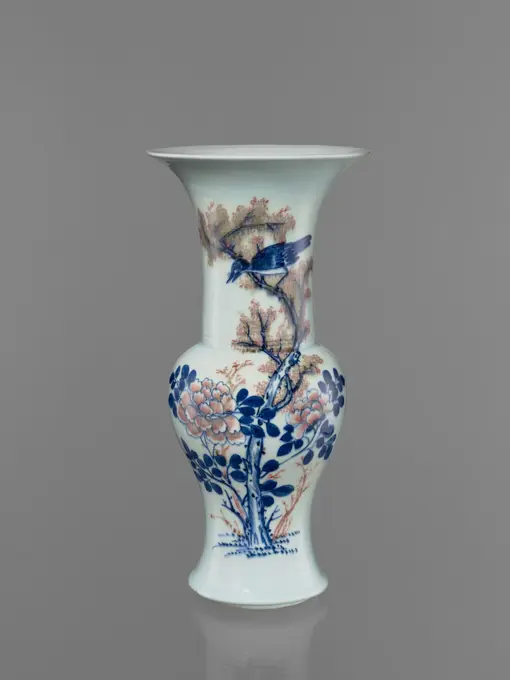
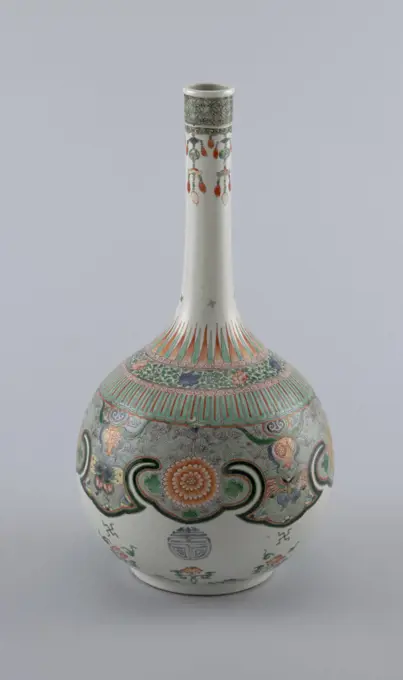
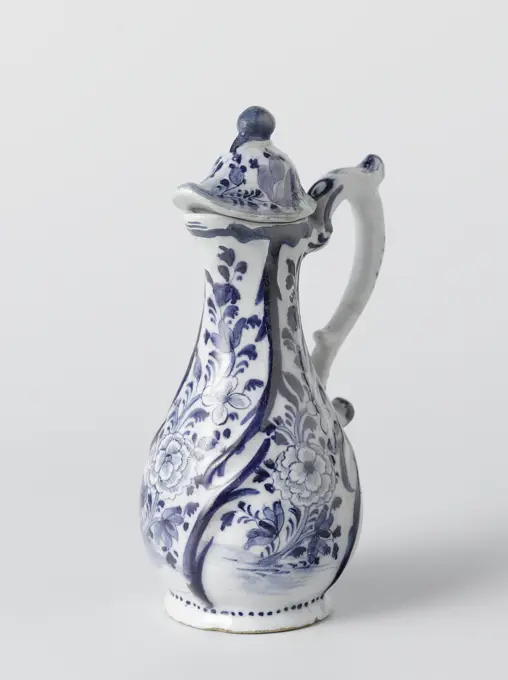
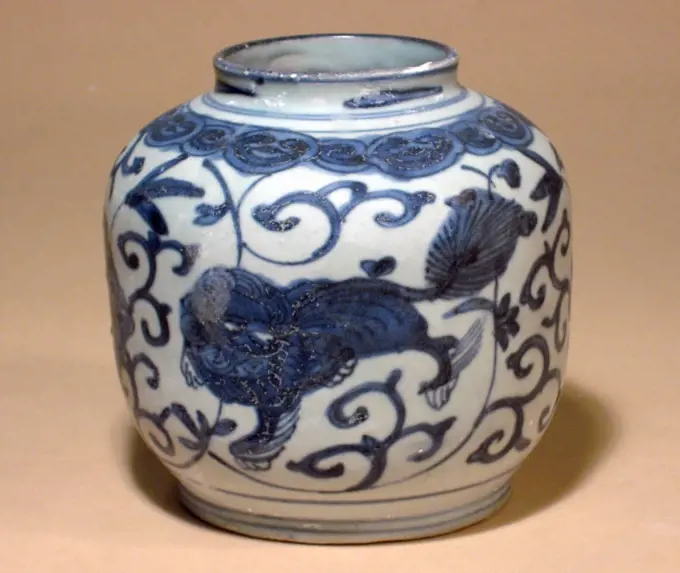
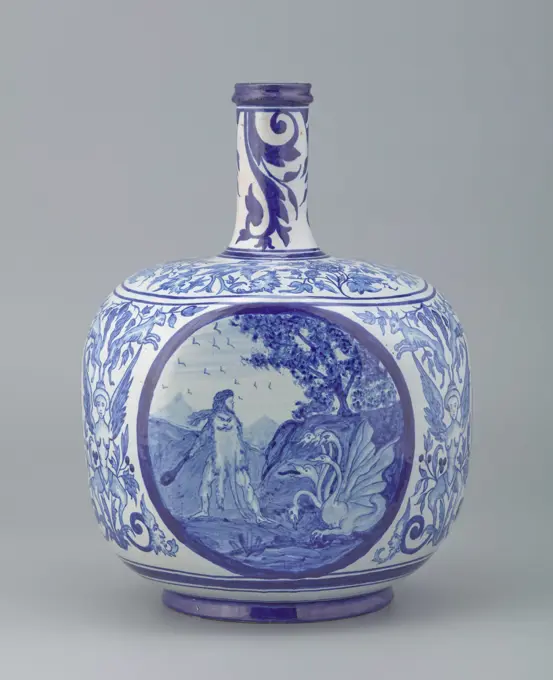
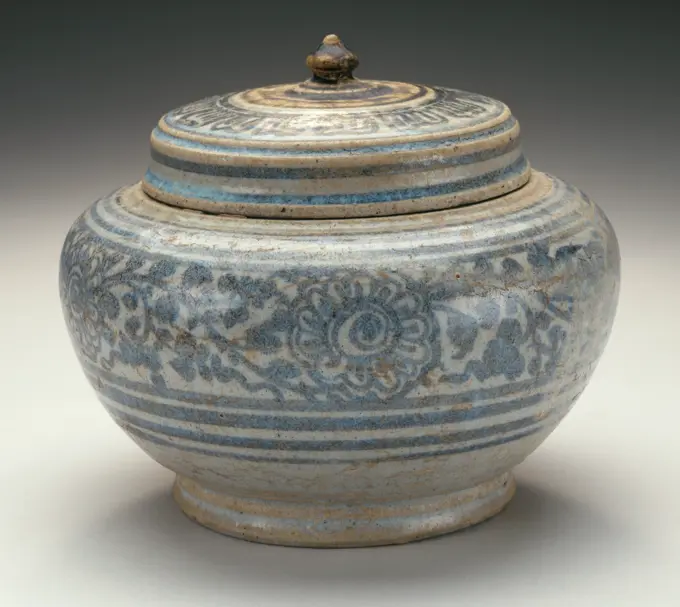
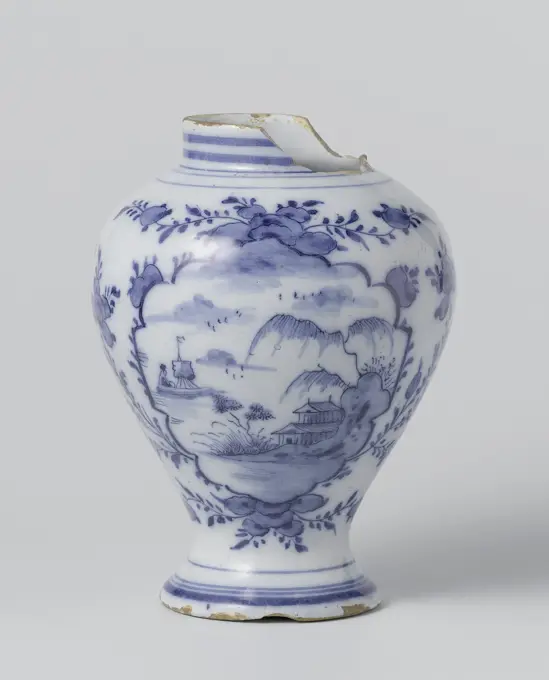
An assortment of antique vases made of porcelain, featuring intricate blue and white designs with floral and animal motifs.
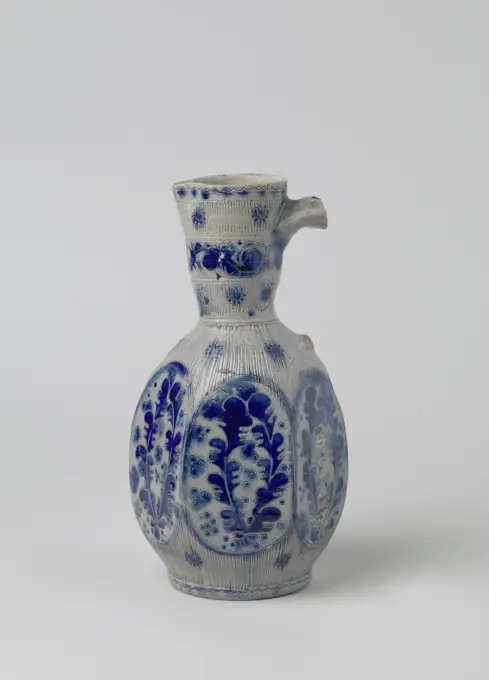
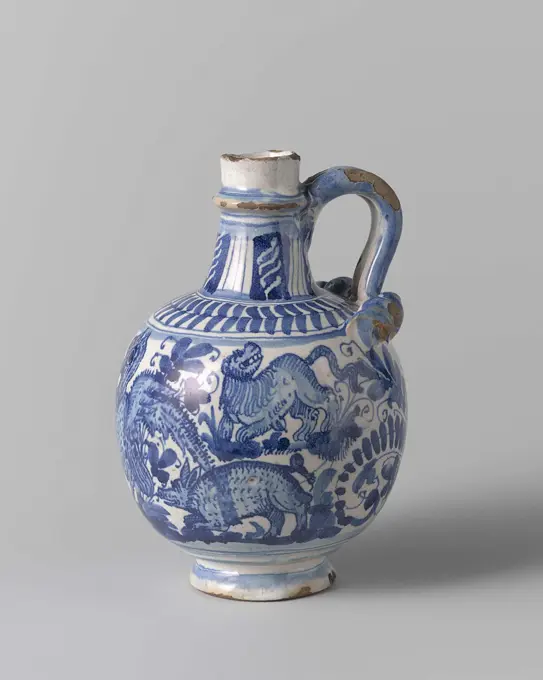
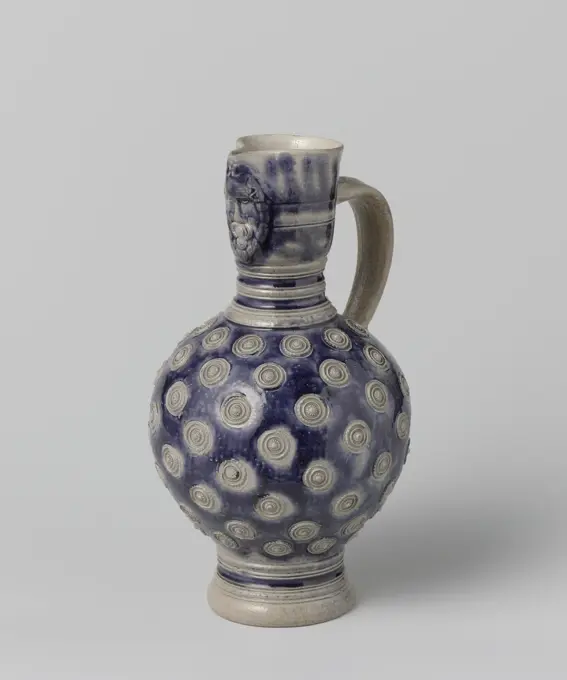
Jug with foliate scrolls in panels, anonymous, c. 1750 - c. 1799 Can be made of stoneware on the stand ring with a hexagonal, egg -shaped belly and narrow neck with a pinched spout. The C-shaped (broken) ear is attached to the neck and shoulder. Partly covered with cobalt blue. The belly is covered with pressed zigzag lines (knibis) with small, stamped flowers. Six courses with entered leaf vines and dots in blue. On the neck twice a band with zigzag lines and flowers and one with a continuous leaf vank. Westerwald. Westerwald stoneware. glaze. cobalt (mineral) vitrification Can be made of stoneware on the stand ring with a hexagonal, egg -shaped belly and narrow neck with a pinched spout. The C-shaped (broken) ear is attached to the neck and shoulder. Partly covered with cobalt blue. The belly is covered with pressed zigzag lines (knibis) with small, stamped flowers. Six courses with entered leaf vines and dots in blue. On the neck twice a band with zigzag lines and flowers and one wi
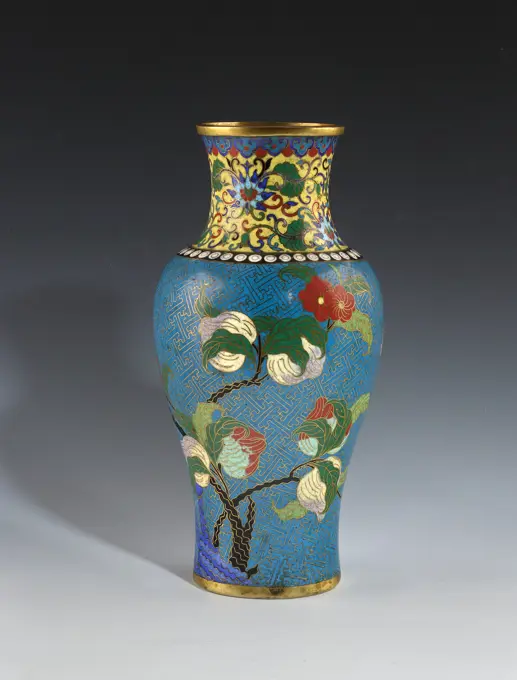
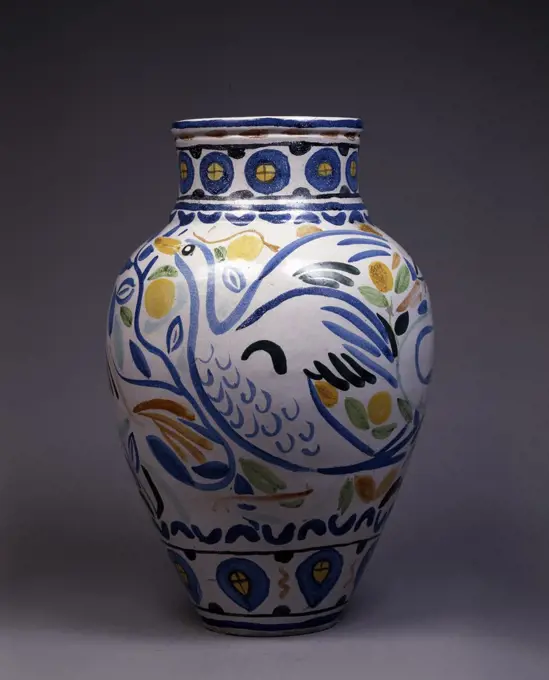
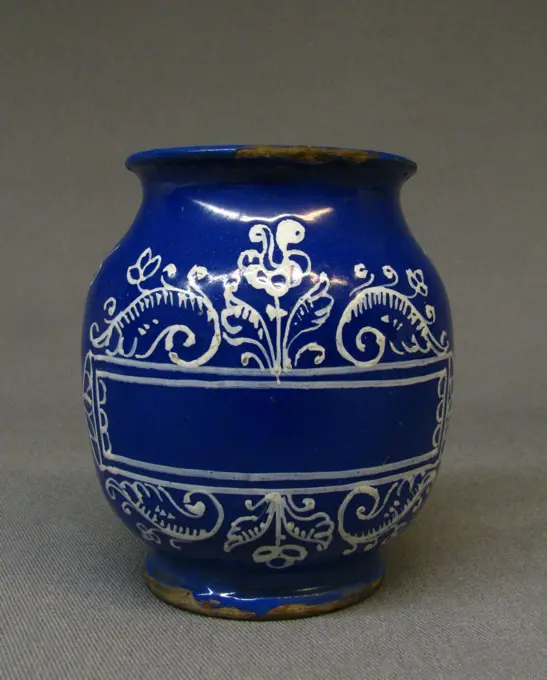
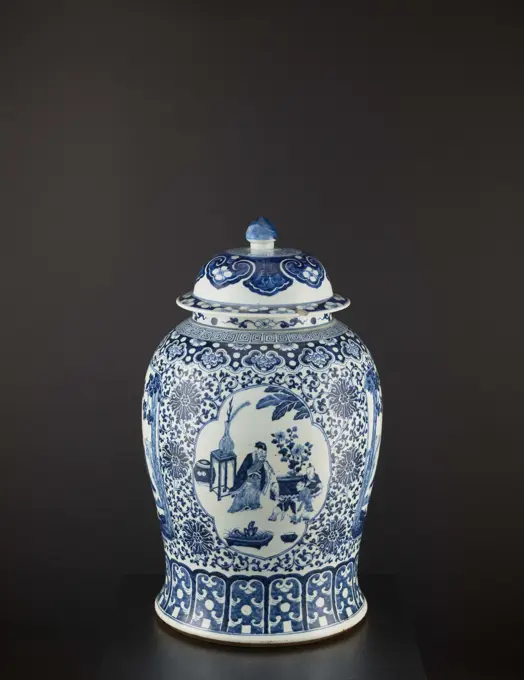
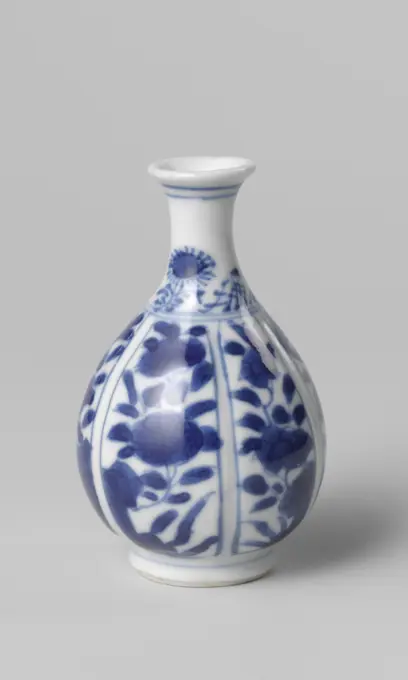
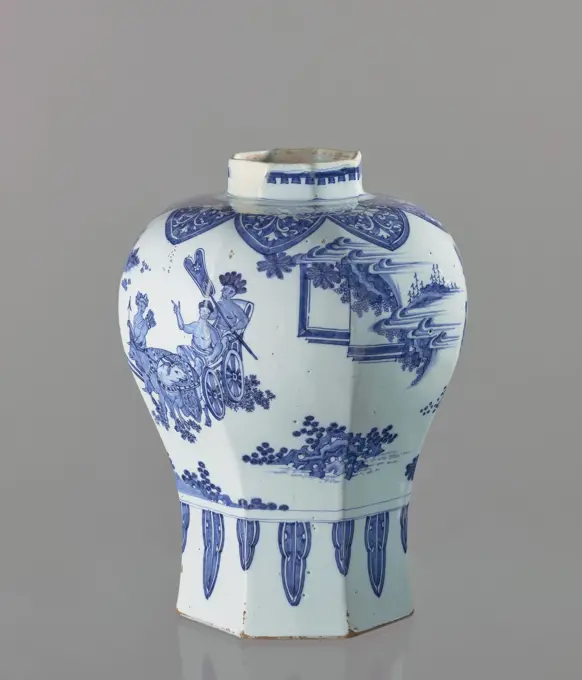
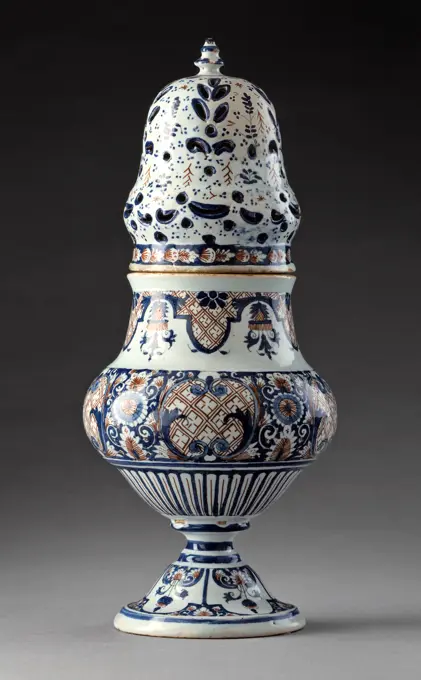
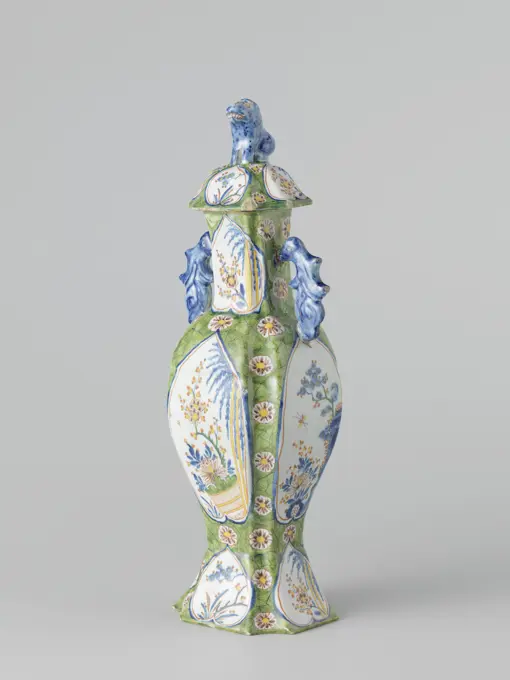
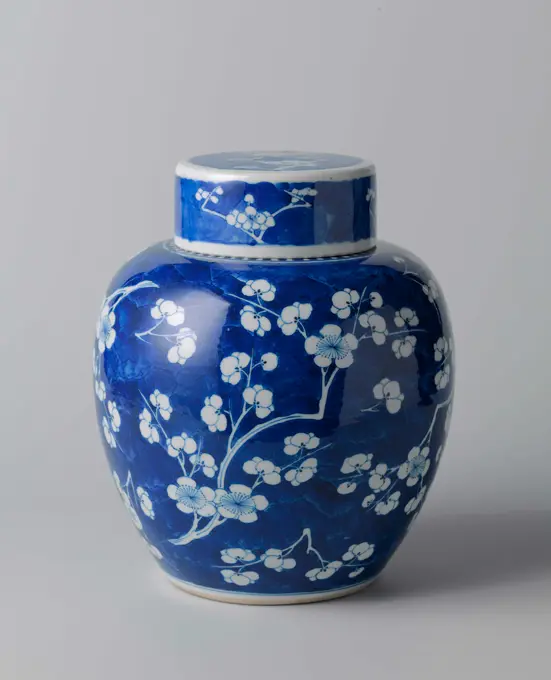
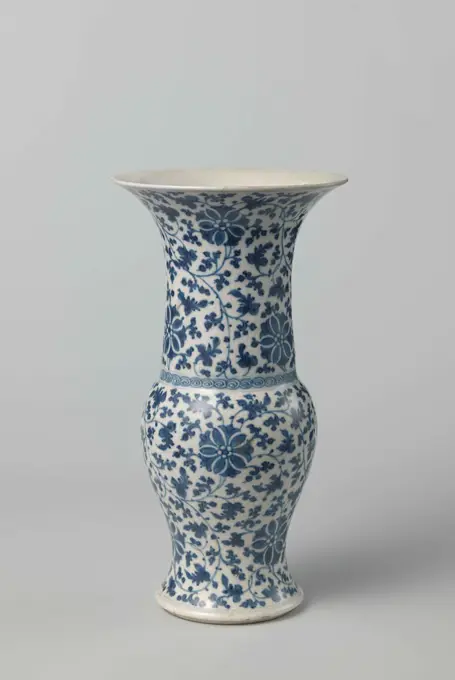
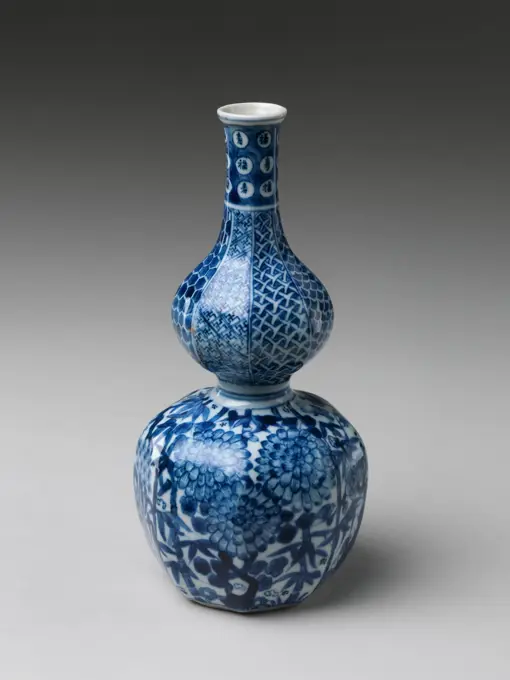
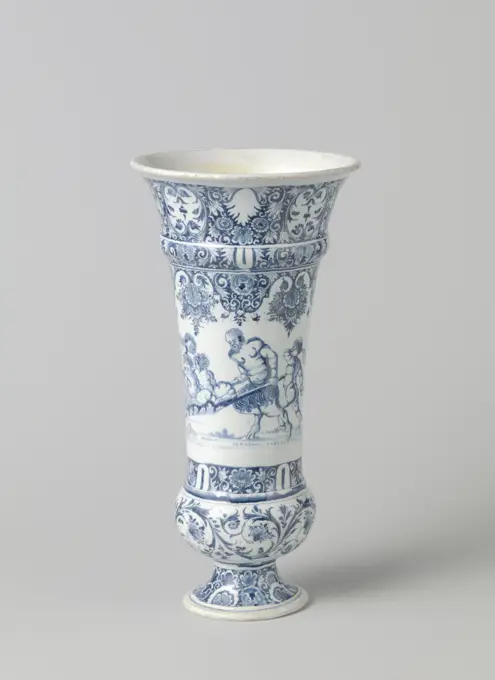
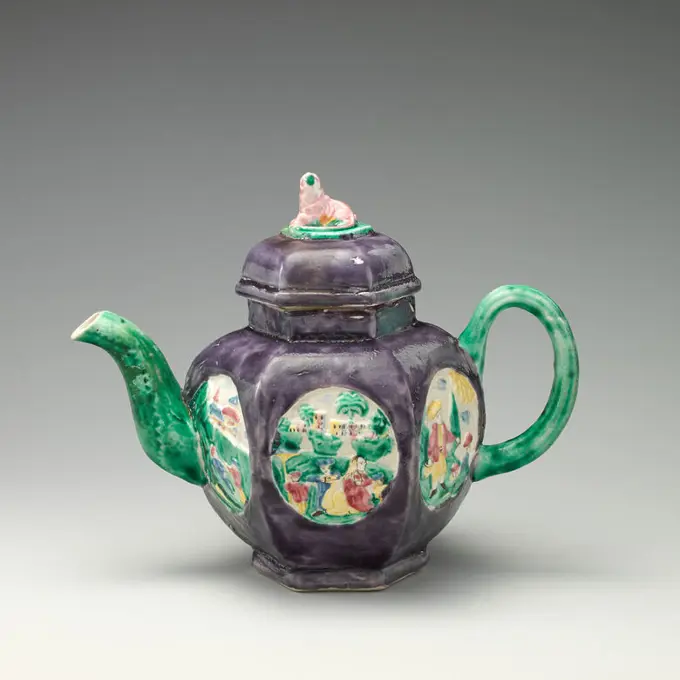
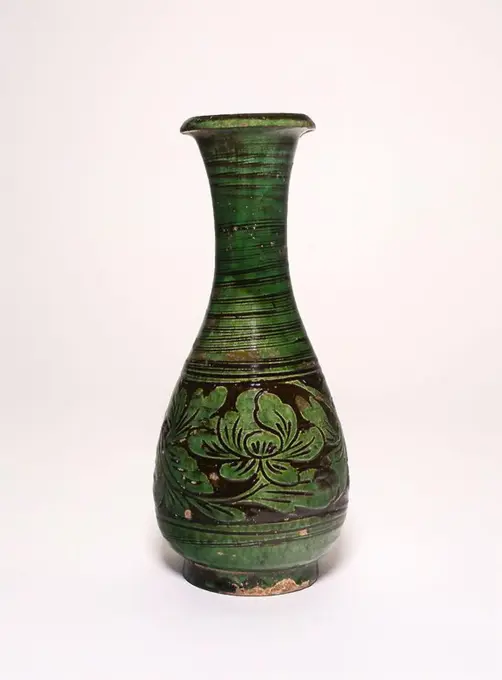
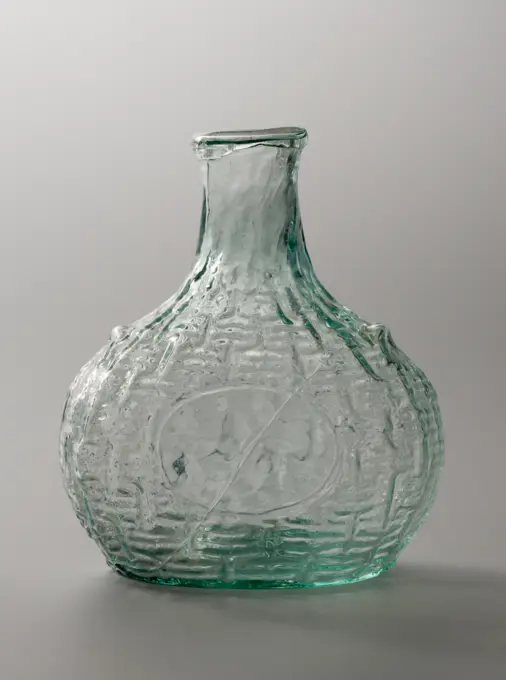
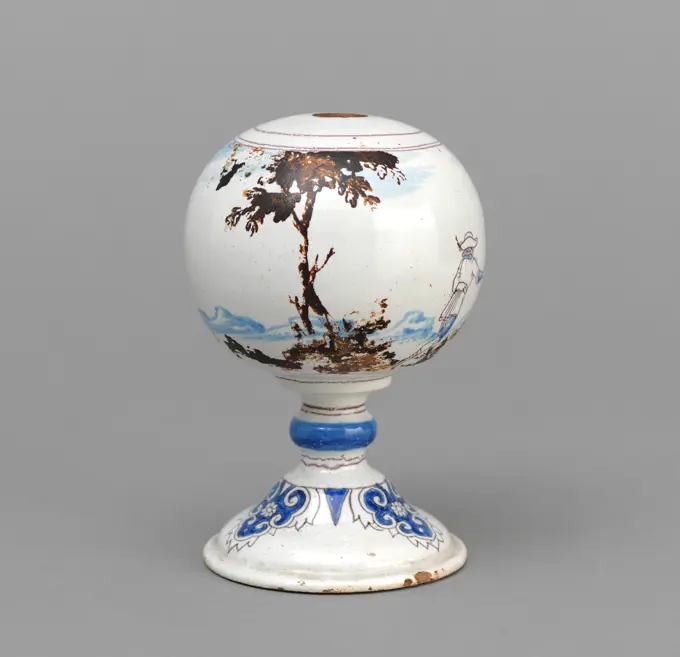
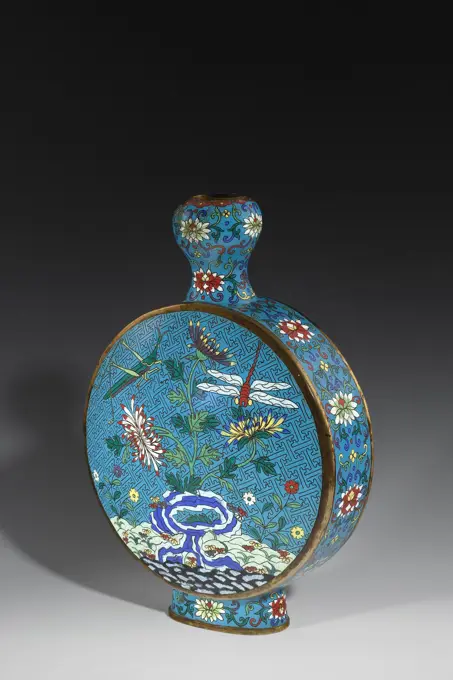
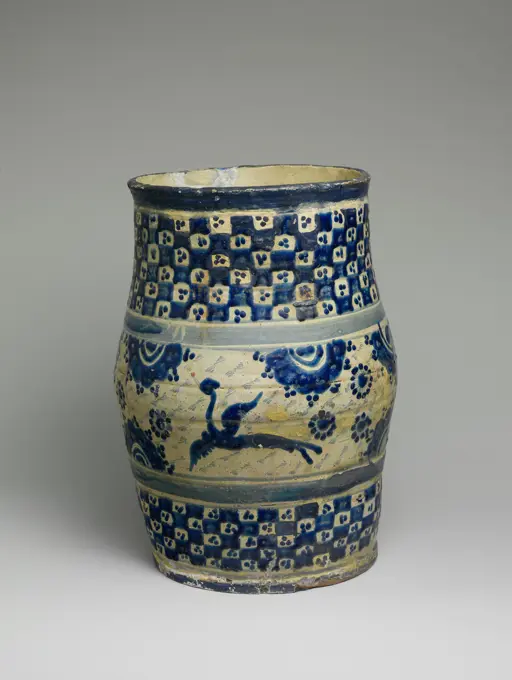
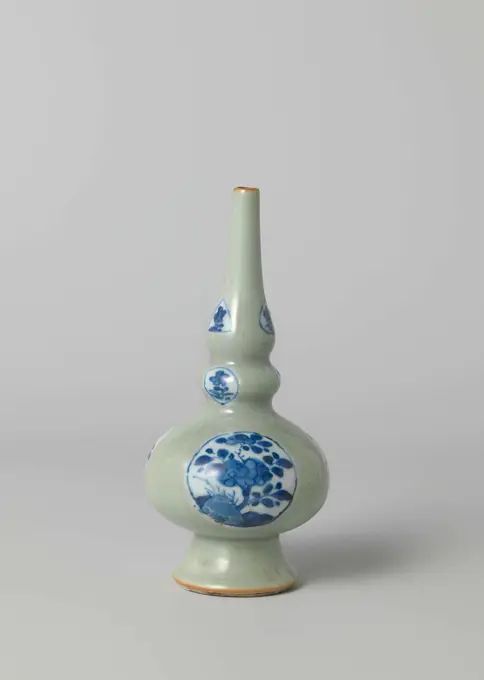
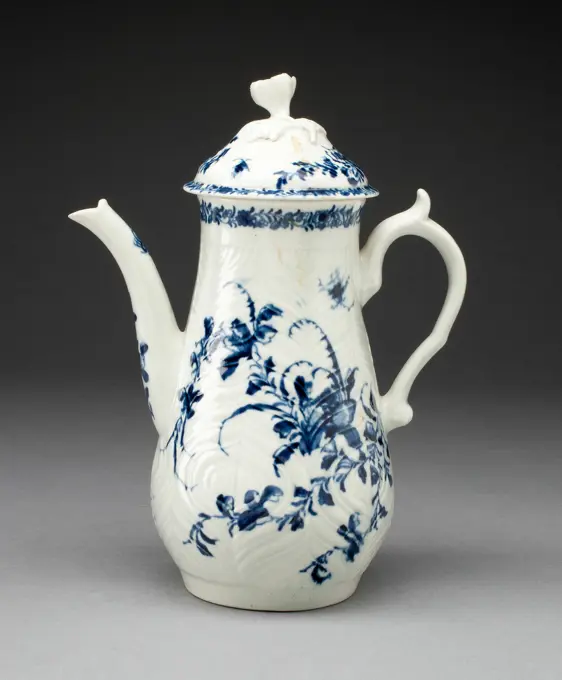
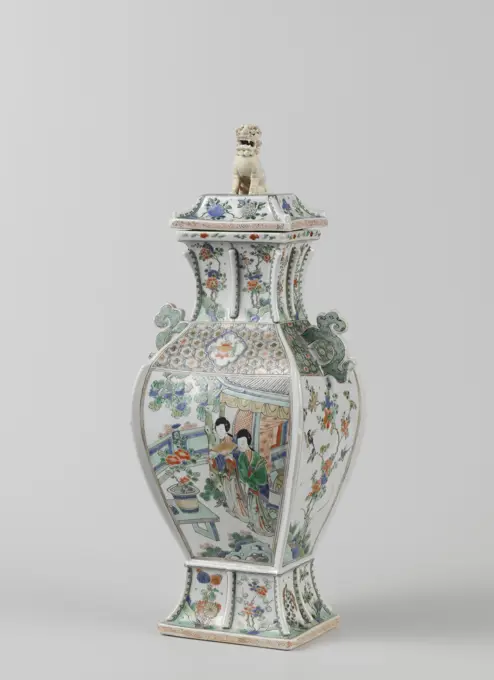
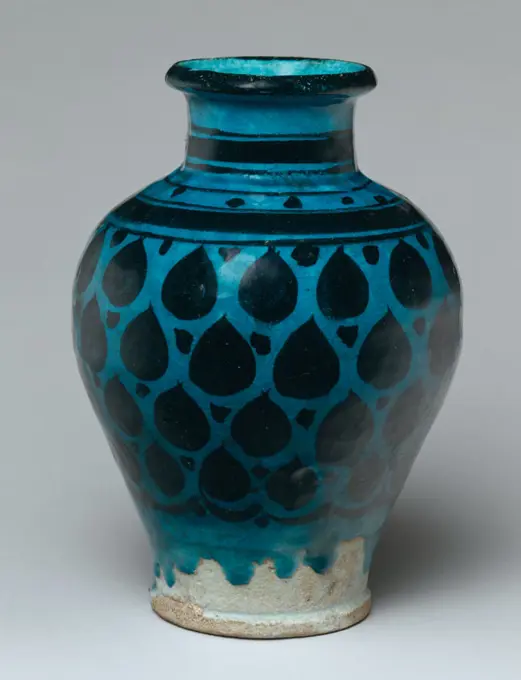
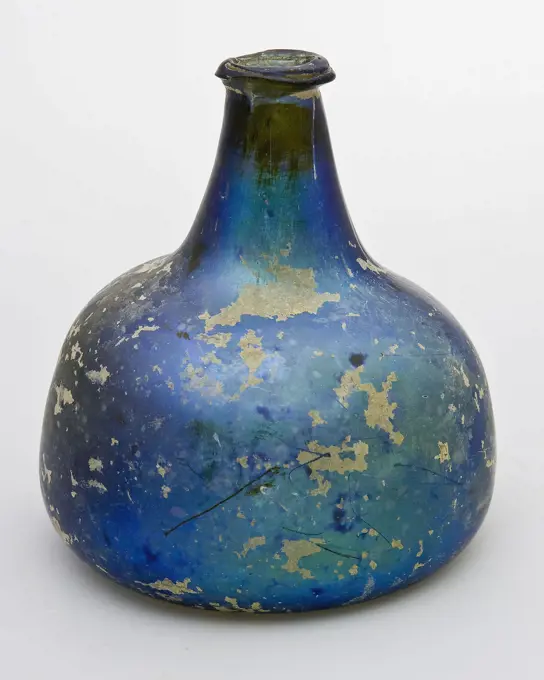
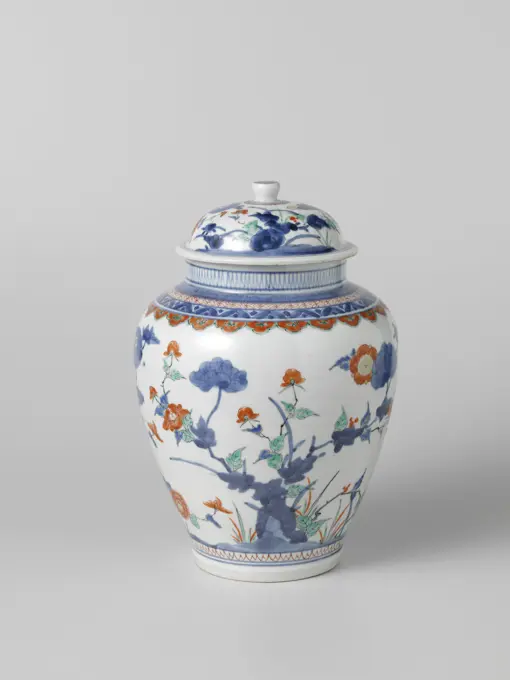
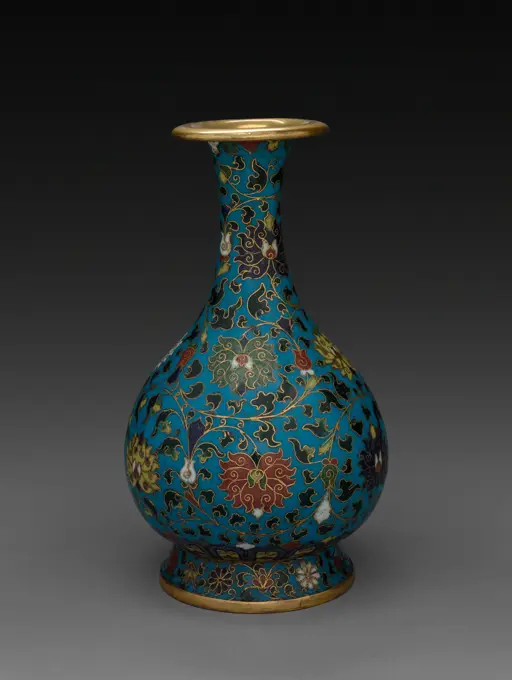
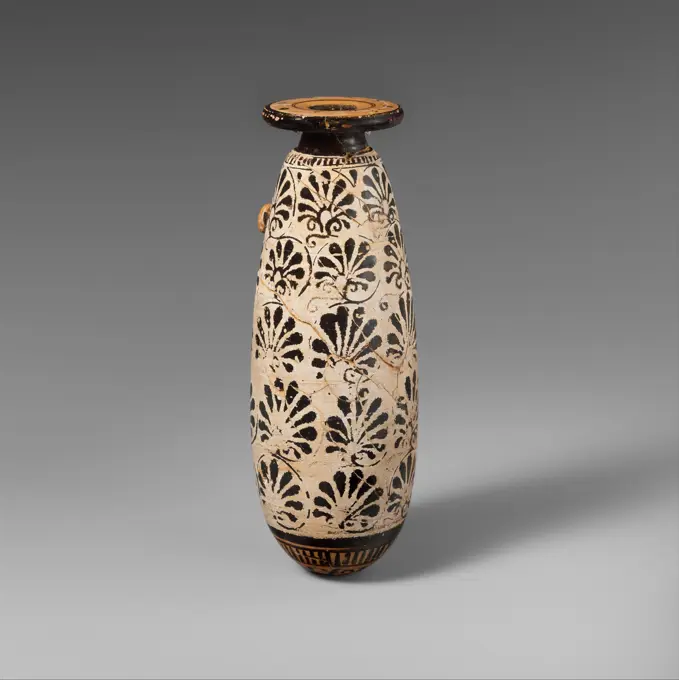
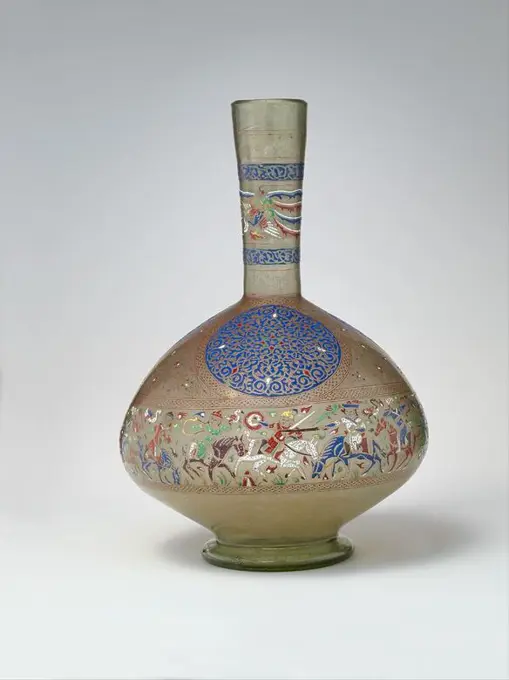
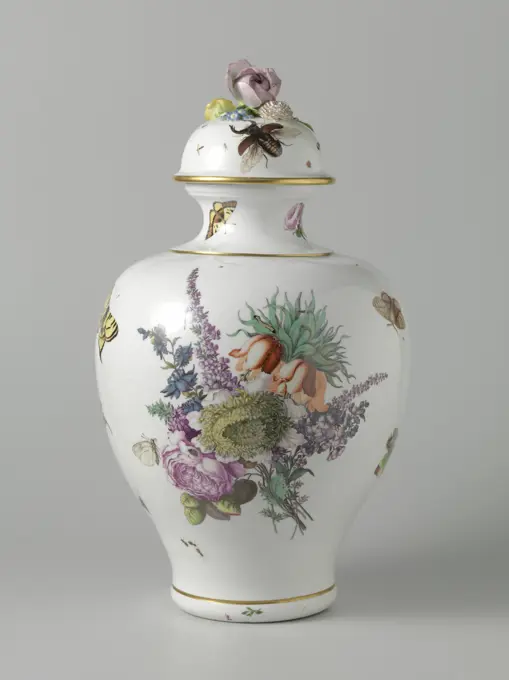
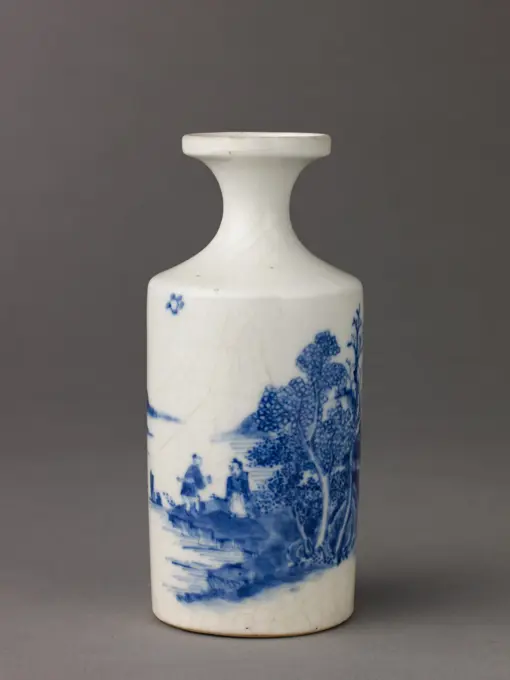
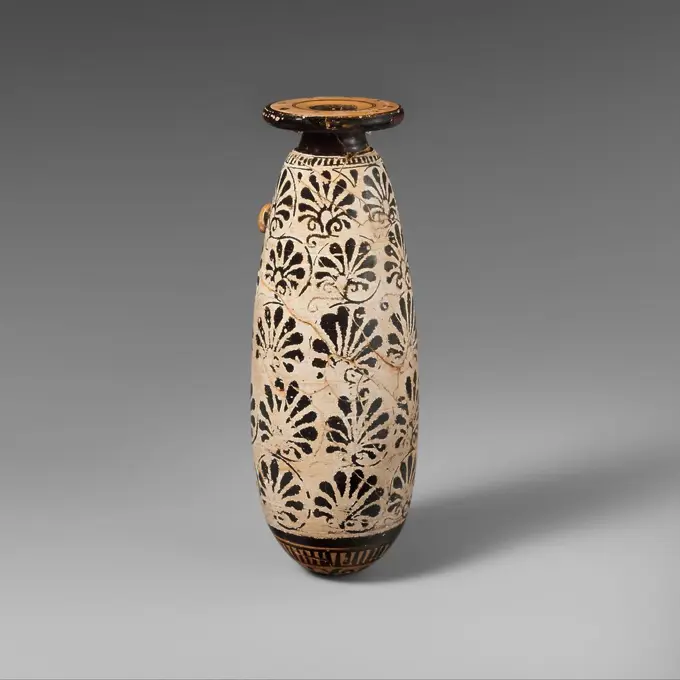
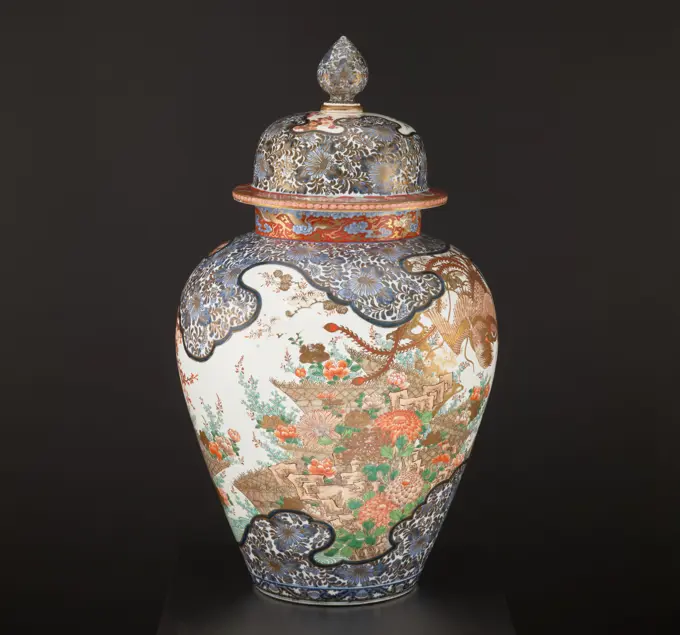
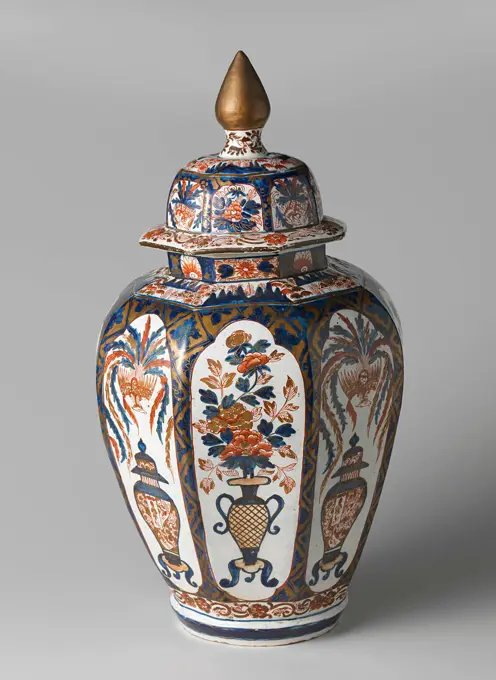
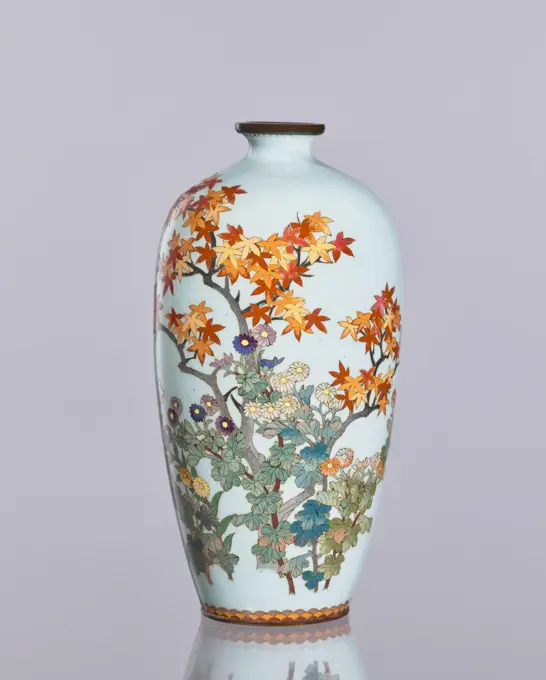
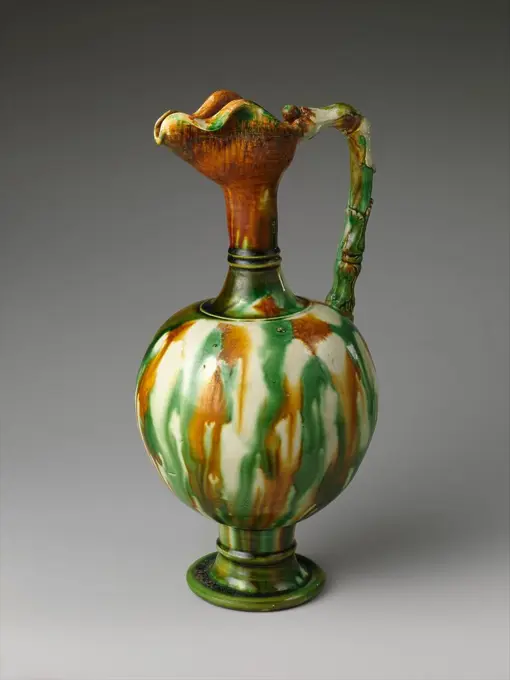
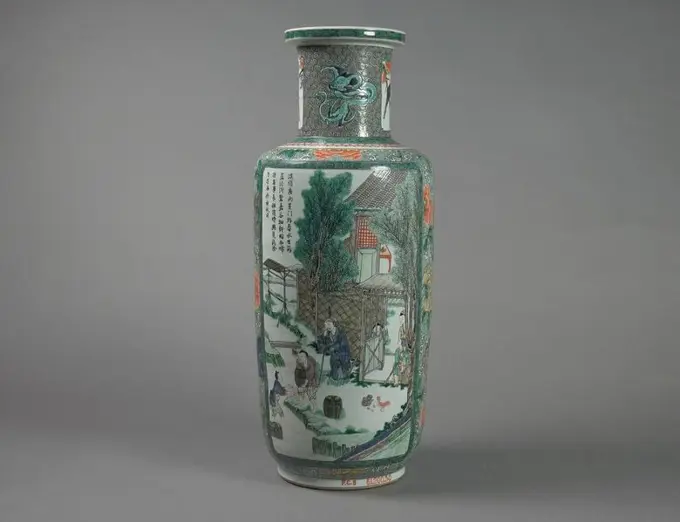
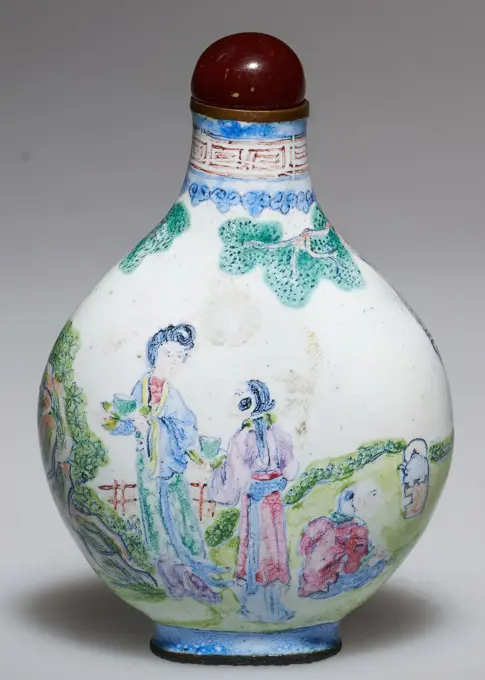
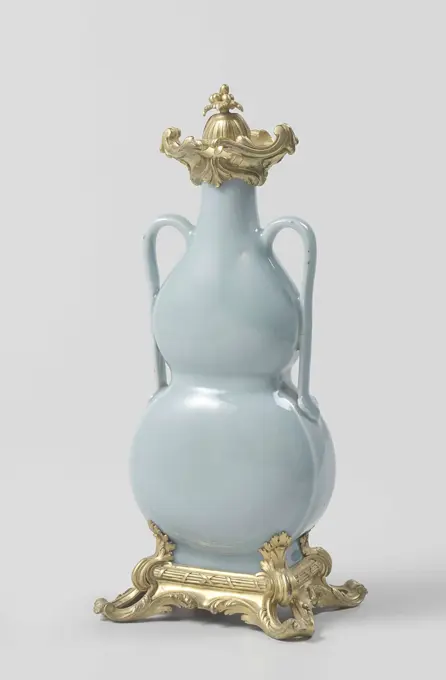
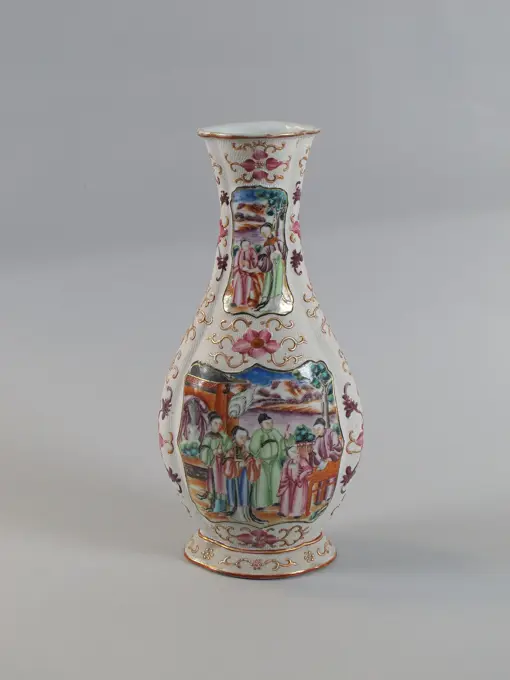
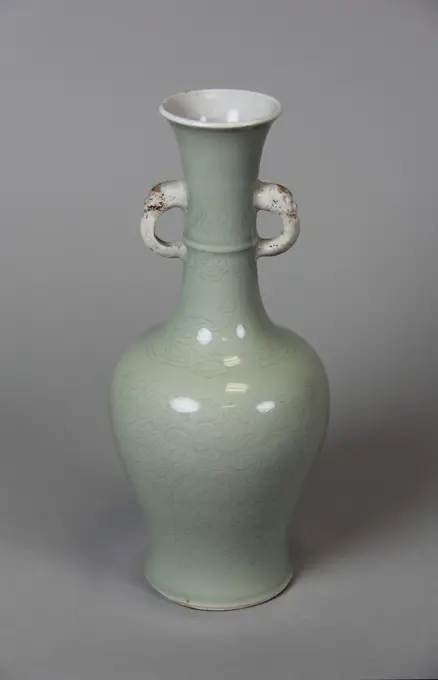
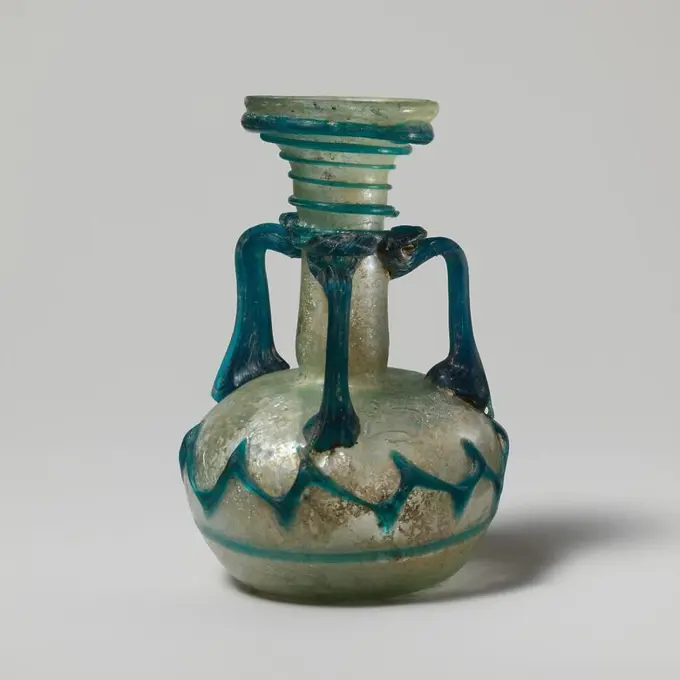
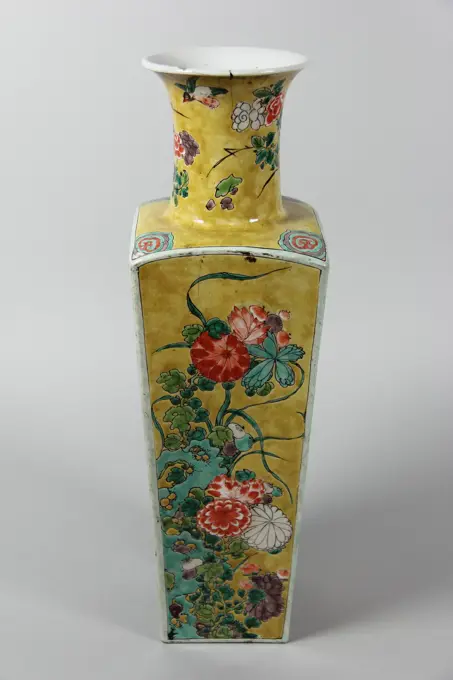
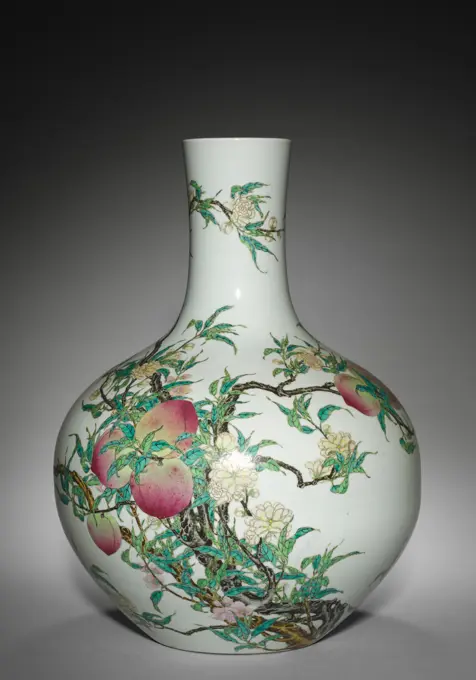
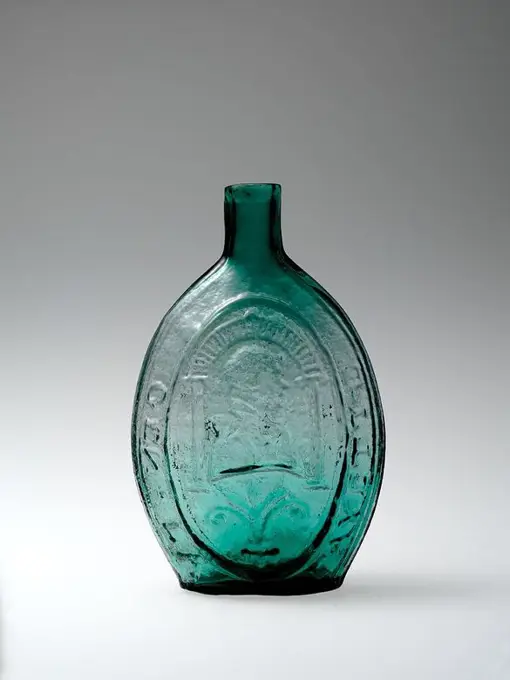
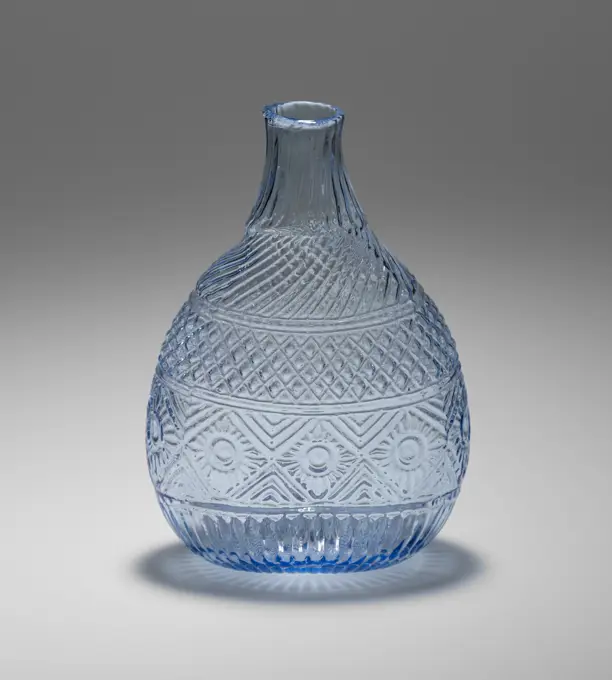
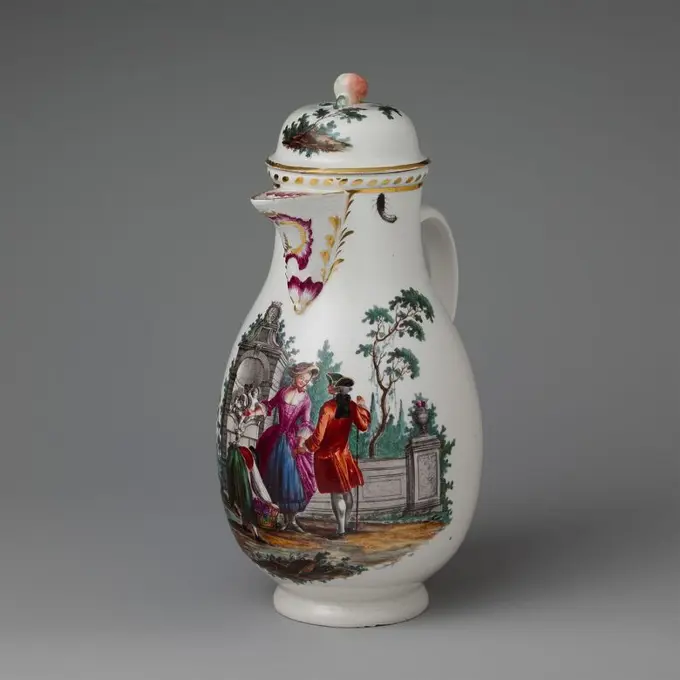
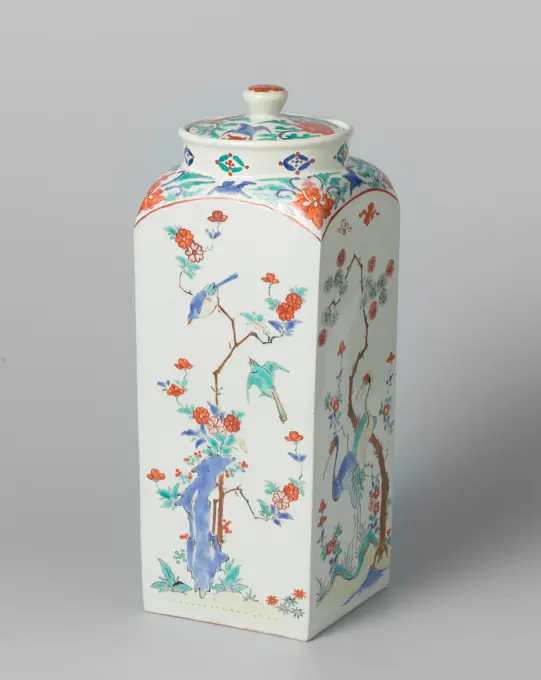
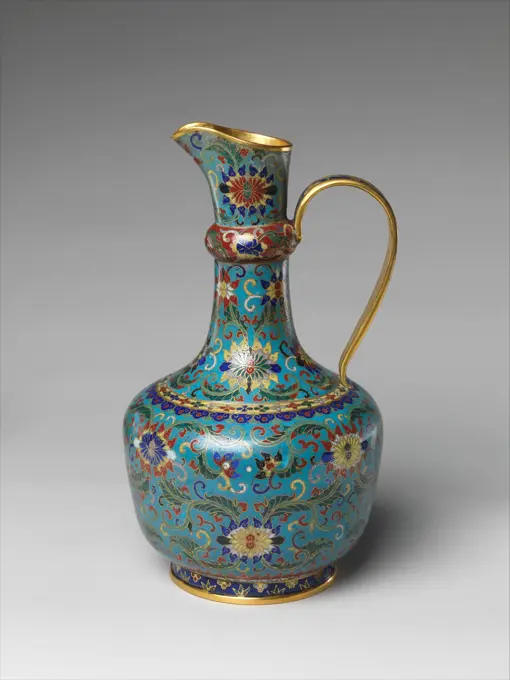
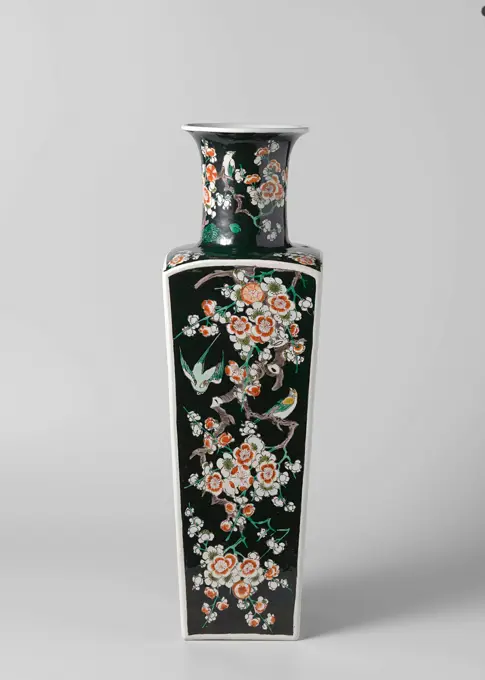
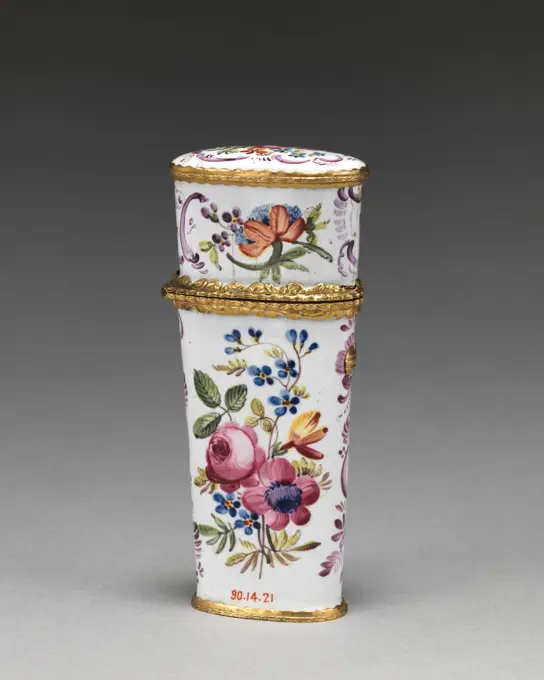
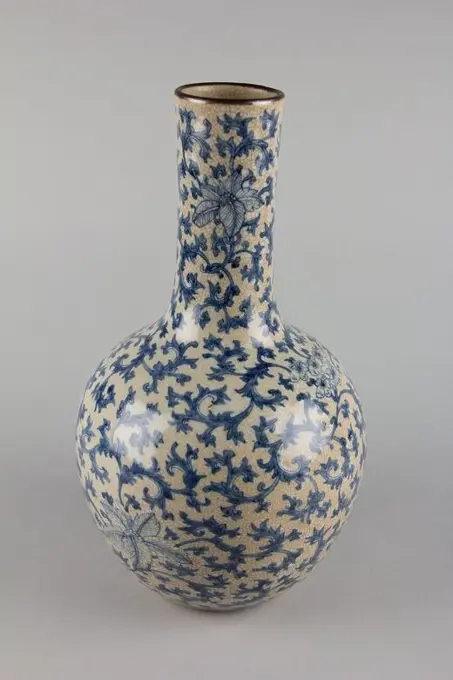
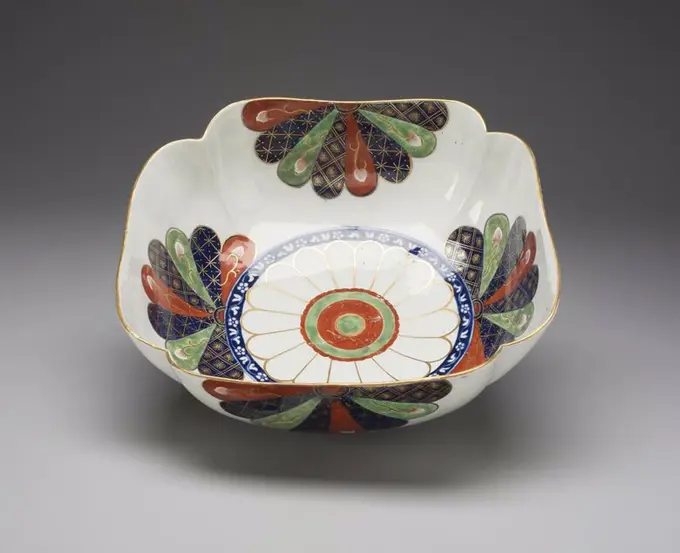
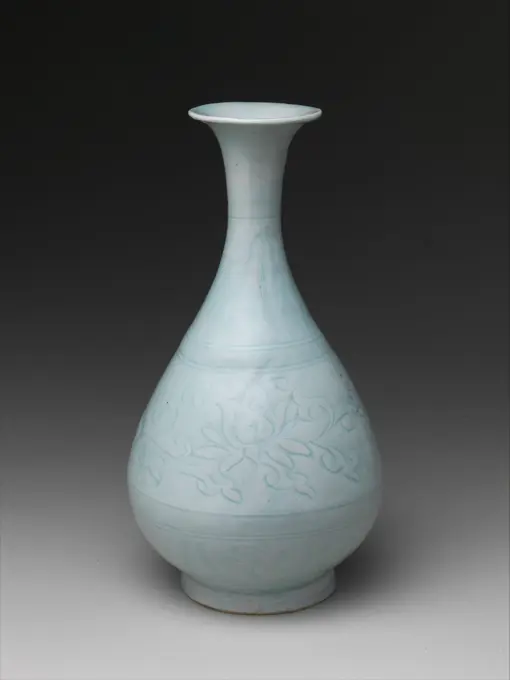
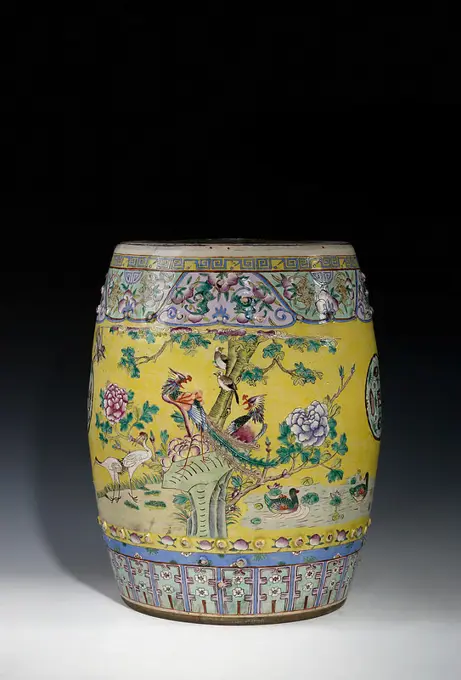
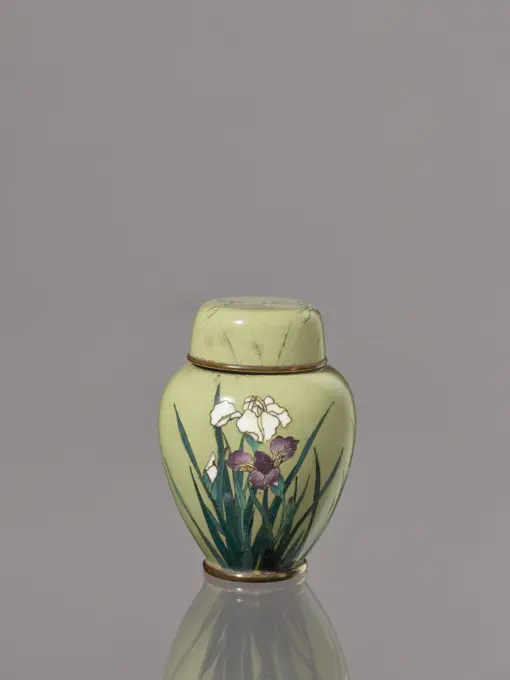
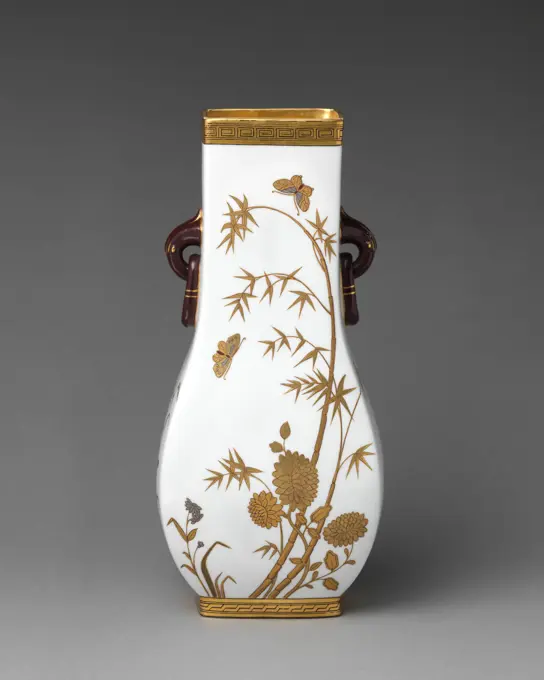
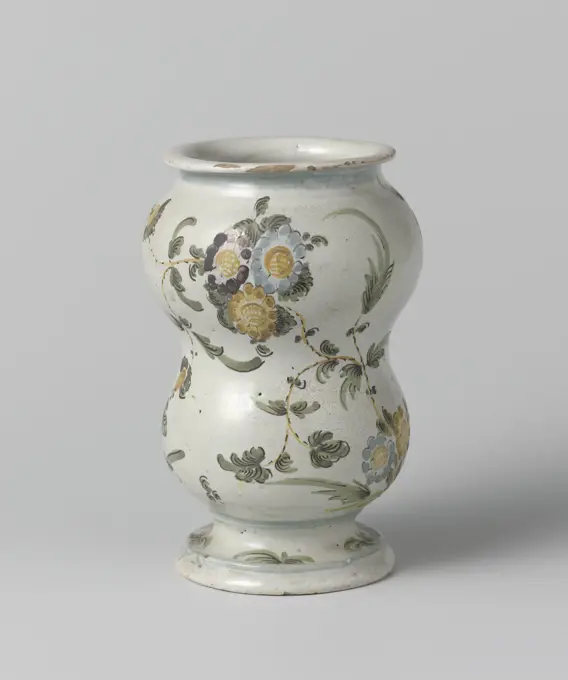
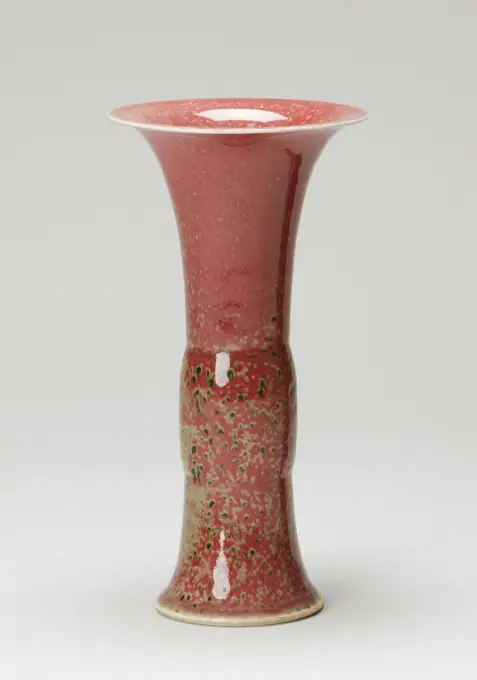
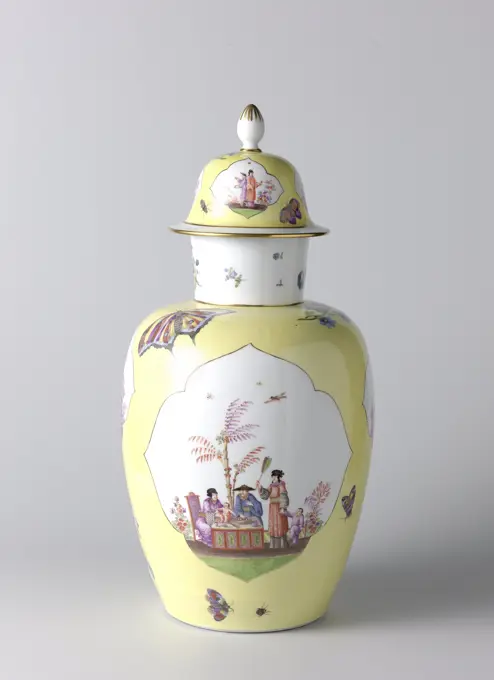
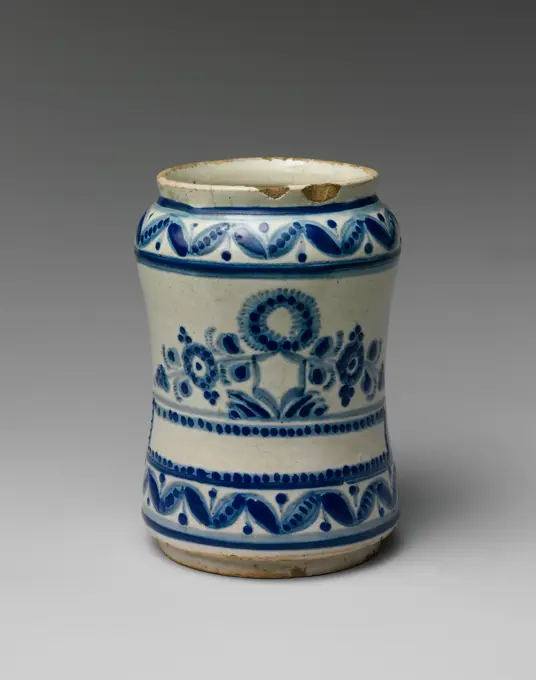
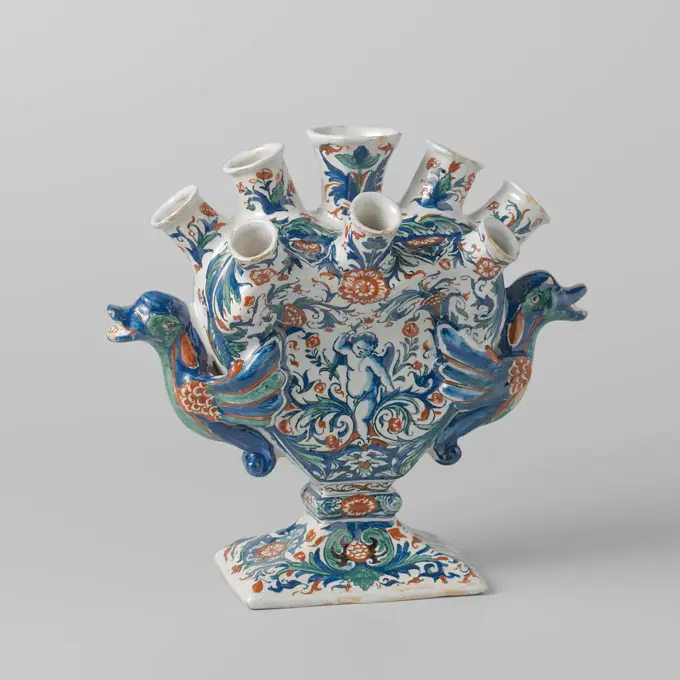
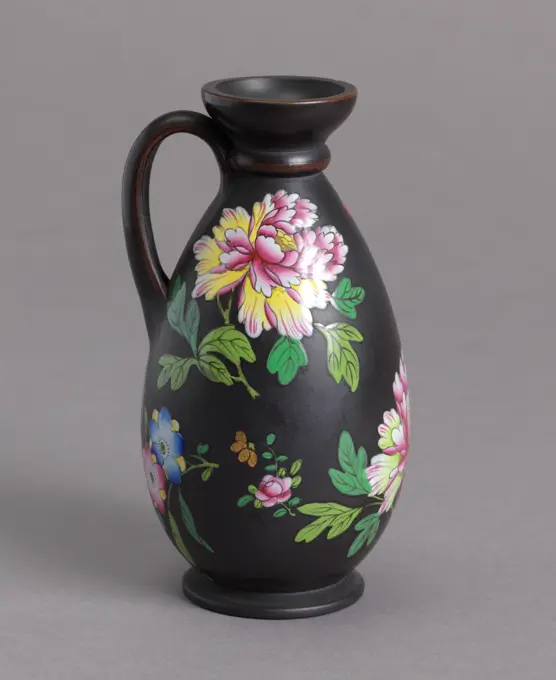
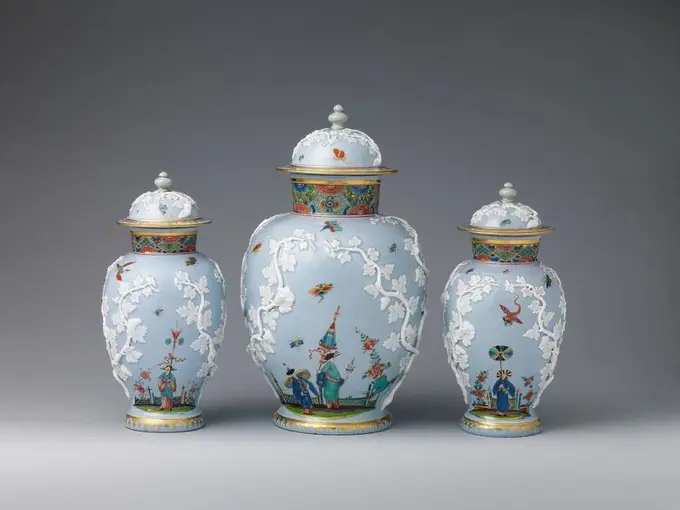
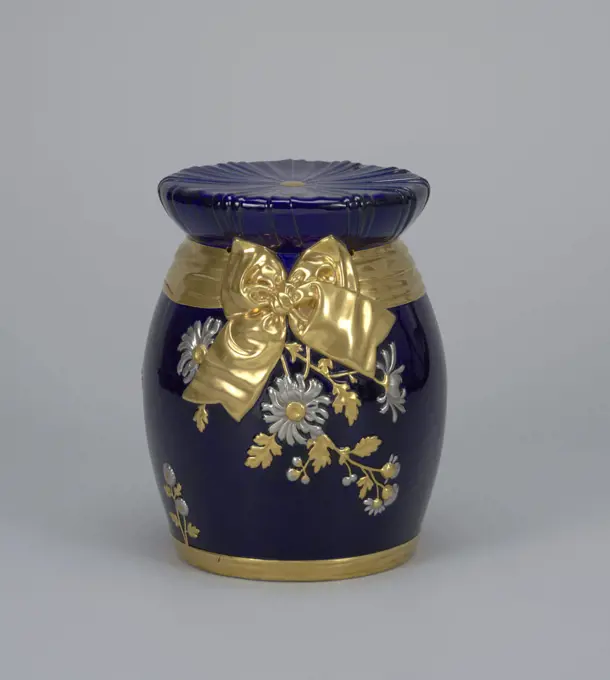
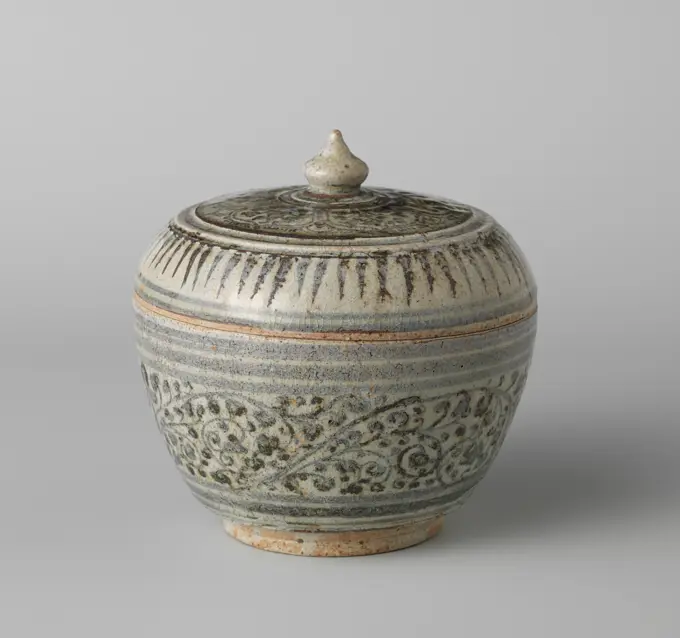
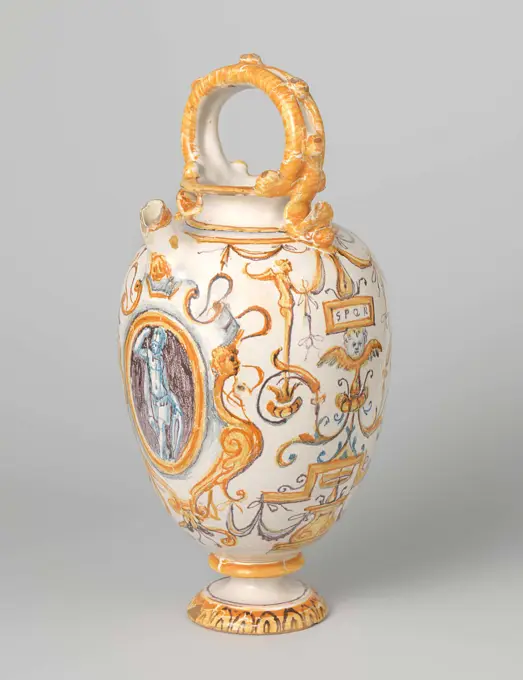
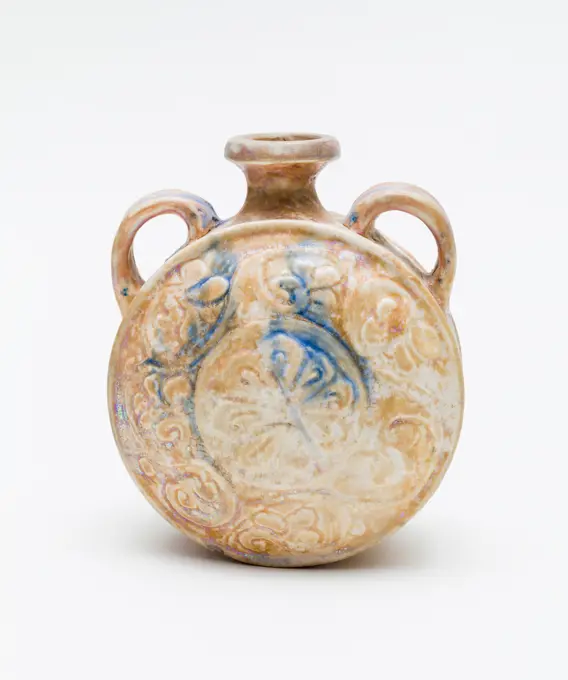
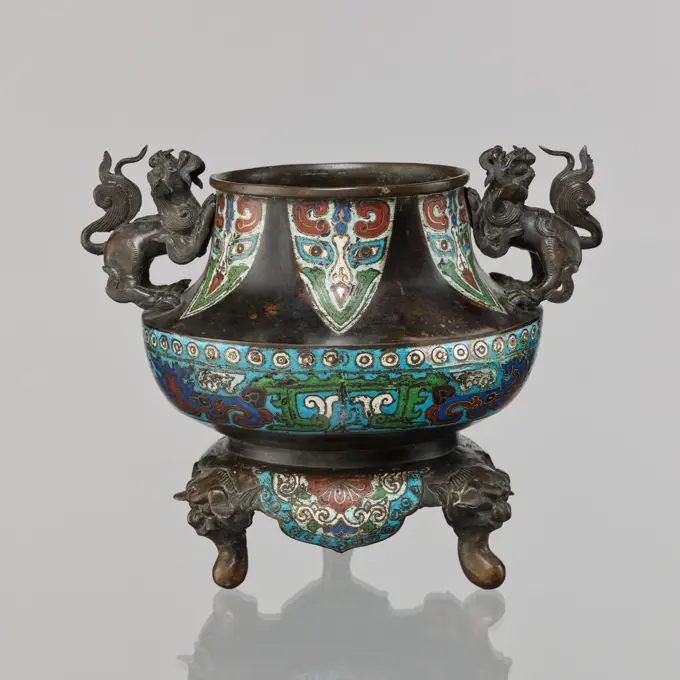
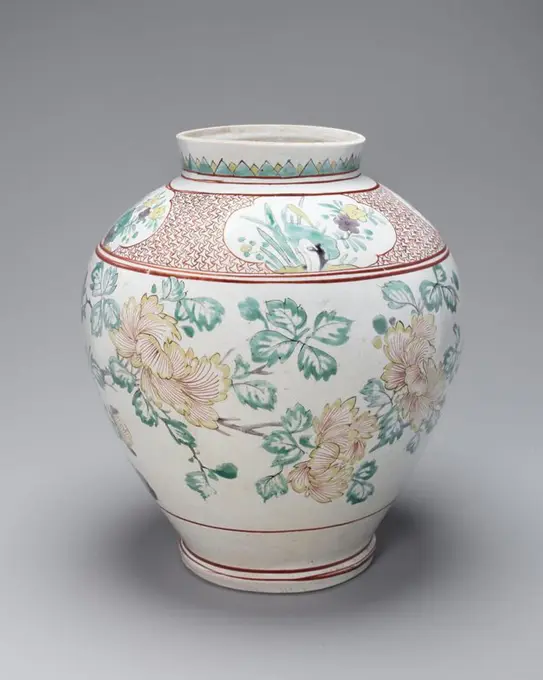
Jar. Japanese. Date: 1601-1650. Dimensions: H. 29.2 cm (11 1/2 in.); diam. 24.8 cm (9 3/4 in.). Arita ware, Kutani style; porcelain with polychrome enamel glaze decoration. Origin: Japan. Museum: The Chicago Art Institute, Chicago, USA.Troll vase;  19th century (1801-00-00-1900-00-00);Paderewski, Ignacy Jan (1860-1941), Paderewski, Ignacy Jan (1860-1941)-collection, qing (style), Chinese (culture), cloisonné, gift (provenance), grenades (fruit), plant motifs, Chinese art, Lotos (ornament)Vase by Andre Derain, polychrome, majolica, 1880-1954, Russia, Moscow, State A. Pushkin Museum of Fine Arts,Pharmacy jar dated 1679 Factory of Joseph Dupont-Saint-Pierre. Pharmacy jar 187791 Maker: Factory of Joseph Dupont-Saint-Pierre, Pharmacy pot, dated 1679, Blue enameled earthenware, H. 4-1/2 in. (11.4 cm). The Metropolitan Museum of Art, New York. Gift of Henry G. Marquand, 1894 (94.4.227)Pot with lid. unknown, craftsmanMiniature bottle vase with flowering plants in panels, anonymous, c. 1675 - c. 1724 Miniature ashes, bottle -shaped vase of porcelain with a pear -shaped body and spreading neck, painted in under -glaze blue. The wall is divided into six compartments with flowering plants in a rock. On the neck flower branches and twigs. Blue White. China porcelain. glaze. cobalt (mineral) painting Miniature ashes, bottle -shaped vase of porcelain with a pear -shaped body and spreading neck, painted in under -glaze blue. The wall is divided into six compartments with flowering plants in a rock. On the neck flower branches and twigs. Blue White. China porcelain. glaze. cobalt (mineral) paintingGourd-Shaped Snuff Bottle with Trailing Vines and Flower Heads 1740-1800 China. Glass; Multi-colored overlay on transparent blue ground .Pear-Shaped Covered Jar With Precious Objects And Flower Sprays. Pear-shaped lid pot on foot of porcelain with two ears of which the top was modeled in a sample head, painted in underglaze blue. On the wall large lotus flowers and flower branches between which a lobd cartouche with rolls, books, artemisia leaf and two overlapping fan-shaped compartments, one with a man on a terrace with pavilion and flower branch; the foot with a zig-saw pattern; the edge with flower drinks; The lid with valuables (pearl, rhombus) and lucky symbols and flower branches separated by a wavy line. Blue White.Vase-potiche;  XVII/18th century (1690-00-00-1710-00-00);Sugar Caster. France, Rouen, circa 1710. Furnishings; Serviceware. Earthenware with tin glaze and enamel (grand feu faience)Coverpot, Anonymous, 1740 - 1780 FaiMence lid jar. Multicolored painted. The lid jar is part of a cupboard set. Delft . FaiMence lid jar. Multicolored painted. The lid jar is part of a cupboard set. Delft .Ovoid Covered Jar With Peach Blossom On 'Crackled Ice'. Egg-shaped porcelain lid pot, painted in underglaze blue. The pot is covered with saved peach blossoms (Prunus) in a background of 'crackled ice'. Blue White.Balustervase with stylized flower pattern. Baluster-shaped vase of soft-paste porcelain (Pte tendre) with wide, straight neck and trumpet-shaped edge, painted in underglaze blue. The vase is covered with stylized flower drinks; To the base of the neck a band with spiral forms. Marked on the bottom with the four-character mark of Emperor Chenghua. The edge has been broken. Blue White.Wine Bottle with Three Friends of Winter 19th century Japan The detailed and dense patterning characterizes the Chinese porcelains of the mid-seventeenth century that are known as shonzui ware in Japan. The term shonzui remains enigmatic but is thought to refer to a Japanese man, perhaps the person who first commissioned such works from China.. Wine Bottle with Three Friends of Winter 45732. Pottery vase, widely flattened body and long neck and outstanding mouth edge including a ring. Decorated with fruits, flowers and leaves in the colors black, green and orange. Vertical stripes on the neck.Vase, painted with lambrequins, flower and leaf vines and a satyr that pushes a wheelbarrow with putti, anonymous, c. 1700 - c. 1725 Vase painted in blue with a flower and leaf vank above which a frieze of figures. Above a backdrop of lambrequins, C-volutes, flowers and leaves. Rouen . Vase painted in blue with a flower and leaf vank above which a frieze of figures. Above a backdrop of lambrequins, C-volutes, flowers and leaves. Rouen .Teapot. Culture: British, Staffordshire. Dimensions: Overall: 3 1/8 × 6 1/2 in. (7.9 × 16.5 cm). Date: ca. 1755. Museum: Metropolitan Museum of Art, New York, USA.Baluster-Shaped Vase with Peony Flowers. China. Date: 1115-1234. Dimensions: H. 22.7 cm (8 15/16 in.); diam. 9.8 cm (3 7/8 in.). Cizhou ware; slip-coated and glazed stoneware with underglaze carved decoration. Origin: China. Museum: The Chicago Art Institute, Chicago, USA.Vase with a lid Belvedere (Royal Manufaktura)Maker Unknown, Miniature Bottle, c. 1830-c. 1870, aquamarine glass.Wig Stand (France); tin-glazed earthenware, underglaze and overglaze decorationOvoid vase with long neck. unknown, craftsmanVase - moon flask (pilgrim bottle) with a round flattened belly. unknown, craftsmanBarrel ca. 1750-1800 Mexican. Barrel 4508Lidded cup. unknown, craftsmanRosewater Sprinkler or Bottle with Celadon Glaze and Flower Sprays. Rose water dropper or peak bottle at high foot of porcelain with spherical body and two thickenings in the long, narrow neck, covered with a ceilo-green glaze and painted in underglaze blue. The bottle is covered with a celadon green glaze with nine reserves filled in this with flower branches in underglaze blue. Monochrome celadon green with underglaze blue.Coffee Pot Made 1760-1770 Worcester. Soft-paste porcelain, underglaze blue decoration . Worcester Royal Porcelain CompanyVase. unknown, craftsmanVase, Enameled and glazed hard-paste porcelain, China, 1660-1720, ceramics, Decorative Arts, VaseCan with lid of blue painted faience, 't Fortuyn, c. 1753 - c. 1771 Can with lid made of blue painted faience. Delft . Can with lid made of blue painted faience. Delft .Oinochoe, 325-300 BC. From South Italy. An Ancient Greek wine jug - also spelled 'oenochoe' - characterised by its curved handle and trefoil-shaped mouth.Rectangular, covered, baluster vase in the shape of a bronze vessel with two ladies on a terrace, anonymous, c. 1700 - c. 1724 Rectangular, baluster -shaped vase of porcelain in the form of a bronze barrel with lid with four flat walls separated by excellent ribs and two ears, painted in blue, red, green, yellow, eggplant, black and gold. On the wide wall twice a performance of two women on a terrace near a pavilion next to a table with a flower vase; the narrow wall with rocks, flower branches and birds; the foot with professional decoration filled with rocks and flower branches, separated by raised ribs; On the shoulder a lobed cartouche with valuables saved in a geometric motif; the neck with professional decoration filled with rocks and flower branches; Flowers in a green speckled soil on the ears. Lid with flower branches and geometric motif; Button in the form of a shishi (lion dog). Multiple chips in the ribs; Two chips in the foot; Cracks in the lid. Famle Verte. China porcelaiJar late 12th-early 13th century Similar underglaze painted objects are usually attributed to Raqqa, a town on the Euphrates in northeast Syria, from which a large number appeared on the market since the end of the 19th century. While some of the workshops were located there, as the unearthing of a large number of wasters confirms, others were located elsewhere along the Euphrates valley, in southern Anatolia, central Syria, Damascus and as far as Egypt.This jar is said to come from the so-called "Great Find" in Raqqa in the early 20th century, when a colony of Circassians that was being relocated by the Ottomans was given permission to excavate an archaeological area in search of building material. They found a number of large jars containing intact vessels which were eventually sold on the market (see also 56.185.25 and 56.185.18).. Jar 451366Belly bottle with flattened sides in clear light green glass, iridised, broken, glued, wine bottle belly bottle bottle holder soil find glass, free blown and shaped glass application Circular bottle in clear olive green glass. Pontil mark at bottom (3 cm) raised bottom. High rising soul (5 cm). Round oblique-flattened abdomen to rounded shoulders and strongly rejuvenated short neck. Sharp glass-laid glass wire directly under flattened mouth archeology Rotterdam City Triangle Mariniersweg packing Soil discovery: 1983 Rotterdam Mariniersweg for site preparation for social housing.Ovoid covered jar with flowering plants, anonymous, c. 1680 - c. 1700 Egg -shaped lid pot of porcelain, painted in underly glaze blue and on the glaze red, green, yellow and black. On the abdomen three times a flowering plant (peony, prunus, chrysanthemum) on a rock. On the shoulder four decorative tires with architecture, servetwork and hanging Ruyi motifs. Above the foot and on the neck a band with pointed motifs. The lid with the same decoration. Arita, Kakiemon style. Japan porcelain. glaze. cobalt (mineral) painting / vitrification Egg -shaped lid pot of porcelain, painted in underly glaze blue and on the glaze red, green, yellow and black. On the abdomen three times a flowering plant (peony, prunus, chrysanthemum) on a rock. On the shoulder four decorative tires with architecture, servetwork and hanging Ruyi motifs. Above the foot and on the neck a band with pointed motifs. The lid with the same decoration. Arita, Kakiemon style. Japan porcelain. glaze. cobalt (mineral) painting Vase with Floral Scrolls, 1600s. China, Ming dynasty (1368-1644). Cloisonné enamel; overall: 25.7 cm (10 1/8 in.).Terracotta alabastron (perfume vase) ca. 510-500 B.C. Attributed to the Group of the Paidikos Alabastra PalmettesThis is one of a group of white-ground alabastra associated with a red-figure workshop. Simple though the decoration may be, the precise placement and execution of the palmettes give the work great elegance.. Terracotta alabastron (perfume vase) 247258Enameled and Gilded Bottle. Dimensions: H. 17 1/8 in. (43.5 cm)Max. Diam. 11 in. (27.9 cm). Date: late 13th century.The size and delicate decoration of this bottle are remarkable; few such large or painterly examples of enameled glass are known. The polychrome phoenix on the neck soars above the central scene of mounted warriors wielding maces, swords, and bows. The warriors might well be participants in a horsemanship exercise, outfitted as combatants from the rival Ilkhanid and Mamluk states. Museum: Metropolitan Museum of Art, New York, USA.Lidded Vase, Meissener porcelain manufactory, c. 1740 Vase of painted porcelain. The vase is reversed egg -shaped and has a diabolov -shaped neck, a profiled mouth edge and a vaulted lid. The vase is painted with flower bouquets, butterflies, caterpillars on a leaf and other insects. A large flying deer is painted on the lid. The vase is marked. Float porcelain Vase of painted porcelain. The vase is reversed egg -shaped and has a diabolov -shaped neck, a profiled mouth edge and a vaulted lid. The vase is painted with flower bouquets, butterflies, caterpillars on a leaf and other insects. A large flying deer is painted on the lid. The vase is marked. Float porcelainJean Luce (1895-1964). Cut. 1923. Glass. St Denis. Museum of Fine Arts of the City of Paris, Petit Palais. 55424-11 Anse, art nouveau, cut, flower, transparency, transparent, serious glassSmall bottle-shaped vase probably 18th century Chinese. Small bottle-shaped vase 460676Terracotta alabastron (perfume vase). Culture: Greek, Attic. Dimensions: H.: 6 in. (15.2 cm). Date: ca. 510-500 B.C..PalmettesThis is one of a group of white-ground alabastra associated with a red-figure workshop. Simple though the decoration may be, the precise placement and execution of the palmettes give the work great elegance. Museum: Metropolitan Museum of Art, New York, USA.Waza (tsubo) with covers;  around 1730-1750 (1730-00-00-1750-00-00);Pot with lid, part of a cupboard set. Pot with lid, multicolored painted faïence. The pot is octagonal and eight courses are painted on eight sides. In four courses is a vase with two S-shaped handles, portrait on a 3-legged pedestal and filled with flowers, painted in the other four courses a pot with lid on a 3-legged pedestal above which a phoenix. The pot is part of a couple and has been marked.Vase;  around 1910-1920 (1910-00-00-1920-00-00);Block, Julius Henry (1858-1934) - collection, chrysanthemums, cloisonné, gift (provenance), Japanese (culture), clones, Japanese art, vasesEwer. Culture: China. Dimensions: H. 11 1/8 in. (28.3 cm). Date: late 7th century.Brilliantly colored lead glazes in shades of green, amber, and white, which are known as three-color, or sancai, glazes, were widely used in funerary goods in the late seventh and the first half of the eighth century. The shape of this ewer derives from the metalwork of the ancient Iranian world and illustrates the impact of trade along the famed Silk Road. Museum: Metropolitan Museum of Art, New York, USA.Ovoid jar and domed cover with bleu poudré and panels in reserve with landscapes and antiquities, anonymous, c. 1700 - c. 1724 Egg -shaped pot with lid of porcelain, painted in underly glaze blue and red and on the glaze green, yellow, eggplant and gold. The pot is covered with bleu poudré (powder blue) with four elongated cartouches in reserve with scalloped edge filled with a crane and a deer in a landscape, antiques (vas, books, tanning burner), valuables (Artemisiablad, books) and an attribute of the de de attribute Eight immortal (castagnets), a pond with lotus plants and two cranes, two people in a river landscape; Between the large cartouches two small cartouches with flower branches; on the blue flower branches in gold; The lid with the same decoration. A double circle on the bottom. Two chips in the edge of the lid. Bleu Poudré with Famle Verte. China porcelain. glaze. cobalt (mineral). gold (metal) painting / gilding / vitrification Egg -shaped pot with lid of porcelain, painVase with covers; De Porceleyne Schotel (Fiansu Factory; 1612-1800); after 1760 (1760-00-00-1785-00-00);Bronisław Krystall. Testament (Warsaw - exhibition - 2015/2016), Krystall, Bronisław (1887-1983) - collection, flower decorations, flowers, purchase (provenance), animalsVase (one of a pair). Culture: China. Dimensions: H. 18 in. (45.7 cm); Diam. 7 1/8 in. (18.1 cm). Museum: Metropolitan Museum of Art, New York, USA.Snuff Bottle, 19th century, 2 1/4 x 1 1/2in. (5.7 x 3.8cm), Enamel on copper, China, 19th centuryAncient China: Blue-and-white ware vessel. Ming Dynasty, 1368 - 1644 AD. Glazed ceramic.. Originally made in China, these gourd vases were fitted in Paris with fashionable gilt-bronze mounts, with pagoda-shaped lids. In this way the French craftsman adapted an exotic object to Western taste. With their gilding, the vases matched the other furnishings in a luxuriously appointed interior.Vase with figures 19th century China. Vase with figures 47398Bottle with Two Handles early 18th century China. Bottle with Two Handles. China. early 18th century. Porcelain with celadon glaze. Qing dynasty (1644-1911), Kangxi period (1662-1722). CeramicsGlass bottle with handles. Culture: Roman. Dimensions: H. 4 3/16 in. (10.7 cm). Date: 4th-5th century A.D..Colorless with greenish tinge; handles and trails in bright turquoise blue.Rounded, slightly inverted, rim; flaring mouth; tall cylindrical neck with horizontal tooling indent around base; slightly pushed-in, horizontal shoulder; squat bulbous body; kick in bottom with pontil scar and traces of turquoise glass from pontil; three rod handles, applied in pads to top of body, drawn vertically upwards, turned in, and pressed onto neck over bottom of trail decoration, with projecting pinched pads above.One trail applied on underside of mouth, wound round once horizontally and then down in a spiral six times, ending halfway down neck; another trail applied below one handle, drawn round body in an irregular zigzag and then wound once round horizontally below.Complete, but internal cracks in rim, around middle of neck, and on bottom, and with one chip in trail below rim; many pinprickSquare vase with scenes of four seasons 19th century China. Square vase with scenes of four seasons. China. 19th century. Porcelain painted in polychrome enamels over a yellow ground (Jingdezhen ware, famille jaune). Qing dynasty (1644-1911). CeramicsVase with Peaches, 1736-95. China, Jiangxi province, Jingdezhen, Qing dynasty (1644-1911), Qianlong mark and period (1736-1795). Porcelain with famille rose overglaze enamel decoration; overall: 51.4 cm (20 1/4 in.). This spectacular vase, one of a pair in the collection, depicts flowering and fruiting peach trees to convey an auspicious message of affluence and long life. Developments in enamel technology led to new possibilities in polychrome decoration of Qing imperial porcelains. Pinks appeared, lending their name to the new palette of overglaze colors (famille rose), and the addition of opaque white allowed painters to vary the value of pigments, enhancing the painterly quality of porcelain decoration.Figured flask. Culture: American. Dimensions: H. 7 1/8 in. (18.1 cm). Maker: Probably Knox and McKee (Virginia Green Glass Works) (1820-ca. 1833). Date: ca. 1824. Museum: Metropolitan Museum of Art, New York, USA.Can, painted with owl, boar, hare and dogs .. spherical can of blue painted faience, on a foot. The neck is narrow and short and the ear wide and ends in two spirals. On the abdomen are painted between plants and leaves, a hare and dogs.Vase (wheelchair) with a Company in a Landscape. Cylindrical vase (trolley) of porcelain with a spreading neck, painted in underglaze blue. On the wall a high-quality capacity in a landscape with four servants with impellers behind him. A man offers a vase (incense burner) On a tray to the high-quality fellow. Rocks, willow and plants are in the landscape. A tire with pointed leaf motifs on the neck. The bottom is unglazed. Transition porcelain.Perfume Flask with Egyptian Motifs; Roman Empire; 25 B.C. - A.D. 25; Glass; 7.6 × 4.2 cm (3 × 1 5,8 in.)Spouted jug. Culture: Façon de venise, probably Barcelona. Dimensions: H. 25.1 cm. Date: ca. 1500. Museum: Metropolitan Museum of Art, New York, USA.Jar with Serpentine Handles 1660-80 Mexican. Jar with Serpentine Handles 4469PocketBottleCoffeepot. Artist: After a woodcut by Johann Esaias Nilson (German, Augsburg 1721-1788 Augsburg). Culture: German, Höchst. Decorator: Louis-Viktor Gerverot (1747-1829). Dimensions: Overall (confirmed): 9 1/2 × 6 5/8 × 4 3/4 in. (24.1 × 16.8 × 12.1 cm). Manufactory: Höchst Manufactory (German, 1746-1796). Date: 1771-75. Museum: Metropolitan Museum of Art, New York, USA.Lid of bottle, square with rounded shoulder, round low neck, painted with storks, anonymous, c. 1670 - c. 1690 Porcelain bottle, painted in blue, red, green, yellow, brown, black and gold. Symmetrical flower vines and birds on the lid. Rosette in red and gold on a button. Kakiemon decor. Arita porcelain Porcelain bottle, painted in blue, red, green, yellow, brown, black and gold. Symmetrical flower vines and birds on the lid. Rosette in red and gold on a button. Kakiemon decor. Arita porcelainEwer 18th century China The earliest securely dated Chinese cloisonné, in which colored glass paste is applied within metal enclosures and fired, dates from the reign of the Ming Xuande emperor (1426-35). However, cloisonné is recorded during the previous (Yuan) dynasty (1271-1368), and it has been suggested that the technique was introduced to China at that time via the western province of Yunnan, which under Mongol rule received an influx of Islamic people. The shape of this ewer, which was introduced to China in the early fifteenth century, also derives from Islamic metalwork. Ewer. China. 18th century. Cloisonné enamel. Qing dynasty (1644-1911). CloisonnéDrucker vases. French 19th-century connoisseurs devised the system of familles, or families, to denote various kinds of porcelain. Pieces in which green predominates, for example, are called famille verte. Around 1900 famille noire, with a black background, was the most prized type and very expensive. The collector J.C.J. Drucker donated this pair of vases to the Rijksmuseum in 1928 to mark the seventieth birthday of Queen Mother Emma. They have since become known by his name.Covered jar with fluted sides, anonymous, c. 1300 - c. 1400 Stone -good lid jar with a ribbed wall, covered with a translucent green, crawling glaze. Celadon (Longquan). China stoneware. glaze vitrification Stone -good lid jar with a ribbed wall, covered with a translucent green, crawling glaze. Celadon (Longquan). China stoneware. glaze vitrificationFlattened Ovoid Snuff Bottle with Stopper, 1573-1620. China, Jiangxi province, Jingdezhen kilns, Ming dynasty (1368-1644), Wanli reign (1572-1620). Porcelain; overall: 7 cm (2 3/4 in.).Nécessaire ca. 1750-75 British, Birmingham, Warwickshire. Nécessaire. British, Birmingham, Warwickshire. ca. 1750-75. Copper, enamel. Enamels-PaintedVase. Culture: China. Dimensions: H. 14 1/2 in. (36.8 cm). Date: first half of the 19th century. Museum: Metropolitan Museum of Art, New York, USA.Dish. Worcester Porcelain Factory; Worcester, England, founded 1751. Date: 1765-1775. Dimensions: 24.1 × 10.1 × 23 cm (9 1/2 × 4 × 9 in.). Soft-paste porcelain, polychrome enamels and gilding. Origin: Worcester. Museum: The Chicago Art Institute, Chicago, USA. Author: Worcester Royal Porcelain Company.Bottle with Lotus Scroll late 13th-early 14th century China. Bottle with Lotus Scroll. China. late 13th-early 14th century. Porcelain with incised decoration under celadon glaze (Jingdezhen Qingbai ware). Yuan dynasty (1271-1368). CeramicsBarrel-shaped stool. unknown, craftsmanA tea can from the cover;  19th/20th century (1891-00-00-1910-00-00);Vase-Flash; Montagnon, Antoine; 1875-1879 (1875-00-00-1879-00-00);Vase ca. 1500 Giovanni della Robbia Italian. Vase. Italian, Florence. ca. 1500. Glazed terracotta. Ceramics-PotteryCandlestick Bachmiński, Aleksander (1820 1882)Unknown (n. - d.), Vase (main title). Ceramics, porcelain, moufle fire enamels. Petit Palais, Museum of Fine Arts of the City of Paris.Fragmentary Ewer. Iran, 17th century. Ceramics. Fritware, underglaze-paintedVase with white and gold floral motifs and ring handles 1873 Minton(s) Minton was the most important ceramics factory during the Victorian period and began exhibiting products at the first Great Exhibition of 1851. Founded in 1793 by Thomas Minton at Stoke-on-Trent, the firm initially specialized in transferware pottery before expanding under the ownership of Thomass son Herbert Minton, beginning in 1836. Under the ownership of Colin Minton Campbell, who succeeded his uncle in 1858, the factory became recognized as a specialist producer of Aesthetics movement porcelain, which were inspired by a rich array of exotic and eclectic decorative motifs.. Vase with white and gold floral motifs and ring handles. British, Stoke-on-Trent, Staffordshire. 1873. Bone china. Ceramics-PorcelainJug with a mask and medallions, anonymous, c. 1630 - c. 1700 Can be made of stoneware on high foot with an egg -shaped body and narrow neck with a pinched spout. The C-shaped ear is attached to the neck and shoulder. Profiles on the neck and foot. Partly covered with cobalt blue. The KAN is decorated with a relief decoration in which the abdomen is largely covered with printed, imposed medallions with a flower rosette against a blue background. A modeled mask has been applied to the neck under the spout. Westerwald. Westerwald stoneware. glaze. cobalt (mineral) vitrification Can be made of stoneware on high foot with an egg -shaped body and narrow neck with a pinched spout. The C-shaped ear is attached to the neck and shoulder. Profiles on the neck and foot. Partly covered with cobalt blue. The KAN is decorated with a relief decoration in which the abdomen is largely covered with printed, imposed medallions with a flower rosette against a blue background. A modeled mask has been applieVase with Flowers mid-18th century China. Vase with Flowers. China. mid-18th century. Porcelain painted with colored enamels over transparent glaze (Jingdezhen ware). Qing dynasty (1644-1911), Qianlong period (1736-95). CeramicsVase, painted with flower vines, anonymous, c. 1730 - c. 1800 Vase of multi -colored painted faience. The vase is squeezed in reverse egg -shaped, has a bent edge and stands on a base. Flower vases in yellow, blue, green and manganese are painted on the vase. A non -corresponding lid is stored at the vase. Italy earthenware. tin glaze. Vase of multi -colored painted faience. The vase is squeezed in reverse egg -shaped, has a bent edge and stands on a base. Flower vases in yellow, blue, green and manganese are painted on the vase. A non -corresponding lid is stored at the vase. Italy earthenware. tin glaze.Vase in the shape of a bronze gu, Late 19th or early 20th century, 9 1/4 × 4 13/16 × 4 13/16 in. (23.5 × 12.22 × 12.22 cm), Porcelain with 'Peach Bloom' glaze, China, 19th or 20th centuryDecel van Vaas, Meissener porcelain manufactory, c. 1740 - c. 1745 On the lid four small four passes within which Höroldt chinoiseries. Flower branches and insects are painted between the saved fields. Three figures and a child were painted by a fence within a large four pass. The vase is marked. Float porcelain On the lid four small four passes within which Höroldt chinoiseries. Flower branches and insects are painted between the saved fields. Three figures and a child were painted by a fence within a large four pass. The vase is marked. Float porcelainApothecary Jar ca. 1750 Mexican. Apothecary Jar 3470Pair of flower vases with eight spouts. Between 1680 and 1740 various Delft pottery factories produced spouted flower vases. These two examples have a double row of spouts on the front. The handles are in the shape of mythical winged creatures.Vase; Manufactured by Wedgwood (United Kingdom); stoneware (black basalt), enameled and painted decoration; 12.9 x 7 cm (5 1/16 x 2 3/4 in.); Bequest of Erskine Hewitt; 1938-57-313Vase (one of a set of three). Culture: German, Meissen. Dimensions: Overall (confirmed): 9 3/4 x 4 3/4 x 4 5/8 in. (24.8 x 12.1 x 11.7 cm). Factory: Meissen Manufactory (German, 1710-present). Date: ca. 1725-30. Museum: Metropolitan Museum of Art, New York, USA.Garden seat, Mintons, Molded, glazed and gilded earthenware, Cylindrical form with swelling sides and top molded to look like circular cushion with draped ribbon and bow below; cobalt blue glaze with gold and platinum floral decoration., ca. 1880, ceramics, Decorative Arts, Garden seatCovered Jar With Floral Scrolls. Stoneware lid pot, painted in underglaze blue. On the wall a bond with continuous flower drinks. Below and above three horizontal lines. On the lid a tire with flower leaf-shaped compartments with plants blooming in it. On the edge depending, pointed leaf motifs. The glaze is slightly gray. Blue White.Vase, decorated with milkers in cartouche and inscription spqr. Vase of multi-colored painted majolica. The reverse egg-shaped vase is on a profiled foot. A standing ear is attached to the short neck. Under the spout is a cartouche painted within which a warrior with shield and spear. On the other hand, a cartouche is painted in which a warrior with sword and raised right arm. The letters Spqr are painted within two cartouches.ALCUZA VIDRIADA Y PINTADA EN NARANJA AZUL Y VERDE-S XX CERAMICA POPULAR. Location: ALFARERIA. PUENTE DEL ARZOBISPO. Toledo. SPAIN.Arita (ceramic production center) (n. - d.), Vase Cornet with imari decor. Porcelain, polychrome enamels. Petit Palais, Museum of Fine Arts of the City of Paris.Canteen. Syria, mid-12th century. Ceramics. Fritware, carved and glazed, with applied neck and handleKadzielnica (kôro); Murakami, Hiko; 19th/20th century (1890-00-00-1900-00-00);Medicine Vessel. Thailand, Sawankhalok, 16th century. Tools and Equipment; vessels. Stoneware with underglaze brown painted decoration and pale blue glazeVase, c. 1760 - c. 1800 Vase van Faience, painted in blue in the glaze with a landscape after Chinese example. Delft . Vase van Faience, painted in blue in the glaze with a landscape after Chinese example. Delft .