Porcelain Vases Collection

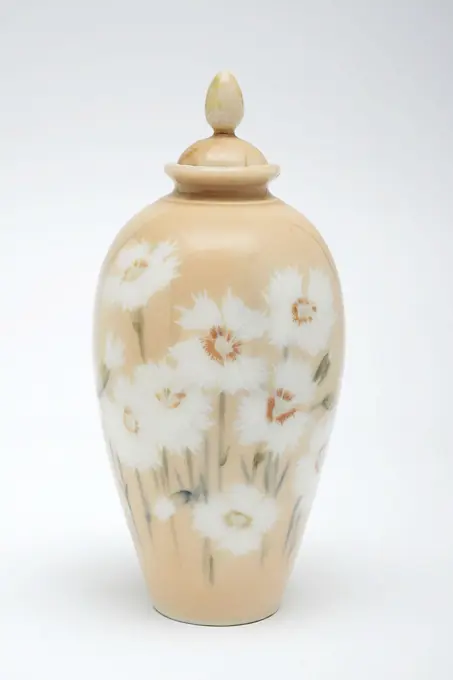
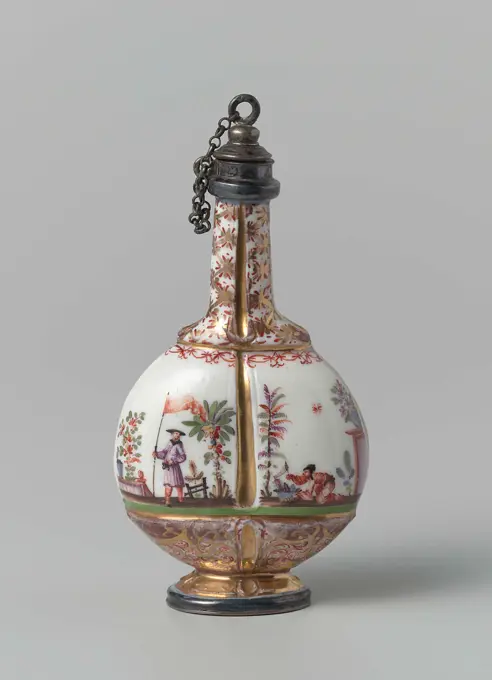
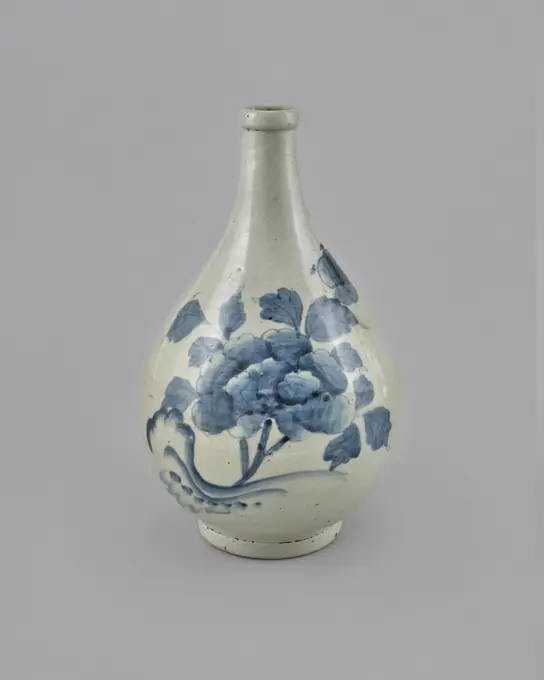
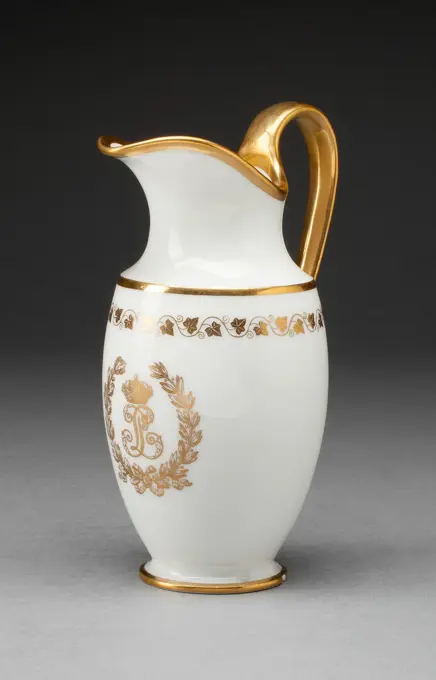
An assortment of antique vases made of porcelain, featuring intricate blue and white designs with floral and animal motifs.
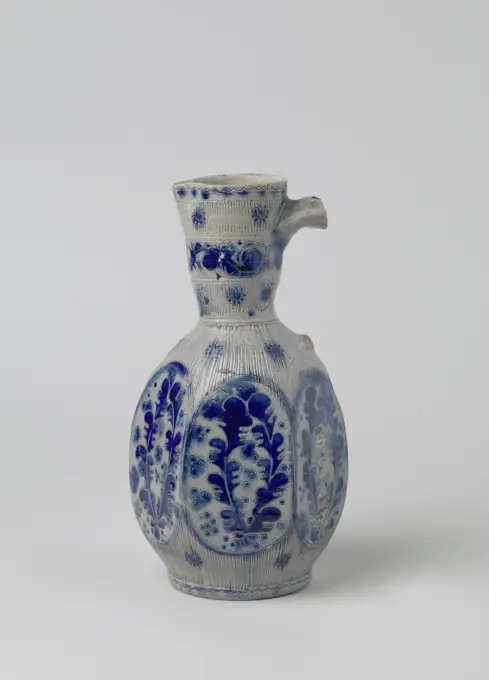
Jug with foliate scrolls in panels, anonymous, c. 1750 - c. 1799 Can be made of stoneware on the stand ring with a hexagonal, egg -shaped belly and narrow neck with a pinched spout. The C-shaped (broken) ear is attached to the neck and shoulder. Partly covered with cobalt blue. The belly is covered with pressed zigzag lines (knibis) with small, stamped flowers. Six courses with entered leaf vines and dots in blue. On the neck twice a band with zigzag lines and flowers and one with a continuous leaf vank. Westerwald. Westerwald stoneware. glaze. cobalt (mineral) vitrification Can be made of stoneware on the stand ring with a hexagonal, egg -shaped belly and narrow neck with a pinched spout. The C-shaped (broken) ear is attached to the neck and shoulder. Partly covered with cobalt blue. The belly is covered with pressed zigzag lines (knibis) with small, stamped flowers. Six courses with entered leaf vines and dots in blue. On the neck twice a band with zigzag lines and flowers and one wi
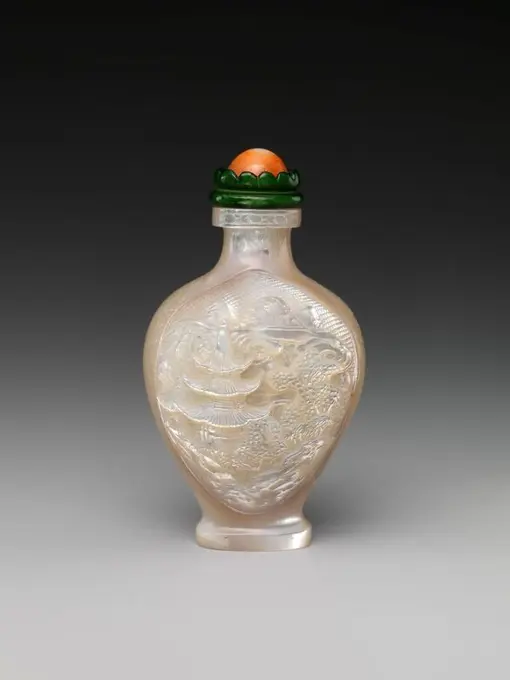
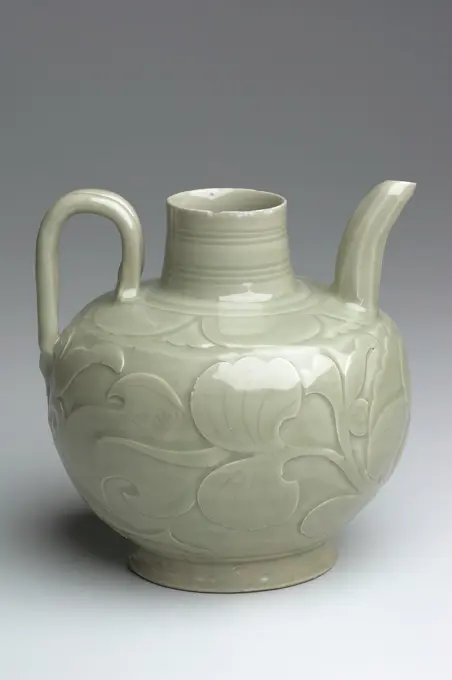
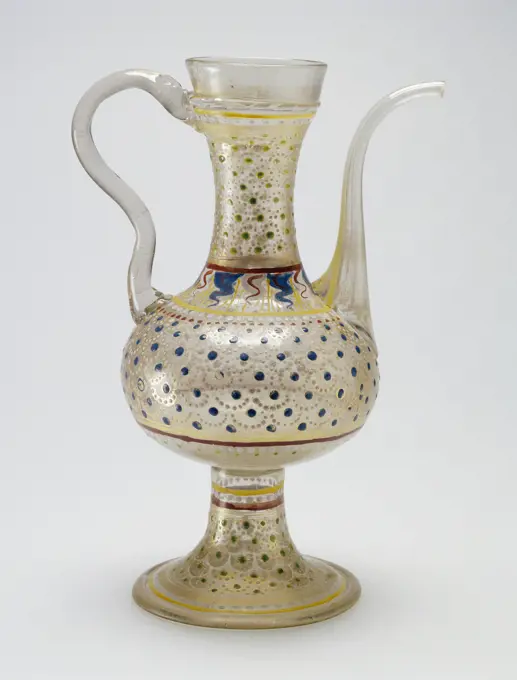
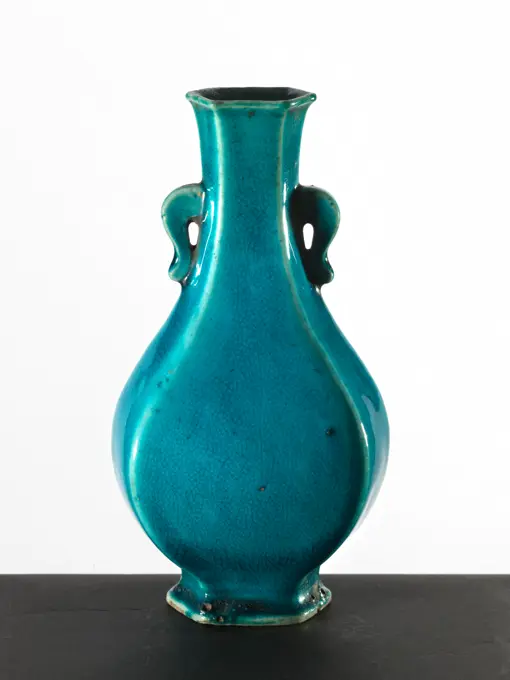
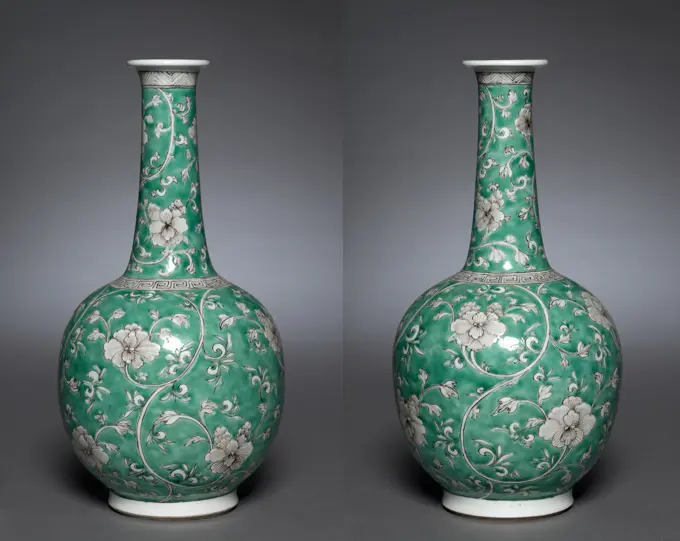
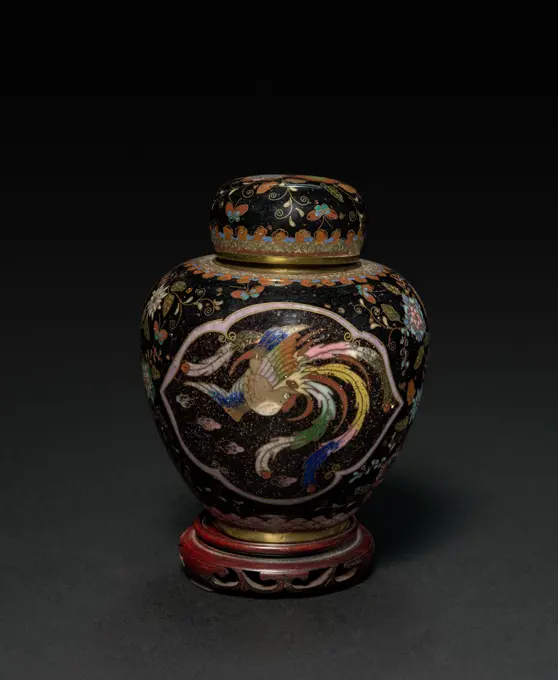
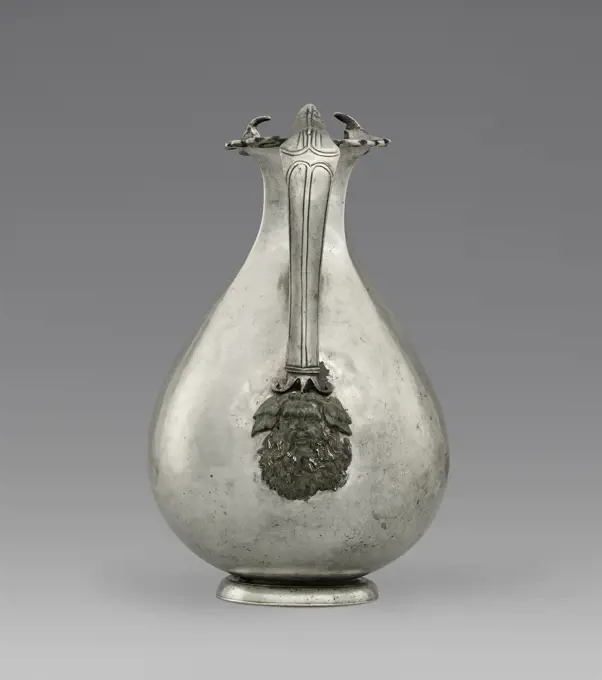
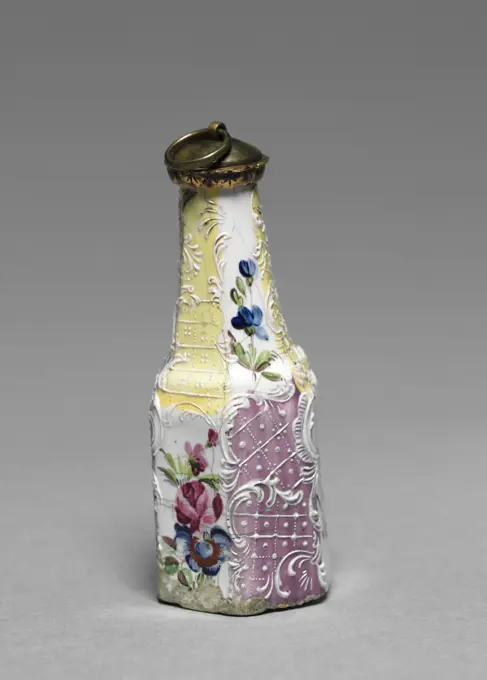
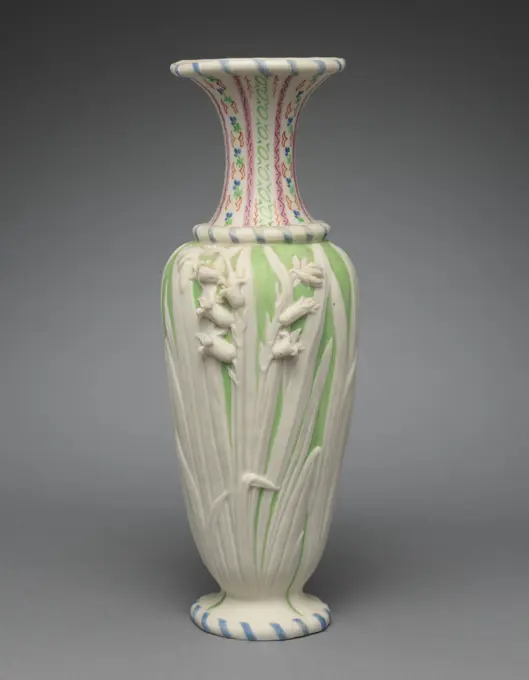
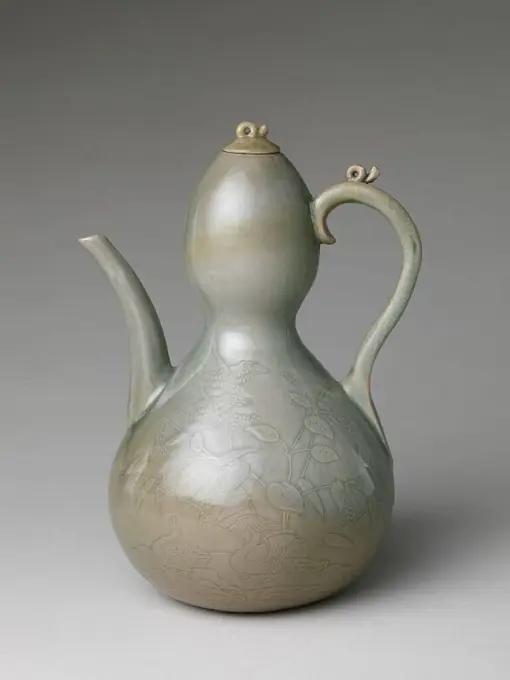
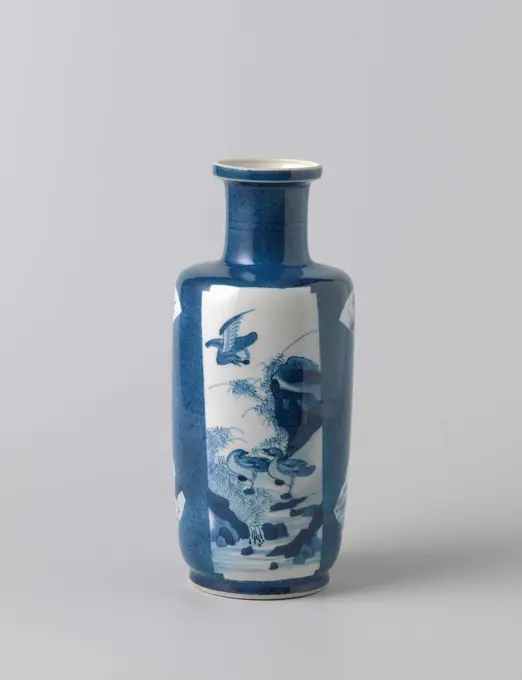
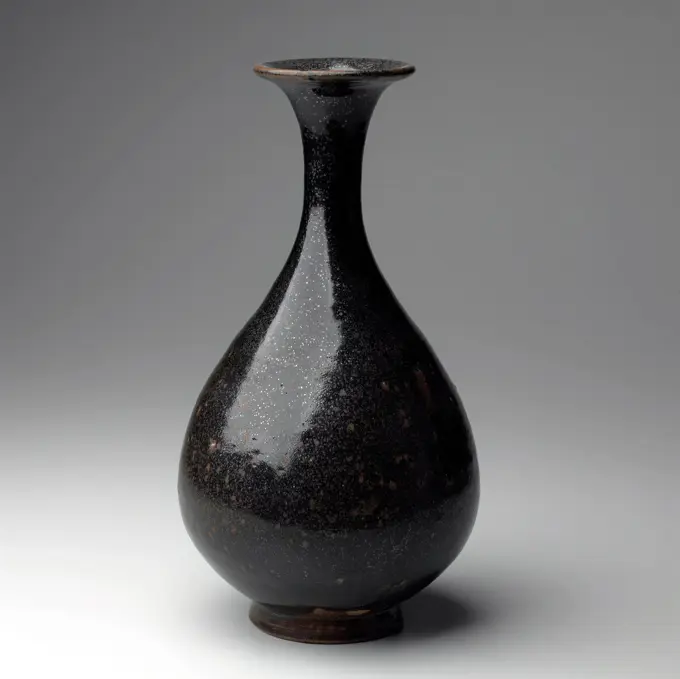
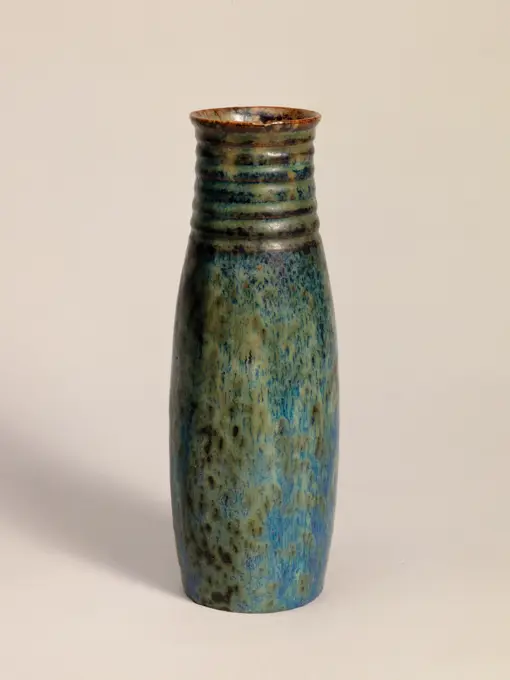
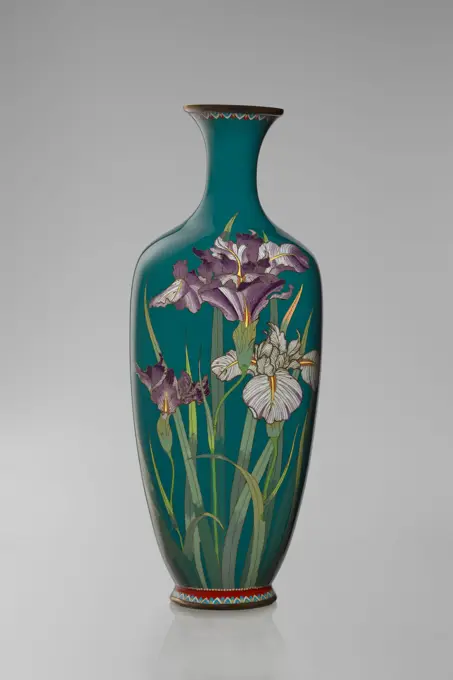
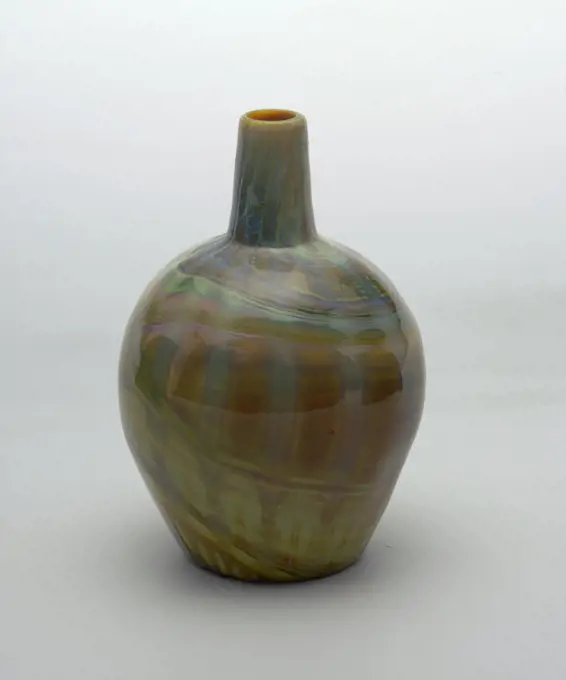
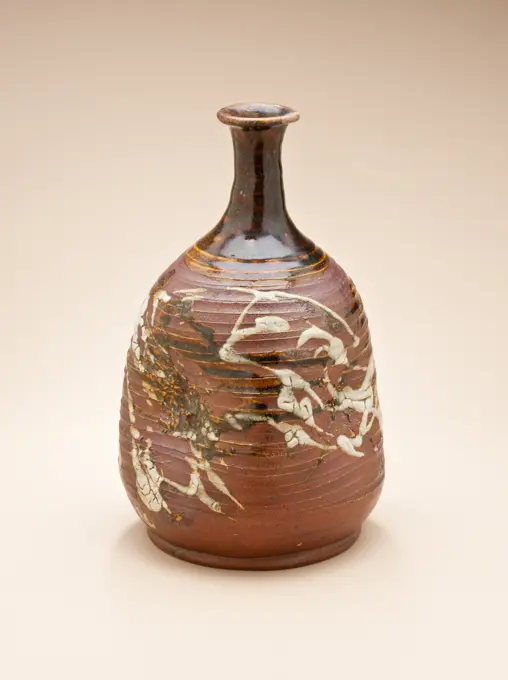
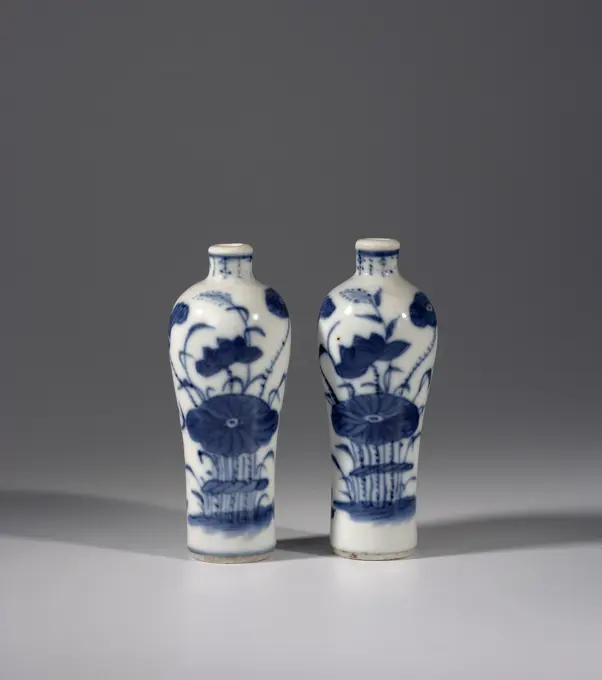
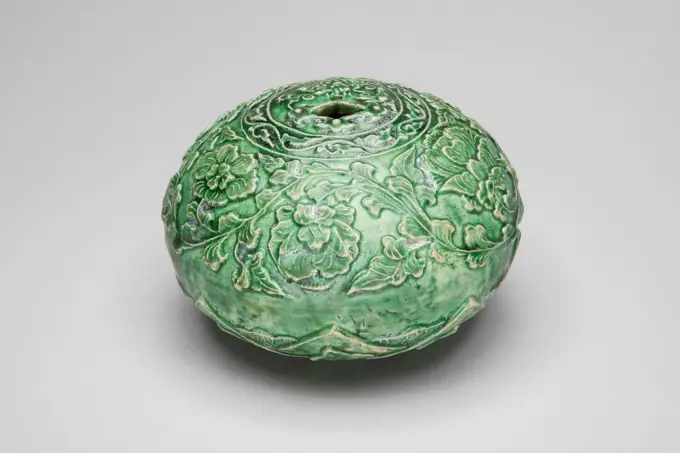
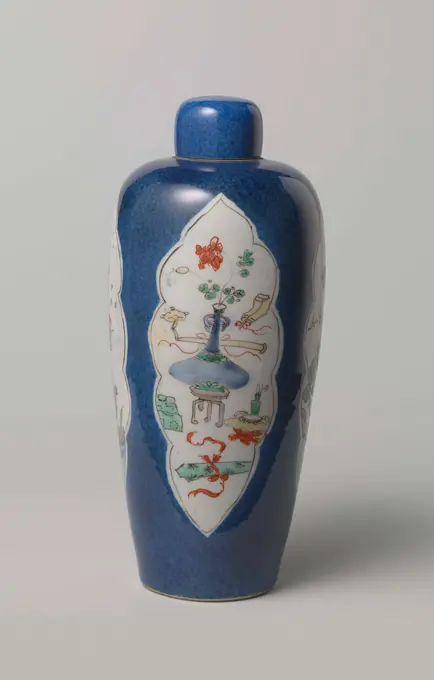
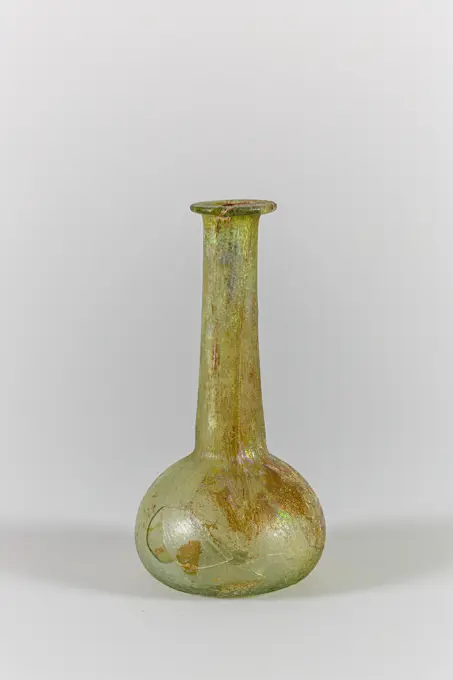
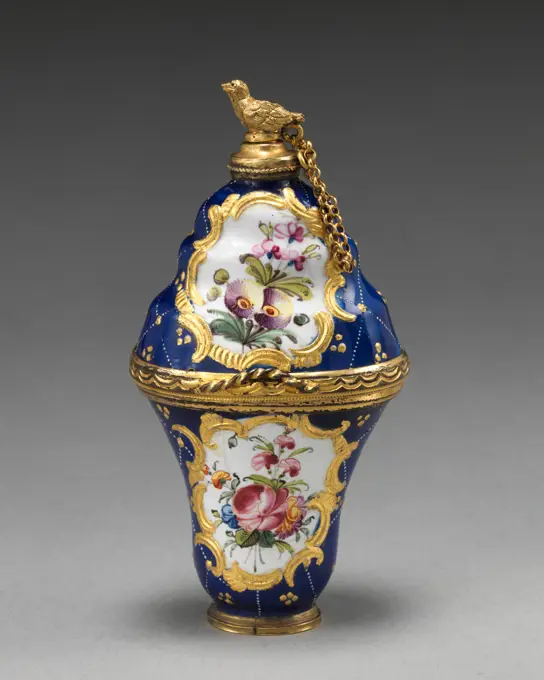
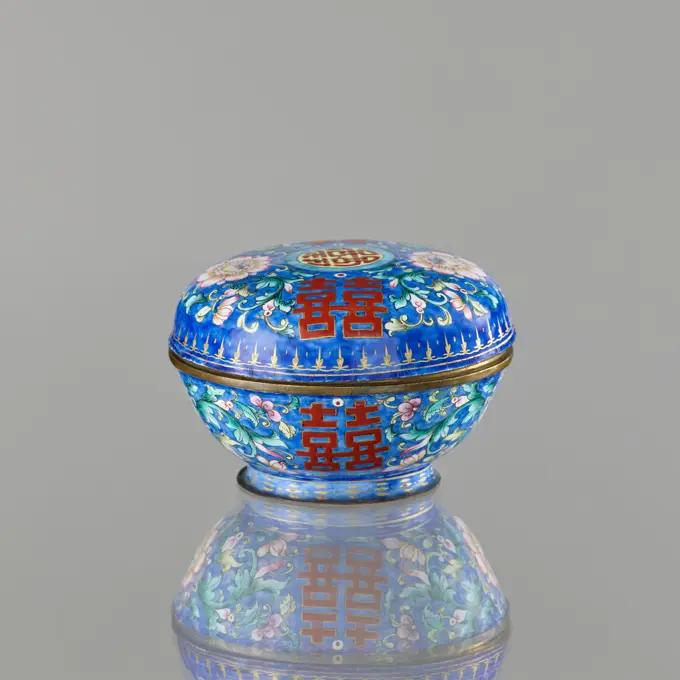
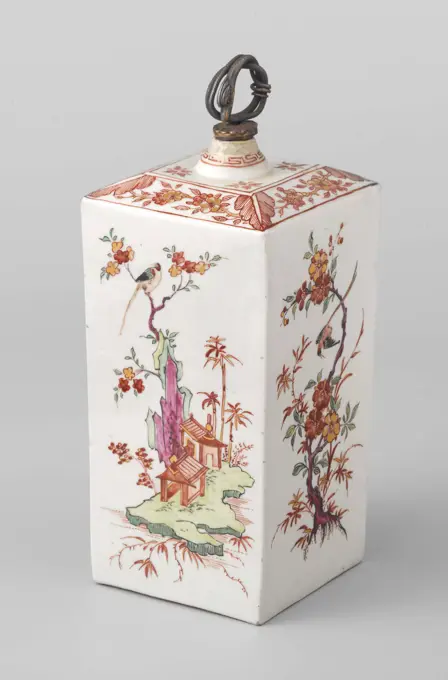
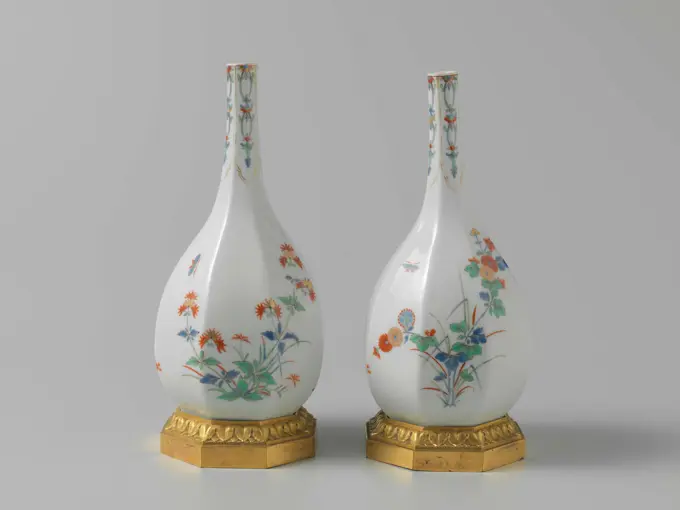
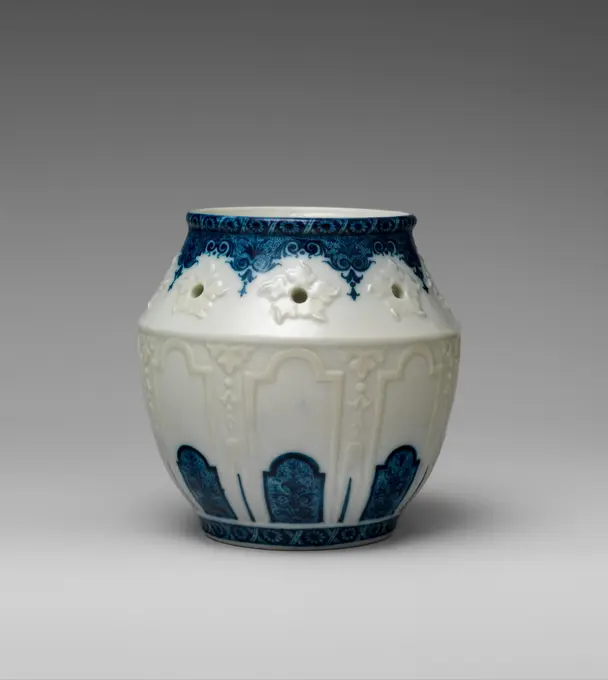
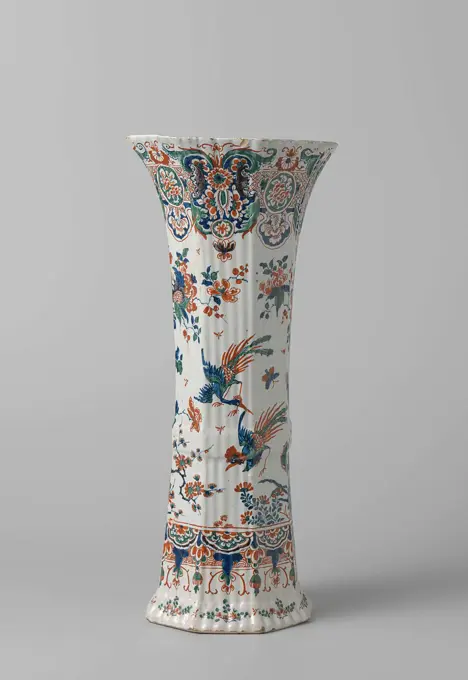
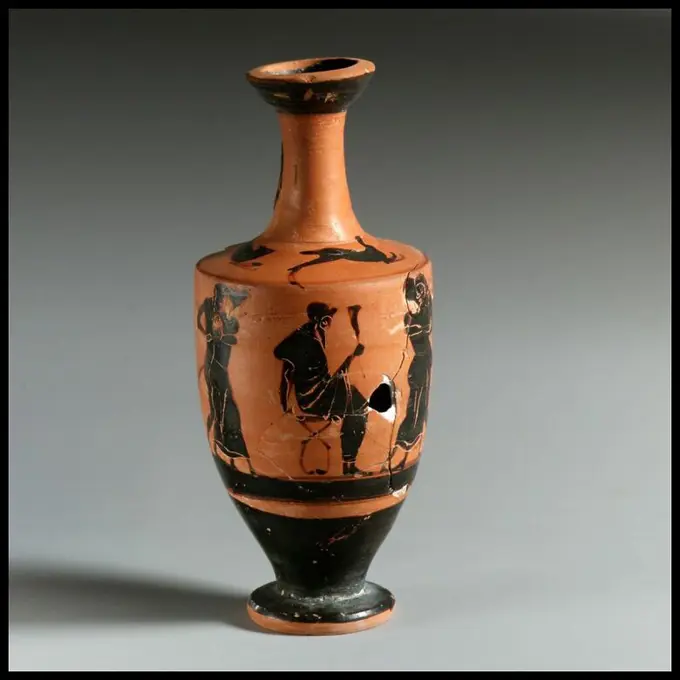
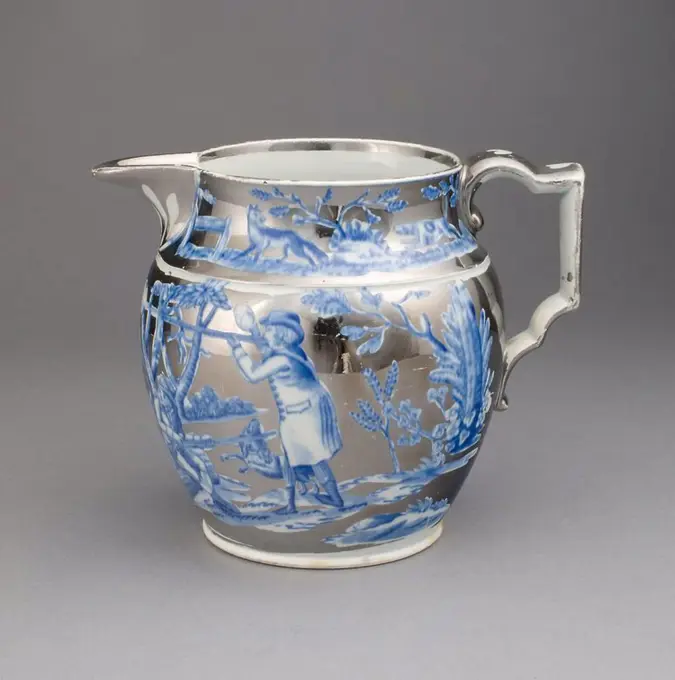
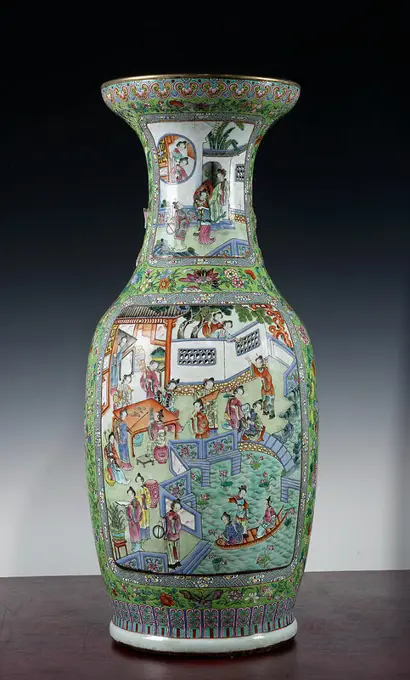
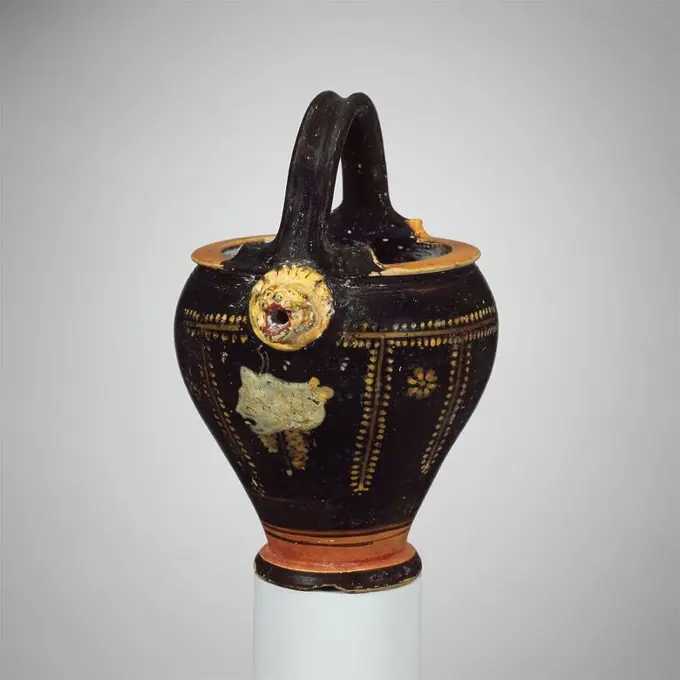
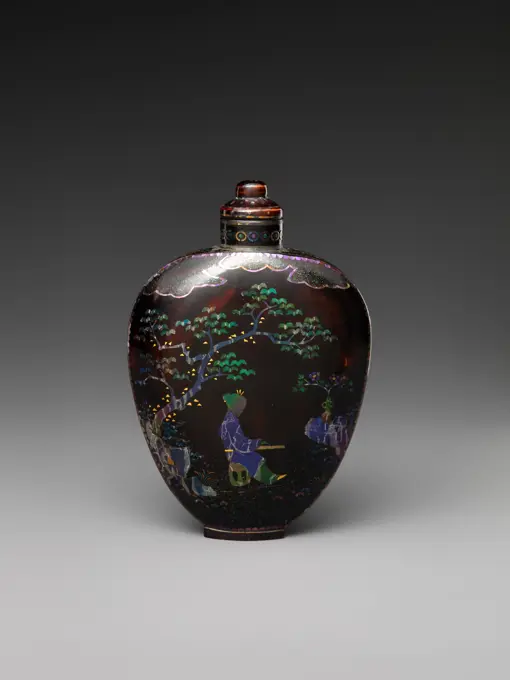
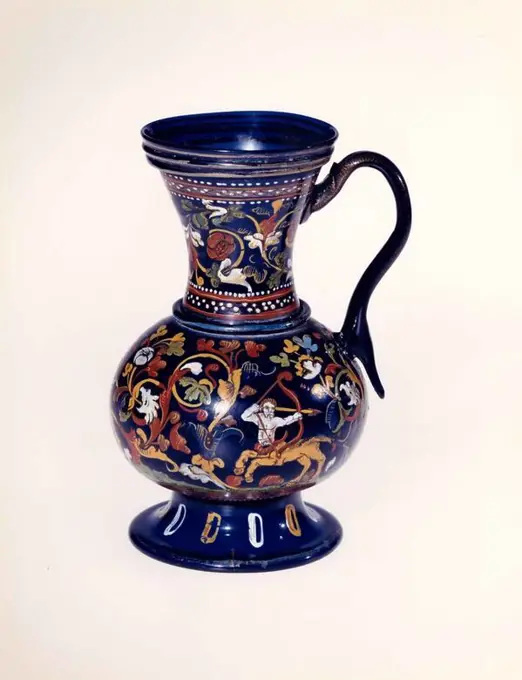
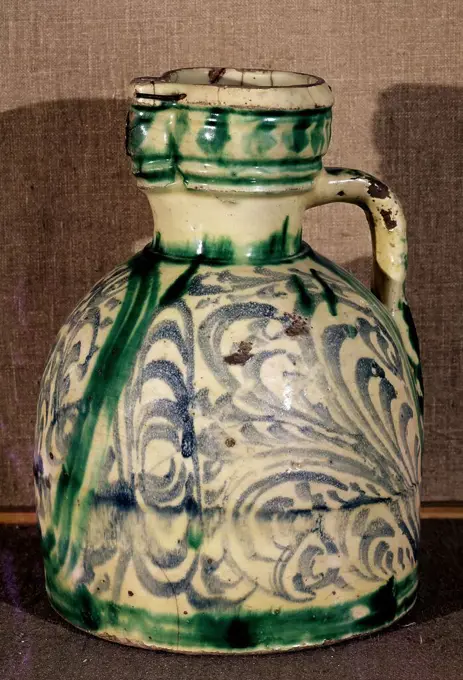
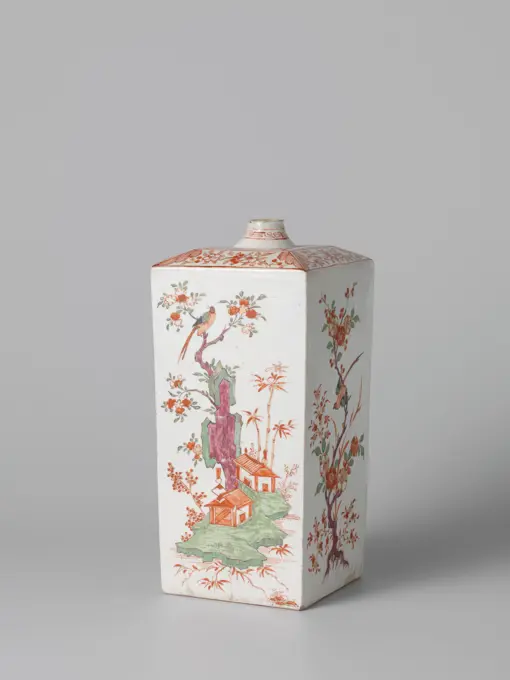
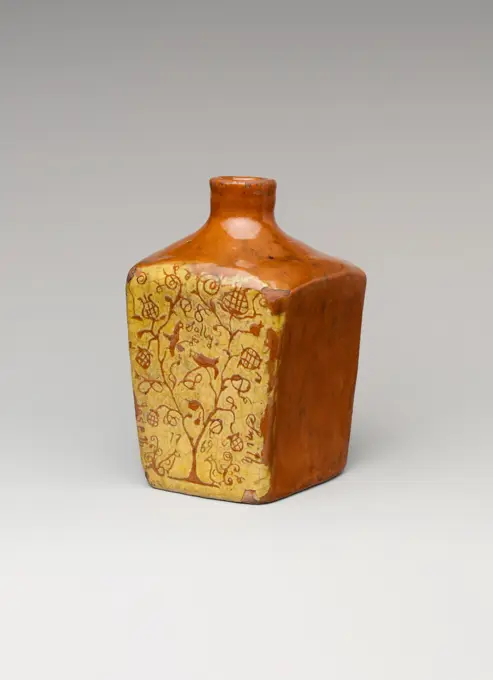
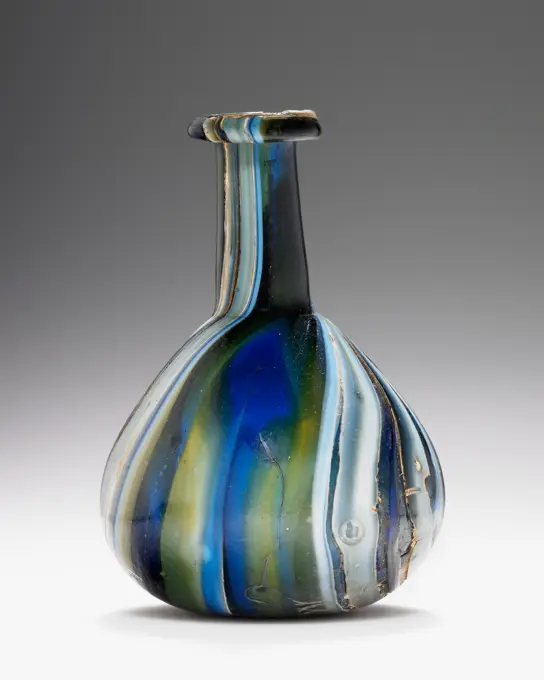
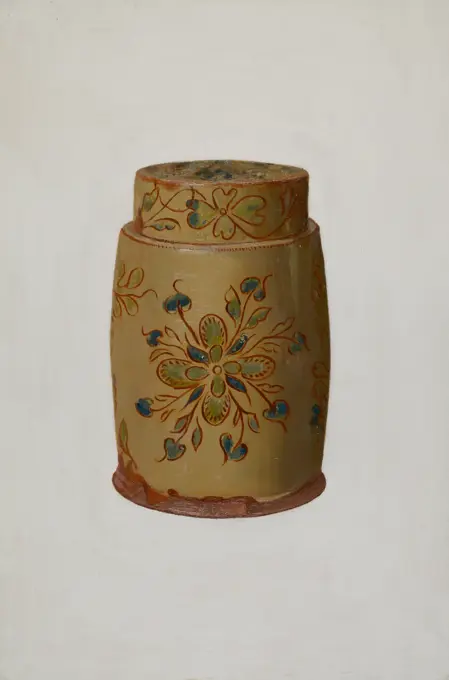
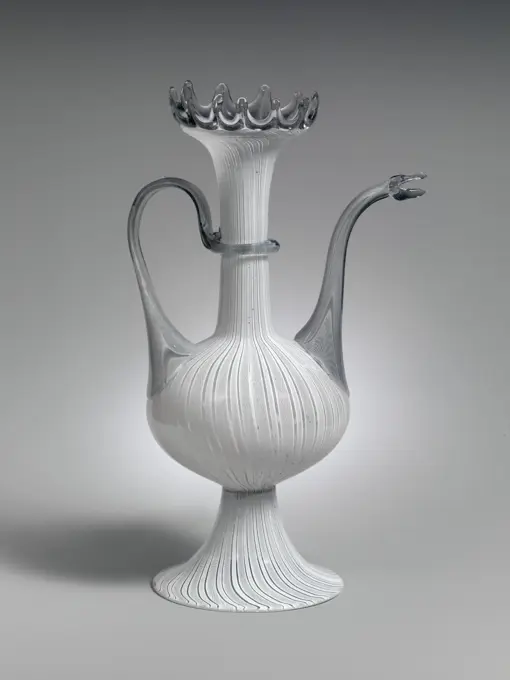
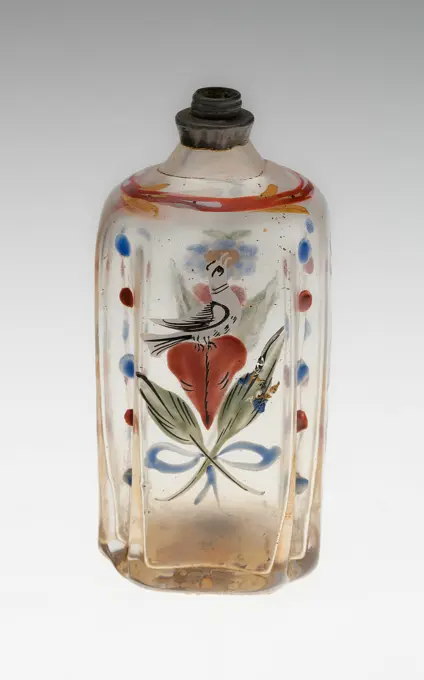
Vase. unknown, craftsmanCANTARO VIDRIADO EN BLANCO Y PINTADO-1 ASA Y CUELLO ESTRECHO-ARTE POPULAR. Location: ALFARERIA. SPAIN.Snuff bottle with landscape. Culture: China. Dimensions: H. 2 1/8 in. (5.4 cm); H. incl. stand 2 5/8 in. (6.7 cm); W. 1 1/8 in. (2.9 cm); D. 1 in. (25 cm). Date: 19th century. Museum: Metropolitan Museum of Art, New York, USA.Ewer, 10th-11th century, 6 1/2 x 6 1/4 x 6in. (16.5 x 15.9 x 15.2cm), Yaozhou ware Stoneware with carved décor under celadon glaze, China, 10th-11th century, Recent excavations confirm that this type of deeply carved stoneware with celadon glaze was made at the Yaozhou kilns in Shanxi province. Freely and boldly carved around the sides with a large peony flower in full bloom, the globular vessel has been covered with a thin, pale green celadon, characteristic of this rare group of tenth and early eleventh century ceramics. The ewer would have originally had a lid that capped its tall, cylindrical neck. Hard, grayish-bodied stonewares, commonly called northern celadon, are usually decorated with incised, moulded or carved designs under a fairly homogenous family of translucent green-olive green glazes. Standing near the beginning of the Northern Song continuum (960-1127), this ewer displays the thin pale-green glaze of that era.Fenici” Pitcher.   Maker:  Artisti Barovier, Venice, ItalyJug. Gray pear-shaped jug of stoneware with pewter lid. Decorated with line ornament on blue ground and with purple rosettes.Jug. Thick-beared jug of stoneware. Blue glazed. The cylindrical neck is decorated with a medallion. Branches and two medallions washed on the abdomen with a weapon and the year 1597.Can. Can be from stoneware. The bullet-shaped belly is strewn with leaf-shaped fields placed in 3 rows, in which relief printed, corrupted winged insects, uncolored on the blue fond.Ewer; Venice, Veneto, Italy; late 15th or early 16th century; Free-blown colorless (slightly purple) glass with gold leaf and enamel decoration; 27.2 cm (10 11,16 in.)Three decorated jugs, De Roos, c. 1694 - c. 1712 Can of faïence with figures in landscape Delft . Can of faïence with figures in landscape Delft .Vase. Turquoise glaze porcelain. Paris, Cernuschi museum. 78838-14 Asian art, Chinese art, porcelain, container, vaseVase;  19th century (1801-00-00-1900-00-00);Vase with birds and bamboo (one of a pair) 1881-91 Coalport. Vase with birds and bamboo (one of a pair). British, Coalport. 1881-91. Porcelain. Ceramics-PorcelainPair of Bottle Vases with Floral Scrolls, 1662-1722. China, Qing dynasty (1644-1911), Kangxi reign (1661-1722). Porcelain; overall: 27.3 cm (10 3/4 in.).Tea Canister. Tea bus from Faïence. Multicolor painted with floral decorations.Kutani, bottle shaped vase in porcelain and enamelA handle for articles; Korzec (Porcelain and faience manufacture; 1790-1832); 19th century (1801-00-00-1900-00-00);Vase. unknown, craftsmanGinger Jar with Phoenix and Dragon, early 1900s. Japan, Meiji period (1868-1912) or Taishō period (1912-26). Cloisonne enamel; diameter of mouth: 4.1 cm (1 5/8 in.); overall: 10.5 cm (4 1/8 in.).Oinochoe; Eastern Mediterranean; 50-25 B.C; Silver; 21.5 x 14.1 cm (8 7,16 x 5 9,16 in.)Fourbone vase San Tsai decoration white and purple for turquoise blue background unknownJar with Dragon and Clouds. Korea, Joseon dynasty (1392-1910), 19th century. Furnishings; Serviceware. Wheel-thrown porcelain with cobalt painted decoration under clear glazeVase with a multicolored painting of flower branches, anonymous, c. 1770 - c. 1800 vase Vase of multi -colored painted faience, with a brown stock. The vase is a concave cylindrical. Flower branches are painted on the vase in the colors white, green, yellow, red, blue and purple. The vase is part of a couple. The other parts are an identical vase (BK-NM-13329-B) and two identical Pullen (BK-NM-13329-A and BK-NM-13329-C). The parts are marked. Delft earthenware. tin glaze.Milk Jug 1760-1769 Staffordshire. Lead-glazed earthenware (creamware) .Jean Carriès (1855-1894). Large jar with gray background and pink and white flows, enamelled sandstone ceramics, between 1875 and 1894. Museum of Fine Arts of the city of Paris, small palace. 24072-6 White, ceramic, pink flow, gray background, large pot, gres emailleVase. Bronze. Chine. Par musée musée malée. 70004-18 Asian art, bronze, vaseTea Caddy, Weesper Porseleinfabriek, c. 1769 - c. 1771 TheBus, oval with curved wall. Multicolored painted with exotic birds that are on a brown tree branch. Two bows on the shoulder. Marked with two crossed swords and three bulbs in underly glaze blue and Inganglift I. Weesp porcelain TheBus, oval with curved wall. Multicolored painted with exotic birds that are on a brown tree branch. Two bows on the shoulder. Marked with two crossed swords and three bulbs in underly glaze blue and Inganglift I. Weesp porcelainOvoid Bottle with figures in a water landscape. Egg-shaped bottle of porcelain with a flat edge, painted in underglaze blue. On the abdomen a continuous landscape with sitting people at a pond, surrounded by rocks, plants and banana trees. A tire with pointed leaf motifs on the neck. Arita, blue-white.Scent Bottle, 1775. South Staffordshire Factory (British). Enamel on copper with gilt and enameled metal mounts; overall: 7 x 3.1 cm (2 3/4 x 1 1/4 in.).Vase 1830-70 American. Vase. American. 1830-70. Parian porcelain. Probably made in Bennington, Vermont, United StatesVase China. Vase. China. Porcelain. Qing dynasty (1644-1911), Qianlong period (1736-95). CeramicsWater Container with StylizedFlowersSnuff Bottle. Culture: China. Dimensions: H. 2 7/8 in. (7.3 cm); W. 1 3/8 in. (3.5 cm); D. 1 in. (2.5 cm). Date: late 18th-early 19th century. Museum: Metropolitan Museum of Art, New York, USA.Jar with Cover. Culture: China. Dimensions: H. 4 in. (10.2 cm). Museum: Metropolitan Museum of Art, New York, USA.Gourd-shaped ewer decorated with waterfowl and reeds. Culture: Korea. Dimensions: H. 10 1/2 in. (26.7 cm); W. 7 7/8 in. (20 cm). Date: early 12th century.The decoration of ducks and geese amid reeds, expertly and sensitively rendered, demonstrates an appreciation for pictorial realism. Goryeo celadon features both naturalistic and more abstract designs. Examples such as this ceramic vessel provide a glimpse of what secular painting from the Goryeo dynasty might have looked like, given that so few actual painted images survive. Museum: Metropolitan Museum of Art, New York, USA.Snuff Bottle, 1920, 3 x 2in. (7.6 x 5.1cm), Crystal, jade, China, Zhong Kui is a deity in Daoist mythology who tames demons. Here, he rides on a donkey, accompanied by his sister, who sits in a carriage pulled by demons. She has recently married, and they are journeying together to her new husbands home. Kui is a historical figure of the Tang dynasty. After his death he vowed to rid the world of mischievous demons, and was reputedly able to command 80,000 of them. Images of Zhong Kui were often believed to act as protection against demons.Cylindrical vase with powder blue and panels with figures and animals in landscapes. Cylindrical vase of porcelain with a wide, straight neck and raised edge, painted in underglaze blue. The vase is covered with bleu poudré (powder blue) with different cartouches shaped in this. On the belly two elongated cartouches with a lady in the window of a pavilion with a man on a dragon over swirling waves in one lady. In the other two ducks at the shore of a river and a third duck flying in the air. Between the elongated cartouches two smaller ones: a fan-shaped cartouche with flowering plants at a rock and a four-pass with a hare. On the other side in the four-pass a shrimp between aquatic plants. Bleu poudré with blue and white.Two vases. Meissener Porzellan ManufakturMeissen, c. 1735hard-paste porcelainPear-shaped Bottle, 12th century, 12 13/16 x 6 3/4 in. (32.54 x 17.15 cm), Tzu-chou ware Stoneware with 'oil-spot' glaze, China, 12th century, Used primarily for serving wine during the Jin (1115-1234) and Yuan (1279-1368) dynasties, the distinctive form of pear-shaped bottles seem to have originated in eleventh century silver vessels which were imitated in ceramic at the Ding kilns of north China.Pierre-Adrien Dalpayrat (1844-1910). Vase. Flammed sandstone. Museum of Fine Arts of the City of Paris, Petit Palais. GRES, GRES FLAME, object of decoration, vase, 19th 19th 19th 19 19th 19th centuryBottle vase with light brown and precious object and antiquities, anonymous, c. 1700 - c. 1724 Power bottle of porcelain with pear-shaped body, covered with a cafe-au-lait glaze and painted in underlaze blue. The lower part of the body is covered with a light brown glaze above which a band with a thick cream -colored glaze; the upper part in underly glaze blue with servetwork interspersed with a flower in a medallion, above it antiques (vase, tripod, scepter, books); The neck with pointed leaf motifs. Monochrome brown with blue and white. China porcelain. glaze. cobalt (mineral) painting / vitrification Power bottle of porcelain with pear-shaped body, covered with a cafe-au-lait glaze and painted in underlaze blue. The lower part of the body is covered with a light brown glaze above which a band with a thick cream -colored glaze; the upper part in underly glaze blue with servetwork interspersed with a flower in a medallion, above it antiques (vase, tripod, scepter, books); The neck witVase;  around 1900 (1896-00-00-1905-00-00);Vase China. Vase 48597Bottle, multi-colored painted with a kakiemon decor, Meissener Porzellan Manufaktur, c. 1730 Bottle of painted porcelain. The bottle has a long square neck and is painted with chrysanthemums, alternating on the four sides behind two bound hedges and behind rocks. The bottle is marked. Float porcelain Bottle of painted porcelain. The bottle has a long square neck and is painted with chrysanthemums, alternating on the four sides behind two bound hedges and behind rocks. The bottle is marked. Float porcelainVase, glass, Agate vase with tall neck and bulbous shaped; Mustards, light greens, and mauves, ca. 1900, glasswares, Decorative Arts, VaseVase China. Vase 45923Pear-shaped wine ewer with peach and spout ending in a bird's head, anonymous, c. 1800 - c. 1899 Wine can be porcelain with a square pear shape, covered with a turquoise glaze. A modeled peach on both side walls; S-shaped ear and bent spout ending in a bird head. Monochrome. China porcelain. glaze. vitrification Wine can be porcelain with a square pear shape, covered with a turquoise glaze. A modeled peach on both side walls; S-shaped ear and bent spout ending in a bird head. Monochrome. China porcelain. glaze. vitrificationVase 1895-1905 France. Glazed stoneware . Pierre Adrien DalpayratSake Bottle. Japan, mid-19th century. Ceramics. Aizu Hongō ware; stoneware with dark iron and white slip-trail glazes and iron-glazed neckEwer 1830-70 American. Ewer 3561LobedEwerCypriote, Tiffany & Company, American, established 1853, Blown glass, Blown 'Cypriote' ware vase with curved shoulder. Neck tapered inward toward plain rim. Lustred in overall mottled iridescent pattern, with four oval reserve panels with lustre applied to suggest upright feather motif., New York, New York, USA, ca. 1916, glasswares, Decorative Arts, Vase, VaseAnonymous / 'Sardony glass case with eagle's head'. 1689 - 1711. Leather, Wood, Metal, Cloth. Museum: Museo del Prado, Madrid, España.Lid vase. Gifted 1896 by Mr Harald Bing, CopenhagenScent bottle. Meissener Porzellan ManufakturMeissen, c. 1730-1735hard-paste porcelain, silverBottle (usual name), 1700. Sandstone covered with enamels and decor in cobalt blue under cover. Cernuschi Museum, Asia Museum of Asia in the city of Paris.Tea caddy with the arms of the Zinzendorf family, De Grieksche A, after Adrianus Kocx, c. 1685 - c. 1695 Tea lid from Faience with a chinoiserie decoration and with the coat of arms of the Austrian family Zinzendorf Delft . Tea lid from Faience with a chinoiserie decoration and with the coat of arms of the Austrian family Zinzendorf Delft .Bottles (3) ca. 1720-30 Meissen Manufactory German. Bottles (3) 205632Vase, two copies Necel, Franciszek (1868 1935)Pitcher 1845 Sèvres. Hard-paste porcelain and gilding . Manufacture nationale de Sèvres (Manufacturer)A pair of bottles - tabakierek in the shape of 'mei ping';  18th century (1701-00-00-1800-00-00);Glezmer, Stanisław (1853-1916), Glezmer, Stanisław (1853-1916)-collection, qing (style), ceramics, gift (provenance), bottles, ducks, lotus, meiping, porcelain, white and blue porcelain, Chinese art, Chinese art, snackOcarina (Whistle) with Scrolling Flower Heads, Lotus Leaves, and Overlapping Petals 1368-1644 China. Lead-glazed earthenware with underglaze molded decoration .Snuff Bottle China. Snuff Bottle 41565Covered vase with bleu poudré, flower sprays and antiquities.Slim, egg-shaped vase with lid of porcelain, painted in underglaze blue and on the glaze blue, red, green, yellow aubergine, black and gold. The wall is fully covered with bleu poudré (powder blue) with an elongated, lobed fields alternately filled with antiques and flower branches; The lid is covered with powder blue. Bleu poudré with famille verte.Pilgrim bottle with cover ca. 1710-15 Meissen Manufactory German This little flask has the form of the traditional pilgrim bottle and was modeled by the Dresden court silversmith Johann Jakob Irminger (1635-1724), who was appointed artistic director of the Meissen factory in 1712. The material is the fine red stoneware first produced at Meissen. The flask's Baroque European shape contrasts with its decoration, which imitates Japanese lacquer.. Pilgrim bottle with cover 199348Glass perfume bottle 2nd-3rd century A.D. Roman Translucent pale blue green.Everted rim, folded over and in, flattened on top surface; cylindrical neck, expanding slightly downwards; bell-shaped body; flat but slightly uneven bottom.Broken and repaired in side of body, with two holes remaining; many bubbles and blowing striations; deep pitting, dulling, brilliant iridescence, and patches of creamy brown weathering.. Glass perfume bottle. Roman. 2nd-3rd century A.D.. Glass; blown. Mid Imperial. GlassScent bottle ca. 1760-1800 British, Staffordshire. Scent bottle. British, Staffordshire. ca. 1760-1800. Enameled copper. Enamels-PaintedKadzielniczka - bowl with a cover;  XVIII/19th century (1790-00-00-1810-00-00);Milk jug. Korzec (manufaktura porcelany ; 1790-1832), factoryDexsel, c. 1780 - c. 1820 FaaMence lid, painted in blue in the glaze, with a dog as a lid button. Delft . FaaMence lid, painted in blue in the glaze, with a dog as a lid button. Delft .. Square bottle of porcelain with a gilt, bronze cap, painted on the glaze in red, green, yellow, purple, black and gold. On the walls twice pavilions on an island with rocks and flowering plants (bamboo), a bird on a branch, and twice a flying bird at a prunus branch and bamboo. On the shoulder a band with prunus branches and a leaf motif; Running around the neck. A meander pattern on the neck. The cap is in the form of a braided ring, ending in a hay-bird head on a flower rosette. The edge has been ground. Arita, decorated in Europe ? In the Japanese Kakiemon style.Bottle, painted multily with a kakiemon decor. Octagonal bottle of painted porcelain and a gold-plated bronze frame. The vase has a slender neck and is painted on both sides with flowering plants in Kakiemon style. The vase has been marked.Benjarong vase on white background with clipping path. Thailand beautiful product. Colorful precious souvenir from Thailand design in five colors called BenjarongAryballos (Cointainer for Oil) 625 BCE-600 BCE Ancient Greece. Located on the narrow isthmus that joins the Greek mainland and the Peloponnese, with natural harbors facing east and west, Corinth was the major port of trade in Greece for most of the Archaic period (700ñ480BC). Producers exported scented oil around the Mediterranean in terra-cotta containers, such as this aryballos, that survive today in the thousands.. terracotta, decorated in the black-figure technique . Ancient GreekSmall copper bottle vase decorated in painted enamels with quails and mallow flowers. Qing dynasty, Qianlong mark and period AD 1736.Celery vase 1845-70 American. Celery vase 9310Potpourri jar ca. 1690-95 Louis Poterat Manufactory The first successful efforts at producing a soft-paste porcelain body in France took place in the city of Rouen in northwestern France during the closing decades of the seventeenth century.1 At this time, Rouen was a major center for the production of faience, the term applied to earthenware decorated with a tin glaze. As no porcelain was yet in production in France until at least 1670, tin-glazed earthen-wares provided a viable alternative to Chinese and Japanese porcelains, since the white surface created by the addition of tin to the glaze allowed potters to decorate both monochromatically in cobalt blue or in a limited palette of enamel colors. However, faience lacked the durability, translucency, and thinness of porcelain, and it is likely that numerous faience makers experimented in order to develop a porcelain body, which was universally held to be superior.Surviving documents suggest that the Poterat family of faience makersOctagonal ribbed pot of multicolored faïence. Octagonal, ribbed pot of multicolored painted faïence, with a lid. The pot is painted with flowers, rocks, birds and a bird in a tree. The pot is part of a couple, the other parts are: two to these pot of equal pots and two identical vases. The parts are marked.Lekythos. Culture: Greek, Attic. Dimensions: H. 4 7/16 in. (11.2 cm). Date: 4th century B.C.. Museum: Metropolitan Museum of Art, New York, USA.Pitcher. England, Staffordshire. Date: 1810-1820. Dimensions: H. 14.6 cm (5 3/4 in.). Lead-glazed earthenware with lustre decoration. Origin: Staffordshire. Museum: The Chicago Art Institute, Chicago, USA.Cantonese decorative vase. unknown, craftsmanTerracotta situla (bucket). Culture: Greek, South Italian, Apulian, Gnathian. Dimensions: H. 5 11/16 in. (14.5 cm). Date: ca. 350-300 B.C..In relief, spout in the form of a lion's head; head of Dionysos under handle attachment at the backBelow spout, theatrical mask of a womanThe main view of the vase seems to be from the front, given the concentration of color though not of decoration. Museum: Metropolitan Museum of Art, New York, USA.Snuff bottle with woman in a garden 18th century China Tiny fragments of mother-of-pearl were inlaid into a black lacquer base to create the scene of a woman resting in a garden. She is seated on a stool beneath a tree, and a table with a flower arrangement and other implements is set before her. Even more miniscule pieces of mother-of-pearl define the collarlike motifs at the neck of the bottle.. Snuff bottle with woman in a garden 41587Helmet-Shaped Ewer With A Face, Animals and Flower Sprays. Helmet-shaped can be on foot of porcelain, burned on the glaze in blue, red, green, yellow, eggplant, black and gold. On the wall a wide bond with flowering plants with a bird and two butterflies, below and above a decorative band; Around the foot a band with lotus leaves between which flower branches against a green speckled soil; on either side of the chrythanlant branches; The edge with a colored band and one with flower branches against a speckled soil. On the spout a face with headgear in relief; The ear with floral and cloud motif. Multiple chips in the edge and the ear. Famille Verte.Jug. Culture: Italian (Venice). Dimensions: H. 8 1/4 in. (21cm). Date: ca. 1500-1510. Museum: Metropolitan Museum of Art, New York, USA.JARRA DE CERAMICA DE ARAGON. Location: MUSEO DEL PUEBLO ESPAÑOL, MADRID, SPAIN.Vase With Flower Sprays and Animals in cartouches in reserve on an aubergine Speckled Ground. High, square vase of porcelain with flat shoulder, wide, straight neck and spreading edge, painted in underglaze blue and on the glaze blue, red, green, yellow, eggplant and black. The vase is covered with a speckled aubergin-colored soil with peonies and butterflies; Herely saved cartouches in the form of a square, a pomegranate, a leaf, a peach or a roll, filled with flowering plants, a prunus branch, a river landscape, two deer in addition to a pine and mushrooms or two birds on a branch; Around the neck a band Ruyi motif. Marked on the bottom with an artemisia leaf. Famille Verte.Square bottle with birds, flowering plants and pavilions, anonymous, c. 1700 - c. 1724 Gilded bronze cap of square bottle of porcelain, in the form of a swan with spread wings on a flower rosette. The edge has been ground. Arita, decorated in Europe  In the Japanese Kakiemon style. Japanpainter: Europe (possibly) bronze (metal). cork (bark) Gilded bronze cap of square bottle of porcelain, in the form of a swan with spread wings on a flower rosette. The edge has been ground. Arita, decorated in Europe  In the Japanese Kakiemon style. Japanpainter: Europe (possibly) bronze (metal). cork (bark)Ewer Ewer; Designed by Pitts Harrison Burt (American, 1837 - 1906); Decorated by Matthew Andrew Daly (American, 1860 - 1937); Manufactured by Rookwood Pottery (United States), Gorham Manufacturing Company (United States); USA (pottery); earthenware, glaze, silver overlayTea Canister 1769 Joseph Smith This earthenware tea canister is one of the earliest known dated examples of American pottery. Although decorated in the Pennsylvanian German decorative technique of sgraffito, it displays the potter's attempt at emulating the fashionable English, salt-glazed, stoneware tea caddies of the 1740s and 1750s. This redware caddy, however, is much larger than its English prototype and the naive design of the tea plant bears little resemblance to that of the English salt-glazed original.. Tea Canister 8267Flask. UnknownBottle China. Bottle 40736Eugene Shellady, Pa German Jar, c 1936 Pa. German JarEwer 16th century German or French Glass was valued for the way it was made and not for what it was made ofhere, sand, soda ash, and limestone. Technical ability and artistry transformed these relatively mean raw materials into a desirable object. A sixteenth-century commentator celebrated how "in glass, Art surpasses Nature; for although she has produced crystal and all the other kinds of gems that are much more beautiful than this, no way has yet been found for working these as is done with glass." This is a case in point, with its elegant silhouette and striped filigree decoration achieved by blowing the vessel with clear and white glass canes.[Elizabeth Cleland, 2017. Ewer. German or French. 16th century. Glass, latticino. GlassVase (body for the oil lamp);  XVII/18th century (1662-00-00-1722-00-00);Méyet, Leopold (1850-1912), Méyet, Leopold (1850-1912)-collection, Chinese (culture), gift (provenance), oil lamps, knight scenes, Chinese artVase with flowers early 19th century China. Vase with flowers 46004CANTARO VIDRIADA CON DOS ASAS Y TAPA CON DECORACION DE RAYAS A 4 COLORES. Location: ALFARERIA. Nijar. Almería. SPAIN.Tea Container with Plum Blossoms, early 1800s. Aoki Mokubei (Japanese, 1767-1833). Porcelain with underglaze blue; overall: 7.7 x 4.8 cm (3 1/16 x 1 7/8 in.). Aoki Mokubei, born into a family of restaurateurs, was a potter, calligrapher, painter, and scholar, and is considered one of the three masters of later Edo period Kyoto ceramics. He specialized in porcelains fashioned after Chinese prototypes, and created works for steeped tea (sencha) such as these matching tea caddies decorated in an underglaze blue called sometsukeliterally “with applied dye.” He signed them on their bottoms. They also have intricately patterned silk sleeves to both beautify and protect them. On the exterior of the lid of the outer wooden box that contains them, it is written that Mokubei inscribed and painted an image on the box. On the interior of the lid, the signature and seals of a former owner are written. Mokubei has signed the lid of the inner box, and a charming ink and light color composition of WBottle 1750-1800 Central Europe. Glass; free blown, tooled and enameled with metal mount .Globular Ovoid-Shaped Vase with Floral Scrolls. China. Date: 1115-1234. Dimensions: H. 19.3 cm (7 5/8 in.); diam. 18.8 cm (7 3/8 in.). Stoneware with black and brown glazes. Origin: China. Museum: The Chicago Art Institute, Chicago, USA.