Pre-Columbian Gold Artifacts

Collection of intricate gold artifacts from ancient civilizations, showcasing craftsmanship in goldsmithery and cultural symbolism.
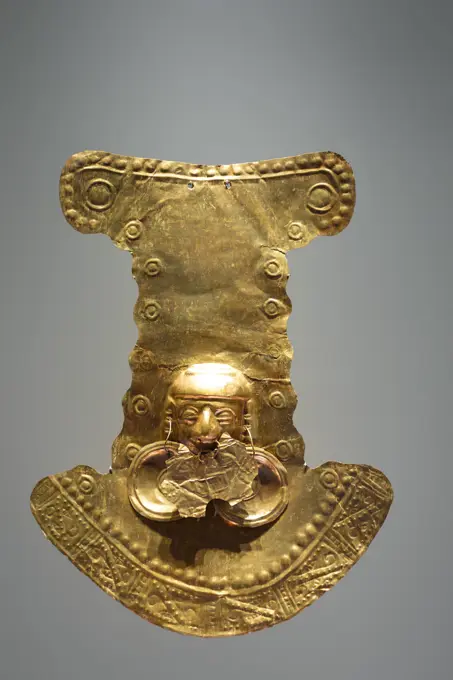
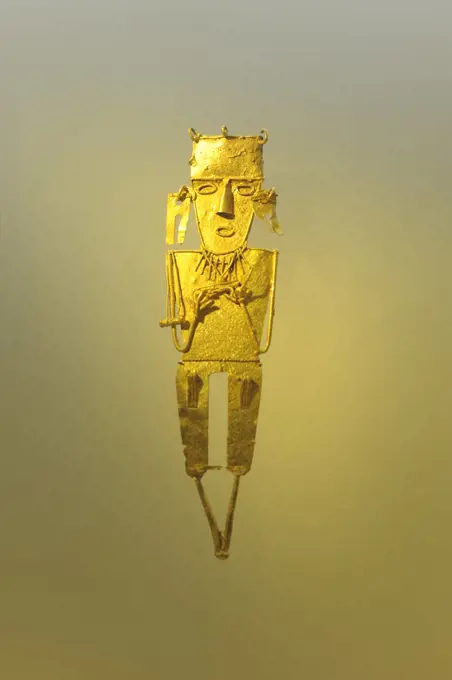
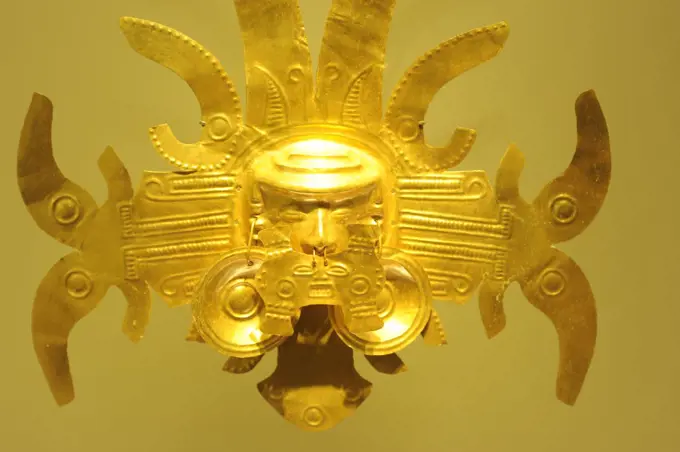
Pre-Columbian gold artifact in the Museo del Oro. Famous Gold Museum, Bogota, Colombia. Pre-Columbian gold statuette in the Museo del Oro. Golden indigenous ornament from South American natives civilization. Famous Gold Museum, Bogota, Colombia. Copyright: xZoonar.com/www.artushfoto.eux 21638084
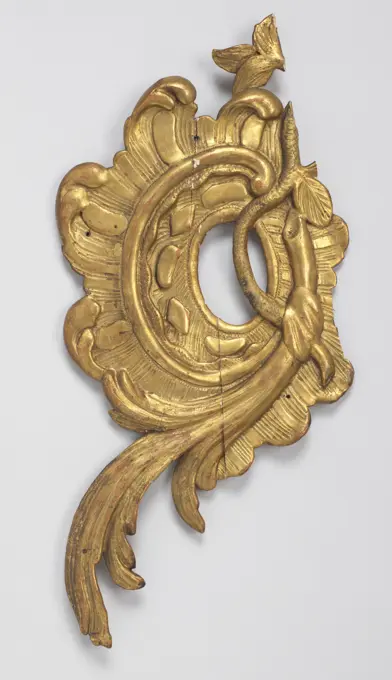
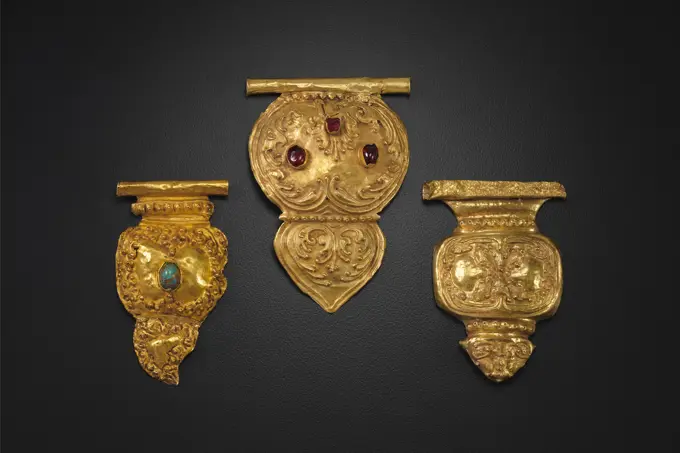
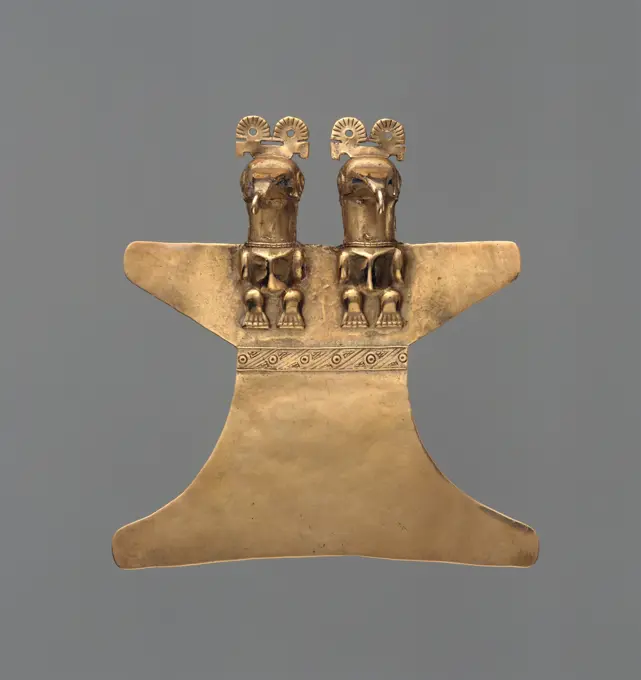
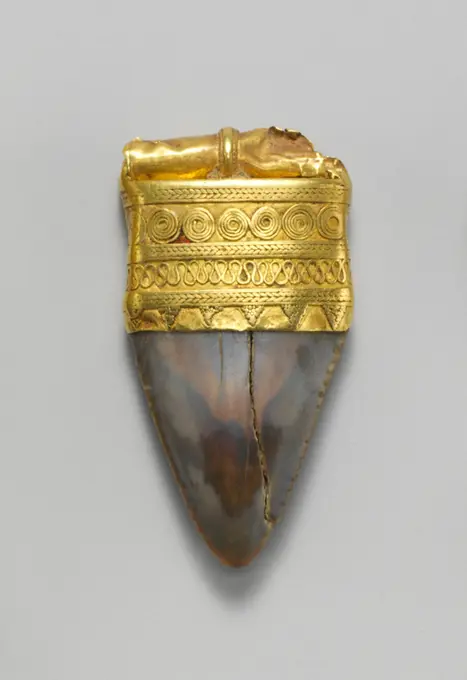
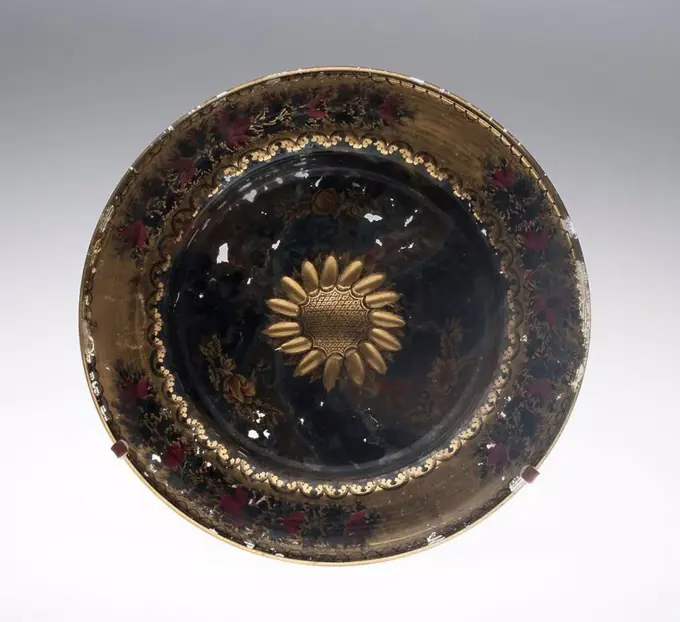
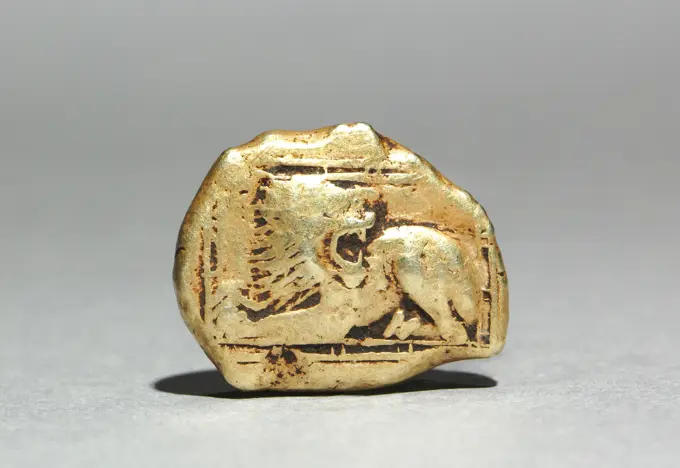
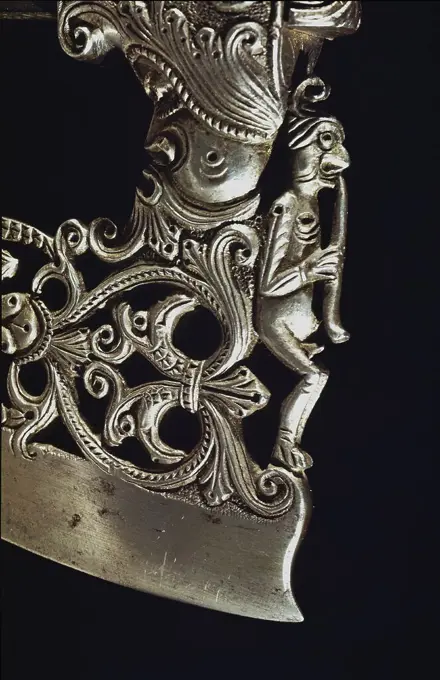
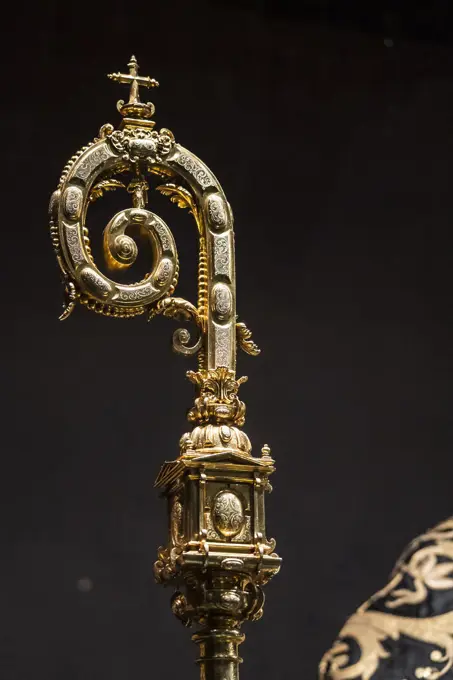
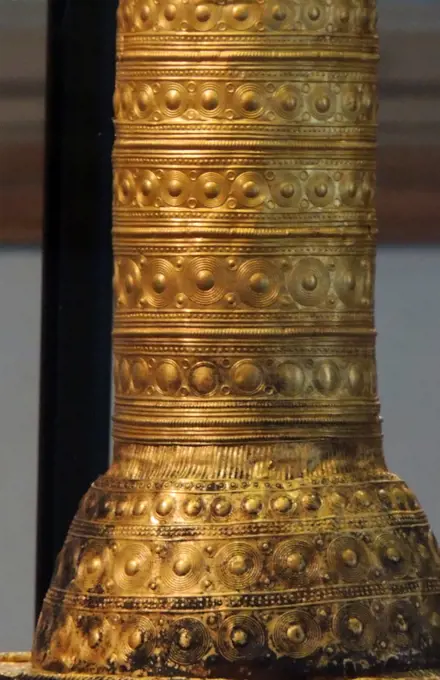
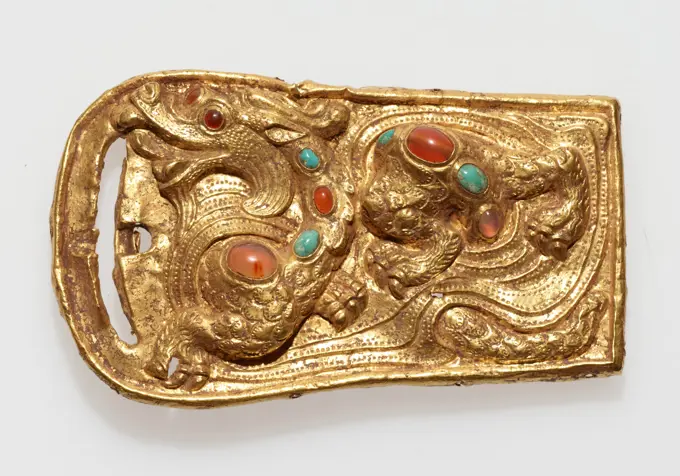
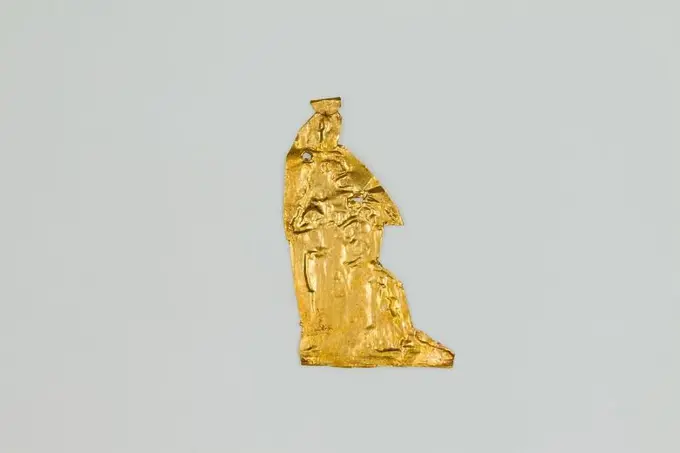
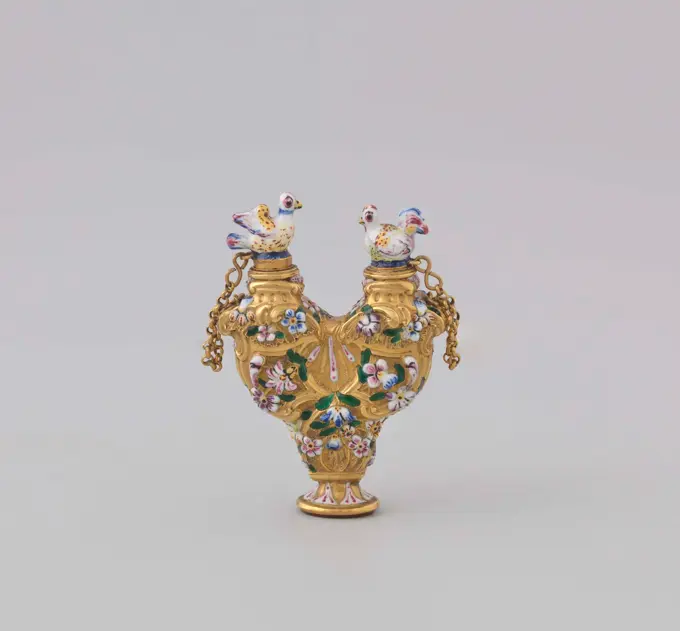
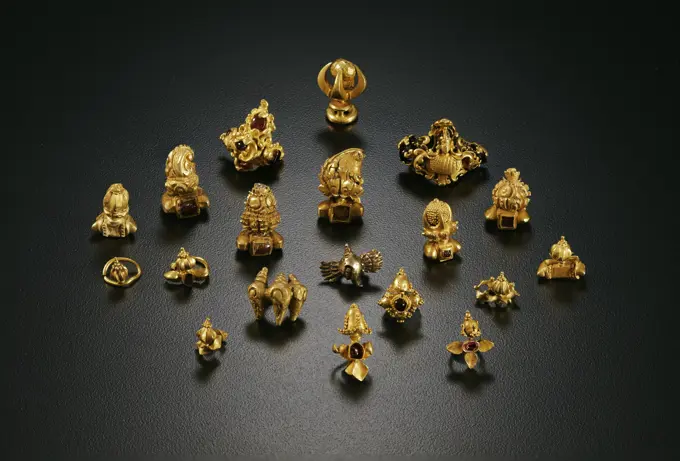
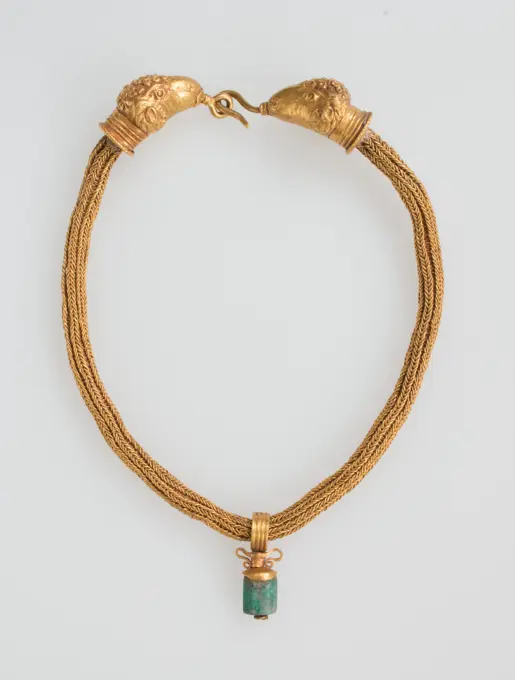
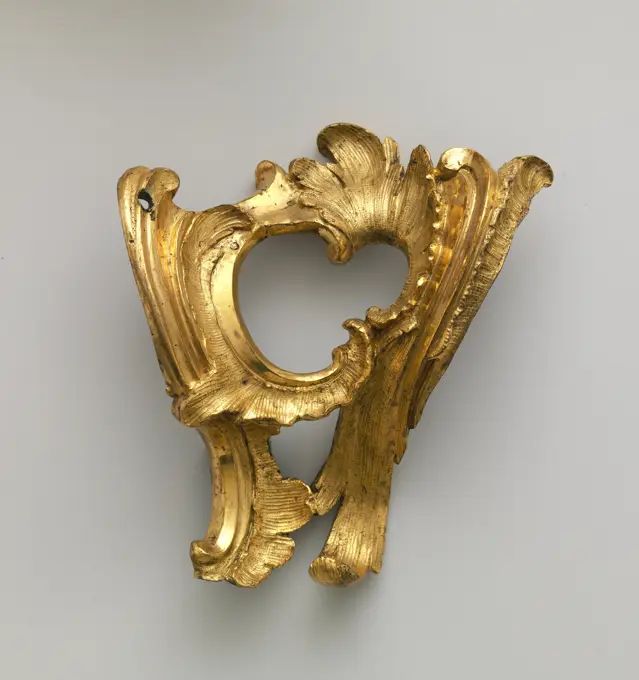
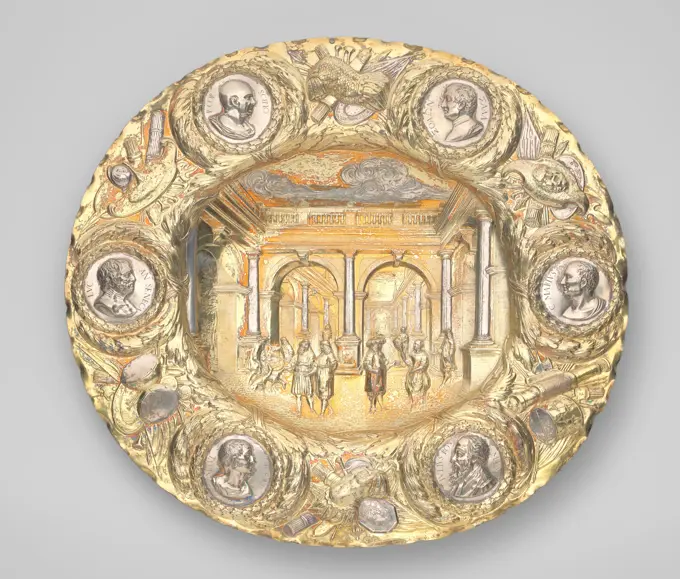
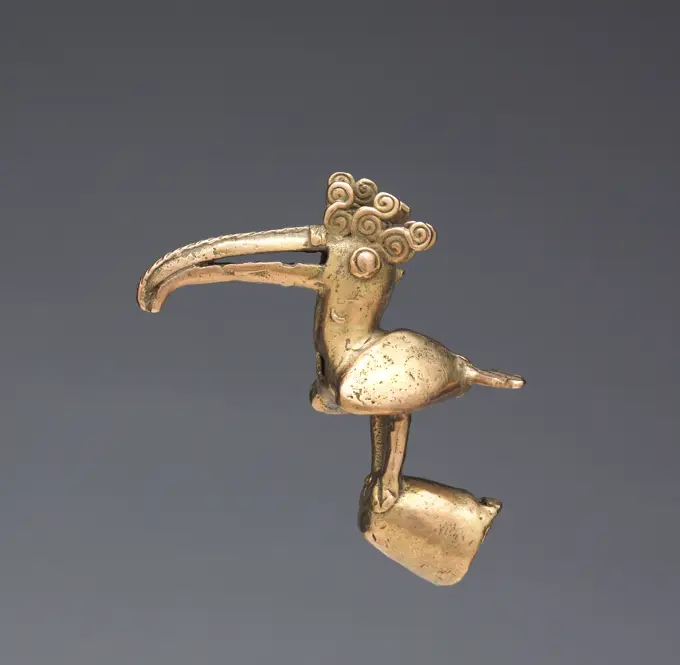
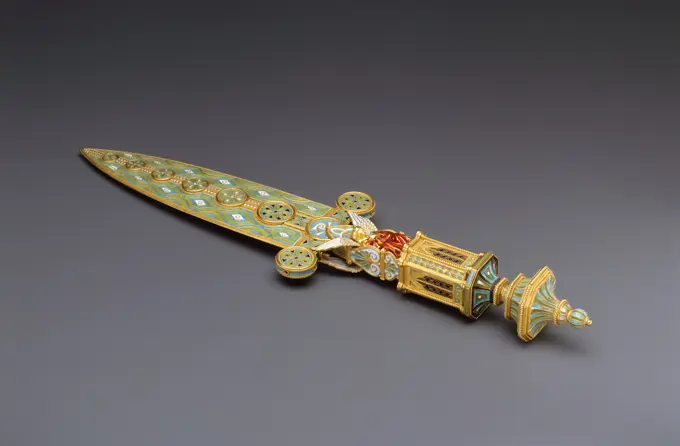
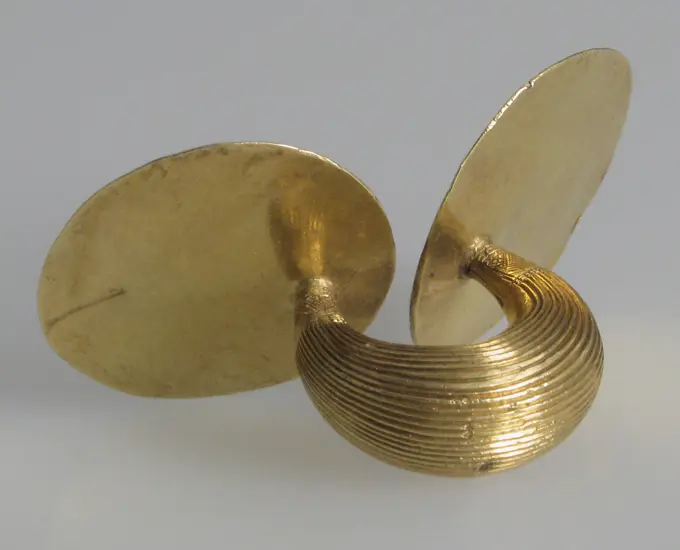
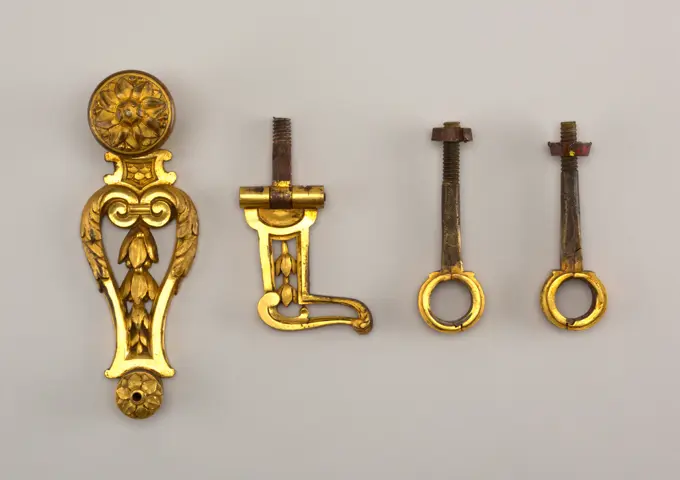
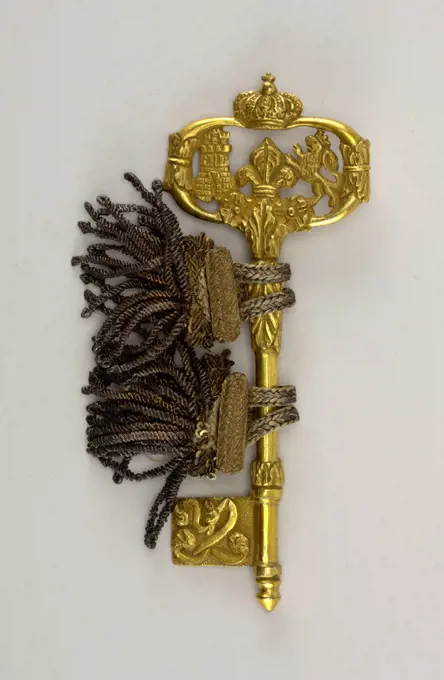
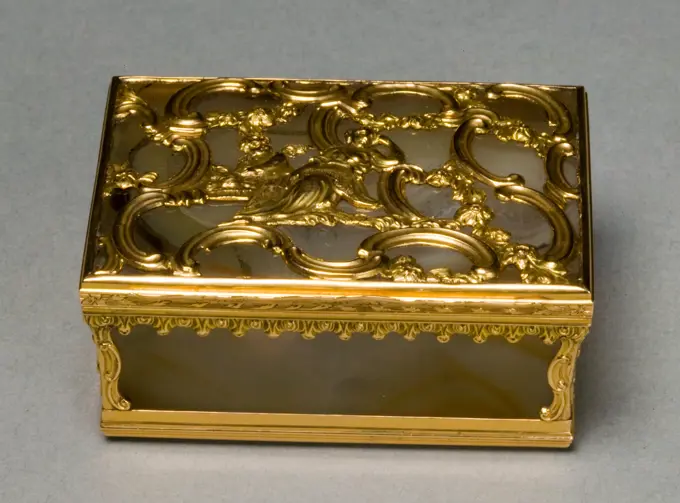
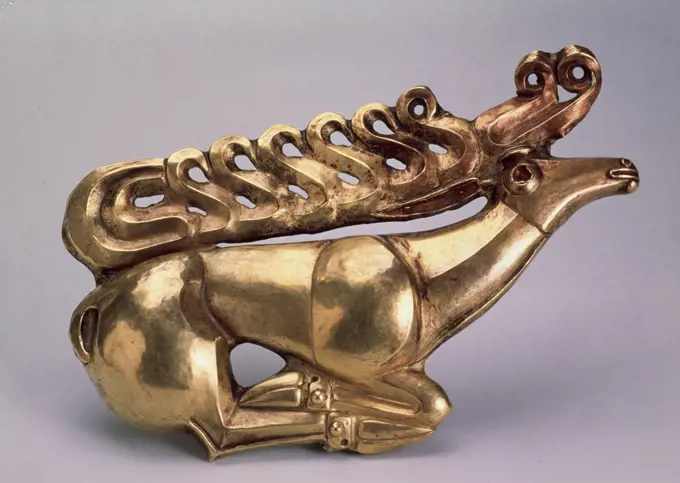
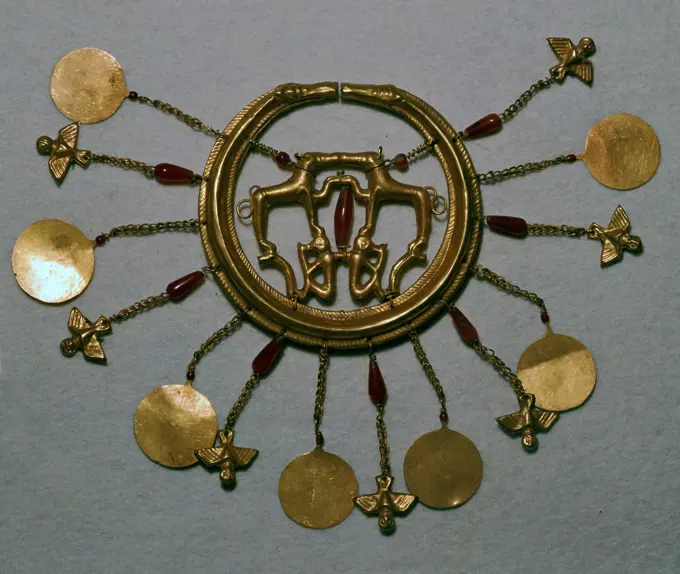
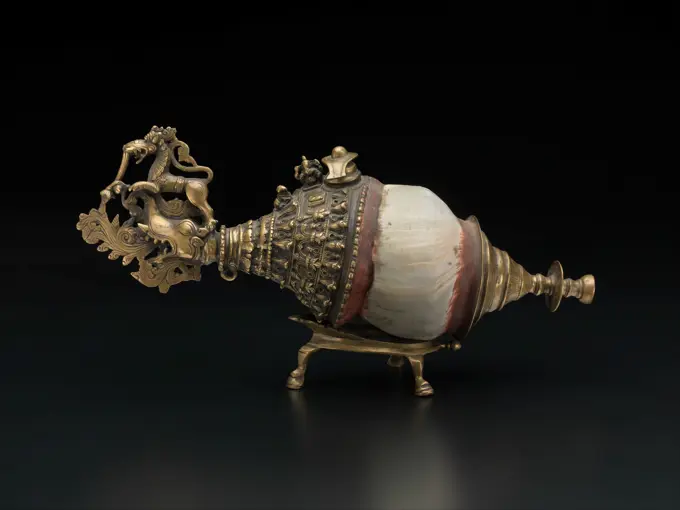
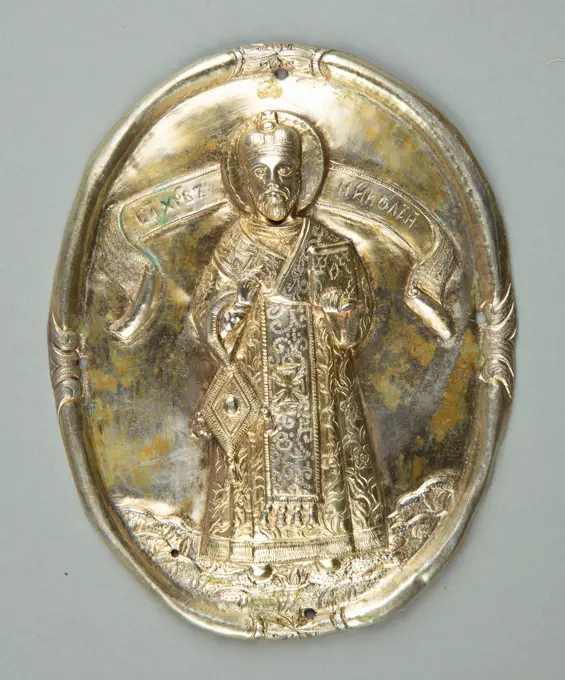
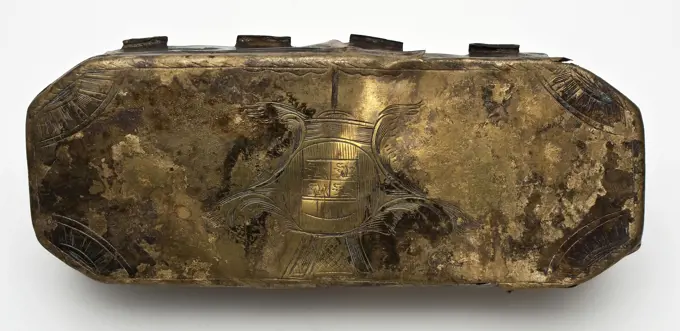
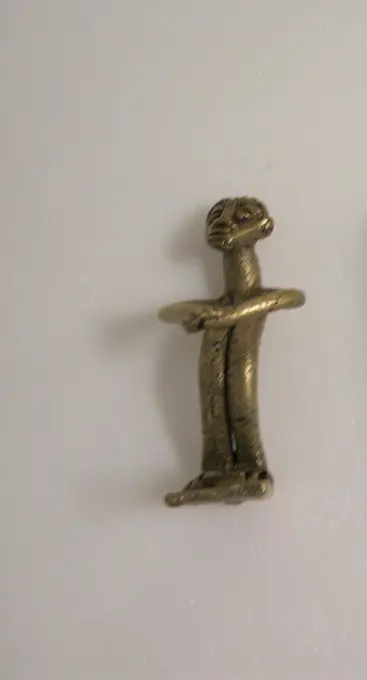
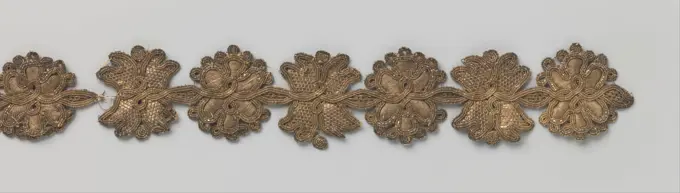
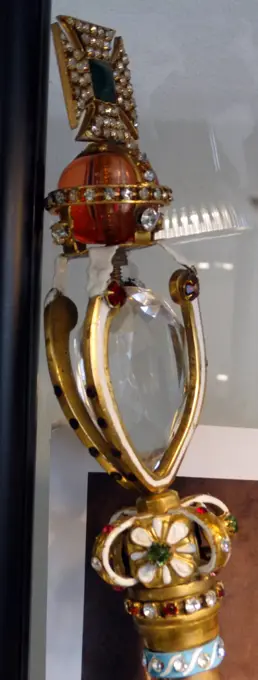
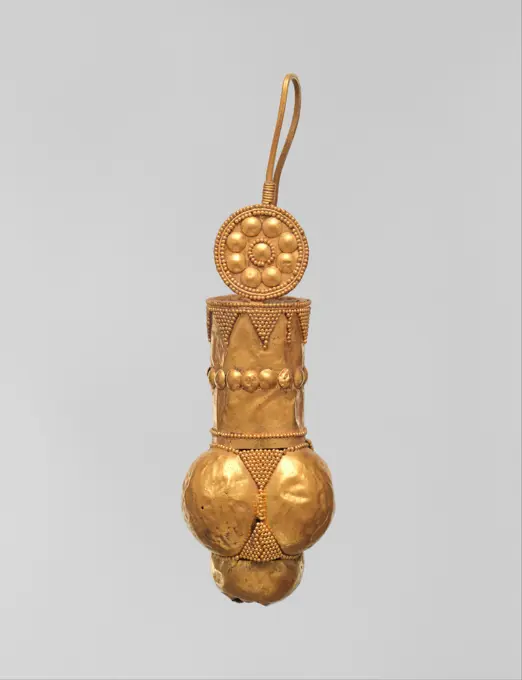
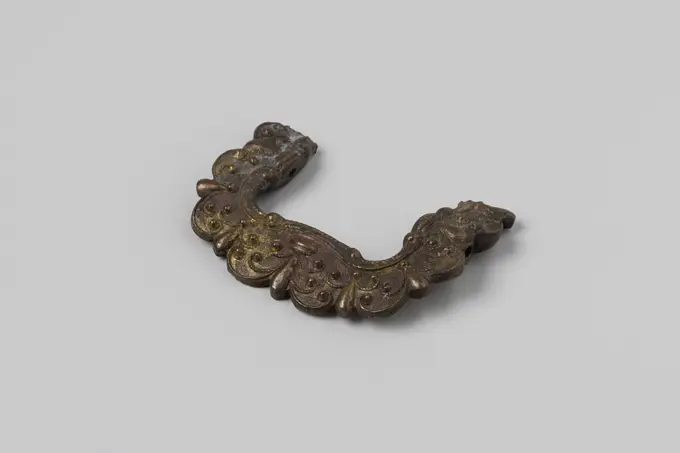
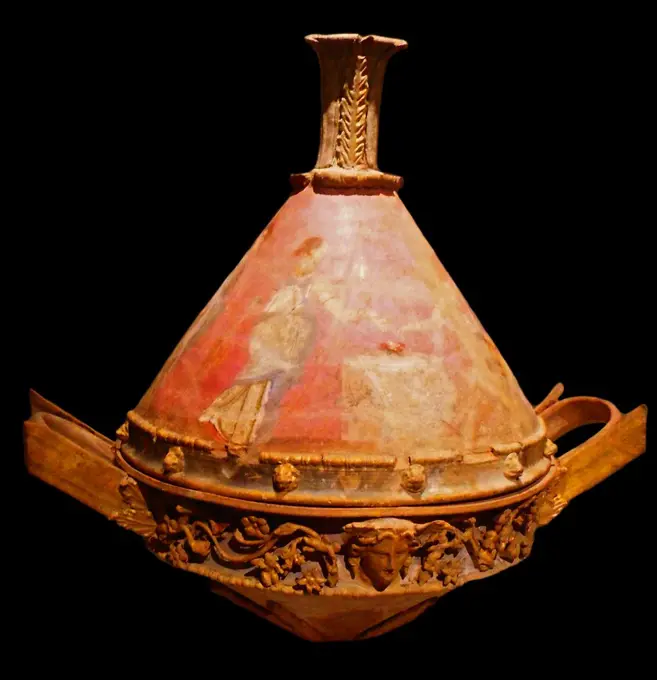
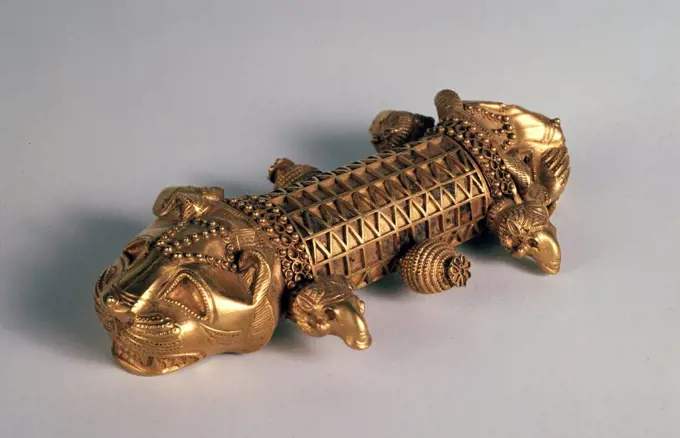
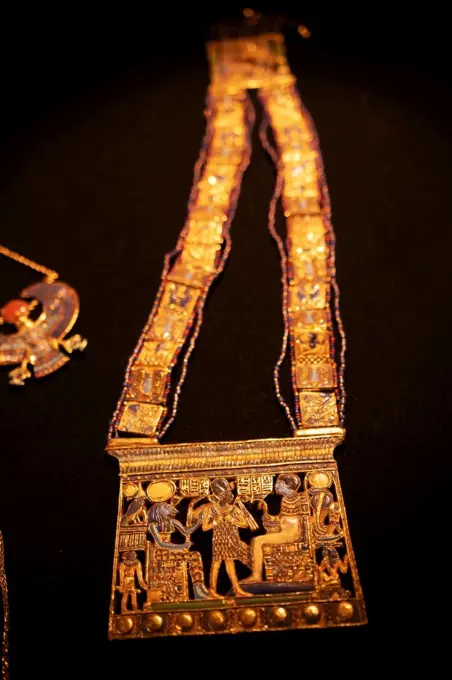
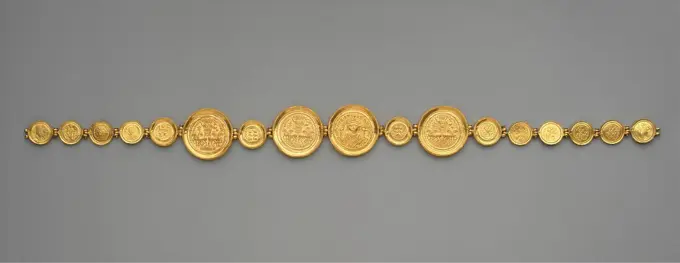
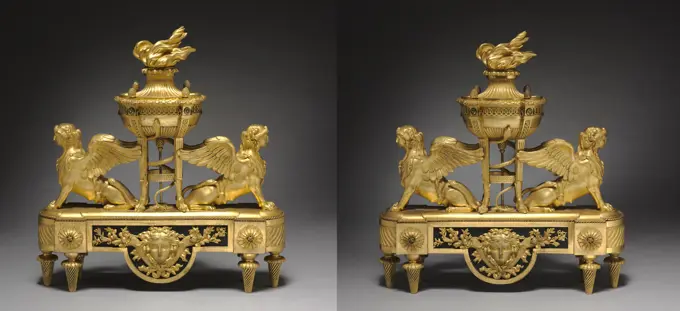
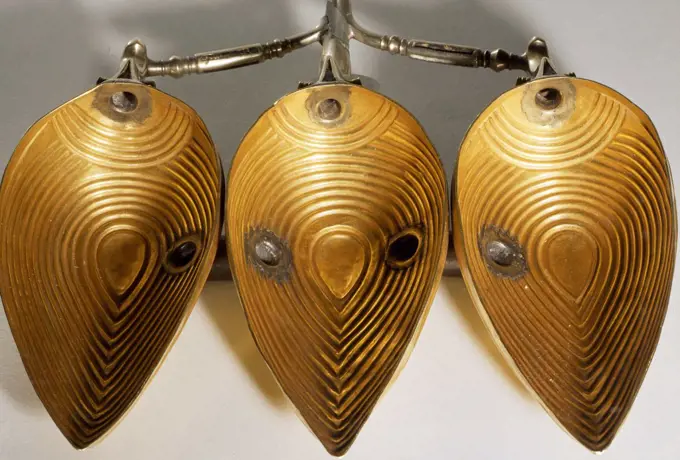
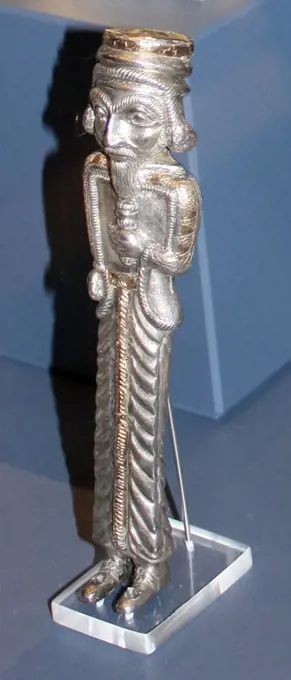
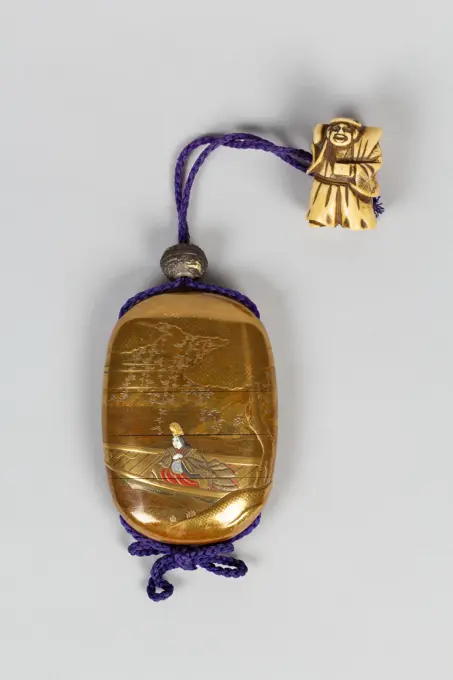
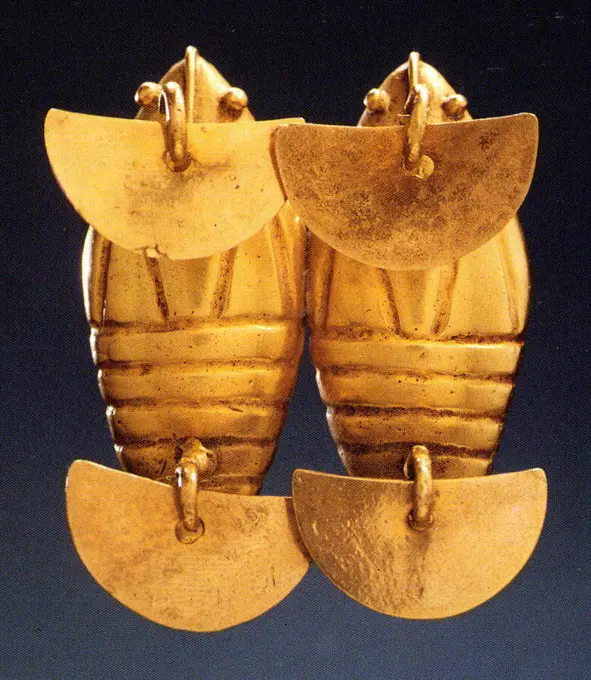
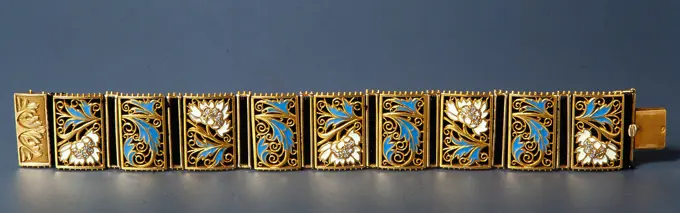
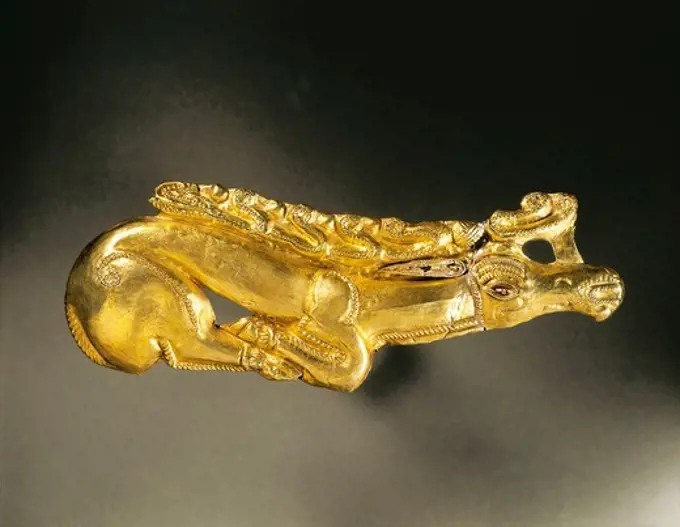
Pre-Columbian gold artifact in the Museo del Oro. Famous Gold Museum, Bogota, Colombia. Pre-Columbian gold statuette in the Museo del Oro. Golden indigenous ornament from South American natives civilization. Famous Gold Museum, Bogota, Colombia. Copyright: xZoonar.com/www.artushfoto.eux 21638084Goldsmithery, electrum figure of deer, from TapioszentmartonMountCosta Rica, San Jose, Pre-Columbian Gold Museum, Gold metalworking with shape of crocodileMountCarving (France); wood (gilt), goldElement of a Tiger ClawNecklaceFragment; wood, gildedMount (probably Italy); gilt bronzeDouble Eagle Pendant 10th-16th century Muisca. Double Eagle Pendant. Muisca. 10th-16th century. Gold (cast alloy). Colombia, Guatavita Lake region. Metal-OrnamentsTooth pendant set in gold 4th century B.C. Etruscan Shark's tooth mounted in gold, ornamented with filigree.. Tooth pendant set in gold. Etruscan. 4th century B.C.. Gold, tooth. Late Classical. Gold and SilverPectoral 6th century B.C. Etruscan. Pectoral 255191 Etruscan, Pectoral, 6th century B.C., Gold, Overall: 13 1/4 x 10 3/4 in. (33.7 x 27.3 cm). The Metropolitan Museum of Art, New York. Fletcher Fund, 1965 (65.11.10)CapitalFigure Ornament 6th-7th century Moche (Loma Negra). Figure Ornament 315178Hilt of a Weapon last quarter of the 10th-last quarter of the 15th century Indonesia (Java). Hilt of a Weapon 49705Foil covering for a quiver, from the Krasnodar Region, Russia. Goldsmith art. Scythian Civilization, 7th-6th Century BC.Mount (France); gilt bronzePlate. Germany, Schleswig. Date: 1715-1735. Dimensions: Diam. 22.9 cm (9 in.). Glass with gilding. Origin: Schleswig. Museum: The Chicago Art Institute, Chicago, USA.Stater: Lion, crouching, l., looking behind, within frame (obverse), 600-550 BC. Greek, minted at Miletos (Ionia). Electrum (gold-silver alloy); overall: 1.6 x 2 x 0.8 cm (5/8 x 13/16 x 5/16 in.).Scythian-Greek Fibula from 425 BC-400BC. Surmounted with griffin and hippocampus (sea horse) .Mount (England); brassPull, ScrollDETALLE DEL HACHA DE CARLOS V - SIGLO XVI. Location: PALACIO REAL-REAL ARMERIA DE MADRID. MADRID. SPAIN.Gold pendant in the form of a bull's head ca. 1400-1050 B.C. Cypriot Most of the raw materials for Cypriot jewelry came from the East. Gold became plentiful in the Late Bronze Age, when Syria and Egypt were the primary sources. These earrings are a Cypriot creation, an ornament in the form of a bull's head.. Gold pendant in the form of a bull's head. Cypriot. ca. 1400-1050 B.C.. Gold. Late Bronze Age. Gold and Silver. .Roman lamp depicting a Gladiators fight. Late 1st century AD. Clay. National Archaeological Museum. Madrid. Spain.Pair of Stirrups. Culture: Spanish or Italian. Dimensions: Stirrup (a); H. 6 3/4 in. (17.1 cm); W. 5 in. (12.7 cm); D. 4 1/2 in. (11.4 cm); Wt. 1 lb. 8.1 oz. (683.2 g); stirrup (b); H. 6 3/4 in. (17.1 cm); W. 4 7/8 in. (12.4 cm); D. 4 1/2 in. (11.4 cm); Wt. 1 lb. 8.7 oz. (700.2 g). Date: late 17th century.These luxurious stirrups, made of gilded bronze and decorated with pairs of children playing with leaf garlands, are in the baroque taste. Such objects would have been used in festive contexts, such as equestrian ballets, called carousels. Museum: Metropolitan Museum of Art, New York, USA.Episcopal staff, engraved and gilded silver, 17th century, Huesca Diocesan Museum, Aragon community, Spain.Ceremonial gold hat. Part of a ruler or Priesterornats, the ornaments are to be interpreted as a calendar. Gold, Around 1000 BC. Origin unknown, probably southern GermanyBelt buckle, 1st-2nd century, 2 1/2 x 4 1/4 x 9/16 in. (6.35 x 10.8 x 1.43 cm), Gold, turquoise, and agate, China, 1st-2nd century, In ancient China, gold and silver were not accorded the high status of lacquer and jade. Before the Tang (608-960) dynasty, these precious metals were used primarily as decorative inlay on bronze and lacquer and for personal ornaments such as hairpins and belt hooks. Made of solid gold, this rare belt buckle is unusual in form, but it does relate to excavated examples including a famous buckle retrieved from tomb no. 9 at Sogam-ni, the former Han colony of Lo-lang (1st century BCE - 1st century CE) in present-day Korea. A number of gold and silver ornaments, several inlaid with turquoise, were apparently made at the Han court in the 'barbarian style' as tribute for vassal princes.Isis and Horus amulet. Dimensions: l. 2.9 cm (1 1/8 in.) × h. 1.7 cm (11/16 in.). Dynasty: Dynasty 26-29. Date: 664-380 B.C.. Museum: Metropolitan Museum of Art, New York, USA.Nail Head (France); bronze (gilt)Scent bottle, also cachet, gold and decorated with seed beads and flowers in multicolored email. Stop in the form of birds. On the cachet a corn sheaf from Kornalijn.Double Odor Bottle Also Cachet, Gold, Decorated With Seed Beads and Flowers in Multicolored Email. The Stops Have the Shape or Birds. On the cachet a corn sheaf from kornalijn.Gold ring depicting four genes with lion heads making an offering of vases to drink from to a goddess seated on a throne, from Tirinto (Greece). Goldsmith art, Mycenaean Civilization, 15th Century AD.Golden Artifact In The Gold Museum In La Candelaria, The Old Town Of Bogota, ColombiaPendant of a Bat, Panama Pre-Columbian Vajra and Sphere BirdRingGold Necklace with Amphora (Vase) Pendant 4th century Byzantine Handsome rams' heads worked in repoussé form the clasps of this elegantly woven necklace, the earliest object in the group. Said to be from Alexandria, it was bought with other works associated with the hoard.. Gold Necklace with Amphora (Vase) Pendant. Byzantine. 4th century. Gold. Made in Alexandria, Egypt. Metalwork-GoldGold earring shaped in the form of a sirenCorner ornament 18th century French. Corner ornament. French. 18th century. Gilt bronze. Metalwork-Gilt BronzeAlligator pendant 11th-16th century Chiriqui. Alligator pendant 308277Oval scale of silver partially gilded, Johann Heinrich Mannlich (attributed to), 1675 - 1700 Oval scale of silver partially gilded. On the wide edge 6 medallions with busts. On the flat a colonnade and figures. Augsburg silver (metal). gilding (material) gilding Oval scale of silver partially gilded. On the wide edge 6 medallions with busts. On the flat a colonnade and figures. Augsburg silver (metal). gilding (material) gildingCurtain rodEarring, baule type 7th-5th Century B.C. Etruscan. Earring, baule type 245883The Alfred Jewel, Anglo-Saxon, 9th cent. England.FIBULA DE BRAGANZA. EXPOSICIÓN "EL HÉROE Y EL MONSTRUO". (DEPOSITO: MUSEO ARQUEOLOGICO NACIONAL).Staff Head, 400-1000. Colombia, Sinú style, 5th-10th Century. Cast gold; overall: 7.5 x 3 x 7.5 cm (2 15/16 x 1 3/16 x 2 15/16 in.). These finials probably fit over the ends of wooden staffs, emblems of rank. Unique to the Sinú area are finials with an image, often a bird, at a right angle to the base. This orientation suggests that the finials served as the finger grips of ceremonial spear throwers.Upper arm bracelet in the form of a coiled snake. Unknown 225-175 B.C.Paper knife ca. 1863 Firm of Castellani The reputation of the Castellanis--Fortunato Pio (1794-1865) and his sons Alessandro (1823-1883) and Augusto (1829-1914)--rests principally on Classical Revival jewelry they produced from about 1863, when Alessandro established a branch of the firm in Naples, until his death. Earlier, however, the firm had explored a range of styles, and it is to this period that the letter opener, with its eclectic mixture of Early Christian, classical, and medieval motifs, probably belongs. The symmetrical design, identical on both sides of the blade, features roundels and carefully proportioned geometric compartments characteristic of the work of the duke of Sermoneta, a friend of Alessandro's, who prepared similar designs for the firm in 1859. The angels on each side of the handle recall figures on a later medieval jewel that Alessandro evidently saw in England in 1861-62, of which he is known to have made five copies.The angels are enameled en ronde bosse, aOrnament ca. 800 B.C. Irish Though objects such as these are conventionally called dress fasteners” and sleeve fasteners,” their exact purpose is unknown. It has been proposed that the smaller sleeve fastener” worked much like a modern cufflink: the disks would have been drawn through slits in the garment. The dress fastener” may have been secured by loops sewn onto the garment.. Ornament. Irish. ca. 800 B.C.. Gold. Made in Ireland. Metalwork-GoldOrnate Golden Jewellry At The Gold Museum In La Candelaria, The Old Town Of Bogota, ColombiaPair of Sword-Grip Ornaments (Menuki) 18th century Japanese Menuki are a pair of ornamental sword fittings attached to either side of a sword hilt.. Pair of Sword-Grip Ornaments (Menuki). Japanese. 18th century. Gold. Sword Furniture-MenukiGolden Artifact From Yotoco Malagana Tribe In The Gold Museum In La Candelaria, The Old Town Of Bogota, ColombiaMaximilian III, Archduke of Austria, Anonymous, 1586 medal Penning of gilded silver with openwork edge, in which four coats of arms are incorporated, and connected to three chains to the bearing ring. Front: breastpiece man with profile to the left Inside Cover. Reverse: sitting Johannes with writing spring and open book on lap; An eagle next to him.  silver (metal) gilding / casting  Austria. HungaryASTROLABE OF FELIPE II - 1598 - OBVERSE. Location: MUSEO NAVAL / MINISTERIO DE MARINA. MADRID. SPAIN.Villena Hoard. Gold. Late Bronze Age. Villena, Alicante, Spain. Replicas (originals at the Museo Municipal de Villena). National Archaeological Museum. Madrid. Spain.EspagnoletteMountChamberlain's Key, Gilt bronze, tassle, Elaborately wrought, bow with hearaldic devices of fleur-de-lis, rampant lion and castle, surmounted by imperial crown, and bit with monogram in relief, France or Germany, 18th century, metalwork, Decorative Arts, Key, KeySnuff Box, c. 1750-60. England, London. Agate and gold;Gold earring with decoration and pyramid shape, from Bojana, Bulgaria. Goldsmith art. Thracian Civilization, 4th Century BC.Loop .Deer scultpture by unknown artist, gold, circa 600 BC, Russia, St Petersburg, State Hermitage, 31, 5x19Scandinavia. Gold spur and 2 strap mounts. Barne Kloster, Ostfold, 19th-11th century. Norway. Historical Museum. Oslo. Norway.Gold earring from the Aegina treasure, 17th century BC. Artist: UnknownGold flask with dragon-head spout, rubies & emeralds, 16th cent. Suleyman the Magnificent Ottoman Treasure from the Topkapi palace, Istanbul.ankh 19th century Indian In Hinduism the conch shell is usually associated with the god Vishnu, Lord of the Waters, but the brass fittings on this shell indicate a link with Shaivite ritual. The mouthpiece suggests a lotus, while the heavily decorated conical end depicts rows of nagas (serpent divinities) and wreath-bearing kirtimukhas ("Faces of Glory"). A yoni design (symbol of female energy) is interspersed between each naga and kirtimukha. The fitting terminates with the head of a makara (elephant/crocodile monster), atop which strides a yali (elephant/lion monster). Three figures rest at the upper edge of the shell's opening: the lingam/yoni, symbol of Shiva and representation of the unified male/female force; Ganesh, the elephant-headed son of Shiva; and Nandi, a milk-white bull who serves as Shiva's vehicle. The opening of the hoofed stand represents a yoni. Listen to experts illuminate this artwork's story Listen Play or pause #9305. Sankh Supported by Bloomberg PhilanthropiesBliżej Kultury unknownCopper tobacco box, oblong model, decorated with the city arms of Rotterdam, tobacco box holder soil find brass metal, w 5.9 hammered soldered engraved Copper tobacco box elongated model decorated with the city arms of Rotterdam at the bottom. Ranken plumes are engraved on the front and back. Presumably made in Rotterdam, however, unnoticed archeology heraldry Rotterdam railway tunnel indigenous product smoking tobacco pipe transporting transporting snuff box Soil discovery: rail tunnel Rotterdam.CORONA DE ORO 3 DISEÑOS ANTROPOMORFOS E CHIMU PREHISPANICO. Location: MUSEO DEL ORO COL MUJICA. Lima. PERU.Falcon amulet 664-380 B.C. Late Period. Falcon amulet 561564Goldweight Standing Figure, 19th-20th century, 1 1/2 x 11/16 x 11/16 in. (3.81 x 1.75 x 1.75 cm), Brass, Ghana, 19th-20th centuryGold passage with connected large stylized flowers, anonymous, c. 1700 - c. 1799 Gold passion with a succession of two alternating large stylized flowers. We worked with gold lamel wires and filé yarn. France (possibly) . Gold passion with a succession of two alternating large stylized flowers. We worked with gold lamel wires and filé yarn. France (possibly) .The Sceptre with the Cross, also known as the St Edward's Sceptre, the Sovereign's Sceptre or the Royal Sceptre, is a sceptre of the British Crown Jewels. It was originally made for the coronation of King Charles II in 1661. In 1905, it was redesigned after the discovery of the Cullinan Diamond. Now, the Sceptre with the Cross includes the second largest diamond in the world, the Cullinan I, or the Great Star of Africa, which weighs over 530 carats (106 g). Dated 17th CenturyEarring with granulation 200-30 B.C. Ptolemaic Period This earring was excavated at Memphis in a broken jar on the floor of a house that postdates the early Roman faience kilns in Memphis. Stylistically it has been dated earlier than that period, so it was most likely an heirloom or kept for its metal value.. Earring with granulation 551299Kneeespoon from the wreck of the East India Hollandia.Kniegesp. Buckle, chape buckle, knee buckle; (1) Fragment of Ring (3.51, 0.2T), Wavy Outer Rim, Relieved Decoration of Raised Dots And DROPS (Spindle Longitudinal).Mount; bronze, giltTESORO DE ELDORADO. Location: MUSEO DEL ORO. BOGOTA. COLOMBIA.Rattle in the form of a lion, Nicolaas Swalue, 1778 Rattle with a whistle of gold filigrein in the shape of a lion. Leeuwarden gold (metal). ruby (mineral) filigree Rattle with a whistle of gold filigrein in the shape of a lion. Leeuwarden gold (metal). ruby (mineral) filigreePiece Of Carving (France); wood (gilt), goldEngraved Ring with Nike Crowned by Eros. UnknownTerracotta Lekanis with Lid and Finial 3rd Century B.C. Greek.MountScythian cult object by unknown artist, gold, 7th-6th century BC, Russia, St Petersburg, State Hermitage, 19, 2Link from a belt with Figure of Justice late 16th century or second quarter 19th century possibly German; probably French or German. Link from a belt with Figure of Justice 460852Kylix Kylix, Ceramics. 4th century BC, Castellones de Ceal, Hinojares, Iberian culture, Archeological Museum. Úbeda, Jaén province, Andalusia, Spain Copyright: xZoonar.com/BartomeuxBalaguerxRotgerx 21702793Accurate replica treasure from Cairo national museum in CAiro , Egypt. necklace with egyptians godsGirdle with Coins and Medallions. Culture: Byzantine. Dimensions: Overall: 26 9/16 x 2 3/16 x 1/4 in. (67.5 x 5.5 x 0.6 cm) Wt: 348gdiameter of 9 small medallions: 1 x 1/8 in. (2.5 x 0.3 cm)diameter of 4 medium size medallions: 1 3/16 x 3/16 in. (3 x 0.5 cm)diameter of 4 large medallions: 2 3/16 x 1/4 in. (5.5 x 0.6 cm). Date: ca. 583, reassembled after discovery.This incomplete, massive gold girdle composed of a series of solidi (gold coins) and medallions may have been worn as an insignia of office. The four medallions depicting the emperor Maurice Tiberius (r. 582-602) probably were minted for him to present as gifts to high officials and nobles when he assumed the office of consul in 583. All the coins are stamped CONOB (Constantinopolis obryzum, i.e., pure gold of Constantinople), indicating that they were minted in the capital city. Joined with nine coins of Maurice Tiberius on the girdle is one of Theodosius II (r. 402-50) and four of the brief joint rule of Justin I and JustiniBulgaria, Razgrad, Rhyton (drinking vessel) in the shape of a sphinx protome (bust), decorated with ivy leaves on the neck, from the Borovo treasure, gold and silverCeremonial Lalambagi gold necklace; gold alloy; from the Island of Nias, off the west coast of north-central Sumatra, Indonesia. late 19th Century ADPair of Andirons (Chenet), c. 1785. France, 18th century. Gilt bronze; overall: 50.3 x 46.3 x 14 cm (19 13/16 x 18 1/4 x 5 1/2 in.).Italy, Sicily, Taormina.Composite container in gold and electrum with three connected trays, from the treasure of Valcitran, Pleven Region, Bulgaria. Goldsmith art. Thracian Civilization, 13th-12th Century BC.Disk from a Reel. Culture: Irish. Dimensions: Overall: 4 13/16 x 9/16 in. (12.2 x 1.5 cm). Date: ca. 800 B.C..Ireland experienced a period of resurgence in the production of goldwork during the late Bronze Age. Numerous objects noteworthy for their gold content, innovative forms, and sophisticated decoration still survive. Alongside such objects of personal adornment as gold collars, craftsmen produced rings, cylindrical boxes, and spools or bobbins, which were probably created for purely votive or ritual purposes. Museum: Metropolitan Museum of Art, New York, USA.Votive statuettes. The styles of these statuettes are all very different, but it is likely that they were all intended as votive offerings. One shows a bearded man holding a bundle of wigs or barsom, used by Zoroastrian priests for their sacred fire. The two small gold statuettes wear 'Median dress' of a belted tunic and trousers with embroidered overcoats thrown over their shoulders.5th - 4th BCCase (Inr) with Design of Court Lady in Boat with Drum (obverse); Geese Taking Flight (reverse) 19th century Shibayama Shokasai Japanese. Case (Inr) with Design of Court Lady in Boat with Drum (obverse); Geese Taking Flight (reverse). Shibayama Shokasai (Japanese). Japan. 19th century. Lacquer, kinji, gold hiramakie, kirigane, nashiji, metal, ivory, raden inlay; Interior: nashiji and fudame. Edo period (1615-1868). InrRing with oval bezel. UnknownGold necklace of Psusennes I from the exhibition: Ramses the Great and the Gold of the Pharaohs, Cologne, North Rhine-Westphalia, Germany, EuropeDouble Insect Pendant 300 B.C.-A.D. 700 Early Quimbaya Displaying two insects at the pupa stage of their lives, between larvae and adults, this pendant was made by metalworkers in the middle Cauca Valley and Central Cordillera of Colombia. Their work was part of the Early Quimbaya tradition, which spanned from 300 B.C. to A.D. 700. "Quimbaya" refers to the people who lived on the eastern side of the Cauca River at least in the 16th century. In recent centuries, antiquarians and archaeologists expanded the name to encompass the production of materials, particularly metals in Early and Late phases, over this wider geographic area beginning around 300 B.C. (for more on the construction of the Quimbaya tradition, please see Metropolitan Museum of Art 1979.206.554). This pendant is notable for having four hooks and danglers or plaques that connect to the insects bodies. Metalworkers created the pendant through a combination of lost-wax casting and hammering. It is likely made of gold or a Lluís Masriera / Brazalete con decoración Art Déco floral, 1934. Colección privada. Author: LLUÍS MASRIERA I ROSÉS.