Pre-Columbian Gold Artifacts

Collection of intricate gold artifacts from ancient civilizations, showcasing craftsmanship in goldsmithery and cultural symbolism.
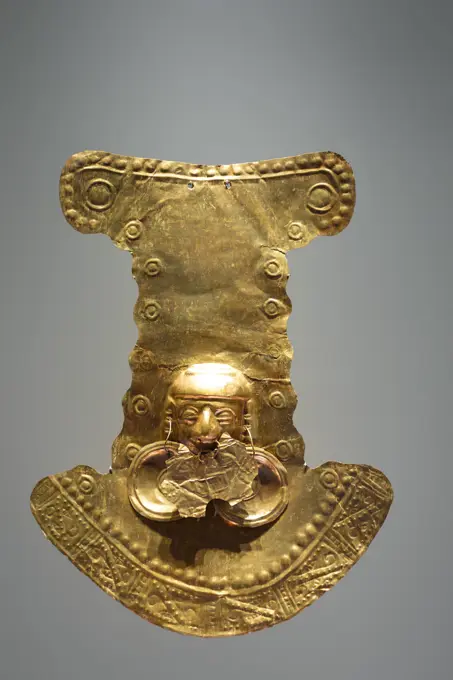
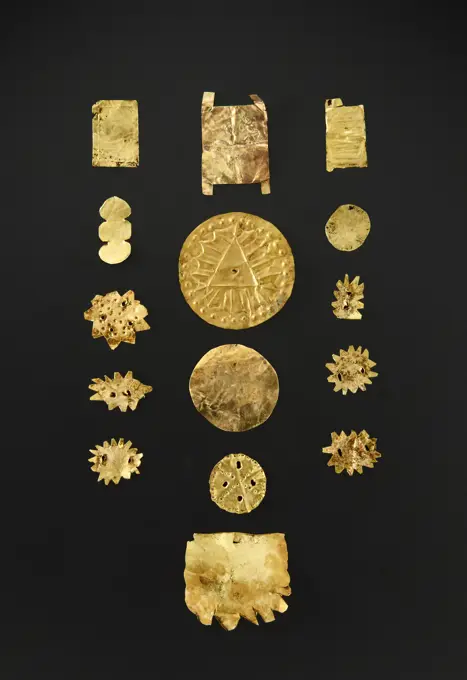
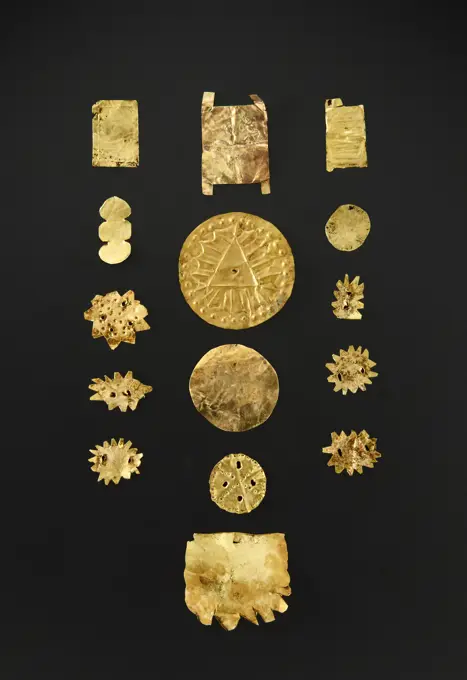
Pre-Columbian gold artifact in the Museo del Oro. Famous Gold Museum, Bogota, Colombia. Pre-Columbian gold statuette in the Museo del Oro. Golden indigenous ornament from South American natives civilization. Famous Gold Museum, Bogota, Colombia. Copyright: xZoonar.com/www.artushfoto.eux 21638084
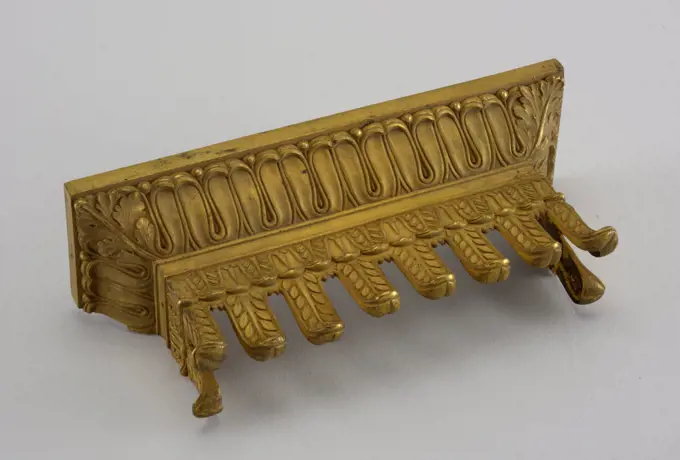
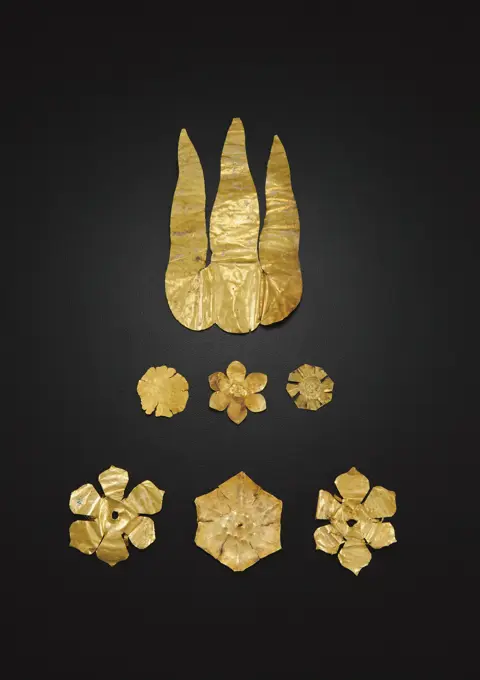
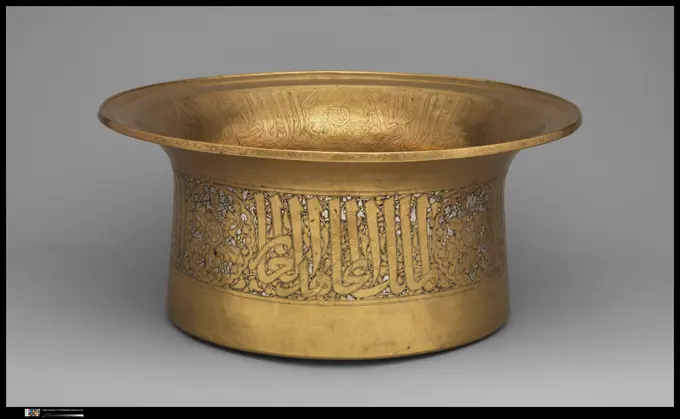
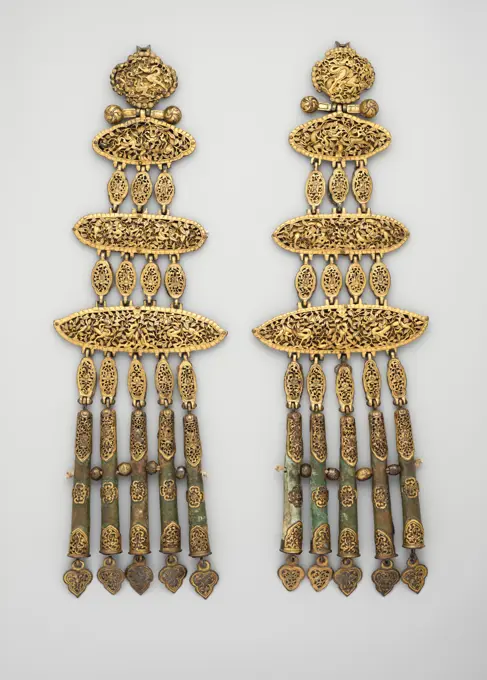
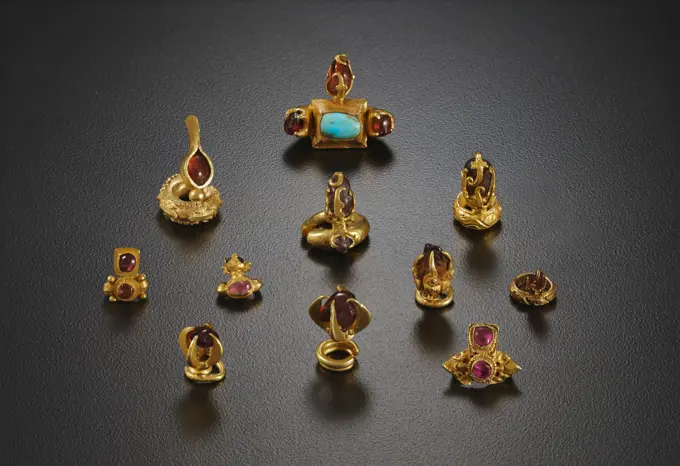
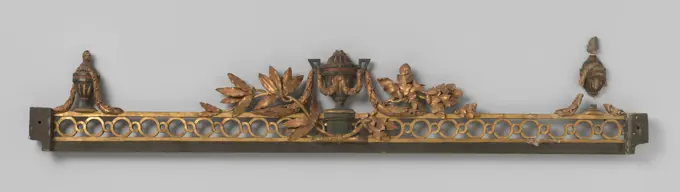
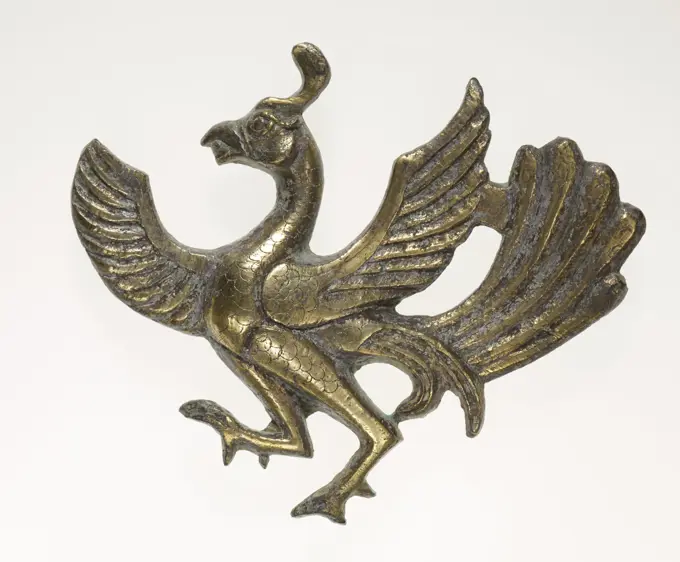
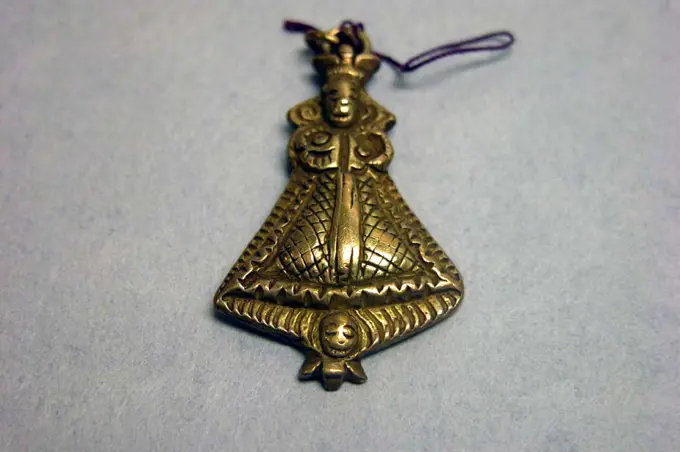
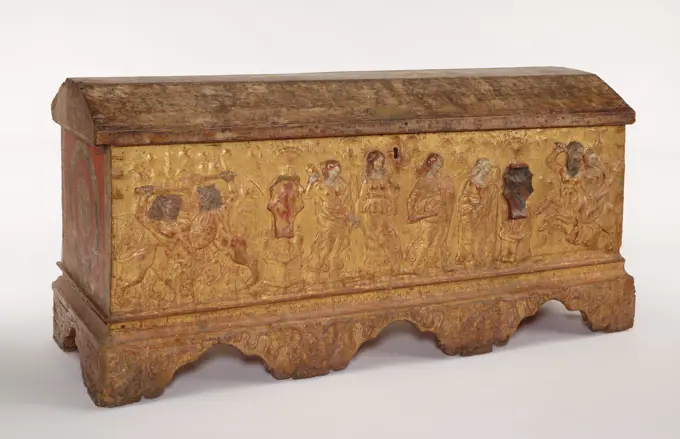
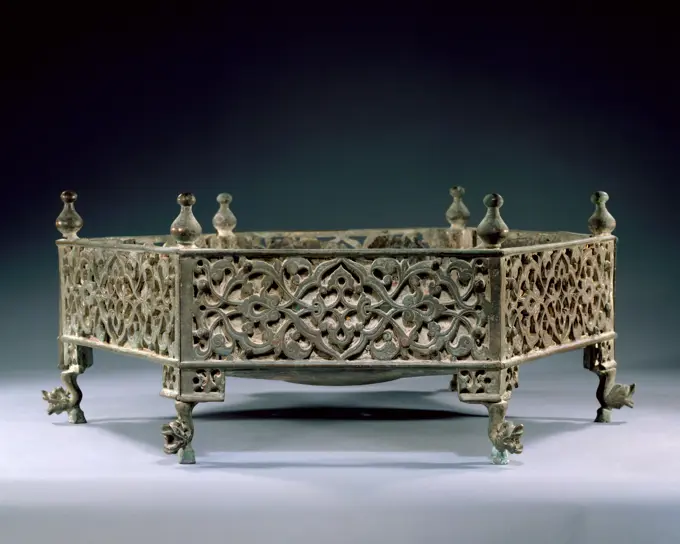
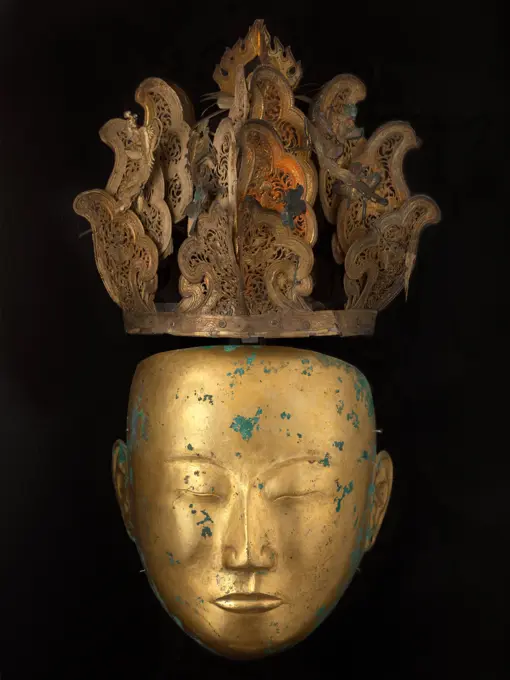
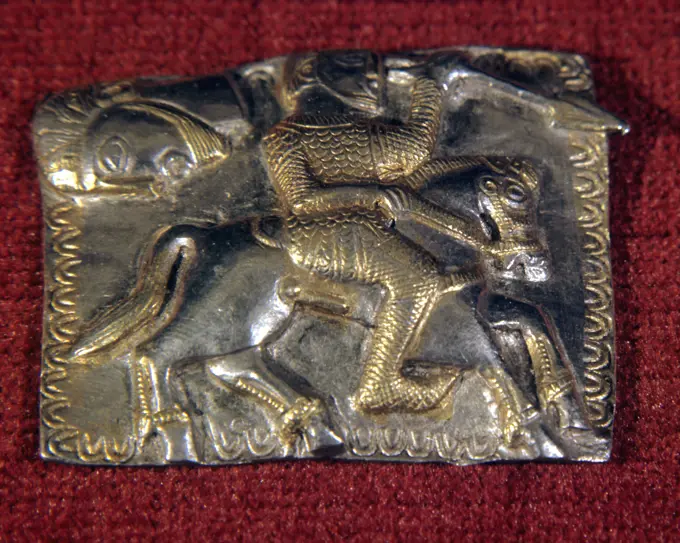
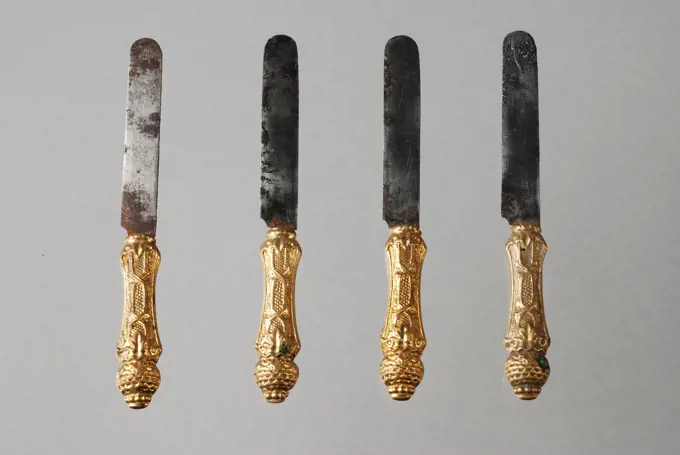
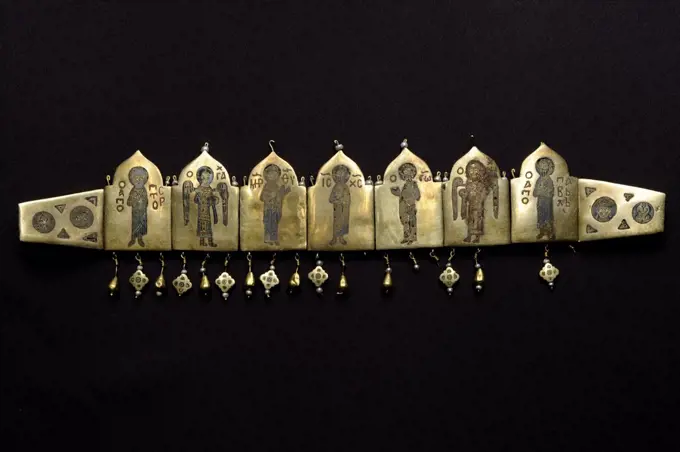
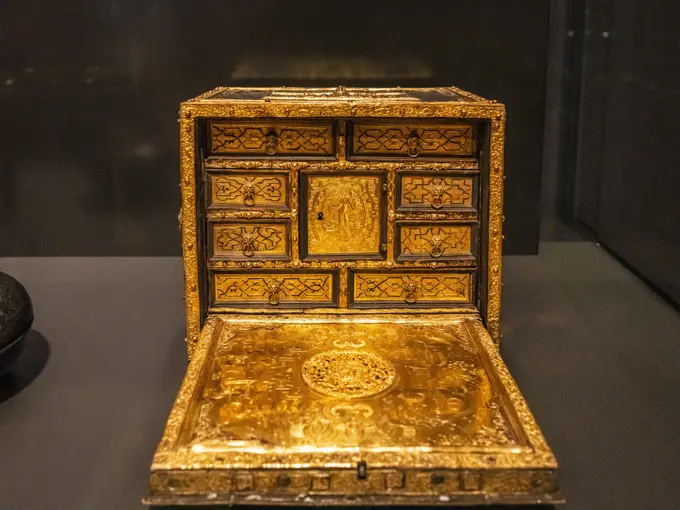
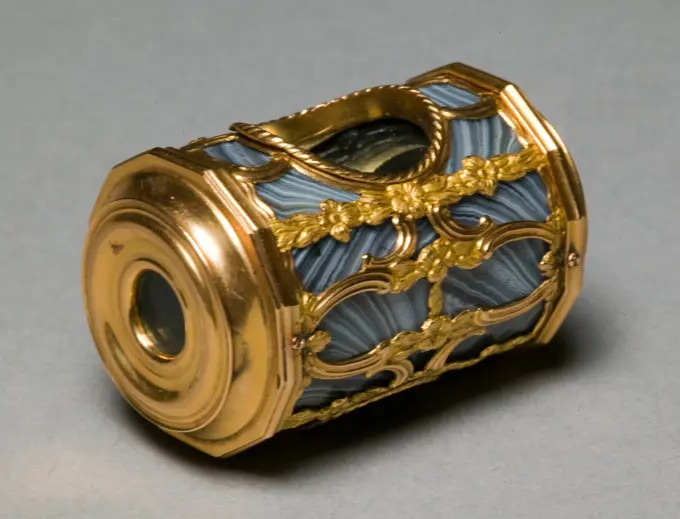
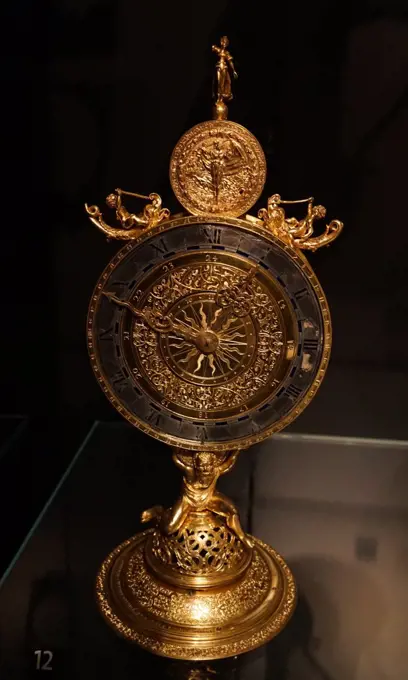
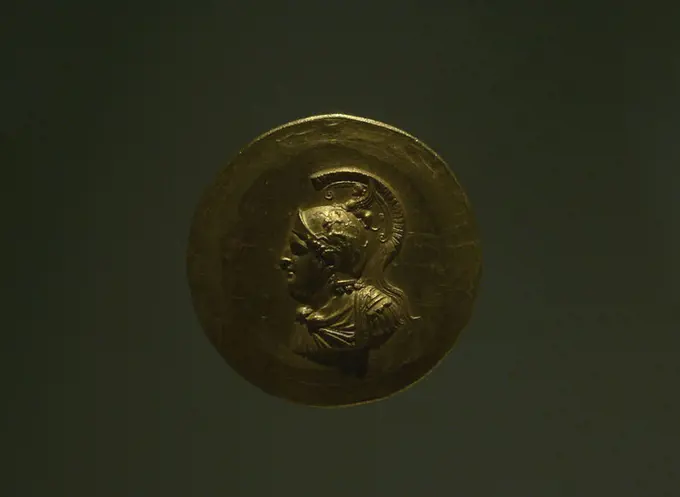
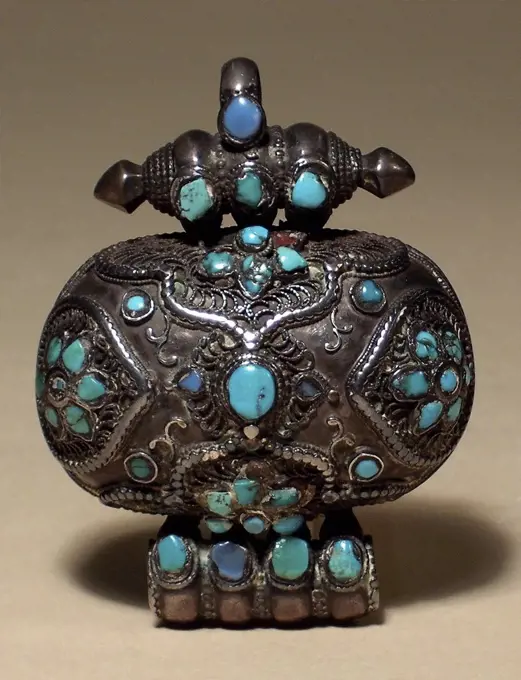
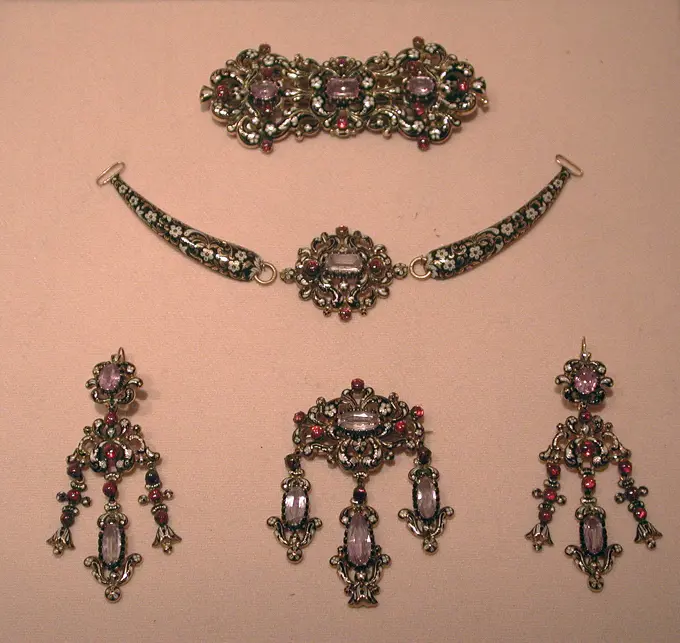
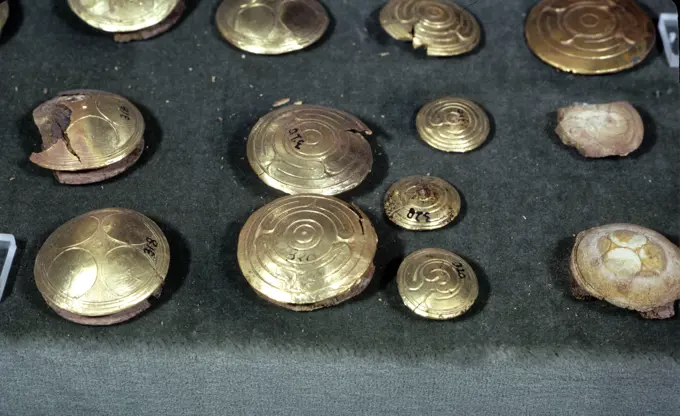
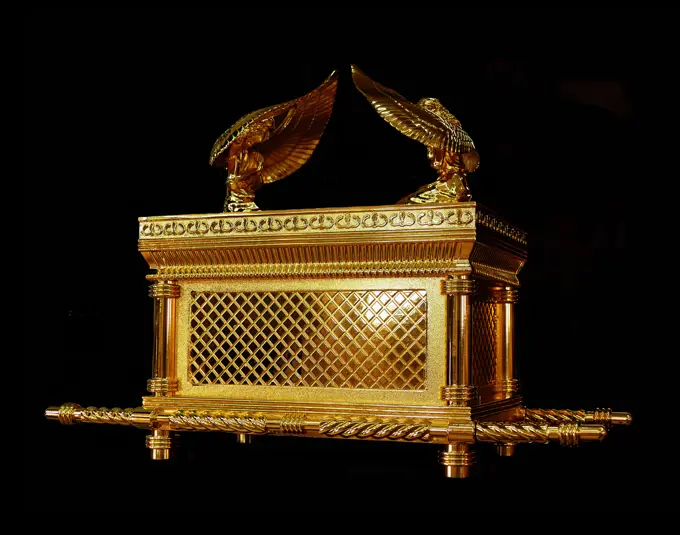
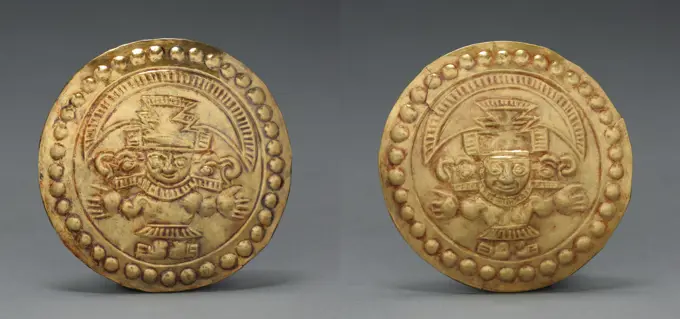
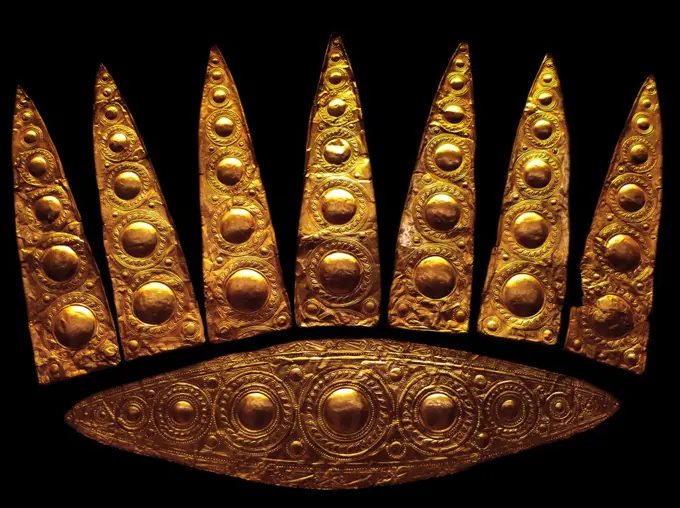
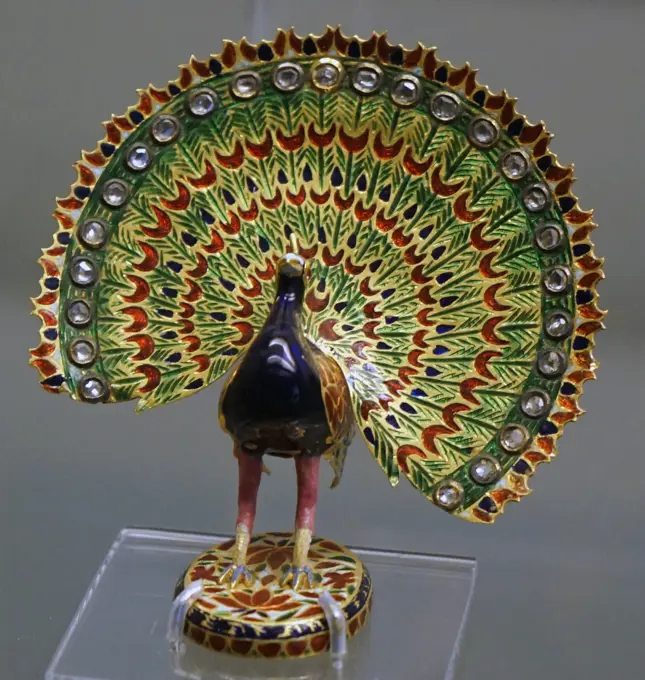
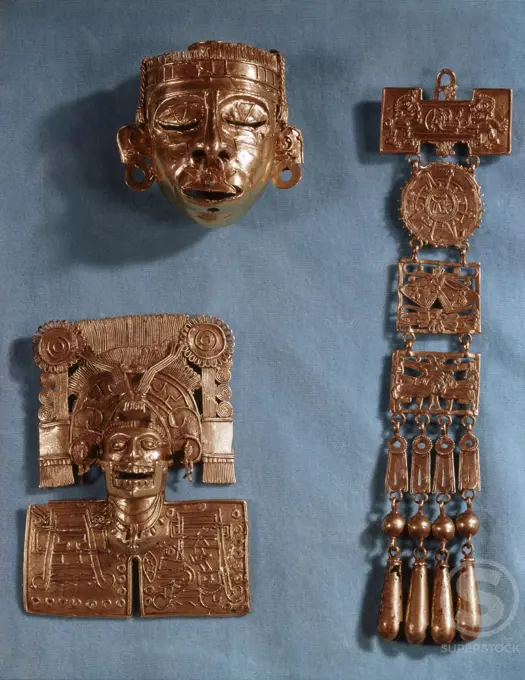
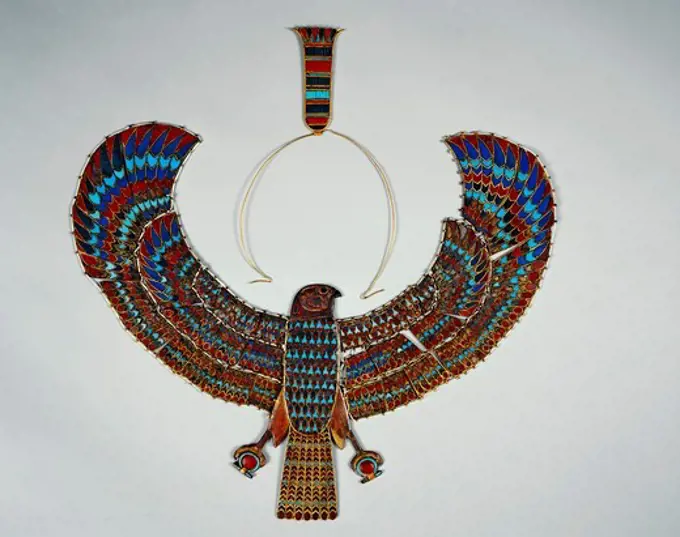
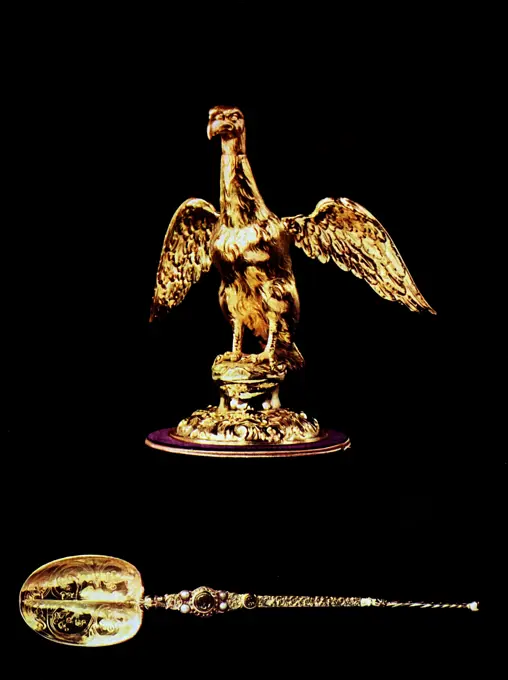
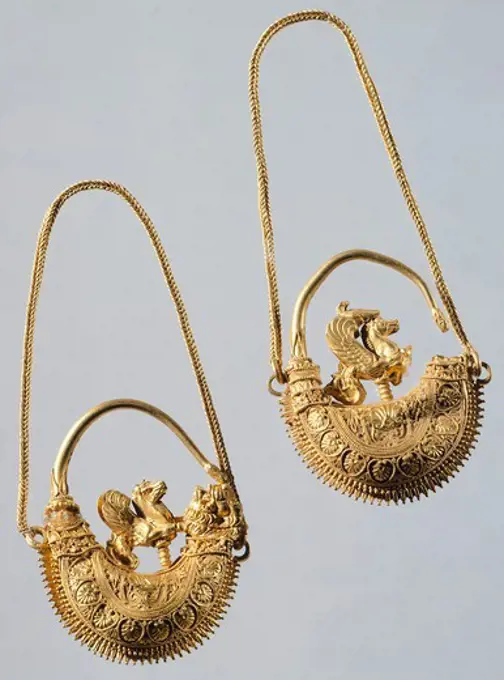
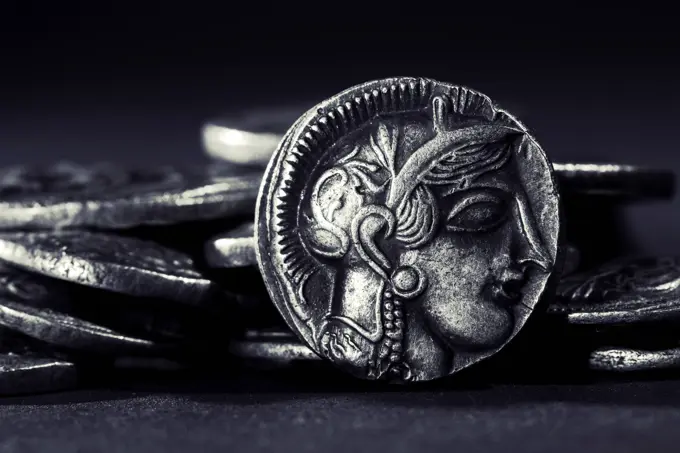
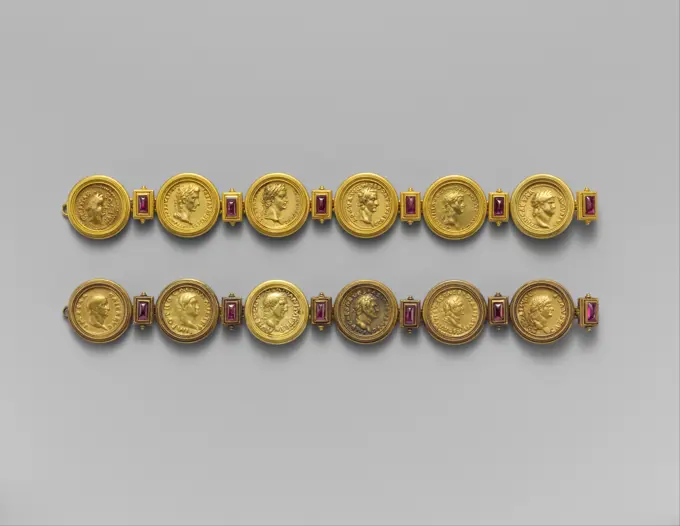
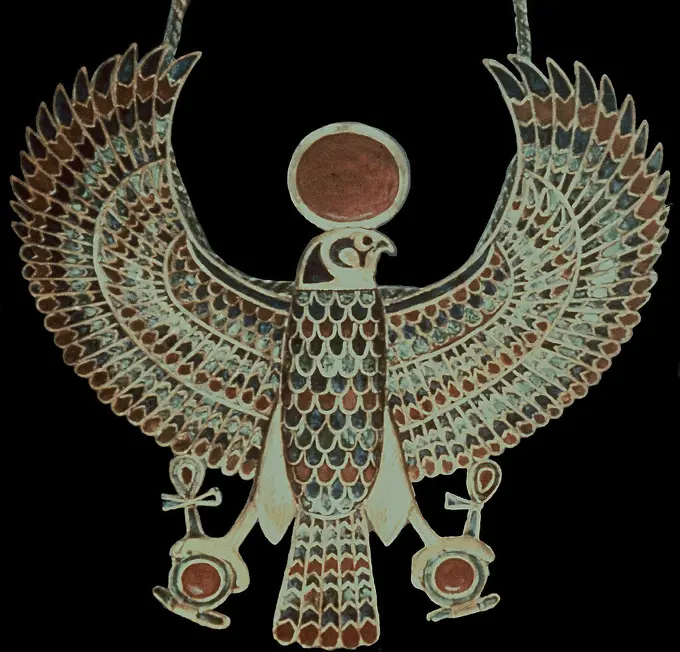
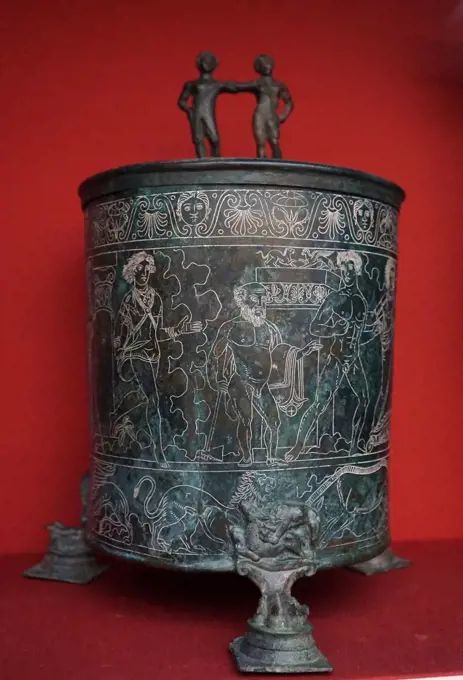
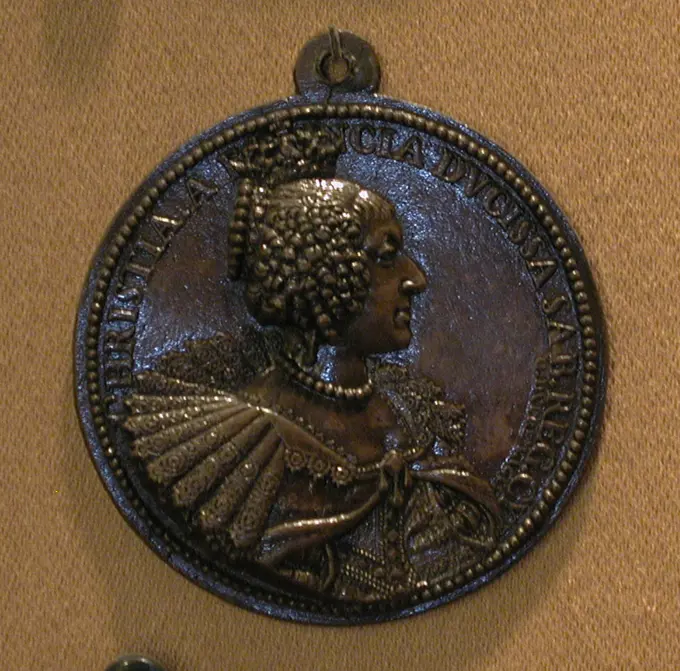
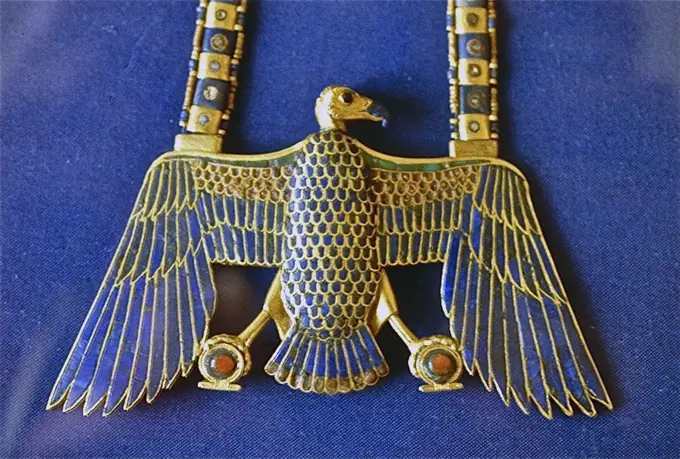
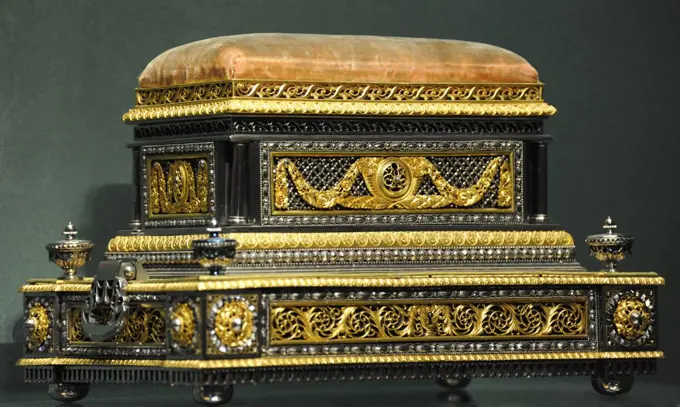
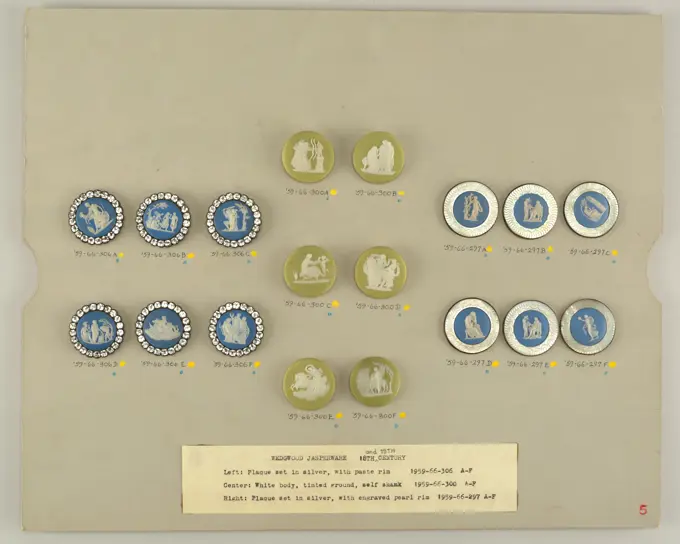
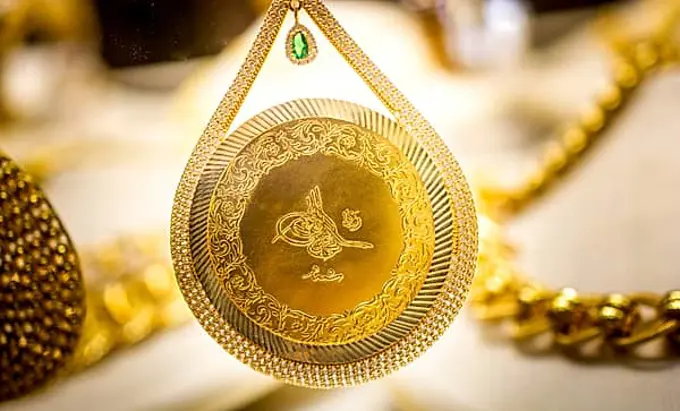
Nasenring aus Gold Gold nose ring, Tairona, Colombia, 900-1600 AD, gold, MuEC, Barcelona, Catalonia, Spain LicenseRF Copyright: xZoonar.com/Tolox 23171247Mount, bronze (gilt), Architectural or funiture cornice with lapped tongue decoration of acanthus corners over frieze of pendant tongues over cut-out with laurel decoration, France, early 19th century, metalwork, Decorative Arts, MountMountMount; L x W x D (a,b): 42.5 x 15 cm (16 3/4 x 5 7/8 in.)Lotus-shaped VotiveOfferingDETALLE DE LA CABEZA COMADREJA - ORO Y TURQUESA E MOCHE - PREHISPANICO. Location: MUSEO DEL ORO COL MUJICA. Lima. PERU.Ablutions Basin of Yemeni Sultan al-Mujahid Sayf al-Din 'Ali ca. 1321-63 Although commissioned for a Rasulid sultan of Yemen, this basin reflects prevailing tastes of early fourteenth century Cairo and was clearly produced there or in Damascus, where comparable pieces were created. Bold inscriptions on the wall and rim constitute the central decorative theme, punctuated by medallions featuring lotus blossoms and the Rasulid emblem, a fivepetaled rosette.. Ablutions Basin of Yemeni Sultan al-Mujahid Sayf al-Din 'Ali 444589Pair of Crupper Pendants 14th-15th century Tibetan Made of delicately chiseled and pierced iron covered in a thin layer of gold, the quality, detail and fine execution of these crupper pendants rank them among the best examples of decorated Tibetan ironwork. Crupper pendants would hang from the straps behind the saddle on either side of a horse, resting on the horse's hindquarters between the hip and flank. Pendants as elaborate and complete as these are extremely rare and would have been part of only the most expensive and important sets of horse equipment.. Pair of Crupper Pendants. Tibetan. 14th-15th century. Iron, gold, copper alloy, leather, wood. Equestrian Equipment-Horse TrappingsDisc withMarkingsStar-Shaped VotiveOfferingGold and inlaid buckle from Anglo Saxon treasure hoard, 8th century AdBird Ring withGemDisc-shaped RitualObjectGold plaque, 8-7th century B.C., Ziwiyeh, Kurdistan, Iranian National Museum, Tehran, Persia, Iran, AsiaMorion. Culture: Flemish. Dimensions: H. 10 7/8 in. (27.6 cm); W. 9 5/16 in. (23.7 cm); D. 15 1/4 in. (38.7 cm); Wt. 2 lb. 15 oz. (1326 g). Date: late 16th century. Museum: Metropolitan Museum of Art, New York, USA.Fragment of a crib, c. 1760 - c. 1799 Opened green and gilded foot end of a crib. Decorated with bay and oak leaf. In the middle a larger vase with two ears and a smaller vase on both sides on either side.  wood (plant material). gilding (material). paint (coating) Opened green and gilded foot end of a crib. Decorated with bay and oak leaf. In the middle a larger vase with two ears and a smaller vase on both sides on either side.  wood (plant material). gilding (material). paint (coating)Cast-gold pendant from Costa Rica. Dated 2nd CenturyColombia, Bogotà, the gold museumBelt of St Liudger, silver buckle with relief of St Liudger in episcopal regalia with a model of a church and geese at his feetPhoenix Bird Form Plaque, one of a pair, 1st century BCE -1st century CE, 4 1/2 x 5 3/8 x 7/8 in. (11.43 x 13.65 x 2.22 cm), Gilt bronze, China, 1st century BCE -1st century CE, Mythical creatures proliferated in Han dynasty literature and art. These two gilt birds, probably intended to depict a male and female phoenix (feng-huang), display their wings in a lively dancing pose and hold pearls in their beaks. The body and wings are covered with finely detailed feather markings under remains of green corrosion. While the phoenix is a classic image that appears in tomb paintings and other media during Han, gilt bronze examples are quite rare and few are associated with royal tombs. The smaller of these two birds actually resembles a peacock in some respects: notice the topknot and the tips of its tail feathers, which contain 'eyes.' It is thought by some that early phoenixes combined the characteristics of pheasant and peacock. In any case, the phoenix was already an auspicious symbol by Two objects by Russian master, gold, enamel, 12th-13th century, Russia, Moscow, State United Museum Centre in the Kremlin, 4x2, 3Pendant 17th-19th century Philippines. Pendant 40589Wedding chest (cassone), 1475-85, Unknown Artist, Italian (Lucca), 33 x 70 x 27 in. (83.82 x 177.8 x 68.58 cm), Poplar with gilt and painted gesso decoration, Italy, 15th century, This Renaissance wedding chest is among the best preserved in the world, with its lock intact and fragments of the original lining inside. These luxury objects were commissioned to celebrate marriages and decorate couples bedrooms.Brazier probably 15th century The interwoven and symmetrical organization of the scrolling stems and leaves of the side panels follows a gracious design common in Timurid objects and architecture and can also be seen in the tile panels and stuccowork of the buildings at Bidar. The auspicious dragon heads along the legs of this object are also part of a shared decorative vocabulary.. Brazier. probably 15th century. Bronze; cast and chased. Attributed to India. MetalEagle Pendant from Panama,  Veraguas Culture,  USA,  Florida,  Jacksonville,  The Cummer Museum of Art and GardensFuneral set, male mask and male headdress. Golden bronze. Paris, Cernuschi museum. 51557-4 Ancestral, old, gilded bronze, male headdress, male mask, peaceful, funeral adornment, rest, serene, head, faceEurope, Bulgaria. Letnitsa Treasure, Ancient Thrace - Bulgaria. 400 BC. Silver gilt plaque. A Horseman with brandishing spear.Horse Trappings. Cambodia, 13th century. Tools and Equipment; horse trappings. Gilt copper alloyGold torques from the Snettisham Treasure. 70 BC. Norfolk. England.Four miniature jam knives, knife cutlery miniature model toy relaxant iron steel gold, forged squeezed gilt Edited gilded handle smooth blade blunt tip 1868 Sibilla van Embden play food kitchenSilver strap end engraved with figure of priest, Stare Mesto, Gt Moravia, 9th-10th cent. Czech Republic.Ring with Hexagonal Bezel with Sri Inscription 8th-early 10th century Indonesia (Java). Ring with Hexagonal Bezel with Sri Inscription 50302Ornate diadem by unknown artist, gold, enamel, 12th century, Russia, St Petersburg, State Russian Museum, 5,7x34Casket Casket, Ausburg, 1560-1600, etchet stell, gilt bronze, various woods, Amsterdam, NetherlandsSpyglass, c. 1750-60. James Cox (British). Gold-mounted agate, periscope mirror for side viewing; overall: 5.1 x 3.8 cm (2 x 1 1/2 in.).Gold earring in the form of a dove. Culture: Greek. Dimensions: H.: 3 5/16 in. (8.4 cm). Date: 2nd century B.C..Earring with a dove. Museum: Metropolitan Museum of Art, New York, USA.Scandinavia. 4 medaillons, 17 bracteates and a sword scabbard mount. Sletner, Eidsberg, Ostfold. 5th-6th century. Scandinavia. Norway. Historical Museum. Oslo. Norway.A unique gold covering for the body and the face of an infant, consisting of pieces of gold foil. A distinctive detail are the ring-shaped earrings.Clock by Jeremias Metzger (1527-1599) German clockmaker. Dated 16th CenturyBlue Bead BirdRingMedaillon depicting a cuirassed bust of Alexander the Great with Attic helmet. Aboukir Medallions. 3rd-4th centuries. Found in Abukir (Egypt). Greek. Gold. Calouste Gulbenkian Museum. Lisbon, Portugal.A row for a horse consisting of a bridle, support and podogoniaGold belt buckleAncient Tibet: Gau pendant. A prayer-box worn as jewellery. Decorated with Tibetan silver and turquoise.Cup and Saucer 1800-1815 Germany. Hard-paste porcelain with gilt decoration . Meissen Porcelain Manufactory (Manufacturer)Bandeja de plata, siglo XVIII, Iglesia de Santa María Magdalena, Zaragoza.Cast-gold pendant from Costa Rica. Dated 2nd Century Row of Figurines of laughing and cheerful golden Buddhas" Museo del Oro " in BOGOTA .Department of Cundimarca. COLOMBIA.Diadema, or Collar-greek Scythian gold from the Tomb of Vix in Burgundy, France. Detail. Goldsmith art. Greek civilization, 6th Century BC.ConeParure ca. 1840-50 probably Swiss. Parure 205102Four silver-gilt attachments 4th-3rd century B.C. Greek, South Italian These headstwo of helmeted Athena, two of horned Panserved as decorative elements to an object, perhaps a vase, that was for show and pleasure as much as for use. They are most unusual, being cast rather than hammered and embellished with gold leaf.. Four silver-gilt attachments 256062Europe, Greece. Mycenaean gold plated buttons. Shaft graves.Pendant, One of a Pair 19th century These ornaments, with their generous use of turquoise and coral, are typical of nineteenth century Uzbekistan. They may have been worn as earrings, or possibly as pendants, and would have been part of an ensemble of jewels, including necklaces, head and hair ornaments, bracelets and rings.. Pendant, One of a Pair 444666Europe, Italy. Etruscan gold brooch. Granulated lions.Replica of the Ark of the Covenant, a gold-covered wooden chest described in the Book of Exodus as containing the two stone tablets of the Ten Commandments. According to various texts within the Hebrew Bible, it also contained Aaron's rod and a pot of mannaRape ofEuropa.  Maker: UnknownBliżej Kultury unknown labelPair of Ear Flare Frontals, Chimú style (900-1470). Peru, North Coast, Paramonga(), Chimú style (900-1470). Hammered gold alloy; diameter: 8.6 cm (3 3/8 in.); overall: 8.5 cm (3 3/8 in.). These gold discs, each with the image of a richly dressed Chimú lord, originally were attached to the fronts of ear ornaments equipped with long, thick shafts that passed through the ear lobes. Such ornaments were important markers of wealth and elite status.Gold elliptical funeral diadem, from Shaft Grave III, 'Grave of the Women', Grave Circle A, Mycenae. 1600-1500 B.C. National Archaeological Museum, Athens. Once part of a large cemetery outside the acropolis walls, Grave Circle A was discovered within the Mycenaean citadel by Heinrich Schliemann in 1876. The tombs in Grave Circle A contained a total of nineteen burials: nine males, eight females and two infants.Vuurbok van verguld brons met liggende hond.Gold plated bronze firebox. A dog lies on an increase on a rectangular plate, resting on two rectangular supports. The entire basement is slightly bent. The supports are flanked by decorated consoles and show flat fields with guttae. A roset-shaped motif is applied in the middle. The cover plate shows an egg list at the front with a floral pattern in the corners. The cover plate and increase have saved corners.Enamelled peacock from Jaipur, India. Dated 19th CenturyMixtec Gold Pendants (Monte Alban, Oaxaca, Mexico) Pre-ColumbianPharaoh Tutankhamun's gold treasure, the Grand Egyptian Museum, Grand Egyptian Museum, GEM, Giza, Cairo, EgyptTreasure of Tutankhamen, falcon god Horus collarRing. UnknownGolden Ampula and spoon used in the annointing of british monarchsGold earrings from Volos (Greece). Goldsmith art, Greek Civilization, 4th-3rd Century BC.Ancient Greek Coin Showing Goddess Athena and Owl, Silver Tetradrachm Ancient Greek Coin Showing Goddess Athena and Owl, Silver Tetradrachm 5th Century BC Copyright: xZoonar.com/AleksandarxVukicevicx 22057827Ottoman Fibula Artist Unknown Jewelry Cameos Bursa, TurkeyGold aurei of the Twelve Caesars ca. 46 B.C.-A.D. 68 Roman The coins are mounted in a matching pair of nineteenth-century gold bracelets that are also decorated with oblong amethysts en cabochon. The jewelry may have been fashioned by the firm of Castellani in Rome and was inspired by the early second-century A.D. writer Suetonius' biographies of the first twelve rulers of imperial Rome, which started with Julius Caesar and ended with Domitian. One bracelet contains aurei of the dictator Julius Caesar and the Julio-Claudian emperors Augustus, Tiberius, Caligula, Claudius, and Nero, the other has coins of the emperors of the civil war in A.D. 69Galba, Otho, and Vitelliusand the Flavian emperors Vespasian, Titus, and Domitian.. Gold aurei of the Twelve Caesars. Roman. ca. 46 B.C.-A.D. 68. Gold, amethyst. Early Imperial, Augustan and Julio-Claudian. CoinsRoyal Crown used for Coronation of Danish King or Queen. Rosenborg Castle. Copenhagen, Denmark.PECTORAL EN FORMA DE AGUILA - TESORO DE TUTANKAMON - XVIII DINASTIA. Location: EGYPTIAN MUSEUM. KAIRO. EGYPT.Embossed bronze cista for cosmetic articles. Dated 325 BCChristine of France, Duchess of Savoy (1608-63) 1635 Medalist: Guillaume Dupré French. Christine of France, Duchess of Savoy (1608-63) 195409Arched EarOrnamentVulture pendant in gold cloisonne depicting Nekhabet, vulture-goddess of the South, from the tomb of Pharaoh Tutankhamun, Cairo Museum, Egypt.Box. Steel, bronze; polishing, chasing, faceting, carving, silver damascening, gilding. Russia, Tula. Second half of the 18th century. The State Hermitage Museum. Saint Petersburg. Russia.Gold helmet. ca.  500. Quimbaya art. Jewelry. SPAIN. MADRID (AUTONOMOUS COMMUNITY). Madrid. America's Museum. Proc: COLOMBIA.Phoenix Ornament China. Phoenix Ornament. China. Gilt silver with rubies. Song dynasty (960-1279). JewelryTreasure of Ebora. Sanlucar de Barrameda, Spain. 7th-6thBCE. Tartessus. Archaeological Museum of Seville. Spain.Egypt, Cairo Museum, Close-Up of death mask. (Large format sizes available)22_carat Prerai, ceremonial fertility symbols originated from Singaraja, more than a century old, North of Bali, Indonesia, Southeast Asia, AsiaThracian funerary mask of King Teres, Shipka, 5th century BC, gold,, Bulgarian National Archaeological Museum, Sofia, Republic of Bulgaria, Europe.Button; ceramic, silver, glass; Bequest of Julia Hutchins Wolcott; 1959-66-306-fInner coffin made of gold with inlays of glass paste and gemstones, Tutankhamun's burial treasures, archaeological world sensation, replicas, Valley of the Kings, most famous burial site in the world, Luxor, Thebes West, Egypt, Luxor, Thebes, West, Egypt, Africaepiphany day gold crowns with camel figurine raisinsRoyal Crown (Detail) Medieval Period Antiques-Jewelry Turkish Gold Coins with portrait in view