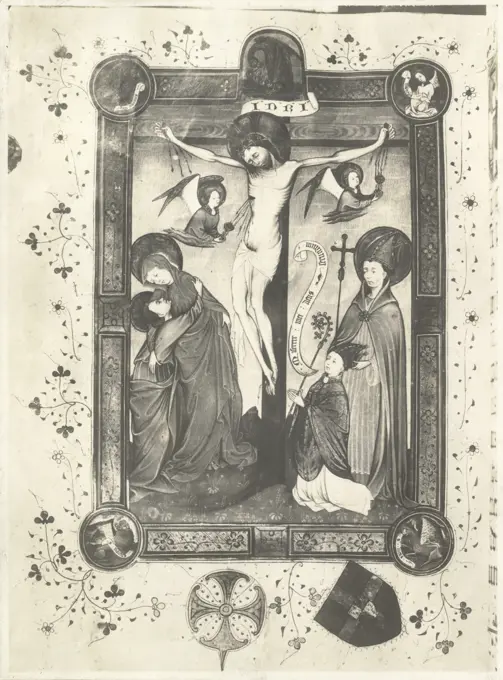
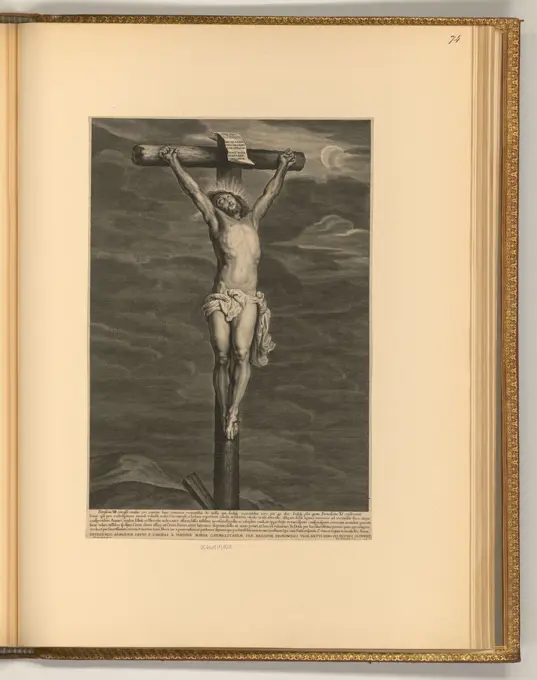
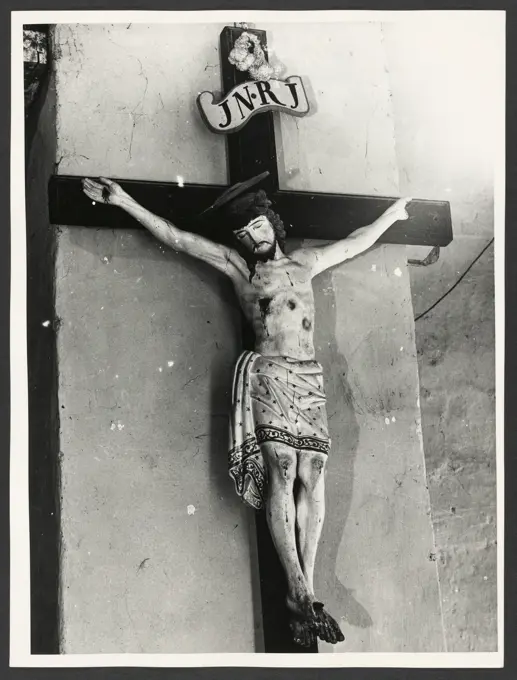
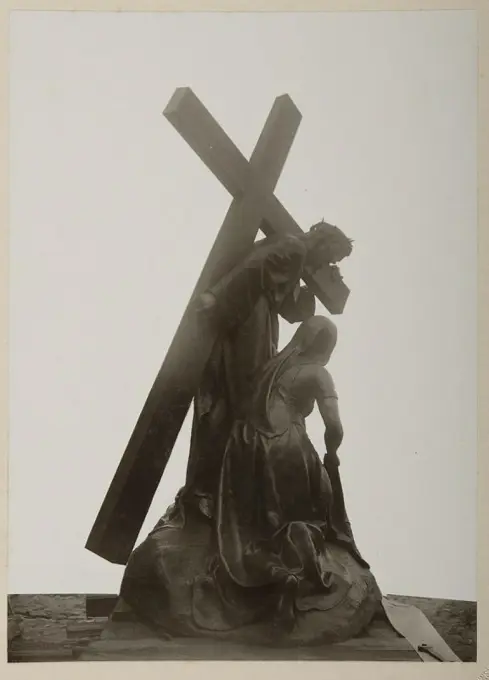
Religious Iconography and Architecture

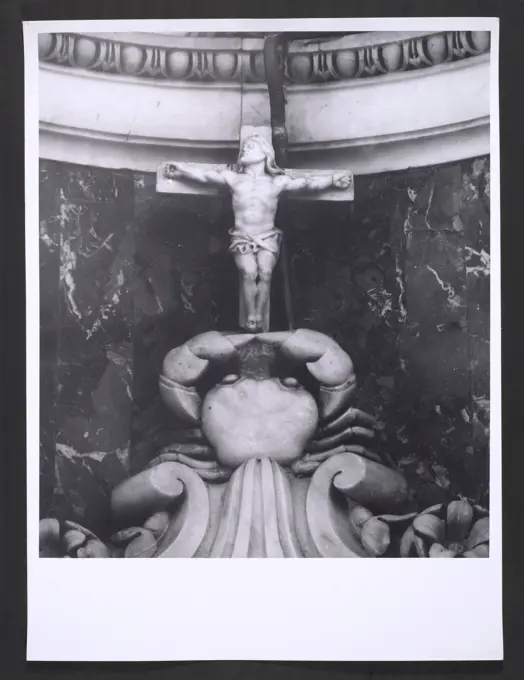
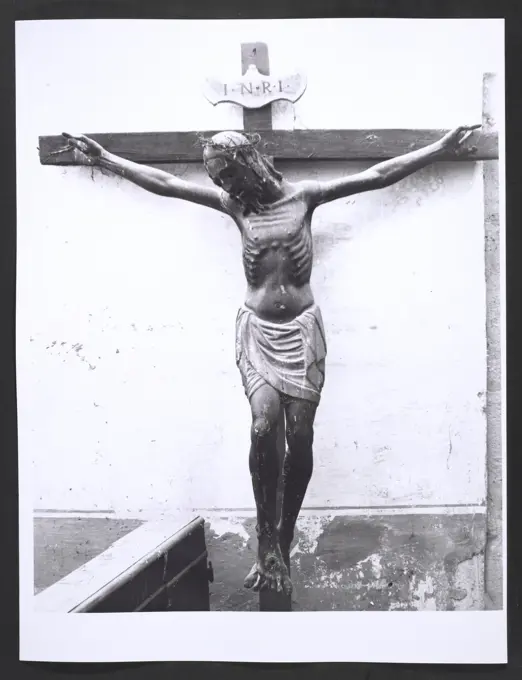
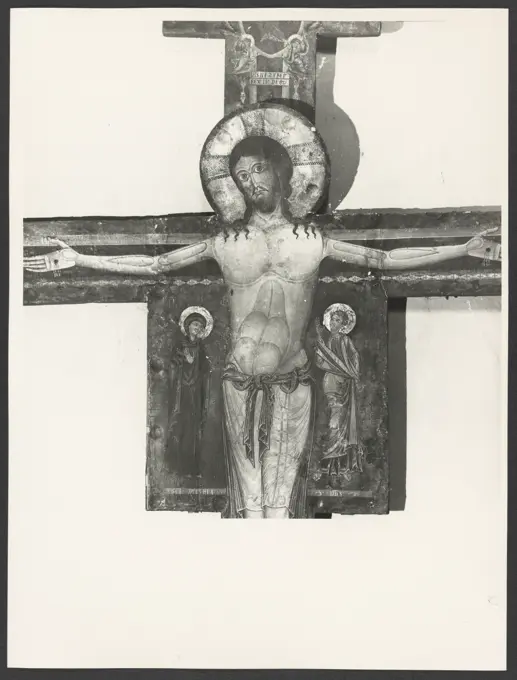
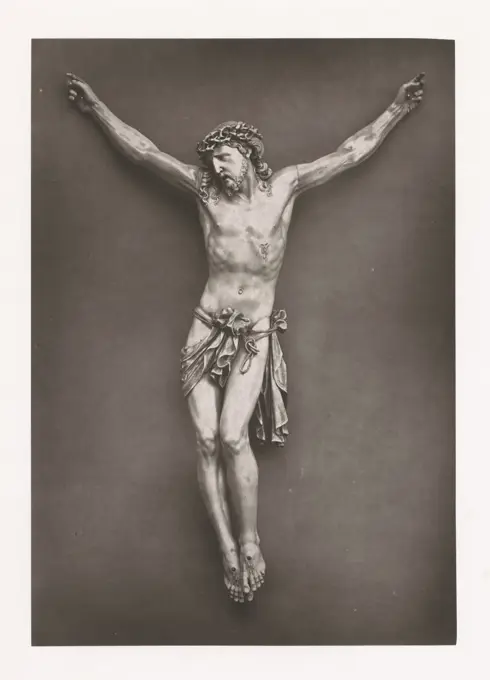
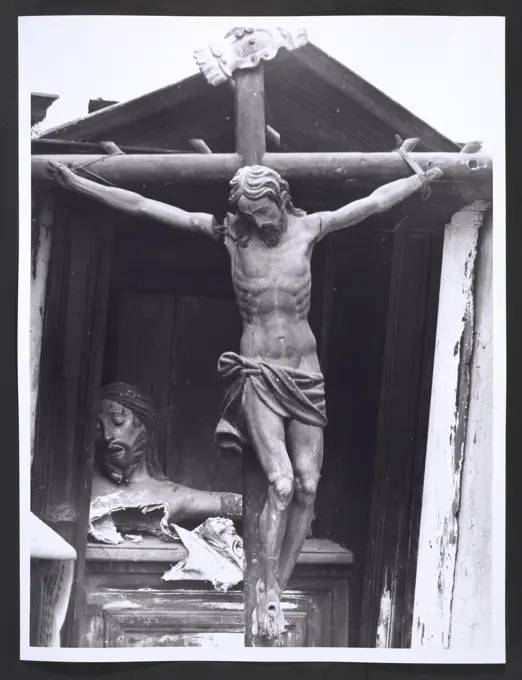
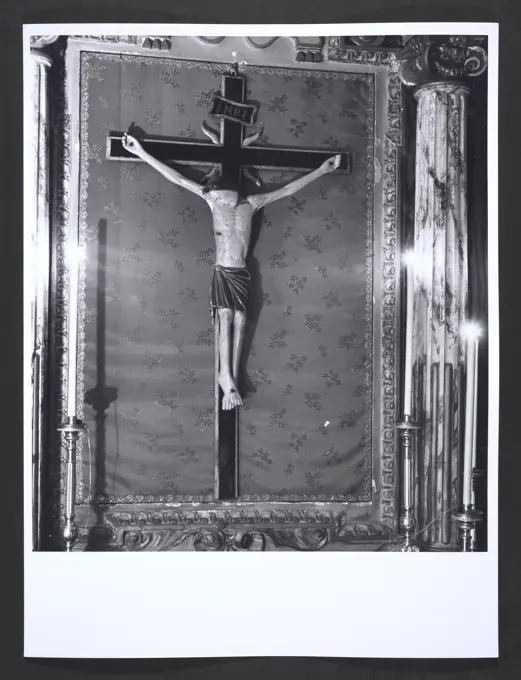
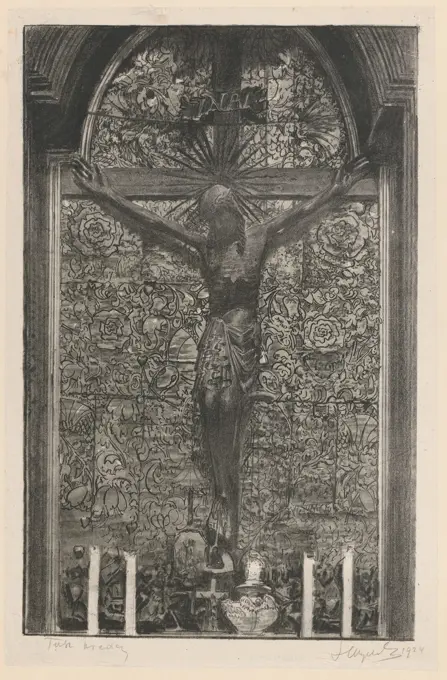
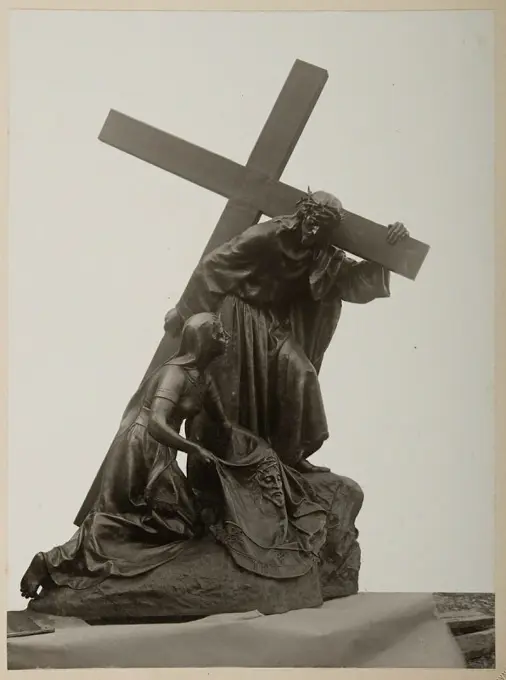
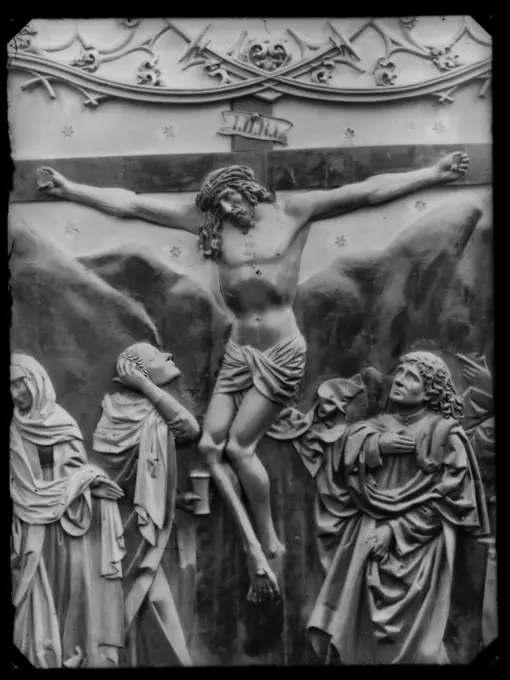
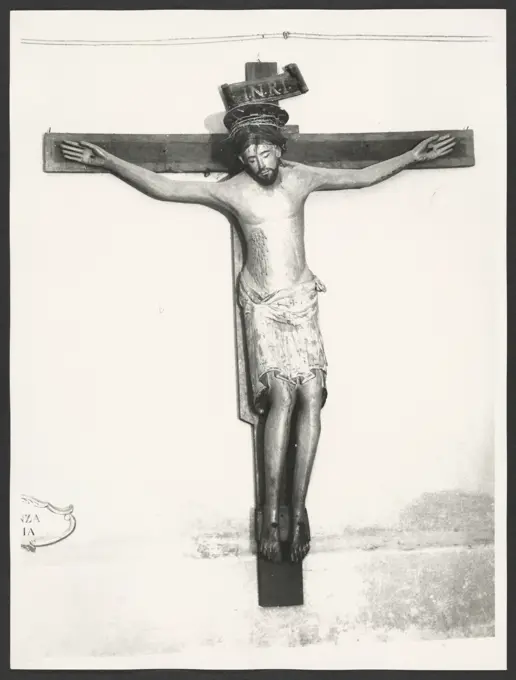
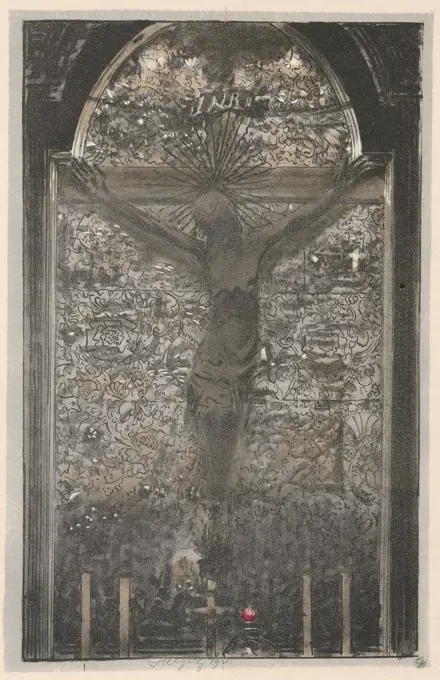
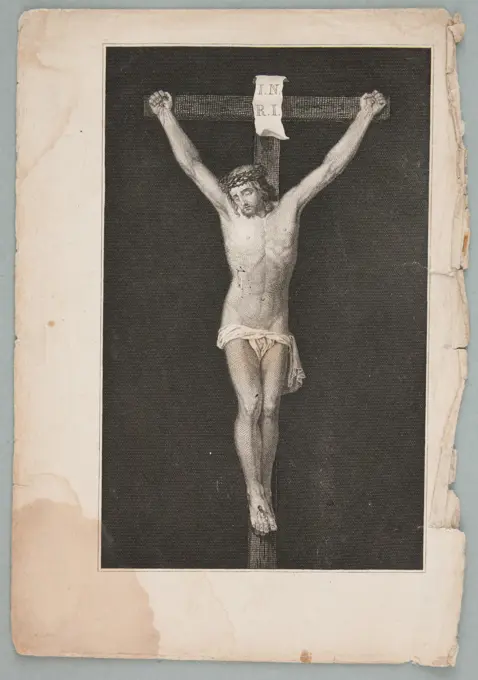
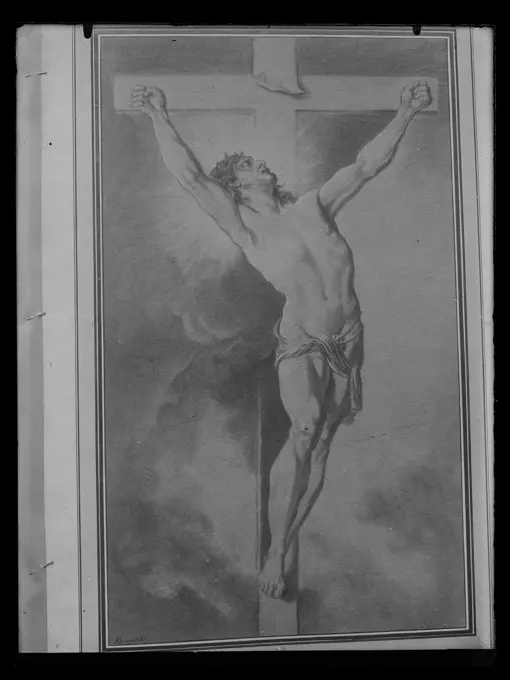
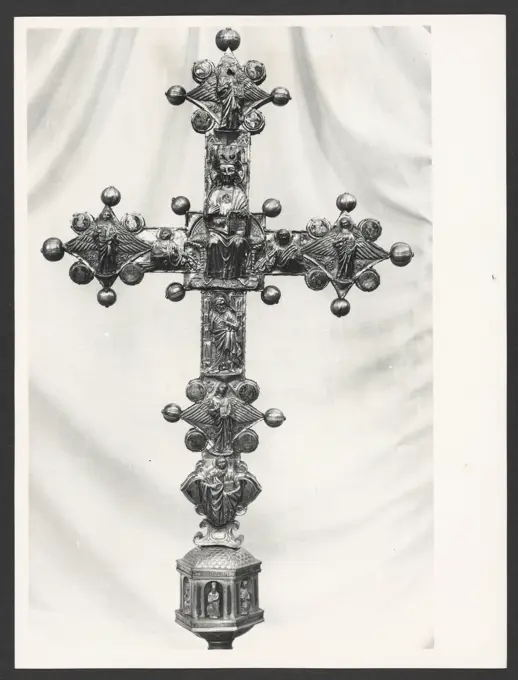
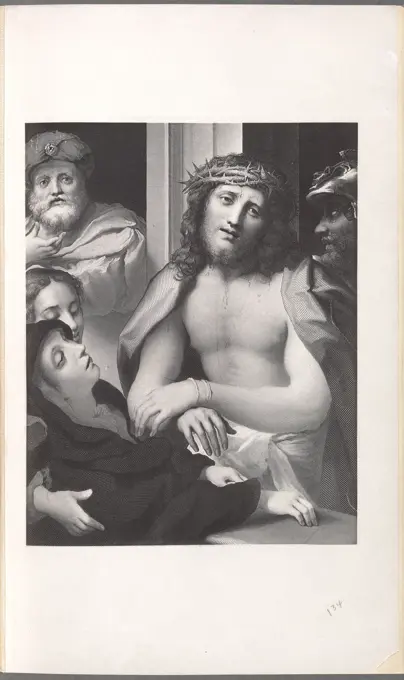
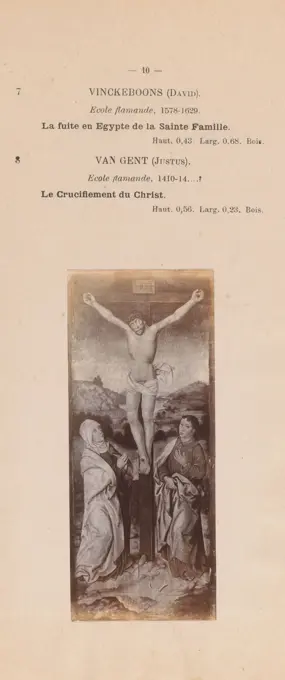
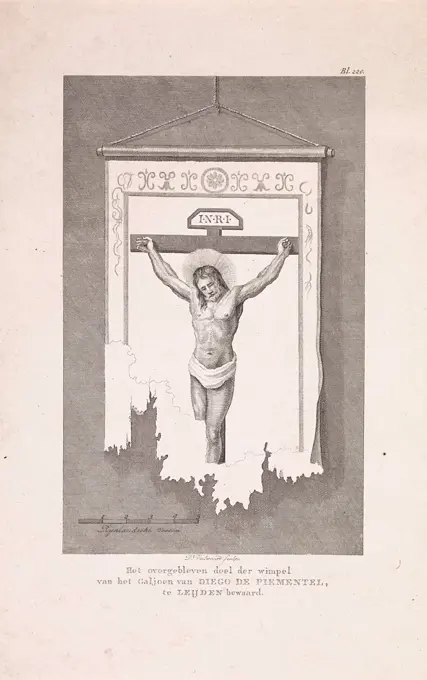
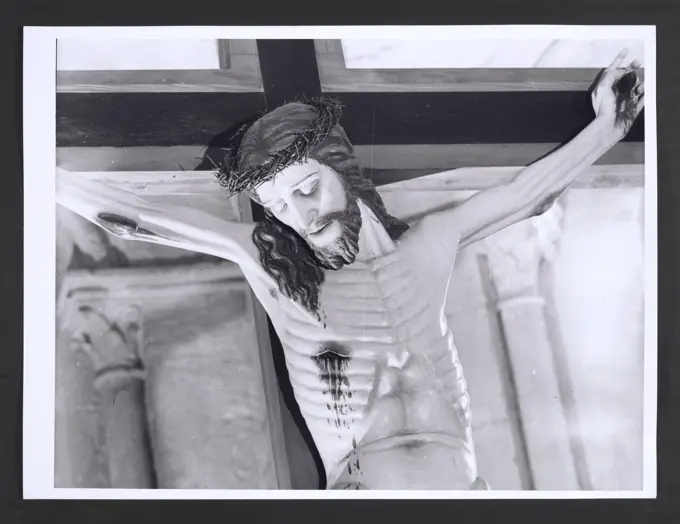
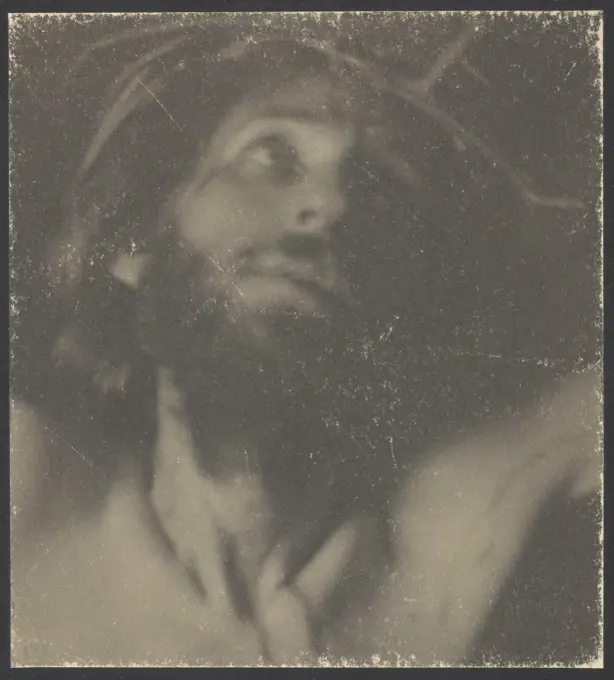
Images of historic religious art featuring crucifixes and sculptures within church interiors, capturing Gothic and Medieval styles with somber tones.

Abruzzo L'Aquila Trasacco SS. Rufino e Cesidio01. Hutzel, Max 1960-1990 The original monument was destroyed in 936, rebuilt, modified throughout the 16th century (with an addition to the nave in 1618), and restored in 1969. Exterior views include the bell tower and general building facades. Most views focus on the architectural sculpture of the Portale delle Donne and the Portale degli Uomini. Interior views in the Medieval core collection focus on a statue of St. Catherine in an aedicule (15th century); an ambo lecturn (pluteus) decorated with the four symbols of the Evangelists (c. 1267); a statue of the Virgin and Child under a sculpted baldachin on the entrance wall of the oratory (14th century) and the main altar composed of sarcophagus fragments of lions and peacocks in low-relief (8th-10th centuries). A baptismal font and possibly bas-reliefs (immured spolia) in the Oratory. Interior views in the Hutzel collection include: the altar statue of S. Cesidio, frescoes of the Annuncia
Abruzzo L'Aquila Bazzano S. Giusta. Hutzel, Max 1960-1990 Exterior views of this 13th century church focus on the west facade and richly ornamented portal (1238). Prints in the Hutzel collection include views of the main altarpiece, east wall frescoes, crucifix, and 13th century nave frescoes. In the Medieval core collection are general views of the interior, including the arcade, and the crypt. Carved on the pulpit (1180) are signs of the Four Evangelists, the Lamb of God, and St. George Slaying the Dragon. Views of the crypt (13th century) show an entryway to the 3rd century catacombs and a wooden statue of S. Giusta. Views of the interior (remodelled in the 15th century) focus on reused Roman architectural elements (1st century BC - 1st century AD). The arcade includes piers, Roman columns, and a frescoed ancient Roman cornice frieze. In the crypt are Roman gravestones. German-born photographer and scholar Max Hutzel (1911-1988) photographed in Italy from the early 1960s until his dAbruzzo L'Aquila Sulmona S. Panfilo, Cathedral2. Hutzel, Max 1960-1990 Exterior views of the facade, various portals and apses. Details of the main gothic portal include statues of Saints Panfilo and Pelino, and a lunette fresco of the Pieta and mourners. Interior views include: ceiling frescoes, cupola paintings of music-making angels (19th-20th centuries), low-relief sculptures of the Four Evangelists in the pendentives, sarcophagi, a baroque marble high altar, choirstalls, a baptismal font, a wooden crucifix (13th-14th centuries), a gilt bust of St. Panfilo, 13th century frescoes by the Sulmona School, altar paintings of St. Joseph and St. Carlo Borromeo. In the 11th century crypt are capitals of various styles (including one figural in an orans gesture), a 12th century relief sculpture of the Madonna and Child, a throne, frescoes and sarcophagi. German-born photographer and scholar Max Hutzel (1911-1988) photographed in Italy from the early 1960s until his death. The result of thisLazio Viterbo Ronciglione S. Maria della Pace9. Hutzel, Max 1960-1990 Post-medieval: Architecture, sculpture, ceiling and wall painting, crucifix, tabernacle. This church was started in 1581 and has been attributed to Vignola or Rainaldi. In the center of the main altar is a depiction of the Madonna of Peace, a fresco of the Viterbese school, dating to the 15th century. To each side of this central fresco are frescoes of S. Augustine and S. Bartholomew from the 17th century. Along the same wall as the altar are two more paintings, one, representing the Apparition of the Madonna to S. Francis of Sales by Sebastiano Conca, and the "Madonna del Suffragio", from the 18th century. A fresco of the Madonna of the Rosary is placed in a side altar, dating from the 16th century. In another side altar is placed a wooden crucifix of the 15th century, with an 18th century addition of the Madonna Addolorata at the foot of the cross. A Renaissance tabernacle inserted into the wall, attributed to SansAbruzzo Pescara Manoppello Scalo S. Maria Arabona. Hutzel, Max 1960-1990 Exterior views of this Cistercian church (begun in 1208) include details of the restored facade, aisle buttresses, chapter house and cloister buildings. Interior coverage of the nave, transept, aisles, vaulting, and the chapter house. Most prints are of the architectural sculpture: altar, piers, capitals, corbels, tabernacle (or reliquary), and a 13th-century paschal candlestick, gorgeously decorated with vinescroll and birds. Post-medieval: side altar frescoes of St. Sebastian, St. Anthony of Padua and the Pieta (15th century); apse frescoes (14th century). German-born photographer and scholar Max Hutzel (1911-1988) photographed in Italy from the early 1960s until his death. The result of this project, referred to by Hutzel as Foto Arte Minore, is thorough documentation of art historical development in Italy up to the 18th century, including objects of the Etruscans and the Romans, as well as early Medieval, RomaCampania Caserta Aversa S. Francesco0. Hutzel, Max 1960-1990 Post-medieval: Built in 6th century, remodelled in 1645 and 1830. Lower part of the campanile belongs to the original construction. Interior has series of works in the Francesco de Mura school; "Adoration of the Shepherds" by Pietro da Cortona c. 1650; "Ecstasy of S. Francesco" by Ribera, 1649; "Madonna and Child" Byzantine 13th century. Attached is a medieval cloister with fragments of frescoes. Object Notes: TCI states that in 1980 plans were afoot to create a small museum in the monastery to house sculpture, paintings, and other works from the diocese. Not reflected in Hutzel's photo campaign. German-born photographer and scholar Max Hutzel (1911-1988) photographed in Italy from the early 1960s until his death. The result of this project, referred to by Hutzel as Foto Arte Minore, is thorough documentation of art historical development in Italy up to the 18th century, including objects of the Etruscans and the Romans, as wAbruzzo Chieti Lanciano S. Maria Maggiore8. Hutzel, Max 1960-1990 Church dates from 14th century and reputedly is built over a temple of Apollo. Parts of the church were renovated in the 16th century, but some of this renovation was removed in 1965, returning the church to its original style. There are many exterior views, with particular attention paid to the apse and right portals with their rose windows. There are general views of the interior. A few paintings are photographed; the main objects are a processional cross and a wooden crucifix with terracotta figures of Mary and St. John. German-born photographer and scholar Max Hutzel (1911-1988) photographed in Italy from the early 1960s until his death. The result of this project, referred to by Hutzel as Foto Arte Minore, is thorough documentation of art historical development in Italy up to the 18th century, including objects of the Etruscans and the Romans, as well as early Medieval, Romanesque, Gothic, Renaissance and Baroque moUmbria Terni Narni S. Giovenale, Cathedral00. Hutzel, Max 1960-1990 Medieval: Architectural sculpture, cosmati pavement, wall painting, mosaic (12th century). Post-medieval: 1982 & 1986 photos Architecture, architectural sculpture (17th century); painting, frescoes (17-18th century); sculpture, tombstones (16-18th century); metalwork, processional cross, candlestick, reliquary, chalice (16-17th century) General Notes: Site comprises two separate photo campaigns. Bibliographic material sent, now in Center Library German-born photographer and scholar Max Hutzel (1911-1988) photographed in Italy from the early 1960s until his death. The result of this project, referred to by Hutzel as Foto Arte Minore, is thorough documentation of art historical development in Italy up to the 18th century, including objects of the Etruscans and the Romans, as well as early Medieval, Romanesque, Gothic, Renaissance and Baroque monuments. Images are organized by geographic region in Italy, then by province,Abruzzo L'Aquila Trasacco SS. Rufino e Cesidio01. Hutzel, Max 1960-1990 The original monument was destroyed in 936, rebuilt, modified throughout the 16th century (with an addition to the nave in 1618), and restored in 1969. Exterior views include the bell tower and general building facades. Most views focus on the architectural sculpture of the Portale delle Donne and the Portale degli Uomini. Interior views in the Medieval core collection focus on a statue of St. Catherine in an aedicule (15th century); an ambo lecturn (pluteus) decorated with the four symbols of the Evangelists (c. 1267); a statue of the Virgin and Child under a sculpted baldachin on the entrance wall of the oratory (14th century) and the main altar composed of sarcophagus fragments of lions and peacocks in low-relief (8th-10th centuries). A baptismal font and possibly bas-reliefs (immured spolia) in the Oratory. Interior views in the Hutzel collection include: the altar statue of S. Cesidio, frescoes of the AnnunciaLazio Roma Rome S. Ignazio di Loyola87. Hutzel, Max 1960-1990 Church was built 1625-50, based on a project by Maderno. Exterior photos of facade, rooftops and portal, with details of capitals. Interior views of the nave; however, the majority of the photos are of the paintings in the vaults and chapels. Frescoes include the Entry of S. Ignatius into Heaven and the Four Parts of the World. There are also frescoes of Samson, David, Judith and Joel. In the transept are frescoes relating to St. Louis and to the Glory of S. Ignatius. Other, unidentified rooms in the complex are also photographed. Object Notes: Hutzel photo campaign notes are undated. See also Marburger Index, no. 395. German-born photographer and scholar Max Hutzel (1911-1988) photographed in Italy from the early 1960s until his death. The result of this project, referred to by Hutzel as Foto Arte Minore, is thorough documentation of art historical development in Italy up to the 18th century, including objects of the EtruscUmbria Perugia Norcia S. Giovanni7. Hutzel, Max 1960-1990 Exterior views of facade, flanks, and two portals; interior views of altars, ceiling, sculpture, crucifix, paintings, and ciborium. German-born photographer and scholar Max Hutzel (1911-1988) photographed in Italy from the early 1960s until his death. The result of this project, referred to by Hutzel as Foto Arte Minore, is thorough documentation of art historical development in Italy up to the 18th century, including objects of the Etruscans and the Romans, as well as early Medieval, Romanesque, Gothic, Renaissance and Baroque monuments. Images are organized by geographic region in Italy, then by province, city, site complex and monument.Umbria Perugia Spoleto S. Maria Assunta, Cathedral09. Hutzel, Max 1960-1990 Exterior views: facade (12th century) with details of the rose window, blind gallery, classicizing architectural sculpture, portal with jambs of inhabited vinescroll, campanile with reused relief fragments (7th-8th centuries), and painting of Christ Blessing flanked by St. John and Virgin Mary (1207). Interior views: pavement in geometric patterns; apse frescoes by Fra Fillipo Lippi (1469) with scenes from the Nativity; fresco of the Pieta by Pinturicchio in the Cappella Eroli (1497); frescoes in the Cappella del'Assunta of Saints Jerome, Michael and Lucy, and ceiling frescoes of Noah, Adam and Melchisedek; paintings, cruicifixes, marbles busts of the Cardinal Eroli and Lippi in the Cappella delle Reliquie; marble statues of Kings David and Solomon in the baroque Cappella della SS. Icone; 14th and 15th century frescoes and a baroque frieze in the Cappella S. Anna; and perhaps a marble statue by Bernini in the wLazio Roma Bracciano S. Stefano4. Hutzel, Max 1960-1990 Post-medieval: Architecture, architectural sculpture, painting, sculpture, stucco, fresco painting. Former castle chapel of the Orsini. Coverage includes views of facade of late Baroque church, and interior views of altars, architectural details, and paintings. German-born photographer and scholar Max Hutzel (1911-1988) photographed in Italy from the early 1960s until his death. The result of this project, referred to by Hutzel as Foto Arte Minore, is thorough documentation of art historical development in Italy up to the 18th century, including objects of the Etruscans and the Romans, as well as early Medieval, Romanesque, Gothic, Renaissance and Baroque monuments. Images are organized by geographic region in Italy, then by province, city, site complex and monument.Abruzzo Pescara Penne S. Maria in Colleromano, Convent church1. Hutzel, Max 1960-1990 Post-medieval: exterior views, including detailed views of main portal. Views of interior, including naves, altars, architectural (17-18th century) sculpture, painting, and frescoes. Several views of cloister and colonnade. German-born photographer and scholar Max Hutzel (1911-1988) photographed in Italy from the early 1960s until his death. The result of this project, referred to by Hutzel as Foto Arte Minore, is thorough documentation of art historical development in Italy up to the 18th century, including objects of the Etruscans and the Romans, as well as early Medieval, Romanesque, Gothic, Renaissance and Baroque monuments. Images are organized by geographic region in Italy, then by province, city, site complex and monument.Tours, Blaise, Gabriel, Ivory sculpture of Christ, exhibited at the Exposition Rétrospective of 1873 in Tours, France, photomechanical print, page, photographs, photographically illustrated books, height 247 mm, width 173 mm, French, 1827 - 1897-09-04, maker, producer, 1873 - 1873, paper, papier, WoodburytypieCampania Caserta Casertavecchia S. Michele, Cathedral7. Hutzel, Max 1960-1990 Exterior and interior views of the 12th and 13th-century architecture and architectural sculpture. Exterior details of the portals, portal sculpture, bell tower, dome and cloister. Interior details of the pulpit (c. 1213), the tomb of Giacomo Martono (1360), the tomb of Francesco de la Rath (1359), various sculptural fragments, and the cosmati floor. Antiquities: Re-used Roman columns and capitals line the nave. Object Notes: A composite view of the interior is found in the Italy Oversize box in the Medieval core collection. General Notes: Hutzel probably made two photo campaigns of the site, and thus there is some overlap between the views in the Medieval core collection and the Hutzel collection. Some prints have been renumbered. Hutzel notes which account for 91 on the views date to a photo campaign from December 30, 1983. German-born photographer and scholar Max Hutzel (1911-1988) photographed in Italy frLazio Rieti Rieti Museo Civico50. Hutzel, Max 1960-1990 Some wooden statues, mostly of the Madonna & Child. In most part, paintings, including the Madonna & Child with SS. Domenico. Peter, Paul and Peter Martyr by Lucca di Tomme. There is also a tryptich of the Resurrection, with predella scenes of the Passion, and other Renaissance and Baroque paintings. Owner: Palazzo Comunale Antiquities: Antique statues and busts. Object Notes: Two Hutzel photo campaign dates, one December 22, 1982, the other date is not legible. There are two sets of prints, one with numbers and an "A" set with its own numbers. At this time, the "A" set matches to the negatives we have; however, the negatives are missing for the numbered set. Since the two sets are virtually identical, it would in most cases be possible to find an image in the "A" set that would have a negative. Numbered set: 72 prints; "A" set: 94 prints. German-born photographer and scholar Max Hutzel (1911-1988) photographed in Italy from the eUmbria Perugia Norcia S. Giovanni9. Hutzel, Max 1960-1990 Exterior views of facade, flanks, and two portals; interior views of altars, ceiling, sculpture, crucifix, paintings, and ciborium. German-born photographer and scholar Max Hutzel (1911-1988) photographed in Italy from the early 1960s until his death. The result of this project, referred to by Hutzel as Foto Arte Minore, is thorough documentation of art historical development in Italy up to the 18th century, including objects of the Etruscans and the Romans, as well as early Medieval, Romanesque, Gothic, Renaissance and Baroque monuments. Images are organized by geographic region in Italy, then by province, city, site complex and monument.Lazio Roma Rome S. Maria in Monterone. Hutzel, Max 1960-1990 Medieval: Sculpture (baptismal font). Post-medieval: Architecture, architectural sculpture, sculpture, painting, frescoes Object Notes: Near the Largo di Torre Argentina, an antique basilica structure which has been restored numerous times, simple facade dates from 1682. German-born photographer and scholar Max Hutzel (1911-1988) photographed in Italy from the early 1960s until his death. The result of this project, referred to by Hutzel as Foto Arte Minore, is thorough documentation of art historical development in Italy up to the 18th century, including objects of the Etruscans and the Romans, as well as early Medieval, Romanesque, Gothic, Renaissance and Baroque monuments. Images are organized by geographic region in Italy, then by province, city, site complex and monument.Umbria Perugia Spoleto S. Maria Assunta, Cathedral10. Hutzel, Max 1960-1990 Exterior views: facade (12th century) with details of the rose window, blind gallery, classicizing architectural sculpture, portal with jambs of inhabited vinescroll, campanile with reused relief fragments (7th-8th centuries), and painting of Christ Blessing flanked by St. John and Virgin Mary (1207). Interior views: pavement in geometric patterns; apse frescoes by Fra Fillipo Lippi (1469) with scenes from the Nativity; fresco of the Pieta by Pinturicchio in the Cappella Eroli (1497); frescoes in the Cappella del'Assunta of Saints Jerome, Michael and Lucy, and ceiling frescoes of Noah, Adam and Melchisedek; paintings, cruicifixes, marbles busts of the Cardinal Eroli and Lippi in the Cappella delle Reliquie; marble statues of Kings David and Solomon in the baroque Cappella della SS. Icone; 14th and 15th century frescoes and a baroque frieze in the Cappella S. Anna; and perhaps a marble statue by Bernini in the wAbruzzo Teramo Tossicia S. Maria Assunta4. Hutzel, Max 1960-1990 External views of church and facade with its carved human heads, although in most part rather rustic. Photos of late Renaissance interior (1570) with its curved moldings and ornamentation in the time between the Renaissance and Baroque. It is not as ornate as later Baroque interiors. There are details of a painting of the Assumption, the pulpit and the ornate high altar of wood decorated with gold. There are also a few photos of restoration taking place. German-born photographer and scholar Max Hutzel (1911-1988) photographed in Italy from the early 1960s until his death. The result of this project, referred to by Hutzel as Foto Arte Minore, is thorough documentation of art historical development in Italy up to the 18th century, including objects of the Etruscans and the Romans, as well as early Medieval, Romanesque, Gothic, Renaissance and Baroque monuments. Images are organized by geographic region in Italy, then by proAbruzzo L'Aquila Bazzano S. Giusta. Hutzel, Max 1960-1990 Exterior views of this 13th century church focus on the west facade and richly ornamented portal (1238). Prints in the Hutzel collection include views of the main altarpiece, east wall frescoes, crucifix, and 13th century nave frescoes. In the Medieval core collection are general views of the interior, including the arcade, and the crypt. Carved on the pulpit (1180) are signs of the Four Evangelists, the Lamb of God, and St. George Slaying the Dragon. Views of the crypt (13th century) show an entryway to the 3rd century catacombs and a wooden statue of S. Giusta. Views of the interior (remodelled in the 15th century) focus on reused Roman architectural elements (1st century BC - 1st century AD). The arcade includes piers, Roman columns, and a frescoed ancient Roman cornice frieze. In the crypt are Roman gravestones. German-born photographer and scholar Max Hutzel (1911-1988) photographed in Italy from the early 1960s until his dCampania Caserta Aversa S. Paolo, Cathedral9. Hutzel, Max 1960-1990 Medieval: Work on cathedral begun in 1053 under conte Riccardo I, completed in 1145 by his son Giordano in 1090. Destroyed by fire in 1145 and restored in 1255. Damaged by earthquake of December 1456, and rebuilt during 1703-1715 by C. Beratti. Exterior and Interior: Architecture, architectural sculpture. Post-medieval: Interior views: Altar of 1563 by Giacomo Lucarelli, with frieze representing the Trinity, Annunciation, and SS. Peter and Paul; bishop's throne; wooden crucifix, catalana, c. 1250; German-born photographer and scholar Max Hutzel (1911-1988) photographed in Italy from the early 1960s until his death. The result of this project, referred to by Hutzel as Foto Arte Minore, is thorough documentation of art historical development in Italy up to the 18th century, including objects of the Etruscans and the Romans, as well as early Medieval, Romanesque, Gothic, Renaissance and Baroque monuments. Images are organSardinia Oristano Ghilarza S. Palmerio3. Hutzel, Max 1960-1990 Medieval: Archaic Romanesque architecture and architectural sculpture (begun 12th century) with simple form using alternate light and dark stones. Post-medieval: Sculpture; paintings; crucifix German-born photographer and scholar Max Hutzel (1911-1988) photographed in Italy from the early 1960s until his death. The result of this project, referred to by Hutzel as Foto Arte Minore, is thorough documentation of art historical development in Italy up to the 18th century, including objects of the Etruscans and the Romans, as well as early Medieval, Romanesque, Gothic, Renaissance and Baroque monuments. Images are organized by geographic region in Italy, then by province, city, site complex and monument.Christ of the Wawel Castle. Wyczółkowski, Leon (1852-1936), graphic artistQueen Jadwiga's crucifix in the Cracow cathedral in Wawel unknownBliej Kultury unknownUmbria Perugia Todi S. Fortunato3. Hutzel, Max 1960-1990 Exterior views of this church focus on the facade portals (1430-1436). Flanking the center portal are aediculae with statues of the Archangel Gabriel and the Virgin of the Annunciation. The portal sculpture is comprised of elaborately carved colonettes; the subjects include nude men in foliage, prophets, saints, martyrs, patriarchs, inhabited vinescroll, grapevines, fig leaves, Abraham and Isaac, and a scene of the stigmatization of St. Francis.. Views of this 13th-15th century gothic interior include details of vaulted ceilings, sacristy portals, the polygonal apse, a crucifix in olive wood, choirstalls, the marble high altar with bishops painted in the trefoil arches, choirstalls, a holy water basin, fresco fragments of the Giotto school, a painting of the Coronation of the Virgin over Todi by Polinori, and various altar paintings. In the crypt are sepulchral monuments of Jacopone da Todi and the family Tudertini, a tomb reliquUmbria Perugia Spoleto S. Domenico. Hutzel, Max 1960-1990 Exterior views of 13th-14th century church restored in 1960: striped facade, bell tower, and portals. Interior views reveal a gothic structure with high ceilings, pointed arches, and an apse with stained glass windows. Fragments of preserved frescoes are visible in the white walls. Most views are of paintings and frescoes in the three chapels and crypt. In the chapel of St. Mary Magdalen are extensive fresco cycles (early 15th century), of the saint. The Callicola chapel and Chapel of the Sacrament are baroque chapels with stucco decoration and marble altars. In the crypt--formerly the Chiesa di S. Pietro Martire--are 14th century frescoes. German-born photographer and scholar Max Hutzel (1911-1988) photographed in Italy from the early 1960s until his death. The result of this project, referred to by Hutzel as Foto Arte Minore, is thorough documentation of art historical development in Italy up to the 18th century, including objAbruzzo L'Aquila Tagliacozzo SS. Cosma e Damiano0. Hutzel, Max 1960-1990 Exterior views: facade (15th century), portal leading to courtyard (1452), facade portals and windows. Interior views: ribbed vaulting, baroque altars lining the the sides of the cruciform church, apse fresco, gilt baroque tabernacle in the form of a temple (18th century), tabernacle statues, pulpit, Orsini coat-of-arms, details of altar paintings, and the tomb of General Conte Resta. German-born photographer and scholar Max Hutzel (1911-1988) photographed in Italy from the early 1960s until his death. The result of this project, referred to by Hutzel as Foto Arte Minore, is thorough documentation of art historical development in Italy up to the 18th century, including objects of the Etruscans and the Romans, as well as early Medieval, Romanesque, Gothic, Renaissance and Baroque monuments. Images are organized by geographic region in Italy, then by province, city, site complex and monument.Lazio Frosinone Sora S. Bartolomeo2. Hutzel, Max 1960-1990 Post-medieval: Architecture, sculpture, painting. Facade of the structure is a modern addition in the Neo-classical style. Nave vaults are decorated by frescoes dating from the 17th century. In a side altar is placed a painting of the Madonna and Child by Sebastiano Conca. A wooden crucifix, donated by Cardinal Baronio, and dating to 1564, is placed in a left side altar. German-born photographer and scholar Max Hutzel (1911-1988) photographed in Italy from the early 1960s until his death. The result of this project, referred to by Hutzel as Foto Arte Minore, is thorough documentation of art historical development in Italy up to the 18th century, including objects of the Etruscans and the Romans, as well as early Medieval, Romanesque, Gothic, Renaissance and Baroque monuments. Images are organized by geographic region in Italy, then by province, city, site complex and monument.Abruzzo Teramo Teramo S. Berardo, Cathedral. Hutzel, Max 1960-1990 Exterior views mainly of the facade: doors and portal sculpture by Deodatus; also views of the bell tower, crossing, and dome. Interior views of the restored nave (12th century): capitals, low-relief sculpture and holy water basins. Choir (14th century): the roof, a paschal candlestick, and a pulpit; also numerous views of a silver altar (1433-1438) with scenes from the Life of Christ and his Passion. Sacristy: (16th century) an elaborately carved altarpiece, paintings, and wood furniture. Baroque chapel of S. Berardo (17th century): a cupola, niched statues, ornate capitals, pendentive sculptures, an altar with a marble sarcophagus and ciborium, and a reliquary in the shape of an arm. Negatives (but no prints) show a silver bust of S. Berardo from this chapel. Other interior views include a holy water font, the coat of arms of the Bishop Micozzi, crucifix (13th century), rose window, fresco fragments, a large ciborium,Lazio Rieti Rieti Museo del Tesoro del Duomo4. Hutzel, Max 1960-1990 Photos are all of metalwork: crucifixes, chalices and monstrances in most part. Negatives without prints also show some statuary. Owner: Cathedral Object Notes: Hutzel photo campaign date: December 27, 1982. His notes indicate that this is the "Museum of the Processional Cross," however TCI indicates that it is the Museo del Tesoro del Duomo. It is also possible that negatives without prints may belong to the Museo Civico in Rieti. German-born photographer and scholar Max Hutzel (1911-1988) photographed in Italy from the early 1960s until his death. The result of this project, referred to by Hutzel as Foto Arte Minore, is thorough documentation of art historical development in Italy up to the 18th century, including objects of the Etruscans and the Romans, as well as early Medieval, Romanesque, Gothic, Renaissance and Baroque monuments. Images are organized by geographic region in Italy, then by province, city, site cLazio Roma Vicovaro S. Antonio Abate. Hutzel, Max 1960-1990 Medieval: Architecture. Post-medieval: Architecture, sculpture, painting, tapestry. Within one side altar of the church is placed a Crucifix with two accompanying angels. In another side altar is a wooden statue of S. Anthony. Antiquities: Architectural sculpture. Four roman columns with decorated capitals support a portico along the side of the church. German-born photographer and scholar Max Hutzel (1911-1988) photographed in Italy from the early 1960s until his death. The result of this project, referred to by Hutzel as Foto Arte Minore, is thorough documentation of art historical development in Italy up to the 18th century, including objects of the Etruscans and the Romans, as well as early Medieval, Romanesque, Gothic, Renaissance and Baroque monuments. Images are organized by geographic region in Italy, then by province, city, site complex and monument.`Weronika ociera twarz Chrystusowi` Veronica wipes Jesus’ face, sculpture by Pius Weloński - cast of group for station no. 6 of the Way of the Cross in Jasna Góra, Poland. Raczyński, Jan (fl. 1905-ca 1925), photographerImage of a page in a Latin missal from the beginning of the 15th century with an image of Sweder van Culenborch, kneeling at the crucified Christ, with his pattern behind him. Sweder van Culenborch: Bisschop van Utrecht (1432-1433; closed off), died 1439.Lazio Roma Monterotondo Cathedral4. Hutzel, Max 1960-1990 Post-medieval: Architecture 17th century; frescoes 17th century; sculpture. Two views of facade and one of flank; interior views of nave, organ, and altars; many views and details of frescoes, paintings, and Roman sarcophagus that serves as altar. Antiquities: Roman sarcophagus German-born photographer and scholar Max Hutzel (1911-1988) photographed in Italy from the early 1960s until his death. The result of this project, referred to by Hutzel as Foto Arte Minore, is thorough documentation of art historical development in Italy up to the 18th century, including objects of the Etruscans and the Romans, as well as early Medieval, Romanesque, Gothic, Renaissance and Baroque monuments. Images are organized by geographic region in Italy, then by province, city, site complex and monument.Lazio Rieti Rieti Museo del Tesoro del Duomo5. Hutzel, Max 1960-1990 Photos are all of metalwork: crucifixes, chalices and monstrances in most part. Negatives without prints also show some statuary. Owner: Cathedral Object Notes: Hutzel photo campaign date: December 27, 1982. His notes indicate that this is the "Museum of the Processional Cross," however TCI indicates that it is the Museo del Tesoro del Duomo. It is also possible that negatives without prints may belong to the Museo Civico in Rieti. German-born photographer and scholar Max Hutzel (1911-1988) photographed in Italy from the early 1960s until his death. The result of this project, referred to by Hutzel as Foto Arte Minore, is thorough documentation of art historical development in Italy up to the 18th century, including objects of the Etruscans and the Romans, as well as early Medieval, Romanesque, Gothic, Renaissance and Baroque monuments. Images are organized by geographic region in Italy, then by province, city, site cLazio Roma Rome S. Ignazio di Loyola04. Hutzel, Max 1960-1990 Church was built 1625-50, based on a project by Maderno. Exterior photos of facade, rooftops and portal, with details of capitals. Interior views of the nave; however, the majority of the photos are of the paintings in the vaults and chapels. Frescoes include the Entry of S. Ignatius into Heaven and the Four Parts of the World. There are also frescoes of Samson, David, Judith and Joel. In the transept are frescoes relating to St. Louis and to the Glory of S. Ignatius. Other, unidentified rooms in the complex are also photographed. Object Notes: Hutzel photo campaign notes are undated. See also Marburger Index, no. 395. German-born photographer and scholar Max Hutzel (1911-1988) photographed in Italy from the early 1960s until his death. The result of this project, referred to by Hutzel as Foto Arte Minore, is thorough documentation of art historical development in Italy up to the 18th century, including objects of the EtruscMarches Macerata San Severino Marche S. Lorenzo in Doliolo3. Hutzel, Max 1960-1990 Exterior views of the 11th-century church with 14th-century cloister and bell tower. In the crypt (9th-13th centuries) are ceiling and wall paintings of angels, the Evangelists, and various other saints in medallions; votive frescoes of Saints Dominic, Augustine, and Anthony Abbot; and the tomb of S. Domenico. In the fourth and fifth crypt chapels is a fresco cycle by the Salimbeni brothers of the martyrdom of St. Andrew. The church interior is heavily restored, with modern nave piers and capitals. Displayed in the sacristy are salvaged fresco remains, a wooden statue of Christ (17th century), and paintings. Also views of a holy water font and a marble ciborium. Object Notes: Hutzel photo campaign date: April 5, 1983 German-born photographer and scholar Max Hutzel (1911-1988) photographed in Italy from the early 1960s until his death. The result of this project, referred to by Hutzel as Foto Arte Minore,Lazio Rieti Rieti S. Maria Assunta, Duomo, e Palazzo Vescovile07. Hutzel, Max 1960-1990 Medieval: Duomo, architecture (12-13th, 15th centuries). Post-medieval: Duomo and Palazzo Vescovado: Architecture, sculpture, frescoes, painting, architectural sculpture, metalwork, vestments General Notes: Hutzel combines two sites here, with no indication as to which photos or negatives belong to either site. Sites are catalogued separately in Medieval section, and entered thus in database. It is uncertain as to whether this includes objects from the Museo del Tesoro del Duomo. Hutzel photo campaign notes are undated. There is a note that there are no prints for 69-129. German-born photographer and scholar Max Hutzel (1911-1988) photographed in Italy from the early 1960s until his death. The result of this project, referred to by Hutzel as Foto Arte Minore, is thorough documentation of art historical development in Italy up to the 18th century, including objects of the Etruscans and the Romans, asLazio Latina Cori S. Salvatore5. Hutzel, Max 1960-1990 Post-medieval: Architecture, painting, wooden crucifix. The church contains frescoes of the Nativity and the Adoration of the Magi by the Tuscan artist Anastasio Fontebuoni (1610). Exterior, altar, crucifix, and paintings. General Notes: There were two sets of prints which have now been integrated into a single numerical sequence. Many of the prints have duplicates. German-born photographer and scholar Max Hutzel (1911-1988) photographed in Italy from the early 1960s until his death. The result of this project, referred to by Hutzel as Foto Arte Minore, is thorough documentation of art historical development in Italy up to the 18th century, including objects of the Etruscans and the Romans, as well as early Medieval, Romanesque, Gothic, Renaissance and Baroque monuments. Images are organized by geographic region in Italy, then by province, city, site complex and monument.Set of religious paintings of Christ's passion, by Kosheleff, in Russian hospice, Christ's body taken off the Cross 1900, Jerusalem, IsraelLazio Frosinone Veroli Madonna degli Angeli1. Hutzel, Max 1960-1990 Most views are of this rural church are of the interior frescoes: Mary Salome, S. Mauro, S. Biagio, S. Demetrio, the Madonna Lactans, and the Eternal Father. German-born photographer and scholar Max Hutzel (1911-1988) photographed in Italy from the early 1960s until his death. The result of this project, referred to by Hutzel as Foto Arte Minore, is thorough documentation of art historical development in Italy up to the 18th century, including objects of the Etruscans and the Romans, as well as early Medieval, Romanesque, Gothic, Renaissance and Baroque monuments. Images are organized by geographic region in Italy, then by province, city, site complex and monument.Lazio Viterbo Ronciglione S. Maria della Pace8. Hutzel, Max 1960-1990 Post-medieval: Architecture, sculpture, ceiling and wall painting, crucifix, tabernacle. This church was started in 1581 and has been attributed to Vignola or Rainaldi. In the center of the main altar is a depiction of the Madonna of Peace, a fresco of the Viterbese school, dating to the 15th century. To each side of this central fresco are frescoes of S. Augustine and S. Bartholomew from the 17th century. Along the same wall as the altar are two more paintings, one, representing the Apparition of the Madonna to S. Francis of Sales by Sebastiano Conca, and the "Madonna del Suffragio", from the 18th century. A fresco of the Madonna of the Rosary is placed in a side altar, dating from the 16th century. In another side altar is placed a wooden crucifix of the 15th century, with an 18th century addition of the Madonna Addolorata at the foot of the cross. A Renaissance tabernacle inserted into the wall, attributed to SansAbruzzo L'Aquila Sulmona S. Francesco della Scarpa9. Hutzel, Max 1960-1990 Views of the Baroque interior include: a baroque organ, a dome frescoed with perspectival architecture, a loggia and confessional, wooden ciborium (16th century), altar statues and architectural sculpture, altar paintings of the Visitation, Saint Anthony of Padua, and the Assumption of the Virgin, wooden crucifix, wooden statue of St. Francis, holy water font, and a marble sarcophagus with a life-size dead Christ lying on the top. German-born photographer and scholar Max Hutzel (1911-1988) photographed in Italy from the early 1960s until his death. The result of this project, referred to by Hutzel as Foto Arte Minore, is thorough documentation of art historical development in Italy up to the 18th century, including objects of the Etruscans and the Romans, as well as early Medieval, Romanesque, Gothic, Renaissance and Baroque monuments. Images are organized by geographic region in Italy, then by province, city, sCopper engraving by Petrus Clouwet, created between 1649 and 1670, depicting Christ on the cross with detailed human figures, gestures, and religious iconography.Umbria Terni Ferentillo S. Maria6. Hutzel, Max 1960-1990 General views of town and basilica-style church, with its tall, pointed campanile. The church has a plain facade. Interior has slightly pointed arches and a wooden ceiling. There are few paintings. One large fresco depicts a series of female martyrs. Paintings appear to have been done from late Medieval to Renaissance. Object Notes: No Hutzel photo campaign notes. Negatives are missing. German-born photographer and scholar Max Hutzel (1911-1988) photographed in Italy from the early 1960s until his death. The result of this project, referred to by Hutzel as Foto Arte Minore, is thorough documentation of art historical development in Italy up to the 18th century, including objects of the Etruscans and the Romans, as well as early Medieval, Romanesque, Gothic, Renaissance and Baroque monuments. Images are organized by geographic region in Italy, then by province, city, site complex and monument.Umbria Terni Foce Sanctuary2. Hutzel, Max 1960-1990 Post-medieval: Architecture & architectural sculpture. Views of facade, tower. Interior views include 16th century choir stall; vaulted ceiling, Baroque altar, altar painting, organ, 13th century wooden crucifix, 17th century main altar in wood, with wood sculpture and statues; 17th century copper oil lamp German-born photographer and scholar Max Hutzel (1911-1988) photographed in Italy from the early 1960s until his death. The result of this project, referred to by Hutzel as Foto Arte Minore, is thorough documentation of art historical development in Italy up to the 18th century, including objects of the Etruscans and the Romans, as well as early Medieval, Romanesque, Gothic, Renaissance and Baroque monuments. Images are organized by geographic region in Italy, then by province, city, site complex and monument.`Weronika ociera twarz Chrystusowi` Veronica wipes Jesus’ face, sculpture by Pius Weloński - cast of group for station no. 6 of the Way of the Cross in Jasna Góra, Poland. Raczyński, Jan (fl. 1905-ca 1925), photographerBliej Kultury unknownChrist on the Kruis, Lodewijk Schelfhout, 1913 print  Netherlands paper drypoint Christ on the cross on Golgotha (alone, without bystanders)Bliżej Kultury unknownMarches Macerata San Severino Marche S. Agostino, Cathedral1. Hutzel, Max 1960-1990 Exterior views of the 15th-century facade with its gothic portal. Views also of the oratory and baroque portal. The interior, restored in 1776 and 1827, is neoclassical. Views in prints H-6 and H-9 show a small barrel-vaulted chapel with a modern main altar painting of the Last Supper. This is either the oratory or a misidentifed church interior. Other views include: wooden crucifixes; an intarsia door to the sacristy and intarsia panels by Indivini; various altar paintings; a silver statue of St. Severino with a crozier, a painting of the Madonna and Child with angels and a kneeling donor by Pinturicchio; a reliquary; a silver plate; a small painted ceramic statue of the Pieta; and a series of sketches from an album of an artist from San Severino Marche. Object Notes: Hutzel photo campaign date: April 8, 1983 German-born photographer and scholar Max Hutzel (1911-1988) photographed in Italy from the earLazio Rieti Borbona Parish church. Hutzel, Max 1960-1990 German-born photographer and scholar Max Hutzel (1911-1988) photographed in Italy from the early 1960s until his death. The result of this project, referred to by Hutzel as Foto Arte Minore, is thorough documentation of art historical development in Italy up to the 18th century, including objects of the Etruscans and the Romans, as well as early Medieval, Romanesque, Gothic, Renaissance and Baroque monuments. Images are organized by geographic region in Italy, then by province, city, site complex and monument.Copper engraving by Lucas Vorsterman from 1626 depicting Christ on the cross, showing the crucifixion with detailed figure, posture, and gestures in a religious composition.Part of a pennant with crucified Christ, Daniël Vrevalwaard (I), 1776 - 1851 print  Amsterdam paper etching / engraving specific types of crucified Christ (in non-narrative context). banner, standard (as symbol of the state, etc.)Marches Ancona Fabriano Oratorio del Gonfalone6. Hutzel, Max 1960-1990 Post-medieval: Baroque architecture (1610-1636) with highly carved and decorated wooden ceiling; paintings, some with elaborately carved frames; wooden furniture, crucifix, and altar. German-born photographer and scholar Max Hutzel (1911-1988) photographed in Italy from the early 1960s until his death. The result of this project, referred to by Hutzel as Foto Arte Minore, is thorough documentation of art historical development in Italy up to the 18th century, including objects of the Etruscans and the Romans, as well as early Medieval, Romanesque, Gothic, Renaissance and Baroque monuments. Images are organized by geographic region in Italy, then by province, city, site complex and monument.Christ of the Wawel Castle. Wyczółkowski, Leon (1852-1936), graphic artistJesus Christ hanging on the cross unknownBliej Kultury unknownLazio Viterbo Bolsena S. Francesco3. Hutzel, Max 1960-1990 Medieval: 13th century architecture (restored mid-20th century). Post-medieval: 15th-17th century fresco fragments, sculpted portal (1548) in pietra rossa. Coverage of the exterior, with emphasis on the main portal. Interior views of the (damaged) frescoes, the nave, the crucifix. German-born photographer and scholar Max Hutzel (1911-1988) photographed in Italy from the early 1960s until his death. The result of this project, referred to by Hutzel as Foto Arte Minore, is thorough documentation of art historical development in Italy up to the 18th century, including objects of the Etruscans and the Romans, as well as early Medieval, Romanesque, Gothic, Renaissance and Baroque monuments. Images are organized by geographic region in Italy, then by province, city, site complex and monument.Umbria Perugia Spoleto S. Maria Assunta, Cathedral26. Hutzel, Max 1960-1990 Exterior views: facade (12th century) with details of the rose window, blind gallery, classicizing architectural sculpture, portal with jambs of inhabited vinescroll, campanile with reused relief fragments (7th-8th centuries), and painting of Christ Blessing flanked by St. John and Virgin Mary (1207). Interior views: pavement in geometric patterns; apse frescoes by Fra Fillipo Lippi (1469) with scenes from the Nativity; fresco of the Pieta by Pinturicchio in the Cappella Eroli (1497); frescoes in the Cappella del'Assunta of Saints Jerome, Michael and Lucy, and ceiling frescoes of Noah, Adam and Melchisedek; paintings, cruicifixes, marbles busts of the Cardinal Eroli and Lippi in the Cappella delle Reliquie; marble statues of Kings David and Solomon in the baroque Cappella della SS. Icone; 14th and 15th century frescoes and a baroque frieze in the Cappella S. Anna; and perhaps a marble statue by Bernini in the wMarches Macerata San Severino Marche S. Agostino, Cathedral2. Hutzel, Max 1960-1990 Exterior views of the 15th-century facade with its gothic portal. Views also of the oratory and baroque portal. The interior, restored in 1776 and 1827, is neoclassical. Views in prints H-6 and H-9 show a small barrel-vaulted chapel with a modern main altar painting of the Last Supper. This is either the oratory or a misidentifed church interior. Other views include: wooden crucifixes; an intarsia door to the sacristy and intarsia panels by Indivini; various altar paintings; a silver statue of St. Severino with a crozier, a painting of the Madonna and Child with angels and a kneeling donor by Pinturicchio; a reliquary; a silver plate; a small painted ceramic statue of the Pieta; and a series of sketches from an album of an artist from San Severino Marche. Object Notes: Hutzel photo campaign date: April 8, 1983 German-born photographer and scholar Max Hutzel (1911-1988) photographed in Italy from the earBliżej Kultury unknownTuscany Siena Montalcino S. Agostino07. Hutzel, Max 1960-1990 Medieval: Architecture, architectural sculpture (14th century). Post-medieval: Frescoes (12th century) depicting saints, life of S. Agostino, the resurrection General Notes: When these negatives were sent there was confusion with identifying these prints and negatives and those of S. Antimo. Some intermingling MAY still exist. German-born photographer and scholar Max Hutzel (1911-1988) photographed in Italy from the early 1960s until his death. The result of this project, referred to by Hutzel as Foto Arte Minore, is thorough documentation of art historical development in Italy up to the 18th century, including objects of the Etruscans and the Romans, as well as early Medieval, Romanesque, Gothic, Renaissance and Baroque monuments. Images are organized by geographic region in Italy, then by province, city, site complex and monument.Lazio Latina Minturno S. Pietro1. Hutzel, Max 1960-1990 Medieval: Architecture, architectural sculpture, sculpture, pulpit with marble and mosaic decoration, Paschal candelabrum. This church was built in the middle of the 11th century, with additions in the 13th-14th centuries, and alterations to the interior in the 17th century. A flight of steps leads up to a porticoed porch, above which rises the campanile. The interior of the church is vaulted with groin vaults, now decorated with coffers and stucco decoration. Near the altar are placed the Paschal candelabrum (1264) and the pulpit (1260), both decorated with multi-colored mosaics. The pulpit, in addition, has marble bas reliefs along the sides of the stairs depicting Jonah being swallowed by the whale, and on the other side, a lion swallowing a man. Sculpture. Statue of a Roman magistrate, known as "Scipione", dating from the late Roman period. Post-medieval: Stucco decoration, coffered ceiling, painting, pietra dura altar and tabLazio Latina Sonnino S. Michele1. Hutzel, Max 1960-1990 Medieval: Photographed during restoration; architecture, architectural sculpture (11-14th century); pascal candles (11th century); painted wooden crucifix (14th century) Object Notes: TCI mentions 13th century work of Madonna and Child above main altar; removed during restoration German-born photographer and scholar Max Hutzel (1911-1988) photographed in Italy from the early 1960s until his death. The result of this project, referred to by Hutzel as Foto Arte Minore, is thorough documentation of art historical development in Italy up to the 18th century, including objects of the Etruscans and the Romans, as well as early Medieval, Romanesque, Gothic, Renaissance and Baroque monuments. Images are organized by geographic region in Italy, then by province, city, site complex and monument.Lazio Rieti Rieti Museo del Tesoro del Duomo. Hutzel, Max 1960-1990 Photos are all of metalwork: crucifixes, chalices and monstrances in most part. Negatives without prints also show some statuary. Owner: Cathedral Object Notes: Hutzel photo campaign date: December 27, 1982. His notes indicate that this is the "Museum of the Processional Cross," however TCI indicates that it is the Museo del Tesoro del Duomo. It is also possible that negatives without prints may belong to the Museo Civico in Rieti. German-born photographer and scholar Max Hutzel (1911-1988) photographed in Italy from the early 1960s until his death. The result of this project, referred to by Hutzel as Foto Arte Minore, is thorough documentation of art historical development in Italy up to the 18th century, including objects of the Etruscans and the Romans, as well as early Medieval, Romanesque, Gothic, Renaissance and Baroque monuments. Images are organized by geographic region in Italy, then by province, city, site coCyrenek helps Cross Christ ", Pius Welo-a group of the group to the 5th Cross Road station in Jasna Góra; Raczy Ski, Jan (Fl. 1905-ca 1925); around 1906 (1905-00-00-00-1910- 00-00); was downloaded from the Muse of the National Museum in Warsaw; photographic / photographic print / printing from glass negative; products from Wzkien / paper / photo paper, products from Wzkien / Paper / Carton; 8 cm, width 16.7 cm, pod ADKA: height 34.7 cm, width 24.8 cm; di 92331/8 MNW; all rights reservations.Częstochowa (Śląskie Voivodeship), Way of the Cross, Jasna Góra (Częstochowa - Śląskie Voivodeship), Weloński, Pius (1849-1931) - collection, Weloński, Pius (1849-1931) - reproduction, sculpture (artist), Polish sculpture , religious sculptureEcce Homo: Christ crowned with thorns. In the National Gallery, btw. pp. 134 & 135. Correggio, 1489-1534. Illustrations, Prints. 1876. The Miriam and Ira D. Wallach Division of Art, Prints and Photographs: Art & Architecture CollectionAbruzzo, L'Aquila, Tagliacozzo, SS. Cosma e Damiano, Italy, 20th century, photo, photography, EuropeLazio Roma Vicovaro S. Cosimato3. Hutzel, Max 1960-1990 Post-medieval: Architecture, sculpture, painting. Rock-cut church with wall paintings and statue of S. Cosimato. A Crucifix is placed above the main altar, and directly below it is a tabernacle in the form of a tempietto. Frescoes cover the walls and vaults of the side chapels, and in one of the chapels is placed an altar of marble decorated with the Lamb of God and the symbols of the four Evangelists. Antiquities: Fragments of architectural sculpture. German-born photographer and scholar Max Hutzel (1911-1988) photographed in Italy from the early 1960s until his death. The result of this project, referred to by Hutzel as Foto Arte Minore, is thorough documentation of art historical development in Italy up to the 18th century, including objects of the Etruscans and the Romans, as well as early Medieval, Romanesque, Gothic, Renaissance and Baroque monuments. Images are organized by geographic region in Italy, then by province, cityChrist, 16th century, oil on canvas, Catalonia, Sa Bassa Blanca Museum (msbb). Yannick Vu and Ben Jakober , Alcudia, Majorca, Spain.Lazio Latina Bassiano S. Erasmo7. Hutzel, Max 1960-1990 Exterior photos of facade and courtyard. Interior photos show views and details. The major artifact is a horizontal wooden crucifix in front of the altar. Additional photos of paintings and baptismal font. Object Notes: Hutzel photo campaign is undated. German-born photographer and scholar Max Hutzel (1911-1988) photographed in Italy from the early 1960s until his death. The result of this project, referred to by Hutzel as Foto Arte Minore, is thorough documentation of art historical development in Italy up to the 18th century, including objects of the Etruscans and the Romans, as well as early Medieval, Romanesque, Gothic, Renaissance and Baroque monuments. Images are organized by geographic region in Italy, then by province, city, site complex and monument.Ghent, Justus van, Raynaud, Georges, Photographic reproduction of a painting of the Crucifixion of Christ by Justus van Gent, photograph, photo, reproduction, page, photos, photographically illustrated books, height 142 mm, width 60 mm, Belgian, photographer, 1886 - 1891, photographic paper, daylight gelatin silver print, Southern Netherlands, 1440 - 1500Basilicata Matera Matera Duomo09. Hutzel, Max 1960-1990 Medieval: Architecture, architectural sculpture (1268-70). Post-medieval: Architectural sculpture; interior remodelled in 1627 and in 1776 includes sculpture, painting, frescoes, choir stall German-born photographer and scholar Max Hutzel (1911-1988) photographed in Italy from the early 1960s until his death. The result of this project, referred to by Hutzel as Foto Arte Minore, is thorough documentation of art historical development in Italy up to the 18th century, including objects of the Etruscans and the Romans, as well as early Medieval, Romanesque, Gothic, Renaissance and Baroque monuments. Images are organized by geographic region in Italy, then by province, city, site complex and monument.Jesus, nailed to the cross ", the Pius Welo-Group's casting to the 11th Cross Road station in Jasna Góra; Raczyk Ski, Jan (Fl. 1905-ca 1925); around 1910 (1905-00 -00-1913-00-00); was downloaded from the Muse of the National Museum in Warsaw; photographic / photographic print / printing from glass negative; products from Wzkien / Paper / Paper, photographic paper, products from W ókien / Paper / cardboard; photographic print; : height 23.2 cm, width 17.2 cm, sub -podCzęstochowa (Śląskie Voivodeship), Way of the Cross, Jasna Góra (Częstochowa - Śląskie Voivodeship), Weloński, Pius (1849-1931) - collection, Weloński, Pius (1849-1931) - reproduction, sculpture (artist), Polish sculpture , religious sculptureCrucifix and Romanesque Signet; Czachórski, Władysław (1850-1911); 1870 (1870-00-00-1870-00-00);Christ on the Cross, 1891 - 1935 print There is a skull at the foot of the cross.  transparent paper  the crucifixion of Christ: Christ's death on the cross; Golgotha (Matthew 27:45-58; Mark 15:33-45; Luke 23:44-52; John 19:25-38). death's head, skull (symbol of Death)Lazio Viterbo Viterbo S. Lorenzo, Cathedral11. Hutzel, Max 1960-1990 Views of 16th c. facade, with detail views of portal, windows, campanile (attached). Interior views of cupola, baptistery, sculpture, chapels, tabernacle. Many views of paintings and apse frescoes. Nave views in negatives only. Object Notes: A composite view of the exterior in found in the Italy Oversize box in the Medieval Core Collection. Hutzel views (H-230) MED and (H-231) MED General Notes: Views 118 to 184, processed by previous cataloguer, have no matching prints, though negative jackets indicate they should. All prints have been renumbered. German-born photographer and scholar Max Hutzel (1911-1988) photographed in Italy from the early 1960s until his death. The result of this project, referred to by Hutzel as Foto Arte Minore, is thorough documentation of art historical development in Italy up to the 18th century, including objects of the Etruscans and the Romans, as well as early Medieval, Romanesque, GothicChrist (Christ in the adoration of Polish kings); Wyczóżó KOWSKI, Leon (1852-1936), Cotty, Jan (Warsaw; printing and lithographic infection; 1863-1939); 1915 (1915-00-00-1915-00-00);Victor Hugo (1802-1885). "Crucified". Brown feather and ink, black ink. Paris, house of Victor Hugo. 60597-10 Cross, crucifies, drawing, 19th 19th 19th 19th 19th 19th centuryLazio Roma Subiaco Sacro Speco4. Hutzel, Max 1960-1990 Exterior views (Medieval core collection). Interior views of monument, with extensive coverage of 14th c. frescoes of the Sienese school in the upper church and many views of the rock cut chapels of the lower church, including Sacro Speco, where young S. Benedetto lived for three years in solitude; Cappella di S. Gregorio Magno, adorned with 13th c. Byzantine frescoes; Scala Santa and Cappella della Madonna, both decorated with Sienese school frescoes, and Grotta dei Pastori, with 8th c. Byzantine fresco. _ German-born photographer and scholar Max Hutzel (1911-1988) photographed in Italy from the early 1960s until his death. The result of this project, referred to by Hutzel as Foto Arte Minore, is thorough documentation of art historical development in Italy up to the 18th century, including objects of the Etruscans and the Romans, as well as early Medieval, Romanesque, Gothic, Renaissance and Baroque monuments. Images are organizeDepiction of the crucified Christ, showing the figure on the cross with attention to posture, expression, and surrounding elements, drawn with black pen in the second third of the 16th century.Lazio Roma Subiaco Sacro Speco6. Hutzel, Max 1960-1990 Exterior views (Medieval core collection). Interior views of monument, with extensive coverage of 14th c. frescoes of the Sienese school in the upper church and many views of the rock cut chapels of the lower church, including Sacro Speco, where young S. Benedetto lived for three years in solitude; Cappella di S. Gregorio Magno, adorned with 13th c. Byzantine frescoes; Scala Santa and Cappella della Madonna, both decorated with Sienese school frescoes, and Grotta dei Pastori, with 8th c. Byzantine fresco. _ German-born photographer and scholar Max Hutzel (1911-1988) photographed in Italy from the early 1960s until his death. The result of this project, referred to by Hutzel as Foto Arte Minore, is thorough documentation of art historical development in Italy up to the 18th century, including objects of the Etruscans and the Romans, as well as early Medieval, Romanesque, Gothic, Renaissance and Baroque monuments. Images are organizePart of a pennant with crucified Christ; The remaining part of the pennant of the galleon of Diego de Piegementel, saved.Abruzzo Teramo Campli S. Maria in Platea8. Hutzel, Max 1960-1990 Exterior views of the Medieval and Baroque architecture of the church; inteior views include the Baroque ceiling painting and side altars, and the late Medieval fresco cycle in the crypt. German-born photographer and scholar Max Hutzel (1911-1988) photographed in Italy from the early 1960s until his death. The result of this project, referred to by Hutzel as Foto Arte Minore, is thorough documentation of art historical development in Italy up to the 18th century, including objects of the Etruscans and the Romans, as well as early Medieval, Romanesque, Gothic, Renaissance and Baroque monuments. Images are organized by geographic region in Italy, then by province, city, site complex and monument.Lazio Viterbo Ronciglione S. Maria della Pace1. Hutzel, Max 1960-1990 Post-medieval: Architecture, sculpture, ceiling and wall painting, crucifix, tabernacle. This church was started in 1581 and has been attributed to Vignola or Rainaldi. In the center of the main altar is a depiction of the Madonna of Peace, a fresco of the Viterbese school, dating to the 15th century. To each side of this central fresco are frescoes of S. Augustine and S. Bartholomew from the 17th century. Along the same wall as the altar are two more paintings, one, representing the Apparition of the Madonna to S. Francis of Sales by Sebastiano Conca, and the "Madonna del Suffragio", from the 18th century. A fresco of the Madonna of the Rosary is placed in a side altar, dating from the 16th century. In another side altar is placed a wooden crucifix of the 15th century, with an 18th century addition of the Madonna Addolorata at the foot of the cross. A Renaissance tabernacle inserted into the wall, attributed to SansAbruzzo Chieti Lanciano S. Maria Maggiore. Hutzel, Max 1960-1990 Church dates from 14th century and reputedly is built over a temple of Apollo. Parts of the church were renovated in the 16th century, but some of this renovation was removed in 1965, returning the church to its original style. There are many exterior views, with particular attention paid to the apse and right portals with their rose windows. There are general views of the interior. A few paintings are photographed; the main objects are a processional cross and a wooden crucifix with terracotta figures of Mary and St. John. German-born photographer and scholar Max Hutzel (1911-1988) photographed in Italy from the early 1960s until his death. The result of this project, referred to by Hutzel as Foto Arte Minore, is thorough documentation of art historical development in Italy up to the 18th century, including objects of the Etruscans and the Romans, as well as early Medieval, Romanesque, Gothic, Renaissance and Baroque monLazio Latina Minturno S. Pietro5. Hutzel, Max 1960-1990 Medieval: Architecture, architectural sculpture, sculpture, pulpit with marble and mosaic decoration, Paschal candelabrum. This church was built in the middle of the 11th century, with additions in the 13th-14th centuries, and alterations to the interior in the 17th century. A flight of steps leads up to a porticoed porch, above which rises the campanile. The interior of the church is vaulted with groin vaults, now decorated with coffers and stucco decoration. Near the altar are placed the Paschal candelabrum (1264) and the pulpit (1260), both decorated with multi-colored mosaics. The pulpit, in addition, has marble bas reliefs along the sides of the stairs depicting Jonah being swallowed by the whale, and on the other side, a lion swallowing a man. Sculpture. Statue of a Roman magistrate, known as "Scipione", dating from the late Roman period. Post-medieval: Stucco decoration, coffered ceiling, painting, pietra dura altar and tabSet of religious paintings of Christ's passion, by Kosheleff, in Russian hospice, The first Easter 1900, Jerusalem, IsraelMarches Macerata San Severino Marche S. Agostino, Cathedral1. Hutzel, Max 1960-1990 Exterior views of the 15th-century facade with its gothic portal. Views also of the oratory and baroque portal. The interior, restored in 1776 and 1827, is neoclassical. Views in prints H-6 and H-9 show a small barrel-vaulted chapel with a modern main altar painting of the Last Supper. This is either the oratory or a misidentifed church interior. Other views include: wooden crucifixes; an intarsia door to the sacristy and intarsia panels by Indivini; various altar paintings; a silver statue of St. Severino with a crozier, a painting of the Madonna and Child with angels and a kneeling donor by Pinturicchio; a reliquary; a silver plate; a small painted ceramic statue of the Pieta; and a series of sketches from an album of an artist from San Severino Marche. Object Notes: Hutzel photo campaign date: April 8, 1983 German-born photographer and scholar Max Hutzel (1911-1988) photographed in Italy from the earLazio Rieti Rieti Museo del Tesoro del Duomo0. Hutzel, Max 1960-1990 Photos are all of metalwork: crucifixes, chalices and monstrances in most part. Negatives without prints also show some statuary. Owner: Cathedral Object Notes: Hutzel photo campaign date: December 27, 1982. His notes indicate that this is the "Museum of the Processional Cross," however TCI indicates that it is the Museo del Tesoro del Duomo. It is also possible that negatives without prints may belong to the Museo Civico in Rieti. German-born photographer and scholar Max Hutzel (1911-1988) photographed in Italy from the early 1960s until his death. The result of this project, referred to by Hutzel as Foto Arte Minore, is thorough documentation of art historical development in Italy up to the 18th century, including objects of the Etruscans and the Romans, as well as early Medieval, Romanesque, Gothic, Renaissance and Baroque monuments. Images are organized by geographic region in Italy, then by province, city, site cGouden Kruis in of Basilica of San Isidoro in León, Juan Laurent, 1856 - 1863 photograph This photo is part of an album. León paper albumen print Altarcross, Crucifix Basilica de San IsidoroLazio Roma Rome S. Maria in Aquiro66. Hutzel, Max 1960-1990 Post-medieval: Architecture, architectural sculpture, sculpture, painting, religious artifacts (reliquaries), decorative arts (tapestries, furniture). From Counter-Reformation, built in 1590 and finished in 1774. A picture gallery exists in the former convent, which also houses offices. Located on Piazza Capranica. German-born photographer and scholar Max Hutzel (1911-1988) photographed in Italy from the early 1960s until his death. The result of this project, referred to by Hutzel as Foto Arte Minore, is thorough documentation of art historical development in Italy up to the 18th century, including objects of the Etruscans and the Romans, as well as early Medieval, Romanesque, Gothic, Renaissance and Baroque monuments. Images are organized by geographic region in Italy, then by province, city, site complex and monument.Christ with crown of thorns, looking down to right  | Library of CongressLazio Viterbo Tarquinia S. Giovanni Battista5. Hutzel, Max 1960-1990 The church was built in the 13th century, and was connected to the Knights of Malta. The main portal is flanked by two other portals using fronts of sarcophagi for architraves. Photos show the exterior generally, the details of the portals and some side walls. Interior photos show the nave, altar and absidal chapels with their gothic vaulting. There are several photos of capitals with vegetal, animal and human motifs, the baptismal font and miscellaneous architectural details. The paintings include a Deposition (1400s), and two from the 18th cent. of a bishop and of S. Carlo Borromeo. There is a large crucifix over the altar (1310) and a ciborium behind the altar. Object Notes: Hutzel photo campaign dates: February 20, 1984 and December, 1985. German-born photographer and scholar Max Hutzel (1911-1988) photographed in Italy from the early 1960s until his death. The result of this project, referred to by Hutzel as FotoStudy of Head of Christ Made 1898 United States. For more on the Alfred Stieglitz collection at the Art Institute, along with in-depth object information, please visit the website The Alfred Stieglitz Collection.. Platinum print . F. Holland DayLazio Roma Rome S. Andrea della Valle6. Hutzel, Max 1960-1990 Post-medieval: Architecture, frescoes, stucco, painting, sculpture, architectural sculpture, sculptural relief Object Notes: Exhibiting the passage from Counter-Reformation to Baroque, it is one of the most vast churches in Rome (the most vast with one nave), and its cupola, which measures 80 meters in heighth is the heighest after that of S. Peter's. Construction was initiated in 1591 by Olivieri, the cupola was completed in 1625 by Maderno. German-born photographer and scholar Max Hutzel (1911-1988) photographed in Italy from the early 1960s until his death. The result of this project, referred to by Hutzel as Foto Arte Minore, is thorough documentation of art historical development in Italy up to the 18th century, including objects of the Etruscans and the Romans, as well as early Medieval, Romanesque, Gothic, Renaissance and Baroque monuments. Images are organized by geographic region in Italy, then by province, city, siAbruzzo Teramo Teramo Pinacoteca7. Hutzel, Max 1960-1990 Collections include a panel painting of Pope Clement by Giovanni da Sulmona, a polyptych by Giacomo da Campli, painted Castelli ceramics, paintings of St. Sebastian and other saints, and a Last Supper, perhaps by Bernardo Rantvic or the Fiammingo School. German-born photographer and scholar Max Hutzel (1911-1988) photographed in Italy from the early 1960s until his death. The result of this project, referred to by Hutzel as Foto Arte Minore, is thorough documentation of art historical development in Italy up to the 18th century, including objects of the Etruscans and the Romans, as well as early Medieval, Romanesque, Gothic, Renaissance and Baroque monuments. Images are organized by geographic region in Italy, then by province, city, site complex and monument.