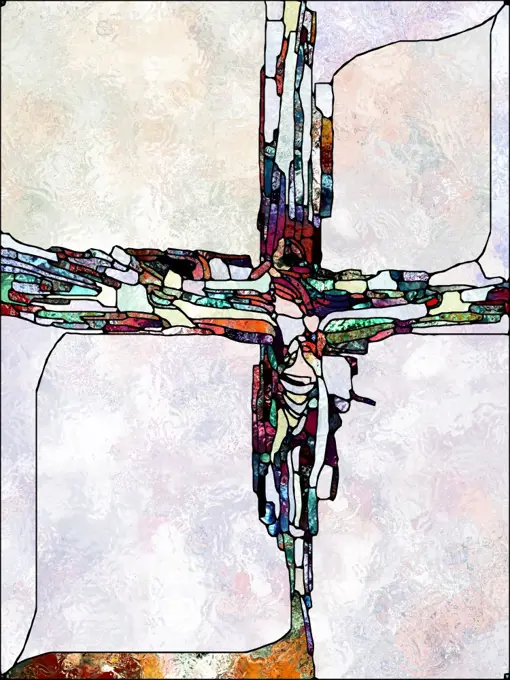
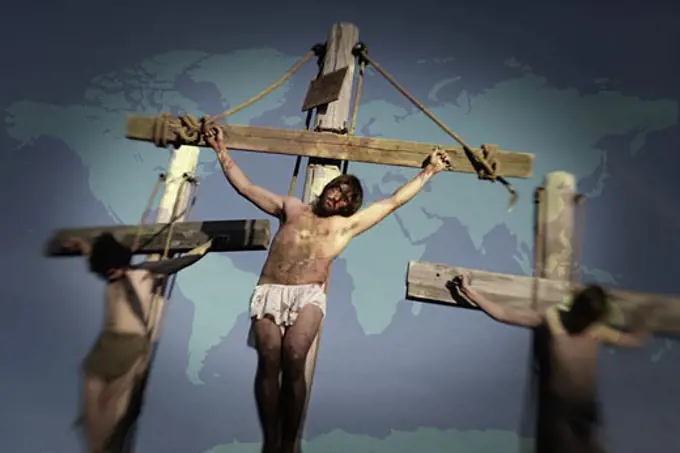
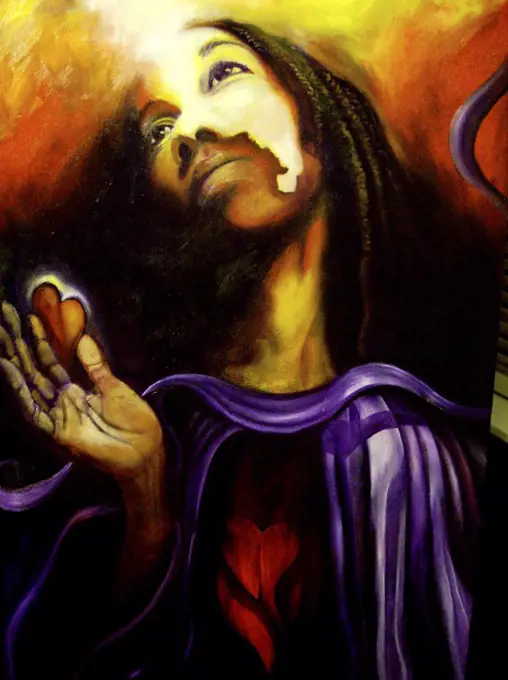
Religious Iconography and Architecture

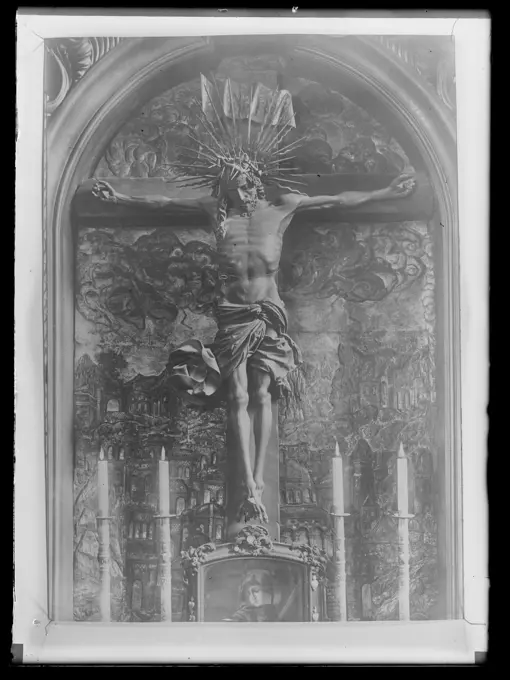
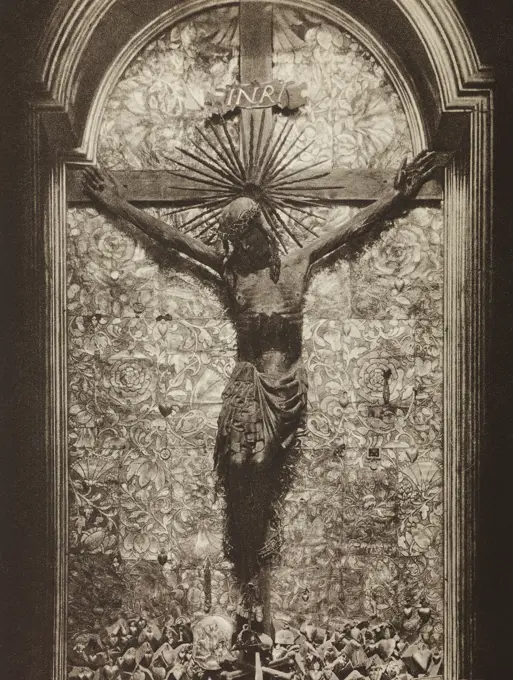
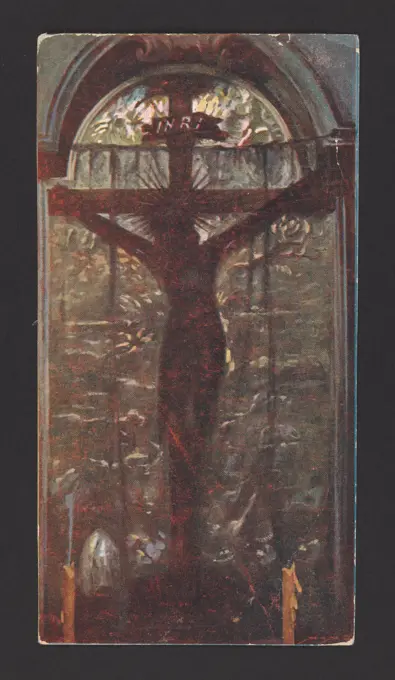
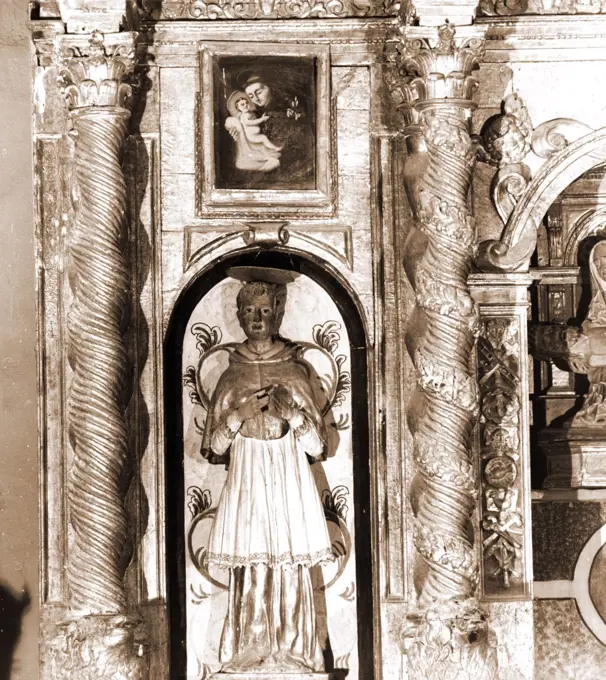
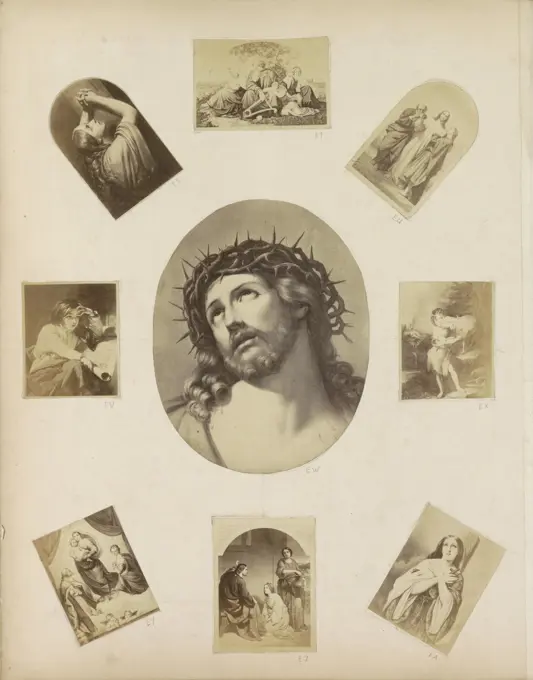
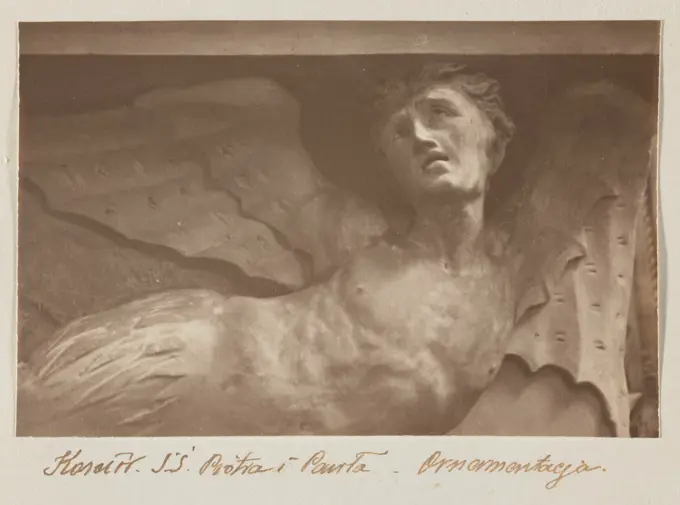
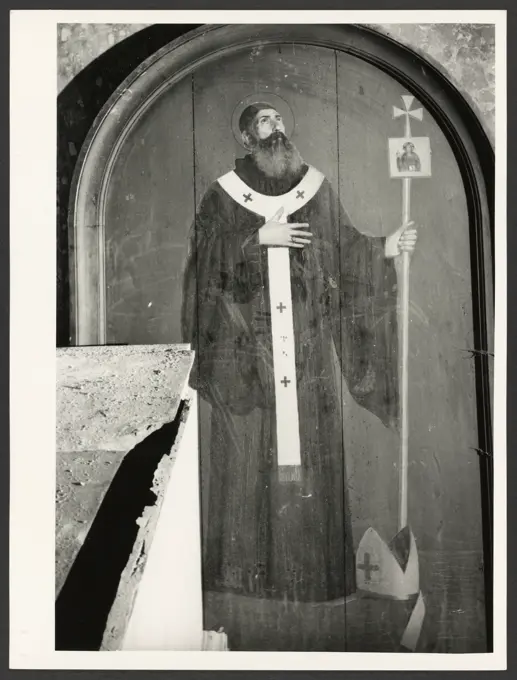
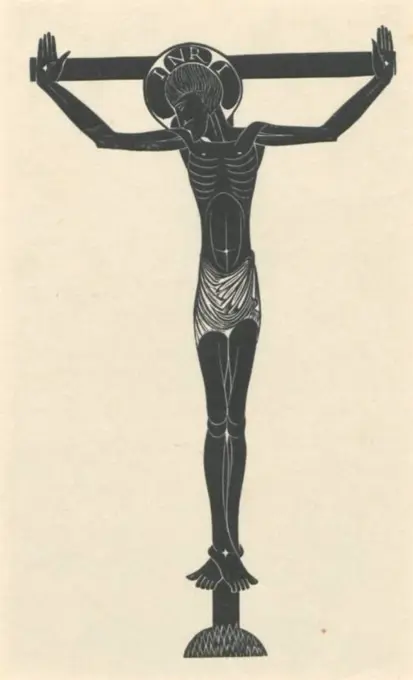
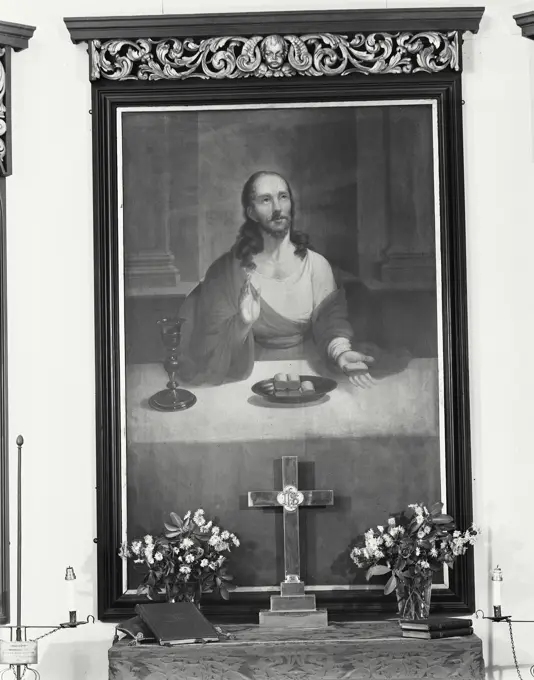
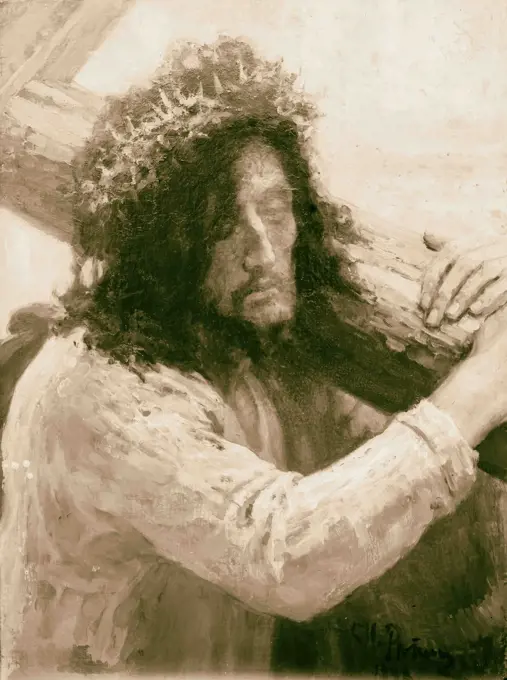
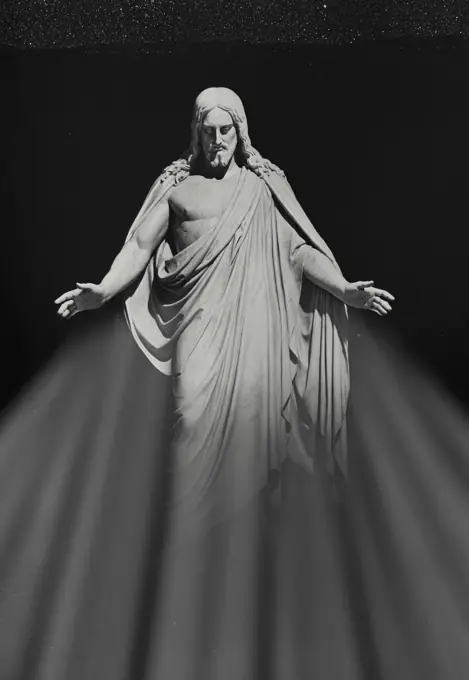
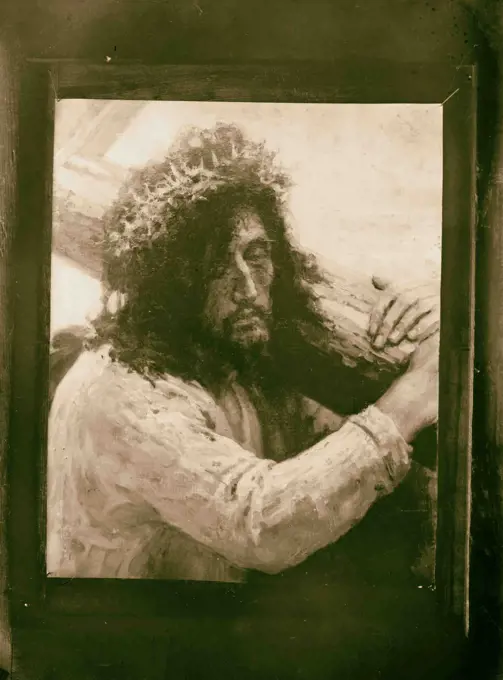
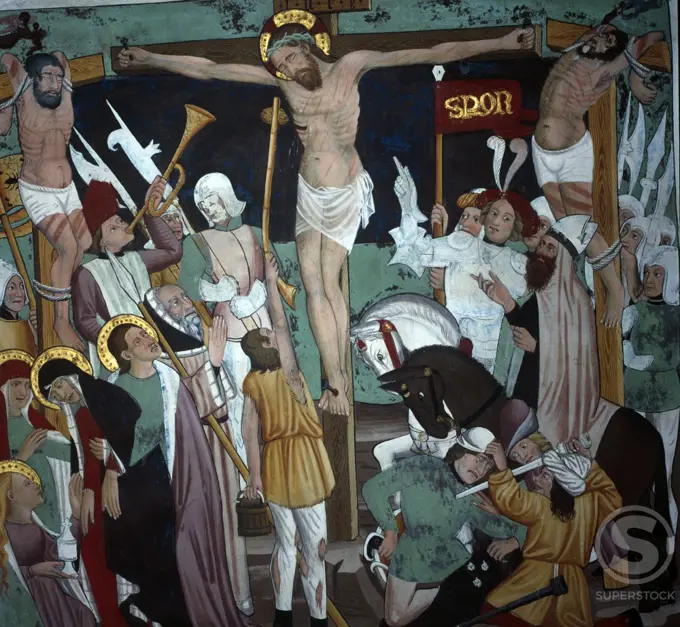
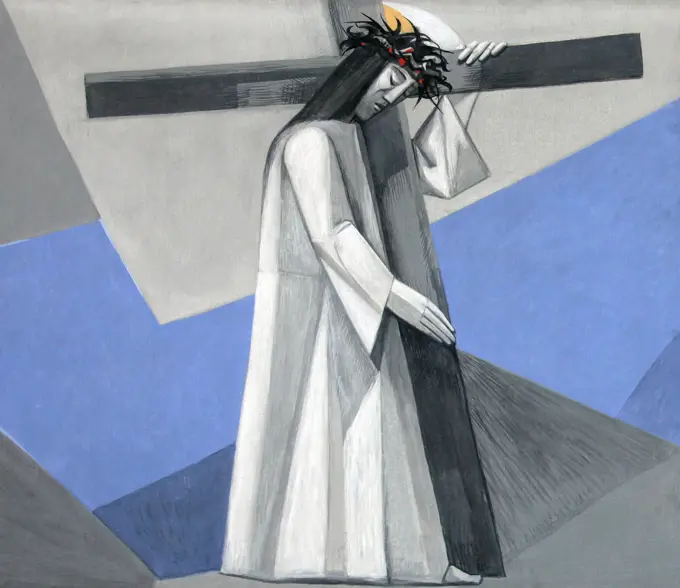
Images of historic religious art featuring crucifixes and sculptures within church interiors, capturing Gothic and Medieval styles with somber tones.

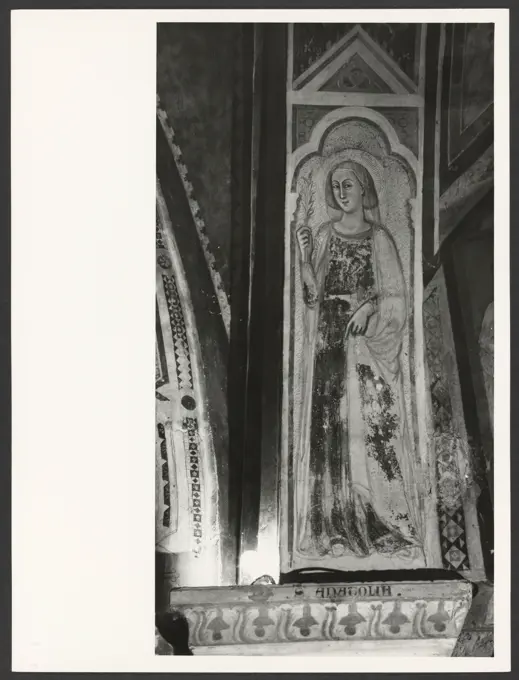
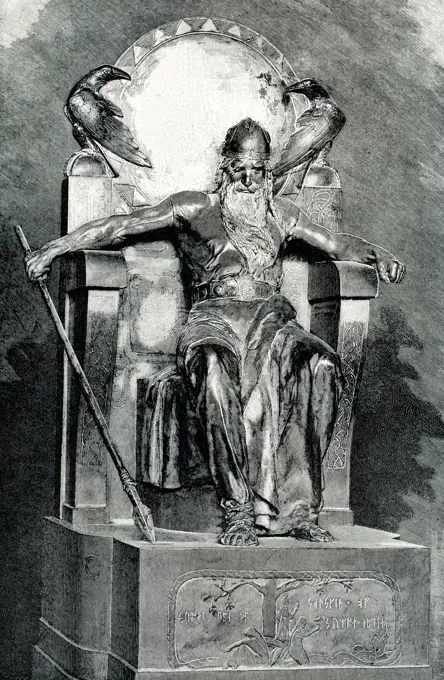
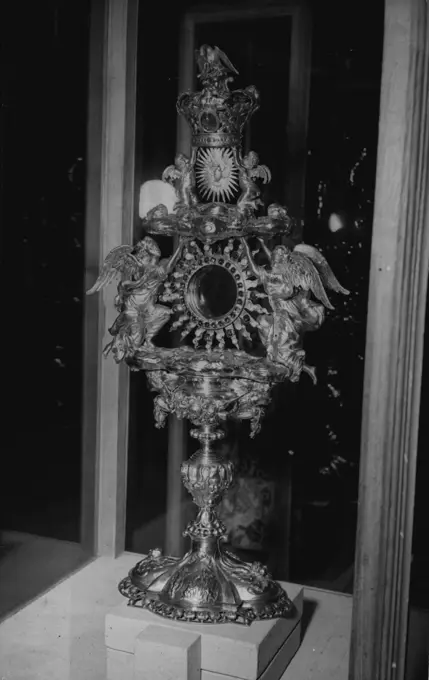
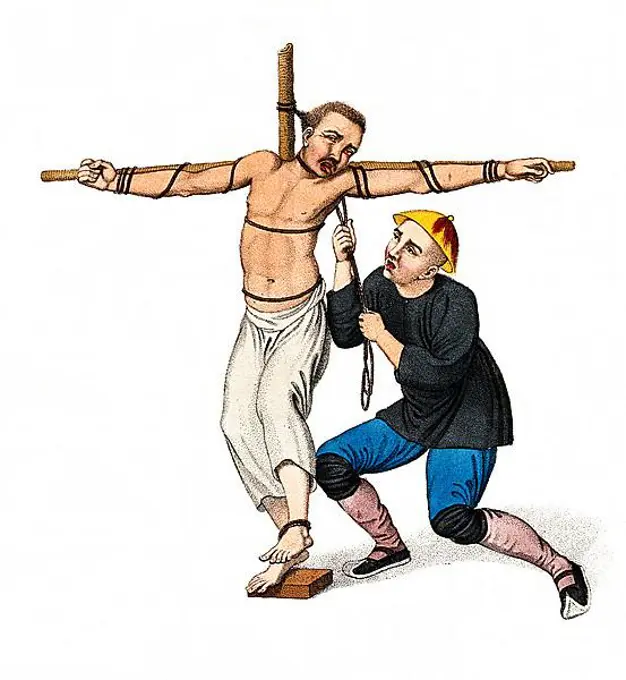
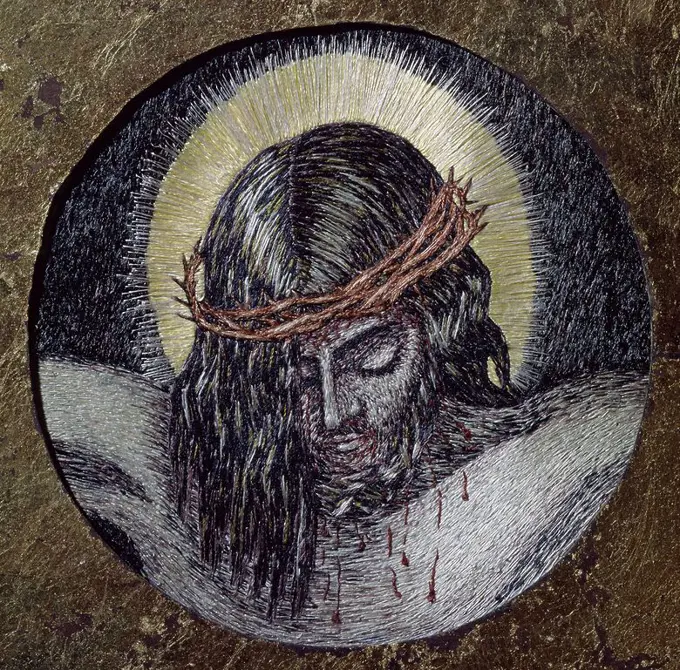
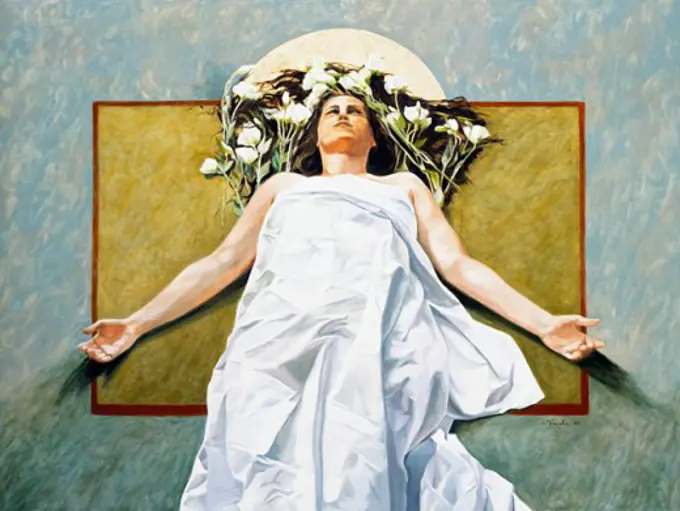
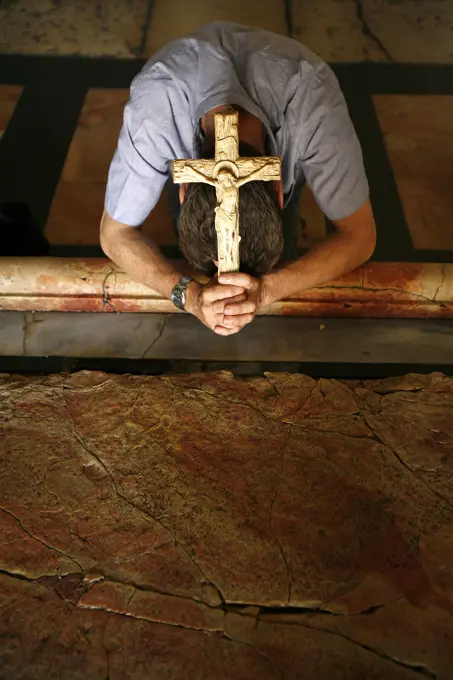
Abruzzo L'Aquila Trasacco SS. Rufino e Cesidio01. Hutzel, Max 1960-1990 The original monument was destroyed in 936, rebuilt, modified throughout the 16th century (with an addition to the nave in 1618), and restored in 1969. Exterior views include the bell tower and general building facades. Most views focus on the architectural sculpture of the Portale delle Donne and the Portale degli Uomini. Interior views in the Medieval core collection focus on a statue of St. Catherine in an aedicule (15th century); an ambo lecturn (pluteus) decorated with the four symbols of the Evangelists (c. 1267); a statue of the Virgin and Child under a sculpted baldachin on the entrance wall of the oratory (14th century) and the main altar composed of sarcophagus fragments of lions and peacocks in low-relief (8th-10th centuries). A baptismal font and possibly bas-reliefs (immured spolia) in the Oratory. Interior views in the Hutzel collection include: the altar statue of S. Cesidio, frescoes of the Annuncia
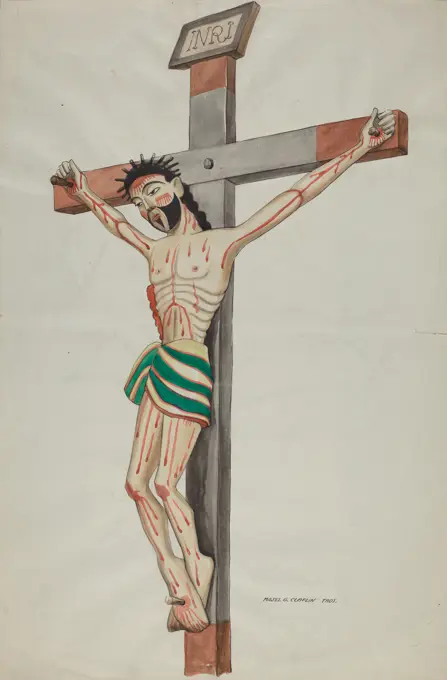
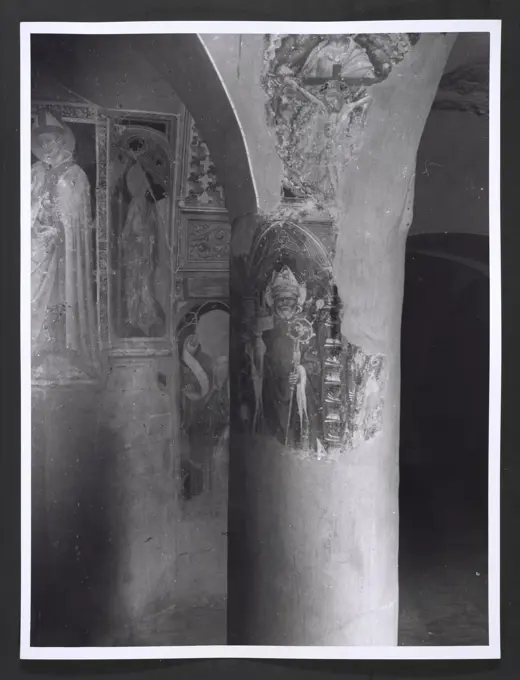
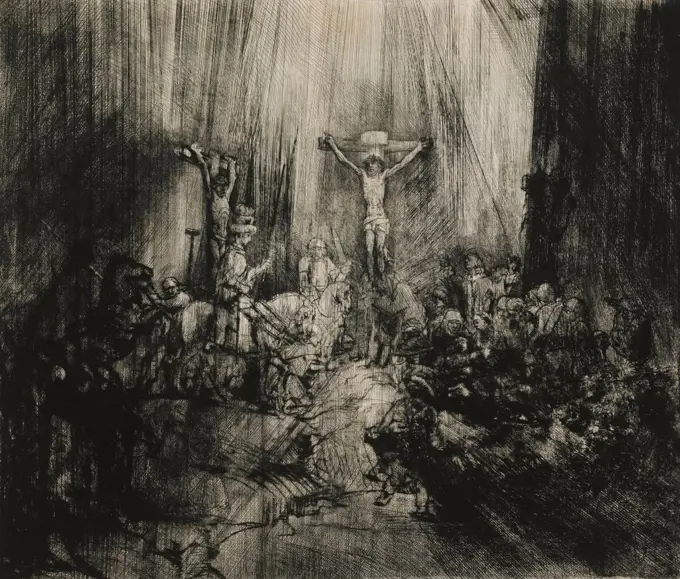
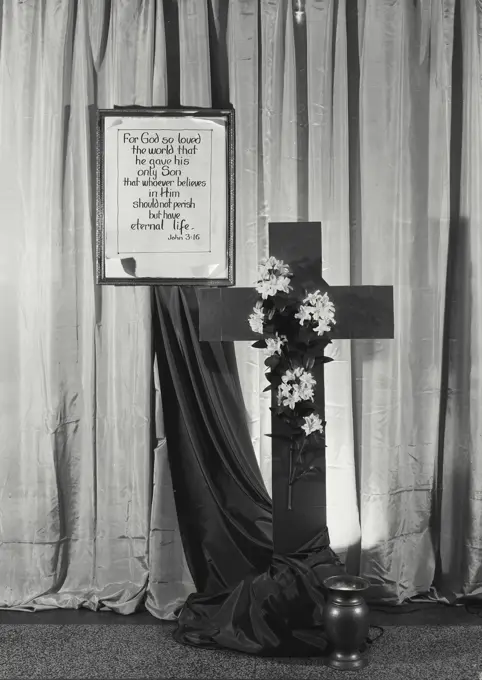
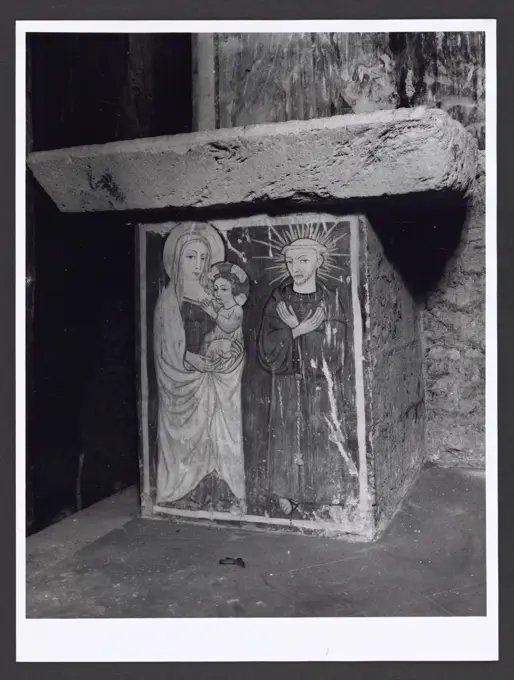
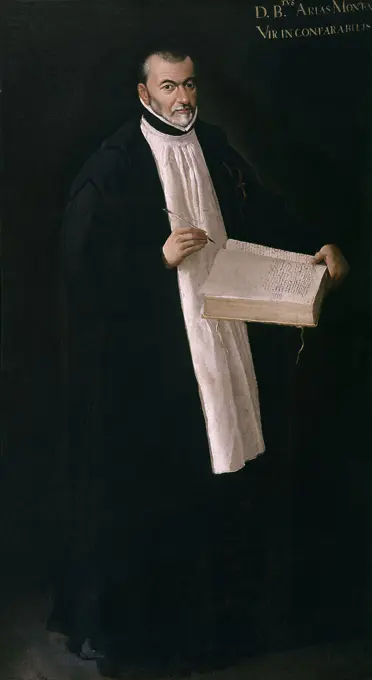
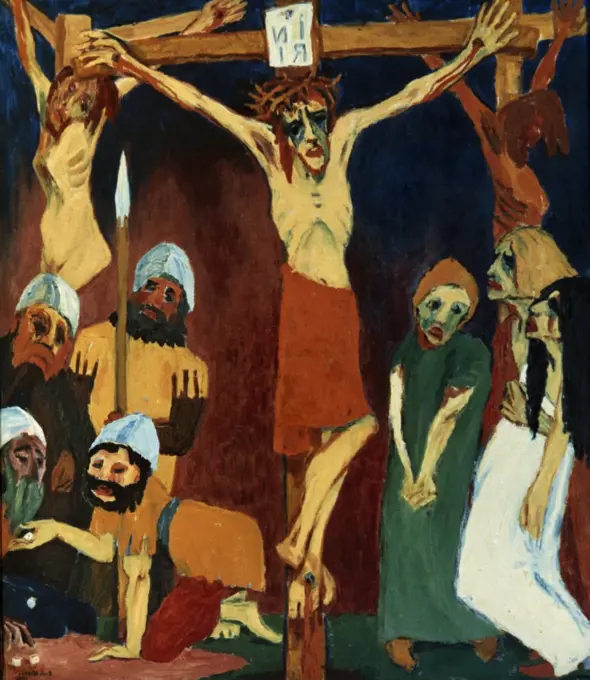
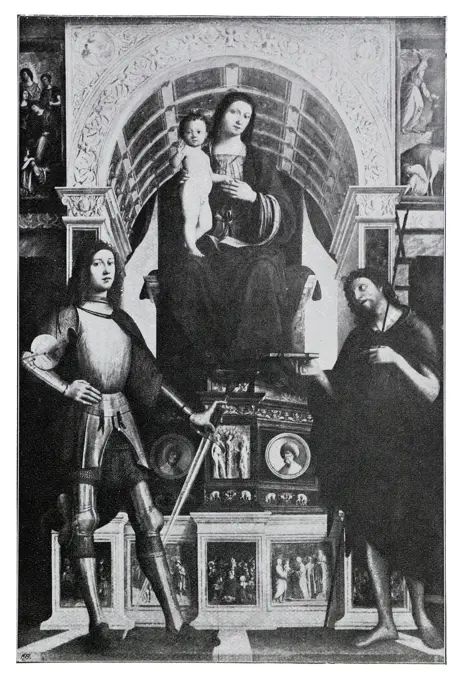
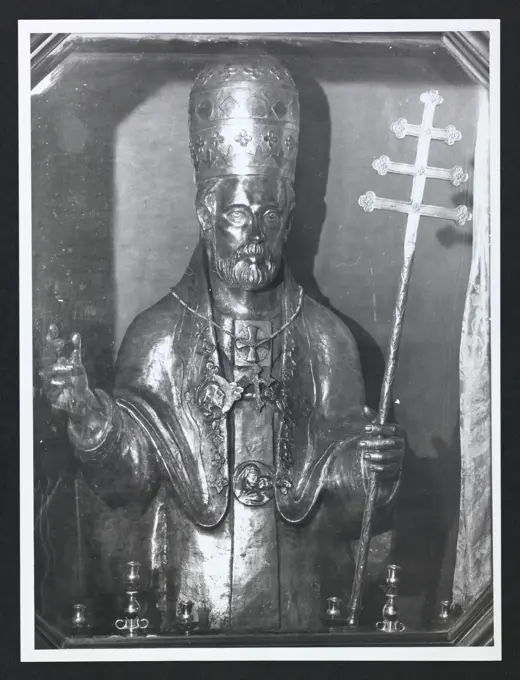
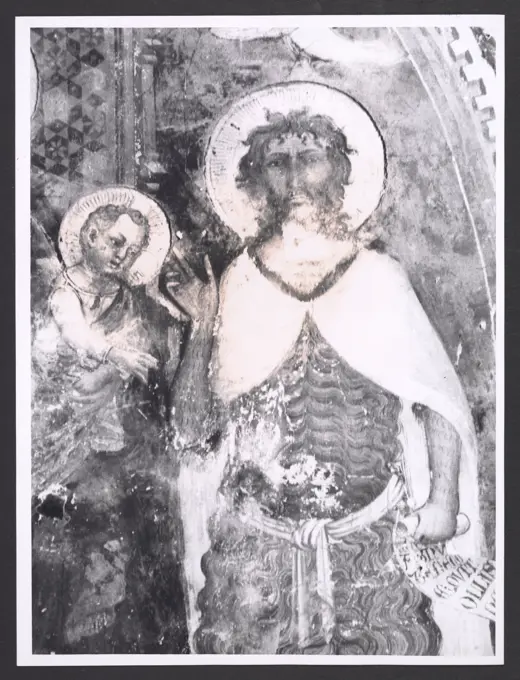
Campania Salerno Teggiano S. Michele. Hutzel, Max 1960-1990 Crpyt fresco: Madonna and Child Enthroned with St. John the Baptist and another saint. Object Notes: The proximity and ties between S. Michele and S. Angelo are unclear, but prints from these two monuments have been separated following their description in TCI/Campania (1981). Views of S. Michele and S. Angelo were described in Hutzel's notes of S. Michele and an 8th-century crypt. The prints--the exterior views of S. Angelo, in particular--may be misidentified. General Notes: Hutzel photo campaign date: January 7, 1995. German-born photographer and scholar Max Hutzel (1911-1988) photographed in Italy from the early 1960s until his death. The result of this project, referred to by Hutzel as Foto Arte Minore, is thorough documentation of art historical development in Italy up to the 18th century, including objects of the Etruscans and the Romans, as well as early Medieval, Romanesque, Gothic, Renaissance and Baroque monuments. Lazio Roma Rome S. Ignazio di Loyola32. Hutzel, Max 1960-1990 Church was built 1625-50, based on a project by Maderno. Exterior photos of facade, rooftops and portal, with details of capitals. Interior views of the nave; however, the majority of the photos are of the paintings in the vaults and chapels. Frescoes include the Entry of S. Ignatius into Heaven and the Four Parts of the World. There are also frescoes of Samson, David, Judith and Joel. In the transept are frescoes relating to St. Louis and to the Glory of S. Ignatius. Other, unidentified rooms in the complex are also photographed. Object Notes: Hutzel photo campaign notes are undated. See also Marburger Index, no. 395. German-born photographer and scholar Max Hutzel (1911-1988) photographed in Italy from the early 1960s until his death. The result of this project, referred to by Hutzel as Foto Arte Minore, is thorough documentation of art historical development in Italy up to the 18th century, including objects of the EtruscThe Saviour on the Cross. Nicolaas Henneman (British, 1813 - 1893)Abruzzo L'Aquila Trasacco SS. Rufino e Cesidio03. Hutzel, Max 1960-1990 The original monument was destroyed in 936, rebuilt, modified throughout the 16th century (with an addition to the nave in 1618), and restored in 1969. Exterior views include the bell tower and general building facades. Most views focus on the architectural sculpture of the Portale delle Donne and the Portale degli Uomini. Interior views in the Medieval core collection focus on a statue of St. Catherine in an aedicule (15th century); an ambo lecturn (pluteus) decorated with the four symbols of the Evangelists (c. 1267); a statue of the Virgin and Child under a sculpted baldachin on the entrance wall of the oratory (14th century) and the main altar composed of sarcophagus fragments of lions and peacocks in low-relief (8th-10th centuries). A baptismal font and possibly bas-reliefs (immured spolia) in the Oratory. Interior views in the Hutzel collection include: the altar statue of S. Cesidio, frescoes of the AnnunciaMarches Macerata San Severino Marche S. Agostino, Cathedral4. Hutzel, Max 1960-1990 Exterior views of the 15th-century facade with its gothic portal. Views also of the oratory and baroque portal. The interior, restored in 1776 and 1827, is neoclassical. Views in prints H-6 and H-9 show a small barrel-vaulted chapel with a modern main altar painting of the Last Supper. This is either the oratory or a misidentifed church interior. Other views include: wooden crucifixes; an intarsia door to the sacristy and intarsia panels by Indivini; various altar paintings; a silver statue of St. Severino with a crozier, a painting of the Madonna and Child with angels and a kneeling donor by Pinturicchio; a reliquary; a silver plate; a small painted ceramic statue of the Pieta; and a series of sketches from an album of an artist from San Severino Marche. Object Notes: Hutzel photo campaign date: April 8, 1983 German-born photographer and scholar Max Hutzel (1911-1988) photographed in Italy from the earAbruzzo, Alanno, Madonna delle Grazie, Italy, 20th century, photo, photography, EuropeKraków, St. Mary's Church, Wita Crucifix from the altar of the Crucifixion unknownKRAKOW - Cathedral - Black Crucifix” of Saint JadwigaLeon Wyczórzowski (1852-1936), Jadwiga's Crucifix;  around 1910 (1905-00-00-1915-00-00);Majel G Claflin, Cruciform  Bulto, 1935 1942 Cruciform - BultoLazio Rieti Amatrice S. Francesco4. Hutzel, Max 1960-1990 Medieval: Architecture, architectural sculpture. S. Francesco is a large Romanesque/Gothic church, dating to the late 14th century. The facade has a richly ornamented portal. In the lunette of the portal are figures of polychromed terracotta representing the Madonna and Child with 2 angels. Post-medieval: Views of the exterior and interior, including: wooden pulpit, Baroque altar and tabernacle, sculpture, frescoes. The walls within the church are covered with fresco decoration from the 15th century by artists of the Marche school. The Nativity, the Madonna Enthroned with Saints, the Tree of Jesse, the Coronation of the Virgin, and the Last Judgment are some of the scenes depicted. The church also contains a Baroque altar created by Giovanni Battista Gigli, created to house a gothic reliquary attributed to Pietro Vannini (1472). Object Notes: Coverage offers views of the exterior and interior of the church, including the main poLazio Roma Subiaco Sacro Speco12. Hutzel, Max 1960-1990 Exterior views (Medieval core collection). Interior views of monument, with extensive coverage of 14th c. frescoes of the Sienese school in the upper church and many views of the rock cut chapels of the lower church, including Sacro Speco, where young S. Benedetto lived for three years in solitude; Cappella di S. Gregorio Magno, adorned with 13th c. Byzantine frescoes; Scala Santa and Cappella della Madonna, both decorated with Sienese school frescoes, and Grotta dei Pastori, with 8th c. Byzantine fresco. _ German-born photographer and scholar Max Hutzel (1911-1988) photographed in Italy from the early 1960s until his death. The result of this project, referred to by Hutzel as Foto Arte Minore, is thorough documentation of art historical development in Italy up to the 18th century, including objects of the Etruscans and the Romans, as well as early Medieval, Romanesque, Gothic, Renaissance and Baroque monuments. Images are organizMarches Macerata San Severino Marche S. Lorenzo in Doliolo. Hutzel, Max 1960-1990 Exterior views of the 11th-century church with 14th-century cloister and bell tower. In the crypt (9th-13th centuries) are ceiling and wall paintings of angels, the Evangelists, and various other saints in medallions; votive frescoes of Saints Dominic, Augustine, and Anthony Abbot; and the tomb of S. Domenico. In the fourth and fifth crypt chapels is a fresco cycle by the Salimbeni brothers of the martyrdom of St. Andrew. The church interior is heavily restored, with modern nave piers and capitals. Displayed in the sacristy are salvaged fresco remains, a wooden statue of Christ (17th century), and paintings. Also views of a holy water font and a marble ciborium. Object Notes: Hutzel photo campaign date: April 5, 1983 German-born photographer and scholar Max Hutzel (1911-1988) photographed in Italy from the early 1960s until his death. The result of this project, referred to by Hutzel as Foto Arte Minore, M. Sala (Photographer) (Author of the original work: Samsó, Juan) / 'The Immaculate Conception'. Ca. 1881. Albumen on photographic paper. Museum: Museo del Prado, Madrid, España.Umbria Perugia Spoleto S. Domenico01. Hutzel, Max 1960-1990 Exterior views of 13th-14th century church restored in 1960: striped facade, bell tower, and portals. Interior views reveal a gothic structure with high ceilings, pointed arches, and an apse with stained glass windows. Fragments of preserved frescoes are visible in the white walls. Most views are of paintings and frescoes in the three chapels and crypt. In the chapel of St. Mary Magdalen are extensive fresco cycles (early 15th century), of the saint. The Callicola chapel and Chapel of the Sacrament are baroque chapels with stucco decoration and marble altars. In the crypt--formerly the Chiesa di S. Pietro Martire--are 14th century frescoes. German-born photographer and scholar Max Hutzel (1911-1988) photographed in Italy from the early 1960s until his death. The result of this project, referred to by Hutzel as Foto Arte Minore, is thorough documentation of art historical development in Italy up to the 18th century, including oChrist Crucified Between the Two Thieves. 'The Three Crosses'. Rembrandt Harmensz van Rijn (1606-1669). Drypoint with engraving. Dated 1653-circa 1661. 38.5 x 45.4cm.Abruzzo Chieti Lanciano S. Maria del Ponte, Cathedral5. Hutzel, Max 1960-1990 The cathedral itself dates from the 15th cent. and incorporated Diocletian's bridge into its structure. The cathedral was heavily renovated from 1785-88, giving the Cathedral a Baroque-Neoclassical facade and interior. There are general views of the church exterior and the bridge. Interior views include the nave and cupola, both of which date from the 1785-88 restoration. The high altar contains sculptural figures; as well, there is a sculpture of the Madonna del Ponte dating from the 14th cent. Paintings include frescoes of the 4 evangelists in the pendentives of the cupola and of the Last Supper, the Holy Family, the Madonna Enthroned and saints being stoned to death. The paintings date from the 18th century. Cathedral is built around a bridge said to date from the 300s and built by Diocletian. It was renovated around 1000. German-born photographer and scholar Max Hutzel (1911-1988) photographed in Italy frVintage Photograph. Cross with flowers with framed John 3:16 Bible verse hanging on wall with curtains, Frame 1Abruzzo L'Aquila Rosciolo dei Marsi (environs) S. Maria in Valle Porclaneta. Hutzel, Max 1960-1990 Exterior views of this former Benedictine abbey church include an inscribed plaque before the narthex; a polygonal apse with foliate sculptural details (13th century); and windows. Interior views include the tomb of Mater Niccolo and damaged frescoes (13th-16th centuries), but most coverage is of the architectural sculpture. The choir screen (mid 12th-13th centuries) is decorated with seraphim, busts of apostles in relief, foliate forms, rosettes, eagles, a lion, dragon, griffin, acanthus molding and vine scroll. The pulpit decoration consists of foliage inhabited by bearded or nude men, griffins or beasts as well as narrative relief sculpture such as Jonah coughed up by a whale and Jonah sitting under a gourd tree. The ciborium, piers and impost blocks are also decorated with figures, rosettes, dentils, quadrupeds and foliage. German-born photographer and scholar Max Hutzel (1911-1988) pLazio Latina Cori S. Maria della Pieta7. Hutzel, Max 1960-1990 Two rooftop views of bell tower, many views of facade, several views of portals, several views of Roman gravestones and statues, two interior views of altar, several views of paintings, and several views of a unique Easter candle candelabra. German-born photographer and scholar Max Hutzel (1911-1988) photographed in Italy from the early 1960s until his death. The result of this project, referred to by Hutzel as Foto Arte Minore, is thorough documentation of art historical development in Italy up to the 18th century, including objects of the Etruscans and the Romans, as well as early Medieval, Romanesque, Gothic, Renaissance and Baroque monuments. Images are organized by geographic region in Italy, then by province, city, site complex and monument.Kazuifel with embroidery of the cross-carrier and crucifixion of Christ, from the Sint-Servaas Basilica in Maastricht, Anonymous, c. 1882 - in or before 1887 photomechanical print  Antwerp paper collotype / photolithography chasuble. embroidery (ornamentation). the crucifixion of Christ: prelude to Christ's death on the cross (Matthew 27:34-44; Mark 15:23-32; Luke 23:33-43; John 19:18-24)Still life with a cross. nieznany malarz gdański, painterAngels mourning over Christ after the flagellation early 18th century Probably by Luisa Roldán, called La Roldana. Angels mourning over Christ after the flagellation 188884 Artist: Probably by Luisa Roldn, called La Roldana, Seville 16561704 Madrid, Angels mourning over Christ after the flagellation, early 18th century, Terracotta, polychromed and gilt, 10 1/2  9 1/2 in. (26.7  24.1 cm). The Metropolitan Museum of Art, New York. Rogers Fund, 1904 (04.8.1)Ericsson, Henry, Monk holding a lantern, colored woodcut, graphics, RELIGION, monk, lantern, crosses, plate width 9 cm, plate height 12.5 cm, leaf width 22 cm, leaf height 28 cm, Carl August Henry Ericsson, 1898 in St. Michel, Finland - 1933 in Borgå, was a Finnish graphic artist and decorative painter of Finland.Abruzzo, L'Aquila, L'Aquila, S. Silvestro, Italy, 20th century, photo, photography, EuropeAbruzzo L'Aquila Fossa S. Maria delle Grotte. Hutzel, Max 1960-1990 Medieval: Architecture, architectural sculpture, sculpture Post-medieval: Fresco cycles German-born photographer and scholar Max Hutzel (1911-1988) photographed in Italy from the early 1960s until his death. The result of this project, referred to by Hutzel as Foto Arte Minore, is thorough documentation of art historical development in Italy up to the 18th century, including objects of the Etruscans and the Romans, as well as early Medieval, Romanesque, Gothic, Renaissance and Baroque monuments. Images are organized by geographic region in Italy, then by province, city, site complex and monument.Lazio Viterbo Tarquinia S. Giovanni Battista6. Hutzel, Max 1960-1990 The church was built in the 13th century, and was connected to the Knights of Malta. The main portal is flanked by two other portals using fronts of sarcophagi for architraves. Photos show the exterior generally, the details of the portals and some side walls. Interior photos show the nave, altar and absidal chapels with their gothic vaulting. There are several photos of capitals with vegetal, animal and human motifs, the baptismal font and miscellaneous architectural details. The paintings include a Deposition (1400s), and two from the 18th cent. of a bishop and of S. Carlo Borromeo. There is a large crucifix over the altar (1310) and a ciborium behind the altar. Object Notes: Hutzel photo campaign dates: February 20, 1984 and December, 1985. German-born photographer and scholar Max Hutzel (1911-1988) photographed in Italy from the early 1960s until his death. The result of this project, referred to by Hutzel as FotoAbruzzo, Pescara, Loreto Aprutino, S. Maria in Piano, Italy, 20th century, photo, photography, EuropeUnknown architect, crucifix (without dat.): View. Photo on paper on cardboard, 48.4 x 32.5 cm (including scan edges) N.N. : KruzifixPhoto production of (presumably) a print representing the footwashing and solving by Maria Magdalena, c. 1850 - c. 1870 photograph Part of album with photos of sights and landscapes in England and of art. England paper. photographic support albumen print Christ's feet are anointed by Mary (Magdalene)Umbria Perugia Spoleto S. Gregorio Maggiore6. Hutzel, Max 1960-1990 Exterior views of a restored 12th century church: bell tower; facade with niched saints, triforium windows (12th century), and porch (16th century); cloister; frescoed baptismal chapel (1536) and font (15th century). General views of interior and crypt: remnants of frescoes by Umbrian artists (13-16th centuries), including two of the Madonna lactans; altar frescoes of Saints Sebastian, Roch, and Abbondanza around a marble tabernacle (1526); holy water fonts (14th century); baroque domed chapel with fresco and stucco decoration and tabernacle; apse frescoes of clerical saints in medallions (11th century); Roman steles used as altar bases; sarcophagus of St. Abbondanza; columns and capitals of various styles. Object Notes: Hutzel photo campaign date: February 9, 1983 German-born photographer and scholar Max Hutzel (1911-1988) photographed in Italy from the early 1960s until his death. The result of this project, referredChurch . Piotr and Paw Ornamentation; Photography in the album "Vilnius", volume 2; Bu Hak, Jan (1876-1950); around 1912 (1912-00-00-1913-00-00);Lazio Roma Subiaco Monastery of S. Scolastica Monastic church0. Hutzel, Max 1960-1990 Exterior views (in Medieval core collection). Views of 18th c. renovated interior, including nave, altar, ceiling, organ, chapels, paintings, choir, sacristy, refectory. Detail views of 15th c. frescoes in the Grotte di S. Scolastica. German-born photographer and scholar Max Hutzel (1911-1988) photographed in Italy from the early 1960s until his death. The result of this project, referred to by Hutzel as Foto Arte Minore, is thorough documentation of art historical development in Italy up to the 18th century, including objects of the Etruscans and the Romans, as well as early Medieval, Romanesque, Gothic, Renaissance and Baroque monuments. Images are organized by geographic region in Italy, then by province, city, site complex and monument.Umbria Perugia Todi S. Fortunato8. Hutzel, Max 1960-1990 Exterior views of this church focus on the facade portals (1430-1436). Flanking the center portal are aediculae with statues of the Archangel Gabriel and the Virgin of the Annunciation. The portal sculpture is comprised of elaborately carved colonettes; the subjects include nude men in foliage, prophets, saints, martyrs, patriarchs, inhabited vinescroll, grapevines, fig leaves, Abraham and Isaac, and a scene of the stigmatization of St. Francis.. Views of this 13th-15th century gothic interior include details of vaulted ceilings, sacristy portals, the polygonal apse, a crucifix in olive wood, choirstalls, the marble high altar with bishops painted in the trefoil arches, choirstalls, a holy water basin, fresco fragments of the Giotto school, a painting of the Coronation of the Virgin over Todi by Polinori, and various altar paintings. In the crypt are sepulchral monuments of Jacopone da Todi and the family Tudertini, a tomb reliquJordi Arenas / "El sacrificio de Isaac" (The sacrifice of Isaac) (detail), 1960, Fresco painting, chapel of the sacrament, church of Santa Anna de Mataró. Author: JORDI ARENAS I CLAVELL.Lazio Rieti Rieti S. Maria Assunta, Duomo, e Palazzo Vescovile62. Hutzel, Max 1960-1990 Medieval: Duomo, architecture (12-13th, 15th centuries). Post-medieval: Duomo and Palazzo Vescovado: Architecture, sculpture, frescoes, painting, architectural sculpture, metalwork, vestments General Notes: Hutzel combines two sites here, with no indication as to which photos or negatives belong to either site. Sites are catalogued separately in Medieval section, and entered thus in database. It is uncertain as to whether this includes objects from the Museo del Tesoro del Duomo. Hutzel photo campaign notes are undated. There is a note that there are no prints for 69-129. German-born photographer and scholar Max Hutzel (1911-1988) photographed in Italy from the early 1960s until his death. The result of this project, referred to by Hutzel as Foto Arte Minore, is thorough documentation of art historical development in Italy up to the 18th century, including objects of the Etruscans and the Romans, asColored woodcut 'Christ on the Cross' by an anonymous artist, 1470-1480, depicting Christ crucified, detailed drapery, posture, and religious iconography.N.N.: Altar. Monthly competition May 1843Marches Macerata San Severino Marche Pinacoteca Civica0. Hutzel, Max 1960-1990 The collections include: a silver reliquary (1326), a relic of Pope Peter Celestini V, a silver plate, a 13th-century clothes chest illustrating a medieval legend, a globe with constellations/signs of the zodiac, fresco fragments by the Salimbeni brothers, a fresco of St. Francis receiving the Stigmata from the church of S. Francesco in Castello (now destroyed), a fresco of St. Anthony Abbot, elaborate polyptychs by Veneziano and Salimbeni, an ivory chest with secular imagery, and various altarpieces and paintings. Of exceptional quality are paintings by Bernardino Mariotto of the Annunciation and the Pieta, and an altarpiece of the Madonna and Child Enthroned with Saints by Vittore Crivelli. Object Notes: Hutzel photo campaign date: April 11, 1983 German-born photographer and scholar Max Hutzel (1911-1988) photographed in Italy from the early 1960s until his death. The result of this project, referred to byThis early 1900s illustration shows Woden. The caption: Woden was the chief god of the ancient Germans. This ideal statue-figure represents the mighty god seated on his throne. His head is bowed in gloomy reverie, his one seeing eye sternly fixed, his hands clinched. He seems thinking of the great battle which he must some day fight against all tyhe forces of evil. This battle will end the world and in it Woden himself is doomed to die. Above the god perch his watchful messengers, the two ravens, Thought and Memory. Below is a symbolic carving of the universe, the tree of life, with the Norns,In Ecclesiastical Plate Display - Monstrance, seen in the Westminster Cathedral Hall today. It is in silver gilt, jewelled, and is of Spanish design. Shown by Westminster Cathedral.A striking collection of ecclesiastical vestments and plate - most of them from London's Westminster Cathedral - are to be seen in a special exhibition in Westminster Cathedral Hall, Westminster, London, from today (Friday) until July 21. The show is organised by the Festival of Britain Catholic Committee. July 06, 1951. (Photo by Reuterphoto).Unknown architect, altar with crucifix. Monthly competition in January 1860 (01.1860): View Krucifix; 1: 2. Ink and pencil on paper, 47.2 x 26.9 cm (including scan edges)Lazio Viterbo Viterbo Museo Civico3. Hutzel, Max 1960-1990 Views of paintings (Middle Ages through 18th c.), frescoes, a tabernacle, coffin, sculpture reliefs, portal fragments, busts, sculpture, tapestry found in the Pinacoteca, Second floor gallery and Second floor cloister sequences. Antiquities: Many views of Etruscan and Roman fragments, sculpture, sarcophagi, pottery, masks, jewelry and other objects found in the Storeroom sequence (inventory numbers on back of prints), and the Cloister, Second floor Cloister, Valle Giulia, Sala Romana and Sala Etrusca sequences. General Notes: There are eight separate numerical sequences for this location. The cloister as an architectural structure, rather than museum site, is documented in the record and file for S. Maria della Verita, Cloister, all views of which are stored in Medieval core collection. Five views from the Museo Civico Second floor cloister sequence are stored in Medieval. German-born photographer and scholar Max Hutzel (1911-1Lazio Roma Velletri Museo Capitolare1. Hutzel, Max 1960-1990 Medieval: Breviaries (two, 14-15th century); "The Passion" on vellum (French school, late 13th century); reliquaries. Post-medieval: Paintings, frescoes, vestments, sculpture, metalwork, panel painting Object Notes: Bibliographic material housed in Center library. Hutzel photo campaign dates: one undated, another November 9, 1985. It is likely that notes for the Pinacoteca Cattedrale (no separate Hutzel entry) describe items under this heading. TCI seems to indicate that the Museo Capitolare is adjacent to the cathedral. As well, some prints are missing; the initial Hutzel entry indicates that there are 422 prints. At this count, I can find 142. German-born photographer and scholar Max Hutzel (1911-1988) photographed in Italy from the early 1960s until his death. The result of this project, referred to by Hutzel as Foto Arte Minore, is thorough documentation of art historical development in Italy up to the 18th century, incluMadrid. Cristo de Medinaceli.Lazio Rieti Rieti S. Agostino5. Hutzel, Max 1960-1990 Medieval: Architecture, sculpture, painting. The church dates from the 13th century, and still possesses two gothic portals. The main portal, of the 14th century, contains a semicircular tympanum within which is a fresco of the Madonna and Child with S. Augustine and S. Nicholas of Bari, a work of the Sienese school from 1354. Above the lunette in the gable is a relief of the Lamb of God. The other medieval portal on one of the transept arms is less elaborate than the main portal, consisting of double-arcaded windows and a central round window above. Post-medieval: Architecture, sculpture, painting. The interior of the structure dates from the Baroque period (end 17th century). In a left side chapel is a cycle of frescoes dating from the 16th century, depicting Christ blessing. In a right side chapel is a cycle of scenes from the life of S. Augustine, dating from the 17th century. Above the altar of the left transept arm, is a paintBENITO ARIAS MONTANO 1527/98-SPANISH HUMANIST WRITER. Location: MONASTERIO-PINTURA. SAN LORENZO DEL ESCORIAL. MADRID. SPAIN.Tuscany Grosseto Grosseto Museo Diocesano di Arte Sacra6. Hutzel, Max 1960-1990 Post-medieval collection of paintings, sacred objects and manuscripts from the Duomo and other city churches. There are a significant number of late Medieval Madonnas & Child paintings as well as High Renaissance paintings from the Bolognese school. The objects include a processional cross, and two reliqueries. Additionally there are some photos of manuscript pages of hymnals with objects they are displayed with. Object Notes: Hutzel notes are undated. The objects in the Musea Diocesano are included in his notes for the Duomo. We have kept Hutzel's numbering for the objects. There are also two prints for almost all the negatives, and the details were so similar (even if one photo is cropped more closely) that we have treated them as though there were two prints for each negative. German-born photographer and scholar Max Hutzel (1911-1988) photographed in Italy from the early 1960s until his death. The resulUmbria Perugia Spoleto S. Domenico. Hutzel, Max 1960-1990 Exterior views of 13th-14th century church restored in 1960: striped facade, bell tower, and portals. Interior views reveal a gothic structure with high ceilings, pointed arches, and an apse with stained glass windows. Fragments of preserved frescoes are visible in the white walls. Most views are of paintings and frescoes in the three chapels and crypt. In the chapel of St. Mary Magdalen are extensive fresco cycles (early 15th century), of the saint. The Callicola chapel and Chapel of the Sacrament are baroque chapels with stucco decoration and marble altars. In the crypt--formerly the Chiesa di S. Pietro Martire--are 14th century frescoes. German-born photographer and scholar Max Hutzel (1911-1988) photographed in Italy from the early 1960s until his death. The result of this project, referred to by Hutzel as Foto Arte Minore, is thorough documentation of art historical development in Italy up to the 18th century, including objCrucifixion by Emil Nolde, 1867-1956Lazio Rieti Rieti S. Maria Assunta, Duomo, e Palazzo Vescovile07. Hutzel, Max 1960-1990 Medieval: Duomo, architecture (12-13th, 15th centuries). Post-medieval: Duomo and Palazzo Vescovado: Architecture, sculpture, frescoes, painting, architectural sculpture, metalwork, vestments General Notes: Hutzel combines two sites here, with no indication as to which photos or negatives belong to either site. Sites are catalogued separately in Medieval section, and entered thus in database. It is uncertain as to whether this includes objects from the Museo del Tesoro del Duomo. Hutzel photo campaign notes are undated. There is a note that there are no prints for 69-129. German-born photographer and scholar Max Hutzel (1911-1988) photographed in Italy from the early 1960s until his death. The result of this project, referred to by Hutzel as Foto Arte Minore, is thorough documentation of art historical development in Italy up to the 18th century, including objects of the Etruscans and the Romans, asMadrid, 07/02/1964. Funeral of Julio Casares.Christ in the midst of Cathedrals, Lodewijk Schelfhout, 1916 print Christ, half naked and with eyes closed, in a hilly landscape with towers and cathedrals.  paper drypoint 'portraits' of Christ. landscape with tower or castle. church (exterior)Abruzzo, L'Aquila, Tornimparte, S. Panfilo, Parish church, Italy, 20th century, photo, photography, EuropeLazio Rieti Rieti S. Maria Assunta, Duomo, e Palazzo Vescovile04. Hutzel, Max 1960-1990 Medieval: Duomo, architecture (12-13th, 15th centuries). Post-medieval: Duomo and Palazzo Vescovado: Architecture, sculpture, frescoes, painting, architectural sculpture, metalwork, vestments General Notes: Hutzel combines two sites here, with no indication as to which photos or negatives belong to either site. Sites are catalogued separately in Medieval section, and entered thus in database. It is uncertain as to whether this includes objects from the Museo del Tesoro del Duomo. Hutzel photo campaign notes are undated. There is a note that there are no prints for 69-129. German-born photographer and scholar Max Hutzel (1911-1988) photographed in Italy from the early 1960s until his death. The result of this project, referred to by Hutzel as Foto Arte Minore, is thorough documentation of art historical development in Italy up to the 18th century, including objects of the Etruscans and the Romans, asMadonna and Child with St John the Baptist and St William after Ercole Grandi (c1463 - c1525). Black and White Illustration from the Connoisseur, an Illustrated Magazine for Collectors Voll 3 (May-Aug 1902) published in London.Campania Caserta Capua Museo Campano76. Hutzel, Max 1960-1990 Medieval: Byzantine architectural fragments; parchment fragments with miniatures (12th century) from Montecassino; painted wooden crucifix (13th century); Carolingian crucifixes; Bishop's miter (11th century) of gold and silver damask; fresco (13th century). Post-medieval: Architecture (15th century). Formerly the Palazzo Antignano. Unusual Catalan/Moorish-style portal; Paintings on panel and canvas (15th-18th centuries); marble intarsia (16th century); marble sculpture: busts of Christ and Mary (17th century); sculpture of saints in marble and in wood (15th century); painted and gilded sculpture in wood; marble grave sculpture (16th century); sarcophagus with allegorical carvings; gold reliquary "Rosa d'Oro"; crucifix made of elephant tusk Specific Location: Pianterreno Antiquities: Italic sculpture (seated women holding babies); inscription. Photo campaign #1: 533 photos. Roman relief and sculpture; cinerary urns; Greek anCampania Caserta Aversa S. Francesco4. Hutzel, Max 1960-1990 Post-medieval: Built in 6th century, remodelled in 1645 and 1830. Lower part of the campanile belongs to the original construction. Interior has series of works in the Francesco de Mura school; "Adoration of the Shepherds" by Pietro da Cortona c. 1650; "Ecstasy of S. Francesco" by Ribera, 1649; "Madonna and Child" Byzantine 13th century. Attached is a medieval cloister with fragments of frescoes. Object Notes: TCI states that in 1980 plans were afoot to create a small museum in the monastery to house sculpture, paintings, and other works from the diocese. Not reflected in Hutzel's photo campaign. German-born photographer and scholar Max Hutzel (1911-1988) photographed in Italy from the early 1960s until his death. The result of this project, referred to by Hutzel as Foto Arte Minore, is thorough documentation of art historical development in Italy up to the 18th century, including objects of the Etruscans and the Romans, as wCampania Caserta Sessa Aurunca S. Pietro (Duomo)04. Hutzel, Max 1960-1990 Medieval: Architecture (c. 1103), architectural sculpture, pavement (12th century), pascal candle, baptismal font with re-used Roman fragments. Post-medieval: Frescoes (13th century) Baroque interior (c. 1758), sculpture Object Notes: Site restored 1980 German-born photographer and scholar Max Hutzel (1911-1988) photographed in Italy from the early 1960s until his death. The result of this project, referred to by Hutzel as Foto Arte Minore, is thorough documentation of art historical development in Italy up to the 18th century, including objects of the Etruscans and the Romans, as well as early Medieval, Romanesque, Gothic, Renaissance and Baroque monuments. Images are organized by geographic region in Italy, then by province, city, site complex and monument.Christ on the Cross Arthur Eric Rowton Gill (Brighton, England, 1882 - 1940) MaleSPAIN - La Huerta de Murcia (district) - MURCIA. Murcia (capital); Iglesia de Jesús que alberga los pasos de Semana Santa del escultor Francisco Salzillo; "Los Azotes"Lazio Roma Ariccia S. Maria dell'Assunzione. Hutzel, Max 1960-1990 Post-medieval: Architecture, painting, architectural sculpture, stuccoed ceiling, wooden tabernacle, sculpture. This round church was designed by Bernini (1664), with a pronaos of 3 arcades, and surmounted by a large cupola with a supporting drum. Inside, the large dome is decorated by coffers, and putti and angels of stucco, by P.P. Naldini, ornament the base of the dome. In the apse is a fresco of the Assumption by Borgognone (1666). German-born photographer and scholar Max Hutzel (1911-1988) photographed in Italy from the early 1960s until his death. The result of this project, referred to by Hutzel as Foto Arte Minore, is thorough documentation of art historical development in Italy up to the 18th century, including objects of the Etruscans and the Romans, as well as early Medieval, Romanesque, Gothic, Renaissance and Baroque monuments. Images are organized by geographic region in Italy, then by province, city, siteVintage Photograph. Painting in Old North Church at Boston Massachusetts.Lazio Roma Rome S. Stefano del Cacco0. Hutzel, Max 1960-1990 Post-medieval: Architecture, sculpture, painting, frescoes, reliquary objects, high reliefs, iconostasis (15th century). Minor church found in vicinity of Piazza Argentina. Small basilica of early middle ages, enclosed by Baroque palaces. basilica of early middle ages, enclosed by Baroque palaces. Oratorium, small museum with Roman and early medieval sculpture of 9th century basilica is found. Photos show restoration process of retrieved statues from copper iconostasis which was stolen about 40 years ago and rediscovered in the early 1960's. German-born photographer and scholar Max Hutzel (1911-1988) photographed in Italy from the early 1960s until his death. The result of this project, referred to by Hutzel as Foto Arte Minore, is thorough documentation of art historical development in Italy up to the 18th century, including objects of the Etruscans and the Romans, as well as early Medieval, Romanesque, Gothic, Renaissance aKānpur, India: the memorial to the massacre of 1857. Photograph attributed to S. Bourne, 186-.Man of Sorrows,' by Repen, in Russian Hospice, Jerusalem. 1898, IsraelLazio Rieti Rieti S. Maria Assunta, Duomo, e Palazzo Vescovile03. Hutzel, Max 1960-1990 Medieval: Duomo, architecture (12-13th, 15th centuries). Post-medieval: Duomo and Palazzo Vescovado: Architecture, sculpture, frescoes, painting, architectural sculpture, metalwork, vestments General Notes: Hutzel combines two sites here, with no indication as to which photos or negatives belong to either site. Sites are catalogued separately in Medieval section, and entered thus in database. It is uncertain as to whether this includes objects from the Museo del Tesoro del Duomo. Hutzel photo campaign notes are undated. There is a note that there are no prints for 69-129. German-born photographer and scholar Max Hutzel (1911-1988) photographed in Italy from the early 1960s until his death. The result of this project, referred to by Hutzel as Foto Arte Minore, is thorough documentation of art historical development in Italy up to the 18th century, including objects of the Etruscans and the Romans, asMadrid. Santo niño del Remedio.Vintage Photograph. Wooden cross sitting on silk fabric with Holy Bible and candles and lily flowersangel and Jesus Christ in the Alhambra cemeteryOld medieval crucifix in Italian church - made of woodCampania Benevento Sant'Agata de' Goti Cathedral8. Hutzel, Max 1960-1990 Medieval: Architecture and architectural sculpture (10th-12th centuries); frescos (14th century); stoup. Post-medieval: Baroque additions to exterior and complete remodel of interior, including extensive stucco work; elaborately carved wooden choir stalls (17th century); paintings on canvas; tessellated pavement; sculpture; inscription; crucifix Antiquities: Corinthian columns reused in portico and crypt German-born photographer and scholar Max Hutzel (1911-1988) photographed in Italy from the early 1960s until his death. The result of this project, referred to by Hutzel as Foto Arte Minore, is thorough documentation of art historical development in Italy up to the 18th century, including objects of the Etruscans and the Romans, as well as early Medieval, Romanesque, Gothic, Renaissance and Baroque monuments. Images are organized by geographic region in Italy, then by province, city, site complex and monument.Marches Macerata Camerino Museo Diocesano8. Hutzel, Max 1960-1990 German-born photographer and scholar Max Hutzel (1911-1988) photographed in Italy from the early 1960s until his death. The result of this project, referred to by Hutzel as Foto Arte Minore, is thorough documentation of art historical development in Italy up to the 18th century, including objects of the Etruscans and the Romans, as well as early Medieval, Romanesque, Gothic, Renaissance and Baroque monuments. Images are organized by geographic region in Italy, then by province, city, site complex and monument.Vintage Photograph. Composite of statue of Jesus with light rays shining from hands.Jesus Christ, the Crucifixion in profile, with two Roman Soldiers, platinum print photograph by F. Holland Day, 1898.Peter, Paul & veronica / SchaffnerReligious paintings in Palestine. Man of sorrows, by Repen 1900Drapery of Christ's loincloth, figure of the crucifixion group by Veit Wirsberger around 1509, St Clare's Church, Koenigstr. 66, Nuremberg, Middle Franconia, Bavaria, Germany, EuropeVolks Games in Moengo, 1929 - 1930 photograph  Suriname photographic support  sports, games and physical performances Moengo. AlbinaJordi Arenas / "Fresco Painting (Chapel of the Sacrament, Church of Santa Ana)", S.XX. Museum: Iglesia de Santa Ana, Plaça Santa Anna, 1, Mataró, Barcelona, España.The Crucifixion fresco by unknown artist, circa 1446, France, Lanslevillard, Saint Sebastien Chapel'The Mass of Saint Gregory', 1485-1510, Oil on panel, 77 x 34 cm. Author: MAESTRO DE LA LEYENDA DE SANTA CATALINA (S XV). Location: CATEDRAL-CAPILLA REAL-INTERIOR. GRANADA. SPAIN. JESUS. CRISTO RESUCITADO. SAN GREGORIO MAGNO. PAPA GREGORIO I MAGNO.2. Way of the Cross, Jesus receives his cross, Dreifaltigkeitskirche in Gemunden am Main, Germany 2nd Way of the Cross, Jesus receives his cross, Dreifaltigkeitskirche in Gemunden am Main, GermanySt Joseph church.  Stained glass.   The Transfiguration of Jesus.   Detail with  Elijah.    Geneva. Switzerland. Abruzzo Teramo Teramo S. Berardo, Cathedral9. Hutzel, Max 1960-1990 Exterior views mainly of the facade: doors and portal sculpture by Deodatus; also views of the bell tower, crossing, and dome. Interior views of the restored nave (12th century): capitals, low-relief sculpture and holy water basins. Choir (14th century): the roof, a paschal candlestick, and a pulpit; also numerous views of a silver altar (1433-1438) with scenes from the Life of Christ and his Passion. Sacristy: (16th century) an elaborately carved altarpiece, paintings, and wood furniture. Baroque chapel of S. Berardo (17th century): a cupola, niched statues, ornate capitals, pendentive sculptures, an altar with a marble sarcophagus and ciborium, and a reliquary in the shape of an arm. Negatives (but no prints) show a silver bust of S. Berardo from this chapel. Other interior views include a holy water font, the coat of arms of the Bishop Micozzi, crucifix (13th century), rose window, fresco fragments, a large ciboriumTorture, Punishment, Punishment, A Chinese man is tied to a cross with a rope, c. 1810, China, Historical, digitally restored reproduction from a 19th century original, AsiaCABEZA DE CRISTO CRUCIFICADO - BORDADO - SIGLO XX. Author: MARIA DOLORES SERRES SENA. Location: PRIVATE COLLECTION. MADRID. SPAIN.Ash Wednesday 2005 Helen J. Vaughn (20th C. American) Oil/G & S Leaf onCanvas Private CollectionTorture, Punishment, Punishment, A Chinese man is tied to a cross with a rope, c. 1810, China, Historical, digitally restored reproduction from a 19th century original..06/30/1979. Dismantling of the Calvary of the Cathedral - Cristo del Millon - Photo: A. bendado.Vitruv Vitruv Copyright: xZoonar.com/DirkxSchroederx 938655Seville, 1958. Our Father Jesus of the Great Power.Crucifix In Saint Francis Church, Evora, PortugalWorshipper at the Stone of the Anointing, Church of the Holy Sepulchre, Jerusalem, Israel, Middle East02/20/1978. On the afternoon of Holy Thursday of 1976, the completion of the passage of the column and Azotes premiered.Campania Caserta Capua Museo Campano16. Hutzel, Max 1960-1990 Medieval: Byzantine architectural fragments; parchment fragments with miniatures (12th century) from Montecassino; painted wooden crucifix (13th century); Carolingian crucifixes; Bishop's miter (11th century) of gold and silver damask; fresco (13th century). Post-medieval: Architecture (15th century). Formerly the Palazzo Antignano. Unusual Catalan/Moorish-style portal; Paintings on panel and canvas (15th-18th centuries); marble intarsia (16th century); marble sculpture: busts of Christ and Mary (17th century); sculpture of saints in marble and in wood (15th century); painted and gilded sculpture in wood; marble grave sculpture (16th century); sarcophagus with allegorical carvings; gold reliquary "Rosa d'Oro"; crucifix made of elephant tusk Specific Location: Pianterreno Antiquities: Italic sculpture (seated women holding babies); inscription. Photo campaign #1: 533 photos. Roman relief and sculpture; cinerary urns; Greek anShards of Faith. Cross of Stained Glass series. Abstract composition of organic church window color pattern suitable in projects related to fragmented unity of Crucifixion of Christ and NatureJésus-Christ. Street art. Rome. Italy.Jesus on cross with two others, map in backgroundRebirth 2005 Marsha Hatcher (b.20th C. American) Oil