Renaissance and Religious Figures

Engravings and artworks depicting saints and prophets with rich iconography, showcasing detailed human forms and spiritual themes.
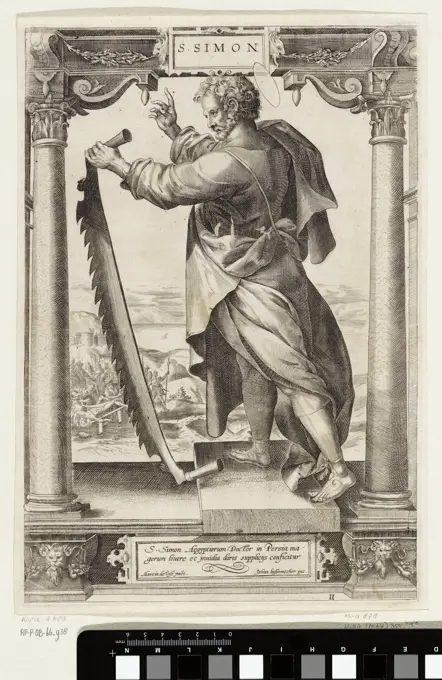
H. Simon Zelotes, Anonymous, After Hieronymus Wierix, After Jan Ditmaer, After Maerten de Vos, 1580 - 1613 print Saint Simon Zelotes is, seen on the back, between two columns in an architectural accompaniment. He holds a saw in his hand. In the background you can see how he is sawn in half. In the context at the bottom of a two -way caption in Latin. after print by: Antwerppublisher: Cologne paper engraving the apostle Simon Zelotes (or Simon the Canaanite); possible attributes: book, saw, scroll. column, pillar ~ architecture. martyrdom and death of Simon Zelotes: he is sawn in two, or beaten to death
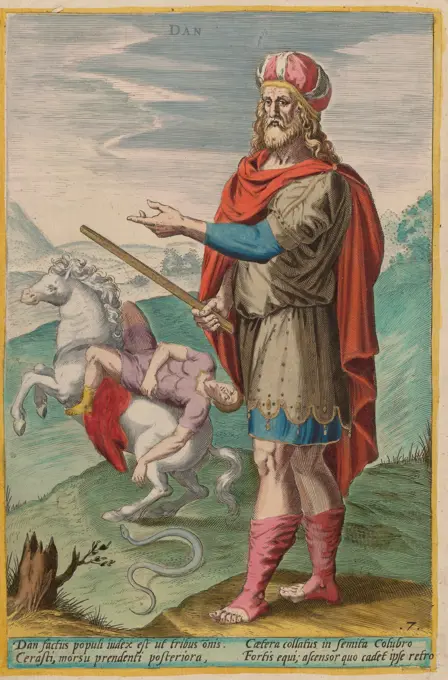
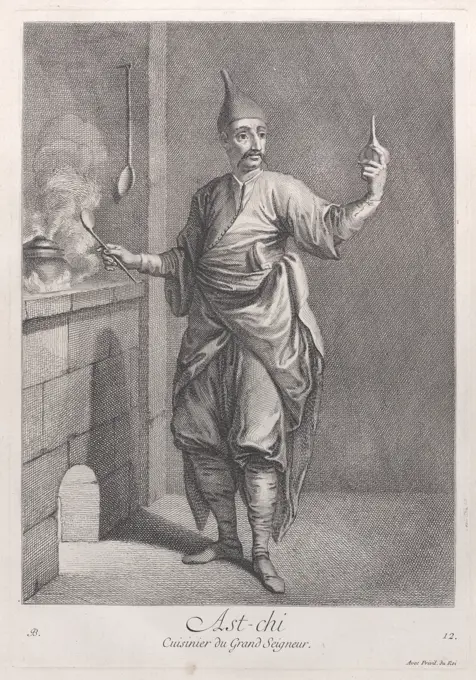
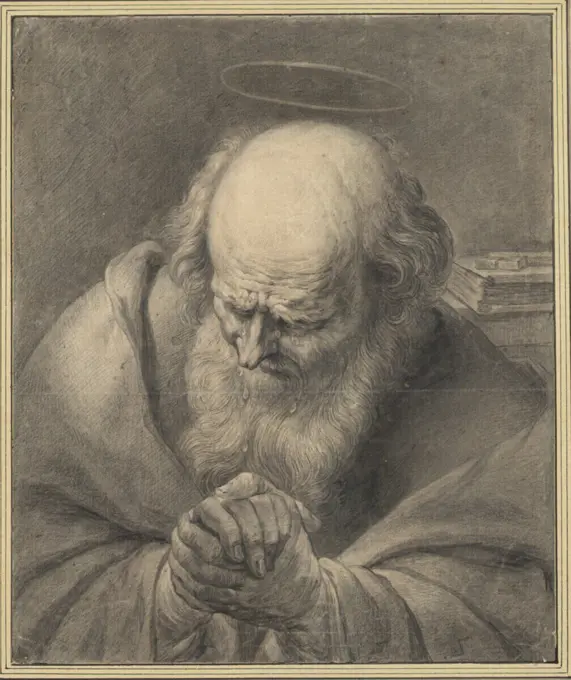
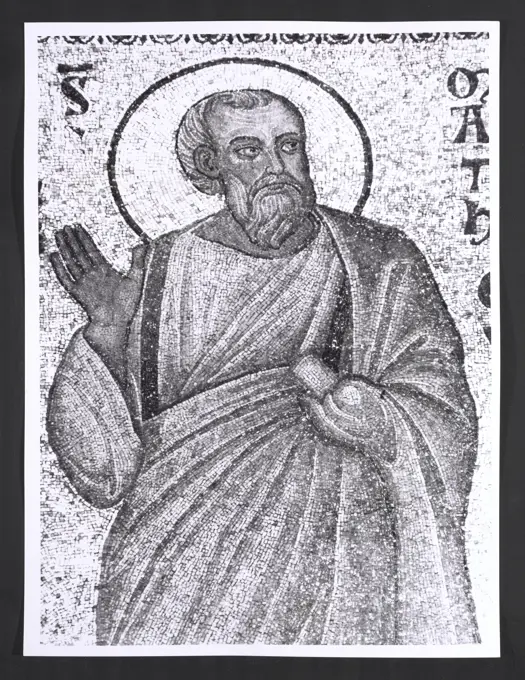
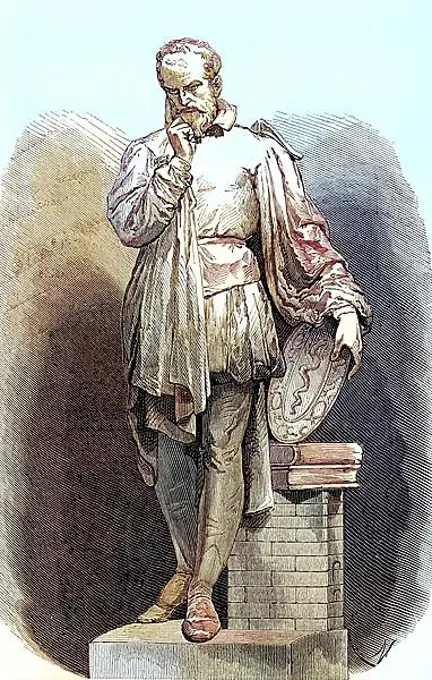
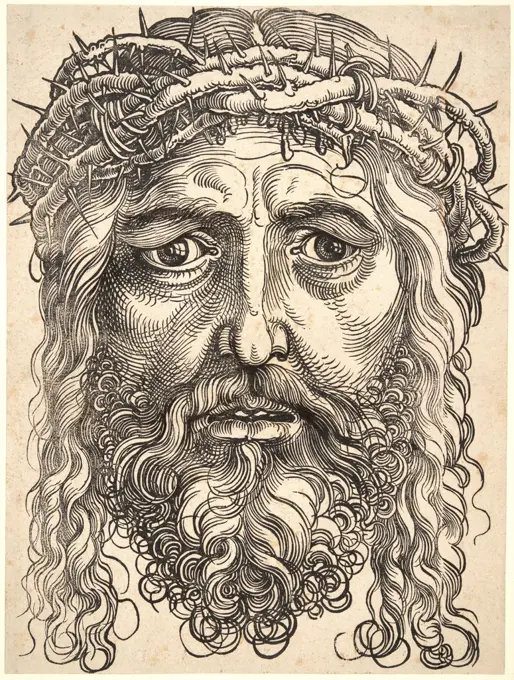
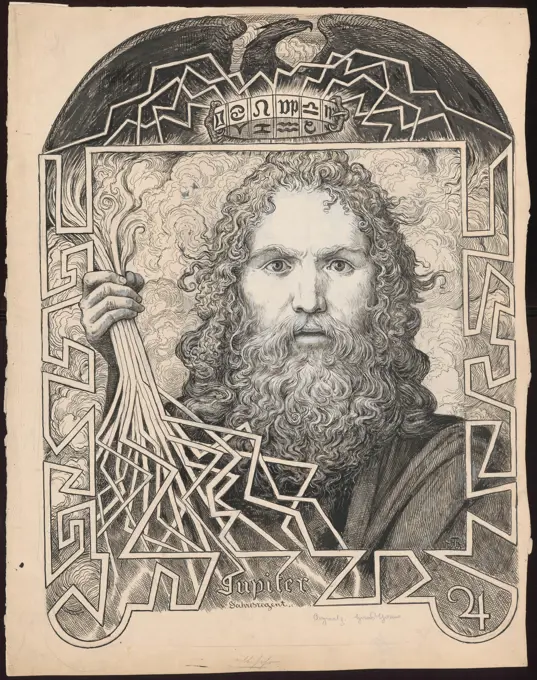
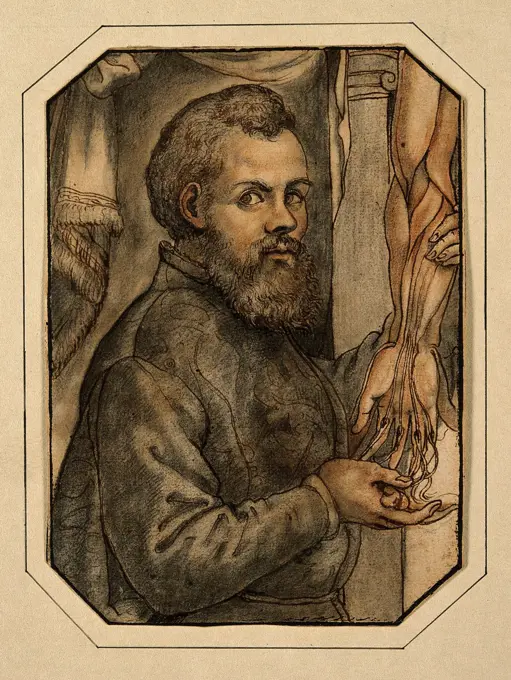
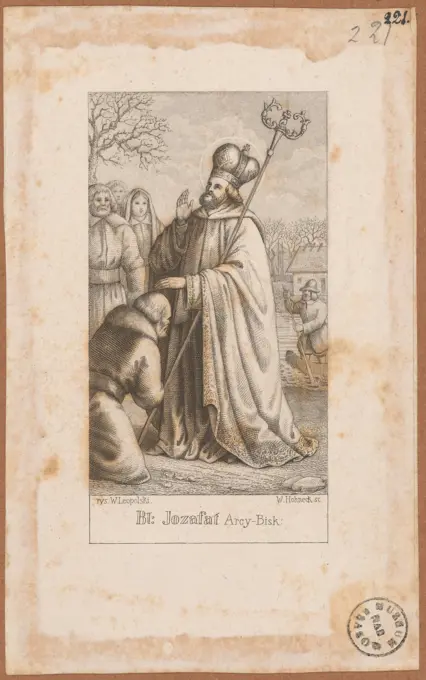
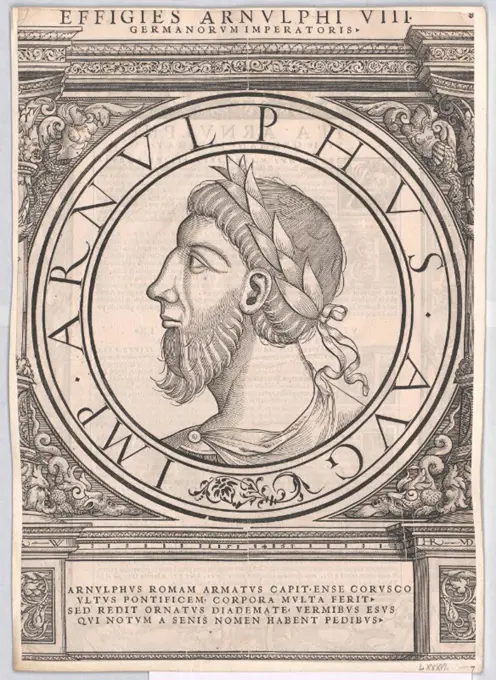
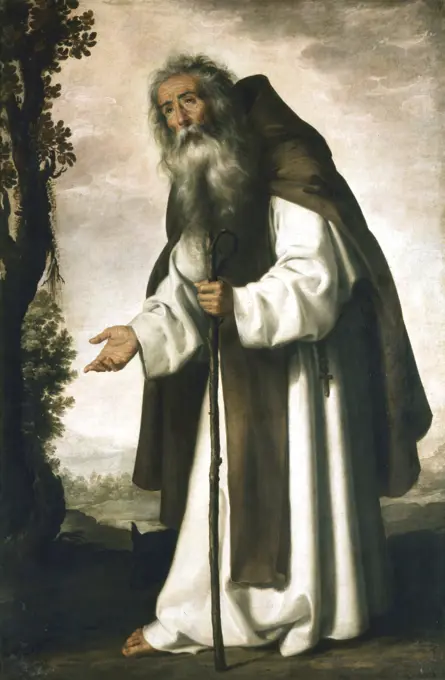
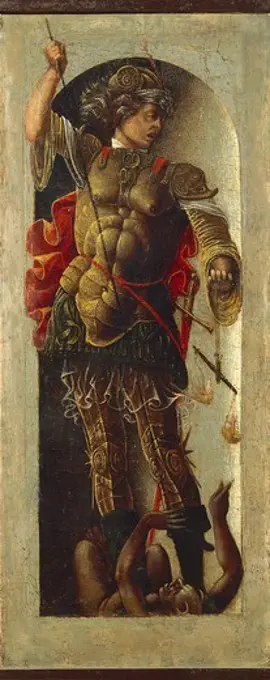
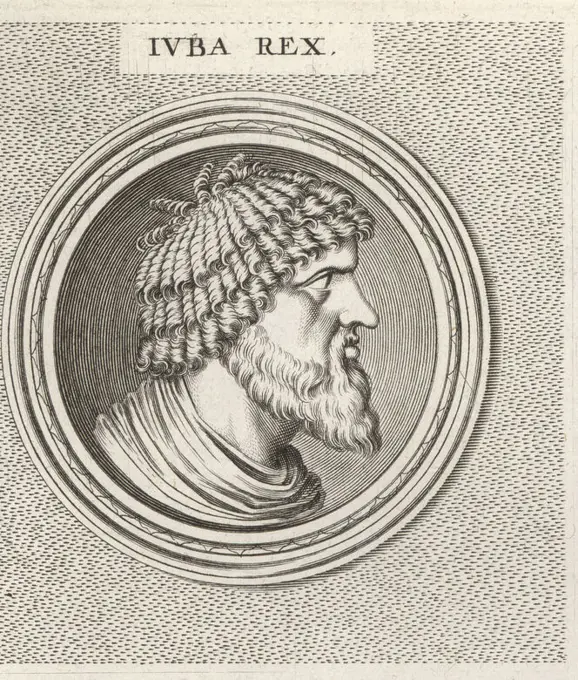
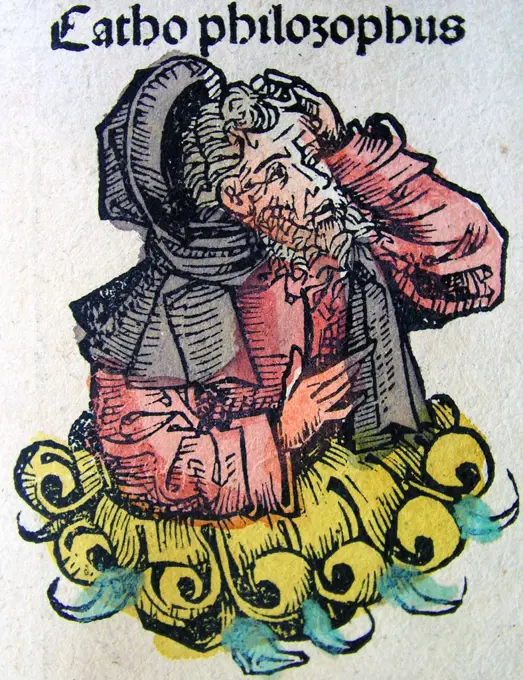
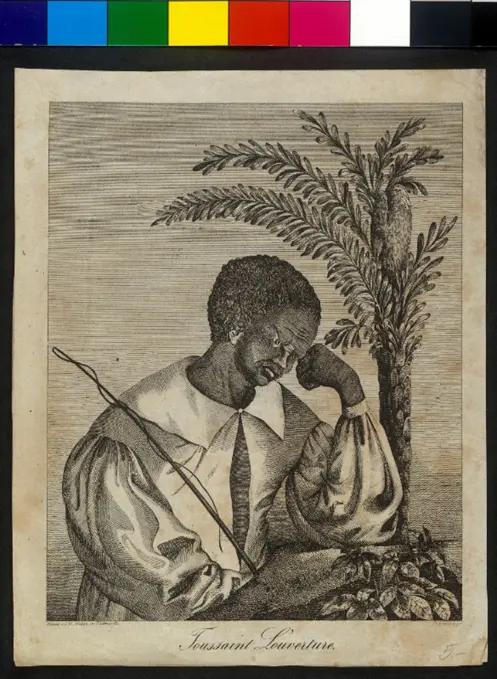
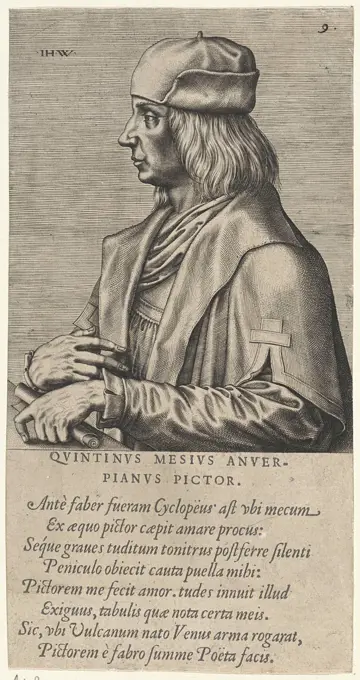
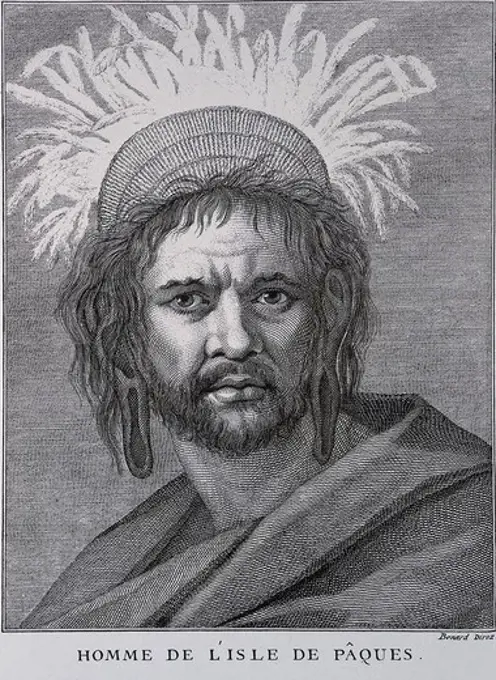
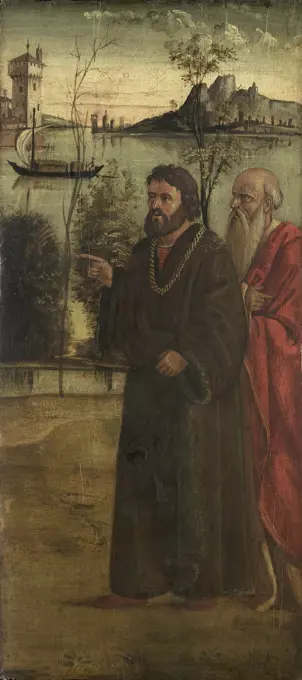
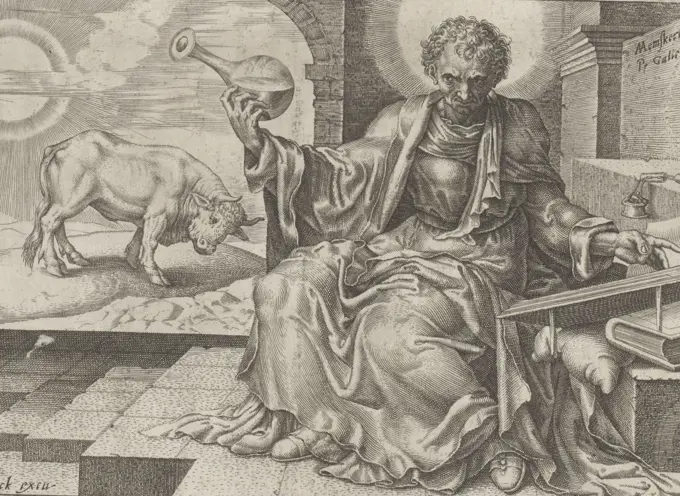
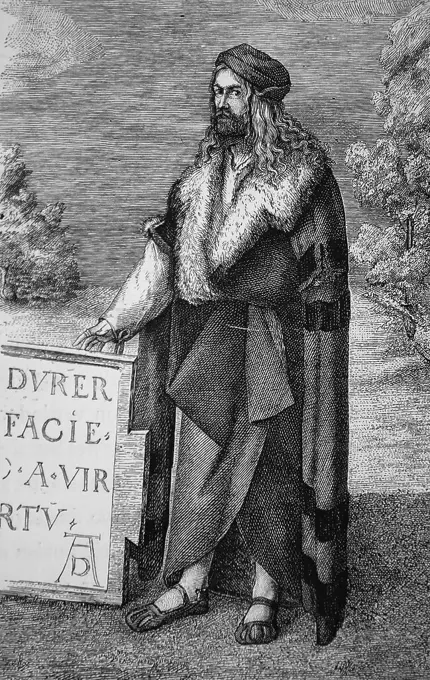
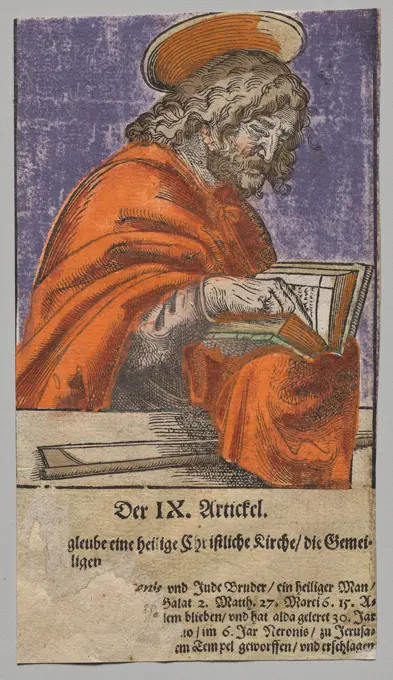
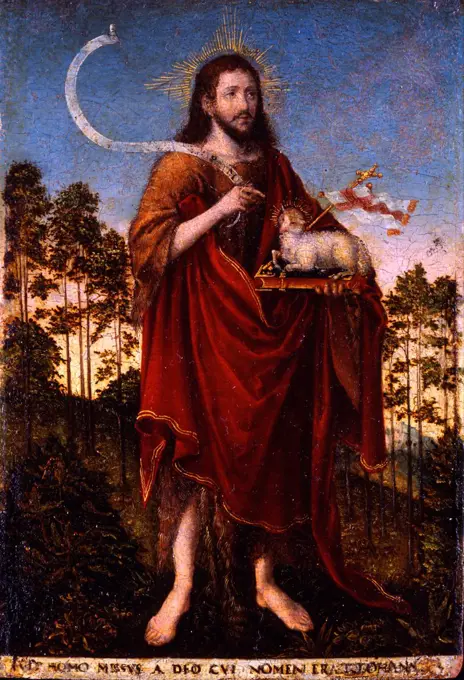
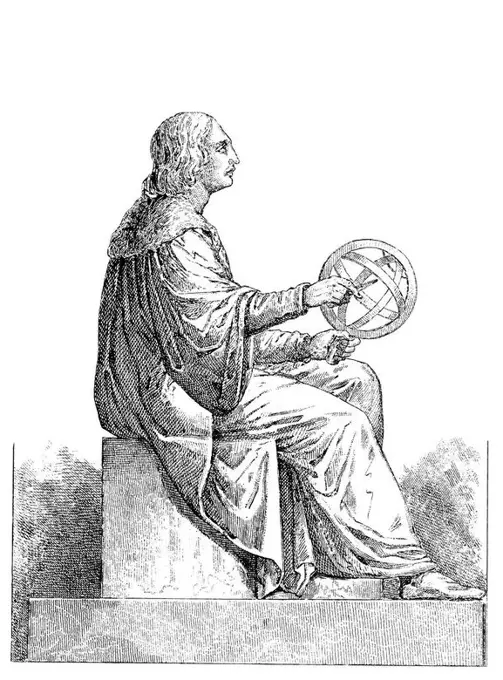
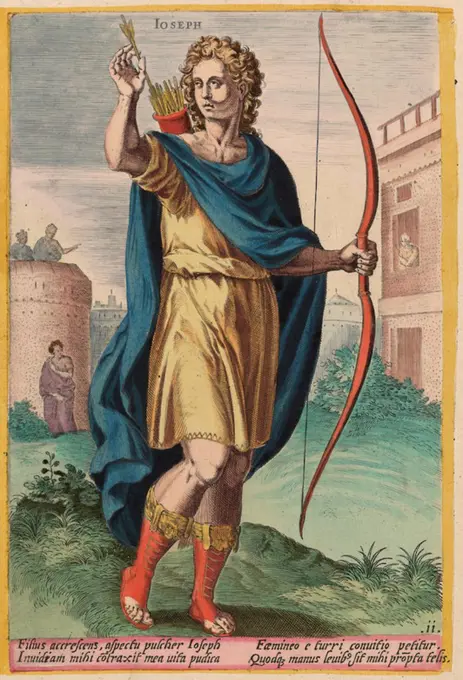
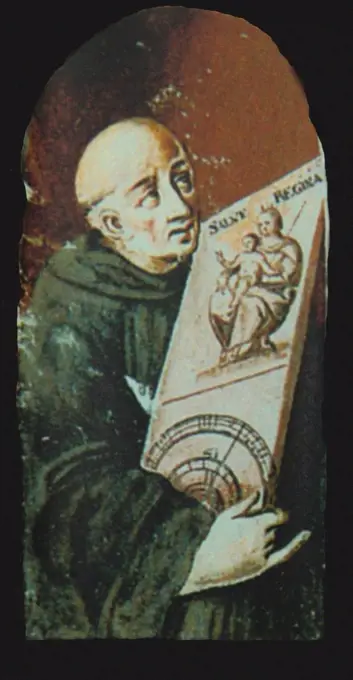
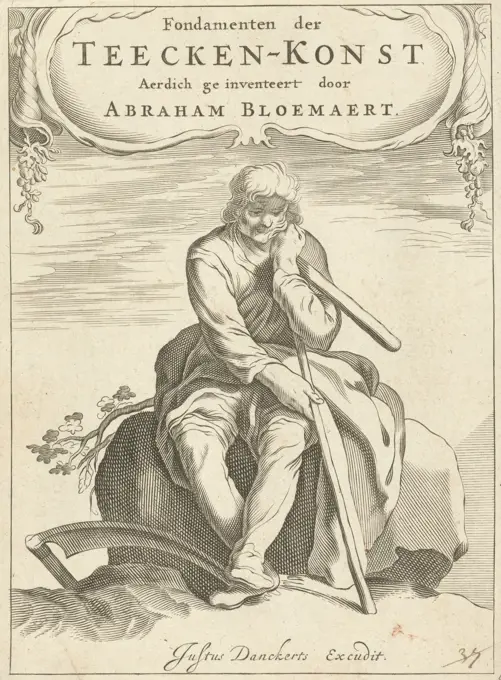
St. Thomas, from Christ, the Apostles and St. Paul with the Creed ca. 1589 Hendrick Goltzius Netherlandish. St. Thomas, from Christ, the Apostles and St. Paul with the Creed 398403Jan Sadeler I after Crispen van den Broecke, Dan, c 1585 DanAst-chi, Cuisinier du Grand Seigneur 1714-15 After Jean Baptiste Vanmour. Ast-chi, Cuisinier du Grand Seigneur. Plate 12; from "Recueil de cent estampes représentent differentes nations du Levant". After Jean Baptiste Vanmour (French, Valenciennes 1671-1737 Istanbul (Constantinople)). 1714-15. Etching and engraving. Jacques le Hay. PrintsA black chalk drawing by Cornelis van Dalen depicting the half-figure of Peter, wiped and highlighted with white chalk, with traces of horizontal folding.Lazio Roma Rome Episcopal Complex (S. Giovanni in Laterano, Baptistery, Cathedral, Cloister)12. Hutzel, Max 1960-1990 Exterior views of 5th c. baptistery, restored in the 17th c. Interior views of baptismal urn (16th c.), carved walls, ceiling and wall painting; of mosaics and bronze doors in Cappella del Battista; of altar and mosaics in Cappella di S. Venanzio; of mosaic and statue in Cappella di S. Giovanni Evangelista. Architecture, architectural sculpture, sculpture, sculptural fragments, fresco painting, painting, coffering, tiling, stucco. Views 756-886 are of the cathedral. Medieval: Architecture, architectural sculpture, sculptural fragments, architectural fragments, tombstones, mosaics, sculpture, fresco painting, sculptural relief. Object Notes: Hutzel includes guidebook in German on the site. prints matched to negs General Notes: Views 756 thru 886 are of the Baptistery. German-born photographer and scholar Max Hutzel (1911-1988) photographed in Italy from the early 1960s uBernard Palissy (1510) (1590) was a French scientist, famous enamel artist and co-founder of the Protestant congregation of Saintes, Historical, digitally restored reproduction of a 19th century originalHans Sebald Beham (German, 1500-1550). The Head of Christ Crowned with Thorns, ca. 1520-1530. Woodcut. Image: 419 mm x 314 mm (16.5 in. x 12.36 in.). Second state. Jupiter; Thoma, Hans (1839-1924); 1902 (1902-00-00-1902-00-00);Jupiter (iconogr.), Schlesisches Museum der Bildenden Künste (Wrocław - 1880-1945) - collection, astrology, illustrations, calendars, German drawingsAndreas Vesalius. Watercolour.Bliżej Kultury Hohneck, W. (fl. 1832 1835), Leopolski, Wilhelm (1828 1892)Arnulf, Roman-Eastern Franconian Emperor.'St Anthony', c1618-1664. Artist: Francisco de ZurbaranSt Michael the Archangel, 1472-1473, by Ercole de' Roberti (ca 1455-1496), panel 26.5 x11 cm.Juba I of Numidia, c.85-46 BC, King of Numidia (modern day Algeria). Son and successor to Hiempsal II. Iuba Rex. Copperplate engraving after an illustration by Joachim von Sandrart from his LAcademia Todesca, della Architectura, Scultura & Pittura, oder Teutsche Academie, der Edlen Bau- Bild- und Mahlerey-Kunste, German Academy of Architecture, Sculpture and Painting, Jacob von Sandrart, Nuremberg, 1675.Lazio Frosinone Alatri S. Francesco4. Hutzel, Max 1960-1990 Medieval: late 13th c. architecture. 13th century with a facade articulated by a gothic-arched doorway and a rose window. Post-medieval: Sculpture, fresco, painting, stucco decoration, redecorated in the 18th century, 14th, 15th c. frescoes German-born photographer and scholar Max Hutzel (1911-1988) photographed in Italy from the early 1960s until his death. The result of this project, referred to by Hutzel as Foto Arte Minore, is thorough documentation of art historical development in Italy up to the 18th century, including objects of the Etruscans and the Romans, as well as early Medieval, Romanesque, Gothic, Renaissance and Baroque monuments. Images are organized by geographic region in Italy, then by province, city, site complex and monument.The Nuremberg Chronicle is an illustrated world history. Its structure follows the story of human history as related in the Bible; it includes the histories of a number of important Western cities. Written in Latin by Hartmann Schedel, with a version in German translation by Georg Alt, it appeared in 1493. It is one of the best-documented early printed books. It is classified as an incunabulum - that is, a book, pamphlet, or broadside that was printed (not handwritten) before the year 1501 in Europe. It is also one of the first to successfully integrate illustrations and text. Latin scholars refer to it as Liber Chronicarum (Book of Chronicles) as this phrase appears in the index introduction of the Latin edition. English speakers have long referred to it as the Nuremberg Chronicle after the city in which it was published. German speakers refer to it as Die Schedelsche Weltchronik (Schedel's World History) in honour of its author. The illustrations in many copies were hand-coloured aftLouverture, Toussaint.Portret van, StadtB Quinten Massijs (1); Portretten van schilders; Several pre-eminent painters Celebrium Germany Effigies.In the lower margin of eighty caption in Latin.An Albanian Sailor, Jean Baptiste Vanmour (workshop of), 1700 - 1737 painting An Albanian sailor. Standing, in front of a window with bars. Istanbul canvas. oil paint (paint)  seaman. folk costume, regional costume Turkey'Homme de l'Isle de Pques' (a man from Easter Island).Work by Bernard Direx, Paris, circa 1801. Engraving.Two Men in a Landscape, anonymous, c. 1500 painting Two men standing, in full, in a landscape. The left man points with his right hand. In the background a lake with a castle and a ship. Fragment of a larger panel. Venice panel. oil paint (paint)  standing figure. saintsAntwerp, Cock, Hieronymus, Heemskerck, Maarten van, Galle, Philips, The four evangelists, Lucas the evangelist writes his gospel, The evangelist Lucas is dressed as a physician and sits with a urinal in his hand by his gospel. On the left is the ox. Below the representation is an explanatory text in Latin. This print is part of an album., print, album sheet, prints, height 165 mm, width 224 mm, Southern Netherlands, 1537 - 1612-03-29, print maker, printmaker, 1562 - 1562, paper, engraving, engraving (printing process), letterpress printing, Northern Netherlands, 1498 - 1574, intermediary draughtsman, after a drawing by, Publication (Event), Publication, 1518 - 1570-03-10, publisherAlbrecht Durer (1471-1528). German Painter. Portrait. Engraving.James the Less from Christ, the Apostles, and Saint Paul, 1563/64. Lucas Cranach the Elder, After (German, 1472-1553). Woodcut with letterpress text, hand colored; image and sheet: 20.1 x 11.2 cm (7 15/16 x 4 7/16 in.).Saint John the Baptist by Cranach, Lucas, the Elder (1472-1553) / Museo Poldi Pezzoli, Milan / 1550-1552 / Germany / Oil on wood / Bible / 183x125 / RenaissancePoland. Sculpture of Nicolaus Copernicus (1473-1543) in Warsaw. Polish astronomer of the Renaissance who formulated the heliocentric theory of the solar system, holding an astrolabe. Etching 1850.Benjamin. Dated: c. 1585. Dimensions: overall (cut within platemark): 21.8 x 14.5 cm (8 9/16 x 5 11/16 in.). Medium: hand-colored engraving on laid paper. Museum: National Gallery of Art, Washington DC. Author: Jan Sadeler I after Crispen van den Broecke.Hermann of Reichenau, Anonymous  Johannes de Doper in de Wildernis, Simon de la Vallée, After Rafaël, 1690 - 1730 print Numbered in the bottom right: 14. This print is part of an album.  paper etching / engraving John the Baptist in the wilderness, usually accompanied by a lambA reaper rests on a stone. On the ground lies a scythe, the reaper is leaning with his arm on a threshing-flail, Title page for Abraham Bloemaert, Fondamenten der Teecken-konst, Frederick Bloemaert, intermediary draughtsman: Abraham Bloemaert, print maker: anonymous, Amsterdam, c. 1679 - in or before 1701, paper, engraving, h 210 mm × w 157 mm