Sculpture Fragments

Images of archaeological fragments and stone sculptures, showcasing remnants of ancient art from various periods with subtle details.

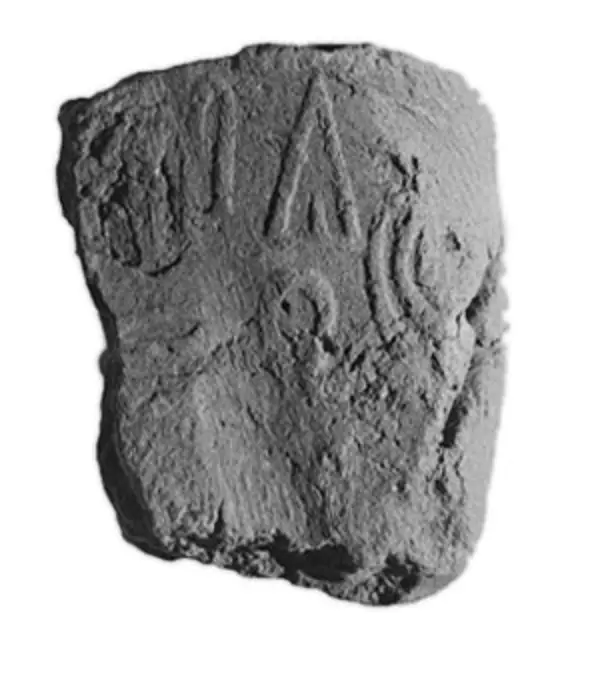
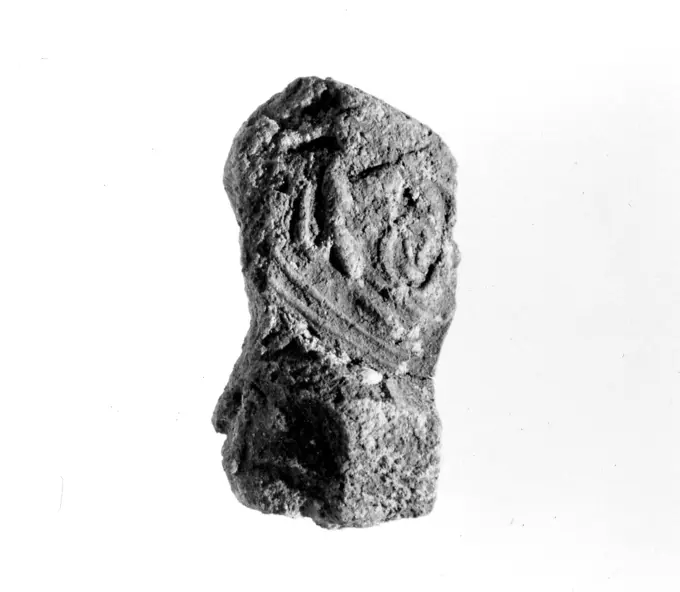
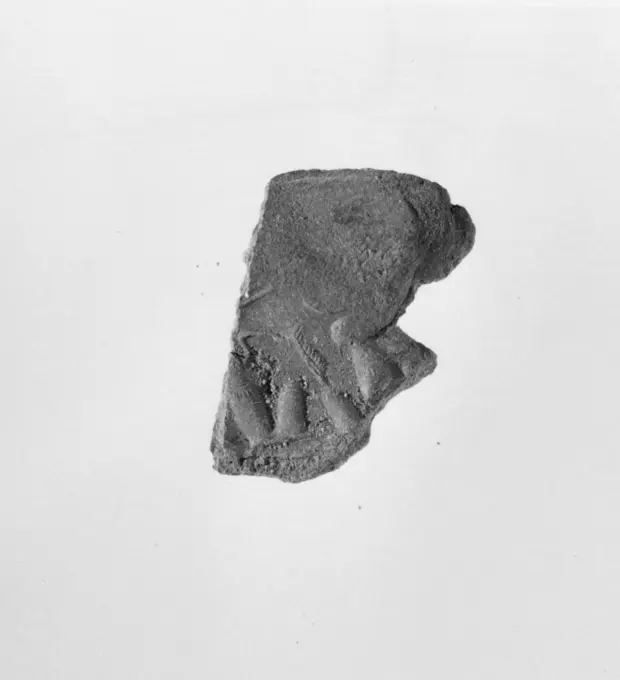
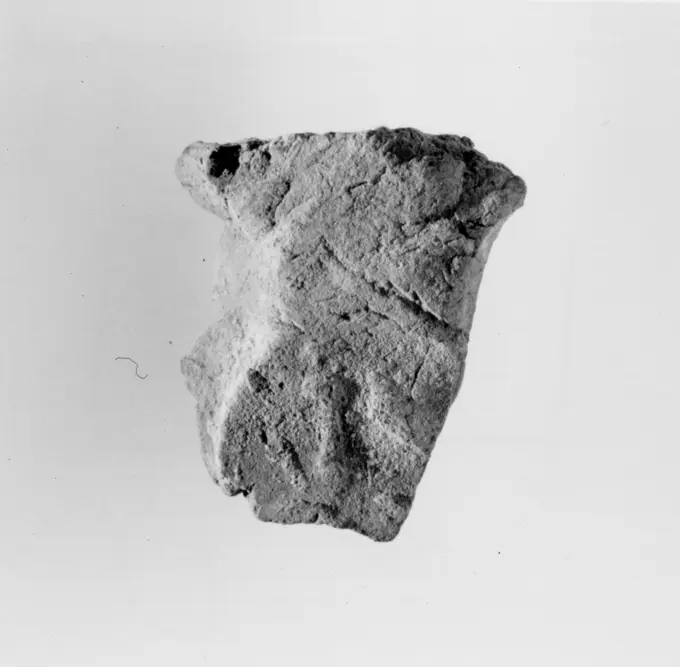
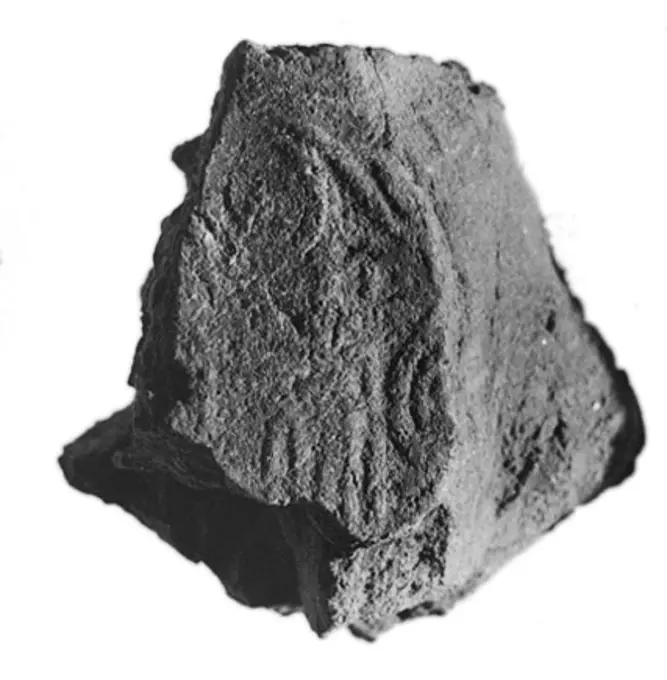
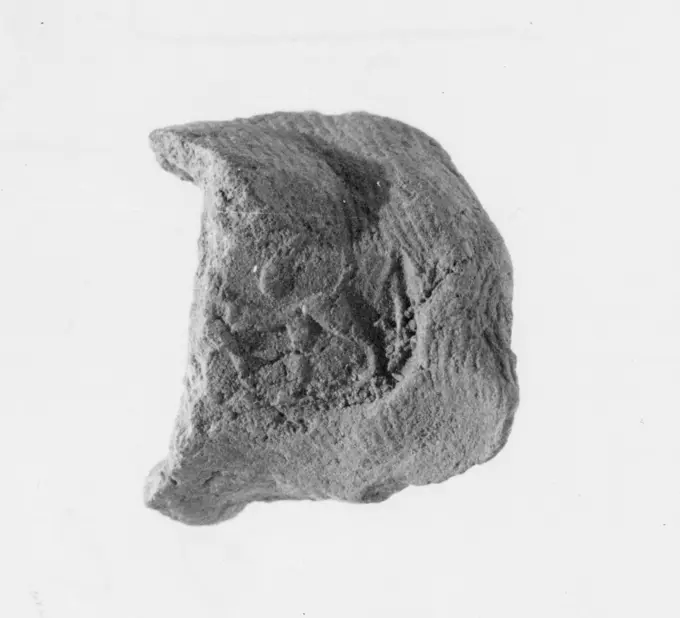
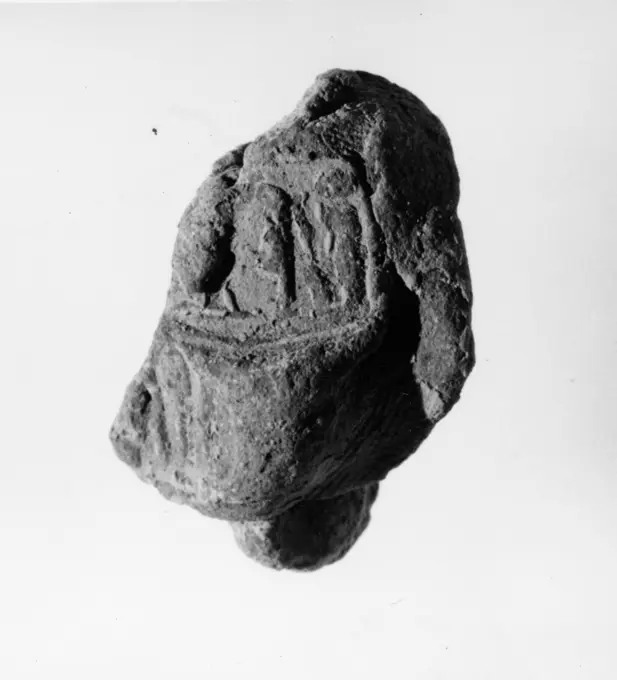
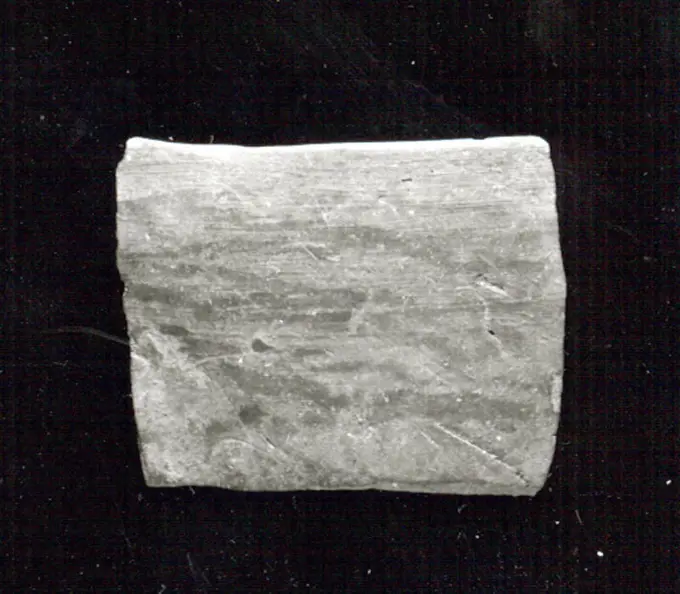
Sculpture Fragment. Unknown 530-520 B.C. This fragment belongs to a collection of thirty-nine non-joining pieces of a large relief monument that once depicted a male figure leaning on a wineskin and reclining on a kline (couch) padded with a thick cushion and pillow (J. Paul Getty Museum 81.AA.193; 81.AA.194.2-27; 82.AA.123.1-4; 85.AA.419.1-5; 86.AA.545.1-3). The scale of the Getty reclining figure is life-size and so was part of a substantial relief depicting a symposiast. This small fragment is part of a curved surface, but the original placement of the piece in the sculpture is uncertain. The carving of the relief fragments is of high quality with a refined degree of finish on the frontal surfaces; the back surface is finished with the fine pointed chisel and both sides are carefully finished with a claw chisel. The date of the relief is based on the quality of the sculpting and the style of the drapery, which is similar to sculpture dated in the last quarter of the sixth century B.
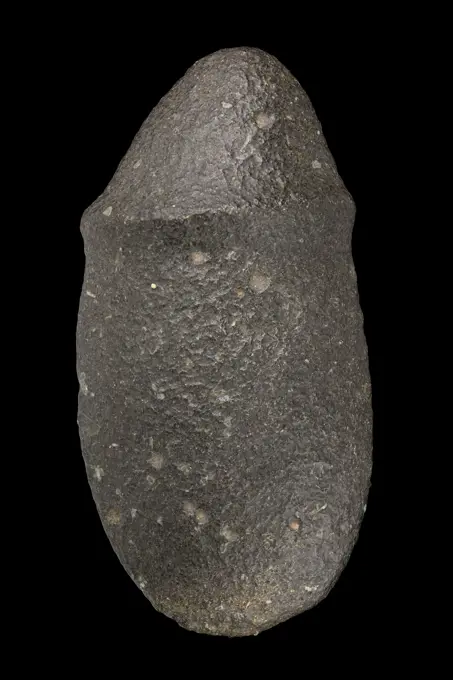
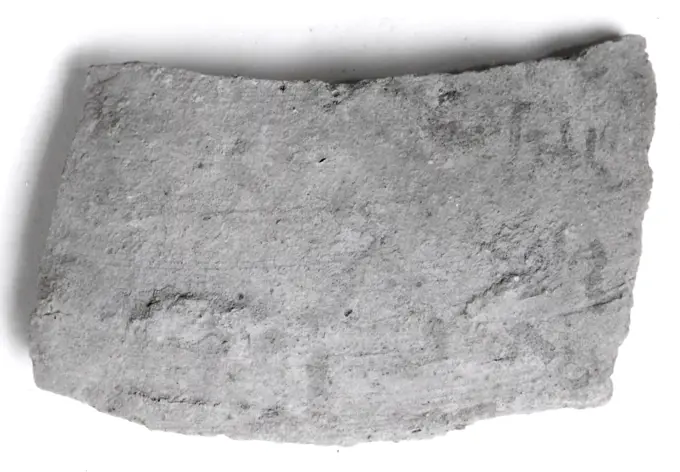
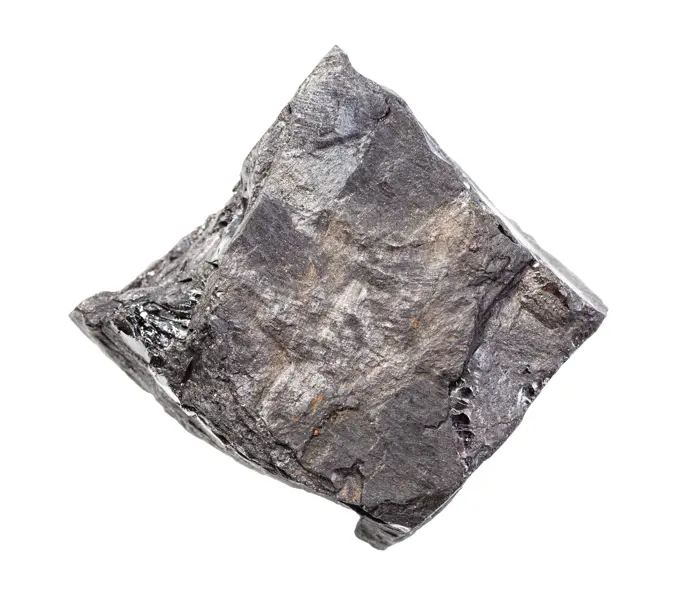
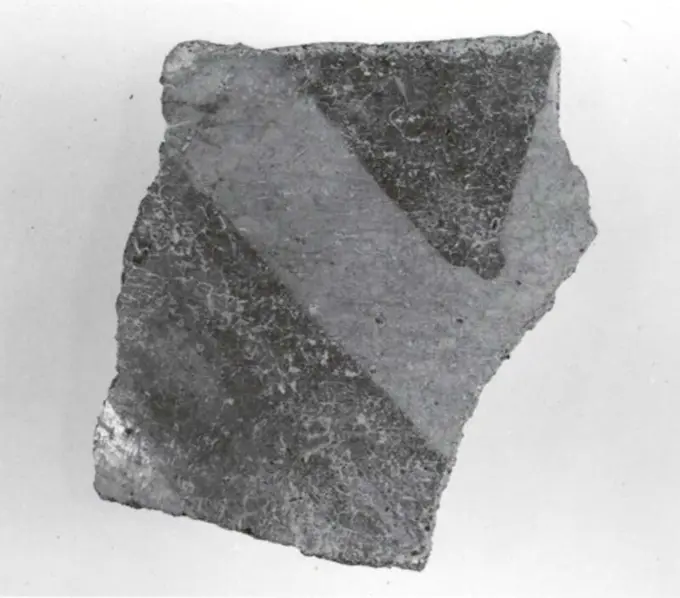
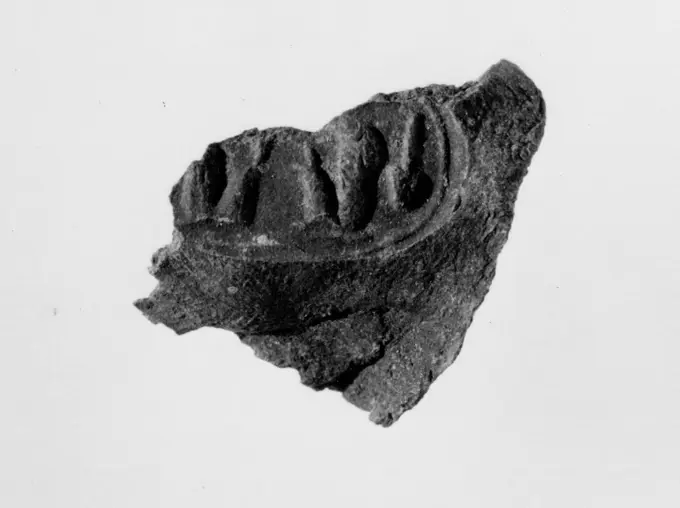
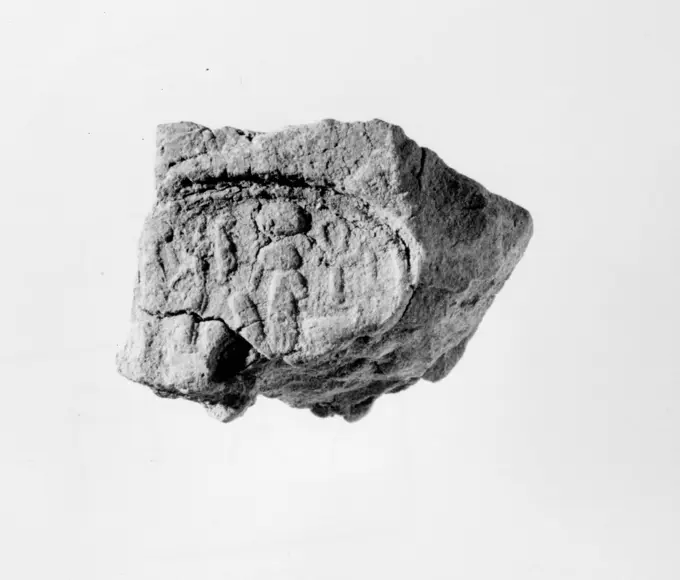
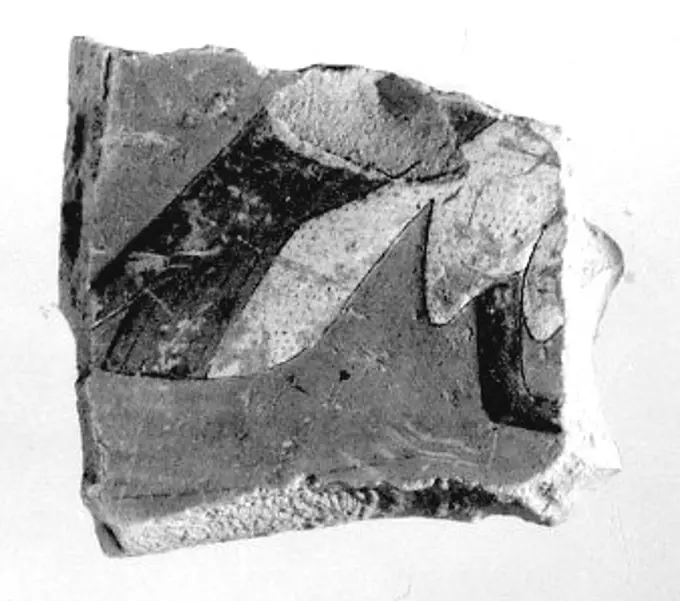
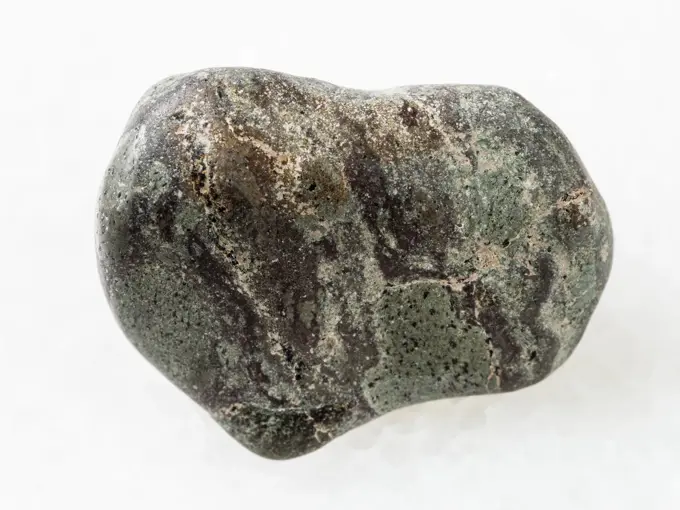
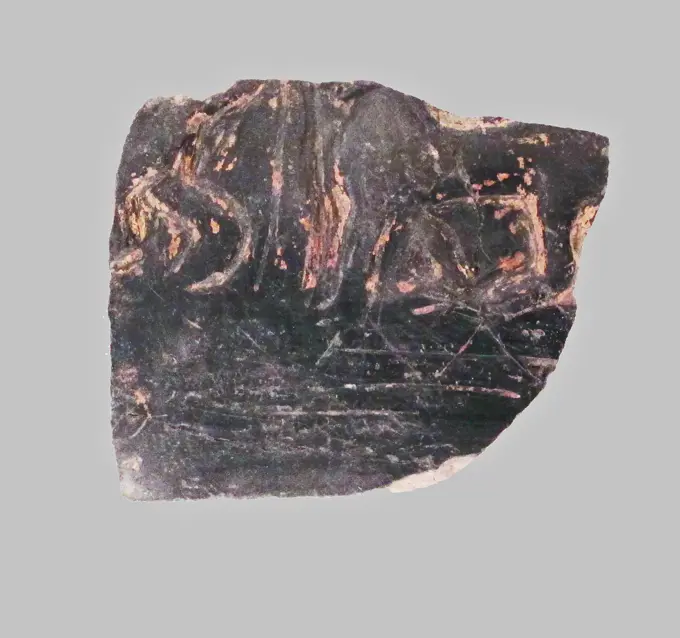
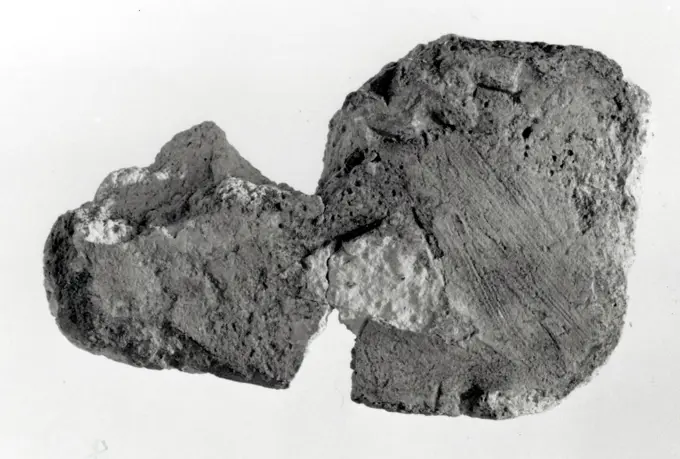
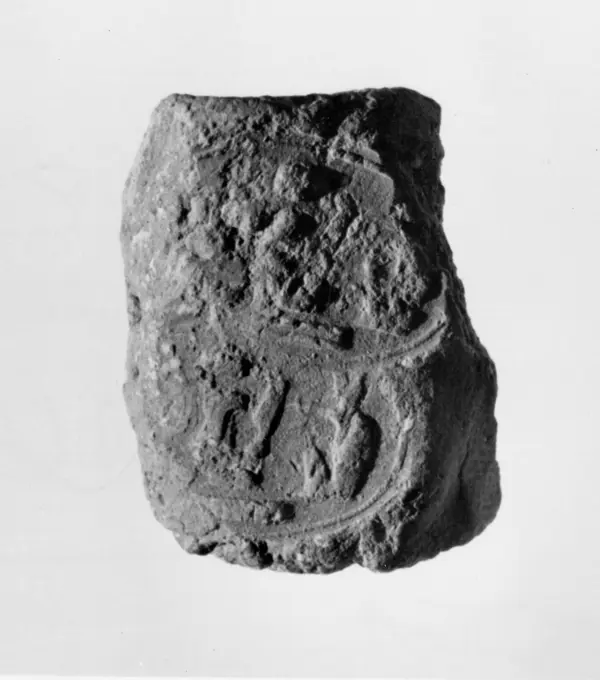
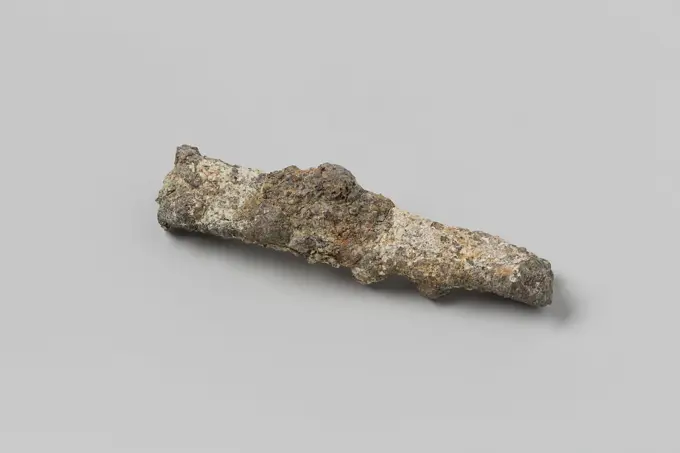
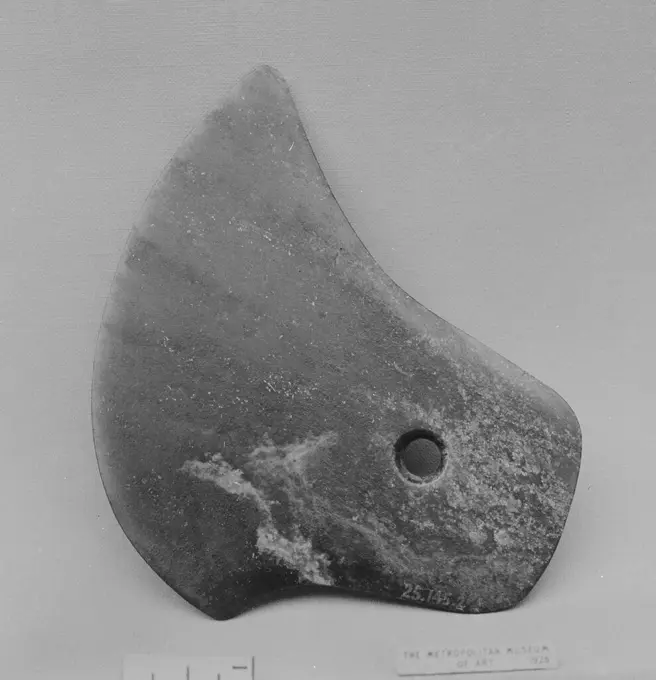
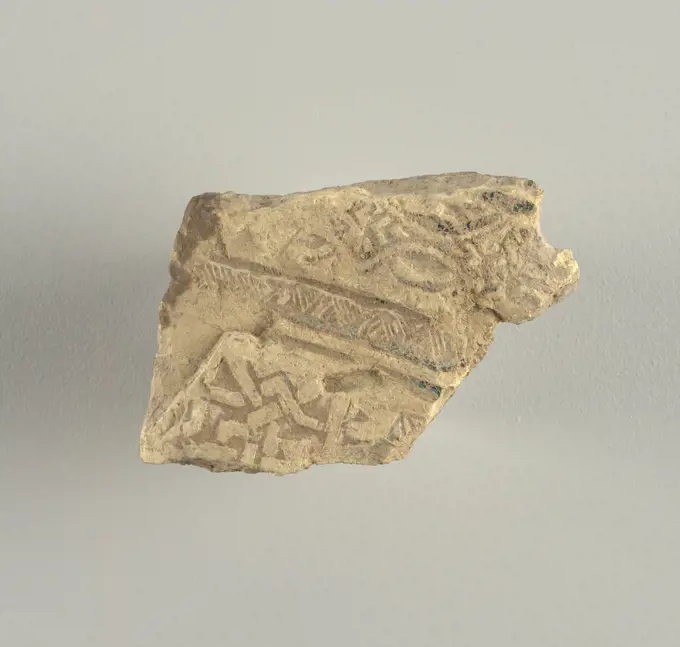
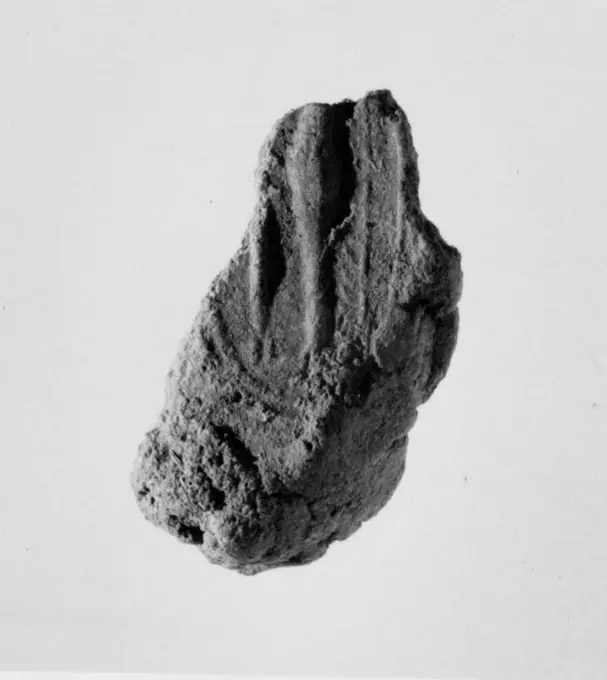
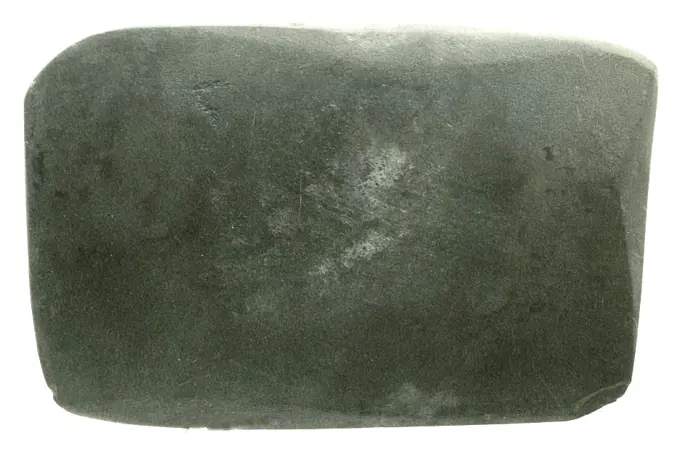
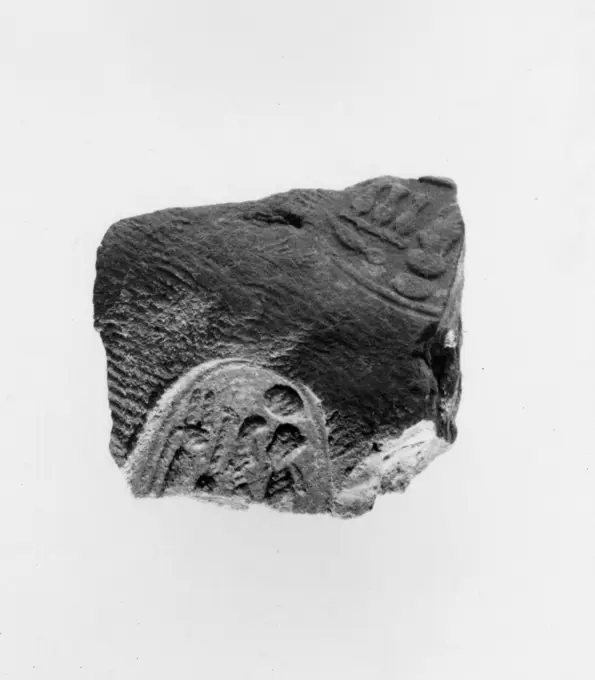
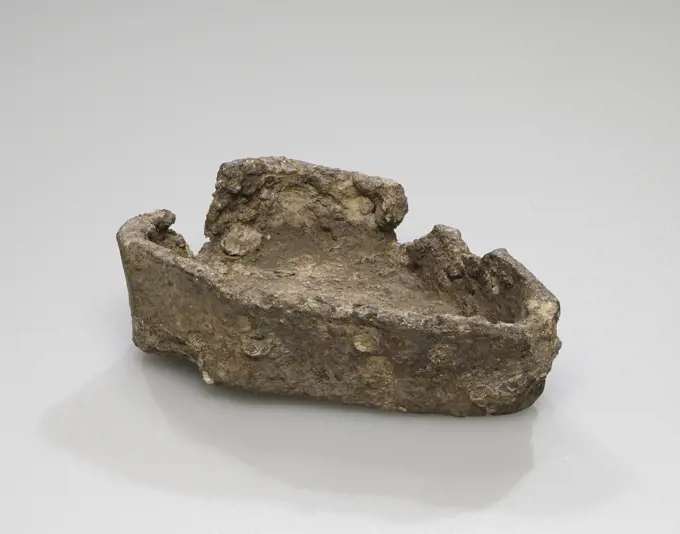
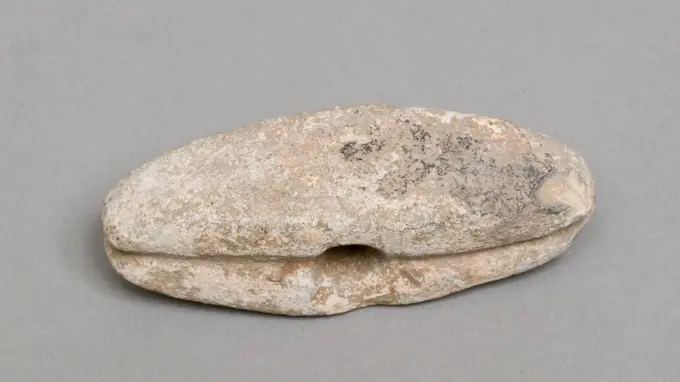
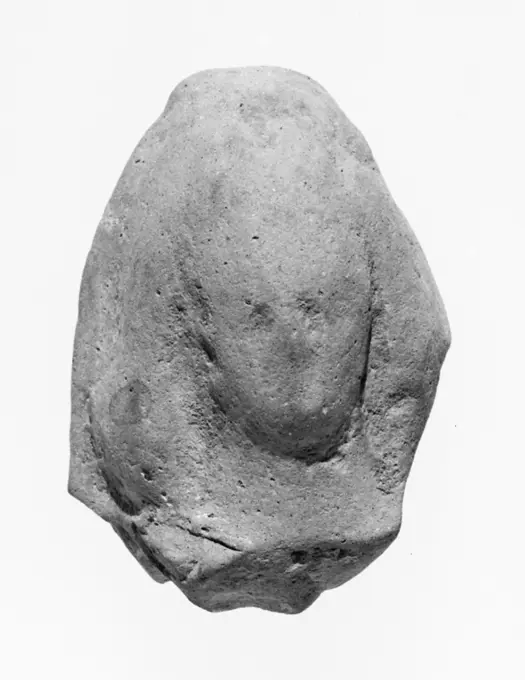
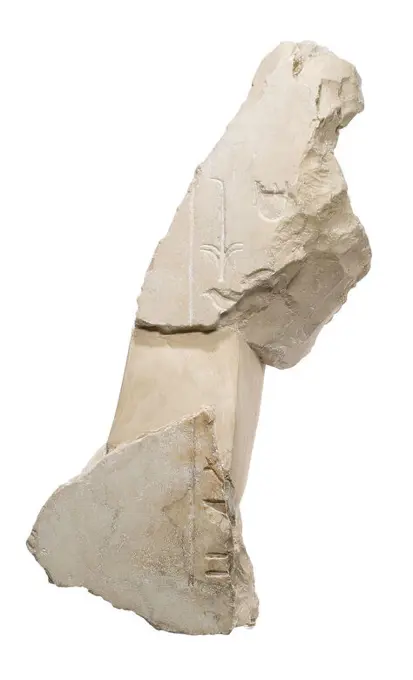
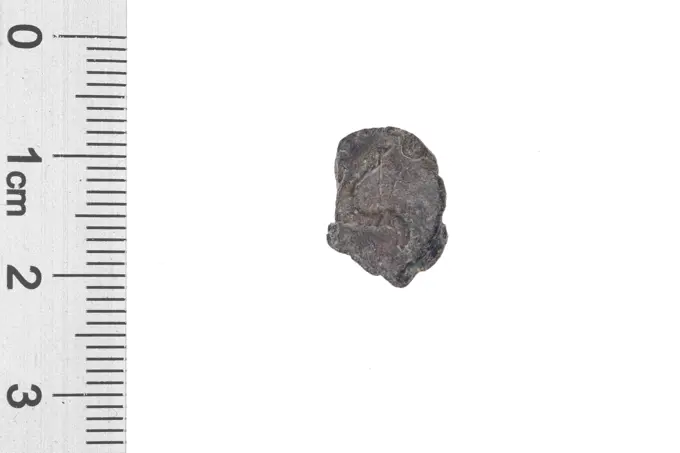
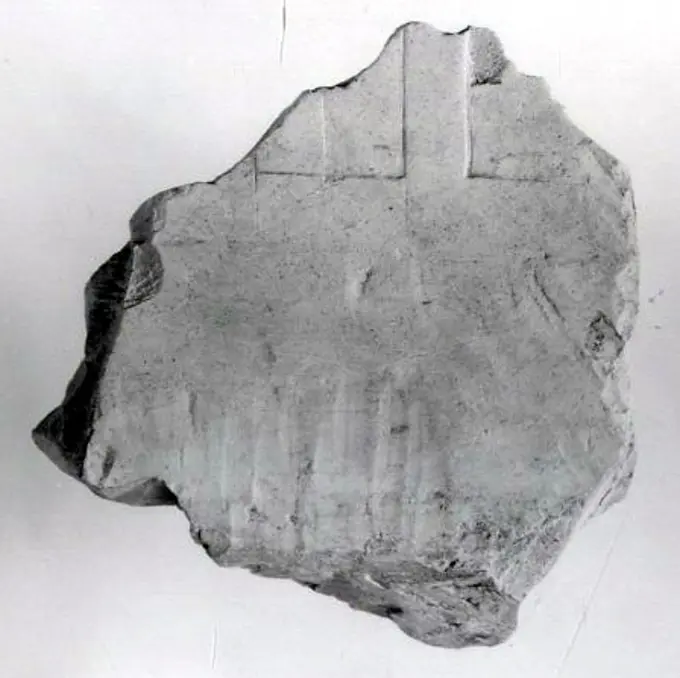
Figure Fragment. UnknownFemale Head. UnknownWall casing 664-610 B.C. Late Period, Saite see 23.3.468. Wall casing. 664-610 B.C.. Limestone. Late Period, Saite. From Egypt, Upper Egypt, Thebes, Deir el-Bahri, Tomb of Nespekashuty (TT 312, MMA 509), Undetermined, MMA excavations, 1922-23. Dynasty 26Sculpture Fragment. Unknown 530-520 B.C. This fragment belongs to a collection of thirty-nine non-joining pieces of a large relief monument that once depicted a male figure leaning on a wineskin and reclining on a kline (couch) padded with a thick cushion and pillow (J. Paul Getty Museum 81.AA.193; 81.AA.194.2-27; 82.AA.123.1-4; 85.AA.419.1-5; 86.AA.545.1-3). The scale of the Getty reclining figure is life-size and so was part of a substantial relief depicting a symposiast. This small fragment is part of a curved surface, but the original placement of the piece in the sculpture is uncertain. The carving of the relief fragments is of high quality with a refined degree of finish on the frontal surfaces; the back surface is finished with the fine pointed chisel and both sides are carefully finished with a claw chisel. The date of the relief is based on the quality of the sculpting and the style of the drapery, which is similar to sculpture dated in the last quarter of the sixth century B.Sealing ca. 2030-1640 B.C. Middle Kingdom. Sealing 565780Sealing ca. 2030-1640 B.C. Middle Kingdom. Sealing 546555Raised relief fragment 664-610 B.C. Late Period, Saite see 23.3.468. Raised relief fragment. 664-610 B.C.. Limestone. Late Period, Saite. From Egypt, Upper Egypt, Thebes, Deir el-Bahri, Tomb of Nespekashuty (TT 312, MMA 509), 1st chamber E. wall; 3rd register, MMA excavations, 1922-23. Dynasty 26Fragment tin from the wreck of the East Indiesman Hollandia. Parts or artifacts; eroded fragments: Materials; tin.Administrative Seal ca. 1981-1640 B.C. Middle Kingdom. Administrative Seal 565819Vase fragment ca. 575-550 B.C. Etruscan Shoulder and fore-leg of lion and hind leg of another.. Vase fragment. Etruscan. ca. 575-550 B.C.. Terracotta; bucchero pesante. Archaic. VasesFemale Head. UnknownDrawing 664-610 B.C. Late Period, Saite see 23.3.468. Drawing. 664-610 B.C.. Limestone. Late Period, Saite. From Egypt, Upper Egypt, Thebes, Deir el-Bahri, Tomb of Nespekashuty (TT 312, MMA 509), 1st chamber W. wall; 2nd register, MMA excavations, 1922-23. Dynasty 26Sealing ca. 2030-1640 B.C. Middle Kingdom. Sealing 572496Raised relief fragment 664-610 B.C. Late Period, Saite see 23.3.468. Raised relief fragment. 664-610 B.C.. Limestone. Late Period, Saite. From Egypt, Upper Egypt, Thebes, Deir el-Bahri, Tomb of Nespekashuty (TT 312, MMA 509), 1st chamber N. door, MMA excavations, 1922-23. Dynasty 26Female Head. UnknownBasalt Throat Axe. Neolithic period. North Africa. 12.8cm.Ostracon 400-30 B.C. Late Period-Ptolemaic Period. Ostracon 588371Fragment of a hand; (possibly) belonging to the Retable of Soest. .Greece, Russia, Olbia, Around 400 350 BC, AE Mintunpolished coal shale rock isolated on white closeup of sample of natural mineral from geological collection - unpolished coal shale rock isolated on white background Copyright: xZoonar.com/ValeryxVoennyyx 14991591Sealing ca. 1981-1640 B.C. Middle Kingdom. Sealing 560345Sherd ca. 3100-2700 B.C. Iran This sherd is made of a pink-buff clay, with brown and red painted decoration. It is typical of Namazga III ceramics from Turkmenistan, dating to ca. 3100-2700 B.C. It was excavated in 1937 at a prehistoric site in the vicinity of Nishapur in northeastern Iran. While Nishapur itself was founded by the Sasanian king Shapur I (reigned ca. A.D. 241-272), this sherd shows that human habitation there goes back to the prehistoric period. Furthermore, the prehistoric pottery from Nishapur has close affinities with ceramic materials from Central Asia rather than with contemporary sites in Iran, meaning that in this period its inhabitants were likely culturally linked to their neighbors to the east. At the same time, Nishapurs location on what later became known as the Great Khorasan Road suggests that it was part of the trade network that facilitated the import of precious stones such as lapis lazuli, carnelian and turquoise from Central Asia to Mesopotamia.. SheFemale Head. UnknownSculpture Fragment: Lower Jaw of a Lionhead Waterspout. UnknownAdministrative Seal ca. 1981-1640 B.C. Middle Kingdom. Administrative Seal 565825Document Sealing With the Throne Name of Amenhotep III ca. 1390-1353 B.C. New Kingdom. Document Sealing With the Throne Name of Amenhotep III. ca. 1390-1353 B.C.. Mud. New Kingdom. From Egypt, Upper Egypt, Thebes, Malqata, West Villas, West Villa B, MMA excavations, 1910-12. Dynasty 18Turbo marmoratus shell from the wreck of the Dutch East India ship Witte Leeuw, before 1613  Schelp from V.O.C. ship the 'Witte Leeuw', shell of a moon hearing.  .   Sint-HelenaDocument Sealing With the Throne Name of Amenhotep III ca. 1390-1353 B.C. New Kingdom. Document Sealing With the Throne Name of Amenhotep III. ca. 1390-1353 B.C.. Mud. New Kingdom. From Egypt, Upper Egypt, Thebes, Malqata, Southern rubbish mounds, MMA excavations, 1910-12. Dynasty 18Relief fragment, tomb of Meketre ca. 1981-1975 B.C. Middle Kingdom. Relief fragment, tomb of Meketre. ca. 1981-1975 B.C.. Limestone, paint. Middle Kingdom. From Egypt, Upper Egypt, Thebes, Southern Asasif, Tomb of Meketre (TT 280, MMA 1101), MMA excavations, 1920. Dynasty 12polished Suevite stone on white macro shooting of natural mineral rock specimen - polished Suevite stone on white marble background from Karelia, Rissia Copyright: xZoonar.com/ValeryxVoennyyx 11951416Hooded Female Head. UnknownVase fragment ca. 575-550 B.C. Etruscan Parts of lions in relief to left.. Vase fragment. Etruscan. ca. 575-550 B.C.. Terracotta; bucchero pesante. Archaic. VasesOne coin. UnknownRaised relief fragment 664-610 B.C. Late Period, Saite see 23.3.468. Raised relief fragment. 664-610 B.C.. Gypsum mortar. Late Period, Saite. From Egypt, Upper Egypt, Thebes, Deir el-Bahri, Tomb of Nespekashuty (TT 312, MMA 509), 1st chamber E. wall; top register, N. section, MMA excavations, 1922-23. Dynasty 26Document Sealing With the Throne Name of Amenhotep III ca. 1390-1353 B.C. New Kingdom. Document Sealing With the Throne Name of Amenhotep III. ca. 1390-1353 B.C.. Mud. New Kingdom. From Egypt, Upper Egypt, Thebes, Malqata, West Villas, West Villa B, MMA excavations, 1910-12. Dynasty 18Canosan Oinochoe Fragment. UnknownDocument Sealing with the Throne Name of Amenhotep III ca. 1390-1353 B.C. New Kingdom. Document Sealing with the Throne Name of Amenhotep III 590460Document Sealing With the Throne Name of Amenhotep III ca. 1390-1353 B.C. New Kingdom. Document Sealing With the Throne Name of Amenhotep III. ca. 1390-1353 B.C.. Mud. New Kingdom. From Egypt, Upper Egypt, Thebes, Malqata, West Villas, West Villa B, MMA excavations, 1910-12. Dynasty 18Sealing ca. 2030-1640 B.C. Middle Kingdom. Sealing 565321Document Sealing With the Throne Name of Amenhotep III ca. 1390-1353 B.C. New Kingdom. Document Sealing With the Throne Name of Amenhotep III. ca. 1390-1353 B.C.. Mud. New Kingdom. From Egypt, Upper Egypt, Thebes, Malqata, Southern rubbish mounds, MMA excavations, 1910-12. Dynasty 18Vase fragment East Greek/Sardis, Lydian. Vase fragment. East Greek/Sardis, Lydian. Terracotta. VasesFemale Head. UnknownSealing fragment ca. 2030-1640 B.C. Middle Kingdom. Sealing fragment 565840Document Sealing ca. 1390-1353 B.C. New Kingdom. Document Sealing. ca. 1390-1353 B.C.. Mud. New Kingdom. From Egypt, Upper Egypt, Thebes, Malqata, No exact location recorded, MMA excavations, 1910-12. Dynasty 18Sealing ca. 1981-1640 B.C. Middle Kingdom. Sealing 560350Sealing ca. 2030-1640 B.C. Middle Kingdom. Sealing 565864Fragment stem from fork or spoon from the wreck of the East Indiesman Hollandia. Cutlery, fragment: voice or fork or spoon; Fragm, Heavily Corroded, Semicircular in Section.Hatchet. Culture: China. Dimensions: H. 4 1/8 in. (10.5 cm); W. 4 1/2 in. (11.4 cm). Museum: Metropolitan Museum of Art, New York, USA.Tile, Glazed earthenware, White, black, green and brown glaze, applied by the cuerda seca technique. Geometrical design. Hispano-Moresque style., Spain, 1475-1500, tiles, Decorative Arts, TileDocument Sealing ca. 1390-1353 B.C. New Kingdom. Document Sealing. ca. 1390-1353 B.C.. Mud. New Kingdom. From Egypt, Upper Egypt, Thebes, Malqata, West Villas, West Villa B, MMA excavations, 1910-12. Dynasty 18Armor plate ca. late 8th-late 7th century B.C. Assyrian. Armor plate 324390Document Sealing ca. 1390-1353 B.C. New Kingdom. Document Sealing. ca. 1390-1353 B.C.. Mud. New Kingdom. From Egypt, Upper Egypt, Thebes, Malqata, Southern rubbish mounds, MMA excavations, 1910-12. Dynasty 18Document Sealing With Multiple Seal Impressions ca. 1390-1353 B.C. New Kingdom. Document Sealing With Multiple Seal Impressions. ca. 1390-1353 B.C.. Mud. New Kingdom. From Egypt, Upper Egypt, Thebes, Malqata, No exact find spot determined, MMA excavations, 1910-12. Dynasty 18Sherd ca. 4000-3500 B.C. Iran This sherd is made of a pale red clay, with black painted decoration. It is typical of Namazga I ceramics from Turkmenistan, dating to ca. 4000-3500 B.C. It was excavated in 1937 at a prehistoric site in the vicinity of Nishapur in northeastern Iran. While Nishapur itself was founded by the Sasanian king Shapur I (reigned ca. A.D. 241-272), this sherd shows that human habitation there goes back to the prehistoric period. Furthermore, the prehistoric pottery from Nishapur has close affinities with ceramic materials from Central Asia rather than with contemporary sites in Iran, meaning that in this period its inhabitants were likely culturally linked to their neighbors to the east. At the same time, Nishapurs location on what later became known as the Great Khorasan Road suggests that it was part of the trade network that facilitated the import of precious stones such as lapis lazuli, carnelian and turquoise from Central Asia to Mesopotamia.. Sherd 323627Sealing ca. 2030-1640 B.C. Middle Kingdom. Sealing 565364Mold Fragment. UnknownTerracotta vessel fragment with floral motif and band. Culture: Minoan. Dimensions: Overall: 2 x 1 7/8in. (5.1 x 4.8cm). Date: ca. 1600-1450 B.C..From Knossos, CreteFragment with grass design; dark-on-light ware. Museum: Metropolitan Museum of Art, New York, USA.Biface, commonly referred to as a hand ax ca. 300,000-90,000 B.C. Lower Paleolithic Period. Biface, commonly referred to as a hand ax. ca. 300,000-90,000 B.C.. Flint. Lower Paleolithic Period. From Egypt, Upper Egypt, Thebes, Libyan DesertArrowhead. Culture: Japan. Dimensions: W. 7/8 in. (2.2 cm); L. 1 3/8 in. (3.5 cm). Museum: Metropolitan Museum of Art, New York, USA.Rectangular palette ca. 3300-3100 B.C. Predynastic, Naqada III. Rectangular palette. ca. 3300-3100 B.C.. Greywacke. Predynastic, Naqada III. From Egypt, Southern Upper Egypt, Hierakonpolis (Nekhen), Fort Cemetery (Hk 27), MMA excavations, 1934-35Attic Black-Figure Amphora Fragment. UnknownBliżej Kultury Władysław Jagiełło (CA 1351 1434), Mint of KrakówSealing ca. 1981-1640 B.C. Middle Kingdom. Sealing. ca. 1981-1640 B.C.. Mud. Middle Kingdom. From Egypt, Memphite Region, Lisht North, Cemetery, MMA excavations, 1920-22. Dynasty 12-13Document Sealing With Multiple Seal Impressions ca. 1390-1353 B.C. New Kingdom. Document Sealing With Multiple Seal Impressions. ca. 1390-1353 B.C.. Mud. New Kingdom. From Egypt, Upper Egypt, Thebes, Malqata, MMA excavations, 1910-12; Possibly from West Villas, West Villa B. Dynasty 18Close up textured brown and black German tourmaline stone on gray backgroundFemale Head. UnknownLamp, Cologne, Germany; 1st century; Lead; 2.3 x 6 x 8.3 cm (7,8 x 2 3,8 x 3 1,4 in.)Furniture element ca. 9th century B.C. Iran. Furniture element 326174Fish net weight ca. 1295-1070 B.C. New Kingdom, Ramesside. Fish net weight. ca. 1295-1070 B.C.. Limestone. New Kingdom, Ramesside. From Egypt, Memphite Region, Lisht North, Cemetery, MMA excavations, 1913-14. Dynasty 19-20Female Head. UnknownSickle Blade, 1980-1801 BC. Egypt, Middle Kingdom, Dynasty 12. Flint; overall: 5 cm (1 15/16 in.).Grahal-Manzara. Carnavalet 2013-2016 collection sites. Numismatics. Women's right sitting on the left, leaning on a shield ().Wall casing 664-610 B.C. Late Period, Saite see 23.3.468. Wall casing 548148Inscribed and decorated fragments of a connective element, Nefertiti names. Dimensions: H. 27 × W. 14.5 × max D. 7.9 cm (10 5/8 × 5 11/16 × 3 1/8 in.). Dynasty: Dynasty 18. Reign: reign of Akhenaten. Date: ca. 1353-1336 B.C.. Museum: Metropolitan Museum of Art, New York, USA.Papier -sherry, with a drawing of an amor in blue and yellow, anonymous, 1500 - 1799   earthenware. glaze   earthenware. glazeUnattributed Trebizond Coin. UnknownRaised relief fragment 664-610 B.C. Late Period, Saite see 23.3.468. Raised relief fragment. 664-610 B.C.. Limestone. Late Period, Saite. From Egypt, Upper Egypt, Thebes, Deir el-Bahri, Tomb of Nespekashuty (TT 312, MMA 509), 1st chamber E. wall; 3rd register, MMA excavations, 1922-23. Dynasty 26Drohiczyn seal. unknown, managerKarte von Katar auf rostigem Metall - Map of Qatar on rusty metal Karte von Katar auf rostigem Metall - Map of Qatar on rusty metal Copyright: xZoonar.com/lantapixx 10941595Tie or streamer ribbing ca. 1353-1336 B.C. New Kingdom, Amarna Period. Tie or streamer ribbing 561689Scale from Armor ca. 1390-1353 B.C. New Kingdom Although bronze and iron scales have been found in Egypt, body armoraforeign importwas probably not commonly worn there. Two sets of armorappear in a presentation scene in the tomb of Kenamun at Thebes, and a cuirassof leather scales was found in the tomb of Tutankhamun. The ten scales (11.215.452a-j) were excavated from the palace of Amenhotep III, but their position, embedded in an enclosure wall, does not allow us to speculate as to who might have worn them. The scales would have been sewn to a linen or leather backing. Although they vary, they still might have constituted the same armor.. Scale from Armor. ca. 1390-1353 B.C.. Bronze. New Kingdom. From Egypt, Upper Egypt, Thebes, Malqata, Palace of Amenhotep III, MMA excavations, 1910-11. Dynasty 18Mold Fragment. UnknownSherd ca. 3100-2500 B.C. Iran This sherd is made of grey burnished clay. It is typical of Namazga IV ceramics from Turkmenistan and Hissar II ceramics from Iran, and likely date to ca. 3100-2500 B.C. It was excavated in 1937 at a prehistoric site in the vicinity of Nishapur in northeastern Iran. While Nishapur itself was founded by the Sasanian king Shapur I (reigned ca. A.D. 241-272), this sherd shows that human habitation there goes back to the prehistoric period. Furthermore, the prehistoric pottery from Nishapur has close affinities with ceramic materials from Central Asia rather than with contemporary sites in Iran, meaning that in this period its inhabitants were likely culturally linked to their neighbors to the east. At the same time, Nishapurs location on what later became known as the Great Khorasan Road suggests that it was part of the trade network that facilitated the import of precious stones such as lapis lazuli, carnelian and turquoise from Central Asia to Mesopotamia.Plaque fragment ca. 9th century B.C. Iran. Plaque fragment 325738Sealing ca. 2030-1640 B.C. Middle Kingdom. Sealing. ca. 2030-1640 B.C.. Clay (unfired). Middle Kingdom. From Egypt, Memphite Region, Lisht South, Pyramid complex of Senwosret I, north temple gateway, MMA excavations, 1913-14. Dynasty 12-13Female Head. UnknownPilgrim's Badge 14th-16th century French. Pilgrim's Badge. French. 14th-16th century. Lead. Metalwork-LeadDisc -shaped fragment from the wreck of the East Indians Hollandia, Anonymous, 1700 - in Or Before 1743 fragment Varied parts or fragments, discs and disc-shaped fragments; squashed, eroded; oval, flat, outer rim notched. Netherlands lead (metal)   SecondRelief fragment, tomb of Meketre ca. 1981-1975 B.C. Middle Kingdom. Relief fragment, tomb of Meketre 562099Cylinder seal impression ca. 1981-1640 B.C. Middle Kingdom. Cylinder seal impression. ca. 1981-1640 B.C.. Mud. Middle Kingdom. From Egypt, Memphite Region, Lisht North, Cemetery, MMA excavations, 1920-22. Dynasty 12-13Stucco Fragment probably 8th-12th century. Stucco Fragment. probably 8th-12th century. stucco; carved and painted. Excavated in Iran, Nishapur. StuccoCanosan Oinochoe Fragment. UnknownCanosan Oinochoe Fragment. UnknownBowl rim sherd ca. late 3rd millennium B.C.. Bowl rim sherd 326136Vase 19th century Japan. Vase 47481Sealing ca. 2030-1640 B.C. Middle Kingdom. Sealing 565353Stone 4th-7th century Coptic. Stone 478547Small stone axe 5th-3rd millennium B.C. Greek Neolithic Celt.. Small stone axe. Greek Neolithic. 5th-3rd millennium B.C.. Stone. Neolithic. Miscellaneous-StoneUnattributed Trebizond Coin comprised of four fragments. UnknownVase fragment Minoan. Vase fragment 247863