Sculpture Fragments

Images of archaeological fragments and stone sculptures, showcasing remnants of ancient art from various periods with subtle details.

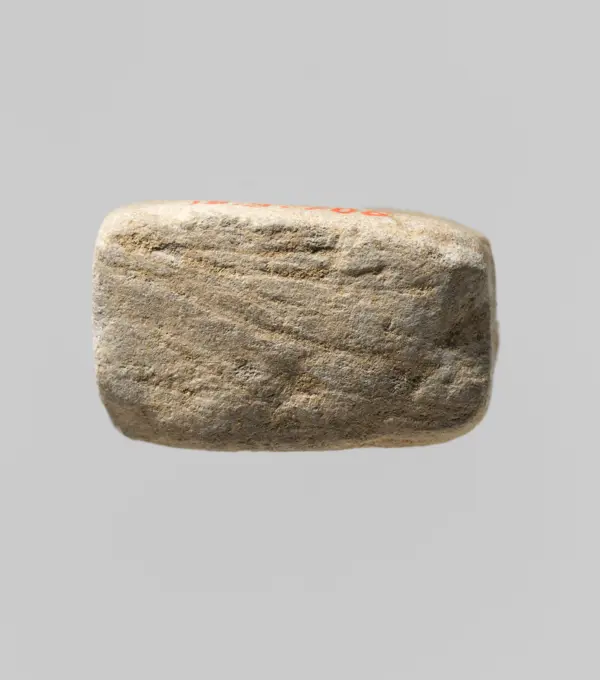
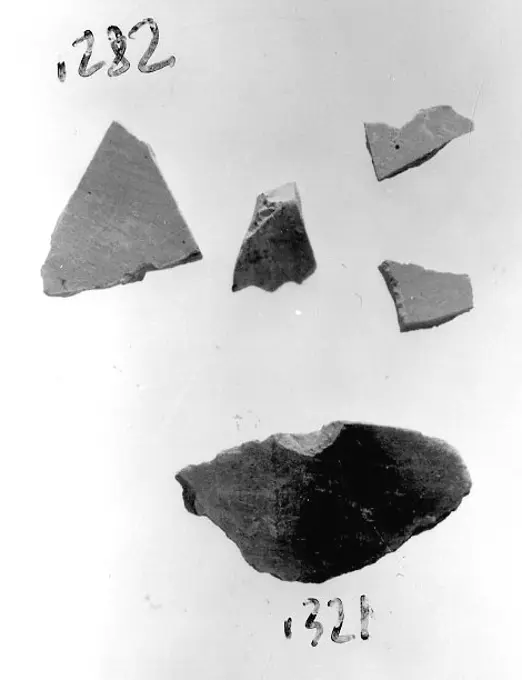
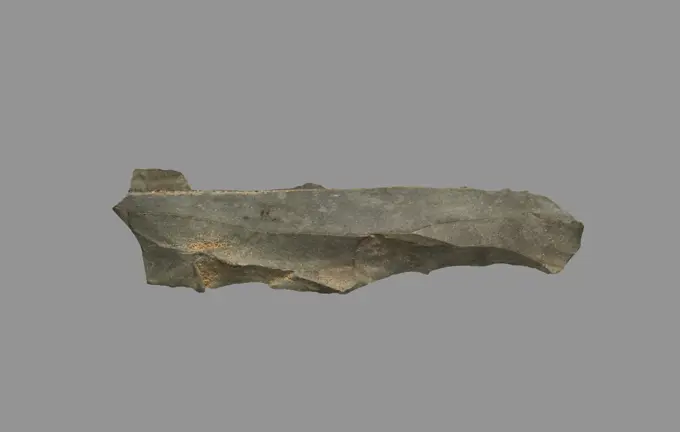
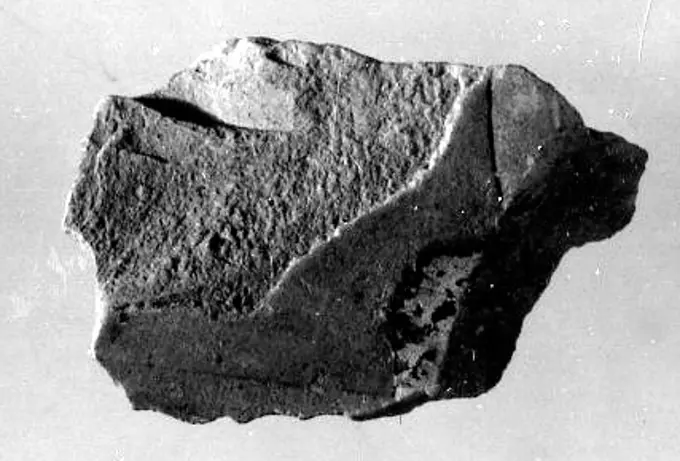
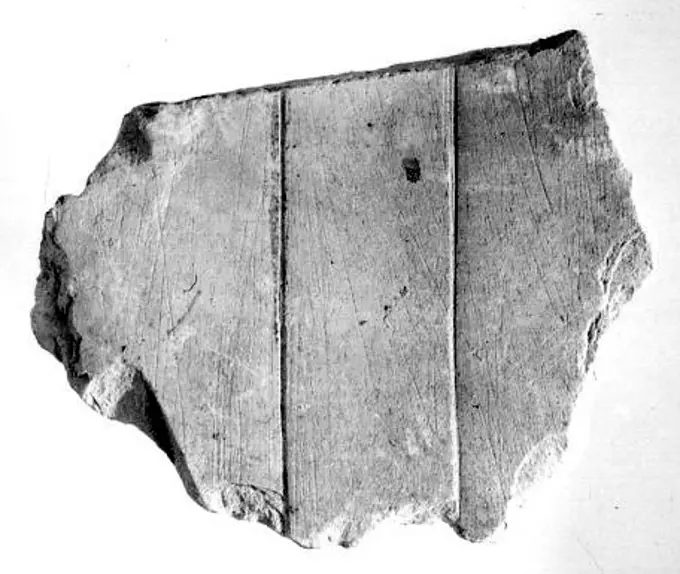
Sculpture Fragment. Unknown 530-520 B.C. This fragment belongs to a collection of thirty-nine non-joining pieces of a large relief monument that once depicted a male figure leaning on a wineskin and reclining on a kline (couch) padded with a thick cushion and pillow (J. Paul Getty Museum 81.AA.193; 81.AA.194.2-27; 82.AA.123.1-4; 85.AA.419.1-5; 86.AA.545.1-3). The scale of the Getty reclining figure is life-size and so was part of a substantial relief depicting a symposiast. This small fragment is part of a curved surface, but the original placement of the piece in the sculpture is uncertain. The carving of the relief fragments is of high quality with a refined degree of finish on the frontal surfaces; the back surface is finished with the fine pointed chisel and both sides are carefully finished with a claw chisel. The date of the relief is based on the quality of the sculpting and the style of the drapery, which is similar to sculpture dated in the last quarter of the sixth century B.
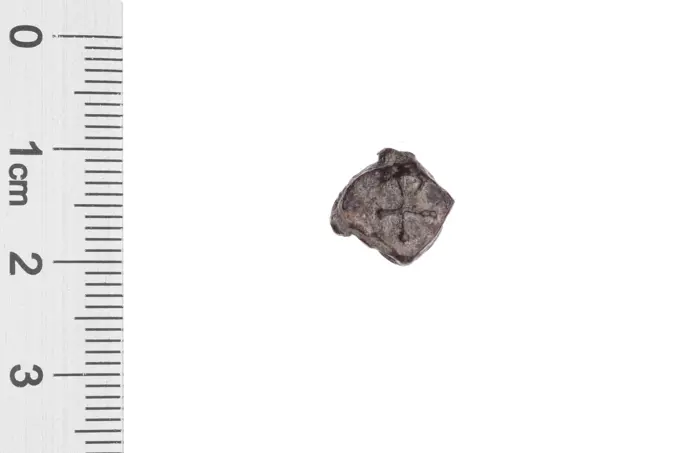
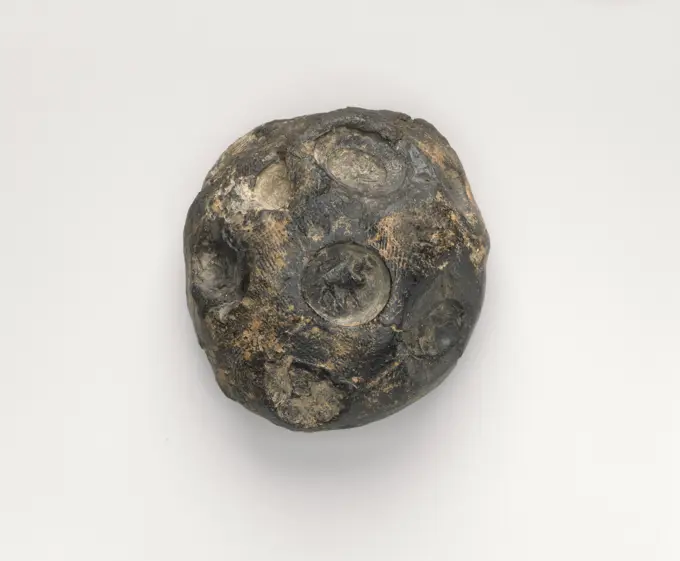
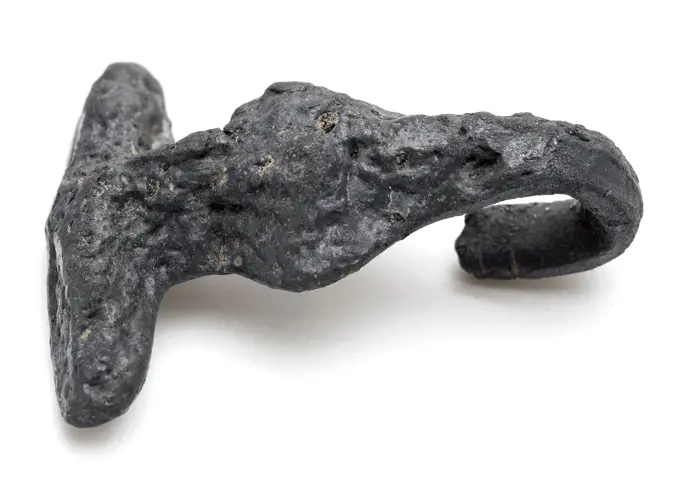
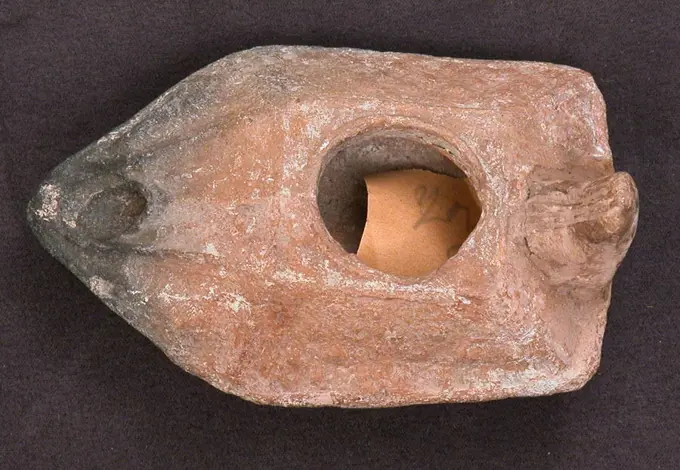
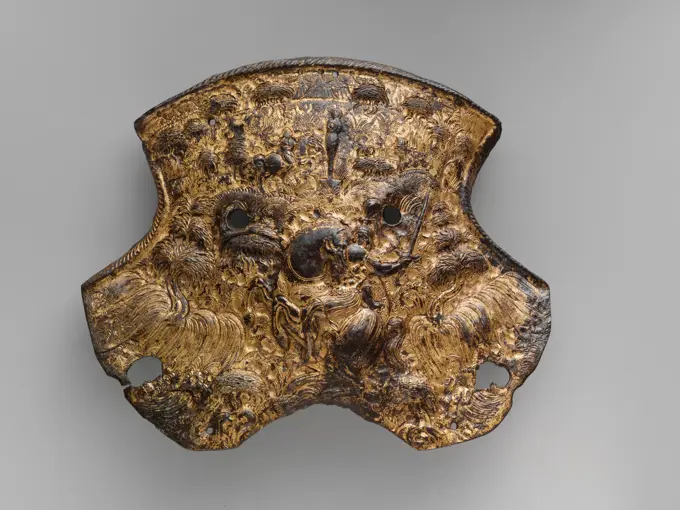
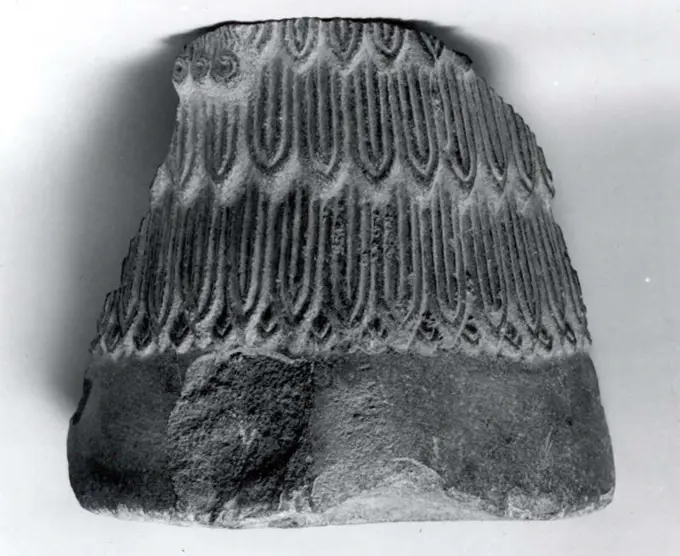
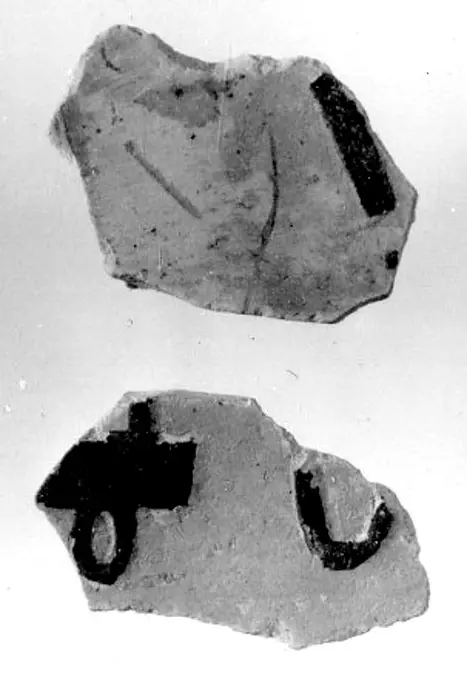
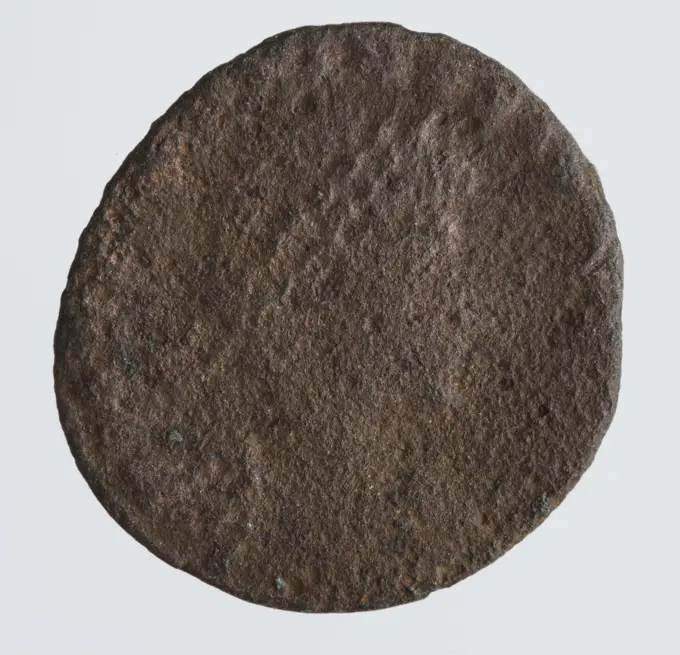
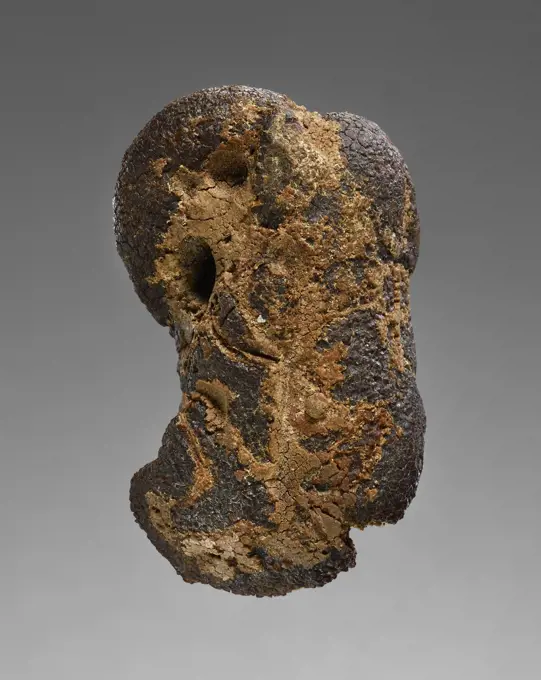
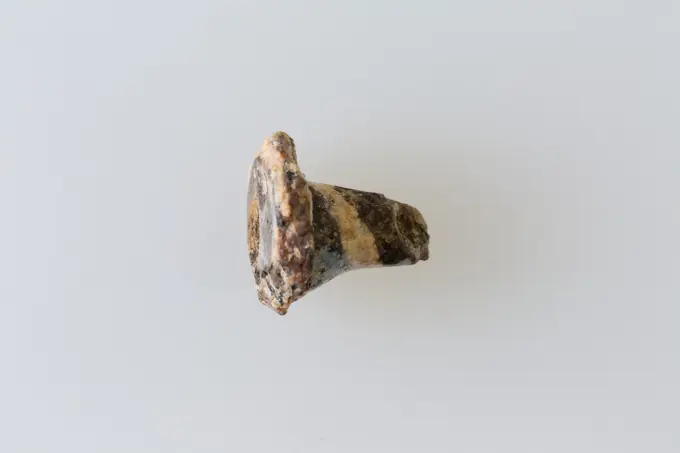
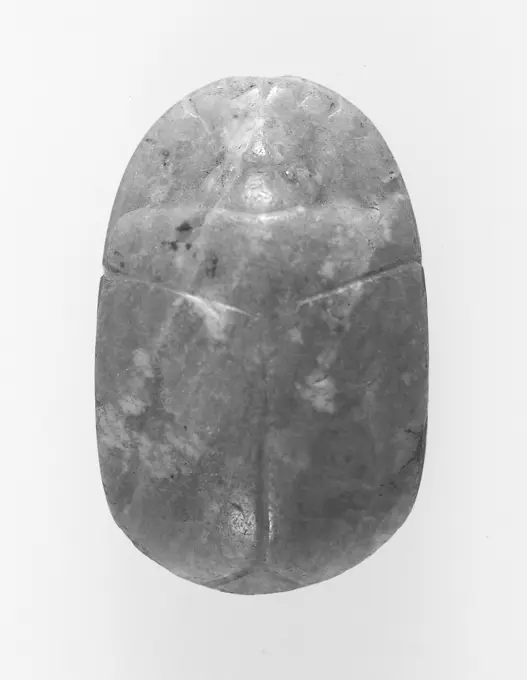
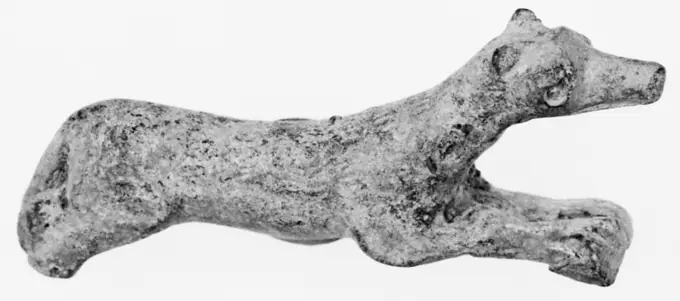
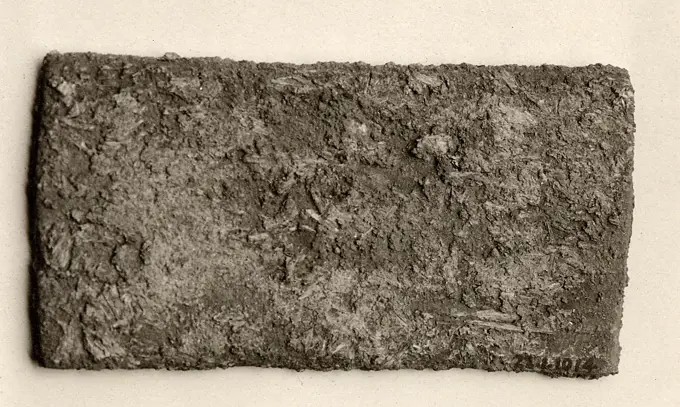
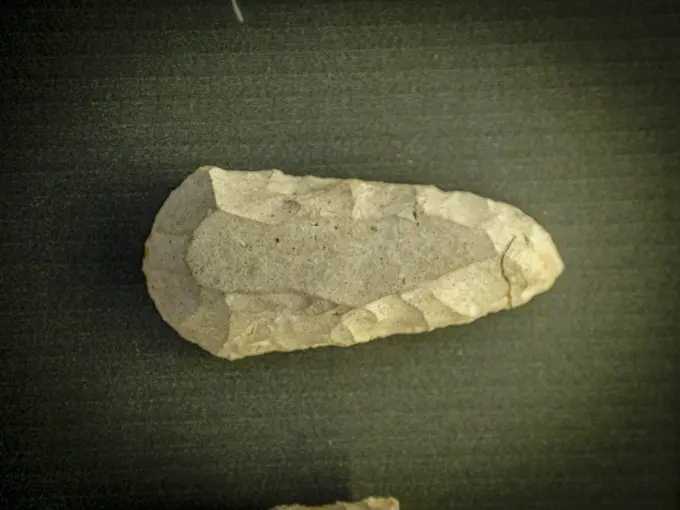
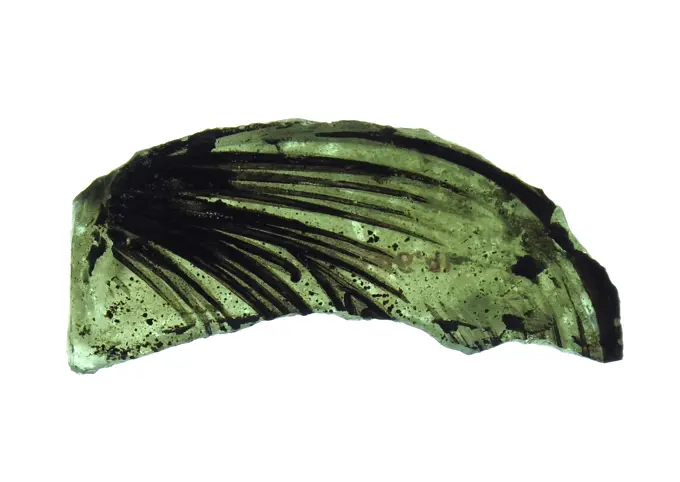
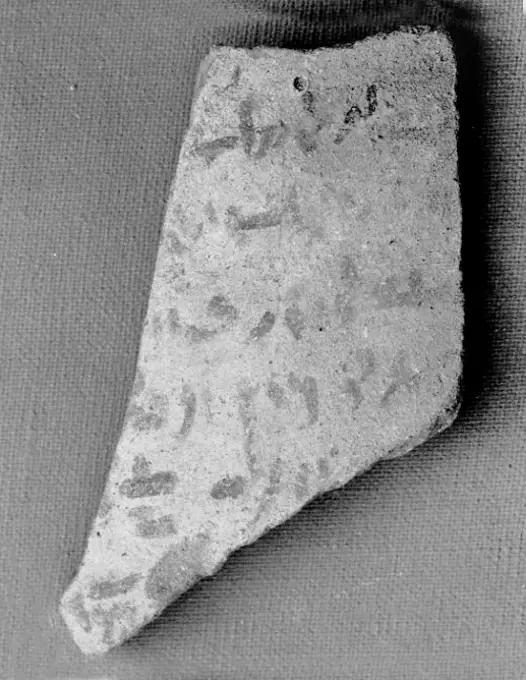
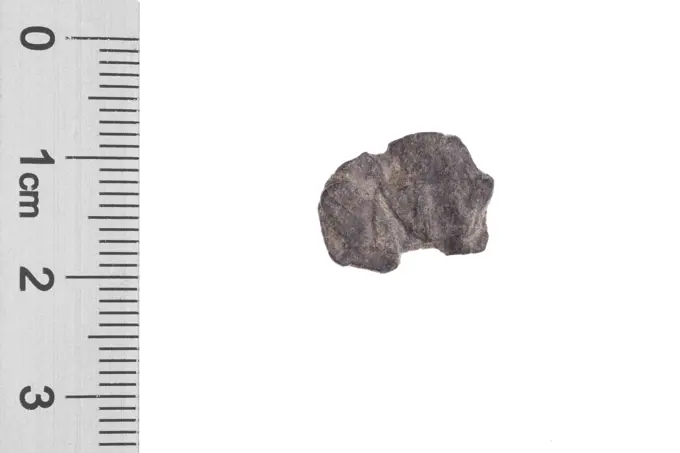
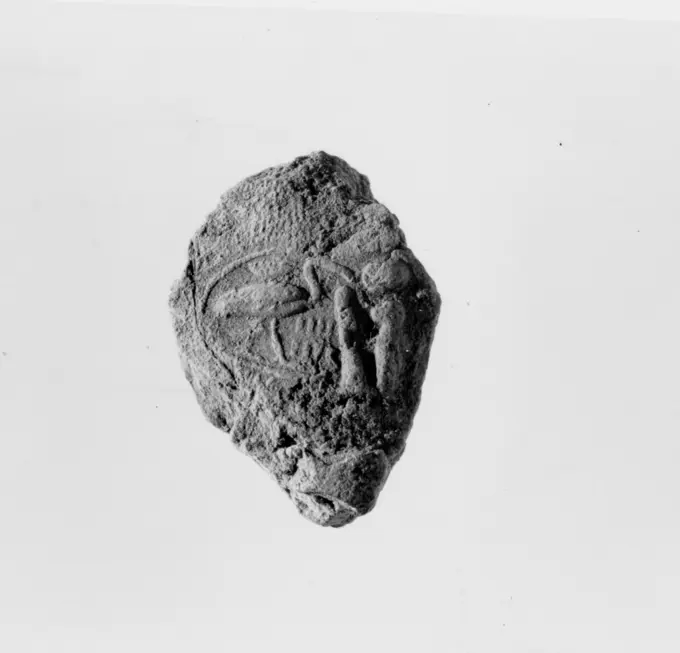
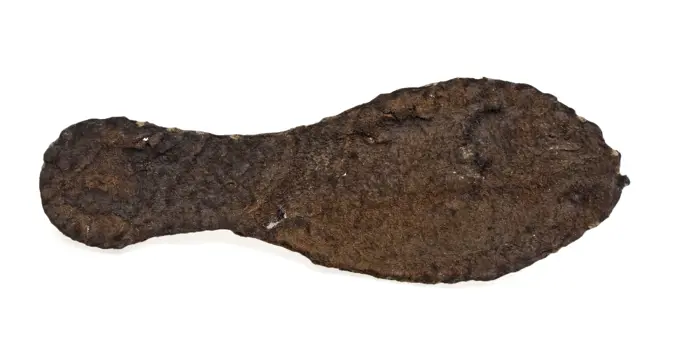
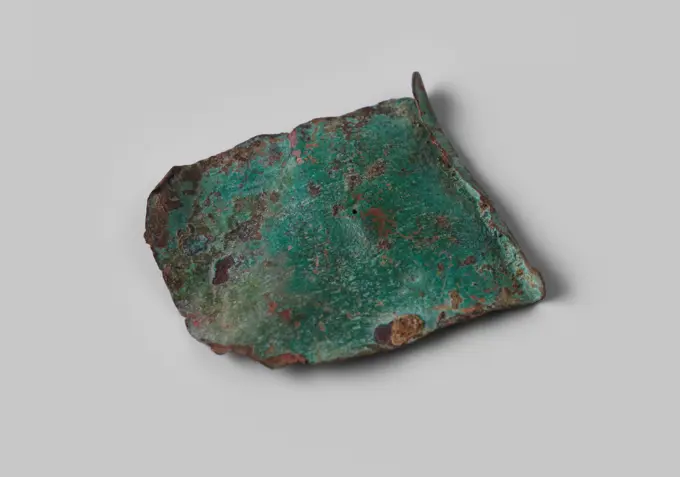
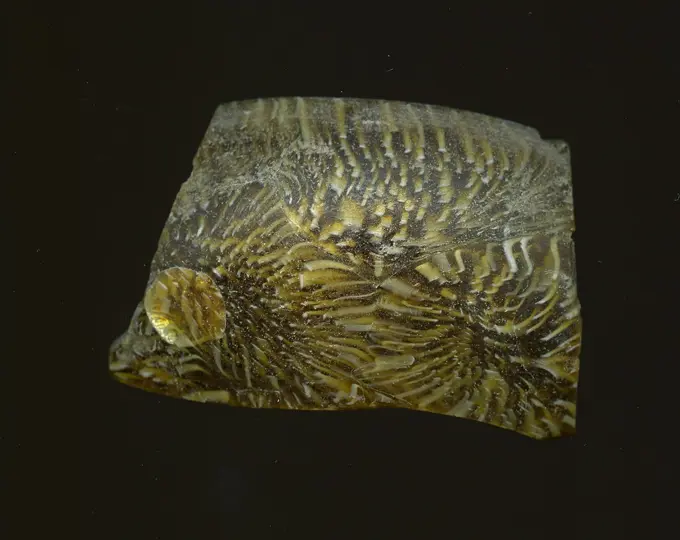
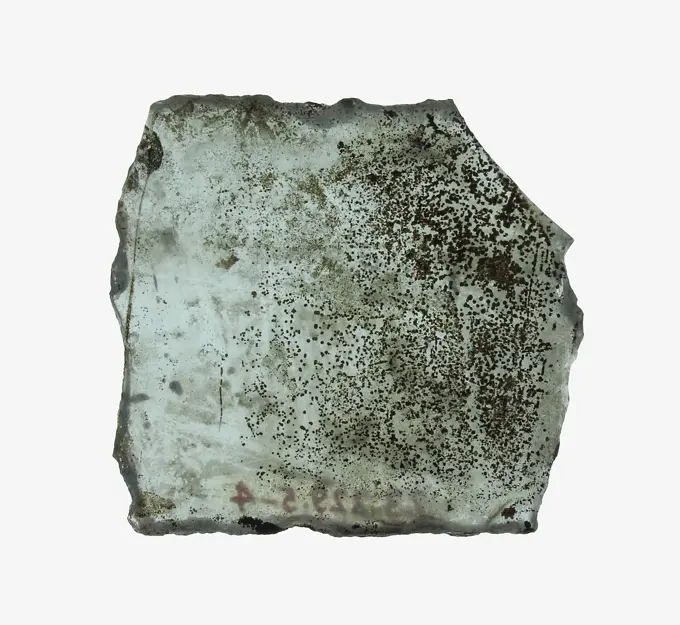
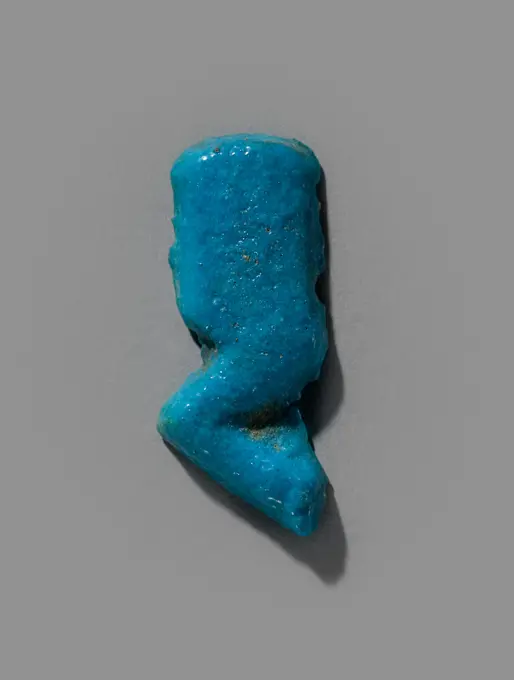
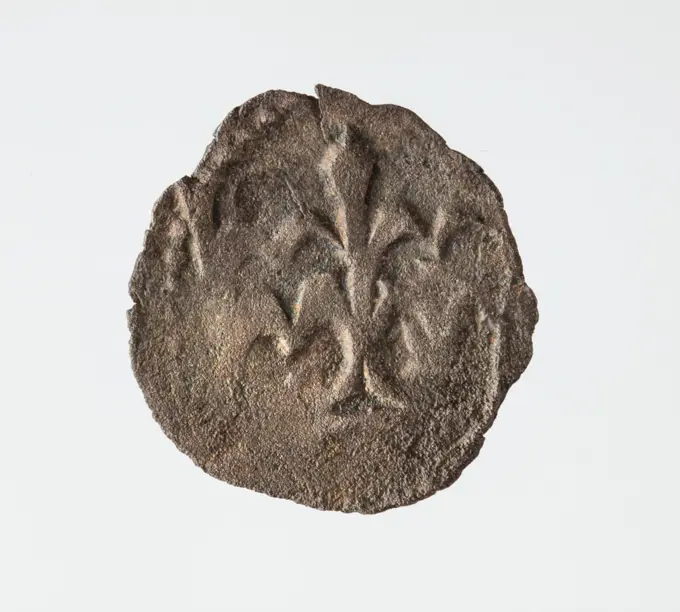
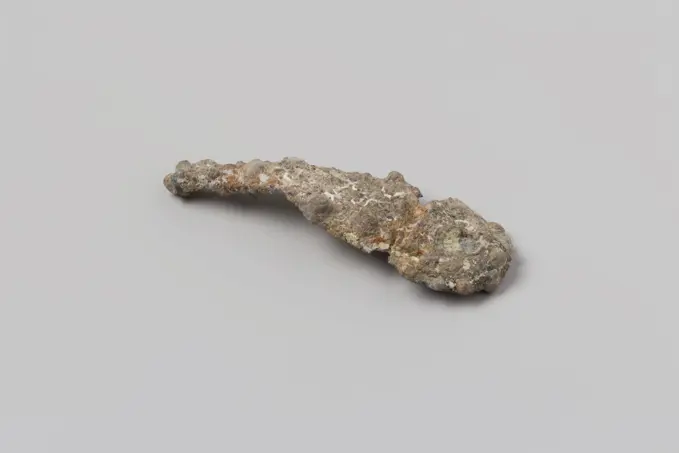
Fragment Steel van Fork or Spoon from the wreck of the East Indians Hollandia, Anonymous, 1700 - in Or Before 1743 spoon Cutlery, fragment: stem of fork or spoon; fragm, corroded, id. NG 1980-27H67. Netherlands tin (metal)   SecondSealing ca. 2030-1640 B.C. Middle Kingdom. Sealing. ca. 2030-1640 B.C.. Clay (unfired). Middle Kingdom. From Egypt, Memphite Region, Lisht South, Pyramid complex of Senwosret I, north temple gateway, MMA excavations, 1913-14. Dynasty 12-13Console, heavily weathered, console building element limestone stone, sculptedDrohiczyn seal. unknown, managerBelt Plate. Culture: Frankish. Dimensions: Overall: 3 5/16 x 1 11/16 x 7/16 in. (8.4 x 4.3 x 1.1 cm). Date: 6th century (). Museum: Metropolitan Museum of Art, New York, USA.Attic Krater Fragment. UnknownLeaf Button or Attachment. UnknownStamp ca. 1295-1070 B.C. New Kingdom, Ramesside. Stamp. ca. 1295-1070 B.C.. Limestone. New Kingdom, Ramesside. From Egypt, Memphite Region, Lisht North, Cemetery, MMA excavations, 1913-14. Dynasty 19-20Dish, before 1921. Colombia. Pottery; overall: 5.8 x 8 cm (2 5/16 x 3 1/8 in.).Shipwreck find from the wreck of the East Indians Hollandia, Anonymous, 1700 - in Or Before 1743  Parts of artefacts; eroded fragments: materials; lead. Netherlands lead (metal)   SecondUnknown form in concretion from the wreck of the East Indians' t Vliegend Hart, c. 1700 - c. 1735 concretionary stone The concretion is orange-brown in color. It is a non -identifiable object. Concretion.  concretionary stoneCoin 5th-14th century. Coin. 5th-14th century. Copper. Excavated in Iran, Nishapur. CoinsCuneiform tablet: fragment of Syllabary A ca. late 1st millennium B.C.. Cuneiform tablet: fragment of Syllabary A 321843Belt Buckle Attachment Plate Fragment. Culture: Frankish. Dimensions: Overall (attached together with x.209.5, .31, .40): 4 5/8 x 2 3/16 x 1/2 in. (11.7 x 5.6 x 1.3 cm)Overall (plate only): 3 13/16 x 2 3/16 x 3/8 in. (9.7 x 5.5 x 0.9 cm). Date: 4th-7th century. Museum: Metropolitan Museum of Art, New York, USA.Spout or Finial: Ram's Head. UnknownSealing ca. 7th century A.D. Sasanian This sealing was impressed with seven seals. On the unstamped back surface of the sealing a pair of crossed cord impressions are visible. While not all of the imagery from the impressed seals remain legible, one seal clearly depicts a camel walking to the right. The sealing was among over 500 sealings excavated in the Sasanian fortress at the site of Qasr-i Abu Nasr. The cache was preserved because the building had burned, baking the clay and retaining the seal impressions. These small clay objects played a role in Sasanian administrative practices. A piece of clay would be pressed around a cord to close a document or package and then stamped with a seal. In some cases, these removed sealings seem to have been deliberately stored for administrative purposes. Qasr-i Abu Nasr is located near Shiraz in southern Iran at a strategic point at the intersection of defensive mountains, available water sources, and along roads entering the Shiraz plain. It wRelief fragment, tomb of Meketre ca. 1981-1975 B.C. Middle Kingdom. Relief fragment, tomb of Meketre. ca. 1981-1975 B.C.. Limestone, paint. Middle Kingdom. From Egypt, Upper Egypt, Thebes, Southern Asasif, Tomb of Meketre (TT 280, MMA 1101), MMA excavations, 1920. Dynasty 12Fragment 8th-9th century. Fragment 448856T-shaped hook , artifact foundations tin metal, T-shape including knot and flared back hook Back smooth and front irregular shape archology Rotterdam rail tunnel Soil discovery: trajectory rail tunnel Rotterdam .Fragment Russia (Siberia). Fragment 43521Pat of Mud for Sealing from Tutankhamun's Embalming Cache ca. 1336-1327 B.C. New Kingdom. Pat of Mud for Sealing from Tutankhamun's Embalming Cache. ca. 1336-1327 B.C.. Nile mud. New Kingdom. From Egypt, Upper Egypt, Thebes, Valley of the Kings, Embalming Cache of Tutankhamun (KV 54), Davis/Ayrton excavations, 1907-08. Dynasty 18Coin A.H. 139-48/ A.D. 757-66. Coin. A.H. 139-48/ A.D. 757-66. Copper. Excavated in Iran, Nishapur. CoinsOracle bone fragment China. Oracle bone fragment. China. Inscribed bone. Shang dynasty (ca. 1600-1046 B.C.). BoneRelief fragment, tomb of Meketre ca. 1981-1975 B.C. Middle Kingdom. Relief fragment, tomb of Meketre. ca. 1981-1975 B.C.. Limestone, paint. Middle Kingdom. From Egypt, Upper Egypt, Thebes, Southern Asasif, Tomb of Meketre (TT 280, MMA 1101), MMA excavations, 1920. Dynasty 12BLIŻEJ KULTURY Mint of Kraków, Władysław Jagiełło (CA 1351 1434)Button ca. 9th century B.C. Iran. Button 325038Scherf of a jug of the wreck of the East Indians Hollandia, Anonymous, 1700 - in or Before 1743  Stoneware, Rhenish, Frechen-ware, jug; fragm of body. Cologne stoneware   SecondStucco Fragment probably 8th-12th century. Stucco Fragment. probably 8th-12th century. stucco; carved and painted. Excavated in Iran, Nishapur. StuccoGlass jar (fragment). A low curvature of the glass fragment allows the assignment to a vessel, possibly a shell. The surface of the glass is strongly corroded so that the former color scheme is difficult to understand. The reason was formerly dark red and showed several flower ornaments in millefiori technology, which are still recognizable at the white spirals and circles. For the production, different colored glasses into tubes and rods were formed. These were compressed and heated, causing a long bar. The glass sliced now had a wide variety of amorphous or floral patterns. Thereafter, several of these platelets were folded together, heated again and pressed into vascular shape. Burry for the elaborate manufacturing process and its fragility was one of the luxury articles of antiquity.Sickle Blade, 1980-1801 BC. Egypt, Middle Kingdom, Dynasty 12. Flint; overall: 5 cm (1 15/16 in.).Lamp 7th-11th century. Lamp 451755Coin 5th-14th century. Coin. 5th-14th century. Copper. Excavated in Iran, Nishapur. CoinsPommel Plate ca. 1580 French or Flemish While many saddle steels have some degree of embossed ornament, very few include figural representations or narrative scenes. The densely detailed style of the embossed, chiseled, and gilt decoration of this pommel plate is a notable exception, and one that allows it to be identified as belonging to a small group of rare parade armors made in France or Flanders in the last quarter of the sixteenth century. Particuarly close in style to this piece are another pommel plate in the Wallace Collection, London (A424), a pair of full leg defenses in the Museo Stibbert, Florence (1021), and an incomplete half-armor with a close helmet and arm defenses in the Deutsches Historisches Museum, Berlin (1022). All share the same highly idiosyncratic style of rendering human figures, horses, trees, and landscapes, which are spread over the entire surface of the plates, gilded overall, and lacking any of the ornamental borders or cartouches that usually surround Figure ca. 2900-2350 B.C. Sumerian. Figure 323754Gumucionite, Maniwaki, Quebec Gumucionite is sphalerite mixed with realgarWall casing. Dimensions: 13 x 8.9 x 3.5. Dynasty: Dynasty 26. Reign: reign of Psamtik I. Date: 664-610 B.C.. Museum: Metropolitan Museum of Art, New York, USA.Relief fragment, tomb of Meketre ca. 1981-1975 B.C. Middle Kingdom. Relief fragment, tomb of Meketre. ca. 1981-1975 B.C.. Limestone, paint. Middle Kingdom. From Egypt, Upper Egypt, Thebes, Southern Asasif, Tomb of Meketre (TT 280, MMA 1101), MMA excavations, 1920. Dynasty 12Bliżej Kultury Constantine 2, Mennica Heraclea (Thracic)Spatula ca. 1295-1070 B.C. New Kingdom, Ramesside. Spatula. ca. 1295-1070 B.C.. Slate. New Kingdom, Ramesside. From Egypt, Memphite Region, Lisht North, Cemetery, debris, MMA excavations. Dynasty 19-20Key Handle 1st-7th century Roman. Key Handle 462912Pendant: Hippocamp; Italy; 575 - 550 B.C; Amber; 43 × 27 × 70 mm (1 11,16 × 1 1,16 × 2 3,4 in.)Part of an ear stud ca. 1390-1353 B.C. New Kingdom. Part of an ear stud. ca. 1390-1353 B.C.. Glass. New Kingdom. From Egypt, Upper Egypt, Thebes, Malqata, Atitu's Hole, MMA excavations, 1910-12. Dynasty 18Scarab ca. 1640-1550 B.C. Second Intermediate Period. Scarab 556236Structure of a money bag in concretion from the wreck of the East Indied Flying Heart. The concretion has ever been opposed to a linen bag, it was probably a money bag. The pattern can be seen clearly. The pattern consists of very fine zigzag lines (see dimensions). Concretion.Fragment of "Molar" Bottle 9th-10th century. Fragment of "Molar" Bottle 450921Attachment. UnknownSealing ca. 1981-1640 B.C. Middle Kingdom. Sealing 560525macro shooting of natural mineral stone - raw shungite stone isolated on white backgroundFoundation deposit plaque of Amenemhat I ca. 1981-1952 B.C. Middle Kingdom. Foundation deposit plaque of Amenemhat I 546514Spachtel auf retuschiertem Blatt scraper on retouched sheet, El Polvorín cave, Karrantza, Arkeologi Museoa, museo aqueologico, Bilbao, Bizkaia, Pais Vasco, Spain Copyright: xZoonar.com/Tolox 22846561Drohiczyn seal. unknown, managerFRAGMENTOS DEL SARCOFAGO DE BEGASTRI. DEPOSITO: MUSEO ARQUEOLOGICO DE CEHEGIN . MURCIA, ESPAÑA.Axe ca. 2300-2000 B.C. Hattian. Axe 324453Part or fittings from the wreck of the East Indians Hollandia, Anonymous, 1700 - in Or Before 1743 part Strip-shaped fitting; fragm, eroded; angular pattern, flat, 3 ends broken remains of 2 holes. Netherlands copper (metal)Fragment of buyer from the wreck of the East India Hollandia.parts or artifacts; eroded fragments: Materials; Copper.Glass Fragment 12th-14th century French. Glass Fragment. French. 12th-14th century. Pot-metal glass, vitreous paint. Glass-StainedNaczynie z zaokrąglonym dnem. nieznany warsztat północno mezopotamski (ca 2600-ca 2350 a.C.), workshopArmor plate ca. late 8th-late 7th century B.C. Assyrian. Armor plate 324774Ostracon ca. 600-30 B.C. Late Period-Ptolemaic. Ostracon. ca. 600-30 B.C.. Pottery, ink. Late Period-Ptolemaic. From Egypt, Upper Egypt, Thebes, Medinet Habu, Davis excavations, 1912-13Sickle Blade, 1980-1801 BC. Egypt, Middle Kingdom, Dynasty 12. Flint; overall: 5 cm (1 15/16 in.).Drohiczyn seal. unknown, managerOchre, Mineral, Quebec Ochre is a natural earth containing silica and clay tinted by hydrous forms of iron oxide, such as yellow-brown limonite or brown-yellow to green-yellow goethite, and traces of gypsum or manganese carbonateRelief fragment, tomb of Meketre ca. 1981-1975 B.C. Middle Kingdom. Relief fragment, tomb of Meketre. ca. 1981-1975 B.C.. Limestone, paint. Middle Kingdom. From Egypt, Upper Egypt, Thebes, Southern Asasif, Tomb of Meketre (TT 280, MMA 1101), MMA excavations, 1920. Dynasty 12Fragment multi-colored brocatel. Five fragments of a silk tissue. Brown silk reputation with impacts of silver thread and from white, green, pink and red-brown silk. The drawing consists of large diamond-shaped medallions in which leaf and fruit motifs. Note: Selling; put together a small fragment; Skiper, satin, 1 cm wide. Different types and colors silk.Scraper. Neolithic period. North Africa. 12,6 cm.Handle ca. 6th-8th century A.D. Sasanian or Islamic. Handle. Sasanian or Islamic. ca. 6th-8th century A.D.. Ceramic. Sasanian-early Islamic. Mesopotamia, CtesiphonDrohiczyn seal. unknown, managerForty Stuiver, emergency coin from Amsterdam, beaten during the siege from the silver of the Nieuwe Kerk, Anonymous, 1578 - 1631 coin. siege coin Unilateral, diamond -shaped emergency coin with beveled corners. Front: three stamps above each other; From bottom to top: mint masters: fire sample; city coat of arms: crowned coat of arms; year above letters X and L. downside: Blanco Amsterdam silver (metal) striking (metalworking)  AmsterdamDocument Sealing With the Throne Name of Amenhotep III ca. 1390-1353 B.C. New Kingdom. Document Sealing With the Throne Name of Amenhotep III. ca. 1390-1353 B.C.. Mud. New Kingdom. From Egypt, Upper Egypt, Thebes, Malqata, West Villas, West Villa B, MMA excavations, 1910-12. Dynasty 18Leather sole in children's shoes, round heel, pointy nose, round sewing thread, shoe footwear children's clothing clothes ground find leather, archeology child underground pit Rotterdam City center Stadsdriehoek Groenendaal Soil discovery: underground pit Groenendaal 11 September 1975 15th century cesspool.Steel from fork or spoon from the wreck of the East Indiesman Hollandia. Cutlery, fragment: voice or fork or spoon; Fragm, end, sim. NG 1980-27H527, No Inscription Legible.Shellac Specimen for Jade Carving. Culture: China. Dimensions: H. 3/4 in. (1.9 cm); W. 1 1/4 in. (3.2 cm); L. 1 3/4 in. (4.4 cm). Date: 20th century. Museum: Metropolitan Museum of Art, New York, USA.Fragment buyer from the wreck of the East Indieschief Hollandia. Parts or artifacts; eroded fragments: Materials; Copper.Bead in the Shape of a Tortoise, c. 6th-8th century, 1/4 x 13/16 x 5/8 in. (0.6 x 2.1 x 1.6 cm), Stone, Myanmar (Burma), 6th-9th centuryFragments Cluster sprayer from the wreck of the East Indians Hollandia, Anonymous, 1700 - in or before 1743  Tools and instruments, medical, enema syringe; fragm of needles: ends id. NG 1980-27H1632/1799, extremely corroded. Netherlands tin (metal)   SecondRelief fragment from the tomb of Meketre. Dimensions: H. 2.5 × W. 6.2 × D. 2.4 cm (1 in. × 2 7/16 in. × 15/16 in.). Dynasty: Dynasty 12. Reign: reign of Amenemhat I, early. Date: ca. 1981-1975 B.C.. Museum: Metropolitan Museum of Art, New York, USA.Fibula, fragment 7th-6th century B.C. Etruscan Inlay from bronze fibula.. Fibula, fragment. Etruscan. 7th-6th century B.C.. Amber. Archaic. Miscellaneous-AmberExcerpt of copper from the wreck of the East Indians Hollandia, 1700 - in or before 1743 fragment Varied parts or fragments, strips and strip-shaped fragments; fragm. Netherlands copper (metal)   SecondFragment of a vessel. A low curvature of the glass fragment allows the assignment to a vessel, possibly a shell. The ocher yellow glass is marbled white, with circles in some places. For the production, different colored glasses into tubes and rods were formed. These were compressed and heated, causing a long bar. The glass sliced now had different amorphous or floral patterns. Thereafter, several of these platelets were folded together, heated again and pressed into the vascular shape. Burry for the elaborate manufacturing process and its fragility was one of the luxury articles of antiquity.Fragment of buyer from the wreck of the East India Hollandia.parts or artifacts; eroded fragments: Materials; Copper.denarius; W ADSY AW III WARNE Czyk (Polish king; 1434-1444); 1434-1444 (1434-00-00-1444-00-00);Relief fragment, tomb of Meketre ca. 1981-1975 B.C. Middle Kingdom. Relief fragment, tomb of Meketre. ca. 1981-1975 B.C.. Limestone, paint. Middle Kingdom. From Egypt, Upper Egypt, Thebes, Southern Asasif, Tomb of Meketre (TT 280, MMA 1101), MMA excavations, 1920. Dynasty 12Fragment Pijpenkop, Anonymous, 1750 - 1780 Fragment pipes head with twelve grunts with outlines (floral -sainted motif). Of the excavations on the Hofstede Arentsburg 1827-1831 under the supervision of Professor Reuvens. Schoonhoven (Possible) pipe clay Fragment pipes head with twelve grunts with outlines (floral -sainted motif). Of the excavations on the Hofstede Arentsburg 1827-1831 under the supervision of Professor Reuvens. Schoonhoven (Possible) pipe clayVase. Culture: Japan. Dimensions: H. 5 1/2 in. (14 cm). Date: late 18th century. Museum: Metropolitan Museum of Art, New York, USA.Fragment 8th-9th century. Fragment 448749Raised relief fragment 664-610 B.C. Late Period, Saite see 23.3.468. Raised relief fragment 548084Drohiczyn seal. unknown, managerFragment Germany. Fragment. Germany. Nephrite. JadeGlass Fragment 14th century French. Glass Fragment. French. 14th century. Colorless glass. Made in Chartres, France. Glass-Staineddenarius; W ADSY AW III WARNE Czyk (Polish king; 1434-1444); 1434-1444 (1434-00-00-1444-00-00);Coin 5th-14th century. Coin. 5th-14th century. Copper. Excavated in Iran, Nishapur. CoinsArrowhead Japan. Arrowhead 62442Kemirinoot from v.O.c.-ship the 'white lion'. Kemirinoot from v.O.c.-ship the 'white lion'.Persia Fruit Mold ca. 1390-1353 B.C. New Kingdom. Persia Fruit Mold. ca. 1390-1353 B.C.. Pottery. New Kingdom. From Egypt, Upper Egypt, Thebes, Malqata, Palace of Amenhotep III, MMA excavations, 1910-11. Dynasty 18Fragment 9th century. Fragment 451547Food Model Amulet: Haunch of Beef, 1295-1069 BC. Egypt, New Kingdom, Dynasties 19-20. Turquoise faience; overall: 4.1 cm (1 5/8 in.).Excerpt of copper from the wreck of the East Indians Hollandia, 1700 - in or before 1743  Parts of artefacts; eroded fragments: materials; copper. Netherlands copper (metal)   Secondbone engraved with deep engraving technique, horse hindquarter, paleolithic furniture art, San Felices de Buelna, Museum of prehistory and archeology (MUPAC), Santander, Cantabria, Spain.Bliżej Kultury Mint of Kraków, Władysław Warneńczyk (King of Poland, 1434 1444)Body (back) of Nefertiti / female ca. 1353-1336 B.C. New Kingdom, Amarna Period. Body (back) of Nefertiti / female 549778