Silverware and Cutlery

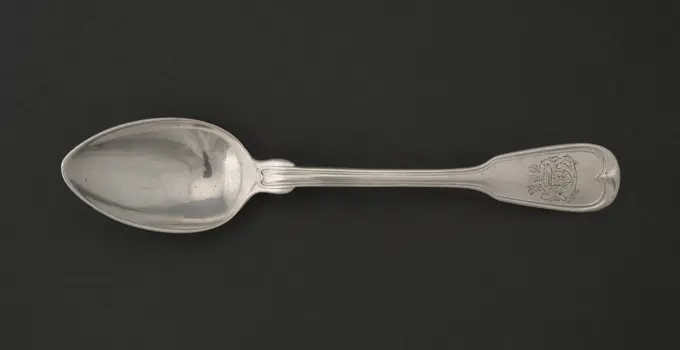
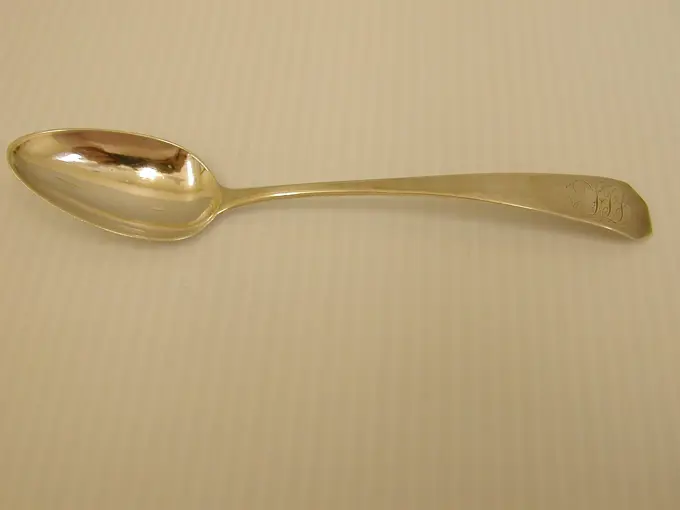
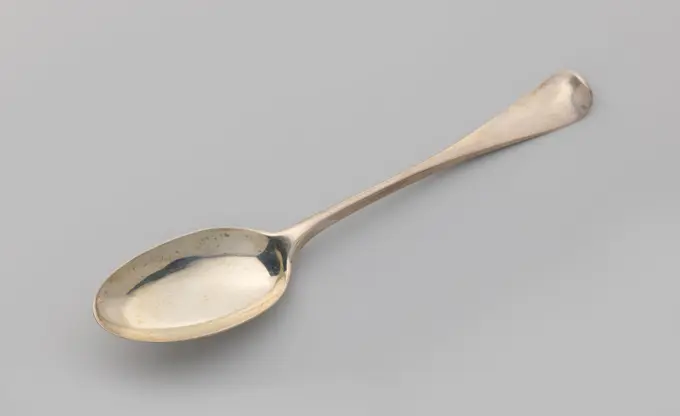
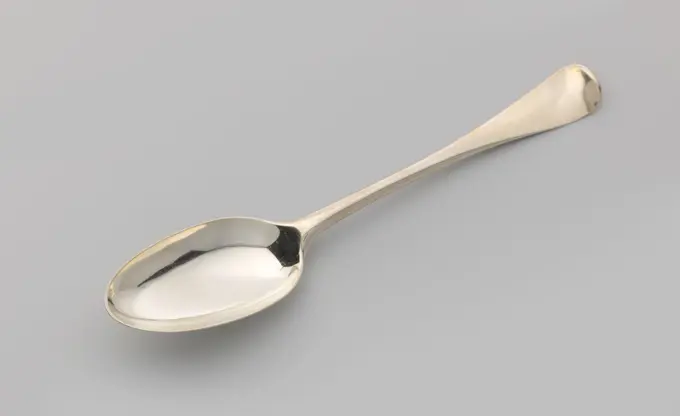
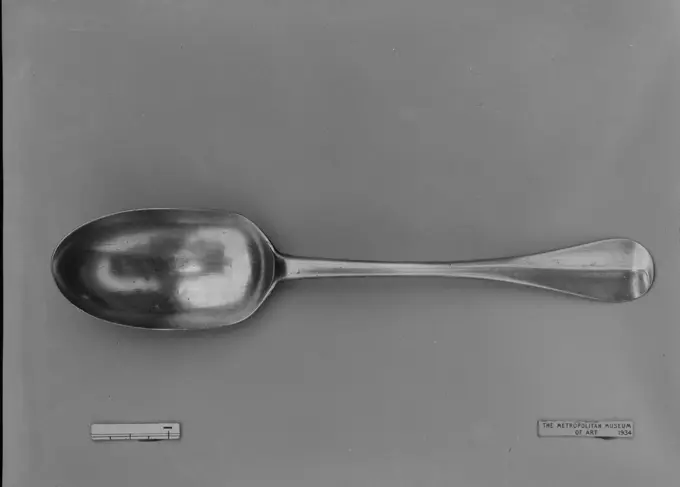
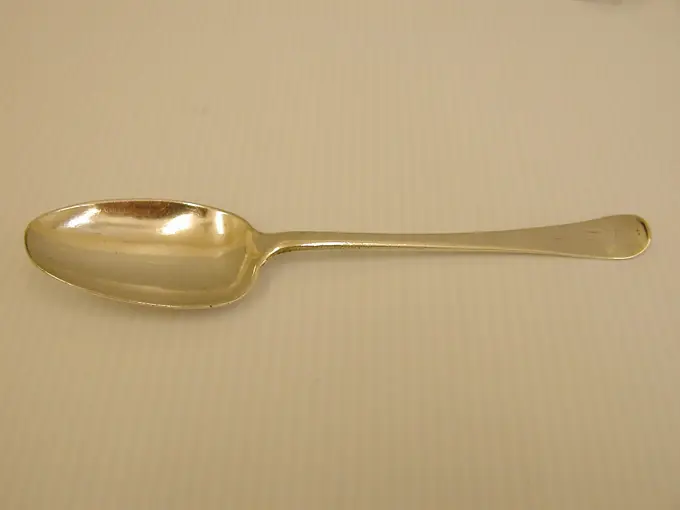
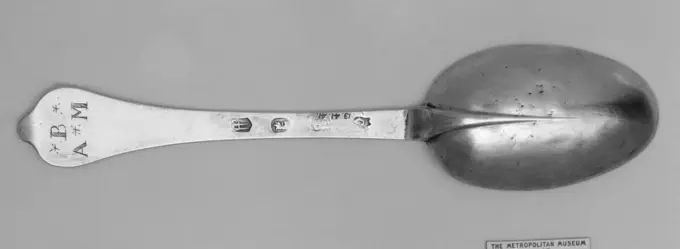
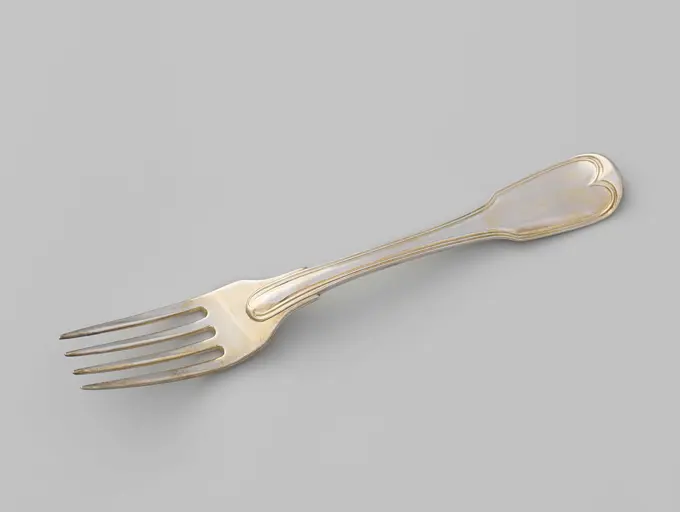
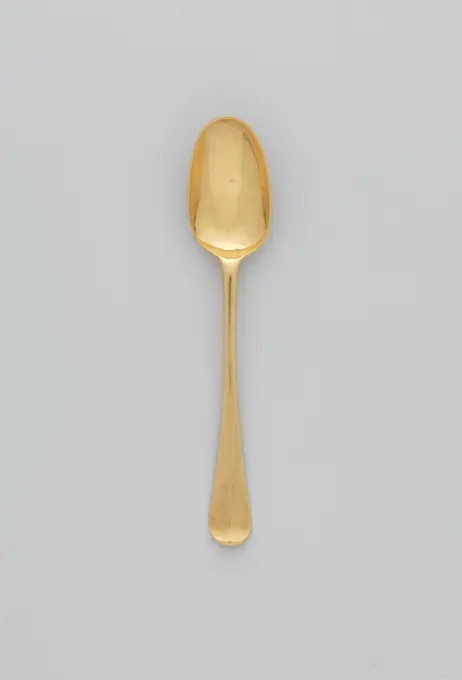
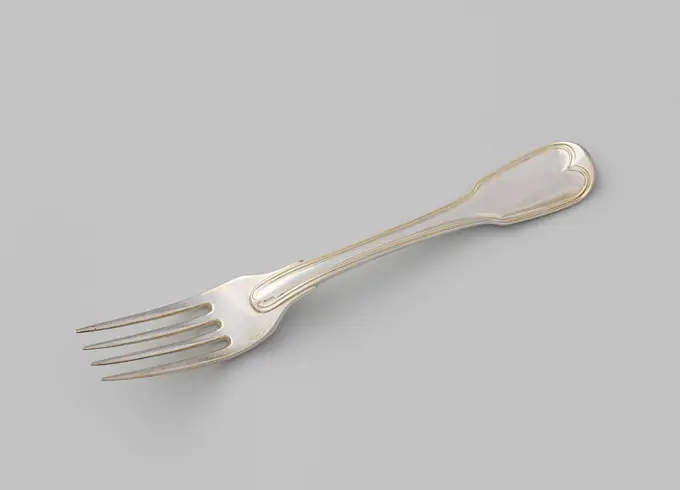
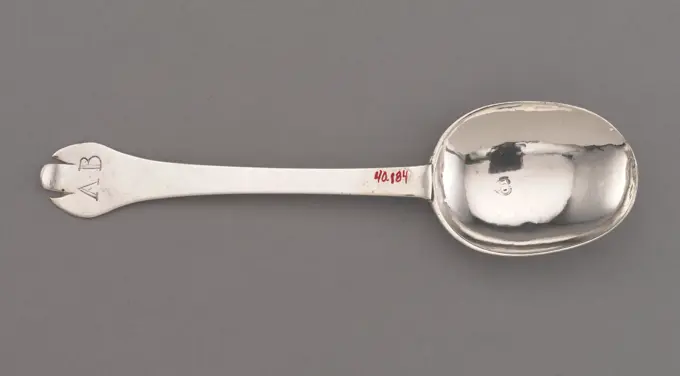
A variety of vintage silverware including spoons and forks, showcasing different styles and craftsmanship from various historical periods.

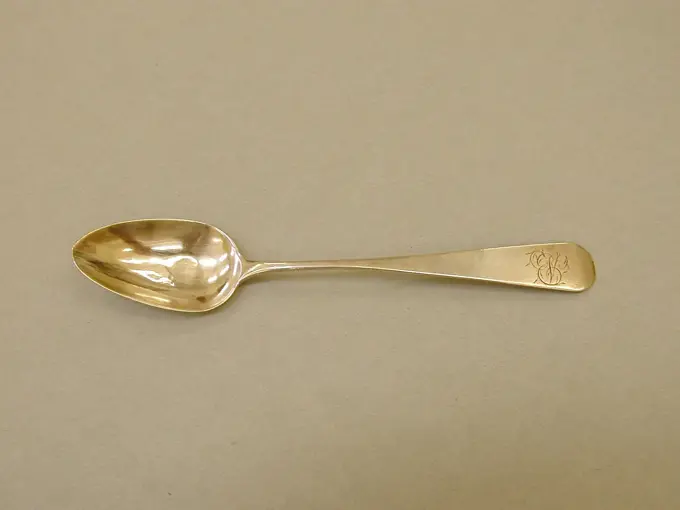
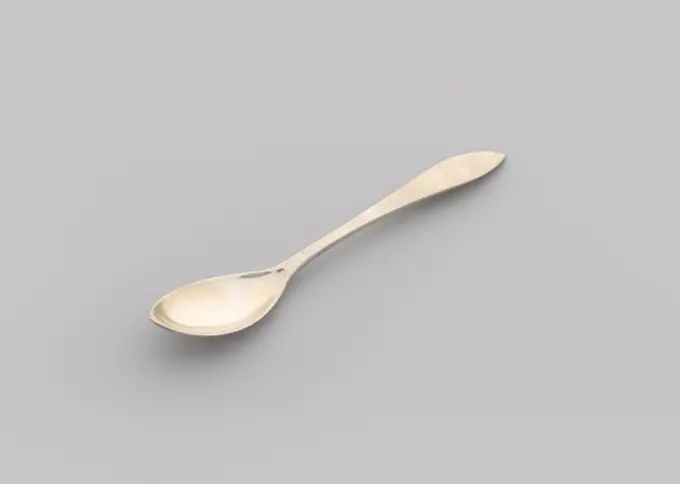
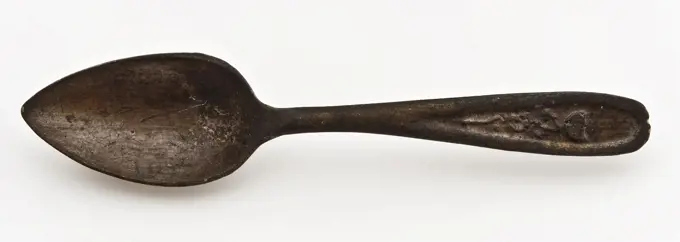
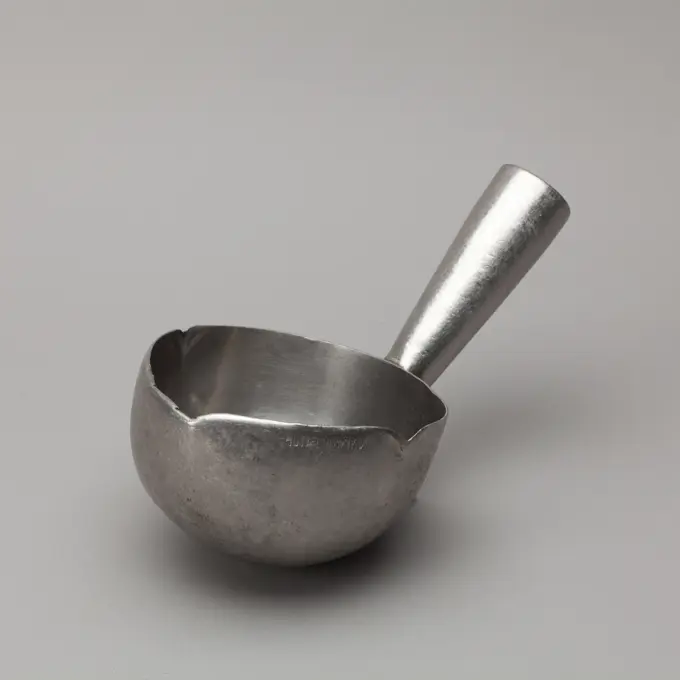
Spoon, 19th century, L. Sarson, American, 5 3/8 x 1 1/4 x 3/4 in. (13.65 x 3.18 x 1.91 cm), Pewter, United States, 19th century
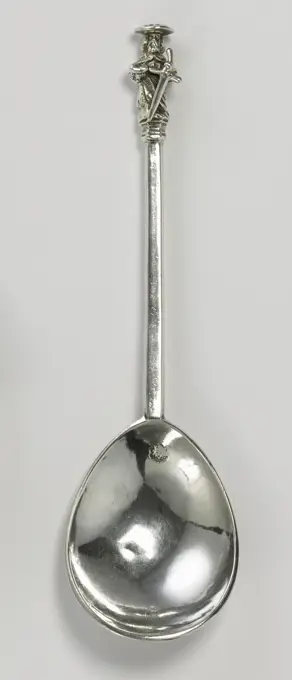
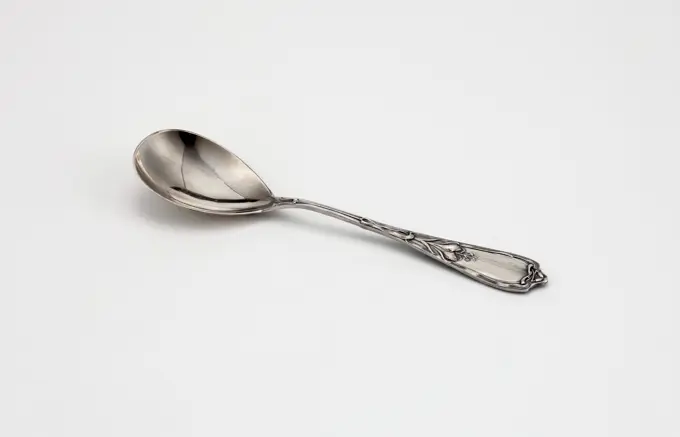
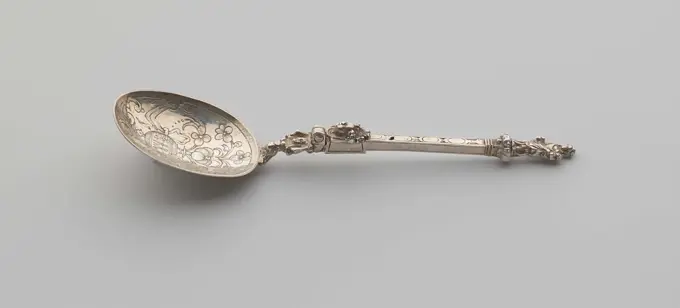
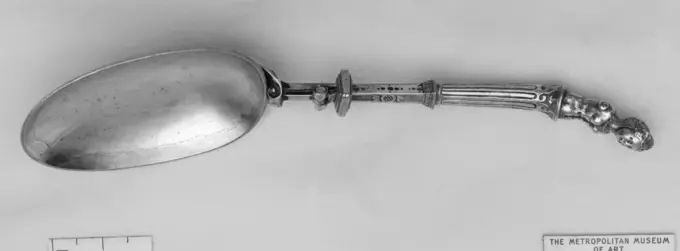
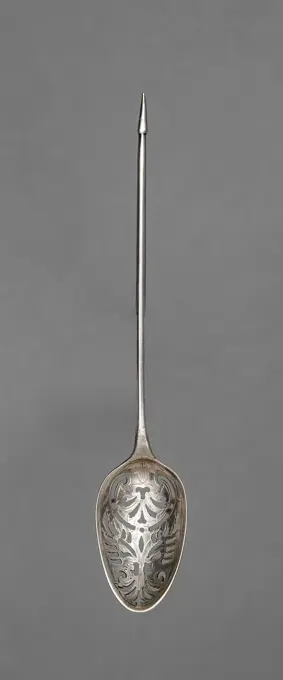
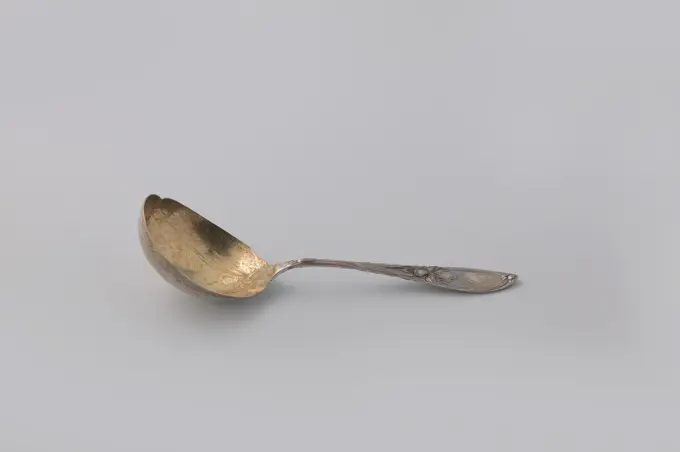
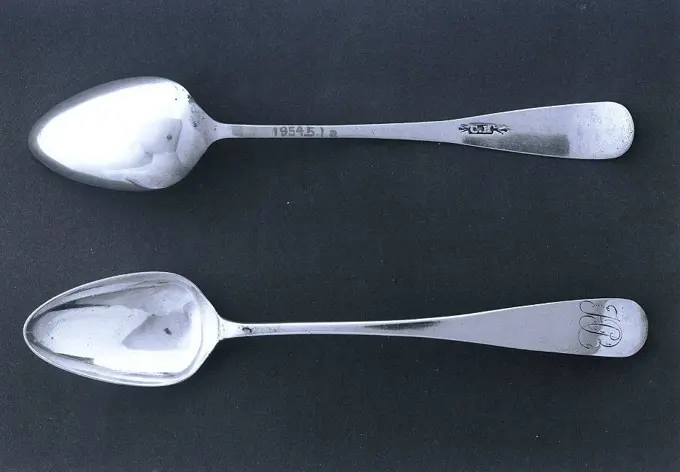
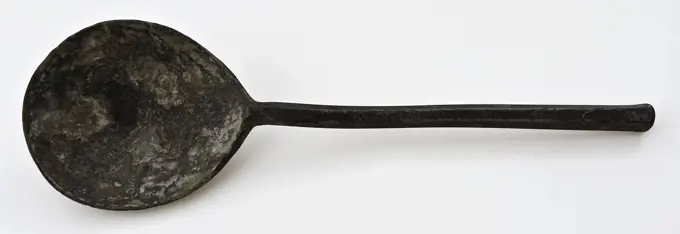
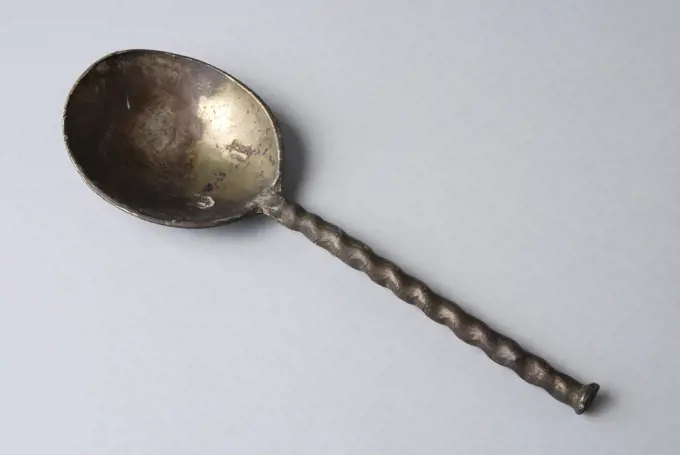
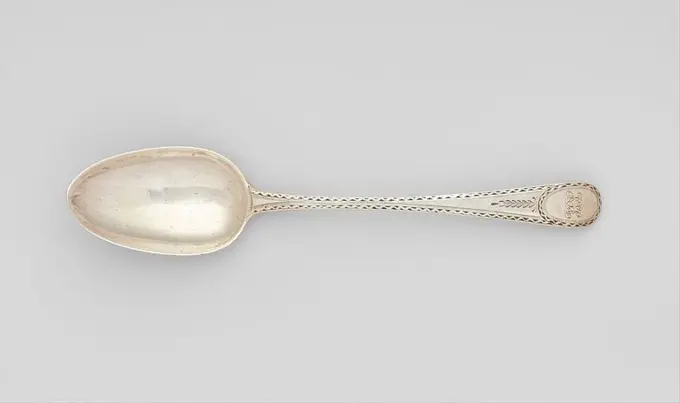
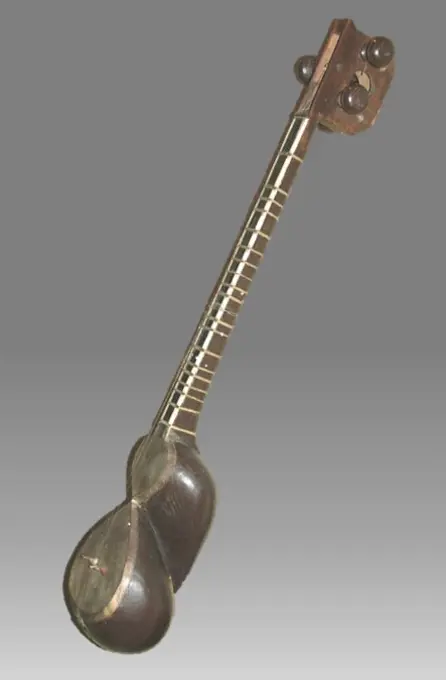
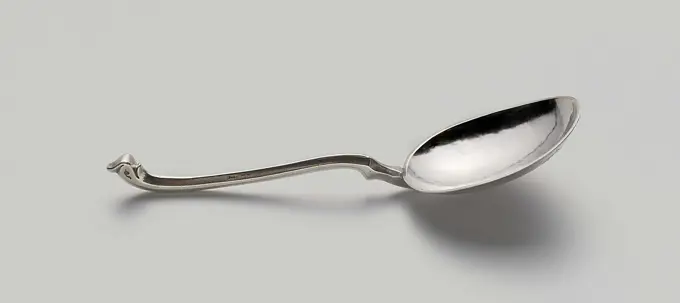
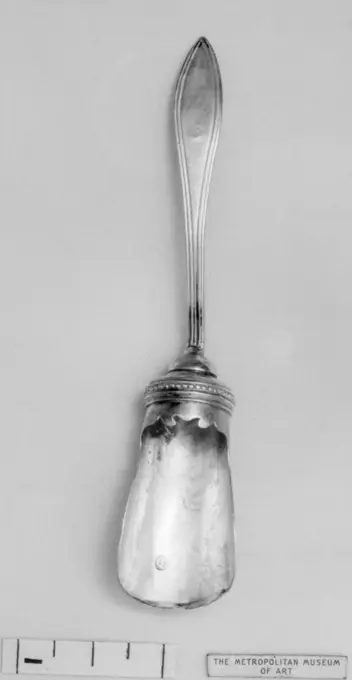
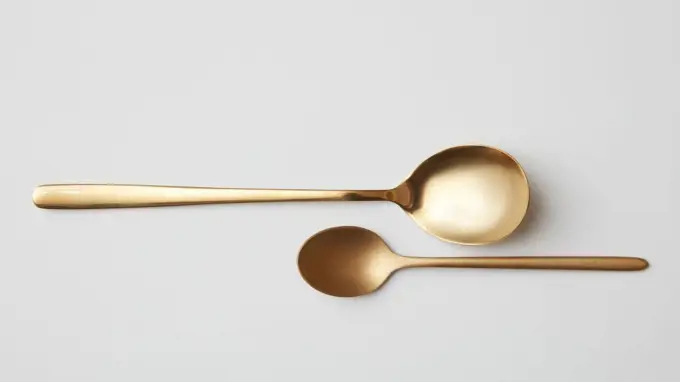
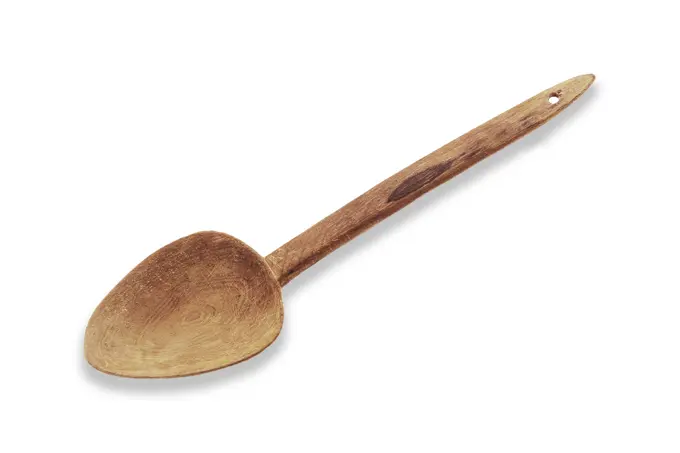
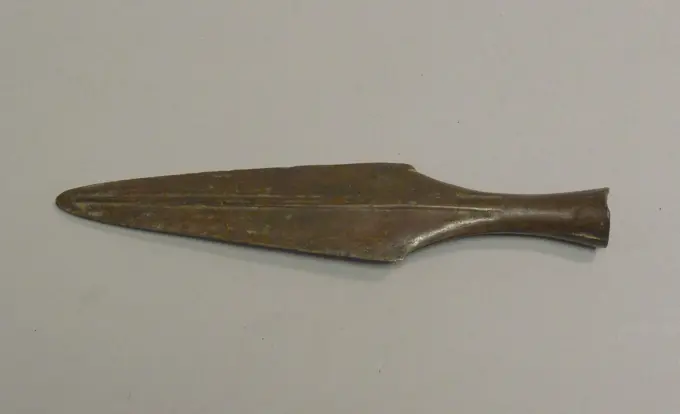
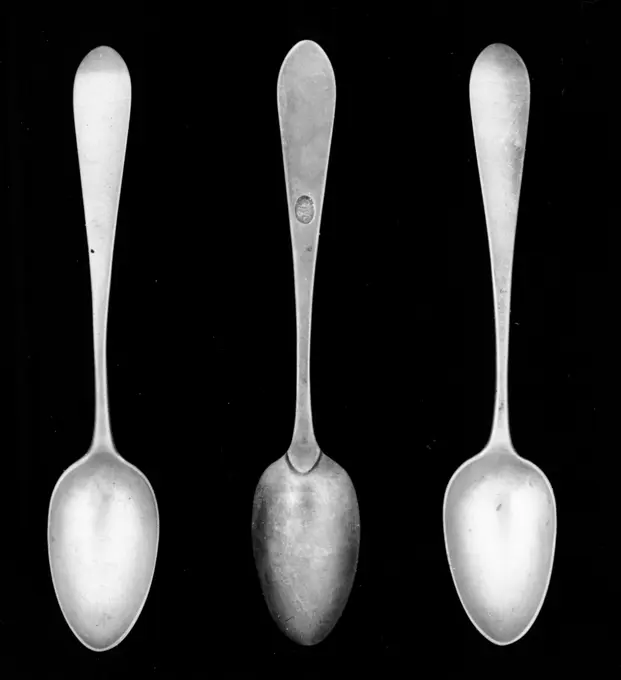
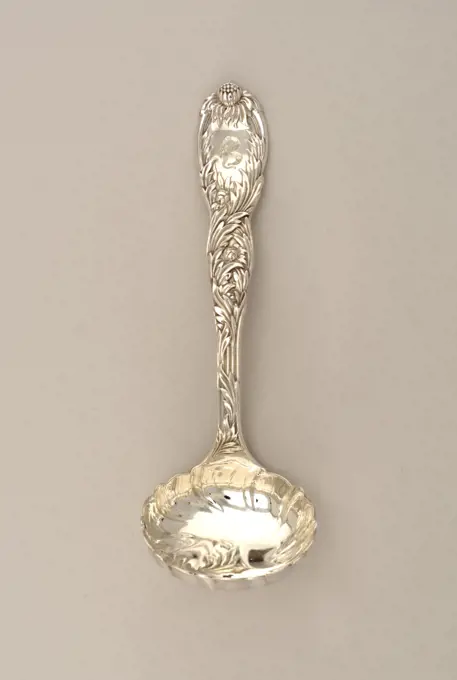
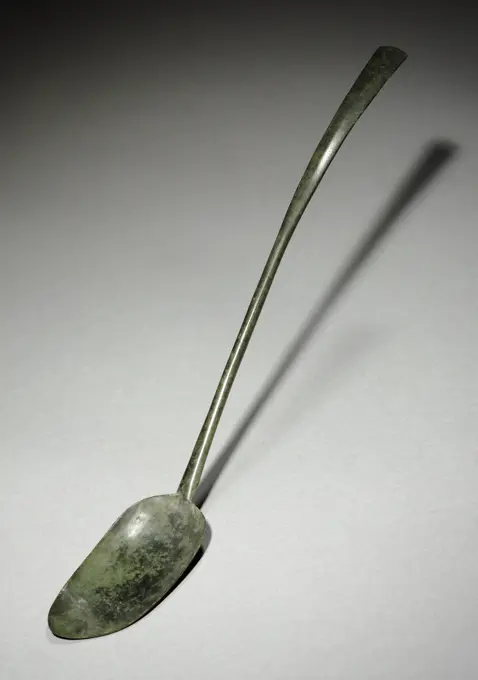
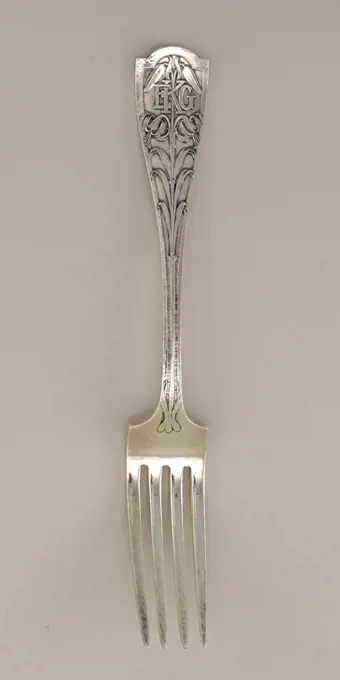
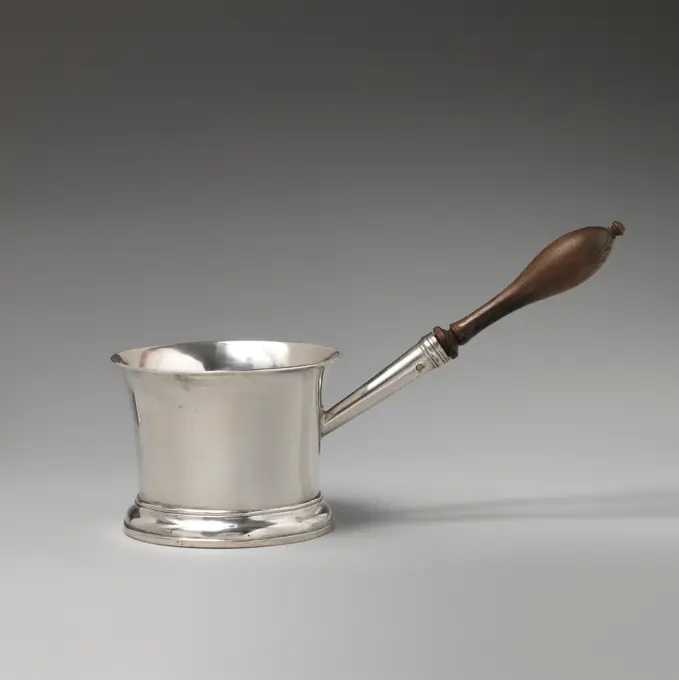
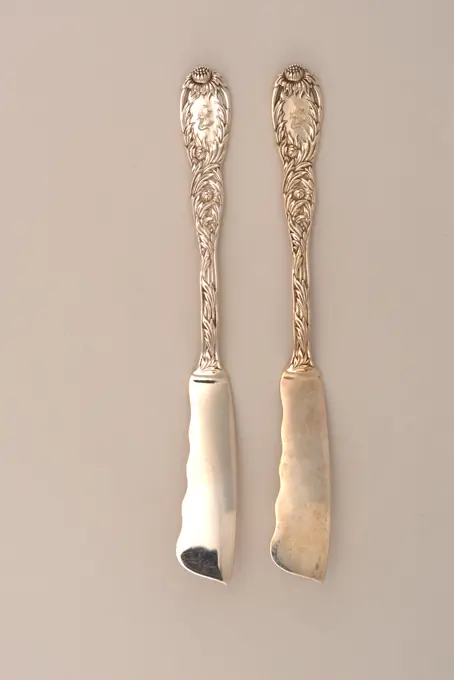
a hundred;  19th century (1800-00-00-1810-00-00);a hundred; Malcz, Karol (1797-1867), Silver Products Factory K.F. Malcza (Warsaw; Sreber label; 1828-1864); 1852 (1852-00-00-1860-00-00);Spoon 1765-80 Joseph Moulton. Spoon. American. 1765-80. Silver. Made in Newburyport, Massachusetts, United StatesTeaspoonForkSpoon, 19th century, L. Sarson, American, 5 3/8 x 1 1/4 x 3/4 in. (13.65 x 3.18 x 1.91 cm), Pewter, United States, 19th centurySpoon 1790-1800 Joseph Lownes. Spoon 7795Pair ofTeaspoons. Maker probably: Sayre and Richards, American, active 1802-13a hundred;  19th century (1800-00-00-1848-00-00);Coffee yield;  20th century (1901-00-00-2000-00-00);DessertSpoon.   Maker: Colin van Gelder Forbes, 1776-1859  Maker: John Wolfe Forbes, American, 1781-1864Spoon, Dirk van Gameren, 1764 Spoon of silver, with an oval container. The flat, curved stem extends to the rounded end. Utrecht silver (metal) Spoon of silver, with an oval container. The flat, curved stem extends to the rounded end. Utrecht silver (metal)Joseph Loring, Tea Spoon, c. 1785, silver.Saint Paul Spoon, 1622. England, London, 17th century. Silver; overall: 18.1 cm (7 1/8 in.).Teaspoon.   Maker: Miles Gorham, American, 1747-1847Empty metal spoon on dark textured concrete background. Cutlery, preparation for dinnerPewter spoon with mascarons. Pewter spoon with a round stem. There is a mascaron at the end and on the transition from stem to bin.Teaspoon.   Maker: Conrad Bard and Son, 1850-1859Silver of Silver, Anonymous, 1800 - 1900 Silver salt spoon, with a drop -shaped container, and torped steel and a flat termination with pearl edge.  silver (metal) Silver salt spoon, with a drop -shaped container, and torped steel and a flat termination with pearl edge.  silver (metal)St. Thomas or St. Matthew, Parcel gilt silver, With a long slender handle, terminating in a slightly oval bowl, the handle terminal with a cast figure of an apostle apparently holding a carpenter's square, generally associated with St. Thomas, although earlier representations of St. Matthew also showed him with such a square . Initials 'A.D.H.' engraved on handle, near spoon., Exeter, England, ca. 1661, cutlery, Decorative Arts, Spoon, Spoonthe sake of the sake;  around 1919 (1914-00-00-1924-00-00);Flowers, plant ornaments, secession (style), purchase (provenance)Spoon. Silver spoon, of which the stem can be turned. On top of the handle a Madonna statue. The bin is oval and the handle is square. Both are decorated with engraved ornaments.Coffee yield;  20th century (1901-00-00-2000-00-00);Sugar Spoon; Attributed to Liberty & Company (United Kingdom); cast pewterTablespoon. Maker, attributed to: Mark Nelson, American, 1733-1787Spoon and fork combination early 17th century possibly German. Spoon and fork combination 192276Teaspoon.   Maker: Seth Eastman, American, 1808-1875Toy knife - Inconnu / UnknownPickle Fork. H. Fletcher (United States). United States, circa 1846 - 1855. Furnishings; Serviceware. SilverStrainer Spoon, 18th Century. America, 18th century. Silver; overall: 13.5 x 2.6 cm (5 5/16 x 1 in.). The bowl of this spoon was used to remove the unwanted debris from punch, while the spike at the other end of the handle could spear a slice of lemon.Silver slalpel with gold -plated inside of the container, anonymous, 1900 Silver slalepel, the inside of the container is gilded. The container and the stem are connected to each other by a flat, wide needle. Germany (possibly) silver (metal) gilding Silver slalepel, the inside of the container is gilded. The container and the stem are connected to each other by a flat, wide needle. Germany (possibly) silver (metal) gildingPair ofTeaspoons. Maker, attributed to: Charles Hequembourg, Jr., 1760-1851Tablespoon. Maker, forgery: Philip Syng, Jr., American, 1703-1789Josiah Snatt, Caddy Spoon, 1802/3, silver.Spoon 12th century British (). Spoon. British (). 12th century. Silver. Metalwork-SilverPewter spoon with hexagonal handle, marked, spoon cutlery soil find tin metal total, shank, bake w 5,3 cast Pewter spoon hexagonal handle little thickened ending fig-shaped bake transition shank-bake connection with small rat tail on the backside at the front passes the container with point in the stalk Marked in the leaf for the attachment of the stalk mark is no longer legible archeology Valckensteyn Poortugaal Albrandswaard Soil discovery: castle Valckensteyn in Poortugaal now Albrandswaard.Table utensils isolated on the whitePewter spoon with teared stem and a cup. Pewter spoon with teared stem. The handle is seen decorated with two ovals from the container, followed by a terry part and ends in a cup on both sides.Spoon, Dirk van Gameren, 1764 Spoon of silver, with an oval container. The flat, curved stem extends to the rounded end. Utrecht silver (metal) Spoon of silver, with an oval container. The flat, curved stem extends to the rounded end. Utrecht silver (metal)Spoon (Germany); Designed by Peter Behrens (German, 1868-1940); Manufactured by Martin Josef Rückert (Germany); silver, silver gilt; cm: L: 14.5 x W: 3Pair oftablespoons.   Maker: J. H. Morse, American, active ca. 1820-30SpoonsTable Spoon 1740-60 William Cowell Jr.. Table Spoon. American. 1740-60. Silver. Made in Boston, Massachusetts, United StatesTablespoon.   Maker: Adrian Bancker, American, 1703-1772Possibly Georges Burrows I, Caddy Spoon, 1794/95, silver.Tablespoon, c. 1790. Joseph III Moulton (American, 1744-1816). Silver; overall: 4.7 cm (1 7/8 in.).Fork (Netherlands); Designed by J.J. van Goor (Dutch, 1874 - 1956); Produced by Begeer (Netherlands); silver; cm: L: 10 x W: 1.7cmTablespoon.   Maker: William Grigg, American, 1744-1797Spoon 1701-2 Probably by George Cox. Spoon 192088Teaspoon with striker oval container and flat, curved stem, which broadens to the pointed end, Hendrik Overhulsman, 1804 Mokkalpel of silver, with a pointed oval container. The flat, curved stem broadens to the pointed end. Amsterdam silver (metal) Mokkalpel of silver, with a pointed oval container. The flat, curved stem broadens to the pointed end. Amsterdam silver (metal)Vork van Zilver, Georg Jensen, 1916 Fork of silver with four teeth, model 'Kugle'. The stem that becomes flatter towards the end, widens and runs smoothly and is surrounded by a pearl edge. Copenhagen (city) silver (metal) Fork of silver with four teeth, model 'Kugle'. The stem that becomes flatter towards the end, widens and runs smoothly and is surrounded by a pearl edge. Copenhagen (city) silver (metal)Tinsmith: Jan Pieters van 't Hoff, Pewter spoon, spoon cutlery tin, cast Spoon with round oval bowl with rat's tail turning into twisted handle ending in sealing mark on the outside of the bowl: crowned weapon of Rotterdam and in the crown IVH eat metal watering jugSalt Spoon 1790-1810 Paul Revere Jr. American. Salt Spoon 6962Spoon. Culture: American. Dimensions: L. 8 5/8 in. (21.9 cm). Maker: Paul Revere Jr. (American, Boston, Massachusetts 1734-1818 Boston, Massachusetts). Date: 1770-1800. Museum: Metropolitan Museum of Art, New York, USA.Spoon 1770-1800 Paul Revere Jr. American. Spoon. American. 1770-1800. Silver. Made in Boston, Massachusetts, United StatesSamuel J. Lea, Tea Spoon, c. 1815, silver.Pewter spoon with a hoof. Pewter spoon with angular stem. The handle ends in a hoof.Spoon with pointed oval bowl and stylized flower on stem, spoon cutlery soil find tin metal, cast Pointed oval bowl archeology Rotterdam food Soil discovery Rotterdam.Fork and its shadowFork with clifford helmet sign. The four-eddy fork is on both upstairs and bottom by means of single praise connected to the flat, curved stem, which widened to the spatula-shaped end. Upper and bottom of the handle are surrounded by a double fillet edge, which is injected at the end. The Clifford Helmet is engraved on the underside of the spatula.Ladle 1810-25 S. Yates. Ladle 4677Set of five teaspoons 1711/12 John Ladyman In the first half of the eighteenth century, tea was a luxury item, an expensive imported commodity. Although most vessels made for the tea serviceusually of silver or porcelainwere also expensive, this set of gold implements must have seemed impossibly lavish. The pierced spoon was used to skim stray tea leaves from the cup.. Set of five teaspoons 195725A soviet style metallic stainless inox coffee spoon isolated on white backgroundforkTablespoon.   Maker: Daniel Van Voorhis, American, 1751-1824ThreeTeaspoons.   Maker: Marcus Merriman, American, 1762-1850Figure-top spoon 1708 or 1733 Dutch, Enkhuizen. Figure-top spoon. Dutch, Enkhuizen. 1708 or 1733. Silver. Metalwork-SilverFork with clifford helmet sign. The four-eddy fork is on both upstairs and bottom by means of single praise connected to the flat, curved stem, which widened to the spatula-shaped end. Upper and bottom of the handle are surrounded by a double fillet edge, which is injected at the end. The Clifford Helmet is engraved on the underside of the spatula.A 0.5 liter field in the field kitchen. Huta Ludwików KielceFork, ivory, Fork has four curved tines, curved shoulders and a flat flaring handle carved on the front with a floral pattern. On back of join a small leaf- shaped decoration., probably France, ca. 1750, cutlery, Decorative Arts, ForkTr-e Jorre (small tr) late 19th century Iranian (Persian) A small, child sized, long-necked lute with membrane belly. Iranian trs have a belly composed of two heart-shaped surfaces with the points joined, while those of the Caucasus mountains have an elliptical upper section. In addition to lutes like the d with large, vaulted backs, wood bellies, and relatively short, unfretted necks, the Middle East possesses a large number of long necked lutes. These may be identified by carved or carvel-built (strips of wood glued together) tear-shaped bodies, fretted necks, wooden bellies, and pegblocks which extend from the lute's neck (sz, tanbr types), or by bodies that incorporate a waist, bipartite, parchment-covered bellies and openwork pegboxes (tr type). Linguistic connections may be made between these instrument names and those from other cultures; for example, tanbr and tambr (India); tr and sitar (India), among others.. Tr-e Jorre (small tr). Iranian (Persian). late 19th ceSamuel Drowne, Tea Spoon, c. 1790, silver.Pair oftablespoons.   Maker: John Baptiste Dumoutet, 1761-1813Retailer: Richard Humphreys, American, 1750-1832Wrench isolated on white. Wrench isolated on White BackgroundFiveTablespoons.   Maker: John Moulinar, American, born 1722Spoon, 1685-1700. Jeremiah Dummer (American, 1645-1718). Silver; overall: 17.4 x 4.6 cm (6 7/8 x 1 13/16 in.).Fork van Zilver, A. Keun, 1821 Fork of silver, with 3 teeth. The flat, curved stem extends to the rounded end.  silver (metal) Fork of silver, with 3 teeth. The flat, curved stem extends to the rounded end.  silver (metal)Tablespoon.  Artist: Thomas Underhill, active ca. 1786 - 1787TwoTablespoons.   Maker: Swift and Truman, American, active ca. 1844 - 1846Probably George Knight, Caddy Spoon, 1818/19, silver.The oval bin is connected to the faceted stem by means of a needle and the stem, which ends in a stylized animal head. On the bottom of the tray, it is held crowned arms of Amsterdam engraved by lions.Stirrer - vial. unknown, craftsmanCaddy spoon early 19th century Dutch. Caddy spoon 188277 Dutch, Caddy spoon, early 19th century, Silver, 3 3/4 in. (9.5 cm). The Metropolitan Museum of Art, New York. Gift of Mrs. Samuel P. Avery, 1897 (97.2.254)Tea and dessert golden spoons isolated on a gray background. Time to eat concept, flat lay. Tea and dessert golden spoons isolated on a gray backgroundSpeaking of the Swiss army Wengerkochlöffel ** wooden spoon,wooden spoons 647-fg9Spearhead 500 B.C.-A.D. 300 Vietnam (North, Dong Song Culture). Spearhead. Vietnam (North, Dong Song Culture). 500 B.C.-A.D. 300. Bronze. Bronze and Iron Age period. MetalworkS. Coleman, Tea Spoon, c. 1800, silver.J. Adam, Three Tea Spoons, c. 1790, silver.Chrysanthemum, Tiffany & Company, American, established 1853, Silver, Oval bowl with gadrooned edge; relief-decorated handle with design in Chrysanthemum pattern, with engraved 'B' in reserve., 1880-91, cutlery, Decorative Arts, Ladles, LadlesSpoon, 918-1392. Korea, Goryeo period (918-1392). Silver bronze; overall: 29.2 cm (11 1/2 in.).Rockledge Silver Service, George Washington Maher, American, 1864-1926, Gorham Manufacturing Company, Providence, Rhode Island, USA, founded 1818, Ernest L. and Grace King, Silver, Of 'Martele' silver, the handle decorated with a native lily motif and initials E.K.G. conjoined., 1911-12, cutlery, Decorative Arts, Dinner fork, Dinner forkSpoon 1779 Michel Hansen Blytt. Spoon 192112Pipette with serum, gel, oil or other cosmetic product. Macro.Toddy warmer 1766-67 Walter Brind. Toddy warmer. British, London. 1766-67. Silver, wood. Metalwork-SilverNehemiah Dodge, Three Tea Spoons, c. 1790, silver.ThreeTeaspoons.   Maker: Seril Dodge, American, 1759-1802Wooden spoonChrysanthemum Butter Knives; Manufactured by Tiffany and Co. (United States); USA; silver; L x W x D: 22.2 x 2.5 x 2.1 cm (8 3/4 in. x 1 in. x 13/16 in.)Spoon and fork. This spoon and fork commemorate the death of Willem Sartoor in 1671. An inscription on the bowl of the spoon and the stem of the fork reveals that Sartoor was a sergeant with the Dutch East India Company (VOC). Both spoon and fork terminate in a tiny skull, emphasizing the sad event that occasioned their creation.