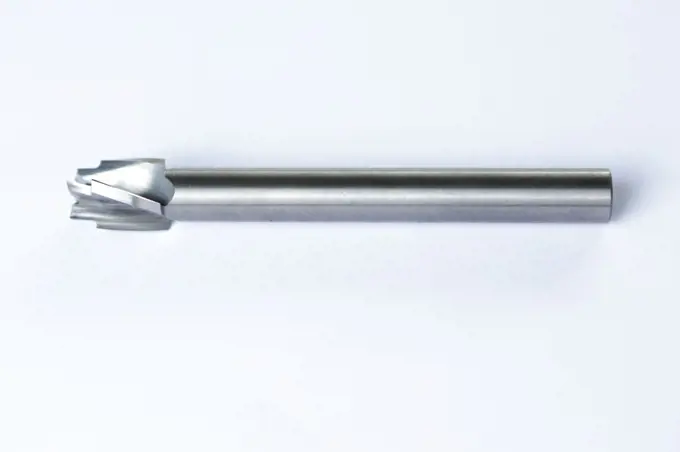
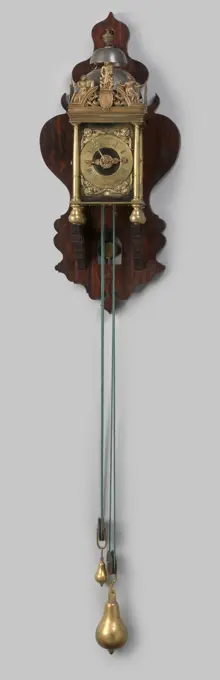
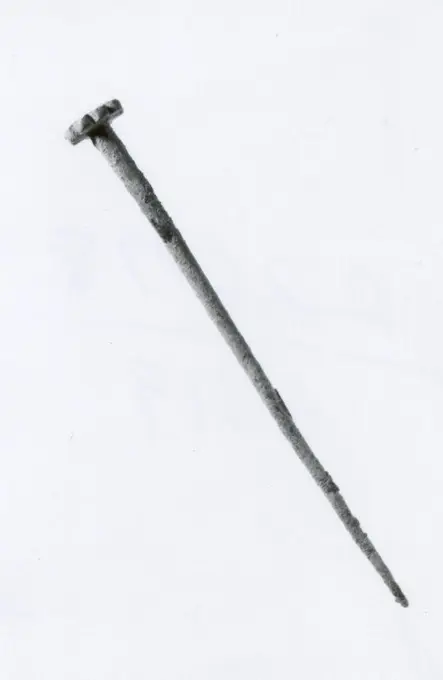
Swords and Historical Blades

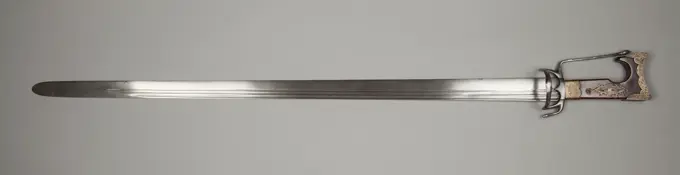
Display of ornate historical swords and blades, showcasing intricate designs, materials, and craftsmanship from various time periods.

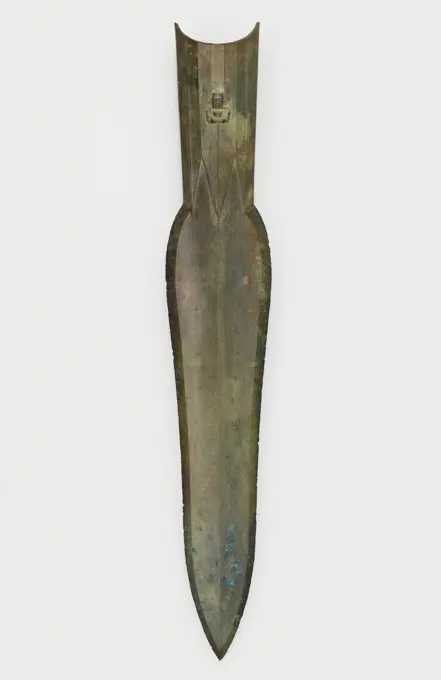
Double Edged Sword, 900-400 BCE, 28 3/4 x 3 3/4 x 1 7/8in. (73 x 9.5 x 4.8cm), Bronze, mother-of-pearl, Persia (Iran), 9th-4th century BCE
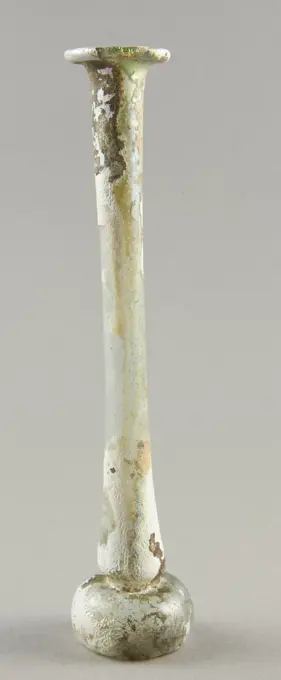
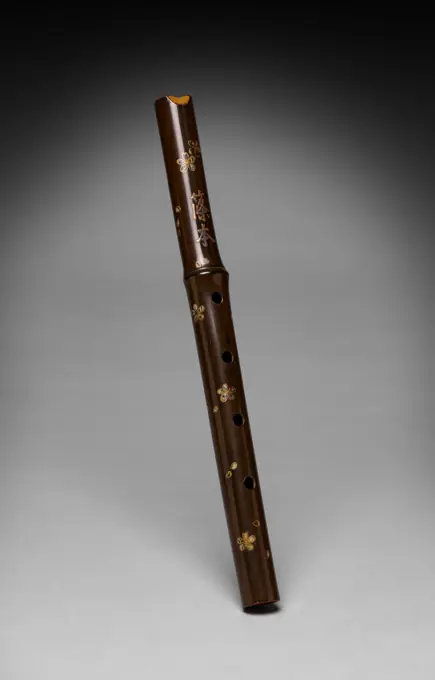
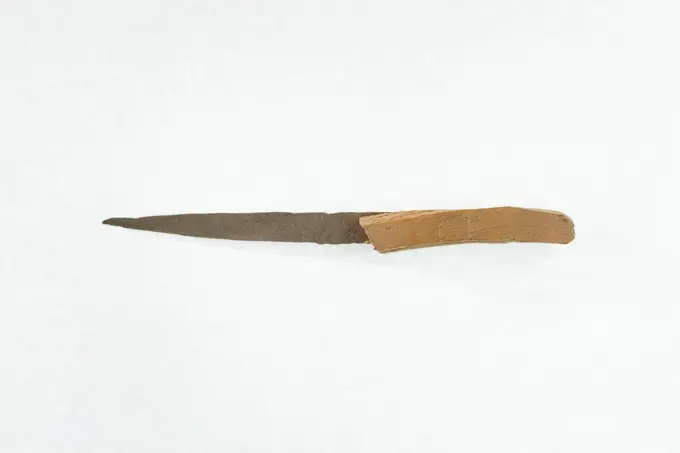
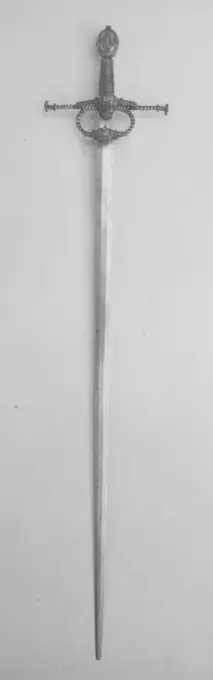
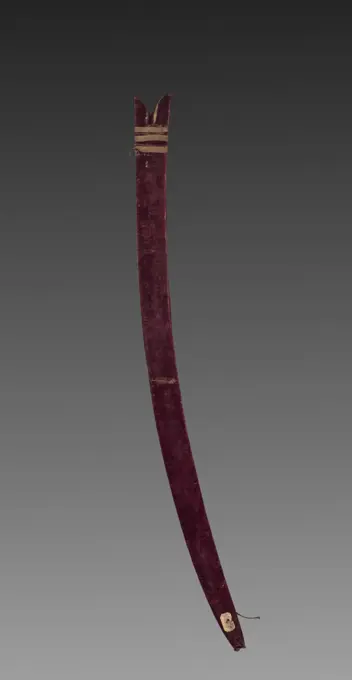
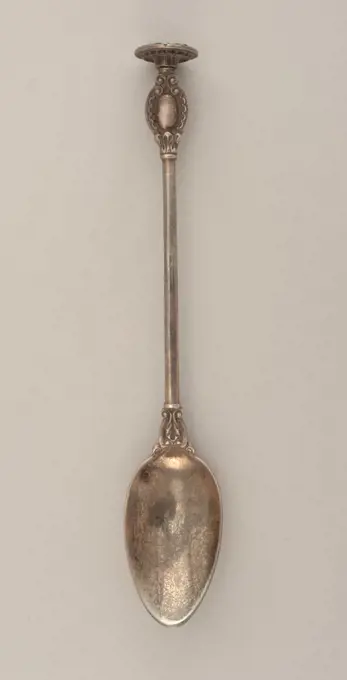
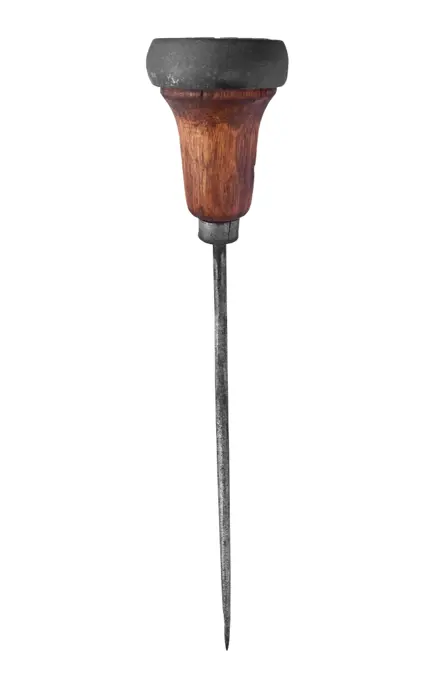
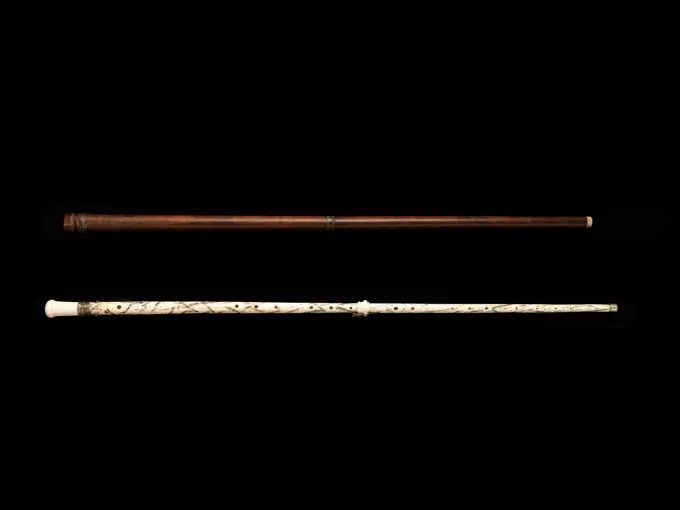
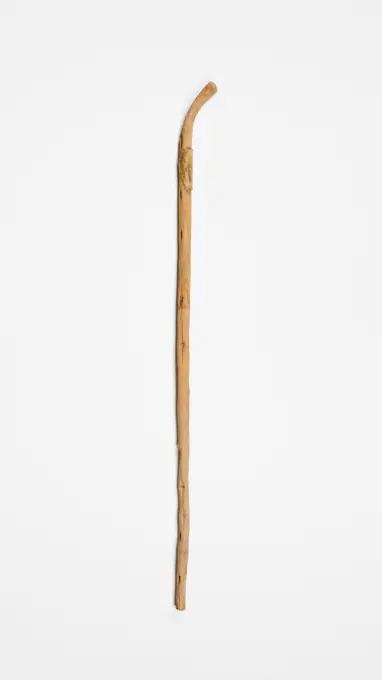
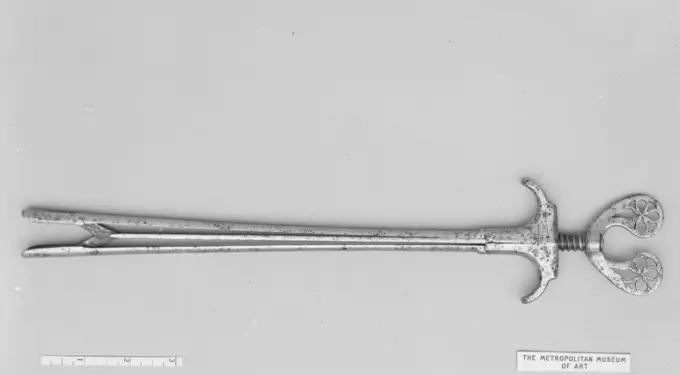
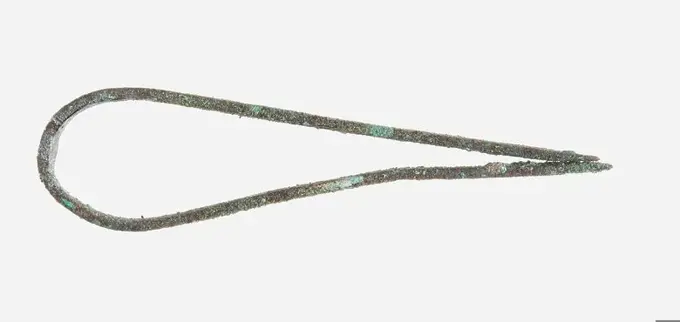
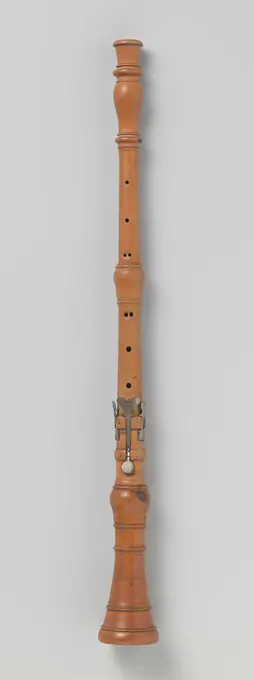
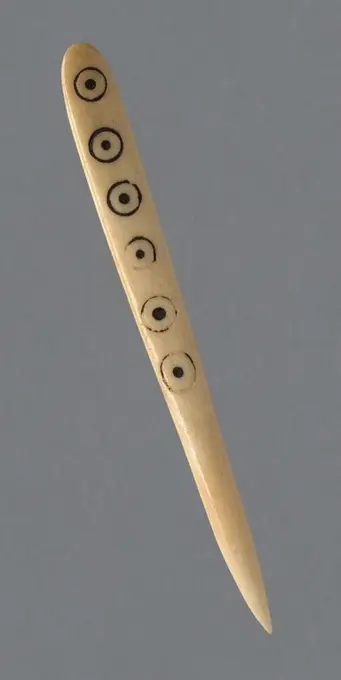
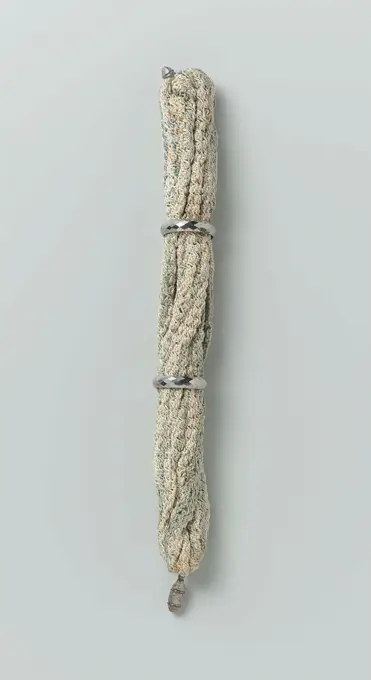
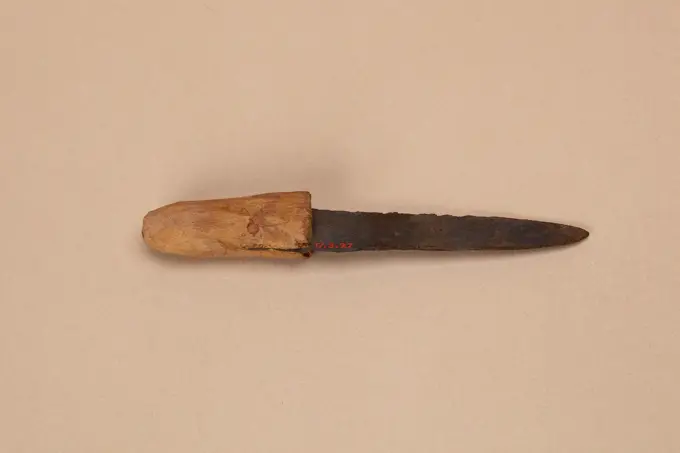
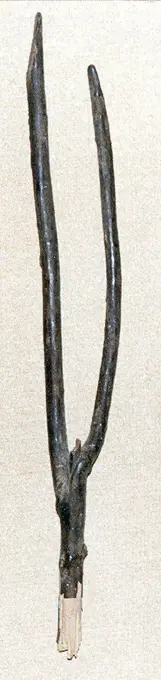
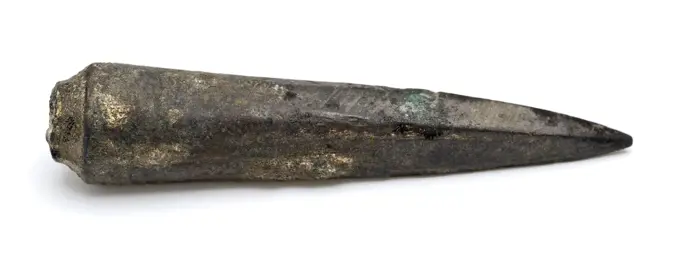
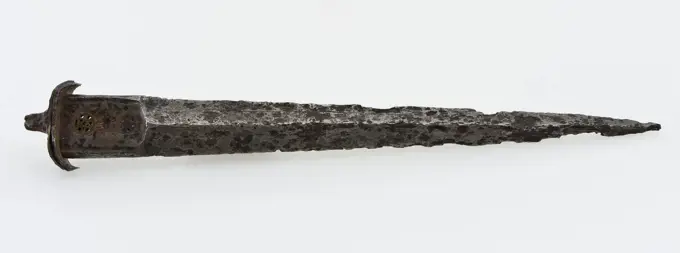
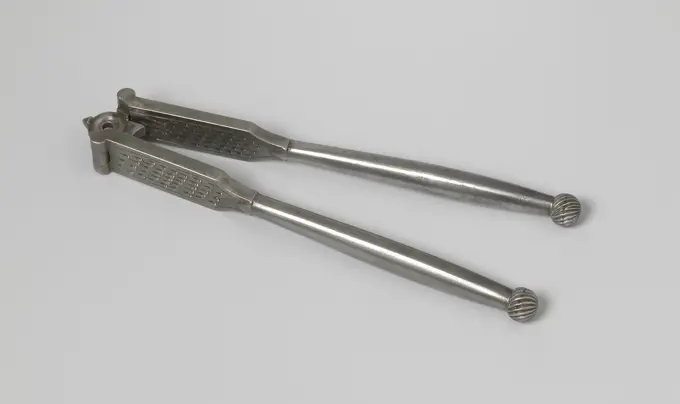
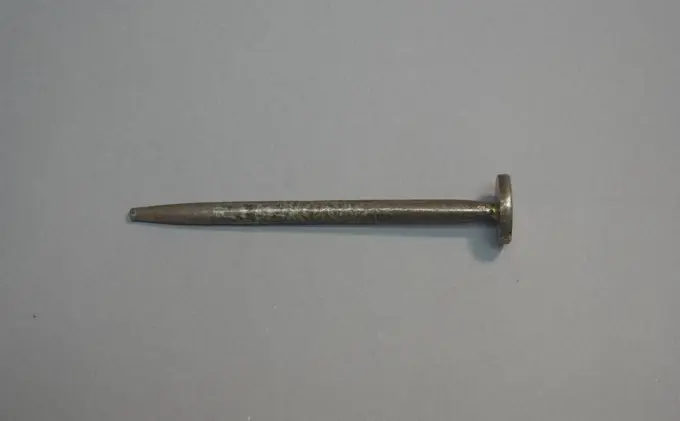
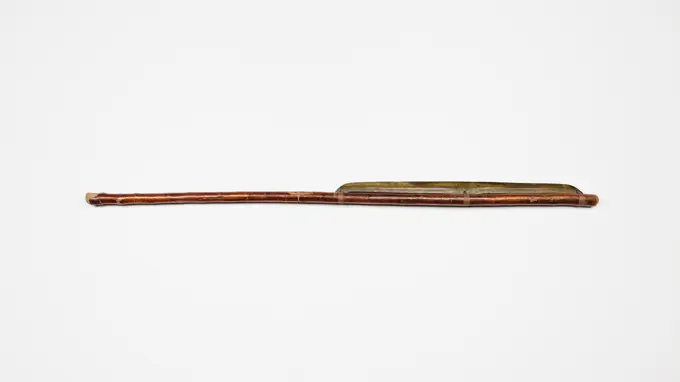
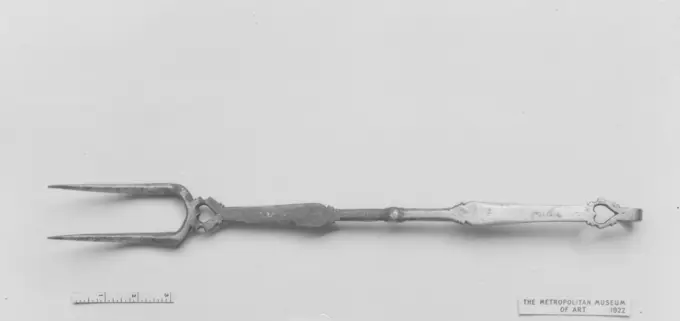
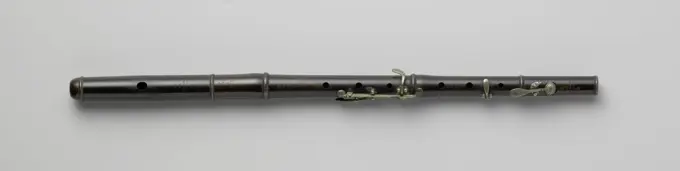
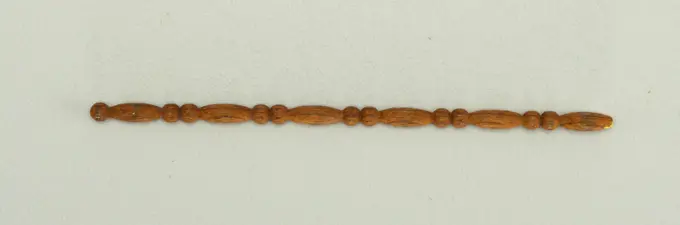
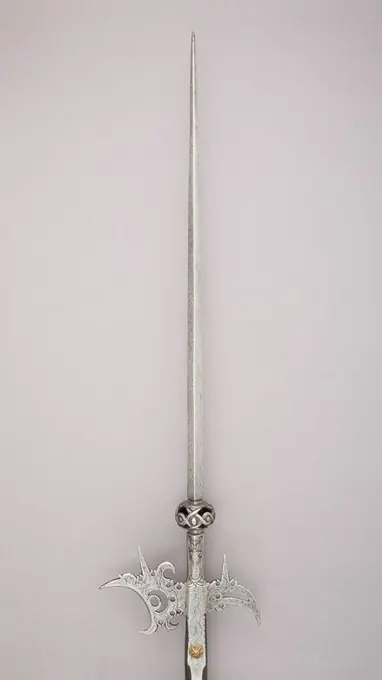
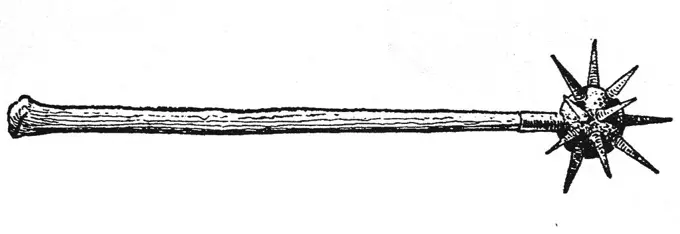
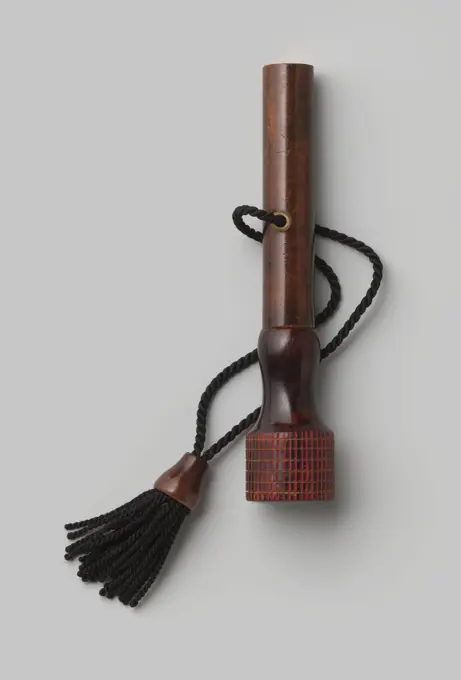
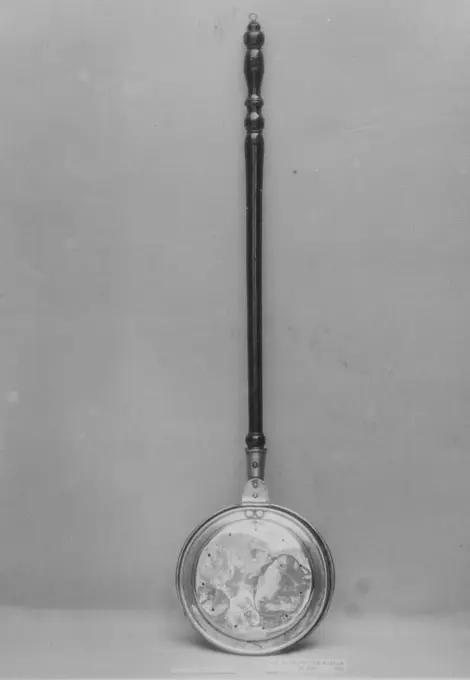
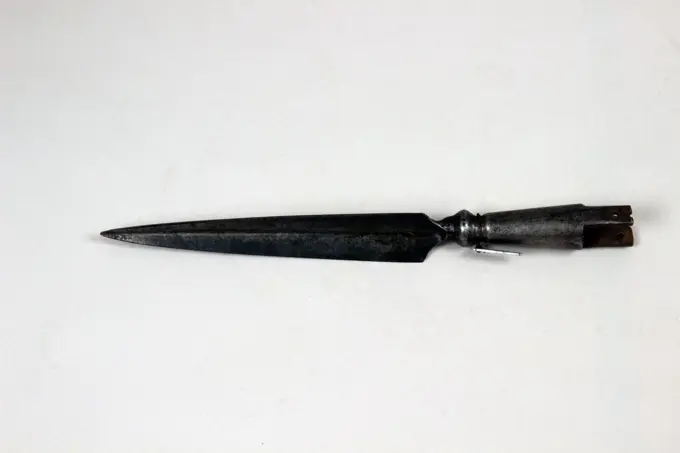
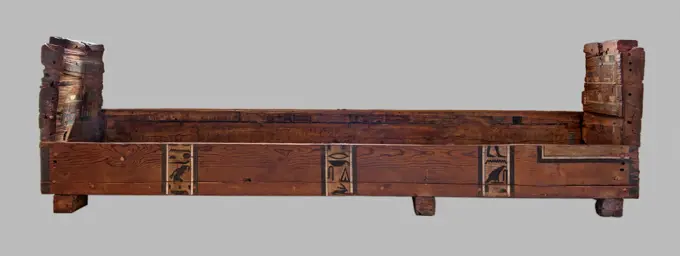
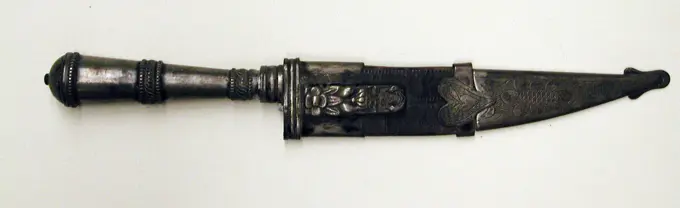
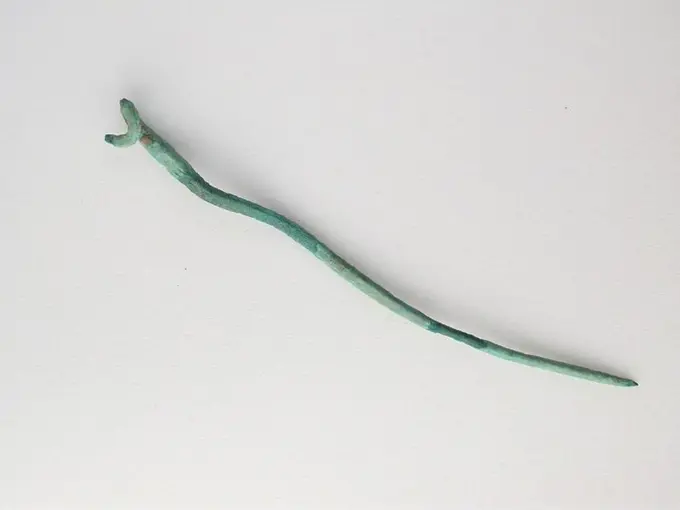
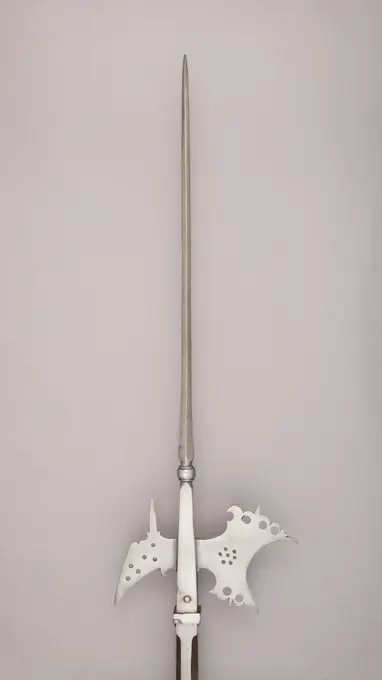
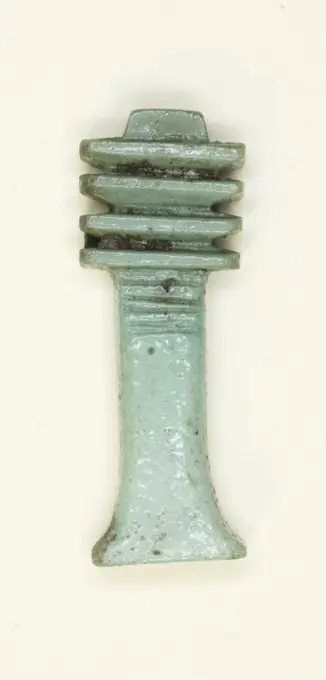
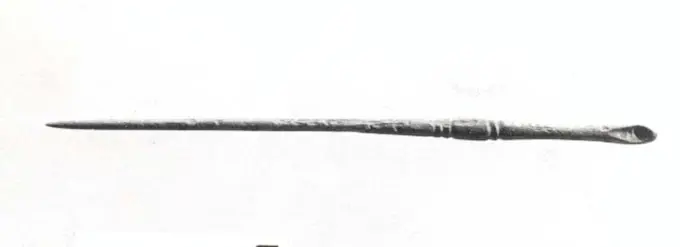
Cosmetic spoon ca. 6th-8th century A.D. Sasanian or Islamic. Cosmetic spoon. Sasanian or Islamic. ca. 6th-8th century A.D.. Bronze. Sasanian-early Islamic. Iran, Qasr-i Abu NasrSounding Lead, anonymous, c. 1810 sounding lead Datplood with a sling. The upper part is made of iron and has a slot and holes for the attachment of a counting. At the bottom of a hole for taking soil samples. Netherlands (possibly) lead (metal). iron (metal). ropeBow -Bottle 1 CE-100 CE Syria. Glass, blown technique . Ancient RomanEnd-blown Flute (Hitoyogiri), late 1800s. Japan, Meiji period (1868-1912). Bamboo, lacquer, gilt; overall: 33.5 x 2.6 cm (13 3/16 x 1 in.). Less known than the shakuhachi, its later descendent, the hitoyogiri, first appeared in the 8th century and was used by Buddhist priests and wandering beggar monks and to accompany popular songs. It declined in the 18th century and was replaced by the larger end-blown flute, the shakuhachi. Both instruments have four finger holes and a thumb hole, are held vertically, and have a blowing edge formed by an outward cut at the rim. The hitoyogiri ceased to be used by the 19th century, replaced by the larger shakuhachi.Matchlock Petronel. French. Date: 1560-1590. Dimensions: L. 122 cm (48 1/2 in.) Barrel L. 101.6 cm (40 in.)Wt. 7 lb. 12 oz.Caliber .60. Steel, iron, fruitwood, staghorn, and horn. Origin: Germany. Museum: The Chicago Art Institute, Chicago, USA.Flint rifle with bayonet from J.C. Westerman, Anonymous, 1831 flintlock gun Flint rifle with a round iron run. The drawer and flask are made of wood. Iron flint lock. On the flask a plaque of copper with inscription. Baadstok no. 8 is made of iron and is located in the loading sticker. On the drawer and the tractor bracket are buckles for the carrying tape attached. The carrying strap is missing. The pan in the flint lock is made of copper. Netherlands (possibly) Walk, drawer, ring, loading stick: Iron (metal). Drawer, Kolf: Wood (Plant Material). pan, sight grain, plaque: copper (metal)   LouvainCombination Wheellock Matchlock Gun ca. 1560 German. Combination Wheellock Matchlock Gun. German. ca. 1560. Steel, wood (walnut), staghorn, brass. Firearms-Guns-Match-WheellockKnife Handle (Kozuka) with Blade. Culture: Japanese. Dimensions: L. including blade 8 9/16 in. (21.7 cm); L. excluding blade 3 3/4 in. (9.5 cm); W. 9/16 in. (1.4 cm); thickness 3/16 in. (0.5 cm); Wt. 1.6 oz. (45.4 g). Date: ca. 1615-1868. Museum: Metropolitan Museum of Art, New York, USA.Glove remover of polished leg, anonymous, c. 1900 - c. 1925 Glovekker of polished leg, scissor -shaped, with hinge. Netherlands whole: Bone (Material). Hinge: Metal cutting / polishing Glovekker of polished leg, scissor -shaped, with hinge. Netherlands whole: Bone (Material). Hinge: Metal cutting / polishingModel Saw from a Foundation Deposit ca. 1479-1458 B.C. New Kingdom. Model Saw from a Foundation Deposit. ca. 1479-1458 B.C.. Wood, bronze or copper alloy. New Kingdom. From Egypt, Upper Egypt, Thebes, Deir el-Bahri, Tomb of Senenmut (TT 353), Foundation deposit 3, 5a and scattered, MMA excavations, 1926-27. Dynasty 18Adjustable wrench on a metallic backgroundRapier probably 19th century in the 16th century style blade, Spanish The rapier was the principal civilian sidearm throughout the sixteenth and seventeenth centuries. Designed for cut-and-thrust fencing of progressively complex techniques, the rapier is characterized by a double-edged blade with an acute point and an elaborate guard for the hand. The guards, usually of iron or steel, were subject to a variety of embellishment. They were engraved, chiseled, gilded, damascened, and encrusted in gold and silver in keeping with fashionable styles. Unless otherwise noted, the materials, attributions, and dating given here refer to the hilts. Rapier blades, invariably of steel, bear a variety of makers marks denoting their origin in the two principal centers of blademaking, Toledo in Spain and Solingen in Germany.. Rapier 25641Zoomorphic tube ca. 7th century B.C. Iran. Zoomorphic tube 326651Sword 15th century German. Sword. German. 15th century. Steel, wood, brass. SwordsGouden Staard pin, Jacobus Carrenhoff (Possible), c. 1785 - c. 1800  Golden standing pin decorated with a blood coral in a golden setting with filigre rosettes. Coming from an old Zaans Kapstel. Marked J.C.H. Zaanstreek gold (metal). red coral (material) filigreeKnife, steel, silver, gold, ivory, bone, Blade with straight sides and leaf-shaped point, hollow bolster. Ferrules silver-gilt with floral pattern. Tapered handles of ivory and bone inlaid in triangular pattern. In middle of handle black inlaid dots and two horizontal bands. Silver-gilt caps with floral pattern on end of handle., London, England, ca. 1610, cutlery, Decorative Arts, KnifeRapier of Stanisław Leszczyński's adjutant GuardSnow beater -Tulwar Sword (case), 1700s. India, probably Deccan. Wood scabbard with velvet and metallic thread; overall: 96.6 cm (38 1/16 in.). This long curved sword and scabbard are of the kind used and worn by Mughal nobility, as seen often in paintings. The openwork hilt is characteristic of swords from the southern Indian region known as the Deccan. By the end of the 1500s, the Mughals began making regular incursions into the Deccan as they attempted to expand their empire, increasing the exchange of art forms. Repeated four times, twice on one side of the blade and twice on the other in gold inlay, is the same line from the Qur'an 61:13: Help [comes from God, and Victory is imminent.” This is a popular inscription on daggers, banners, and other instruments of war, as it reassures the combatants that God is on their side, and therefore they can in good faith expect a speedy victory if they fight valiantly.Spoon, silver, Pointed oval bowl, the straight stem with acanthus leaf join at the bowl, the terminal with rocaille surrounded oval cartouche below the circular crusher., France, mid-19th century, cutlery, Decorative Arts, Spoonvintage yankee awl over white, clipping pathclose up of unispiral drill closeupZaanse Klok, Reyn de Jong, c. 1770 Zaanse clock with wooden cupboard and brass ornament. Zaandam oak (wood). rosewood (wood). brass (alloy). iron (metal). velvet (fabric weave). glass Zaanse clock with wooden cupboard and brass ornament. Zaandam oak (wood). rosewood (wood). brass (alloy). iron (metal). velvet (fabric weave). glassSword, Before 1918. Indonesia, Sulawesi (Celebes). overall: 58.5 cm (23 1/16 in.); blade: 45.8 cm (18 1/16 in.).Crossbow Bolt, 1500s-1600s. Germany, 16th-17th century. Wood, leather, steel; average: 37.2 cm (14 5/8 in.).Lance head, 4th century BCE, 11 7/8 × 1 15/16 × 1 1/8 in., 0.7 lb. (30.16 × 4.92 × 2.86 cm, 0.3 kg)1 9/16 × 15/16 in. (3.97 × 2.38 cm) (object part, opening), Bronze, China, 4th century BCEJaume Cubells / Escultura en madera, siglo XX. Biblioteca Museo Víctor Balaguer, Vilanova i la Geltrú.Folding Fork; silver, gold; L x W: 19.1 x 1.3 cm (7 1/2 x 1/2 in.); The Robert L. Metzenberg Collection, gift of Eleanor L. Metzenberg; 1985-103-266Scepter, Early 1900s . Africa, Democratic Republic of Congo, Luba people, Early 20th century. Wood; overall: 6 cm (2 3/8 in.).Cross -off with Schede Iohan, Anonymous, c. 1700 - c. 1800 sword Cross -off with the inscription 'IOHAN' and image of ongoing animal on the Kling.  iron (metal).   NetherlandsPin ca. late 3rd-early 2nd millennium B.C. Bactria-Margiana Archaeological Complex. Pin 326673Pipe spoon probably first quarter 19th century Possibly by J. van den Berg. Pipe spoon 192294The South Bend Toy Manufacturing Company. (Us) pole, tent, shelter, half. Master of American articulated tent .. Metal, wood, painting, 1943. General Leclerc Museum of Hauteclocque and the Liberation of Paris, Jean Moulin Museum.Aerial view of an empty road in the middle of the nordic landscape in winter in Estonia.Walking-Stick Flute/Oboe ca. 1750-57 Georg Henrich Scherer German This rare instrument, combining a transverse flute and an oboe in the form of a walking stick, is made of narwhal tusk, a precious material once valued higher than gold and believed to be from the horn of the mythological unicorn. The upper part of the walking stick is fashioned as a transverse flute and the lower part as an oboe. To play the instrument as an oboe, a double reed must be inserted at the lower end and the one key repositioned. Georg Henrich Scherer was the last and most important member of a well-known eighteenth-century family of German woodwind makers. Among his clients was Frederick the Great, who played and owned a small collection of flutes. The king pursued a scientific interest in testing the acoustical attributes of different materials, which may account in part for the use of narwhal tusk. This instrument is said to have been a gift from Frederick to his finance minister, Friedrich von der Horst. Glass Cutter. Culture: American. Dimensions: Dimensions unavailable. Maker: Tiffany Studios (1902-32). Date: 1900-1907.Tiffany Studios (1902-1932) became well-known for its leaded-glass products, including lampshades (see 1974.214.15a,b; 1986.81.1a,b,c; 2011.99.3). During the course of its operation, the lampshade department was one of the most innovative and successful craftsmen's shops in America. To produce these complex objects, a skilled craftsperson would rely on cartoons to cut out brass templates that would then be used as guides to cut the hundreds of individual pieces of glass. The shade would then be assembled on a rounded wooden model or "form" and the glass pieces secured together with soldered lead. The American Wing's collection includes several objects involved in the fabrication of Tiffany's glass lampshades such as: a workbench (1980.497.1), a wooden model (1980.497.4), cartoons (1980.497.14), tools for cutting glass (1980.497.2,.3), and foil (1980.497.6,.7), for solFeather A bird feather isolated over white background Copyright: xZoonar.com/ClaudioxDiviziax 1897202Tenor, musical instrument, by Puigdellívol Miquel.Flat copper coat pin or jacket closure with linear decoration, closure clothing accessory clothing ground find copper metal, archeology Rotterdam City Triangle Botersloot Closing inside clothing soil finding pouring Inner rump back Botersloot (savings bank) from the Middle Ages.Walking stick ca. 2124-1504 B.C. Middle Kingdom-Early New Kingdom. Walking stick. ca. 2124-1504 B.C.. Wood (Tamarix sp.). Middle Kingdom-Early New Kingdom. From Egypt, Upper Egypt, Thebes, Deir el-Bahri, Tomb MMA 110, MMA excavations, 1926-27. Dynasty 11-18Bullet forceps 17th-18th century probably French. Bullet forceps. probably French. 17th-18th century. Steel. Metalwork-SteelFrame; cast and blackened bronzeTweezers. Dimensions: L. 4.8 (1 7/8 in). Dynasty: Dynasty 18. Reign: reign of Amenhotep III. Date: ca. 1390-1353 B.C.. Museum: Metropolitan Museum of Art, New York, USA.Molding; wood, carvedRice Server Inscribed in Arabic with Good Wishes 12th century Common utensils in bronze, though frequently found during archaeological excavations, are rarely exhibited in museums because of the lack of artistic decoration on them. This example is a rare exception. Still common in its modern version in some Islamic countries, it was used as a serving spoon for rice.. Rice Server Inscribed in Arabic with Good Wishes 452781Giettang voor musketkogels uit het wrak van de Oost-Indiëvaarder Hollandia. Pair of tongs, bar-shaped, semicircular hinged end, five-lugged with two lugs marked X, on other ends square tapering tangs for handles, broken, each tong has 13 circular concave halfround moulds, one tong bears inscription XXIIII; used to cast round shot, shotmould.Oboe.Hobo of boxwood with three valves.Train Track Section, 1900s. Boysen Toys (Danish). Wood; Credit line: John D. Rockefeller General Education Board Grant IIThe old metal hammer with the wooden handle lies on a white backgroundMiniature fender. Culture: British, London. Dimensions: Length: 4 3/4 in. (12.1 cm). Maker: David Clayton (British, active 1689). Date: ca. 1720-30. Museum: Metropolitan Museum of Art, New York, USA.Bone Pick. Peru, Probably central coast. Date: 1000-1476. Dimensions: 13.6 x 1.4 cm (5 3/4 x 5/8 in.). Bone. Origin: Peru. Museum: The Chicago Art Institute, Chicago, USA.Inch measure with a nomogramBeurs van gebreide witte en blauwe wol, voorzien van twee stalen ringen.Elongated exhibition of white and blue wool knitted in horizontal lanes, with a steel bead at the two ends. Halfway through the exhibition an opening, which can be closed by two steel rings with a Wybert relief. The stock market is unlined.Spoon (England); silver; L: 21.5 X W: 4.5 X D: 2cm; GIft of Dr. Richard Grant; 1989-58-1Model chisel ca. 1981-1802 B.C. Middle Kingdom. Model chisel. ca. 1981-1802 B.C.. Copper, wood, animal hide. Middle Kingdom. From Egypt, Middle Egypt, Asyut (Lykopolis), Tomb of Ankhef (Tomb 9), Khashaba excavations. Dynasty 12Forked twig weaving tool ca. 7th-9th century A.D. Alanic. Forked twig weaving tool 327561pepper mill. brown pepper mill isolated on white backgroundTwo pointed objects, one with brass cloak, artifact soil found iron brass metal ), Two points: one consists of hollow copper cylinder on which solid iron point is another solid copper point archaeology Rotterdam rail tunnel Soil discovery: track rail tunnel Rotterdam.Saucepan unknownBliżej Kultury unknownBlade of dagger with double-edged blade of kidney dagger with two ring-tube ornaments at the heel of the blade, kidney dagger dagger knife stab weapon weapon fragment soil find iron brass bronze metal, forged drilled debossed Blade with baffle and residue of the stinger of kidney dagger. The blade is double-edged and flat diamond-shaped. At the heel flattened and equipped with two brass or bronze ring tubes, each with seven tube-like subdivisions. The baffle plate is double leaf-shaped and is made up of several and at least three thin plates, one of which is made of brass or bronze. On the baffle plate you can recognize the remains of the two nails that have once been anchored in the ball parts of the handle. Kling suitable for general carving. This item is made as chic personal knife archeology dagger decoration status symbol personal equipment defense clothing accessory militariaKey of padlock, c. 1600   iron (metal)   iron (metal)Nutcracker made of iron from the gunboat No. 2 from J.C.J. Van Speyk, Anonymous, 1831  Iron nutcracker consisting of two parts rotating around a hinge. A part consists of a slim handle and a flat, rectangular piece that is rough to hold the nut. The ends of the handles are decorated with balls with spiral relief. Inscription; On one handle: J. C. J. van Speijk / (downside) gunboat. On the other handle: 5 Feb!. 1831 / (downside) NO2. Netherlands iron (metal) forging / striking (metalworking) / engraving  Scheldt. Lighthouse J.C.J. Van SpeijkTobacco Pipe 19th century Japan. Tobacco Pipe. Japan. 19th century. Iron end piece. Edo (1615-1868) or Meiji period (1868-1912). Smoking EquipmentBlank wooden boards on the white background.Forked Staff of Harmose ca. 1479-1458 B.C. New Kingdom. Forked Staff of Harmose. ca. 1479-1458 B.C.. Wood, bronze or copper alloy. New Kingdom. From Egypt, Upper Egypt, Thebes, Sheikh Abd el-Qurna, Tomb of Senenmut (TT 71), below, burial of Singer Harmose, at left side of coffin, MMA excavations, 1935-36. Dynasty 18Club -Alto Saxhorn in E-flat mid-19th century European or American. Alto Saxhorn in E-flat 503845Clarinet with ten valves from Koper.nozzle, Center Piece and SpacerEngraving wheel 20th century China These steel drills with blunt points (zhuangding or dingzi in Chinese), flat heads (tuozi), or curving heads (wazi) are used for high relief carving, undercutting, and fine shaping of small jade works. The craftsman holds the jade in one hand against the drill, which is mounted on a spinning shaft. He or she rotates the shaft using foot treadles, while continuously applying abrasives, usually sand mixed with water, to the tip of the drill, which cuts the jade.. Engraving wheel 62058Mouky human shaped figure carved from wood. Dated 20th CenturyLong-bladed axe ca. 1981-1550 B.C. Middle Kingdom-Early New Kingdom. Long-bladed axe. ca. 1981-1550 B.C.. Copper, wood. Middle Kingdom-Early New Kingdom. From Egypt; Said to be from Middle Egypt, Tuna el-Gebel. Dynasty 12-18Meat fork 18th century Flemish. Meat fork. Flemish. 18th century. Steel. Metalwork-SteelKey 580-640 Coptic. Key 474919Third flute, Charles Joseph Sax, 1821 Terts flute of ebony with silver batter, with twelve holes and five valves. Address (printed letters between two stars): Sax (Facr du Roi) A Bruxelles (four times); Sax with two stars and the year 1821. Tertsfluit. Brussels ebony (wood). silver (metal). mother of pearl Terts flute of ebony with silver batter, with twelve holes and five valves. Address (printed letters between two stars): Sax (Facr du Roi) A Bruxelles (four times); Sax with two stars and the year 1821. Tertsfluit. Brussels ebony (wood). silver (metal). mother of pearlTurned RodWheellock Rifle. German. Date: 1577. Dimensions: L. 119.3 cm (47 in.)Barrel L. 90.8 cm (35 3/4 in.)Wt. 11 lb. 13 oz.Caliber .60. Steel, gilded brass, iron, wood, and horn. Origin: Germany. Museum: The Chicago Art Institute, Chicago, USA.Halberd. Culture: Italian. Dimensions: L. 8 ft. 7 1/2 in. (262.9 cm); L. of head 31 13/16 in. (80.8 cm); W. 8 1/4 in. (21 cm); Wt. 5 lbs. 10.1 oz. (2554.3 g). Date: ca. 1585. Museum: Metropolitan Museum of Art, New York, USA.Weapon. Morning star mace. 15th century.Engraving.Sash -Handle and button made of painted wood, for a parasol or umbrella; with cord, Gustav Schnitzler, c. 1920 Handle with Konical button of painted wood, for a parasol or umbrella. The dark brown club button is decorated with a carved diamond pattern in red and yellow. A hole has been drilled in the middle of the handle, through which a black cord has been strung. Nijmegen whole: Wood (plant material). Cord: Silk painting Handle with Konical button of painted wood, for a parasol or umbrella. The dark brown club button is decorated with a carved diamond pattern in red and yellow. A hole has been drilled in the middle of the handle, through which a black cord has been strung. Nijmegen whole: Wood (plant material). Cord: Silk paintingMolding; wood, carvedWarming Pan 1750-1800. Warming Pan. 1750-1800. Brass, woodSpearhead 18th-19th century Turkish. Spearhead 30698Walking stick of reeds with round ivory button. Point of leather, secured with metal nails.Sabel with sheath officers Light Cavalerie Model No. 1, from J.A. de Vos van Steenwijk, Peter Knecht, c. 1798 - c. 1852 sabre Officer's label Light Cavalerie Model No.1. Raised without side brackets. On Kling on one side inscription: P. servant, on other side: in Solingen. With two corresponding skulls. Coming from Ritmeester J.A. De Vos van Steenwijk. Solingen iron (metal) etching  NetherlandsCoffee sarcophagus incomplete supervisor of chnum;  around 1985-1795 BC ; Pahu, 12 dynasty (-1985-00-00--1795-00-00);Chnum (Ca 1985-1795 A.C.), Deposit of the University of Warsaw from 1937-1939, Sarcophagus texts, sacrificial formulas, hieroglyphic courses, hieroglyphs, eye pretense (iconogr.), Sandal (iconogr.), French excavations in Meir (Egypt), Holy oils (iconogr.)Hunting Knife with Sheath 19th century possibly Swiss. Hunting Knife with Sheath. possibly Swiss. 19th century. Steel, leather, silver. KnivesPin Shank. Greek; Thessaly. Date: 800 BC-600 BC. Dimensions: 11.4 × 0.9 × 0.6 cm (4 1/2 × 3/8 × 1/4 in.). Bronze. Origin: Thessaly. Museum: The Chicago Art Institute, Chicago, USA. Author: ANCIENT GREEK.Pin (Hair Pin) Third Intermediate Period-Late Period ca. 1070-525 B.C. View more. Pin (Hair Pin). ca. 1070-525 B.C.. Wood. Third Intermediate Period-Late Period. From Egypt, Upper Egypt, Thebes, Deir el-Bahri, Cemetery 100, Tomb MMA 113, MMA excavations, 1926-27. Dynasty 21-2618th century Silver 'Yad' pointer or hand, used by people reading the Torah in SynagoguesPutu late 19th century Melanesian. Putu. Melanesian. late 19th century. Bamboo. Nggela Islands (formerly Florida Islands), Solomon Islands. Aerophone-Blow Hole-panpipeHalberd ca. 1550 Flemish. Halberd 25922Arrowhead (Yanone). Culture: Japanese. Dimensions: L. 6 3/8 in. (16.2 cm); L. of head 1 1/8 in. (2.9 cm); W. 9/16 in. (1.4 cm); Wt. 0.5 oz. (14.2 g). Date: 18th century. Museum: Metropolitan Museum of Art, New York, USA.Sucket Fork; silver, wood; L x W: 25.4 x 1.7 cm (10 x 11/16 in.); The Robert L. Metzenberg Collection, gift of Eleanor L. Metzenberg; 1985-103-33Amulet of a Djed Pillar Made 1069 BCE-30 BCE Egypt. Columns with crossbars at their top represent the stylized backbone of the god Osiris, the main god of the afterlife. Known as djed columns, the backbone was associated with stability, hence with continued life.. Faience . Ancient EgyptianMusket size of brass with a leather sleeve and leather ears. Musket size of brass with a leather sleeve and leather ears. The musket size only has brass at the bottom.Javelin with Concealed Poignard, 19th Century. Iran (), 19th century. Steel inlaid with gold; overall: 3.5 cm (1 3/8 in.).Knife Handle (Kozuka) 18th century Japanese A kozuka is a handle of a by-knife that is part of a sword mounting. It is kept in a slot on the reverse of a katana scabbard, often with a matching kgai (hairdressing tool).. Knife Handle (Kozuka). Japanese. 18th century. Copper-gold alloy (shakud), gold, silver, copper. Sword Furniture-Kozuka