Swords and Historical Blades

Display of ornate historical swords and blades, showcasing intricate designs, materials, and craftsmanship from various time periods.

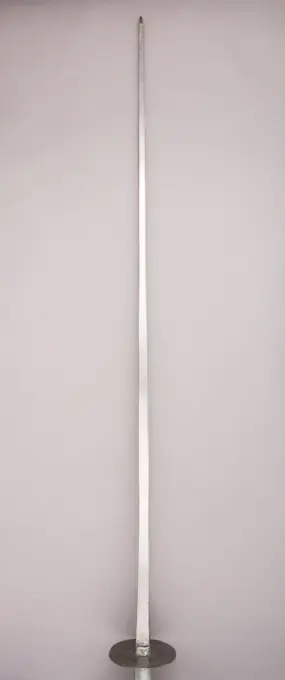
Double Edged Sword, 900-400 BCE, 28 3/4 x 3 3/4 x 1 7/8in. (73 x 9.5 x 4.8cm), Bronze, mother-of-pearl, Persia (Iran), 9th-4th century BCE
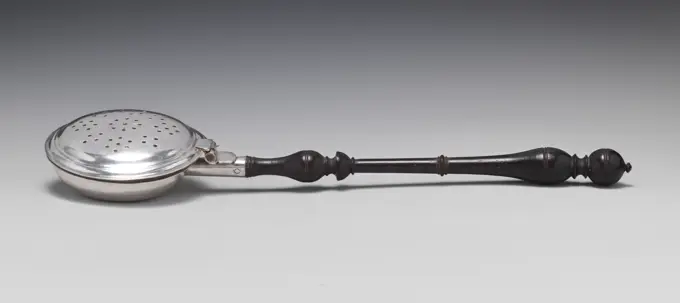
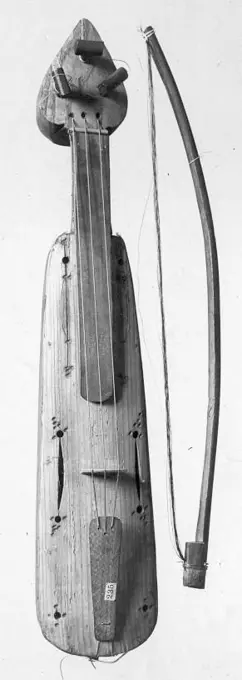
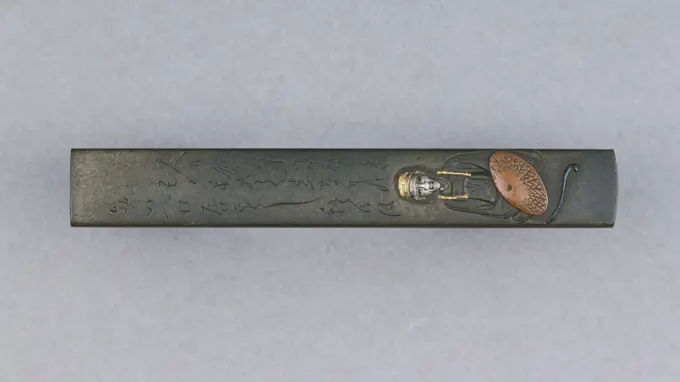
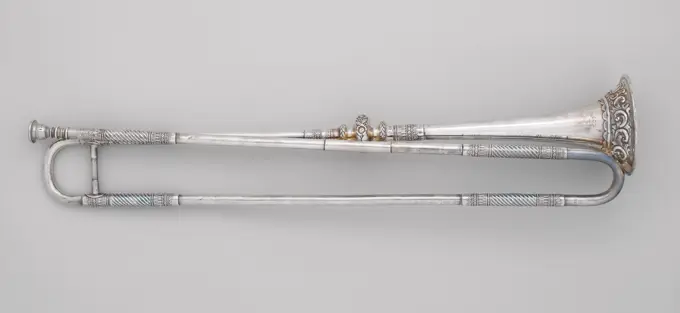
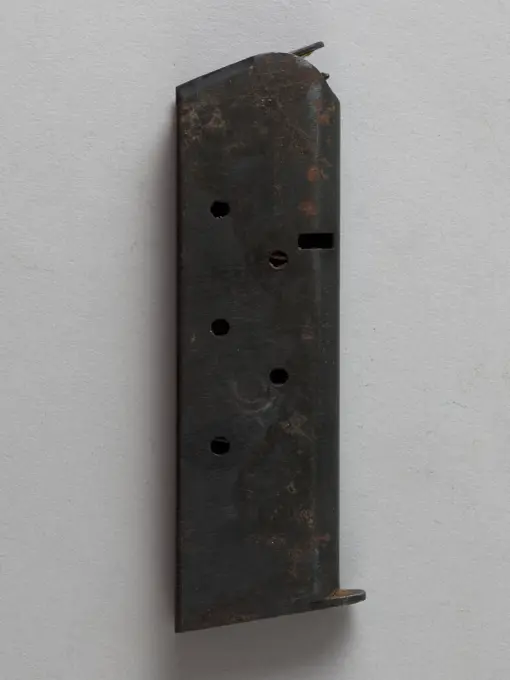
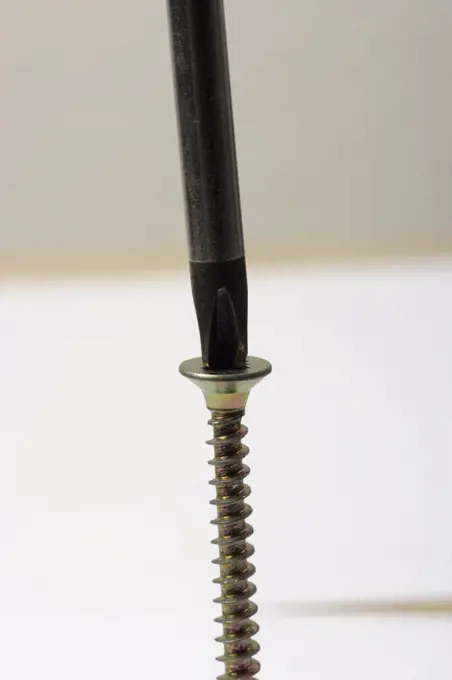
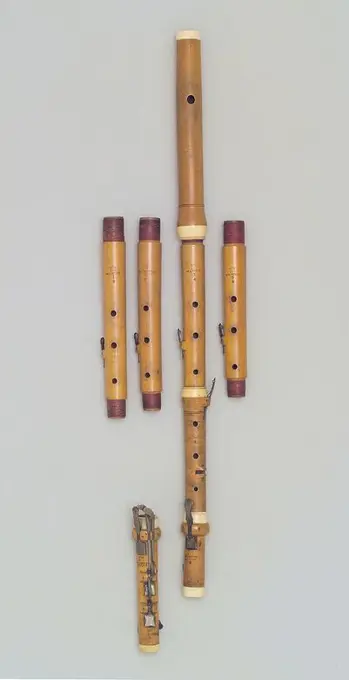
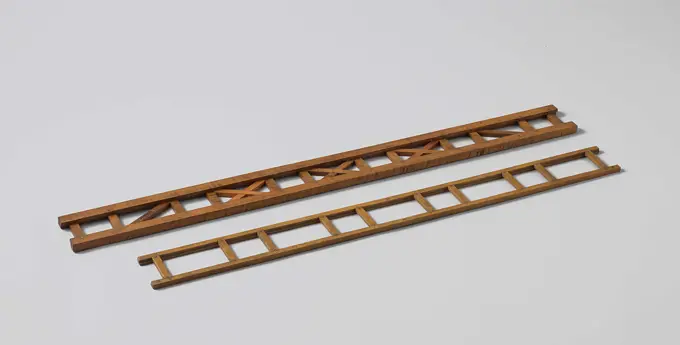
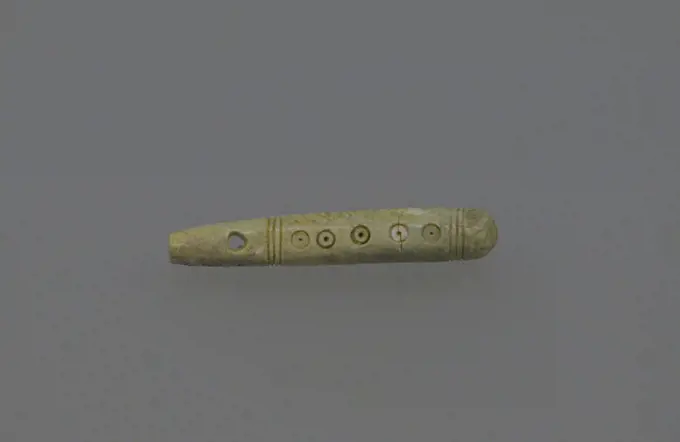
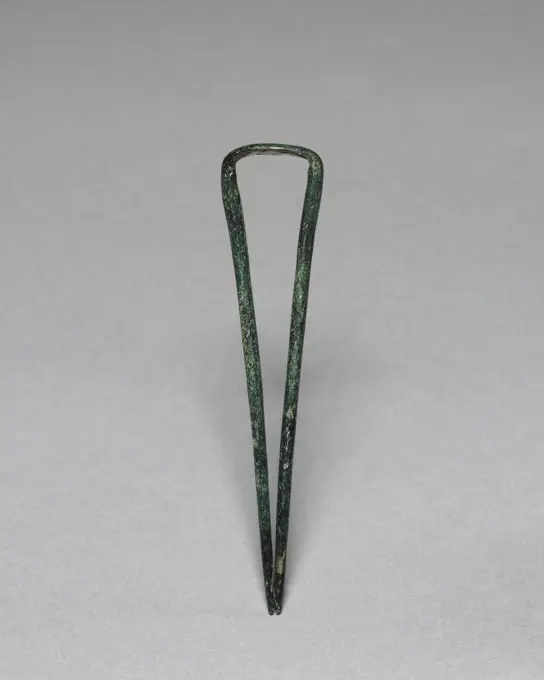
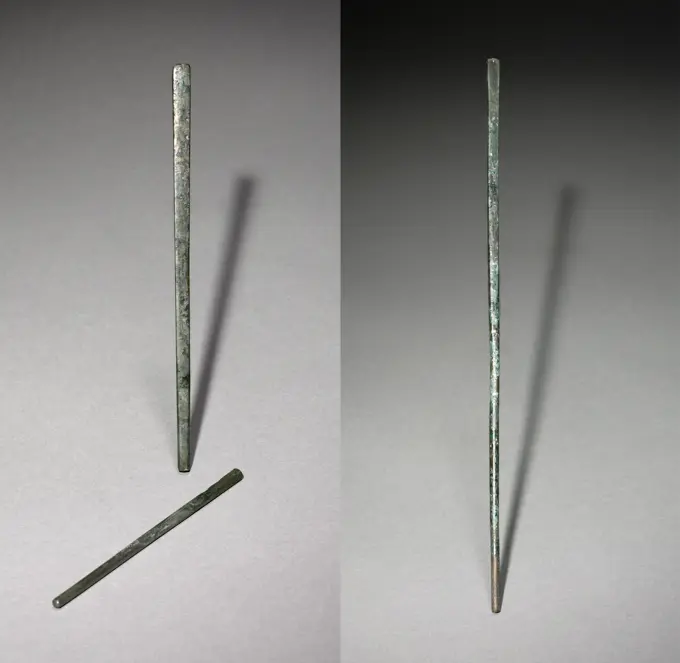
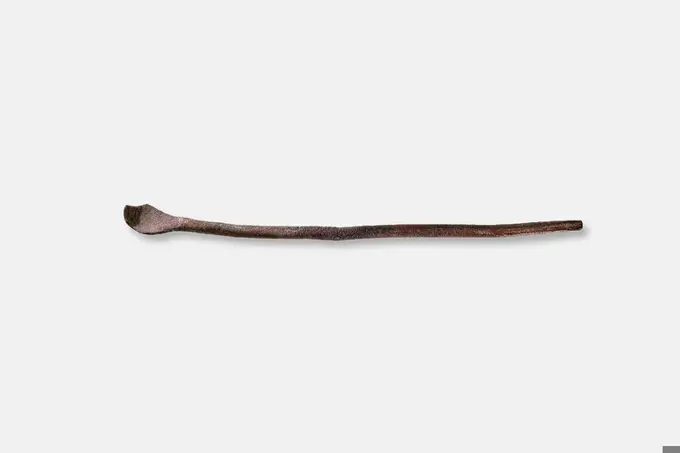
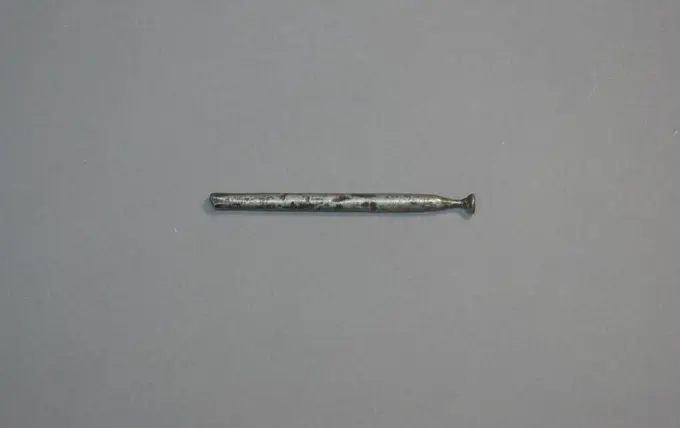
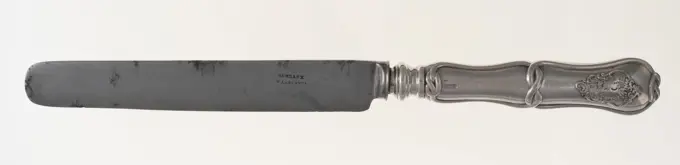
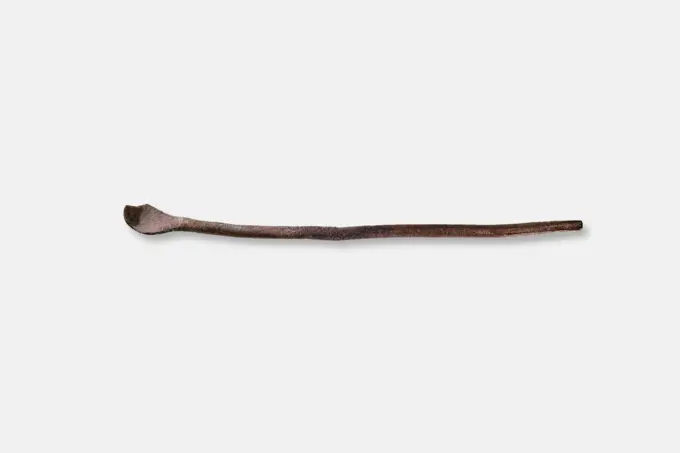
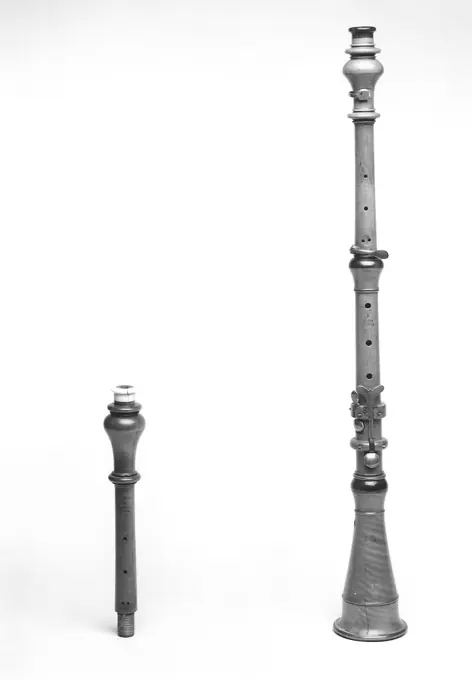
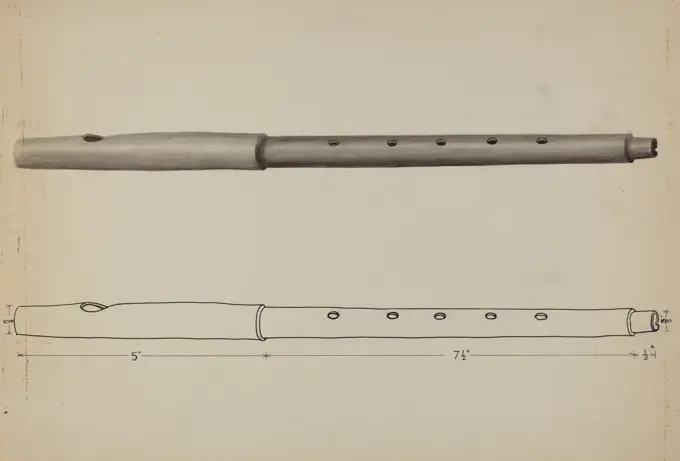
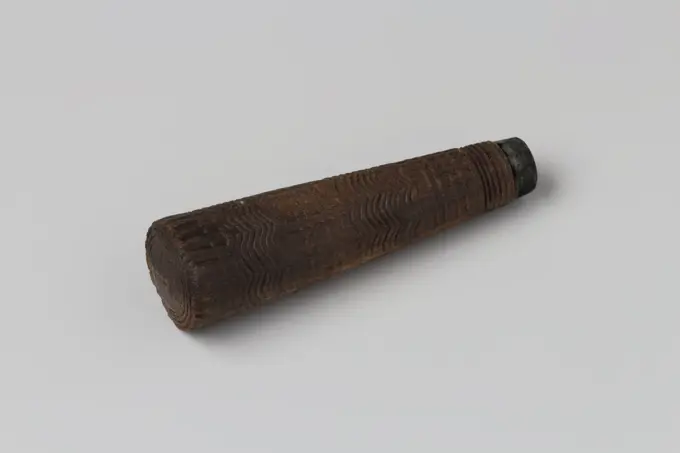
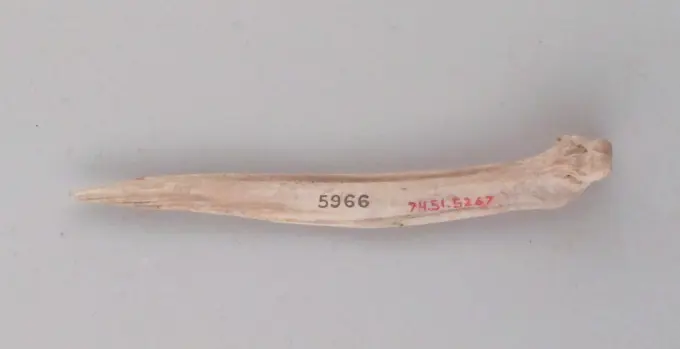
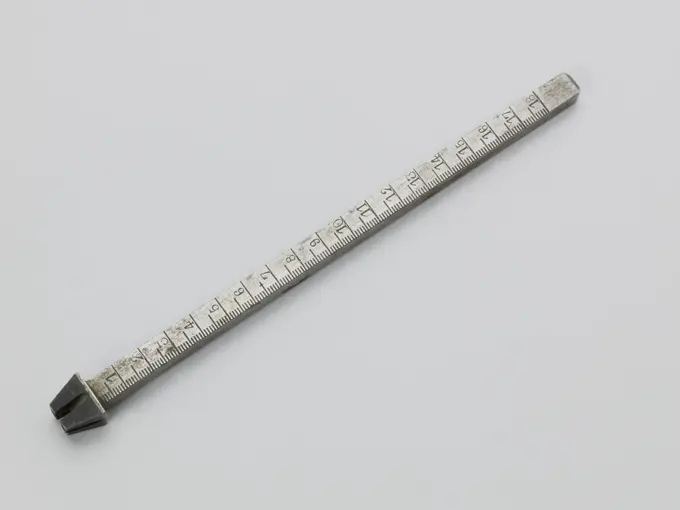
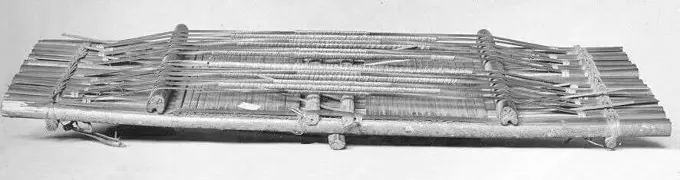
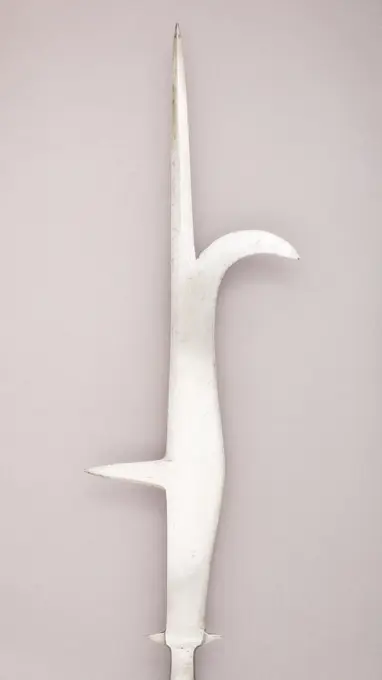
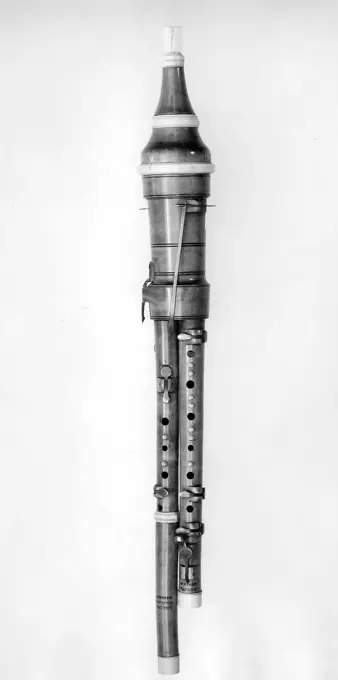
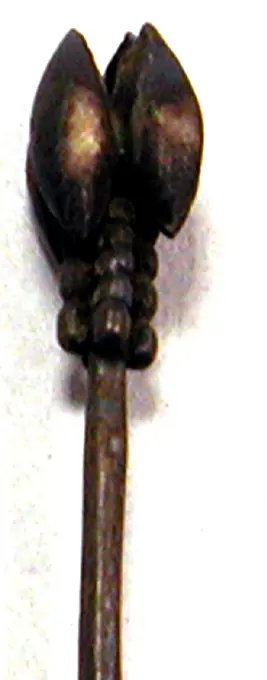
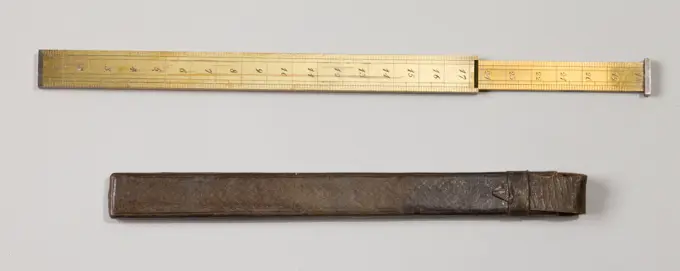
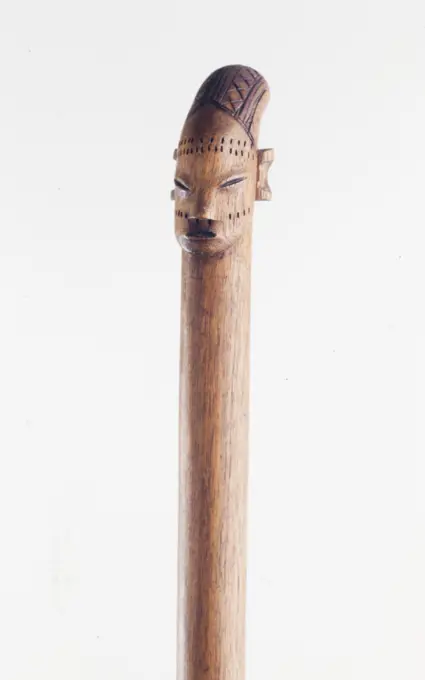
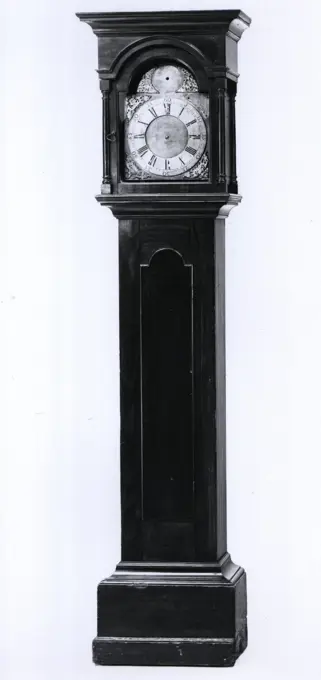
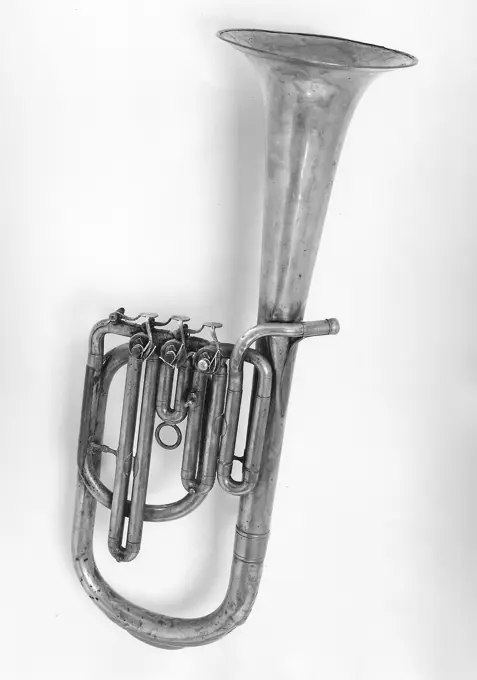
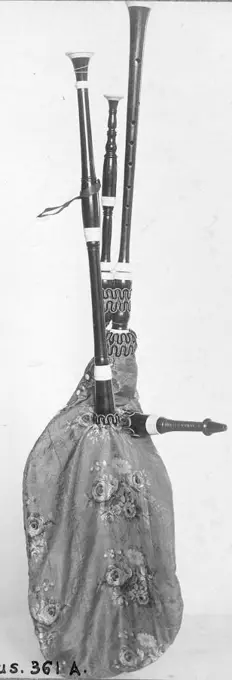
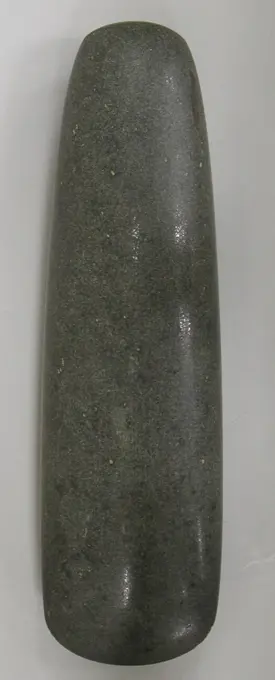
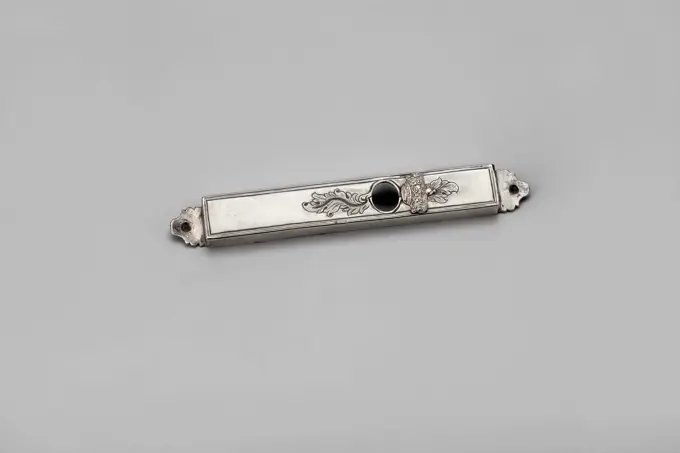
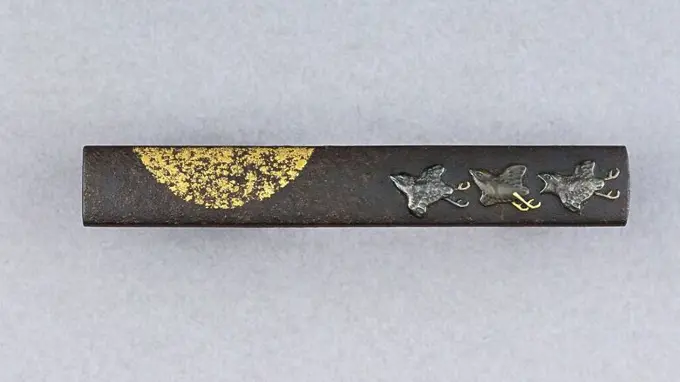
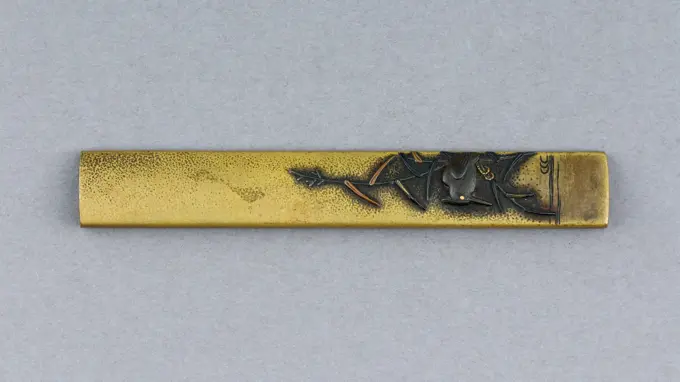
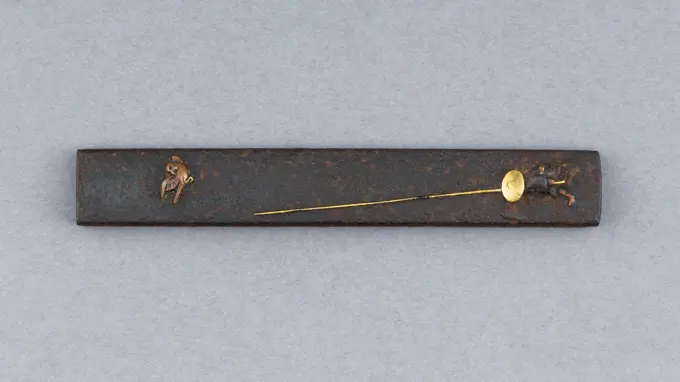
Knife Handle (Kozuka) ca. 1615-1868 Japanese A kozuka is a handle of a by-knife that is part of a sword mounting. It is kept in a slot on the reverse of a katana scabbard, often with a matching kgai (hairdressing tool).. Knife Handle (Kozuka). Japanese. ca. 1615-1868. Iron, copper-silver alloy (shibuichi), gold, copper. Sword Furniture-KozukaManche ". Jade. China, Neolithic. Paris, Cernuschi museum. 72199-18 Jade, handle, neolithic periodMiniature warming pan ca. 1720-30 David Clayton British Listen to experts illuminate this artwork's story Listen Play or pause #413. Retail Value. High and Low Supported by Bloomberg Philanthropies We're sorry, the transcript for this audio track is not available at this time. We are working to make it available as soon as possible.. Miniature warming pan. David Clayton (British, active 1689). British, London. ca. 1720-30. Silver, wood. Metalwork-Silver-MiniatureFandïr late 19th Century Caucasian. Fandïr 501136Red Corn Snake 'Blood Red' on white backgroundPin 1200-800 B.C. Late Bronze Age. Pin 473302Clavicle, illustrationKnife Handle (Kozuka) 19th century Japanese A kozuka is a handle of a by-knife that is part of a sword mounting. It is kept in a slot on the reverse of a katana scabbard, often with a matching kōgai (hairdressing tool).. Knife Handle (Kozuka) 35049Implement ca. late 3rd-early 2nd millennium B.C. Bactria-Margiana Archaeological Complex. Implement 326773Quiver -third flute, gotfried schüster (possbly), c. 1820 Bugush wood flute with four silver valves and five rings from ivory. Marked: Kroon G. Schuster. Neukirchen boxwood (hardwood). ivory. nickel (metal) Bugush wood flute with four silver valves and five rings from ivory. Marked: Kroon G. Schuster. Neukirchen boxwood (hardwood). ivory. nickel (metal)Dagger (Kard) 18th-19th century Persian. Dagger (Kard). Persian. 18th-19th century. Steel, tooth. KnivesAdze ca. 1550-1295 B.C. New Kingdom. Adze. ca. 1550-1295 B.C.. Wood, bronze or copper alloy, leather. New Kingdom. From Egypt, Upper Egypt, Thebes, Deir el-Bahri, Temple of Hatshepsut, forecourt, Foundation Deposit 5 (E), MMA excavations, 1923-24Trumpet in E-flat 1894 Henry Keat & Sons. Trumpet in E-flat. British. 1894. Silver. London, England, United Kingdom. Aerophone-Lip Vibrated-trumpet / tromboneSpear (Mdung) 18th-19th century Tibetan This is a very good example of a fighting spear, including textile and yak hair attachments that may have been added to adapt it for festival or ceremonial use. Spiraling strips of iron coil around the length of the spear shaft to reinforce the wood.. Spear (Mdung) 26605War 1939-1945. Colt 45us charger. General Leclerc Museum of Hauteclocque and the Liberation of Paris, Jean Moulin Museum. 75312-1 American army, armament, weapon, colt, military equipment, war 1939-1945, war 39-45, object, Second World WarClose up of a screw and screw driver against a white backgroundTransverse Flute. Culture: German. Dimensions: L. 63.7 cm (25 3/32 in.) with joint 3 and D-foot. Maker: Friedrich Gabriel August Kirst (German, Dresden ca. 1750-1806 Berlin). Date: ca. 1795.Kirst was one of the foremost German flute makers of his generation. The instrument comes with four exchangeable upper-middle sections to tune the flute in different pitches, and an additional C-foot for the notes c-sharp and c. Museum: Metropolitan Museum of Art, New York, USA.Winged Pendant 10th-16th century Tairona. Winged Pendant 317446Weaving tool ca. 1295-1070 B.C. New Kingdom, Ramesside. Weaving tool. ca. 1295-1070 B.C.. Bone. New Kingdom, Ramesside. From Egypt, Memphite Region, Lisht North, Late New Kingdom Settlement, MMA excavations. Dynasty 19-20Model or Diagonal framing. Model that demonstrates the crossbar between the gunpaints according to Robert Seppings. It consists of two removal beams, between which gates and diagonal braces, supports and keys are arranged; incomplete.Arrow Point, 1700s. Japan, Edo period (1615-1868). Steel; overall: 18.5 cm (7 5/16 in.); head: 5.8 cm (2 5/16 in.).Pendant (amulet) decorated with small circles flanked by parallel incised lines. 1200-800 BC. Iron II. From Palestine. Bone. Sephardic Museum. Toledo. Castile-La Mancha. Spain.Flute in a leather bag, Philip Borkens, c. 1750 Flute of yellow palm wood with ivory mounted and with one valve of copper and three intermediate pieces. The whole consists of six separate parts. Marked: P. Borkens, above which a crown and including a climbing lion. Corresponding part of red leather with yellow side omboard. Amsterdam boxwood (hardwood). ivory. brass (alloy) Flute of yellow palm wood with ivory mounted and with one valve of copper and three intermediate pieces. The whole consists of six separate parts. Marked: P. Borkens, above which a crown and including a climbing lion. Corresponding part of red leather with yellow side omboard. Amsterdam boxwood (hardwood). ivory. brass (alloy)Bronze Topknot Pin, 918-1392. Korea, Goryeo period (918-1392). Bronze; overall: 2 cm (13/16 in.).Chopstick, 918-1392. Korea, Goryeo period (918-1392). Bronze; overall: 24.5 cm (9 5/8 in.). In Korea, chopsticks made of metal such as brass, silver, and gold were excavated from ancient tombs and ruins dated to the 6th century at the earliest. Burial goods often include utilitarian objects such as table wares and utensils because the dead were believed to need them in the afterlife.Belt -Cosmetic Spatula of Ruiu. Dimensions: L. 7.3 cm (2 7/8 in.); w. of spoon 0.7 cm (1/4 in.); diam. of handle 0.2 cm (1/16 in.). Dynasty: Dynasty 18, early. Reign: reign of Thutmose I-early sole Thutmose III. Date: ca. 1504-1447 B.C.. Museum: Metropolitan Museum of Art, New York, USA.Drill for carving jade. Culture: China. Dimensions: L. 4 1/4 in. (10.8 cm); Diam. 5/16 in. (0.8 cm). Date: 20th century.These steel drills with blunt points (zhuangding or dingzi in Chinese), flat heads (tuozi), or curving heads (wazi) are used for high relief carving, undercutting, and fine shaping of small jade works. The craftsman holds the jade in one hand against the drill, which is mounted on a spinning shaft. He or she rotates the shaft using foot treadles, while continuously applying abrasives, usually sand mixed with water, to the tip of the drill, which cuts the jade. Museum: Metropolitan Museum of Art, New York, USA.Architectural Support with a shawm or cornetta player 1500-1510 British or French. Architectural Support with a shawm or cornetta player. British or French. 1500-1510. Oak. Made in London or Calais. Woodwork-ArchitecturalYeah one hundred; Malcz, Karol (1797-1867), Gerlach (Warsaw; 1760-), Silver Products Factory K.F. Malcza (Warsaw; Sreber label; 1828-1864); 1825-52 (1852-00-00-1852-00-00);Spachtel - Putty knife on white Spachtel - Putty knife on white Copyright: xZoonar.com/lantapixx 7169849cane wooden  isolated on whiteMessenheft from the wreck of the East Indians Hollandia, Anonymous, 1700 - in Or Before 1743  Knife, handle, cylindrical: tapering; id. NG 1979-403H. Netherlands wood (plant material)   SecondPunch Ladle,  c.1780Javelin ca. 1615-1868 Japanese. Javelin. Japanese. ca. 1615-1868. Shafted WeaponsModel of a Lighthouse, J.L. Nering Bögel & Co., 1875 scale model. presentation model Brass model of the lighthouse of Scheveningen, on wooden base. Twelve -sided closed lighthouse with two doors and sixteen windows; The doors and windows have pointed arches with triple lobes. A inscription is placed above each door. The tub has a dome -shaped roof with wind vane. Scale 1:30 (derived). model maker: Deventerafter design by: Netherlands brass (alloy). wood (plant material). glass  lighthouse, lightship ScheveningenCosmetic Spoon of Ruiu ca. 1504-1447 B.C. New Kingdom The burial of Ruiu was found in the tomb of her father, Neferkhawet, which was excavated by the Museums Egyptian Expedition in 1935. Lying against the right side of the head end of Ruius coffin was a small basket that contained a wooden box and a metal razor. Inside the box were four scarabs and a cowroid seal-amulet made of steatite, two ebony kohl sticks, and this small metal spoon. The spoon was made from a piece of bronze or copper alloy wire with one end beaten to form bowl of the spoon.. Cosmetic Spoon of Ruiu. ca. 1504-1447 B.C.. Bronze or copper alloy. New Kingdom. From Egypt, Upper Egypt, Thebes, Asasif, Tomb of Neferkhawet (MMA 729), east chamber, Burial of Ruiu (IV), inside 35.3.45a, b, MMA excavations, 1935-36. Dynasty 18, earlyMessenheft from the wreck of the East Indians Hollandia, Anonymous, 1700 - in Or Before 1743  Knife, handle, cylindrical: tapering; id. NG 1979-403H, ferrule, id. NG 1980-27H426. Netherlands wood (plant material). copper (metal)   Secondvintage shoemakers or cobblers hammer over white, clipping pathOboe in C ca. 1815-20 Lesti Italian An alternate interchangeable top section allows the instrument to play at different pitches.. Oboe in C 504829Souvenir spoon with Frankfurt scene in low relief on bowl German late 19th centuryHair Pin, one of a pair, 7 1/4 x 1 3/16 x 3/8 in. (18.42 x 3.02 x 0.95 cm), Silver, ChinaScythian gold scabbard from Russia, 5th century. Artist: UnknownEdward L Loper, Wooden Fife, c 1936 Wooden FifeMessenheft from the wreck of the East Indians Hollandia, Anonymous, 1700 - in Or Before 1743  Knife, handle, cylindrical: tapering; id. NG 1979-403H, ferrule, id. NG 1980-27H426. Netherlands wood (plant material). copper (metal)   SecondSkimmer spoon 19th century European. Skimmer spoon 188239Awl Cypriot. Awl. Cypriot. BoneAdze ca. 1550-1295 B.C. New Kingdom. Adze. ca. 1550-1295 B.C.. Wood, bronze or copper alloy, leather. New Kingdom. From Egypt, Upper Egypt, Thebes, Deir el-Bahri, Temple of Hatshepsut, forecourt, Foundation Deposit 4 (D), MMA excavations, 1923-24Tangent Sight, anonymous, 1860 - 1870 demonstration model. test model A short set -up rod, consisting of a square iron rod with pyramid -shaped top where grooves cross. A bowl is applied to one side, ranging from 0 to 18: the distance between the numbers is exactly 1 cm. These and NG-MC-1889-29-A both fit in support NG-MC-1374. Netherlands iron (metal)Pin () 1st-mid-16th century Peru; north coast (). Pin () 308874Needle sheath early 19th century possibly Italian. Needle sheath. possibly Italian. early 19th century. Silver. Textiles-Methods and MaterialsGlass stirring rod ca. 1st-2nd century A.D. Roman Translucent pale blue green.Cylindrical rod, tightly twisted to produce spiral fluting; one end tooled into a flat disk, the other is formed into a loop or ring handle by bending the rod round a full 360 degrees and attaching it to the top of the straight shaft of the rod.Broken and repaired on handle, with minor losses at top of loop; dulling, iridescence, and patches of creamy weathering.Bluish rod with handle and knob.. Glass stirring rod 239737Alto Clarinet in F mid-19th century August T. A. Knochenhauer German. Alto Clarinet in F. German. mid-19th century. various materials. Germany. Aerophone-Reed Vibrated-single reed cylindricalZither late 19th century Beninese. Zither 501139Drumsticks, c. 1823 musical instrument. elements (of musical instruments). percussion instrument. stick plate. beater. drumstick Stick plate of brass and drum sticks for Tamboer major. Netherlands copper (metal)HAMBURG HAMBURG Copyright: xZoonar.com/PaulxSiepkerx 12922488Agujas para hacer punto de madera. Museu Català de les Arts i Tradicions Populars.White clay pipe, marked, with decorated handle, clay pipe smoking equipment smoke floor earthenware ceramics pottery, hand-molded baked White clay pipe marked with decorated handle Steel decorated with rings of points and teeth radial stamping technique. Heel brand heel mark: person holding long object archaeological tobacco smokingFork, steel, brass, mother-of-pearl, Two long straight tines, chiseled at the joint, neck baluster-shaped. Flaring rectangular handle carved mother-of-pearl. Brass rivets on both sides of handle. Brass mounts and band along the side of handle decorated with engraved geometrical and fish-shaped forms., Germany, ca. 1700, cutlery, Decorative Arts, ForkFragment Pijpensteel from the wreck of the East Indians Hollandia, Anonymous, 1700 - in Or Before 1743  Pipe, stem; fragments. Netherlands pipe clay   SecondPen and signature isolated on whiteGold metal safety pin, grey backgroundDouble-Sided Mortar and Pestle 17th century This stone mortar and pestle has the imagination and originality of Deccani art. It combines the opposing symbolism of life and death in its design - a miniaturized Muslim tomb is the mortar and a life-giving lingam shape is the pestle. Such ritual and practical objects are associated with shrines and households where medicines and foodstuff were prepared.. Double-Sided Mortar and Pestle. 17th century. Stone. Made in India. StoneGuisarme ca. 1500 Italian. Guisarme 26680Flageolet ca. 1835 John Simpson. Flageolet. British. ca. 1835. Boxwood, ivory, silver. London, England, United Kingdom. Aerophone-Whistle Flute-flageoletSilver Pin 15th-16th century Inca. Silver Pin 315613Measure composed of a caseStaff, 19th-20th century, 39 9/16 x 1 5/16 x 1 5/8 in. (100.5 x 3.3 x 4.1 cm), Wood, Democratic Republic of the Congo, 19th-20th centurySpear. Culture: Indian. Dimensions: L. 55 3/4 in. (141.6 cm); L. of head 28 3/4 in. (73 cm); W. 3/4 in. (1.9 cm); Wt. 4 lbs. 3 oz. (1899.4 g). Date: 17th century. Museum: Metropolitan Museum of Art, New York, USA.Shaving Knife Carving Tool For Wooden Board Vector. Old Woodworking Hand Instrument Drawknife. Carver Handcraft Equipment. Carpentry Hardware Designed In Vintage Style Color Illustration. Color Shaving Knife Carving Tool For Wooden Board VectorTall CaseClock.   Maker: Aaron Smith, American, active ca. 1775 - 1785Te Poel, Mahogany miniature faded ball, brush kitchenware miniature toy relaxing device model wood, Mahogany twisted handle natural hair shaved around end of long handle hanging cord 1868 Sibilla van Embden playing cleaningold hammer.Alto Saxhorn in E-flat 1850-75 American or German. Alto Saxhorn in E-flat 504636Cornemuse late 19th-early 20th century Pajot. Cornemuse 503853Celt before 16th century Mexican. Celt 317255Woodcarving knife -Part of grill 1666 Spanish. Part of grill. Spanish. 1666. Iron. Metalwork-IronA macro shot of the tip of a pencil.Knife lifting out of the wreck of the East India hollandia.knife, handle, cylindrical: tapering; ID. NG 1979-403H, Ferrules, ID. NG 1980-27H426.Hacksaw on WallKnife Handle (Kozuka). Culture: Japanese. Dimensions: L. 3 13/16 in. (9.7 cm); W. 9/16 in. (1.4 cm); thickness 3/16 in. (0.5 cm); Wt. 1.2 oz. (34 g). Date: ca. 1615-1868. Museum: Metropolitan Museum of Art, New York, USA.Iron cannon from a pound. Iron front loader. Probably from a merchant ship. More than a meter long. The cannon has surfaced and eroded in Indonesia from the sea.Ophicleide, anonymous (workshop of), after 1821 - 1830 musical instrument. wind instrument. ophicleide Ophicleeïdet with 9 valves. There is a copper edge around the cup. Two valves and the mouthpiece are part of this. France (possibly) copper (metal). leather. felt (textile) casting / soldering / sawing / cutting / drillingMezuzah. Swinarski, Michał (fl. ca 1853-1882), goldsmithPlaque RemoversPhotograph of the spectacles case which Mahatma Gandhi used in his last home in New Delhi India. At 5:17 pm on 30 January 1948, Gandhi was with his grandnieces in the garden of the former Birla House (now Gandhi Smriti), on his way to address a prayer meeting, when Nathuram Godse fired three bullets from a Beretta 9 mm pistol into his chest at point-blank range.Part of a confessional grille 1629 Spanish. Part of a confessional grille. Spanish. 1629. Iron. Metalwork-IronVotive in the Form of a ChiliPepper.  Artist: UnknownStandard from the bridle of the horse Alice that was ridged by the Prince of Orange on 12 August 1831. Wooden black painted standards consisting of one long and two shorter parts with a wide round pedestal and a narrower around top piece between which a circumcised rotated stake is attached. At the standard there is a paper with a wax seal and a description of the origin of the object. The horse was shot from the horse by a gun bullet on the aforementioned date at Bautersem.Knife Handle (Kozuka). Culture: Japanese. Dimensions: L. 3 13/16 in. (9.7 cm); W. 9/16 in. (1.4 cm); thickness 1/4 in. (0.6 cm); Wt. 1.2 oz. (34 g). Date: 18th century. Museum: Metropolitan Museum of Art, New York, USA.Wrought Iron Latch Lock. Dated: c. 1936. Dimensions: overall: 30.5 x 22.8 cm (12 x 9 in.). Medium: watercolor and graphite on paper. Museum: National Gallery of Art, Washington DC. Author: Henry Meyers.Baluster mid-18th century British. Baluster. British. mid-18th century. Deal. WoodworkClarinet in A George Goulding Co. British ca. 1810 The Goulding firm was established by George Goulding as "Goulding & Co." around 1800 in London. Between 1804 and 1808 the workshop was at the address "No. 117 New Bond Street". Later Goulding instruments were stamped with the coat of arms of the prince and princess of Wales, because the firm was appointed as "music-sellers to the Prince and Princess of Wales. (Waterhouse, NLI, 142, Fricke, Catalogue of the Sir Nicholas Shackleton Collection, 102-103 ).Overall size: 678Bore: c-hole 13.8; f-hole: 13.8Conical part: 150Technical description: Boxwood with ivory ferrules and brass keywork. Five pieces: mouthpiece, barrel, upper section, middle joint for the fingers of the right hand and lower joint with keys in one section, bell. Rosewood mouthpiece with a long tenon to fit the English-style flask shaped barrel, grooved for cord, and probably not original. Barrel unstamped and possibly not belonging to the instrument. Rudiments of square wooKnife Handle (Kozuka) ca. 1615-1868 Japanese A kozuka is a handle of a by-knife that is part of a sword mounting. It is kept in a slot on the reverse of a katana scabbard, often with a matching kōgai (hairdressing tool).. Knife Handle (Kozuka) 34703Out Of The Strong Came Forth Sweetness Sculpture In The Angel Building London  Ian Mcchesney And Ahmm 2010  Detail Of The Base Fron Second Floor, London, United Kingdom, Architect UnknownLuizragen, head of oak used with pork hair, smooth stem of pine wood with five profile rings at the top (for rope), anonymous, c. 1690 - c. 1710 Luizragen, head of oak used with pork hair, smooth stem of pine wood with five profile rings at the top (for rope). Amsterdam wood (plant material). oak (wood). pine (wood) Luizragen, head of oak used with pork hair, smooth stem of pine wood with five profile rings at the top (for rope). Amsterdam wood (plant material). oak (wood). pine (wood)Awl Pike (Ahlspiess) ca. 1480 German. Awl Pike (Ahlspiess) 26736stone columns and arch made in 3D