Swords and Historical Blades

Display of ornate historical swords and blades, showcasing intricate designs, materials, and craftsmanship from various time periods.

Double Edged Sword, 900-400 BCE, 28 3/4 x 3 3/4 x 1 7/8in. (73 x 9.5 x 4.8cm), Bronze, mother-of-pearl, Persia (Iran), 9th-4th century BCE
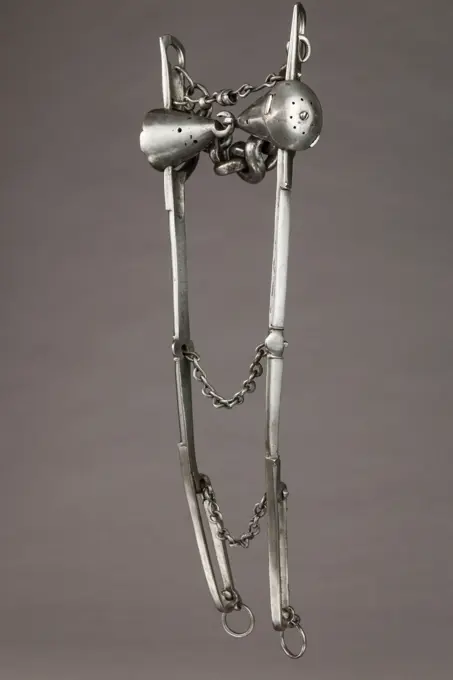
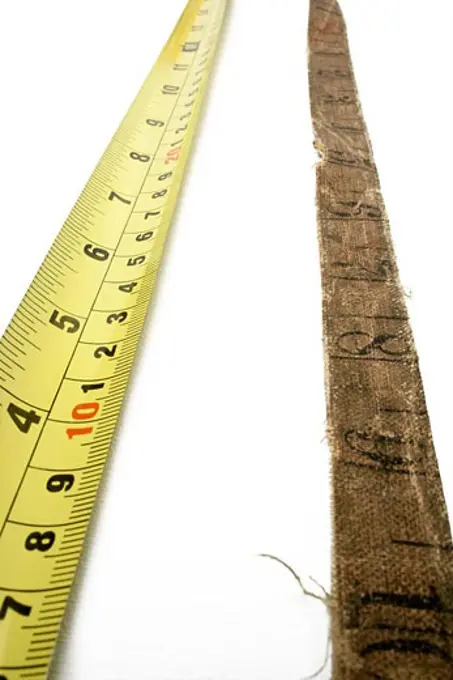
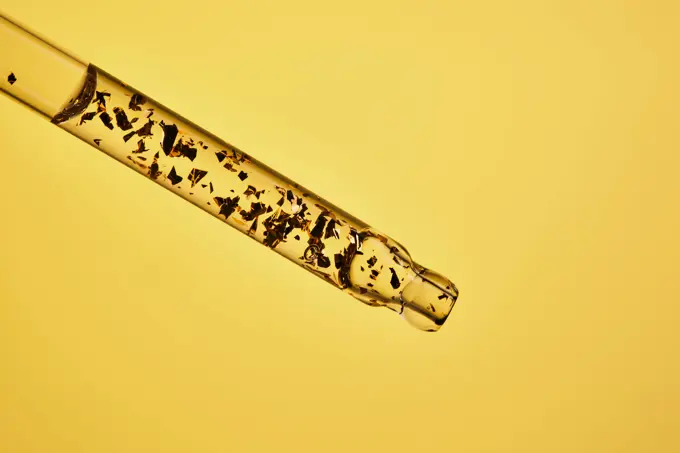
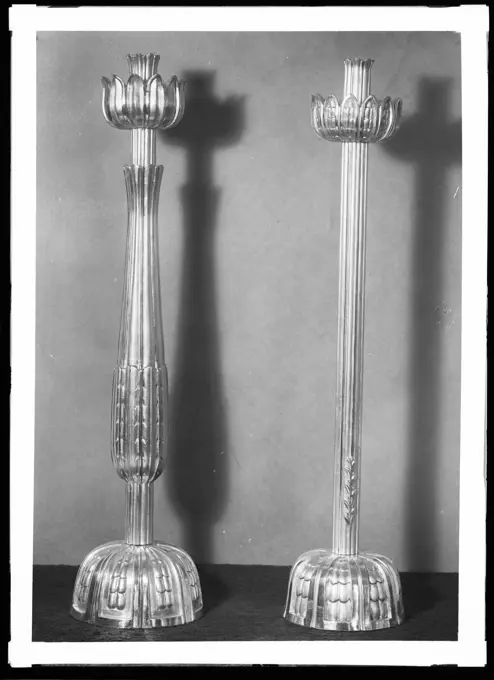
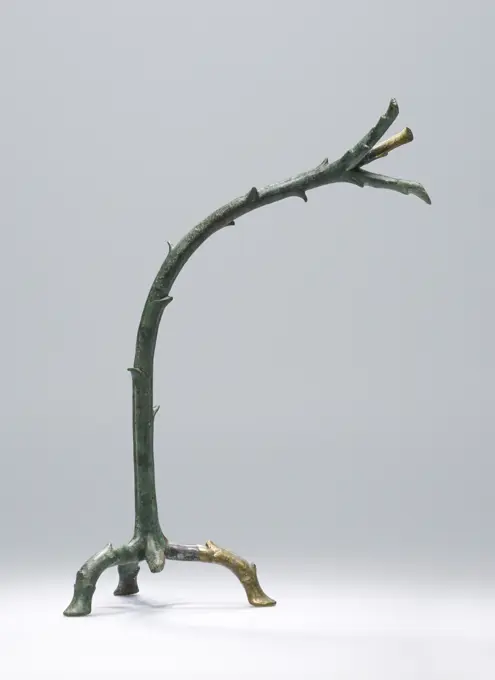
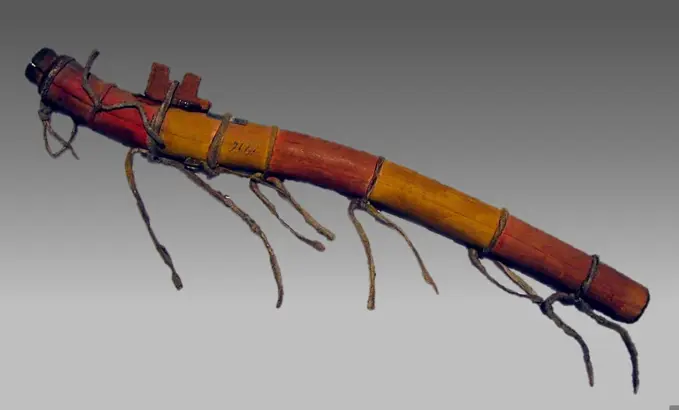
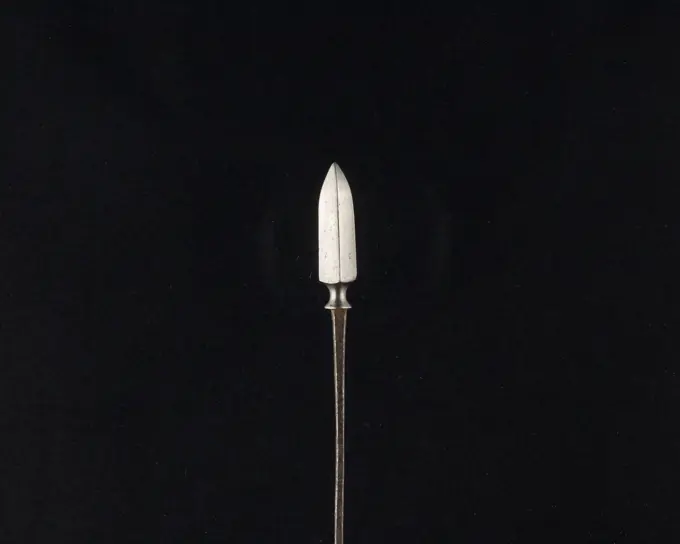
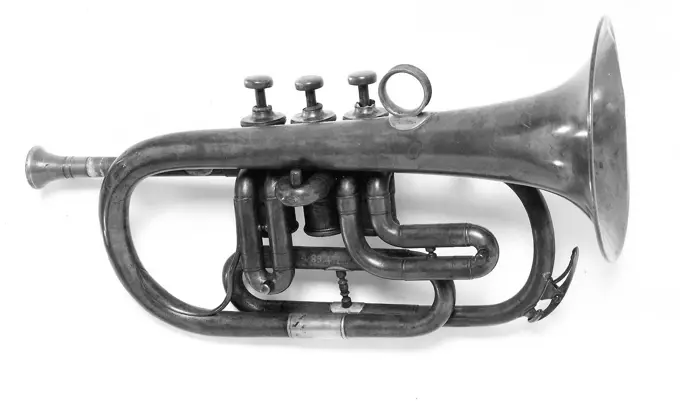
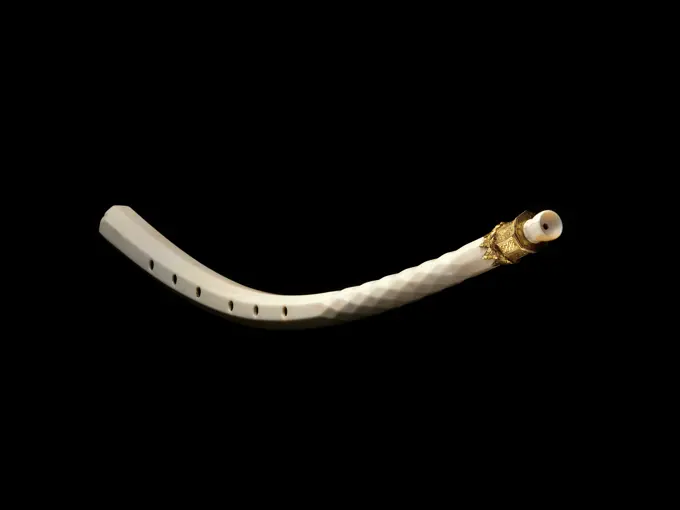
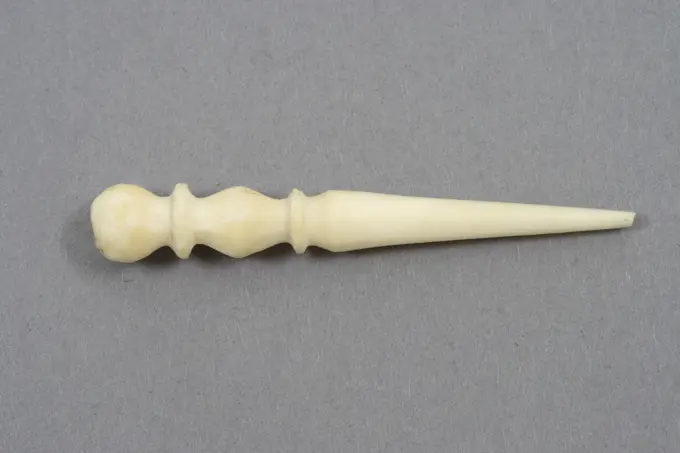
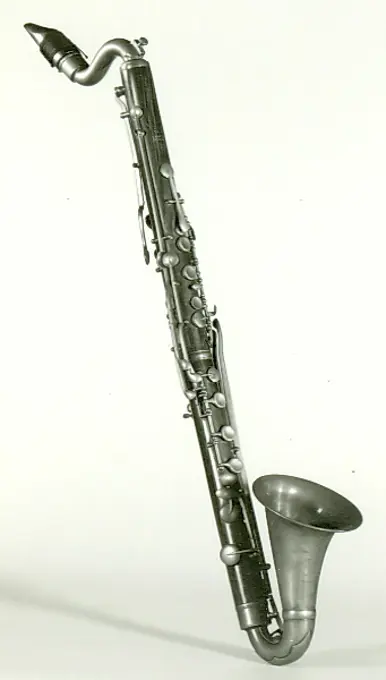
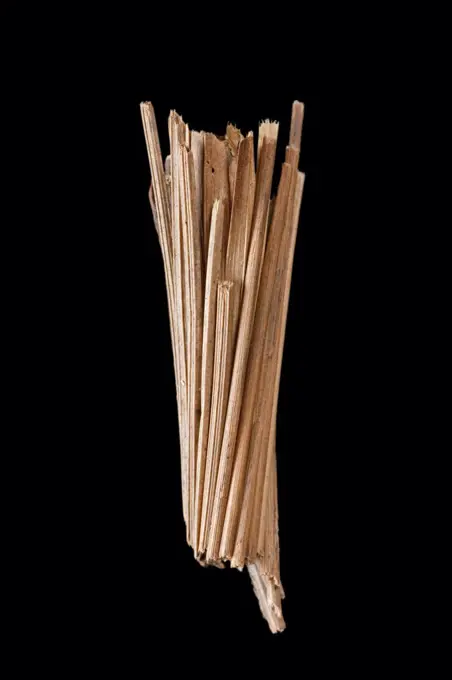
Caddisfly case built of plant stems, GermanyAmulet of a Djed Pillar 1070 BCE-656 BCE Egypt. Carnelian . Ancient EgyptianDesigned by Piet Cohen (born Amsterdam 1935) Attached to the doorposts of a 'Jewish home' is a small case containing a parchment on which biblical texts are written. It is known as a mezuzah. It is customary to touch the mezuzah when passing a doorway. Amsterdam 1993.Curb Bit early 17th century German This bit was used for the training of young horses and starting them with the curb bit. Despite their impressive aspect, the straight elongated shanks were in fact thought to be more gentle on the horse, because of the longer reaction time in their leverage effect and the fact that they were stopped by the horse's chest at some point. Curb bits were also used with a very light hand, the well-trained horses responding by anticipation to the slightest move of the reins. This mouthpiece, made of simple articulated canons, was the simplest that could be found at the time. The banquets, the parts of the cheekpieces to which the mouthpiece is attached, can be opened for switch out the mouthpiece, a feature particularly appreciated on dressage bits in Germany.At the beginning of the training, this bit would have been combined with a cavesson, a rigid noseband, often made of iron, resting on the horses nose, a sensitive area. The rider would use his cavessonFlute. Culture: American. Dimensions: Length: 28 1/2 in. (72.4 cm). Maker: Charles Monzani (American). Date: ca. 1867-1869. Museum: Metropolitan Museum of Art, New York, USA.Knife Handle (Kozuka) 17th century Japanese A kozuka is a handle of a by-knife that is part of a sword mounting. It is kept in a slot on the reverse of a katana scabbard, often with a matching kōgai (hairdressing tool).. Knife Handle (Kozuka) 35057Shadow Puppet (Wayang Kulit) of Bindi, from the set KyaiDrajatFragments of an olive -green with gold -painted paneling: two stabbed panels with bay leaf, crossed branches and egg list. Coming from the Dutch Middenstandsbank, Herengracht 580 in Amsterdam, Anonymous, 1790 Fragments of an olive green with gold -painted paneling, consisting of two wooden stabbed panels with bay leaf, crossed branches and decorated with an egg list. BK-1957-72 and BK-1957-72-A/C and E/I. Northern Netherlands wood (plant material) Fragments of an olive green with gold -painted paneling, consisting of two wooden stabbed panels with bay leaf, crossed branches and decorated with an egg list. BK-1957-72 and BK-1957-72-A/C and E/I. Northern Netherlands wood (plant material)6 on twelve rice wands (common name), white terracotta. Cernuschi Museum, Asia Museum of Asia in the city of Paris.Two-Handed Sword 19th century Indian, Assam, Naga. Two-Handed Sword. Indian, Assam, Naga. 19th century. Steel, brass. Assam. Swords24 k gold facial serum in a pipette on a yellow background. 24 k gold facial serum in a pipette on a yellow background. Copyright: xZoonar.com/MAREVGENNAx 22886074Fork (England); steel, glass beads, thread; L x W: 18.7 x 1.4 cm (7 3/8 x 9/16 in.); The Robert L. Metzenberg Collection, gift of Eleanor L. Metzenberg; 1985-103-54Souvenir of Józef Czapski  Pastel Pencil Pastel L.&C. HardtmuthThe Gothic key with a cylindrical core and a pitted handle with a butter motif, from the collection of the Society for the Care of the Monuments of the past in 1915, in the collections of the National Museum in Warsaw from 1917;  Not after 13.05.1922 (1914-00-00-1922-00-00);Bow ca. 2030-1650 B.C. Middle Kingdom-Early New Kingdom. Bow. ca. 2030-1650 B.C.. Wood. Middle Kingdom-Early New Kingdom. From Egypt, Upper Egypt, Thebes; Said to be from Qurna. Dynasty 11-13Messenheft from the wreck of the East Indians Hollandia, 1700 - in or before 1743  Knife, handle, cylindrical: tapering; id. NG 1979-403H, ferrules, id. NG 1980-27H426. Netherlands wood (plant material). copper (metal)   SecondSwingling Stick 1700-1800. Swingling Stick 8035Twenty-five Bobbins Made 1801-1825 England. 1957.186a Turned wood1957.186b Turned wood1957.186c Turned wood1957.186d Turned wood1957.186e Turned wood1957.186f Turned wood with brass wire coiling1957.186g Turned wood1957.186h Turned wood1957.186i Turned wood1957.186j Plain wood wound with linen1957.186k Plain wood wound with linen1957.186l Plain wood wound with linen1957.186m Plain wood wound with linen1957.186n Plain wood wound with linen1957.186o Plain wood wound with linen1957.186p Plain wood wound with linen1957.186q Plain wood wound with linen1957.186r Plain wood wound with linen1957.186s Plain wood wound with linen1957.186t Turned wood wound with linen1957.186u Turned wood wound with linen1957.186v Turned wood wound with linen1957.186w Turned wood with lead color stripes wound witth linen1957.186x Turned wood with lead color dots wound with linen1957.186y Ivory with black and red carved dots .Two brass candle stands, Martin Gerlach jun, Photographer, Josef Hoffmann -, artistHoning steelLamp Stand. UnknownSúl (Tśisol) Native American (Apache) ca. 1850-1900 A Native American flute is divided by an internal plug into two chambers. The player's breath is routed out of the tube as it encounters the plug and is redirected to the second chamber by a thin metal spacer positioned under a block (often carved as an animal) secured by a cord. Formerly restricted to men in sacred ritual and courting contexts, it is today an instrument with a growing social and secular repertoire.Antique old wooden arrowsArpa. Siglo XVII. Museo de la Música, Barcelona.Two wooden flutesColumn ca. 1400 North Italian. Column. North Italian. ca. 1400. Red limestone (Broccato Rosso di Verona). Made in probably Veneto, Italy. Sculpture-ArchitecturalArrowhead (Yanone) 18th century Japanese Although today Japanese warriors are renowned most for their swordsmanship, archery, especially from horseback, has been an essential part of samurai warfare and culture for centuries. Arrows were fitted with heads of varying shape according to their intended use in war, the hunt, or target practice. Arrowheads made for use on the battlefield incorporated different designs intended for specialized purposes such as the piercing of armor or to cause maximum damage to horses and unarmored personnel.Large arrowheads, pierced and elaborately chiseled with landscapes, birds, flowers, dragons, and Buddhist divinities, were created to be admired for the beauty of their metalwork and design rather than for use in archery. Such highly elaborate examples may have been made for presentation or as a votive offerings to a shrine.. Arrowhead (Yanone). Japanese. 18th century. Steel. Archery Equipment-ArrowheadsClose Up of Knitting NeedlesSoprano Saxhorn in B-flat 1850-60 possibly French. Soprano Saxhorn in B-flat 504628Close-up of a pair of scissors cutting a cableShadowCornetto in A ca. 1575 German The cornetto, also known as a zink, is a lip-vibrated instrument made by adding finger holes and a thumbhole to a signal horn. Its small cup-shaped mouthpiece is like that of a trumpet, but it is usually played on the side of the mouth, where the lips are narrower. Cornetti have a narrow bore, with a straight or curved body shape. They were made in several sizes, with the cornetto in A being the principal size.The cornetto was a difficult instrument to master, but skilled players could excel in virtuosity and compete with the violin. Cornetti were widely used in polyphonic music of the sixteenth and seventeenth centuries (see Odhecaton), to accompany choral singing in churches, to play the soprano part in trombone ensembles, and for both secular and religious music.This cornetto has an octagonal body, slightly curved, and narrower at the top, where it is carved with a pattern of diamond facets. A gilt and engraved ferrule encircles the top of the body.. CoA pudding pipeMessenheft from the wreck of the East Indians Hollandia, Anonymous, 1700 - in Or Before 1743  Knife, handle, cylindrical: tapering; id. NG 1979-403H, ferrules id. NG 1980-27H426. Netherlands wood (plant material). ring: copper (metal)   SecondOpera glasses ca. 1840 French. Opera glasses. French. ca. 1840. metal, tortoiseshellQuill pen, such as one used during signing of Declaration of IndependenceA900724 DISTANT ZENITH CABLE GAS BLOCK MIKE BURKE (Project Engineer) OCT 29 90 EG&G/NTS PHOTO LAB Publication Date: 10/29/1990  CABLE GAS BLOCK; DISTANT ZENITH; EDGERTON, GERMESHAUSEN & GRIER; EG&G; EQUIPMENT & INSTRUMENTS; GAS BLOCK CABLE; GAS BLOCKS; INSTRUMENTS & EQUIPMENT; NEVADA; NEVADA TEST SITE; NTS; NUCLEAR ENERGY TECHNOLOGY; P-TUNNEL; TEST SITES; TUNNELS; UGT; UNDERGROUND TESTING; WEAPONS EFFECTS; WIRE & CABLES  historical images. 1972 - 2012. Department of Energy. National Nuclear Security Administration. Photographs Related to Nuclear Weapons Testing at the Nevada Test Site.Several vanilla pods (detail)Watch Key. Dated: c. 1938. Dimensions: overall: 11.5 x 11.2 cm (4 1/2 x 4 7/16 in.). Medium: watercolor and graphite on paperboard. Museum: National Gallery of Art, Washington DC. Author: ROBERT CLARK.Equipment ca. 1840 American. Equipment. American. ca. 1840. pearlPin 15th-16th century Inca. Pin 315612Clarinet, anonymous, c. 1850 A clarinet made of rosewood with thirteen Berlin silver valves. Europe wood (plant material). rosewood (wood). German silver A clarinet made of rosewood with thirteen Berlin silver valves. Europe wood (plant material). rosewood (wood). German silverHout glasses covered with imitation turtle (celluloid) and trimmed with leg, anonymous, c. 1850 - c. 1860 Wood glasses covered with imitation turtle (celluloid) and trimmed with leg. Model: elongated, at the bottom of the striker gathering at the top hemisphere. Lid is opened by push button on the side, hinge on the other side. Lined with red velvet. Decoration: The edges around the closure are covered with unadorned leg. England (possibly) whole: Wood (plant material). upholstery: celluloid (cellulosic). Rand: Bone (Material). lining: cotton (textile). Closure: Metal Wood glasses covered with imitation turtle (celluloid) and trimmed with leg. Model: elongated, at the bottom of the striker gathering at the top hemisphere. Lid is opened by push button on the side, hinge on the other side. Lined with red velvet. Decoration: The edges around the closure are covered with unadorned leg. England (possibly) whole: Wood (plant material). upholstery: celluloid (cellulosic). Rand: Bone (MaterialCacti and red adobe in San Miguel de Allende, Mexico.Old vintage sword sherdukpen tribe, arunachal pradesh, india, asia Copyright: xAnilxDave/DinodiaxPhotoxTailor tape ruler in Cun (Chinese Inch). Tailor tape ruler in Cun aka the Chinese Inch measuring unitClarinet in E-flat ca. 1855 E. S. Sulz. Clarinet in E-flat. Austrian. ca. 1855. Brass, nickel-silver. Vienna, Austria. Aerophone-Reed Vibrated-single reed cylindricalBronze pendant with amber elements, from the Treasury of San Canzian d'Isonzo, Friuli-Venezia Giulia, Italy. Paleoveneti Civilization, 5th-4th Century BC.European razor clam, Grooved razor shell (Solen marginatus) on beachCribbage peg -Alto Clarinet in E-flat ca. 1900 Charles Mahillon Belgian This is Mahillons own model, which is to some extent a smaller version of Adolphe Saxs model of the bass clarinet. Key flapspermit finger holes to be very wide, which, with the relatively wide bore, endows the instrument with a voluminous sound.. Alto Clarinet in E-flat 504828DA-SC-86-11631. Country: Unknown