Tairona Ocarinas and Artifacts

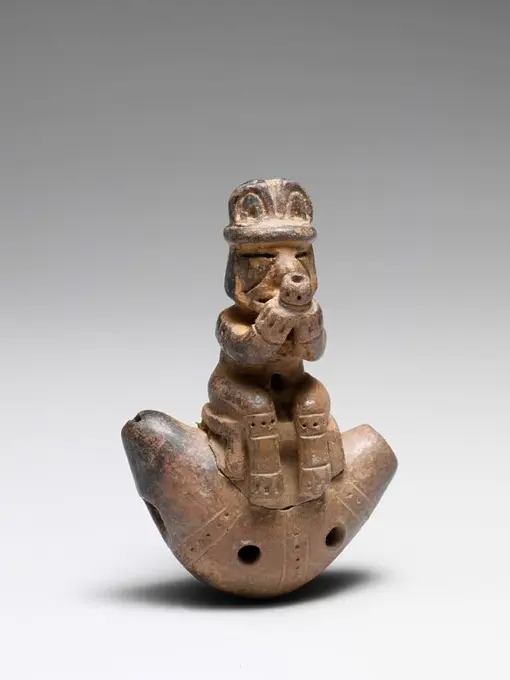
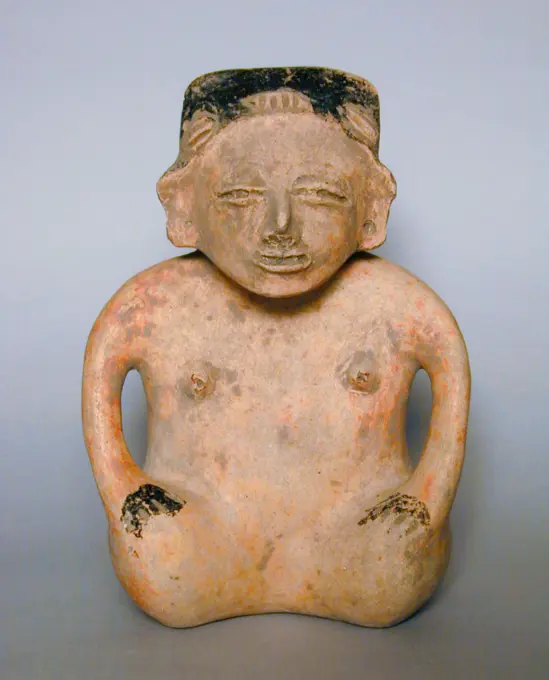
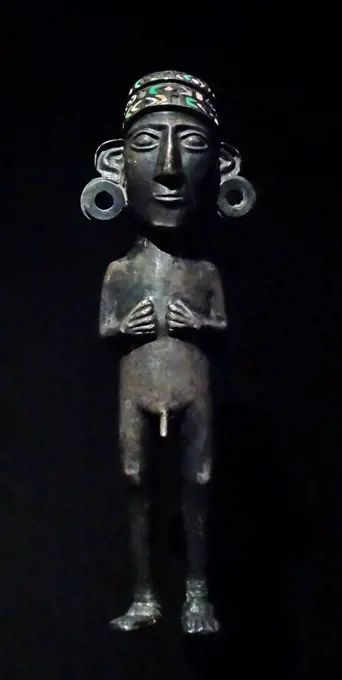
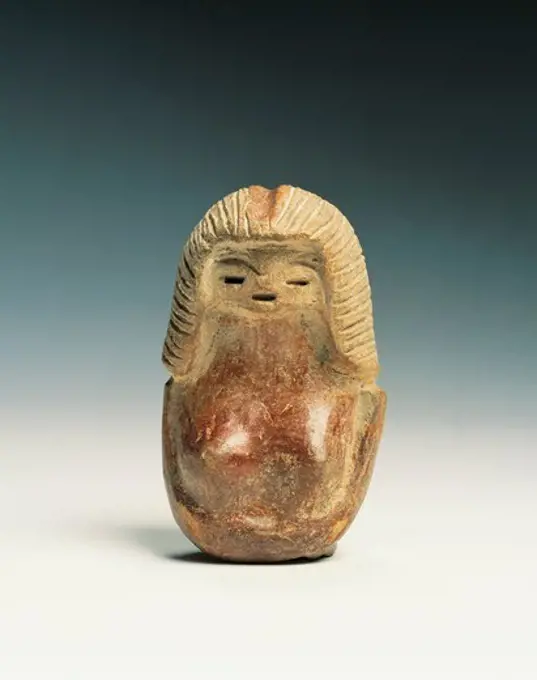
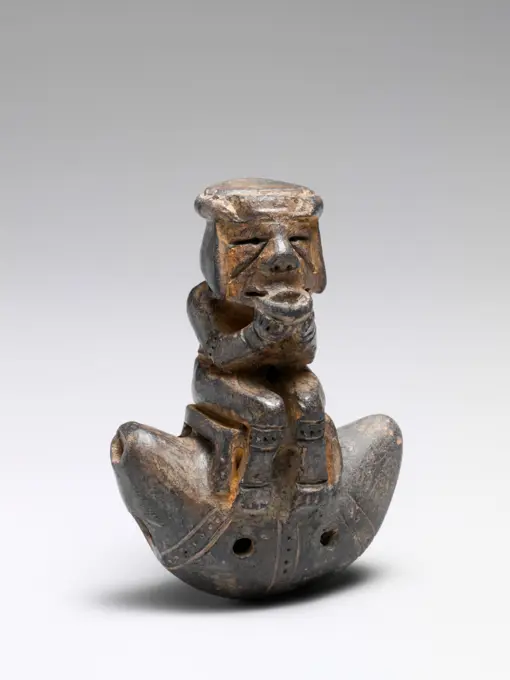
Ceramic ocarinas from the Tairona people, featuring detailed human figures, believed to have ceremonial functions, reflecting pre-conquest South American artistry.
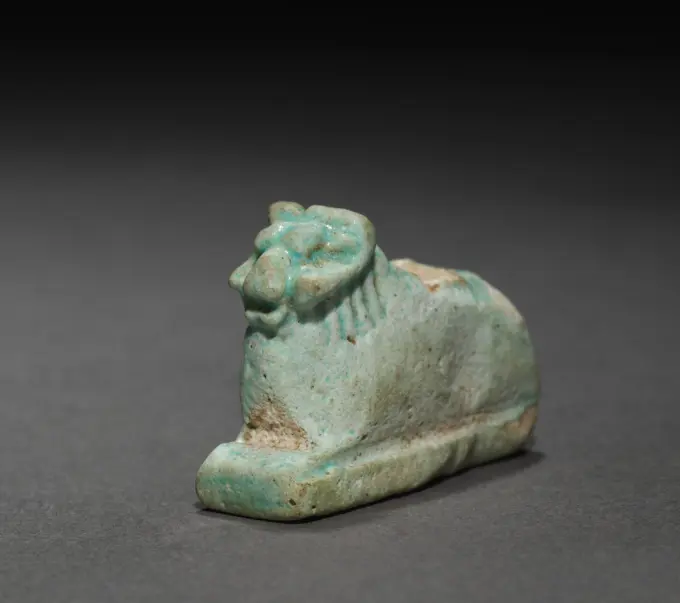
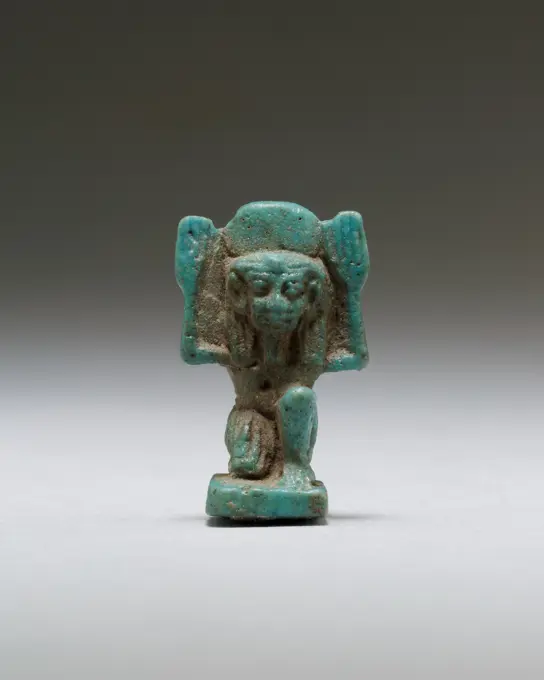
Ram Amulet, 305-30 BC. Egypt, Ptolemaic Dynasty. Light robin's egg blue faience; overall: 2.1 x 1.1 cm (13/16 x 7/16 in.).
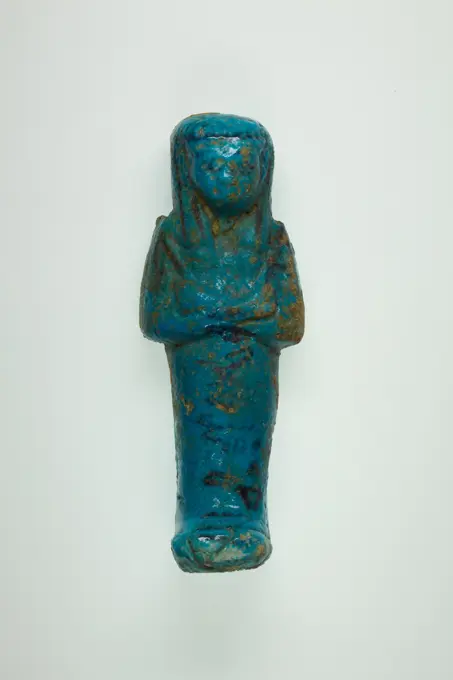
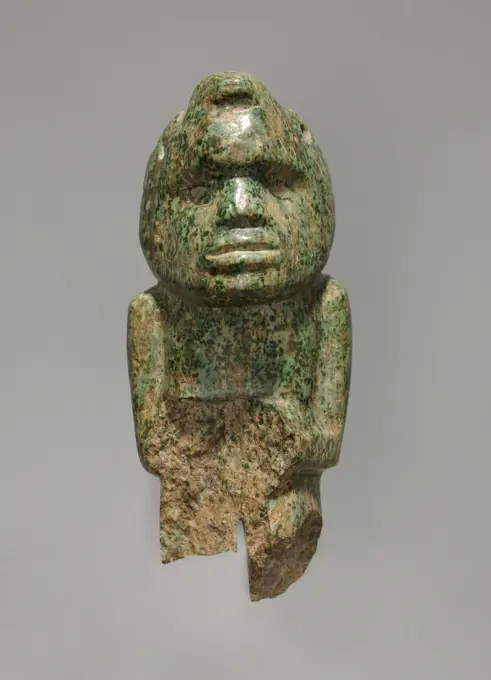
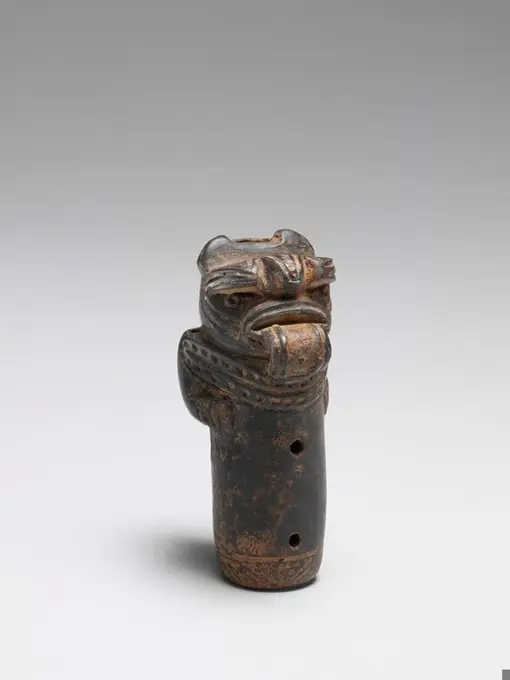
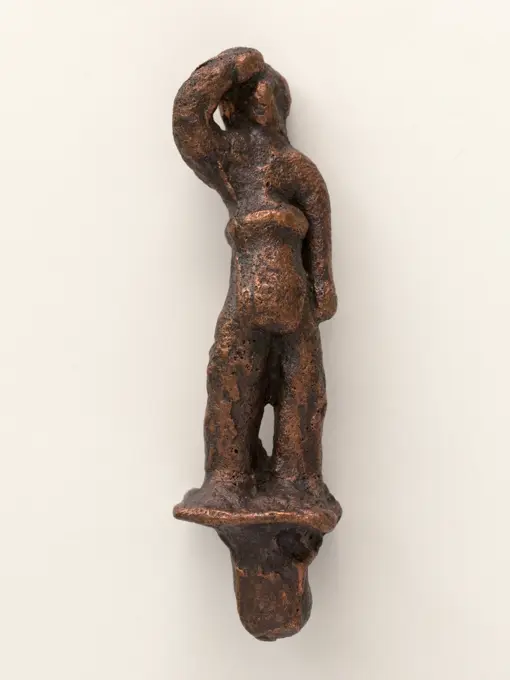
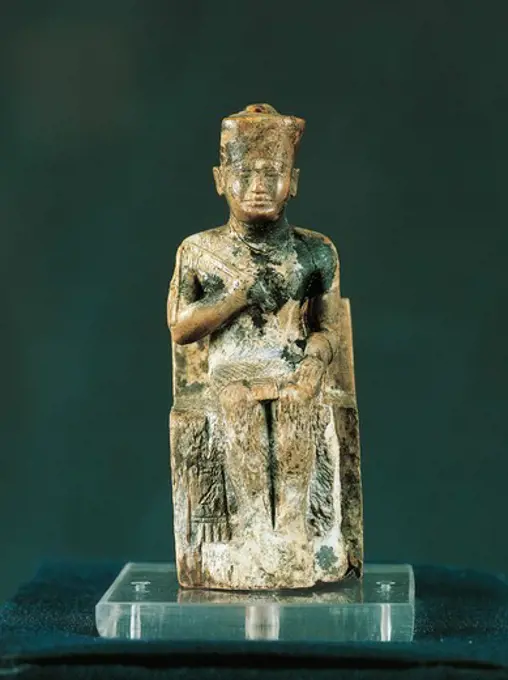
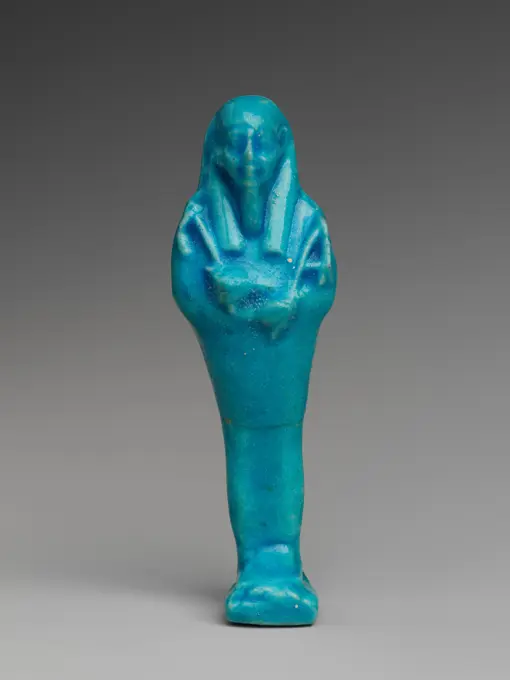
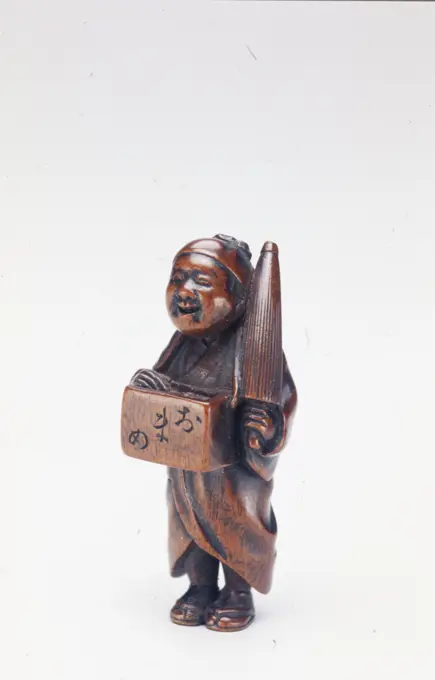
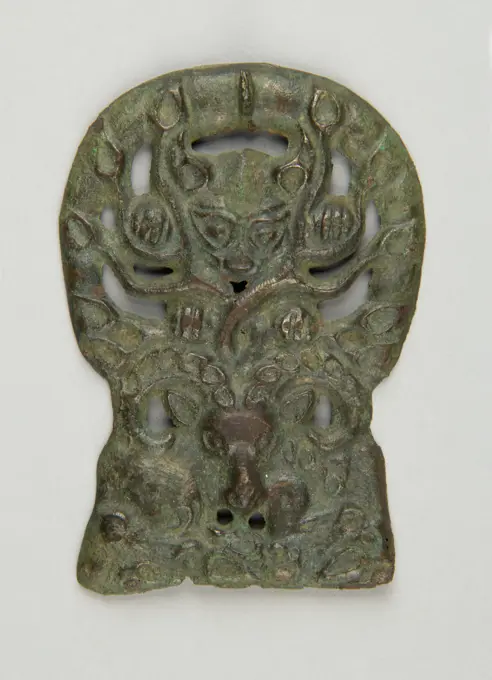
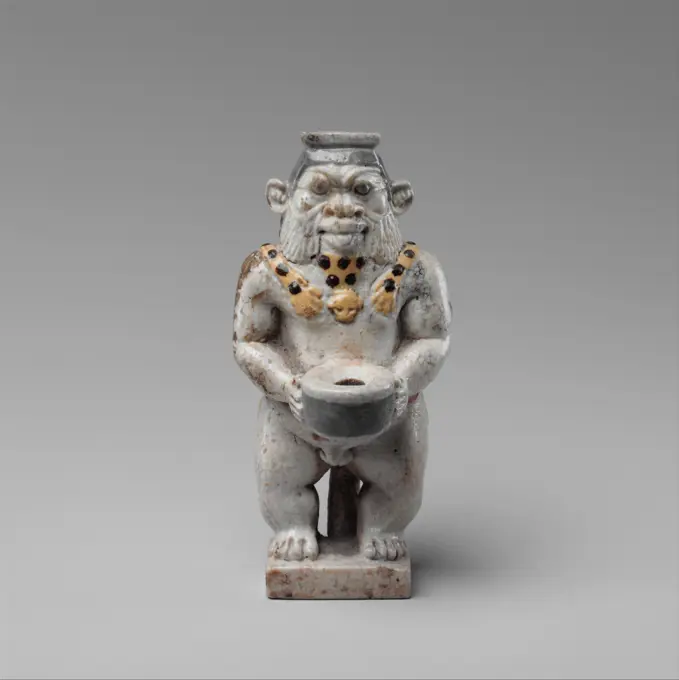
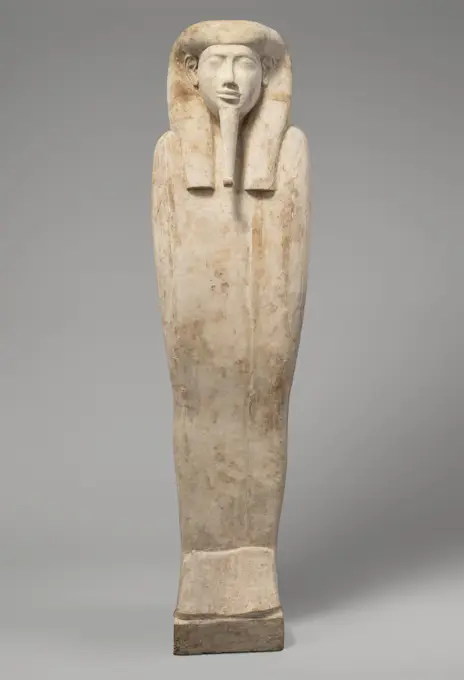
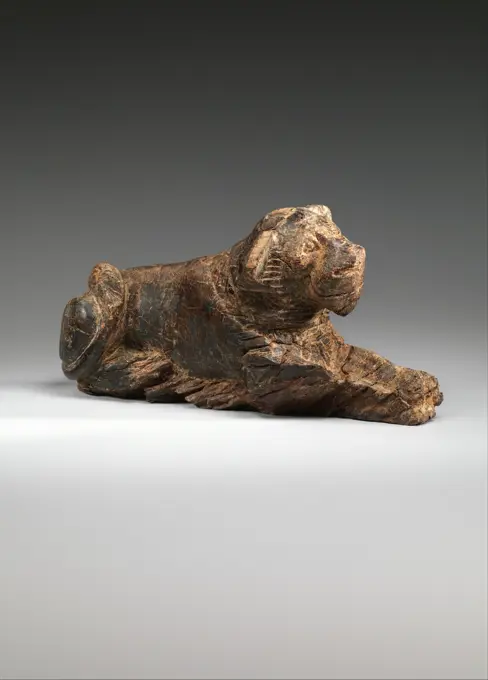
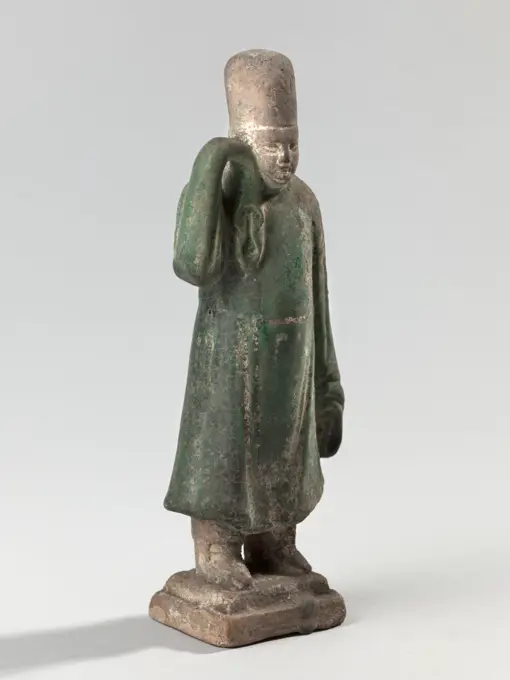
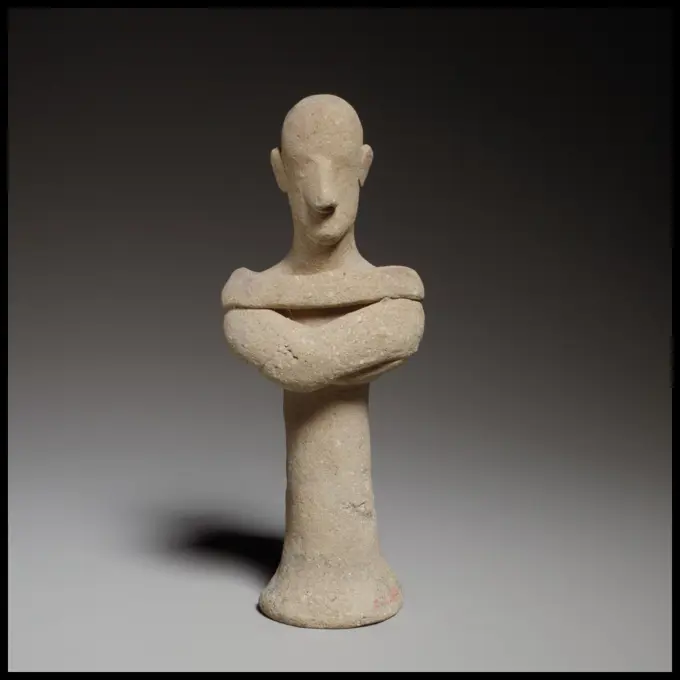
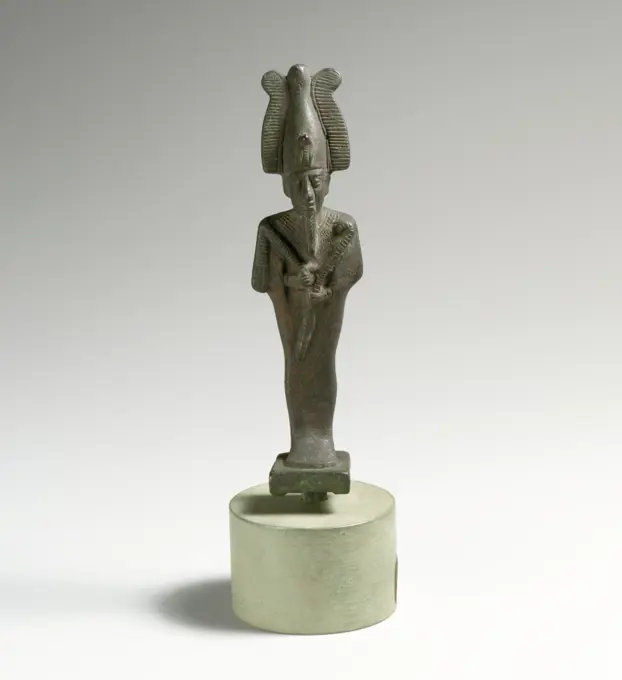
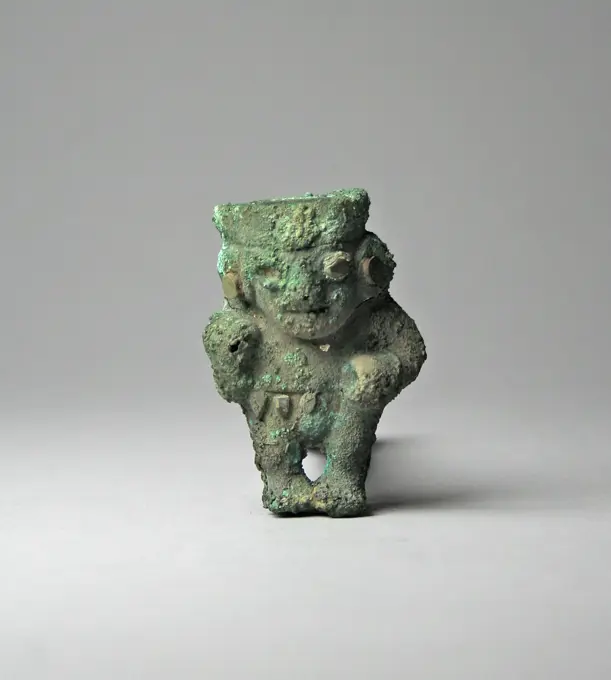
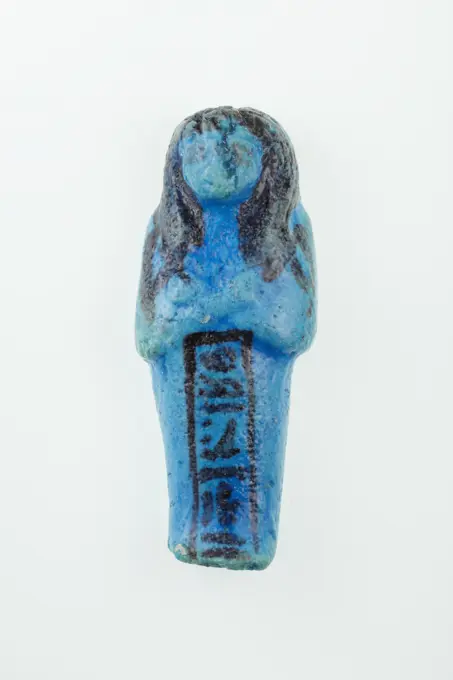
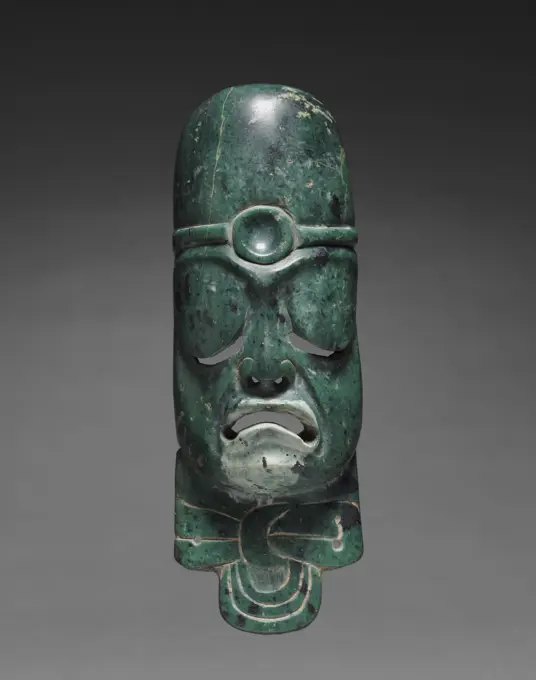
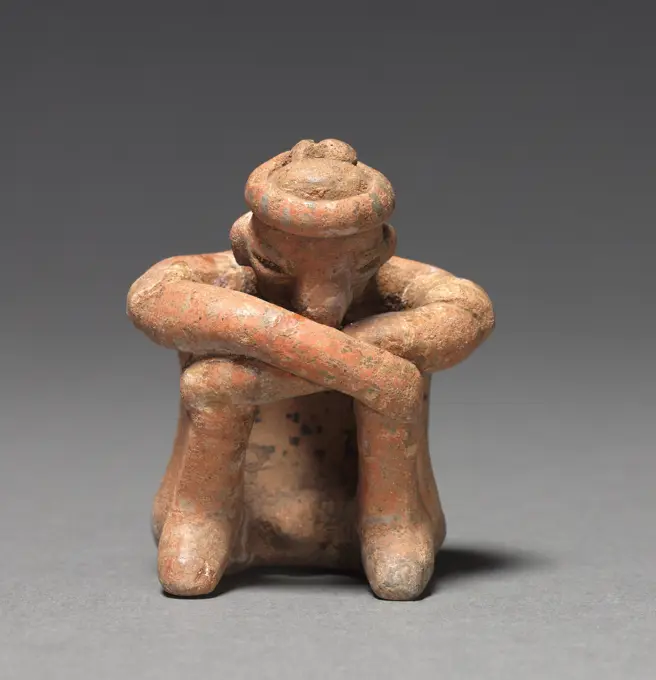
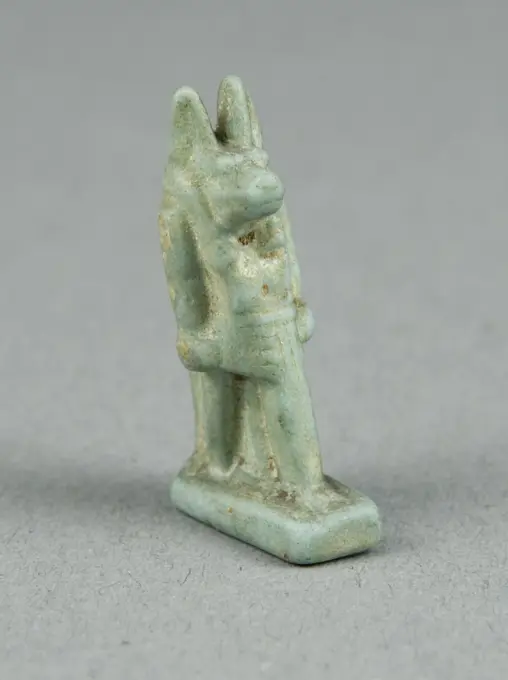
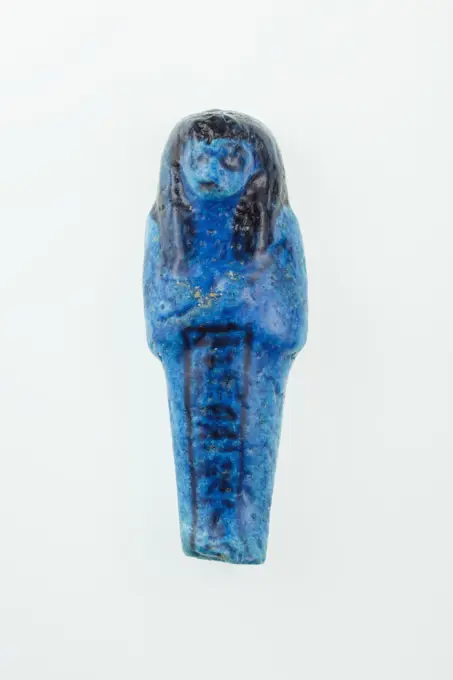
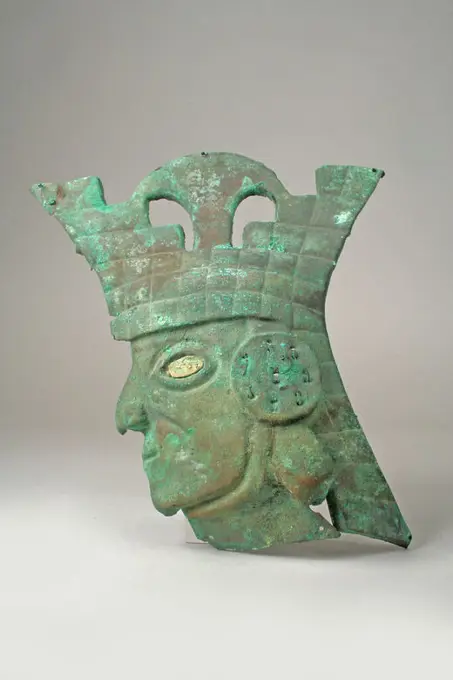
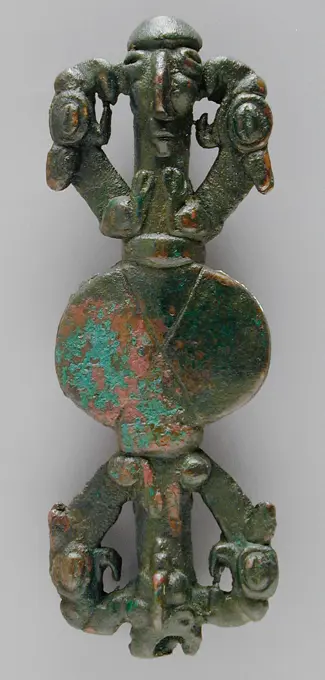
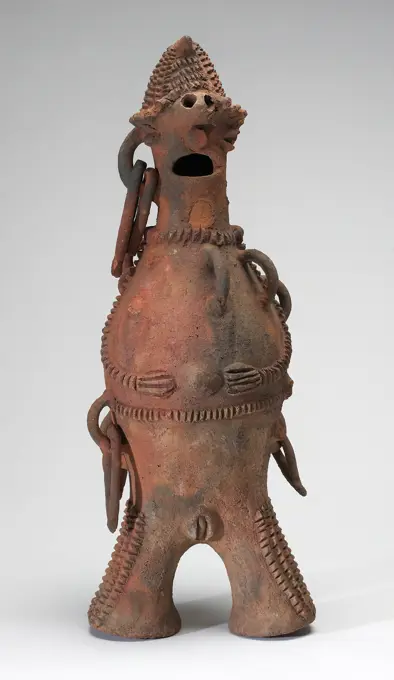
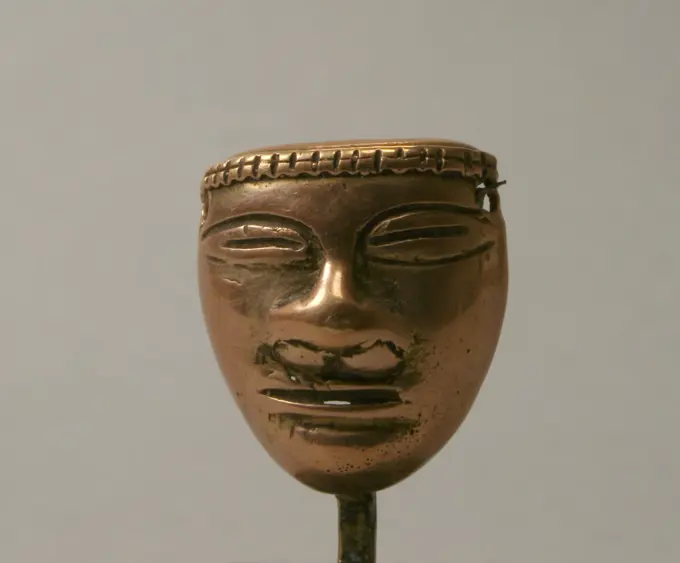
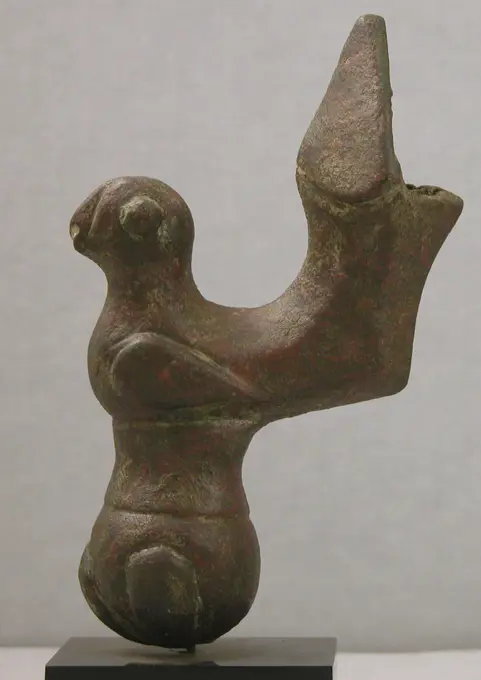
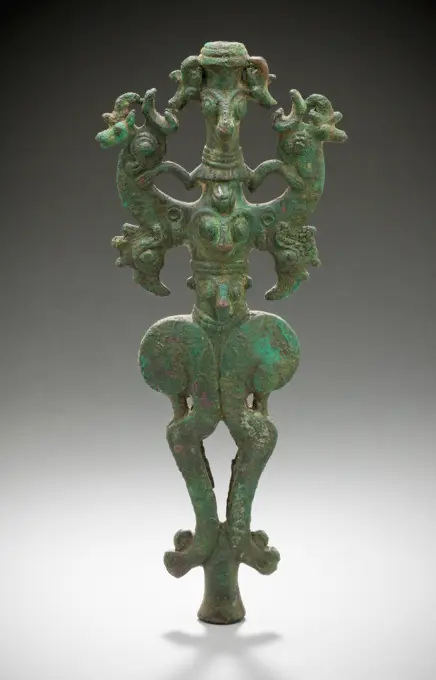
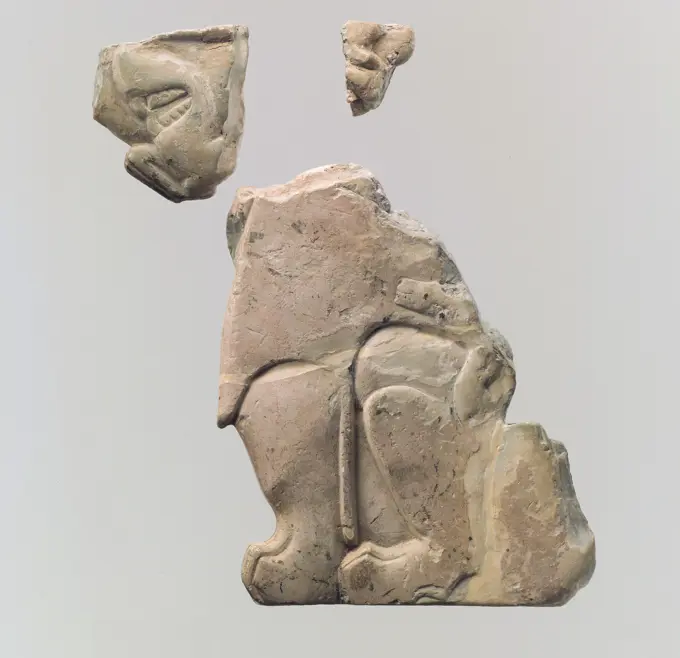
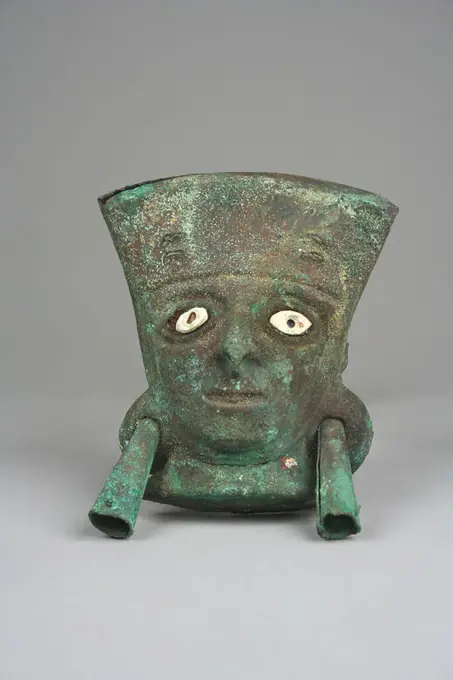
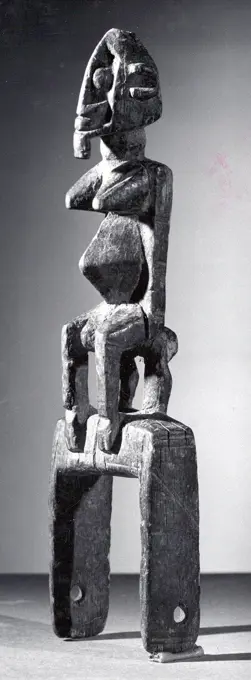
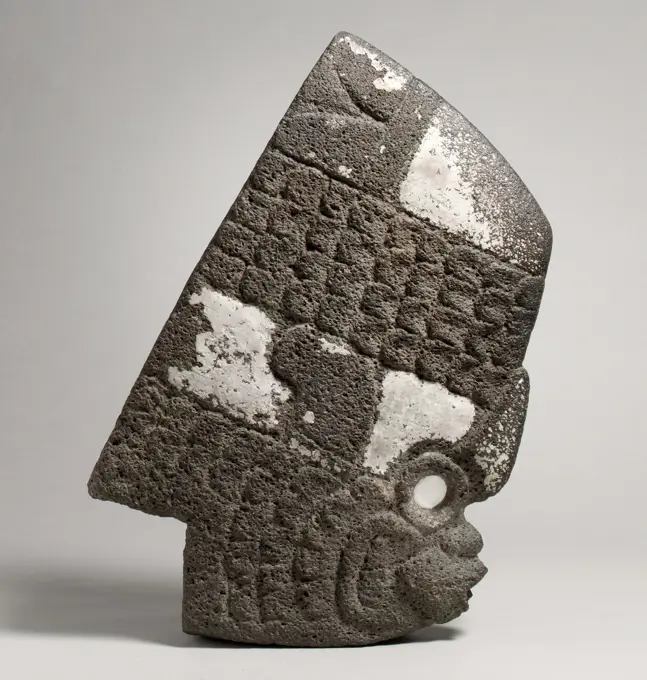
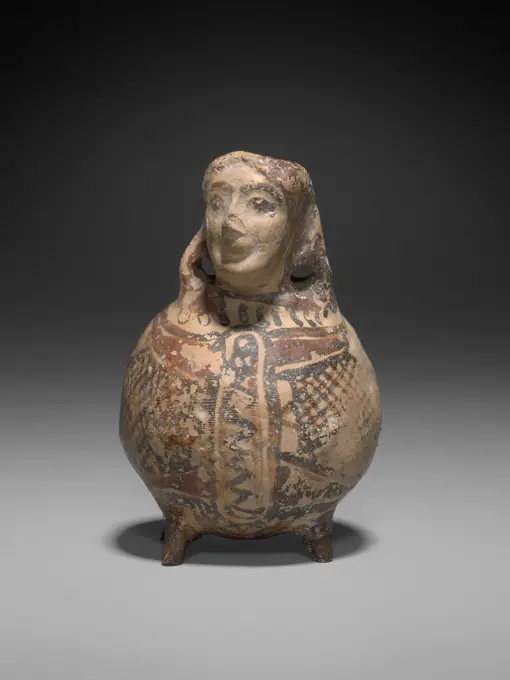
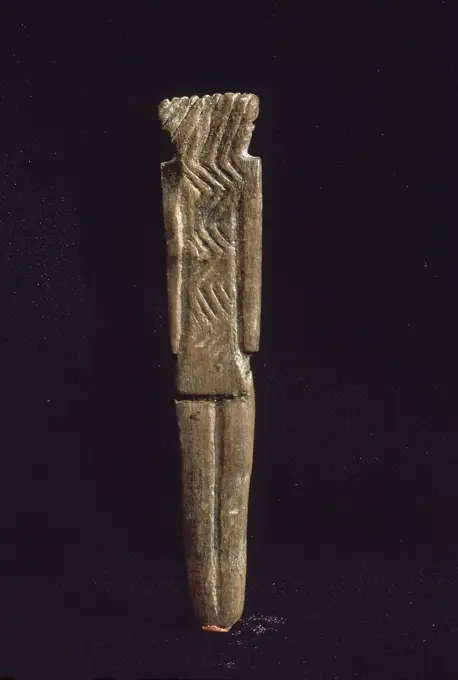
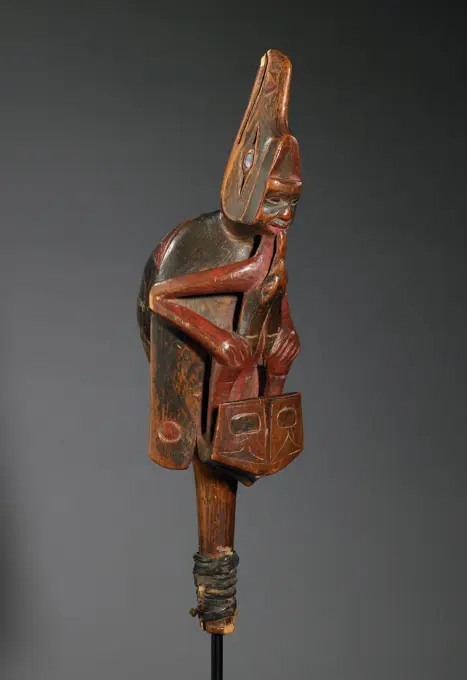
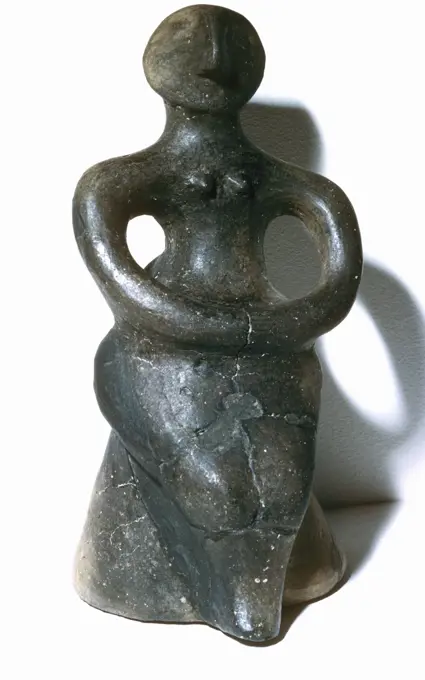
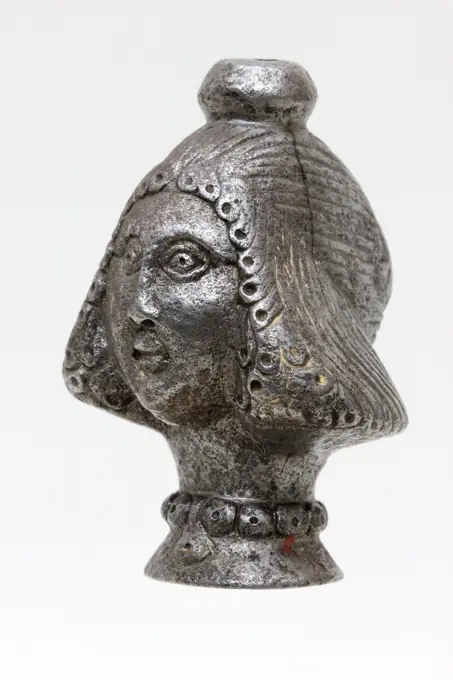
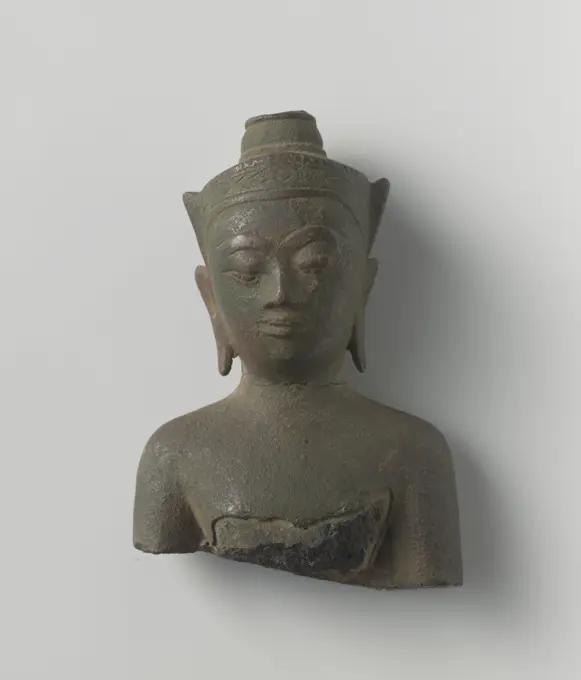
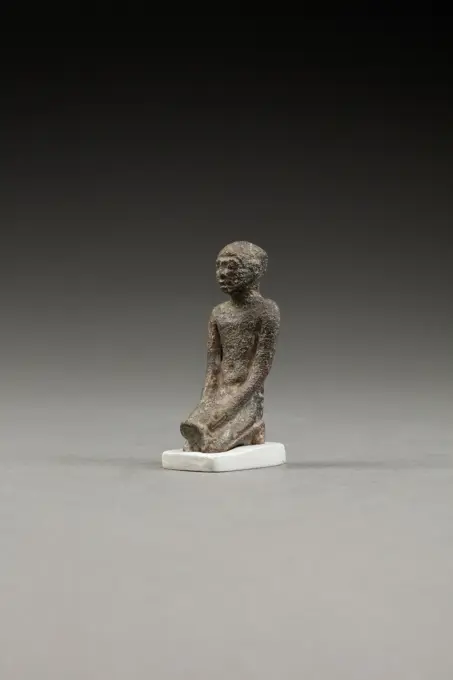
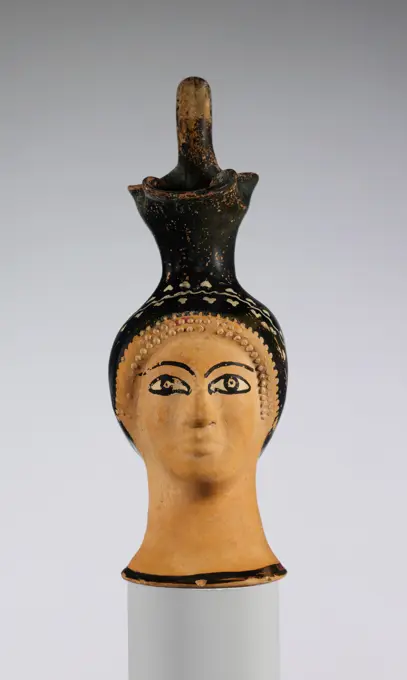
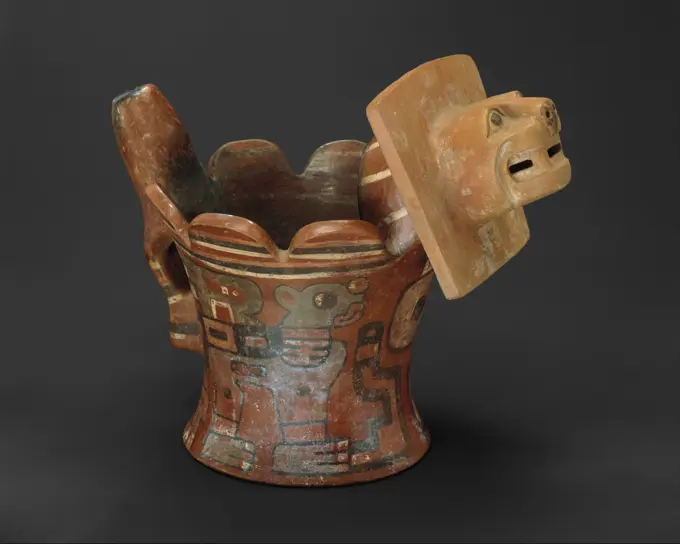
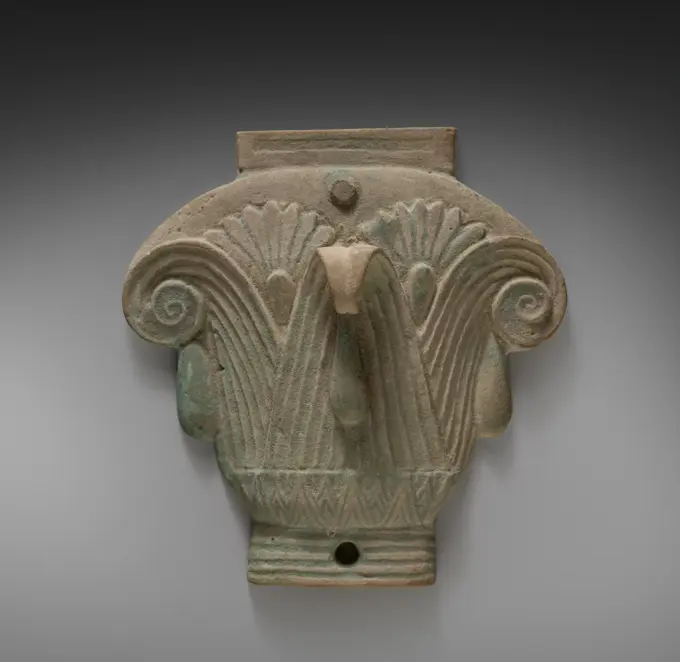
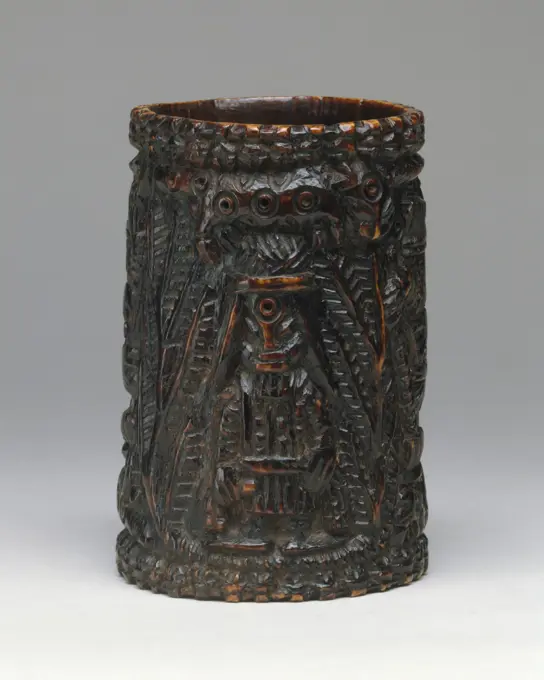
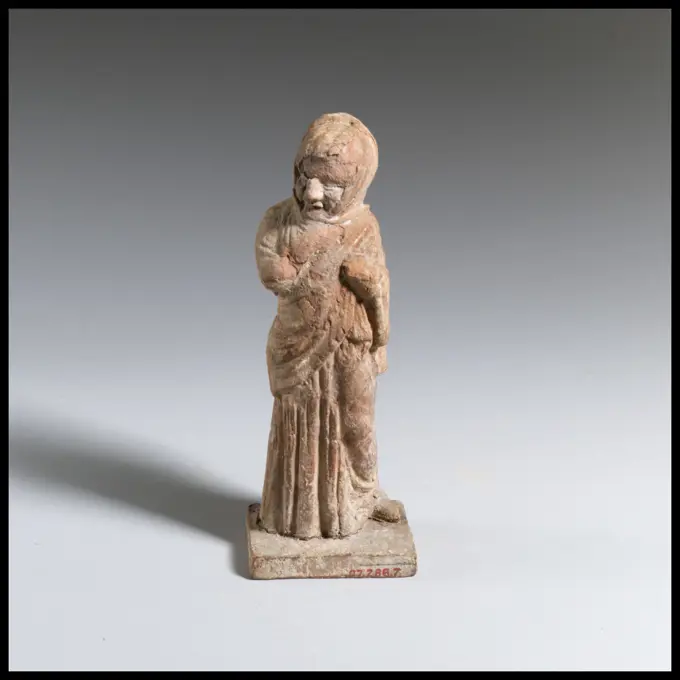
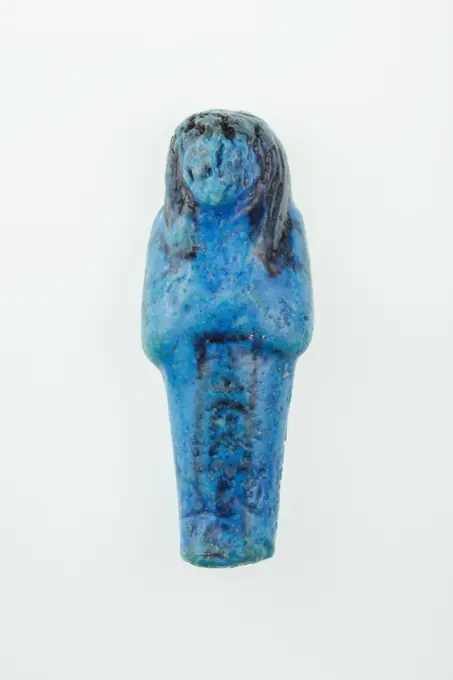
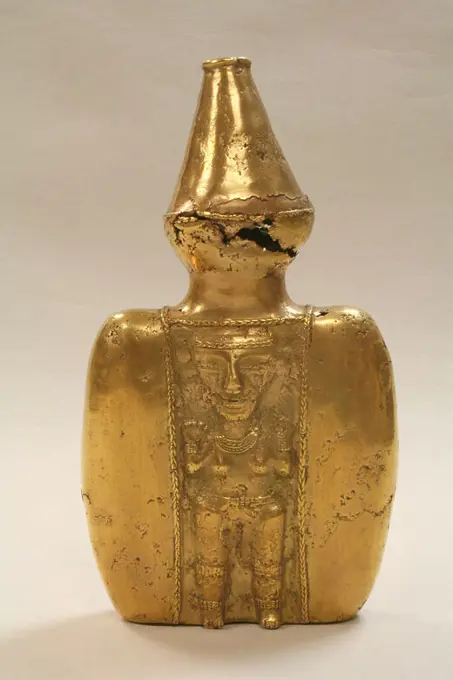
Ocarina 1300-1500 Tairona People; Gayraca style Although numerous types of instruments survive from pre-conquest South and Central America, little is known of how they were used. Whistles, trumpets, and rattles in animal or human form probably had ceremonial functions or served as playthings. Smaller whistles in animal shapes, perhaps worn suspended from the neck, frequently have fingerholes that allow variation of pitch.Flutes and bells are all that remain of many musical traditions of the Tairona people of the Sierra Nevada de Santa Marta region, Colombia. The importance of these metal, terracotta, and blackware instruments is evident in their carefully detailed incising and punctuation. The symbolic meanings of the effigies are obscure, and the relationship between the forms and their musical functions is unclear. It is believed that musical effigies served as talismans and were played to link the mortal and immortal realms.. Ocarina. Tairona People; Gayraca style. 1300-1500. CeramiOcarina. Culture: Tairona People; Gayraca style. Dimensions: Length (Approximate): 3 in. (7.6 cm)Width (Approximate): 2 1/16 in. (5.2 cm). Date: 1300-1500. Museum: Metropolitan Museum of Art, New York, USA.Small Rooster. southwestern Iran, no date. Sculpture. CeramicRam Amulet, 305-30 BC. Egypt, Ptolemaic Dynasty. Light robin's egg blue faience; overall: 2.1 x 1.1 cm (13/16 x 7/16 in.).Staff Finial with Lioness Headed Cobra. Egypt, probably Ptolemaic Period (332 - 30 BCE). Architecture; Architectural Elements. BronzeWorker Shabti of Henettawy (C), Daughter of Isetemkheb ca. 990-970 B.C. Third Intermediate Period See 25.3.19.. Worker Shabti of Henettawy (C), Daughter of Isetemkheb 591799Furniture Leg. Dimensions: H: 6 cm (2 3/8 in.). Dynasty: Dynasty 1. Reign: reign of Den. Date: ca. 3100-2900 B.C.. Museum: Metropolitan Museum of Art, New York, USA.Standing Attendant (Tomb Figurine). China. Date: 399 BC-200 BC. Dimensions: 49.1 × 10.3 × 6.1 cm (19 5/16 × 4 1/16 × 2 3/8 in.). Wood with traces of polychrome pigments. Origin: China. Museum: The Chicago Art Institute, Chicago, USA.Axe-Shaped Figure, after 900(). Mexico, Oaxaca, Mixteca. Polished green stone; overall: 17.7 x 7.5 x 6.8 cm (6 15/16 x 2 15/16 x 2 11/16 in.).Flute. Culture: Tairona People; La Aguja Style. Dimensions: L. 5.6 cm 2-3/16 in.); W. 2.7 cm (1-1/16 in.). Date: 1300-1500. Museum: Metropolitan Museum of Art, New York, USA.Fragment of an Ivory Relief with a Standing Lion. UnknownAmulet - sokół. unknown, authorOrant Minoen. Copper alloy. Gallo-Roman. Paris, Carnavalet museum. 51467-19 Copper alloy, Gallo-Roman, Gallo-Roman, Minoen, character, statuetteGreen Glazed PotteryThymiaterionFaience amulet in the form of the dwarf god Pataikos 664-30 B.C. Egyptian Amulet, Ptah-seker.. Faience amulet in the form of the dwarf god Pataikos 243731Ritual Wine Vessel(Jue)Shabti of Petosiris, son of Djedhor Late Period-Ptolemaic Period ca. 360-300 BC View more. Shabti of Petosiris, son of Djedhor. ca. 360-300 BC. Faience. Late Period-Ptolemaic Period. From Egypt, Northern Upper Egypt, Abydos, Cemetery G, Petrie Tomb 50 (Djedhor), Egypt Exploration Fund excavations. Dynasty 30 or laterStorage hook in the form of a female figure, anonymous, c. 1400 - c. 1500 The object, which may be cast in two parts, represents a woman with a hennin. Due to the round opening at the bottom, the marker must be stabbed to confirm the bracket. Southern Netherlands (possibly) brass (alloy) casting The object, which may be cast in two parts, represents a woman with a hennin. Due to the round opening at the bottom, the marker must be stabbed to confirm the bracket. Southern Netherlands (possibly) brass (alloy) castingIvory statuette of Khufu from AbydosBronze steelyard weight ca. 2nd-3rd century A.D. Roman The weight, which would have been suspended from a steelyard, is in the form of a bust of Isis.. Bronze steelyard weight 256823Amulet of the God Thoth 664 BCE-332 BCE Egypt. Faience . Ancient EgyptianShabti of Petosiris, son of Djedhor Late Period-Ptolemaic Period ca. 360-300 BC View more. Shabti of Petosiris, son of Djedhor. ca. 360-300 BC. Faience. Late Period-Ptolemaic Period. From Egypt, Northern Upper Egypt, Abydos, Cemetery G, Petrie Tomb 50 (Djedhor), Egypt Exploration Fund excavations. Dynasty 30 or laterNetsuke peddler, early 19th century, Unknown Japanese, 15/16 x 1 x 13/16in. (2.4 x 2.5 x 2.1cm), Wood, Japan, 19th centuryMirror Handle 1st century B.C.-1st century A.D. Pakistan or India. Mirror Handle 38679Belt Buckle with Lynx Attacking an Argali 2nd-1st century B.C. Eastern Siberia. Belt Buckle with Lynx Attacking an Argali 65299Cosmetic Container in the Form of a Bes-image 525-404 B.C. Late Period This squat human form with leonine features is commonly identified as the god Bes, but several other minor Egyptian gods were also represented by this image. These were protective deities, so they appear frequently as apotropaic figures in the decoration of furniture and personal belongings. Here, the god stands holding the cap of a kohl container, which has a small round hole in the top for insertion of an applicator. The container, which is now missing, was detachable so that it could be refilled easily.. Cosmetic Container in the Form of a Bes-image 544908Chinese Ascetic. Japan, 18th century. Costumes; Accessories. BronzeFigurine of a Feline. Egypt, probably Roman Period - Coptic Period (100 - 600 CE). Sculpture. BronzeUndecorated Coffin Late Period 700-650 B.C. Discovered in the courtyard of the much earlier temple of Hatshepsut at Deir el-Bahri, this coffin was part of an embalming cache. It had been filled with mummification materials, including bags of natron and sawdust, and placed at the bottom of a shallow pit. Large pots were packed around it, and then it was covered by layers of straw, several mats, garlands, and a broken frame made of papyrus and palm sticks. This material was made sacred through its contact with the body and its use in the process of a ritual transformation.The coffin itself takes the form of a sah, a body transformed through the process of embalming. It is undecorated, covered with only a preparatory layer. The shape, with no arms or hands indicated and the feet resting on a shallow pedestal, suggests a date in the 25th or early 26th Dynasty. View more. Undecorated Coffin. 700-650 B.C.. Wood, paste. Late Period. From Egypt, Upper Egypt, Thebes, Deir el-Bahri, Tombs 51-54,Game Piece in the Form of a Lion ca. 3100-2649 B.C. Early Dynastic Period A painting in the tomb of Hesyre at Saqqara (ca. 2700 B.C.) representing the games of senet, men and mehen includes the only complete depiction of a set of mehen pieces. The gaming pieces comprise six couchant lions, like this one, and six sets of six marbles grouped by color (see for example 10.130.1194b, 10.130.1196b).. Game Piece in the Form of a Lion 547479Mingqi: offer of offerings. Terracotta with glaze. Paris, Cernuschi museum. Asian art, beyond, belief, figurine, mingqi, funeral object, model character, funeral rite, statuetteStanding male figurine ca. 600-480 B.C. Cypriot The flaring cylindrical body is handmade and solid. He crosses his arms over his chest.. Standing male figurine 241188Faience aryballos (oil flask) in the form of a hedgehog 6th century B.C. East Greek Hedgehogs are among the most common forms of faience oil flasks. The center of production of these vases has traditionally been identified as Naucratis, a Greek trading colony on the Nile Delta, in Egypt.. Faience aryballos (oil flask) in the form of a hedgehog 252984 East Greek, Faience aryballos (oil flask) in the form of a hedgehog, 6th century B.C., Faience, H. as restored 2 1/4 in. (5.7 cm). The Metropolitan Museum of Art, New York. Gift of Albert Gallatin, 1929 (29.62)Bronze statuette of Osiris 664-31 B.C. Egyptian Standing mummiform Osiris.. Bronze statuette of Osiris 244462Figure Ornament 6th-7th century Moche (Loma Negra). Figure Ornament 315206Limestone bouquet of flowers probably 1st half of the 5th century B.C. Cypriot The fragment is broken from a large figural sculpture, perhaps of a female figure. The flowers are of the lotus and perhaps of laurel.. Limestone bouquet of flowers 242157Amulet of the God Shu. Egyptian. Date: 664 BC-332 BC. Dimensions: 2 × 1.25 × 1 cm (3/4 × 1/2 × 3/8 in.). Faience. Origin: Egypt. Museum: The Chicago Art Institute, Chicago, USA. Author: Ancient Egyptian.Worker Shabti of Nauny ca. 1050 B.C. Third Intermediate Period See 30.3.28.1a, b. Worker Shabti of Nauny. ca. 1050 B.C.. Faience. Third Intermediate Period. From Egypt, Upper Egypt, Thebes, Deir el-Bahri, Tomb of Meritamun (TT 358, MMA 65), first corridor, burial of Nauny, MMA excavations, 1928-29. Dynasty 21Lamp of Human Form Artist's working dates 25 CE-220 CE China. Earthenware with green lead glaze .Figurine, 1325-1521. Mexico, Aztec, 14th century-16th century. Terracotta; overall: 6 cm (2 3/8 in.).Horseman. Culture: Cypriot. Dimensions: H. 4 9/16 in. (11.6 cm). Date: 4th-3rd century B.C..The figurine is handmade and solid, with a mold-made face. The nude, bearded figure is preserved to the hips, where there is a clean horizontal break from the rest of the figurine, which must have been a horse-and-rider group. Museum: Metropolitan Museum of Art, New York, USA.Elongated Mask Ornament, c. 900-300 BC. Mexico, Olmec, 1200-300 BC. Greenstone; overall: 13.8 cm (5 7/16 in.).Seated Male Figurine, 500-900. Mesoamerica, Veracruz, Remojadas Style. Ceramic, pigment; overall: 7.4 x 5.9 x 5.4 cm (2 15/16 x 2 5/16 x 2 1/8 in.).Grotesque Figure, before 1921. Colombia. Red ware; overall: 10.5 x 10.1 cm (4 1/8 x 4 in.).Snuff Mortar (Tesa Ya Ma Kanya), late 1800s. Africa, Central Africa, Angola or Democratic Republic of Congo, Chokwe carver. Wood, upholstery studs, cloth, and metal; overall: 22.5 x 8.4 x 13.8 cm (8 7/8 x 3 5/16 x 5 7/16 in.).Horus Falcon Figurine. Egypt, Late Period - Ptolemaic Period (711 - 30 BCE). Sculpture. BronzeRomania, Bucharest, Muzeul National de Istorie al Romaniei, Terracotta idol from CernavodaBag wearer, anonymous, c. 1700 - c. 1800 The object consists of two cast parts, which can be screwed together: the figure and pedestal. The man, dressed in knee pants and Wambuis, on his head, wears a filled bag on his head, in which round signs are engraved as well as the figures 17..17..3, and in which a granulated irregularly formed field has been cut on the flat upper part. The octagonal at the bottom hollow -profited pedestal narrows upwards. Netherlands brass (alloy) The object consists of two cast parts, which can be screwed together: the figure and pedestal. The man, dressed in knee pants and Wambuis, on his head, wears a filled bag on his head, in which round signs are engraved as well as the figures 17..17..3, and in which a granulated irregularly formed field has been cut on the flat upper part. The octagonal at the bottom hollow -profited pedestal narrows upwards. Netherlands brass (alloy)Amulet of the God Anubis 664 BCE-30 BCE Egypt. Faience . Ancient EgyptianOwl Tab Ornament 6th-7th century Moche (Loma Negra). Owl Tab Ornament 313745Worker Shabti of Nauny ca. 1050 B.C. Third Intermediate Period See 30.3.28.1a, b. Worker Shabti of Nauny. ca. 1050 B.C.. Faience. Third Intermediate Period. From Egypt, Upper Egypt, Thebes, Deir el-Bahri, Tomb of Meritamun (TT 358, MMA 65), first corridor, burial of Nauny, MMA excavations, 1928-29. Dynasty 21UshabtiProfile Warrior Face. Culture: Moche (Loma Negra). Dimensions: H. 8 1/2 x W. 7 5/8 x D. 2 in. (21.6 x 19.3 x 5.1cm). Date: 390-450. Museum: Metropolitan Museum of Art, New York, USA.Pendant. Western Iran, circa 1000-650 B.C.. Jewelry and Adornments; pendants. Bronze, castFinial in the form of "Master of Animals". Iran, Luristan, Luristan bronzes, circa 1000-650 B.C.. Architecture; Architectural Elements. Bronze, castFemale Figure, early 20th century, 25 7/8 x 8 9/16 x 9 9/16 in. (65.7 x 21.8 x 24.3 cm), Terracotta, Nigeria, 20th century, In northeastern Nigeria a mosaic of ethnic groups produce ceramic art, and it is not always possible to attribute a particular terracotta to a specific people. The many loops and dangling elements of this example are most common on ceramics made by the Longuda. This type of pottery was used ritually, in divination and healing ceremonies. Older figurative pots of the Longuda normally stand on a single, circular foot, so this two-legged figure is likely more recent.Anthropomorphic Bead 300 B.C.-A.D. 700 Early Quimbaya This small metal bead showing a human face was made as part of the Quimbaya tradition of metalworking. The area related to the Quimbaya tradition includes much of the Cauca Valley and part of the Central Cordillera of Colombia. A person may have worn this bead along with other beads and ornaments as part of a necklace, or the bead adorned another object or material. On the obverse, there is a narrow band around the top of the head that consists of two rows of rectangular blocks. The eyes are elliptical, but the lines that form them are discontinuous at the outer ends. A horizontal line through the center of each eye suggests that they eyes are closed or partially closed. The nose extends outward, and a rounded ornament attached to the septum appears to be represented. The mouth is indicated by a horizontal line, and there is a small opening at the center of the mouth. A more shallow line is visible beneath the mouth, suggesting a chFoot of a Vessel 12th-13th century. Foot of a Vessel 452625Standard Finial. Iran, Luristan, Luristan bronzes, circa 1000-650 B.C.. Architecture; Architectural Elements. BronzeFurniture element ca. 18th century B.C. Old Assyrian Trading Colony. Furniture element 323519Face Mask Ornament. Culture: Moche (Loma Negra). Dimensions: H. 3 15/16 in. (10 cm). Date: 390-450. Museum: Metropolitan Museum of Art, New York, USA.Heddle Pulley: Female Figure 16th-19th century Dogon peoples. Heddle Pulley: Female Figure 310816StandingFigurine.   Maker: UnknownFish Hacha 6th-8th century Classic Veracruz Mesoamerican ballplayers wore protective gear called hachas, palmas, and yokes to protect their hips and abdomens from the impact of the games solid rubber ball (see MMA 1978.412.15 and 1978.412.16). In painting and sculpture, the yoke is shown worn around the players hips, the palma or hacha attached at the front. Those used during active play were most likely made of wood or some other light material; stone versions such as this one were worn, if at all, during ballgame-related rituals, or placed on display. Given the distinctive design of each hacha, both those worn and those carved in stone may have served to identify teams or individuals.Hachas also vary greatly in form and size, so much so that they qualify as a group only in contrast to the taller and thinner palmas. The Metropolitans own collection includes hachas in the form of human or animal heads, full figures, even one representing a pair of human hands. The name hacharefers tPlastic Siren” VaseIDOLO ANTROPOMORFO DE HUESO O DIVINIDAD- PROCEDENTE DE VALENCINA DE LA CONCEPCION(SEVILLA)2100-1800 AC TRANSICION DEL CALCOLITO A LA E. Location: MUSEO ARQUEOLOGICO-COLECCION. Sevilla. Seville. SPAIN.Rattle, c. 1850-1910, 12 1/2 x 3 3/4 in. (31.8 x 9.5 cm), Cedarwood, leather, abalone, shell, pigment, 19th-20th century, In the late 1800s, Northwest Coast peoples observed an elaborate calendar of religious and social obligations. Among wealthy families, these observances required special costumes and ornaments. Women wove or decorated dress clothing and dance costumes, while men carved wooden masks and accoutrements.This rattle, made in the shape of a bird, was part of a man's ceremonial dress. It represents Raven, who in the mythic past stole the sun from its hiding place and situated it in the heavens, establishing the universe we know today. On the raven's back a tiny human figure confronts a smaller bird, his tongue joined to the creature's beak. This union implies transition and communication between the human and animal worlds. Filled with small pebbles, the rattle helped keep the rhythm of a sacred dance.Neolithic woman sitting on chair, Kriwodal Salkutza culture.Standing Figure 1st-8th century Mezcala. Standing Figure 312235Shabti of Ankhefenkhonsu. Egyptian. Date: 1069 BC-945 BC. Dimensions: 11 × 3.25 × 2 cm (4 5/16 × 1 1/4 × 3/4 in.). Ceramic. Origin: Egypt. Museum: The Chicago Art Institute, Chicago, USA. Author: Ancient Egyptian.Stylized Bird: Decorative Inlay for a Box, c. 2000 BC. Israel, possibly Jericho. Bone; overall: 3.5 x 2 x 0.3 cm (1 3/8 x 13/16 x 1/8 in.).Glass pendant in the shape of Harpokrates late 2nd-1st century B.C. Greek, Eastern Mediterranean Colorless.Solid, vertical pendant, with mold marks running up sides of figure, over his head, and under his feet; on his back a small vertical suspension loop.Harpokrates, standing facing front, with curly hair topped with a small version of the double crown of Egypt, wearing large globular earrings, naked, left arm at side, right arm bent up across his chest and his forefinger pressed to his lips.Intact; some pitting and very faint weathering.Probably made in the same mold as 17.194.422.Colorless figure of Harpokrates with perforated handle behind.. Glass pendant in the shape of Harpokrates. Greek, Eastern Mediterranean. late 2nd-1st century B.C.. Glass, molded; cast in a two-part mold. Hellenistic. GlassSword Pommel ca. 1630 British. Sword Pommel. British. ca. 1630. Steel. Swords-AccessoriesPeru, Arts, Inca Period Rare Ceremonial Statue Of Pure Gold Measuring 30 Cm High And Dating From 14Th -15Th Centuries.Fragment of a Buddha image, Anonymous, 1600 - 1699 Bust of a Buddha; The top of the crown has been demolished. Thailand bronze (metal) Bust of a Buddha; The top of the crown has been demolished. Thailand bronze (metal)Standing female figurine wearing large headdress and wax cone ca. 1390-1186 B.C. New Kingdom. Standing female figurine wearing large headdress and wax cone. ca. 1390-1186 B.C.. Pottery. New Kingdom. From Egypt. Dynasty 18-19Kneeling Priest, Pouring Libation ca. 664-200 B.C. Late Period-Ptolemaic Period The small statuette represents a person holding a jar kneeling. His short-cropped hair (or a skull cap covering it) suggests he is a priest in the act of pouring libation.. Kneeling Priest, Pouring Libation. ca. 664-200 B.C.. Copper alloy. Late Period-Ptolemaic Period. From EgyptKneeling Figure VesselFigurine, late 1800s-early 1900s. Central Africa, Republic of the Congo, Kongo people. Wood, organic materials (including resin), and metalized glass; overall: 17 x 7 x 6.5 cm (6 11/16 x 2 3/4 x 2 9/16 in.).Worker Shabti of Nauny ca. 1050 B.C. Third Intermediate Period See 30.3.27.1a, b. Worker Shabti of Nauny. ca. 1050 B.C.. Faience. Third Intermediate Period. From Egypt, Upper Egypt, Thebes, Deir el-Bahri, Tomb of Meritamun (TT 358, MMA 65), first corridor, burial of Nauny, MMA excavations, 1928-29. Dynasty 21Standing Bearded Official. China. Date: 618 AD-907 AD. Dimensions: 60.0 × 15.5 × 13.0 cm (23 5/8 × 6 1/8 × 5 1/8 in.). Earthenware with traces of polychrome pigment. Origin: China. Museum: The Chicago Art Institute, Chicago, USA.Inca silver figurine 1350-1532 AD, Peru or BoliviaShu amulet 664-332 B.C. Late Period. Shu amulet 558451Terracotta oinochoe (jug) in the form of a woman's head 2nd quarter of 5th century B.C. Attributed to the Class N: The Cook Class of Head Vases Head vases became important in Attic vase-painting at the end of the sixth century B.C. and continued almost through the fifth. Considerable numbers of these small examples exist, mostly with the head of a woman but occasionally with that of Herakles or another male figure. Since the Greeks tended not to waste valuable materials on funerary offerings, one wonders whether such pieces contained a token dedication.. Terracotta oinochoe (jug) in the form of a woman's head 246932Stone Penate Figure 13th-14th century Mixtec. Stone Penate Figure 315673Figure of baboon on a basket and with a pillar, the shebet offering 664-332 B.C. Late Period. Figure of baboon on a basket and with a pillar, the shebet offering 545377Female statuette from Valdivia culture, terracottaFeline Incense Vessel 6th-9th century Tiwanaku The ceramic vessels of highland Tiwanaku are sturdy and clean lined, with a no-nonsense approach to shape that sets them apart from the sculptural ceramic traditions of the coastal regions to the north. Surface color too is restrained, with a pre-dominance of earth tones in a limited range of hue. This flaring-side vessel is a typical, but distinctive, Tiwanaku type. It has a large feline head on one side and a stumpy, erect tail on the other. The head is surrounded by a large flange on which remnants of a design appear. Winged profile felines are on each side of the vessel. These big-footed cats abundantly fill the space allotted to them. Their eyes are round and divided in half with one half white and the other black, a stylization that was widely used on feline images. Vessels such as these usually represent either large cats or llamas. A number are modeled on the shape of the animal itself, with the animal's body forming the vessel conOinochoe in the form of a woman's head early 5th century B.C. Greek or Etruscan, South Italian (Campanian). Oinochoe in the form of a woman's head 247217Green Lion; Unknown Italian workshop; 1st century BC (-100-00-00--1-00-00);Anthrozoomorphic figurine. This figure is an anthropomorphized rodent and is adorned with a necklace. It could be from any one of a number of North and South American rodent families and is a symbolic representation of shamanic transformation between animal and man and is indicative of a link between wildlife and Mayan men. 600-900 A.D.wooden cobra from the base of a funeral bed found in an Egyptian tomb 715-332 BCBox (Pyxis) in the Form of a Composite Capital (lid), 305-30 BC. Egypt, Ptolemaic Dynasty. Pale robin's-egg blue faience; box: 11.4 x 10.8 x 2 cm (4 1/2 x 4 1/4 x 13/16 in.); lid: 11.2 x 10.8 x 3.1 cm (4 7/16 x 4 1/4 x 1 1/4 in.).Bracelet: Four Figures 1888-97 Edo peoples At its origins, the centralized city-state of Benin was founded by Edo-speaking peoples. The accounts by official court historians and descriptions provided by visitors evoke a vibrant cultural center continually redefined by its leadership through shifting internal and external power dynamics. According to oral tradition, circa 1300, Edo chiefs are reputed to have reached out to the leader of neighboring Ife, Oranmiyan, to establish a new divinely sanctioned royal dynasty. Since then, the investiture of Benins rulers to the title of obas has conferred upon them at once a role of chief priest officiating in important religious ceremonies and presiding over an elaborate structure of palace officials. During the fifteenth century reign of Oba Ewuare, Benins armies were formed and the fortification of its capital with a massive wall undertaken. In parallel, delegations of Portuguese traders assiduously sought to secure exclusive commercial treaStatuette of an old woman 4th century B.C. Greek, Attic or Boeotian. Statuette of an old woman 247887Vessel leg in the form of a bird 5th-3rd century B.C. China. Vessel leg in the form of a bird 61254Worker Shabti of Nauny ca. 1050 B.C. Third Intermediate Period See 30.3.28.1a, b. Worker Shabti of Nauny. ca. 1050 B.C.. Faience. Third Intermediate Period. From Egypt, Upper Egypt, Thebes, Deir el-Bahri, Tomb of Meritamun (TT 358, MMA 65), first corridor, burial of Nauny, MMA excavations, 1928-29. Dynasty 21Double-Chambered Vessel 1 CE-700 CE México. Ceramic . TeotihuacanPoporo (Lime container). Culture: Early Quimbaya. Dimensions: H. 5 3/4 x W. 3 3/8 x D. 1 1/4 in. (14.6 x 8.6 x 3.2 cm). Date: 300 B.C-A.D. 700.This object is a poporo, or a container for powdered lime. It is hollow and made of cast metal. There is an opening at the top of the poporo, with a ridge around the opening's circumference. Moving away from the top, the poporo widens, and the shape of its upper region is conical. At the widest point of this region, there is a cast filigree band that wraps around the circumference. The general outline of the object curves inward before branching outward to form the majority of the poporo, which is relatively rectangular. Its long sides, however, are curved. On the obverse, the center of this main region shows a standing female figure. This figure is framed at top and on the sides by cast filigree bands of approximately the same thickness as that of the filigree band in the upper region. On the reverse, the only designs are three cast fiFinial in shape of a horse and rider 3rd-2nd century B.C China or Southeast Asia. Finial in shape of a horse and rider 61244