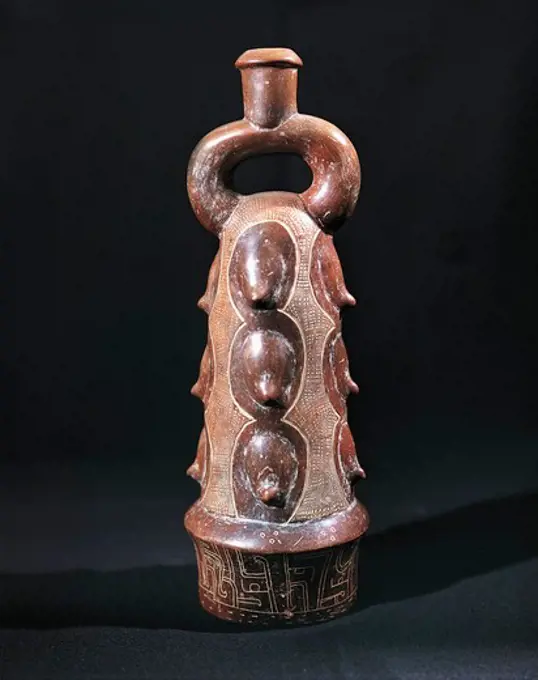
Tairona Ocarinas and Artifacts

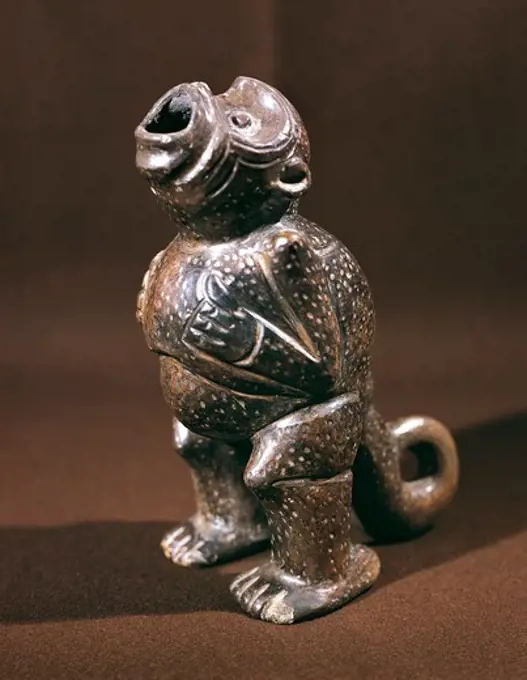
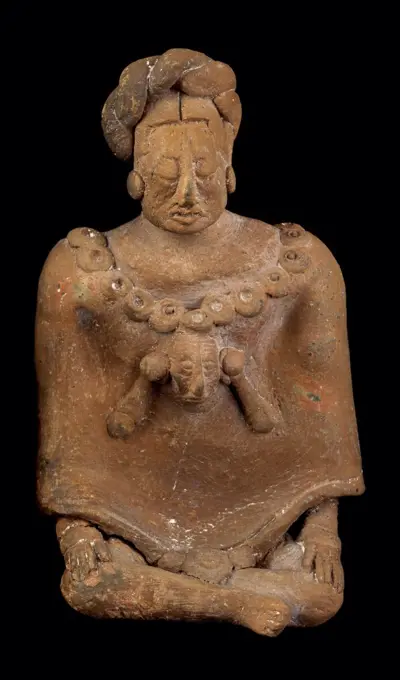
Ceramic ocarinas from the Tairona people, featuring detailed human figures, believed to have ceremonial functions, reflecting pre-conquest South American artistry.
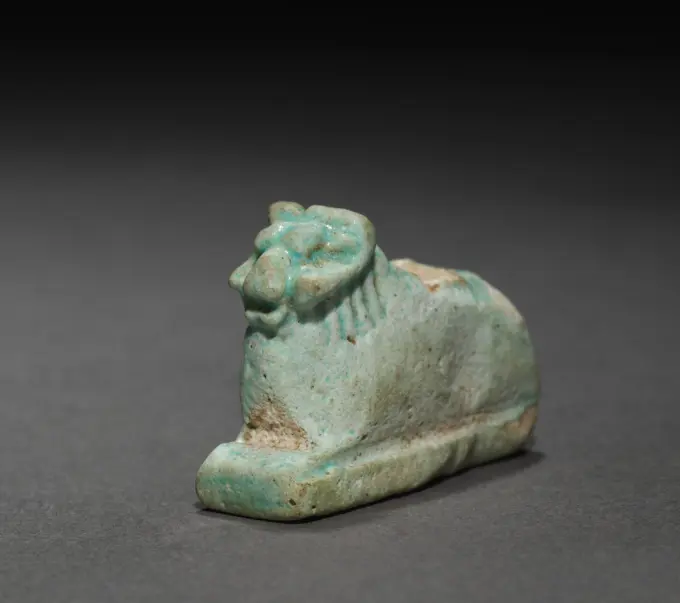
Ram Amulet, 305-30 BC. Egypt, Ptolemaic Dynasty. Light robin's egg blue faience; overall: 2.1 x 1.1 cm (13/16 x 7/16 in.).
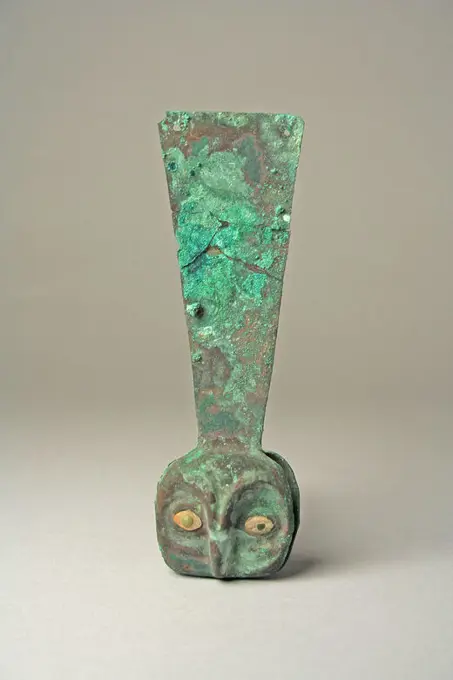
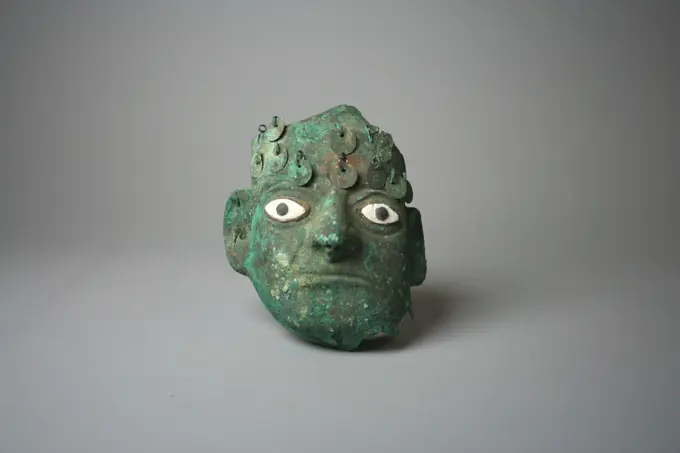
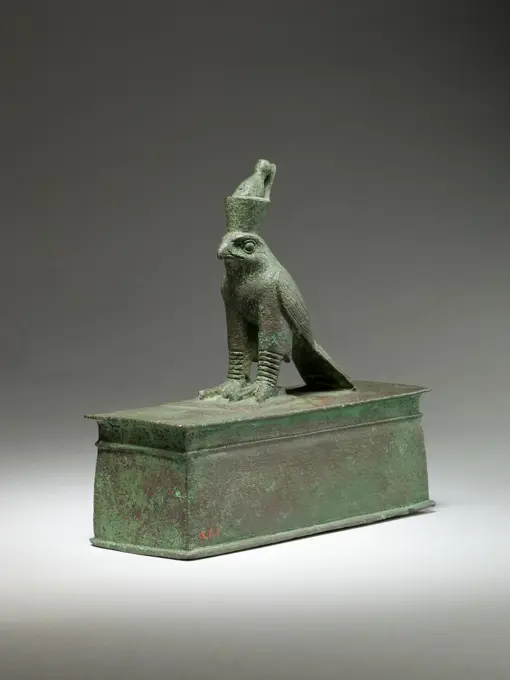
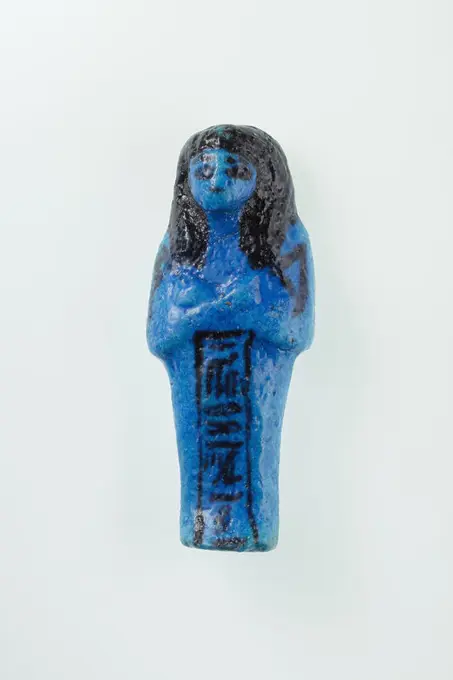
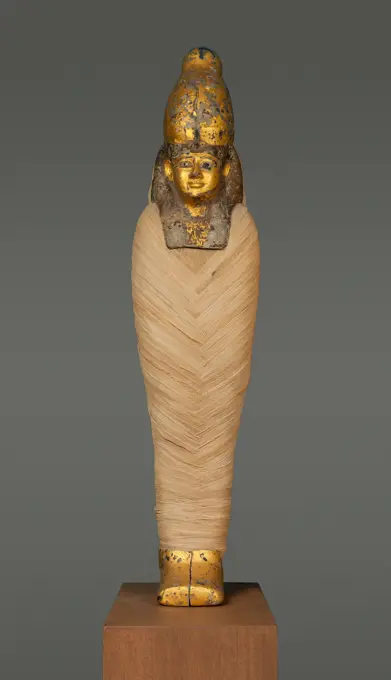
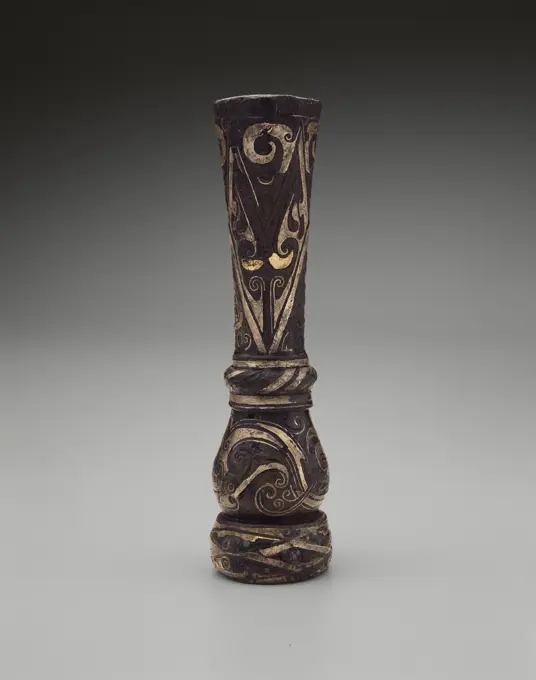
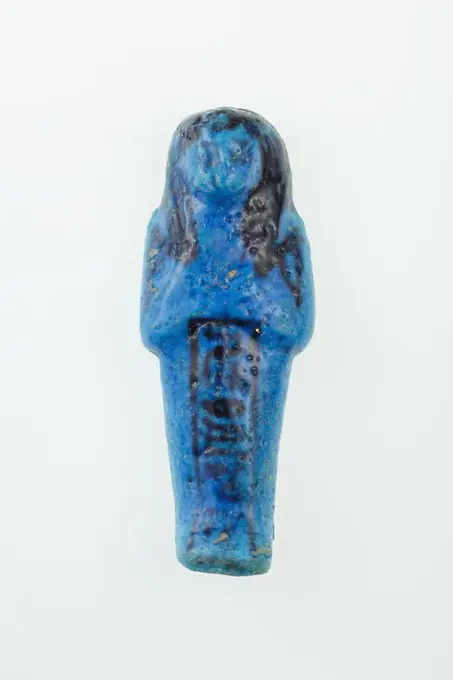
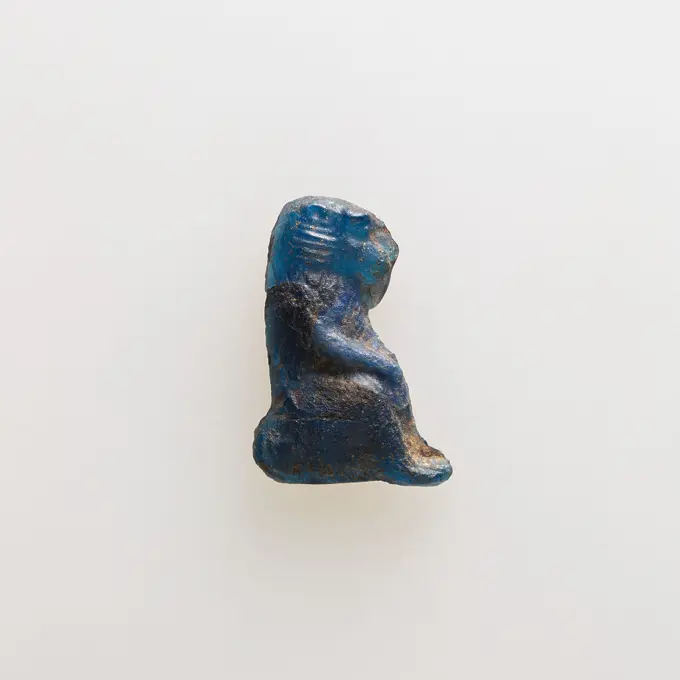
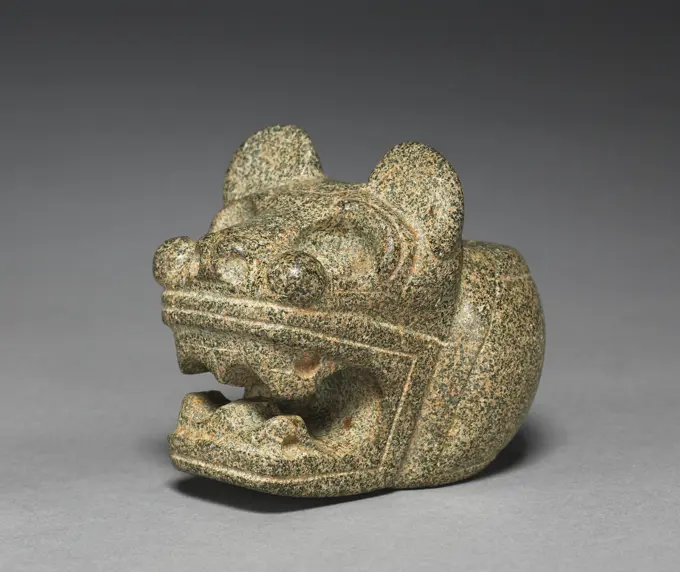
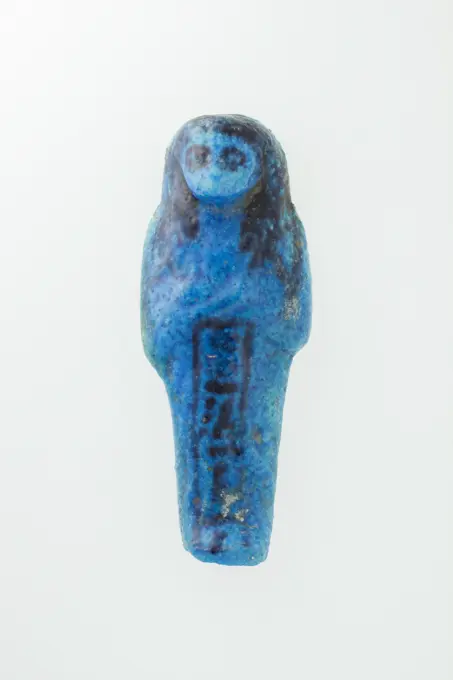
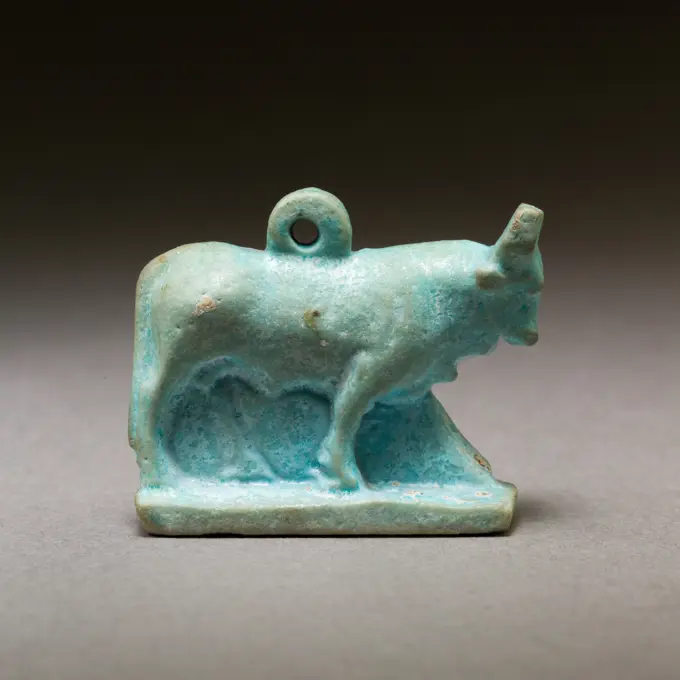
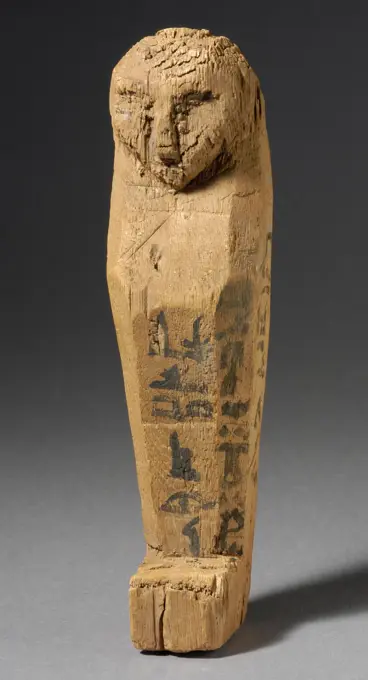
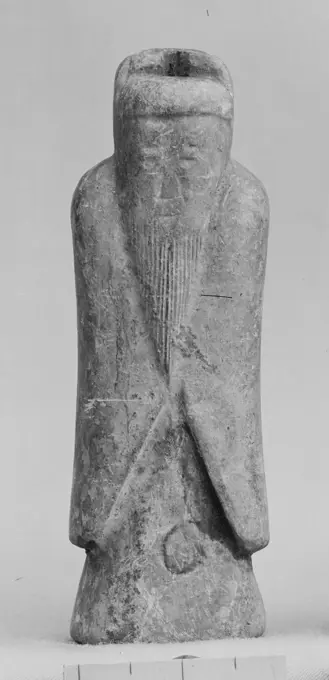
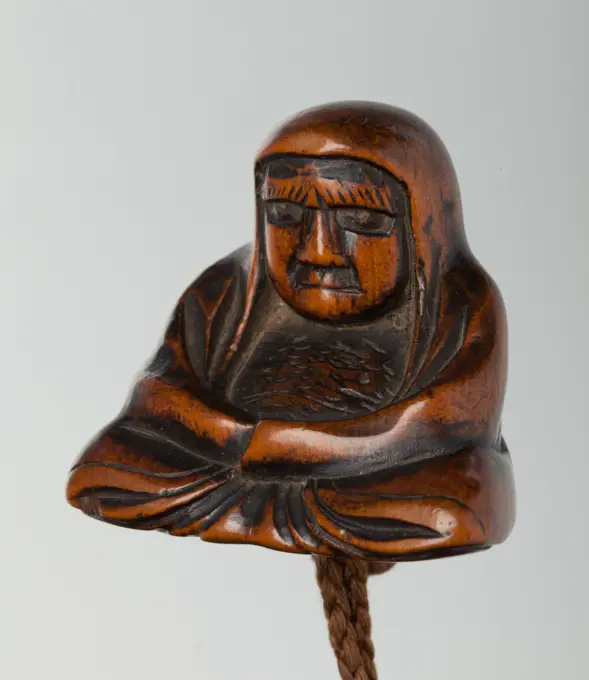
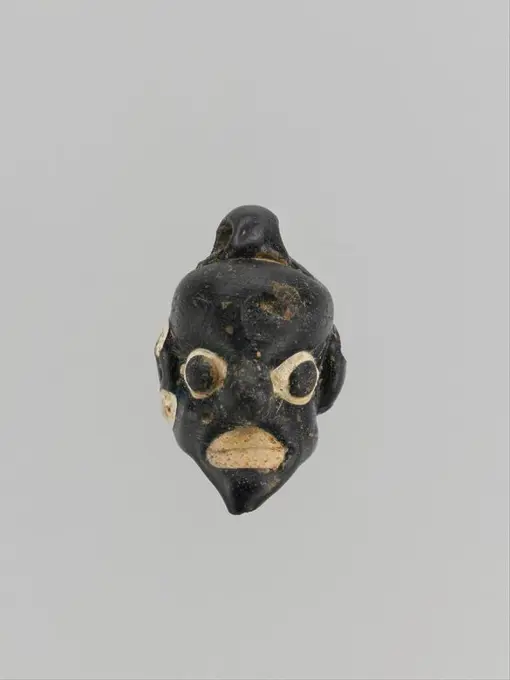
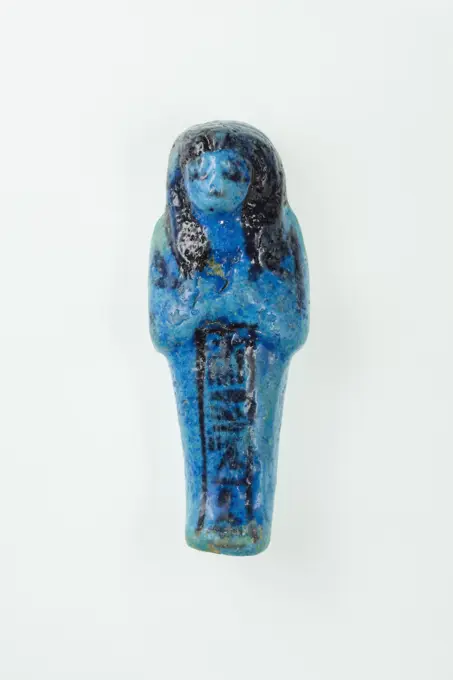
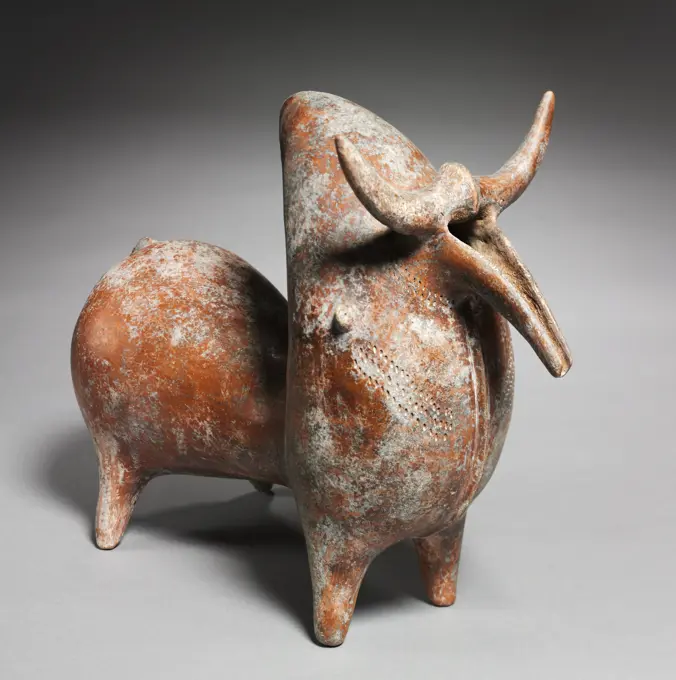
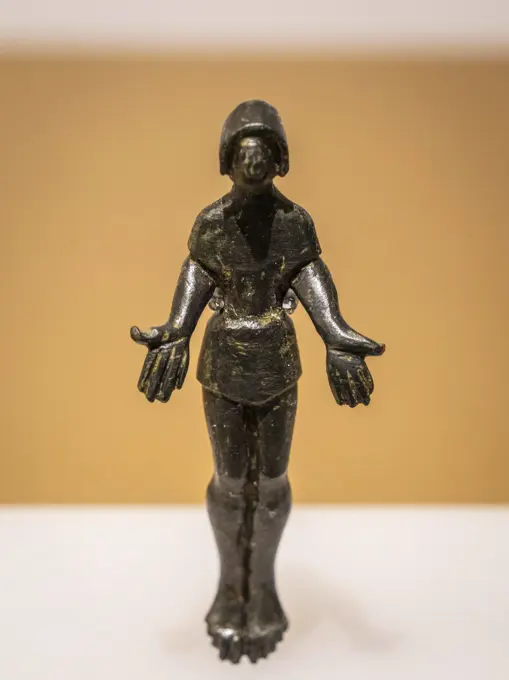
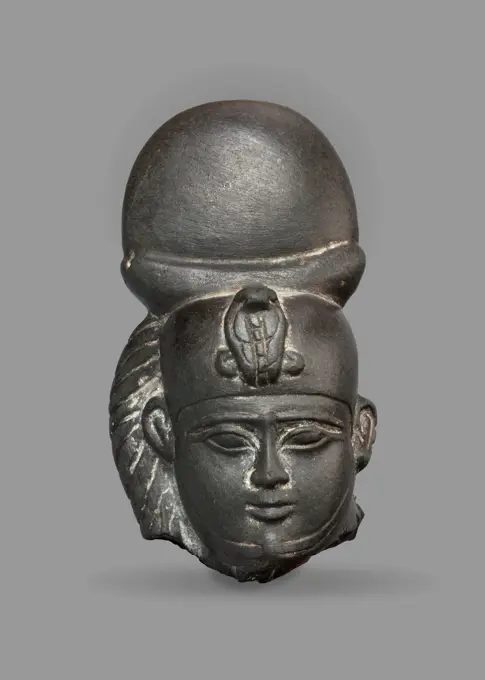
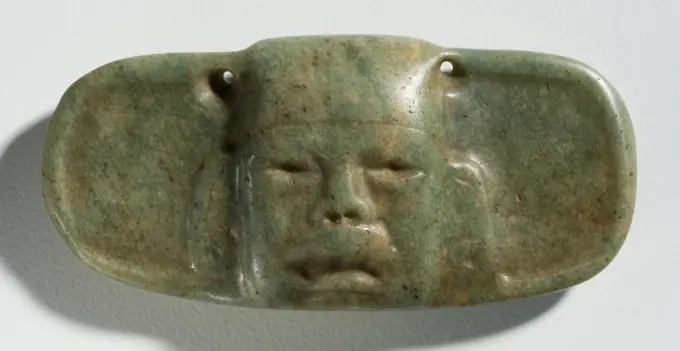
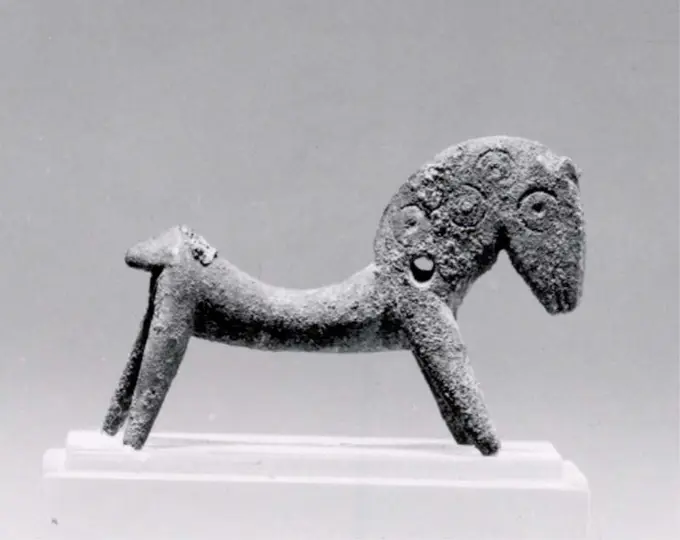
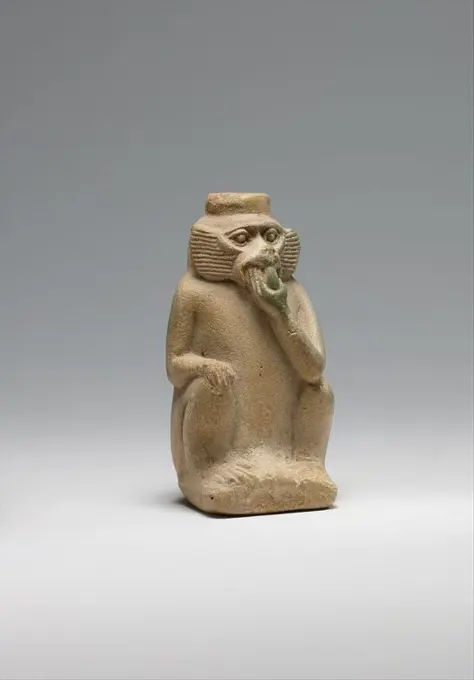
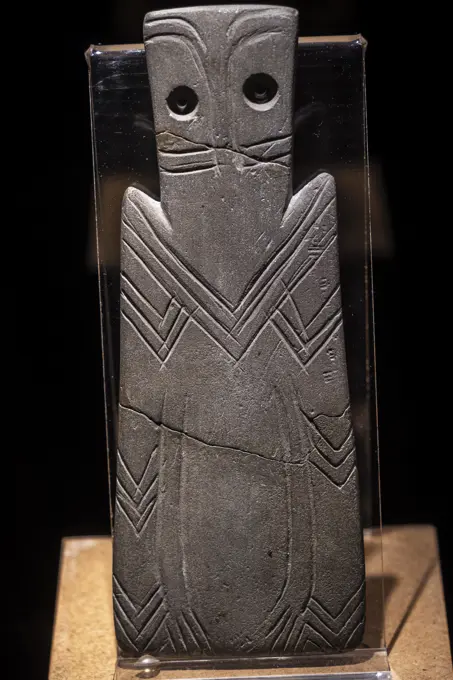
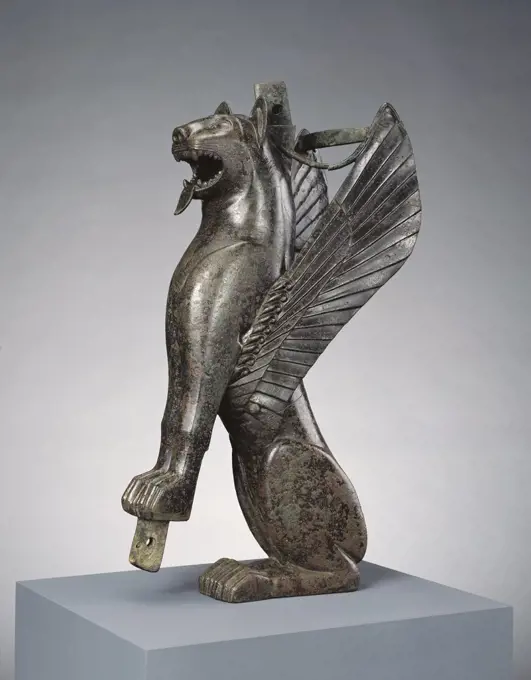
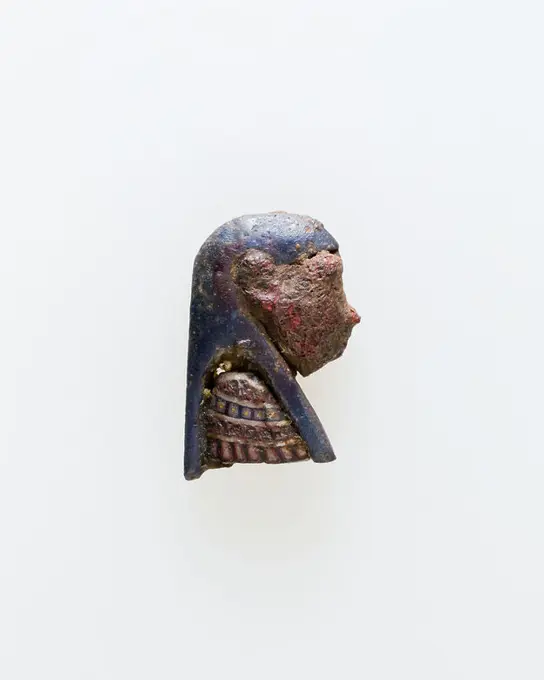
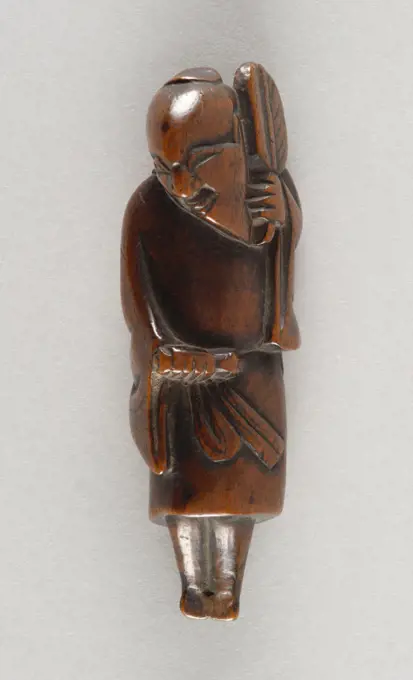
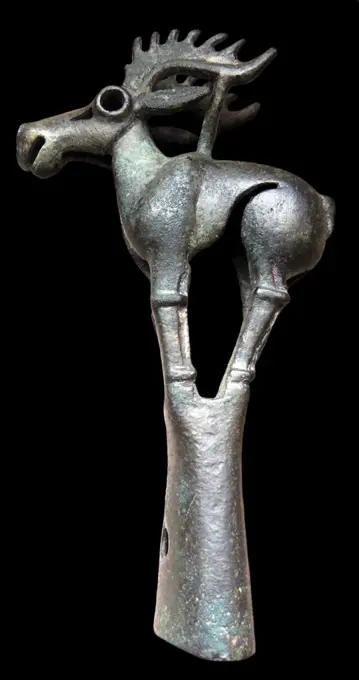
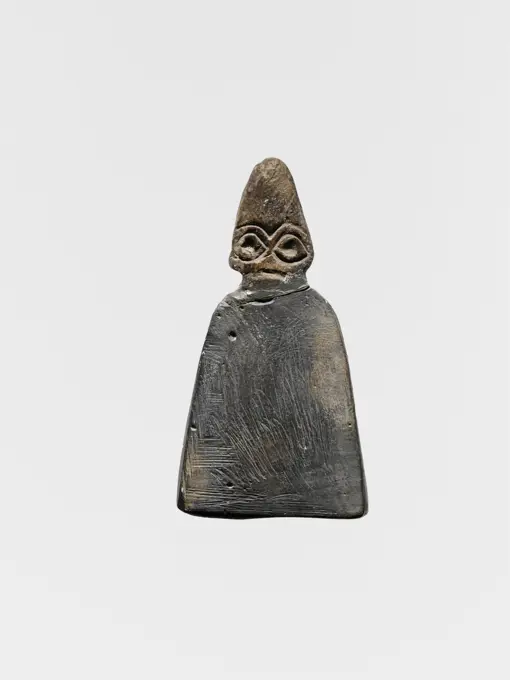
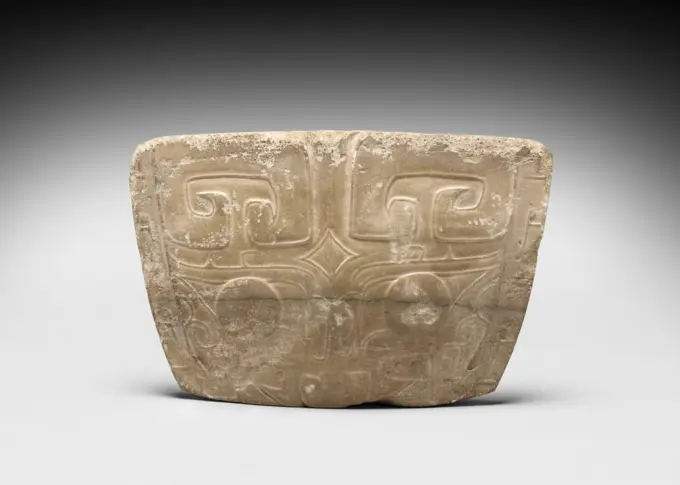
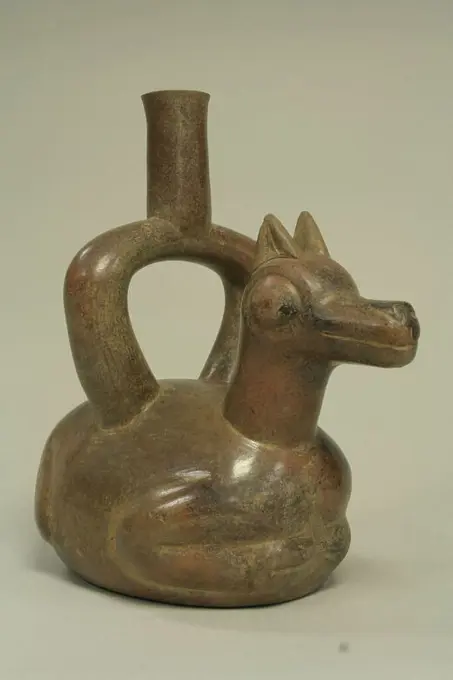
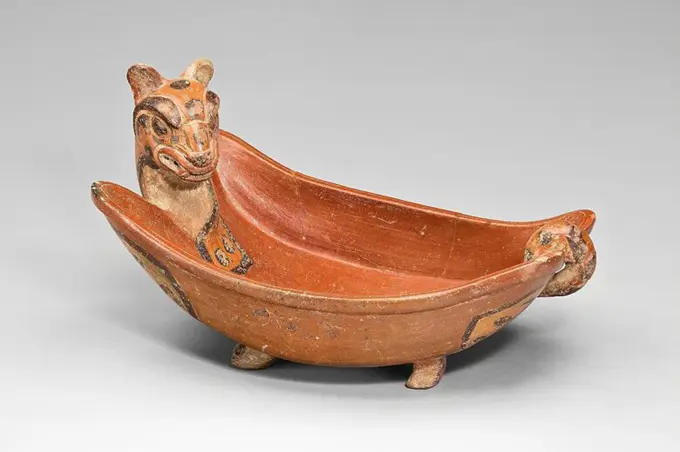
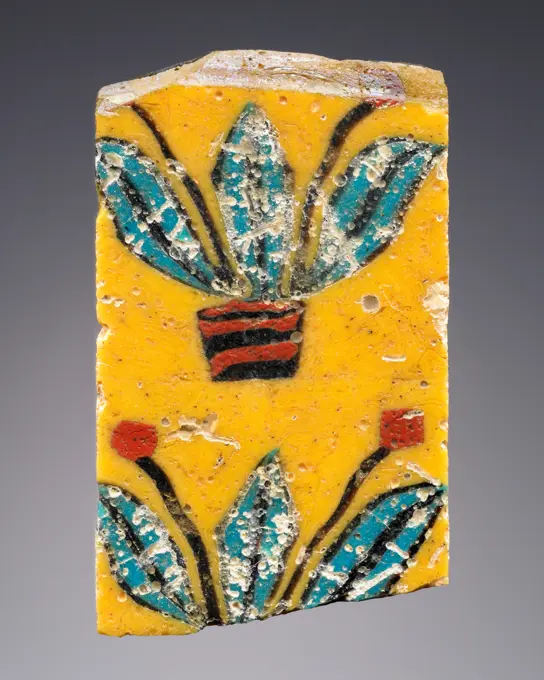
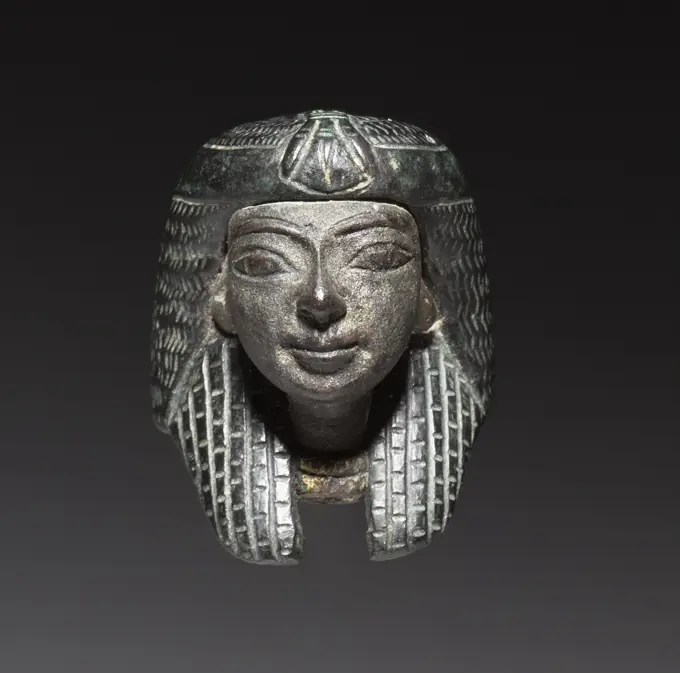
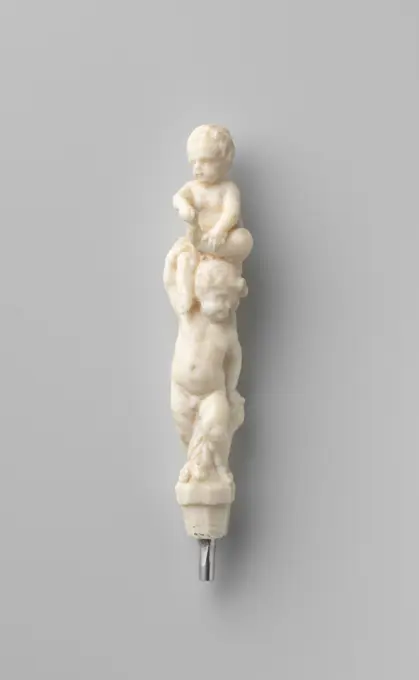
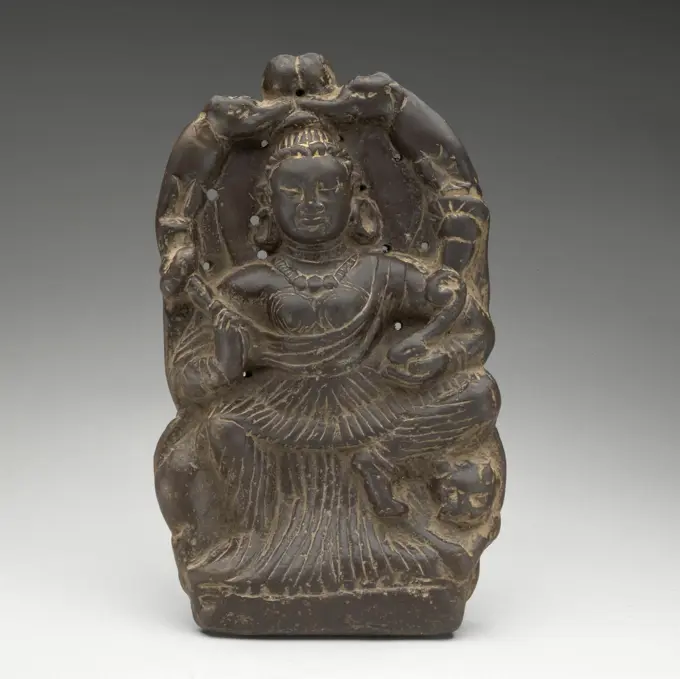
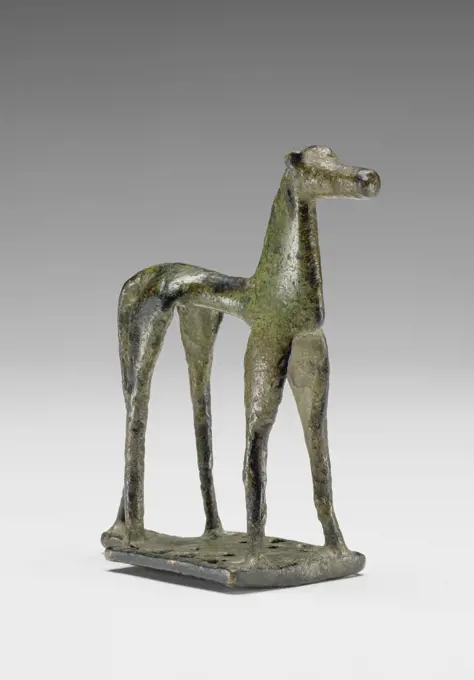
Vase in relief, from PeruOwl Tab Ornament. Culture: Moche (Loma Negra). Dimensions: Length 5-1/8 in. (13 cm). Date: 390-450. Museum: Metropolitan Museum of Art, New York, USA.Face Mask Ornament 6th-7th century Moche (Loma Negra). Face Mask Ornament 314349Falcon surmounting box for an animal mummy 664-30 B.C. Late Period-Ptolemaic Period The falcon god Horus stands with his wings swept back. He wears the double crown of Egypt, a royal crown that symbolizes the union of Lower and Upper Egypt, and highlights Horus role as the legitimate ruler of the entire land. The crowns elements are distinct and well made: the red crown of Lower Egypt, lacking only its curling spiral at the front, and the white crown of Upper Egypt. The falcon wears the double crown because Horus and the concept of kingship were closely tied, as early as the Predynastic Period. The falcon stands on a rectangular, shrine-shaped box that would have held an animal mummy. The falcon and box were fashioned separately. The falcon stands on a thin trapezoidal base, now joined with the top of the box. Such falcon mummy boxes, or sarcophagi, would have been offered for deposition in animal necropoleis, not just in relation to the cult of Horus, but also more broadly in associWarrior FigureStatuette of Ma'at, seated, with an ostrich feather on her head. From the 8th-7th century.Terracotta oil lamp Greek Mold-made. Carinated body. Large central filling hole, surrounded by a narrow, inward-sloping band. Sloping shoulder, decorated with radiating lines and knobs at sides; at left, a lion's head, and at right, a dolphin in profile facing forward. Slightly tapering nozzle, with mask of a satyr in high relief along its top. Incised base ring, and raised, concave base.Body complete, but front of nozzle broken off and missing.. Terracotta oil lamp. Greek. Terracotta. Hellenistic. TerracottasFire-Making Tool Element (LotingSantik)Amulet of a Baboon. Egyptian. Date: 1070 BC-656 BC. Dimensions: 2.5 × 1.6 × 1.3 cm (1 × 5/8 × 1/2 in.). Faience. Origin: Egypt. Museum: The Chicago Art Institute, Chicago, USA. Author: Ancient Egyptian.Ram's Head Finial. UnknownZoomorphic vessel in shape of monkey, Peru, Cupinisque cultureWorker Shabti of Nany. Dimensions: H. 8.6 × W. 3.4 × D. 1.9 cm (3 3/8 × 1 5/16 × 3/4 in.). Dynasty: Dynasty 21. Reign: reign of Psusennes I. Date: ca. 1050 B.C..See 30.3.27.1a, b. Museum: Metropolitan Museum of Art, New York, USA.Gilded wax on a reconstructed body of ancient linen 400-250 B.C. Ptolemaic Period A reconstructed body of ancient linen was created in the 1940s in order to display this mask and foot cover. Originally they belonged to a similarly shaped figure that was filled with grain, which is why such figures are called "corn mummies." They represent the god Osiris and, since the grain could sprout, they symbolized new life.. Gilded wax on a reconstructed body of ancient linen 560258Tubular Fitting Artist's working dates 399 BCE-222 BCE China. Sumptuously inlaid bronze tubes were designed as fittings for weapons, scepters, and chariots. This hexagonal fitting was probably a ferrule (dun), used to cap the lower end of a wood shaft for a bronze halberd. In its remarkable fluency, the inlaid design of volutes and spirals was largely inspired by contemporary lacquer painting.. Bronze inlaid with gold and silver .Janus figure after 16th century Colonial (). Janus figure 307906Stirrup Spout Bottle with Owl Head 3rd-5th century Moche. Stirrup Spout Bottle with Owl Head 307869Worker Shabti of Nany. Dimensions: H. 8.8 × W. 3.2 × D. 2 cm (3 7/16 × 1 1/4 × 13/16 in.). Dynasty: Dynasty 21. Reign: reign of Psusennes I. Date: ca. 1050 B.C..See 30.3.28.1a, b. Museum: Metropolitan Museum of Art, New York, USA.Pate Defense ca. 1550 German. Pate Defense 27144Amulet of squatting baboon. Dimensions: H. 2.7 × W. 1.9 cm (1 1/16 × 3/4 in.). Date: 525-30 BC.Starting in the later Late Period and continuing through the Ptolemaic Period, a type of glass amulet cast by pressing the glass into a shallow open mold appears. The back was left rough, and the amulets may look ragged because glass overflowed the mold around the edges. The earlier amulets are monochrome, bi- or multicolor amulets supplement the repertoire during the Ptolemaic Period. Some of the amulets can be specifically tied to spells of the Book of the Dead - for example, acc. no. 17.194.2526 - and most are clearly funerary amulets, presumably meant to be wrapped between the bandages of the mummy where the presence of the amulet would do its job irrespective of its degree of finish. Museum: Metropolitan Museum of Art, New York, USA.Ceremonial Mace (Club) Head: Feline (Jaguar), c. 300 BC - AD 600. Costa Rica, Southern Nicoya region, 4th century BC - AD 7th century. Stone; overall: 8.8 x 7.7 x 10.6 cm (3 7/16 x 3 1/16 x 4 3/16 in.).Coin Bank. UnknownStanding female flute player Early 5th century B.C. Cypriot The figurine is mold-made and solid, with handmade arms and flute. The back is plain. The arms are bent forward to hold a double flute. She originally stood at the center of a group of ring dancers.. Standing female flute player 241245Whistle, Figure With Head On Head 9th-5th century B.C. Tembladera. Whistle, Figure With Head On Head. Tembladera. 9th-5th century B.C.. Ceramic. Peru, Tembladera. Ceramics-Musical InstrumentsWorker Shabti of Nauny ca. 1050 B.C. Third Intermediate Period See 30.3.30.1a, b. Worker Shabti of Nauny. ca. 1050 B.C.. Faience. Third Intermediate Period. From Egypt, Upper Egypt, Thebes, Deir el-Bahri, Tomb of Meritamun (TT 358, MMA 65), first corridor, burial of Nauny, MMA excavations, 1928-29. Dynasty 21Purple Hairstreak (Neozephyrus quercus) butterfly egg on tree bud, Knegsel, Noord-Brabant, NetherlandsBull amulet 664-30 B.C. Late Period-Ptolemaic Period The amulets 44.4.23-44.4.28 have a uniformity of size and detailing that constitutes a stylistic relationship. Possibly they were made in related workshops.. Bull amulet. 664-30 B.C.. Pale blue faience. Late Period-Ptolemaic Period. From EgyptPendant: Ram's Head; Italy; 500 - 400 B.C; Amber; 14 × 17 × 25.5 mm (9,16 × 11,16 × 1 in.)Snuff Bottle, 19th century, 5 x 1 7/8in. (12.7 x 4.8cm), Ivory, China, 19th centuryShabti. Egypt, Middle Kingdom - Ptolemaic Period (2061 - 31 BCE). Sculpture. WoodAmulet of a Seated Lion-headed Goddess Holding a Sistrum, possibly Bastet 945 BCE-664 BCE Egypt. Faience . Ancient EgyptianMortuary figure China. Mortuary figure 43189CDK unknownGlass pendant in the form of a demonic mask. Culture: Phoenician. Dimensions: 3/4 × 7/16 × 7/16 in. (2 × 1.2 × 1.2 cm). Date: mid-5th-4th century B.C..Uncertain color, appearing black, with additions in same color and opaque white.Cylindrical with large rod hole at bottom; horizontal rounded edge at back, pointed front projecting downwards; applied suspension loop on top of head.Applied stratified eyes, ears decorated above and below by earrings, and nose; large downturned mouth, pointed beard or chin, and blob on forehead.Intact, but missing proper left earrings and blob in forehead; pitting, dulling, and some weathering, with thick reddish brown encrustation in rod hole.Black opaque mask with white decoration; handle at top. Museum: Metropolitan Museum of Art, New York, USA.Worker Shabti of Nany ca. 1050 B.C. Third Intermediate Period See 30.3.27.1a, b. Worker Shabti of Nany. ca. 1050 B.C.. Faience. Third Intermediate Period. From Egypt, Upper Egypt, Thebes, Deir el-Bahri, Tomb of Meritamun (TT 358, MMA 65), first corridor, burial of Nany, MMA excavations, 1928-29. Dynasty 21Spouted Zebu Vessel, c. 1000 BC. Marlik, Iran, c. 1000 BC. Earthenware, burnished; overall: 25.7 x 14.4 x 32.1 cm (10 1/8 x 5 11/16 x 12 5/8 in.).Profile Warrior Face 6th-7th century Moche (Loma Negra). Profile Warrior Face 313430Hunchback Figure Beaker. Culture: Chimú. Dimensions: H. 7 3/4 x Diam. 5 1/4 in. (19.7 x 13.3 cm). Date: 14th-15th century. Museum: Metropolitan Museum of Art, New York, USA.The bird;  19th century (1800-00-00-1900-00-00);Stone Temple Model 1st-8th century Mezcala. Stone Temple Model 317493Powder Flask, c. 1550. Germany, 16th century. Carved staghorn (two branches); mounts missing; overall: 14.3 x 10.2 cm (5 5/8 x 4 in.).Figurine, 700s - 900s. Iran, early Islamic period, 8th - 10th century. Bone, incised; overall: 8.3 x 3.6 x 0.4 cm (3 1/4 x 1 7/16 x 3/16 in.).Monkey figurine. unknown, craftsmanmale Iberian bronze votive offering male Iberian bronze votive offering, Altos del Sotillo, Castellar, Iberian Museum of Jaén, Andalusia, Spain Copyright: xZoonar.com/BartomeuxBalaguerxRotgerx 21714911A fragment of the figurine of the god Chons - G  664-525 BC ; Half period, 26 dynasty (-664-00-00--525-00-00);Chonsu (Mitol.), Hoffmann, Henri (1865-1917), Hoffmann, Henri (1865-1917)-collection, scenes.gal.gal., Egyptian deities, dyski and moonfields, moonlites and sicklePower Figure: Seated Female (Nkisi) 19th century Kusu peoples. Power Figure: Seated Female (Nkisi) 311022Figure Fragment: Head. Culture: Ibibio peoples, Oron group. Dimensions: H. 13 1/4 x W. 5 3/8 in. (33.7 x 13.7 cm). Date: 18th-19th century. Museum: Metropolitan Museum of Art, New York, USA.Head with Melon Coiffure. UnknownEarOrnament. Artist: UnknownPrehistory, Malta, Neolithic. Votive statue. From Brochtorff Circle at Xaghra, Gozo IslandBronze dagger, Shang dynastyOrnament with Two Horses. China, nomadic, Han, 206 B.C. - 220 A.D.. Sculpture. Cast bronzeMonkey. Mexico, Guerrero, Mezcala, 500 BCE-1000 CE. Stone. StoneShoulo in Jeleń - Kadzielniczka;  18th century (1701-00-00-1800-00-00);Faience Mold, Late Period (). Egypt, Late Period (). Terracotta; overall: 3.2 x 7.6 cm (1 1/4 x 3 in.).Amulet of the God Bes 1069 BCE-664 BCE Egypt. Faience . Ancient EgyptianHead Ornament, c. 600-900. Mexico, Chichén Itzá, Maya, 7th-10th Century. Jade; overall: 3.1 x 2 x 1.5 cm (1 1/4 x 13/16 x 9/16 in.).Vessel, amphora; Unknown Egyptian workshop; 2 after. IV-V century (351-00-00-500-00-00);HairpinHeddle pulley, 20th century, 10 × 3 1/2 × 2 3/4 in. (25.4 × 8.89 × 6.99 cm) (with base), Wood, Côte d'Ivoire, 20th centuryPendant. Mexico, Olmec, 1000-400 BCE. Stone. Light green stonePendant in the form of a horse 1st millennium B.C.-1st millennium A.D.. Pendant in the form of a horse 325518Pilgrim's Badge 14th-16th century French. Pilgrim's Badge. French. 14th-16th century. Lead. Metalwork-LeadPerfume vessel in shape of a monkey. Dimensions: h. 6.5 cm (2 9/16 in); w. 3.3 cm (1 5/16 in); d. 3.8 cm (1 1/2 in). Dynasty: Dynasty 18. Date: ca. 1550-1295 B.C.. Museum: Metropolitan Museum of Art, New York, USA.Pair of Figures, 1900s. Guinea Coast, Nigeria, Hausa, 20th century. Wood and paint;Mayan Clay Figurine c. 700-1000 A.D. Campeche, Mexico Pre-Columbian Collection of The Museum of Contemporary Art, Jacksonville, Florida'Figurine of a Horse (fragment)'. Cyprus, 4th century BC. Dimensions: l. 12 cm. Museum: State Hermitage, St. Petersburg.idol plate idol plate, schist, 3600-2500 BC, Idanha-a-Nova, Castelo Branco, Portugal, Huelva Museum, Huelva, Andalusia, Spain Copyright: xZoonar.com/TOLOxBALAGUERx 21720834Museum of Vietnamese History. Mukhalinga or Mukhalingam is a linga with one human faces. The linga is an aniconic representation of the Hindu god Shiva. 7 th century. Sandstone. Ho Chi Minh city. Vietnam.Standing female figure, 200-700, 3 x 1 1/2 x 1/2 in. (7.6 x 3.8 x 1.3 cm), Earthenware, Mexico, 3rd-8th centuryBird Headed Figure Vessel 3rd-6th century Moche This ceramic bottle depicting a seated figure with the head of a bird and the body of a human was created on the North Coast of Peru by artists of the Moche culture (A.D. 200-850). Moche potters are well known for their fine ceramics revealing a close observation of flora and fauna, as well as imaginative creations that combine features of humans and animals. Here the artist has sculpted a vessel into an avian-headed form dressed in Moche womens attire of long tunic and sash. The figure itself holds a ceramic jar, decorated with a simple design at the neck. The exterior of the entire bottle was painted with cream and red-ochre slips (suspensions of clay and/or other colorants in water) and polished with a smooth stone or other implement before firing. The significance of this anthropomorphic depiction is unclear, but the Moche often showed animals in battle, hunting, and ritual scenes. Birds garbed in a manner similar to this example areFurniture Support Representing a Winged Feline; Unknown; Tartessos, Spain, Europe; 700 - 575 B.C.; Bronze; Object: H: 61 x W: 19.4 x D: 33 cm (24 x 7 5/8 x 13 in.)Inlay, profile bust fitted from sections. Dimensions: H. 2.9 × W. 1.8 cm (1 1/8 × 11/16 in.). Date: 200 BC-100 AD.Glass figural inlay elements could be fitted in individual wooden cells, or placed immediately adjacent to other elements and attached to a background as they have been to create this bust'. Museum: Metropolitan Museum of Art, New York, USA.Wine carafe with dancers. Property of the Foundation for the Hamburg Art CollectionsHorse Bit Cheekpiece , c. 700 BC. Luristan, Iran, c. 700 BC. Bronze, cast and incised; overall: 14.9 x 21.3 cm (5 7/8 x 8 3/8 in.).Pedra stone peg-base figure from Costa Rica. Dated 11th CenturyMask, first half of 20th century, 30 1/2 x 11 1/4 x 20 1/2 in. (77.47 x 28.58 x 52.07 cm), Wood, pigment, metal, Côte d'Ivoire, 20th century, This mask is a 'firespitter.' The wearer places dried grasses and glowing chips of wood in the mouth and blows on them, usually in nighttime performances when the effect is most dramatic. Get closer to the mask and youll see an assortment of devouring jaws, dagger-like tusks, and multiple horns. The mask is meant to evoke the terror of sorcery while also conveying the kind of supernatural warfare it takes to protect the community from ill-intentioned people.Ancient Greek vase with human head isolated on white backgroundSphinx-shaped foot of vessel. Dimensions: Height: 6.4 x W: 2.7 x D: 7 cm (2 1/2 x 1 1/16 x 2 3/4 in.). Date: ca. 150 B.C.-150 A.D.. Museum: Metropolitan Museum of Art, New York, USA.VASO MOCHICA - PERU. Location: MUSEO DE AMERICA-COLECCION. MADRID. SPAIN.Bronze head of a bearded man or god ca. 100 B.C.-A.D. 100 Greek or Roman Bearded.. Bronze head of a bearded man or god 246277netsuke, wood, carved, Figure of a sage with scroll and fan, perhaps one of the sennin (or eight immortals), Shoriken., 18th century, Decorative Arts, Figure, FigureBronze pole-top in the form of an elk. Ordos type, 6th-5th century BC.Eye idol ca. 3700-3500 B.C. This type of figurine known as an eye idol, made of stone and having incised eyes, has been excavated at Tell Brak, where thousands were found in a building now called the Eye Temple. They were probably dedicated there as offerings. Many are incised with multiple sets of eyes, others with jewelry, and still others with representations of "children"smaller eyes and body carved on the body of the larger idol. Wide eyes demonstrate attentiveness to the gods in much of Mesopotamian art.. Eye idol 324149Fragment of a Lion Head. Iran, Achaemenid priod (550-330 BC). Sculpture. Buff burnished ceramicIvory knife lift Prince Willem III. Ivory knife lift present Prince Willem III standing with crossed hands and a ribbon over his left shoulder. On the ribbon on his left breast, a small silver hexagonal asterisk is indicated, the inscription "Penta Oraen" is on the back. Pendant of messenheft inv.no. NG-NM-570.Taotie (Ogre Mask), c. 1200-1050 BC. China, Shang dynasty (c.1600-c.1046 BC). Marble; overall: 8.6 x 13.5 cm (3 3/8 x 5 5/16 in.).Stirrup-Spout Bottle: Llama. Culture: Cupisnique. Dimensions: Height 8-1/4 in. (21 cm). Date: 12th-5th century B.C.. Museum: Metropolitan Museum of Art, New York, USA.Terracotta Statuette of a Siren, Greek, Archaic period, circa 550-500 BCOpen Bowl in the Form of a Jaguar. Ometepe Island, Lake Nicaragua (Cocibolca), Nicaragua. Date: 600 AD-900 AD. Dimensions: 15.2 x 26.7 x 17.2 cm (6 x 10 1/2 x 6 3/4 in.). Ceramic and pigment. Origin: Ometepe, Isla de. Museum: The Chicago Art Institute, Chicago, USA.Floral Plaque Fragment. UnknownBaboon skin-scaper; North Afrcan terracotta. Underside of the base has a roughened surface.Akhenaton and Nefertiti  Egyptian Art Bronze Mount from a "Shawabty Bundle": Head, c. 1336-1256 BC. Egypt, Thebes, Wadi Qubbanet el-Qirud, New Kingdom, late Dynasty 18 or early Dynasty 19. Bronze, black copper wig, traces of gilding; overall: 3.3 x 2.6 x 2.9 cm (1 5/16 x 1 x 1 1/8 in.).Bestekheft met spelende kinderen.Over a stump, against which a flower gluy is hanging, is a knap, which supports a truncated branch with the left hand, while holding the right, upwardly aimed arm against the dependent leg of a second knap, which is above it onto the stump and Left foot lights up with both hands.Knife Handle with Prince William III, anonymous, c. 1689 - c. 1702  Ivory Messenhft representing Prince William III standing with crossed hands and a ribbon over his left shoulder. On the ribbon on his left breast a small silver hexagonal asterisk has been committed, on the back the inscription is "Vijfa Oraen". Pendant of Messenheft Inv.nr. NG-NM-570. Netherlands ivory cuttingTemple 1st-8th century Mezcala. Temple 317467Goddess of Abundance Enthroned on Lion and Lustrated by Elephants 601 CE-800 CE India. Chlorite .Whistle in the form of a Figure in a House, 3rd-8th century, 5 1/2in. (14cm), Earthenware, Mexico, 3rd-8th centuryStirrup spout bottle with sitting figure. Culture: Moche. Dimensions: Overall: 7 x 4 5/8 in. (17.78 x 11.71 cm)Other: 4 5/8 in. (11.71 cm). Date: 2nd-3rd century. Museum: Metropolitan Museum of Art, New York, USA.Statuette of a Horse; Greece; 750 - 700 B.C; Bronze; 7.9 × 3.5 × 5.5 cm (3 1,8 × 1 3,8 × 2 3,16 in.)