Tairona Ocarinas and Artifacts

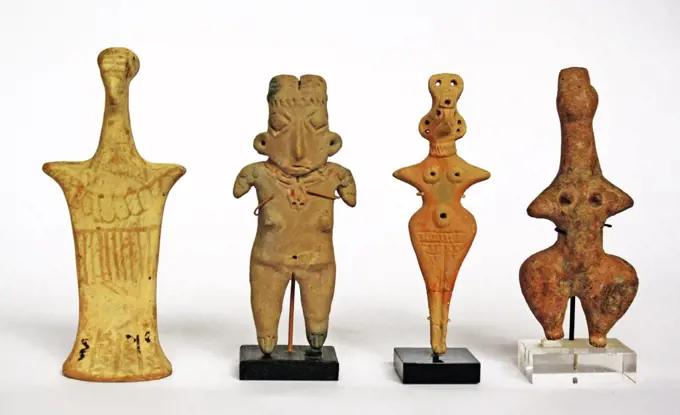
Ceramic ocarinas from the Tairona people, featuring detailed human figures, believed to have ceremonial functions, reflecting pre-conquest South American artistry.
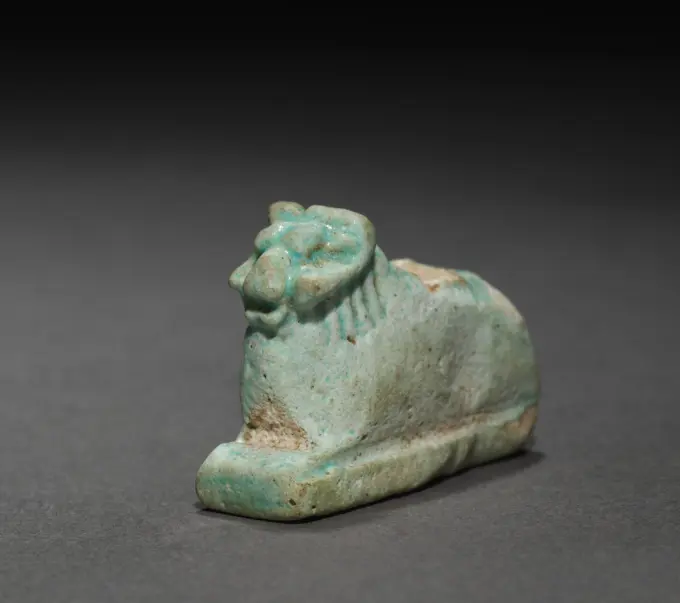
Ram Amulet, 305-30 BC. Egypt, Ptolemaic Dynasty. Light robin's egg blue faience; overall: 2.1 x 1.1 cm (13/16 x 7/16 in.).
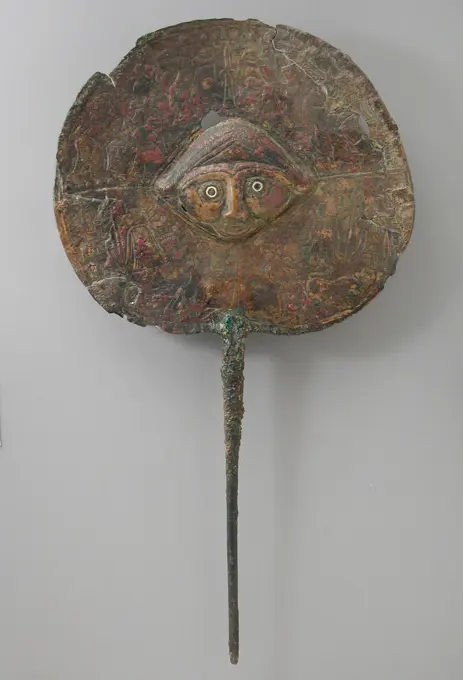
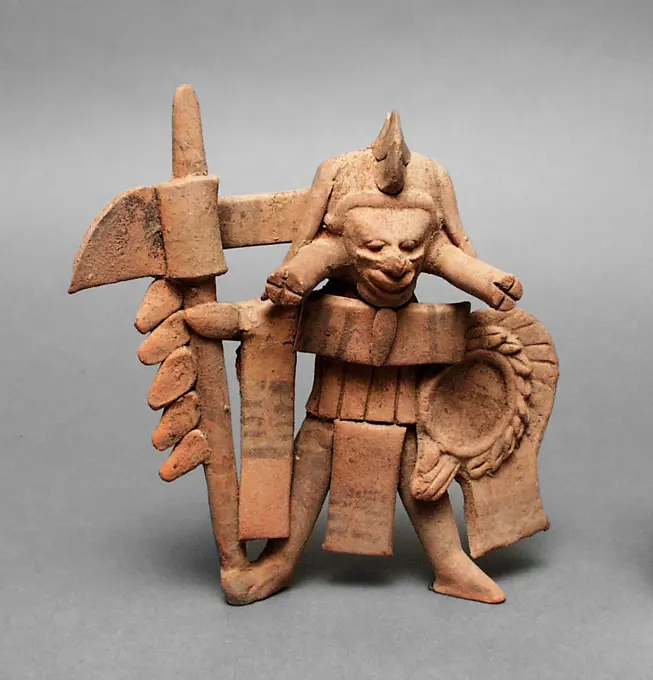
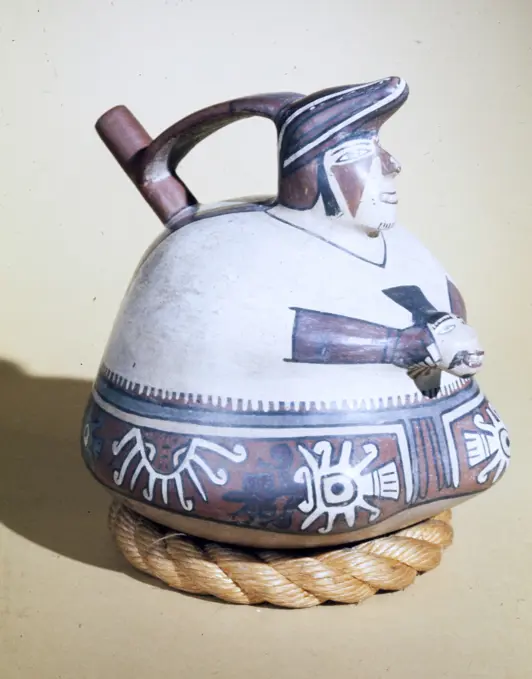
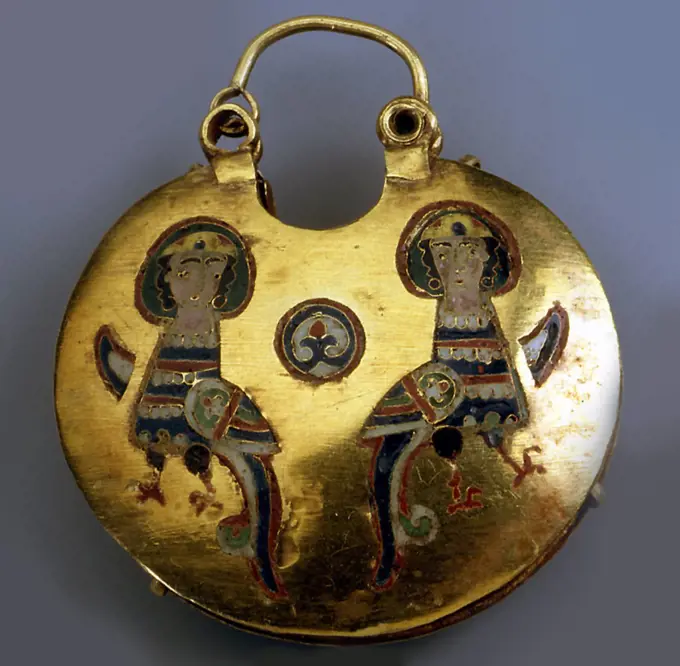
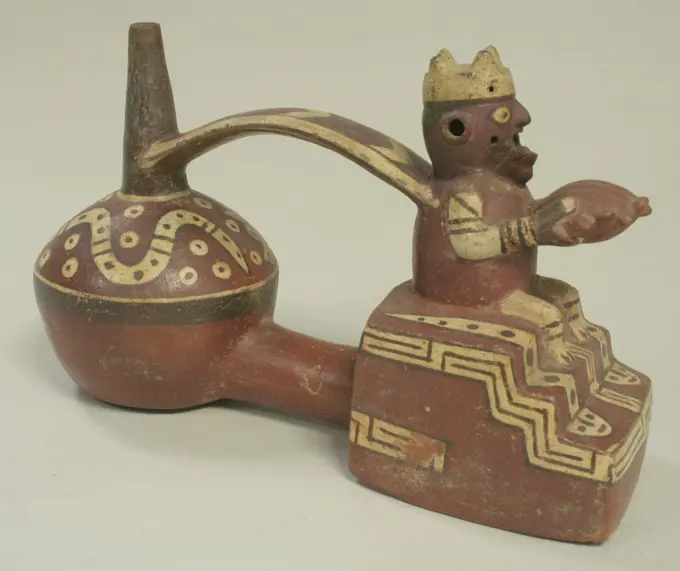
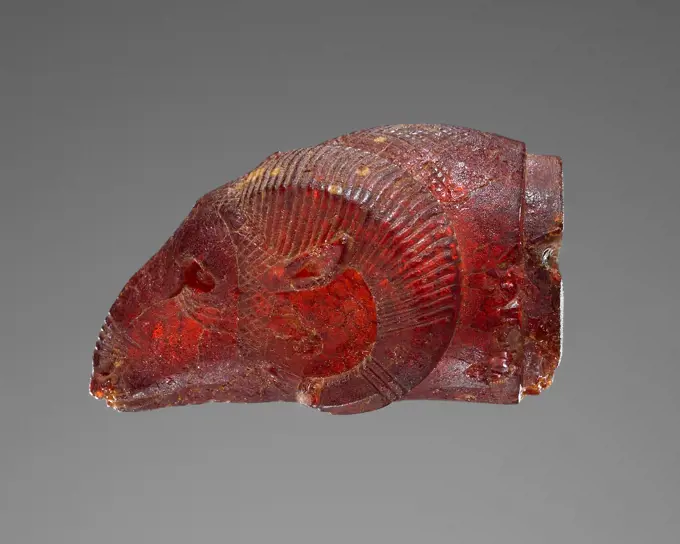
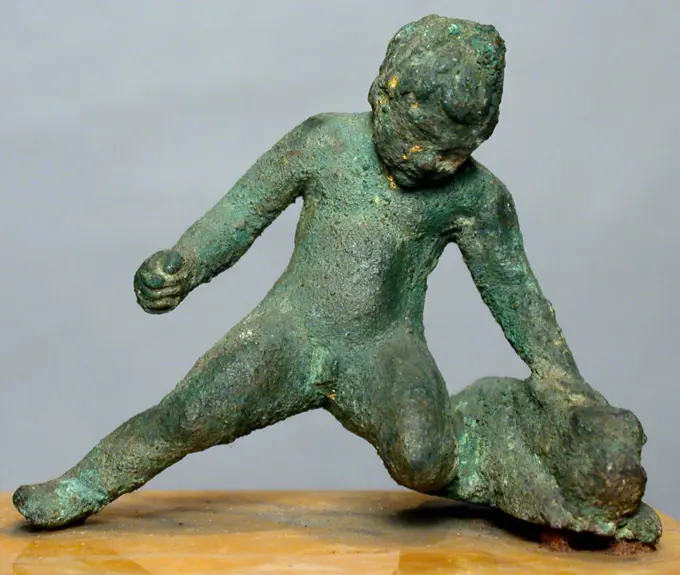
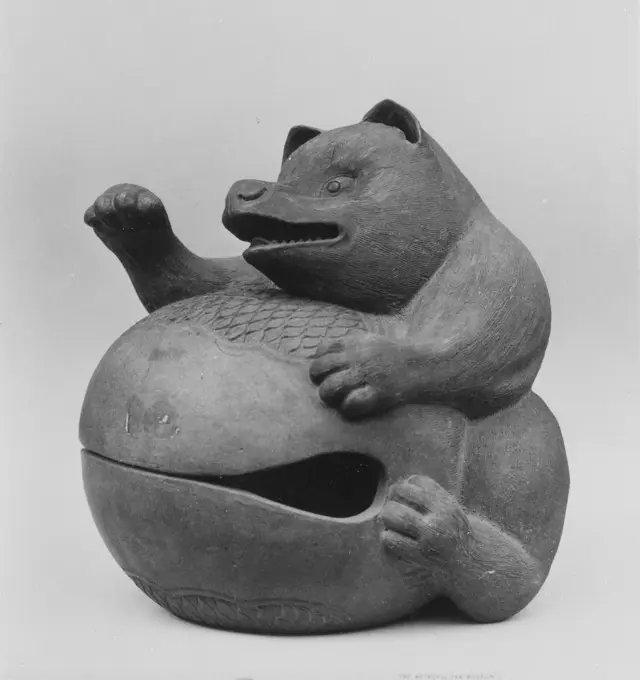
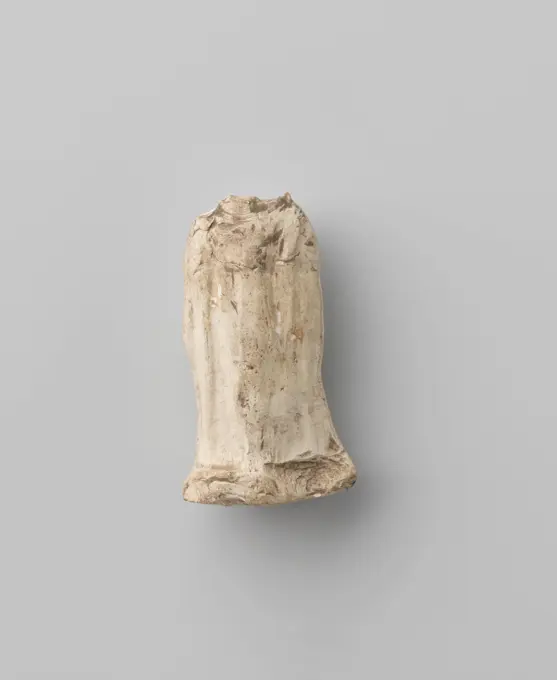
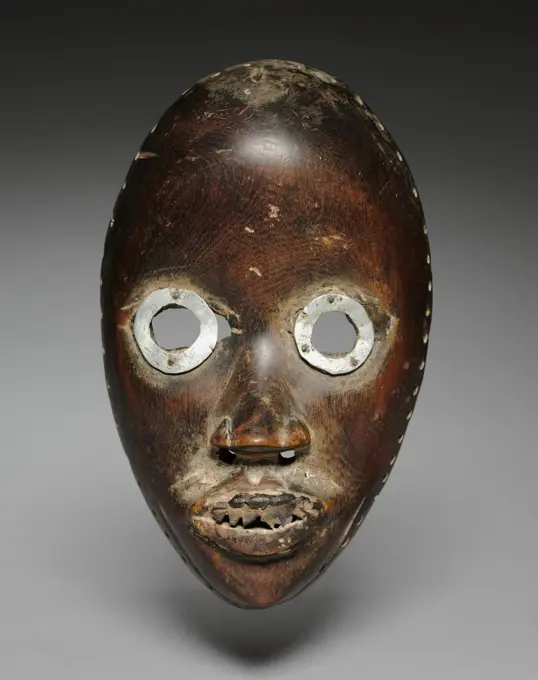
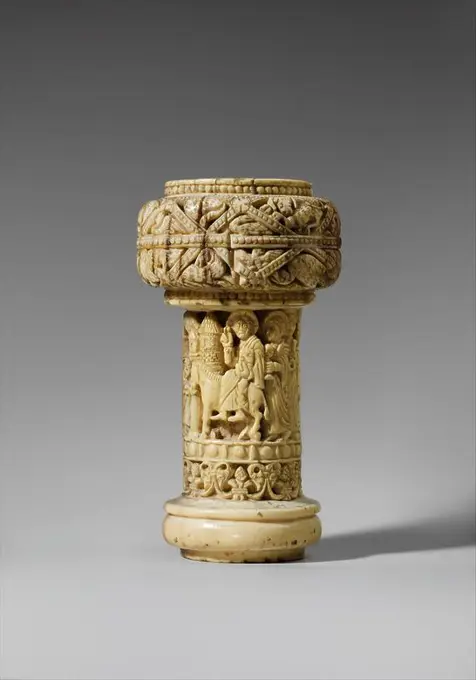
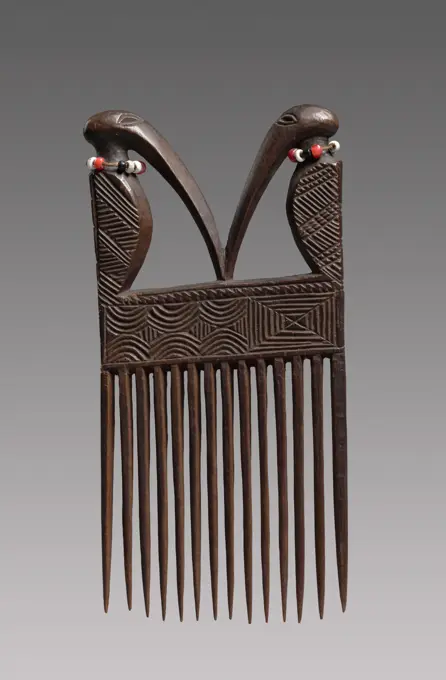
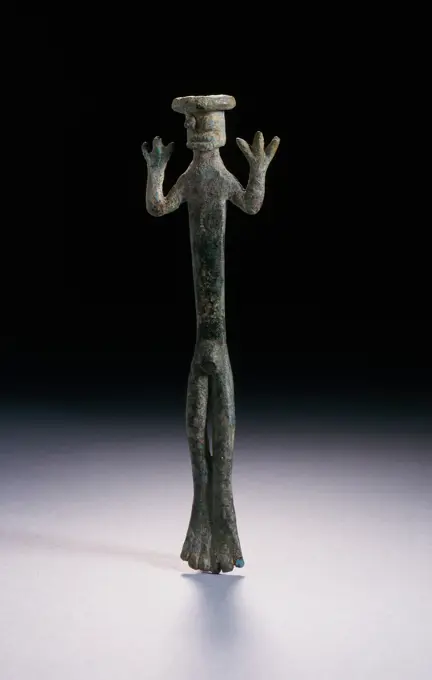
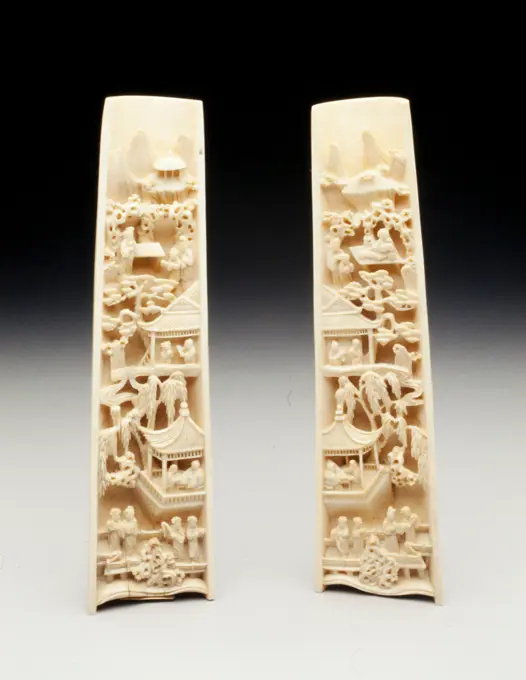
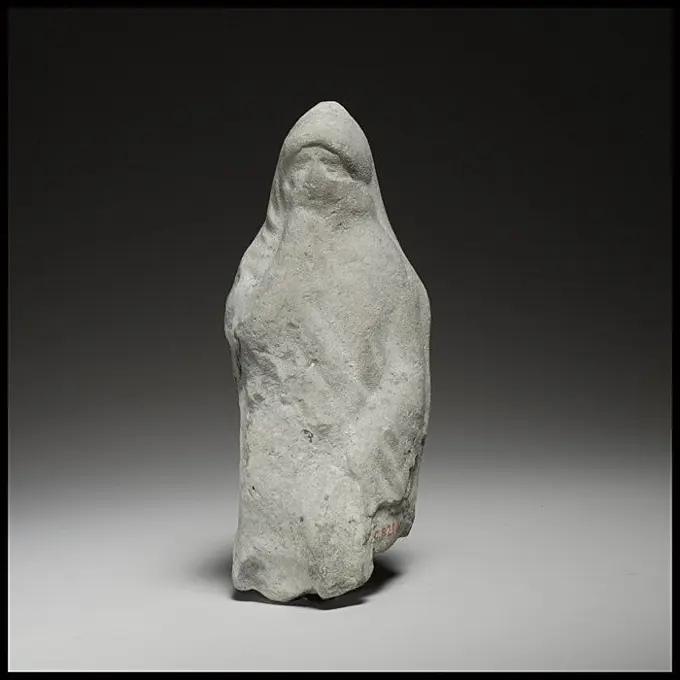
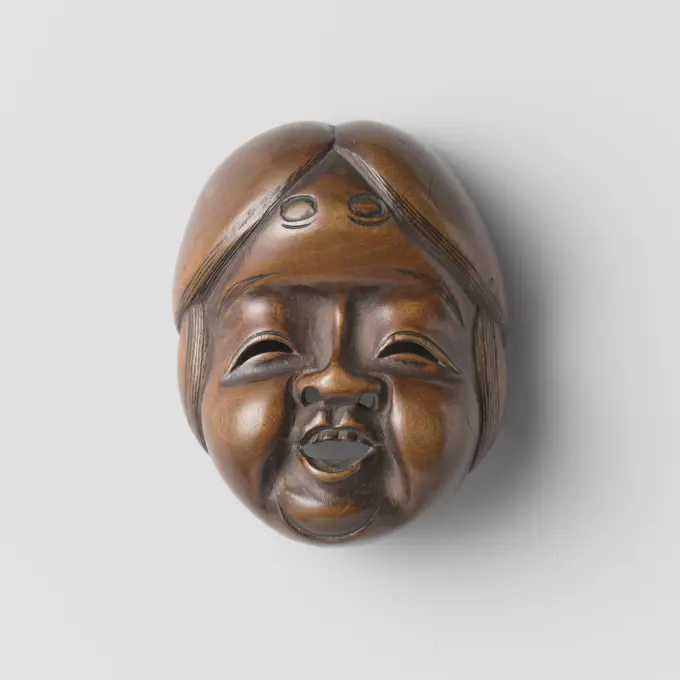
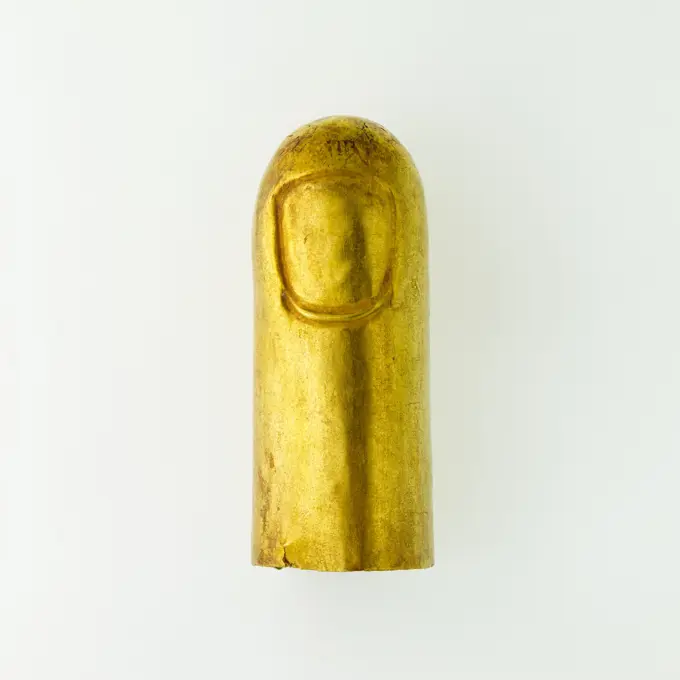
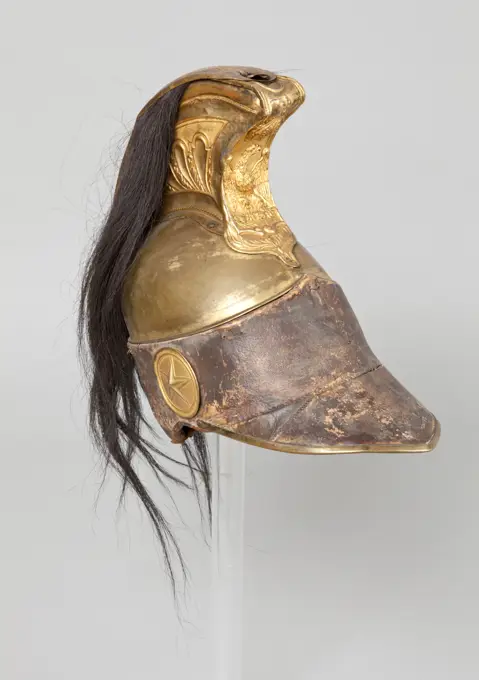
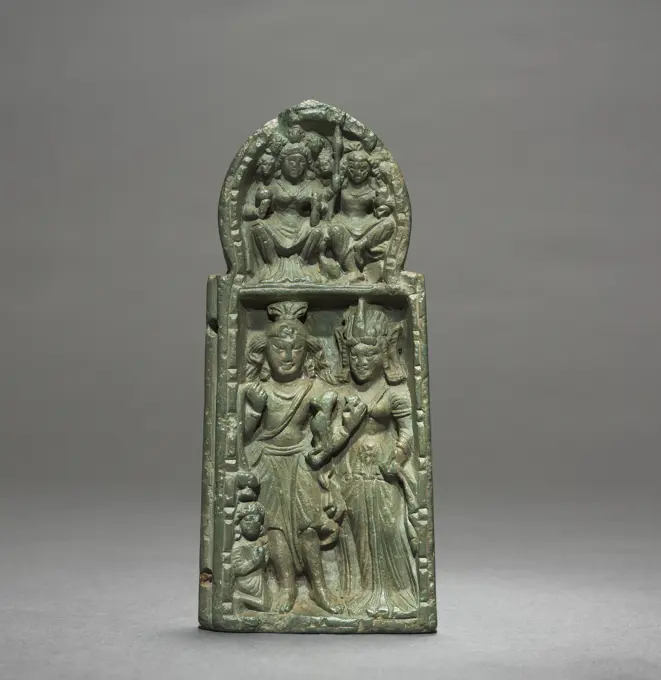
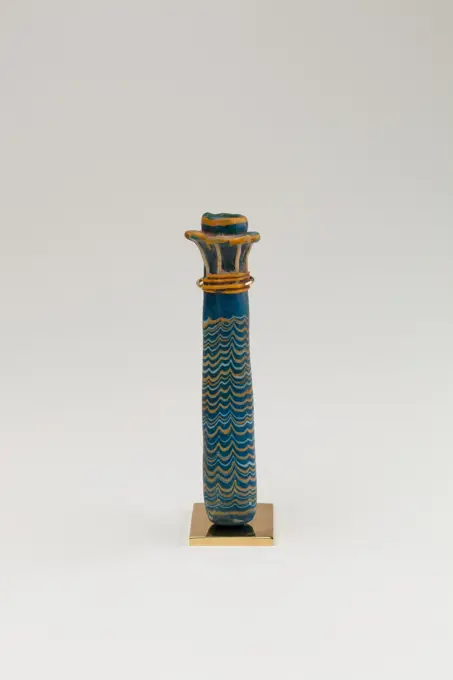
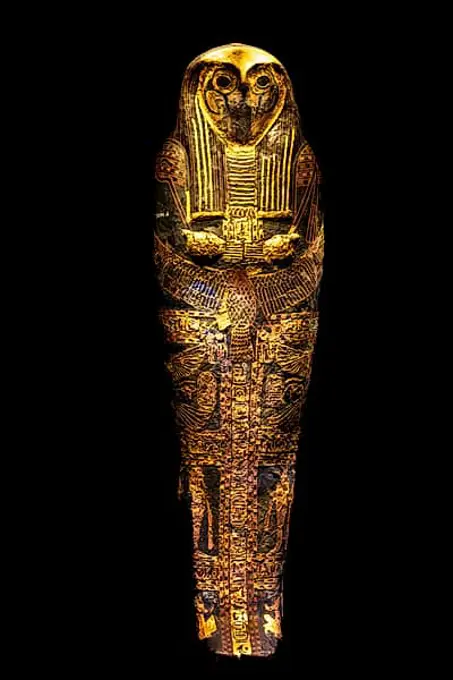
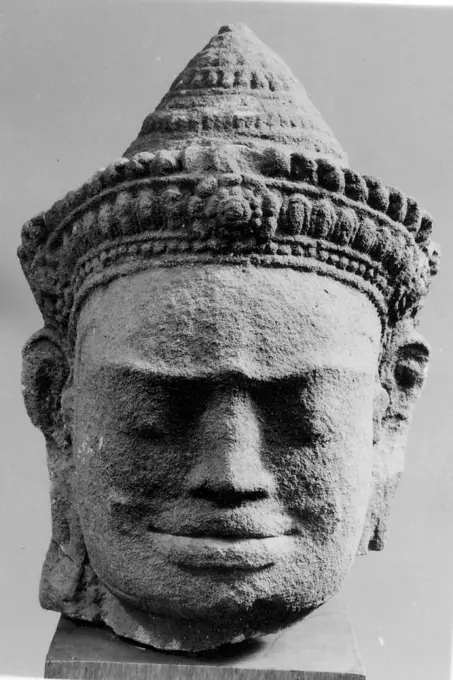
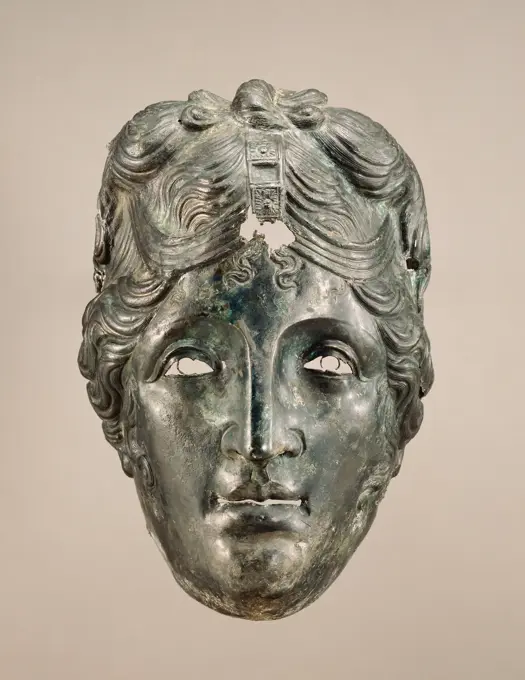
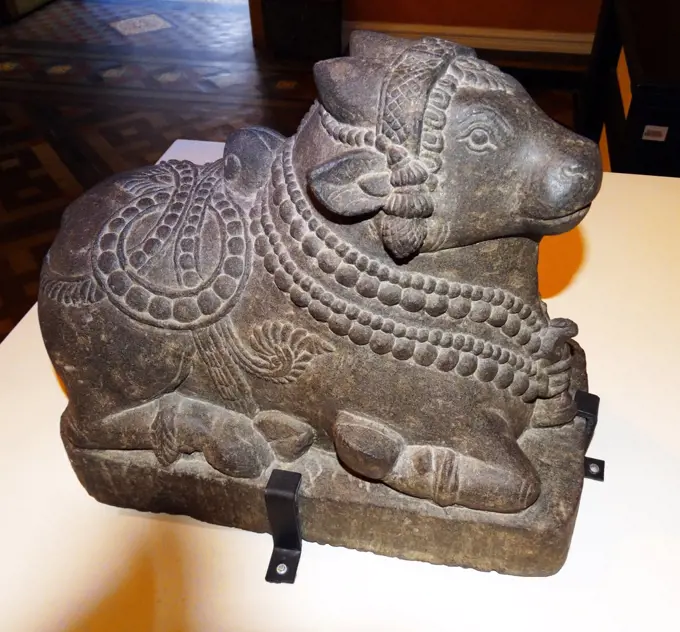
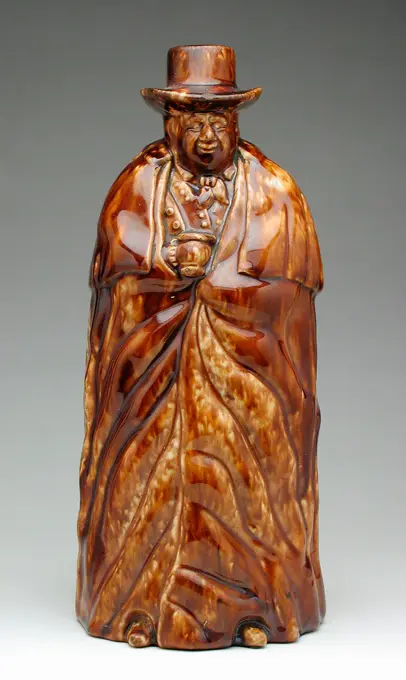
face of Hathor/Astarte on a bronze brazier handle finish, 8th-6th century BC, Los Castellares, Puente Genil, Iberian culture, Iberian Museum of Jaén, Andalusia, Spain.Glass Fragment 12th century French. Glass Fragment. French. 12th century. Pot metal glass. Made in St. Denis (), France. Glass-StainedDisc - headed Pin. Iran, Luristan, Luristan bronzes, Iron Age II-III, circa 1000-650 B.C.. Jewelry and Adornments; pins. Bronze, hammeredWarrior with Feathered Shield and Bladed WeaponVessel in the form of a man, 3rd century BCE - 6th century CE, 7 in. (17.8 cm), Clay, pigments, Peru, 3rd century BCE - 6th century CE, This man wears face paint and a turban that are typical of Nazca adornments. Although his body is shapeless, his teeth are finely detailed, as is the trophy head in his hands. The painting surrounding the vessel's lower half is an elegant rendering in many colors of fish, starfish, and octopuses.Carefully preserved heads have been found in Nazca burials. Shown in art throughout the Nazca era, they are called trophy heads because they are assumed to be the products of war. Whether these heads represented conquered peoples or were associated with a ritual use is unclear.Golden earring by anonymous artist, Gold, enamel, 11th-12th century, Russia, St. Petersburg, State HermitageJuice;  19th century (1800-00-00-1900-00-00);Qing (style), ceramics, Chinese (culture), birds, Chinese artDouble-Chambered Bottle, Figure 6th-10th century Wari. Double-Chambered Bottle, Figure 309503Amulet - Nehebkau. unknown, authorPendant: Ram's Head; Italy; 525 - 480 B.C; Amber; 36 × 20 × 18 mm, 9 kg (1 7,16 × 13,16 × 11,16 in., 19.8414 lb.);Bronze statuette of a kneeling boy holding a hare ca. 3rd-2nd century B.C. Greek Children and animals are common subjects in Hellenistic art and this scene of a boy holding or killing a hare likely derives from specific prototypes known now only from literary sources. This small statuette is finely executed in bronze with evidence of its original gilding on the neck, face, and hair of the boy.. Bronze statuette of a kneeling boy holding a hare. Greek. ca. 3rd-2nd century B.C.. Bronze. Hellenistic. Bronzesfemale terracotta statuette, 2nd century AD, Riotinto, Fuente del Moro, Huelva Museum, Huelva, Andalusia, Spain.Fire Box in form of a Badger 1800 Aoki Mokubei Japanese. Fire Box in form of a Badger. Aoki Mokubei (1767-1833). Japan. 1800. Modeled and unglazed (Kyoto ware). Edo period (1615-1868). CeramicsImage of a figure in a cloak; The head is missing, c. 1400 - c. 1950   pipe clay   pipe clayFace Mask, possibly early 1900s. Africa, West Africa, Côte d'Ivoire or Liberia, Dan-style maker. Wood, metal, leather, and organic materials; overall: 22.9 cm (9 in.).Amulet-E 69. Between 1284 and 1224 BC. New Kingdom of Egypt. Museum: Louvre, Dpt. des Antiquites Egyptiennes, BUDAPEST, France.Part of an Ivory Crozier with the Entry into Jerusalem. Culture: British or North French. Dimensions: Overall: 4 9/16 x 2 7/16 in. (11.6 x 6.2 cm). Date: ca. 1200.Shaped like a shepherd's crook, the crozier is emblematic of a bishop's or abbot's role as the shepherd of the faithful. This ivory crozier shaft reflects a tendency to outfit important symbols of ecclesiastical office with rich decoration. Museum: Metropolitan Museum of Art, New York, USA.Comb (cisakulo), mid- to late 1800s. Africa, Central Africa, Angola or Democratic Republic of Congo, Chokwe carver. Wood, glass beads, and natural fibers; overall: 13.3 x 8 x 1.4 cm (5 1/4 x 3 1/8 x 9/16 in.). Chokwe women and men inserted finely decorated combs and pins in their hair to signal rank and wealth. Here, as among neighboring peoples, hairstyles reflected changing trends across place and over time. This comb's wooden material and sculptural top made it of a higher value than simple examples made from metal or cane. Its wide teeth were practical, securing elements of a hairstyle in place. The long-beaked ngungu birds with beaded necklaces were a well-known symbol of chiefly power. In addition to being a sign of beauty and good health, a well-styled hairdo also suggests that the wearer relies on the help of others in its creation. Combs were often gifted to women by admirers or husbands to mark important life events. This comb entered the Cleveland Museum of Art's collectionPaddle Doll ca. 2000-1988 B.C. Middle Kingdom This paddle doll” was found in the debris filling a tomb courtyard along with four similar figures and additional material including funerary cones and statuette fragments. (Material from this assemblage can be viewed here.) The figure has a distinctive keyhole-shaped torso, no legs, and a rudimentary head and right arm; the left arm is missing. Three painted bracelets adorn the right arm, nipples are painted on the chest, and a broad collar is shown around the neck. A garment with geometric patterning covers the lower part of the body above a large?pubic?triangle. The figure’s hair” was restrung from beads found loose in the debris with the assemblage.?? Paddle dolls were popular in the Middle Kingdom, especially during Dynasties 11 and 12 (ca. 2030-1802 B.C.). Most paddle dolls - including this one and others in the Museum's collection - come from an area in the Theban necropolis around the mortuary temples of Mentuhotep II and HatshepsLime Spatula in the Form of a Man. Indonesia, Dongson Culture, 100 B.C. - A.D. 300. Tools and Equipment; servers. Copper alloyFestival Reclining Figure. Henry Moore (1898-1986). Bronze with green and brown patina. Cast in 1951. 103.5cm high, 228.6cm long, 71.1cm wide.Wrist Rest, c. 1900, 9 x 2 1/4 x 1in. (22.9 x 5.7 x 2.5cm), Ivory, China, 19th-20th centuryTerracotta statuette of a veiled woman 3rd century B.C. Cypriot The figurine is mold-made and solid. The back is handmade and flat. The figure is preserved from the head to the thighs. The mold impression is very dull.. Terracotta statuette of a veiled woman 241279Netsuke, Shuzan (possibly), 1700 - 1800 Mask from Okame, the ugly girl. Signed "Shuzan". Japan wood (plant material) Mask from Okame, the ugly girl. Signed "Shuzan". Japan wood (plant material)Lead figure of a woman. Culture: Greek, Laconian. Dimensions: Height: 1 3/16 in. (3 cm). Date: late 7th-early 6th century B.C.. Museum: Metropolitan Museum of Art, New York, USA.Owl Tab Ornament 6th-7th century Moche (Loma Negra). Owl Tab Ornament 313748Arm with garment fringe, pleating and Aten cartouche ca. 1353-1336 B.C. New Kingdom, Amarna Period. Arm with garment fringe, pleating and Aten cartouche 549804Toe stall ca. 1479-1425 B.C. New Kingdom. Toe stall 576566Mask. Dimensions: h. 22.7 cm (8 15/16 in); w. 16 cm (6 5/16 in). Date: 117-138. Museum: Metropolitan Museum of Art, New York, USA.Dragon officer helmet unknownSection from a Portable Shrine, AD 100s. Pakistan, Gandhara, Kushan period (c. 80-320). Gray schist; overall: 14.6 x 6 cm (5 3/4 x 2 3/8 in.).votive vows, which contained a cat mummy, Gregorian Egyptian Museumn Musei Vaticani, State of the Vatican City, Roma, Lazio, Italia.Seated Figure 6th-7th century Moche (Loma Negra). Seated Figure 313438Ancient figurines showing arms reduced to short stumps.Left to right: Boetian papades figurine, Greece, 6th century BC; Chupicuaro female figurine, Mexico, 300 BC; female figurine, Northern Syria, 2000 BC; Amlash female figurine, Northern Iran, 1000 BC.Kneeling Bronze Figure Of A King - Crown Of Upper Egypt Egyptian Art Bronze Christie's Images, London, England Statuette of a flute-player, female Greek, Laconian. Statuette of a flute-player, female 251567 Greek, Laconian, Statuette of a flute-player, female, Lead, Height: 1 5/16 in. (3.4 cm). The Metropolitan Museum of Art, New York. Gift of A. J. B. Wace, 1924 (24.195.1)Statuette of a Flying Eros. UnknownBroche, obra de Manuel Hugué, siglo XX. Colección privada.Tin soldier: man with club and phallus or attachment pin, toy relaxing tool miniature soil find tin metal, cast Tin soldier with raised club and large penis Seems to wear coat with large cuffs high kneeling with backstepped edges No fixing holes or clear breaking surface of pedestal. Possibly profane representation possibly tin soldier with badly shaped dagger in the belt or rider with fastening pin between the legs. Clothing seems to be too recent for the time of the pilgrims' insignia archeology Rotterdam City center Stadsdriehoek Beursplein child play child's play adorn pilgrim pilgrim Soil discovery Beursplein (Koopgoot).PTAHA figurine;  around 664-332 BC ; Half period (-664-00-00--332-00-00);Kohl Tube ca. 1295-1070 B.C. New Kingdom, Ramesside Egyptian glassmaking, which had reached a high level of virtuosity in late Dynasty 18, continued to be practiced in the Ramesside Period; however, the quality, as well as quantity, of it production dropped off sharply in Dynasty 20. The "feathered" decoration of this kohl tube was achieved by winding thin colored glass rods around the vessel and pressing them onto the surface of the vessel while it was still soft, and then drawing the rods up or down with a metal instrument. This kohl tube in the form of a palm column is apparently the half of a double tube.. Kohl Tube 549346Reconstructed falcon-headed inner coffin of Sheshonq II from the exhibition: Ramses the Great and the Gold of the Pharaohs, Cologne, North Rhine-Westphalia, Germany, EuropeHead of a Deity() 12th-13th century Cambodia. Head of a Deity() 38896Bodhisattwa Awalokite VARE;  XVII century (1601-00-00-1700-00-00);Mask from a Cavalry Helmet. UnknownPektorał z Anubisem. unknown, authorGranite Nandi from Mysore, India. Dated 13th CenturyDeath mask of Tutankhamen against white backgroundFragment 10th-12th century. Fragment 452711SAN PEDRO - 1641 - TALLA EN MADERA CON ESTOFADO. Author: Juan Martínez Montañés. Location: IGLESIA DE NUESTRA SEÑORA DE LOS APOSTOLES. CILLEROS. CACERES. SPAIN.Coachman Bottle. United States, Vermont, Bennington, 19th century. Furnishings; Accessories. Earthenware, glazefine arts, ancient world, Greece, sculpture, mother with child and servant, greve stele, terracotta, 4th century BC, Cyprus Museum, Nicosia,Esquiline Venus, a Hellenistic sculpture from approximately the 1st, Louvre Museum, France.ESCARABAJO ALADO DE ORO. III PERIODO INTERMEDIO XXII DINASTIA. HACIA 900 A.C. Location: NEUES MUSEUM. BERLIN. DEUTSCHLAND. HORUS DIOS EGIPCIO.Book End (one of a pair), c. 1800, 6 1/8 x 4 3/8 x 5 1/2in. (15.6 x 11.1 x 14cm), Gilt bronze, Tibet, 18th-19th century'Portrait of a Roman Youth'. Ancient Rome, 190-200. Dimensions: height 28,5 cm. Museum: State Hermitage, St. Petersburg.Egyptian Domestic Utensils and Two Large Harps, World Fashion - Racinet