Terracotta Artifacts

A variety of terracotta objects, including oil lamps and funeral items, reflecting ancient practices and artistic styles.

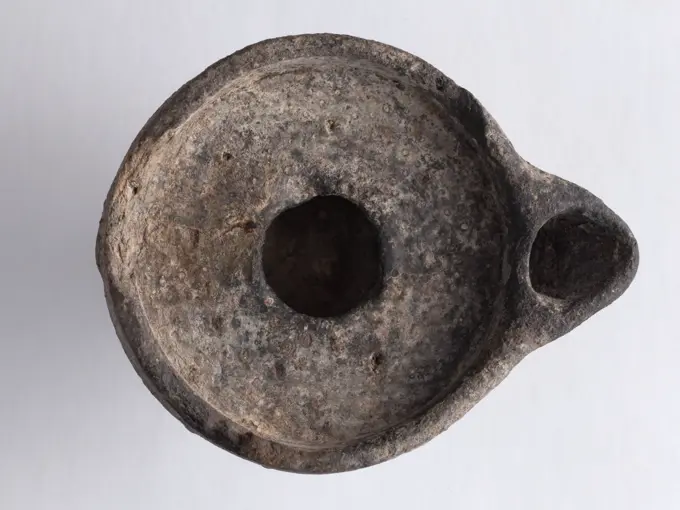
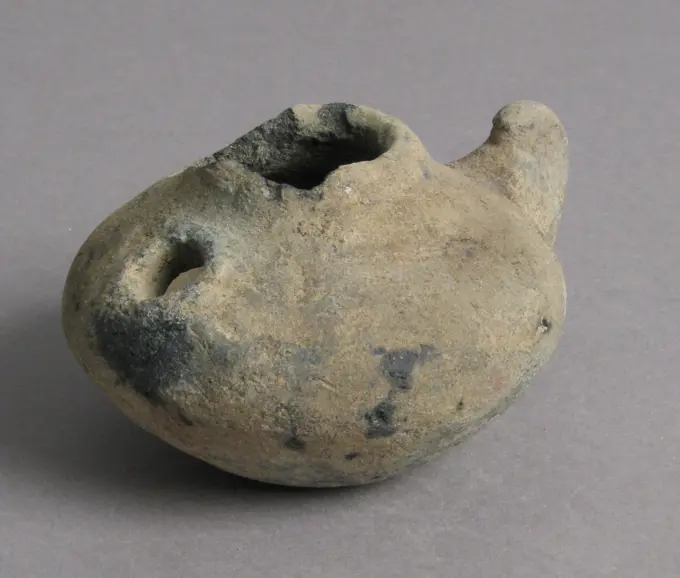
Lamp, Syria; 5th - 6th century; Terracotta with green glaze; 3.2 x 6 x 9.5 cm (1 1,4 x 2 3,8 x 3 3,4 in.)
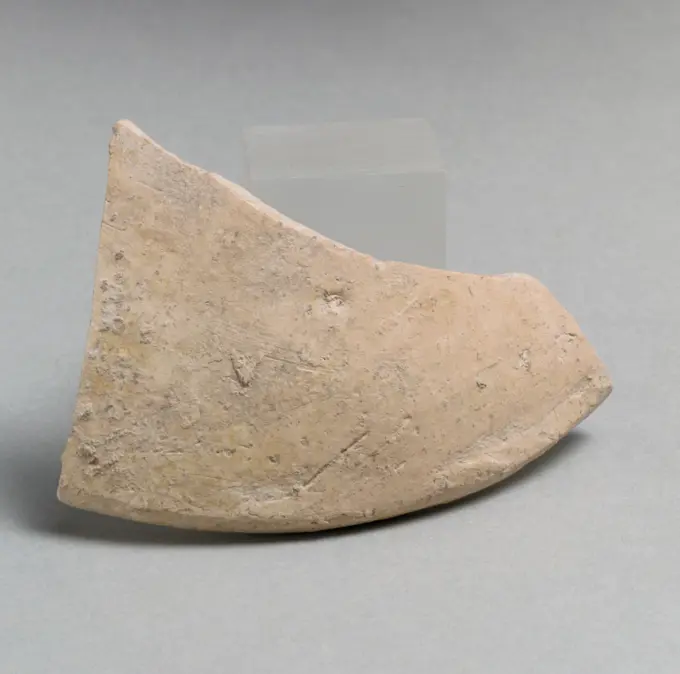
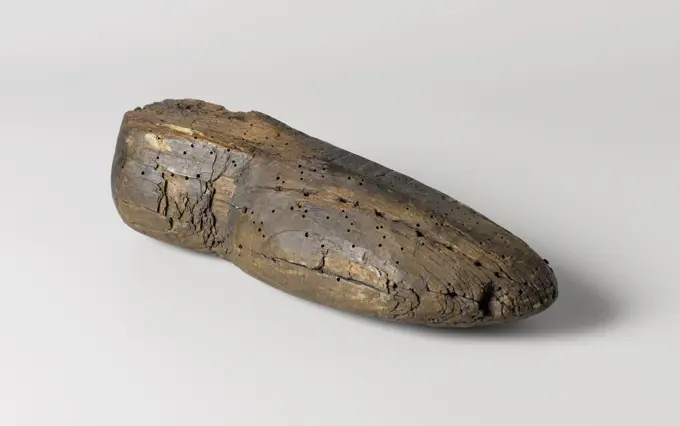
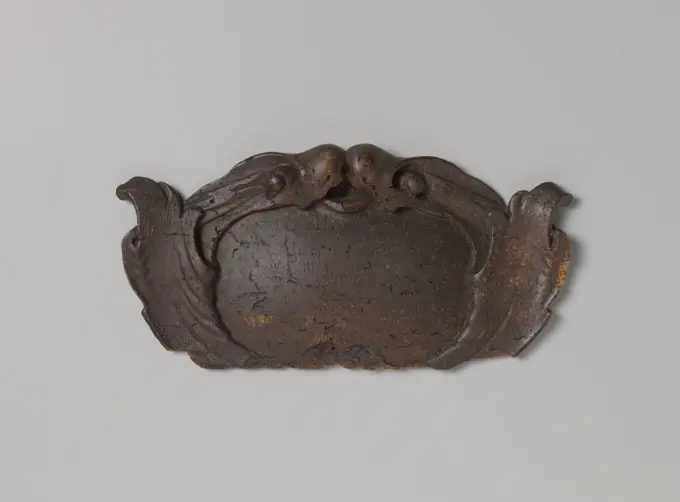
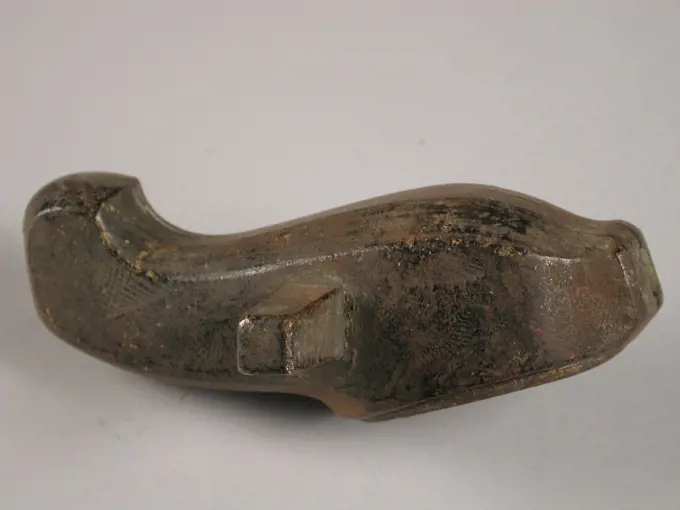
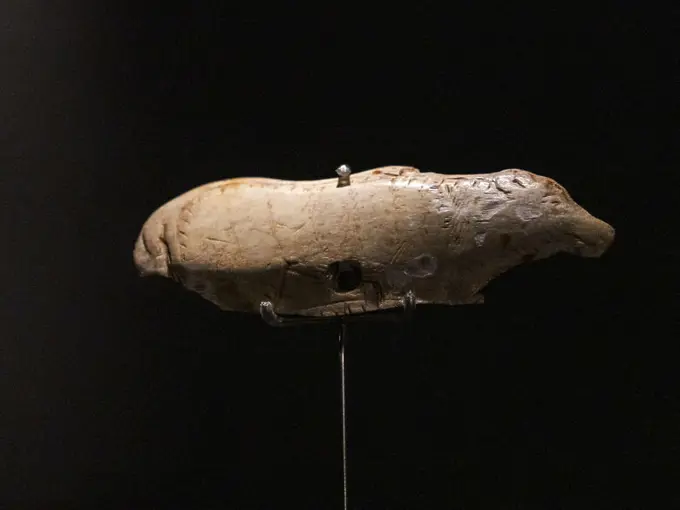
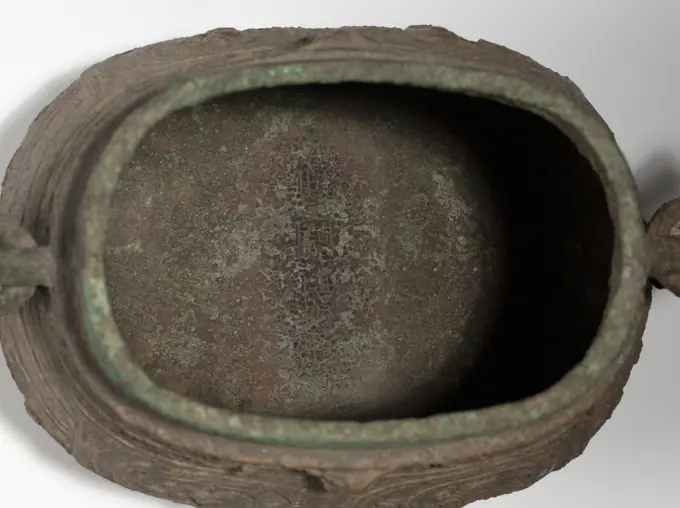
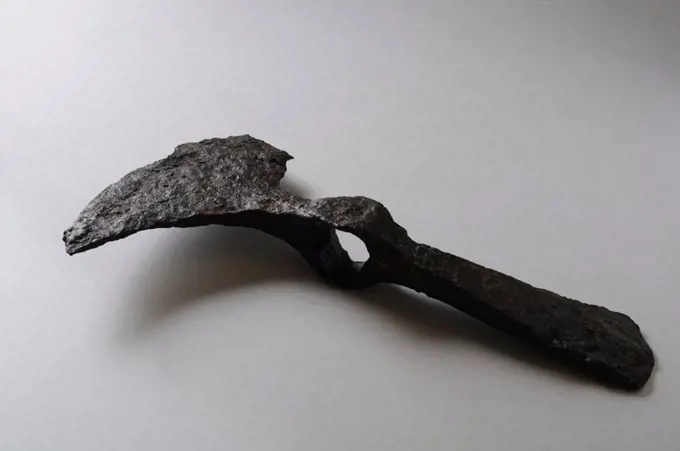
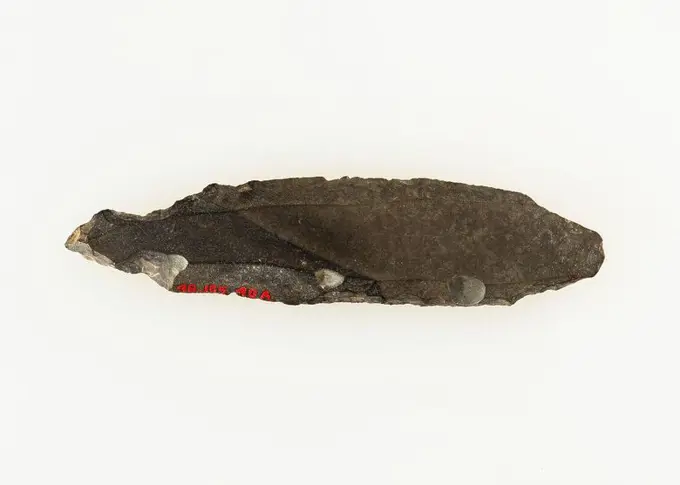
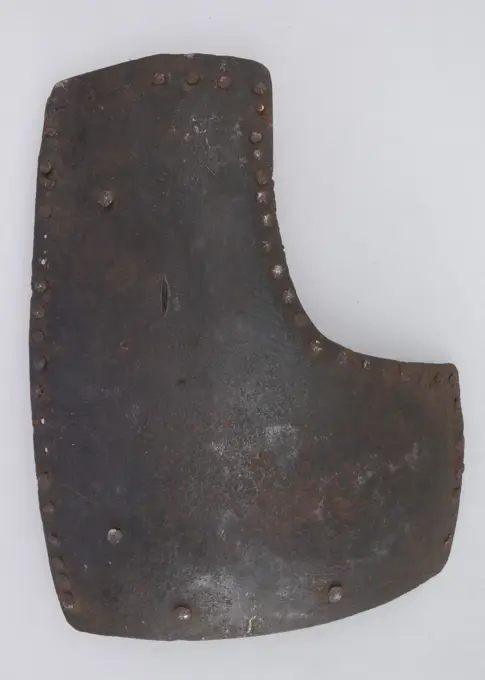
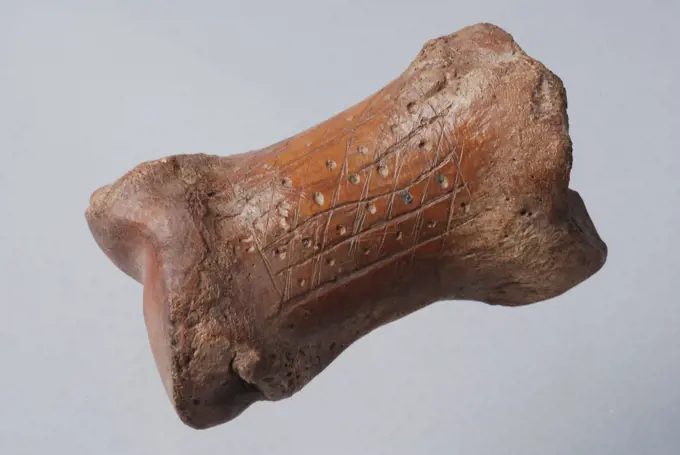
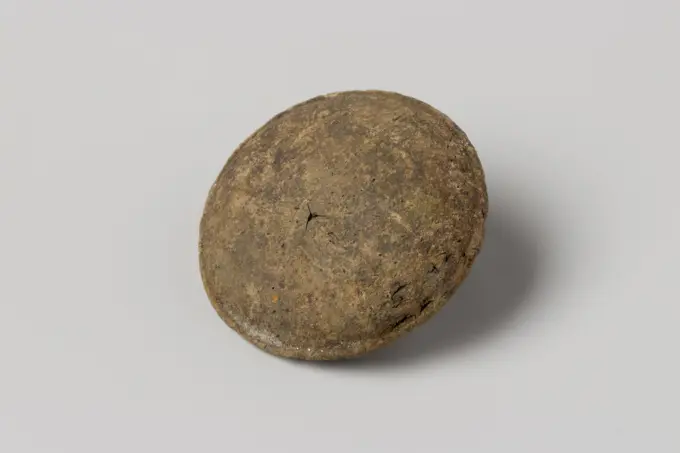
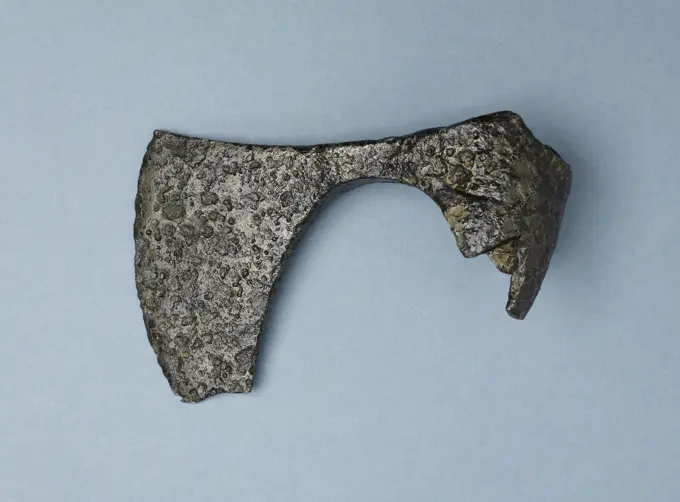
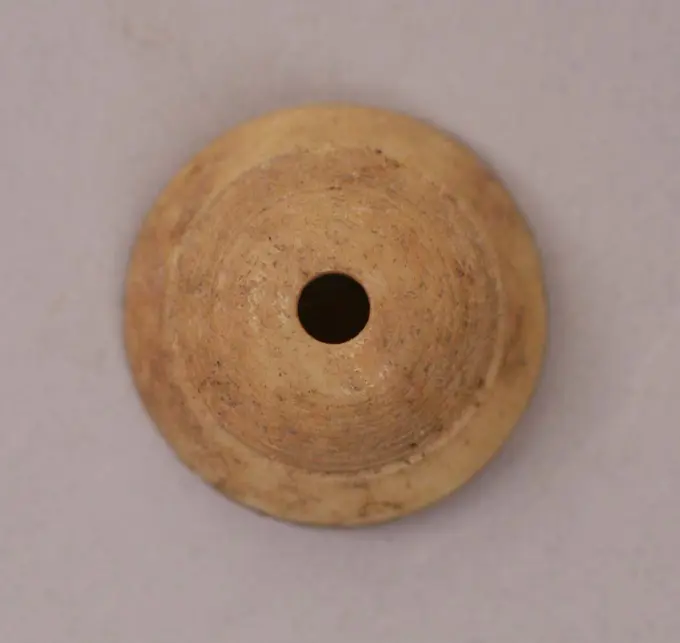
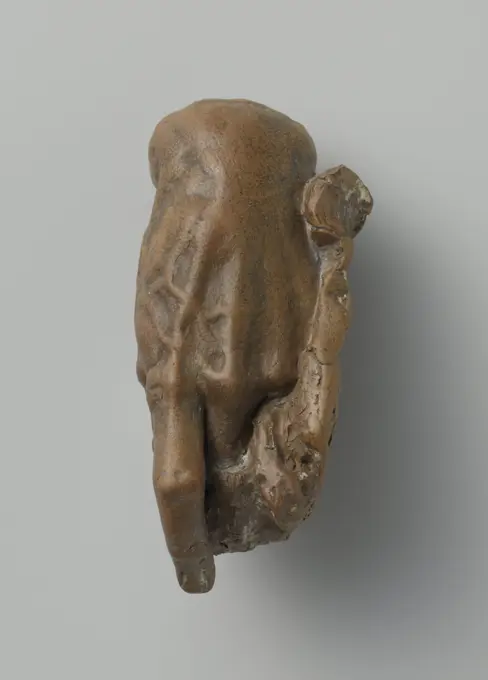
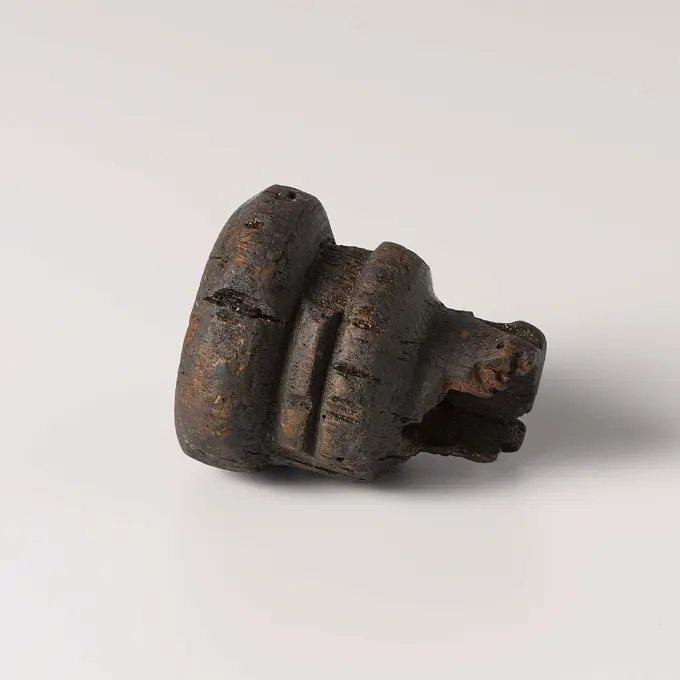
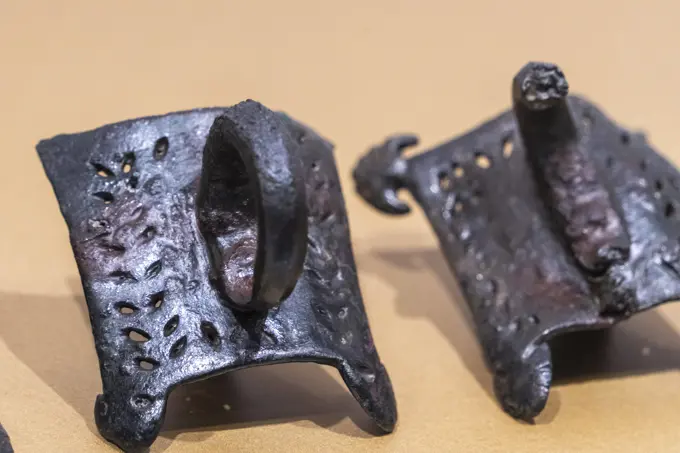
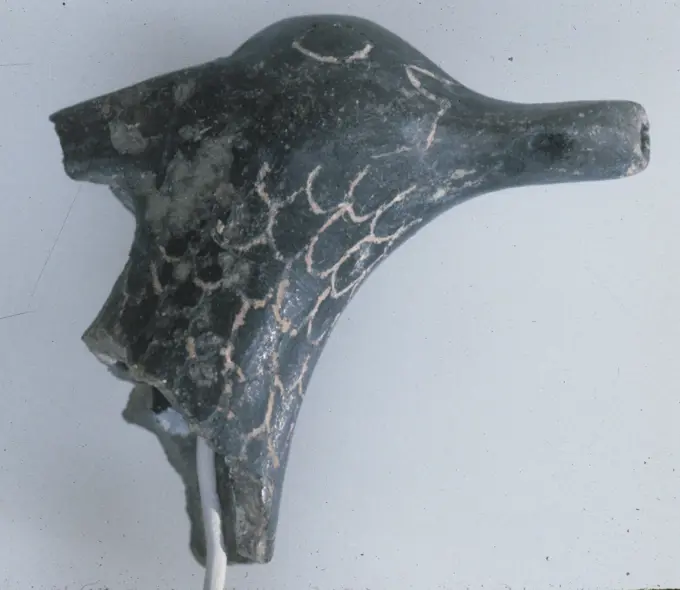
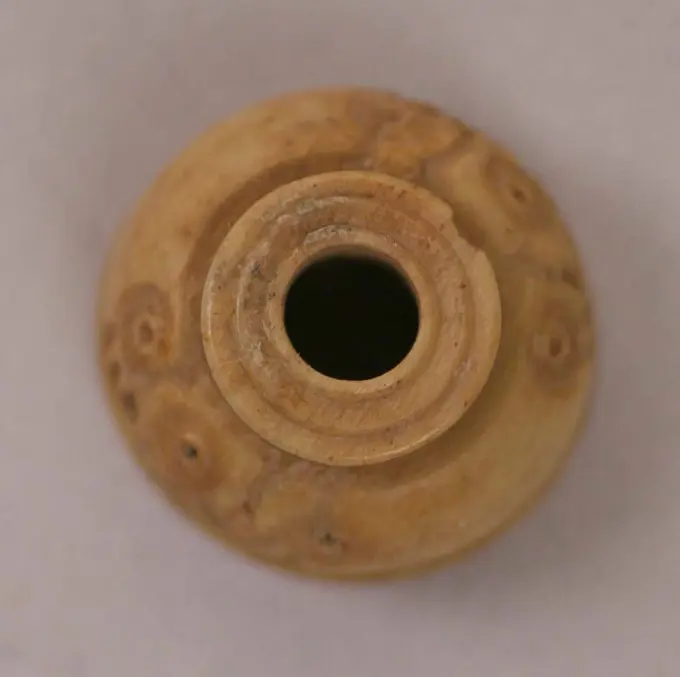
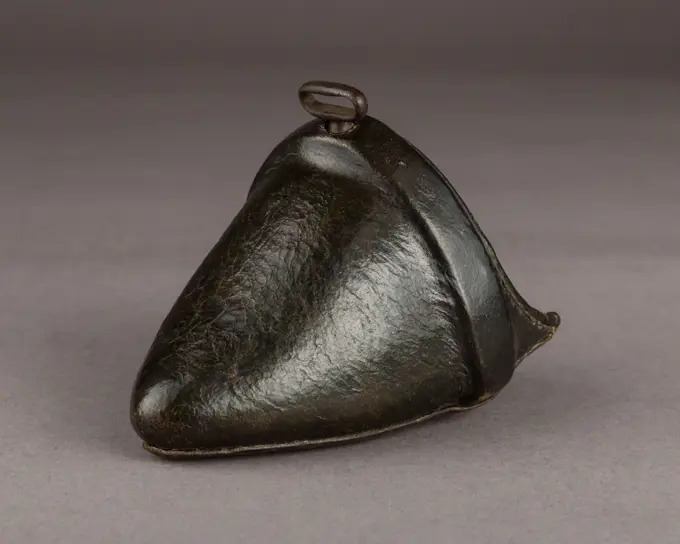
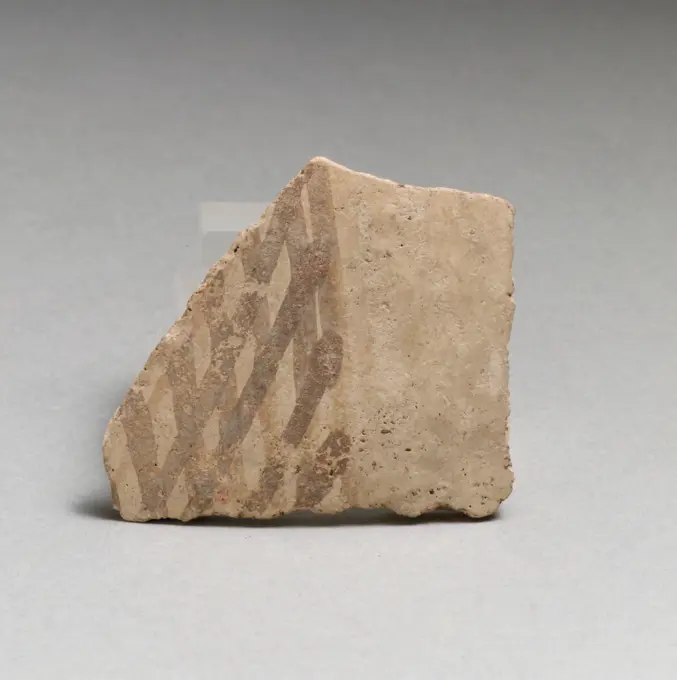
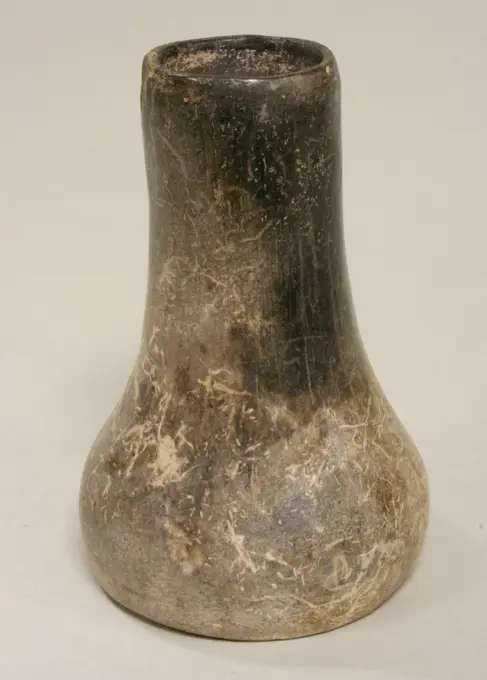
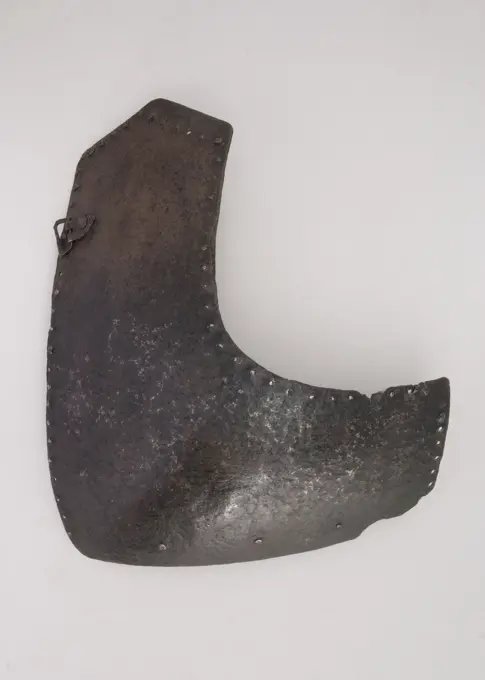
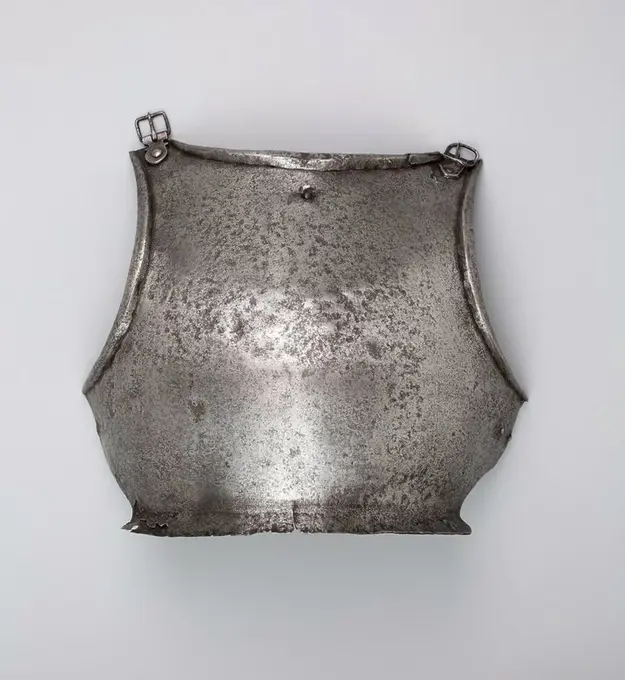
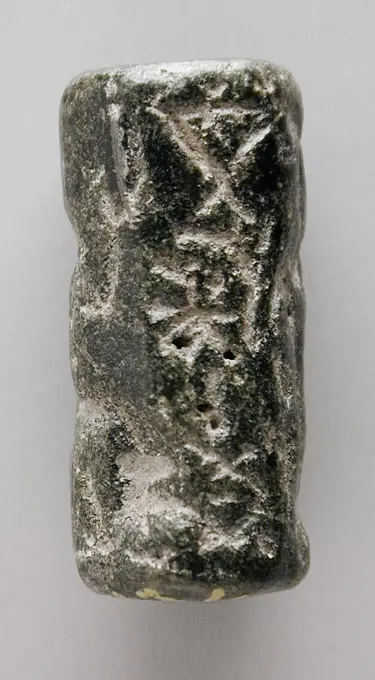
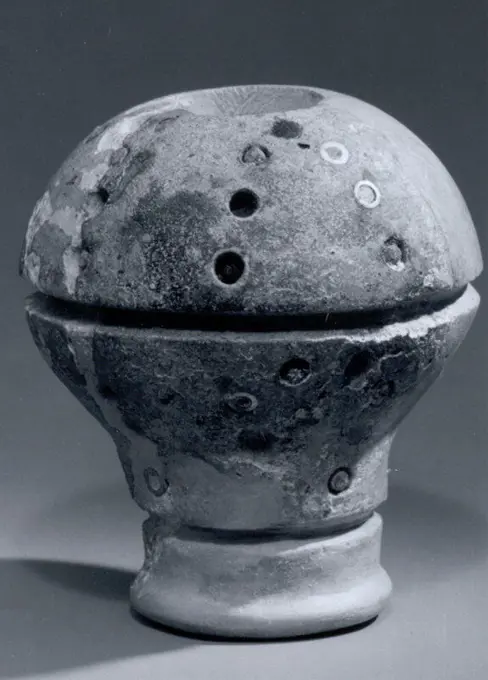
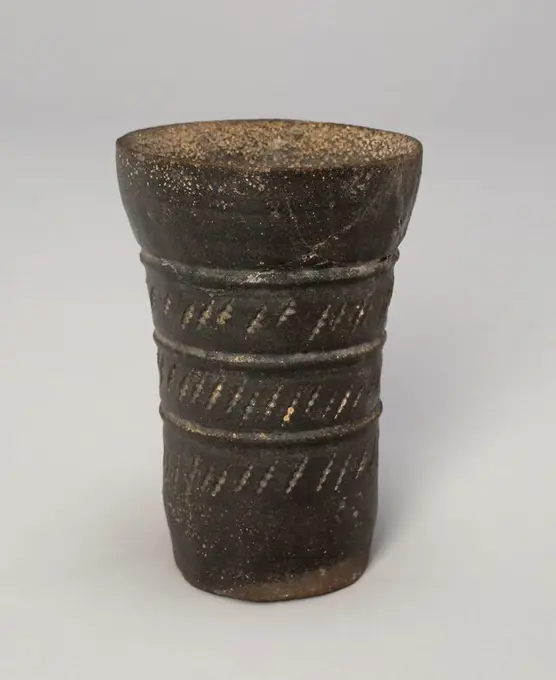
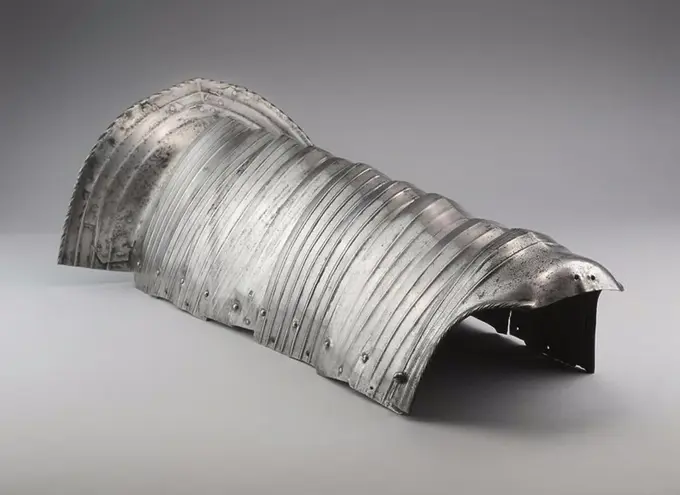
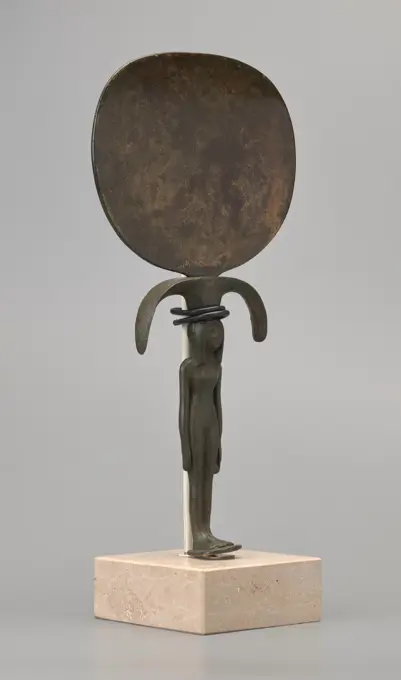
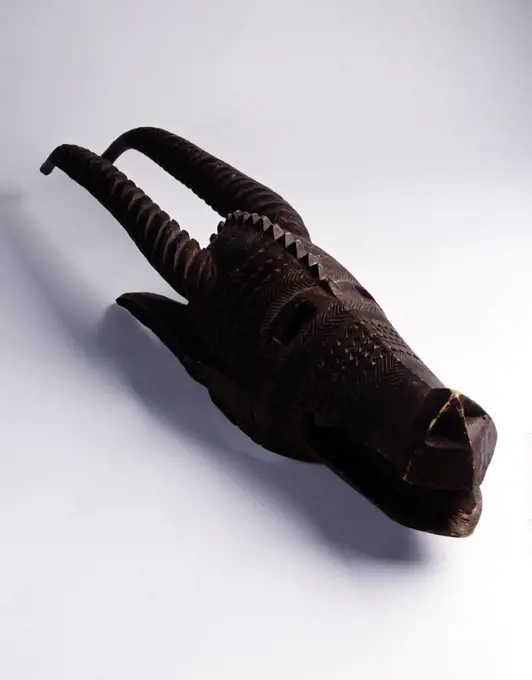
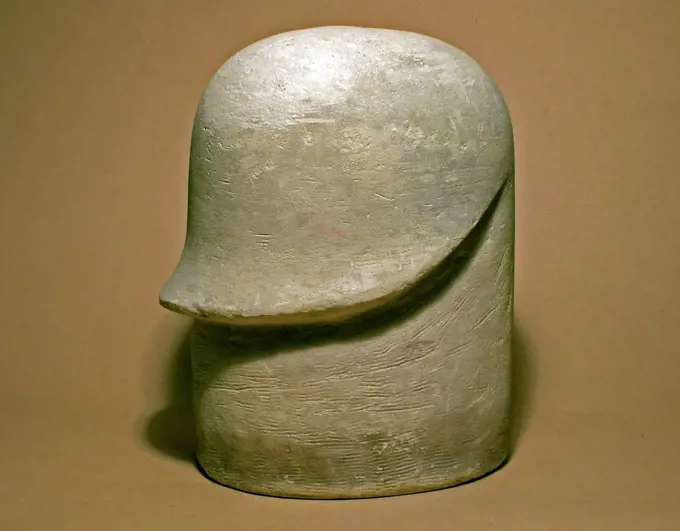
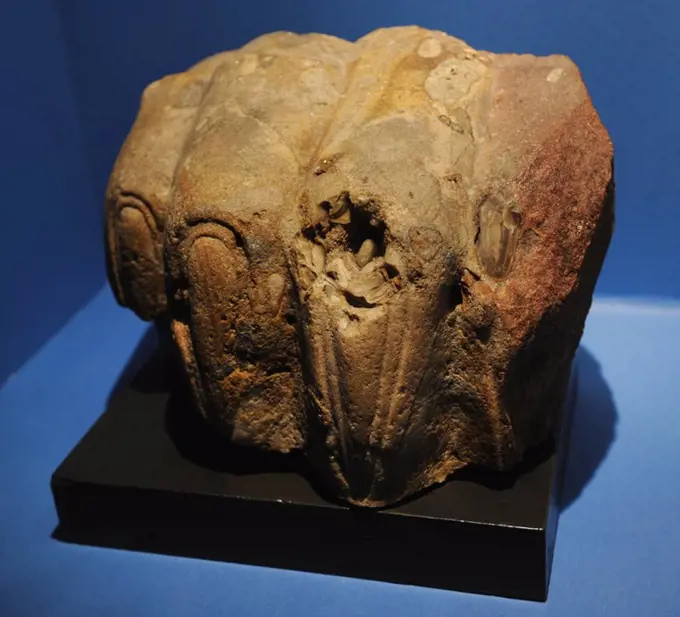
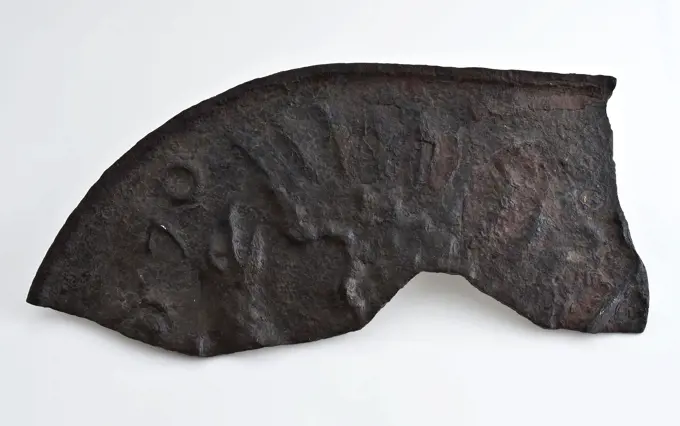
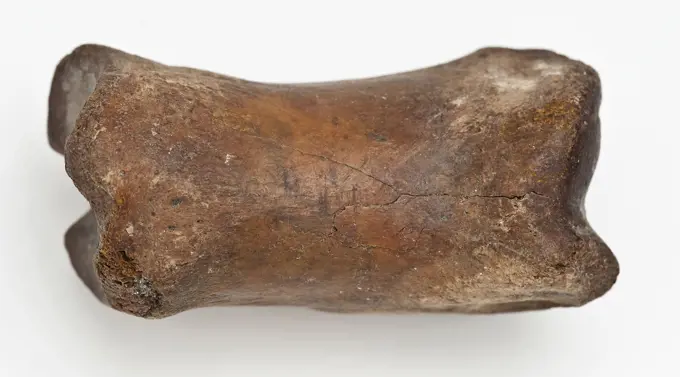
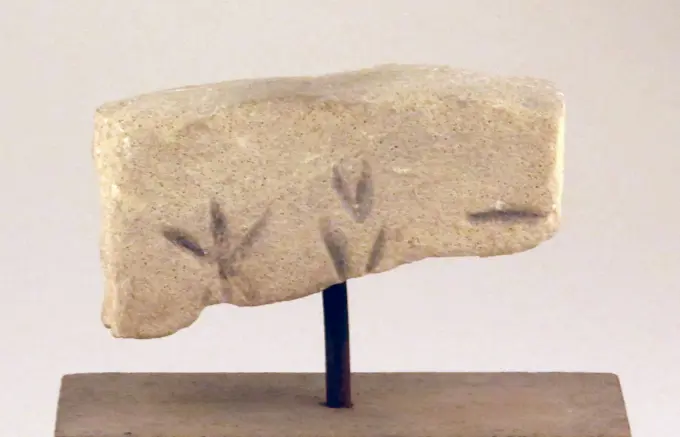
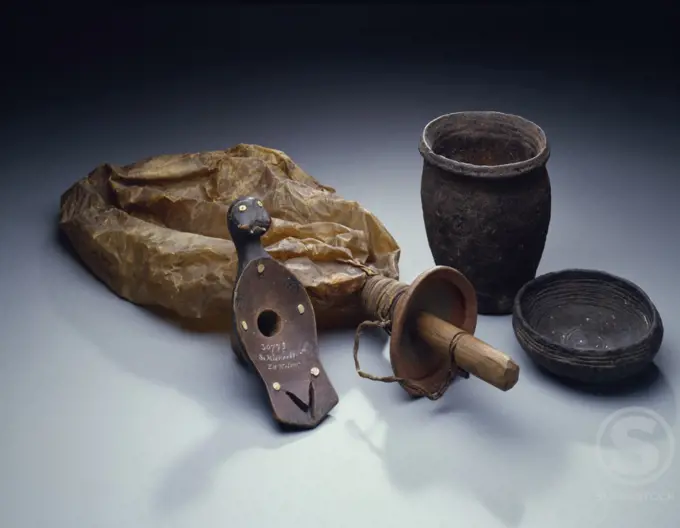
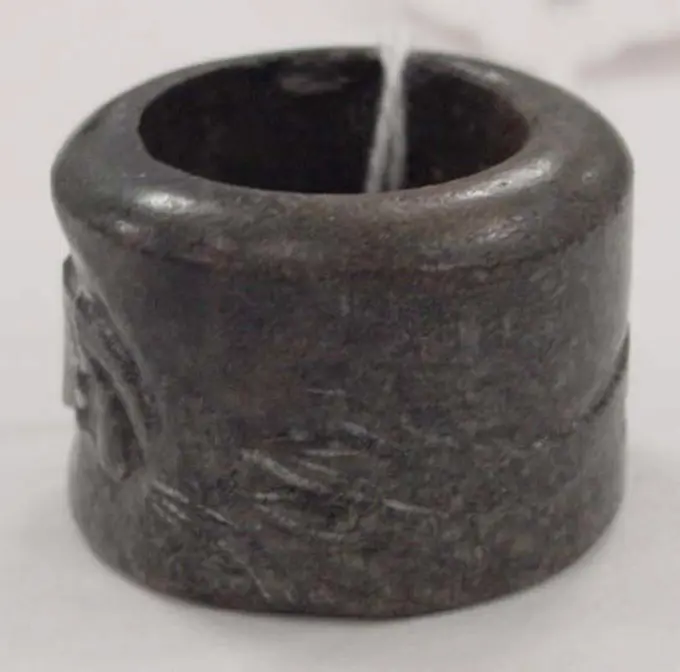
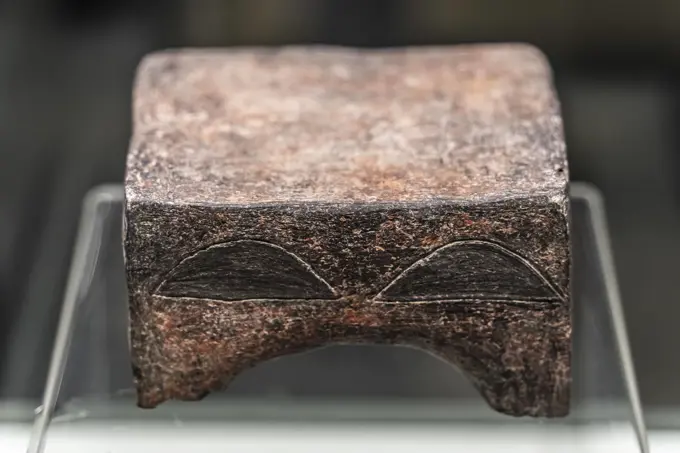
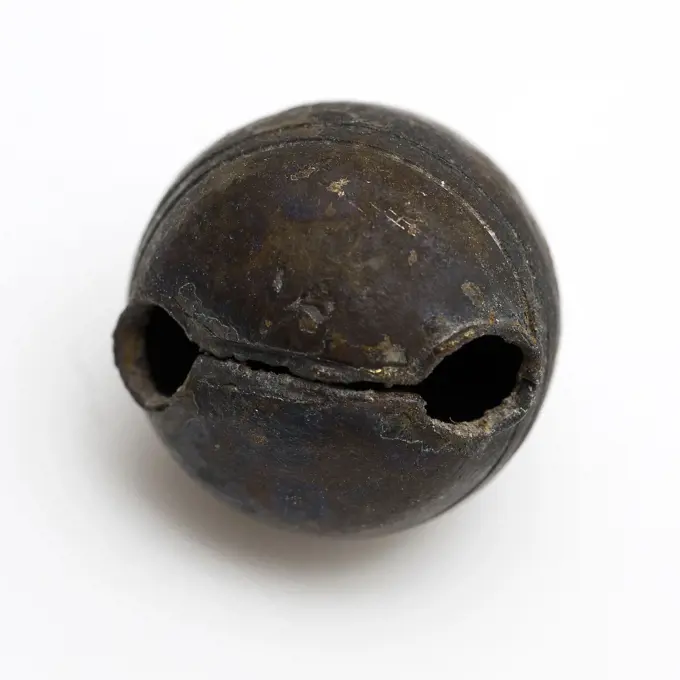
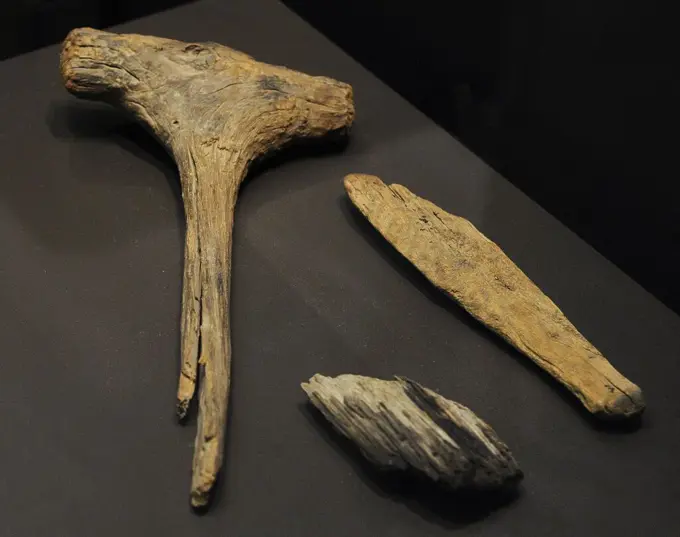
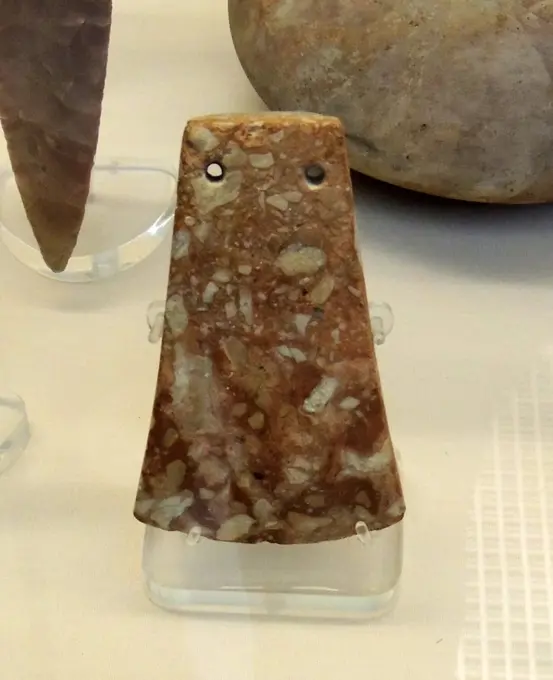
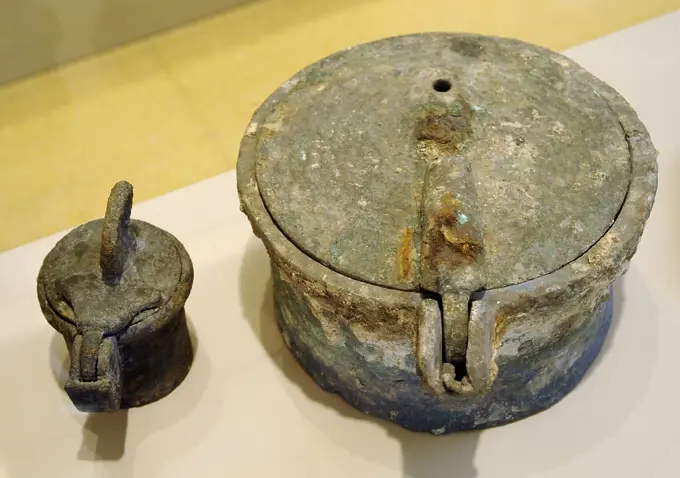
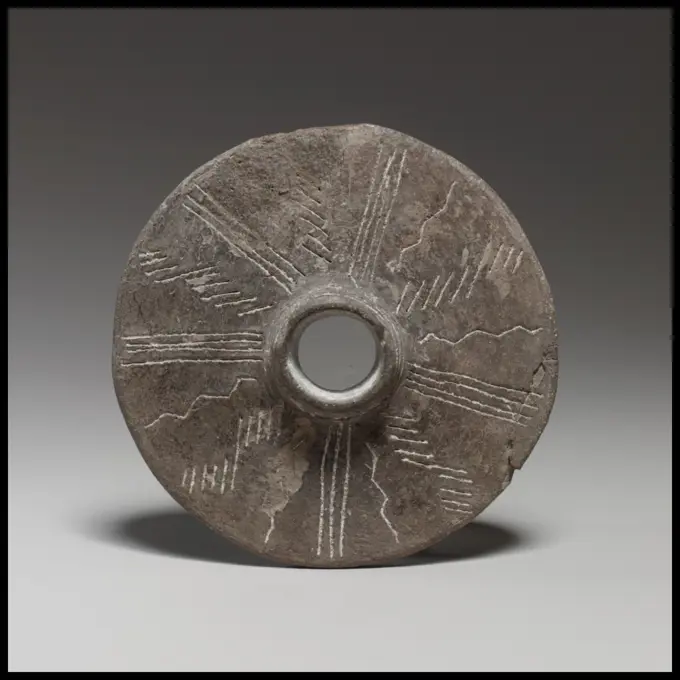
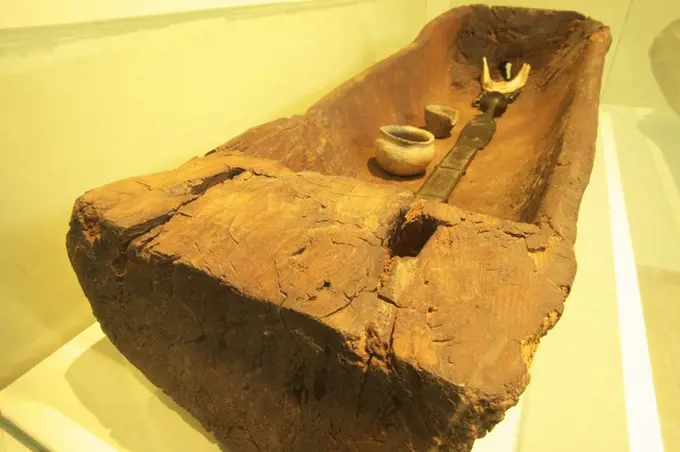
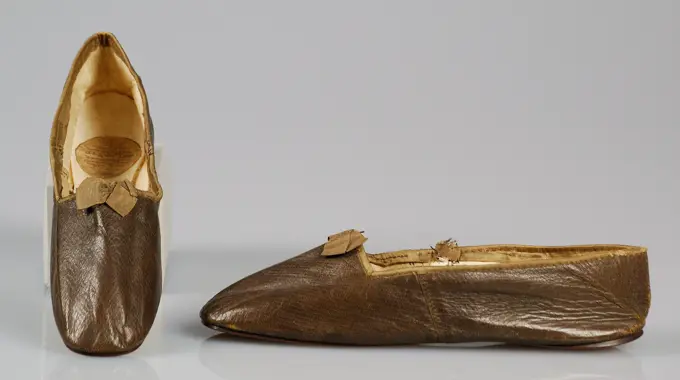
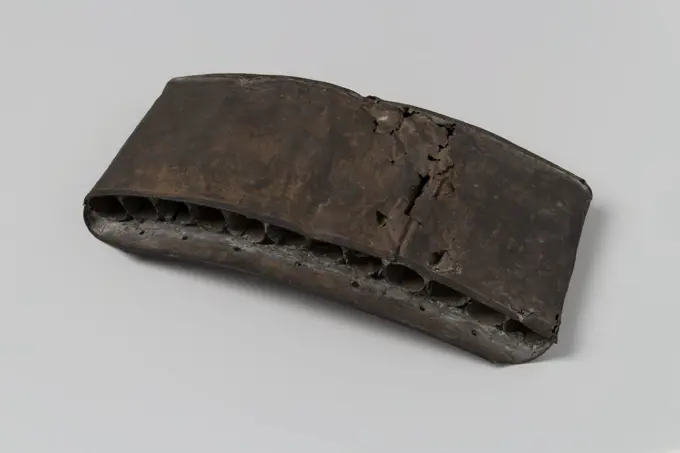
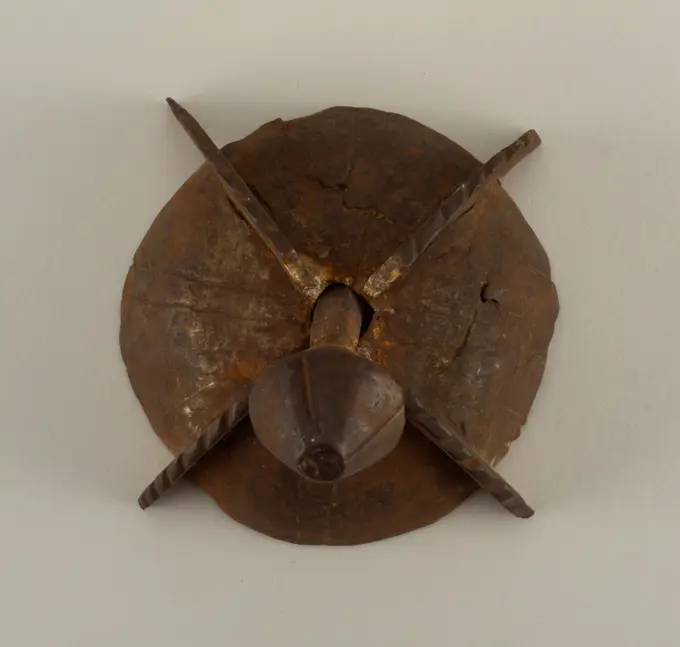
Oil lamp. Terracotta. Late Antiquity. Paris, Carnavalet museum. 50208-10 Late antique, oil lamp, terracotta, ancientPorchie, terracotta funeral object (Mingqi). China, Han era. Paris, Cernuschi museum. 27177-1 Han dynasty, funeral object, pigsty, terracottaVase fragment ca. 3000-2200 B.C.. Vase fragment 251310 Vase fragment, ca. 30002200 B.C., Terracotta, 3 1/2 x 2 3/16in. (8.9 x 5.6cm). The Metropolitan Museum of Art, New York. Gift of Gisela M. A. Richter, 1923 (23.121.10)Shoe reading for right shoe, anonymous, c. 1590 - c. 1596  Shoe reading for right shoe in size 42.5. The shoe reading is little used, at most five to six times. There are wooden pins in the reading that are abnormally large, the reading is probably used for a lump.  wood (plant material). ash (wood) cutting  Nova Zembla. Saving HuysSmall fragment of a cartouche, anonymous, 1659  Small fragment of sliced and gilded Lindenhout. Probably belongs to SK-L-6889. Netherlands linden gildingWooden object from v.O.C.-ship the 'white lion'. Wooden object. Tapered octagonal shape with a border on the top with entered rope and a ring on the bottom.Lamp, Syria; 5th - 6th century; Terracotta with green glaze; 3.2 x 6 x 9.5 cm (1 1,4 x 2 3,8 x 3 3,4 in.)Two-piece bronze mold for right side of spout of teapot or coffee pot, cast molding tool tools kit base metal bronze, cast Two-piece bronze mold for pouring the right side of spout for tea or coffee pot starting octagonal overflowing in round; with diagonal band in the middle side: 2834 187 Rotterdam tin tinker tin tin Meeuws Druy artisan Shapes are from the originally 18th century Rotterdam tinnegieter J Druy. The large molds that were not signed or dated were the property of the tinker guild and were rented to the small tin caster.Earring or spiral CypriotGarnek kuchenny. nieznany warsztat północno mezopotamski, workshopCup from the wreck of the East Indians' t Vliegend Hart, 1700 - 1735 cup Pewter cup, sideways crushed except the bottom. Unserved. The upper edge is crumbled. Cup.  tin (metal)Lamp Greek, Attic. Lamp. Greek, Attic. Terracotta. TerracottasSlippers 1850s American. Slippers 112789pendant with representation of a bear, middle Magdalenian, lower gallery of La Garma, Ribamontan al Monte, Museum of prehistory and archeology (MUPAC), Santander, Cantabria, Spain.Vial;  VIII-X century (701-00-00-1000-00-00);Semerau-Siemianowski, Władysław (1849-1938), Semerau-Siemianowski, Władysław (1849-1938)-collection, gift (provenance), Islam (culture), art of IslamSmall lamp ca. 1st century A.D. Nabataean. Small lamp 325887Moker, anonymous, c. 1590 - 1596 hammer Head with flat ends, octagonal neck, flat cheeks and rectangular steel house. Netherlands iron (metal) forging  Nova Zembla. Saving HuysKey Handle 1st-7th century Roman. Key Handle 462915Italy, Rome, Museo Nazionale d'Arte Orientale, Axe from TokyoOil LampVase you ". Bronze. China, Zhou dynasty. Paris, Cernuschi museum. 72360-6 Chinese art, bronze, zhou dynasty, interior, vase youTRONCONIC and SITULE Vase assembled. Bronze. Cernuschi Museum, Asia Museum of Asia in the city of Paris.Axe iron adze. Length 31 cm Width 17 cm Weight 960, 02 gr. ( 4 th - 8 th CE ) - Visigoth period from the archaeological site of the " La Gravera " in Alcala de Henares - " Burgo de Santiuste Museum" . (Madrid). SPAIN.Chess Piece, Pawn 8th-11th century. Chess Piece, Pawn 452358Fragment Pijpenkop, Anonymous, 1750 - 1780 Fragment pipes head with twelve grunts with outlines (floral -sainted motif). Of the excavations on the Hofstede Arentsburg 1827-1831 under the supervision of Professor Reuvens. Schoonhoven (Possible) pipe clay Fragment pipes head with twelve grunts with outlines (floral -sainted motif). Of the excavations on the Hofstede Arentsburg 1827-1831 under the supervision of Professor Reuvens. Schoonhoven (Possible) pipe clayOil Lamp 4th-7th century Coptic. Oil Lamp 478716Oil Lamp 4th-7th century Coptic. Oil Lamp 478694Blade, sickle. Date: ca. 3850-2100 B.C.. Museum: Metropolitan Museum of Art, New York, USA.Brigandine Plate 1400-1450 Italian This is part of a large find of medieval armor discovered in 1840 in the ruins of the fortress of Chalcis, on the Greek island of Euboea (then a Venetian colony called Negroponte). The fortress had been captured and destroyed by the Turks in 1470. Now divided largely between the Ethnological Museum, Athens, and The Metropolitan Museum of Art, the Chalcis hoard contains many rare and unusual elements of fourteenth- and fifteenth-century armor. Of particular importance are the variety of headpieces and the many fragments of brigandines (armor for the torso constructed of small plates riveted to layers of fabric), some of which retain portions of their original velvet covering. The Chalcis armor provides a unique picture of the armament used in the Aegean, one of the easternmost military outposts of the Venetian empire.. Brigandine Plate. Italian. 1400-1450. Iron alloy. Armor PartsDigit from cow's leg, part of throwing game: chaps, koot game piece relaxant soil find leg, K on long side marked: rectangle divided into small sections by straight and sloping lines in the small diamond-shaped fields point archeology Rotterdam rail tunnel play koten kootspel flickelen Soil discovery: trajectory rail tunnel Rotterdam.Earring with nail head pendant, 6 Cypriot. Earring with nail head pendant, 6 242660Triple Nozzle Oil LampButton from the wreck of the East Indians Hollandia, Anonymous, 1700 - in or before 1743 button Knoop. (1) id. NG 1980-27H1185 (2.9d) Netherlands bone (material)   SecondPignon fragment. Gray cutting sandstone. Cernuschi Museum, Asia Museum of Asia in the city of Paris.Caugus of excavationsButton or Bead 9th-10th century. Button or Bead. 9th-10th century. Bone; incised. Excavated in Iran, Nishapur. Ivories and BoneVase fragment Minoan. Vase fragment 247696Gilt bronze crossbow fibula 4th century A.D. Roman. Gilt bronze crossbow fibula. Roman. 4th century A.D.. Bronze, Gold. Late Imperial. BronzesStudy Models of Parts of the Body, Johan Gregor van der Schardt (attributed to), after Michelangelo, c. 1560 - c. 1570  Florence (possibly) terracotta (clay material) casting  Florence (possibly) terracotta (clay material) castingGrape or round knob of a steam drill. Grape or round knob of a steam drill. The grape may hear from NG-NM-7775.A hammer and nailTerracotta fragment of a pelike (jar) late 6th/early 5th century B.C. Greek, Attic Part of the bottom of the body and part of the foot of a pelike; the top of the foot is glazed; the outer edge and resting surface of the foot are unglazed. Terracotta fragment of a pelike (jar). Greek, Attic. late 6th/early 5th century B.C.. Terracotta; red-figure. Archaic. Vasesgoverning element and decoration of a horse cart governing element and decoration of a horse cart, 4th-3rd century BC, Ategua Cordoba, Iberian culture, Iberian Museum of Jaén, Andalusia, Spain Copyright: xZoonar.com/BartomeuxBalaguerxRotgerx 21704773Fragment of a spouted goose-shaped vessel, Tell el-Yahudiya-ware ca. 1640-1550 B.C. Second Intermediate Period. Fragment of a spouted goose-shaped vessel, Tell el-Yahudiya-ware. ca. 1640-1550 B.C.. Pottery. Second Intermediate Period. From Egypt, Memphite Region, Lisht North, Cemetery, MMA excavations. Dynasty 13-17Clay pipe, unnoticed, with floral decoration embossed on stem, clay pipe smoking equipment smoke foundations earthenware, pressed finished baked Clay pipe unnoticed with floral decoration embossed on stem Decoration consists of segments divided by vines into segments with fruit and flower motifs Shrink- or press tear over the heel Baroque pipe archeology indigenous pottery import smoking tobacco baroqueButton or Bead 9th-10th century The dot-in-circle motif recalls designs presumed to be of magical significance, most likely an abstract eye to ward off the evil-eye, which serves an apotropaic function. Easily reproduced with a tool and visible in many cultures and times, this symbol may have lost its meaning, and become simply a decorative pattern, or may have one that we have not yet discovered.. Button or Bead 449989Lady's Stirrup late 18th-19th century French Ladies side saddles of the 18th and early 19th century were made with only one stirrup on the left side of the horse, which were shaped up as slippers that would give more stability and elegance to the rider. Here it consists of a small leather slipper is sewn on a regular iron stirrup.. Lady's Stirrup. French. late 18th-19th century. Leather, iron, vegetal thread. Equestrian Equipment-StirrupsButton from the wreck of the East India hollandia. Button. (1) SIM. NG 1978-58H169 (2.1D)JarTerracotta vessel fragment with cross-hatched design ca. 2900-2300 B.C. Minoan From Vasiliki or Gournia, CreteCross-hatched design, dark-on-light Geometric ware.. Terracotta vessel fragment with cross-hatched design 247661Fragment of a Female Figure 4th-7th century Coptic. Fragment of a Female Figure 478557Yellow-red earthenware jug, carrot shaped, folded neck opening, olive jug pitcher pottery earthenware ceramic earthenware, hand-turned fried olives jug. Carrot-shaped. Folded neck edge Unevenly shaped yellow-red shard. Unglazed. Turning beads at the bottom archeology indigenous pottery import store save transport storehouse cellar olive honeyPlane, 1600s. France, 17th century. Wood; overall: 14 x 85.1 x 6.7 cm (5 1/2 x 33 1/2 x 2 5/8 in.).TINAJA DE VINO - DETALLE DE LA MARCA DEL ALFARERO. Location: ALFARERIA. MADRID. SPAIN.Roman Period (30 BC-330 AD). A terracotta oil lamp. Pamukkale Hierapolis Archeological Museum. Turkey.Head of Goddess Anukis ca. 1336-1250 B.C. New Kingdom, Ramesside. Head of Goddess Anukis 545925Bottle 12th-9th century B.C. Olmec. Bottle 312158Bronze vessel from LjungbyLamp 2nd-7th century. Lamp 446300Left Breastplate from a Brigandine ca. 1400-1425 Italian This left breastplate was once covered with textile.. Left Breastplate from a Brigandine 23153Schijf from V.O.C. ship De 'Witte Leeuw', Before 1613  Schijf from V.O.C. ship the 'Witte Leeuw'.  wood (plant material)   Sint-HelenaBreastplate. Italian, probably. Date: 1505-1515. Dimensions: Wt. 3 lb. Steel. Origin: Italy. Museum: The Chicago Art Institute, Chicago, USA.Cylinder Seal. Mesopotamia, circa 2300 B.C.. Tools and Equipment; seals. Stone (black serpentine)Old Amphora in hand Isolated on white.Mace head ca. 9th century B.C. Iran. Mace head 325777Tall Cup with Diagonal Slashes. Korea. Date: 42 AD-562 AD. Dimensions: H. 9.6 cm (3 3/4 in.); diam. 6.6 cm (2 5/8 in.). Stoneware with natural ash glaze and incised decoration. Origin: Korea. Museum: The Chicago Art Institute, Chicago, USA.Lamp 9th-10th century This lamp was excavated at the site of Qanat Tepe in Nishapur. Nishapur was a vital city in the early and middle Islamic periods, located along one of the main trajectories that connected Iran and West Asia Islamic lands with Central Asia and China. The term "Silk routes" often refers to these itineraries, but these were, in fact, crucial to the movement of constellations of materials and objects, as well as people and ideas. The diverse population of Nishapur and its surroundings, from the better-researched elite groups of merchants, land-owning aristocracy, and literates, to the lesser-known artisans, farmers, miners, and servants, were instrumental to adapting global cultural trends that led to the creation of a distinctive visual language. This is seen in the material remains of everyday life in medieval Nishapur - from pots and pans to lighting devices, inkwells, textiles and trimmings, jewelry, games and toys, talismanic devices, weapons, coins, and architecCrinet. German. Date: 1501-1600. Dimensions: . Steel. Origin: France. Museum: The Chicago Art Institute, Chicago, USA.Clay pipe, unnoticed, early English pipe, double conic model with round heel, clay pipe smoking equipment smoke floor pottery ceramic pottery, mold pressed finished baked Clay pipe imperceptible early English pipe double conical model with round heel. Rad on the lip of the cauldron over the entire circumference archeology Rotterdam City center Stadsdriehoek Schielandshuis uitheems earthenware import smoking tobacco Soil discovery: Schielandshuis Rotterdam.BumpMirror with a handle in a naked girl;  around 1550-1400; New PAM, early 18 dynasty (0-00-00-0-00-00);Belt Plaque in the Shape of a Crouching Carnivore 5th century B.C. North China and south-central Inner Mongolia. Belt Plaque in the Shape of a Crouching Carnivore. North China and south-central Inner Mongolia. 5th century B.C.. Bronze. MetalworkBlacksmith's mask from Bobo Culture,  Upper Volta,  USA,  Florida,  Jacksonville,  The Museum of Contemporary Art,  African Art CollectionCloche-hat-stretcher. Carved limestone from Malta.Paw of a large sphinx with lion's claws. Quartzite. Middle or New Kingdom. C. 2000-1000 BC. From Memphis, Egypt. Ny Carlsberg Glyptotek. Copenhagen. Denmark.Fragment hob with part year ..70, fireback soil foundry cast iron, cast Fragment fireback remnant image in high relief of double eagle and 70 part of year: 70 archeology Rotterdam City Triangle underground pit Blaak Groenendaal fireplace heating room decorate heraldry Karel V archaeological find in the soil Rotterdam underground pit Blaak-Groenendaal found 1975.Bowl with Geometric Design 10th-15th century Mexican. Bowl with Geometric Design 316307Digit from cow's leg, part of throwing game: flocks, koot game piece relaxant soil find lead leg metal, Bone: in one of the short side hole filled with lead archeology Rotterdam rail tunnel play kootkoot fikkelen Soil discovery: trajectory rail tunnel Rotterdam.Terracotta Army Museum. Finds from excavation No. 2. Particular archer's hairstyle. Shaanxi, Xi'An, ChinaLimestone inscribed box fragment Cypriot Dedication to the Lady of Paphos.. Limestone inscribed box fragment. Cypriot. Stone. Cesnola InscriptionsWater Bag, Pot and Lamp, Northern Canadian Eskimo, Eskimo artRing probably 19th century Chinese This collection of largely ethnographic jewelry includes examples from cultures in South America, North America, Europe, Asia, and Africa and dates from the Pre-Columbian period to the twentieth century. Owned by renowned art collector and fashion enthusiast Muriel Kallis Newman, the collection represents her knowledge and appreciation of a wide range of jewelry design and making traditions. Numerous items in her collection are composite artifacts made from various cultures and time periods reappropriated as modern jewelry creations by or for Muriel. It is important to note that Newman wore many of the pieces in the collection, interpreting them to suit and express her own singular, often avant-garde style.. Ring 141641Tonaltar mit skizzierten Augen Tonaltar mit skizzierten Augen Copyright: xZoonar.com/TOLOxBALAGUERx 22682428Key lock. A lock with heart-shaped lid.Copper bell of rattle, musical instrument or harness, marked, bell sound medium Soil discovery copper brass metal, soldered Small copper bell of rattle musical instrument or horse harness Decorated with grooves over the bulging. Eye consists of loop of narrow strip of copper Marked next to the slot of the sound hole Mark: Y or X archeology Rotterdam rail tunnel communication sound child play rattle infant rattle music rigging horse Soil discovery: rail tunnel Rotterdam.Comb 7th-8th century. Comb 454695Neolithic. Mallet (left) and tools (right). Wood. Found in Los Murcielagos Cave (Albun_ol, province of Granada, Andalusia). National Archaeological Museum. Madrid. Spain.Red Breccia Axe-head 3300 B.C. Rare example of a stone axe. Egypt Bronze drain valves. From of the cistern built in the residence area by order of C. Valerius Avitus. 2nd century AD. National Archaeological Museum. Tarragona. Spain.Terracotta disk ca. 1900-1725 B.C. Cypriot These disks may be among the earliest representations of wheels from Cyprus.. Terracotta disk 240799Breastplate 1505-1515 Italy. Steel .Sarcofago funerario en madera de encina.Museo del Monasterio de Lluc.Escorca.Sierra de Tramuntana.Mallorca.Baleares.España.Votive steak. Votive-gift in the shape of a small stupa; The bottom has been demolished.Ring of Sun God Ra in his Bark Being Worshipped by Baboons 1550 BCE-1186 BCE Egypt. Steatite . Ancient EgyptianSlippers 1845-65 Melnotte. Slippers 168926Shards of Potten from V.O.C. ship De 'Witte Leeuw', Before 1613 pot Shards of pots from v.o.c. ship the 'Witte Leeuw'.  porcelain   Sint-HelenaCartridge case from the wreck of the Dutch East Indiaman 't Vliegend Hart, anonymous, c. 1700 - c. 1735 cartridge pouch Copper Oblong somewhat curved box whose sides have been completed. The box is open from below and from above. Inside there are vertically twelve copper (soldered) pattern tubes. In the top edge there is a row of small holes that served to confirm the (absent) cover. In full condition, the pattern bag was contained in leather, with a leather lid and a belt. The pattern tubes could contain 12 patterns made of rolled paper with powder and a musket ball. Cartridge Case. Middelburg brass (alloy). tin (metal)Bowl ca. 18th century B.C. Old Assyrian Trading Colony. Bowl 323553Ring 3rd-12th century. Ring 446252Decorative Door Boss And Nail; wrought iron; a) H x diam.: 9 cm (3 9/16 in.) b) L x W x D: 8.5 × 2.2 × 2.2 cm (3 3/8 × 7/8 × 7/8 in.)