Terracotta Artifacts

A variety of terracotta objects, including oil lamps and funeral items, reflecting ancient practices and artistic styles.

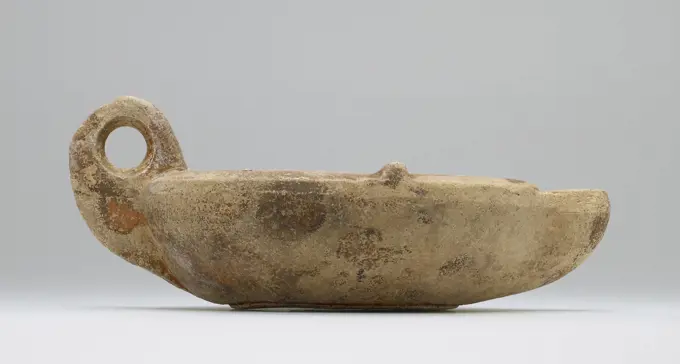
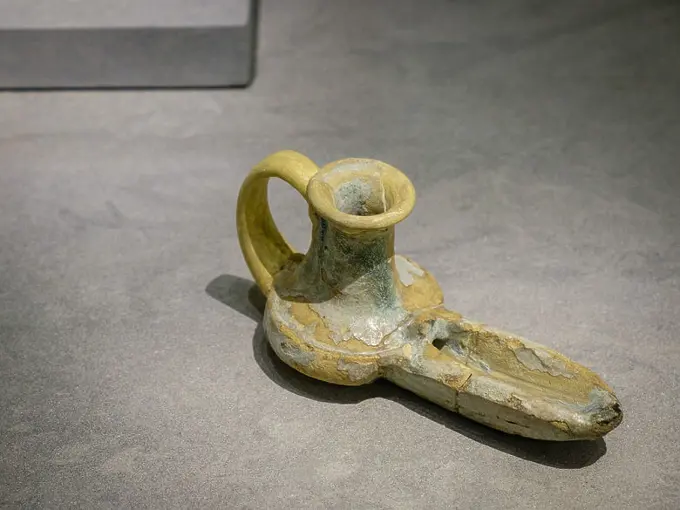
Lamp, Syria; 5th - 6th century; Terracotta with green glaze; 3.2 x 6 x 9.5 cm (1 1,4 x 2 3,8 x 3 3,4 in.)
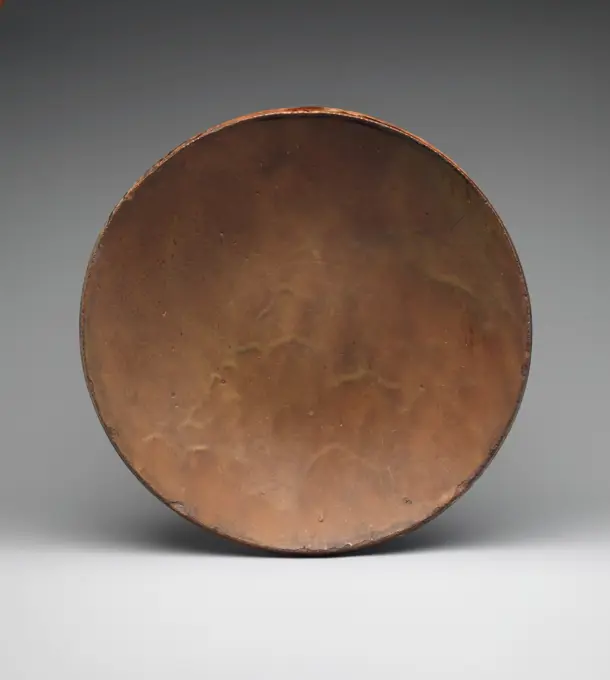
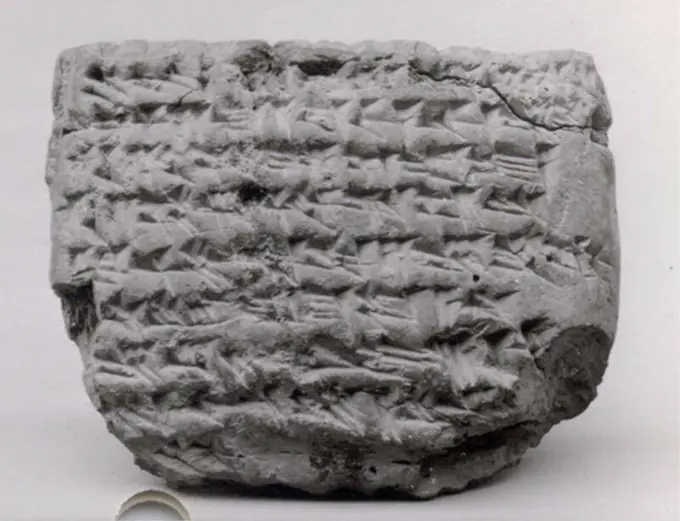
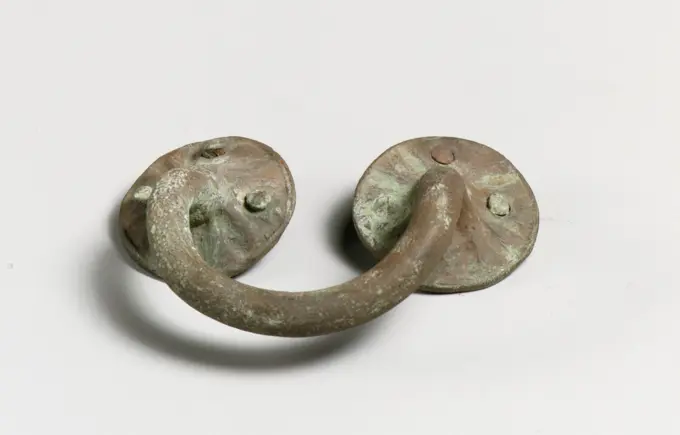
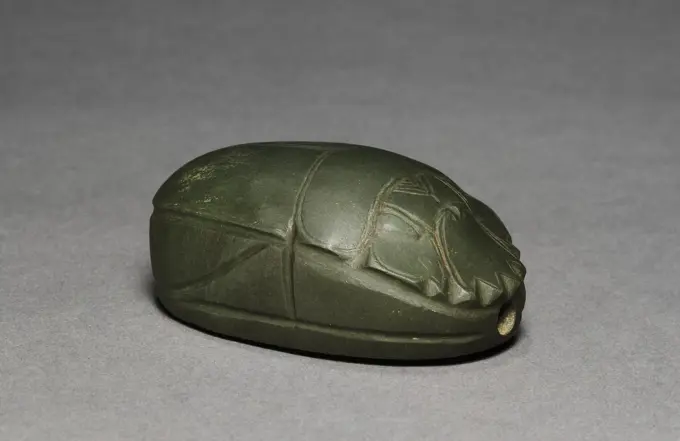
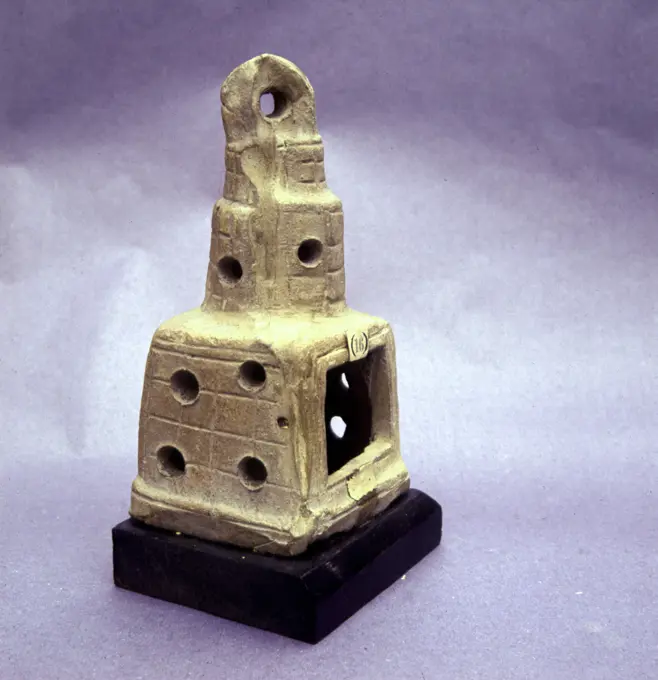
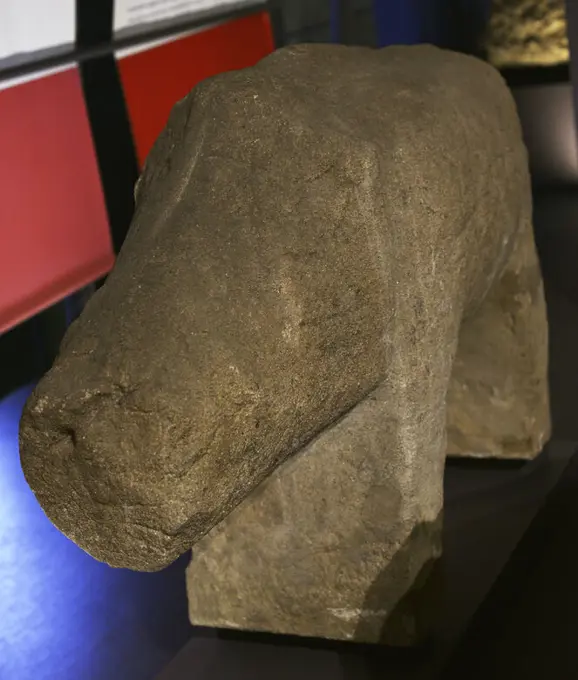
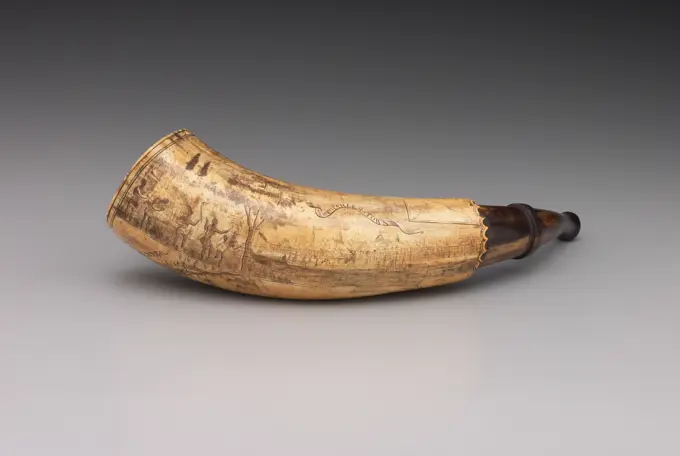
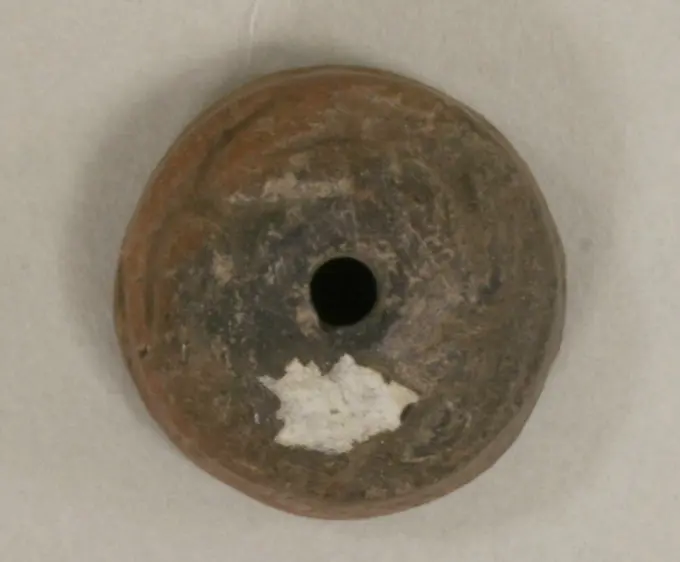
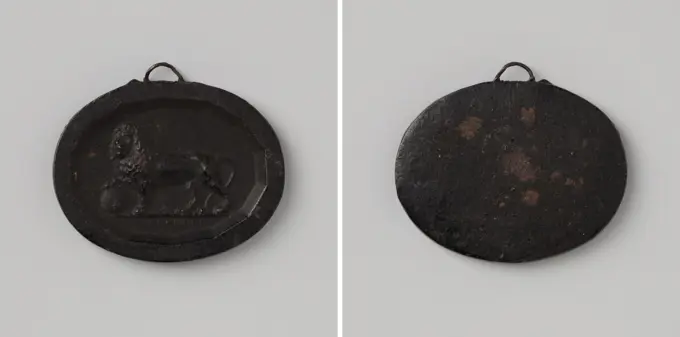
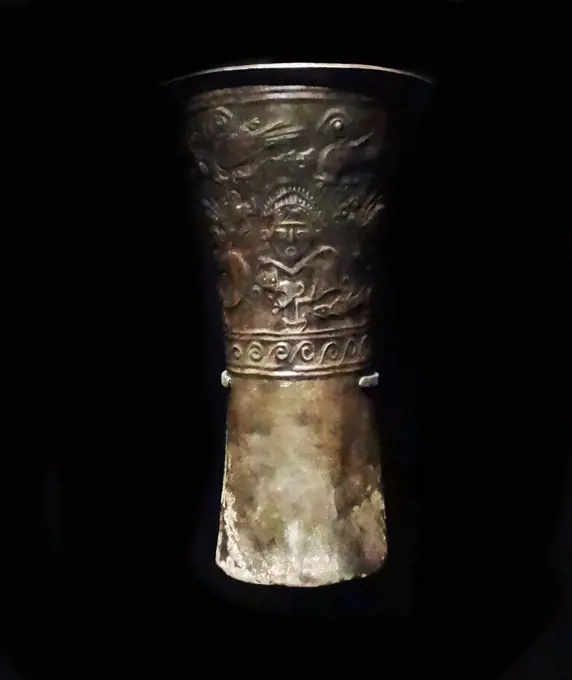
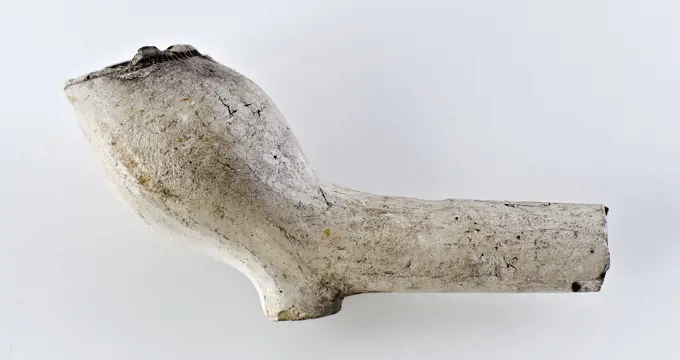
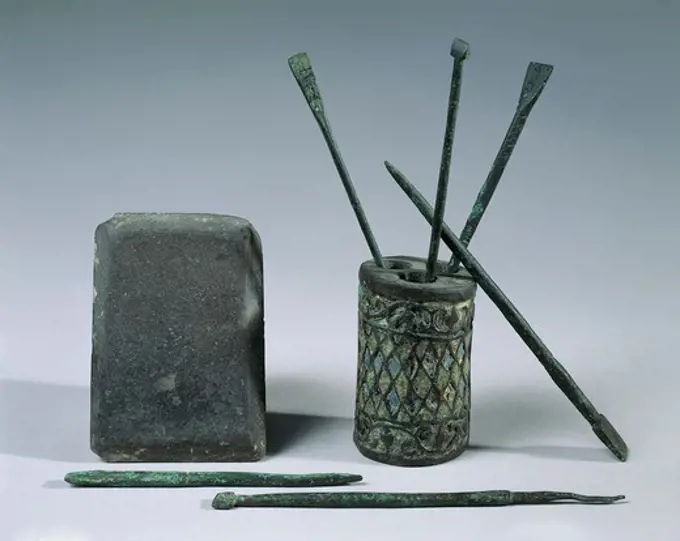
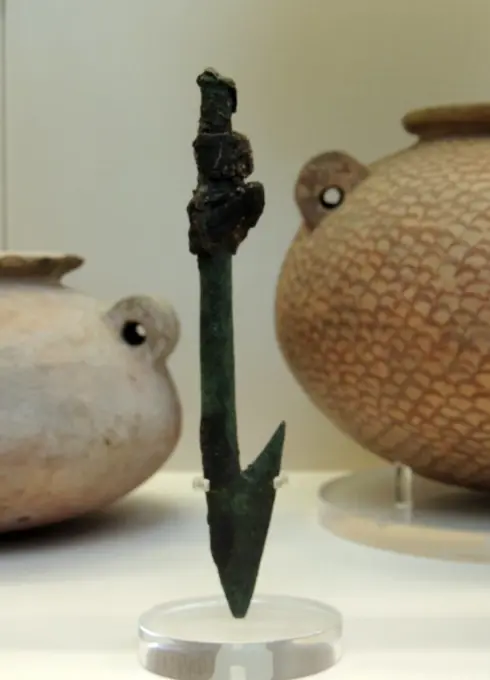
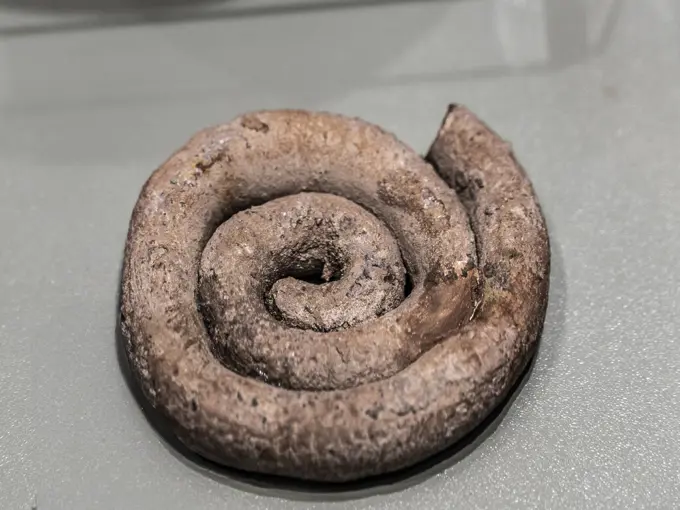
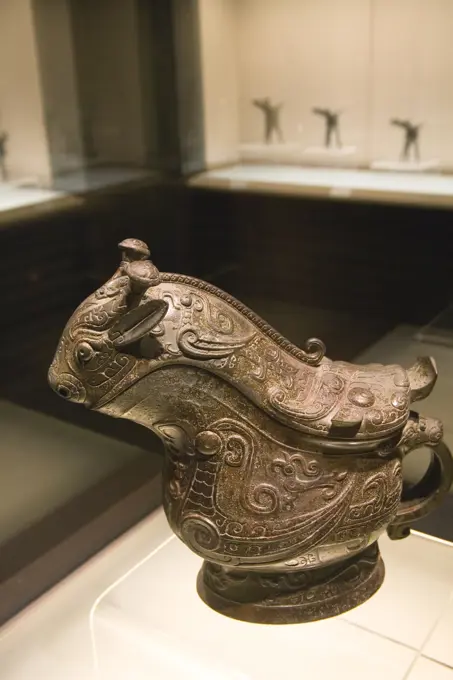
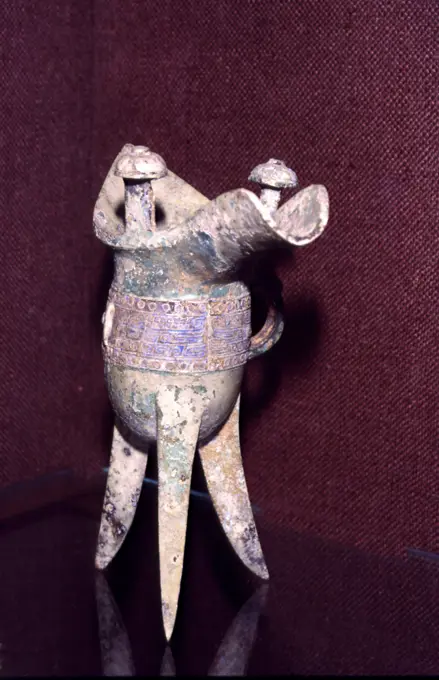
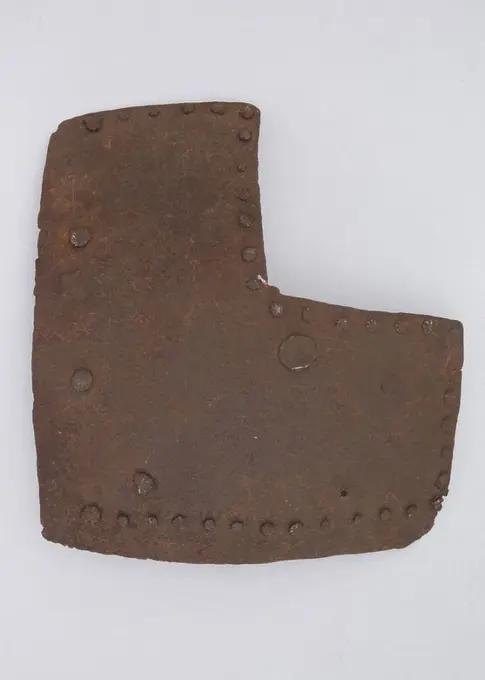
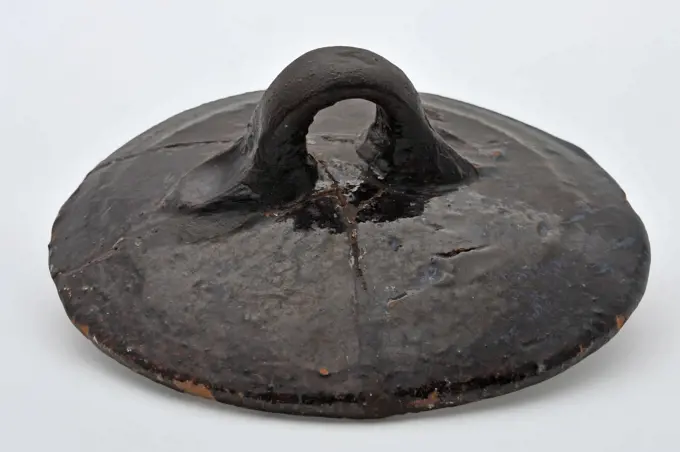
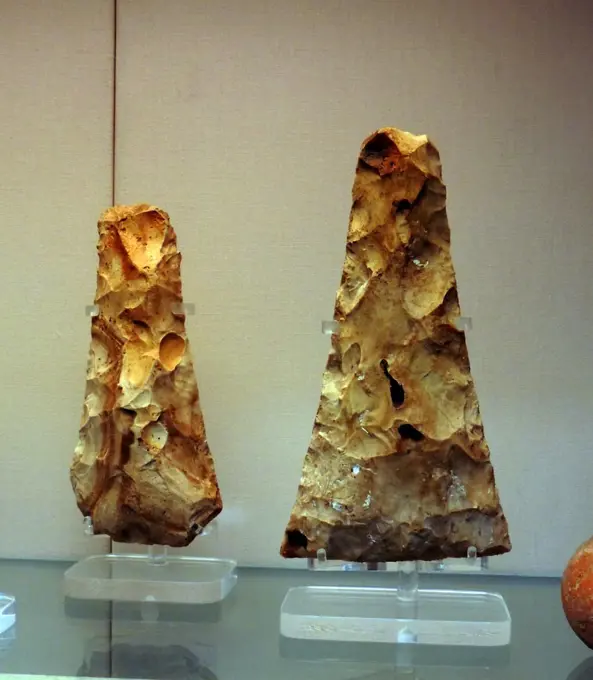
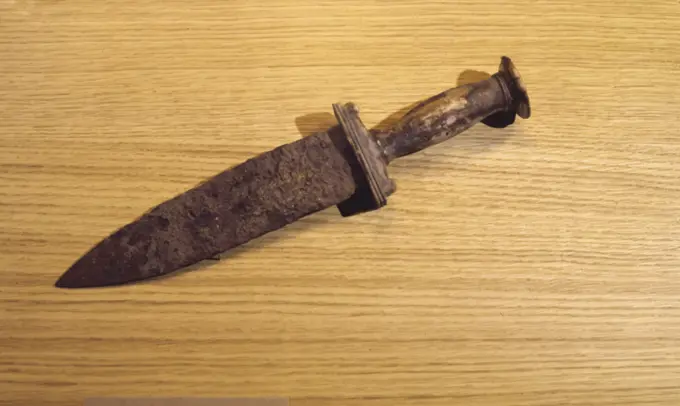
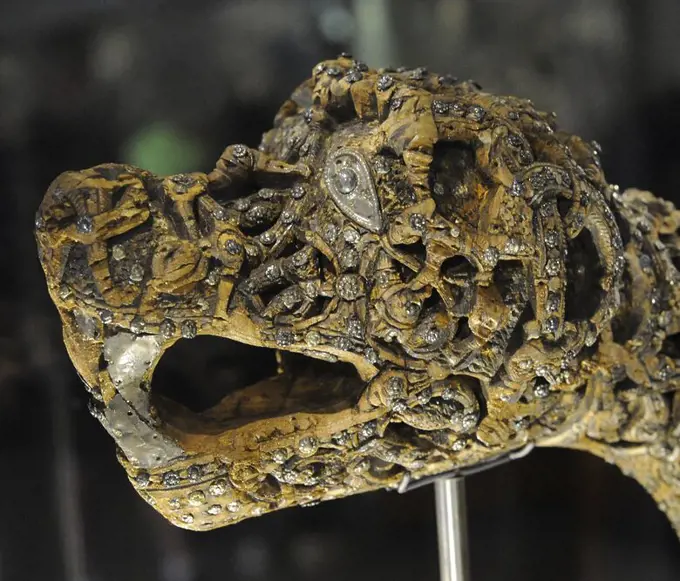
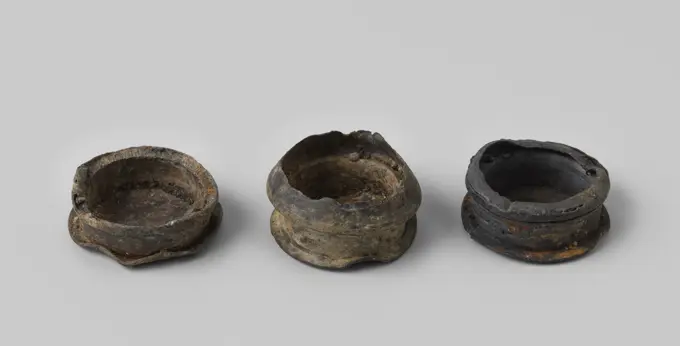
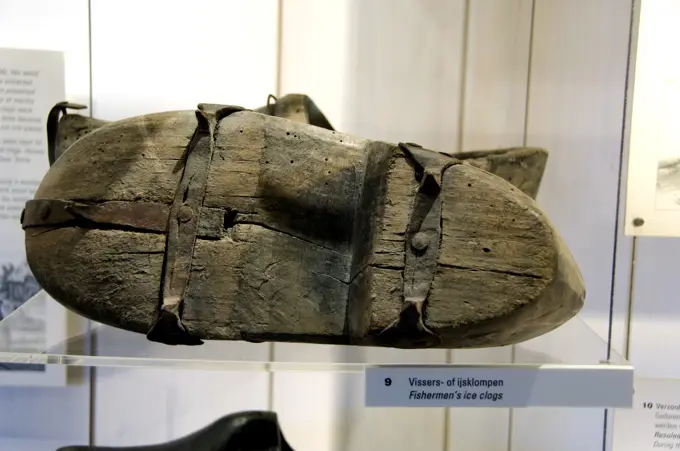
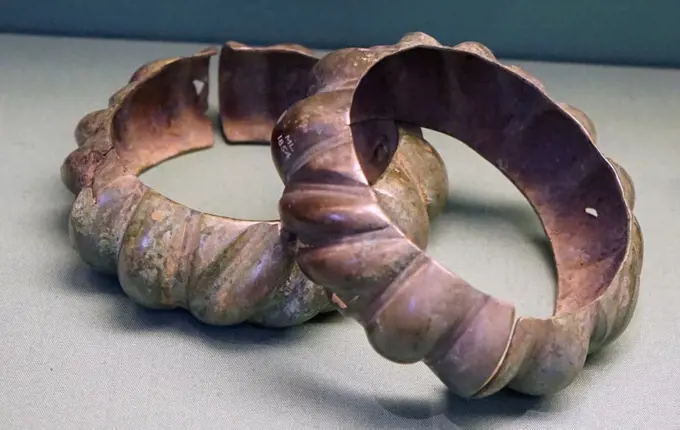
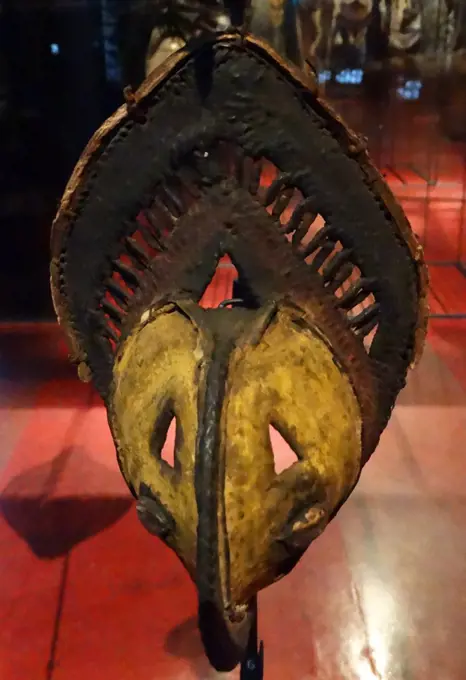
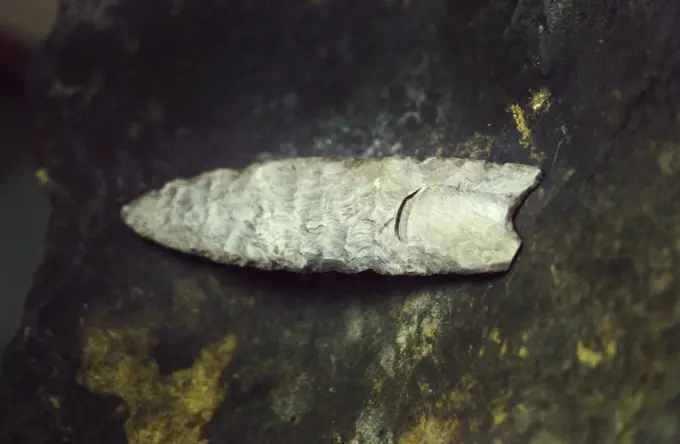
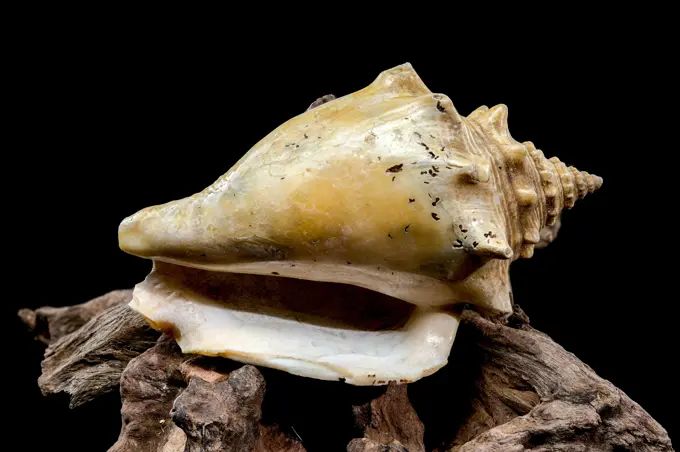
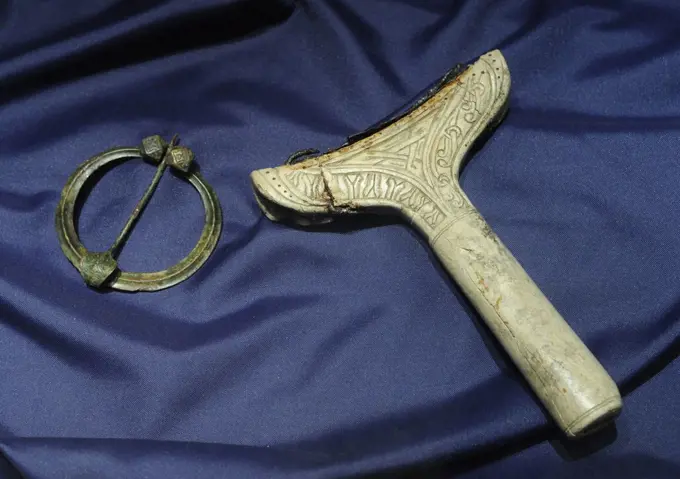
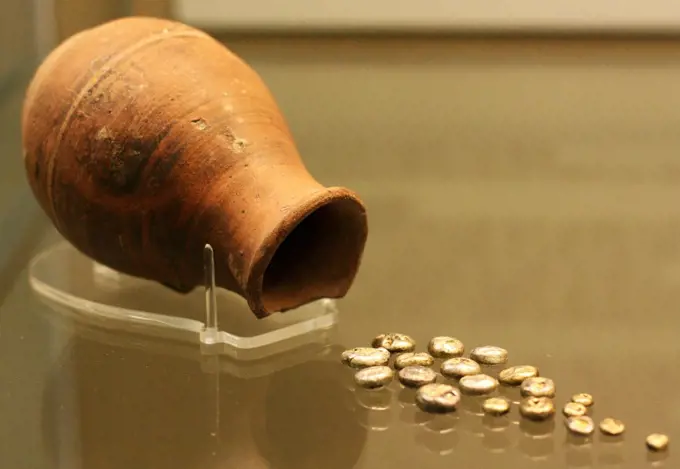
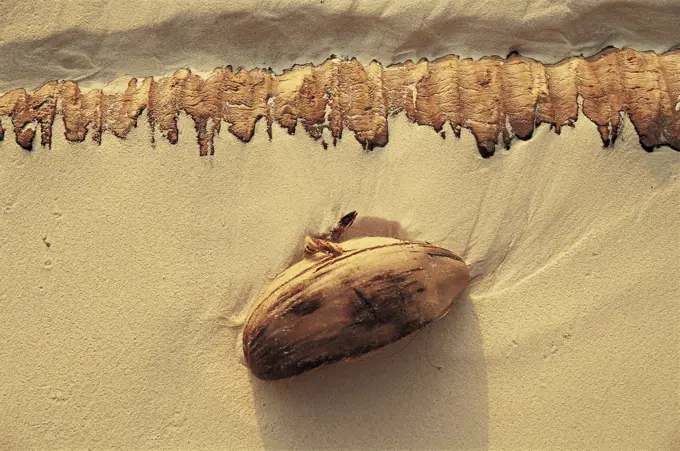
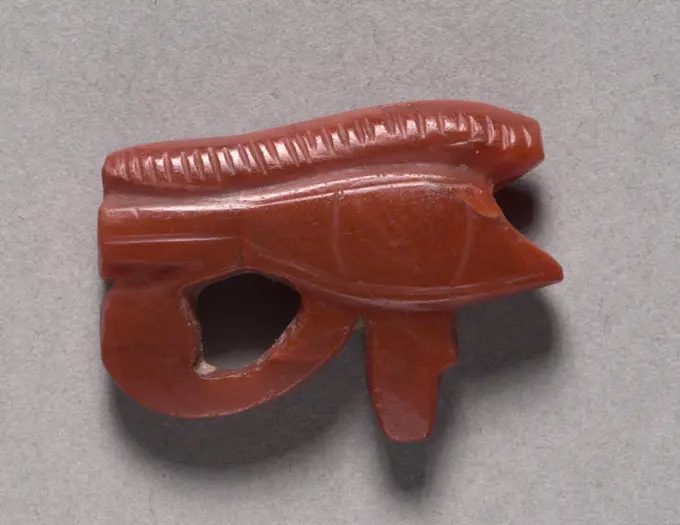
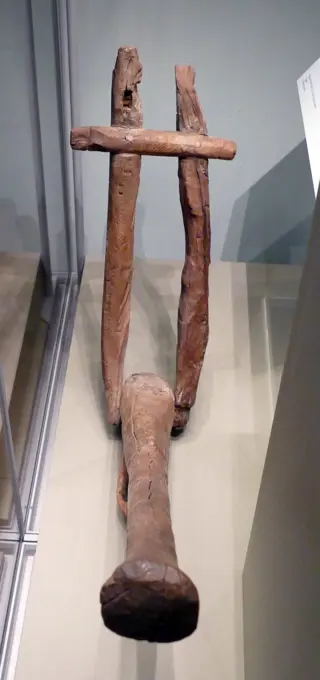
Lamp, Anatolia; 1st - 4th century; Terracotta; 2.5 x 8.5 x 11.5 cm (1 x 3 3,8 x 4 1,2 in.)Pie Dish 1800-1830 American. Pie Dish. American. 1800-1830. Earthenware with slip decoration. Made in Huntington, New York, United StatesCuneiform tablet: lease renewal, archive of Bel-remanni ca. 487 B.C. Achaemenid. Cuneiform tablet: lease renewal, archive of Bel-remanni. Achaemenid. ca. 487 B.C.. Clay. Achaemenid. Mesopotamia, probably from Sippar (modern Tell Abu Habba)MountGoldsmith's art, France, 16th century. Francois Briot (circa 1550-1612), Ewer ornamented with figures, and basin with depiction of god Mars in the center.Terracotta vase in the form of a fish 6th century B.C. Greek, Corinthian Terracotta vase in the form of a fish.. Terracotta vase in the form of a fish. Greek, Corinthian. 6th century B.C.. Terracotta. Archaic. VasesFarm tools. Wooden spade and wodden potato hoe. The National Museum of Finland. Helsinki.Handle of a hydria 5th-4th century B.C. Cypriot. Handle of a hydria 244327A bronze wine vessel from the 12th century BC in the exhibit of ancient artifacts at the Sanxingdui Museum in Sanxingdui near Chengdu, Sichuan Province in China.Lug from a Vessel ca. 4th-5th century Pakistan. Lug from a Vessel 50763Heart Scarab, 1900-1913. Egypt, Probably a modern forgery. Graywacke; overall: 2.8 x 4.8 cm (1 1/8 x 1 7/8 in.).PIEZA Derecha ; Colgante de una campana de bronce . Diametro 1,5 cm Alto 1, 6 cm ( Siglo I - III dc ) - Epoca romana , procedente de la " Casa de Hippolytus " - Yacimiento arqueologico de Complutum en Alcalá de Henares ( Madrid ). ESPAÑA .Nuts from the wreck of the East Indies Hollandia, Anonymous, 1700 - in or before 1743  Two copper nuts. Netherlands copper (metal)   SecondAh-Yah 19th century Moqin Indians. Ah-Yah 501222The Pharos at Alexandria. Only known contemporary representation. Incense burner. EGYPT.Fitting with Two Horse Heads 6th-5th century B.C. Northeast China. Fitting with Two Horse Heads 59461anfora de vino originaria de Ibiza, siglo III a.C. , Museu Municipal de Ciutadella,. Bastió de sa Font, Ciutadella, Menorca,balearic islands, Spain.Small statue of a boar. Ca. the 1st and 2nd centuries. Olival dos Berroes. Moncorvo. District of Bragança, Portugal. National Archaeology Museum. Lisbon, Portugal.BROCAL DE POZO-CERAMICA NAZARI S XIV-XV. Location: MUSEO ARQUEOLOGICO-COLECCION. CORDOBA. SPAIN.Four-piece mold for chalice, cast molding tool tools base metal bronze, cast turned Four-piece bronze mold for pouring chalice Rotterdam tin foundry tin pewter Meeuws Druy craft Forms originate from the 18th century Rotterdam tinnegieter J Druy. The large molds that were not signed or dated were the property of the tinker guild and were rented to the small tin caster.Space debris sphere that was found near Seguin, Texas and brought to Randolph Air Force Base where it was identified as a piece of a Delta rocket that had been launched from Vandenberg Air Force Base, Calif., in April 1996. Base: Randolph Air Force Base State: Texas (TX) Country: United States Of America (USA)Roman Lead Water-Pipe with inscription, c2nd century. Artist: Unknown.PowderHornCeltic helmet, Bronze Age, Blainville, 1300-700 BC. FRANCE.Spindle Whorl Mexican 10th-early 16th centuryStanding Male FigureCOVACHO DEL PONTON DE LA OLIVA (107/1R): NIDO DE AVE.Silver cup. Baroque, 17th century. Museum: Museo Arqueológico Nacional, Madrid.Wooden rosette belonging to the ceiling of the church, Monastery of San Juan de Caaveiro, Fragas del Eume natural park, province of La Coruña, Galicia, Spain.Hébrard/Husson. "Vacuks". Silver, around 1909. Museum of Fine Arts of the City of Paris, Petit Palais. 70007-9 Silver, decorative motif, stuck-upBead ca. 9th century B.C. Iran. Bead 325807Pinhead Roman Colorless oval pinhead with opaque white patches.. Pinhead. Roman. Glass. GlassAnklet 19th century. Anklet 444648Leeuw van Waterloo, Anonymous, 1824 history medal Unilateral lead oval medal with carrying eye. Front: Lion with front leg resting on Bol; Cut: Inscription. Reverse: Blanco  lead (metal) striking (metalworking)  Waterloo. Braine l 'alleudCup decorated with a frieze of figures, from Mochica culture, Early Chimu, Pre-Chimu or Proto-Chimu, from the North Coast of Peru. Dated 8th Centuryold rusted pliers old vintage retro used pliers on wooden table Copyright: xZoonar.com/FuroxLxFelixx 7106608candil Andalusí, 950-100 d.C, Museo arqueológico de Ibiza y Formentera, Patrimonio de la Humanidad «Ibiza, biodiversidad y cultura», Ibiza, balearic islands, Spain.White clay pipe, unnoticed, with smooth handle, clay pipe smoking equipment smoke floor pottery ceramics pottery, lb stem 2.9 pressed finished baked white clay pipe unnoticed with smooth handle archeology indigenous pottery import smoking tobaccoWriting material and instruments, schist tablet, inkwell and bronze styli, From Volubilis (Morocco)Buttons (possibly France); bone antlerCopper Harpoon-Blade 3600 B.C. Traces of the decayed original organic binding remain. EgyptCrocodile - 1st century B.C. - 1st century A.D.Fragment of a Bowl 9th-10th century. Fragment of a Bowl 457971clay spiral, Chalcolithic, fifth millennium BC, Bulgarian National Archaeological Museum, Sofia, Republic of Bulgaria, Europe.Datolite. minerals. North America; USA; Michigan; Houghton County; Quincy MineTocado o pectoral. Plata y cobre. Cultura Mochica, Período Intermedio Temprano (100 a. C-700 d. C.). Perú. Museo de América. Madrid. España.Shang Bronze (15-13 Century B.C.), Shanghai Museumloaf of bread on a table on dark backgroundHALDS WITH WINE BRESSES FROM THE WRAK OF THE EAST EBSIVEMER HOLLANDIA, ANONYMOUS, 1700 - In Or Before 1743  Wine bottle, continental production, neck, onion-shaped bottle or bottle with vertical side; fragm: fragm, vs-string rim, with cork, projecting; fragm, f-string rim, projecting cork. Netherlands cork (bark)   SecondRing. Ring. Silver. Gold and SilverShang Dynasty tripod (Chueh) vessel. 12-10th cent. BC CHINA.Sculpture Fragment. UnknownLate Medieval pottery. Possibly found at Ta' Ghammieza, boundaries of Rabat (Victoria), Island of Gozo, Malta). Gozo Museum of Archaeology. Cittadela of Victoria in Gozo. Malta.Neck fragment with pouring lip and ear of glass jug, jug bottle vessel holder soil find glass h 8.1 free blown Neck fragment with pleated pouring lip. Green tinted glass heavy irides High attached ear with graceful nodding on the shoulder with an upright lip attached archeology Valckensteyn Poortugaal Albrandswaard serving pouring wine Soil discovery: castle Valckensteyn in Poortugaal now Albrandswaard 1961-1962.Brigandine Plate. Culture: Italian. Dimensions: H. 8 1/4 in. (21 cm); W. 7 3/4 in. (19.7 cm); Wt. 12.9 oz. (365.7 g). Date: 1400-1450. Museum: Metropolitan Museum of Art, New York, USA.Dark brown lying around pottery lid with ear, lid closure soil found ceramic earthenware glaze lead glaze, hand-turned glazed baked lid red shard dark brown glaze pinched brace ear Glaze with manganese oxide. Low model archeology Valckensteyn Poortugaal Albrandswaard indigenous pottery close close cooking tableware kitchenware tableware Soil discovery: moat at kitchen castle Valckensteyn at Poortugaal now Albrandswaard 1961Gold pendant decorated with the moon and a head of pheasant or eagle, artefact from the Treasury of the Tomb 7 in Monte Alban, Mexico. Mixtec Civilization, post-classical period 14th-15th Century.Two Flint Hoes 3100 B.C. EgyptRaven Crest (red cedar) from the summit of a pole or beam end. 19th century, Haida people, Alaska or British Columbia. Northwest Coast of America.Clay pottery ceramic Products dry on plate workshop. Clay pottery ceramic ProductsRoman Gladiator's shortsword or dagger. Pompeii. 1st cent. ITALY.Animal-head post carved in wood. Found in the Tomb of the Boat of Oseberg, Norway. 9th century. Viking Ship Museum. Oslo. Norway.Terracotta fragments of a kylix (drinking cup) 520-500 B.C. Greek, Attic Exterior, rim fragment with extended right arm of figure; head of stag on male human body, Actaeon; hand of a third figure, two ancient repairs visible; rim fragment with head and part of upper torso of bearded satyr to right; rim fragment with part of handle palmette and tendril; rim fragment with part of handle patch; black glaze fragment from wall of cup. Terracotta fragments of a kylix (drinking cup) 699297FOSSIL: AMMONITES.Iron Medal of Red Cross fromHungary. Artist: UnknownScrew caps from the wreck of the East Indies Princesse Maria, Anonymous, 1670 - 1686 screwcap Round pewter screw caps for a basement bottle, black corroded. Screw Cap. Netherlands tin (metal)ungüentarios de pasta vitrea, originarios del mediterraneo oriental, 550-75 b.C., Ibiza and Formentera Archeological Museum, Patrimonio de la Humanida...Neolithic core of Siles, Rasal Bentué, Arguis, Huesca museum, Aragon community, Spain.Pair of Thigh Defenses (Cuisses) with Knee Defenses (Poleyns). Culture: probably Italian. Date: late 16th century. Museum: Metropolitan Museum of Art, New York, USA.stone model of a medieval castle, found in the wall of La Cava de Úbeda, Archeological Museum. Úbeda, Jaén province, Andalusia, Spain.Netherlands (aka Holland), Zaandam. Zaanse Schans, historic open air museum. Wooden Shoe Museum, fisherman's ice clogs. (Editorial Usage Only)Active and passive grindstones. From back to front: Las Palas Plane (El Almanzora Caves, province of Almeria, Andalusia) and Los Murcielagos Cave (Zuheros, province of Cordoba, Andalusia); Unknown origin and Los Marmoles Cave (Priego, province of Cordoba, Andalusia) and Mejorada del Campo (Community of Madrid, Spain). National Archaeological Museum. Madrid. Spain.Cast Bronze armlet used as a Burial Offerings, from Charvais. Dated 620 BCMelanesian Abelam tribal Yam mask made from basketry and painted with natural pigments. from Papua New Guinea mid 20th century. One of the major focuses of ceremonial life among the Abelam people of northeast New Guinea is the competitive growth and exchange of long yams. The Abelam cultivate two long yams, as they are a mark of social statusAmulet of a Situla (Jar). Egyptian. Date: 1069 BC-656 BC. Dimensions: H. 1.6 cm (5/8 in.); diam. 1 cm (3/8 in.). Faience. Origin: Egypt. Museum: The Chicago Art Institute, Chicago, USA. Author: Ancient Egyptian.Priam Treasure from Troy, gold cup, bronz and lapislazuli axes, Schliemann find.Clovis spearpoint from 10000 BC, in other words the Clovis arrowhead, was the only projectile point used for the first 2000 years of the Native American Indians.Sasanian Helmet, found at Nineveh, Iraq. Dated 6th century ADElectricity bus Pugilis mussel on driftwood with black background power bus Pugilis mussel on driftwood with black backgroundAnonymous. "Registered cutting background". Translucent glass, inclusion of golden glass threads, 3rd century BC .. Museum of Fine Arts in the city of Paris, Petit Palais. 99933-15 Antiquity, IIIEM III 3rd 3rd century, translucent, ancient glassRing brooch, Vardoyvag, Vardo k., Finnmark, 10th-11th cent. Shaman's drum hammer, Nordset, Rendalen k., Hedmark, 11th cent. Historical Museum. Oslo. Norway.Pottery pot lying in the grass, Hotel Posada Del Inca, Puno, PeruRound-mouthed jug found in the foundations of the temple of Artemis at Ephesus. East Greek, probably made on Samos, about 650-625 BC. Next to the jug are an assortment of Electrum coinsdoor to stretch and open ringDried coconut shell washed burnt coconut tree trunk, Lakshadweep, India Copyright: xAshaxAdatia/DinodiaxPhotoxKnob ca. 8th century B.C. Assyrian This is one of a group of ivory knobs found in a storage room in the large building at Nimrud named Fort Shalmaneser by the excavators. Carved ivory was widely used in the production of elite furniture during the early first millennium B.C. Ivory plaques and strips were often inlaid into a wooden frame using joinery techniques and glue. Knobs such as these could have been used to mask dowel holes and nail heads in a finished piece of furniture. Built by the Assyrian king Ashurnasirpal II, the palaces and storerooms of Nimrud housed thousands of pieces of carved ivory. Most of the ivories served as furniture inlays or small precious objects such as boxes. While some of them were carved in the same style as the large Assyrian reliefs lining the walls of the Northwest Palace, the majority of the ivories display images and styles related to the arts of North Syria and the Phoenician city-states. Phoenician style ivories are distinguished by their use of iBell Dangle 15th-mid-16th century Peru; north coast (). Bell Dangle 309226Gold, silver and vellon coins. Dated between the 11th and 15th centuries (reigns from Alphonse VI to the Catholic Kings). Toledo Mint. Sephardic Museum. Toledo. Castile-La Mancha. Spain.Eye of Horus Amulet, 1540-1296 BC. Egypt, New Kingdom, Dyansty 18. Carnelian; overall: 2 cm (13/16 in.).Apostle spoon probably 17th century, with later additions German or Dutch. Apostle spoon. German or Dutch. probably 17th century, with later additions. Silver, wood. Metalwork-Silver In CombinationHelmet. Bronce. 4th century BC. Unknown provenance. National Archaeological Museum. Sofia. Bulgaria.ancient Egyptian plough with traces of the bronze blade that was used to churn up the fertile soil deposited by the Nile's annual flood. About 1550-1069 BC, New Kingdom period Wood, bronzeOld and rusty horseshoes for horses, object detail for animalsAnthropomorphic bone idols, 3000-2500 BC, come from the Carenque necropolis and Samarra beach, Portugal, Huelva Museum, Huelva, Andalusia, Spain.Frontal Plate from a Tilting Heaume in French or German Style. Culture: probably French or German. Dimensions: H. 10 1/4 in. (26 cm); W. 11 1/8 in. (28.3 cm); D. 9 1/8 in. (23.2 cm); Wt. 6 lb. 3.2 oz. (2812.3 g). Date: ca. 1850-1900. Museum: Metropolitan Museum of Art, New York, USA.Archaeological zone of ruins of Ampurias,treasure of denarii,Girona,Spain,Europe.Tall hollowed log drum from Nigeria. Dated 20th CenturyTORRES DE LA TRINIDAD Y DEL TARDON. Location: EXTERIOR. Alcaraz. ALBACETE. SPANIEN.CABEZA CABALLO-PROCEDE FRONTON PARTENON-GRECIA. Author: PHIDIAS. Location: BRITISH MUSEUM. LONDON. ENGLAND.A small sculpture of a fantastic animal decorates a vessel in Chechen-Ha cave in Benque Viejo, San Ignacio, Cayo, Belize