Terracotta Artifacts

A variety of terracotta objects, including oil lamps and funeral items, reflecting ancient practices and artistic styles.

Lamp, Syria; 5th - 6th century; Terracotta with green glaze; 3.2 x 6 x 9.5 cm (1 1,4 x 2 3,8 x 3 3,4 in.)
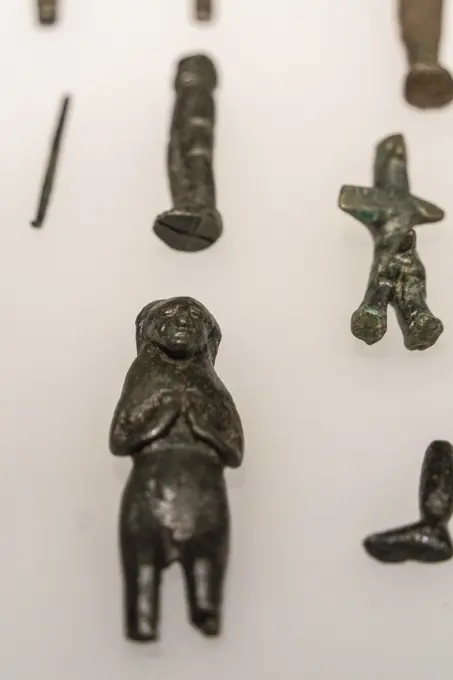
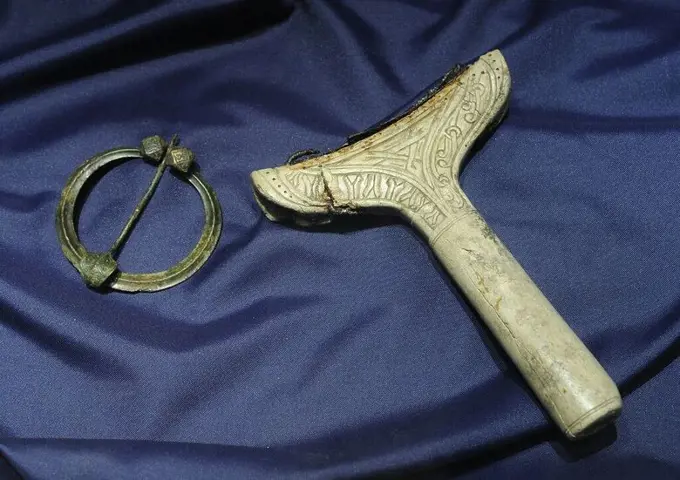
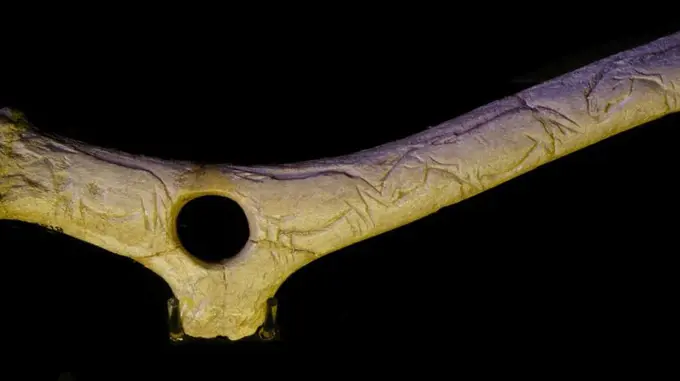
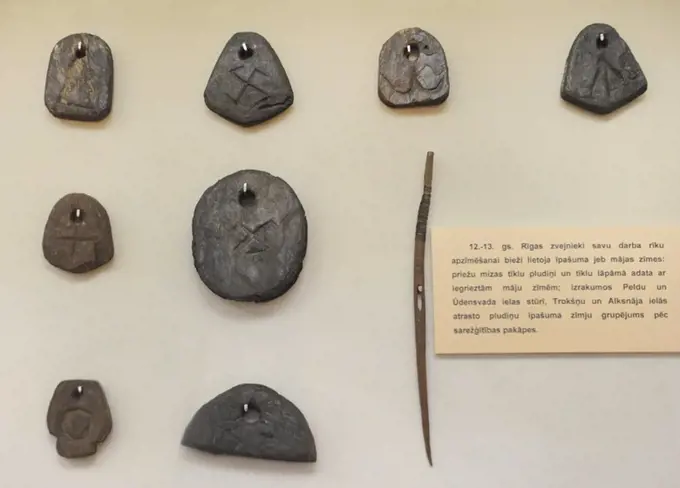
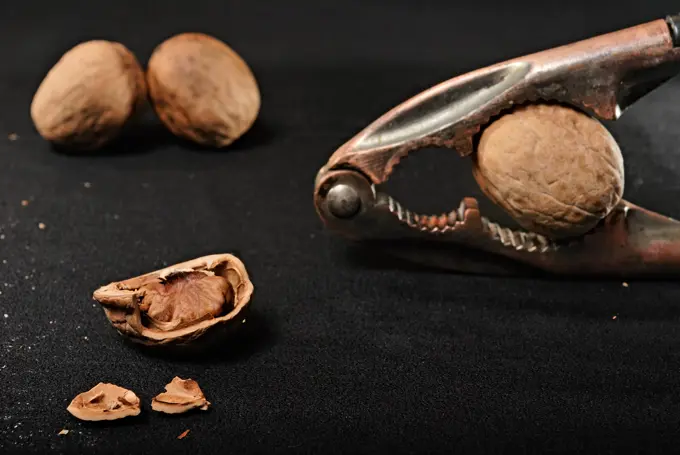
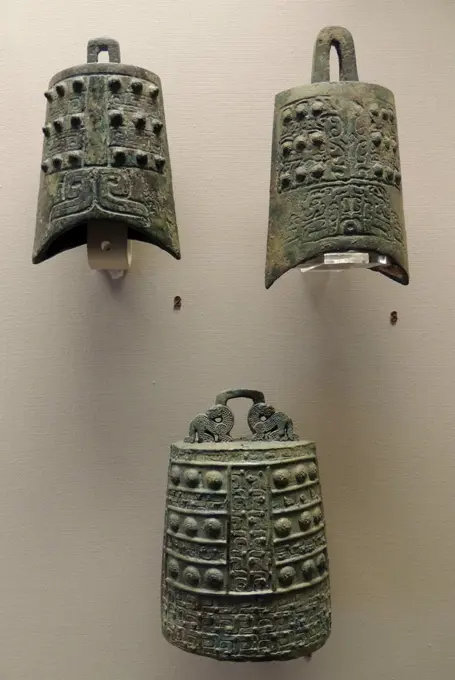
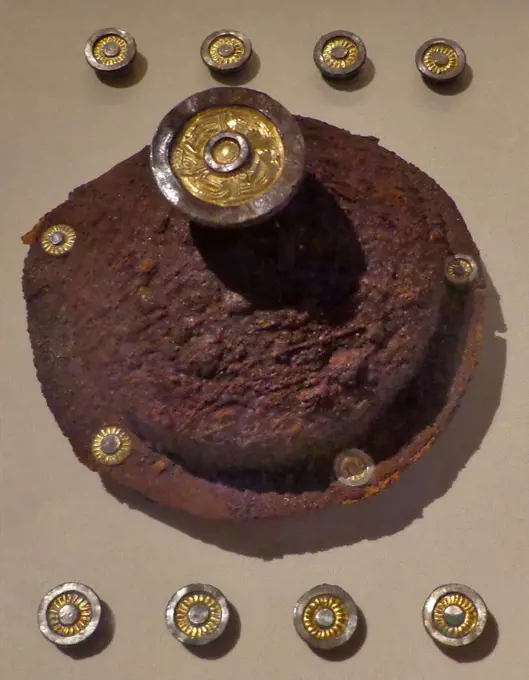
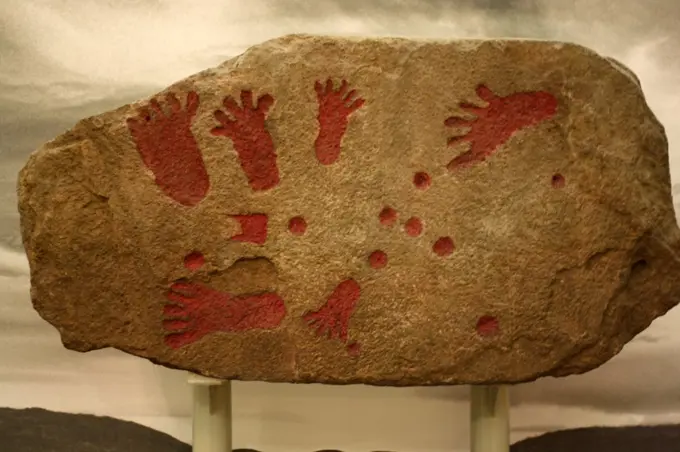
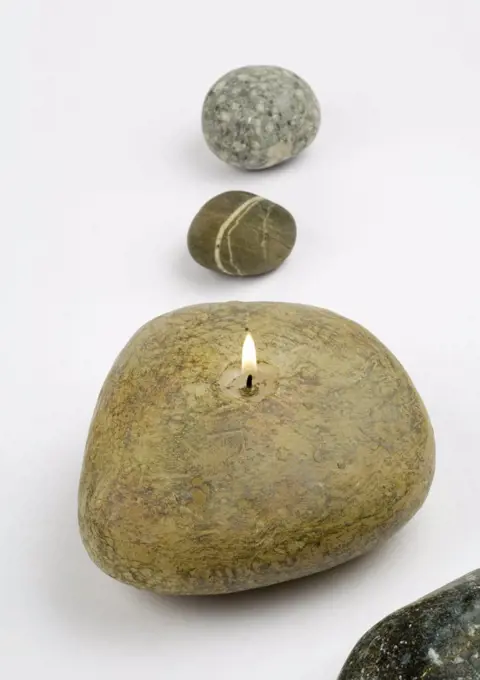
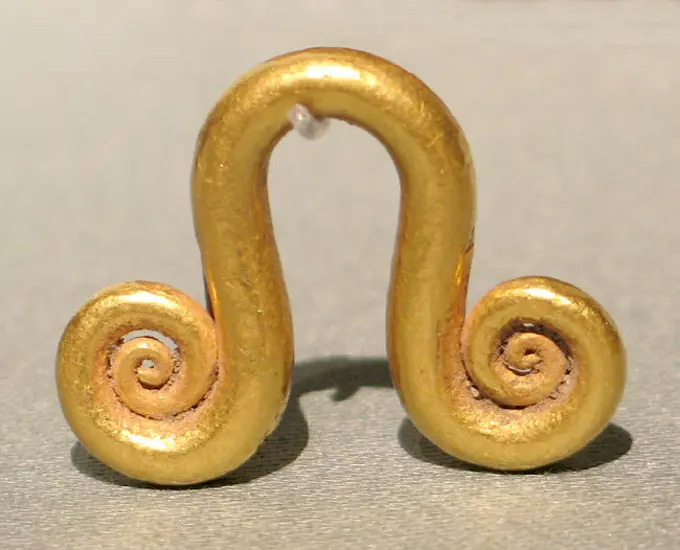
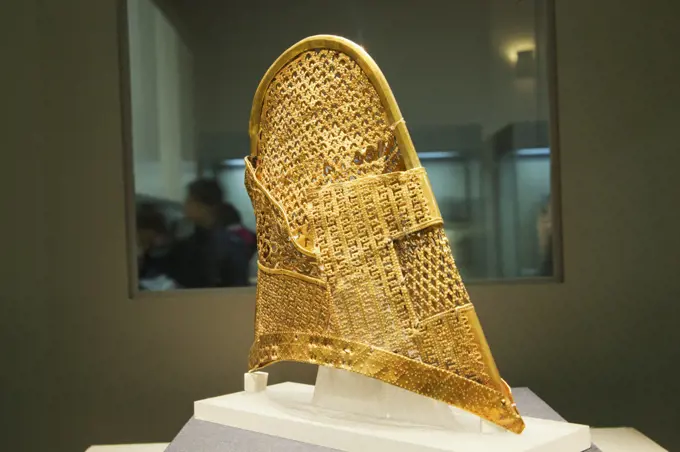
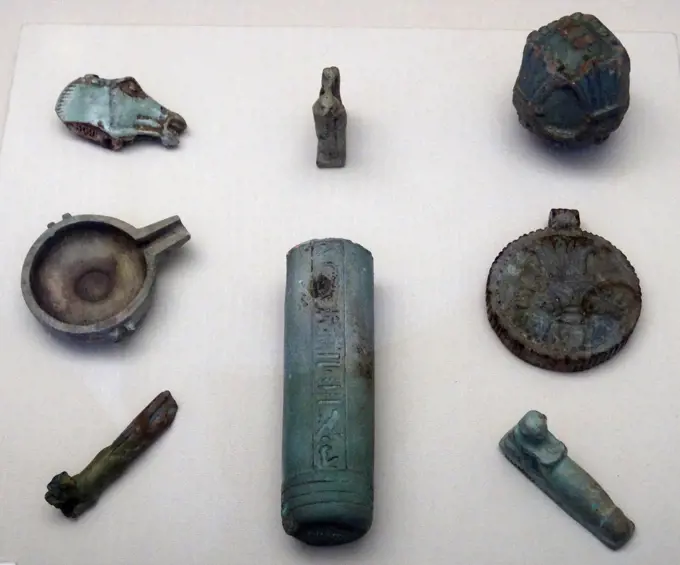
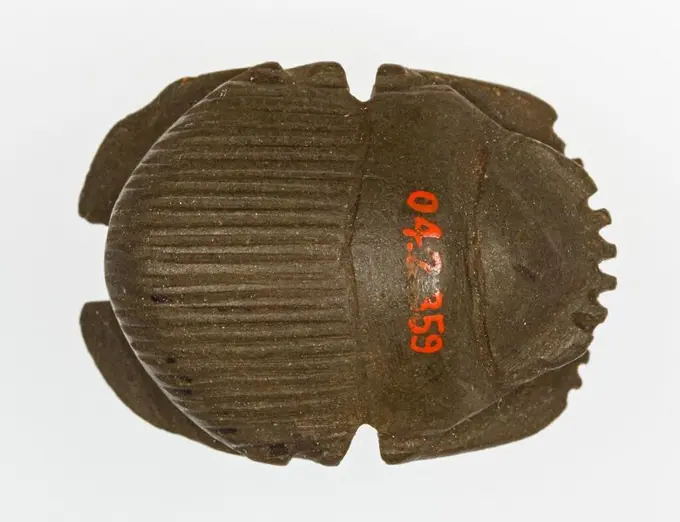
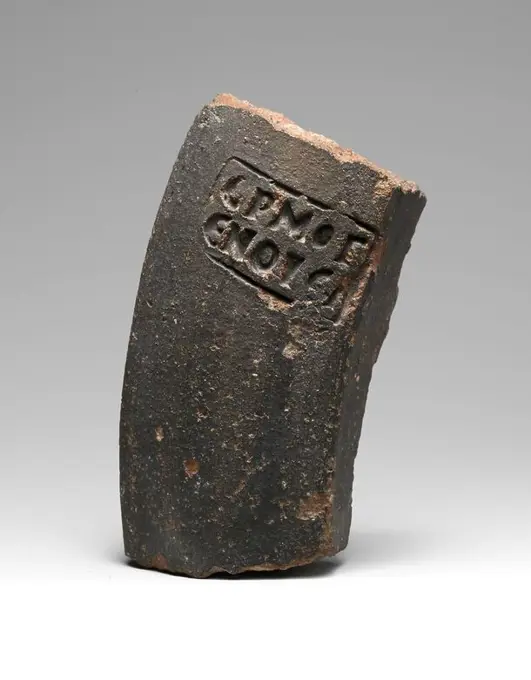
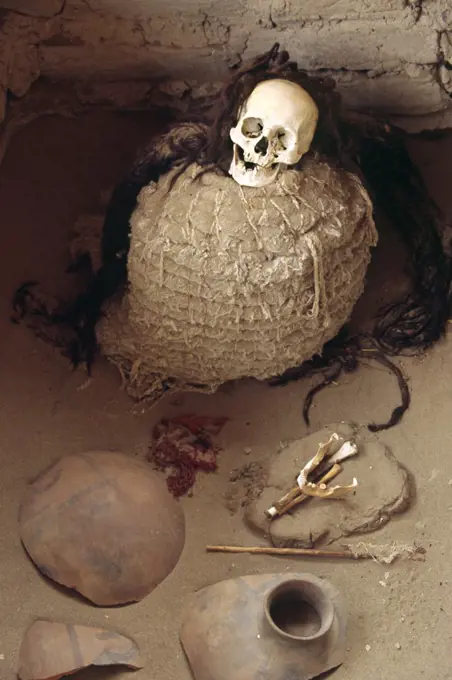
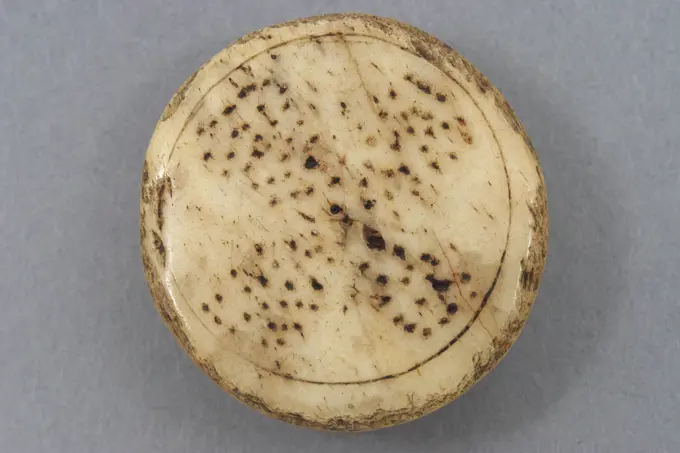
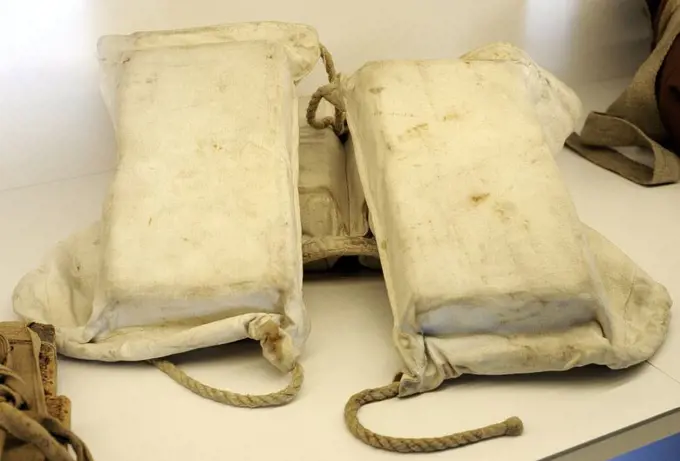
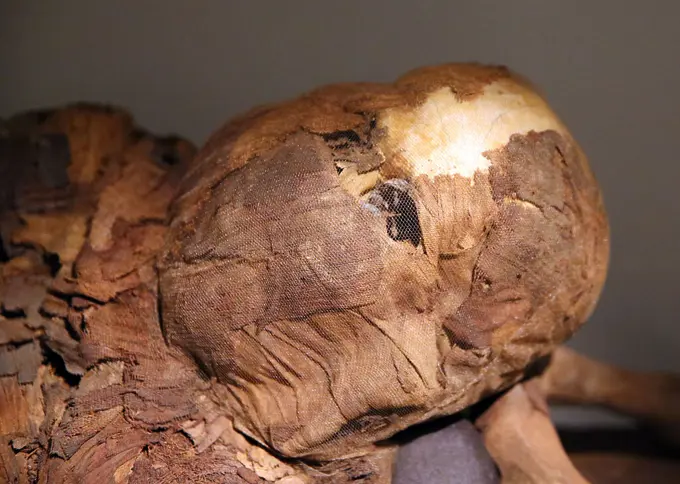
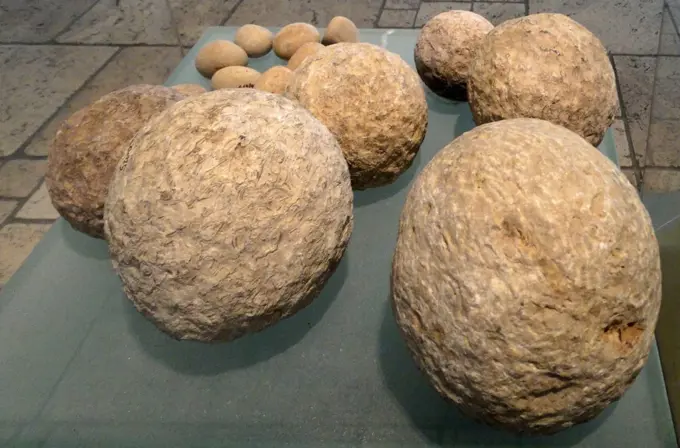
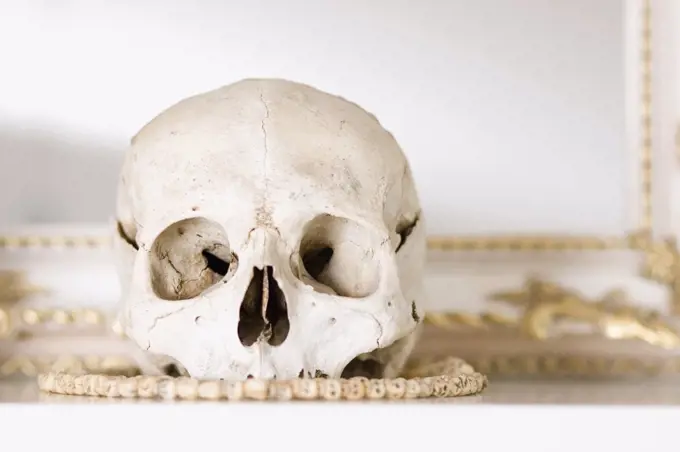
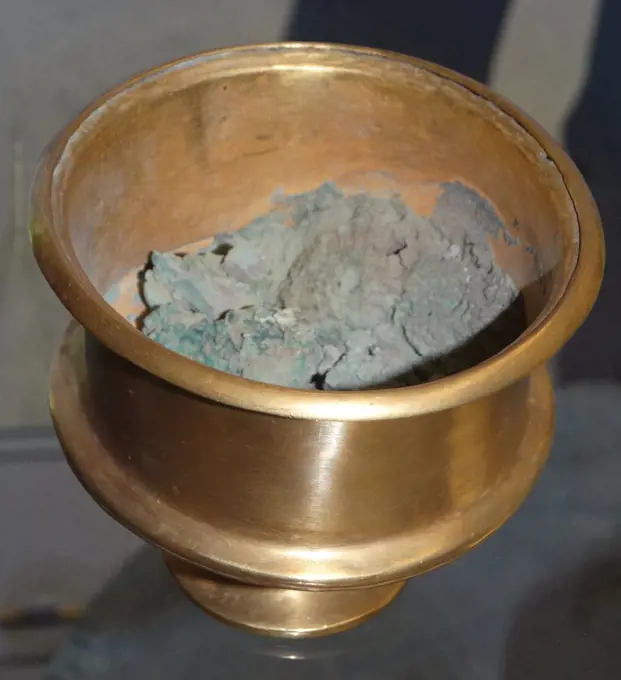
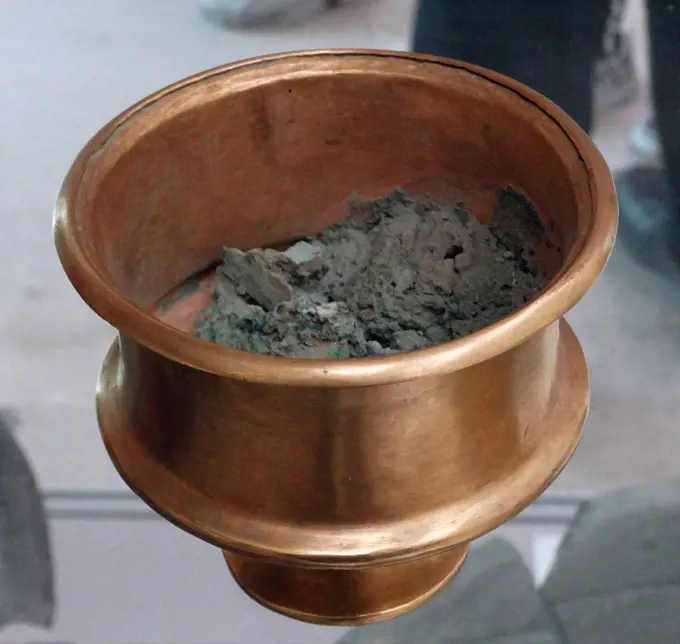
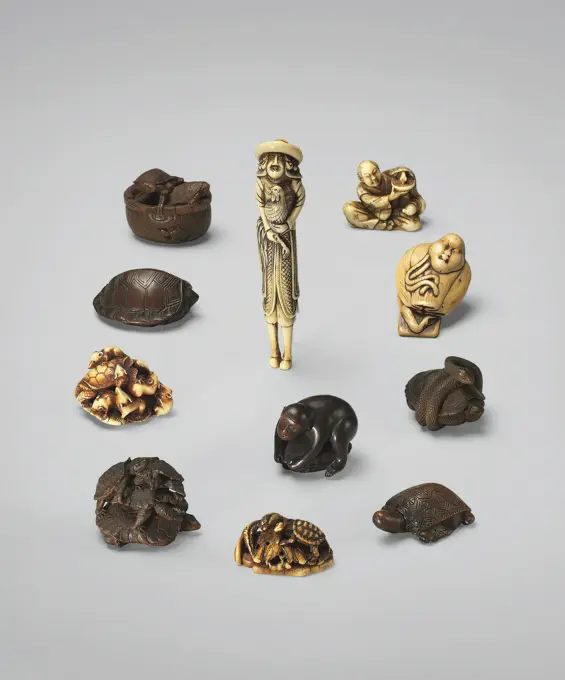
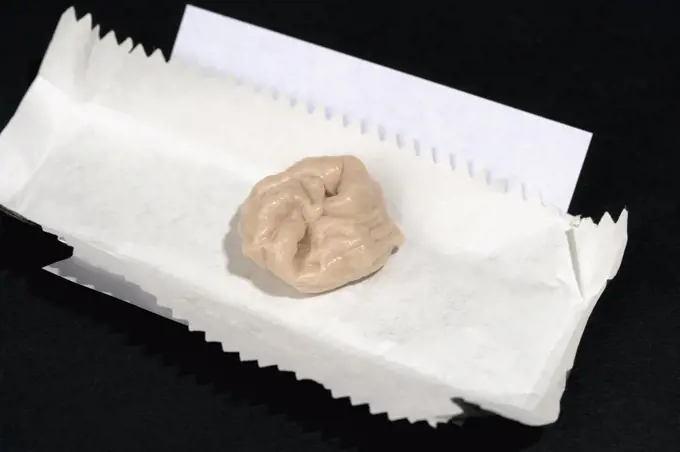
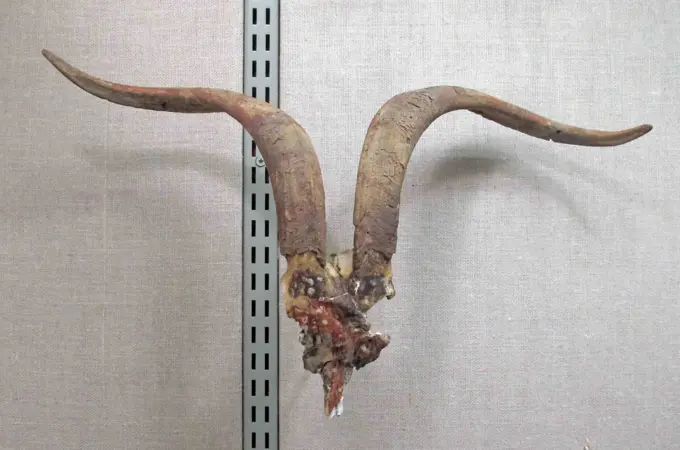
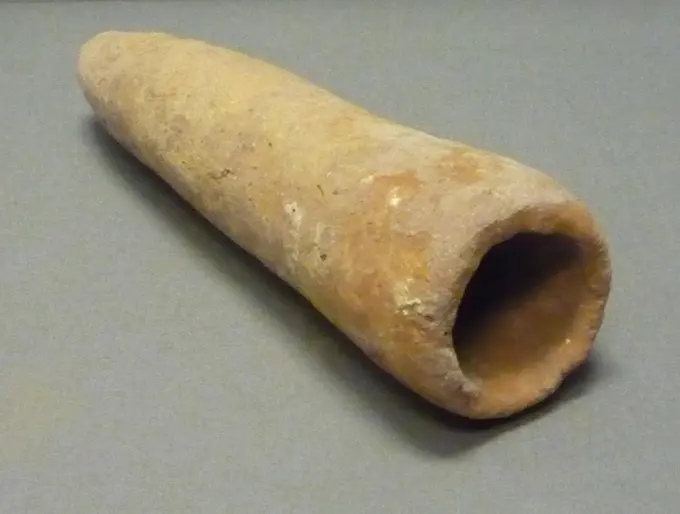
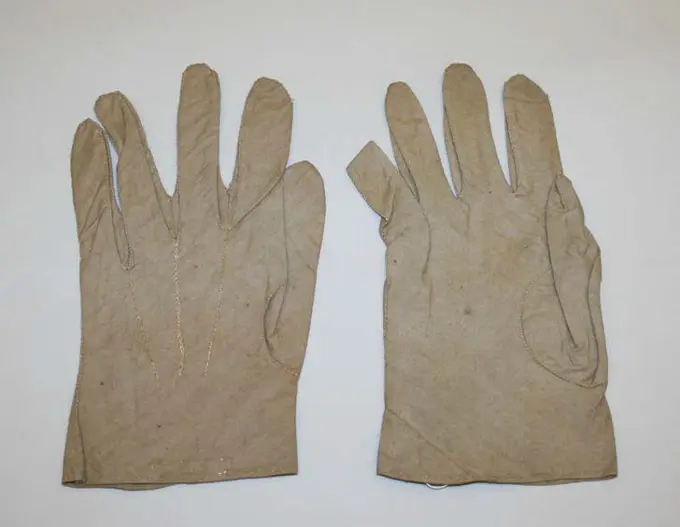
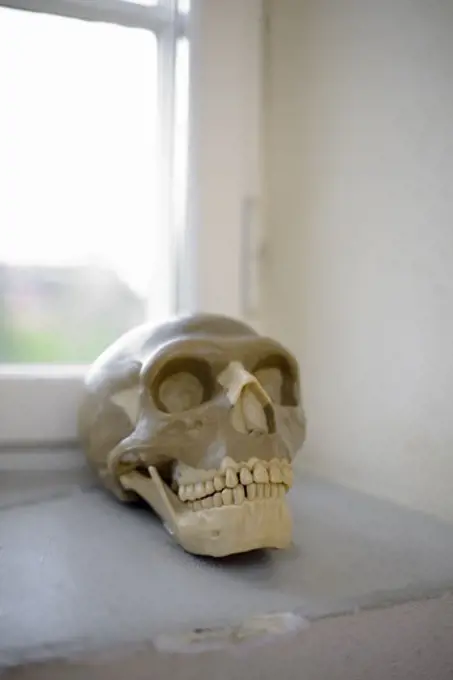
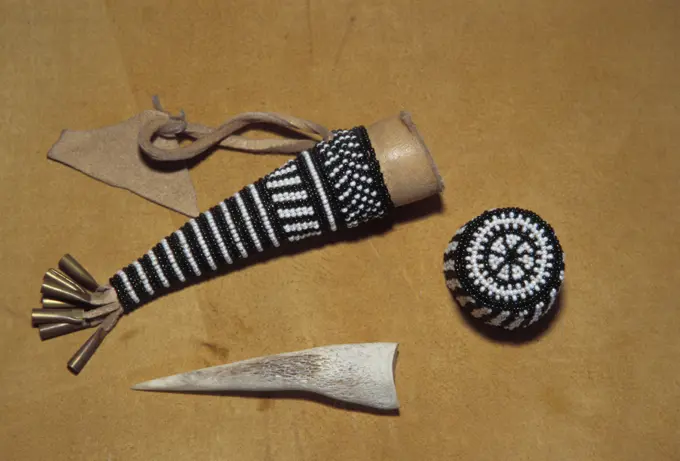
Sharp bone awl, with a beaded awl sheath with lid, used as a punch to make holes in hide, wood and fiber.set of Iberian bronze votive offerings set of Iberian bronze votive offerings, Iberian Museum of Jaén, Andalusia, Spain Copyright: xZoonar.com/Tolox 21714856Skull of one of the eleven thousand virgins, 13th century, Relics Room, Monastery of Santa Maria de San Salvador de Cañas, Cañas, La Rioja, Spain.Ring brooch, Vardoyvag, Vardo k., Finnmark, 10th-11th cent. Shaman's drum hammer, Nordset, Rendalen k., Hedmark, 11th cent. Historical Museum. Oslo. Norway.PIEZAS DE LA EXPOSICION "ARTE SIN ARTISTAS": BASTON PERFORADO CON HILERAS DE CABALLOS, DEL ABRIGO DE LA MADELEINE. TURSAC, DORDOÑA (FRANCIA). TALLADO Y GRABADO SOBRE ASTA DE RENO. MAGDALENIENSE.Roman bronze stool. Dated 1st CenturyArtificial hand made entirely from iron. The fingers are hinged and may be returned to their outstretched position by means of a spring, operated from within the hand.Middle ages. Latvia. Fishing accessories. 12th-13th centuries. Buoys pine bark incised signs on them, to know the owner of the fishing nets. Museum of History and Navigation. Riga.nutcracker nutcracker and full hazelnuts Copyright: xZoonar.com/sad444i.uax 2447279Shang Bronze (15-13 Century B.C.), Shanghai MuseumGold pectoral, 6th century BC, Trebenishte necropolis, Bulgarian National Archaeological Museum, Sofia, Republic of Bulgaria, Europe.Bronze bell. Possibly from Southeast China, Early Eastern Zhou, 8th-7th century. The S-shaped dragons retain the form of earlier Western Zhou ornament. At this date the bronze casting tradition of Southern China was very conservative.Anglo-Saxon shield fittings, made of iron with silver studs (circa AD 500s). Originally attached to wooden shield board.Fragment. Culture: European or Middle Eastern. Dimensions: L. 2 1/2 in. (6.4 cm). Date: ca. 1150-ca. 1250. Museum: Metropolitan Museum of Art, New York, USA.This slab of stone is part of a burial mound known as a barrow. Remains of the dead would be placed in a stone chamber called a cist, which was then covered over by earth.red granite water-spout fountain from the funerary temple of King Unas at Saqqara, Egypt. 6th DynastyDrum, ca.1850. From Vietnam. Drum sometimes called "dai co". It used to hang from a wooden lectern that held it upright like a gong. The use of these drums used to be religious or playful, accompanying traditional operas. Naval Museum. Madrid. Spain.Bronze muscled cuirass. South Italian, about 386-325 BC. British Museum. London. UK.Madrid, 02/27/2015. Queen Elizabeth II's bodice showing the knife hole with which she was stabbed and kept in the Museum. Photo: Jaime García. ARCHDC.Stone-shaped candle and stonesMan holding an old rusty nail in his handold marine snail shell isolated with a black backgroundEarring 8th-early 9th century Indonesia (Java). Earring 50086Golden cap in a museum, Gyeongju National Museum, Gyeongju, South KoreaDisplay of Inuit people's boat in the National Museum, Nuuk, GreenlandMiscellaneous faience objects from the Late Period or Graeco-Roman. Dated after 600 BCold rusty horseshoe on a wood backgroundUninscribed scarab. Dimensions: L. 2.8 × W. 2.1 × H. 1.2 cm (1 1/8 × 13/16 × 1/2 in.). Date: 30 B.C.-A.D. 364. Museum: Metropolitan Museum of Art, New York, USA.Port of Soller, Museo del Mar, Majorca, Balearic Islands, Spain.Stone sink Nature stone sink in unusual rough shape Copyright: xZoonar.com/Baloncicix 7143198GRANADA DE MANO CON ANILLA Y PALANCA DE SEGURIDAD. Location: PRIVATE COLLECTION. Laguardia. ALAVA. SPAIN.Terracotta mortarium fragment. Culture: Roman, North Syrian. Dimensions: Overall: 5 1/8 x 2 3/4 in. (13 x 7 cm). Date: late 3rd-4th century A.D..Rim fragment with oblong stamp in Greek giving the name of the maker or factory owner as Hermogenes. Museum: Metropolitan Museum of Art, New York, USA.Amphoras. Bodrum Museum of Underwater Archaeology.Iberian Culture Pendants, Valladolid Museum - Provincial Museum of Antiquities, Autonomous Community of Castile and Leon, Spain.HORNO PARA EL PAN - CERAMICA SIN VIDRIAR - ARTE POPULAR S XX. Location: ALFARERIA. PERERUELA. Zamora. SPAIN.Stibiotantalite. minerals. North America; USA; California; San Diego County; Mesa GrandeThe skull of a Nazca mummy surrounded by pottery, bone and cloth fragments in the Cemetery of Chauchilla in Peru.Die -Lifejacket, ca. 1900. Canvas and floatable cork. Norwegian Maritime Museum. Oslo. Norway.Mummy. Old Kingdom. 4th-5th Dynasty (2543-2305 BC). Gebelein. Egypt. Museum of Turin. Italy.Bone Fragments. Culture: Coptic. Dimensions: Overall: 11 3/4 x 3 9/16 in. (29.9 x 9 cm). Date: 4th-7th century. Museum: Metropolitan Museum of Art, New York, USA.Slingshots and Ballista balls used during the Great Revolt period on Masada. Masada is an ancient fortification in the Southern District of Israel situated on top of an isolated rock plateau on the eastern edge of the Judean Desert, overlooking the Dead Sea Dated 73 BCMiddle Ages. Coat of mail (armour), sword, cranium, helmet. 12th-13th century. Norway. Historical Museum. Oslo. Norway.A human skull on a mantelpieceGold vessel containing green pigment and gold shell for cosmeticsGold vessel containing green pigment and gold shell for cosmeticsDrawn back turtle, late 18th-19th century, Unknown Japanese, 1 × 2 × 1 1/2 in. (2.54 × 5.08 × 3.81 cm), Wood, Japan, 18th-19th centuryMask with boath with figures on the back, late 18th-19th century, Unknown Japanese, 1 5/8 × 1 11/16 × 7/8 in. (4.13 × 4.29 × 2.22 cm), Ivory, Japan, 18th-19th centuryChewing gum on a wrapperOvershoe -Bucranium ca. 1640-1550 B.C. Second Intermediate Period. Bucranium. ca. 1640-1550 B.C.. Antler, bone, paint. Second Intermediate Period. From Egypt. Dynasty 14-17England, London, Royal Victoria Dock. Suggestive mooring post at Royal Victoria Dock in London.Crucible ca. 1479-1458 B.C. New Kingdom. Crucible. ca. 1479-1458 B.C.. Pottery. New Kingdom. From Egypt, Upper Egypt, Thebes, Deir el-Bahri, Temple of Hatshepsut, forecourt, Foundation Deposit 4 (D), MMA excavations, 1923-24. Dynasty 18Gloves early 19th century American. Gloves 119819Cupa-type tomb, 5th-6th century AD, Parpalinas, Pipaona de Ocón, Museum of Romanization, Calahorra, La Rioja, Spain, Europe.A cranium by a window.Asia, China, Yichang. Coiled snakes, medicines for sale