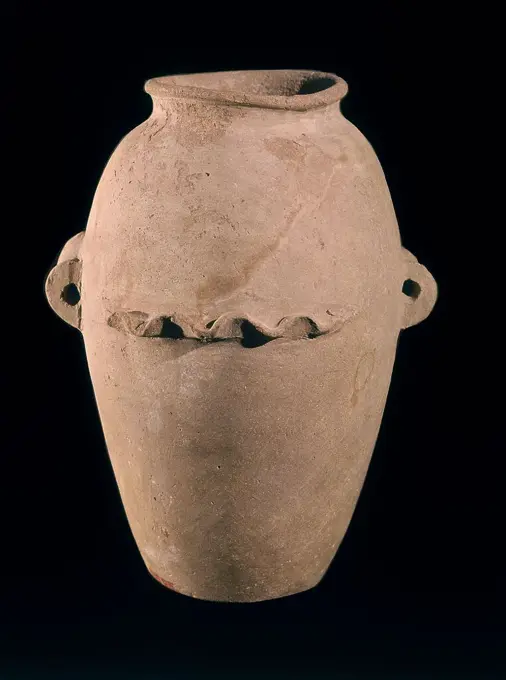
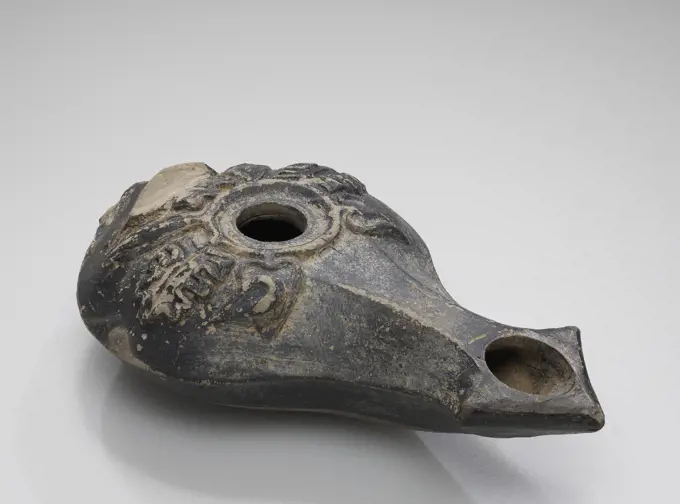
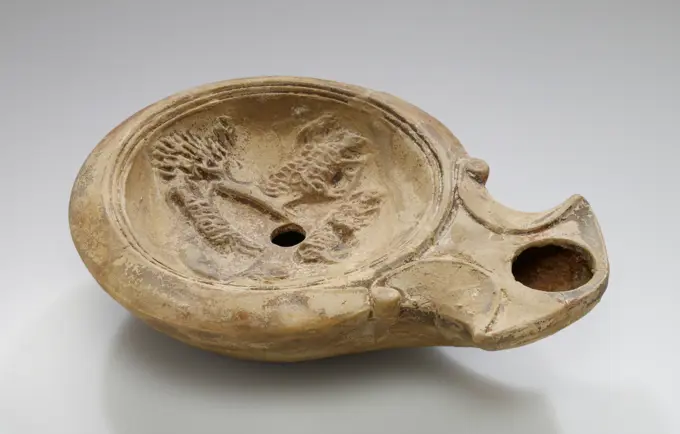
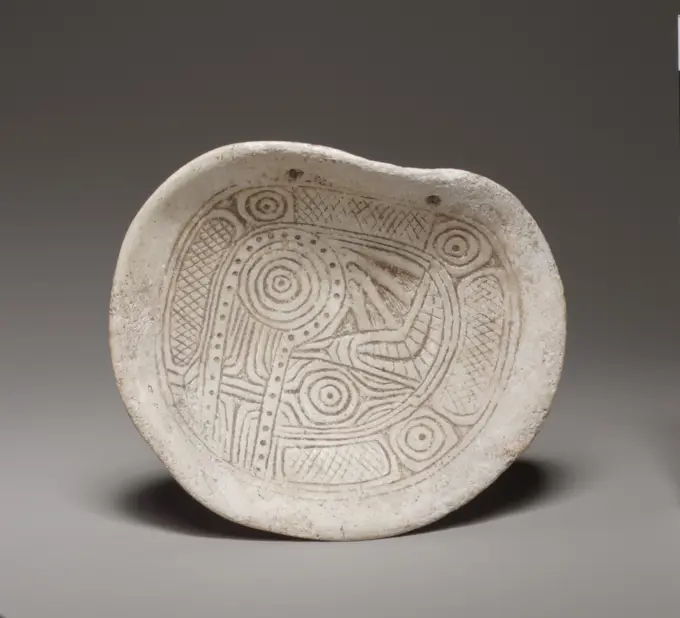
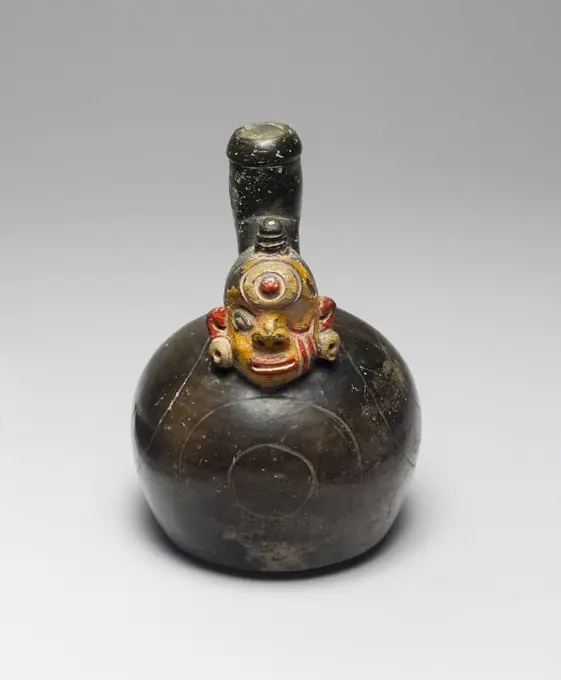
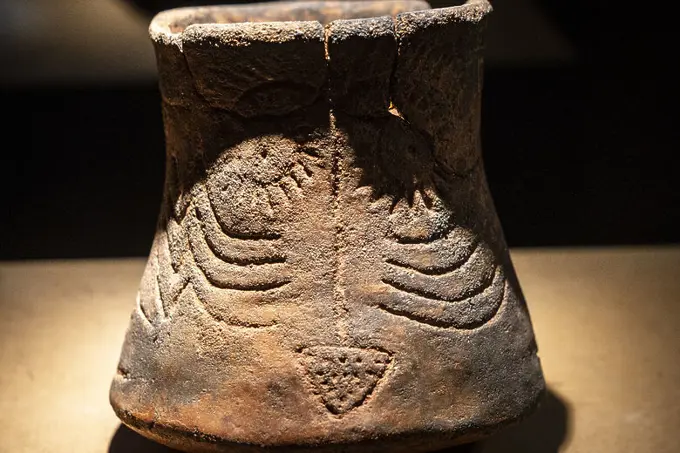
Terracotta Oil Lamps

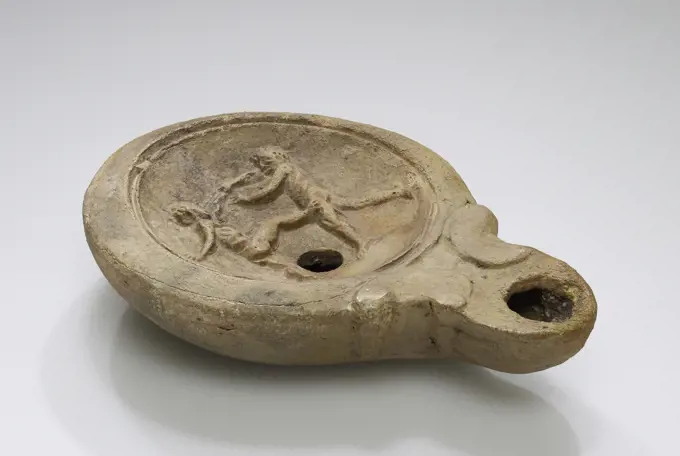
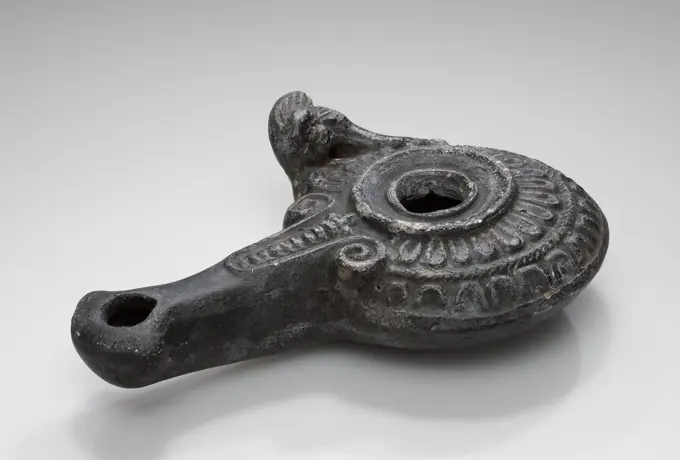
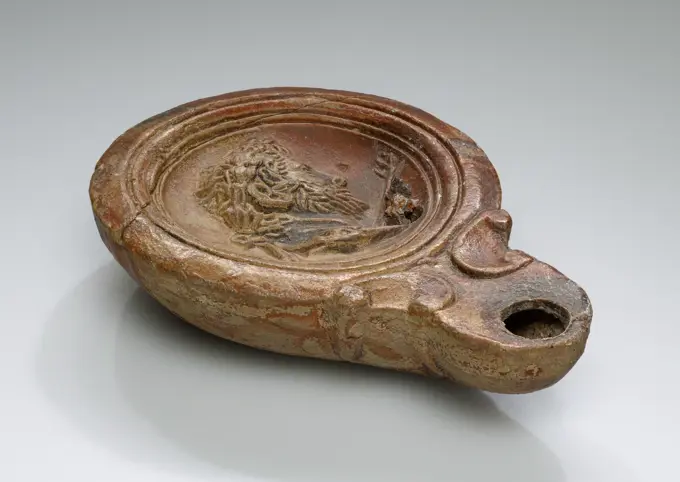
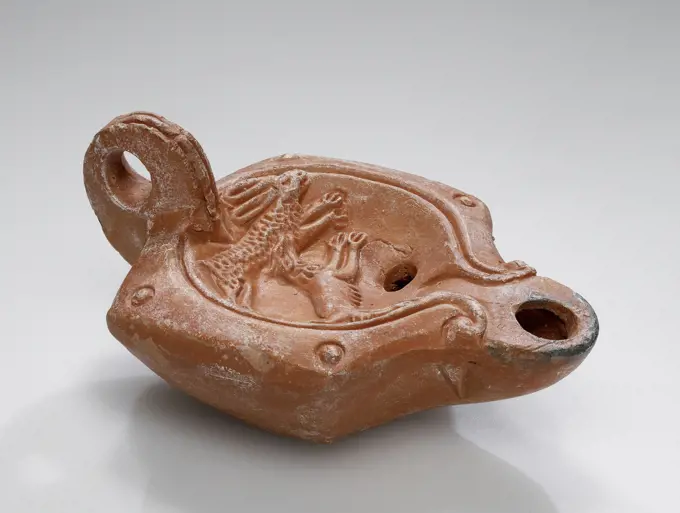
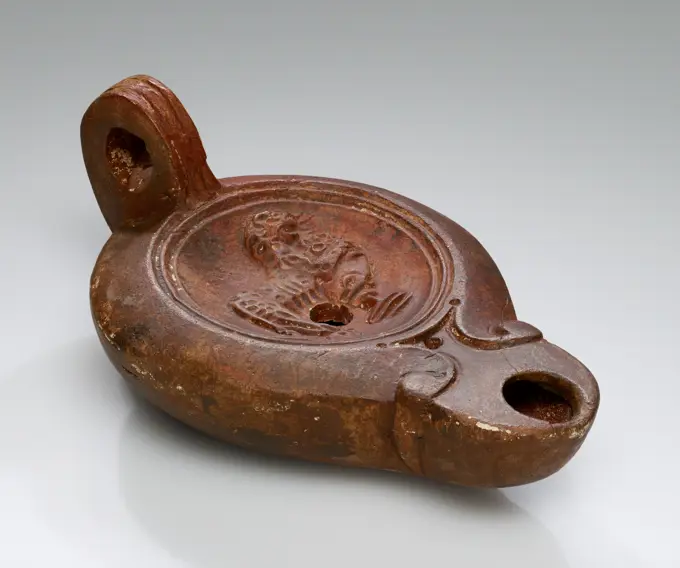
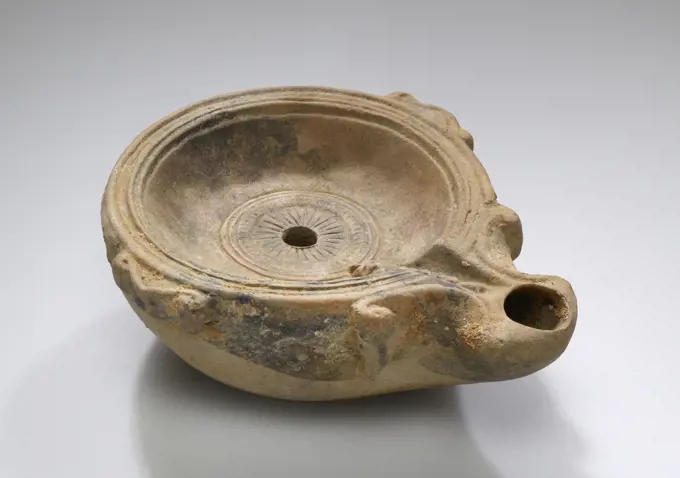
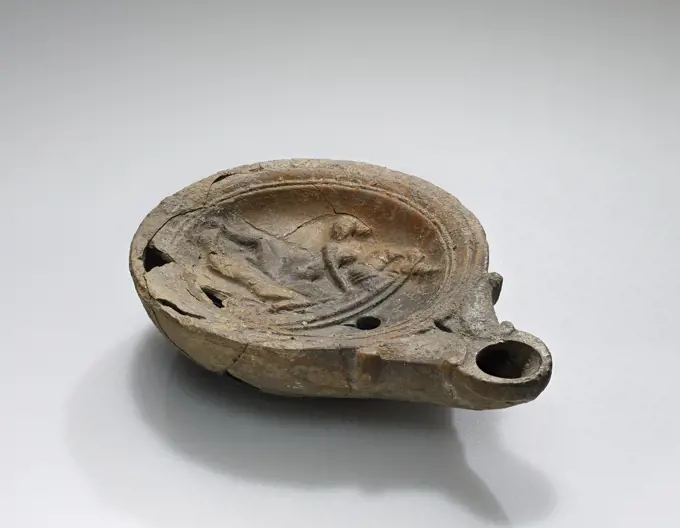
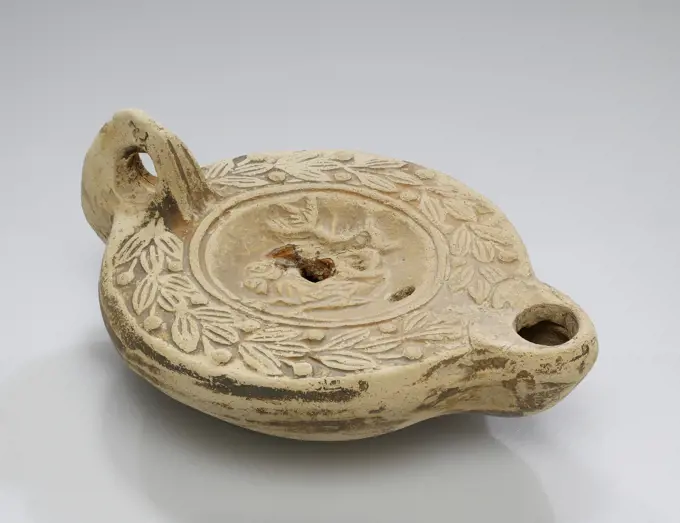
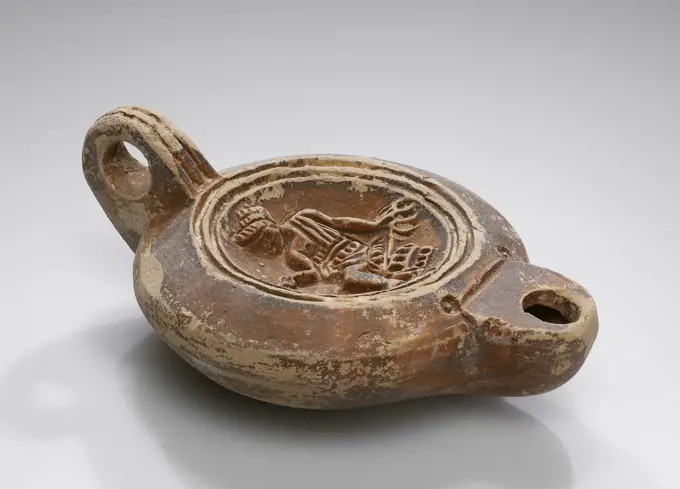
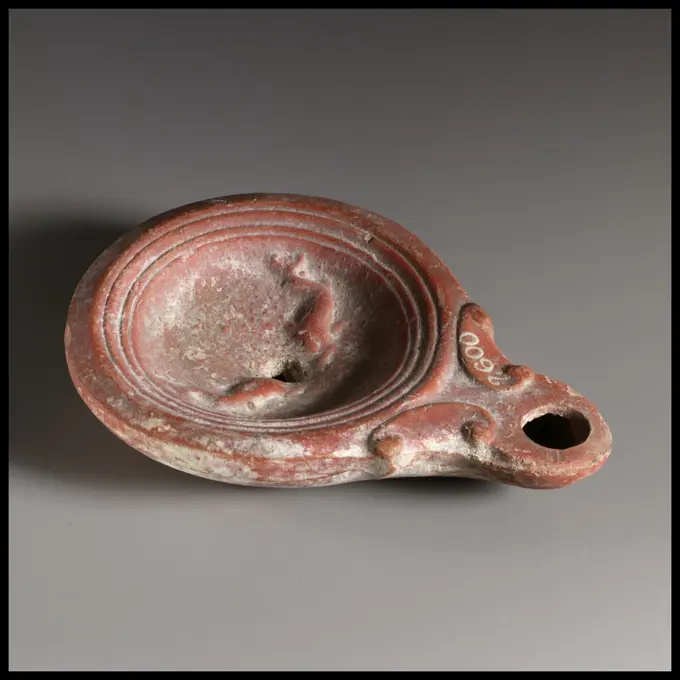
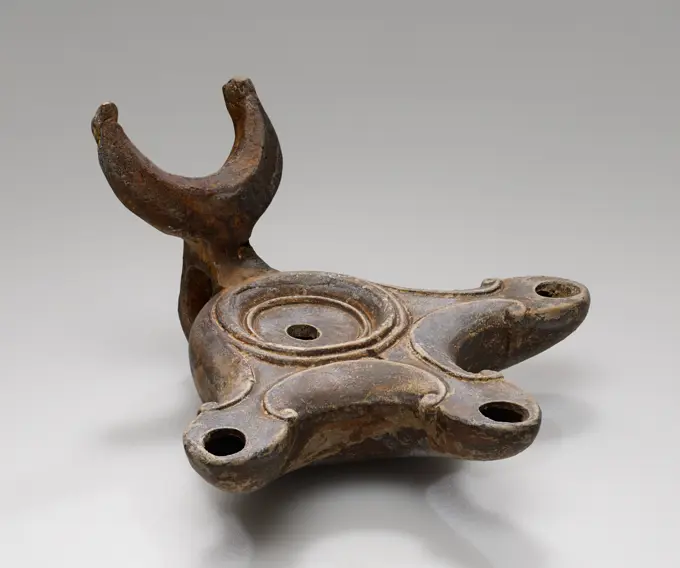
Ancient oil lamps from North Africa and Asia Minor, featuring intricate designs and historical significance. Terracotta textures add to their aged charm.
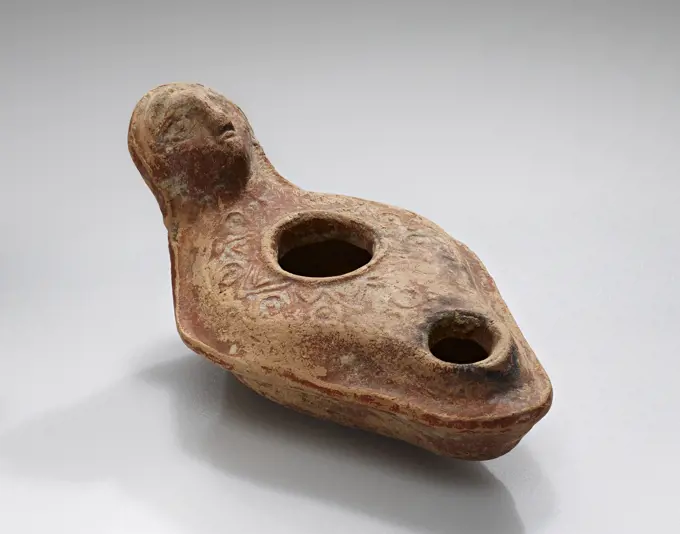
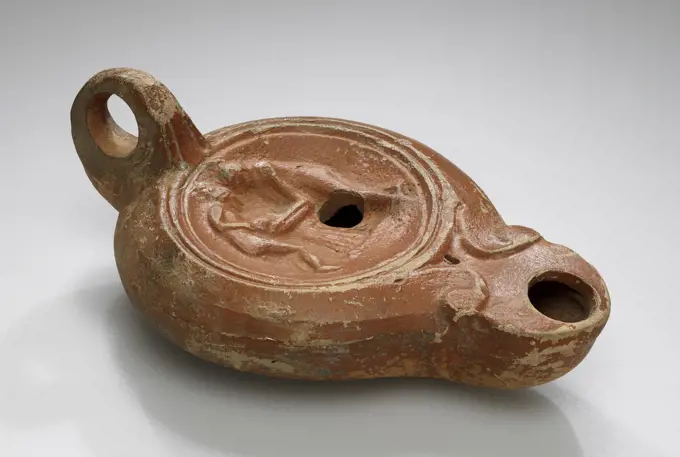
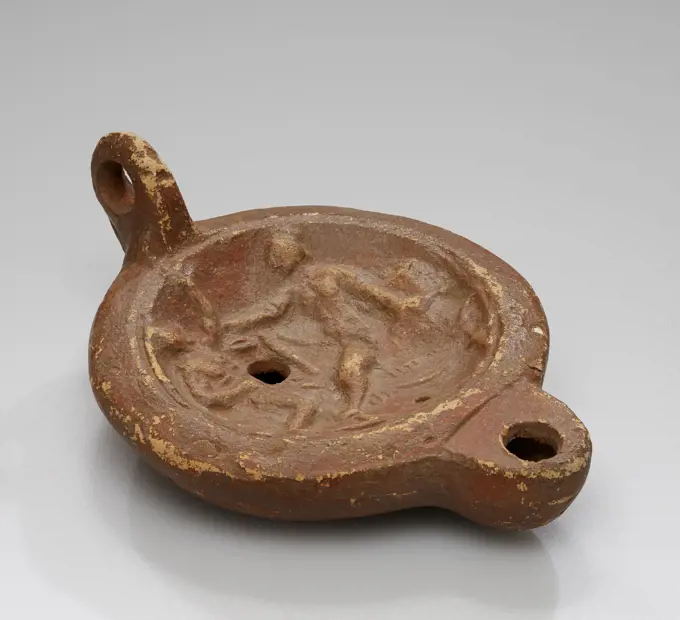
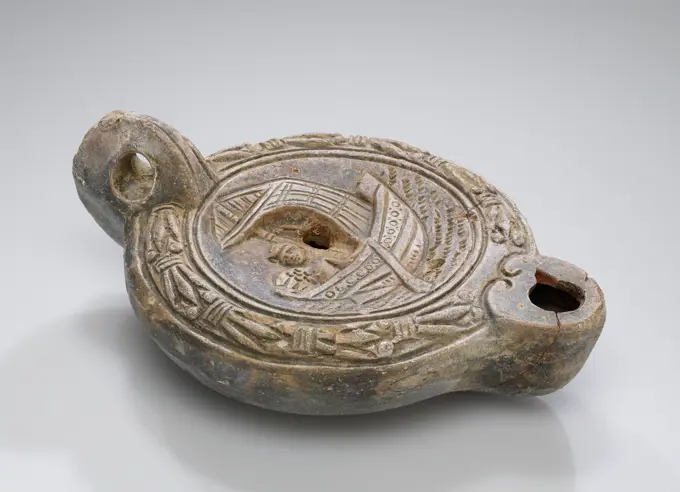
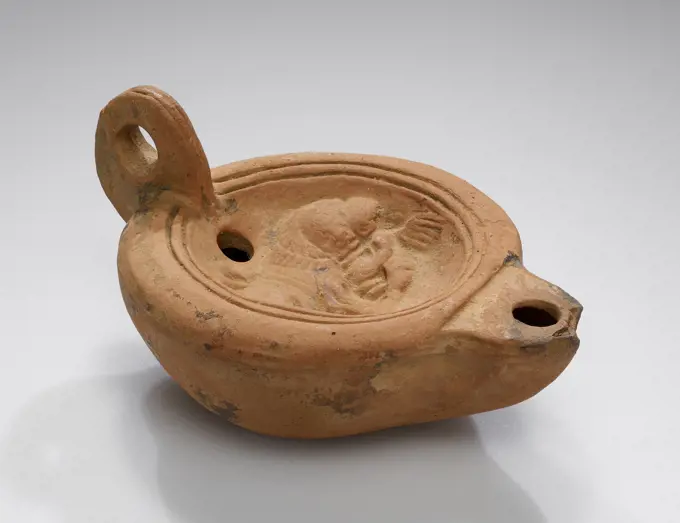
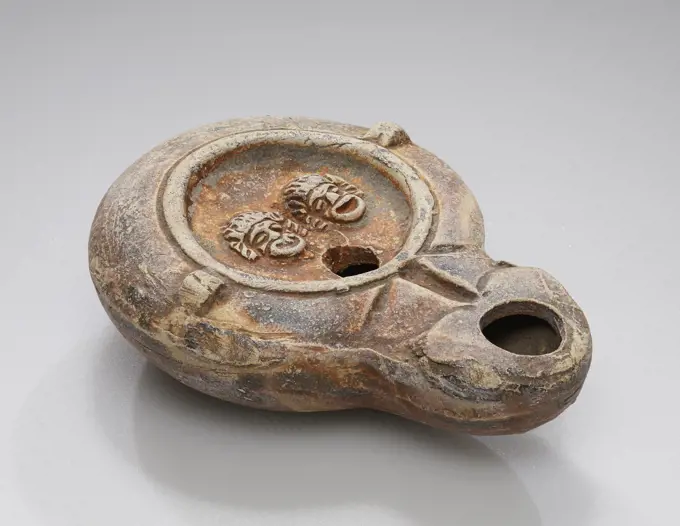
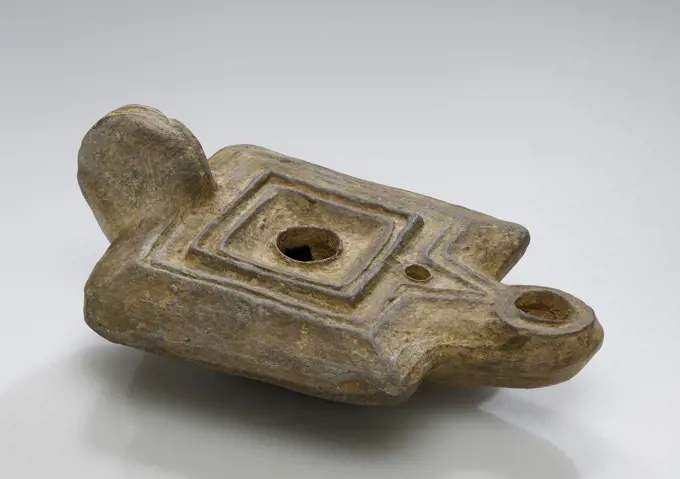
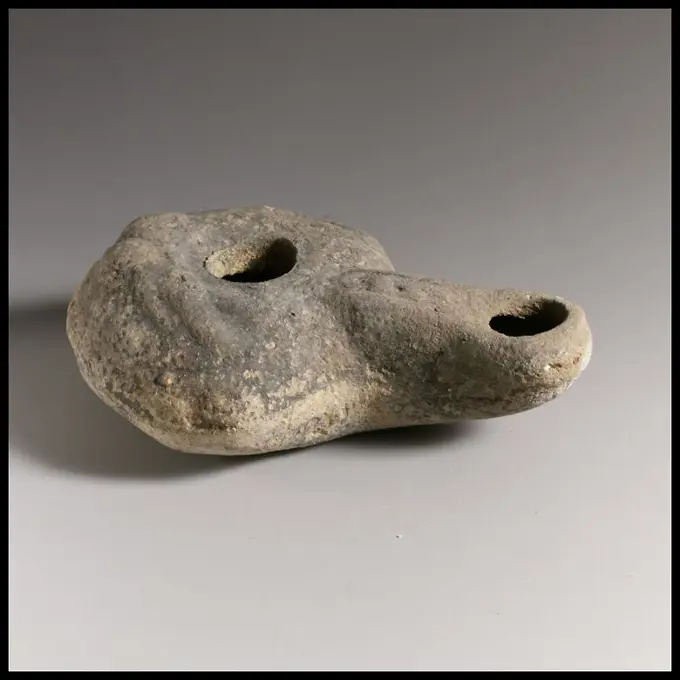
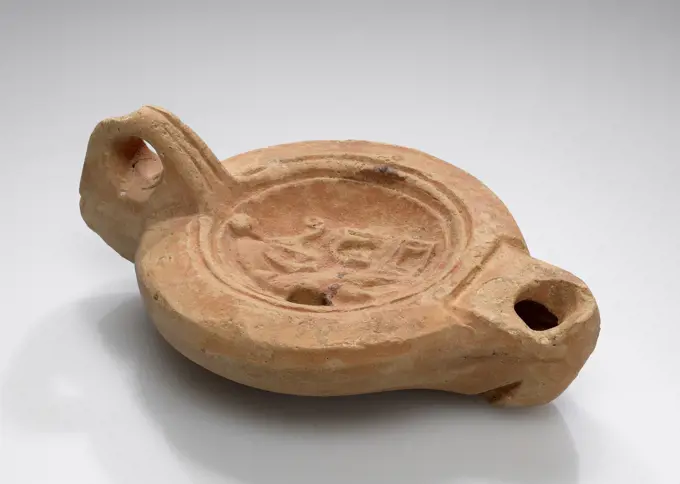
Lamp, Roman Empire; 1st century B.C. - 4th century A.D; Terracotta; 11.1 x 4.9 x 6.4 cm (4 3,8 x 1 15,16 x 2 1,2 in.)
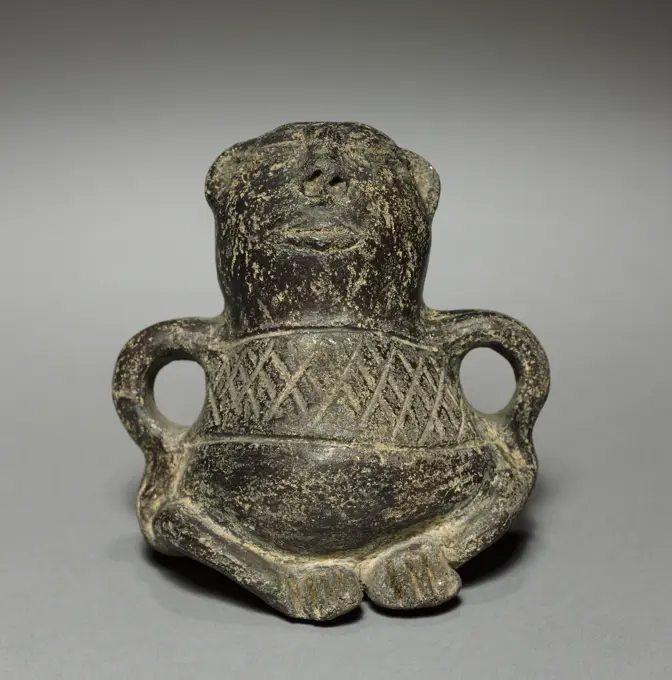
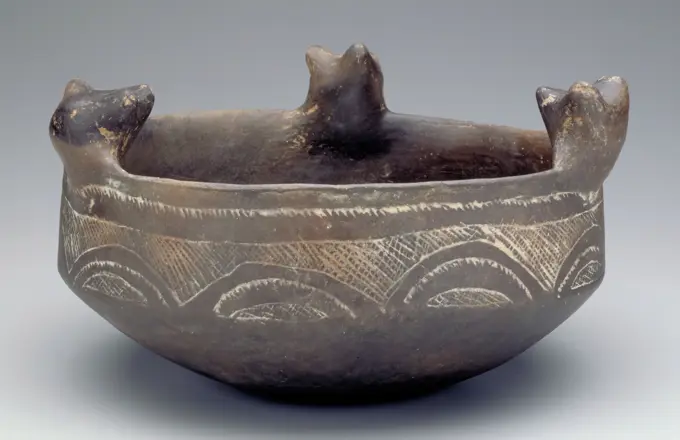
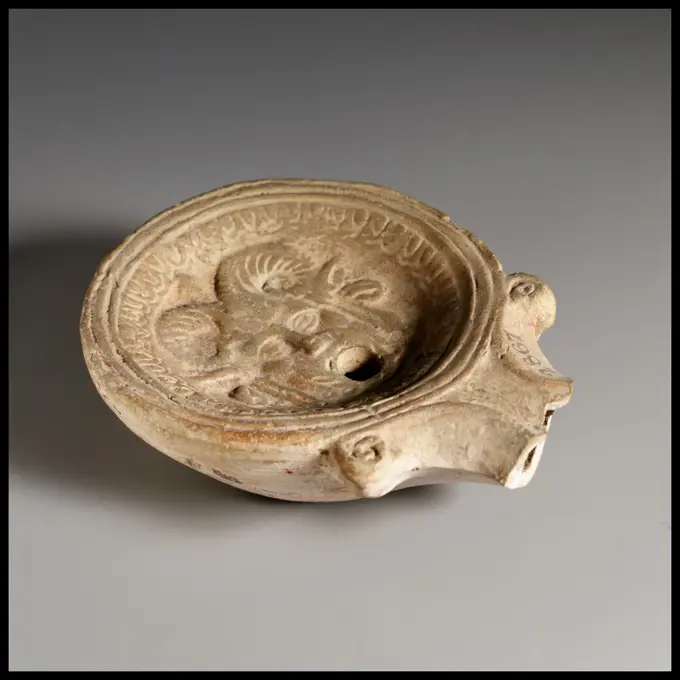
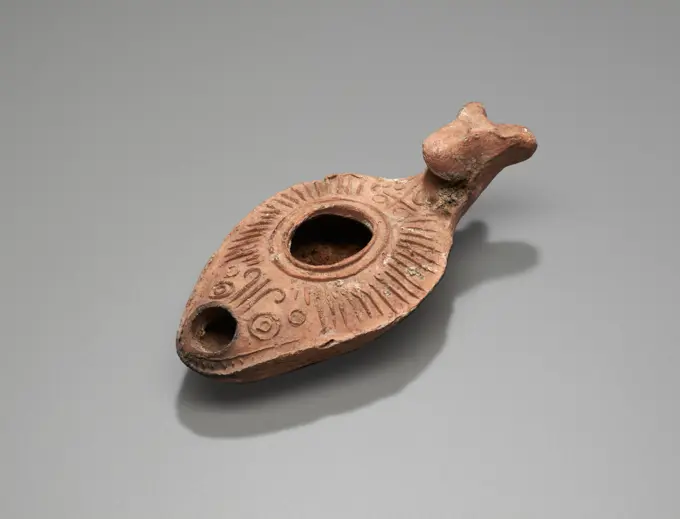
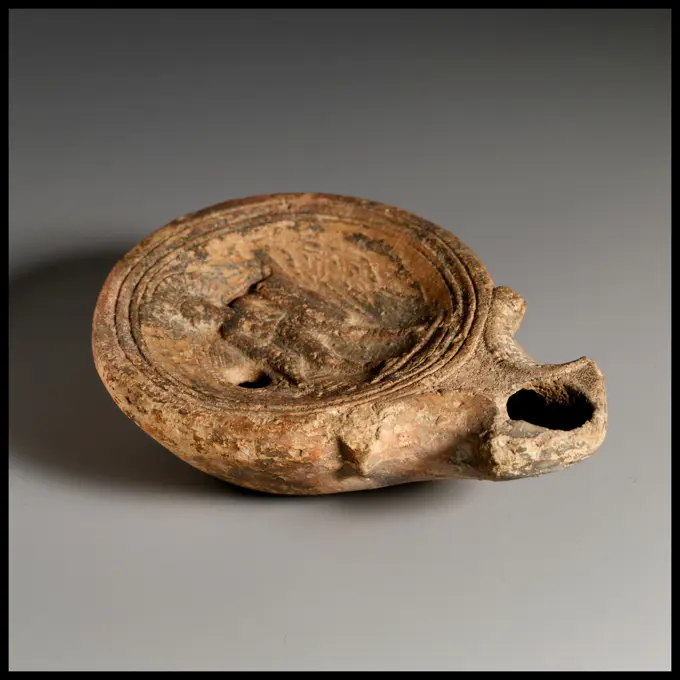
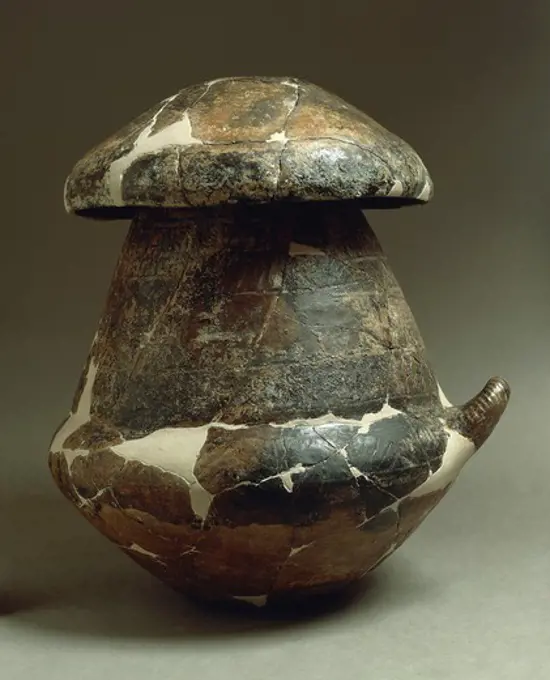
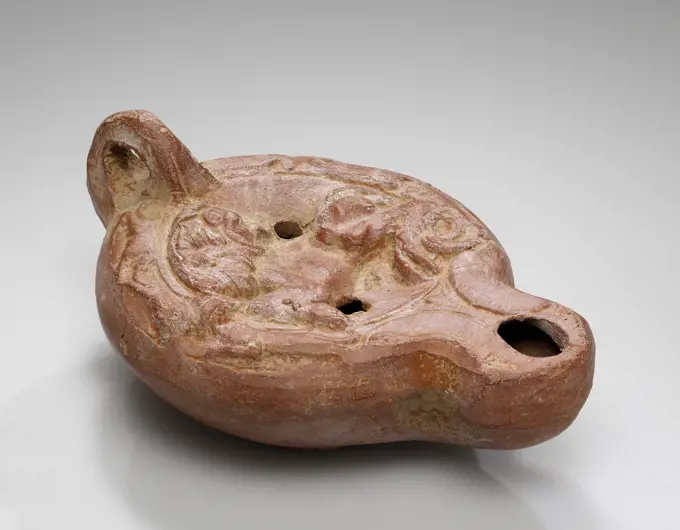
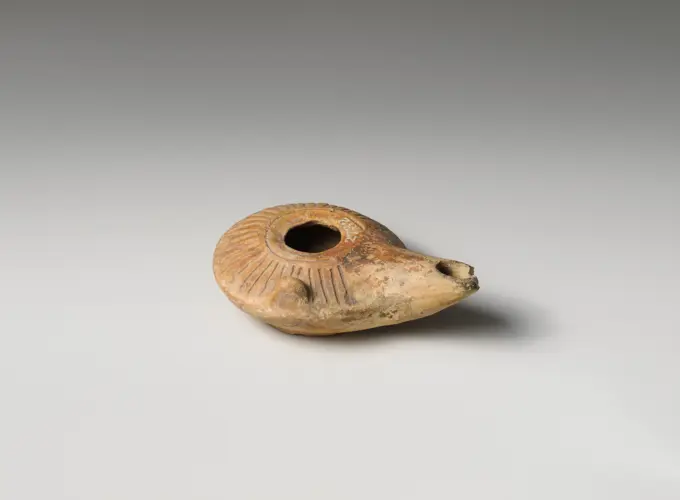
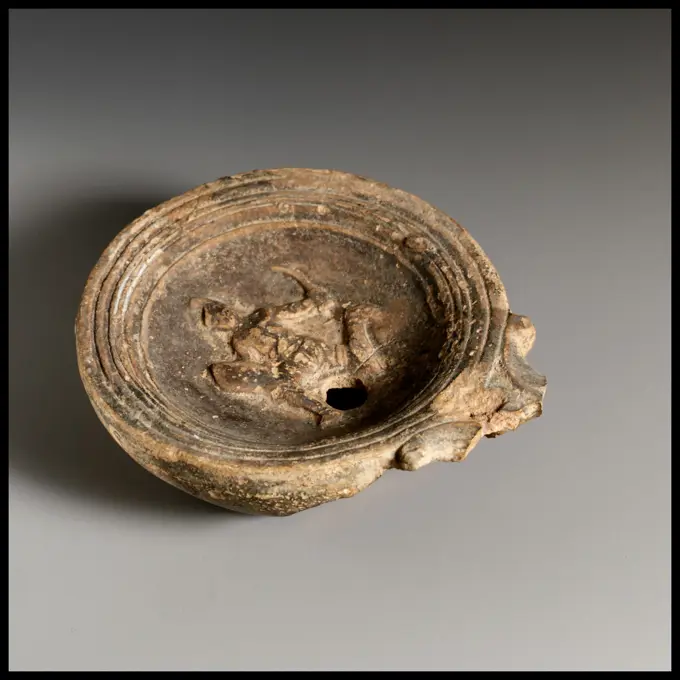
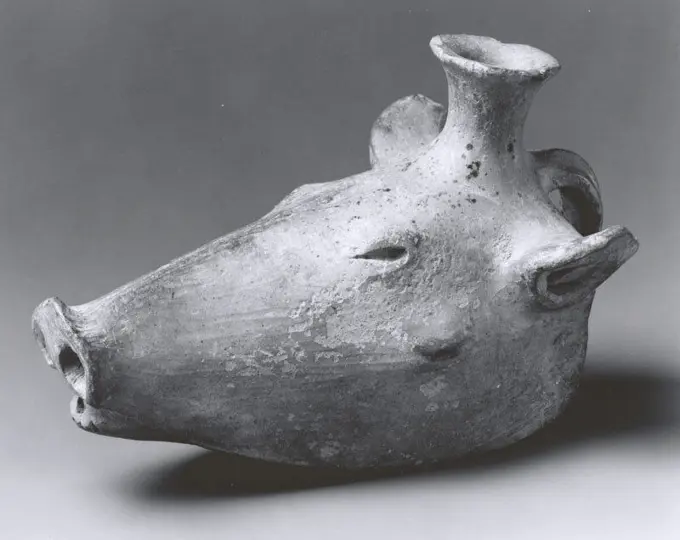
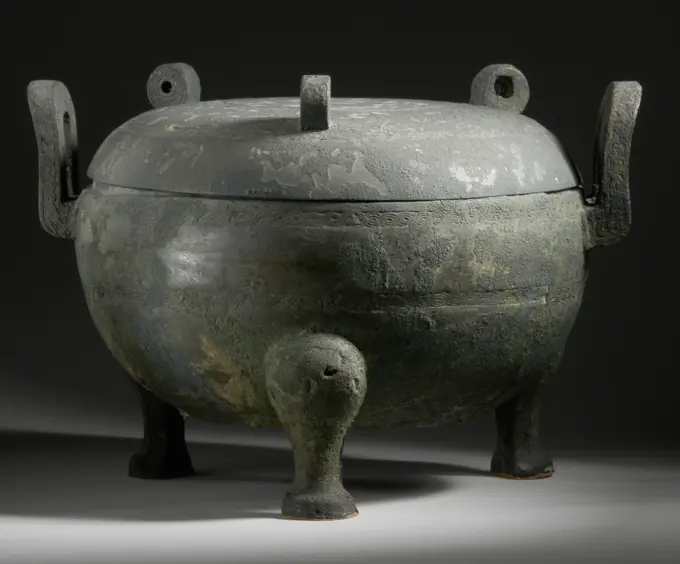
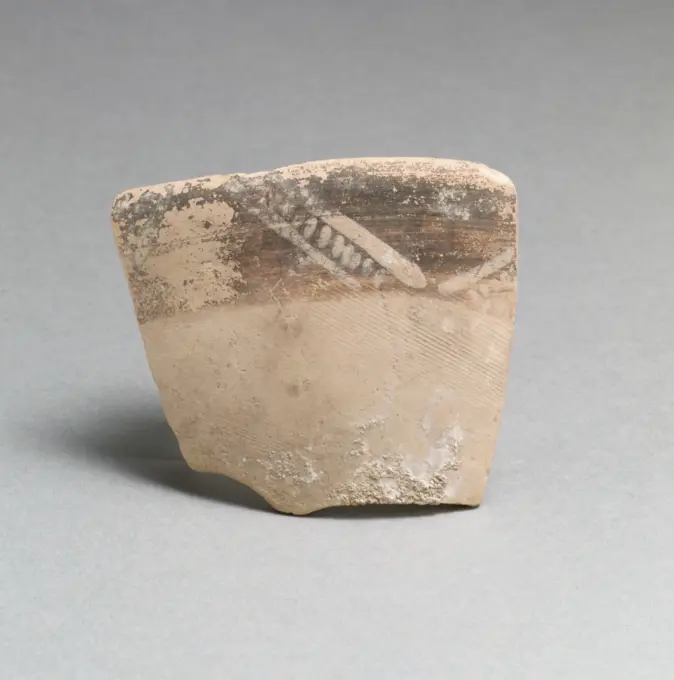
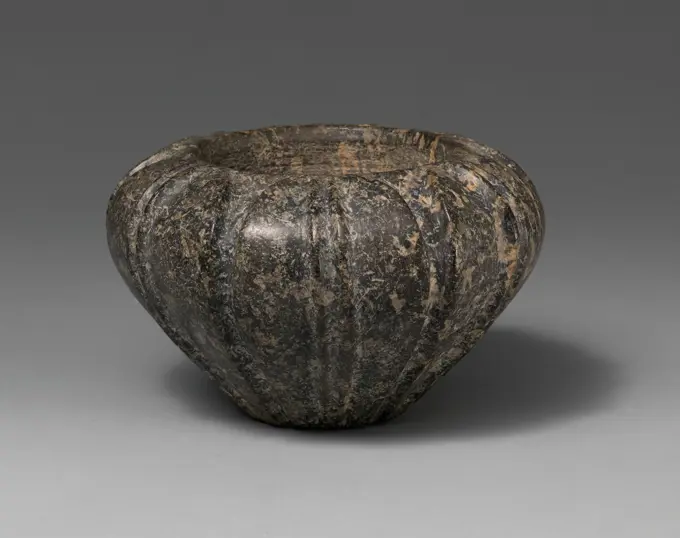
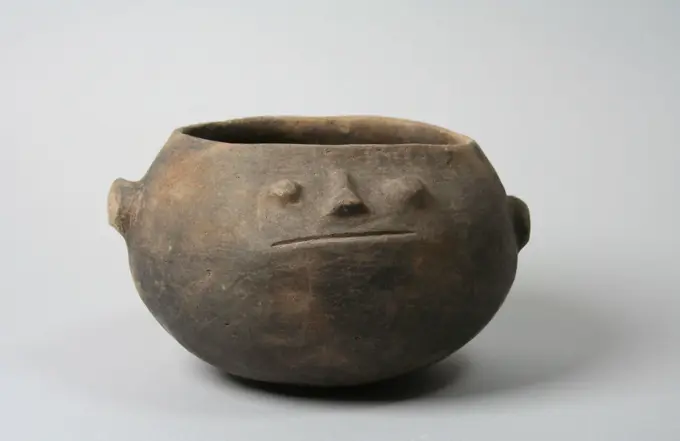
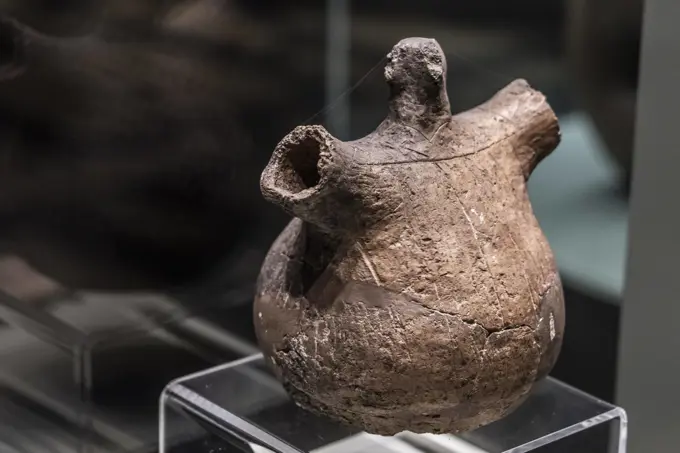
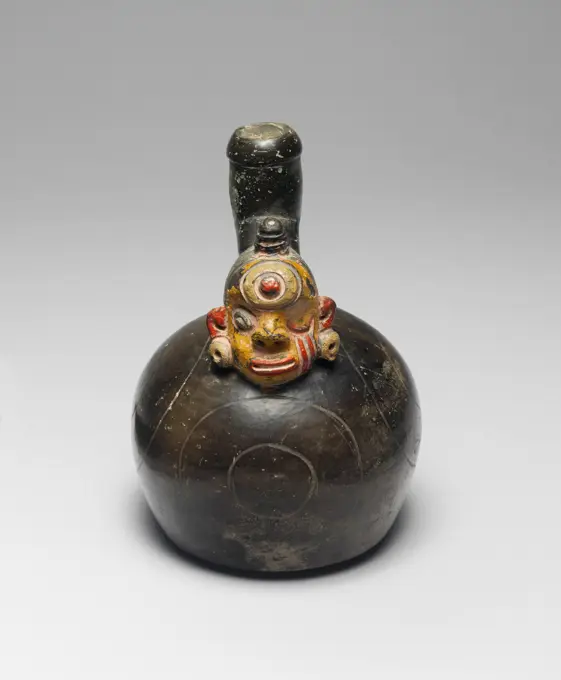
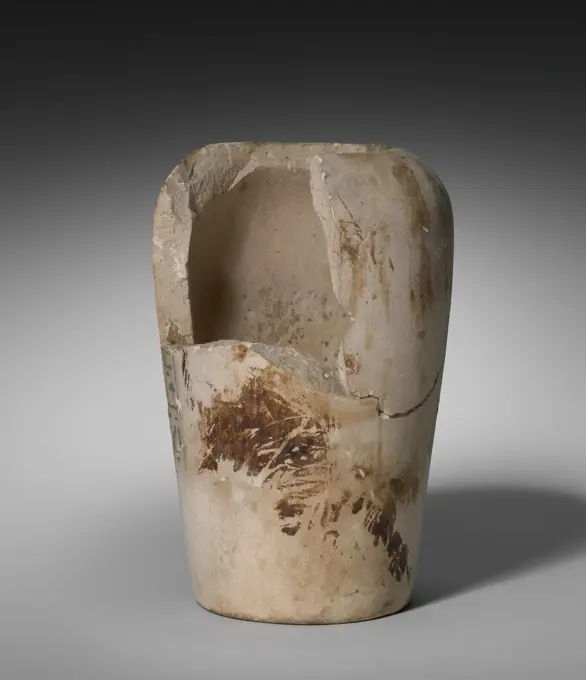
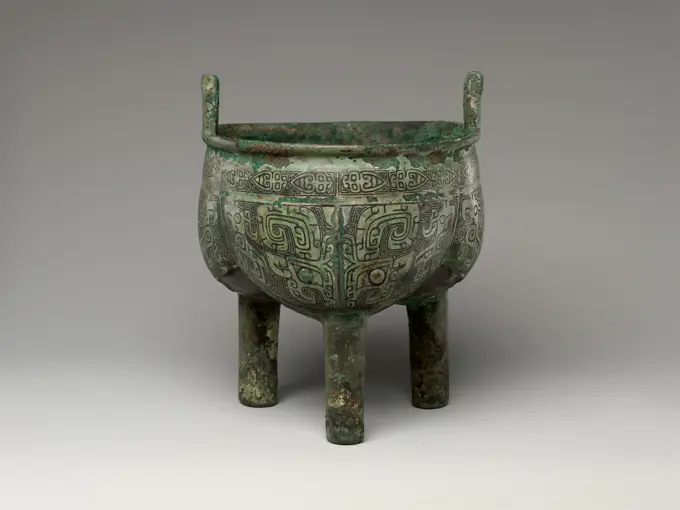
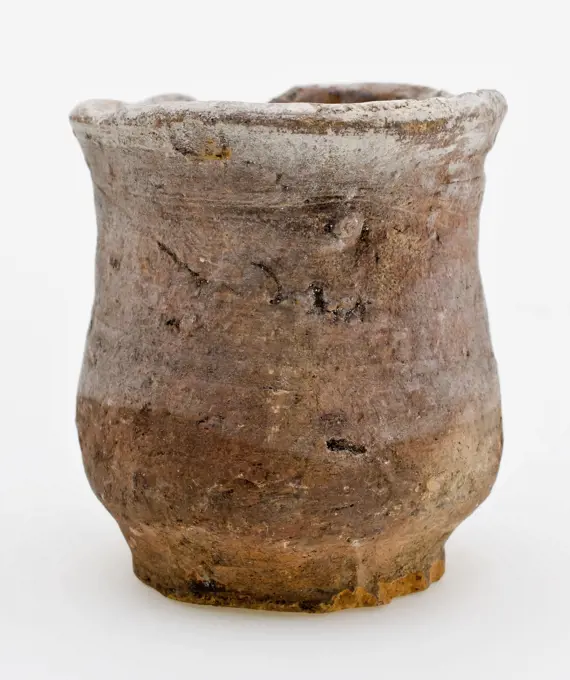
Lamp, North Africa; 1st - 4th century; Terracotta; 3 x 7.8 x 12.1 cm (1 3,16 x 3 1,16 x 4 3,4 in.)Lamp, Anatolia; 1st century B.C. - 4th century A.D; Terracotta; 2.2 x 7.9 x 11 cm (7,8 x 3 1,8 x 4 5,16 in.)Lamp. UnknownLamp. UnknownLamp, Asia Minor; 1st - 4th century; Terracotta; 3 x 6.8 x 9.5 cm (1 3,16 x 2 11,16 x 3 3,4 in.)Lamp, North Africa; 1st - 2nd century; Terracotta; 3.5 x 5.9 x 8.1 cm (1 3,8 x 2 5,16 x 3 3,16 in.)Lamp, Asia Minor; 1st century B.C. - 1st century A.D; Terracotta; 3.6 × 7.5 × 12 cm (1 7,16 × 2 15,16 × 4 3,4 in.)Lamp, North Africa; 1st - 4th century; Terracotta; 2.2 x 7 x 10 cm (7,8 x 2 3,4 x 3 15,16 in.)Lamp, Roman Empire; 1st century B.C. - 4th century A.D; Terracotta; 11.1 x 4.9 x 6.4 cm (4 3,8 x 1 15,16 x 2 1,2 in.)Lamp. UnknownLamp, Italy; 2nd - 1st century B.C; Terracotta; 3.7 × 5.6 × 8.5 cm (1 7,16 × 2 3,16 × 3 3,8 in.)Pre-Columbian art. Pre-Incan. Guangala Culture.300/200 a 700/800 DC. Veramic vessel. 8 x 8 x 10,5 cm (diameter). From Ecuador. Private collection.Blind Spout Incised Vessel 3rd century B.C. Paracas. Blind Spout Incised Vessel 308486Lamp. UnknownFlask, 9th-10th Century, or later. Islamic, probably from Syria/Palestine. Glass; overall: 10.8 x 8.3 x 1.8 cm (4 1/4 x 3 1/4 x 11/16 in.); diameter of foot: 3 cm (1 3/16 in.).Lamp. UnknownSeated Figure, before 1921. Colombia. Pottery; diameter: 12.2 cm (4 13/16 in.); overall: 11 x 11.5 x 9 cm (4 5/16 x 4 1/2 x 3 9/16 in.).Lamp, South Anatolia, Anatolia; 1st - 4th century; Terracotta; 2.6 x 6.2 x 9.4 cm (1 x 2 7,16 x 3 11,16 in.)Lamp, North Africa; 1st century; Terracotta; 2.4 × 8.2 × 11.2 cm (15,16 × 3 1,4 × 4 7,16 in.)Oil LampLamp. UnknownBowl, 1250-1499, 4 x 9 1/2 in. (10.16 x 24.13 cm), Ceramic, United States, 13th-15th century, Bears have long been seen among many Native cultures as beings with unusual powers. They reappear each spring after a long hibernation, so are associated with renewal and healing. Their strength and ferocity, combined with their many physical similarities to humans, made them frequently emulated by hunters and warriors. Bears often served as clan animals linking an entire extended family group. The ones depicted on this bowl could have been meant to evoke any of these meanings and were skillfully executed by the artist to show their essential natural force.Lamp. UnknownLamp, Anatolia; 1st - 4th century; Terracotta; 3.2 x 8.5 x 10.2 cm (1 1,4 x 3 3,8 x 4 in.)Lamp, Roman Empire; 1st century B.C. - 4th century A.D; Terracotta; 10.5 x 2.4 x 7.6 cm (4 1,8 x 15,16 x 3 in.)Lamp, Asia Minor; 1st - 4th century; Terracotta; 2.6 x 7.6 x 10.5 cm (1 x 3 x 4 1,8 in.)Terracotta oil lamp 1st half of 1st century A.D. Roman Loeschcke Type 1B. Mold-made. Large discus: mask of Pan, with large, curved horns, pointed ears, and taenia at sides of face, surrounded at edge by ovules, with a narrow band of lines and grooves at edge. Volutes flanking nozzle. Within raised base ring, uneven base, with small impressed letters across center: FAVSTI.Body intact, but most of nozzle missing.. Terracotta oil lamp. Roman. 1st half of 1st century A.D.. Terracotta. Early Imperial. TerracottasHead 4th-7th century Coptic. Head 478458Bowls ca. 3200-2000 B.C. Cypriot Group of small bowls united by one handle.. Bowls. Cypriot. ca. 3200-2000 B.C.. Terracotta. Early Bronze Age. VasesLamp, North Africa; 1st - 4th century; Terracotta; 2.8 × 7.5 × 10.5 cm (1 1,8 × 2 15,16 × 4 1,8 in.)LampLamp. UnknownTerracotta oil lamp. Culture: Greek. Dimensions: Overall: 1 1/2 x 3 5/8 in. (3.8 x 9.2 cm).Wheel-made body, with applied long, slightly flaring nozzle. Central filling hole, surrounded by a raised collar; convex-curving side to carinated body, with indented projection on right side. Raised base ring and deep concave base.Large shallow chip on right side of upper body, and some chipping around base ring. Museum: Metropolitan Museum of Art, New York, USA.Terracotta oil lamp 1st half of 1st century A.D. Roman, Cypriot Loeschcke Type 1B. Mold-made. Large discus: gladiator, standing facing, wearing large crested helmet, holding a large rectangular shield on left arm and a sword in lowered right hand, with a narrow band of lines and grooves at edge. Volutes flanking nozzle. Within raised base ring, flat base, with impressed letters across center: FAVSTI.Intact, but small chips on left side of shoulder and nozzle.. Terracotta oil lamp. Roman, Cypriot. 1st half of 1st century A.D.. Terracotta. Early Imperial. TerracottasHead of a Ram. Afghanistan, 5th-6th century. Sculpture. TerracottaPrehistory, Italy, Iron Age. Villanovan culture. Biconical ossuary.Lamp. UnknownPitcher in the Form of an Open Mouthed Animal with Geometric Incising on Back. Chimú; North coast, Peru. Date: 1000-1400. Dimensions: 8.3 × 6.4 cm (3 1/4 × 2 1/4 in.). Ceramic and pigment. Origin: North Coast. Museum: The Chicago Art Institute, Chicago, USA.Lamp, North Africa; 1st - 4th century; Terracotta; 3.6 x 8.5 x 12.3 cm (1 7,16 x 3 3,8 x 4 13,16 in.)Lamp 5th-6th century Small earthenware lamps, made from double molds, were the most commonly used source of light in Coptic Egypt. A wick produced from plant fiber or linen fabric was placed in a reservoir filled with oil, generally castor or sesame oil, and illuminated. This red earthenware lamp depicts a winged figure surrounded by a border of rosettes, heart-shaped leaves, and concentric circles.. Lamp. 5th-6th century. Earthenware; molded. Attributed to Egypt. CeramicsVASO DE TERRACOTA CON ORILLO ONDULADO. NAGADA II. PERIODO GERZIENSE 3400 A.C. Location: EGYPTIAN MUSEUM. KAIRO. EGYPT.Lamp. UnknownLamp, Central Anatolia, Anatolia; 2nd century B.C; Terracotta; 3.5 x 7 x 12.5 cm (1 3,8 x 2 3,4 x 4 15,16 in.)Lamp. UnknownPendant with Serpent Design 13th-14th century Mississippian Rattlesnake imagery was pervasive during Mississippian times in the Southeast, and the complex representation of a winged serpent adorning this shell pendant is one of its most stylized manifestations. Worked in a geometric and graphic manner, the body of the serpent encircles the pendant, rendered in multiple perspectives and in a sort of shorthand where individual parts stand for the whole. The chevron-shaped rattles of the tail appear at the lower left and are seen from above, while the great teeth are viewed frontally. The teeth are more human than reptilian and are particularly visible in their ominous, grinning evenness. In Native American thought at the time, serpents were associated with the underworld and images of them symbolized the wearer's special status.This pendant, or gorget as the type is also called, was made of shell to be suspended about the neck from the two holes at the top. An old label on the back says Lamp with man and cameldecorationGray Bartmann jug, also called Bellarmine jug, small model, beard masonry vessel holder soil find ceramic stoneware glaze salt glaze, hand turned stamped glazed glazed baked stoneware jug gray shard gray salt glaze bandoor with short pointy tail two grooves and ridge under the mouth rim subtraction traces at the bottom archeology Rotterdam import pottery drink oil store pour beer wineTerracotta oil lamp Greek Large central filling hole, surrounded by a plain band and an incised circle; convex sloping shoulder decorated with radiating incised lines; long, straight nozzle and a single projecting knob at edge of left side; squat, carinated body. Raised, flat base.Intact, except for chip in front lip of nozzle.. Terracotta oil lamp. Greek. Terracotta. Hellenistic. TerracottasTerracotta lamp. Culture: Roman. Dimensions: Overall: 1 1/8 x 3 11/16in. (2.9 x 9.4cm). Date: ca. 20 B.C.-A.D. 25.Loeschcke Type 1A. Mold-made. Deep, concave discus: Europa and the bull, facing right; Europa with right arm outstretched holding the bull between the horns and left arm raised holding drapery billowing behind her; a single filling hole at bottom near nozzle, and lines and grooves around edge. Volutes flanking angular nozzle, with large wick hole; small vertical groove at base of nozzle. Broad, raised base ring, and flat base.Intact, but one small chip on edge at back of discus. Museum: Metropolitan Museum of Art, New York, USA.Lamp, Roman Empire; 1st - 4th century; Terracotta; 2.6 x 6.5 x 9.7 cm (1 x 2 9,16 x 3 13,16 in.)Bronze molding fragment 1st-2nd century A.D. Roman Decorated.. Bronze molding fragment 246699Terracotta oil lamp 1st century A.D. Roman, Cypriot Discus: gladiator, facing left, either running or kneeling with his left leg bent up behind him, wearing a helmet, and carrying a rectangular shield in front of him in his right hand and a short, curved sword in his outstretched left hand behind him. Shoulder: continuous band of lines and grooves. Volutes flanking nozzle. Raised base ring; flatbase inscribed in small Greek letters: CEE.Broken; most of nozzle missing and large hole in front of bowl.. Terracotta oil lamp. Roman, Cypriot. 1st century A.D.. Terracotta. Early Imperial. TerracottasRhyton in the shape of a boar head 1st millennium B.C. Iran. Rhyton in the shape of a boar head 326958Ships essentials, anonymous, c. 1590 - c. 1596 block Ship section, a complete ankle disc block. The disk is probably made of walnut. The type of wood of the ash is not known.  walnut (hardwood) cutting  Nova Zembla. Saving HuysJug 800 BCE-700 BCE Greece. This precious bronze object is a votive, or devotional gift, made as an offering to the gods. They come in many forms, such as animals, beads and brooches. Many seem once to have been attached to something else. Votives were hung from sacred trees or placed in sanctuaries around Greece. Once a shrine was full, the votives were ceremonially buried to make room for more offerings.. Bronze . Ancient GreekMallet New Kingdom-Ptolemaic ca. 1200-30 B.C. View more. Mallet. ca. 1200-30 B.C.. Wood. New Kingdom-Ptolemaic. From Egypt, Upper Egypt, Thebes, Asasif, MMA excavations, 1912-13. Dynasty 20 or laterBottle, 800-1150. Peru, Pachacamac, 9th-12th Century. Pottery; overall: 16.8 x 13.4 x 12.7 cm (6 5/8 x 5 1/4 x 5 in.).Prehistory, Italy, Bronze Age. Ceramic bowl. From Apulia Region.Beaker. UnknownTerracotta oil lamp. Culture: Roman. Dimensions: Overall: 1 1/2 x 3 7/8 in. (3.8 x 9.8 cm). Date: 3rd century A.D..Mold-made, with unpierced handle. Large discus: in high relief a figure standing at left, facing right holding spear () across body towards animal standing at right, facing left; raised circle around discus. Three filling holes, randomly placed. Circular nozzle. On shoulder, in relief a series of indistinct round objects. On underside of body, two grooves to either side of nozzle, and a pattern of curved grooves issuing from base of handle. Broad base ring, and impressed pattern on small base.One large hole in left side of body. Museum: Metropolitan Museum of Art, New York, USA.Lamp. UnknownBottle with Figures 9th-11th century Lambayeque (Sicán). Bottle with Figures 309751Head Vessel 2nd century B.C.-A.D. 3rd century Colima. Head Vessel 312576Container with Spiral Decoration ca. 500 B.C.-A.D. 300 Thailand (Ban Chiang) The flowing spiral covering the surface of this elegant container are among the most prevalent of the geometric motifs that decorate bronze ritual and luxury objects produced in many regions of present-day Thailand from the 4th century B.C. to the 3rd century A.D. Two small loops and remnants of a third for suspending the container are found on the upper corners of the base. The large size of the cover implies that it may have stored liquid for drinking but another function, such as holding darts, is also possible.. Container with Spiral Decoration. Thailand (Ban Chiang). ca. 500 B.C.-A.D. 300. Bronze. Late period. MetalworkHieratic Jar Label. Dimensions: H. 25 cm (9 13/16 in.). Dynasty: Dynasty 18. Reign: reign of Amenhotep III. Date: ca. 1390-1353 B.C..The Museum's Egyptian Expedition to Malkata (1910-1920) recovered some fourteen hundred hieratic jar labels from the palace complex of Amenhotep III. Written in black ink, the inscriptions identify the commodity inside the jar (wine, ale, fat, meat, etc.). The longer texts also provide the year, the source of the commodity, the occasion for which it was prepared, and the name and title of the official making the donation. Because these inscriptions are stereotyped, it is often possible to restore a complete label from a small fragment.The inscription on this jar dates to year 38 in the reign of Amenhotep III. It contained fat prepared by a man named Iuamen and donated by the royal scribe Ahmose. Museum: Metropolitan Museum of Art, New York, USA.Lámpara de aceite romana. Can Serra Museu de Mataró.Terracotta oil lamp. Culture: Greek. Dimensions: Overall: 1 1/4 x 3 7/8 in. (3.2 x 9.8 cm). Date: 1st century B.C.-1st century A.D.. Museum: Metropolitan Museum of Art, New York, USA.Jug 750-600 B.C. Cypriot Conventional designs on body and neck.. Jug. Cypriot. 750-600 B.C.. Terracotta. Cypro-Archaic I. VasesStorage jar ca. 3rd-7th century A.D. Parthian or Sasanian. Storage jar 322707Terracotta oil lamp 2nd century A.D. Roman Discus: portrait head of a bearded, laureate man, facing right. Shoulder: continuous band of lines and grooves. Volutes flanking nozzle. Incised base ring, with incised Greek letters: ROMANESI/S and circle below.. Terracotta oil lamp. Roman. 2nd century A.D.. Terracotta. Mid Imperial. TerracottasVase, 20th century, 12 1/2 x 9 1/8 in. (31.8 x 23.18 cm), Earthenware, Democratic Republic of Congo, 20th centuryTerracotta oil lamp 1st half of 1st century A.D. Roman, Cypriot Loeschcke Type 1B. Mold-made. Discus: dancer moving right, but with his head turned back over his right shoulder facing left, both arms raised over his head, holding , with a narrow band of lines and grooves at edge. Single filling hole towards right. Volutes flanking nozzle. Within raised base ring, uneven base, with impressed letters across center: [FAVSTI. Intact.. Terracotta oil lamp. Roman, Cypriot. 1st half of 1st century A.D.. Terracotta. Early Imperial. TerracottasLidded Food Cauldron (Ding) with Interlaced Dragons. China, probably Shanxi Province, ancient state of Jin, about 550-450 B.C., Middle Eastern Zhou dynasty, late Spring and Autumn period or early Warring States period. Furnishings; Cookware. Cast bronzeFace Jug. American; Edgefield District, South Carolina. Date: 1855-1865. Dimensions: H. 13.3 cm (5 1/4 in.). Alkaline-glazed stoneware. Origin: Edgefield county. Museum: The Chicago Art Institute, Chicago, USA.Lamp 1st millennium B.C. Iran. Lamp. Iran. 1st millennium B.C.. Ceramic. Iron Age. IranTerracotta rim fragment with diagonal lines and chevrons ca. 2300-1900 B.C. Minoan From Gournia, CreteRim fragment with glazed border.. Terracotta rim fragment with diagonal lines and chevrons 247829Copyright incited vessel: xzoonar.com/tolox 22568899Fragment 9th-10th century. Fragment 451502Lamp, North Africa; 1st - 4th century; Terracotta; 2.6 x 7.5 x 11 cm (1 x 2 15,16 x 4 5,16 in.)Serpentine blossom bowl ca. 1600-1450 B.C. Minoan High shouldered blossom bowl carved with ribs and grooves.. Serpentine blossom bowl 251549 Minoan, Serpentine blossom bowl, ca. 16001450 B.C., Serpentine, H. 4 1/8 in. (10.5 cm). The Metropolitan Museum of Art, New York. Funds from various donors, 1924 (24.150.1)Bowl with Face 11th-14th century Mississippian. Bowl with Face 318580America. Peru. Moche culture. Stirrup-spout bottle. Frog. 2nd-5th century. Ceramic. Metropolitan Museum of Art. New York. Usa.Single lamp;  Roman period (0-00-00-0-00-00);Chalkolithikum Chalkolithikum Copyright: xZoonar.com/TOLOxBALAGUERx 22682423Glass jar from the 1st or 2nd century AD used as a funerary urn containing cremated human remains. It was found around 1800 in Vajringa Street in Rabat (Victoria, Gozo Island, Malta), where several tombs were found. The site of the find was part of the Extramural Necropolis of Gaulos (Gozo). Gozo Museum of Archaeology. Cittadella de Victoria. Gozo, Malta.Terracotta oil lamp 1st century B.C.-1st century A.D. Roman Loeschcke Type 4. Mold-made. Discus: two confronted dolphins in high relief; a single central filling hole, and a band of lines and grooves around edge. Narrow, undecorated, sloping shoulder. Volutes flanking nozzle. Impressed base ring and slightly concave base.Intact.. Terracotta oil lamp 241604Bottle, Head on Spout ca. 6th century B.C. Paracas Bowls and bottles in various shapes and sizes are consistently found among the burial goods that ancient Peruvian peoples took with them to their graves. Both the bottles and bowls contained foodstuffs, but while the contents of the bowls remain more or less intact, even centuries later, due to the extremely dry climate, the bottles are usually empty. They undoubtedly contained a liquid, perhaps water. In the arid region on the southern Pacific coast of Peru where this bottle was found, the valleys had only sparse river water from the Andes, but groundwater oases provided enough supplemental moisture to support communities of some size and moderate wealth, particularly in the Ica and Naca valleys. This beautifully rounded and finished bottle is an example of the fine ceramic vessels produced in the region in the first millennium B.C. The significance of the unusual grotesque head at the junction of one of the branches of the stirrup spTerracotta bull's mask. Culture: Cypriot. Dimensions: H. 4 1/8 in. (10.5 cm). Date: ca. 600-480 B.C..As the surrounding objects indicate, bulls' masks figured prominently in the rituals of ancient Cyprus. An example like this one would have been dedicated at a sanctuary. Museum: Metropolitan Museum of Art, New York, USA.Rostrum with eye on each side View more. Rostrum with eye on each side. Terracotta. TerracottasFrog. Costa Rica, Diquís, 1000-1550. Metal. Gold-containing alloyfigurilla clasica,, museo de la plaza central, Chichicastenango ,municipio del departamento de El Quiché, Guatemala, Central America.Canopic Jar with Lid, 1540-1296 BC. Egypt, New Kingdom, Dynasty 18. Limestone; diameter: 18.4 cm (7 1/4 in.); diameter of mouth: 10.2 cm (4 in.); overall: 39.7 cm (15 5/8 in.).Lobed Tripod Cauldron (Liding) 11th century B.C. China A single character (yi) is cast on the inner face of the handle.. Lobed Tripod Cauldron (Liding). China. 11th century B.C.. Bronze inlaid with black pigment. Shang dynasty (ca. 1600-1046 B.C.), late Anyang period. MetalworkPottery belly model ointment jar, red shard, internally sparingly glazed, ointment jar pot holder soil find ceramic earthenware glaze lead glaze, hand turned glazed baked Pottery ointment jar red shard internal sparingly glazed. Belly model or cup model Narrowing over the foot. No thickened top edge. Stand surface. Turning beads on the inside archeology health care indigenous pottery import pharmacy store sell craftLamp. UnknownBottle, Head on Spout. Culture: Paracas. Dimensions: H. 7 in. (17.8 cm). Date: ca. 6th century B.C..Bowls and bottles in various shapes and sizes are consistently found among the burial goods that ancient Peruvian peoples took with them to their graves. Both the bottles and bowls contained foodstuffs, but while the contents of the bowls remain more or less intact, even centuries later, due to the extremely dry climate, the bottles are usually empty. They undoubtedly contained a liquid, perhaps water. In the arid region on the southern Pacific coast of Peru where this bottle was found, the valleys had only sparse river water from the Andes, but groundwater oases provided enough supplemental moisture to support communities of some size and moderate wealth, particularly in the Ica and Naca valleys. This beautifully rounded and finished bottle is an example of the fine ceramic vessels produced in the region in the first millennium B.C. The significance of the unusual grotesque head at thevase with symbolic decoration -female figure-, ceramic, 3000-2500 BC, Monte do Outeiro, Aljustrel, Portugal, Huelva Museum, Huelva, Andalusia, Spain.Standing female figurine (cruciform). Culture: Cypriot. Dimensions: H. 2 1/2 in. (6.4 cm). Date: 4th century B.C.().The figurine is mold-made and solid. The back is handmade and flattened, except for the headdress. The figure is preserved from the head to the waist. Museum: Metropolitan Museum of Art, New York, USA.Heart amulet of Painedjem I ca. 1070-1032 B.C. Third Intermediate Period. Heart amulet of Painedjem I 554823