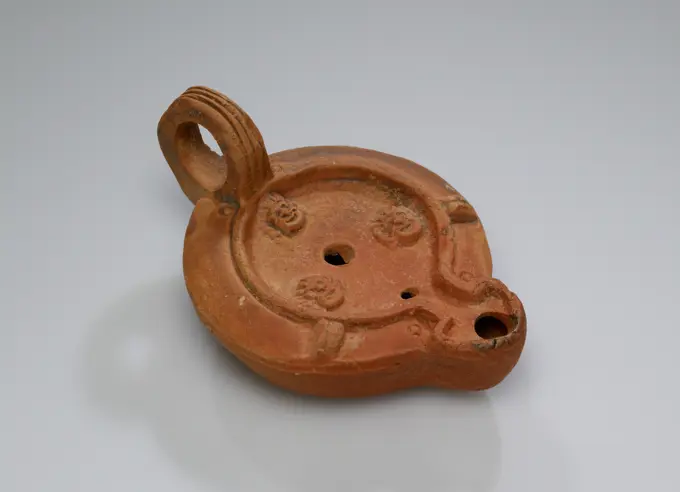
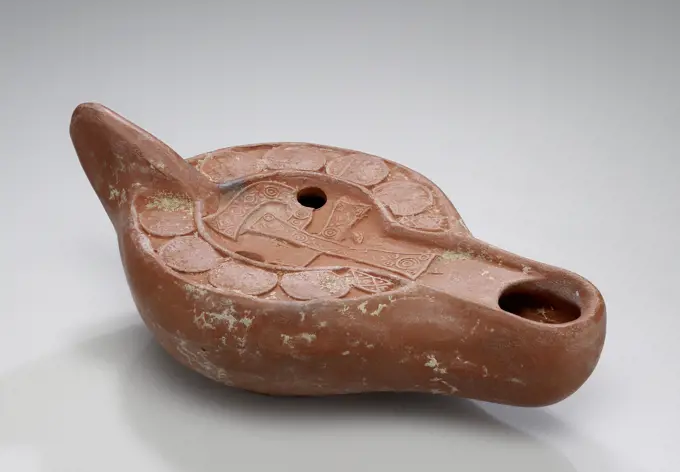
Terracotta Oil Lamps

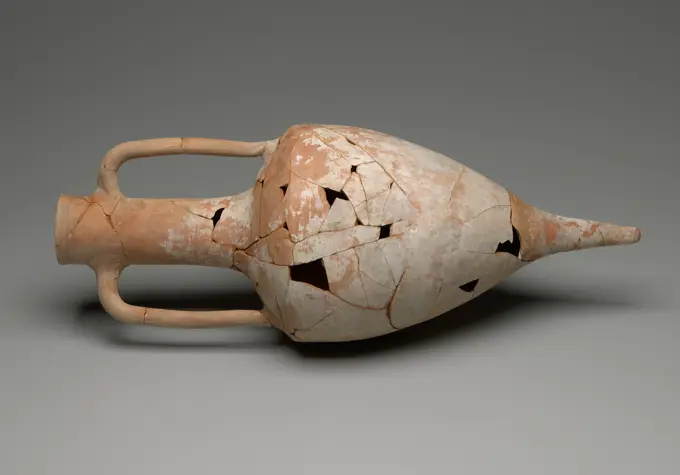
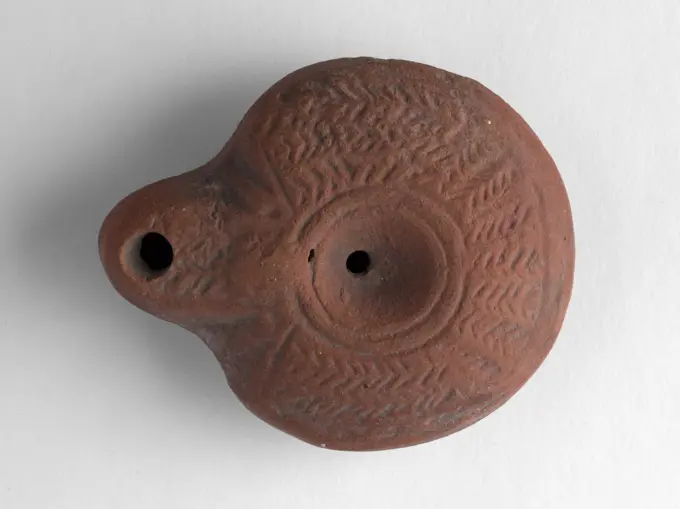
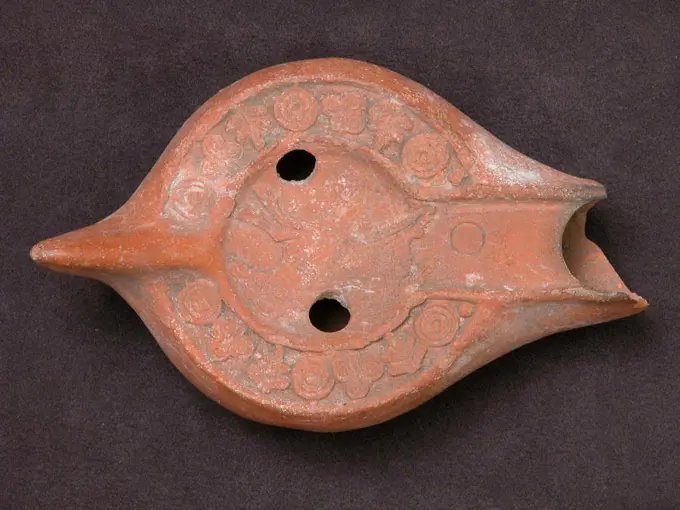
Ancient oil lamps from North Africa and Asia Minor, featuring intricate designs and historical significance. Terracotta textures add to their aged charm.
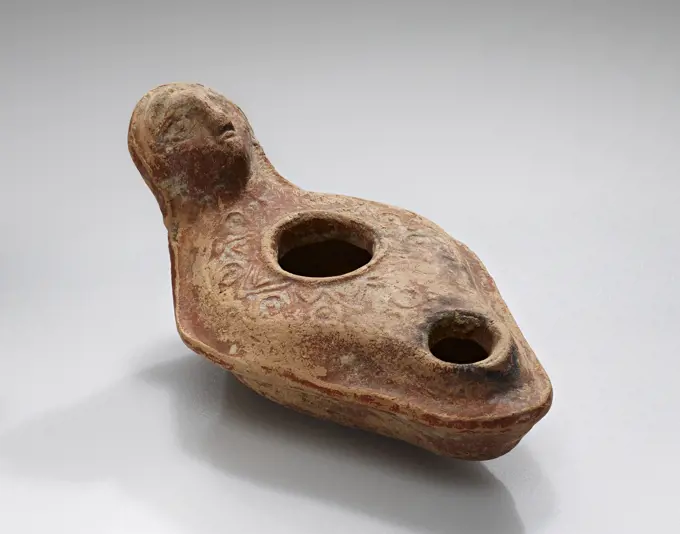
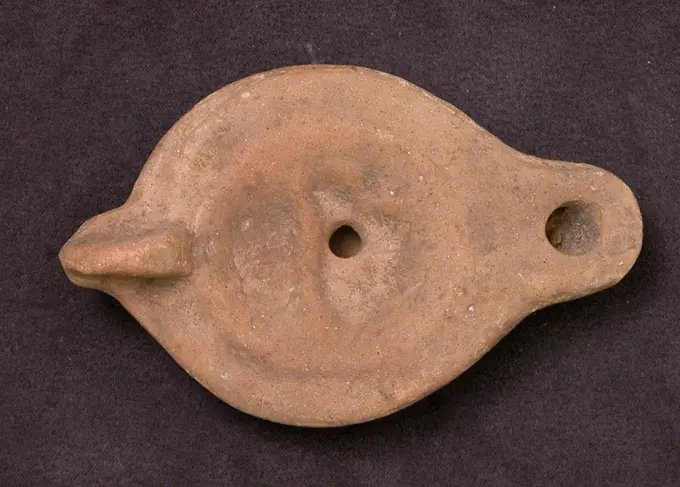
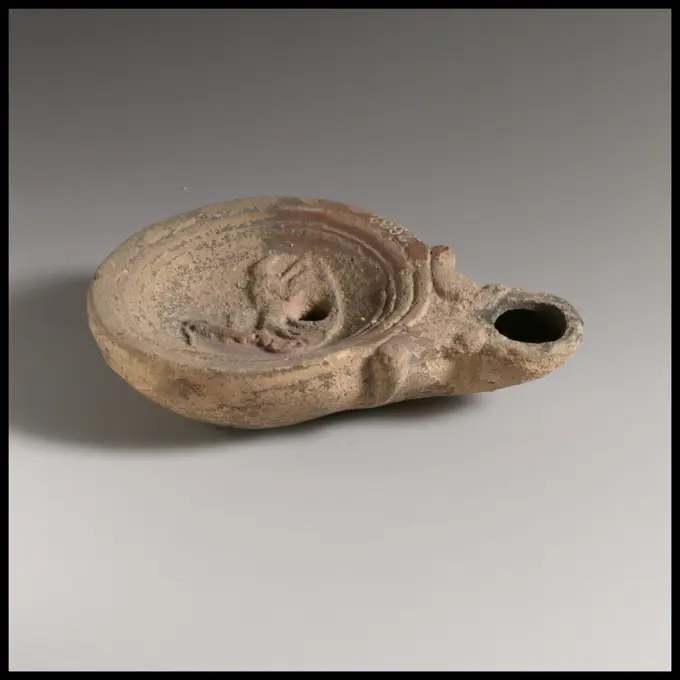
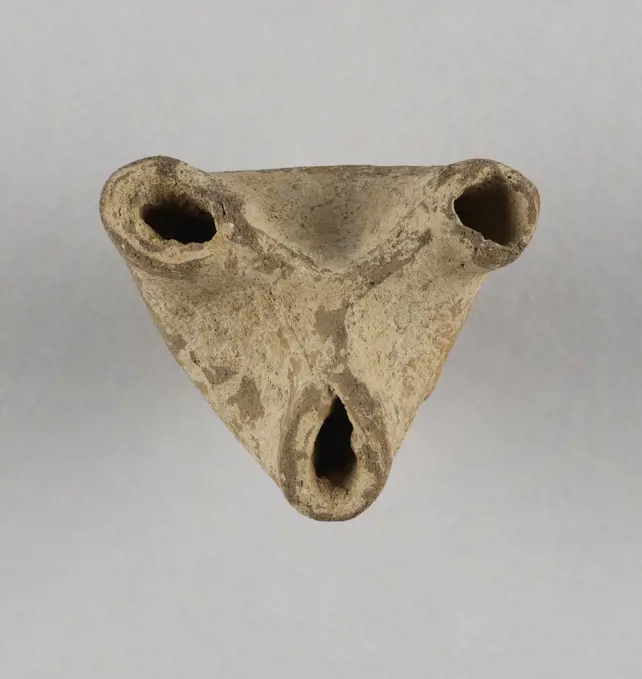
Lamp, Roman Empire; 1st century B.C. - 4th century A.D; Terracotta; 11.1 x 4.9 x 6.4 cm (4 3,8 x 1 15,16 x 2 1,2 in.)
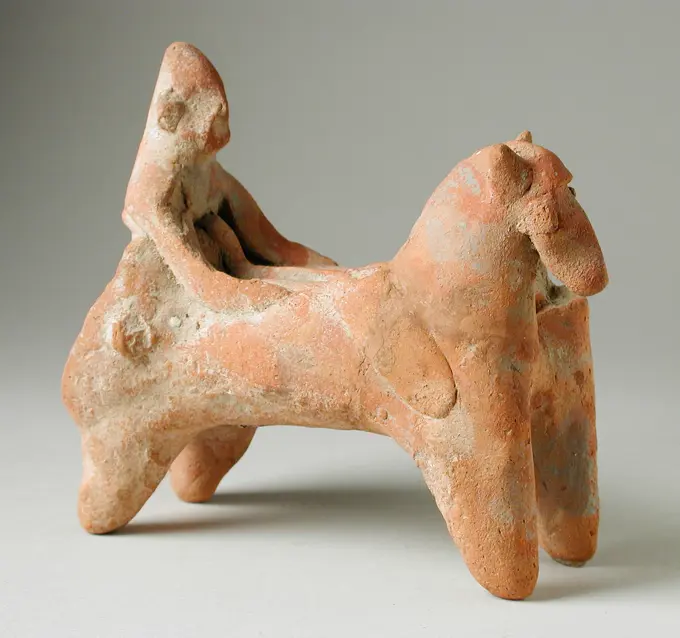
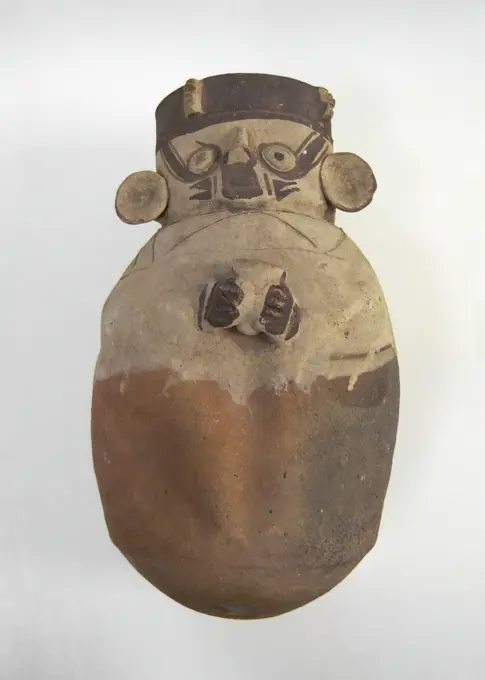
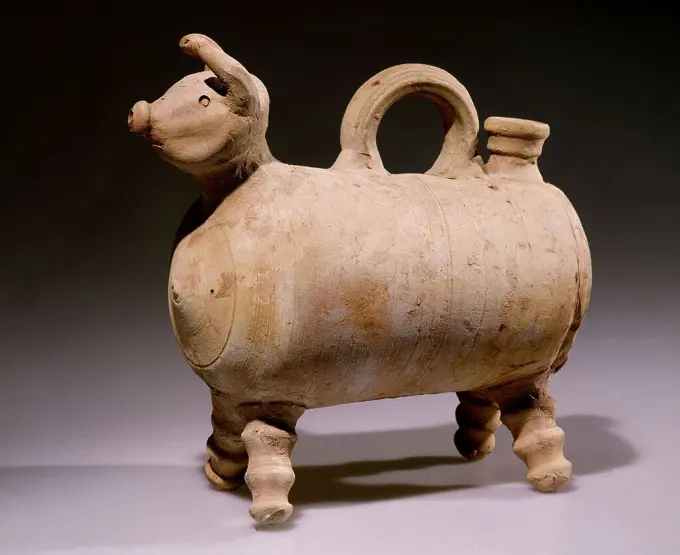
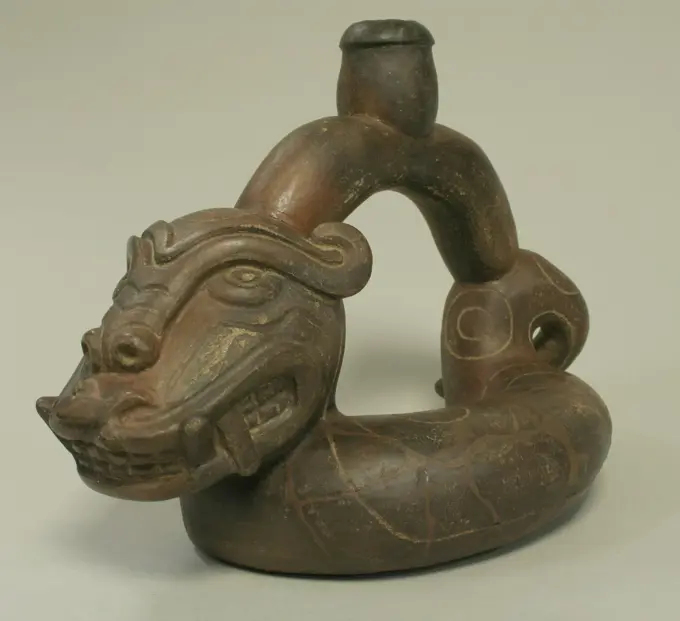
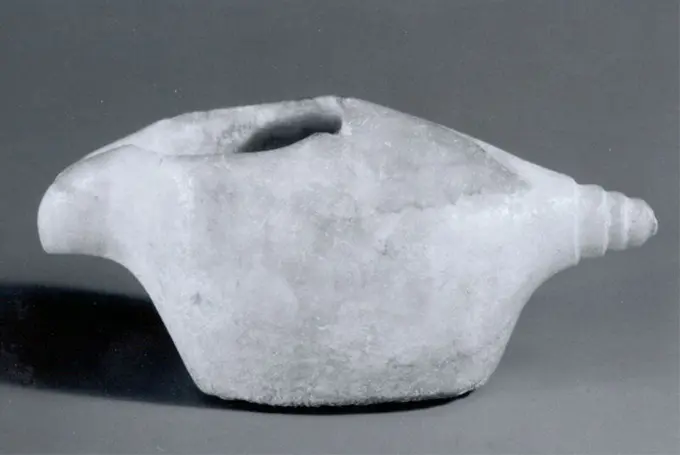
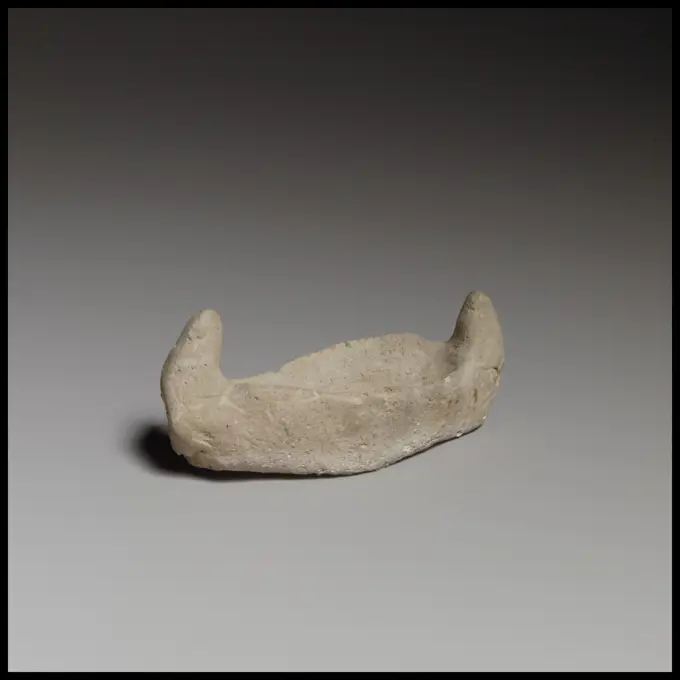
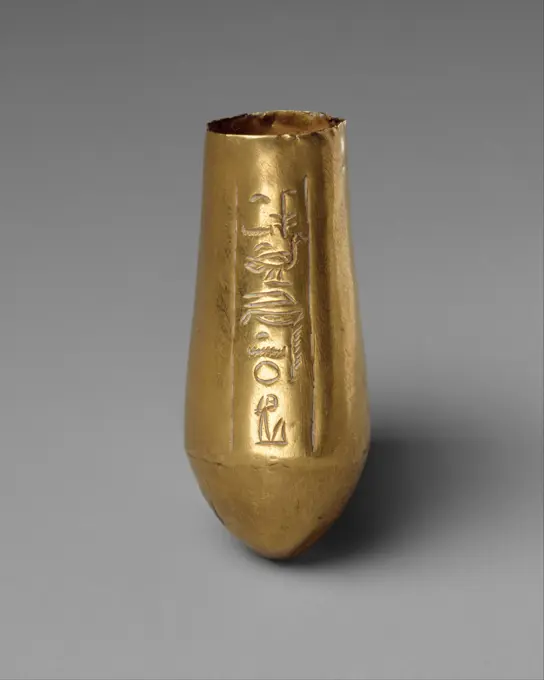
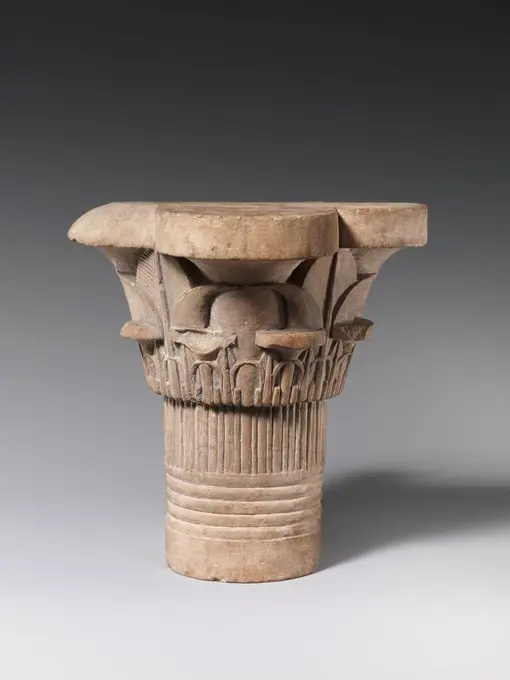
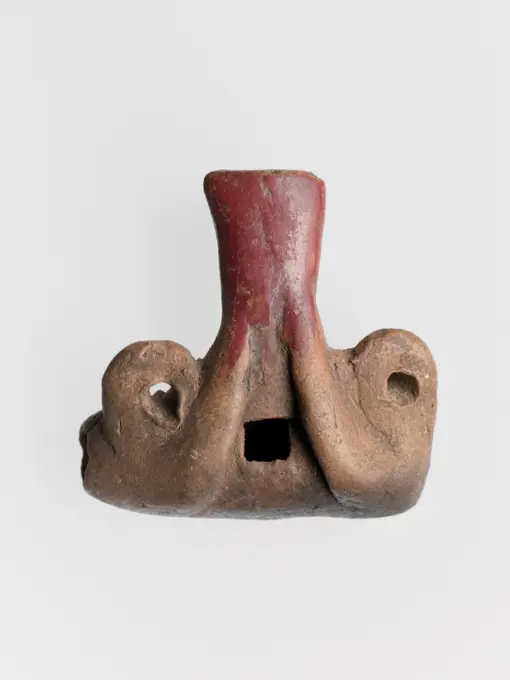
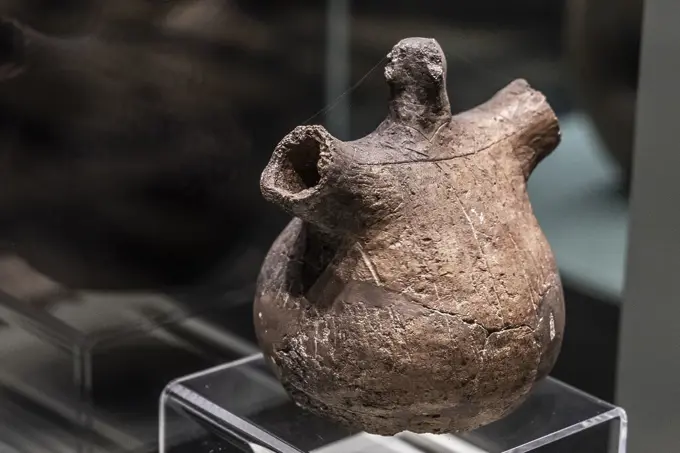
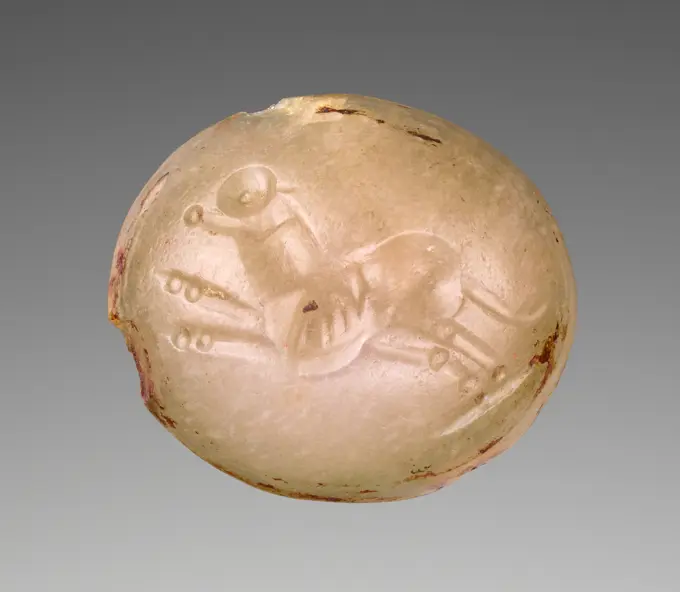
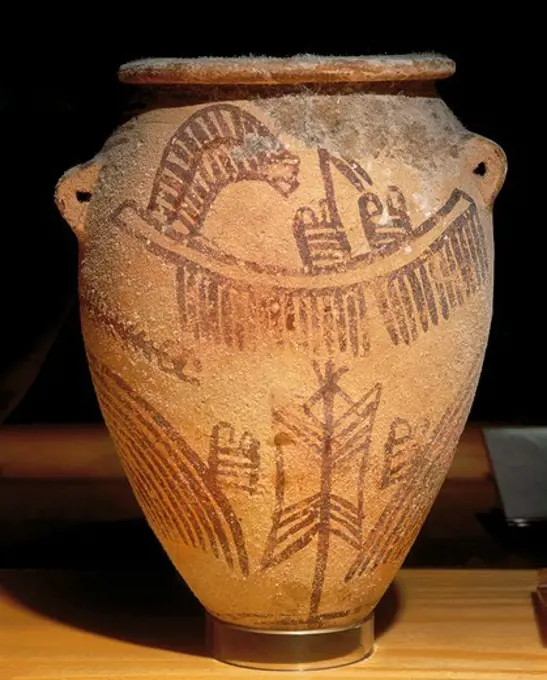
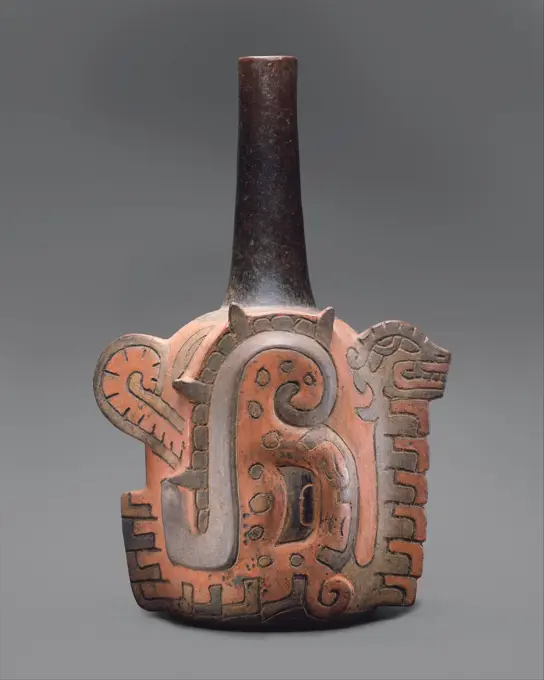
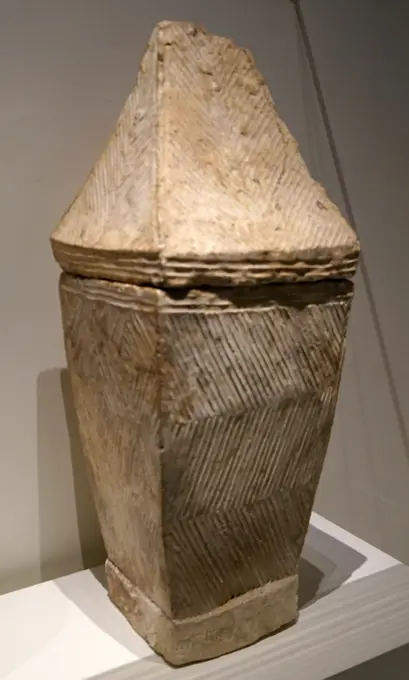
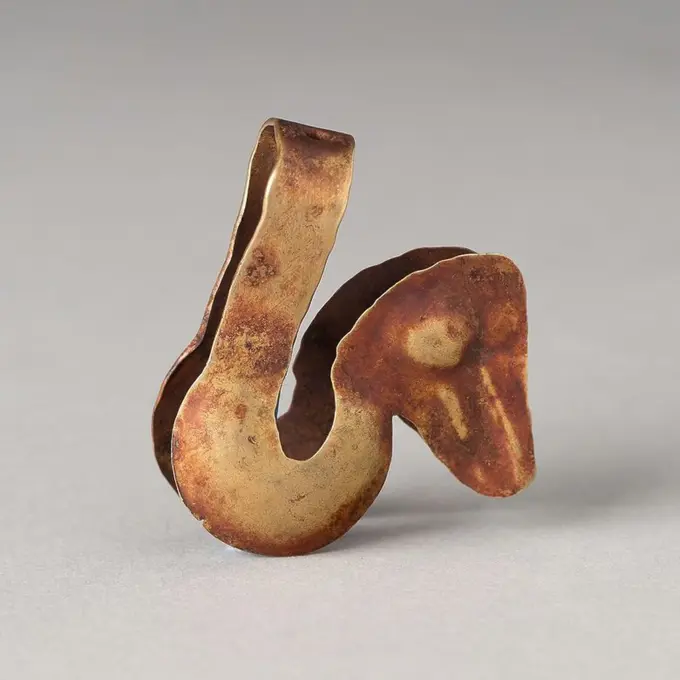
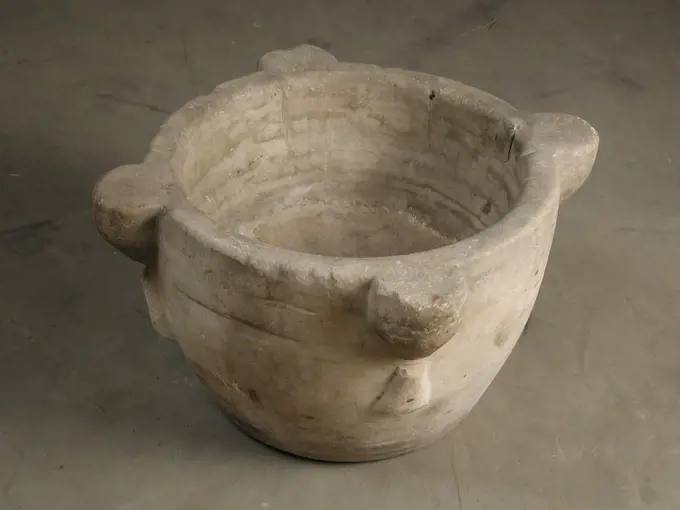
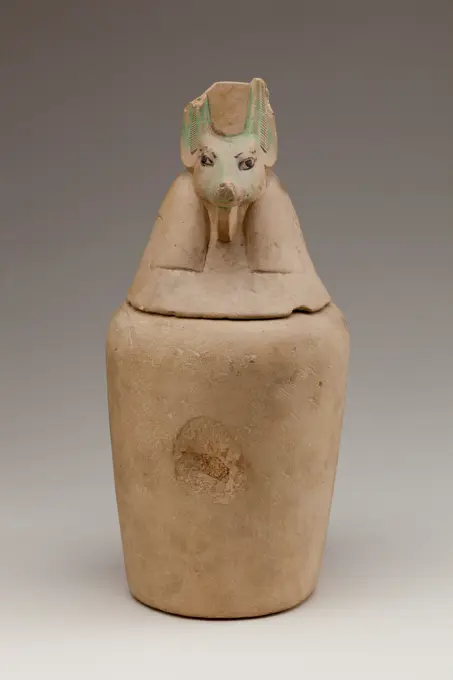
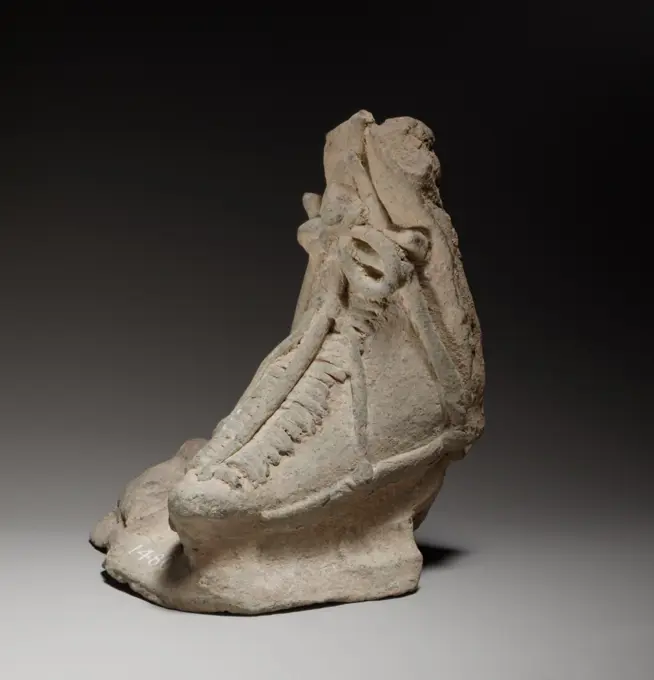
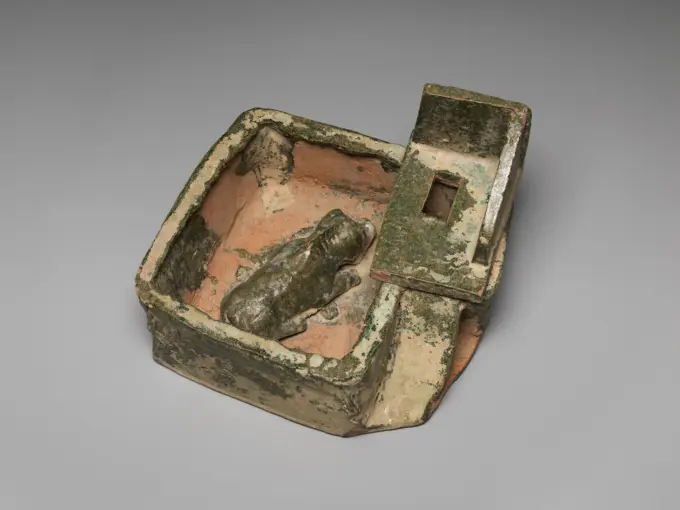
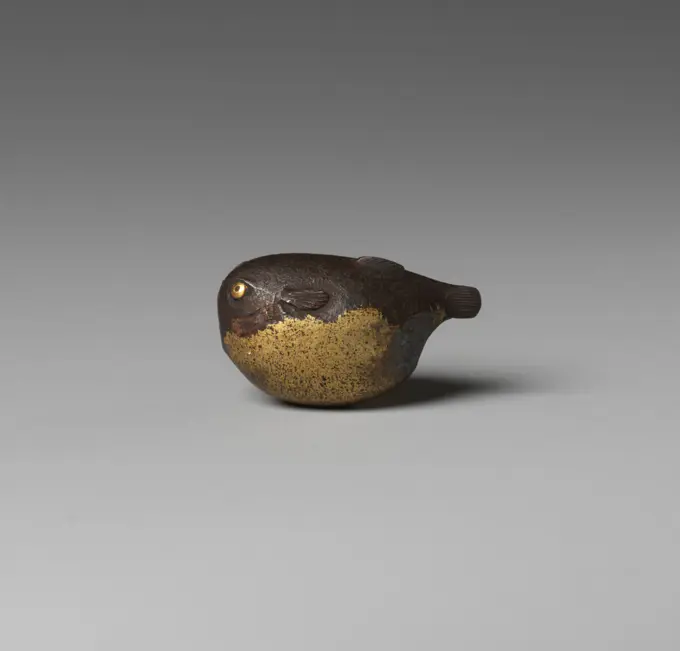
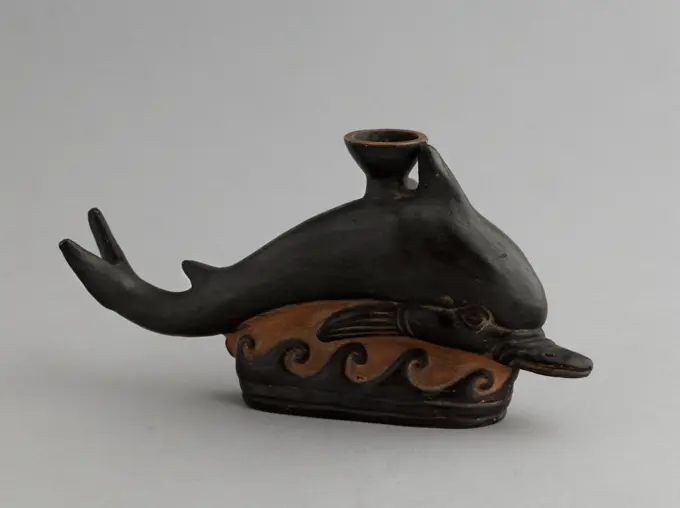
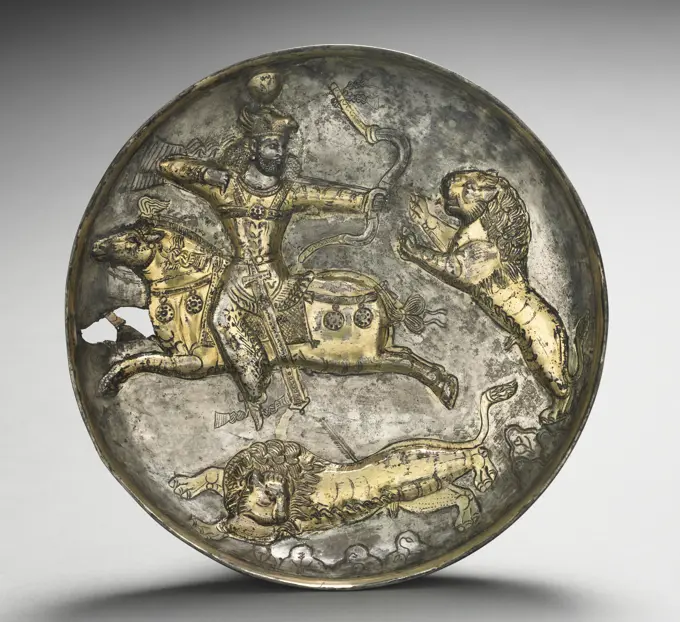
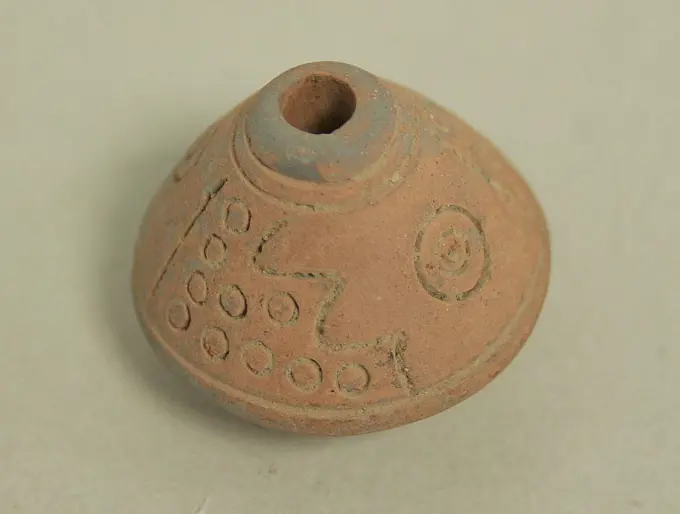
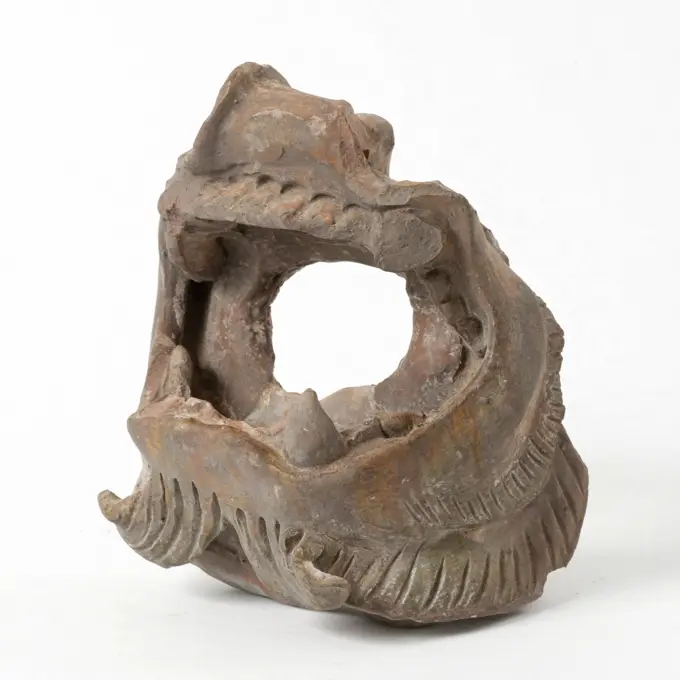
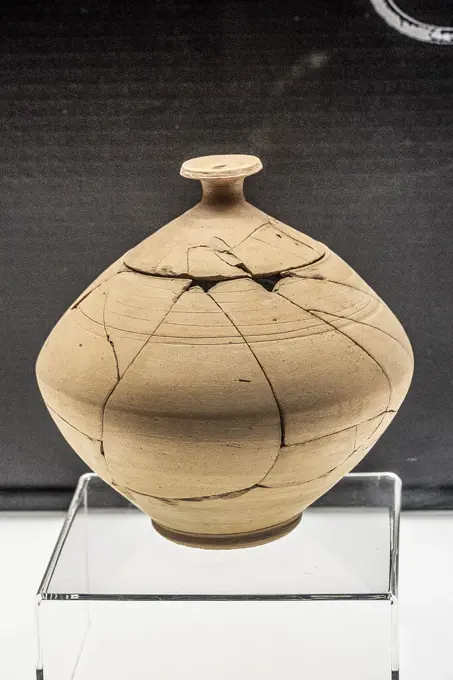
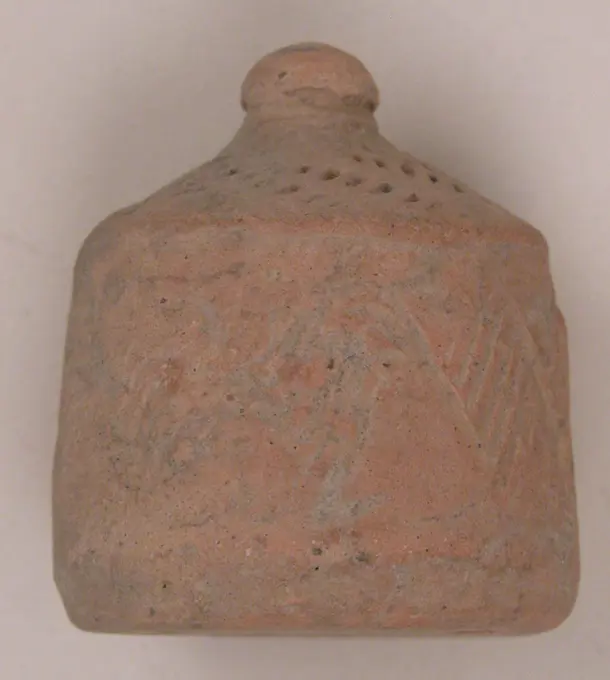
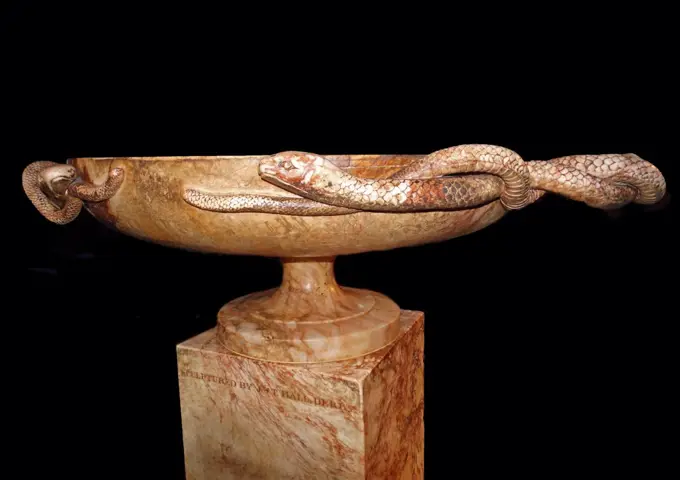
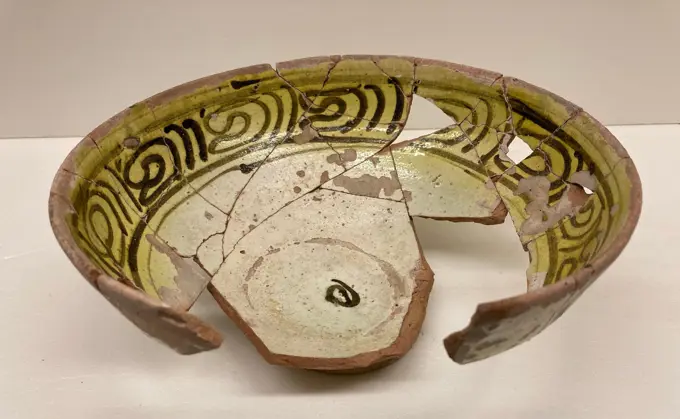
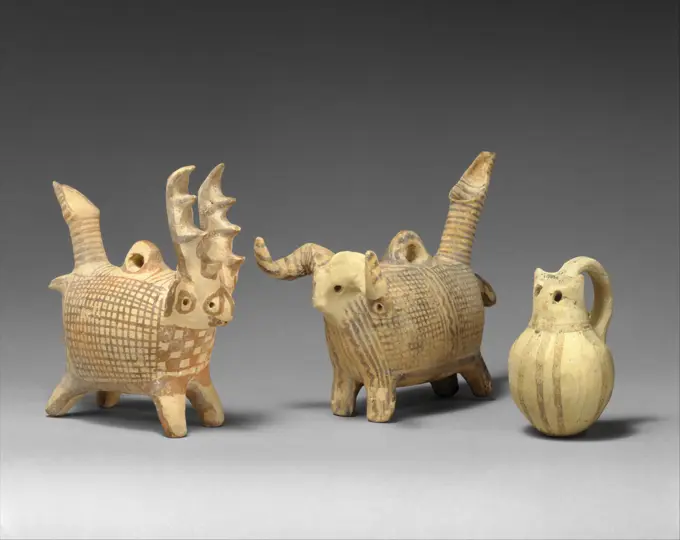
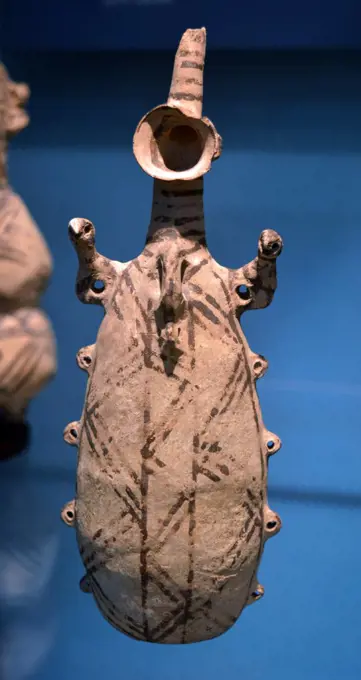
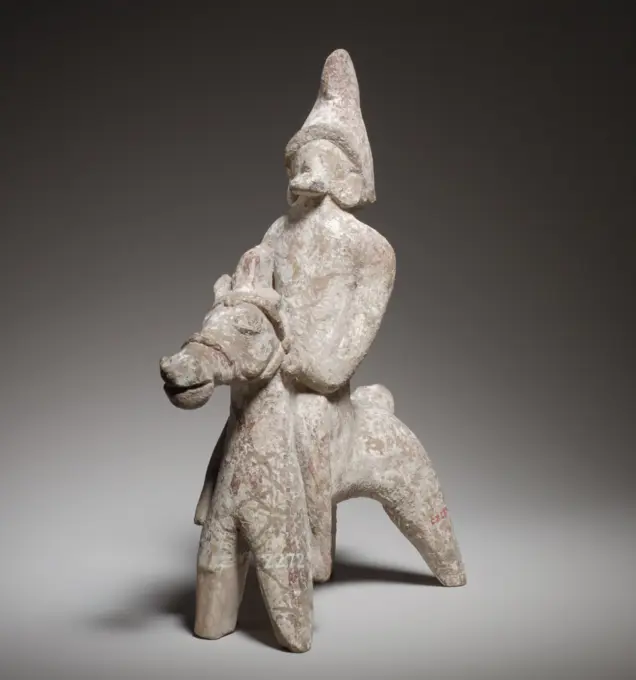
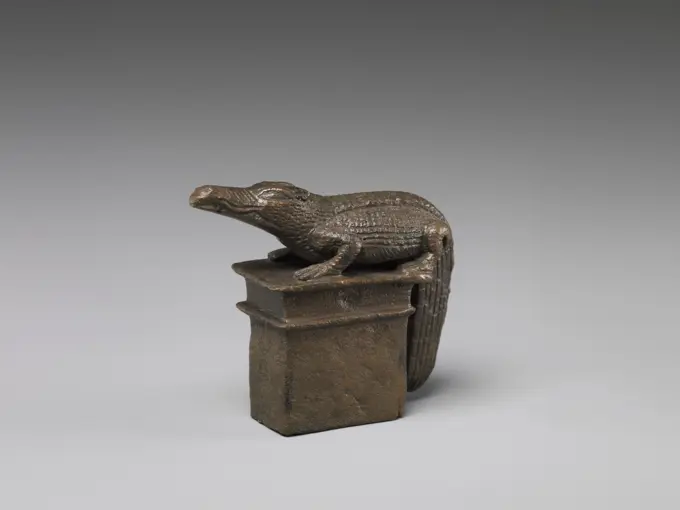
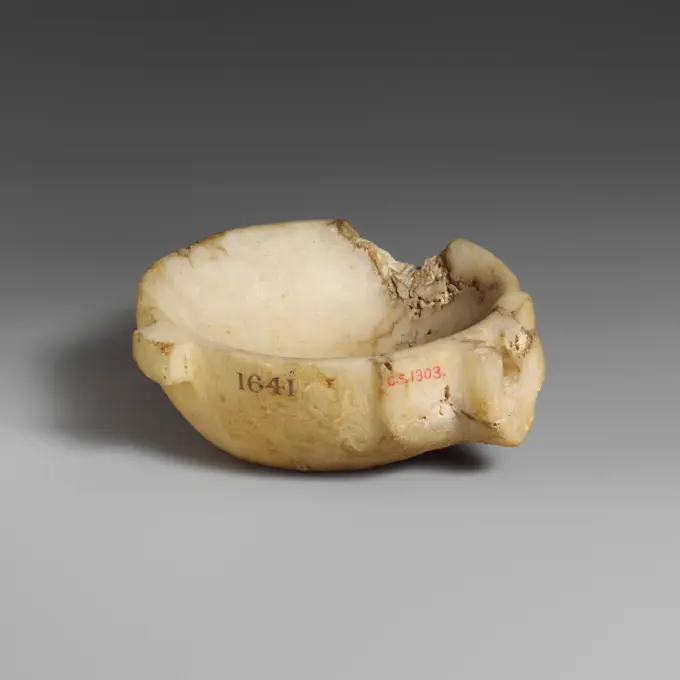
Lamp 2nd-6th century. Lamp 444791Chariot with Horse and Driver. Egypt, 1st century BCE - 1st century CE. Sculpture. TerracottaLarge ceremonial vase, 11th-15th century, 14 x 8 3/4 x 8 1/4 in. (35.56 x 22.23 x 20.96 cm), Earthenware, Peru, 11th-15th centuryBOTIJO CON FORMA DE TORO-BARRO BLANCO ARTE POPULAR S XX-. Location: ALFARERIA. SPAIN.Chavín nailed head Chavín culture 900 BC-200 BC Perú.ceramic flask, Visigoth - early medieval, Valladolid Museum , Castile and Leon, Spain.Stirrup Spout Bottle: Serpent 12th-5th century B.C. Cupisnique. Stirrup Spout Bottle: Serpent 314689A jug, c. 1810 - in or before 1839  A loose object from a diorama by Gerrit Schouten, representing a jug or pot. Suriname paper. glue. paint (coating) painting  SurinameCylinder Seal. Iran, Mesopotamia or Syria, about 3300-2900 B.C.. Tools and Equipment; seals. White marbleScales with a WoodenBoxSpouted bowl in the shape of a conch shell ca. mid-3rd millennium B.C.. Spouted bowl in the shape of a conch shell 325254Terracotta oil lamp 1st century A.D. Roman Loeschcke Type 4. Mold-made. Discus: charioteer driving biga to right, holding reins in left hand and whip in right over his head; a single filling hole at center below horses' bodies; curving ground line below; band of lines and grooves towards edge. Volutes flanking nozzle with large wick hole. Incised base ring, and uneven base.Intact, but some surface loss, especially on underside of nozzle.. Terracotta oil lamp 241486Lamp. Eastern Mediterranean, 332 B.C.-395 A.D.. Furnishings; Lighting. TerracottaFragment (console of the altar cabinet); (possibly) belonging to the retable of Soest, c. 1475 - c. 1499   wood (plant material)   wood (plant material)Tripod Vesselanthropomorphic vessel, Chalcolithic, fifth millennium BC, Bulgarian National Archaeological Museum, Sofia, Republic of Bulgaria, Europe.Poterry bowl in the from of horse. 800-700 BC. From Maku (Azerbaijan, Iran). Museum of Archaelogical Iran. Tehran. Iran.Oil LampTerracotta model of a boat ca. 600-480 B.C. Cypriot In its simplicity, this piece conveys the fragility of ancient vessels in relation to the vastness and power of the sea, which was a source of food and livelihood for traders. It was a barrier and, simultaneously, a link for an island like Cyprus. Such boats were used by ordinary people.. Terracotta model of a boat 241306Censer 11th-14th century () Italian (). Censer 468724Terminal, possibly for a scepter ca. 1353-1336 BC New Kingdom, Amarna Period This small gold object is inscribed for the princess Maketaten, second daughter of Akhenaten. It has recently been pointed out that the object, historically termed a situla (a bucket-shaped ritual vessel), is more likely an end piece from another element, perhaps a scepter or some other insignia. The princess died before her father and was buried in a chamber of his tomb at Amarna. This object is likely to have originated there.. Terminal, possibly for a scepter 544687Model quatrefoil 2-story palmette capital. Dimensions: H. 15 cm (5 7/8 in.); W. 14.5 cm (5 11/16 in.); D. 7 cm (2 3/4 in.). Date: 400-30 B.C..Small Late Period and Ptolemaic reliefs or sculptures that depict a subject in a partial or unfinished way but are themselves finished objects constitute a special class of object. Guidelines like those for artists are often prominently exhibited as part of the object, although, in fact, many instances can be noted where the object simply could not serve as a suitable model for a traditional formal Egyptian representation. Personifications of kingship, figures that may represent the now emerging demigods Imhotep and Amenhotep Son of Hapu, and popular gods like Harpokrates or Isis, are heavily represented within the corpus. Taken together, the figures represented and the other features indicate the reliefs and sculptures of this class, sometimes called by Egyptologists "sculptor's models / votives," were the material of a donation practice, perhCERAMICA TALAYOTICA - VASO DE DOBLE FONDO- S IV AC. Location: MUSEO ARQUEOLOGICO / MUSEO DE PUIG DES MOLINS. IBIZA. SPAIN.Pottery Whistle ca. 900-1500 Mexican. Pottery Whistle. Mexican. ca. 900-1500. Clay. Pre-Columbian. San Sebastian, Texcoco, Mexico. Aerophone-Whistle Flute-whistleLaughing Demon Mask. Japan, 18th century. Costumes; Accessories. Wood with sumiChalcolithic, fifth millennium BC, Bulgarian National Archaeological Museum, Sofia, Republic of Bulgaria, Europe.Engraved Gem. UnknownGarment Plaque in the Shape of Deer 6th-4th century B.C. Kazakhstan. Garment Plaque in the Shape of Deer 65346Vessel Fragment. Culture: Coptic. Dimensions: Overall: 1 7/8 x 1 9/16 x 13/16 in. (4.7 x 4 x 2 cm). Date: 4th-7th century. Museum: Metropolitan Museum of Art, New York, USA.Ewer 9th century The decoration on this ewer was inspired by the pre-Islamic motif of the tree of life flanked by two long-horned quadrupeds and large winged birds. The use of unglazed vessels, such as this ewer, to keep liquids cool had a long-standing tradition in the Near East.. Ewer 448541Classic tripod pitcher with slip, Santa María Nebaj, anthropology museum, department of El Quiché, Guatemala, Central America.Canchero or corn roaster decorated with the representation of a warrior. Ceramic. Moche culture (100 BC-700 AD). Peru. Museum of the Americas. Madrid, Spain.weibliches anthropomorphes Gefäß weibliches anthropomorphes Gefäß Copyright: xZoonar.com/Tolox 22682477Double Spout and Bridge Vessel with Reclining Female Figure. Colombia, Valle del Cauca, Calima, Calima Ilama, 1000 BCE-100 CE. Ceramics. CeramicVase with handles and dark violaceous decoration depicting boat and sailFeline-Head Bottle 9th-5th century B.C. Tembladera Ceramic vessels made up a large percentage of mortuary offerings in ancient Peru. Early fine examples were fired to create muted, matte tones of gray, black, and tan, with highly polished or incised surfaces. This tall bottle, with its well-preserved surface paint, is said to come from the area known as Tembladera in the Jequetepeque Valley of northern Peru. A modeled, stylized feline head in profile is worked on the front. The head is upended, and the long, conventionalized snout has teeth that continue almost to the top of the "nose." A looped-over tongue projects from the mouth. A smaller feline profile appears on the opposite side of the bottle. The feline associations are probably those of the jaguar, the most impressive wild cat of the Americas and one long revered in ancient times for its prowess. Listen to experts illuminate this artwork's story Listen Play or pause #1626. Feline-Head Bottle Supported by Bloomberg PhilanthropieHorseman. Culture: Cypriot. Dimensions: H. 4 1/16 in. (10.3 cm). Date: Early 3rd century B.C..The figurine is handmade and solid. His face is mold-made, as is the device on the shield. He turns his head to the left, while with his raised right arm, now missing the forearm, he originally brandished a spear. Museum: Metropolitan Museum of Art, New York, USA.Olive lamp;  5th century (401-00-00-500-00-00);Terracotta lantern ca. 2nd century A.D. Roman, Egyptian Surmounted by female bust; ring for suspension.. Terracotta lantern 245514Funerary urn characteristic of the Austronesian animistic culture. Dated 1st CenturySmall Figure in Canopy Throne()Amphora(stamped)Tweezers in the Shape of a Bird. Probably Chimú; North coast, Peru. Date: 1000-1400. Dimensions: L. 3.7 cm (1 7/16 in.). Gold. Origin: Peru. Museum: The Chicago Art Institute, Chicago, USA.Appliqué with a Comic Mask. UnknownPotter's stamp Roman Pan and nymph.. Potter's stamp. Roman. Terracotta. VasesWooden Otomporo Mask from Yoruba, Sud-Ouest, Nigeria, Africa. Dated 20th CenturyLamp, Punic (), North Africa; 5th century B.C; Terracotta; 3.6 x 3.9 x 4 cm (1 7,16 x 1 9,16 x 1 9,16 in.)Large sandstone mortar, auger equipment sandstone stone, minced Round mortar of very fine sandstone with four facing bulges milling craft company pharmacyArtifacts and art in the Kasbah Museum of Mediterranean Cultures in the Sultan's Palace or Governor's Palace, Old Medina, Tangier, Morocco, Africa. (Editorial Use Only)ceramic plate and bowl, Los Gabrieles dolmen complex, III BC, Valverde del Camino, Huelva Museum, Huelva, Andalusia, Spain.Argaric bowl Argaric bowl, Eras del Alcázar, Ancient Bronze, Archeological Museum. Úbeda, Jaén province, Andalusia, Spain Copyright: xZoonar.com/BartomeuxBalaguerxRotgerx 21702889Canopic Jar Representing the Deity Duamutef 664-525 BC Late Period, Saite Canopic jars were made to hold the internal organs that were removed during mummification. This canopic jar, with its jackal-headed lid, probably held the stomach and was under the protection of the god Duamutef, one of the Four Sons of Horus. The other three jars of the set are 12.183.1a-c.. Canopic Jar Representing the Deity Duamutef 550774Left foot, possibly from a relief 2nd century B.C. Cypriot The foot, wearing a boot, is handmade and hollow. It is from a figure of approximately two-thirds life size.. Left foot, possibly from a relief 241021Pigsty 1st-early 3rd century China Pottery models of houses and farm structures were commonly included in Eastern Han burials to provide for the afterlife.. Pigsty. China. 1st-early 3rd century. Earthenware with green lead glaze. Eastern Han dynasty (25-220). Tomb PotteryHorsefigurineOjime 19th century Japan. Ojime. Japan. 19th century. Lacquer. Edo (1615-1868) or Meiji period (1868-1912). OjimeMarble pyxis (box) late 5th-early 4th century B.C. Greek, Attic Greek marble-working of the Classical period is generally associated with architecture and monumental sculpture. This vase is remarkable for its precision and delicacy. It is likely that it was orginally painted.. Marble pyxis (box) 256855Lamp. Terracotta. High Empire. Incised rafters. Paris, Carnavalet museum. Chevron, High-Empire, Incise, Oil lamp, TerracottaDolphin -shaped vase. Molded terracotta. Apulie, 350-330 BC. AD Museum of Fine Arts of the City of Paris, Petit Palais. 59233-1 Greco-Roman antiquity, ancient art, workshop, ceramic, dolphin, large Greece, 4th 4th 4th 4th 4th 4 century AV.J-C., Molding, fin, terracotta, vague, ancient vase, animalDish with King Hormizd II or Hormizd III Hunting Lions, AD 400-600. Iran, Sasanian, 5th-6th Century. Silver gilt; overall: 4.6 x 20.8 cm (1 13/16 x 8 3/16 in.).Spindle Whorl A.D.1-500 North coast (). Spindle Whorl. North coast (). A.D.1-500. Ceramic. Peru. Ceramics-ImplementsWine Container Made 1600 BCE-1050 BCE China. The bronze vessels produced with sophisticated casting techniques and intricate designs by Chinese artisans of the late Shang dynasty (c. 1700-c. 1050 B.C.) are achievements unrivaled by any other Bronze Age culture. For the ruling elite of ancient China, prestigious objects made of bronze signified supreme political power as well as devout spiritual beliefs and exalted social status. Foremost among these bronzes are vessels that were made for the preparation and offering of food, wine, and water in ceremonial banquets conducted to seek and repay divine ancestral goodwill. Ancient Chinese wine was fermented from grain rather than fruit and, like beer, is best described as a type of millet ale.This square-shouldered jar for wine storage is animated by a menagerie of imaginary creatures that have been intricately cast onto the surface in several levels of relief. The most prominent of these is a horned ogre mask (later known as a taotie), whosJugs with scenic decorations Cyprus.Canine Vessel 12th-3rd century B.C. () Central Highlands (). Canine Vessel. Central Highlands (). 12th-3rd century B.C. (). Ceramic. Mexico, Mesoamerica. Ceramics-ContainersAngel. Japan, 17th century. Costumes; Accessories. Wood (cypress) with pigmentsLamp. UnknownFigurine of animal Middle Kingdom ca. 1981-1640 B.C. View more. Figurine of animal. ca. 1981-1640 B.C.. Clay. Middle Kingdom. From Egypt, Memphite Region, Lisht North, Cemetery, MMA excavations, 1906-07. Dynasty 12-13Vase, Koryo (Goreyo) . Celadon glaze; incised decoration filled with white and black slips, Koryo (Goreyo) (Goreyo) dynasty, 12th centuryItaly - Iron Age - OssuaryHelmet Mask, early to mid-1900s. Western Sudan, Ivory Coast, Senufo, 20th century. Wood; overall: 122 cm (48 1/16 in.).Miniature pail -Water Filter 10th-12th century. Water Filter 447429Lamp, North Africa; 1st - 4th century; Terracotta; 3.7 x 8.6 x 15 cm (1 7,16 x 3 3,8 x 5 7,8 in.)VASIJA DE CERAMICA VERDE. Location: ALFARERIA. QUART. GERONA. SPAIN.Fragment of a Bowl 12th-13th century. Fragment of a Bowl 447201Anthropomorphic figurines Limestone, marble and ceramic Second Half of the third Millennium BC.Chimera head ". Terracotta with yellow and green glaze (Sancai). China, Tang dynasty (618-907). Paris, Cernuschi museum. Chinese art, Chinese Ceramic, Chimere, Fantastic Creature, Tang dynasty, evil, terracotta, headVessel with Water Lily Serpent and Underworld Imagery. Guatemala, Alta Verapaz, Maya, 600-900 CE. Ceramics. Slip-painted ceramicVessel in the Form of an Animal with Four Legs and Long Tail 400 BCE-200 CE North Coast. Ceramic and pigment . Gallinazocinerary urn, Carratiermes Necropolis, 4th-2nd century BC. Museum of the Tiermes Archaeological Site, Soria, Castile and Leon, Spain.Chess Piece, Probably a Pawn 8th-11th century. Chess Piece, Probably a Pawn 452353Lamp 5th-6th century Small earthenware lamps, made from double molds, were the most commonly used source of light in Coptic Egypt. A wick produced from plant fiber or linen fabric was placed in a reservoir filled with oil, generally castor or sesame oil, and illuminated. This red earthenware lamp is decorated with a horse running, enclosed by a border of concentric circles, leaves, scrolls, and a pellet at each end.. Lamp. 5th-6th century. Earthenware; molded. Attributed to Egypt. CeramicsAlabaster tazza bowl and pedestal.Stone Temple Model 1st-8th century Mezcala. Stone Temple Model 317505Bowl 10th century. Bowl. 10th century. Earthenware; white slip under transparent glaze running from pale greenish at center to strong yellow at rim. Excavated in Iran, Nishapur. CeramicsTerracotta zoomorphic askos (vessel) with a ram's head ca. 1725-1600 B.C. Cypriot An indigenous species of wild sheep existed on Cyprus in the Bronze Age. Domestic sheep had also been introduced by Neolithic settlers.. Terracotta zoomorphic askos (vessel) with a ram's head. Cypriot. ca. 1725-1600 B.C.. Terracotta. Middle Cypriot III. VasesRooster weathervane, c. 1870, 19 1/4 x 28 x 2 3/4 in. (48.9 x 71.12 x 6.99 cm), Copper, gilt, France, 19th centuryPaleolithic Stone Lamp from La Mouthe, France, 50,000BC-10,000BC.  Artist: Unknown.Bronze age red pottery from Cyprus, circa 1900-1600 BCHorse and rider ca. 600-480 B.C. Cypriot The style of this figurine, with helmeted rider and horse's harness in relief and decoration in colored paint, is typical of Kourion.. Horse and rider 241336Funerary Cone of the Wab-Priest Amenemhab. Dimensions: L. 25.4 cm (10 in.); Diam. 8 cm (3 1/8 in.). Dynasty: Dynasty 18. Reign: reign of Amenhotep I. Date: ca. 1525-1504 B.C.. Museum: Metropolitan Museum of Art, New York, USA.Crocodile on a shrine-shaped base 332-30 B.C. Ptolemaic Period A crocodile on a shrine represents the god Sobek. Sobek was an important god throughout Egypt, and with important cult centers in both Upper Egypt and the Fayum. Associated with the Nile floods and fertility, Sobek's centrality in the Fayum led to his being associated with royal power during the Middle Kingdom, and then directly with the god Re. By the Ptolemaic period, he was identified with numerous deities, taking on the aspect of a universal god.. Crocodile on a shrine-shaped base. 332-30 B.C.. Cupreous metal. Ptolemaic Period. From EgyptCup 4th-7th century Coptic. Cup 477333Canopic jar with falcon lid (Qebehsenuef) ca. 1550-1295 B.C. New Kingdom. Canopic jar with falcon lid (Qebehsenuef) 576464Miniature alabaster press Cypriot The small deep bowl has two lugs, one of which is broken, and a pouring spout with a hole to the interior.. Miniature alabaster press 244020Faience oinochoe (jug) showing Queen Arsinoe III of Egypt (221-203) Made in Egypt about 220-200 BC Said to be from Canoas, ItalyStand ca. 2112-2004 B.C. Neo-Sumerian. Stand. Neo-Sumerian. ca. 2112-2004 B.C.. Ceramic. Ur III. Mesopotamia, NippurIDOLOS FALANGE DE LA SEPULTURA Nº 45 DE LOS MILLARES. CALCOLITICO ESCULTURA RELIGION. (DEPOSITO: MUSEO ARQUEOLOGICO NACIONAL).Iberian Excised Box, Valladolid Museum - Provincial Museum of Antiquities, Autonomous Community of Castile and Leon, Spain.Red-Slip Head Vase. Unknown