Terracotta Oil Lamps

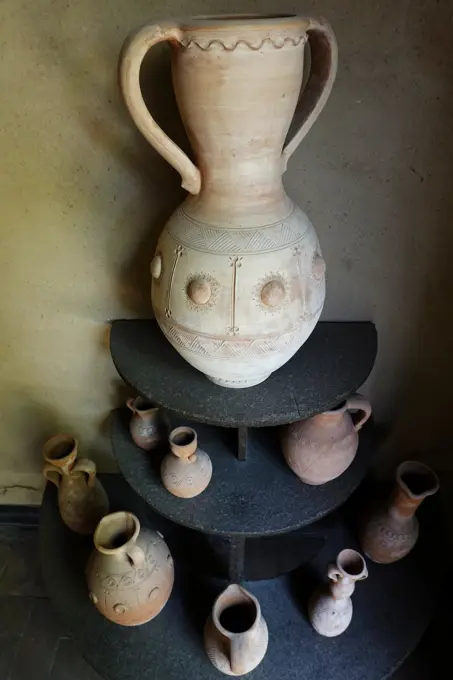
Ancient oil lamps from North Africa and Asia Minor, featuring intricate designs and historical significance. Terracotta textures add to their aged charm.
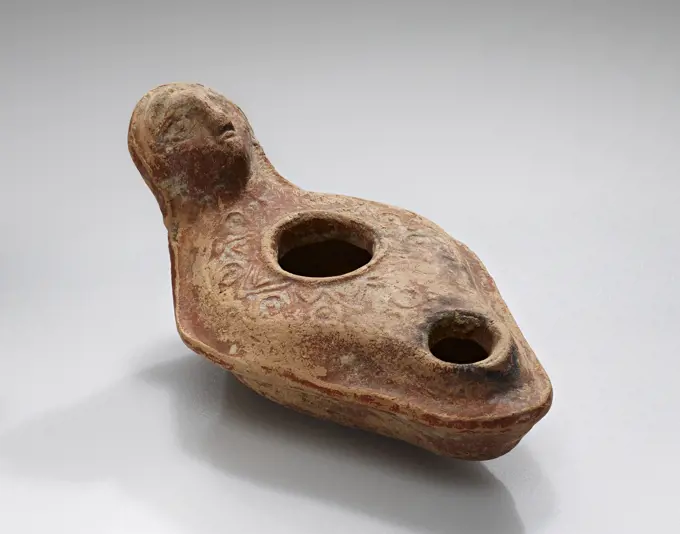
Lamp, Roman Empire; 1st century B.C. - 4th century A.D; Terracotta; 11.1 x 4.9 x 6.4 cm (4 3,8 x 1 15,16 x 2 1,2 in.)
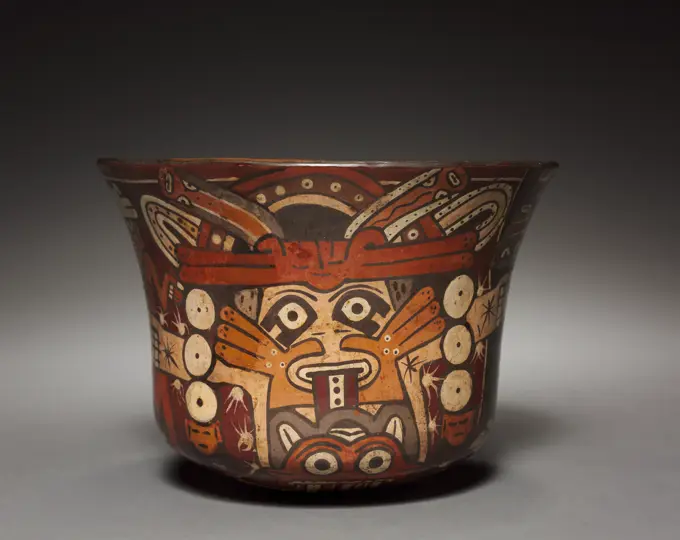
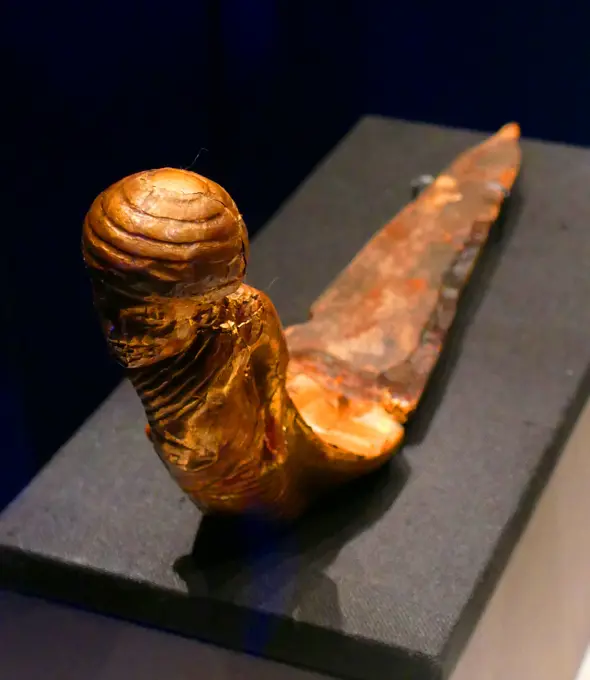
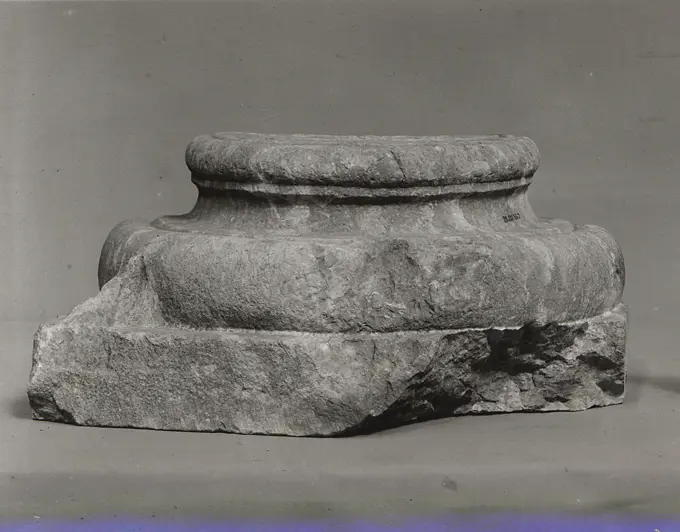
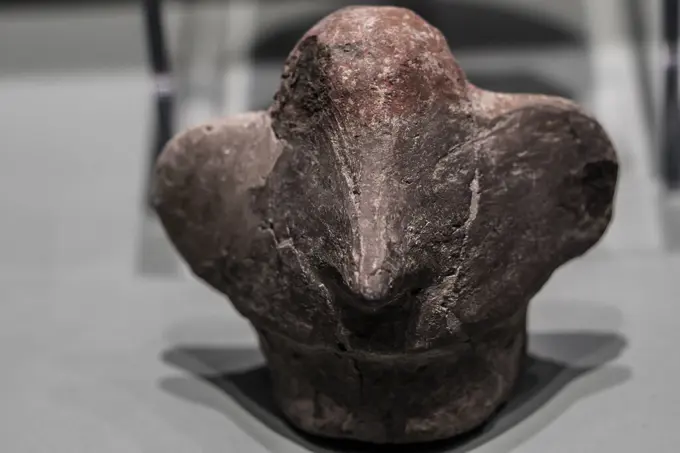
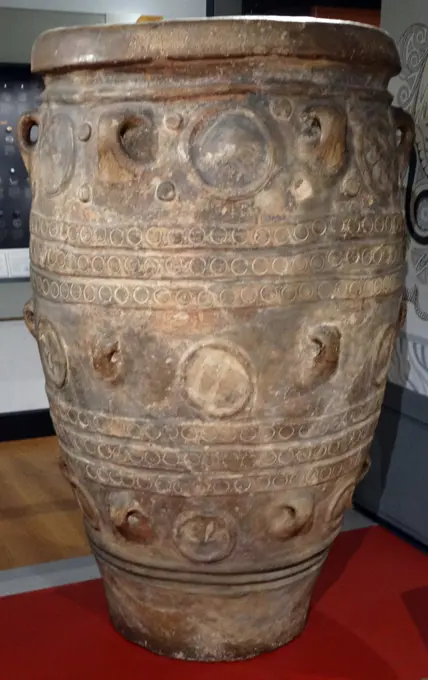
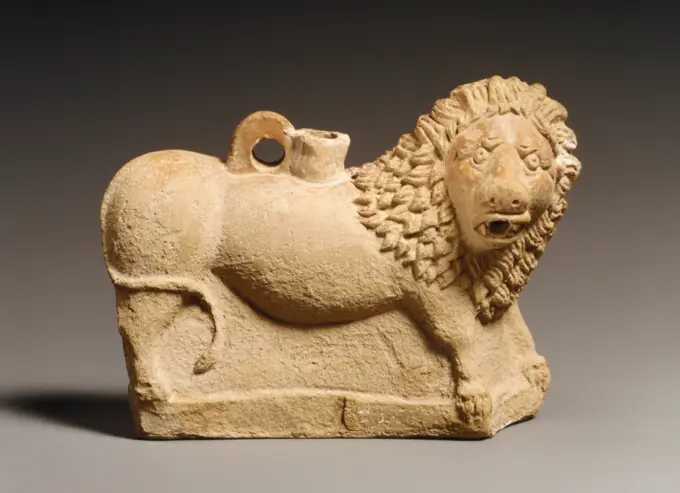
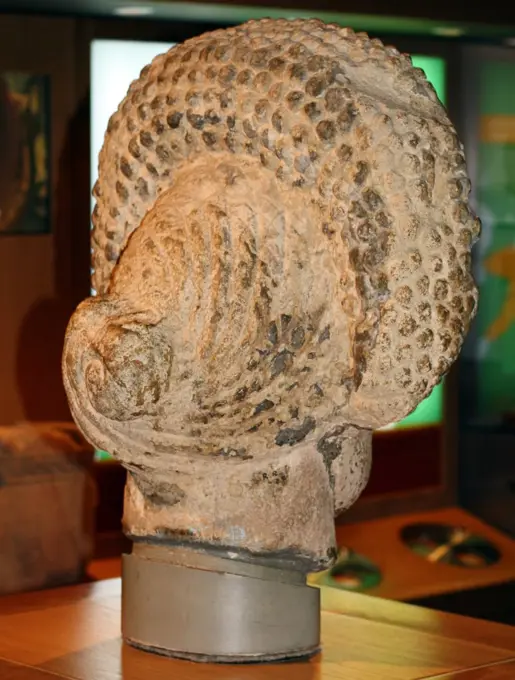
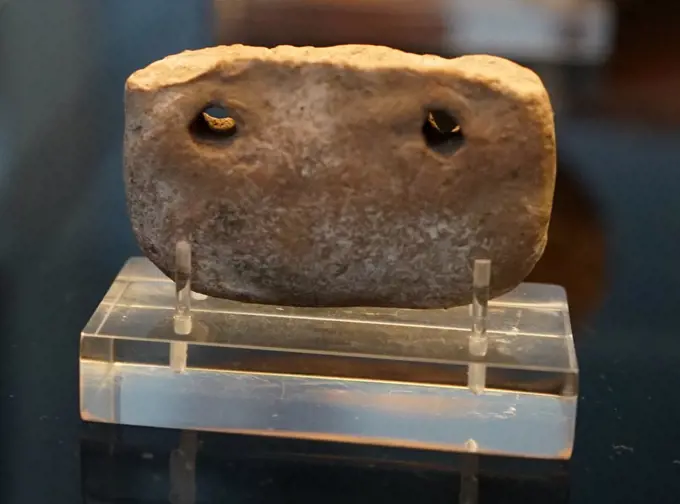
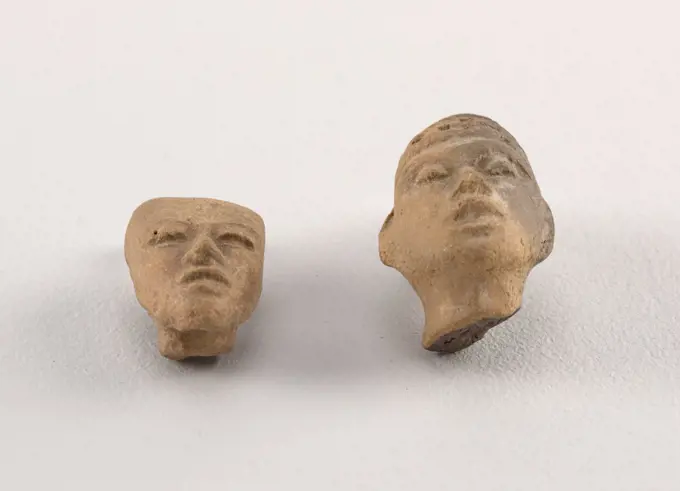
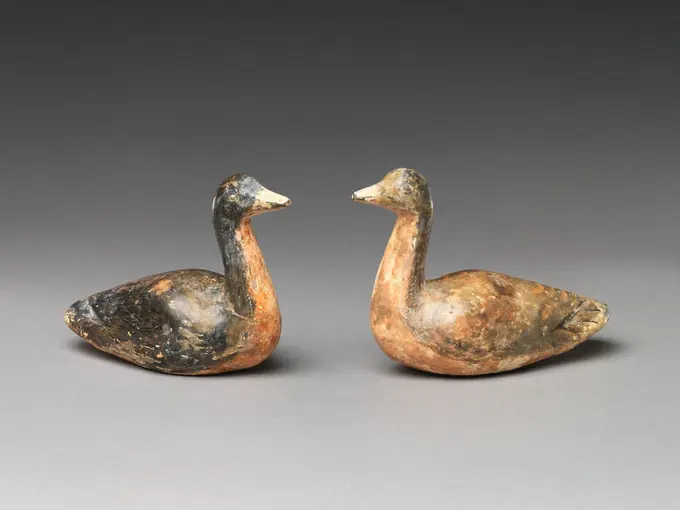
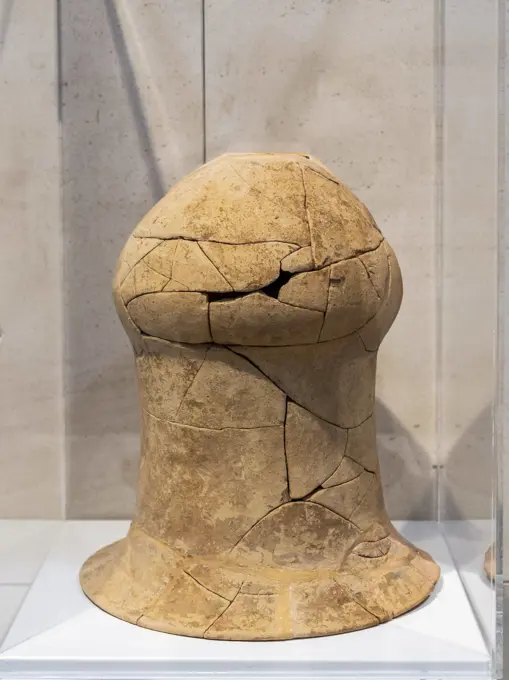
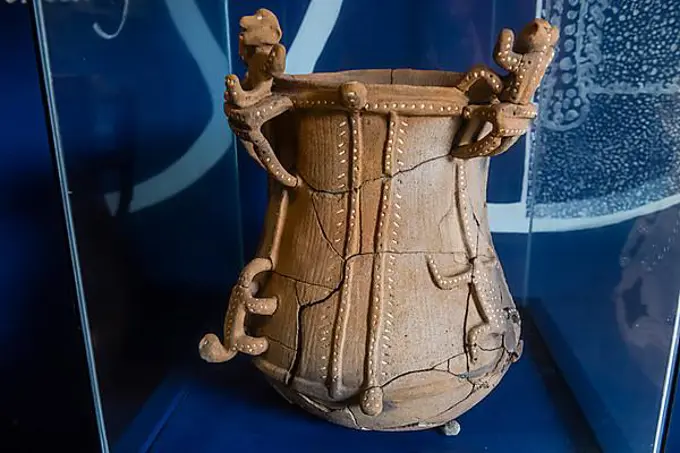
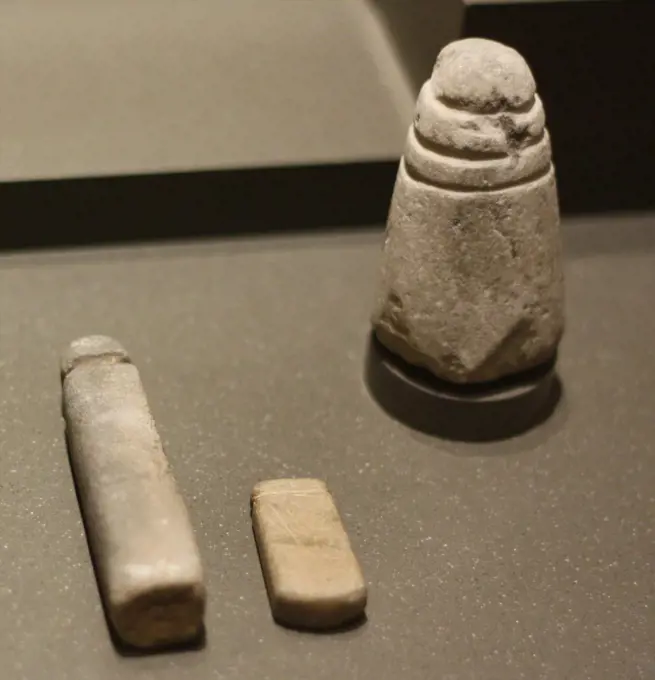
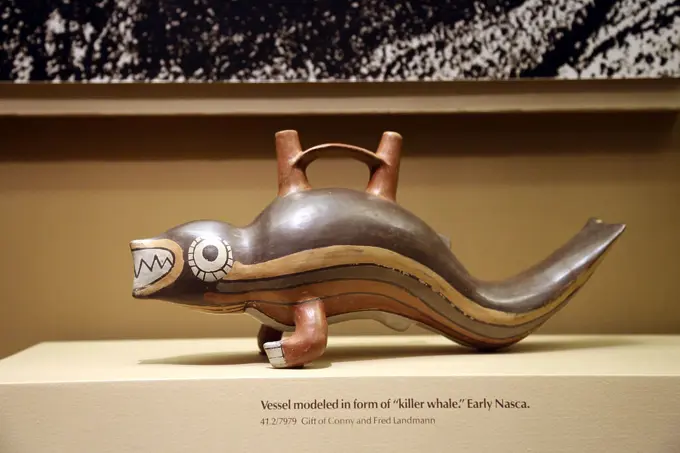
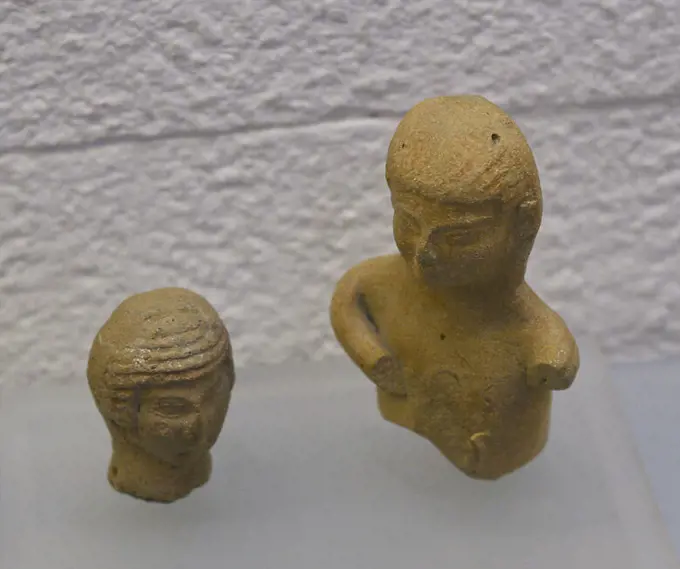
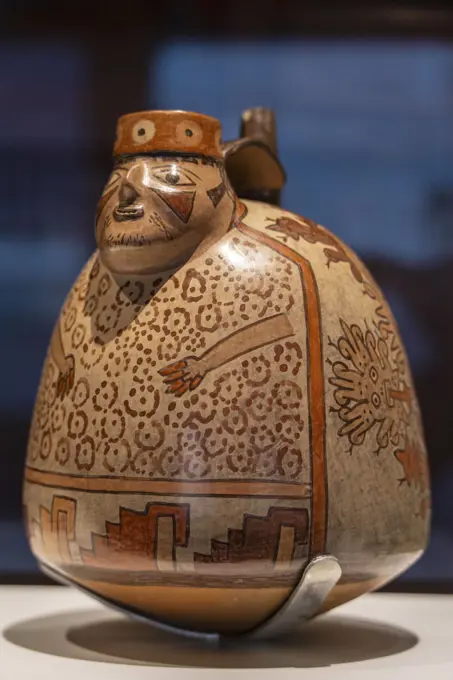
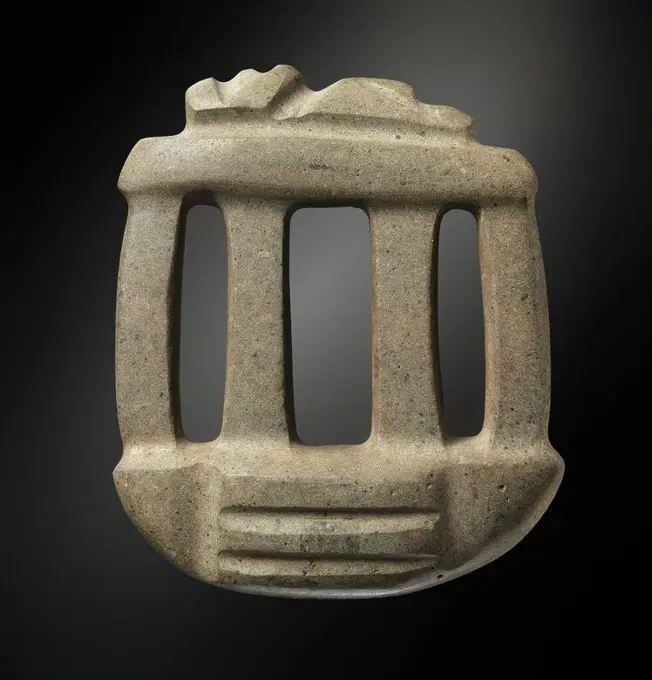
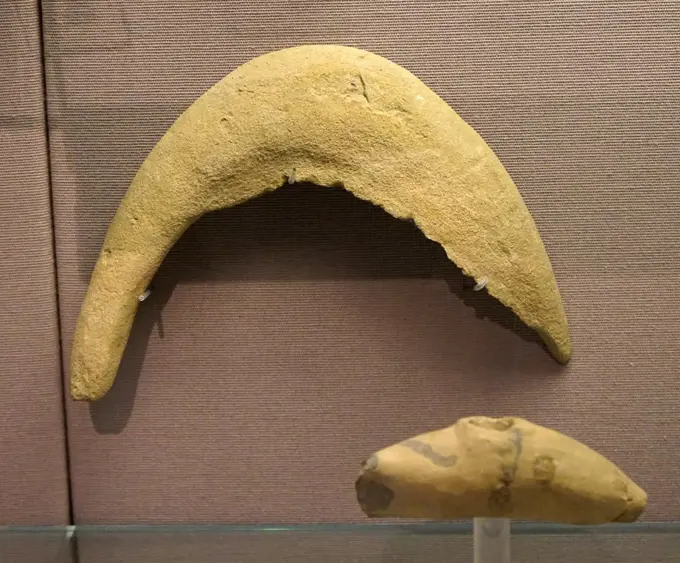
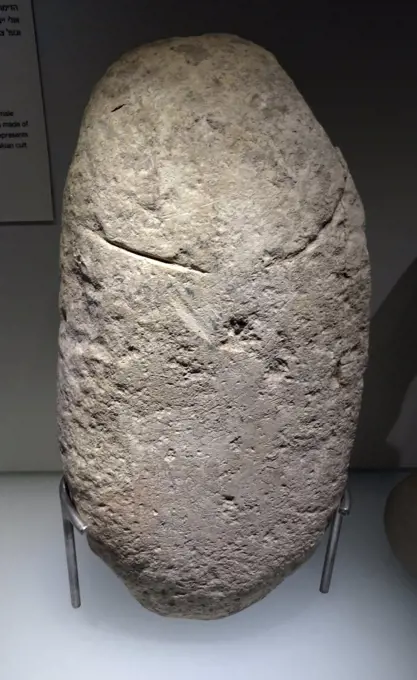
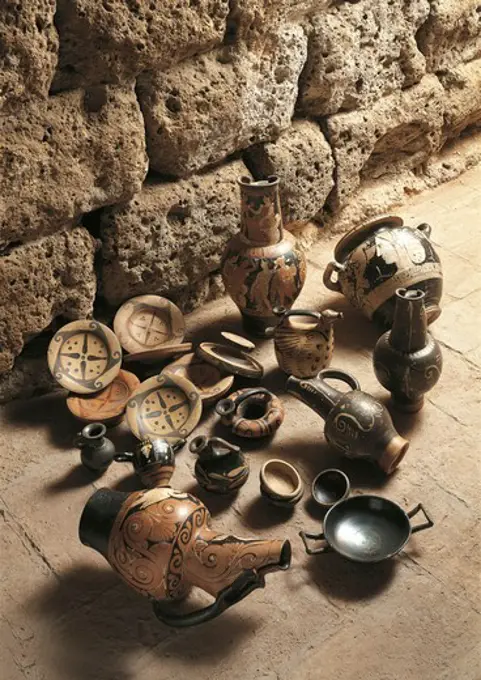
Pot painted with llamas, Nasca, Peru, AD 125-250. Llamas were important domesticated animals in ancient Peru. Used for wool and meat. Their bones were made tools and Flutes.Bowl with Costumed Being, 100 BC-700. Peru, South Coast, Nasca style (100 BC-AD 700). Earthenware with colored slips; diameter: 12.8 x 17.7 cm (5 1/16 x 6 15/16 in.); overall: 13 cm (5 1/8 in.).Gefäß mit Brückengriff, der einen Vogel darstellt Vessel with bridge handle representing a bird, Nazca, southern coast of Peru, 200 BC to 800 AD, polychrome ceramic, MuEC, Barcelona, Catalonia, Spain LicenseRF Copyright: xZoonar.com/TOLOxBALAGUERx 23171228Gilded wooden ceremonial dagger shaped as a captive with his arms tied. from the tomb of King Tutankhamun. 1326 BCColumn Base ca. 1130-40 Catalan. Column Base. Catalan. ca. 1130-40. Marble. Made in present-day France. Sculpture-ArchitecturalRoman Hispania. Mining. Equipment. Basket. Wood and plant fibres. 1st century. Mazarron, Murcia, Spain. National Archaeological Museum, Madrid. Spain.Terracotta statuette of Harpocrates 2nd century A.D. Roman, Egyptian With horned headdress and vase under left arm.. Terracotta statuette of Harpocrates 245506Tripod pyxis showing Achilles pursuingTroilosPILA PARA AGUA BENDITA-MARFIL ROMANICO. Location: VICTORIA AND ALBERT MUSEUM. LONDON. ENGLAND.Celtic Bronze Bowl with Cow and Calf from Halstatt, Austria. Celtic Iron Age., c.6th-8th century BC Artist: Unknown.anthropomorphic clay lid, Gabarevo, Stara Zagora region, Chalcolithic, fifth millennium BC, Bulgarian National Archaeological Museum, Sofia, Republic of Bulgaria, Europe.Oil storage jar from the storerooms of the palace at Knossos; Crete; Greece 1700 BCCeramic vessel in the shape of a duck, National Archaeological Museum, Taranto, Apulia, Taranto, Apulia, Italy, EuropeVASO CAMPANIFORME-PROCEDE DE ECIJA. Location: MUSEO ARQUEOLOGICO-COLECCION. Sevilla. Seville. SPAIN.Pot 5th millennium B.C.. Pot 327837Ichneumon Figurine Seated on a Container. Egypt, Late Period - Ptolemaic Period (664 - 30 BCE). SculptureFigure from reliquaries ensemble. From the Kota people. Made from wood, copper and brass. From Gabon.Bronze phialai from Greece. Dated 6th Century BCTerracotta vase in the form of a lion 2nd century A.D. Roman Vessels (askoi) in human or animal shape are some of the most unusual products of Greek and Roman potters. This example may be an import from Asia Minor; Knidos in Caria was a major production center for plastic vases.. Terracotta vase in the form of a lion 241221Incense Burner with Inscription of Incense Names 5th Century B.C. Yemensmall cylindrical container, bone, 3000-2500 BC, Tholos da Borracheira, Torres Vedras, Portugal, Huelva Museum, Huelva, Andalusia, Spain.Sculpted head of a lady. Most likely the tomb decoration for a woman of wealth. the hairstyle dates it as later 1st century AD. Roman.Pottery net-sinker from Buhen, an ancient Egyptian settlement on the West bank of the River Nile. Dated 20th Century BCHead 2, Earthenware, -1a) Head with pointed headdress; back slightly concave. -1b) Mask-like head, squared off at top, Central Africa, late 19th century, ceramics, Decorative Arts, Head 2Lion Mask early 12th century Central Asia. Lion Mask. Central Asia. early 12th century. Terracotta. SculpturePair of Ducks. Culture: China. Dimensions: a: H. 5 in. (12.7 cm); W. 2 1/2 in. (6.4 cm); L. 6 1/4 in. (15.9 cm)b: H. 5 in. (12.7 cm); W. 3 in. (7.6 cm); L. 6 1/2 in. (16.5 cm)Storage Box (for both objects): 4 3/8 x 17 x 7 in. (11.1 x 43.2 x 17.8 cm). Date: ca. 2nd century BC.Intended for use as burial goods, this charming pair of ducks also illustrates the early use of lacquer as a pigment. Museum: Metropolitan Museum of Art, New York, USA.Orange wheel-turned ceramic chardon vessel Orange wheel-turned ceramic chardon vessel, 7th century BC. tomb 24 of the orientalizing Necropolis of La Joya, Huelva Museum, Huelva, Andalusia, Spain Copyright: xZoonar.com/TOLOxBALAGUERx 21720698Head from a statuette, perhaps of a dwarf 664-332 B.C. Late Period. Head from a statuette, perhaps of a dwarf. 664-332 B.C.. Faience. Late Period. From Egypt. Dynasty 26-29Aerifacts in the museum of the Unesco world heritage site, Tierradentro, Colombia, South AmericaBottle in Potato Form 3rd-6th century Moche. Bottle in Potato Form. Moche. 3rd-6th century. Ceramic. Peru. Ceramics-ContainersSerbia, Belgrade, Narodni Muzej, Fictile votive cart from DupljajaPhallic idols Stone 3000-1700 BC.Goose-shaped vessel on wheels, with firmly-set geometric cord imprinted patterns, from Tomb 2 in the Pela' Necropolis of Este, Veneto, Italy. 21.5 cm high. Paleoveneti Civilization, 9th Century BC.Greek black figure style vase. Eye detail. GREECE.Pre-Columbian era. Vessel modeled in from of "killer whale". Early Nasca. 200AD-600AD.Jugs with scenic decorations Cyprus.Statuette and head of the goddess Astarte, from Tell Beit Mirsim. 1200-800 BC. Earthenware. Sephardic Museum. Toledo. Castile-La Mancha. Spain.Vase mit Brückenhenkel, der eine menschliche Figur darstellt Vase with a bridge handle representing a human figure, Nazca, southern coast of Peru, 200 BC to 800 AD, polychrome ceramic, MuEC, Barcelona, Catalonia, Spain LicenseRF Copyright: xZoonar.com/TOLOxBALAGUERx 23171462Storage Jar, Assyrian, late 7th century BC From Nimrud. This jar was found in one of the wine-cellars in the arsenal at NimrudTemple Model. Culture: Mezcala. Dimensions: H. 7 1/16 x W. 6 x D.2 1/8 in. (18 x 15.2 x 5.4 cm). Date: 200 B.C.-A.D. 500.Stone models in the Mezcala style come largely from the present-day state of Guerrero, in southwest Mexico. A particularly long-lived tradition, these works may have been produced over some one thousand years, from as early as 500 B.C. Little is known about their archaeological contexts, and there are few points of reference with surviving architecture in the region. It is possible that these models emulate buildings with stone columns, such as those from Cuetlajuchitlán; alternatively they could recall above- or below-ground funerary structures, in which case the columns would represent wood supports of a tomb or a funerary pyre. Mezcala models may have served multiple functions over time, in keeping with the Mesoamerican custom of repurposing or recarving stone objects. Oblong models, for example, may have been recarved from celts, ritual tools of great symbolic Close-up of woman's hands holding clay facePottery Mesopotamia tools, from Ur. Dated 15th Century BCDivine images in clay and stone. Goddess figurines from Sha'ar Hagolan made from clay and pigments and pebble figurines from Sha'ar Hagolan and Munhata made from limestone and basalt. From the Yarmukian culture over 8,000 years ago.Monographic Museum of Pollentia, element of domestic religion,, Alcudia, Mallorca, Balearic Islands, Spain.Wakan-chan-cha-gha (frame drum) late 19th century Sioux or Dakota tribe Round frame drums with single or double heads are found throughout the Americas. They are often decorated with symbols whose meaning is familiar to the larger community, but some emblems are known only to the owner. Here, the bird with lightning-arrow symbols suggests the thunderbird.. Wakan-chan-cha-gha (frame drum). Native American (Sioux, possibly). late 19th century. Wood, skin. Great Plains, United States. Membranophone-double-headed / frame drumCeramic lamp, Iberian period three hundred and fifty to fifty BC, Huesca museum, Aragon community, Spain.Traditional ceramics, Samarkand, Uzbekistan, Central Asia, AsiaItaly, Lazio, Cerveteri, Mixed pottery from graveMarble head of Greek philosopher Epicurus (341-270 BC). Roman copy. Imperial era, 2nd century AD. The Met. Ny, USA.