Textile Art And Craft

An assortment of historical textiles, including napkins and ceremonial kilts, showcasing intricate patterns and weaving techniques.

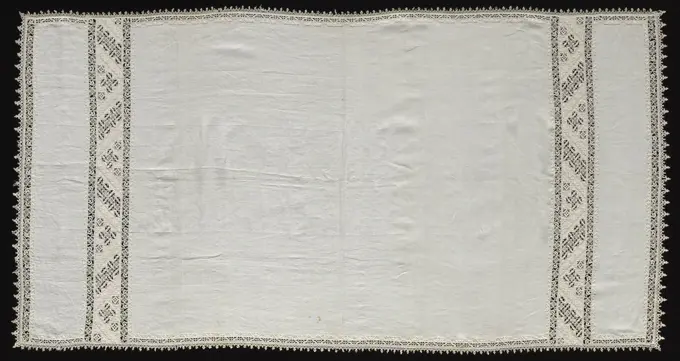
Pillowcase of linen with bobbin, c. 1600 - c. 1650 Pillowcase of Linnamast with bobbin. Model: rectangular with inner straps on one of the short sides, where the fringes also run and on the other three intermediate sinks from Kloskant. Kant pattern: double wide side in the middle and half strips next to it. Four -lobe rosettes in linen stroke change with rush -hour, who are halved along the edges. Brand: in Red Cross stitch VHT/24 (Van Hasselt-t. Southern Netherlands linen (material). bobbin lace / damask Pillowcase of Linnamast with bobbin. Model: rectangular with inner straps on one of the short sides, where the fringes also run and on the other three intermediate sinks from Kloskant. Kant pattern: double wide side in the middle and half strips next to it. Four -lobe rosettes in linen stroke change with rush -hour, who are halved along the edges. Brand: in Red Cross stitch VHT/24 (Van Hasselt-t. Southern Netherlands linen (material). bobbin lace / damask
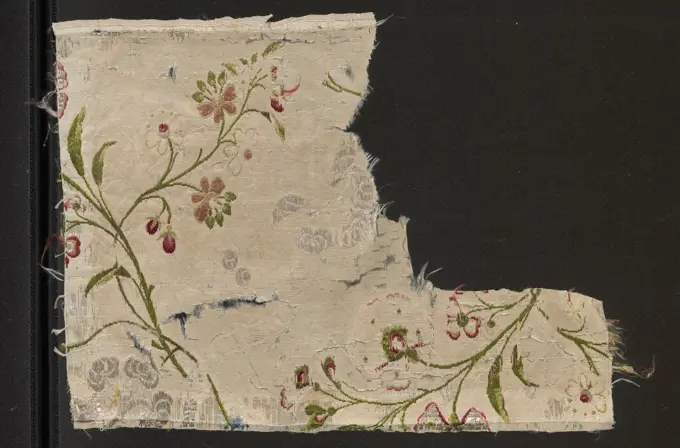
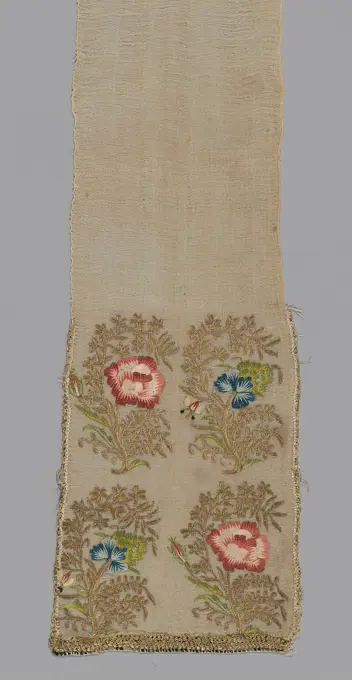
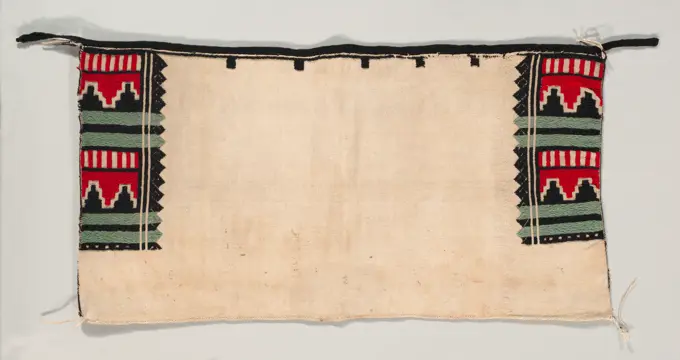
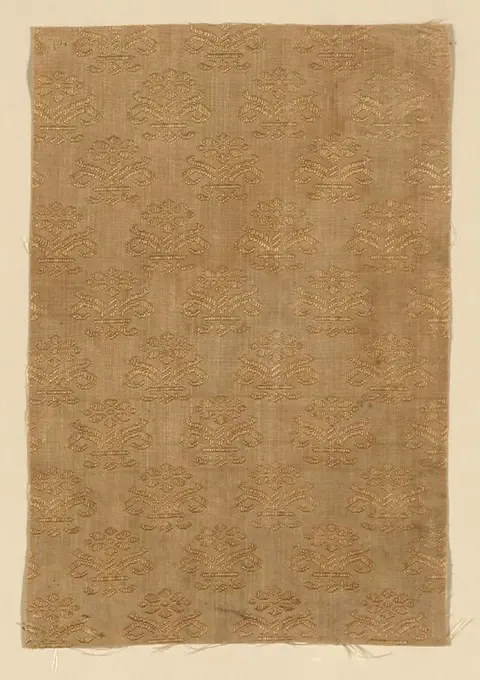
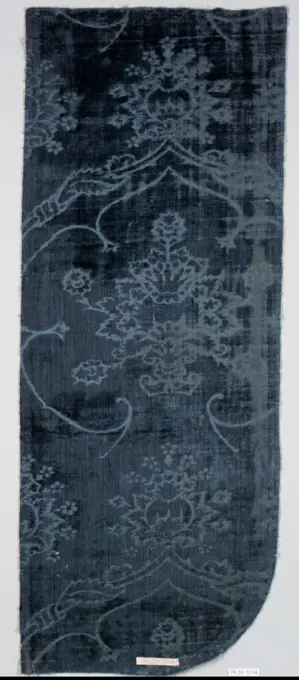
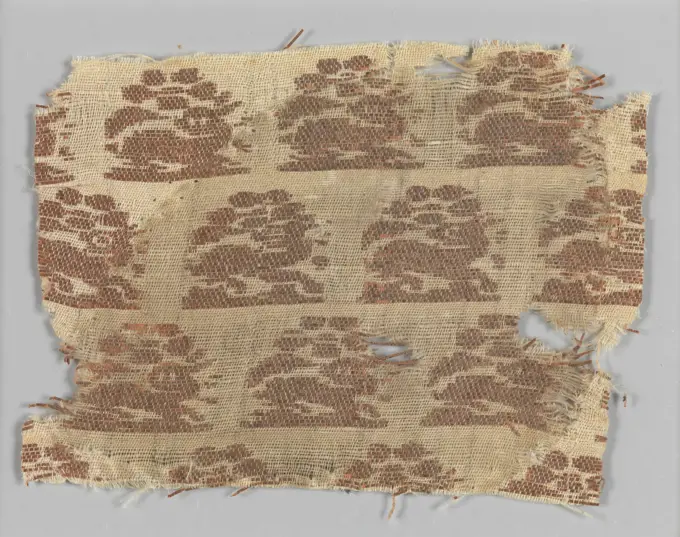
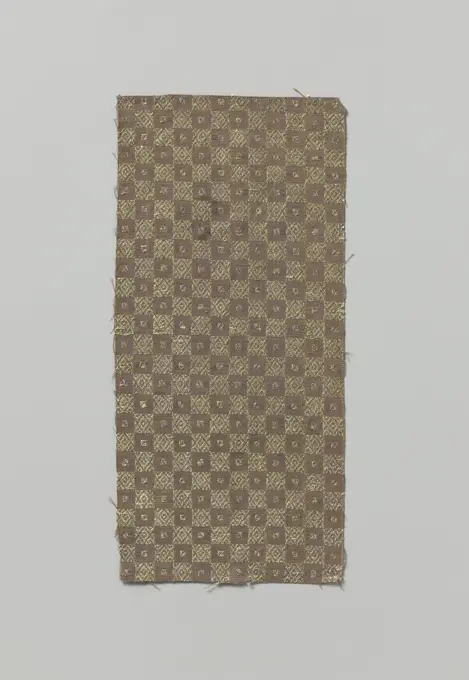
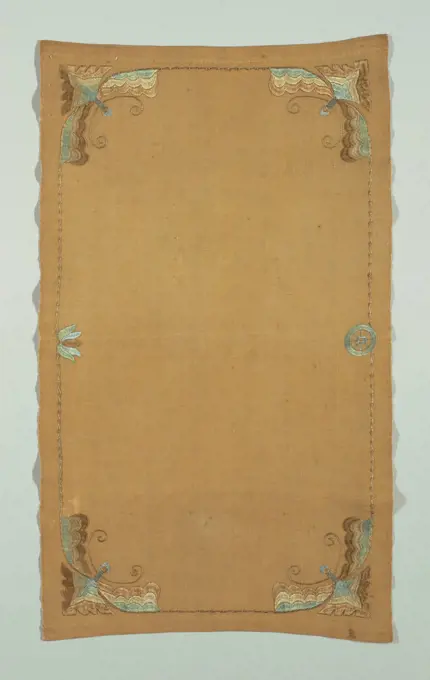
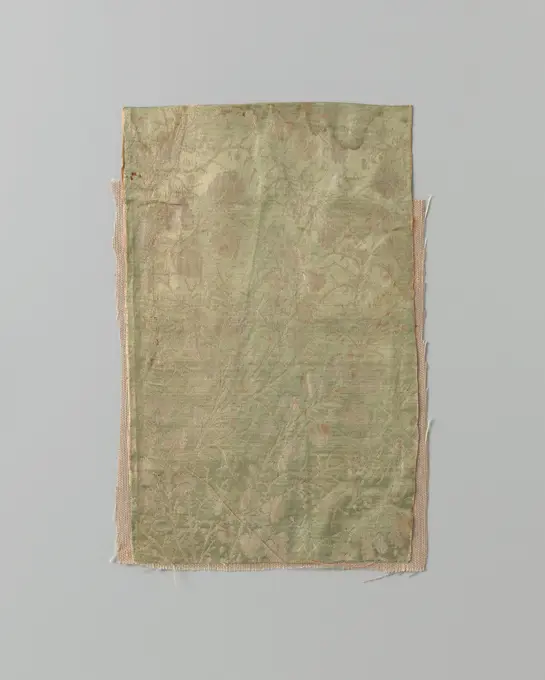
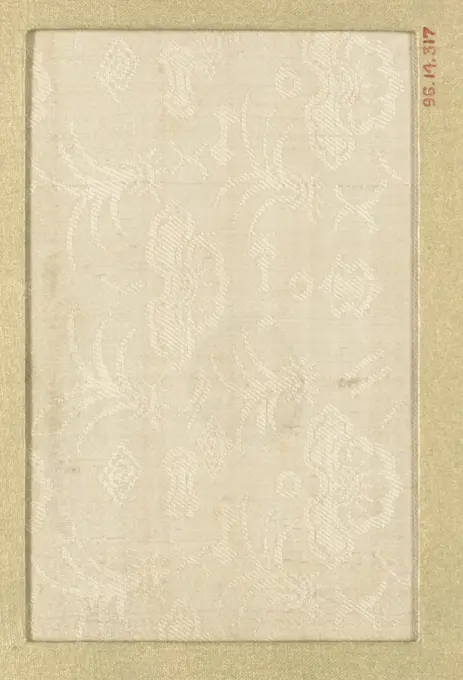
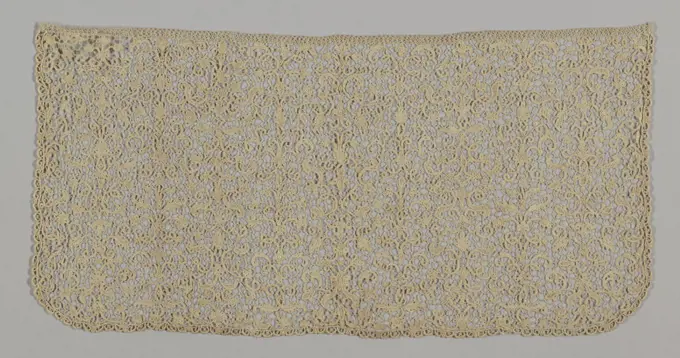
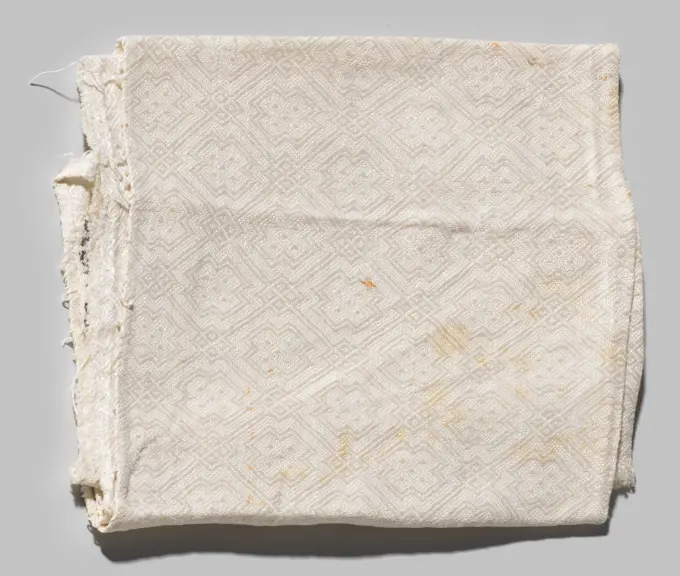
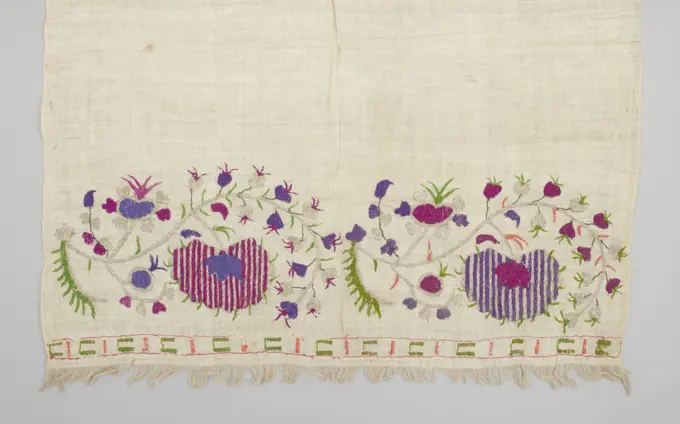
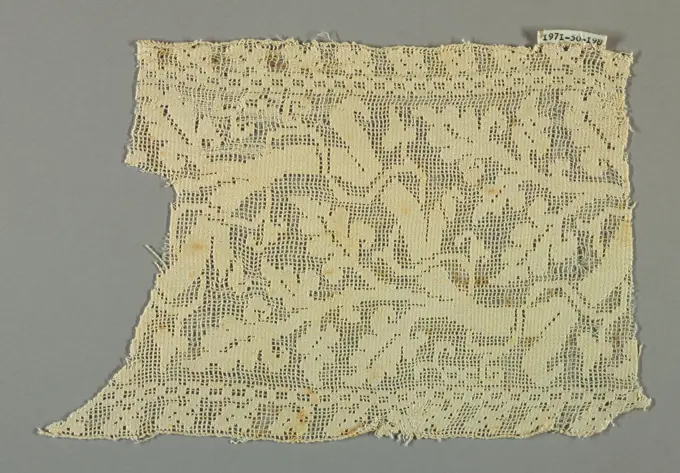
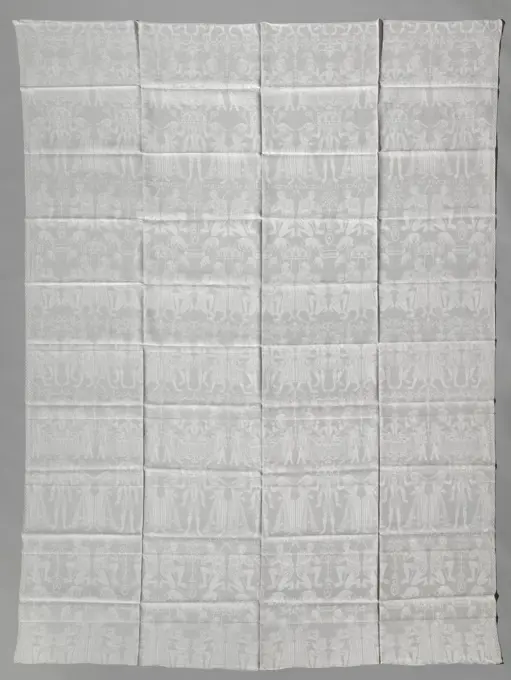
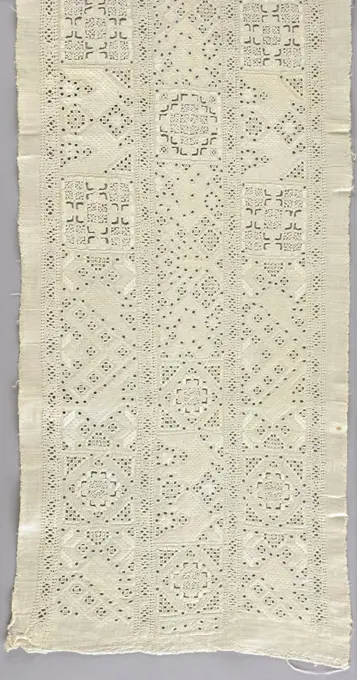
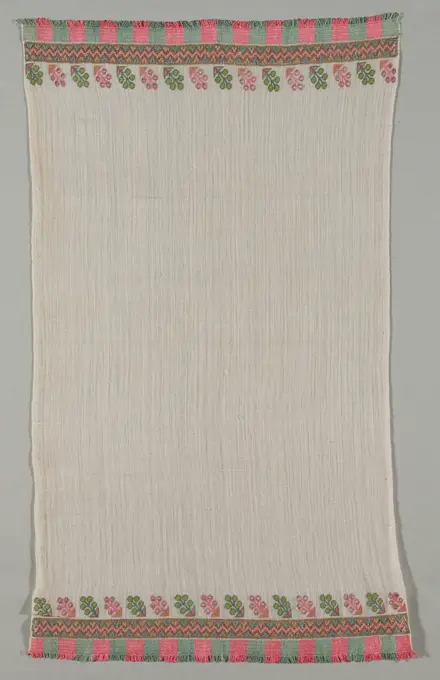
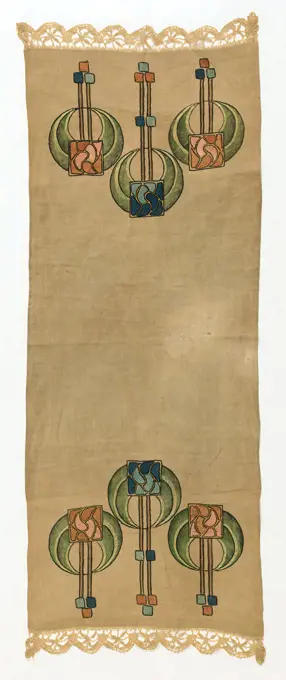
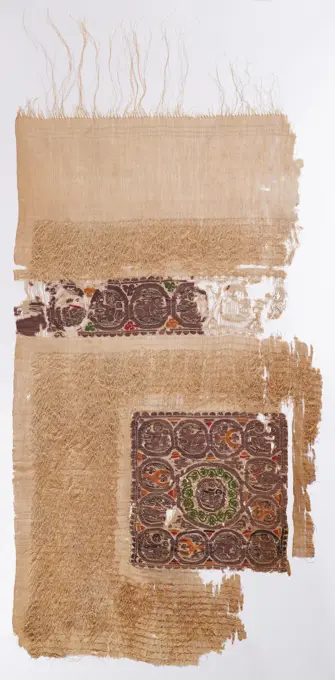
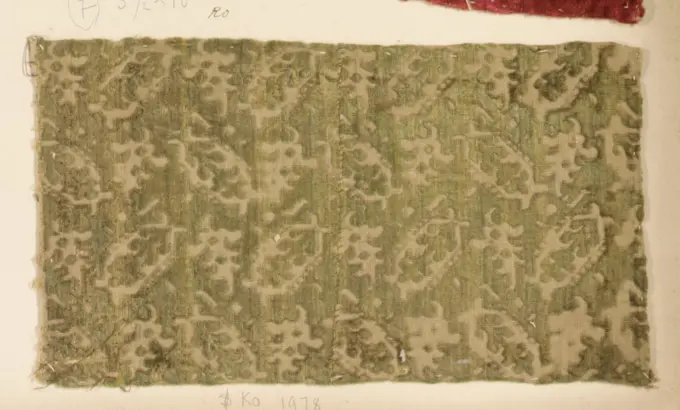
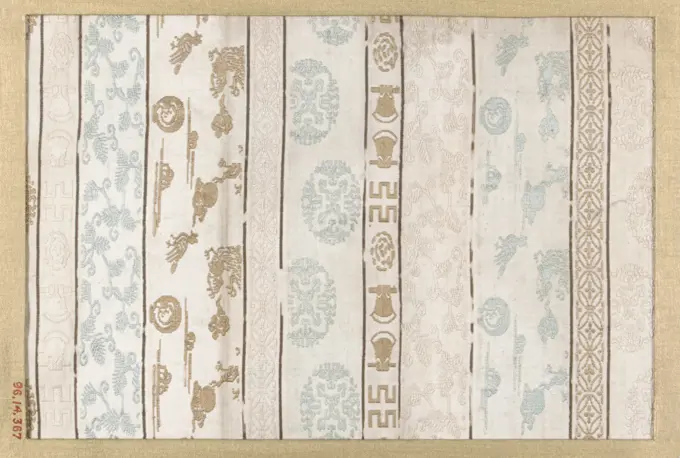
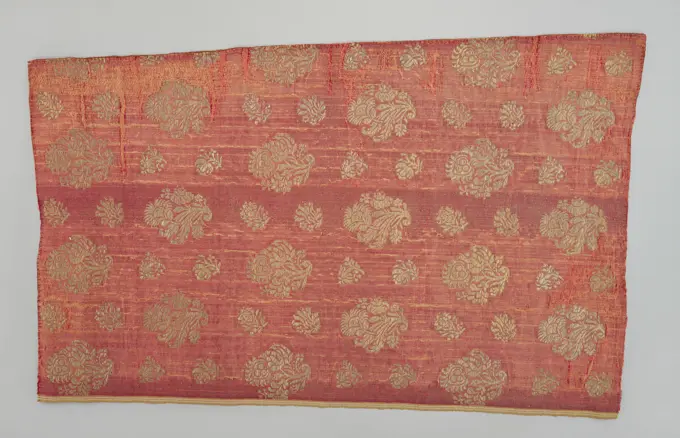
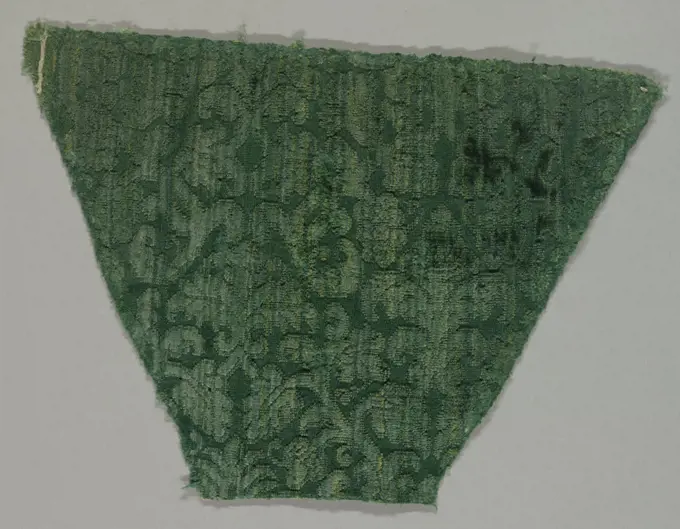
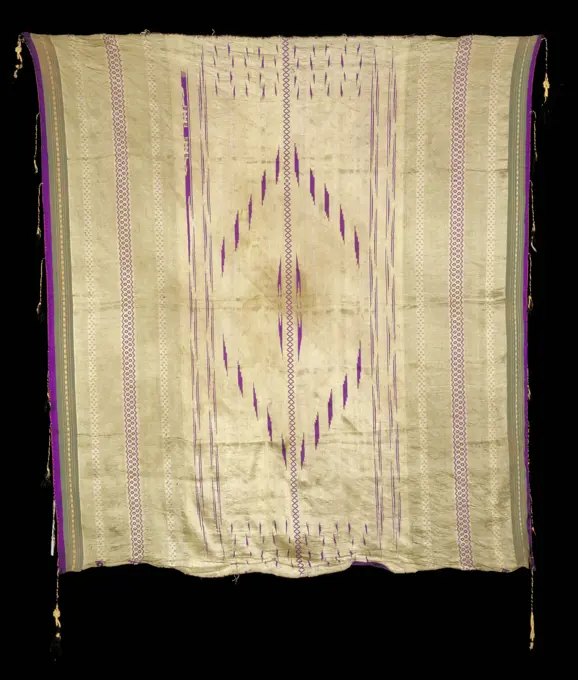
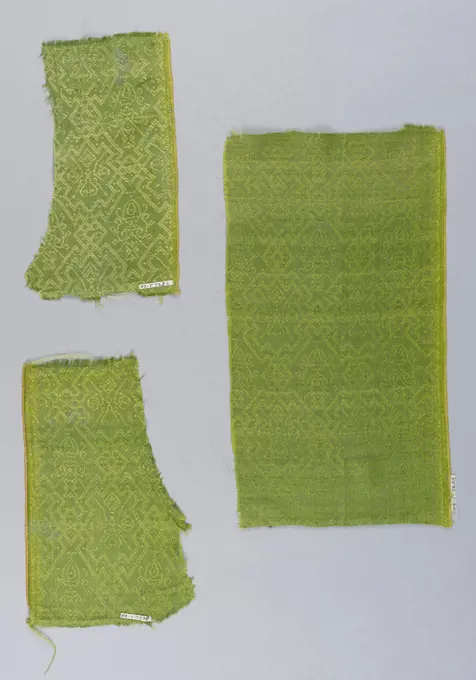
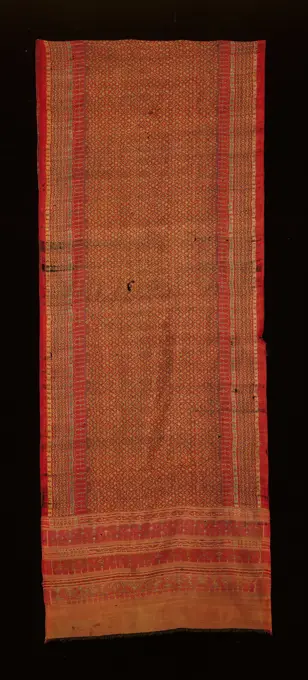
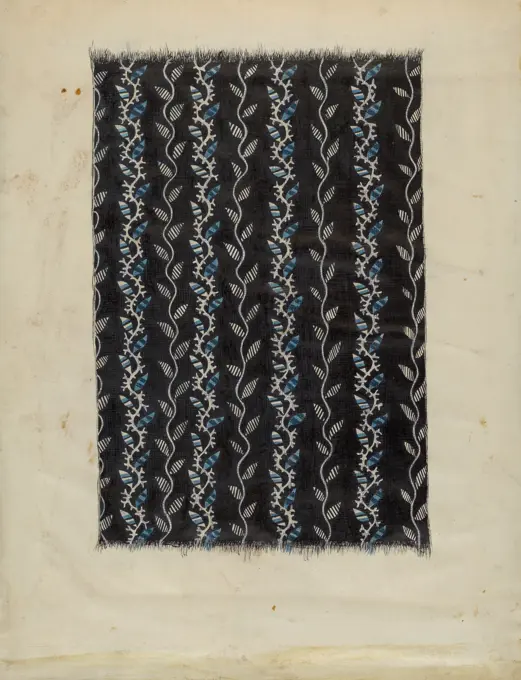
Textile, Medium: piña (pineapple) fiber, silk Technique: plain weave, Sheer white pineapple fiber with a fine check of yellow silk., Philippines, 19th century, woven textiles, TextileNapkin with flowering and fruit-bearing stems, anonymous, c. 1675 - c. 1700 Linnamast napkin with flowering and fruit-bearing stems. Midfield: Symmetrical, three times repeated pattern, with grapes, pomegranate, strawberry, anemone, carnation, pear, plum, tulip, glans, rose and narcis. Wide edges with symmetrical backs of doubled vase shape of acanthus leaves from which varied flower farms sprout. Corners: a rosette. Round: Blocking edge. Netherlands linen (material) damask Linnamast napkin with flowering and fruit-bearing stems. Midfield: Symmetrical, three times repeated pattern, with grapes, pomegranate, strawberry, anemone, carnation, pear, plum, tulip, glans, rose and narcis. Wide edges with symmetrical backs of doubled vase shape of acanthus leaves from which varied flower farms sprout. Corners: a rosette. Round: Blocking edge. Netherlands linen (material) damaskNapkin with a flower pattern, anonymous, 1654 Linnamast napkin with a scattered flower pattern. Midfield: The symmetrical pattern consists of dense branches, on which flowers and fruits. On the short sides: Willecom Anno 1654. Standing and lying edges: hunters, dogs and rushed wild. Corners: coat of arms with a climbing lion. Round: Blocking edge. Northern Netherlands linen (material) damask Linnamast napkin with a scattered flower pattern. Midfield: The symmetrical pattern consists of dense branches, on which flowers and fruits. On the short sides: Willecom Anno 1654. Standing and lying edges: hunters, dogs and rushed wild. Corners: coat of arms with a climbing lion. Round: Blocking edge. Northern Netherlands linen (material) damaskCeremonial Dance Kilt, c. 1900-1925. America, Native North American, Southwest, Pueblo (Hopi or Rio Grande), Post-Contact, Early Period. Warp face plain weave handspun cotton with embroidery: wool (handspun); overall: 56 x 123 cm (22 1/16 x 48 7/16 in.).Fragment. Italy. Date: 1650-1700. Dimensions: 24.8 x 17 cm (9 3/4 x 6 11/16 in.). Plain compound cloth. Origin: Italy. Museum: The Chicago Art Institute, Chicago, USA.Pillowcase of linen with bobbin, c. 1600 - c. 1650 Pillowcase of Linnamast with bobbin. Model: rectangular with inner straps on one of the short sides, where the fringes also run and on the other three intermediate sinks from Kloskant. Kant pattern: double wide side in the middle and half strips next to it. Four -lobe rosettes in linen stroke change with rush -hour, who are halved along the edges. Brand: in Red Cross stitch VHT/24 (Van Hasselt-t. Southern Netherlands linen (material). bobbin lace / damask Pillowcase of Linnamast with bobbin. Model: rectangular with inner straps on one of the short sides, where the fringes also run and on the other three intermediate sinks from Kloskant. Kant pattern: double wide side in the middle and half strips next to it. Four -lobe rosettes in linen stroke change with rush -hour, who are halved along the edges. Brand: in Red Cross stitch VHT/24 (Van Hasselt-t. Southern Netherlands linen (material). bobbin lace / damaskBed sheet. Brand: GS6 and HW12., Anonymous, 1692 - 1735 Cloths of White Linen, Brand Kroon GS 6 and HW1 2 Northern Netherlands (Possible) linen (material) Cloths of White Linen, Brand Kroon GS 6 and HW1 2 Northern Netherlands (Possible) linen (material)Piece 15th century Italian. Piece 216248Piece 13th-14th century China. Piece 70998Fragment (Spain); silk, linen; Warp x Weft: 26.5 x 19.5 cm (10 7/16 x 7 11/16 in.); 1953-162-66Fragment, Medium: silk, metallic Technique: supplementary warp forming raised pile in plain weav foundation (velvet) with supplementary wefts., Pattern of leaves in a diamond grid in tan velvet., 17th century, woven textiles, FragmentNeedlepoint (Cutwork) and Bobbin Lace Cloth, 16th century. Italy, Venice , 16th century. Lace, needlepoint and bobbin: linen; average: 83.2 x 161.3 cm (32 3/4 x 63 1/2 in.).Veil. unknown, authorFragments; silk, metallic yarns; A/ H x W: 520 × 25.5 cm (17 ft. 3/4 in. × 10 1/16 in.) B/ H x W: 520 × 25.5 cm (17 ft. 3/4 in. × 10 1/16 in.)Textile (France); silkCotton bedspread with zoans stitching and embroidery; Fils tirés. Cotton bedspread with embroidery and stitching. In the middle, the pattern has a circle within which an overhoek squared whaling around four palmets, mutually separated by a shell and a pine cone. The soil is filled with flowers and leaves around the circle. In the corners the pattern has pine cone motifs and leaves.Excerpt Eastern textile, c. 1800 - c. 1850 An excerpt of light purple cotton with upright windows of yellow side with gold thread. In the silk. cotton (textile). An excerpt of light purple cotton with upright windows of yellow side with gold thread. In the silk. cotton (textile).Piece 18th-19th century Japan. Piece 66210Scarf, Medium: silk warp, cotton weft Technique:, Long narrow shoulder scarf of light purplish gray. Woven with purple silk weft and white cotton weft., USA, 19th century, woven textiles, ScarfFragment of embroidered shawl unknownFragment wine red satin with gold thread, with pattern of large and small flowers to branches with leaves. Fragment wine red satin with gold thread, with a pattern of large and small flowers to branches with leaves. Oriental textile.Textile 1700-1899 Russian. Textile 173399Silver Moth, Deerfield Society of Blue and White Needlework, (Deerfield, Massachusetts, USA, 1896-1926), Medium: linen Technique: embroidery on plain weave, Light reddish-brown linen table mat with a stylized moth embroidered in brown, blue and green in each corner, facing the center of the cloth. A signature 'D' is embroidered within a wheel at bottom center., Deerfield, Massachusetts, USA, ca. 1910, embroidery & stitching, Table mat, Table matPiece 17th century Japan. Piece 71112Fragment sidesatiijn, c. 1740 - c. 1760 Fragment seals. A green soil has cream -colored branches with thorns, leaves and berries. Spain (possibly) silk. wool damask Fragment seals. A green soil has cream -colored branches with thorns, leaves and berries. Spain (possibly) silk. wool damaskDarning sampler, Medium: silk embroidery on cotton foundation Technique: embroidered in running stitches on plain weave foundation, Eleven squares of pattern darning, one inset corner, an inset patch in the center with crowned initials and date., 1843, embroidery & stitching, Darning samplerPiece 18th century Japan. Piece 71354Cushion cover ,, 1800 - 1866 Linen blue -checked roll cushion cover. Brand 8. Netherlands linen (material) Linen blue -checked roll cushion cover. Brand 8. Netherlands linen (material)Sampler, Medium: linen embroidery on linen foundation Technique: embroidered in cross, satin, chain, overcasting, star and knot stitches on plain weave foundation, Bands of white work vertically divided into two columns. At lower left, crowned double-headed eagle. At lower right, crowned heart, initials, and date., Austria, 1796, embroidery & stitching, SamplerWoman's shawl, 20th century, 46 1/2 x 87 1/4 in. (118.1 x 221.6 cm), Cotton, silk; woven fabric, Afghanistan, 20th centurySample (Dress Trimming). England or France. Date: 1815-1835. Dimensions: 36.83 × 35.56 cm (14 1/2 × 14 in.). Cotton, twill weave; edged with cotton, plain weave; appliquéd with cotton, twill weaves; edged with cotton, plain weaves. Origin: France. Museum: The Chicago Art Institute, Chicago, USA.Textile Fragment 5th-6th century. Textile Fragment. 5th-6th century. Wool; plain weave, tapestry weave. Attributed to Egypt. TextilesLiturgical Towel ca. 1300 Italian. Liturgical Towel 468151Piece 18th-19th century Japan. Piece 66042Textile (France); silk, metallic thread; Anonymous bequest in memory of Albert and Rebecca Elsberg; 1938-82-44-cFragment of Gold Cloth, 1800s. India, 19th century. Silk, metallic thread; overall: 135 x 94 cm (53 1/8 x 37 in.).Fragment, Medium: silk Technique: woven velvet, Fragment of a floral pattern in red, pink, yellow and green., 17th century, woven textiles, FragmentFragment, Medium: silk, metallic Technique: raised supplementary warp forming pile in a 4&1 satin foundation with supplementary weft., Large-scale cartouches in red, green and metallic. Worn. One selvage., Turkey, 16th century, woven textiles, FragmentFragment of the fabric;  18th century (1701-00-00-1800-00-00);Bobińska, Jadwiga (1862 - 1940) - collection, gift (provenance), fabricsCravat end, Medium: linen Technique: needle lace, Cravat end showing a design of scrolling flower and leaf forms arranged in a candelabra pattern. Edged on three with narrow scallops of needle lace., France, late 17th century, lace, Cravat endFragment Made 1775-1800 Italy. Silk, cut, uncut, and voided velvet .Fragment (Italy); silkTrimming, Medium: silk, linen Technique: velvet, Trimming fragment of heavy white silk with a cut velvet vine pattern in blue and light red., France or Italy, 18th century, trimmings, TrimmingBedcover (USA); cotton; 1973-49-2Woman's Cap (Belgium); linenFragment, 700s. China or Japan, 8th century. Plain cloth, batik printed; overall: 12.1 x 9.3 cm (4 3/4 x 3 11/16 in.).Napkin, fragment, with pattern of grille work ,, c. 1600 - c. 1699 Napkin, fragment of white Linnamast with a pattern of grare work of double lines that turn to the intersections into windows. Fillings of a short cross in which five points. Netherlands linen (material) Napkin, fragment of white Linnamast with a pattern of grare work of double lines that turn to the intersections into windows. Fillings of a short cross in which five points. Netherlands linen (material)Embroidered shawl unknownFragment (Italy); linen; Bequest of Marian Hague; 1971-50-198Fragment. Italy or Spain. Date: 1201-1300. Dimensions: 13 x 32.7 cm (5 1/8 x 12 7/8 in.)Repeat: 4.5 x 9.5 cm (1 3/4 x 3 3/4 in.). Silk, complementary weft twill weave with inner warps. Origin: Italy. Museum: The Chicago Art Institute, Chicago, USA.Turban unknownNeckerchief; silk; Warp x Weft: 118.1 x 118.1 cm (46 1/2 x 46 1/2 in.); Bequest of Elinor Merrell; 1995-50-385Chef De Piece (France); Company: Belliard Freres; cotton; Warp: 16 cm (6 1/4 in.). Weft: 74.5 cm (29 1/4 in.). Both selvedges present. Pattern: Not present.Towel, Medium: silk and metallic thread on linen Technique: embroidery, Towel with a band at each end showing five floral forms in multicolored silk and metallic thread., Turkey, 19th century, embroidery & stitching, TowelStop patch of multicolored silk on linen, c. 1760 - c. 1770 Stop patch with embroidery. The embroidery has the initials GR in a weapon board. The edge has been worked out.  linen (material). silk embroidering Stop patch with embroidery. The embroidery has the initials GR in a weapon board. The edge has been worked out.  linen (material). silk embroideringTablecloth with the history of the lost son and the weapon of Kortrijk, Anonymous, c. 1550 - c. 1610 Tablecloth from Linnamast with the history of the lost son and the weapon of Kortrijk. Kortrijk linen (material) damask Tablecloth from Linnamast with the history of the lost son and the weapon of Kortrijk. Kortrijk linen (material) damaskBand, Medium: linen Technique: plain weave with reticella and embroidery, Section of wide border of linen of cutwork with reticella and embroidery. Design in horizontal bands, of geometric elements, with confronted birds in embroidery., Netherlands, 17th century, embroidery & stitching, BandFragment, Medium: silk Technique: plain weave, Vertical fragment with a wide central band consisting of thin navy blue and black stripes surrounded by borders on either side of thin black and light brown stripes., Morocco, 12th-14th century, woven textiles, FragmentFragment of lamp bag with turtle duct pattern. Fragment of wand span. Turtle dove pattern.Irrit to incentive on a double piece of cotton and with trace wires for making a part of a collar of needle side, Belgian interned (Village Elisabeth, Amersfoort), c. 1915 - c. 1924  Property for a part of a collar of Venetian needle side. The needle side pattern is drawn with ink on blue paper and holes were then stung along the pattern lines. A trace wire is sewn through this 'incentive' and the double layer of cotton. If the needle side stitches are made over and between the trace wires, the incentive and the cotton surface can be cut and removed. Then you only have a needle side, in this case a part of the collar that can then be processed with the other parts and the edge into a collar. The design of the collar was made by a person from Belgium who was interned in the 'Elisabeth-Dorp' camp in Amersfoort in the First World War. Mrs. Van Nierop started making the collar and has donated the unfinished parts to the Rijksmuseum as a study material. Designer: AmersfoortAmsterdam Paper. Corner fragment, Medium: linen Technique: bobbin lace, Brussels style, Fragment of Brussels-style lace., Belgium, 18th century, lace, Corner fragmentPanel. Japan. Date: 1775-1800. Dimensions: 88.3 x 132.3 cm (34 3/4 x 52 1/8 in.)Repeat: 23.5 x 11.3 cm (9 1/4 x 4 1/2 in.). Silk and silvered-paper-strips, warp-float faced 4:1 satin weave with weft-float faced 1:2 'Z' twill interlacings of secondary binding warps and supplementary patterning wefts; lined with silk, plain weave. Origin: Japan. Museum: The Chicago Art Institute, Chicago, USA.Embroidered Towel (Peshkir), 19th century. Turkey, 19th century. Embroidery: silk, gold and silver filé on linen tabby ground; overall: 79.4 x 46.5 cm (31 1/4 x 18 5/16 in.).Embroidered kerchief trimming unknownNapkin van Wit Linnamast, S.J. Spaniard, 1859 White linen dams napkin with "big star", brand Kroon H and 24. Borne linen (material) damask White linen dams napkin with "big star", brand Kroon H and 24. Borne linen (material) damaskTable runner, Medium: linen, cotton Technique: stenciled and embroidered on plain weave, crocheted border, Light brown table runner has a staggered geometric pattern on either end consisting of large faceted blue and orange embroidered squares enclosed by shaded green stenciled ovals. Smaller squares in blues and orange and thin embroidered lines of brown, black and off-white extend outward from the ovals. Most embroidered areas outlined with black stem stitches. Crocheted border., USA, ca. 1910, embroidery & stitching, Table runnerFragment of the fabric;  5th century (401-00-00-500-00-00);Fragment 16th century Italian. Fragment 230132Piece 18th-19th century Japan. Piece 66092Flounce. Italy, Milan. Date: 1701-1750. Dimensions: 25.2 x 348.8 cm (9 7/8 x 137 1/4 in.)Width repeat: 35.7 cm (14 in.). Linen, bobbin part lace. Origin: Milan. Museum: The Chicago Art Institute, Chicago, USA.Fragments of silk fabric  asymmetrical floral throws in the rows passing unknownSewing Sampler (Germany); silk embroidery on cotton foundationLeaf with regular pattern of motif with three dots, monogrammist MS (decorative paper), 1900 - 1920 decorated paper Leaf with regular pattern of motif with three dots in black on a red stock on light purple paper, with monogram m.s bottom right. Netherlands paper. paint (coating)  ornaments ~ artPillowcase of linen with an intermediate branch of Dutch side., 1650 - 1700 Pillowcone of linen with an intermediate creature of Dutch bobbin side on a short side, with a pattern of a lobed rosette flower with lobed S-shaped tiflens. The demolition has a lump closing by means of a round lace. The demolition includes a demolition with invnr. BK-16817-A. Northern Netherlands (Possible) linen (material). bobbin lace Pillowcone of linen with an intermediate creature of Dutch bobbin side on a short side, with a pattern of a lobed rosette flower with lobed S-shaped tiflens. The demolition has a lump closing by means of a round lace. The demolition includes a demolition with invnr. BK-16817-A. Northern Netherlands (Possible) linen (material). bobbin lacePetrahil, embroidered unknownWoman's Sash. Canada, 1882. Costumes; Accessories. Silk twill with silk embroidery and silk laceBack of a chasuble made of large patterned damask unknownPiece 18th-19th century Japan. Piece 66494Textile band ca. 3rd-7th century A.D. Sasanian. Textile band 326618Stop piece of multicolored silk on linen .. Stop stack of silk on linen. The embroidery has the crowned initials AB and the year 1713.Fragment, Medium: silk Technique: cut supplementary warp pile (velvet) in a satin foundation, Wedge-shaped fragment (stole end) of dark green cut velvet in a design of palmettes and leafy sprigs., Italy, 16th-17th century, woven textiles, FragmentPiece 18th century Japan. Piece 71160Baptismal veil of tulle embroidery. Baptismal veil of natural tulle with tulle embroidery: along the edges with tambourish on machine tulle and above the lining in the corners and in the middle applications. Rectangular model with a lining of very light blue silk. There is a branch with six flowers in every corner, possibly marigolds. In the middle, similar flowers are in a circle together. The applications are made by embroidery flowers on a piece of batist with feston stitches and cordon stitches. Possibly a whole piece of batist is always fixed to the tulle and only then divisive batist, the form next of the embroidered motifs. The edge of the veil is finished with a strip of coarse tulle with a pattern of smaller and other flowers made with torto works. The strip has been secured with little fine pleats, strongly pleated in the corners.Kesrowan, c. 1920-1930, 73 3/4 x 56 1/2 in. (187.33 x 143.5 cm) (with fringe), Silk, metallic thread, Syria, 20th centuryHandkerchief, 1800s. France, 19th century. Embroidery on linen ground; lace edging; overall: 47.6 x 47.6 cm (18 3/4 x 18 3/4 in.).Cap crown, Medium: linen Technique: bobbin lace, Brussels style, Cap crown worked with a centralized motif with branching leaves suggesting a fleur-de-lis., Belgium, 18th century, lace, Cap crownBed Curtain (Greece); silk embroidery on linen foundationTextile (USA); cottonTarock game, tw, With Wiener Type,Volksleben representations - four heartKazuifel, fragment, with silk and gold thread embroidered flowers. Fray, Fragment, With Silk and Gold Thread Embroidered Flowers on Blue VelvetFragment, Medium: silk Technique: woven, Narrowly outlined lozenge fields in green., 17th century, woven textiles, FragmentBall shoe or bridal shoe, not yet sewn or seedless, from cream-colored satin with golden embroidery. Ball shoe or bridal shoe, not yet sewn or seedless, from cream-colored satin with golden embroidery. Model: Hopeless model with square nose; Only in ingtet indicated with driving wire on a rectangular laptic satin that is attached to a lining of mul. On the cover page a palm with pointed arch is embroidered from O.A. Cranetille gold thread. Fashion of the restoration. The NetherlandsStop piece of silk and unbleached linen on cotton muslin ...Man's Wrapped Garment, 20th century, 114 1/2 x 34 1/4 in. (290.8 x 87.0 cm), Silk; ikat, Cambodia, 20th centuryBliżej Kultury unknownGrace Halpin, Calico, c 1936 CalicoSash Made 1701-1800 Turkey. linen( ), plain weave; embroidered with silk and gilt-metal-strip-wrapped silk in long and short, stem, fishbone, and satin stitches; applied gilt-metal-strip-wrapped silk edging at warp ends; silk and gilt-metal-strip-wrapped silk buttonhole variation edging along weft edge .Textile Fragment, undetermined Chimú. Textile Fragment, undetermined, 1000-1532. Cotton, 14 15/16 x 9 13/16 in. (38.0 x 25.0 cm).   Arts of the Americas 1000-1532Towel or Napkin Made 1801-1900 Turkey. embroidered . AnonymousTarock game, tw, With Wiener Type,Volksleben representations - Seven Cross,Treff