Textile Art Fragments

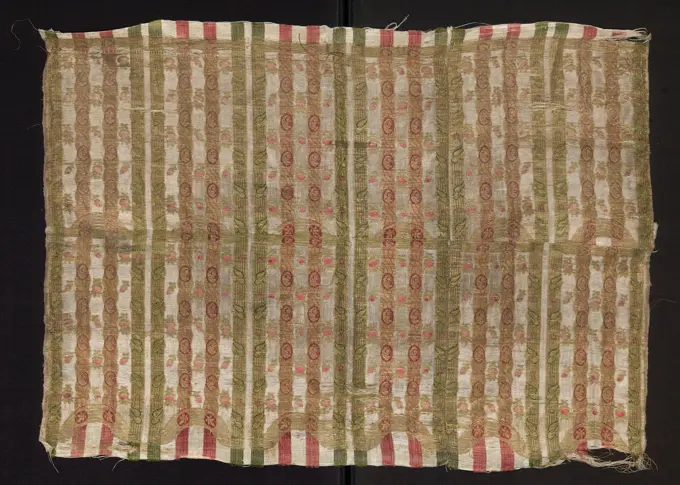
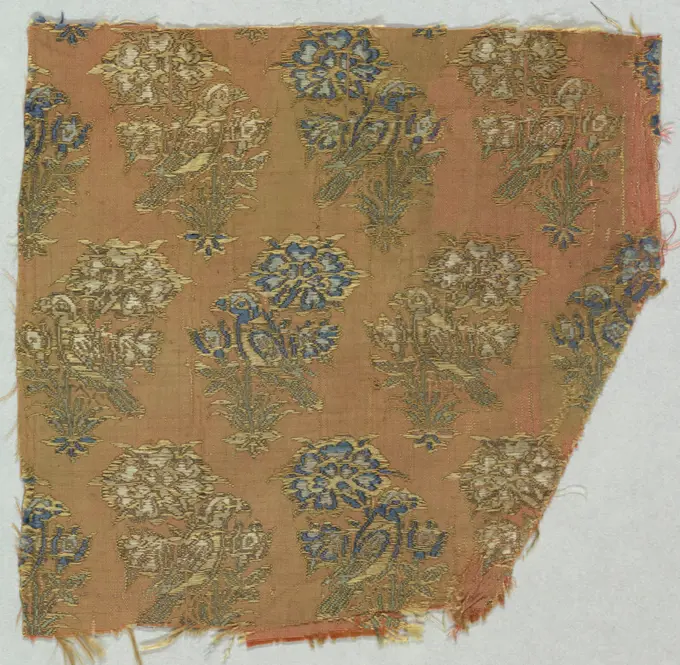
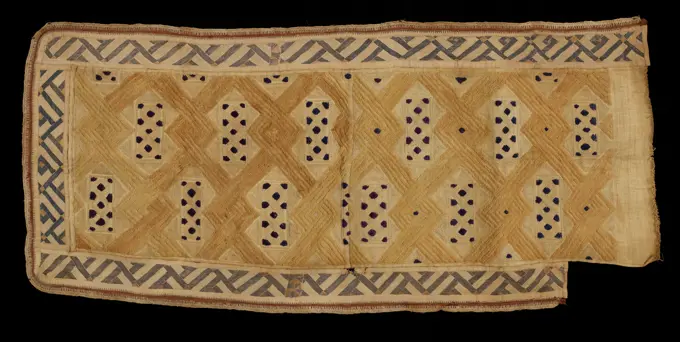
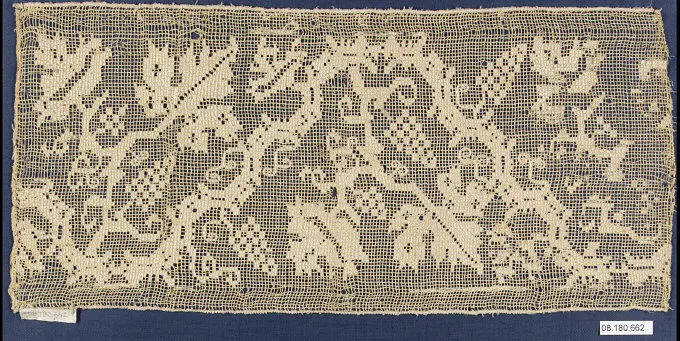
Historic textile fragments showcasing intricate designs and rich materials, representing various cultural weaving traditions and ceremonial uses.
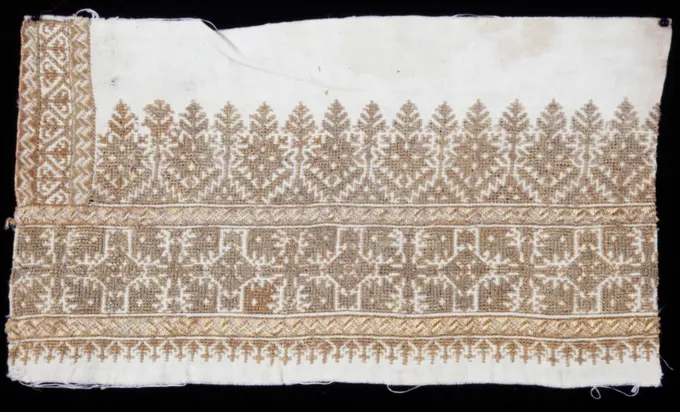
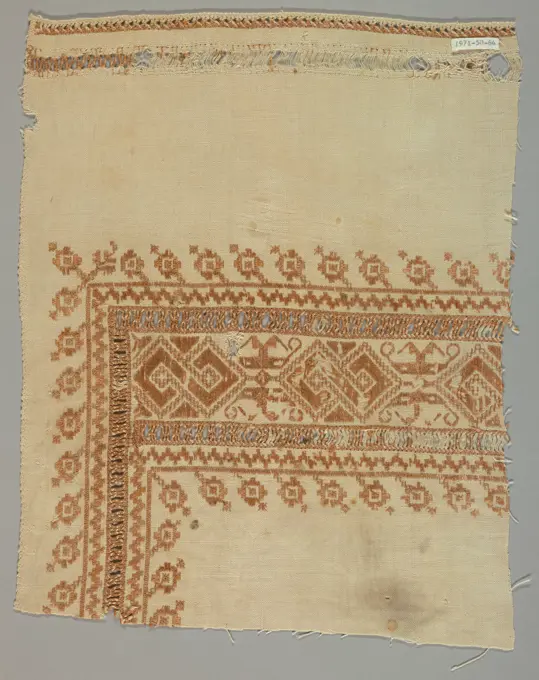
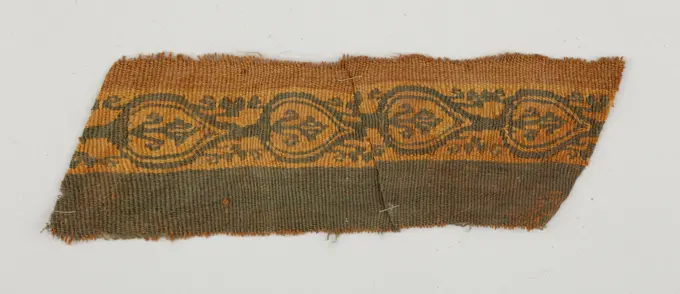
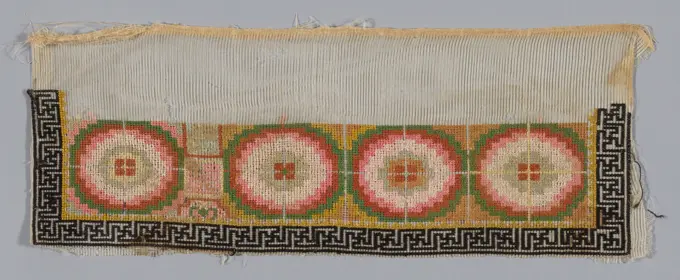
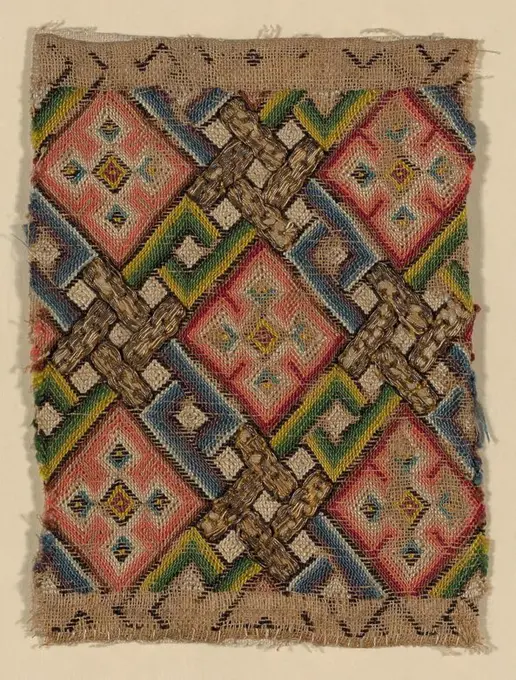
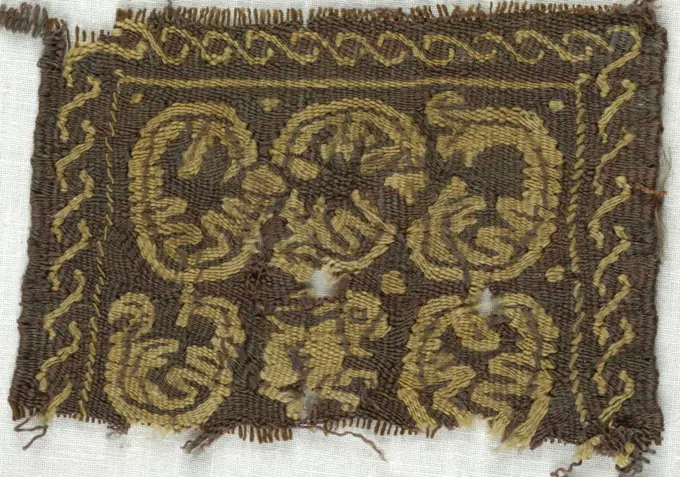
Embroidered border, 18th century, 5 3/8 x 9 1/4 in. (13.7 x 23.5 cm), Cotton; needlework, Morocco, 18th century
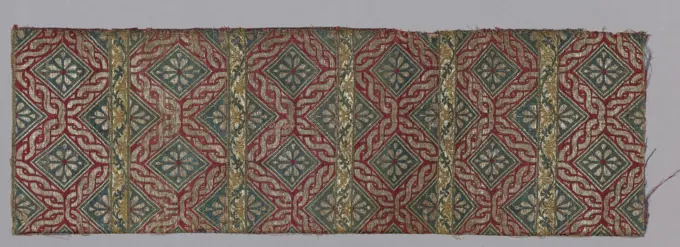
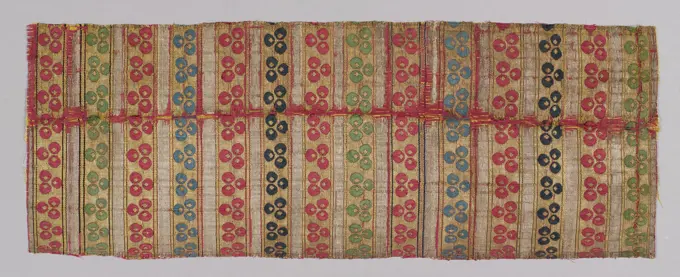
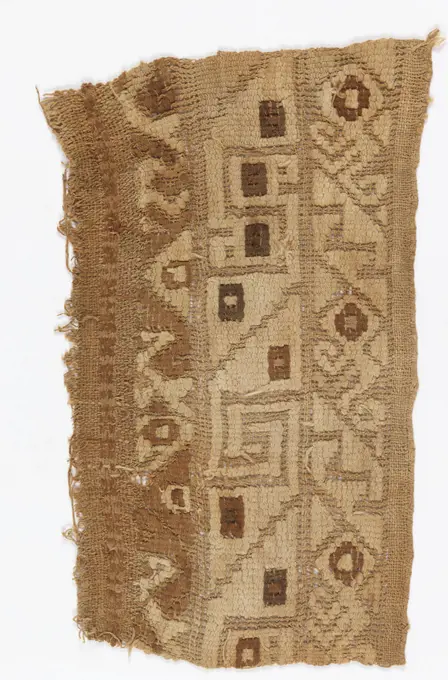
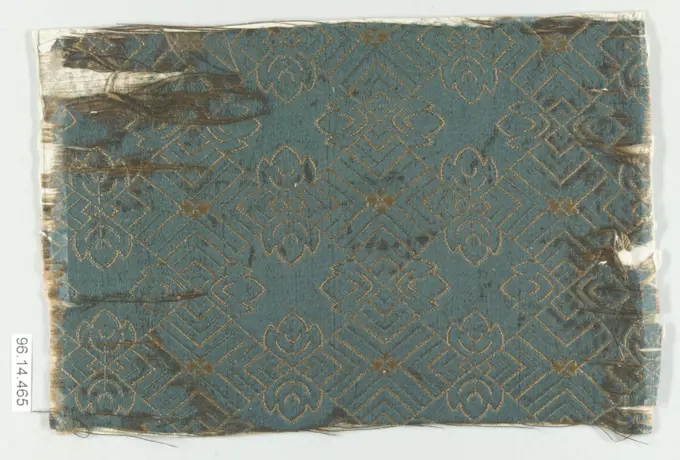
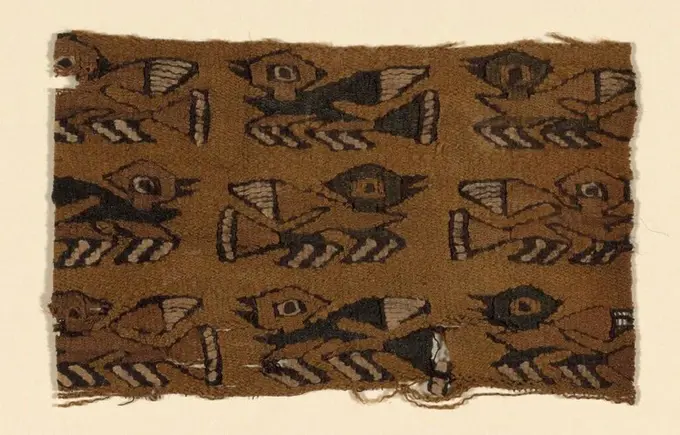
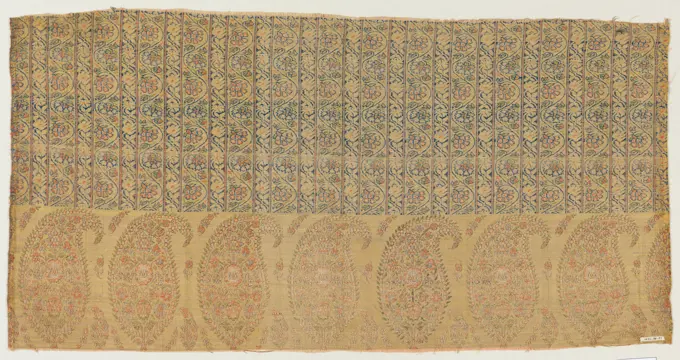
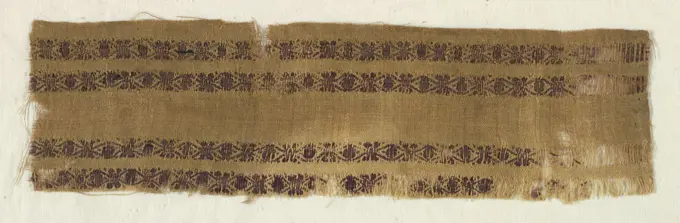
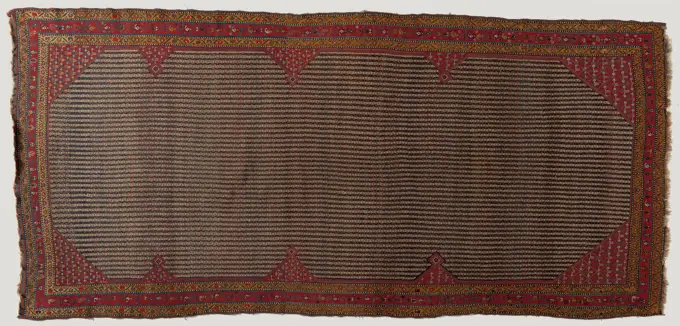
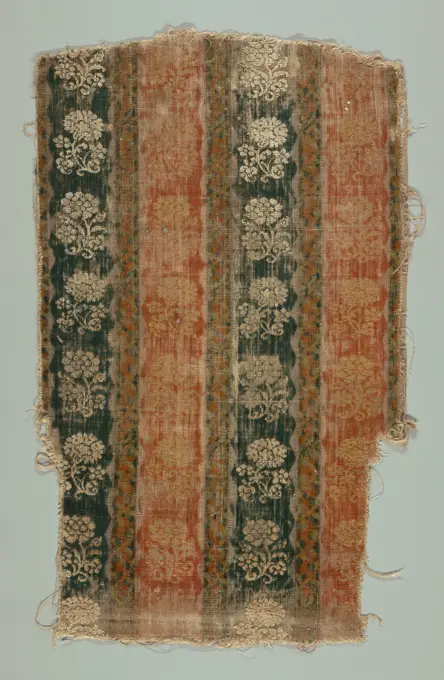
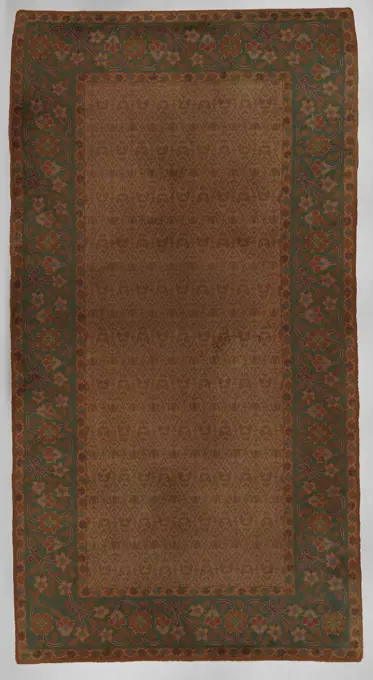
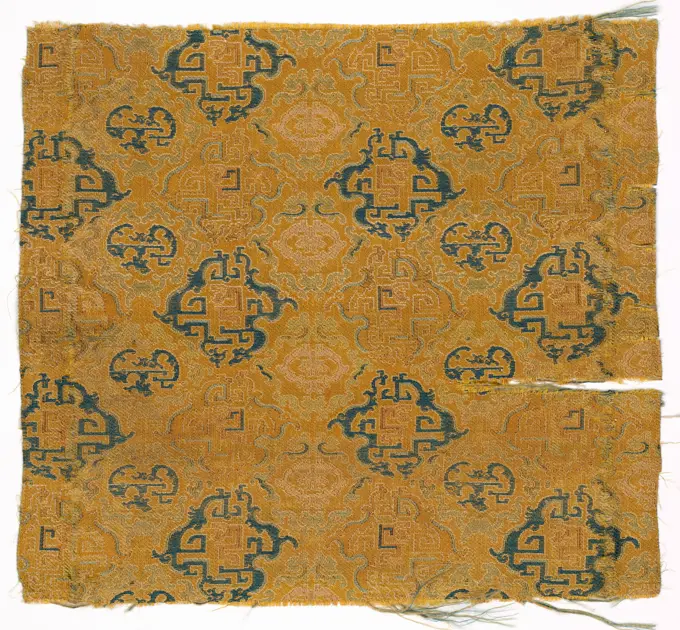
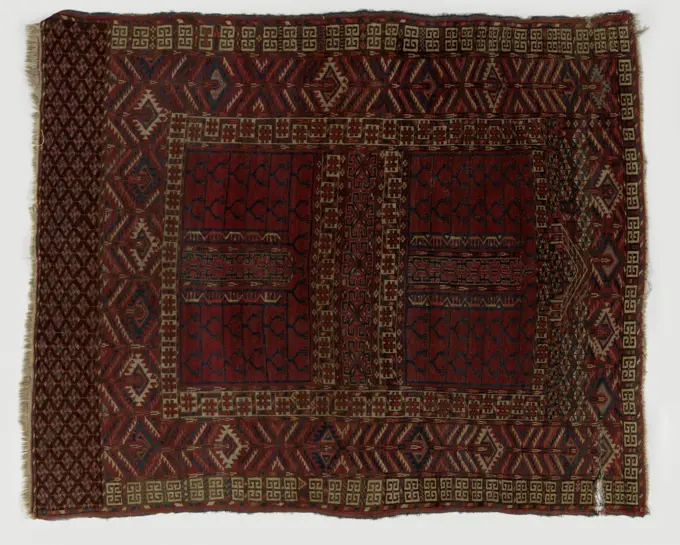
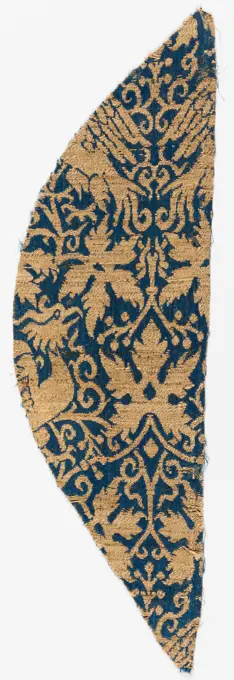
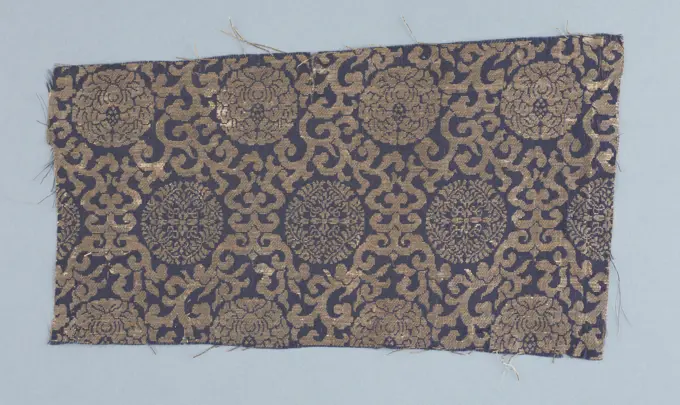
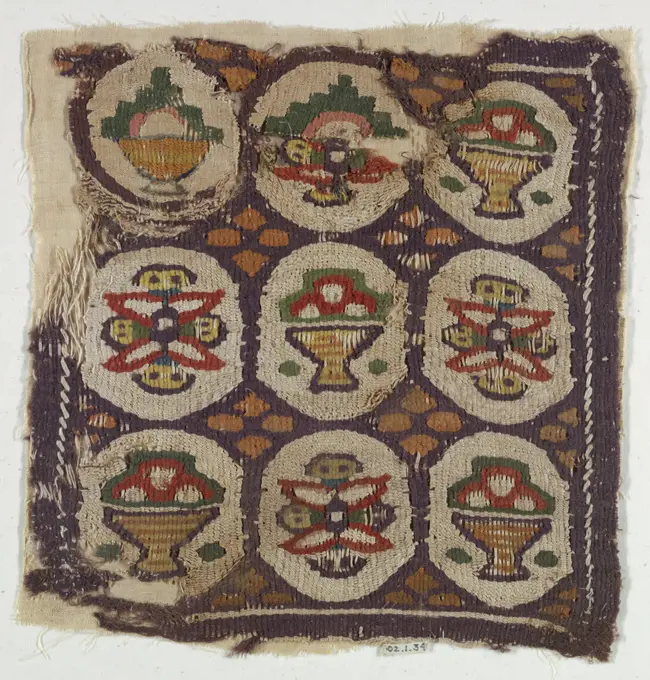
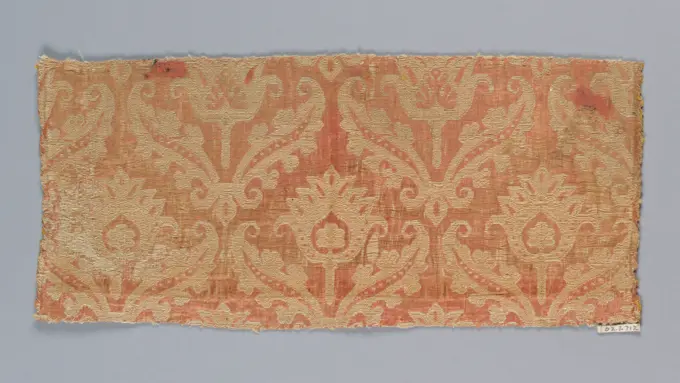
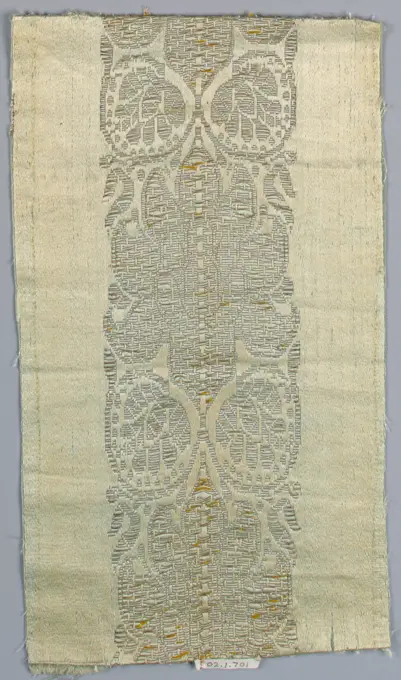
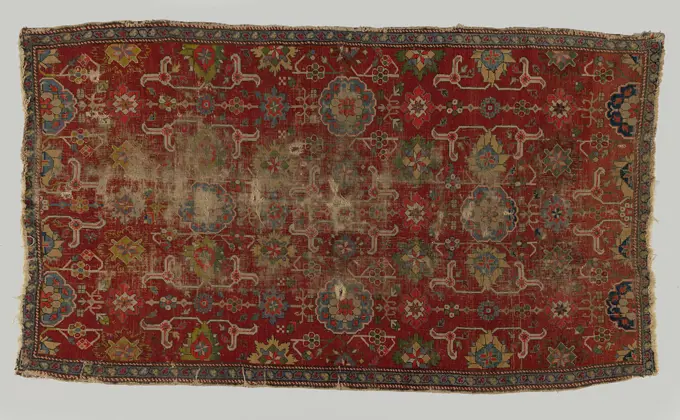
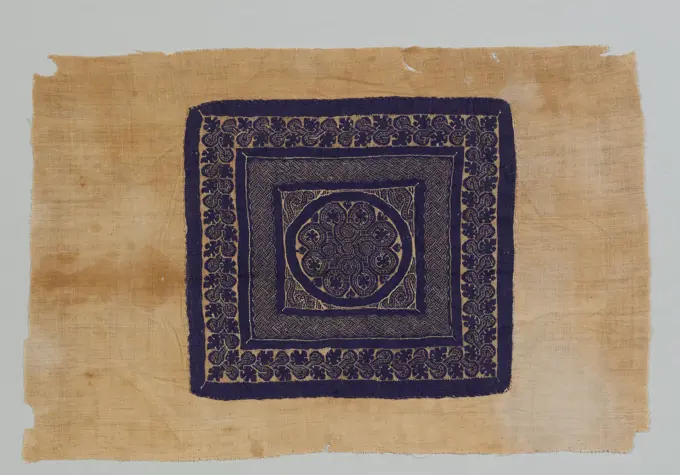
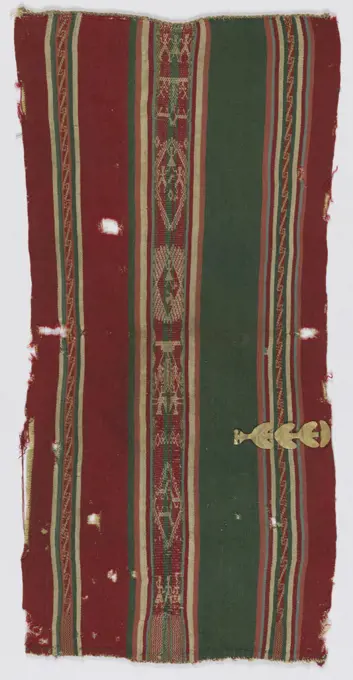
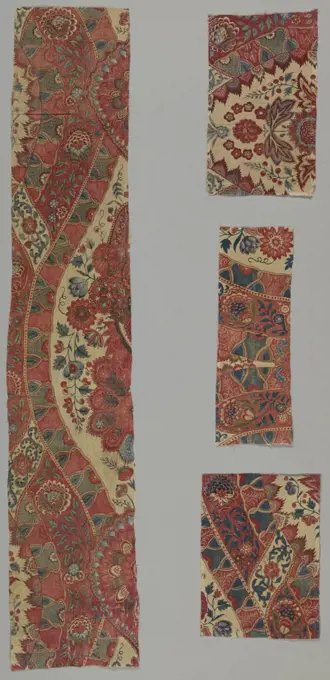
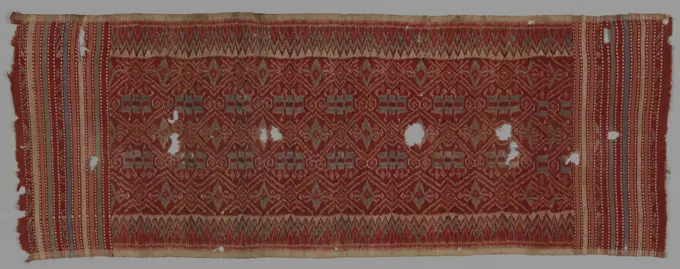
Ritual Weaving(Cepuk)Textile Fragment first half 16th century Expensive materials were woven in a sophisticated technique, using silver and metal-wrapped silk, to produce a rare and precious type of Ottoman silk fabrics called seraser. Few examples survive from the early period of production dating from the first half of the sixteenth century. They are usually woven in designs and motifs quite different from the typical Ottoman artistic language, organized in narrow horizontal bands of small-scale decoration. Here, blue diamond-like rectangles, each bearing eight-petalled silver blossoms, are framed by red borders composed of two intertwined silver ribbon-like forms. These wider bands alternate with narrower white-ground bands containing blue undulating vines. The overall effect results from the richness of colored silk accented with the silvery sheen of the metal-wrapped thread. While the later seraser pieces were mainly produced for ceremonial robes, the use of the earlier ones still remains enigmatic. LTextile Fragment early 16th century This fragment depicts a rare small-scale version of the design known as chintamani ("auspicious jewel"), which finds its etymology in Sanskrit and usually features three circles or closed crescent forms representing pearls. Also associated with the patterning on animal skins, the circular elements are alternately referenced as leopard spots, and often accompanied by wavy lines representing tiger stripes. In this fine example of seraser, the gold ground of the cloth is accomplished by weft threads comprised of thin strips of silver foil wrapped around a yellow silk core, giving the surface of the cloth its luster.. Textile Fragment 446825Fragment with Small-Scale Design, c. 1360-1390. Italy, 14th century. Lampas weave, silk; overall: 12.3 x 21.6 cm (4 13/16 x 8 1/2 in.).Fragment (Spain); silk or linen on linen; Bequest of Marian Hague; 1971-50-64Fragments (Spain); silk, metallic threadEmbroidered border, 18th century, 5 3/8 x 9 1/4 in. (13.7 x 23.5 cm), Cotton; needlework, Morocco, 18th centuryBook Cover (Egypt); silk on linen, silver; Bequest of Marian Hague; 1971-50-10Trim (China); silkTextile, Medium: cotton Technique: discontinuous supplementary weft in gauze; foundation: supp. wefts interface in plain weave on the paired gauze warps; ends: bands of plain weave at top and bottom, Border of stylized interlocking birds and frets, with top band of monkeys alternating with stepped diagonals, lower band of triangles and interlocking birds; darned or woven in heavy pale tan cotton with touches of brown and dark brown on tan ground darkening toward lower end. Two side selvages continuous with field; bunches of wefts across top., Peru, 1000-1400, woven textiles, TextilePiece 18th-19th century Japan. Piece 66190Panel. Turkey. Date: 1501-1600. Dimensions: 105 x 67 cm (41 3/8 x 26 3/8 in.). Silk; brocaded in elaborate interlacing forms filled with octagonal shapes. Origin: Turkey. Museum: The Chicago Art Institute, Chicago, USA. Author: ANONYMOUS.Border Made 1201-1400 Egypt. silk and linen . CopticFragment. Possibly Chancay; Possibly central coast, Peru. Date: 1000-1476. Dimensions: 9.2 x 14.9 cm (3 5/8 x 5 7/8 in.). Cotton and wool (camelid), slit and dovetailed tapestry weave. Origin: Peru. Museum: The Chicago Art Institute, Chicago, USA.Textile Fragment, 16th century. Turkey, 16th century. Brocaded silk with metal thread weft; average: 43.2 x 22.3 cm (17 x 8 3/4 in.).Piece 19th century Japan. Piece 65914Fragment (Near East); silkFragment, Medium: Warp; S-spun linen. Wefts; S-spun linen, S-spun wool. Technique: slightly warp-faced plain weave (24/cm x 20/cm) and slit tapestry., Monochrome, dark purple wool pattern on undyed linen ground. Probably was a sleeve band. Two pairs of floral rows. One side retains a section of the selvedge. The tapestry area has 2+2 warp groupings with crossing warps., Egypt, 300-600, woven textiles, FragmentEastern carpet, Khameh Wevers, 1800 - 1949 Eastern carpet of knotted wool, of which midfield is decorated dark blue and white stripes with tendrils; Corner ornaments. Three narrow edges, the middle -decorated with Botehs. Made by Khameh Wevers. Southern Persia wool Eastern carpet of knotted wool, of which midfield is decorated dark blue and white stripes with tendrils; Corner ornaments. Three narrow edges, the middle -decorated with Botehs. Made by Khameh Wevers. Southern Persia woolCarpet Fragment; linen, wool; 1969-62-12-bFragment Printed Cretonne with pattern of Klaver with butterfly within Spitsovalen, 1900 - 1925 Fragment printed cretonne with pattern of clover with butterfly within Spitsoval in the colors red, a decayed color, moss green and pink on natural stock. Designer: Netherlands maker: Helmond linen (material). printing Fragment printed cretonne with pattern of clover with butterfly within Spitsoval in the colors red, a decayed color, moss green and pink on natural stock. Designer: Netherlands maker: Helmond linen (material). printingFragment 16th century Italian. Fragment 230377Fragment of fabric unknownFragment, Medium: silk and gilded parchment wrapped around linen core Technique: compound twill (samite), Pattern of metallic fleur de lys on blue background., Italy, 13th century, woven textiles, FragmentBand, Medium: silk on silk Technique: needlework on gauze weave, Multicolored embroidery on brown gauze weave in a pattern of flowers on curving and angular stems., Italy, 1700-1750, lace, BandCarpet with a grid pattern with leafwork on the middle. Rug of wool in beige and turquoise of hand-knotted wool. Midfield: grid pattern with branches with leaves in light brown on a beige fond. Rand with S-Ranches on Turquoise Fond.CoverBand 5th-6th century. Band 447325Fragment Figured tissue in linen and wool, anonymous, 1500 - 1599 Fragment with a stylized pattern of trees on blue fond in red, pair -wise birds, rosettes. Italy Ketting an element: Linen (material). Entry: Wool Fragment with a stylized pattern of trees on blue fond in red, pair -wise birds, rosettes. Italy Ketting an element: Linen (material). Entry: WoolFragment, 1100s - 1300s. India, 12th-14th century. Plain cloth, resist dyed; cotton; overall: 20.3 x 12.5 cm (8 x 4 15/16 in.).Eastern carpet ,, c. 1800 Oriental carpet, windscreen rug. In midfield are stapled windows in sloping rows. Filling of double rows of flowers. Middle edge decorated with windows. Beshir wool Oriental carpet, windscreen rug. In midfield are stapled windows in sloping rows. Filling of double rows of flowers. Middle edge decorated with windows. Beshir woolCoverFragment Made 1600-1650 Italy. cisele voided stain velvet .Garment Medallion (Egypt); warp; s-spun two ply z-twist linen. wefts; s-spun linen, s-spun woolFragment (Italy); silkTextile 13th century Italian. Textile 468143Fragment Made 1625-1675 Italy. cisele voided cloth velvet .Antependium;  XVIII/19th century (1790-00-00-1810-00-00);Oriental carpet, Anonymous, 1800 - 1815 Oriental carpet, prayer rug, knotted wool, decorated with a terra-red mihrab, with a high step gable. The upper field is decorated with tulips. Around three edges of which the middle is decorated with flowers. Little Asia wool Oriental carpet, prayer rug, knotted wool, decorated with a terra-red mihrab, with a high step gable. The upper field is decorated with tulips. Around three edges of which the middle is decorated with flowers. Little Asia woolShawl border fragment, Medium: wool Technique: interlacing twill tapestry weave in a twill foundation, Very fine cream-colored twill ground with a narrow border of scrolling flowers in dotted guard bands has shades of red, blue and yellow. Fine selvedge continuous with field., India, 19th century, woven textiles, Shawl border fragmentFragment of the fabric;  beginning of the 18th century (1712-00-00-1718-00-00);on the preserved country, with the known width of the birch, fabric, purchase (provenance), goldCarpet Fragment. Dimensions: Rug: H. 77 1/2 in. (196.9 cm)W. 55 1/2 in. (141 cm). Date: last quarter 16th century.Associated with the Mamluks in Egypt and Syria, Mamluk-style carpets figured significantly in Mediterranean commerce and appear in Venetian paintings from the sixteenth century. The style of these carpets is characterized by medallions surrounded by a variety of smaller geometric motifs, forming a kaleidoscopic appearance. The palette is limited to red, blue, green, and yellow tones. Documents first refer to Cairo as a center of carpet weaving in the last quarter of the fifteenth century, and production continued until the mid-sixteenth century, shortly after the 1517 Ottoman conquest of Egypt. Museum: Metropolitan Museum of Art, New York, USA.Fragment, Medium: silk, metallic thread Technique: plain weave with supplementary weft, Orange ground, faded from red, with a repeat of flowers arranged in a cone shape with a perching bird on the stem. Brocaded in blue, green, white, and grey with gold metallic thread. Alternate rows turning left and right., Iran, 18th century, woven textiles, FragmentSkirt, early 20th century, 16 1/4 x 58 in. (41.28 x 147.32 cm), Natural fiber (raffia), cotton, Democratic Republic of Congo, 20th centuryPiece 17th century Japan. Piece. Japan. 17th century. Silk / Compound weave. Textiles-WovenBand 16th century Italian. Band 215012Strip bobbin with vase or urn between two swans, anonymous, c. 1800 Strip of natural -colored bobbin, Antwerp Pottekant. The repeating and symmetrical pattern consists alternately of an urn or vase between two swans twisted to each other and a larger urn or vase without swans. The motifs are connected by a Maas soil, the Paris soil. The motifs are made in linen battle with recesses and thicker contour threads. Top and bottom of the strip are straight finished, with the bottom with picots. Flanders linen (material) bobbin lace / Antwerp lace Strip of natural -colored bobbin, Antwerp Pottekant. The repeating and symmetrical pattern consists alternately of an urn or vase between two swans twisted to each other and a larger urn or vase without swans. The motifs are connected by a Maas soil, the Paris soil. The motifs are made in linen battle with recesses and thicker contour threads. Top and bottom of the strip are straight finished, with the bottom with picots. Flanders linen (material) bFragment of Peruvian fabric unknownFragment silk veal with recesses with pattern of flower and leaf stems in green with redeels in red. Fragment silk velvet with pattern of flower and leaf stems in green with redeels in red. Italy or Spain, early 16th century.Conciliate belt;  18th century (1701-00-00-1800-00-00);Sampler (England); Embroidered by Sarah Harris; wool embroidery on linen foundationFragment 16th century Italian. Fragment 230197Silk tissue with a pattern of four -legged friends, birds, palmets and arabesks, anonymous, 1300 - 1399 Fragment of dark red silk with a stylized pattern of two mirrored four -legged animals and two with the heads to each other birds, between which palmet decorations and arabesks. Lucca Ketting an element: Silk. Fragment of dark red silk with a stylized pattern of two mirrored four -legged animals and two with the heads to each other birds, between which palmet decorations and arabesks. Lucca Ketting an element: Silk.Carpet first half 15th century Spanish With its vividly colored pattern of stars and octagons, this rug exemplifies the distinctive "Holbein" carpets that were produced in great numbers during the fifteenth century in the Spanish province of Murcia. Illustrated in paintings by Hans Holbein the Younger as well as other artists, these carpetsSpanish adaptations of Turkish designsfound a ready market among Christian patrons.. Carpet 468454Fragment, 1800-1820. China, Qing dynasty (1644-1911). Silk, diaper weave; twill ground; overall: 17.2 x 14.6 cm (6 3/4 x 5 3/4 in.).Fragment of a Carpet, 16th century (). India  Iran  Herat , 16th century (). Silk; average: 33 x 12.1 cm (13 x 4 3/4 in.).Eastern carpet ,, 1800 - 1900 Eastern carpet of wool that has been divided in two with midfield by a vertical band. Turkestan wool Eastern carpet of wool that has been divided in two with midfield by a vertical band. Turkestan woolTextile Fragment 6th-7th century. Textile Fragment 444344Textile, Spain, 18th-19th century, printed, dyed & painted textiles, TextileCoverlet Fragment (USA); wool, cottonTextile (Italy); silk, gilded parchment wound around linen coreEmbroidered Tiraz; linen, silkCap Fragment (Romania); silk, cotton, woolTrimming fragment, Medium: silk Technique: woven, Regularly spaced leaves in yellows on a red ground, France, ca. 1839, woven textiles, Trimming fragmentFragment of Coptic fabric unknownTrouser Band Made 1875-1900 China. Forty-four pairs and eight odd pieces of embroidered sleeve, ankle bands, etc. on gauze. . Han-ChineseOriental carpet. Oriental carpet, prayer, of knotted wool, decorated with a light green mihab, pointed and toothed top, along the circumference filled with carnations. Light blue swing in jobs filled with carnations. Around midfield three edges and solid gray intermediate.Towel Fragment (Italy); cotton; Warp x Weft: 52.1 x 33 cm (20 1/2 in. x 13 in.)Textile (Egypt); cottonTextile Fragment, 1700s. Italy, 18th century. Brocaded silk; overall: 19.2 x 53.7 cm (7 9/16 x 21 1/8 in.).Fragment; silk, metallicFragment of fabric unknownFragment, Medium: Warp; S-spun linen. Wefts; S-spun linen. S-spun wools. Technique: slit tapestry woven with supplementarty weft wrapping., Square containing nine circles holding bowls of fruit and flowers., Egypt, 4th-5th century, woven textiles, FragmentFragment Made 1625-1675 Italy. Silk and silvered-metal strip, plain weave with supplementary patterning warps, supplementary patterning wefts, and facing .Band; silk, linen; Bequest of Marian Hague; 1971-50-545-a,bFragment (Shawl Border) Made 1800-1825 India. Wool, double interlocking 2 2 'S' twill tapestry weave .Fragment (Spain); silk, cottonFragment Of A Border; silk, metallicFlower rug. Oriental carpet, floral rug. In midfield are rosettes, flanked by palmets, caught in angular arabes. The edge is decorated with a rank with carnations.Coverlet. Dated: c. 1938. Dimensions: overall: 34.9 x 28.1 cm (13 3/4 x 11 1/16 in.) Original IAD Object: 90" long; 79" wide. Medium: watercolor and graphite on paper. Museum: National Gallery of Art, Washington DC. Author: Eva Wilson.Neck and Shoulder Decoration from a Tunic, late 400s - 500s. Egypt, Byzantine period, late 5th - 6th century. Plain weave with slit-tapestry weave and supplementary weft wrapping; dyed wool, undyed linen; overall: 14.3 x 35.6 cm (5 5/8 x 14 in.); mounted: 22.9 x 43.2 cm (9 x 17 in.).Fragment. Italy. Date: 1601-1700. Dimensions: 14.5 × 19.5 cm (5 3/4 × 7 5/8 in.). Linen, plain weave; embroidered with silk floss, and gilt- and silvered-metal-strip-wrapped silk in tent stitches; padded couching. Origin: Italy. Museum: The Chicago Art Institute, Chicago, USA.Textile Fragment 3rd-4th century. Textile Fragment 443457Square Fragment with Animal and Botanical Decoration Coptic. Square Fragment with Animal and Botanical Decoration, 5th-7th century C.E. Wool, 3 1/4 x 4 1/4 in. (8.3 x 10.8 cm).   Egyptian, Classical, Ancient Near Eastern Art 5th-7th century C.E.Band; cotton, silkTapestry Panel, 1000-1460s. Peru, Central Coast, Chancay-Chimú style, 11th-15th century. Camelid fiber and cotton, tapestry weave; overall: 115 x 54.3 cm (45 1/4 x 21 3/8 in.); mounted: 124.5 x 64.8 cm (49 x 25 1/2 in.).Fragment, Medium: wool, silk, metal Technique: complementary warps, Section of rep strip with wide vertical bands of plain red or green alternating with three bands made up of stripes of white, green, pink, red, brown, and blue. Each multi-striped band with central fancy cloth warp-surfaced stripe; scroll in two outer ones, stylized figure on center one. Two plain selvages. Corded loom ending across the top, hand-sewn hem at bottom. Flat gold ornament in stylized plant form caught on right center., Peru, 17th century, woven textiles, FragmentFragment, Medium: silk Technique: 4 and 1 harness satin damask, Irregularly shaped fragment with dense pattern of birds and trees in green and pale yellow., 17th century, woven textiles, FragmentChintz fragments, Medium: cotton Technique: mordants (2 reds, 2 purples, 2 browns) applied by brush or pen, sometimes over resist; yellow and 2 blues (over resist) applied by brush; chintz on plain weave, Four fragments of elaborate design of large and small elongated ovals., India, 18th century, printed, dyed & painted textiles, Chintz fragmentsFragment (India); silkFragment Swedish (Delsbo) (Dalarna) 19th centuryCope Fragment 15th century Italian This fragment of dark blue silk velvet from a cope (a garment used in liturgical services for processions, especially by those assisting the celebrant) is patterned in an allover repeat of a seven-lobed shape in a half-patterned step repeat. The lobed shaped are symmetrically placed and filled with stylized pomegranate-like plants each sprouting seven blossoms; they are sumounted by smaller plant devices and blossoms on branches that follow the outlines of the lobed shapes.. Cope Fragment 461245Four Textile Fragments. Dimensions: Largest fragment: L: 13 in (33 cm) x W: 5 in (12.7 cm). Date: 16th century. Museum: Metropolitan Museum of Art, New York, USA.Fragment. Peru, south coast, Ica Valley, Callango. Date: 1000-1476. Dimensions: 74.3 × 30.8 cm (29 1/4 × 12 1/8 in.). Cotton; discontinuous warp and weft plain weave with dovetailed warps and interlocking wefts. Origin: Peru. Museum: The Chicago Art Institute, Chicago, USA.Embroidered kerchief trimming unknownConciliate belt; Daniel Chmielewski's studio (Kraków; Pasów label; 1796-1825); 1794-1825 (1794-00-00-1825-00-00);Prayer dress. Oriental carpet, prayer cloth, kis-ghioDes. There is a double red Mihrab in midfield. Blue corner pieces, aubergine-colored transverse panels. The edges are decorated with flowers.Fragment, Medium: silk Technique: 4&1 satin damask; interruption of 2, Selvage to selvage piece of yellow and green damask with a design of plant forms within a strapwork lattice., 17th century, woven textiles, FragmentShroud(Porisitutu’)Cover. Italy. Date: 1601-1650. Dimensions: 80.6 × 57.3 cm (31 3/4 × 22 1/2 in.). Linen, plain weave; embroidered in double running, hem and two-sided Italian cross stitches; edged with bobbin straight lace. Origin: Italy. Museum: The Chicago Art Institute, Chicago, USA.