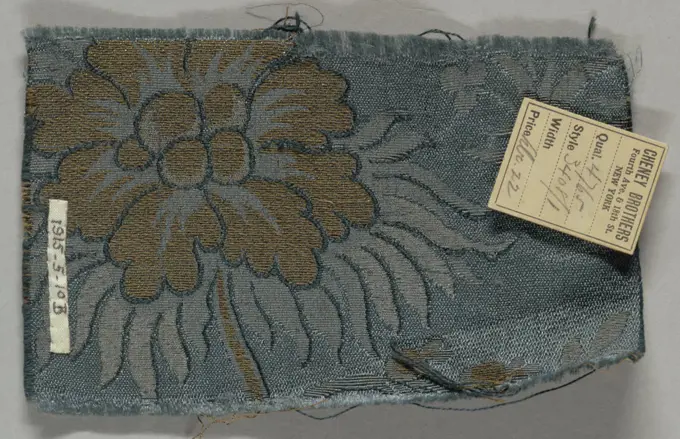
Textile Art Fragments

Historic textile fragments showcasing intricate designs and rich materials, representing various cultural weaving traditions and ceremonial uses.
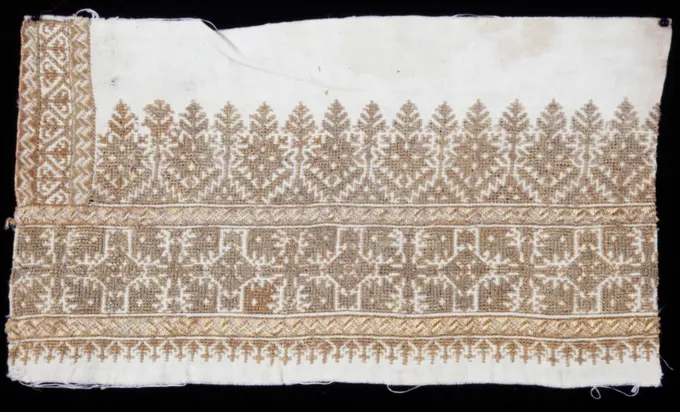
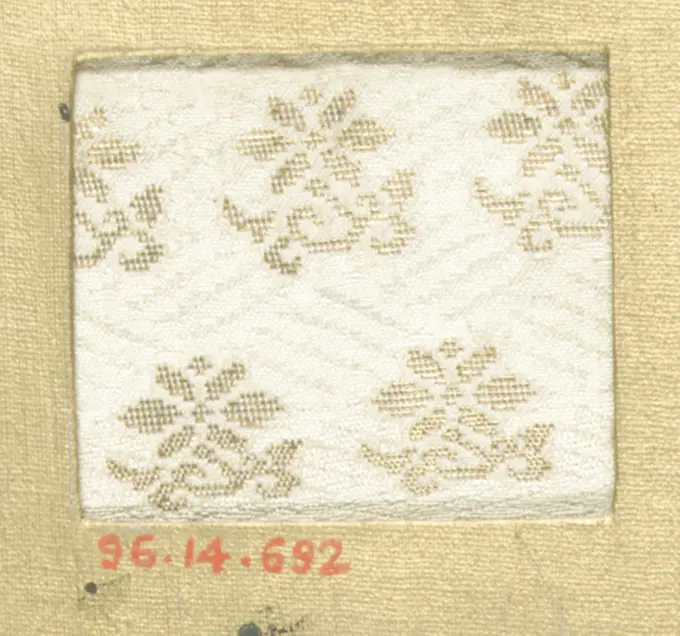
Embroidered border, 18th century, 5 3/8 x 9 1/4 in. (13.7 x 23.5 cm), Cotton; needlework, Morocco, 18th century
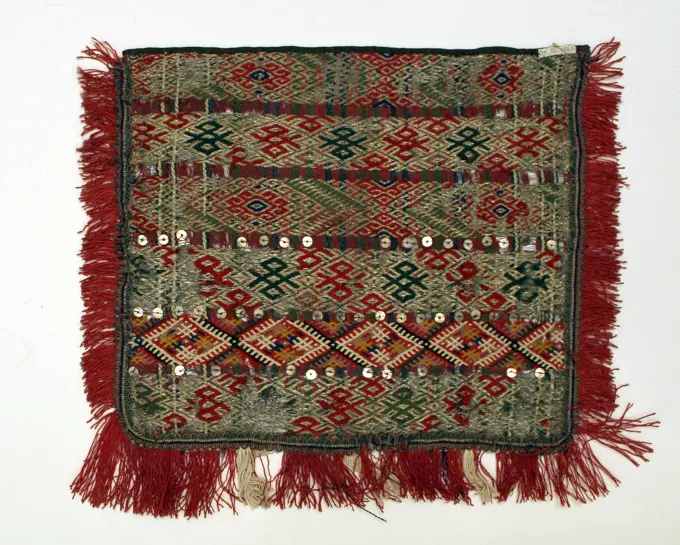
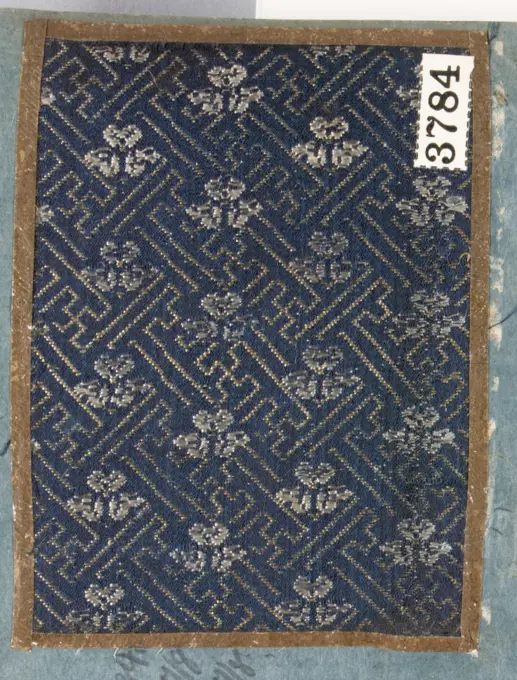
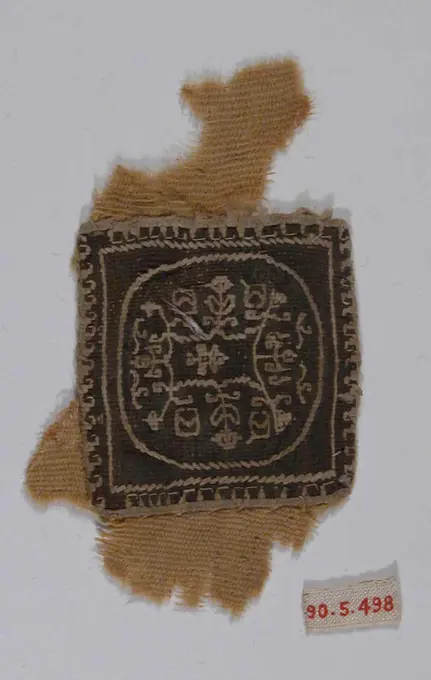
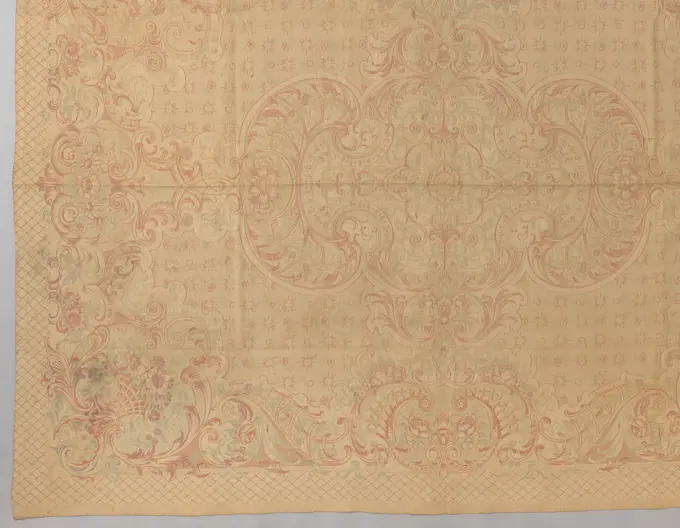
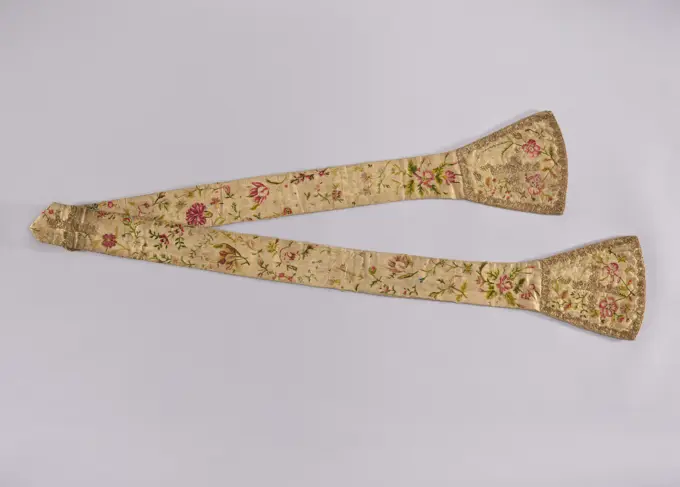
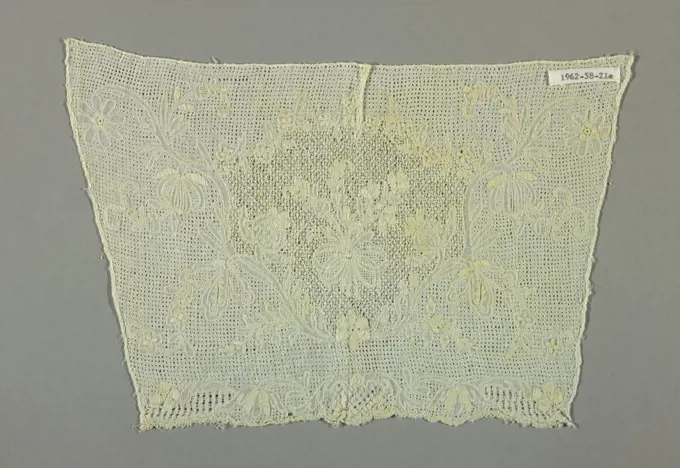
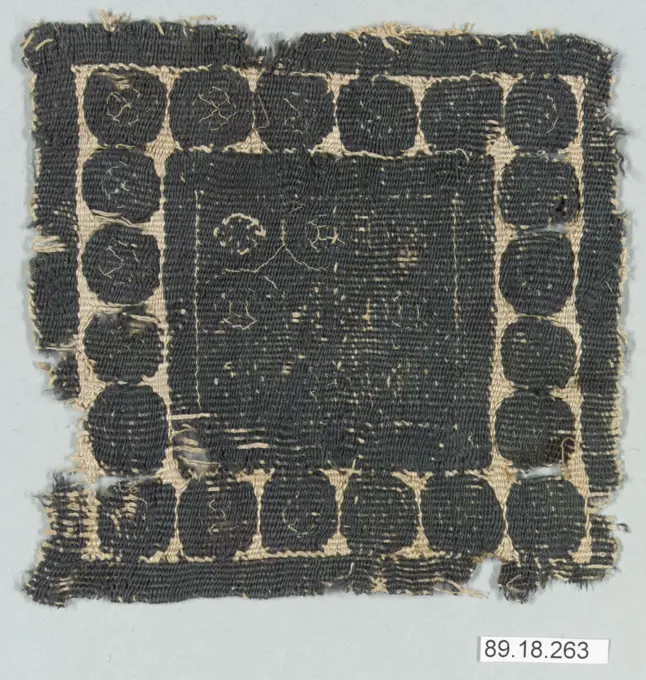
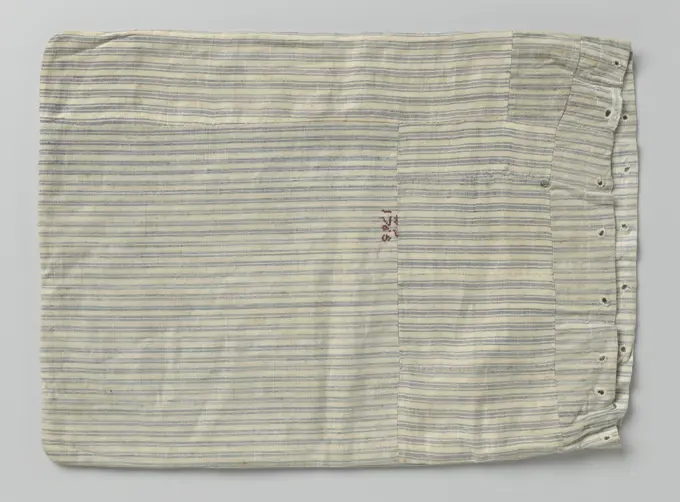
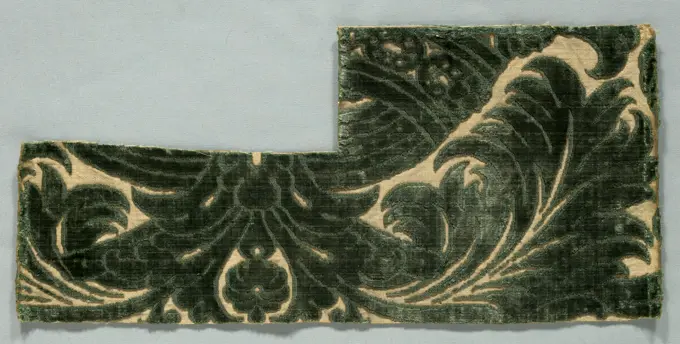
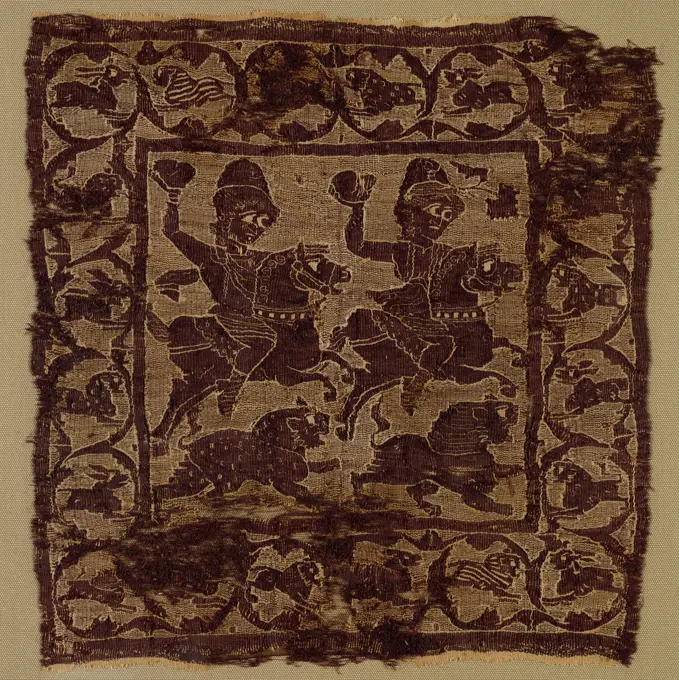
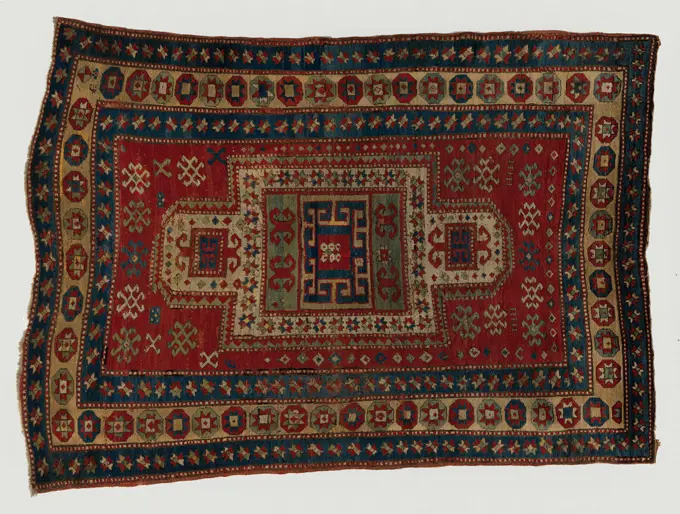
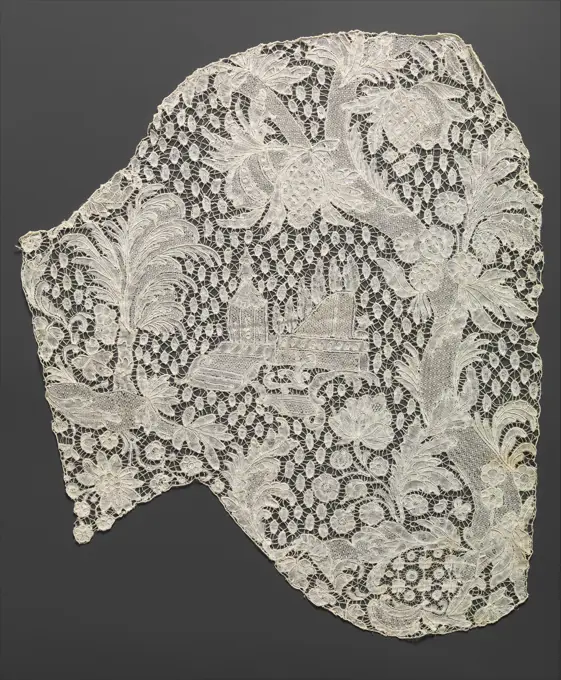
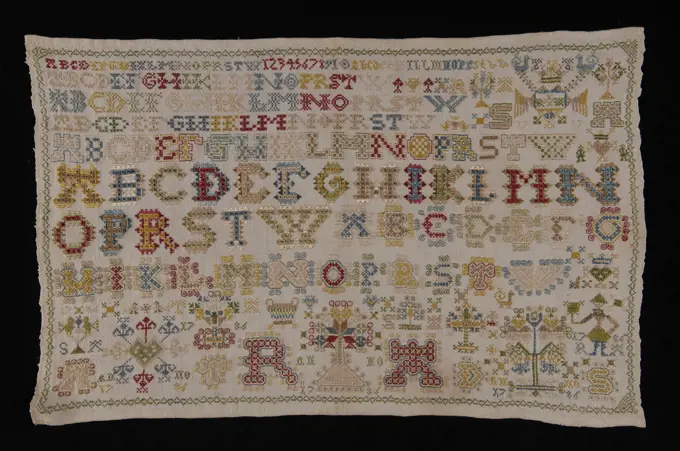
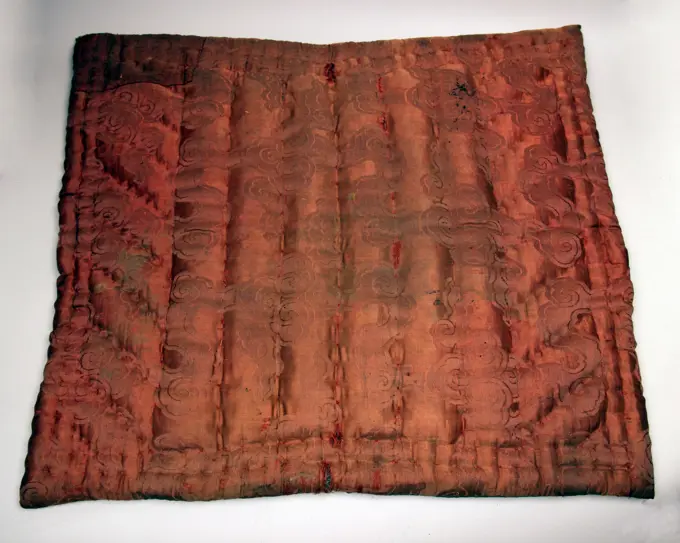
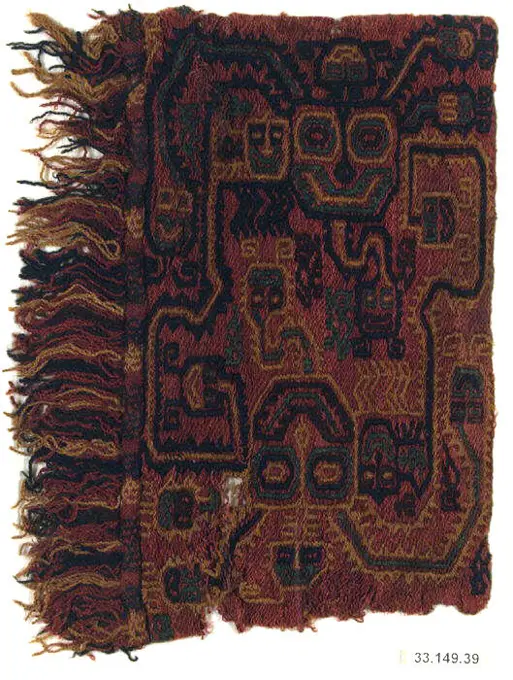
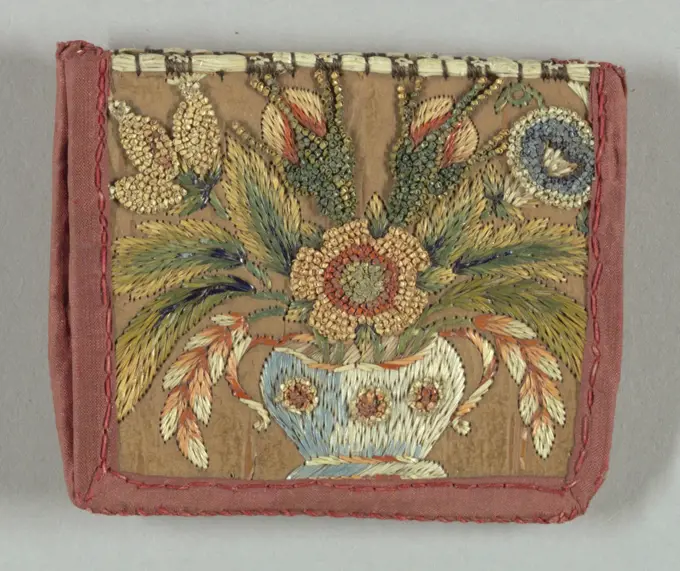
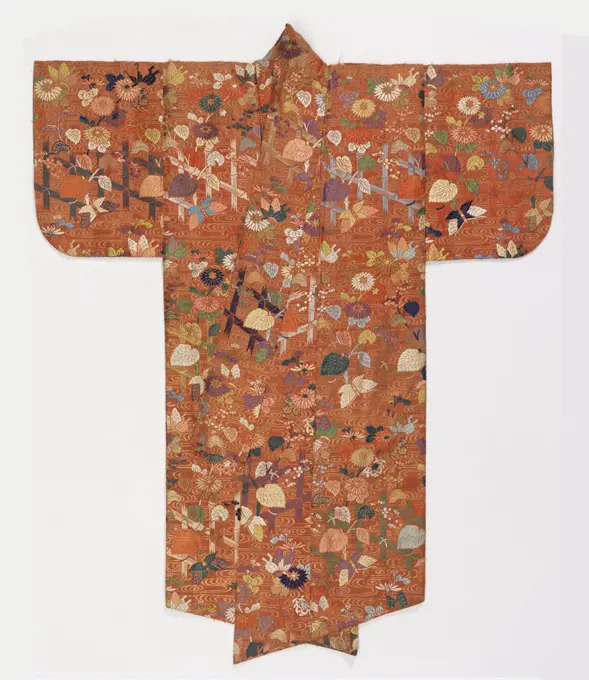
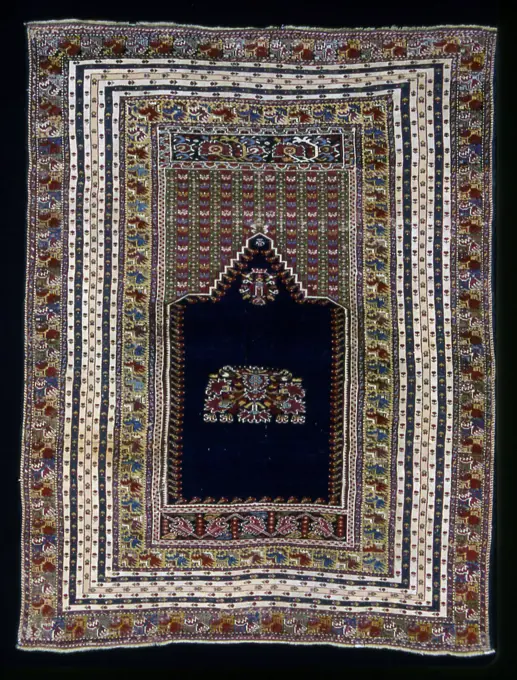
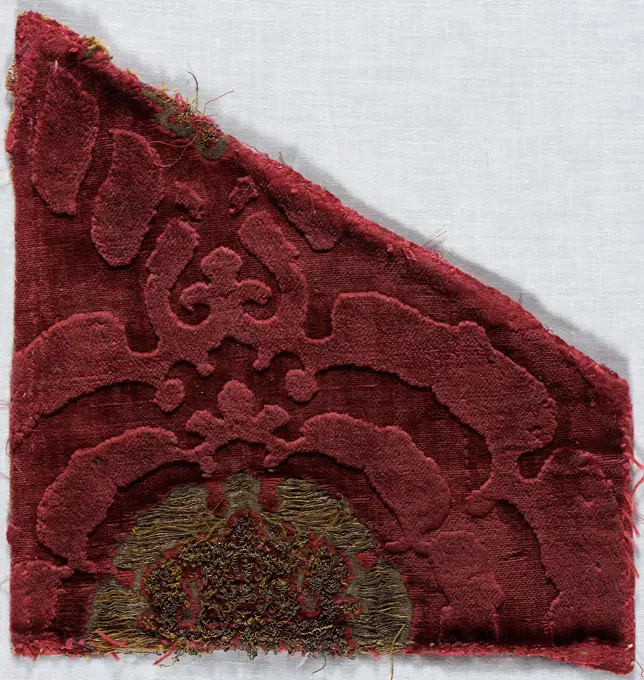
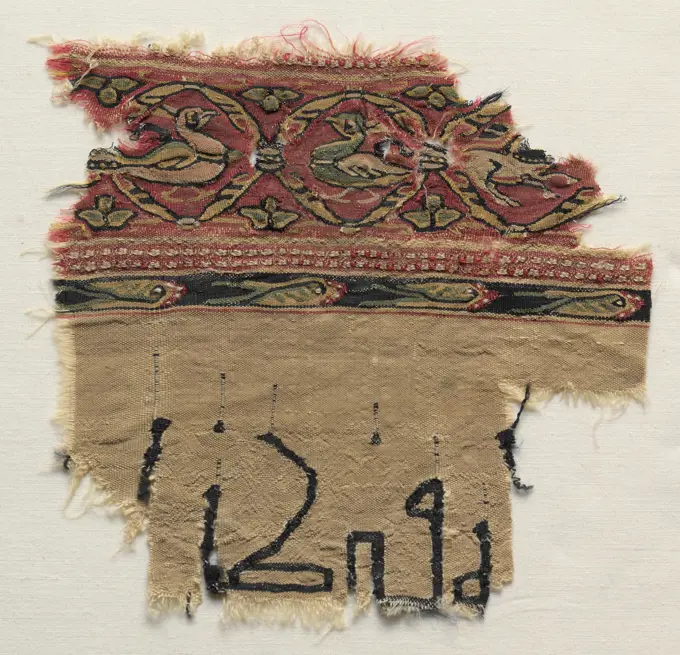
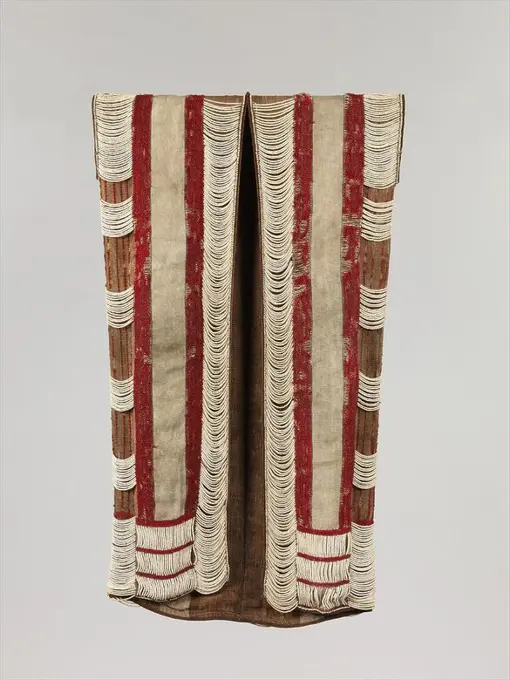
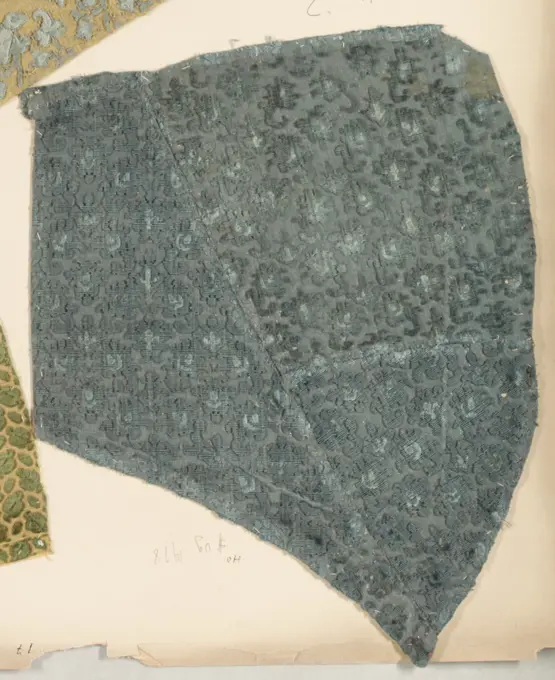
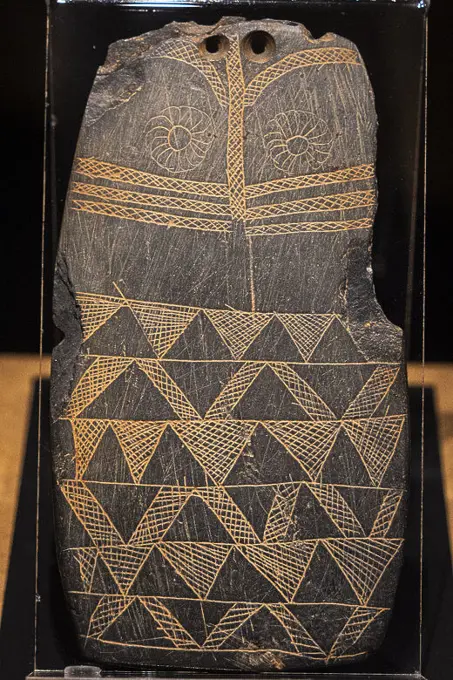
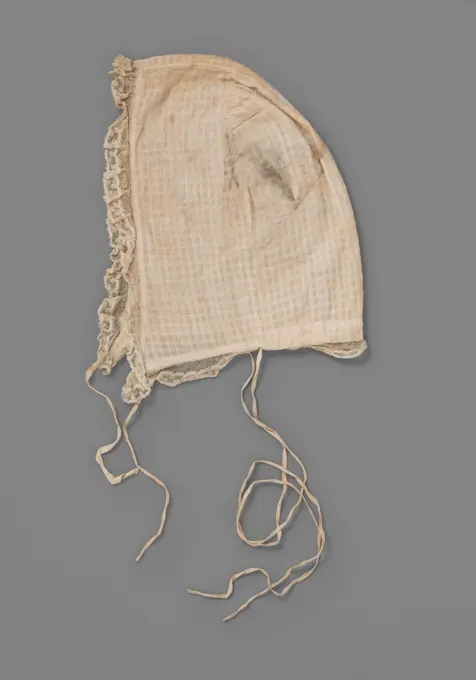
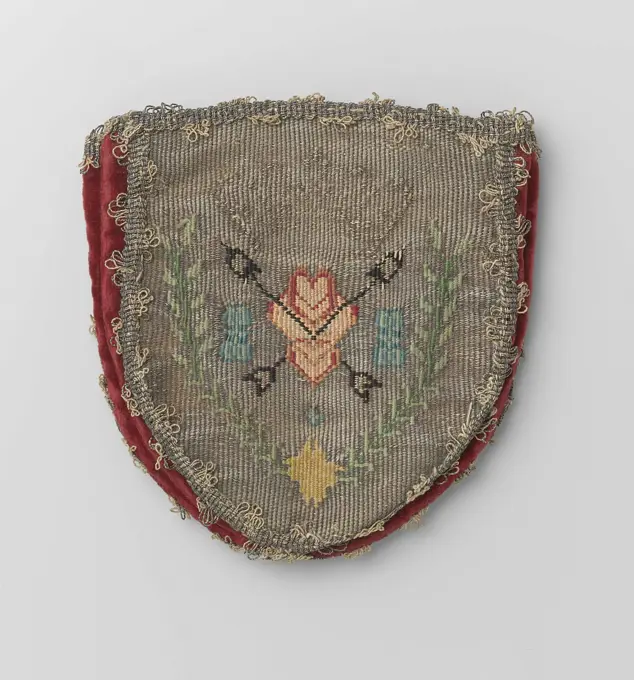
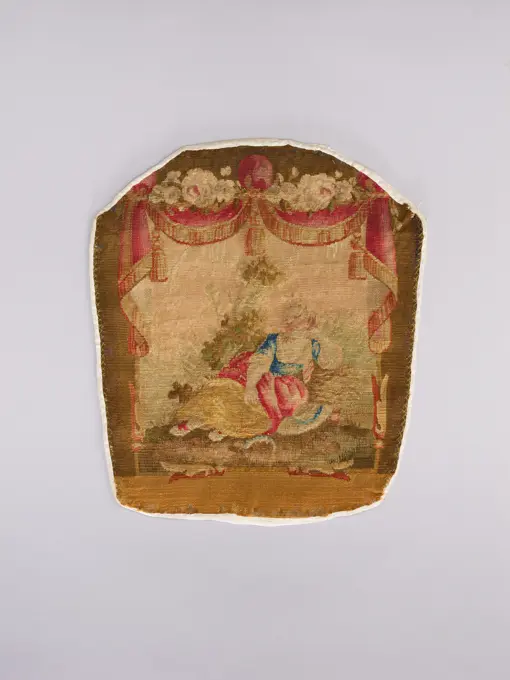
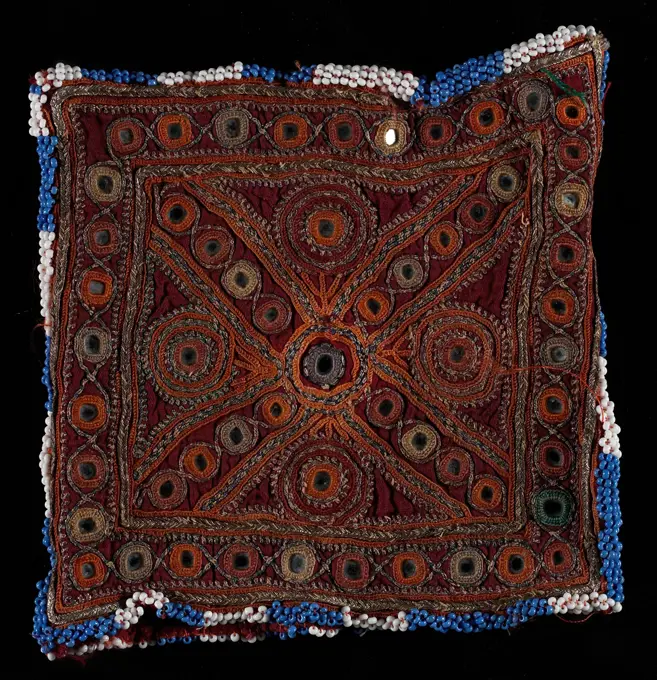
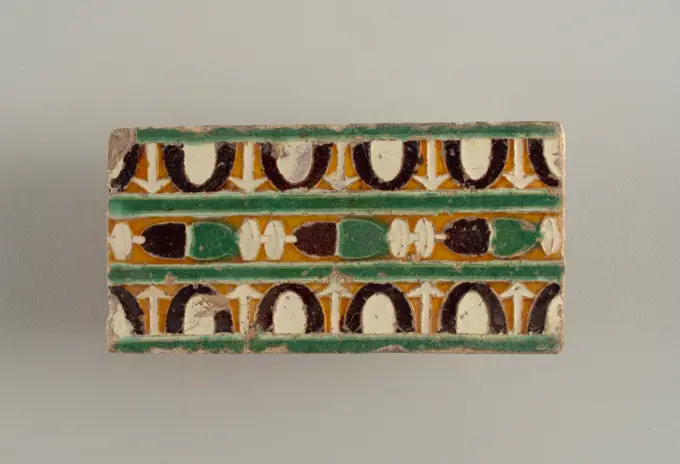
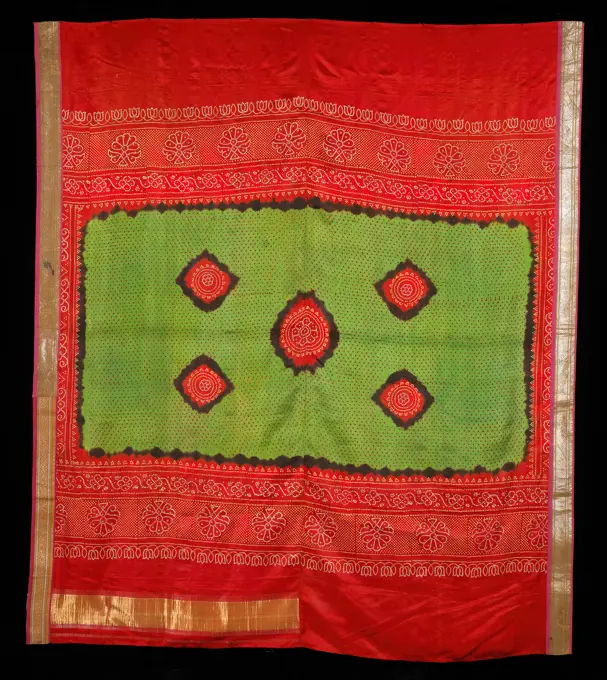
Theatrical robe for a Buddhist priest 18th century China This type of robe, known as a kasaya and intended for a Buddhist priest, is a piece of rectangular fabric that is wrapped over an inner robe and fastened in the front with a hook. The lining of this example bears a stamp that reads Used in the Grand Theatre (Daxiji yong),” which indicates the robe was worn by an actor in the imperial theater in the Forbidden City rather than by an actual priest.. Theatrical robe for a Buddhist priest. China. 18th century. Silk brocade patchwork. Qing dynasty (1644-1911). Costumes-WovenTemple cloth. Temple cloth with geometric motifs.Apron 19th century Romanian. Apron 98164Band (Italy), 17th century; silk on linenTextile Sample from Sample Book 19th century Japan. Textile Sample from Sample Book 68261Textile Fragment 4th century. Textile Fragment. 4th century. Wool, linen; plain weave, tapestry weave. Attributed to Egypt. TextilesOriental carpet. Oriental carpet, Holbeintapijt. A large medallion in midfield. Below and above two smaller medallions. Double edge, the interior with geometric ornaments, the outer with geometric tendrils. Button: Ghiledes knot.HeadClothLength of Textile, 1723-1774. France, 18th century, Period of Louis XV (1723-1774). Plain cloth, brocaded; silk; overall: 96.5 x 56.2 cm (38 x 22 1/8 in.).Sprei of Piqué Quasi Zaans Stikwerk, Anonymous, 1890 - 1900 Sprei of Piqué Quasi Zaans Sticwork, which shows a woven pattern in red and blue on a white stock, with neo-rococo ornaments in a stock of windows.  linen (material) Sprei of Piqué Quasi Zaans Sticwork, which shows a woven pattern in red and blue on a white stock, with neo-rococo ornaments in a stock of windows.  linen (material)Stole. unknown, authorBasket of Fruit or Flowers Coptic. , 5th-7th century C.E. Wool, 2 3/4 x 2 3/4 in. (7 x 7 cm).   Egyptian, Classical, Ancient Near Eastern Art 5th-7th century C.E.Stole 1720-50 Italian The beautiful embroidery on this stole employs particularly delicate and refined shading. The ribbon tufts add texture to the surface and detail to the motifs. The flowers are mostly fanciful and are typical of the earlier part of the 18th century.. Stole 157583Gallon;  beginning of the 19th century (1801-00-00-1810-00-00);Galloon late 18th-early 19th century European. Galloon 224961Piece 18th-19th century Japan. Piece 67689Tapestry Fragment with Fringe 10th-15th century Peru; central coast (). Tapestry Fragment with Fringe 307807Tissue fragment with decorative strap. Natural linen tissue fragment with decorative tie with braid band motifs and hares in tapestry.Cuffs, Medium: cotton on linen Technique: deflected element work, Pair of openwork cuffs, each in the shape of a trapezoid. Each cuff has a design of a cartouche enclosing a ribbon tied bouquet of flowers and an ornamental scroll at the bottom., Denmark or Germany, early 18th-19th century, costume & accessories, CuffsTextile Fragment 3rd-4th century. Textile Fragment 443468Cushion cover ,, 1765 Linen Tijken cover for a lumbar cushion, stamped blue. Amazed. Brand (wg) 1765 Netherlands linen (material) Linen Tijken cover for a lumbar cushion, stamped blue. Amazed. Brand (wg) 1765 Netherlands linen (material)Trouser Band Made 1875-1900 China. Forty-four pairs and eight odd pieces of embroidered sleeve, ankle bands, etc. on gauze. . Han-ChineseRaster rug filled with checkered crosses. Rand with white X forms., 1850 - 1900 Oriental carpet, grid rug. In midfield a grid in which checkered crosses. Rand with white X forms. Kurdistan Necklace and impact: Wool Oriental carpet, grid rug. In midfield a grid in which checkered crosses. Rand with white X forms. Kurdistan Necklace and impact: WoolDarning sampler. Date/Period: 1801. Darning sampler. Medium: silk embroidery on cotton foundation. Technique: embroidered in running and four-sided cross stitch with overcasting over withdrawn element work on plain weave foundation. Height: 390 mm (15.35 in); Width: 385 mm (15.15 in). Author: UNKNOWN.Sidewall, Leather, stamped, silvered, painted, Scrollwork, axial vase with green foliage, red/white and blue/white flowers, Flanders, ca. 1700, Wallcoverings, SidewallFragment of galloon unknownPiece 18th century possibly French. Piece 223954Baby Carrier Fragment, 33 1/4 x 25 in. (84.46 x 63.5 cm), Cotton; dyed, ChinaChintz fragments, Medium: cotton Technique: mordant painted and dyed; blue applied by brush over resist; yellow applied by brush; chintz on plain weave, Floral design with large exotic blooms in reds and blue, on a black speckled ground., India, 18th century, printed, dyed & painted textiles, Chintz fragmentsVelvet Fragment, late 1600s. Italy, late 17th century. Velvet; overall: 19.5 x 42 cm (7 11/16 x 16 9/16 in.).Ornamental Square from a Tunic, 400s. Egypt, Byzantine period, 5th century. Tapestry weave with supplementary weft wrapping; undyed linen and dyed wool; overall: 21 x 20 cm (8 1/4 x 7 7/8 in.); mounted: 28.6 x 27.6 cm (11 1/4 x 10 7/8 in.). Two mounted hunters armed with rocks pursue two lions in the center. The man on the left wears a short tunic, as does the woman on the right with a billowing skirt. Both hunters wear hats and high boots. The border displays curving acanthus leaves that alternately enclose running lions and hares. This square was sewn onto a tunic rather than woven in.Swati curtain, c. 1950, 53 x 76 5/16 in. (134.62 x 193.83 cm), Cotton, beads, buttons, sequins, mirror disks; embroidery, India or Pakistan, 20th centuryMedalleled, Kazak. Medalleled, Kazak. Midfield: Bright red fond with a double yellow mihrab with white border. Inside decor of soft green panels, on which X and T hooks. Edges: triple; All equally wide. The middle is golden yellow, on which eight acids are in light green, red, ultramarine and white, within which stars. The inner and outer edges are the same and exhibit an ultramarine blue fond.Sleeve fragment of bobbin lace 1740-50 Flemish. Sleeve fragment of bobbin lace 218781Runner with windows and tires. A wool runner. A narrow middle compartment with various figures in diamond shape on dark blue soil. Different edges in the length, the width of which has a beige soil with diamond forms in the width in various colors, separated by geometric ornaments. Colors: red, dark blue, brown, light blue and yellow.Embroidered Square, 1800s. Morocco, Berber , 19th century. Embroidery, silk; average: 137.2 x 137.2 cm (54 x 54 in.).Piece of fabric. unknown, authorSampler (Spain); silk embroidery on cotton foundationCeremonial Tube Skirt, 35 x 20 1/2 in. (88.9 x 52.07 cm) (tubular, with fringe), Cotton, wool, glass and ceramic beads, Myanmar (Burma)Sampler or lettercloth worked in colored silk on fine cream colored linen, marked AR ANNO 1786, lettercloth sampler embroidery needlework imagery linen silk, textile embroidery cross stitch double stitch stitch lockstitch An elongated piece of fine bleached linen with both left and right selvedge and under and above fine hem edge of 0.5 cm. The patch is embroided with silk in the colors light green mid green gray blue steel blue ocher yellow crimson brown beige and ivory. There is embroided in crossstitch stitch and stitching from the top left is the patch embroided with seven horizontal rows with letters in different style. The series are always the alphabet without the letters J U V X Y and Z embroided alphabet letter series and different initials: RH 1787 SA AR 1786 SA 1786 SA 1786 AT anno 1786 RA in 1786 SA RA DS in 1786 needleworkTablecloth with personifications of the four seasons, anonymous, c. 1650 - c. 1699 Tablecloth from Linnamast the four seasons. The pattern repeated three times in width shows four scenes. Putti, emblems containing the relevant season are inside oval. 1 the spring. Two bold winged putti with a low basket with flowers are framed by, among other things, daffodils, hyacinths and tulips. This lying oval frame is formed in each scene by flower branches, which sprouts from Akanthus Arabesks on the left and right. These are facing up and down by a trunk. Here these tribes have been tested and connected to the subsequent ovals by a roller work cartel. 2 The summer. The oval is from fruit branches and corners. The putti are averted and wear a bundle of ears and a sickle. The trunk between the Akanthussen is baluster -shaped. 3 Autumn. Frame of vineyards with grape bunches, melons and pomegranates. Putti -wandering together wear a grape vock and each in the outer hand a wine glass. The connectingTextile 19th century Japan. Textile 68035Textile Fragment 6th-7th century. Textile Fragment 443459Fragment, 800s - 1000s. Iran or Iraq , Abbasid period , 9th-11th century AD . Tapestry weave: silk and wool; overall: 14.6 x 13 cm (5 3/4 x 5 1/8 in.).Possible Belt or Headband Chancay. , 1000-1532. Cotton, camelid fiber, 11 x 1 3/8in. (28 x 3.5cm).   Arts of the Americas 1000-1532Saddle Cushion 18th-19th century Chinese. Saddle Cushion 31903Embroidered Border Fragment 5th-3rd century B.C. Paracas. Embroidered Border Fragment 308074Cap Crown; linenIrrit to incentive on a double piece of cotton and with trace wires for making a part of a collar of needle side, Belgian interned (Village Elisabeth, Amersfoort), c. 1915 - c. 1924  Property for a part of a collar of Venetian needle side. The needle side pattern is drawn with ink on blue paper and holes were then stung along the pattern lines. A trace wire is sewn through this 'incentive' and the double layer of cotton. If the needle side stitches are made over and between the trace wires, the incentive and the cotton surface can be cut and removed. Then you only have a needle side, in this case a part of the collar that can then be processed with the other parts and the edge into a collar. The design of the collar was made by a person from Belgium who was interned in the 'Elisabeth-Dorp' camp in Amersfoort in the First World War. Mrs. Van Nierop started making the collar and has donated the unfinished parts to the Rijksmuseum as a study material. Designer: AmersfoortAmsterdam Pick: PWoman's Mantle (lliclla) 17th-18th century Peruvian Indigenous women in the Andes have continued to wear their traditional mantles, fastened by silver shawl pins, even in modern times. Although colonial-era weavers preserved the art of Inkan tapestry technique, they incorporated many European decorative motifs into their designs.The wearing of copious quantities of lace imported from Spain was one of the features most frequently noted in contemporary colonial descriptions of well-to-do Peruvians' attire; the passion for this deluxe sartorial embellishment was echoed in the native tapestry weavers' ornamental vocabulary, as seen in the lace-patterned bands that define the horizontal registers of this shawl.. Woman's Mantle (lliclla). Peruvian. 17th-18th century. Camelid hair. Peru. Textiles-WovenCarpet probably late 18th or early 19th century. Carpet 452590Textile Fragment 5th-6th century. Textile Fragment 443727Fragment (Italy); silk; Warp x Weft: 53.5 x 59 cm (21 1/16 x 23 1/4 in.); 1953-162-8-a,bVest late 19th-early 20th century European, Eastern. Vest 85855Card case, Medium: bark, straw, cotton Technique: embroidered, Two stiff pieces of bark, hinged and edged with red cotton and embroidered with colored straw in a floral design., USA, early 19th century, embroidery & stitching, Card caseNoh robe, Medium: silk, metallic yarns Technique: discontinuous supplementary weft (brocading), Theatrical robe of terra-cotta silk twill brocaded heavily in polychrome silks and gilded paper-wrapped silk-core yarns. The design is of bamboo lattice-work and vines, chrysanthemums, berries and butterflies. Lined with solid color terracotta silk., Japan, ca. 1800, costume & accessories, Noh robeShard ca. 4th-5th century Pakistan. Shard 50856Fragment, Medium: silk Technique: plain weave with twill floats, Fragment of woven silk showing minute lozenge pattern and stylized palmettes in blue and yellow. Fragment of a band of apricot color with design in golden yellow apparent at upper right., possibly Sicily, 12th century, woven textiles, FragmentFragment of the fabric;  XVII century (1601-00-00-1700-00-00);Bojakowski Stanisław, collection, gift (provenance), fabricsPrayer Carpet Made 1875-1900 Turkey. Wool and cotton, plain weave with supplementary wrapping wefts forming cut solid pile through a technique known as Ghiordes knots .Tunic (Tunisia); silk, metallicTowel, Medium: cotton, metallic thread Technique: plain weave with supplementary weft looping; embroidered, White solid looped uncut towel except at the ends, where on a border of plain weave is embroidered, in gold, a serpentine stem with five-pointed leaves and small flowers. Scalloped fringe on ends., Turkey, 19th century, embroidery & stitching, TowelFragment, Medium: linen Technique: bobbin lace, continuous tape with bars added, 18th century, lace, FragmentFragment, 700s. China or Japan, 8th century. Tabby weave; overall: 26.7 x 35 cm (10 1/2 x 13 3/4 in.).Textile Fragment. Italy, circa 1450. Textiles; textile lengths. Silk cut and voided pile-on-pile velvet with metallic-thread supplementary weft-loop (bouclé) and discontinuous supplementary-weft patterning (brocade)Belt With Buckle (China); silk, wool, silverFreize or dado. Date/Period: Ca. 1840. Freize or dado. Block-printed. Height: 2,160 mm (85.03 in); Width: 565 mm (22.24 in). Author: UNKNOWN.Towel End; linen; Bequest of Marian Hague; 1971-50-244Tiraz with animated band, 800-825. Egypt, Abbasid period. Plain weave with inwoven tapestry weave and supplementary weft: wool and linen; overall: 15 x 15.5 cm (5 7/8 x 6 1/8 in.).Handwoven Linen Samples (5) Made 1801-1825 United States. Five samples of plain woven white linen .Border, 1800s. China, 19th century. Silk; overall: 74.9 x 19.1 cm (29 1/2 x 7 1/2 in.).Pocket (England); linen; Bequest of Marian Hague; 1971-50-116Tissue fragment in Tapijtwerk, Anonymous (Rejected Attribution), c. 700 - c. 1399 Natural and brown -colored woolen tissue fragment with geometric abstract motifs where the gales between the colors are part of the motif. Egypt Necklace and impact: Wool tapestry Natural and brown -colored woolen tissue fragment with geometric abstract motifs where the gales between the colors are part of the motif. Egypt Necklace and impact: Wool tapestryFinger cloth of Linnamast ,, c. 1900 Linnamast finger cloth with red -woven edges. The pattern has stars (or flowers) and moesjes. The double edges have stars (or flowers) and leaves, flanked by narrow edges with mosies. In a corner a white-embroidered letter P. de Vingerdoek belongs to eleven finger cloths (BK-1980-164-A to BK-1980-164-L) and a tablecloth (BK-1980-163). Netherlands (possibly)Germany (possibly) linen (material) damask Linnamast finger cloth with red -woven edges. The pattern has stars (or flowers) and moesjes. The double edges have stars (or flowers) and leaves, flanked by narrow edges with mosies. In a corner a white-embroidered letter P. de Vingerdoek belongs to eleven finger cloths (BK-1980-164-A to BK-1980-164-L) and a tablecloth (BK-1980-163). Netherlands (possibly)Germany (possibly) linen (material) damaskTextile Fragment, Undetermined, possible Border Paracas Ocucaje. , 800 B.C.E.-600 C.E. Cotton, camelid fiber, 2 3/8 x 14 15/16 in. (6 x 38cm).   Arts of the Americas 800 B.C.E.-600 C.E.Textile Sample from Sample Book 19th century Japan. Textile Sample from Sample Book 68205Piece 18th-19th century Japan. Piece 66416Fragment green silk tissue with embroidery in pink and white, c. 1800 - c. 1900 Fragment silk tissue with embroidery. The embroidery has circles in which a flower branch. Around the circle the pattern has a fanning lace pattern. The circle has a notch from which a pearlguirle runs to a palm motif and from there to the next circle. The fragment is trimmed along the bottom with a tire in which a golf motif of silver -colored sequins. Spain silk embroidering Fragment silk tissue with embroidery. The embroidery has circles in which a flower branch. Around the circle the pattern has a fanning lace pattern. The circle has a notch from which a pearlguirle runs to a palm motif and from there to the next circle. The fragment is trimmed along the bottom with a tire in which a golf motif of silver -colored sequins. Spain silk embroideringOvervest. Culture: Taiwan (Atayal). Dimensions: 36 1/2 x 26 in. (92.7 x 66 cm). Date: 19th century. Museum: Metropolitan Museum of Art, New York, USA.Cover for a cup;  1st half 19th century (1801-00-00-1850-00-00);Patches Blanket Blanket Made From Recycled Patches Material Pieces Copyright: xZoonar.com/MarkoxBericx 12597433Textile Fragment 17th century. Textile Fragment 454585Fragment 16th century Italian. Fragment 230126eyed plate idol, slate, 2500-2000 BC, Los Gabrieles 2, Valverde del Camino, Huelva Museum, Huelva, Andalusia, Spain.Textile Fragment 5th century. Textile Fragment 443904Flower Dress, Anonymous, 1840 - 1860 Flower rug. Midfield: On a small dark red field there are star flowers in a double course. To each star flower an octagon in white, red, light green and blue. Edges: wide and triple. The main edge is in the Orange with such star flowers in an eight -corner. The inside and outdoors are the same, with brown-black stock on which slanted windows in blue, red and green, interrupted by sloping rows of white blocks. Beard: Both the bottom and at the top runs a wide beard resp. of 8 and 7 cm, in blue with a few stripes in red. Pergamon wool Flower rug. Midfield: On a small dark red field there are star flowers in a double course. To each star flower an octagon in white, red, light green and blue. Edges: wide and triple. The main edge is in the Orange with such star flowers in an eight -corner. The inside and outdoors are the same, with brown-black stock on which slanted windows in blue, red and green, interrupted by sloping rows of white blocks. Beard: BothFolk embroidery sample unknownCotton hat with woven windows and decorated with Rijssel side, Anonymous, c. 1800 - c. 1815 Cotton hat with woven windows and decorated with a strip of Rijssel side. Possible regional job. Friesland (possibly) whole: Cotton (textile). strip: Lille lace Cotton hat with woven windows and decorated with a strip of Rijssel side. Possible regional job. Friesland (possibly) whole: Cotton (textile). strip: Lille laceFair in a thdifted model of red velvet and silver brocade, on which a triple heart pierced on two sides with arrows. Stock market of silver brocade. Two turtle-shaped pattes are connected soufflés of red velvet. On a floor of silver, a triple heart is pierced with arrows, in beige (discolored rose), red and black. Above a golden crown and two bay branches along the bow. A silver decassination covered the seams, rose taft lining, no closure.Uren sleigh upholstery, anonymous, c. 1800 - c. 1850 Upholstery of a horse -drawn sleigh. Northern Netherlands (possibly)Netherlands (possibly) textile materials Upholstery of a horse -drawn sleigh. Northern Netherlands (possibly)Netherlands (possibly) textile materialsThree arras -covers of armchairs. unknown, authorBag, 7 3/4 x 7 5/8 in. (19.69 x 19.37 cm), Cotton, beads, metallic thread, mirror disks; needlework, AfghanistanTile/tile Fragment; glazed earthenwareYamut Carpet with Octagonal Guls probably early 19th century. Yamut Carpet with Octagonal Guls 447505Inner wedding veil (Patori), c. 1925-1950, 62 1/2 x 70 1/16 in. (158.75 x 177.96 cm), Silk, cotton, metallic threads; block print and painting, India, 20th century, Fine tie-dye was a luxury item, often copied by less expensive techniques. Block printing gave a good imitation, as shown by the wedding veil on the right. Its silk ground and metallic threads furthered the illusion of a costly tie-dyed piece.Band 18th century Hungarian (Slovakia). Band 217222Purse (Germany); silk and metallic thread embroidery, foil strips, coiled gilt wire, and spangles on silk foundationTextile Fragment, undetermined Chancay. Textile Fragment, undetermined, 1000-1532. Cotton, camelid fiber, Including fringe: 7 1/2 × 6 1/2 in. (19.1 × 16.5 cm).   Arts of the Americas 1000-1532Sample, Cheney Brothers, (South Manchester, Connecticut, USA), Medium: silk, metallic thread Technique: compound satin weave, Reproduction textile inspired by a French eighteenth century example in the Cooper Union Museum collection. Design has figures in Chinese costume fishing in a small boat with water lilies and other plants on a blue ground., USA, ca. 1915, woven textiles, SampleTextile Fragment 5th century. Textile Fragment 443637