Textile Art Fragments

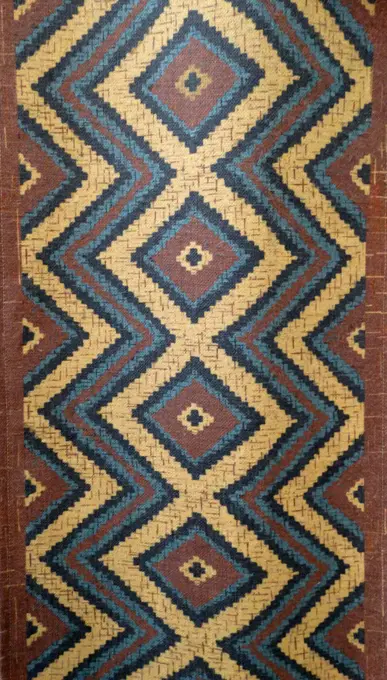
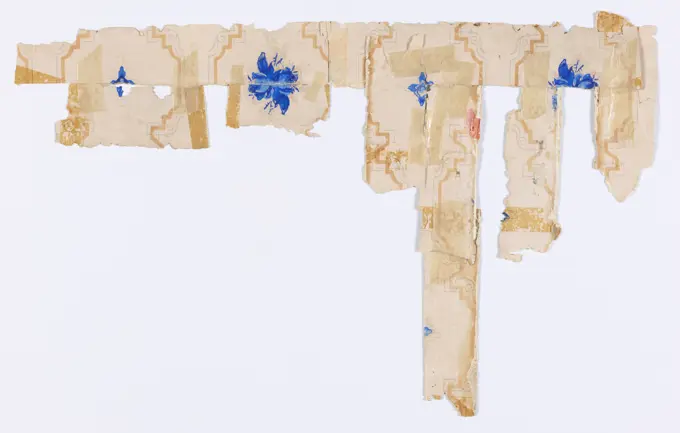
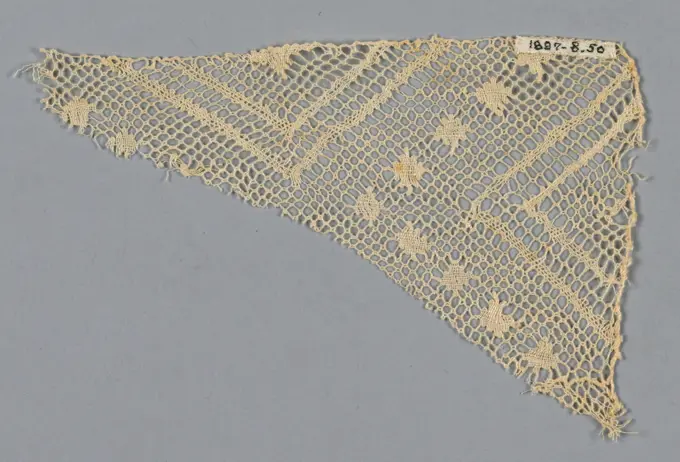
Historic textile fragments showcasing intricate designs and rich materials, representing various cultural weaving traditions and ceremonial uses.
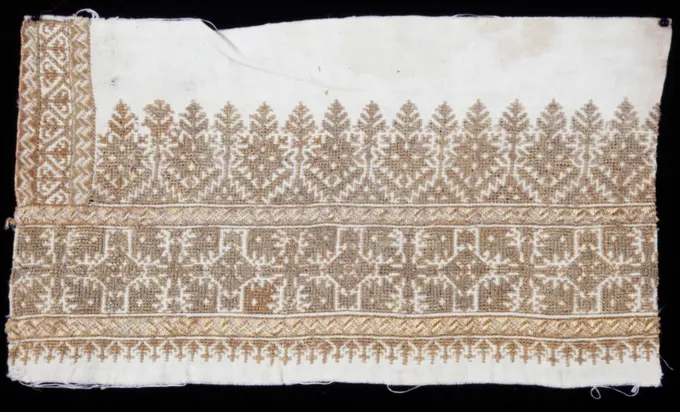
Embroidered border, 18th century, 5 3/8 x 9 1/4 in. (13.7 x 23.5 cm), Cotton; needlework, Morocco, 18th century
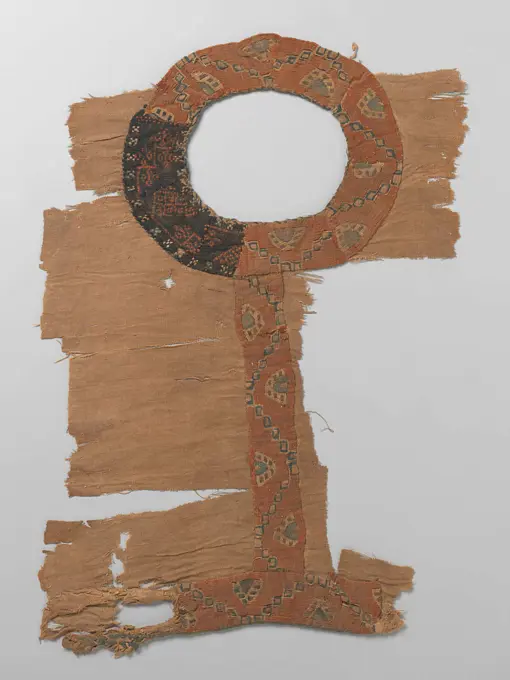
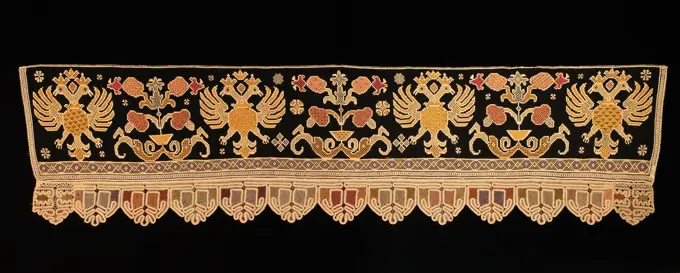
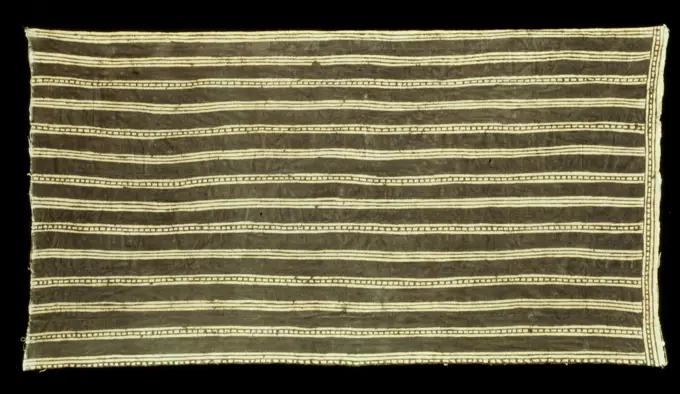
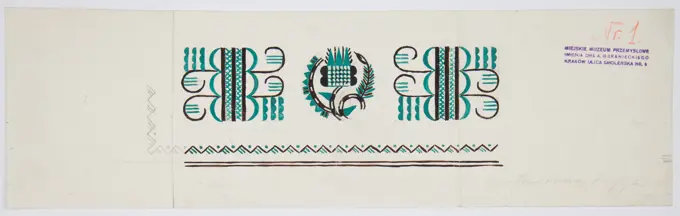
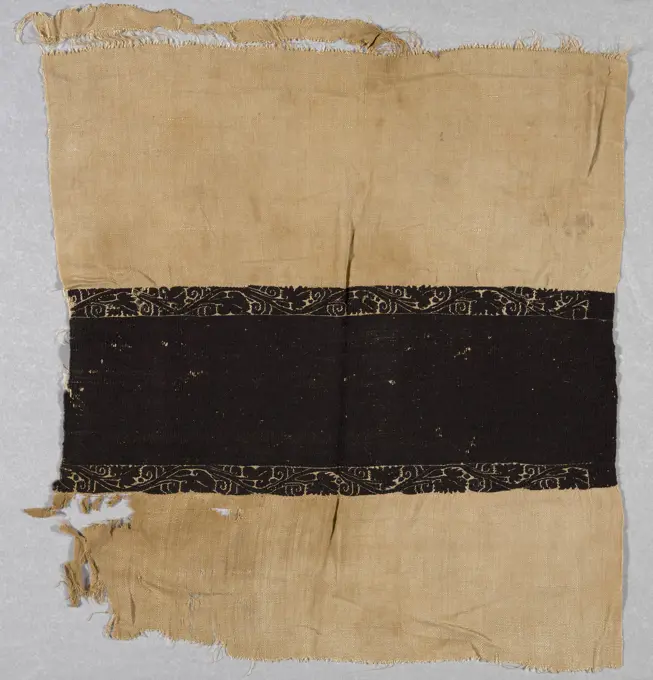
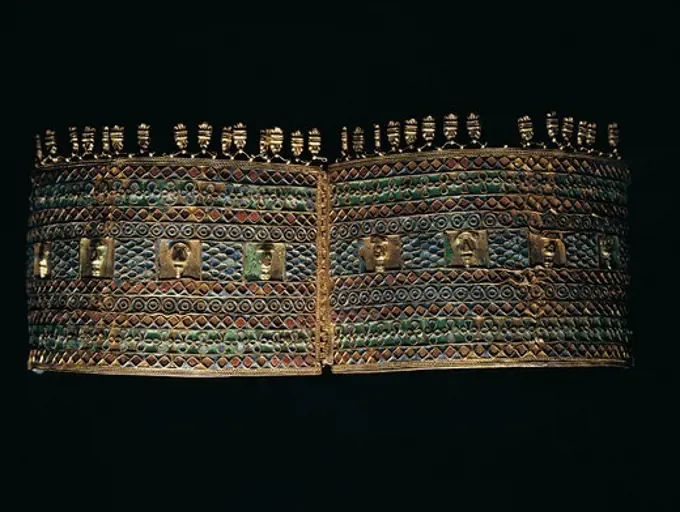
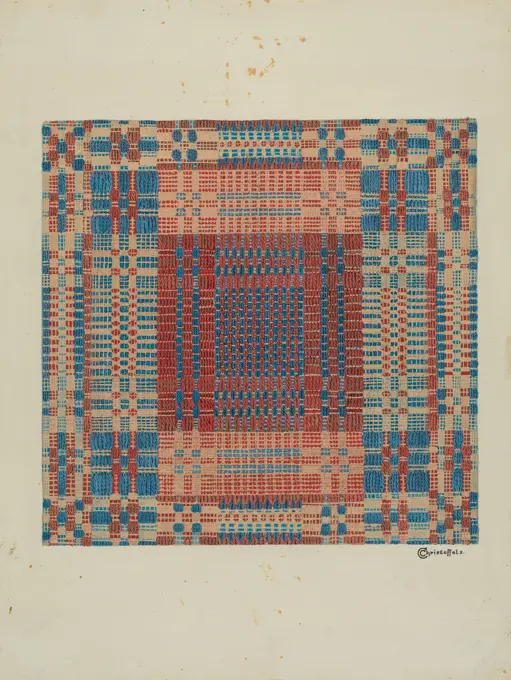
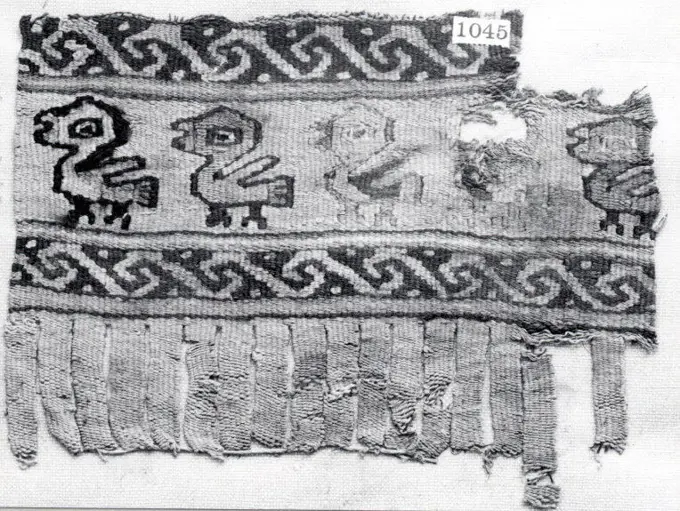
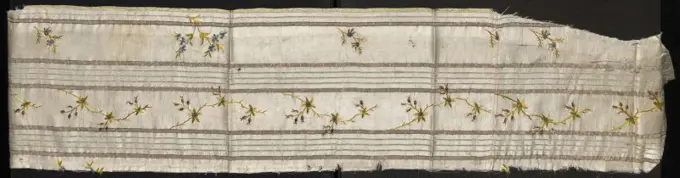
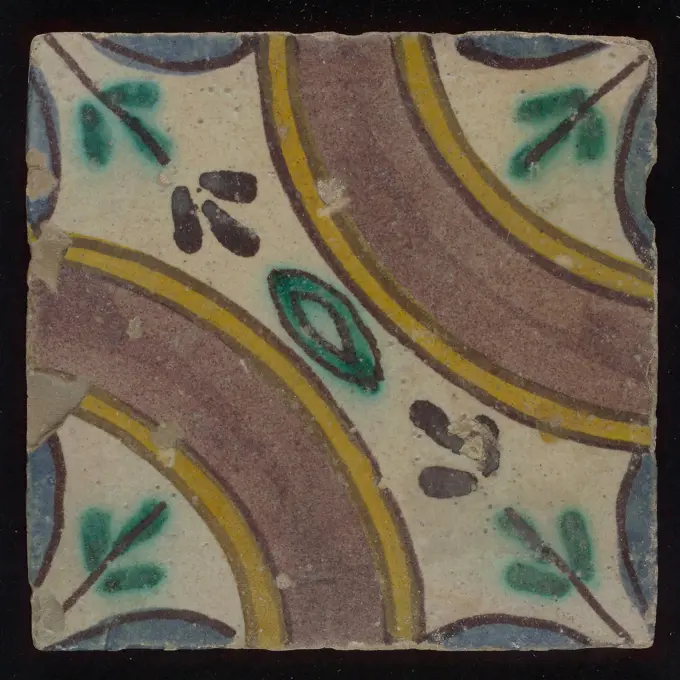
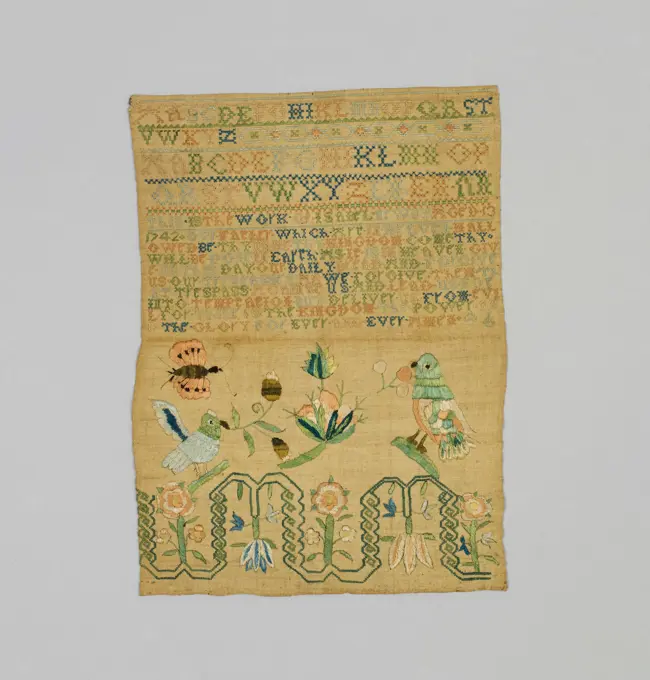
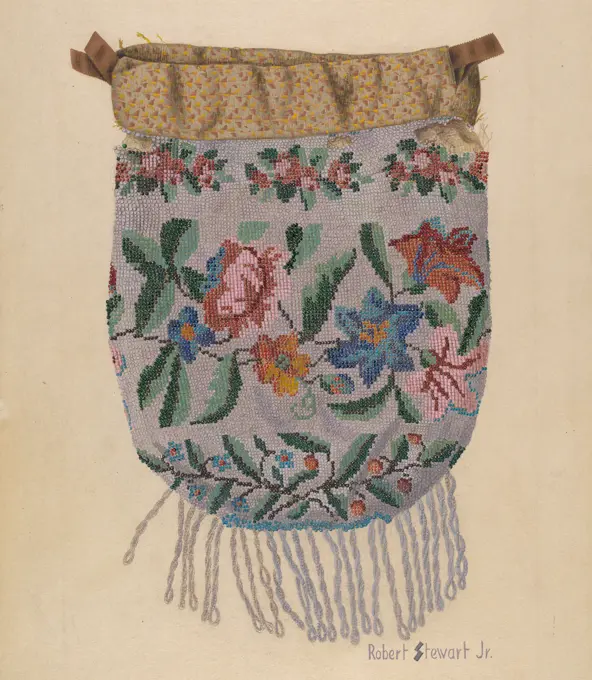
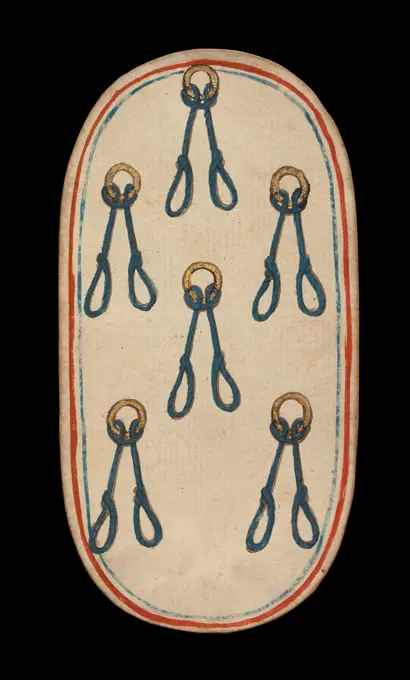
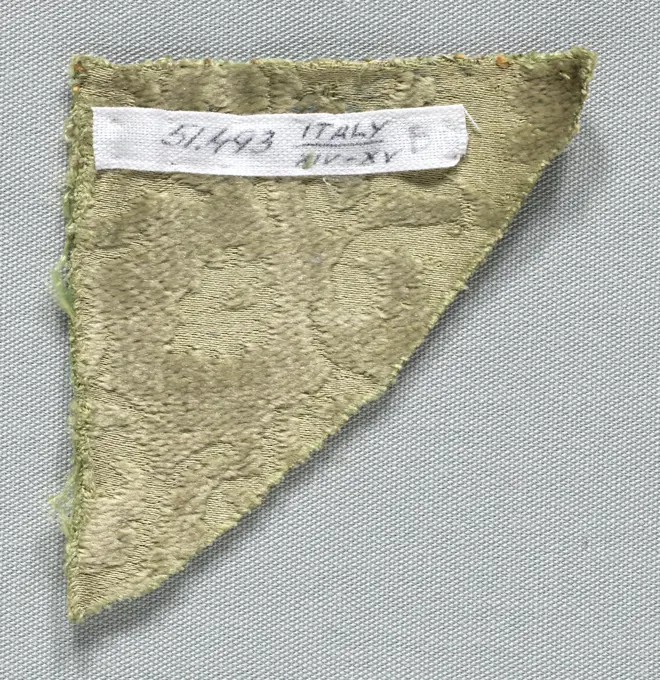
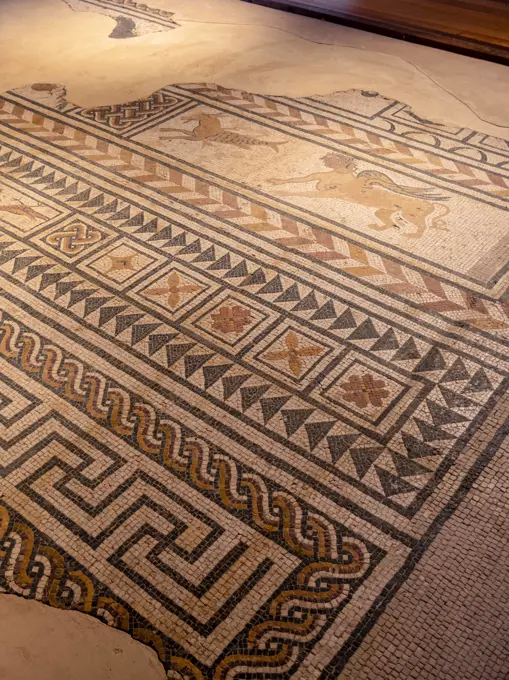
Pocket (England); cotton; Bequest of Marian Hague; 1971-50-117Fragments (possibly Italy); silk, metallic threadPatriottenlint, , 1775 - 1800 ribbon (material) Hand painted ribbon with three narrow lanes above and below: red, white and blue. Performances v.l.n.r.: Virgin with scales; decorated tree with hat and ribbon; weapon trophy; Kees; flower motifs; tree with hat; sitting virgin with staff and hat; tree with hat; Three oval shields (middle weapon of Amsterdam) with flags and banderol with inscription; tree with hat; sitting virgin with helmet, staff and hat; tree with hat; flower motifs; rooster; weapon trophy; tree with hat and lute; Standing virgin with staff and hat. Amsterdam (possibly) silk   AmsterdamTowel (Near East); cotton, silk, metal threadFragment of a children's tunic. Okically colored linen fragment of a children's tunic with straight straight straight decoration and a strip mounted in a circle. These decorations have a red woolen ground with the baptized Slinger Motif in beige and donkler blue with triangular figures in beige, green, dark brown and blue in between. In the circular strip a fragment has been entered with a black soil with red diamond pattern and crosses in yellow and green. Within the circle there is no tissue present, which seems to suggest an neck opening. At the bottom of the fragment is a reinforced edge.Firescreen panel. Culture: French. Dimensions: H. 31 x W. 22 3/4 inches (78.7 x 57.8 cm). Maker: Embroidered by Marie Antoinette, Queen of France (French (born Austria), Vienna 1755-1792 Paris). Date: ca. 1788.In 1785 Louis XVI purchased the Chteau de Saint Cloud in Marie Antoinette's name from the duc d'Orléans. The chteau, situated on a hillside overlooking the Seine not far from Paris, became the queen's favorite summer residence. Built in the sixteenth century and rebuilt during the seventeenth, the palace was in need of renovation. The architect Richard Mique (1728-1794) enlarged and altered it, and appropriate furnishings were ordered for the queen's apartment.Many pieces of furniture were commissioned from Jean-Baptiste-Claude Sené (1748-1803), a member of an important dynasty of Parisian chair makers who received a royal appointment in 1784. Sené provided a set of seat furniture for the queen's dressing room, called her cabinet particulier ox cabinet de toilette that is desBed curtain border early 19th century Russian This object is from the collection of Natalia de Shabelsky (1841-1905), a Russian noblewoman compelled to preserve what she perceived as the vanishing folk art traditions of her native country. Traveling extensively throughout Great Russia, she collected many fine examples of textile art of the wealthy peasant class. From the 1870s until moving to France in 1902, Shabelsky amassed a large collection of intricately embroidered hand-woven household textiles and opulent festival garments with rich decoration and elaborate motifs. The Brooklyn Museum holdings include many fine examples including the majority of the garments. Portions of Shabelsky's collection are also housed at the Museum of Fine Arts, Boston, the Cleveland Art Museum, and the Russian Museum of Ethnography in St. Petersburg.Russian bed curtains and towels were not only used for decorative purposes, but also provided an important role in ceremony. Bed curtains often adorned sleiFragment (Egypt); 1938-83-2Fragments; silkSkirt, 20th century, 67 x 30 1/4 in. (170.18 x 76.8 cm) (uneven; with frayed fringe), Cotton; strip woven, mud dyed (bogolanfini), Mali, 20th centuryPanel; silkBedcover Made 1601-1700 Greece. Linen, plain weave; embroidered with silk in back, chain, split, and stem stitches; plied warp fringe; four loom widths joined .Colorful embroidery project Birtusówna, ZofiaFragment Made 201 CE-1000 Egypt. . Ancient EgyptianDress, Fragment or Textile Fragment, Undetermined Chimú (). Dress, Fragment or Textile Fragment, Undetermined, 600-1400. Cotton, pigment, 20 7/8 x 5 1/2 in. (53.0 x 14.0 cm).   Arts of the Americas 600-1400Saddle Rug with Pattern of Cracked Ice. Culture: China. Dimensions: 56 x 29 1/2 in. (142.24 x 74.93 cm). Date: 18th century. Museum: Metropolitan Museum of Art, New York, USA.Egypt, Gold and enamel bracelet from the treasure of the pyramid of Queen Amanishakheto (circa 35 B.C.- 5 A.D.)Cornelius Christoffels, Coverlet, c 1936 CoverletBorder Fragment 10th-15th century Chimú (). Border Fragment 307800Darning Sampler (Netherlands); silk embroidery on cotton foundationWoman's Purse. United States, circa 1850s. Costumes; Accessories. Silk velvet, sequins, beadsFragment of cashmere scarf of wool with pattern of elongated spring motif in the heart of blue leaf rosette with purple purper-purple frames and arabesk volutes of eggplant, all with white edge, anonymous, c. 1860 Fragment of cashmere scarf of wool with pattern of elongated spring motif in the heart of blue leaf rosette with purper-purple frames and arabesk volutes of eggplant, all with white border. Pattern: an elongated spring motif from Terra forms the heart of a blue leaf rosette with purperpaar frames and Arabesk-Voluten of eggplant. Everything white. On the right a part of the orange soil, on which a fine drawing of S-edges with flowers occurs. Technology: Wool necklace, wool impact. Binding: S-keeper from 2: 2. Cashmir whole: Wool twill Fragment of cashmere scarf of wool with pattern of elongated spring motif in the heart of blue leaf rosette with purper-purple frames and arabesk volutes of eggplant, all with white border. Pattern: an elongated spring motif from Terra forms the Piece of fabric. unknown, authorOrnament (Egypt); warp; s-spun linen. wefts; s-spun linen, s-spun woolOrnament 5th-6th century. Ornament 445700Ornament tile, multicolored floor tile in blue, green, yellow, purple on white background, around two corners large purple quarter circle rimmed with yellow, floral decoration in purple and green, tile floor tile tile sculpture ceramic earthenware glaze, baked 2x glazed painted Ruddy shard square. imprints in the glaze. Multicolored: blue green yellow purple on whiteEmbroidered Sampler 1742 Isabel Newby. Embroidered Sampler 16882Saddle Rug with Pattern of Cracked Ice 18th century China. Saddle Rug with Pattern of Cracked Ice 70551Stole and embroidered manipulator  small flower branches unknownReplica Ancient Egyptian Mat work hanging. Copied from woven mats made of reeds; they were in use as wall decorations in official dwellings and official buildings as well as tombs throughout ancient Egypt. Recreated in 2011Sidewall - Fragment (possibly USA); machine-printed; 49 x 30 cm (19 5/16 x 11 13/16 in.)Fragment multi-colored brocatel. Five fragments of a silk tissue. Brown silk reputation with impacts of silver thread and from white, green, pink and red-brown silk. The drawing consists of large diamond-shaped medallions in which leaf and fruit motifs. Note: Selling; put together a small fragment; Skiper, satin, 1 cm wide. Different types and colors silk.Fragment; linenRobert Stewart, Beaded Bag, c 1940 Beaded BagYoke for man's shirt, c. 1950, 15 1/2 x 15 in. (39.37 x 38.1 cm), Cotton; embroidery, Afghanistan, 20th century6 of Nooses, from The Cloisters Playing Cards ca. 1475-80 South Netherlandish The Cloisters set of fifty-two cards constitutes the only known complete deck of illuminated ordinary playing cards (as opposed to tarot cards) from the fifteenth century. There are four suits, each consisting of a king, queen, knave, and ten pip cards. The suit symbols, based on equipment associated with the hunt, are hunting horns, dog collars, hound tethers, and game nooses. The value of the pip cards is indicated by appropriate repetitions of the suit symbol. The figures, which appear to be based on Franco-Flemish models, were drawn in a bold, free, and engaging, if somewhat unrefined, hand. Their exaggerated and sometimes anachronistic costumes suggest a lampoon of extravagant Burgundian court fashions. Although some period card games are named, it is not known how they were played. Almost all card games did, however, involve some form of gambling. The condition of the set indicates that the cards were hTextile, Medium: silk Technique: compound plain weave, Fragment with green warp and yellow weft in a design of pairs of falcon-like birds and smaller birds in double ogival frame. Arrangement has the smaller birds betweens the ogives framing larger birds. Stylized tree form between birds. Ogives ornamented with zigzag., Near East, 13th-14th century, woven textiles, TextilePair of Sleeve Bands, 19th century, W.3-3/8 x L.36 in., satin, embroidery, China, 19th centuryTextile Fragment 3rd-5th century. Textile Fragment 443628Part of a carpet with floral pattern and fantasy ornaments, Anonymous, in or after 1907 - 1929 photomechanical print   paper. cardboard  carpet, rug. fantasy ornament. flowers ~ ornamentFragment (Egypt); warp; s-spun linen, wefts; s-spun linen, s-spun woolChild's Cape. Dated: c. 1937. Dimensions: overall: 22.9 x 27.8 cm (9 x 10 15/16 in.) Original IAD Object: 11" long; 20 1/4" wide. Medium: watercolor, graphite, and gouache on paper. Museum: National Gallery of Art, Washington DC. Author: Gladys C. Parker.Glass Fragment. Culture: European. Dimensions: Overall: 4 x 2 in. (10.2 x 5.1 cm). Date: late 15th century. Museum: Metropolitan Museum of Art, New York, USA.Textile; silkMitts. Culture: British. Date: first quarter 18th century.An example of fine English embroidery, the design on these mitts is worked in a naturalistic style with the use of gradated color that adds depth and richness to the motifs. As an extra luxurious detail, the underside of the V-shaped extension, which would not have been visible, carries its own delicate floral embroidery. Museum: Metropolitan Museum of Art, New York, USA.Sampler, embroidery, circa 1885, Germany, by Christiane Blumhardt. Gift of Doreen Blumhardt, 2007.Banner of the Blue Regiment, Anonymous, 1700 - 1800  Light blue banner. Front and parade side identical. Along the top three lanes red-white-black. In the top hall a light blue rectangle with the weapon of Amsterdam, held by two climbing lions. The weapon is covered with a royal crown with dark red hat. Amsterdam silk painting  AmsterdamSampler, Medium: silk embroidery, wool foundation Technique: cross, half-cross and satin stitches on plain weave, Alphabets, numerals, floral cross border and text., Dublin, Ireland, ca. 1835, embroidery & stitching, SamplerFragment, 17th century; silk and metal threadFragment Made 1000-1476 Peru. Cotton and wool (camelid), plain weave with brocading wefts . ChancayFragment of a Tunic 5th-6th century. Fragment of a Tunic 443703Souvenir handkerchief, 1914-1918, United Kingdom, maker unknown. Gift of Peter Martin, 2002.Fragment of a Chasuble, 1400-1420. Italy, beginning of the 15th century. Velvet (cut and voided); silk; overall: 15.5 x 11.7 cm (6 1/8 x 4 5/8 in.).Hat van Zijdegaas with stripe design, with four ramps filled with pink tire, anonymous, c. 1840 - c. 1860 Hat of side tedge with stripe design. Four ramps filled with pink tire on the hat. The edges of the hat are trimmed with wrinkled strips of tulle. West-Europa silk. Hat of side tedge with stripe design. Four ramps filled with pink tire on the hat. The edges of the hat are trimmed with wrinkled strips of tulle. West-Europa silk.Darning Sampler (Northern Germany); silk and cotton embroidery on linen foundationRoman mosaics Roman mosaics, Medinaceli, Soria, autonomous community of Castilla y León, Spain, Europe Copyright: xZoonar.com/BartomeuxBalaguerxRotgerx 23041171Les Solitaires de Normandie, Engraved, hand-colored and painted paper leaf, turned wood handle, Handscreen with a paper leaf and turned wood handle. Obverse: oval medallion with a hand-colored engraving showing two couples eating a meal in a landscape, surrounded by a border of hand-painted musical instruments. Reverse: printed with dialogue from the comic opera 'Les Solitaires de Normandie.', Paris, France, ca. 1788, costume & accessories, Handscreen, HandscreenFragment (Italy); linenGreat Barrier Pigeongram Agency six penny stamp postage stampsHuipil, 20th century, 21 x 35 in. (53.34 x 88.9 cm), Cotton, Mexico, 20th centuryRank Badge with Lions 18th century China. Rank Badge with Lions 70731Spanish Civil War (1936-1939). Guidon of commad of the Head of the 19th Corps of the People's Republican Army, Colonel Joaquín Vidal Munárriz, 1936. Silk, cotton and leather. Army Museum. Toledo, Spain.