Textile Designs and Patterns

Richly embroidered textiles and intricate fabric patterns, representing 19th and 20th-century craftsmanship from various cultures.
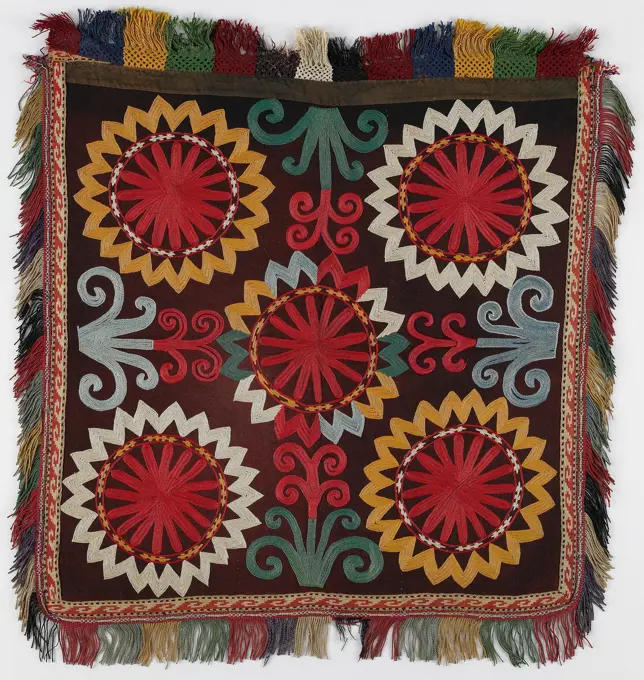
Ilgich, 19th century, 14 x 13 1/4 in. (35.56 x 33.66 cm) (without fringe), Wool, silk, cotton; embroidery, 19th century
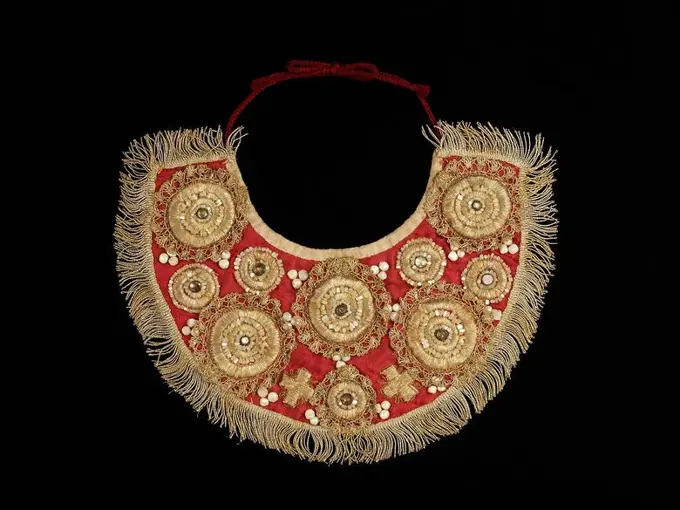
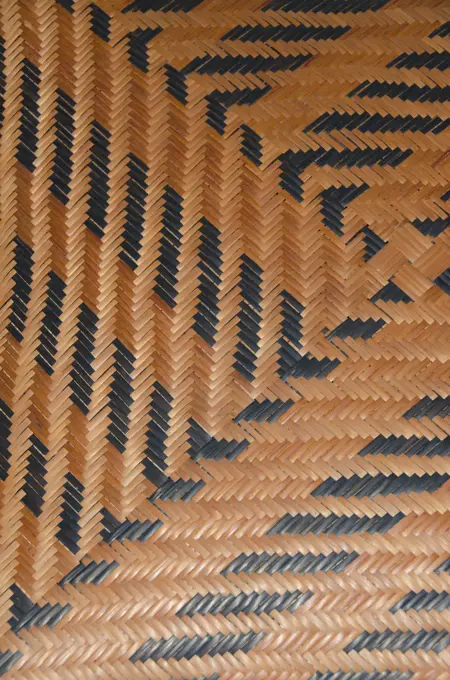
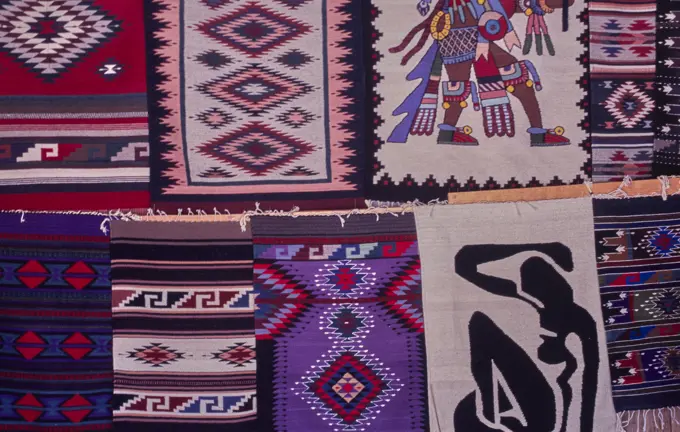
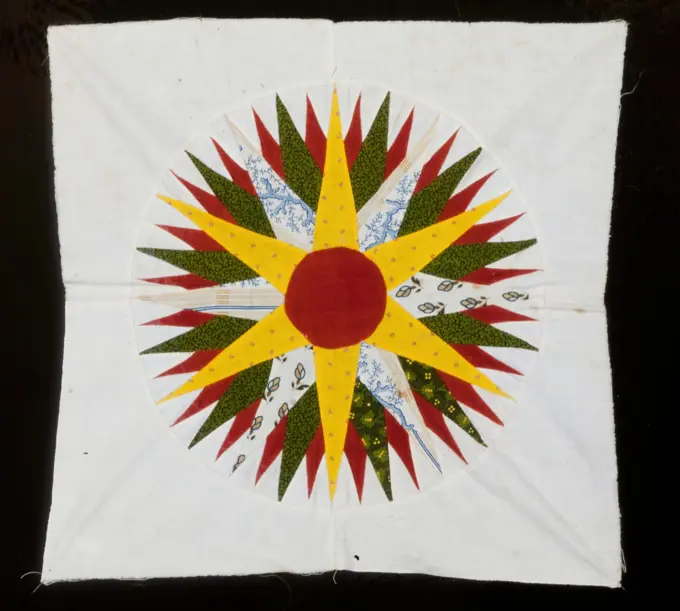
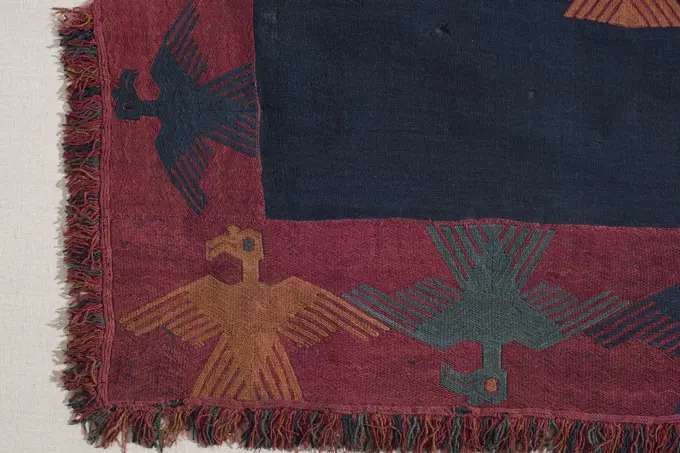
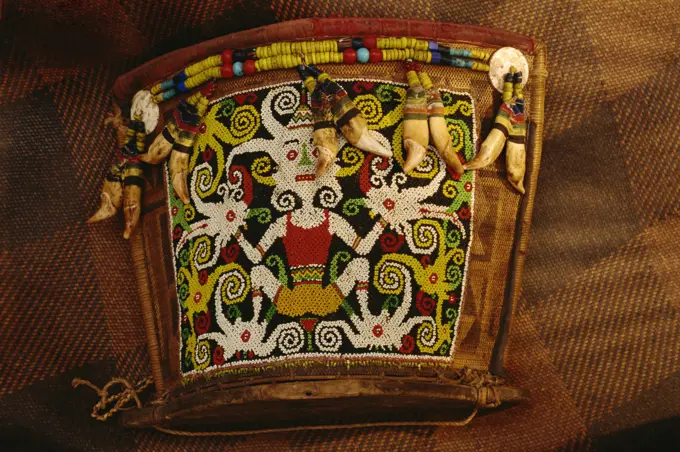
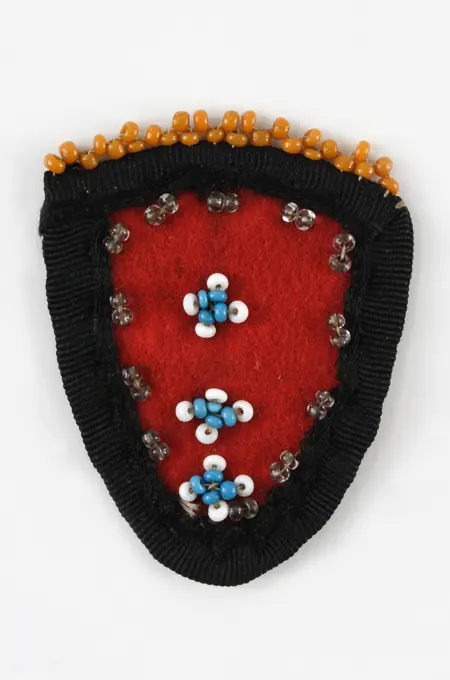
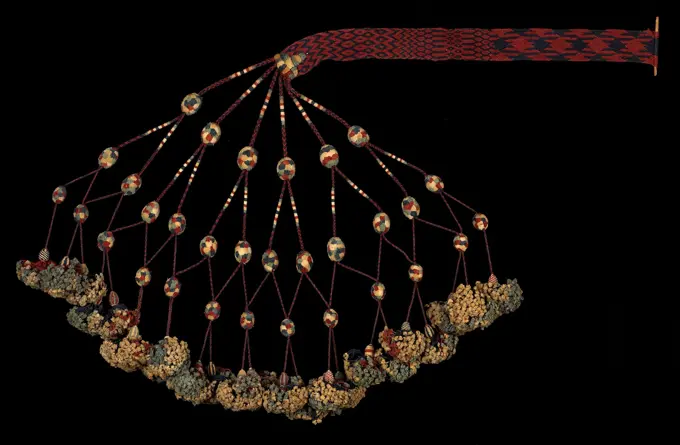
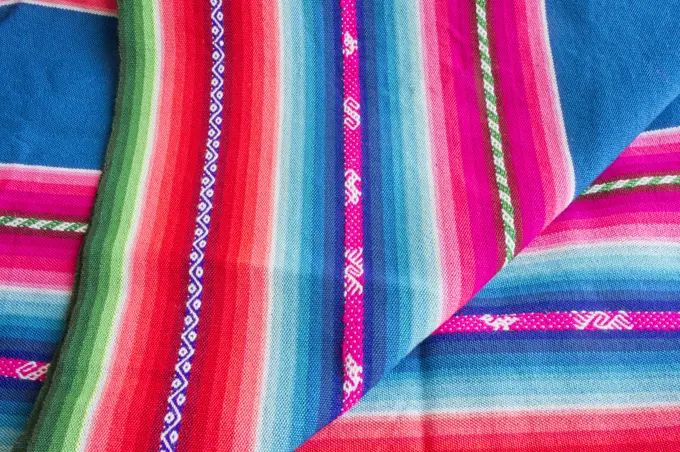
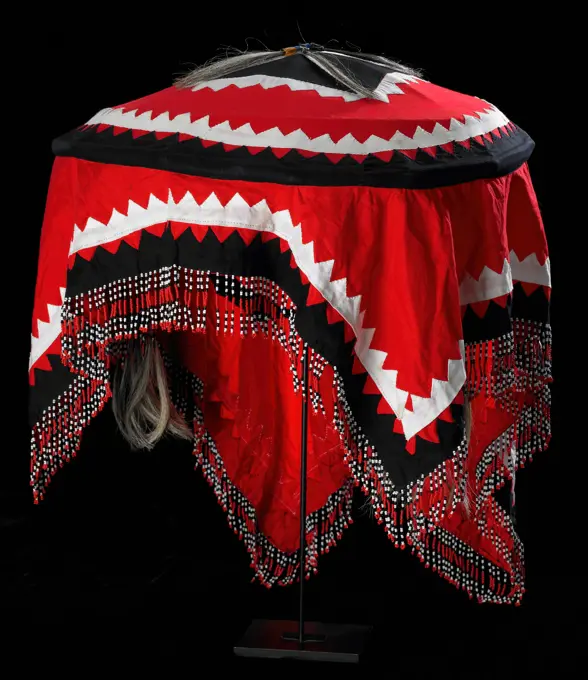
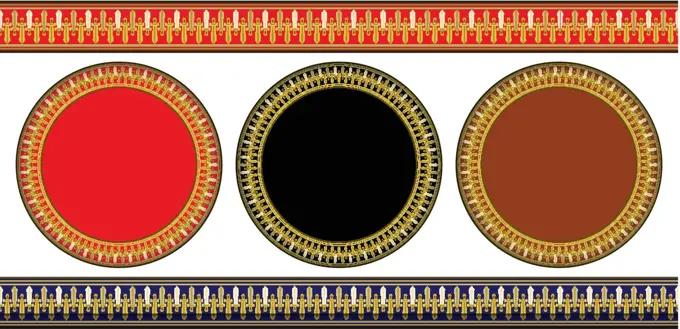
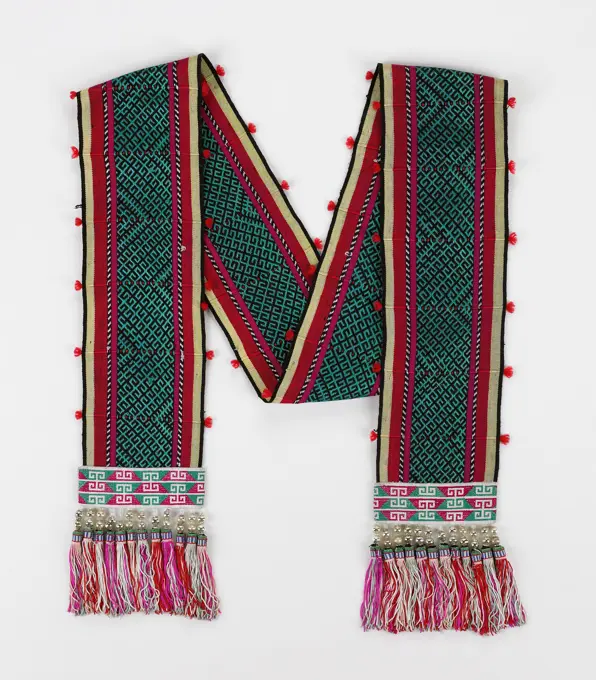
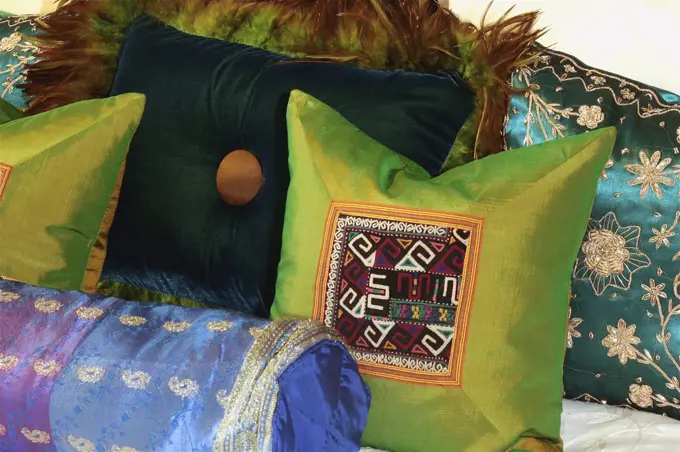
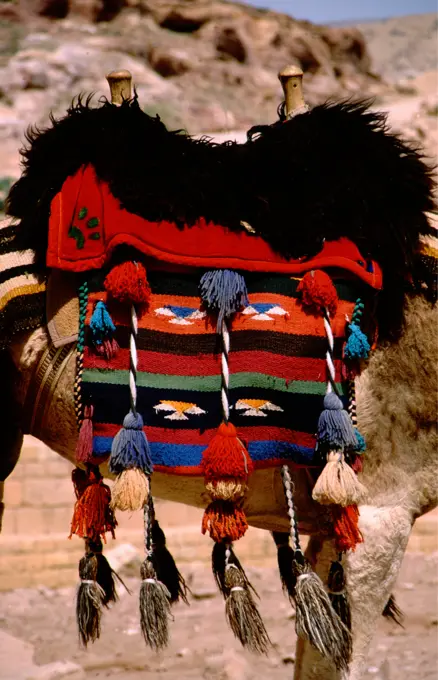
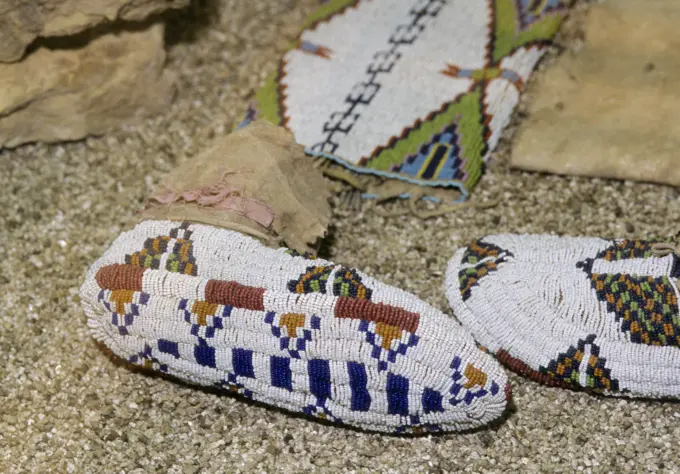
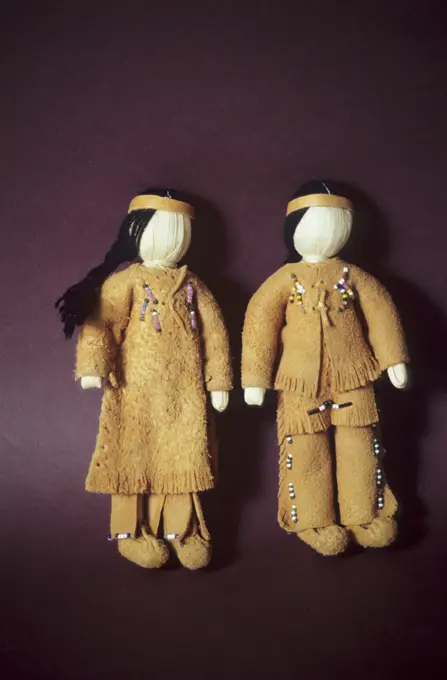
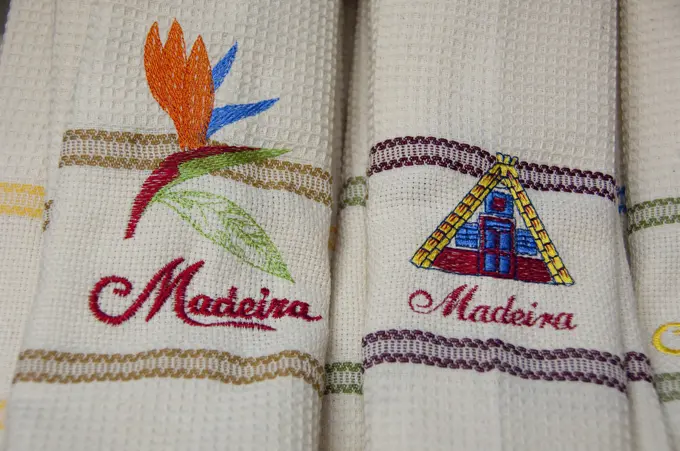
Woman's Apron, c. 1920s, 24 3/4 x 38 1/2 in. (62.87 x 97.79 cm), Wool, Poland, 20th centuryChristmas ornamental embroideryCollar. Culture: Russian. Date: 1830-80.This object is from the collection of Natalia de Shabelsky (1841-1905), a Russian noblewoman compelled to preserve what she perceived as the vanishing folk art traditions of her native country. Traveling extensively throughout Great Russia, she collected many fine examples of textile art of the wealthy peasant class. From the 1870s until moving to France in 1902, Shabelsky amassed a large collection of intricately embroidered hand-woven household textiles and opulent festival garments with rich decoration and elaborate motifs. The Brooklyn Museum holdings include many fine examples including the majority of the garments. Portions of Shabelsky's collection are also housed at the Museum of Fine Arts, Boston, the Cleveland Art Museum, and the Russian Museum of Ethnography in St. Petersburg.Russian women accessorized their festival ensembles with collars such as this along with cuffs, belts, and jewelry. The use of mother-of pearl and pearl in the Brazil, Amazon, Manaus, Indian Museum. Traditional indigenous Indian woven reed and grass baskets.Vintage Photograph. Colorful traditional textiles showcasing intricate patterns and cultural artistry.Morocco, Essaouira, Detail Of Red And Blue Woven Textiles.Woman's tzute, c. 1980, 33 x 35 in. (83.82 x 88.9 cm), Cotton, acrylic; embroidery, Guatemala, 20th centuryUnfinished quilt top (circle with six-pointed star), 19th century, Mary Swain, born 1812, 17 x 17 in. (43.18 x 43.2 cm), Cotton, quilted, United States, 19th centuryCoin purse 1820-40 American. Coin purse 168422Jordan, Wadi Rum. Traditional Bedouin tent cover with beaded tassels.Mantle Nasca. Mantle, 0-100 C.E. Camelid fiber, 108 11/16 x 50 13/16 in. (276.1 x 129.1 cm).   Arts of the Americas 0-100 C.E.Orang Ulu baby carriage, Kuching, Sarawak, Malaysia, Southeast Asia, AsiaCedar For Weaving At Xa:Ytem Longhouse Interpretive Centre, Mission, B.C., CanadaMoccasin vamp -Camel Trapping, one of a pair, c. 1930-1940, 69 x 67 in. (175.3 x 170.2 cm), Cotton, wood, India, 20th centuryBorder 16th century Italian. Border. Italian. 16th century. Linen, embroidered net. Textiles-LacesQuechua colored, typical, blanket Quechua colored, typical, blanket Copyright: xZoonar.com/AndreasxGiannakisx 6900855Woman's hat, 4 x 18 1/4 x 18 1/4 in. (10.16 x 46.36 x 46.36 cm) (saucer/crown portion only), Cotton, beads, hair; needlework, PhilippinesTurkey, Istanbul. Colorful hand painted souvenir pottery globes with horse hair.Gold sword circle frame and patternTrim, fringe with tassels, 18th-19th century, 14 3/4 x 4 in. (37.47 x 10.16 cm), Passementerie, 18th-19th centuryTasseledSash.  Artist: UnknownKilim round design element 10Textile Fragment 6th century Coptic. Textile Fragment 475254Waist Belt, 73 1/2 x 5 1/2 in. (186.69 x 13.97 cm), Cotton, silk, glass beads, ChinaBrightly colored decorative throw pillowsDecorative mexican symbol boardTraditional Clothing Hanging on Clothes LinePortugal, streets of Tomar decorated with paper flowers for the Festival of the TraysCard case. Culture: Mexican. Date: 1820-40.Rather than create a typical horizontal landscape, the maker of this card case has set four distinct types of architectural structure at each corner of the case. The steepled church, house with extended roof, barn and silo, and column building with peaked roof lend the case a sense of individuality. The case is part of the Mexican beadwork collection of over 600 pieces assembled by Elizabeth Morrow (1873-1955), mother of writer Anne Morrow Lindbergh, the wife of renowned aviator Charles Lindbergh. Morrow collected the objects between 1927 and 1930, when her husband, Dwight Morrow, Sr., served as U.S. ambassador to Mexico. She lent the collection to the Brooklyn Museum in 1938 and upon her death, her children donated it. A collection of 155 pieces of Mexican ceramics and other decorative arts were given to Amherst College, her husband's alma mater. Mrs. Morrow collected Mexican beadwork, along with other examples of colonial and native arts, Asia - Jordan - Petra - Tourist camel, detail of textile covered saddleKorean Traditional ToolChile, Chiloe Island, Castro, craft market, interior.Ute geometric beadwork decorating a pair of ceremonial moccasins on both top and bottom solesUtensils from Mecca; Bilder-Atlas Zu Mecca, The Hague 1888..Pair of Ute children's toy dolls of a man and woman dressed in traditional clothing made from buckskinAncient Egypt papyrus scroll decorated with red cord cartoon vector illustration. Egyptian culture symbol, blank unfolded ancient paper, flying falcon and hieroglyphs, isolated on white. Ancient Egypt papyrus scroll decorated red cordBag 1838 American. Bag 157056Famous hand-stitched embroidery, Monte, Madeira Islands, Portugal