Textile Fragments

Historical textile pieces showcasing rich colors and patterns from different centuries, including fragments of velvet and printed fabrics from Europe.
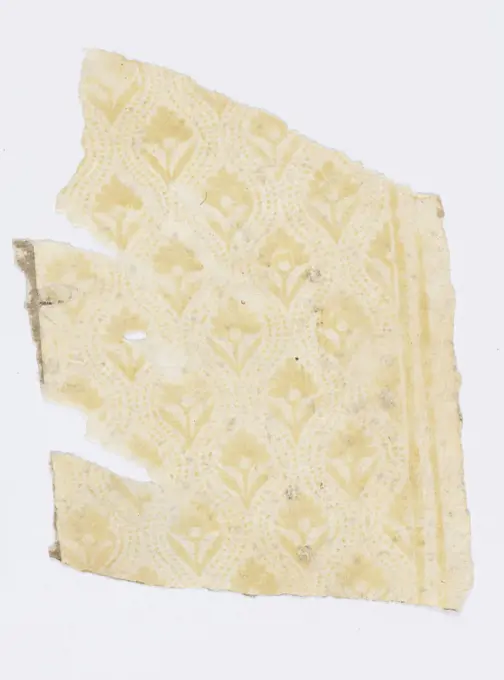
Domino paper, Block-printed and stenciled on handmade paper, A wallpaper fragment of domino pattern removed from a house in Paris, c. 1720. THe design on this paper is a ghost image from 1984-61-1., Paris, France, ca. 1720, Wallcoverings, Domino paper
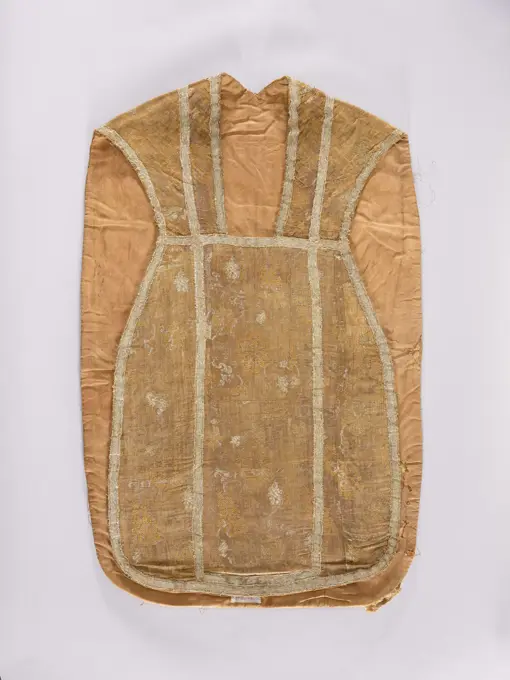
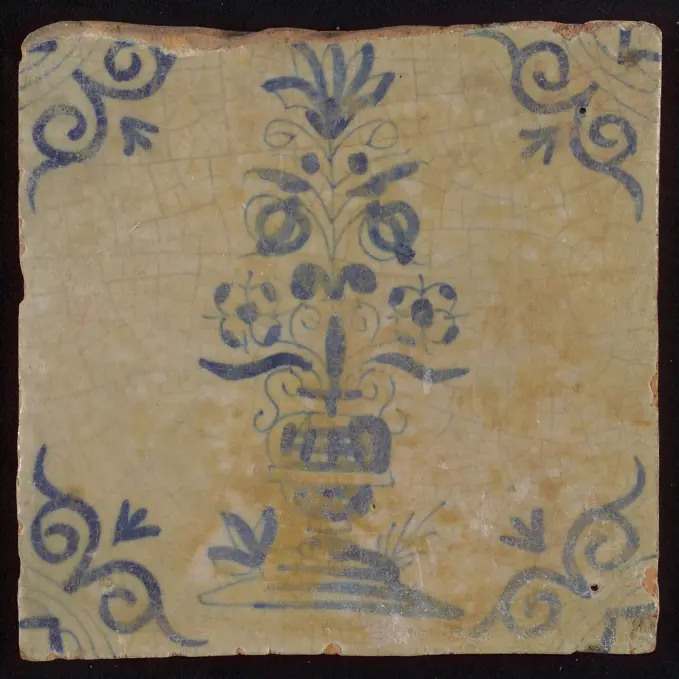
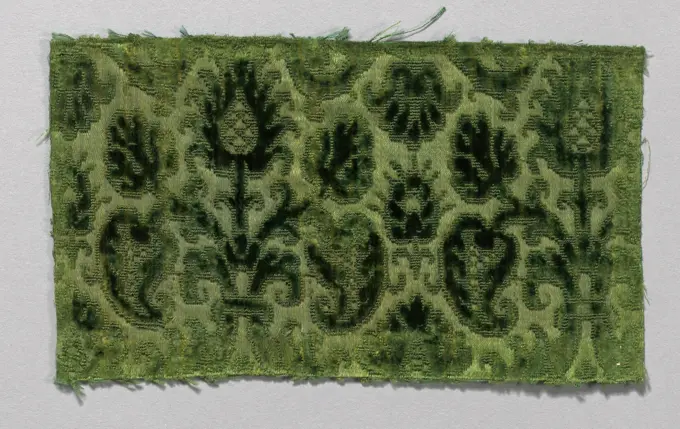
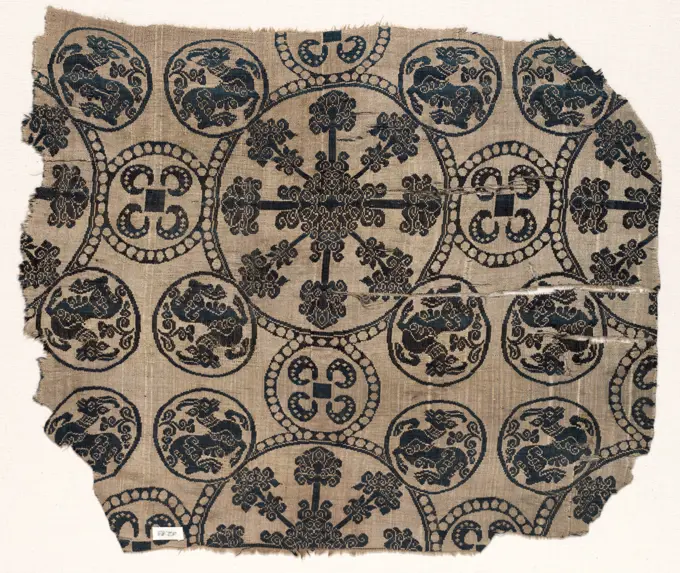
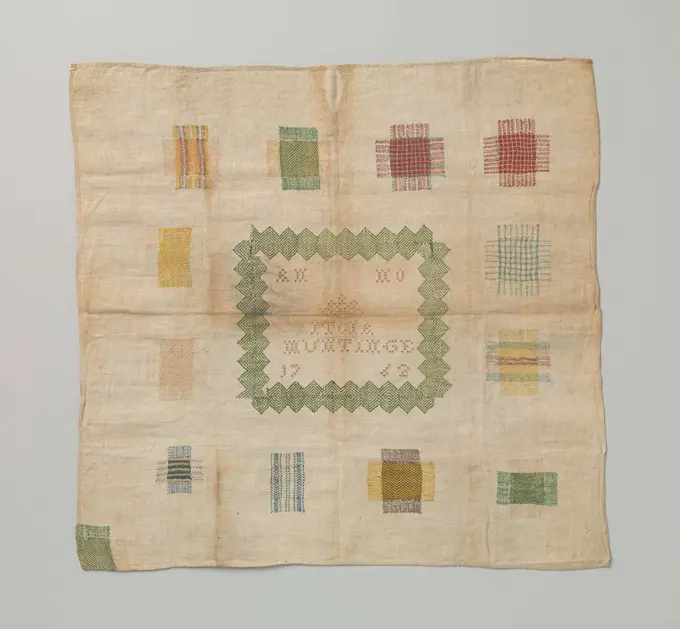
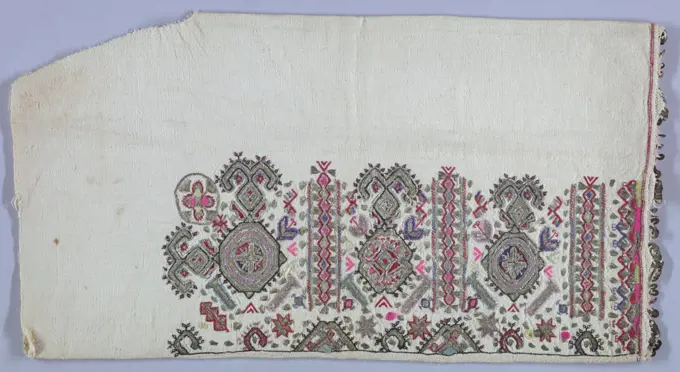
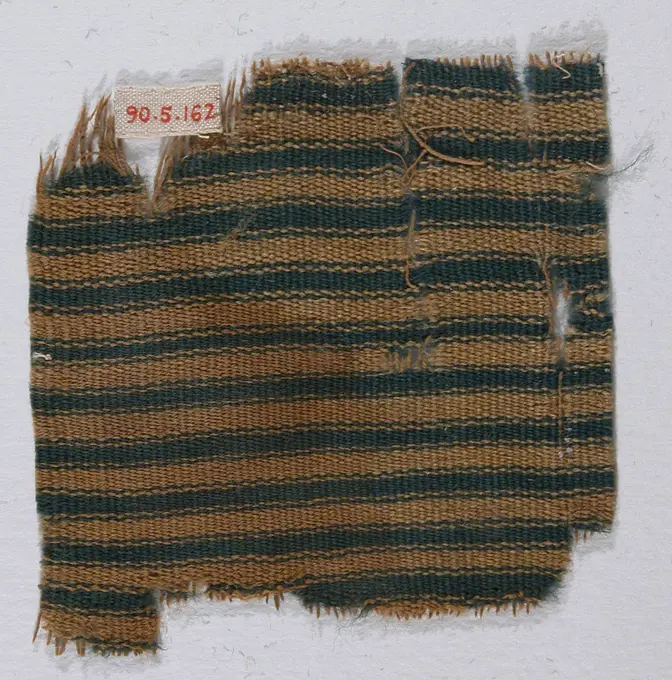
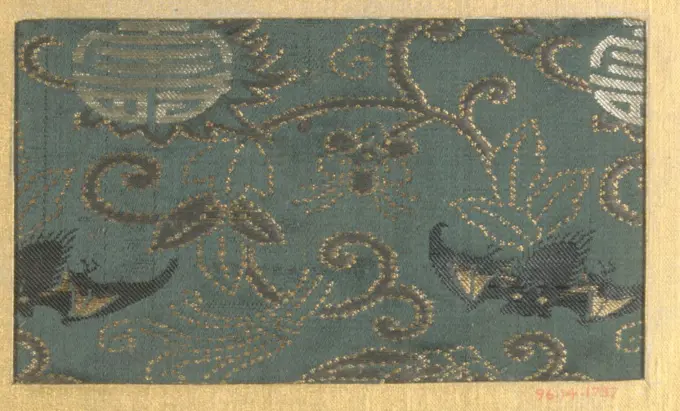
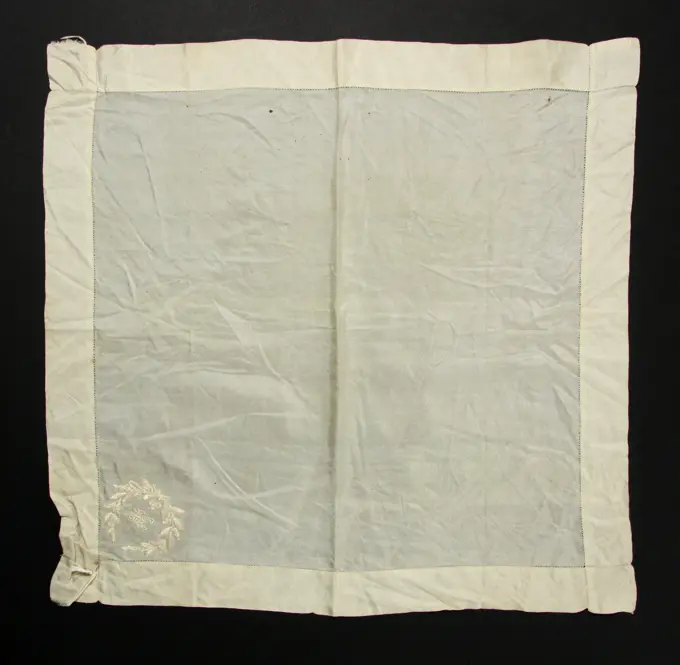
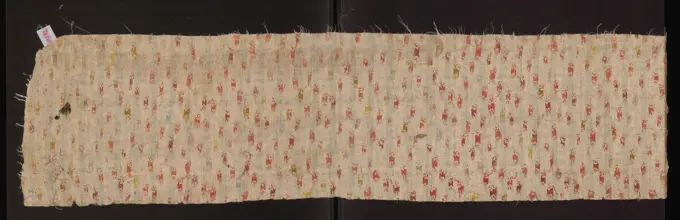
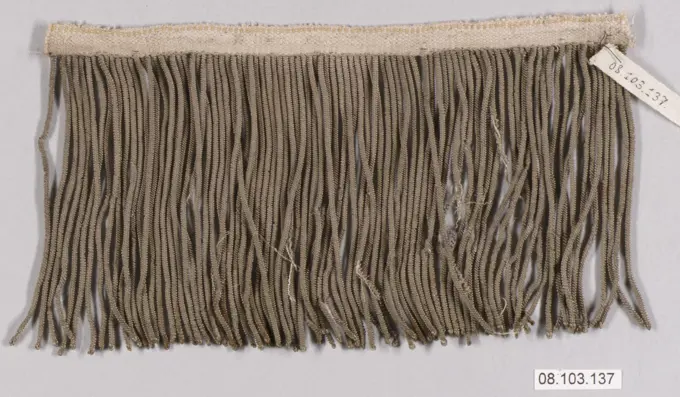
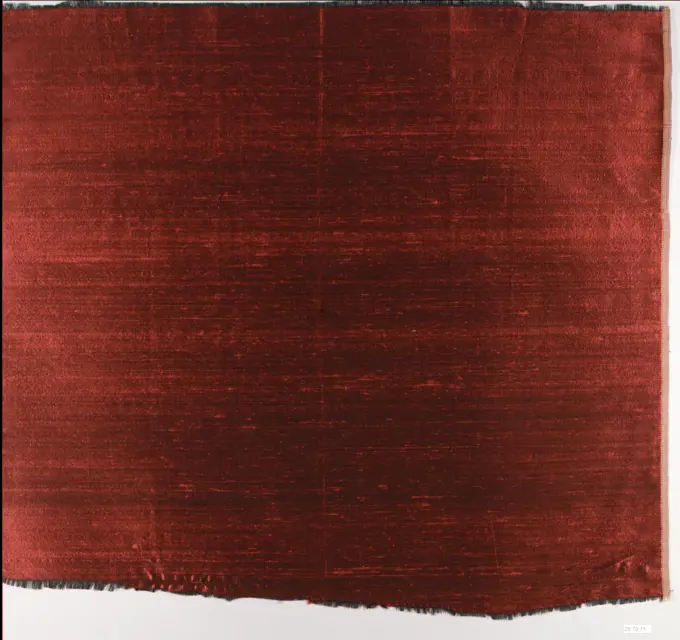
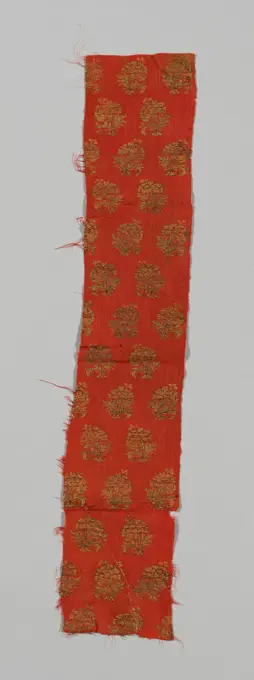
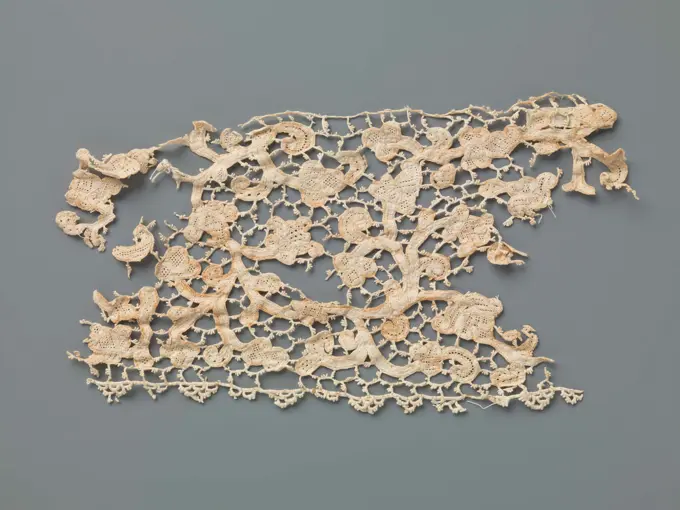
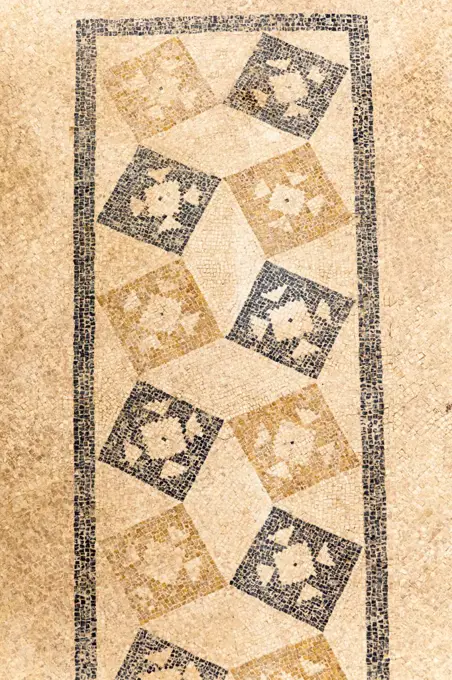
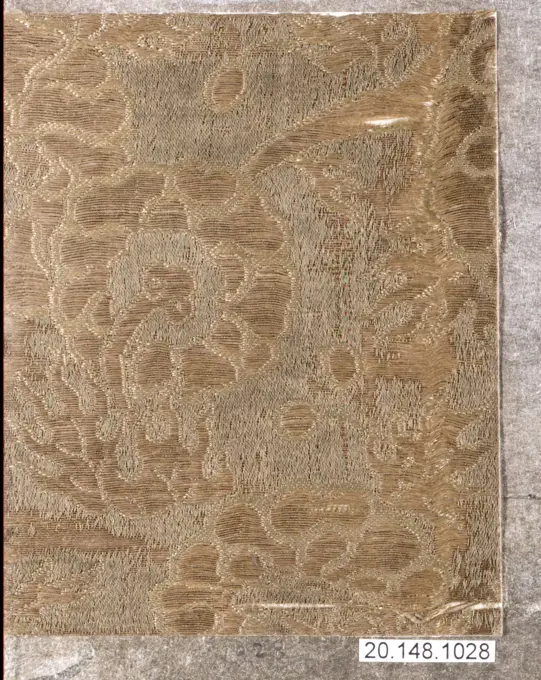
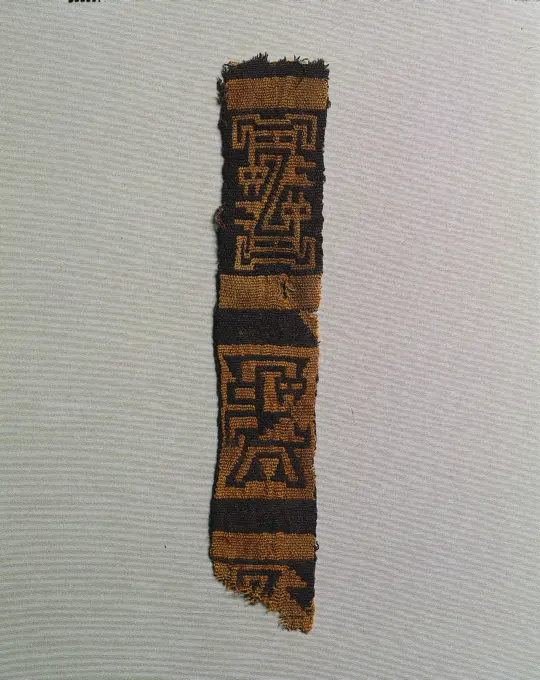
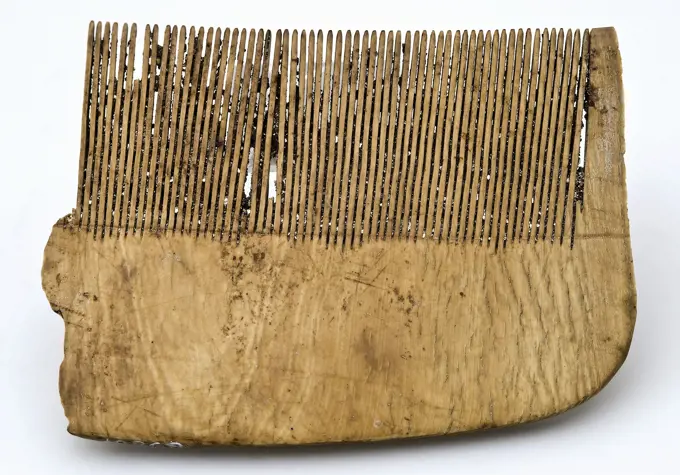
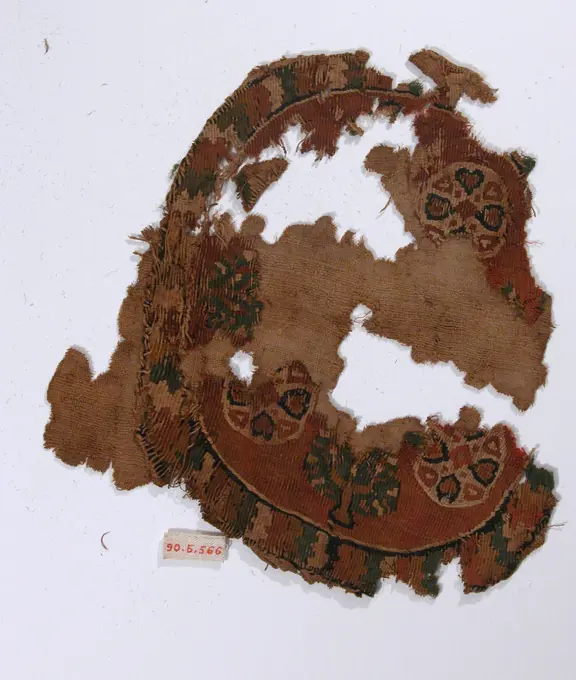
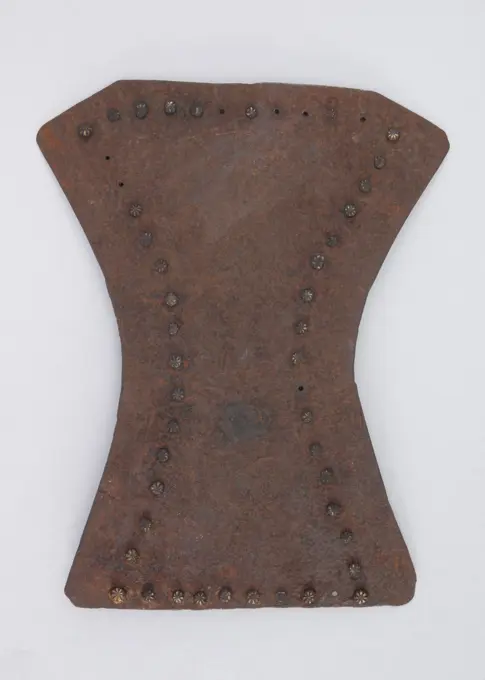
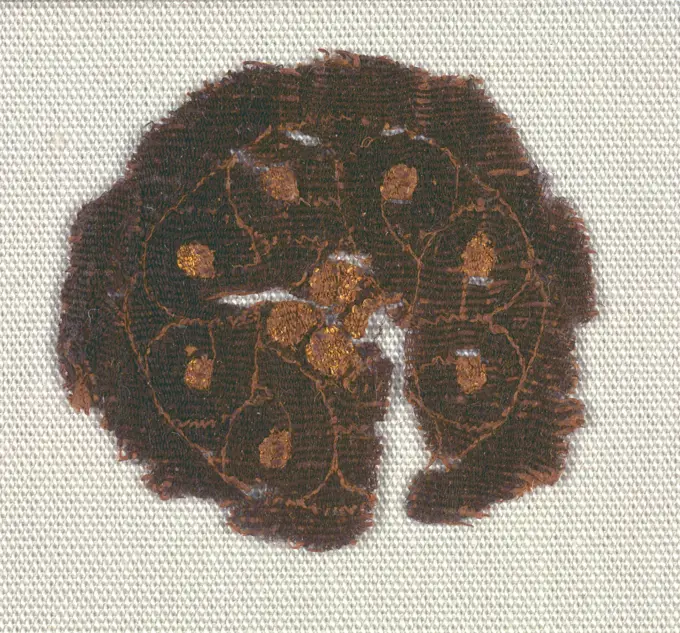
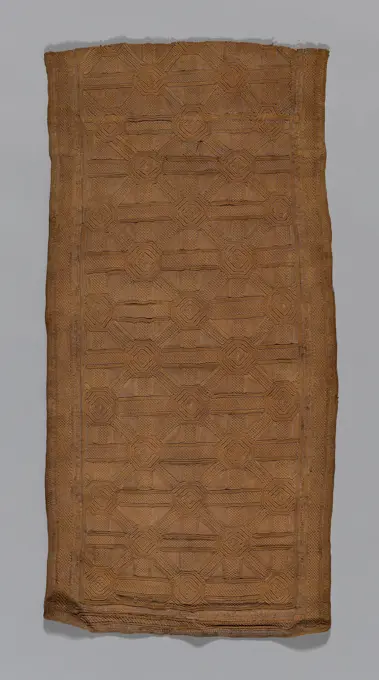
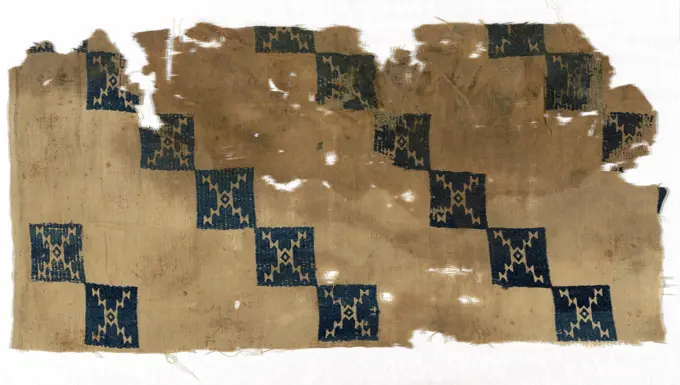
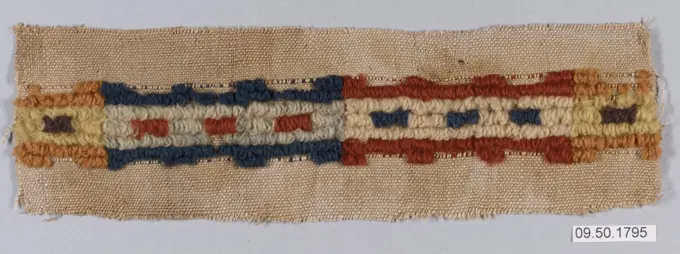
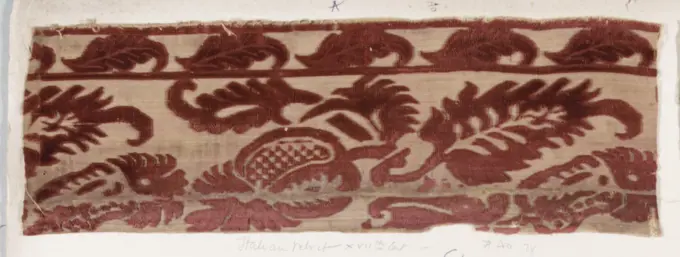
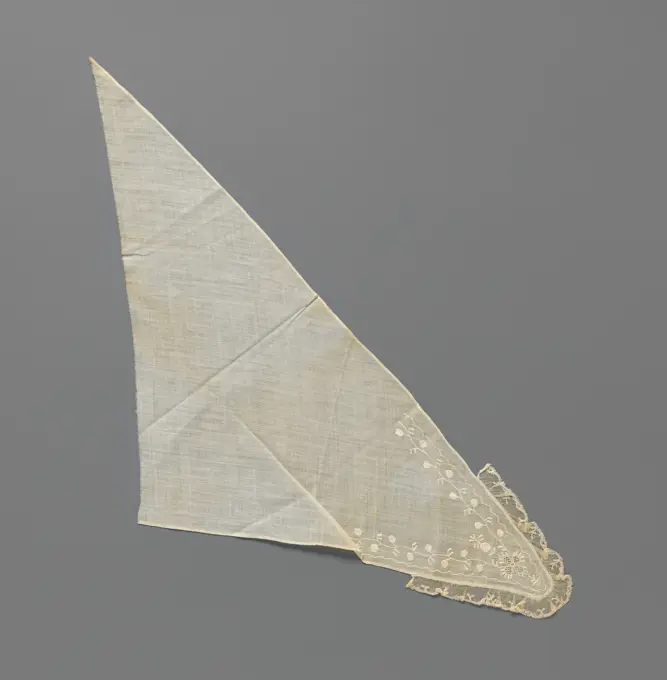
Fragment, Medium: wool, linen Technique: cut supplementary warp pile (velvet), embossed, Fragment of cream-colored velvet with a stamped design of a large-scale floral design. Made in imitation of Flemish sixteenth century wool velvet., France, 19th century, woven textiles, FragmentChasuble. unknown, authorFragment, Medium: silk, linen, cotton Technique: stamped and slashed compound twill, Embossed linen. Interlacing strap motif forming quadrangular fields. Dull red., 16th-17th century, woven textiles, FragmentFragment, Medium: silk Technique: cut and uncut supplementary warp pile (velvet) on satin ground, Fragment of deep purple cut and uncut velvet on white satin ground. Design of branches with blossoms and leaves alternately turning left and right., Italy, late 16th-early 17th century, woven textiles, FragmentSampler(Limar)Fragment, Medium: silk, metallics Technique: woven, Cones turning in alternate directions on a rose silk ground., Turkey, 19th century, woven textiles, FragmentFragment with Botanical Decoration Coptic. Fragment with Botanical Decoration, 5th-7th century C.E. Wool, linen, 64.114.269a: 2 5/8 × 11 in. (6.6 × 28 cm).   Egyptian, Classical, Ancient Near Eastern Art 5th-7th century C.E.CoptictextileFragment; silk; Warp x Weft: 20.2 x 10.9 cm (7 15/16 x 4 5/16 in.); 1896-32-3Piece 18th century Japan. Piece 72174Textile Fragment 5th-6th century. Textile Fragment 444235Right frame;  around 1800 (1790-00-00-1830-00-00);Tile, flower vase, blue decor white fond, corner filler ox head, wall tile tile sculpture ceramic earthenware glaze tin glaze, in form made baked glazed painted baked Wall tile with dark blue decor on white fond Central view large flower vase on ground with sprits on the right and three leaves left. Vase with two thin curled ears. Corner filling large ox head. Red shard Slightly slanted sides Rusty discolouration on the enamel usually caused by prolonged exposure to polluted groundwater such as flooded basement indigenous potteryFragment, Medium: linen Technique: bobbin lace, continuous tape with bars added, Scrolling tape pattern with connections., 18th century, lace, FragmentFragment Made 1601-1625 Italy. Silk, cut, uncut, and voided velvet against satin weave foundation .Fragment, before 1952. Iraq or Iran, in the style of the Buyid period (945-1055). Silk: compound tabby; overall: 43.8 x 36.8 cm (17 1/4 x 14 1/2 in.).Stopplap Muntinge Ann) 1762 .. Stoppipe from silk on linen. The embroidery has the crowned text: ITCIA Muntinge and Dating Anno 1762.Beaded Wrist Ornament 14th-15th century Chimú or Chancay. Beaded Wrist Ornament. Chimú or Chancay. 14th-15th century. Shell, cotton. Peru. Beads-OrnamentsFragment 18th century Italian. Fragment 230447Textile Fragment 3rd-4th century. Textile Fragment 443471Sleeve fragments, Medium: cotton, wool, metal Technique: embroidered, Sleeves of heavy cotton embroidered in repeat pattern of highly stylized medallions, plant and geometric forms. Worked with silver thread, pink, lavender and citron wool, and red, purple and green cotton. Pailettes are attached to the crocheted edges of the sleeves., Balkans, 19th century, embroidery & stitching, Sleeve fragmentsFour jabots, anonymous, c. 1800 - c. 1810 Jabots of linen consisting of a double slippery edge with two strips of which are sewn, the upper of which is very finely pleated and the bottom in wider flat pleats are folded and ironed. Festured buttonholes in the edge. Netherlands Board: Linen (Material). Strips: Linen (Material). Box: Paper. Lint: Silk Jabots of linen consisting of a double slippery edge with two strips of which are sewn, the upper of which is very finely pleated and the bottom in wider flat pleats are folded and ironed. Festured buttonholes in the edge. Netherlands Board: Linen (Material). Strips: Linen (Material). Box: Paper. Lint: SilkAntiseptics Larochette - Mulizing et Cie, individual dressing of French soldier (attributed title), 1936. Cotton, paper, glue, ink, canvas. General Leclerc Museum of the Liberation of Paris - Jean Moulin Museum.Textile Fragment 5th-6th century. Textile Fragment. 5th-6th century. Wool; plain weave. Attributed to Egypt. TextilesBliej Kultury unknownMary Fitzgerald, Wedding Veil, c 1941 Wedding VeilHandkerchief, 1800s. France or Switzerland, 19th century. Embroidery: linen; overall: 38.8 x 36.8 cm (15 1/4 x 14 1/2 in.).Tools for a needle side motif in the form of tailor linen on which green parchment is sewn with white trace wires in the form of a bouquet of flowers for a short sleeve, lace working school (The Hague), c. 1906 - c. 1910 Tools for a needle side motif in the form of double tailor linen on which green parchment is sewn. The linen and parchment have the shape of a pattern part for a short sleeve. On the parchment, with white tracer wires, a pattern may have been made for an application on a sleeve of tulle since there is a blast of a grid, tuler land with black (carbon paper). The pattern concerns a bouquet of flowers in a frame with lobes. On the parchment is written with pencil: "2.50". The Hague linen (material). parchment (animal material) sewing Tools for a needle side motif in the form of double tailor linen on which green parchment is sewn. The linen and parchment have the shape of a pattern part for a short sleeve. On the parchment, with white tracer wires, a pattern may have beenSampler (Germany); linen; Warp x Weft: 90 x 85 cm (35 7/16 x 33 7/16 in.); Bequest of Mrs. Henry E. Coe; 1941-69-68-bPiece 18th-19th century Japan. Piece 67450Rug, 101 11/16 × 61 1/2 in. (258.29 × 156.21 cm), Wool, United StatesConciliate belt;  18th century (1701-00-00-1800-00-00);Part of tile floor from the Dutch Reformed Church in Heukelum ,, 1325 - 1375 tile Quadrangular part, with an oblique side, of floor consisting of glazed tiles in the colors black, green, red and yellow. The tiles are stuck on a thick plate. Utrecht . vitrification  HeukelumFragment, Medium: linen Technique: bobbin lace (Lille-style with heavy outlining thread), Fragment of Lille type bobbin lace., 19th century, lace, FragmentHandkerchief, 1800s, maker unknown. Gift of Mrs G M Preston, 1981.Ritual Cloth(Sokong)Fragment of the fabric;  18th century (1701-00-00-1800-00-00);fabricsFringe probably European 19th centuryFragment Made 1201-1300 Spain. Silk, linen, and gilt-animal-substrate-wrapped linen, narrow bands of two color and double faced weft-float faced twill weaves with inner warps and wider bands of three color complementary weft weft-float faced twill weave with inner warps .ShoulderClothSample early 19th century French. Sample. French. early 19th century. Silk. Textiles-WovenSample 1883-1900 Associated Artists. Sample 14024Old cardboardFragment (Dress Fabric) Near East. Silk and gilt strip; warp-faced, weft-rib plain weave with supplementary brocading wefts; pressed pattern in ground weave; four pieces joined .Textile Fragment 4th-5th century. Textile Fragment 443962Fragment of Burial Clothing, 900s - 1000s. Egypt, Egypto-Arabic, c. 10th - 11th century. Embroidery; overall: 18.5 x 6.4 cm (7 5/16 x 2 1/2 in.).Piece 18th-19th century Japan. Piece. Japan. 18th-19th century. Silk. Edo (1615-1868). Textiles-WovenFragment of an orange flag for General Guide, from the Citadel of Antwerp. Fragment of an orange flag for general guide, from the citadel in Antwerp, a fragment, originally to stick. GuidonPiece 18th century French. Piece 229701Strip needle side with curly tendrils and multi-part flowers. Natural coniferous strip, Venise flat. Pattern with rich branched curly tendrils with small large flowers on an irregular open ground with one-sided picoted bars. Full work with twisted feston stitches containing various motifs through recesses. The top is trimmed with a border clamping side. The underside is finished with a straight picro edge with arcs.Piece 18th century Japan. Piece 67559Shawl (doshalla), 19th century, L.118-1/2 x W.53 in., wool, India, 19th centuryLower proper left valence. UnknownFragment Made 1000-1476 Peru. Linen; plain brocaded simple cloth .Fragment early 18th century Italian, Venice. Fragment. Italian, Venice. early 18th century. Silk. Textiles-VelvetsPatterned mosaic on the floor of one of the Terrace Houses, Ephesus, Izmir Province, TurkeyStop patch from cotton on linen, M.A. Smid-Alberts, c. 1910 - c. 1920 Cotton stop patch on linen. The lap is divided into 25 courses with 33 stops, one of which is a stop in silk. A narrow Rand Fils Tirés runs along the Zoom. Amsterdam (possibly) linen (material). silk. cotton (textile) embroidering Cotton stop patch on linen. The lap is divided into 25 courses with 33 stops, one of which is a stop in silk. A narrow Rand Fils Tirés runs along the Zoom. Amsterdam (possibly) linen (material). silk. cotton (textile) embroideringFragment of Coptic fabric unknownFragments of silk fabric unknownWaist Wrapper(Sarung)Band fragments, Medium: linen, silk Technique: plain weave and tapestry weave, Bands of confronted birds in an arrangement of triangles., 10th-12th century, woven textiles, Band fragmentsCarrying Cloth (Peru); cottonNetted textile, Medium: maguey fiber Technique: single element knotted net Label: maguey fiber knotted net, Netted panel with a pattern of parallel zigzag lines, with two strings attched., Peru, 300-100 BC, knotted, knitted and crocheted textiles, Netted textileFragment of Coptic fabric unknownVase Fragment ca. 1390-1353 B.C. New Kingdom. Vase Fragment. ca. 1390-1353 B.C.. Faience. New Kingdom. From Egypt, Upper Egypt, Thebes, Malqata, Palace of Amenhotep III, MMA excavations, 1911-12. Dynasty 18Piece 18th century Japan. Piece 72011Tablecloth ,, 1852 - 1872 White linen tablecloth with peel pattern. Brand H. North Netherlands linen (material) White linen tablecloth with peel pattern. Brand H. North Netherlands linen (material)Double Cloth, 400 B.C.-700 A.D.. Peru, Recuay Culture, 4th Century BC-8th Century AD. Wool; overall: 4.5 x 23.5 cm (1 3/4 x 9 1/4 in.).Steel clamping side with coarse wire as an example of the connecting raccroc stitch. Steel natural colosside with coarse thread as an example of a raccroc stitch with a fragment chantilly side in which this technique has been applied. The raccroc stitch is used as a connection in sides with a toel or dirt ground. The date concerns the steel.Unknown architect, candle holder (without date): 3 perspective views. Ink on transparent, 34.7 x 23.7 cm (including scan edges) N.N. : KerzenhalterMerklap with embroidery. The embroidery has twice the alphabet and numbers up to 23 .. Merklap with embroidery. The embroidery has twice the alphabet and numbers up to 23.Balsamarium. UnknownSkirt, c. 1930, 30 1/2 x 33 in. (77.47 x 83.82 cm), Wool, cotton, Mexico, 20th centurySilk dead in wine red with a pattern of a diamond layout by ermine draperies. Silk dead in wine red with a pattern of a diamond layout by ermine draperies, stretched three times and with suspended brushes and with a basket of roses in the middle. The silk damask comes from the palace on Dam Square.Steel linen with edge embroidery with pulled out wires and four-pointing stars in a diagonal grid. Steel natural linen with edge embroidery: work with pulled out wires. Study material. In a significant part of the coarse linen, a square grid was created by pulling up wires in a horizontal and vertical direction. With an added thread, a start was made with bundling the remaining wires that form the grid and finish the edges around the grid with feston stitches. The bundling is carried out in diagonal lines, the added wire forms a diagonal grid in this way. The bundled wires form four-pointing stars. Slanted under the pattern you see how wares of war (vertical) and weft threads (horizontally) are partly cut away and pulled out of the linen tissue. The linen is finished with hems along which a edge of work is made with pulled out wires. The steel is intended as an example how this technique assembles. The steel belongs to a fragment with fine linen that is finished.Cuff of crocheted side with fan shaped flowers. Cuff of natural colored Irish crochet side, imitation coarse Venetian side. Pattern with impeller-shaped flowers with stems and a crocheted irregular maase ground with picots. The top is finished with a straight edge. The semi-circular shelter on the lower edge are deposited with picoted arcs.Square (India); silkChair Seat Made 1878-1898 England. Cotton, twill weave weave with supplementary pile wefts forming cut solid (velveteen); block printed; fringe cotton, silk and wool; woven . Thomas Wardle (Designer)Fragment ivory or leg comb with finely serrated teeth, lice comb comb soil find ivory leg, sawn cut Legs or ivory comb with finely serrated teeth Possible lice comb Not all teeth are evenly sawed small differences also visible in length. brown material with woody grain Internal white on fracture surface archeology combs take care of pest personal care hair Rotterdam Soil discovery Rotterdam.Textile Fragment 6th-7th century. Textile Fragment 444045Brigandine Plate 1400-1450 Italian This is part of a large find of medieval armor discovered in 1840 in the ruins of the fortress of Chalcis, on the Greek island of Euboea (then a Venetian colony called Negroponte). The fortress had been captured and destroyed by the Turks in 1470. Now divided largely between the Ethnological Museum, Athens, and The Metropolitan Museum of Art, the Chalcis hoard contains many rare and unusual elements of fourteenth- and fifteenth-century armor. Of particular importance are the variety of headpieces and the many fragments of brigandines (armor for the torso constructed of small plates riveted to layers of fabric), some of which retain portions of their original velvet covering. The Chalcis armor provides a unique picture of the armament used in the Aegean, one of the easternmost military outposts of the Venetian empire.. Brigandine Plate 34343Textile Fragment 4th-5th century. Textile Fragment 445755Round Segmentum from a Tunic, 300s - 400s. Egypt, Byzantine period, 4th - 5th century. Tapestry (probably inwoven in tabby ground); wool, linen, and gold foil around silk core; overall: 4 x 4.5 cm (1 9/16 x 1 3/4 in.).Fragment; silkWoman's Skirt Made 1701-1800 Democratic Republic of Congo. Raffia, plain weave; pieced; embroidered in lateral looping and stem stitches; couching joined by pearl stitches; edged with lateral looping stitches . KubaMummy Linen, 1540-1296 BC. Egypt, 18th Dynasty. Plain weave: linen; overall: 76.8 x 145.4 cm (30 1/4 x 57 1/4 in.).Fragment Made 1201-1400 Egypt. Embroidered; silk; tent stitch on linen ground .Sampler (England); linen, silk; 2003-14-18List, 1880 - 1900 frame   glass. cardboardOnyx Bracelet. Dated: c. 1937. Dimensions: overall: 35.5 x 27.9 cm (14 x 11 in.). Medium: watercolor, graphite, and colored pencil on paper. Museum: National Gallery of Art, Washington DC. Author: Tulita Westfall.Piece 18th century Flemish, Mechlin. Piece 214519Pair of Headpieces, 907-1125. China, Liao dynasty (907-1125). Embroidery, silk; overall: 22.3 x 53.8 cm (8 3/4 x 21 3/16 in.). These headpieces are embroidered with butterflies, birds, animals, flowers, leaves, and delicate vine scrolls. In general, the design is related to the theme of the lotus pond, best known from Liao tomb paintings. Paired ducks or geese swimming in water and looking in opposite directions seem to have become popular in the north of China before spreading further south and to Central Asia. On the other hand, recumbent animals looking back are a Central Asian image that migrated to northern China. Headpieces of this shape, intersected by two bands and secured by ties, have a long history in northern China. A gold replica was found in a tomb dating as early as 500-550.Paddle Handle Comb. Egypt, 10th-12th century. Tools and Equipment; combs. WoodBand 5th-6th century. Band 445826Textile Swatches Onondaga Silk Company, Inc. (1925-1981). Textile Swatches, 1948-1959. 46 Nylon; 25 Acetate; 16 Rayon, 13 metal, (a) - (e): 9 x 5 in. (22.9 x 12.7 cm).    1948-1959Textile Fragment 5th-6th century. Textile Fragment 445704Work book 1860s French. Work book. French. 1860s. Textiles-Sample BooksTrimming fragment, Medium: silk Technique: woven, Pale floral forms on a dark background., France, 19th century, woven textiles, Trimming fragmentFragment 16th-17th century Italian. Fragment 230608Fichu (part) of embroidered batist with bobbin, anonymous, c. 1850 Fichu (part) of batist with embroidery and around the point a strip of natural -colored bobbin side: Lille side. There is one decorated corner at the part of the Fichu, the other corners are unnecessary and are a cut and unfinished part. The decorated point is embroidered with a flower with four petals with open sewing work from which thin flower stalks spring that continue a bit along the two sides of the corner. The side around the point is shorter than the embroidery with the flower stems and has a minimal pattern of branches and oval along the edge. France (possibly) batiste. cotton (textile) embroidering / bobbin lace / Lille lace Fichu (part) of batist with embroidery and around the point a strip of natural -colored bobbin side: Lille side. There is one decorated corner at the part of the Fichu, the other corners are unnecessary and are a cut and unfinished part. The decorated point is embroidered with a flower wi