Textile Fragments

Historical textile pieces showcasing rich colors and patterns from different centuries, including fragments of velvet and printed fabrics from Europe.
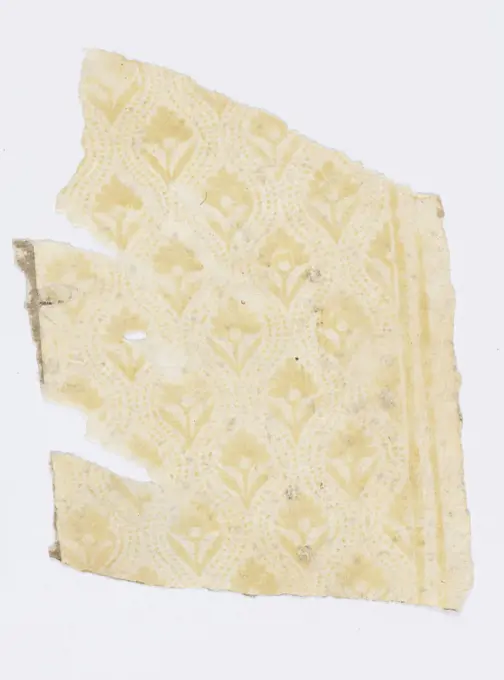
Domino paper, Block-printed and stenciled on handmade paper, A wallpaper fragment of domino pattern removed from a house in Paris, c. 1720. THe design on this paper is a ghost image from 1984-61-1., Paris, France, ca. 1720, Wallcoverings, Domino paper
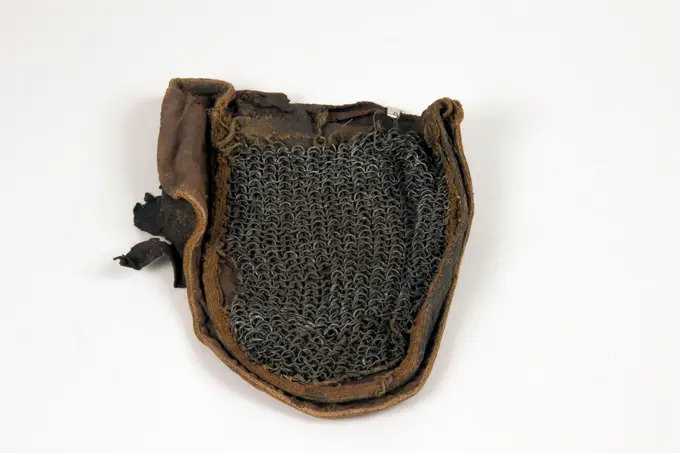
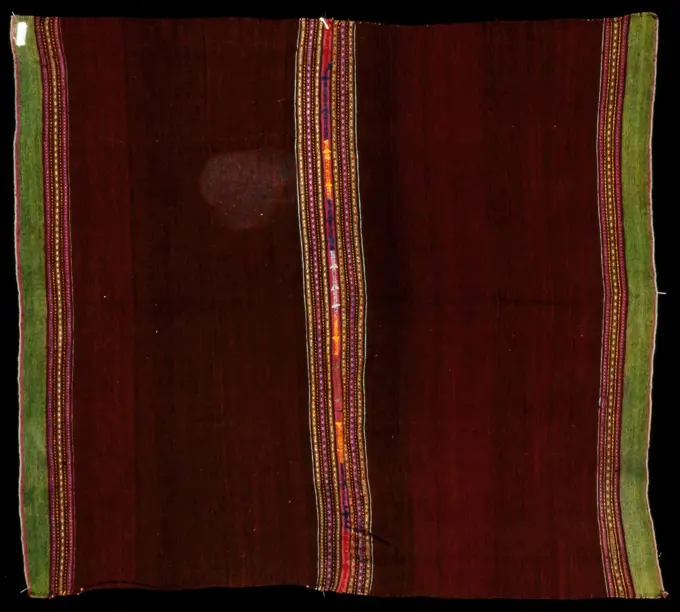
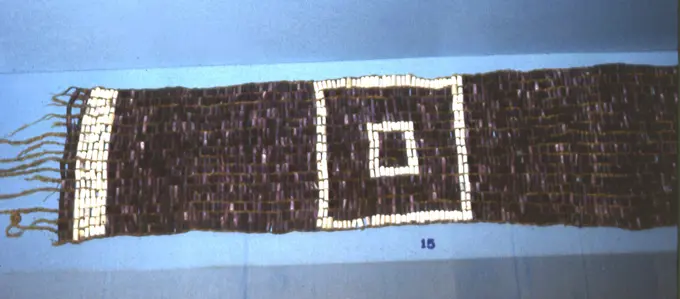
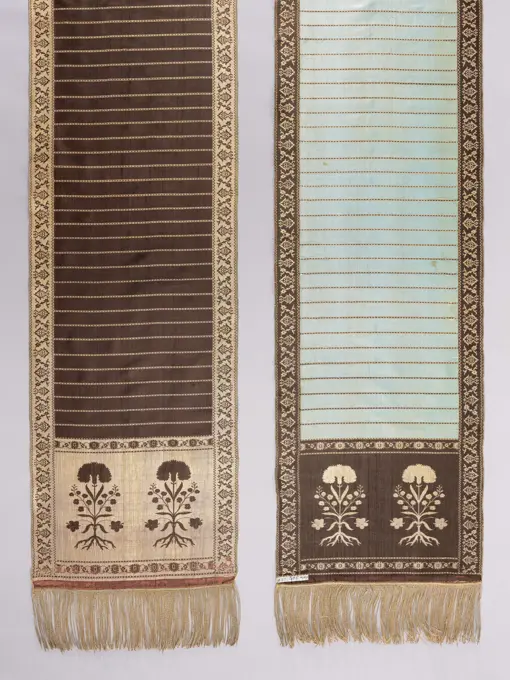
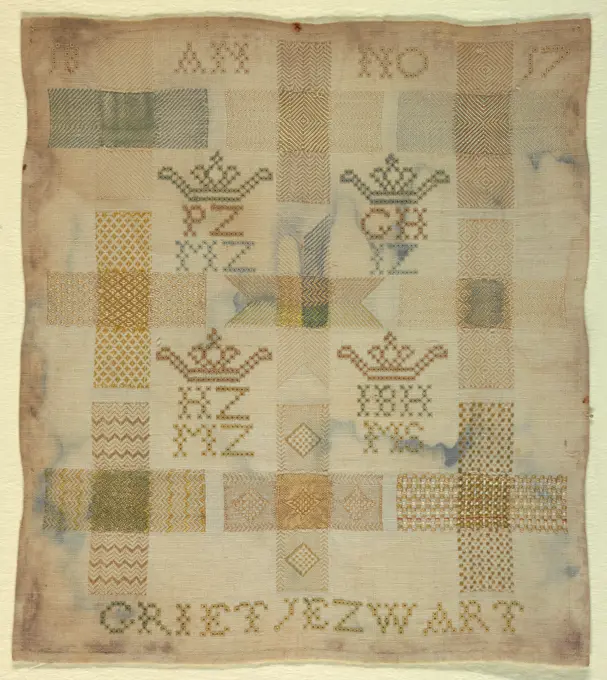
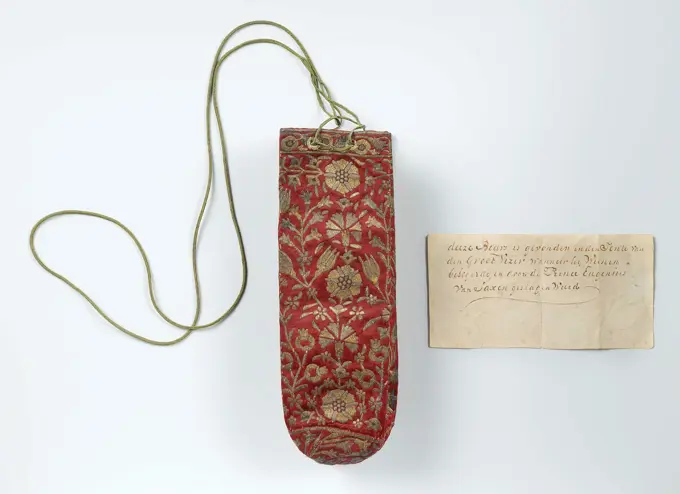
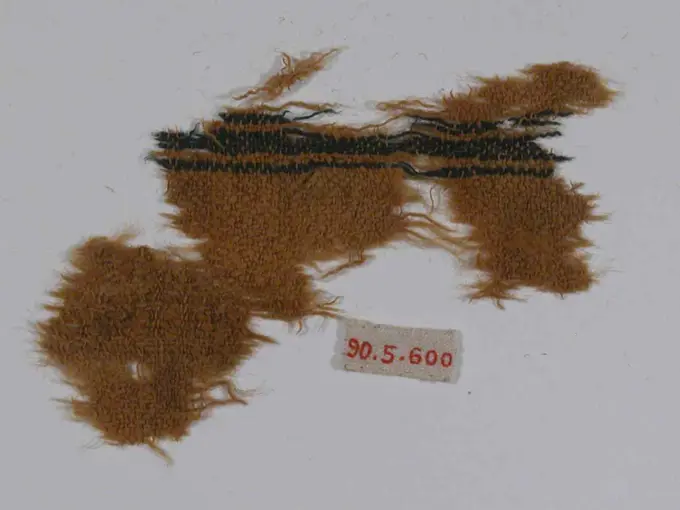
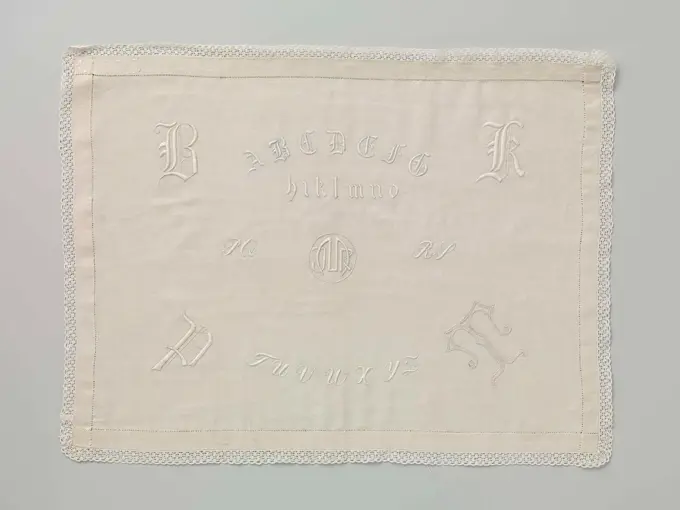
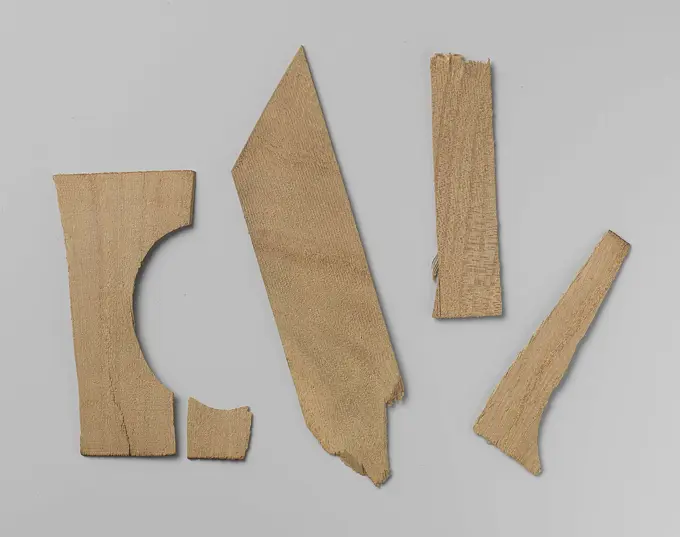
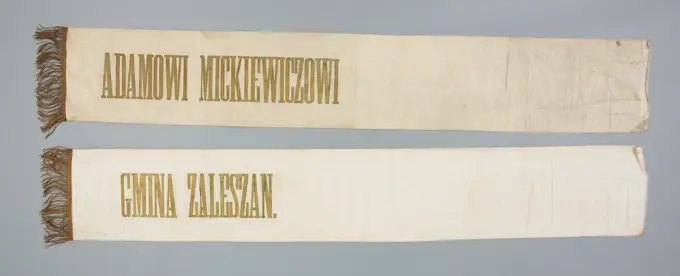
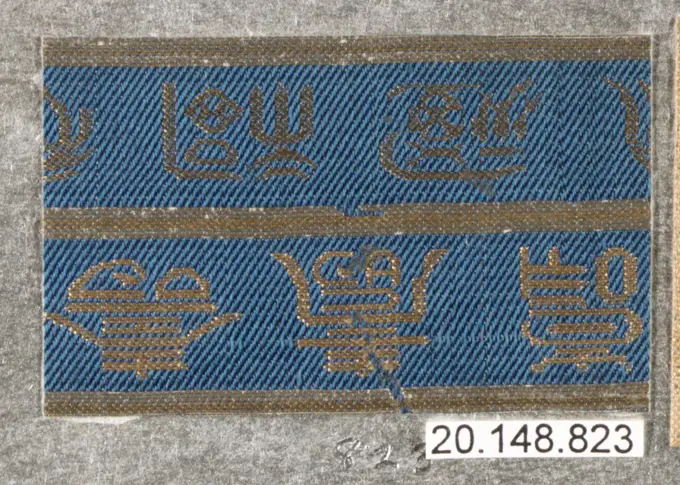
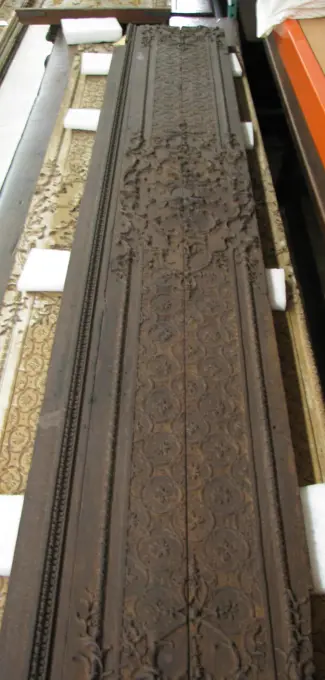
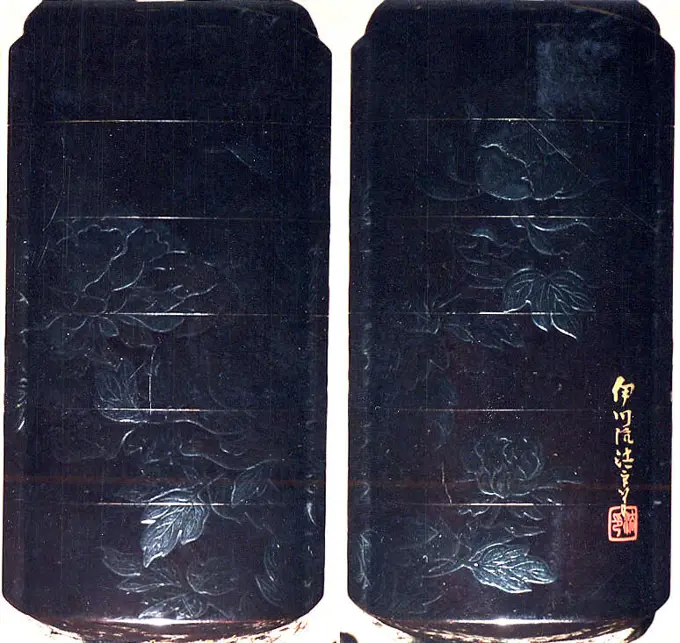
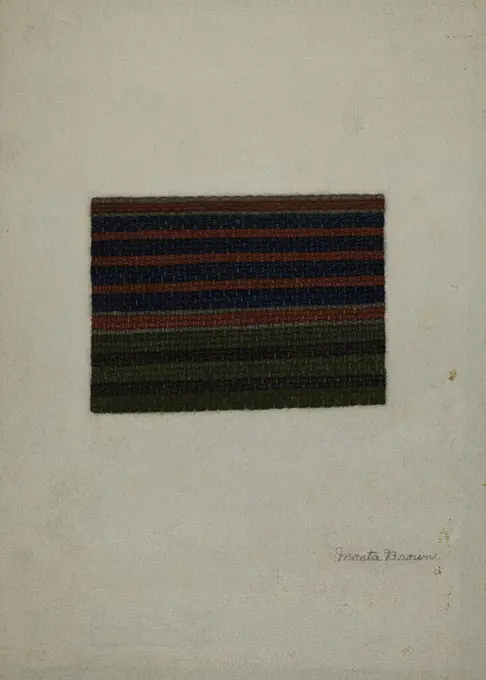
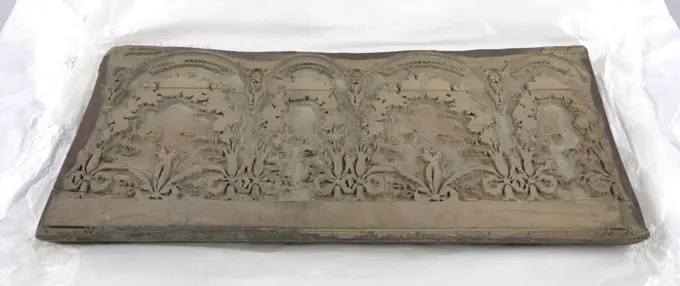
Wood block, Wood and brass, Rectangular block of five layers of laminated wood, of which the upper one is carved. Straight top, two large and two small scallops at bottom, fitted with summarily indicated swags and bows. First block of a set of three (1956-164-2 and -3)., France, 1860-70, Wallcoverings, Wood blockPiece 19th century Japan. Piece 72234Steel clamping side with coarse thread as an example of a toeline (grille). Steel natural colosside with coarse wire as an example of a tulet with a fragment side in which this technique has been applied. The date concerns the steel.Fragment. Italy. Date: 1575-1600. Dimensions: 10 × 21.4 cm (4 × 8 1/2 in.)Repeat: 1.6 × 1.6 cm (5/8 × 5/8 in.). Silk, plain weave with supplementary pile warps forming cut and uncut voided velvet. Origin: Italy. Museum: The Chicago Art Institute, Chicago, USA.Piece 18th century China. Piece 71548Sackcloth materialsGauntlet 17th century Turkish. Gauntlet 31950Textile Fragment 5th century. Textile Fragment 444239Sample (France)Shawl (Llklla), 1950-1960, 45 x 42 in. (114.3 x 106.7 cm), Wool, Bolivia, 20th centuryCorner cornice tile. unknown, manufacturerAlbum of Carte de Visite portraits of Union Army officers and statesmen. 1860 - 1870. Photographs, Photograph albums, Portraits. The Miriam and Ira D. Wallach Division of Art, Prints and Photographs: Photography Collection. Grant, Ulysses S. (Ulysses Simpson), 1822-1885, Lincoln, Abraham, 1809-1865, Scott, Winfield, 1786-1866, Halleck, H. W. (Henry Wager), 1815-1872, Rosecrans, William S. (William Starke), 1819-1898, Farragut, David Glasgow, 1801-1870, Wool, John Ellis, 1784-1869Fragment, Medium: linen, silk, metal Technique: plain weave and 2/2 twill, Bands of silk with metal yarns in twill in plain weave., 10th-12th century, woven textiles, FragmentTerracotta fragment of a neck-amphora (jar) early 5th century B.C. Greek, Attic On the neck, a palmette-lotus chain; at the juncture of the neck and shoulder, a ring; below, a band of tongues; head, neck, and shoulders of a draped Scythian to right, with a pointed cap and a spear; head neck, and left shoulder of a helmeted warrior to left, with a round shield; head, neck, and shoulders of a draped Scythian to left, with a pointed cap and a spear; tendril. Terracotta fragment of a neck-amphora (jar). Greek, Attic. early 5th century B.C.. Terracotta; black-figure. Archaic. VasesFragment, Medium: wool Technique: complementary warps, Reversible fabric, pattern of stylized pumas in rows. Warp-patterned in four bands of two colors each which alternate as the pattern demands: pink and red, green and dark blue, red and yellow, light and dark blue. Each puma stands in profile within a rectangle of the contrasting color. Where band-decoration ends, a singl ered warp, 2-ply S-twisted tightly, interlaces in tabby with the single brown weft, also 2-ply, S-twisted, which it covers entirely. Pattern warps woven in an over 3-under-1 extended tabby, Left band (unpatterned) selvage reinforced with overcasting in red wool thread. Piece probably part of a bag, and is cut off at each end., Peru, 1000-1300, woven textiles, FragmentShawl late 19th century Belgian. Shawl 102684Cap ca. 1813 American. Cap 168739Ship Flag, anonymous, 1865 ship flag Ship flag of the 'Amsterdam'. Dutch tricolor with inscription in black and gold on both sides. On the front in the lower right corner the label with the second inscription. Netherlands wool. cotton (textile)  flag, colours (as symbol of the state, etc.) Japan. Shimonoseki, Street ofBand from aTunic.  Artist: UnknownTable scarf, Medium: linen, silk embroidery floss Technique: embroidered on plain weave, Square white tablecloth with L-shaped bands of embroidery in opposite corners. Design consists of spade-like leaves and berries that alternate with checkerboard bands in dark yellow and black embroidery with an inner blue border. Thin blue and black outer border., USA, ca. 1910, embroidery & stitching, Table scarfWampum belt of 'money clam' shells. 16th cent. USA.Case (Inrō) with Design of Chrysanthemums (obverse); Chinese Characters for Long Life (reverse) 19th century Japan. Case (Inrō) with Design of Chrysanthemums (obverse); Chinese Characters for Long Life (reverse) 58583Purple-ground Ryūkyūan robe (ryūso) with dot pattern, 19th century, Unknown Ryukyuan, 50 × 49 1/2 in. (127 × 125.73 cm) (overall), Cloth: cotton; iro oboro-gata (double stencil resist with applied pigments), Japan, 19th centuryKontusz sash/belt. unknown, atelierSteel bobbin with coarse wire as an example of a contour thread as it can be seen in motifs made in Netslag in, among others, Chantilly side, Anonymous, c. 1900 - c. 1930 sample Steel natural -colored bobbin with coarse wire. It is a strip made in Ovenlag in which a thicker contour thread is incorporated. The steel is an example of how this is applied in, for example, Chantilly side in which often motives are made in Netslag and in which such a contour wire has been worked around in this way. The matching fragment shows a piece of Chantilly side in which this can be seen. The date concerns the steel. Amsterdam cotton (textile) bobbin laceOranjelint with inscription, Anonymous, 1775 - 1800 ribbon (material) Orange ribbon with the inscription in embroidered letters. Sides trimmed with embroidery (line motifs). Inscription: Vivat P.W.DV Oranje. Netherlands silk embroidering / sewingSewing sampler, Medium: silk embroidery on cotton foundation Technique: embroidered in chain, cross, back, and knot stitches with needlelace on plain weave foundation, Nine plackets of needlelace surrounded with decorative stitching. In the center a crown over the letters I A C E D., 1810, embroidery & stitching, Sewing samplerSampler (Netherlands); Embroidered by Greitje Zwart; silk embroidery on cotton foundationLinnamast napkin with conquest Lille, Anonymous, 1708 - 1710 White Linnamasten napkin with the conquest of Lille. Southern Netherlands linen (material) damask White Linnamasten napkin with the conquest of Lille. Southern Netherlands linen (material) damaskPiece 18th-19th century Japan. Piece. Japan. 18th-19th century. Silk. Edo period (1615-1868). Textiles-Woven. Pouch of red satin embroidered with a floral motif in gold and silver wire. Model: Elongated with a seam over the entire length and a deep flat pleat on either side. Square opening at the top with pull closure i.v. A braided cotton cord and eight scored, round holes. A golden jerk () / Sphere at the two ends of the cord. It is a cord; One starts with two cords, each of which consist of three wires of which a tightness is kept, as with a normal braid. The two cords together are one with six wires in which three wires are kept tight. Round, loose bottom mounted with stitches on the top. Lining of blue linen, at the top of a 5 cm wide edge blue silk that is attached to the pouch with lighthews. Decoration: the floral pattern, made up of carnations, tulips, hyacinths and roses, is first embroidered with tension stitches in yellow silk. Gold and silver thread has been laid over it and secured with striking small stitches. Tobacco bag or letter bag. Osman, quatre fleurs.Textile Fragment 4th-5th century. Textile Fragment 444079Textile Fragment 4th-6th century. Textile Fragment 443352Textile Fragment. Dimensions: L: 13 in (33 cm) x W: 3 in (7.6 cm). Date: 17th century. Museum: Metropolitan Museum of Art, New York, USA.Embroidery patch of linen. Embroidery patch of white yarn on linen. The embroidery has the alphabet and french embroidery.blue jean isolated on white backgroundCase from set to fish;  End of the 19th century (1891-00-00-1900-00-00);. Remains of Van Speijk and those of his ship were immediately sought after following his heroic deed. As soon as his body was in the hands of the Dutch army, soldiers cut off small pieces of his uniform jacket as mementoes. Bits of wood and metal from the gunboat found on the Scheldt changed hands in Antwerp for large sums of money. Some fragments were later distributed by lottery in the Netherlands. The wood displayed here was sawn into the thinnest possible slivers for this purpose.A sash from the funeral of Adam Mickiewicz in Krakow on July 4, 1890Piece 18th century Japan. Piece 71813Pilaster panel possibly from the Chteau de Rambouillet, France 18th century French. Pilaster panel possibly from the Chteau de Rambouillet, France 189319PatternSample (France)Darning Sampler (Northern Germany); cotton, wool, silkCase (Inrō) with Design of Flowering Peonies 18th-19th century Kano Seisenin Japanese. Case (Inrō) with Design of Flowering Peonies 58882Calcetines de pastor, M.A.I.T.P.A sash from the funeral of Adam Mickiewicz in Krakow on July 4, 1890Vintage looking Letter Vintage looking Letter or small packet envelope isolated over white Copyright: xZoonar.com/ClaudioxDiviziax 9742297Shaker Rug. Dated: 1935/1942. Dimensions: overall: 29.8 x 21.5 cm (11 3/4 x 8 7/16 in.). Medium: watercolor and graphite on paper. Museum: National Gallery of Art, Washington DC. Author: Mona Brown.Example of lace stitch Irish 19th-20th centuryAnonymous, (US) Trouse, Wool, Serge, OD, Light Shade / (US) Belt, Web, Waist, EM, M-1937 (size W31 / L33) (title awarded), 1938. Wool, metal, mechanical seams, pencil. General Leclerc Museum of the Liberation of Paris - Jean Moulin Museum.