Textile Fragments

An assortment of silk textile fragments with intricate designs, showcasing floral motifs, colors, and historical significance.

Conciliate belt; Royal Manufacture of Jedwabna in Grodno (Grodno; Silk fabric and belt fabric factory; 1768-1780); 1768-1780 (1768-00-00-1780-00-00);
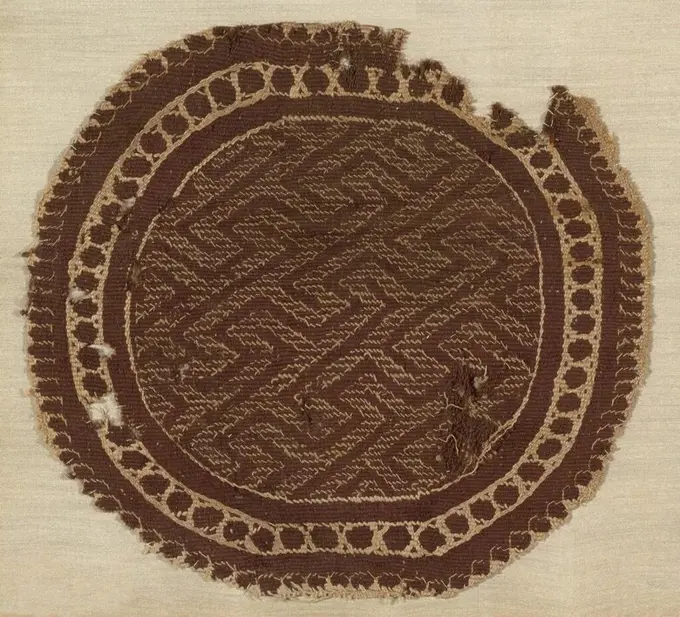
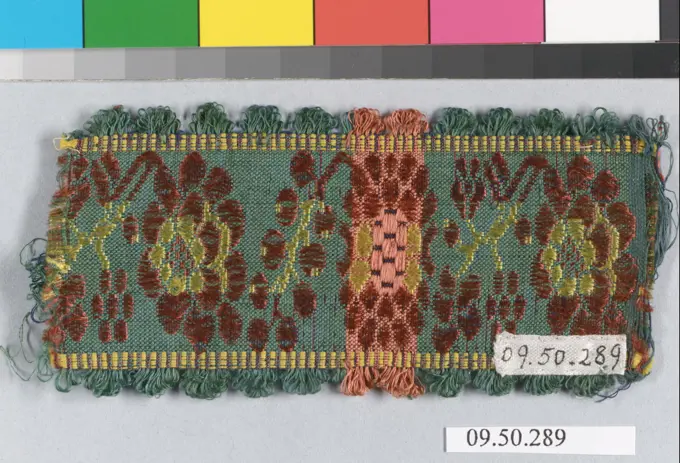
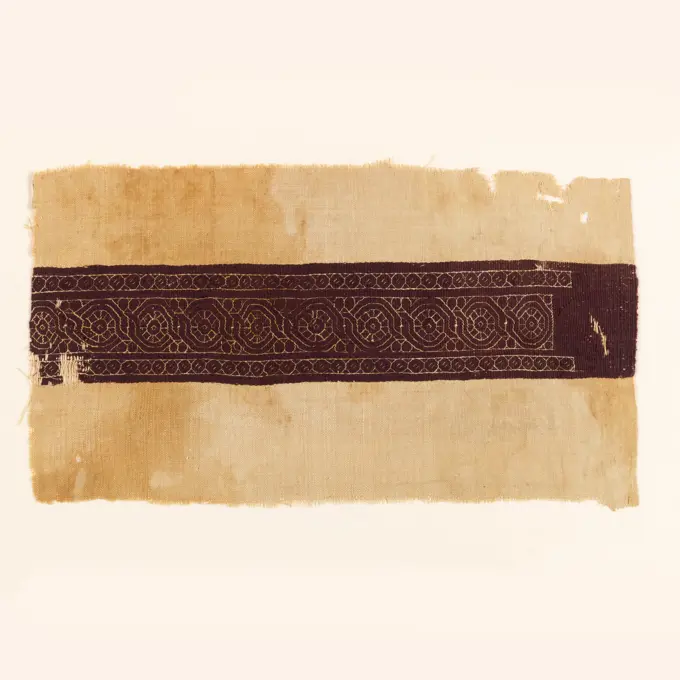
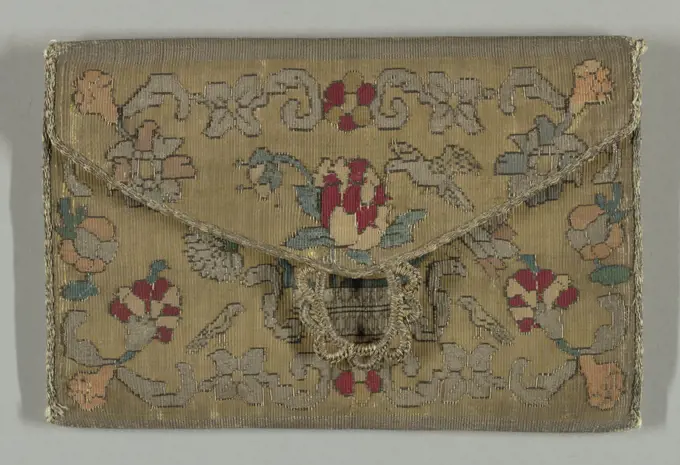
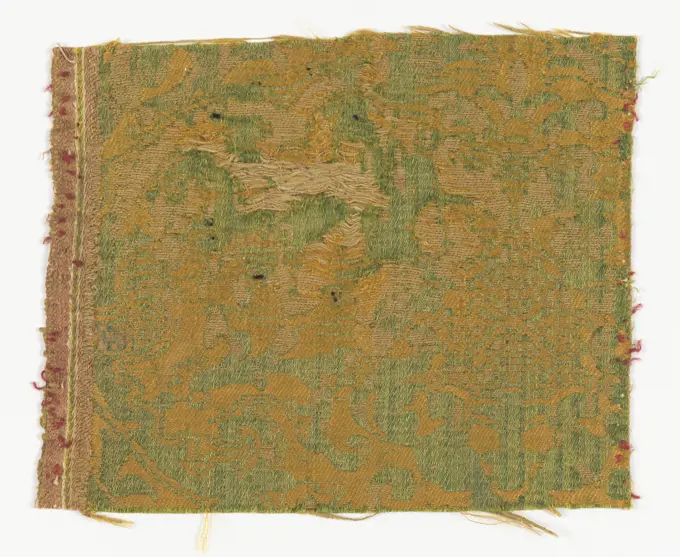
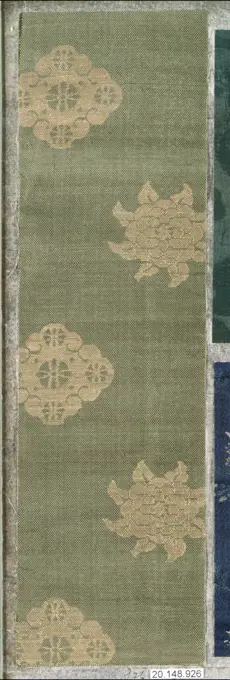
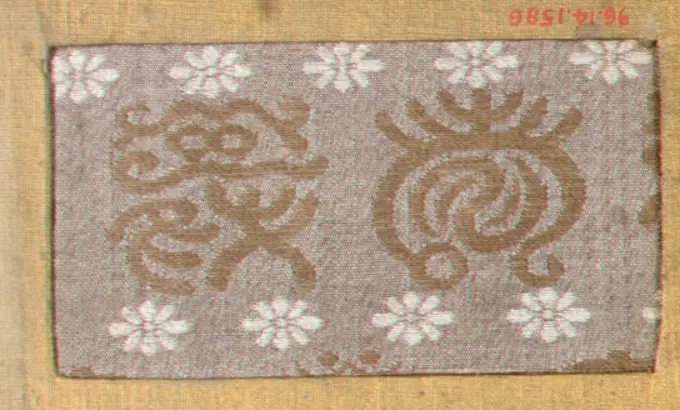
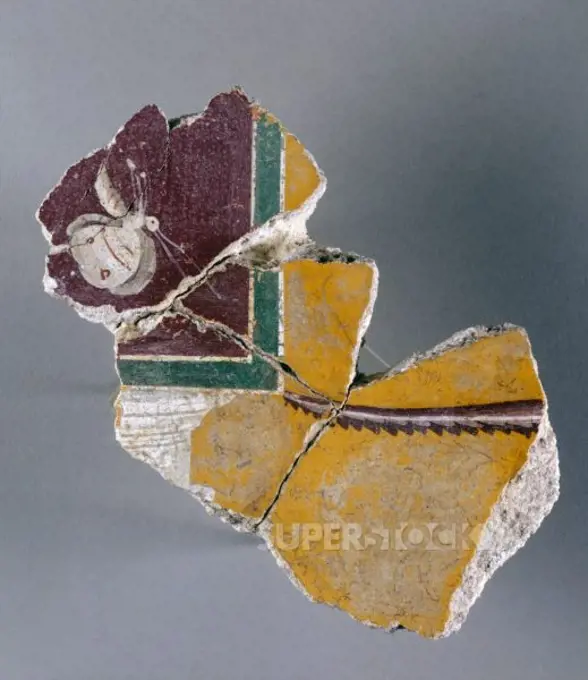
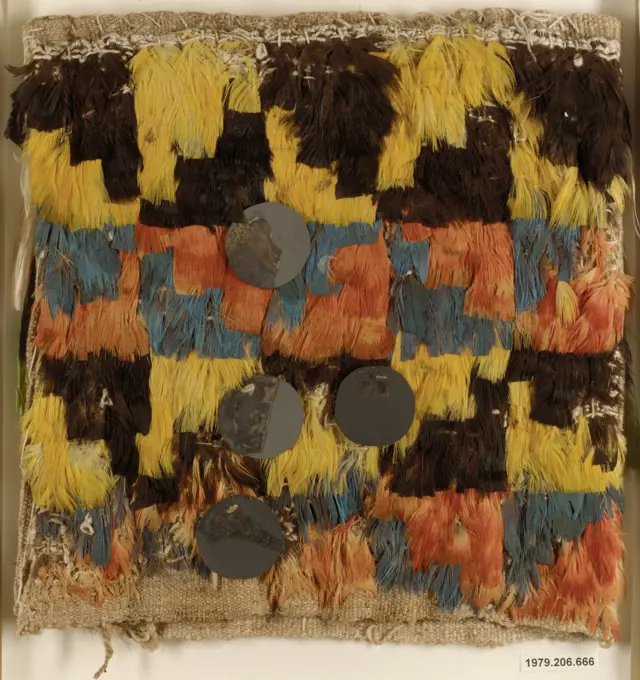
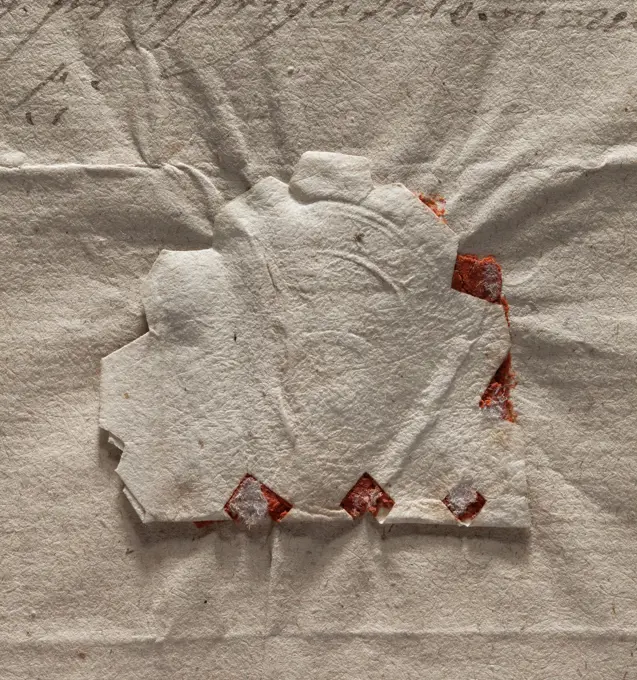
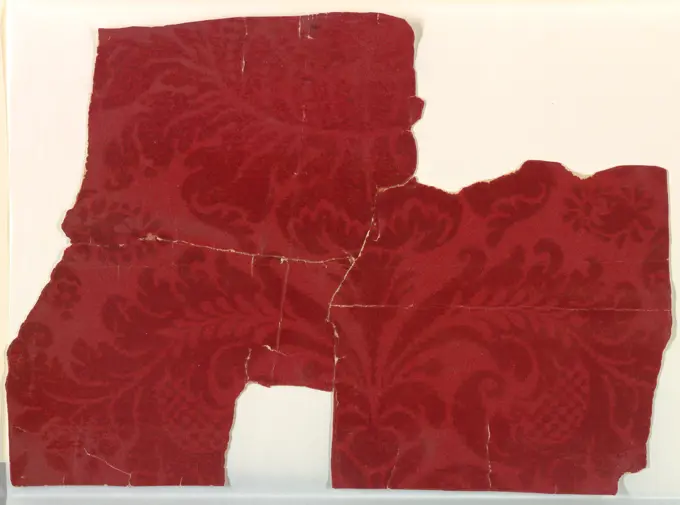
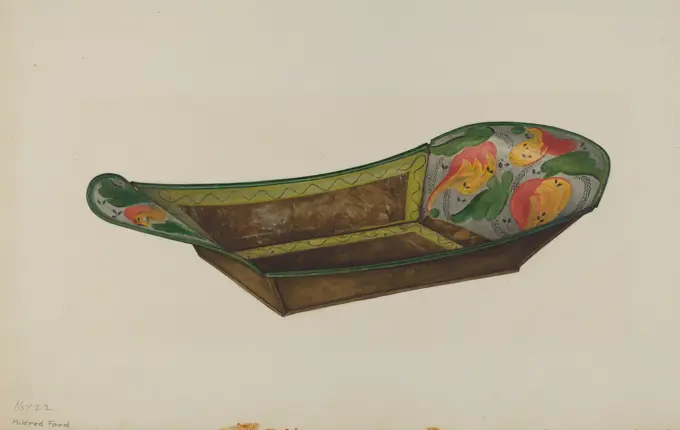
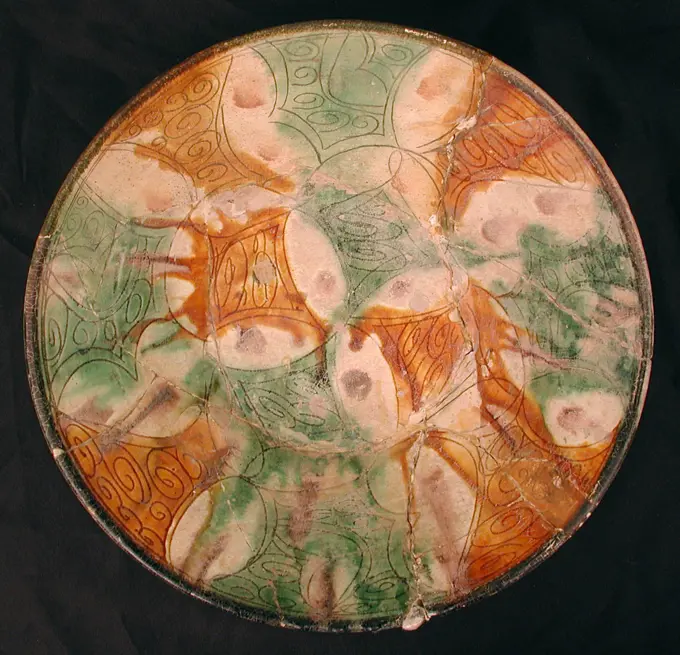
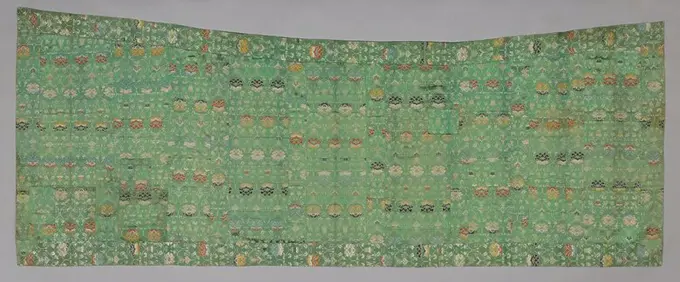
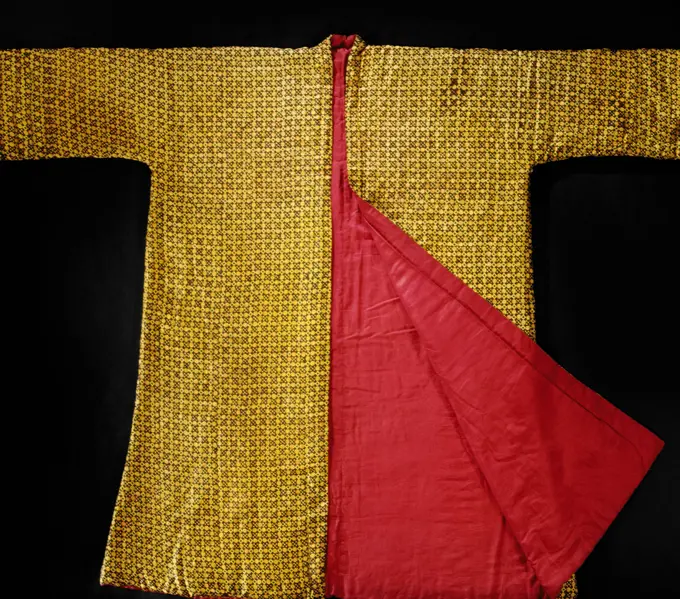
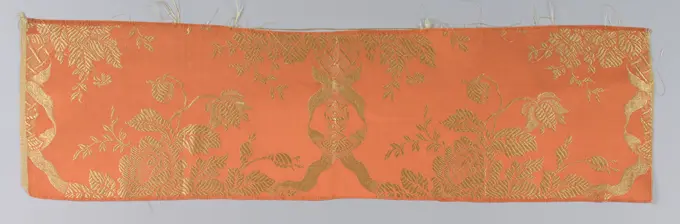
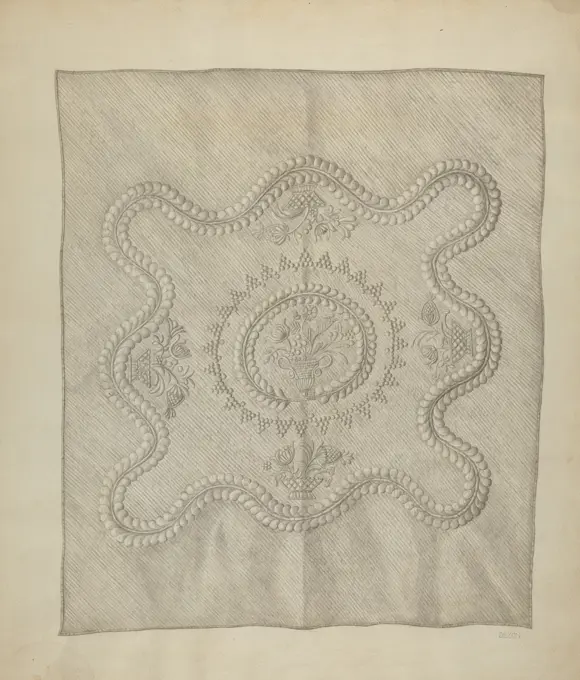
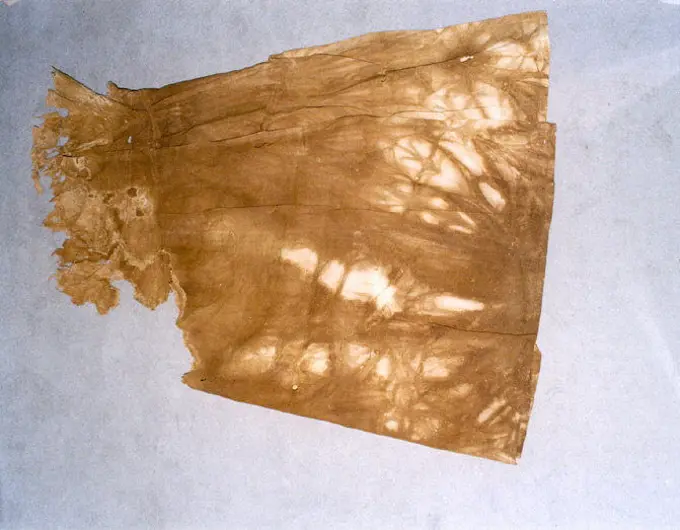
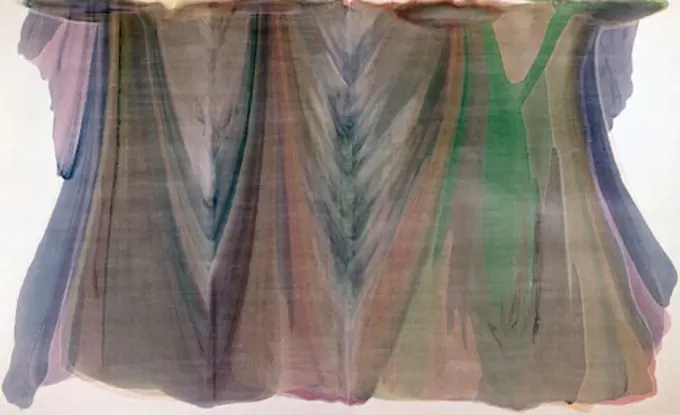
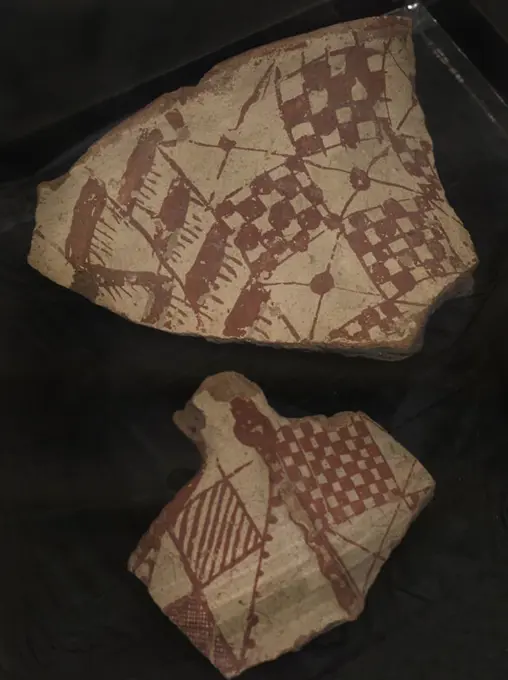
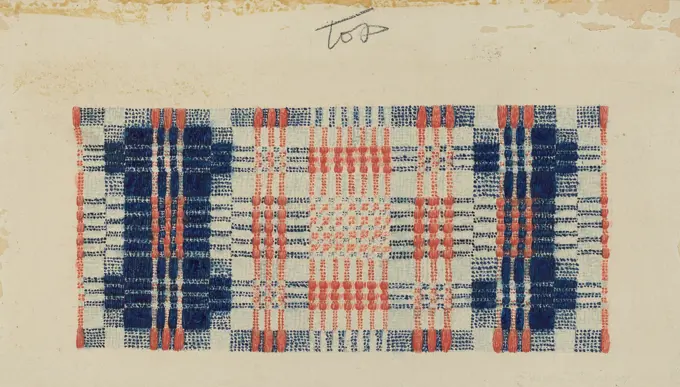
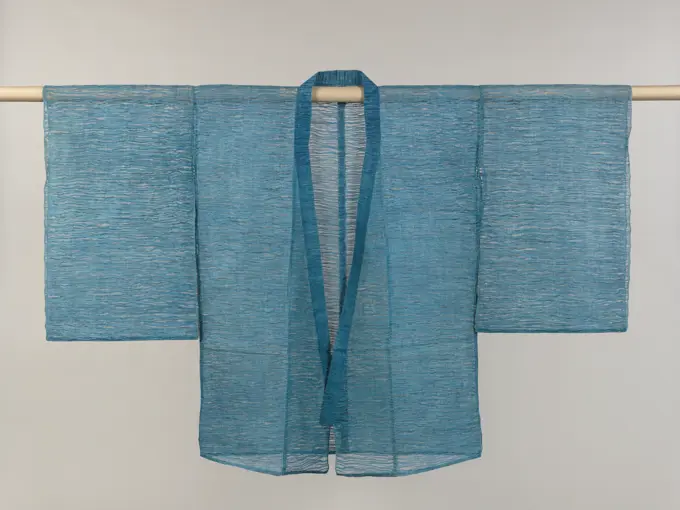
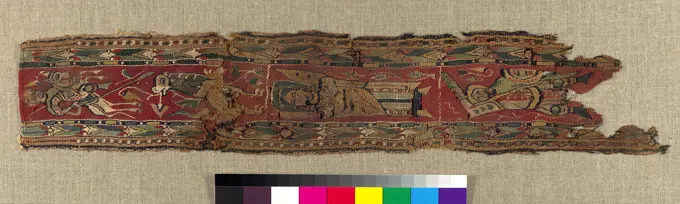
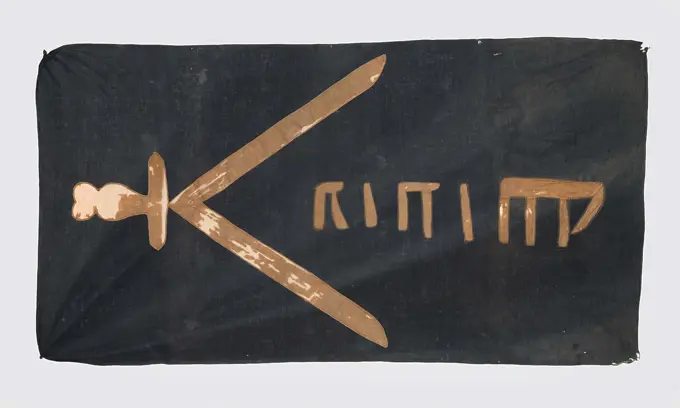
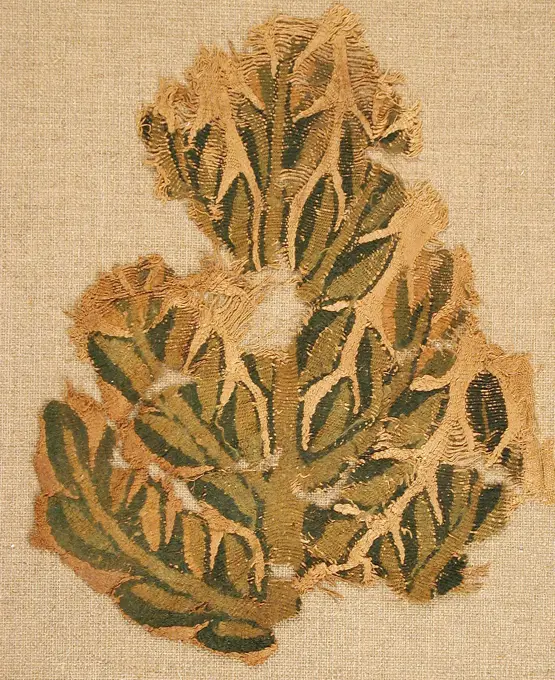
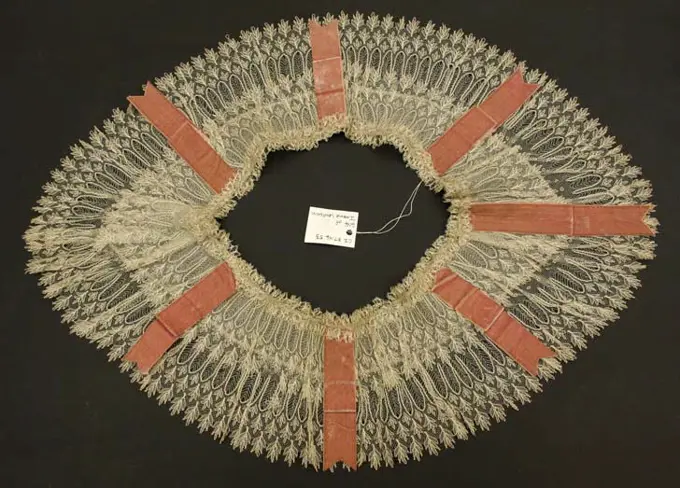
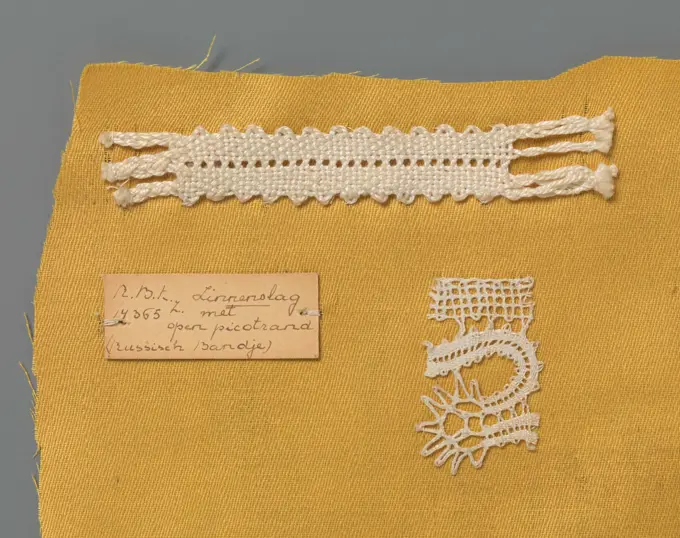
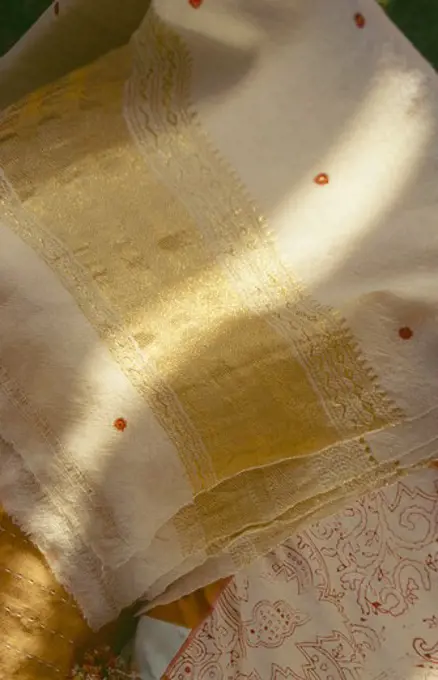
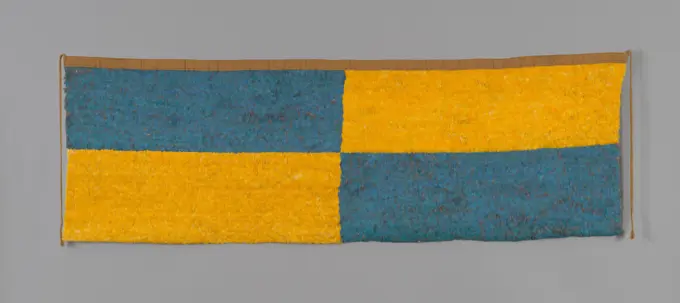
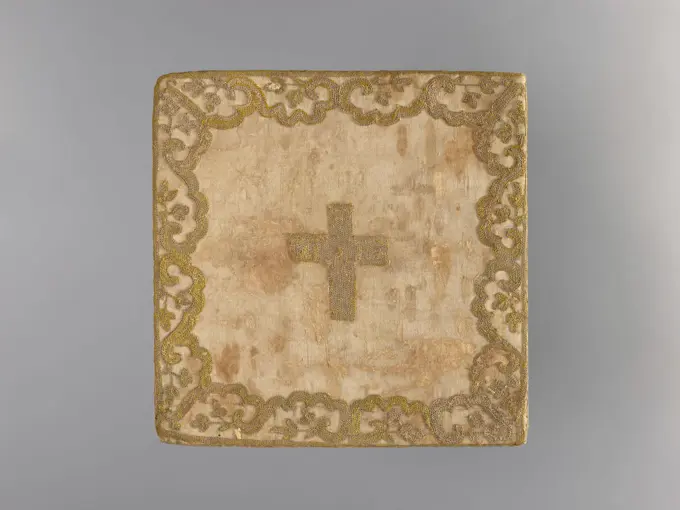
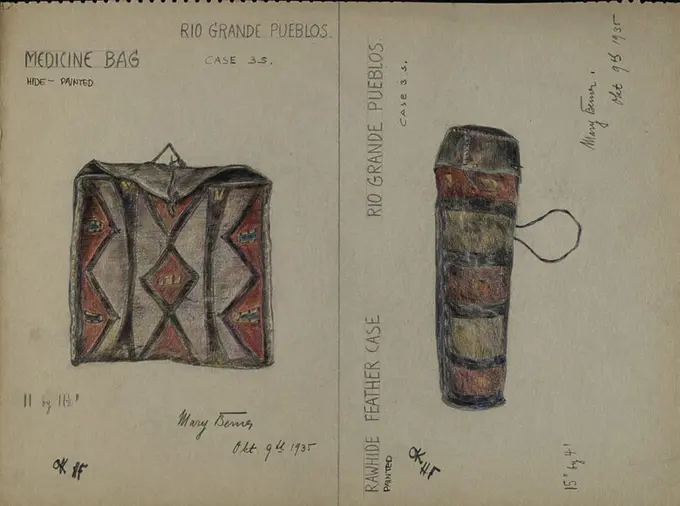
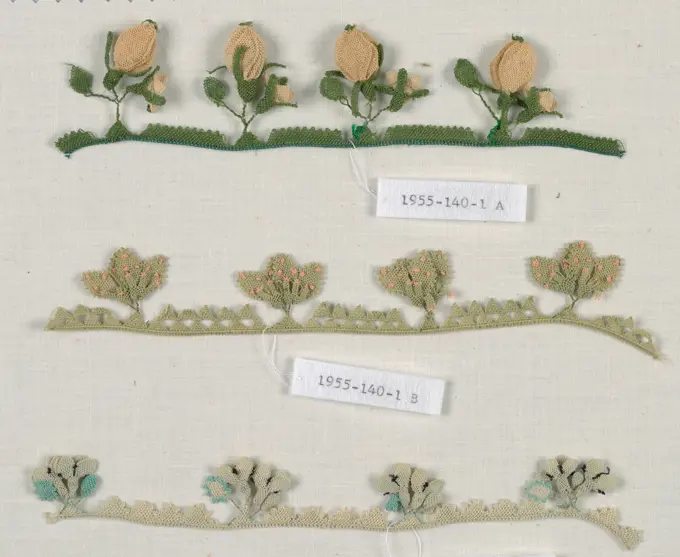
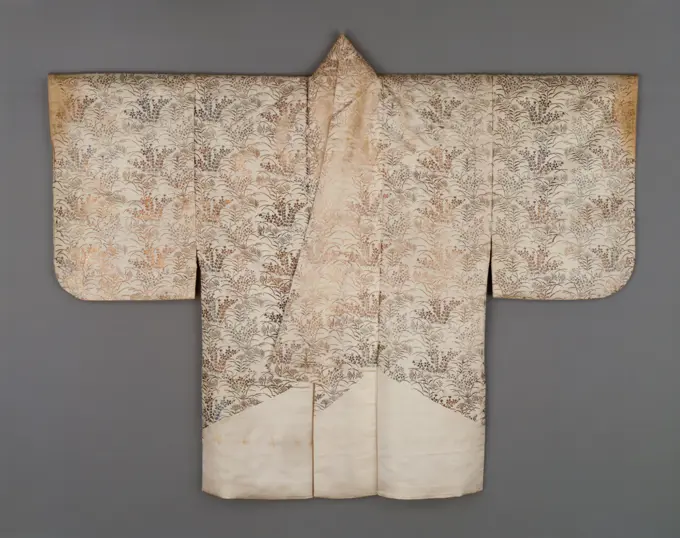
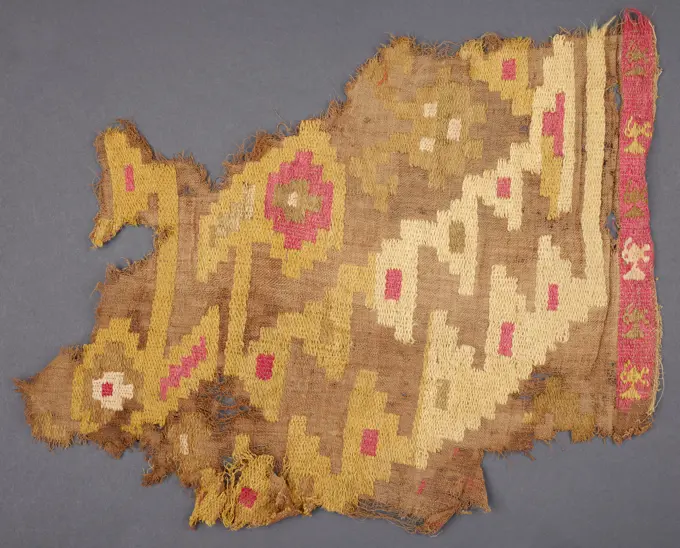
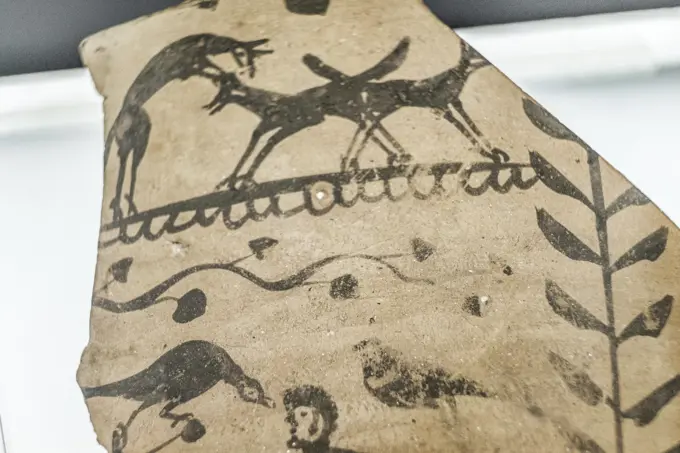
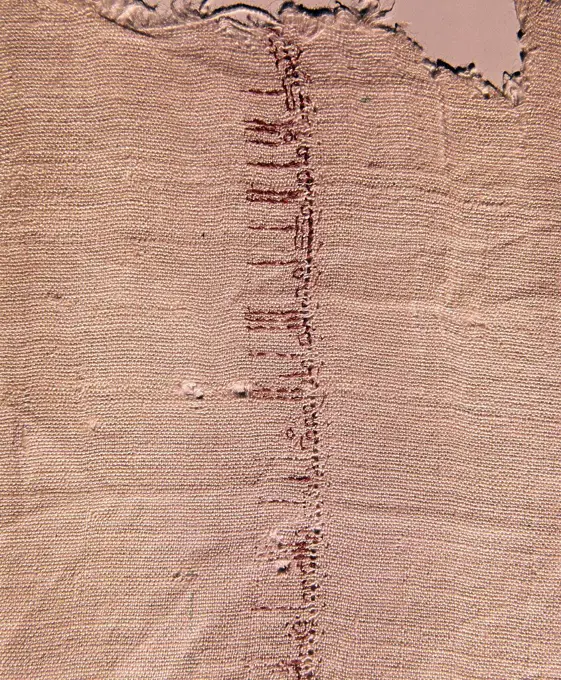
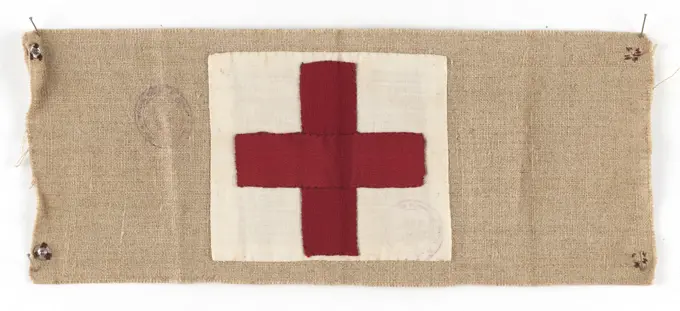
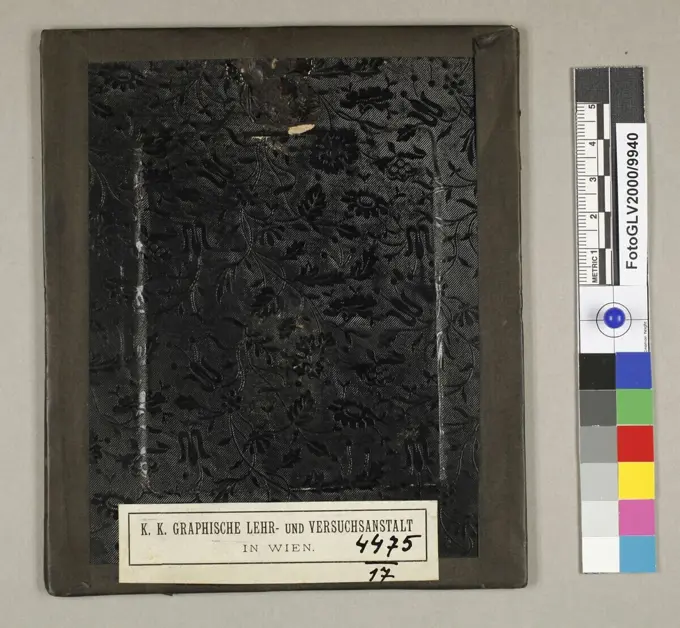
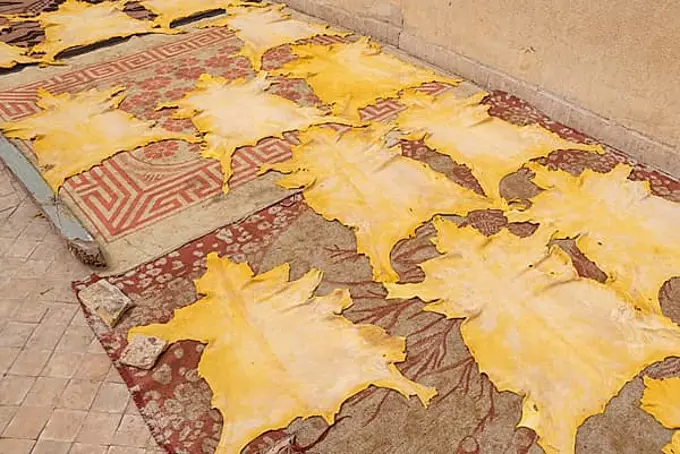
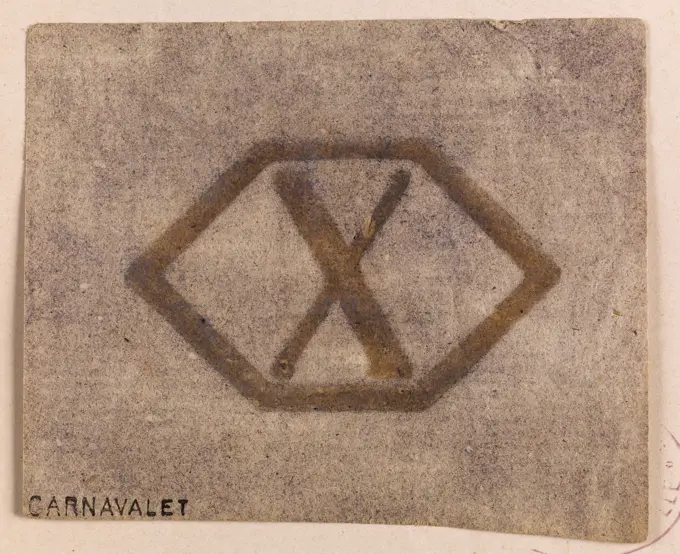
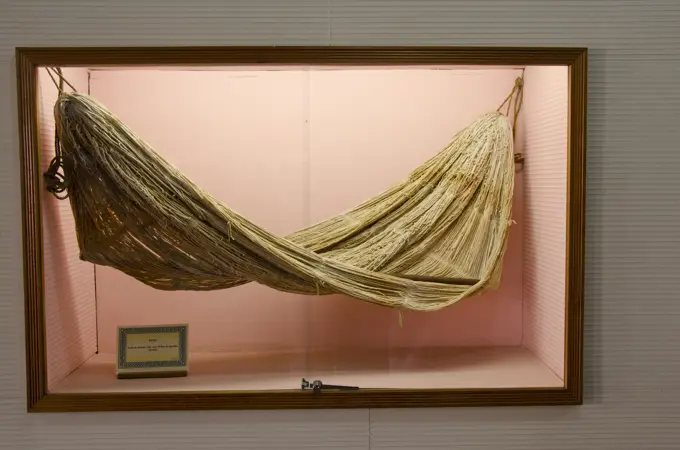
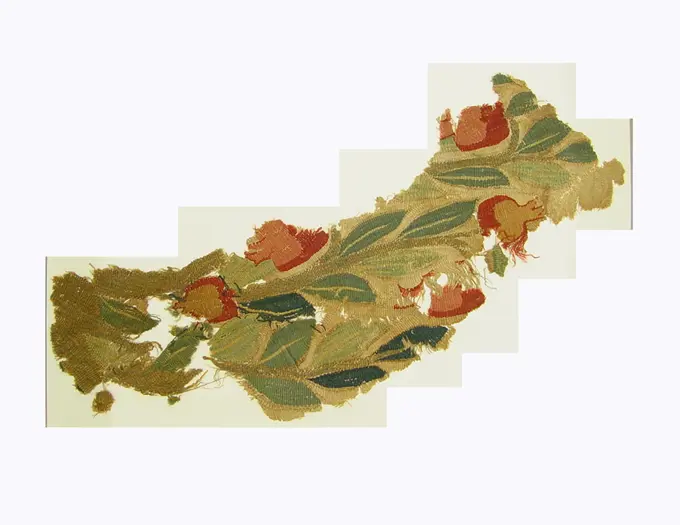
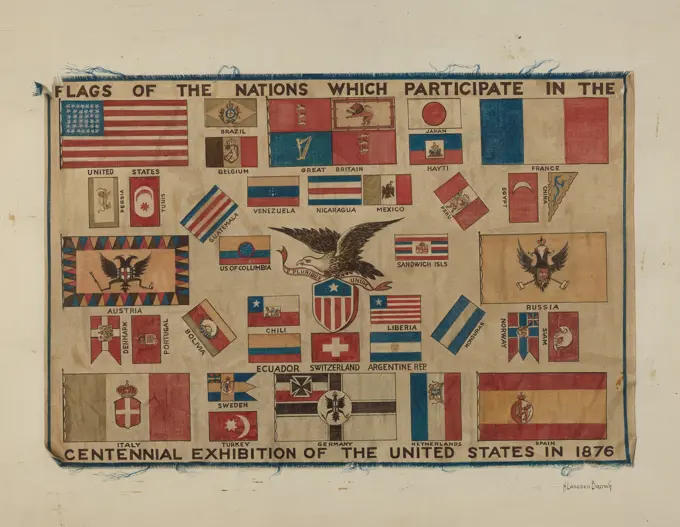
Rebozo (Mexico); cotton, silk, metal-wrapped silk core threadsRoundel. Coptic; Egypt. Date: 201 AD-500 AD. Dimensions: 25.5 × 24.2 cm (10 × 9 1/2 in.). Linen and wool, tapestry weave. Origin: Egypt. Museum: The Chicago Art Institute, Chicago, USA.Piece 17th century China or Japan. Piece 71722Fragment of band, Medium: linen, silk Technique: slit tapestry, Fragment showing interlacing bands in yellow and red., 10th-12th century, woven textiles, Fragment of bandLarge Interlace Roundel from a Domestic Textile or Tunic. Dimensions: 14.62 in. high 13.87 in. wide (37 cm high 35 cm wide). Date: 4th century.Roundels like this one, adorned many types of cloth--hangings, covers, tunics, and shrouds. Without further evidence, it is impossible to determine this roundel's original application or use, though it seems large for a tunic. Museum: Metropolitan Museum of Art, New York, USA.Five excerpts sewn together red Zijddamast, Anonymous, c. 1500 - c. 1699  Five fragments of red silk tissue with a pattern of staggered rows of palmets with a cloud band motif, coming in a rank of an inverted French lily. Eastern textile. China silk damaskFragment of a Ship Flag, anonymous, c. 1630 - c. 1707 ship flag Excerpt from the underside of the breach side of a blue ship flag; Originally with a white rectangle with a red cross (missing) in the top neck. This is a blue ship's flag of the period 1630-1707. England wool  flag, colours (as symbol of the state, etc.) EnglandRibbon early 19th century German. Ribbon 215679Band (Egypt); warp; s-spun linen. wefts; s-spun linen, s-spun woolPurse, Medium: silk, silver-wrapped silk, silver wire Technique: tapestry woven, Folding flat pocketbook in an envelope shape with pattern of flowers in a vase. Large loop of gold cord to fasten flap. Edges bound with narrow metal braid and lined with pink silk., France, 1640-1700, costume & accessories, PurseFragment, Medium: silk Technique: brocatelle, Green and yellow fragment with a faded ogival pattern., Spain, 17th century, woven textiles, FragmentPiece 18th century Japan. Piece 71910Piece 18th-19th century Japan. Piece. Japan. 18th-19th century. Silk. Textiles-WovenPictorial decoration of a butterfly, fragment, House of the Golden Bracelet, Pompeii, Campania, Italy. Roman civilisation, 1st century AD.Fragment Made 1250-1470 Peru. Cotton and wool (camelid), plain weave with brocading wefts . ChimúHandkerchief third quarter 19th century Belgian. Handkerchief 227366Silk fabric;  before 1795 (1780-00-00-1795-00-00);Miniature Dress 12th-13th century Ica. Miniature Dress 312853Ánfora romana de cerámica para aceite procedente de Les Piques. Can Serra Museu de Mataró.Flag. Flag with blue pants along which a vertical white job is applicated with five rosettes, connected by a blue garland. This section is wider than the flight, which consists of a red field with blue horizontal tracks along top and bottom.Carpet Fragment 16th century. Carpet Fragment. 16th century. Wool. Attributed to Egypt. Textiles-RugsDress, Fragment or Textile Fragment, Undetermined Chimú (). Dress, Fragment or Textile Fragment, Undetermined, 600-1400. Cotton, pigment, 20 7/8 x 5 1/2 in. (53.0 x 14.0 cm).   Arts of the Americas 600-1400bake  Miejska M.Piotrkowa; Piotrków; 1786 (1786-00-00-1786-00-00);urban seals, state seals, seals at documents, official seals, Żurakowski, Witold ( -1927)- collectionSidewall; flocked; 38.5 x 27.5 cm (15 3/16 x 10 13/16 in.)Leaf with pattern of tires with flowers and leaves, anonymous, 1850 - 1920  Leaf with pattern of tires with flowers and leaves.  paper.  ornament derived from plant formsMildred Ford, Toleware Bread Tray, 1935 1942 Toleware Bread TrayTextile Fragments, undetermined Chimú. Textile Fragments, undetermined, 1000-1400. Cotton, camelid fiber, A: 6 1/2 x 14 3/16in. (16.5 x 36cm).   Arts of the Americas 1000-1400Handkerchief with an edge bobbin, anonymous, c. 1850 - c. 1860 White batist handkerchief with a strip of black sides Chantilly Kloskant all around. France silk. linen (material) bobbin lace White batist handkerchief with a strip of black sides Chantilly Kloskant all around. France silk. linen (material) bobbin laceBands (Egypt); warp; s-spun linen. wefts;s-spun linen, s-spun woolBowl 9th century. Bowl 449356Collar fourth quarter 19th century probably Norwegian. Collar 175516Textile Fragment 6th-7th century. Textile Fragment 444038Kesa. Japan. Date: 1801-1825. Dimensions: 141.3 x 351.4 cm (55 5/8 x 138 3/8 in.). Silk, warp-float faced 4:1 satin weave with weft-float faced 1:3 'S' twill interlacings of secondary binding warps and supplementary patterning wefts; lined with silk, plain weave. Origin: Japan. Museum: The Chicago Art Institute, Chicago, USA.Coat of printed silk, padded and lined with red silk, anonymous, c. 1690 - c. 1700 Gere silk -sized joss, on which with blocks in red and a dark color (indigo) A geometric pattern of windows, flowers and dots is printed. Rented model, with small upright collar and partially not too wide, long sleeves. Quilted with silk cotton wool and lined with wine -red silk. Bengal Jacket: Silk. intermediate layer:. Lining: Silk block printing (relief printing process)  Amsterdam Gere silk -sized joss, on which with blocks in red and a dark color (indigo) A geometric pattern of windows, flowers and dots is printed. Rented model, with small upright collar and partially not too wide, long sleeves. Quilted with silk cotton wool and lined with wine -red silk. Bengal Jacket: Silk. intermediate layer:. Lining: Silk block printing (relief printing process)  AmsterdamNetted Weave Fragment Coptic. Netted Weave Fragment, 5th-7th century C.E. Plant fiber, 10 1/2 x 10 3/4 in. (26.7 x 27.3 cm).   Egyptian, Classical, Ancient Near Eastern Art 5th-7th century C.E.Sample (USA); Manufactured by Orinoka Mills (United States); 1989-80-55Piece 17th century Japan. Piece 71099Sylvia De Zon, Stuffed Quilt, c 1939 Stuffed QuiltSteel bobbin with coarse wire as an example of a cross -stroke soil (grid), anonymous, c. 1900 - c. 1930 sample Steel natural -colored bobbin with coarse wire as an example of a cross -stroke soil with a fragment side in which this technique is used. The date concerns the steel. Amsterdam cotton (textile) bobbin laceFragment (USA); cottonSkirting of a linen kaftan ca. 7th-9th century A.D. Alanic. Skirting of a linen kaftan 327585Fragment (India); cottonVeil Painting by Morris Louis, 1912-1962Late Medieval pottery. Possibly found at Ta' Ghammieza, boundaries of Rabat (Victoria), Island of Gozo, Malta). Gozo Museum of Archaeology. Cittadela of Victoria in Gozo. Malta.Sidewall - Fragment; block or machine printed; 19 x 17.5 cm (7 1/2 x 6 7/8 in.)Part of tile floor from the Dutch Reformed Church in Heukelum ,, 1325 - 1375 tile Rectangular part of floor consisting of glazed tiles in the colors black green, red and yellow. The tiles are stuck on a thick plate. Utrecht . vitrification  HeukelumTextile Fragment 14th-15th century. Textile Fragment 453232Piece 18th century Japan. Piece 71108Bedcover (Feathered Edge Star Quilt) Made 1875-1900 United States. quilted .Elbert S Mowery, Coverlet  Gentleman's Fancy, 1935 1942 Coverlet: Gentleman's FancyNoh Costume (Mizugoromo) 19th century Japan The mizugoromo (literally, "water garment") is a type of three-quarter-length overgarment made specifically for the Noh stage, where it is worn for many types of roles: male and female, old and young, priest and layman. This mizugoromo, strikingly modern in appearance, is made of an intentionally distressed plain-weave cloth, termed yore in Japanese. Yore, a very open textile with displaced wefts that are not perpendicular to the warps, gives a ragged or threadbare impression to the garment. For this reason, the yore mizugoromo is frequently worn for roles of suffering ghosts or the destitute.. Noh Costume (Mizugoromo). Japan. 19th century. Plain-weave bast fiber, ramie warp and hemp weft. CostumesSample of Cloth 390-343 B.C. Late Period. Sample of Cloth 548807Textile Fragment Byzantine 6th-8th centuryFlag. Dark blue flag with white sewn signs in natural: Ali double sword and five arabic letters.Passe -Partout for Painting, Anonymous, 1800 - 1900 Passe-partout for Courtisane painting. Falance. Japan paper Passe-partout for Courtisane painting. Falance. Japan paperTextile Fragment, undetermined, Border , 1000-1400. Cotton, camelid fiber, 4 9/16 × 3 1/2 in. (11.6 × 8.9 cm).   Arts of the Americas 1000-1400Fragment, Medium: linen Technique: needle lace, Fragment with a pattern of round bud stems., Venice, Italy, 17th century, lace, FragmentFragment 17th-18th century Italian. Fragment 230508Chair Seat ca. 1825 American. Chair Seat 13594Fragment of a Hanging with a Tree 400-600 Byzantine. Fragment of a Hanging with a Tree 474228Sampler Dutch 18th centuryCase (Inrō) with Design of Chrysanthemums behind Bamboo Blind (Sudare) (obverse); Brocade Pattern (reverse) 19th century Japan. Case (Inrō) with Design of Chrysanthemums behind Bamboo Blind (Sudare) (obverse); Brocade Pattern (reverse) 58924Fragment (Egypt); warp: s-spun linen. weft: s-spun linen, s-spun woolFragment of embroidery unknownBertha 1700-1937 British. Bertha 119076Steel clamping side with coarse thread as an example of a ribbon in linen battle with open picro edge and a fragment side in which this technique has been applied. Steel natural colosside with coarse thread as an example of a ribbon in linen battle with open picro edge and a fragment side in which this technique has been applied. The date concerns the steel.Close-up of gold-embroidered Rajastani shawlsFragment 16th century Italian, Venice. Fragment. Italian, Venice. 16th century. Bobbin lace. Textiles-LacesFeathered Panel A.D. 600-900 Wari The discovery of an ancient burial or ceremonial site in the upriver region of the Churunga Valley, in far south Peru, received little attention in the turbulent world of 1943. Decades later, it would take two generations of Andean scholars to painstakingly piece together the puzzling story of this discovery, which included the largest and most spectacular find of Precolumbian Peruvian feather work to date.Protected from decay by being rolled, placed into large ceramic jars, and buried in the arid soil, the cache included an estimated ninety-six panels, each densely covered with tens of thousands of small glossy macaw body feathers, primarily from the blue and yellow macaw (Ara ararauna). Although these panels were found in the dry western foothills of the Andes, the birds home is the Amazonian rainforest, far to the east. The effort required to secure such a mind-bogglingly large supply of either feathers or live birds suggests that colorful feathersEmbroidered altar-cloth. unknown, authorTextile Swatches Onondaga Silk Company, Inc. (1925-1981). , 1948-1959. 52 Poliamide, 26 acetate, 22 metal, a: 17 x 18 1/2 in. (43.2 x 47 cm).    1948-1959Floor boards, Bhutan BhutanMedicine Bag and Feather Case. Dated: 1935. Dimensions: overall: 30.1 x 22.3 cm (11 7/8 x 8 3/4 in.). Medium: graphite and colored pencil on paper. Museum: National Gallery of Art, Washington DC. Author: Mary Berner.Seam Joint (probably Spain); linen; Bequest of Marian Hague; 1971-50-272Trimmings; silk, metal wire; 1955-140-1-a/cNoh Theater Robe (Surihaku) with Autumn Grasses. Japan, late Edo period (1615-1868)-Meiji period (1868-1912), 19th century. Costumes; principal attire (upper body). Silk satin, metallic leaf-stenciled (surihaku)Fragment of Peruvian fabric unknownFragment of a ceramic vessel from an indigenous tradition fragment of a ceramic vessel from indigenous traditionFukusa (Gift Cover) Made 1875-1900 Japan. Embroidered .About formal tickets; Non -like Lona Huta; 2. W. 19th century (1825-00-00-1850-00-00);Fuglewicz Joanna, DarDoily. Dated: c. 1939. Dimensions: overall: 34.6 x 35.6 cm (13 5/8 x 14 in.). Medium: watercolor and graphite on paperboard. Museum: National Gallery of Art, Washington DC. Author: Frank Nelson.TEJIDO DE LINO CON INSCRIPCION SEDA - SIGLO XI. Location: ALHAMBRA-MUSEO TEXTIL. GRANADA. SPAIN.Textile Fragment 4th-5th century. Textile Fragment 443684Crib Quilt, One Patch; USA; cottonPrizren, Kosovo, Serbia two "peskir", pieces of embroidered fabric, cotton and silk , 1913 - Balkans - Jean Brunhes and Auguste Léon - (April 23 - June 9) (French - Prizren , Kosovo , Serbie Deux «peskir» , pièces de tissu brodées , en coton et en soie). Wedding, embroidery, textile work, Company, Serbia, Prizren, Serbian aprons, 4 types made by women who wear themCarpets (3), c. 1910 - c. 1911 photograph Album magazine with five photos of carpets and covered seats. Part of photo album of the Palthe family from Almelo.  cardboard. paper. photographic support gelatin silver print carpet, rug. armchair, seatBrassard Red Cross with stamp. Lin, cotton, hand sewn, 1939-1945. General Leclerc Museum of Hauteclocque and the Liberation of Paris, Jean Moulin Museum. 78980-29 Assistance, Brassard, Red Cross, War 1939-1945, War 39-45, Humanitarian Organization, Second World War, rescue, rescue, medical rescue, Medical care, Medical CareBanner  a lobe with a depicting emblem Kolowiec, StanisławA daguerreotype from around 1850 depicting a grim-looking man with a wintry tree landscape in the background, featuring gold-colored accents.Leather being dried on a rooftop of a tannery in Fes, Morocco, AfricaSheet with a cross decor in the center of a hexagon. Anonymous. Sheet with a cross decor in the center of a hexagon. Buffer, gray paper.Brazil, Amazon, Manaus, Indian Museum. Indigenous Indian textile grass and reed twine hammock.Textile Fragment 4th-5th century. Textile Fragment 456912H Langden Brown, Centennial Textile  Flag, 1935 1942 Centennial Textile - Flag